
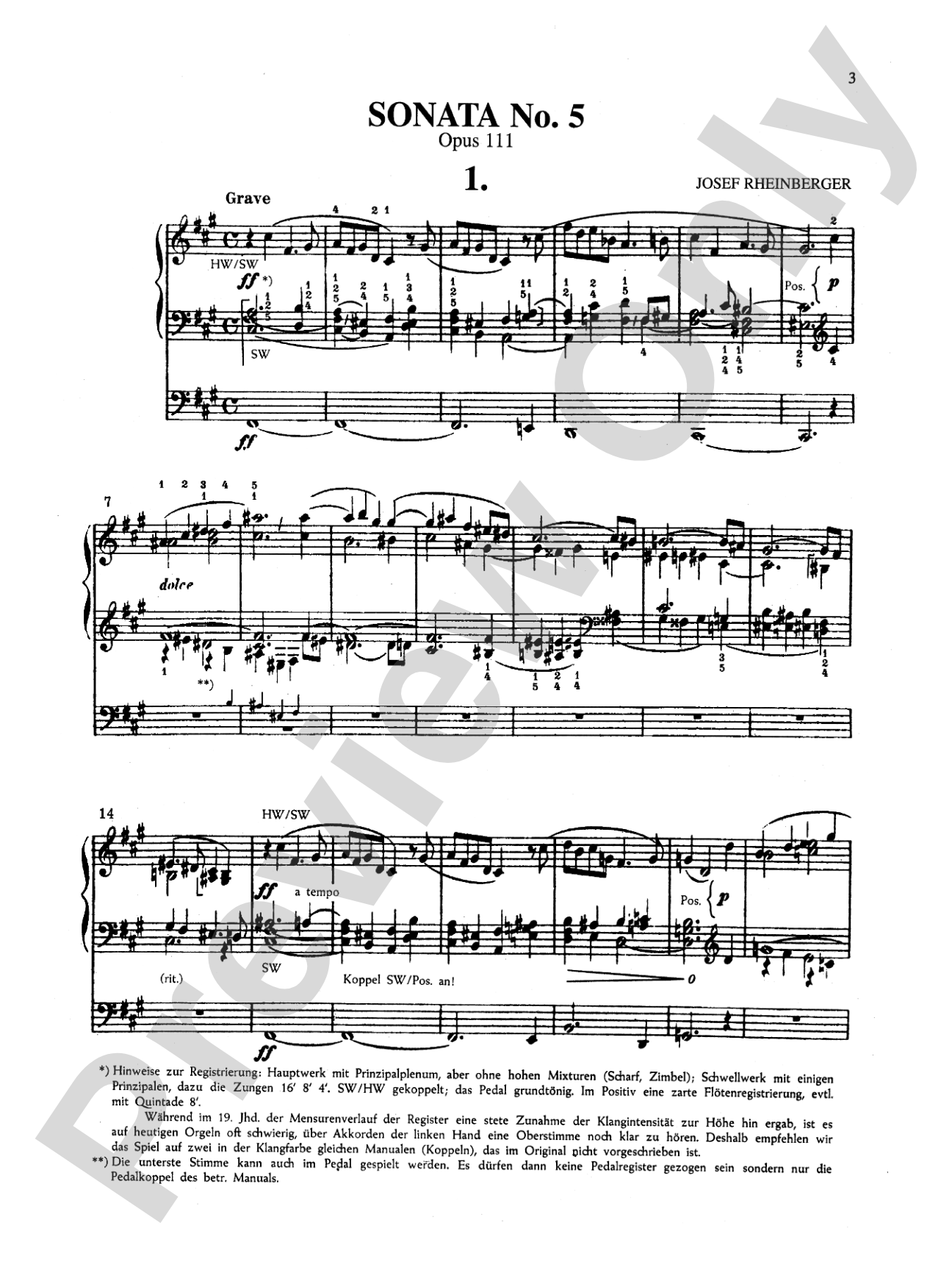
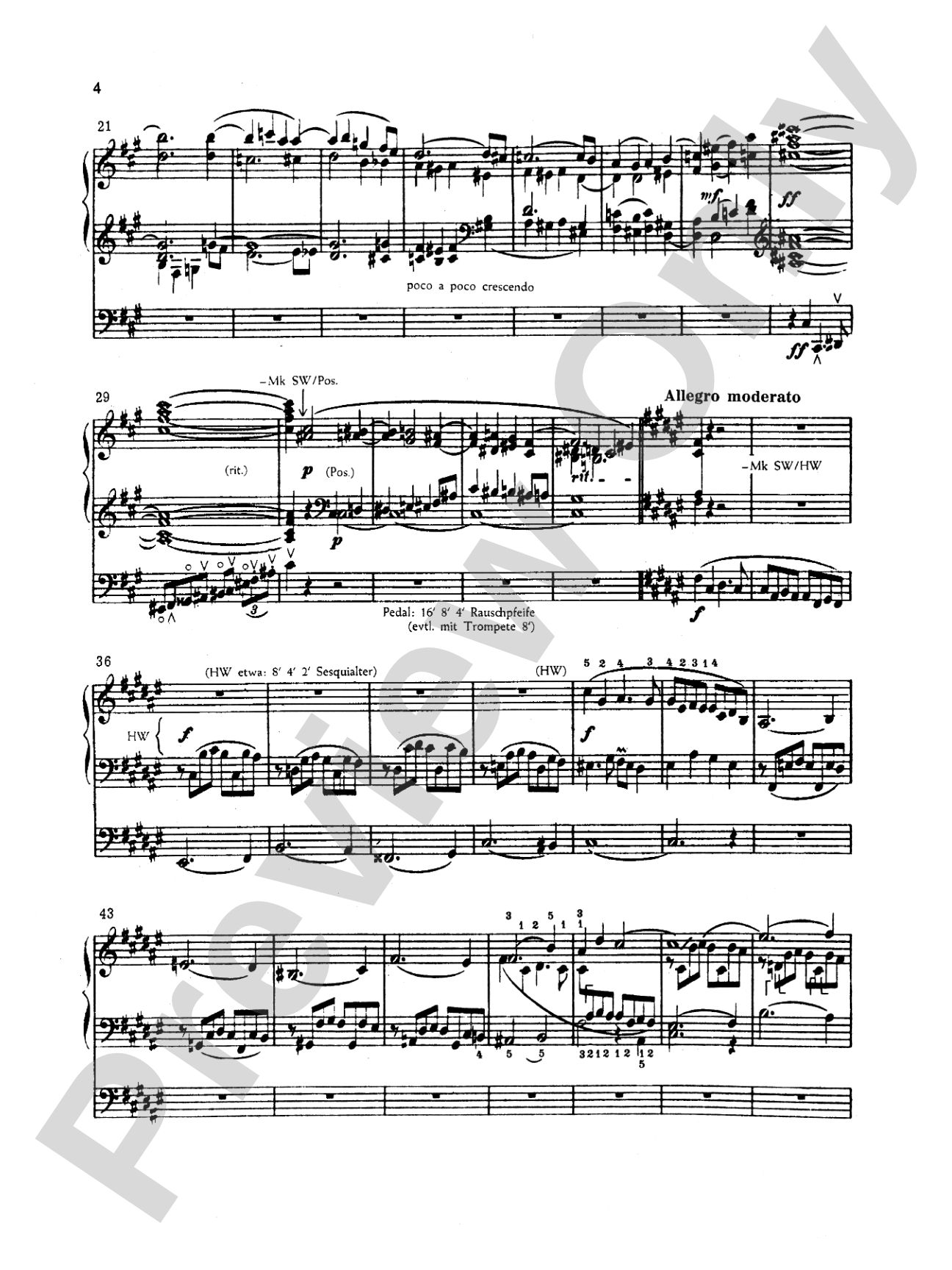
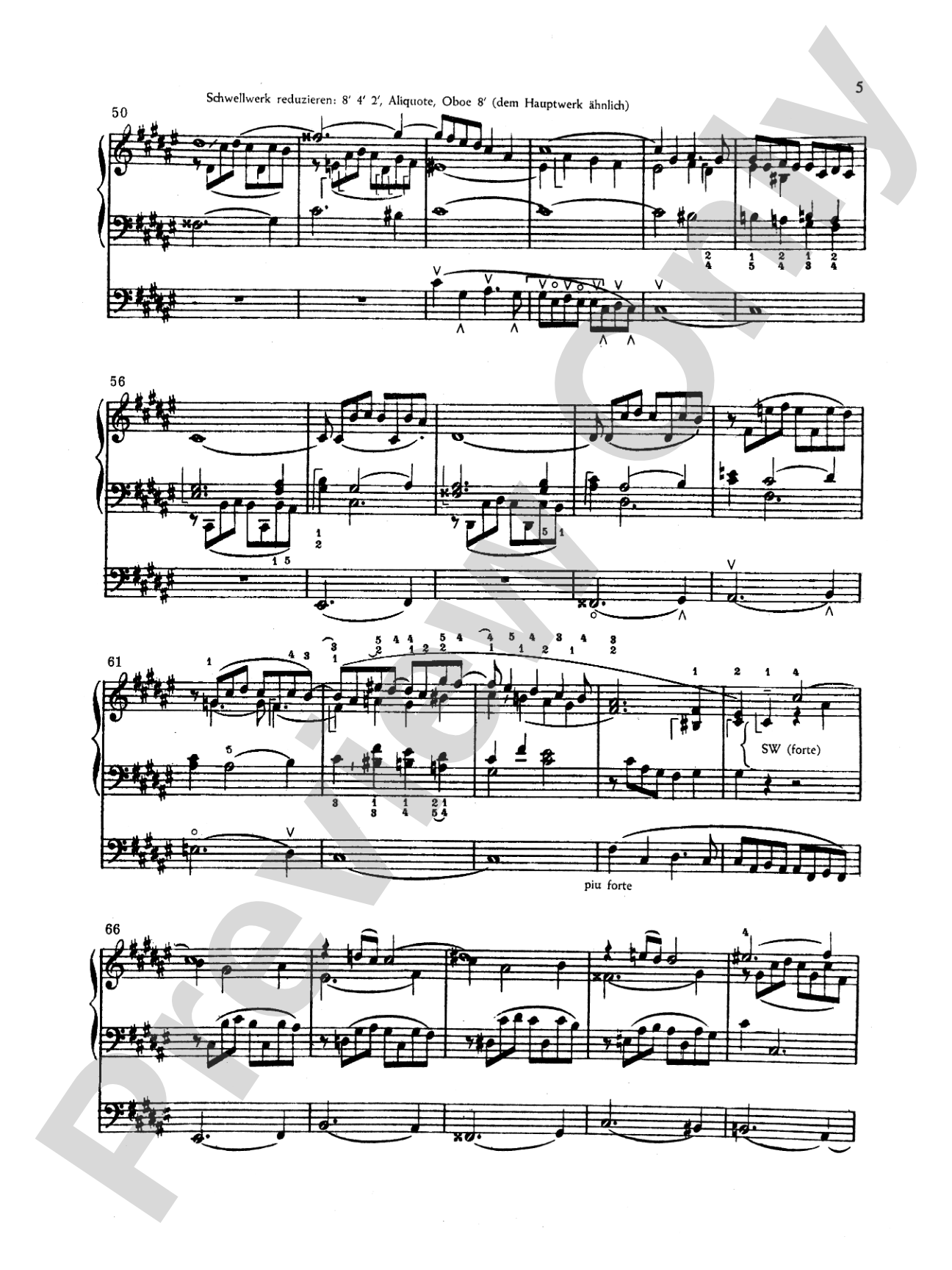
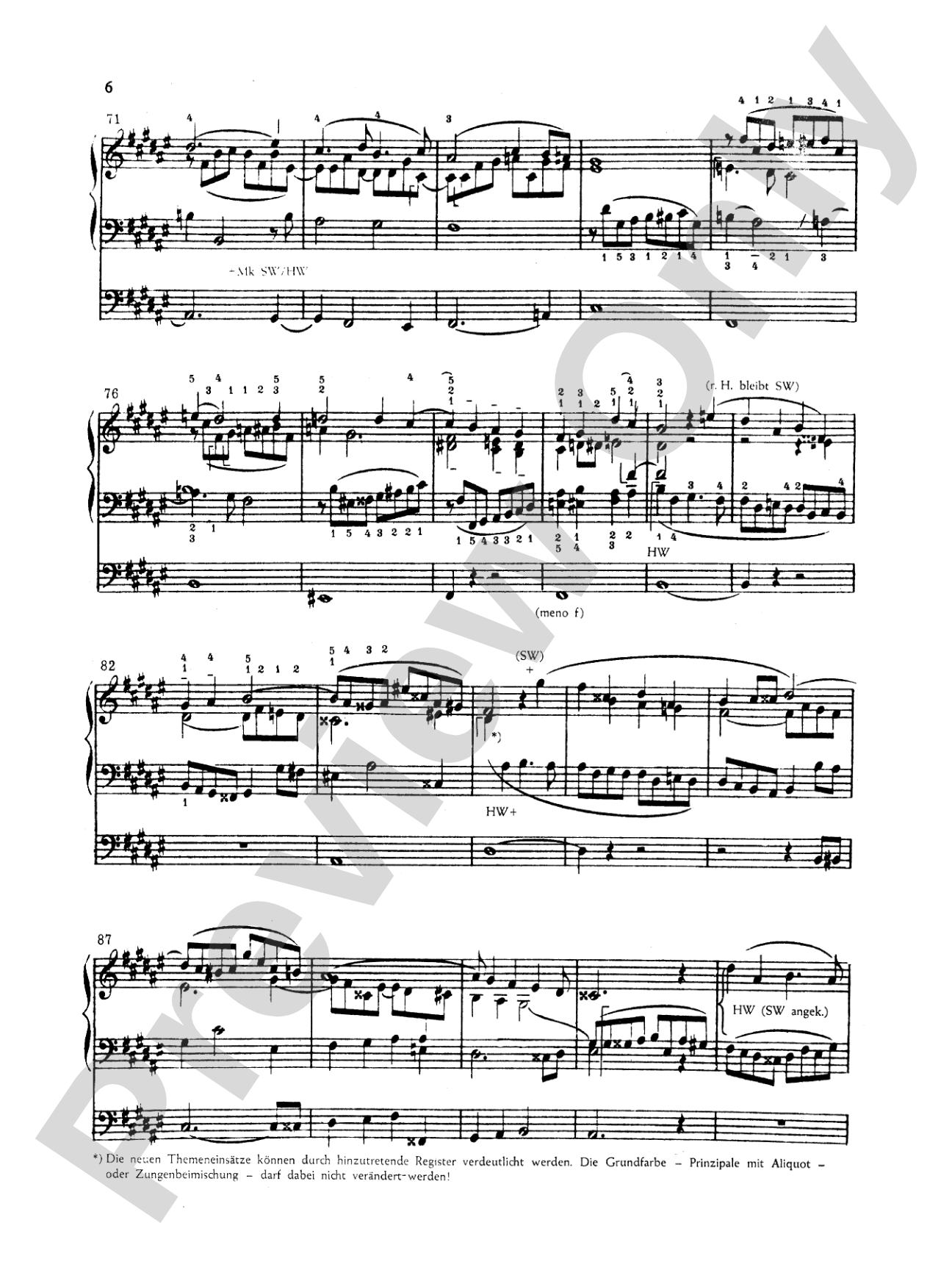
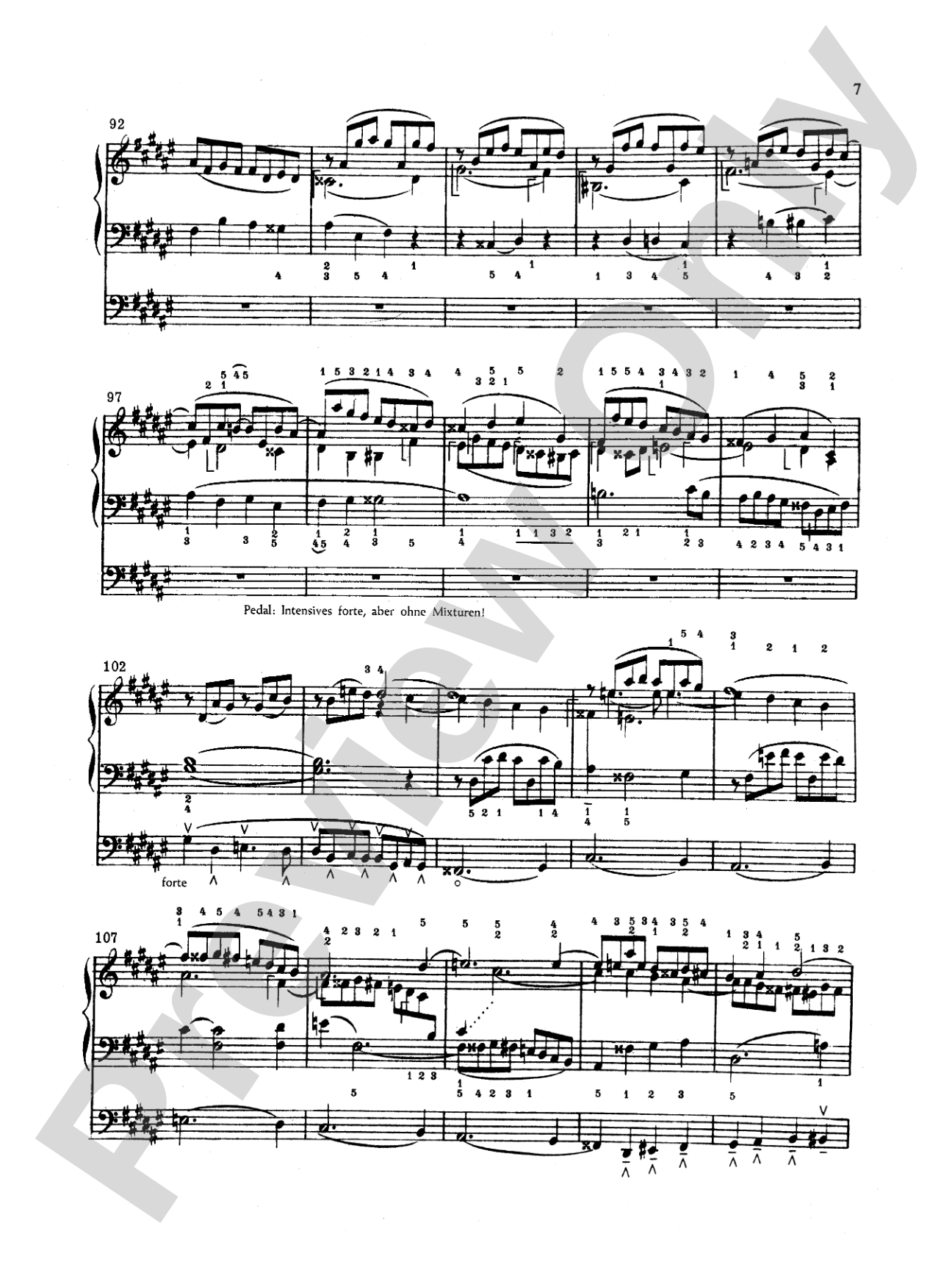
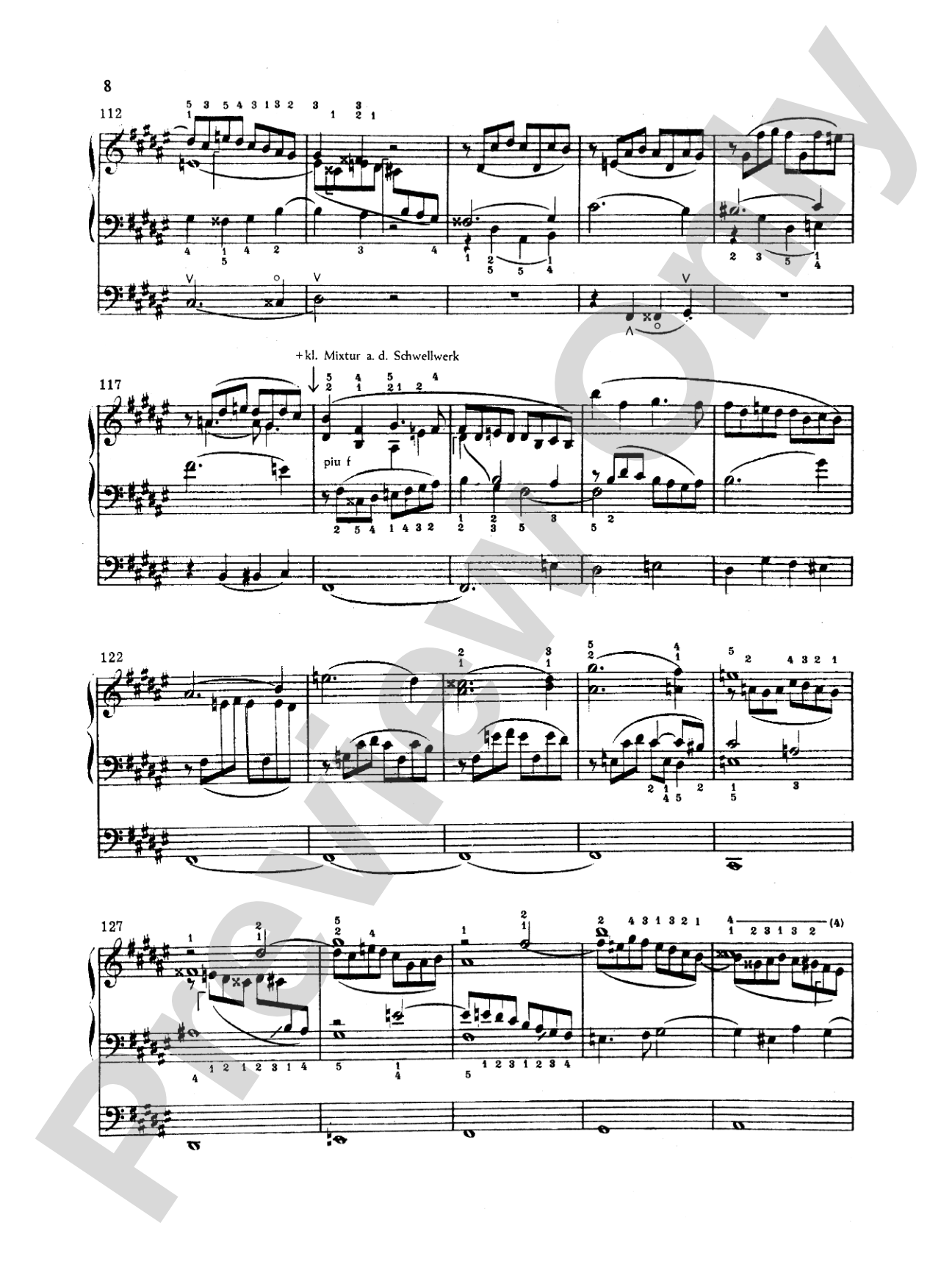
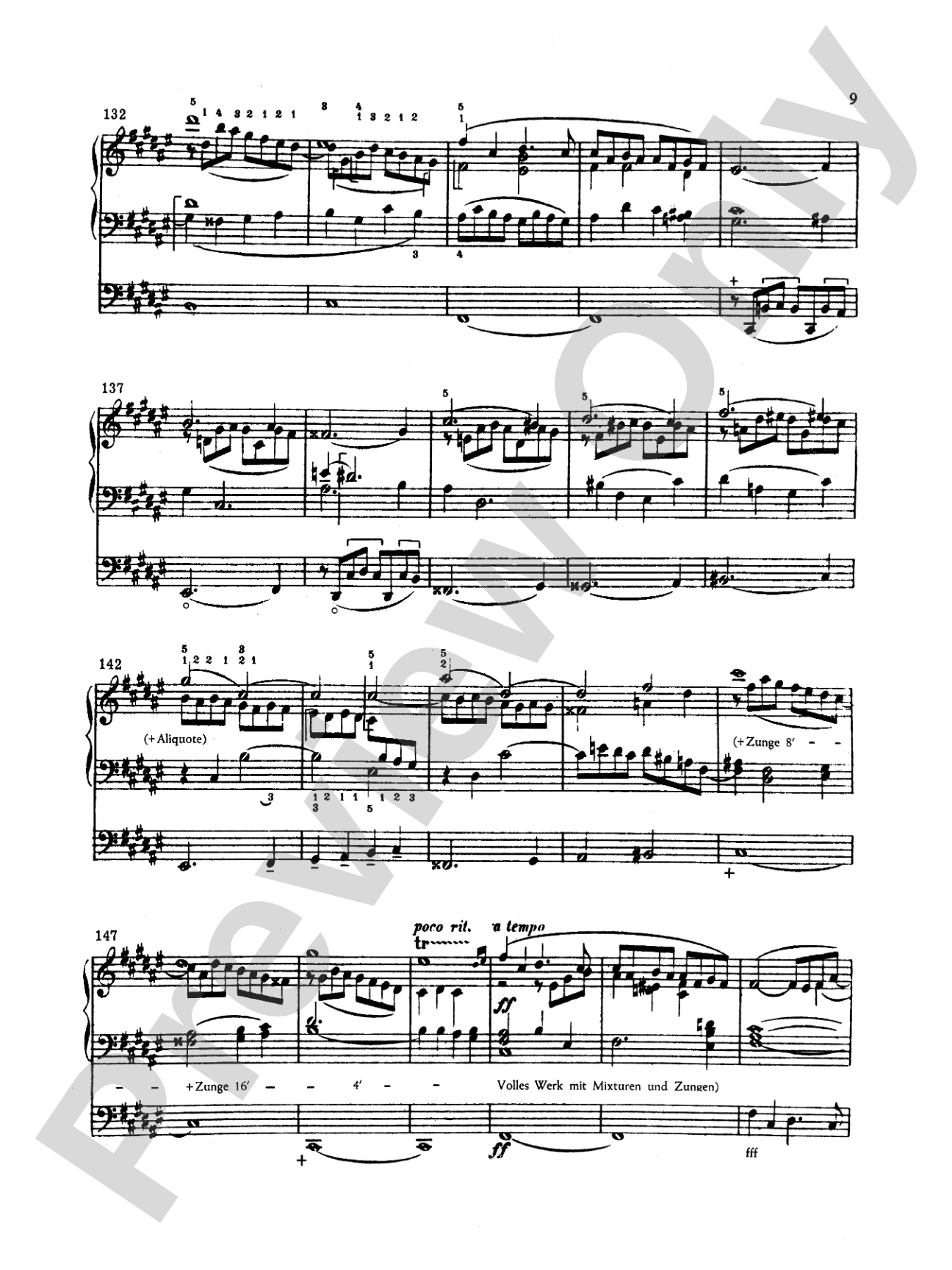
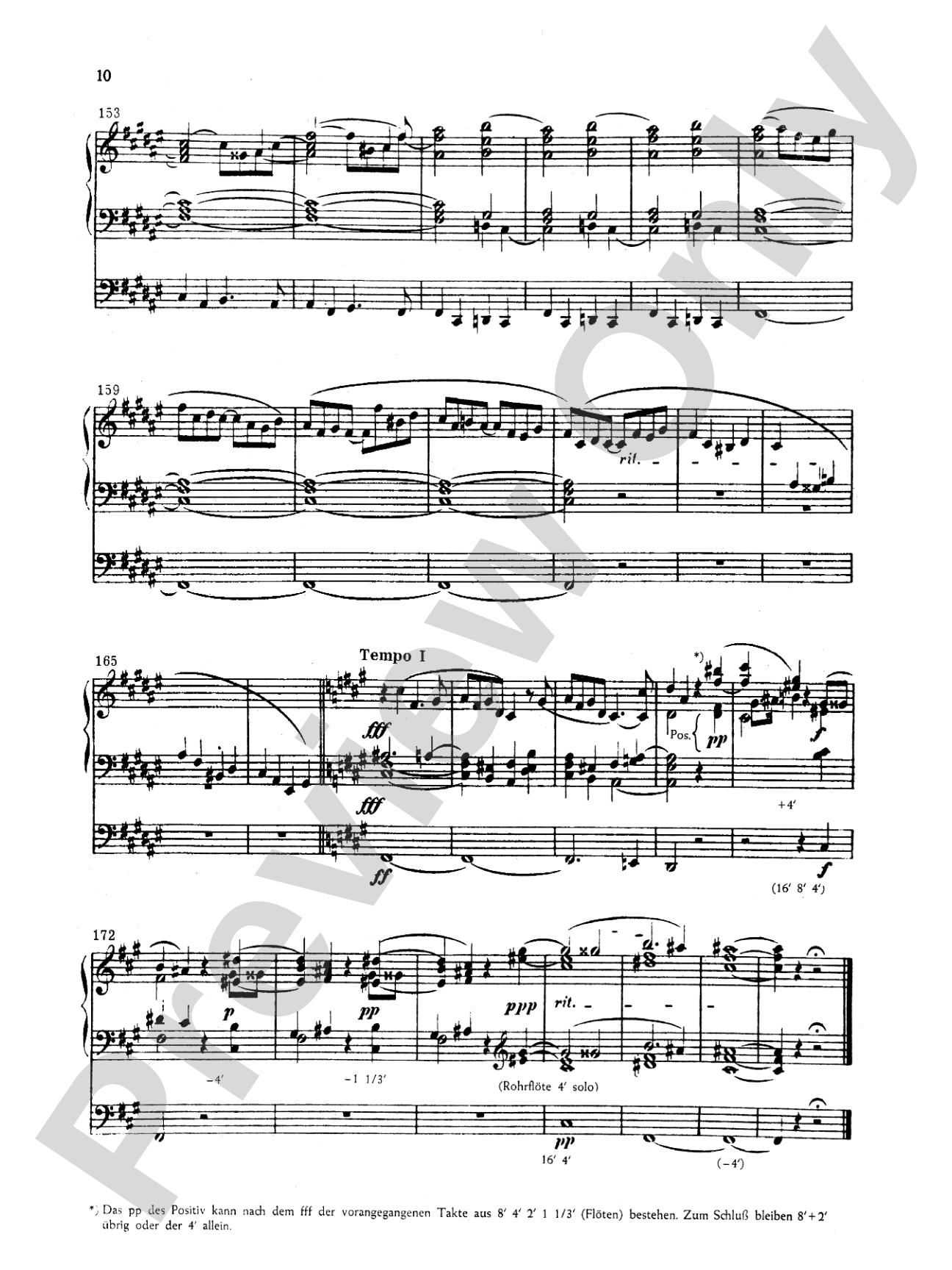
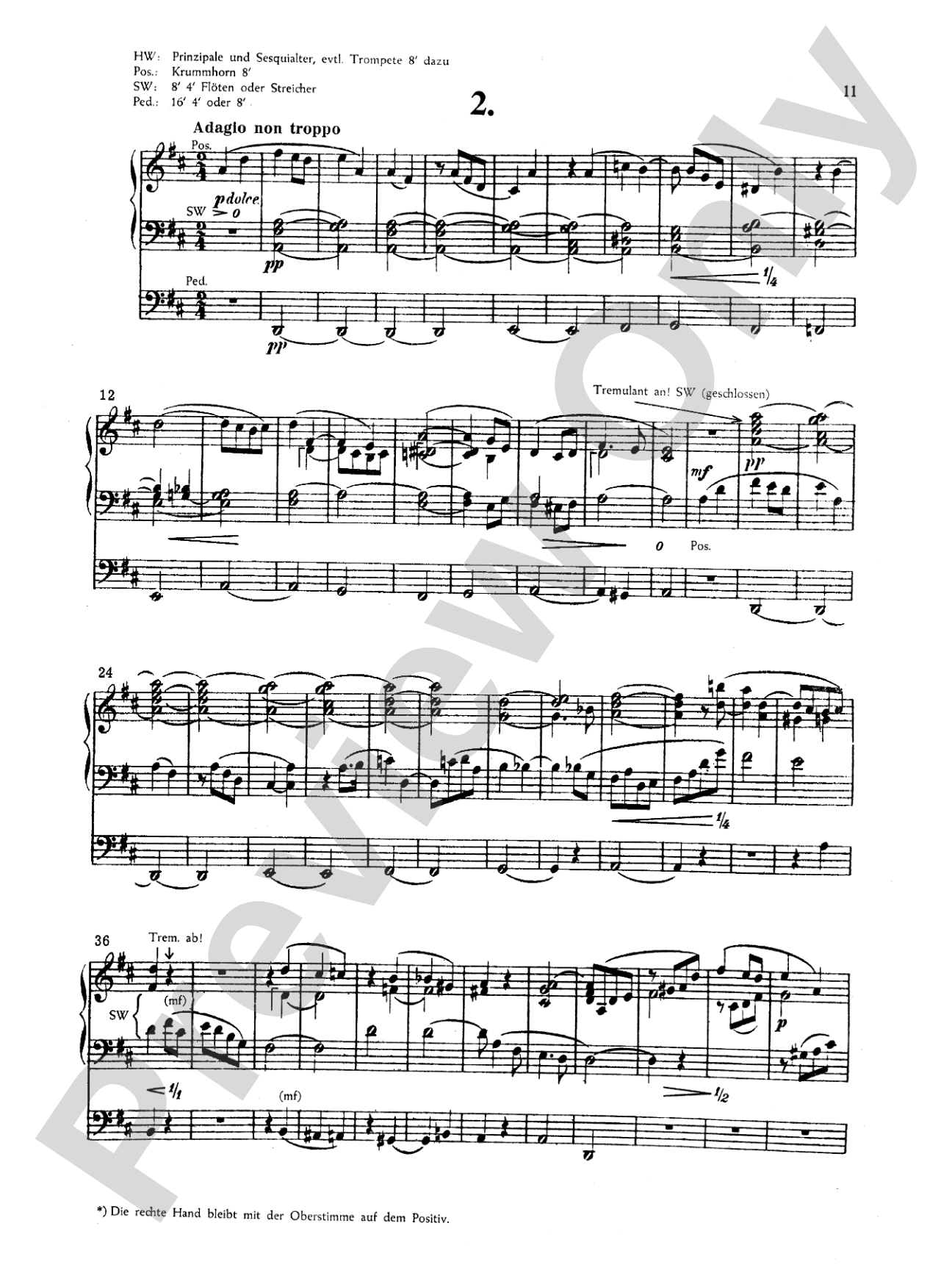
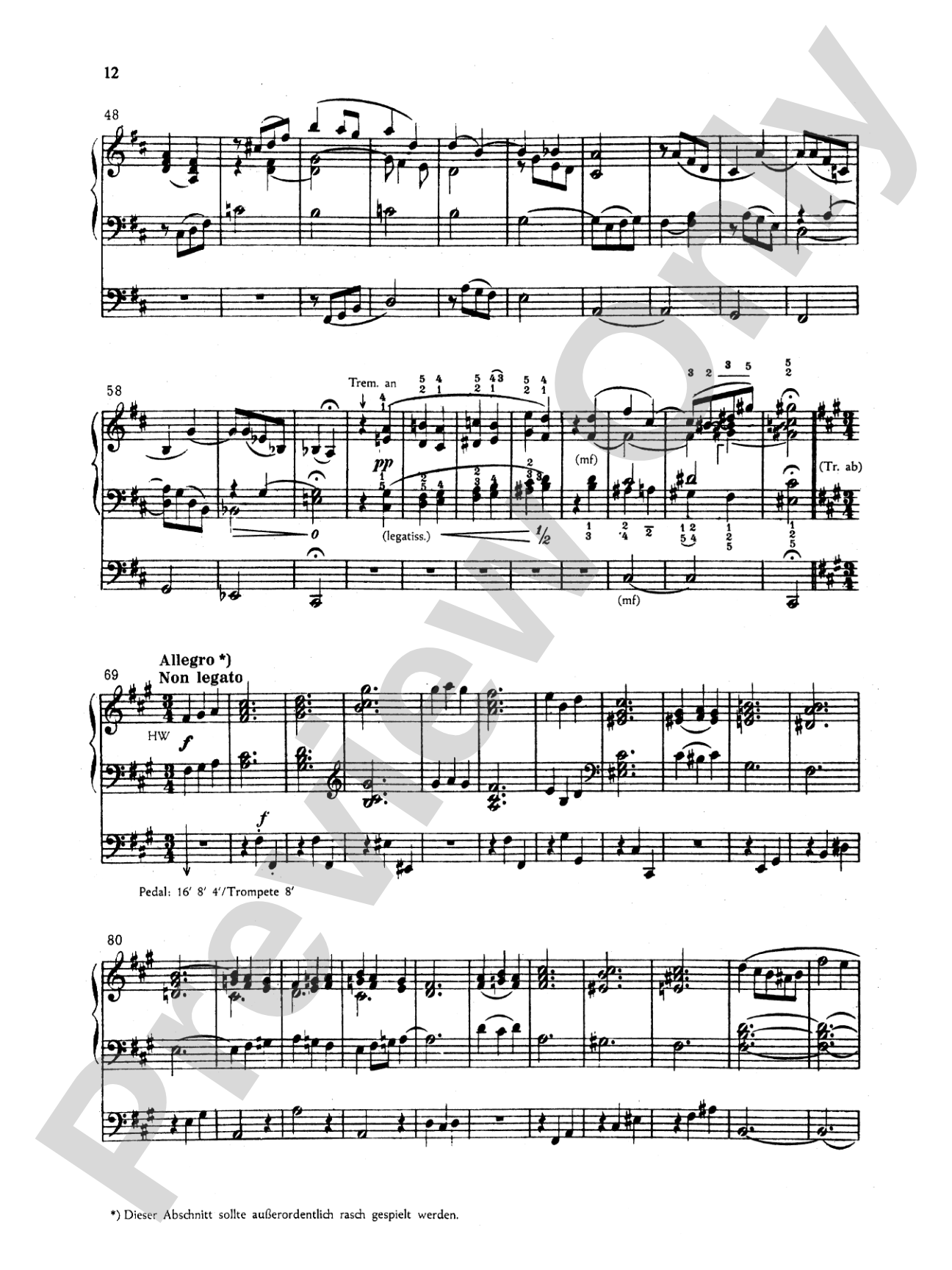
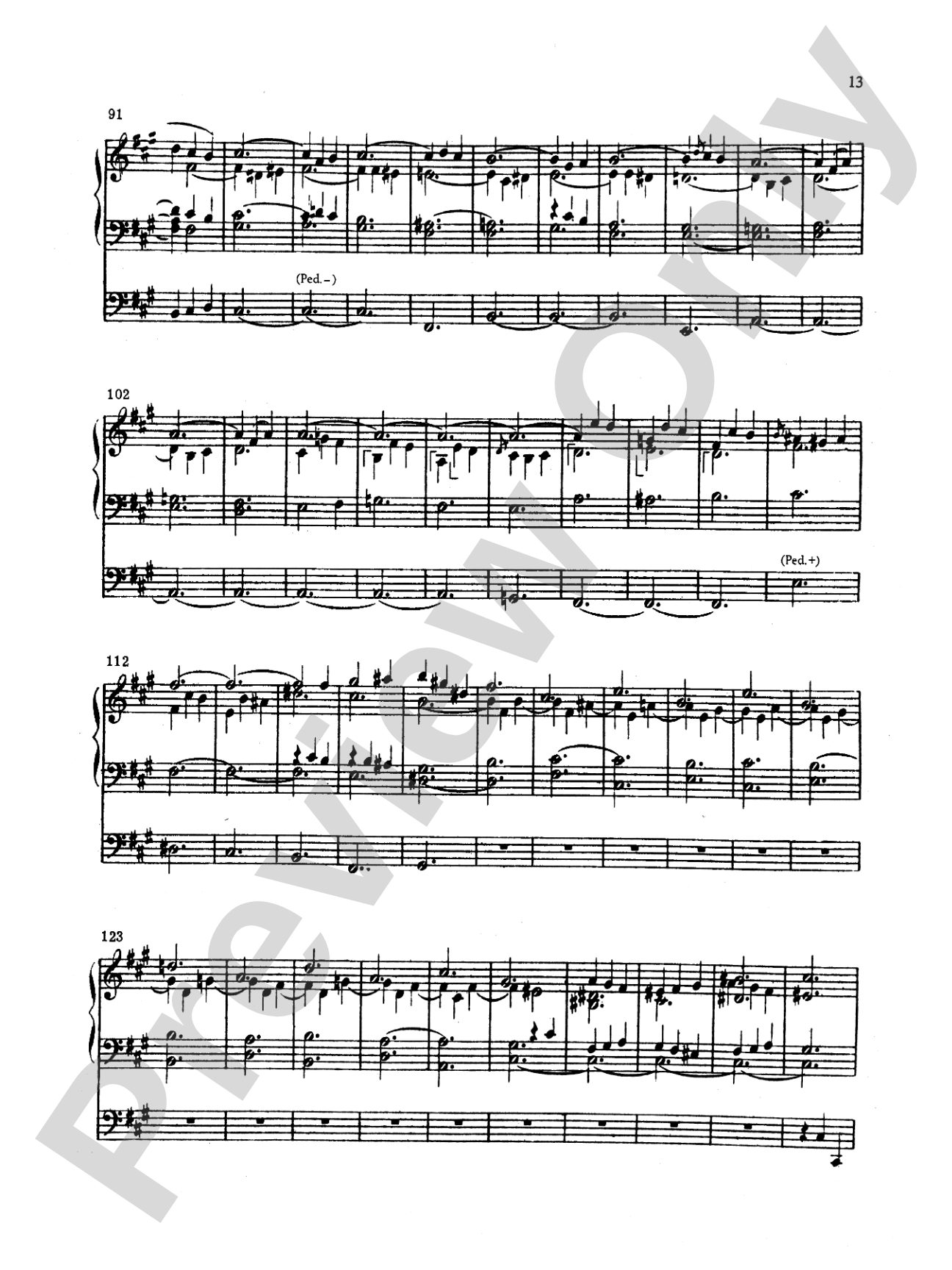
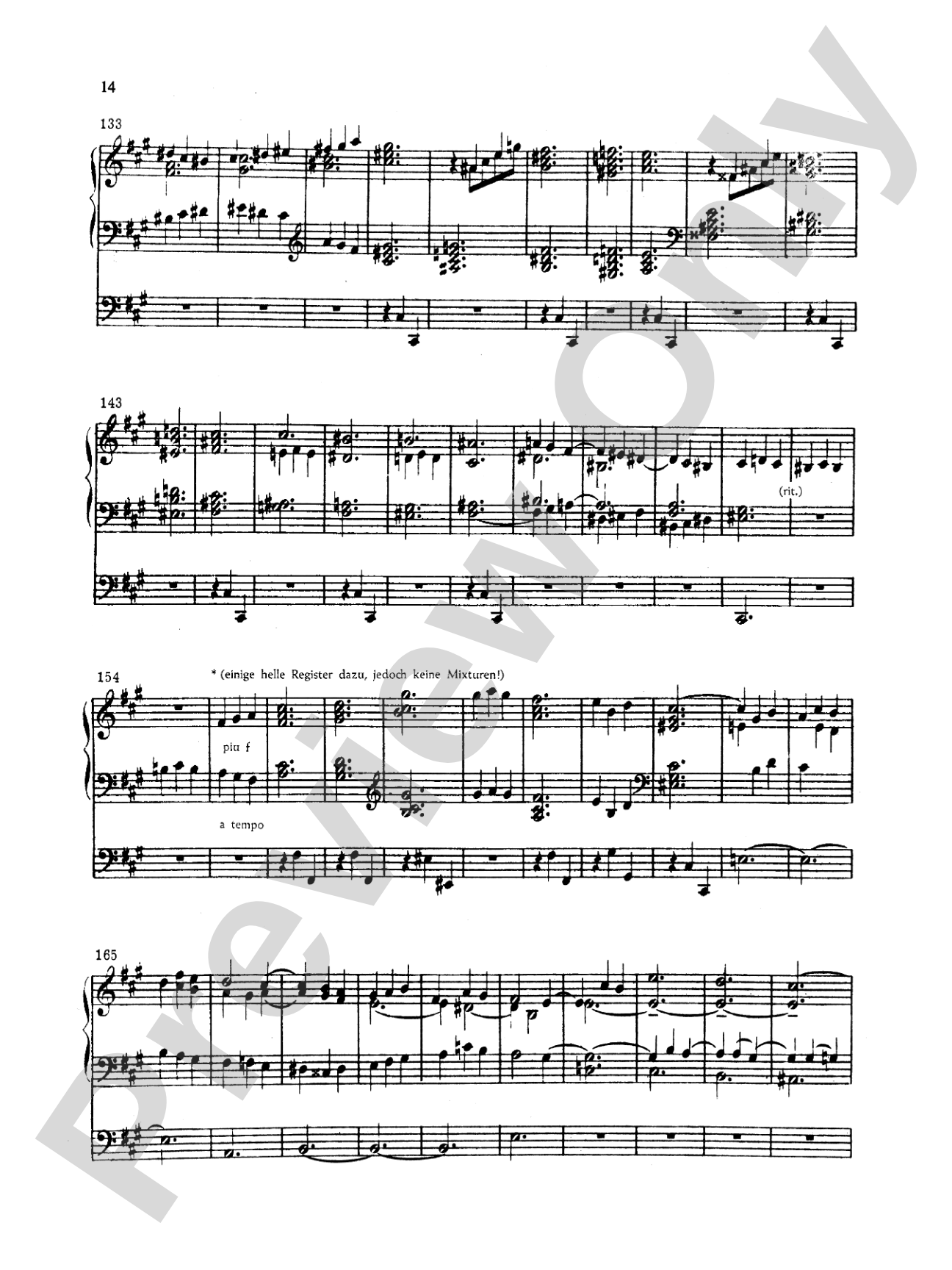
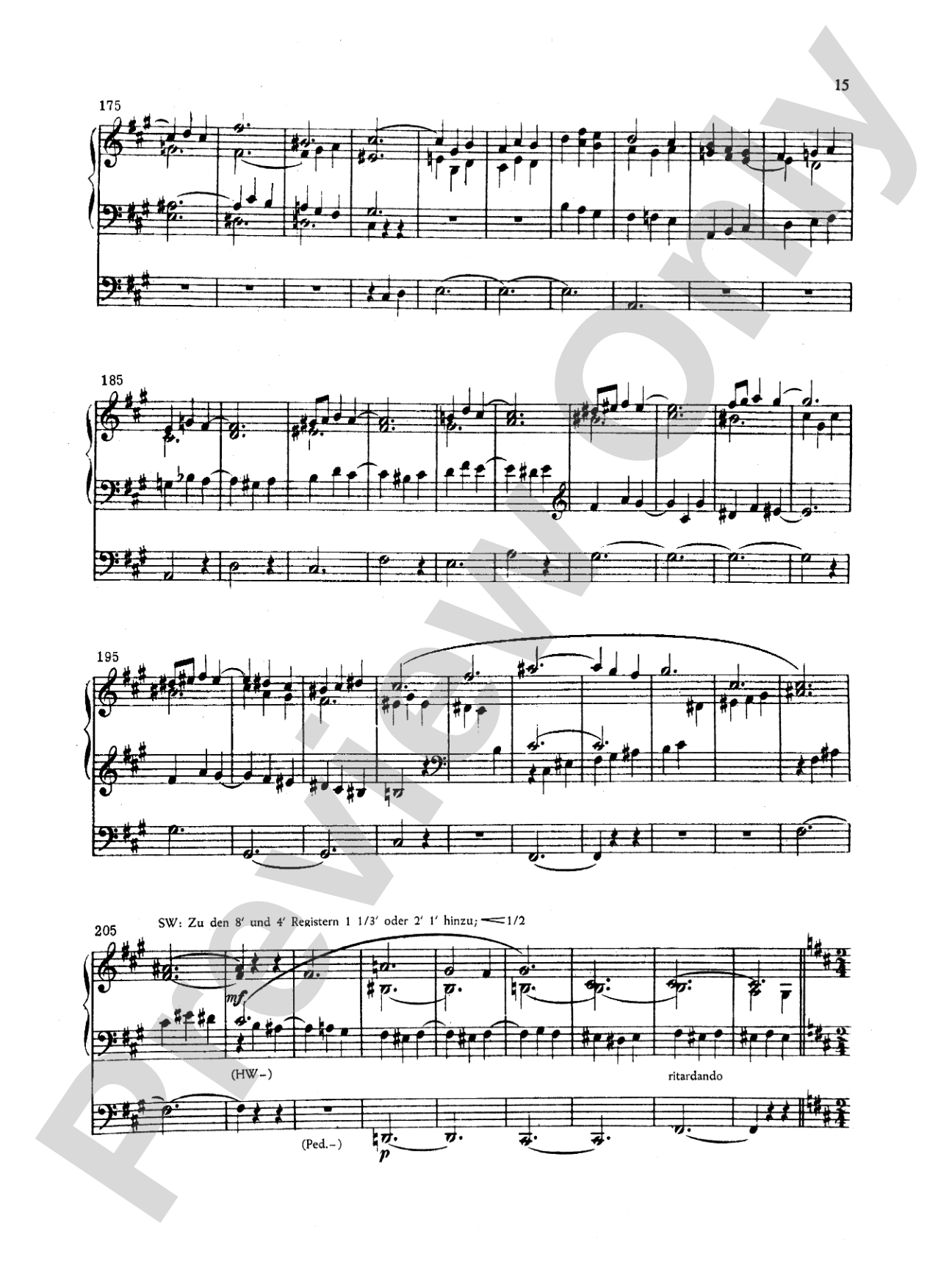
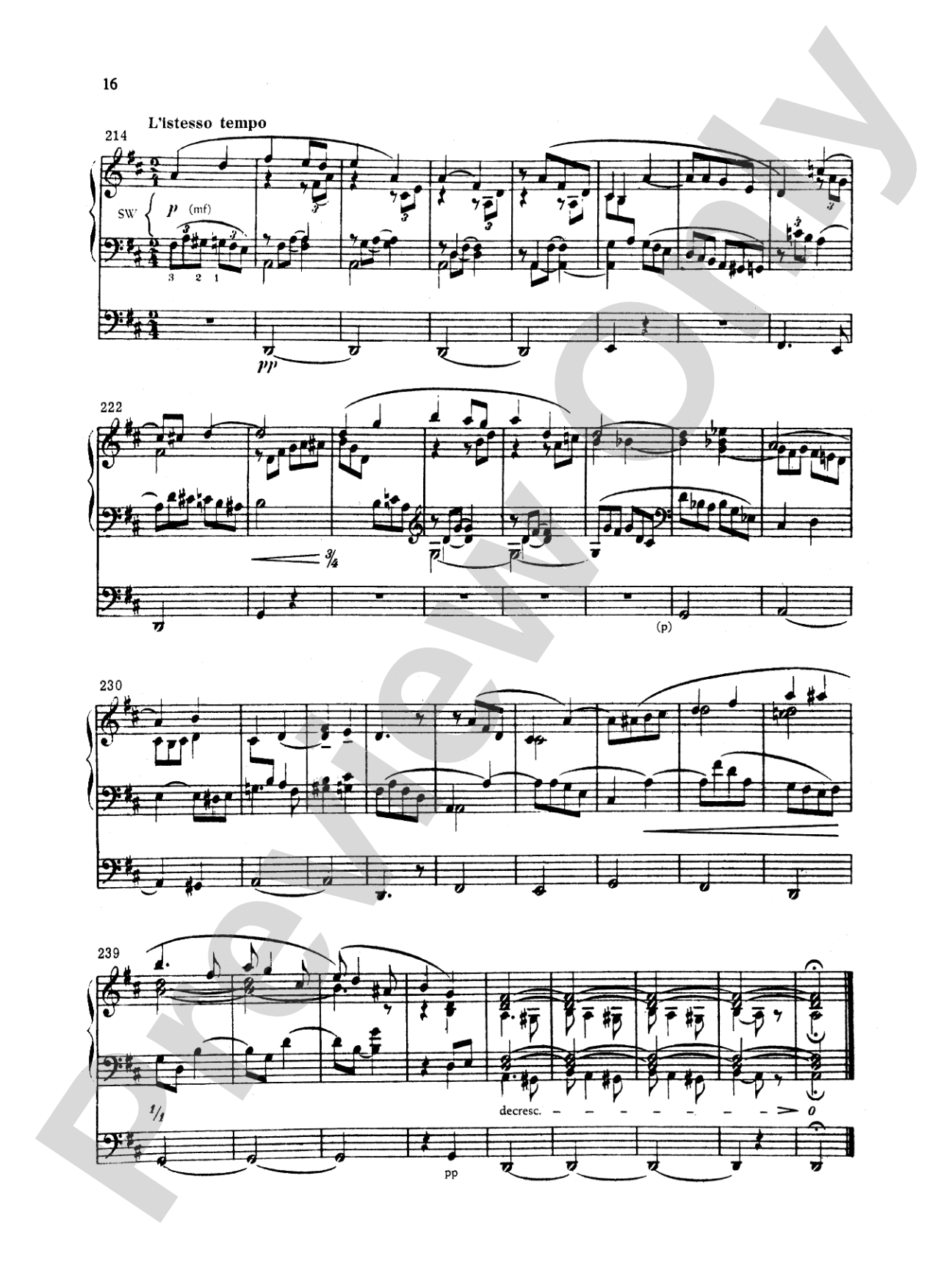
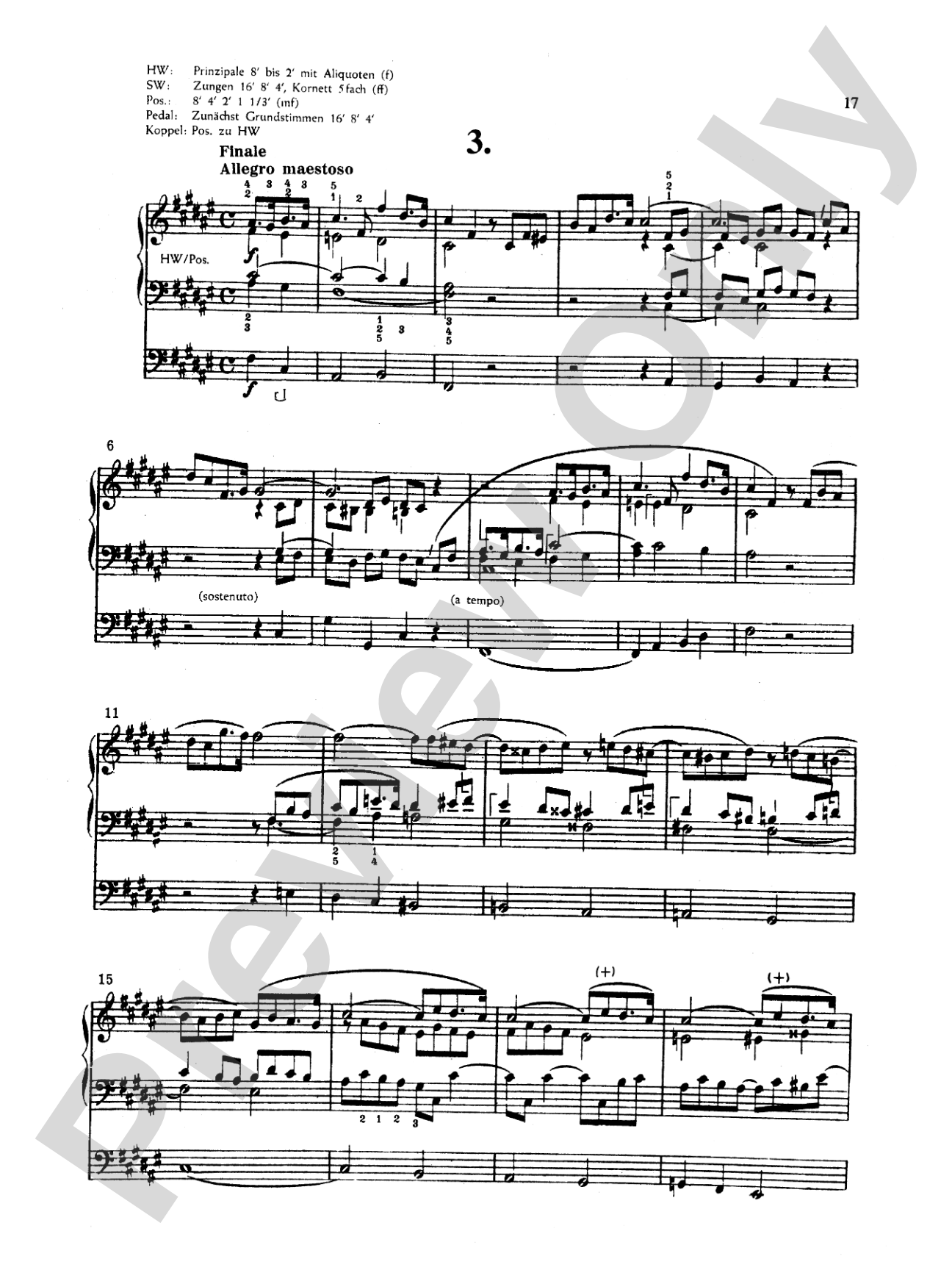
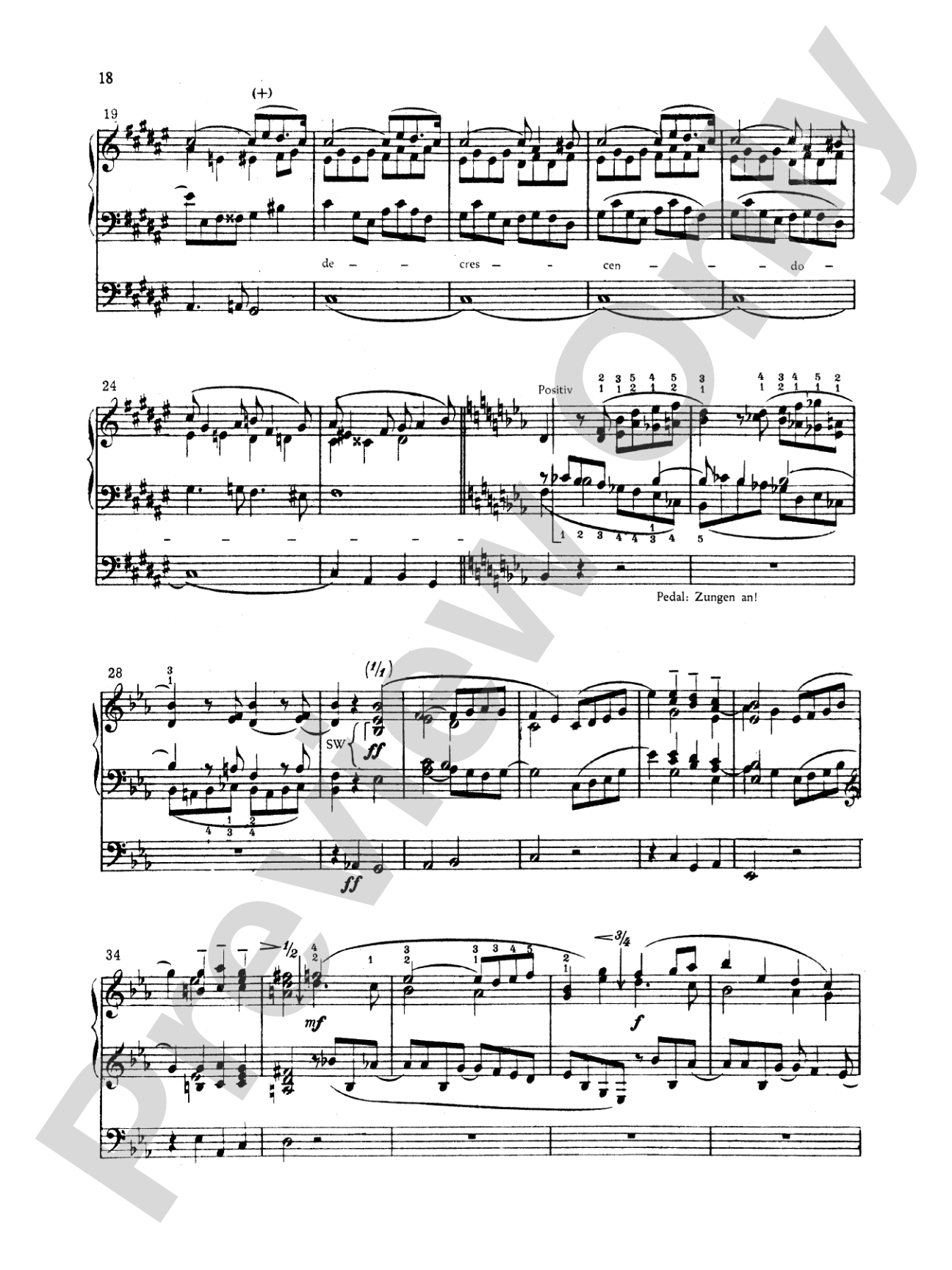
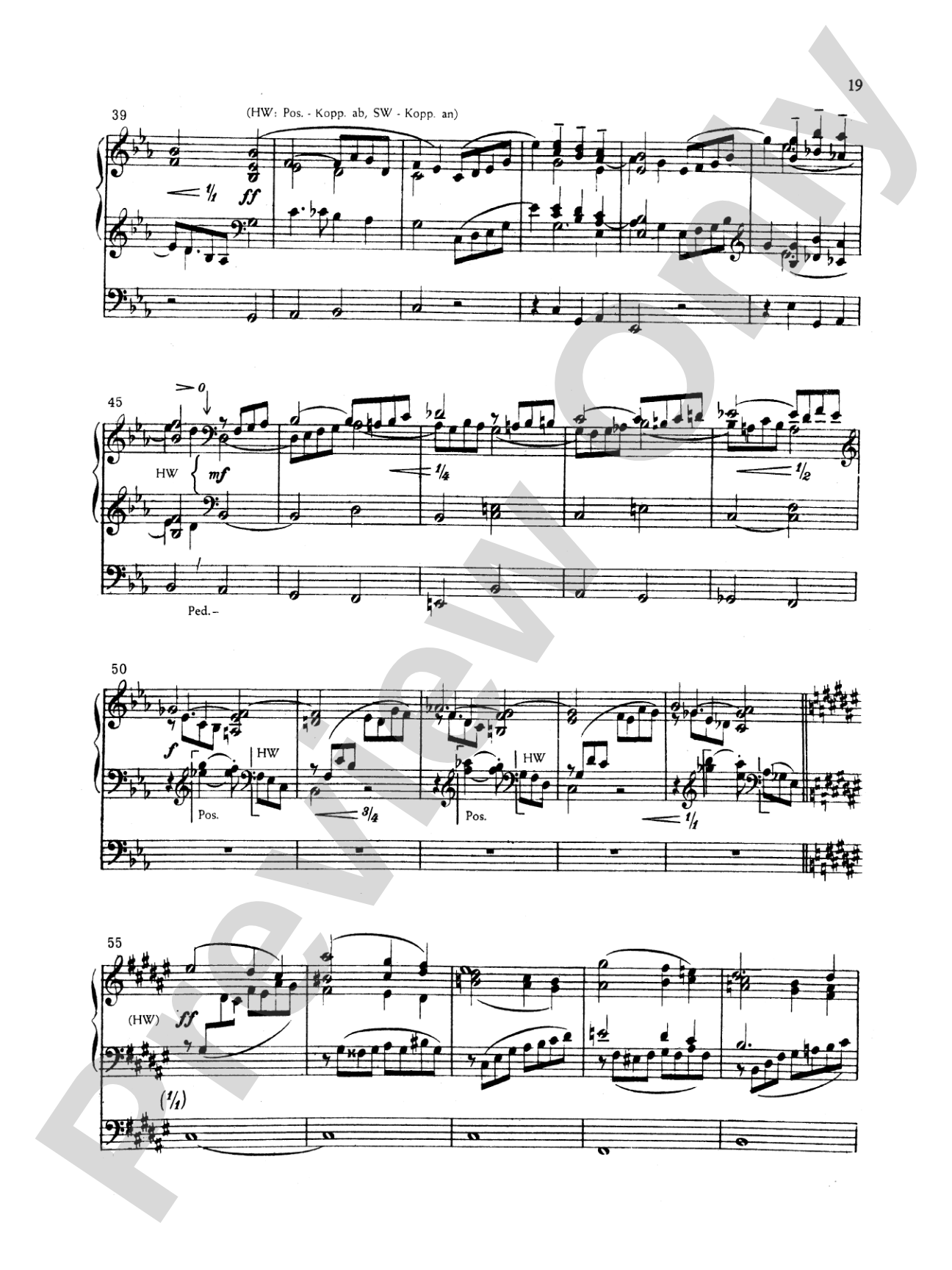
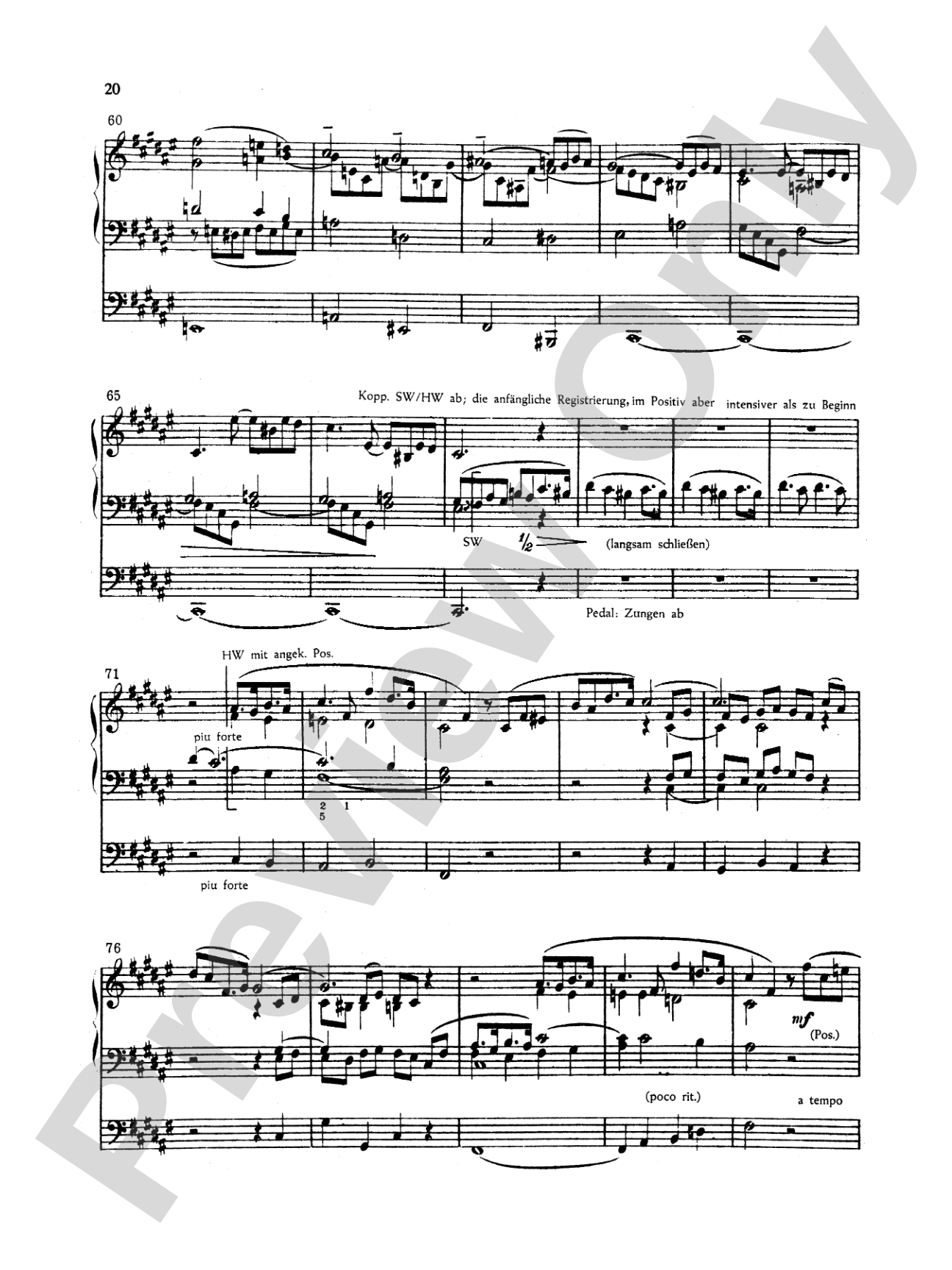
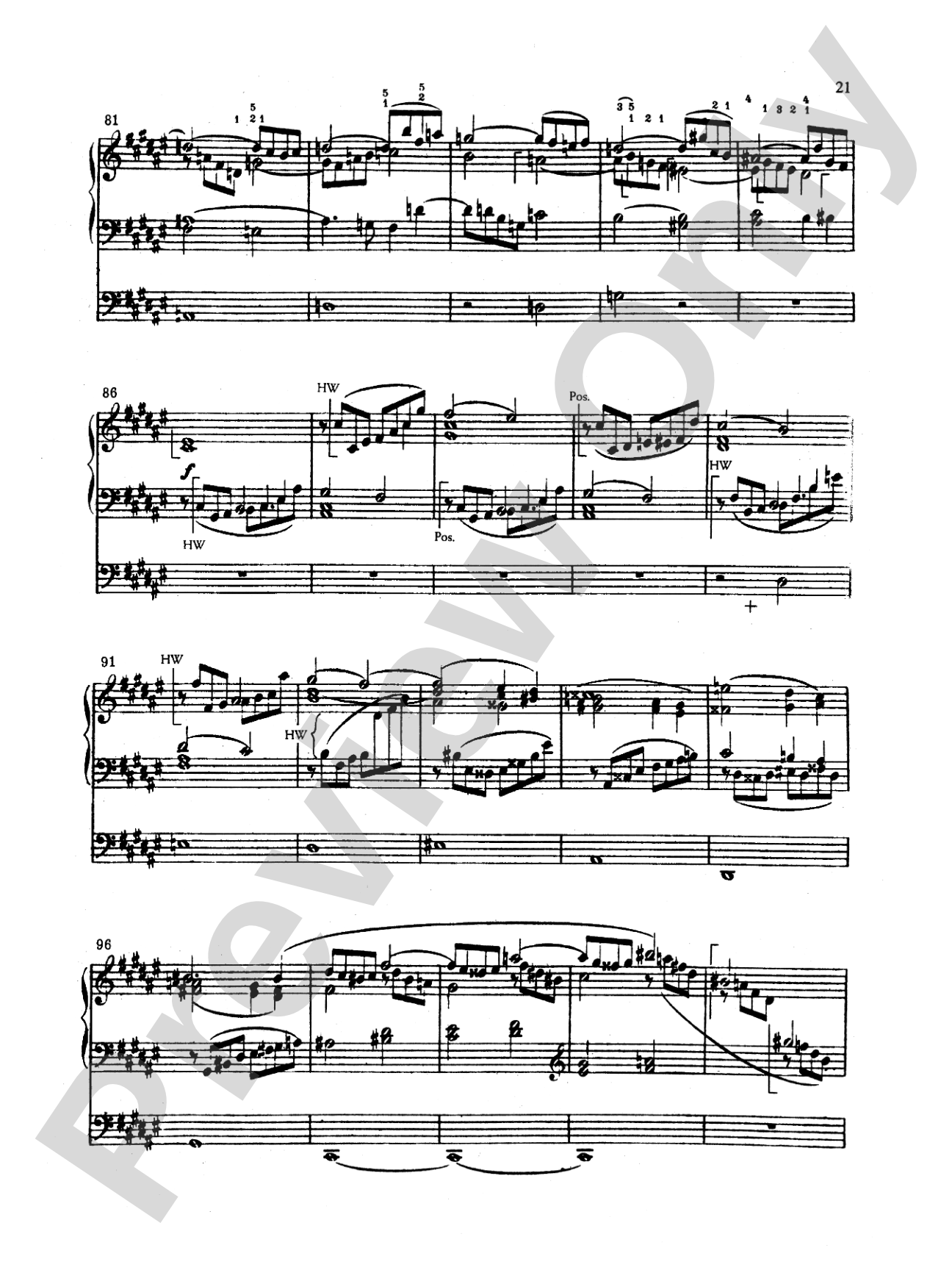
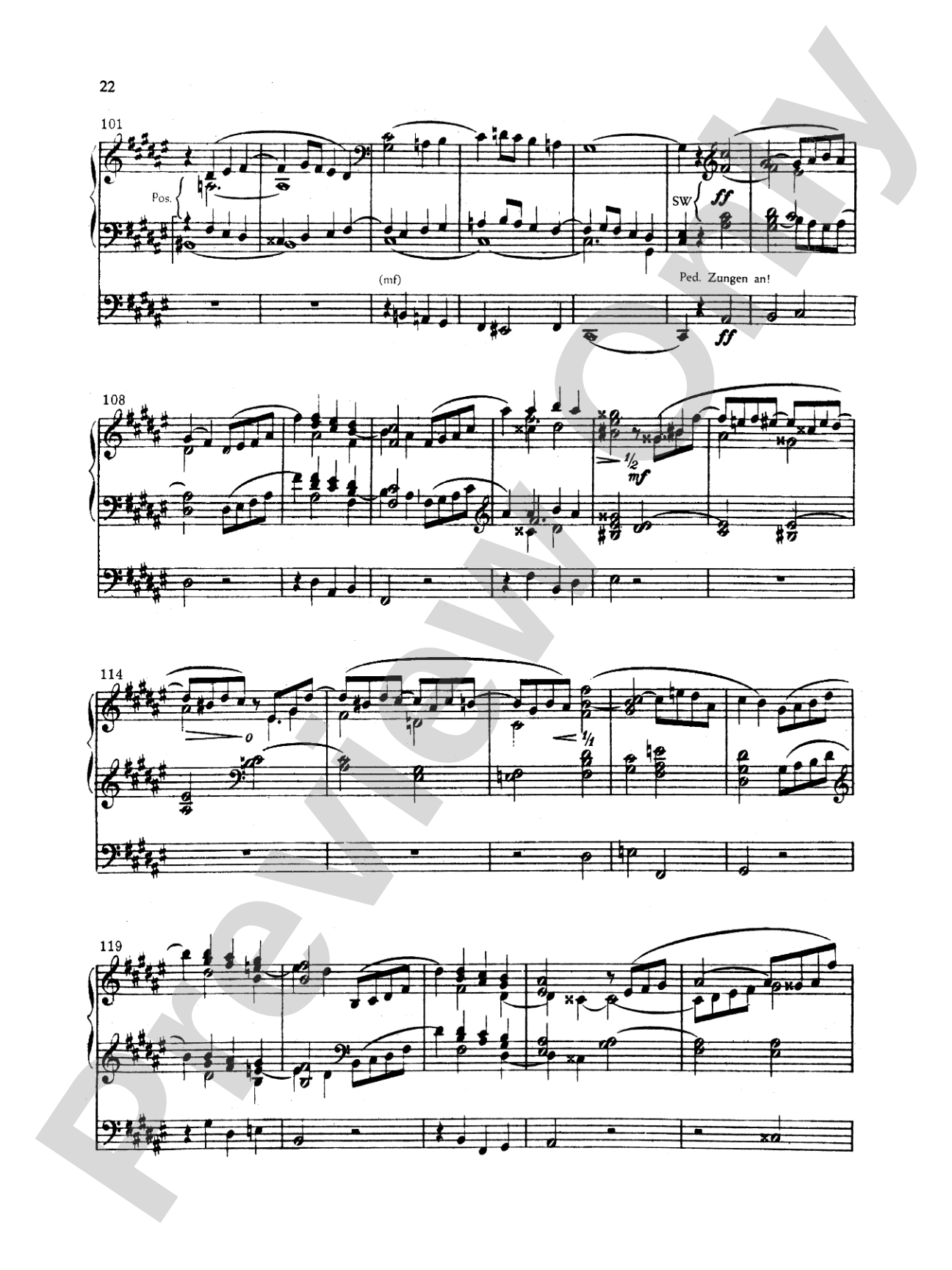
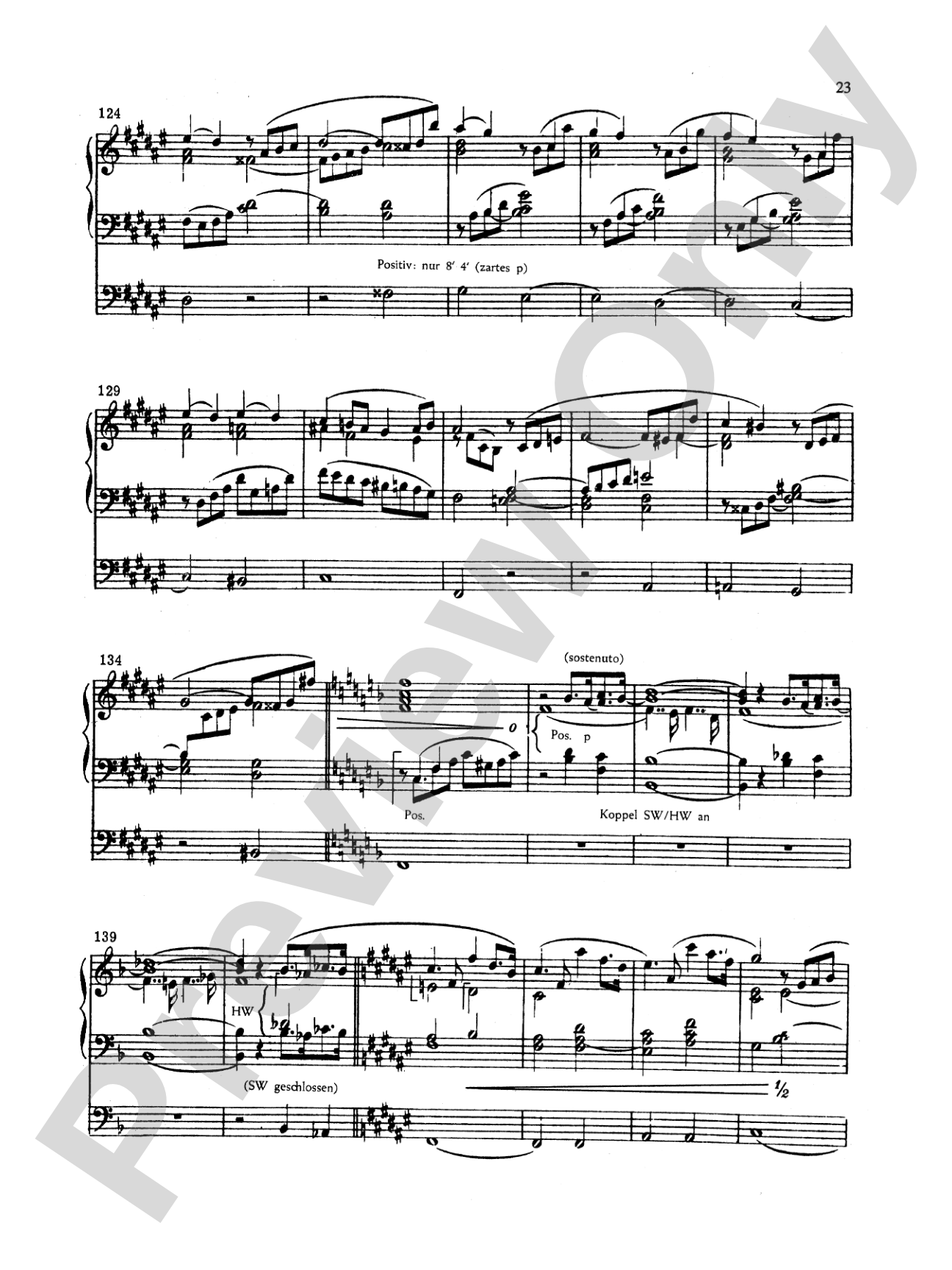
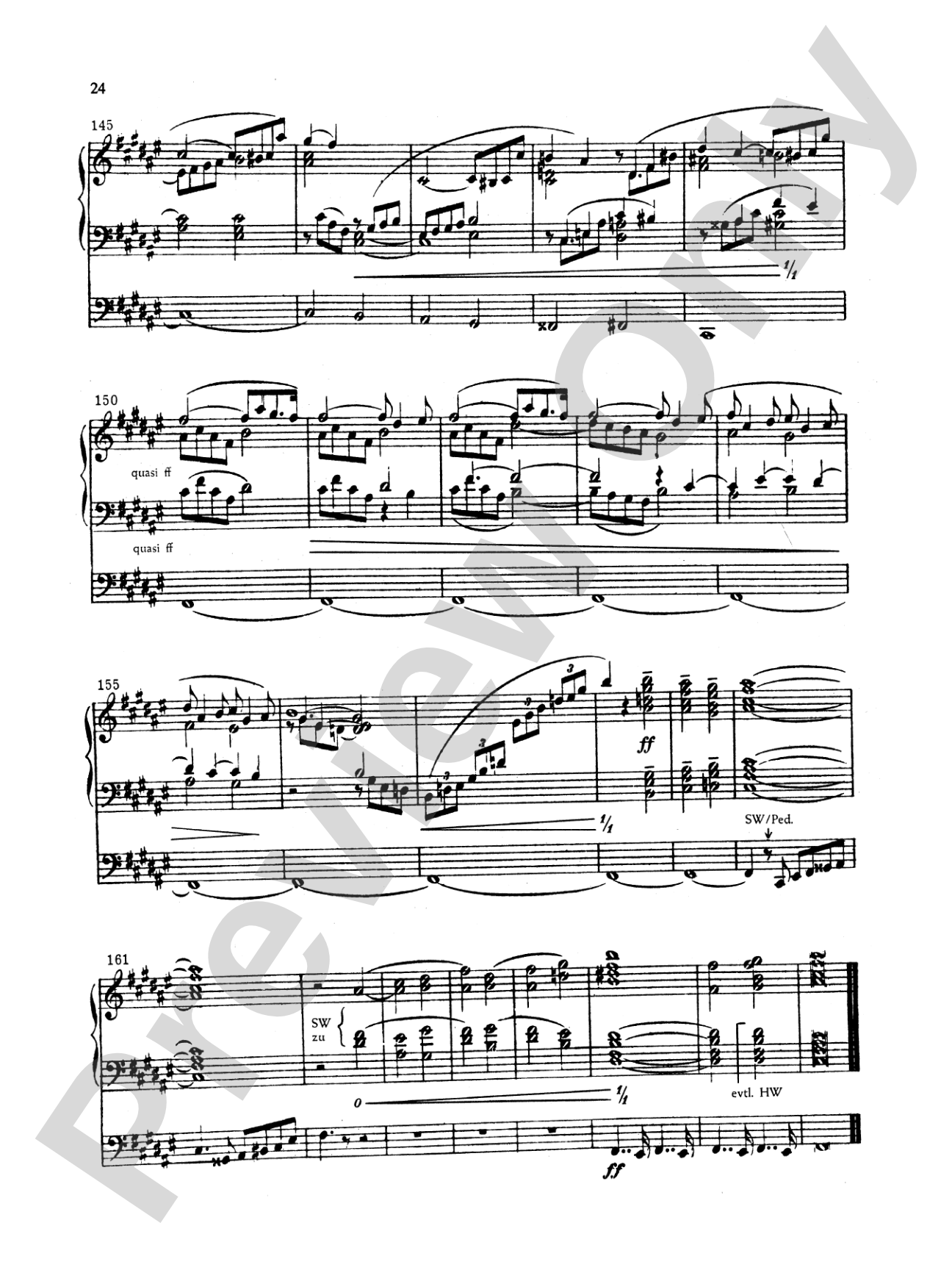

Rheinberger: Two Sonatas - No. 5, Op. 111 and No. 10, Op. 146: Organ Sheet
By Joseph Rheinberger
Item: 00-PK-0002721

$10.95
Pickup currently not available
Buy Extra Parts (Digital PDF Download)
| Product | Price | Quantity |
|---|---|---|
| Rheinberger: Two Sonatas - No. 5, Op. 111 and No. 10, Op. 146 | $4.95 | |
| Rheinberger: Two Sonatas - No. 5, Op. 111 and No. 10, Op. 146 | $4.95 |
Parts Added to Cart!
Description
Rheinberger's organ sonatas No. 5, Opus 111 and No. 10, Opus 146 in a new cleanly printed folio. Kalmus Editions are primarily reprints of Urtext Editions, reasonably priced and readily available. They are a "must" for students, teachers and performers.


Don't just read it, hear it, play along with it, and watch your students grow with it. In MakeMusic Cloud, Rheinberger: Two Sonatas - No. 5, Op. 111 and No. 10, Op. 146: Organ Sheet comes alive with professional accompaniment, adjustable tempo, and built-in practice tools that turn solo practice into real progress.
Open in the Player
Jump straight in and assign it today.
Start Your Free Trial
Open this title and explore the full library in minutes.
Sample Audio
No sample audio found.
Sample Video
No sample videos found.
Additional Details
Series:
Kalmus Edition
Publisher:
Alfred Music
Page Count:
52
SKU:
00-PK-0002721
More about this title
About the Composer: Joseph Rheinberger
Joseph Rheinberger (1839-1901) was a Swiss composer and organist whose prolific output shaped Romantic organ repertoire. He served as a professor at the Munich Conservatory and composed nearly two hundred works, including twenty organ sonatas that remain central to the recital literature.
Rheinberger's sonatas bridge the formal structures of the Classical era with the harmonic language and expressive depth of Romanticism. His writing for organ is idiomatic and grateful, balancing technical brilliance with genuine musical substance, making his works invaluable for developing organists at intermediate and advanced levels.
Why we love this
Rheinberger's organ sonatas occupy a unique pedagogical space: substantial enough to challenge growing musicians, yet musical enough that they feel like repertoire rather than exercises. This pairing of No. 5 and No. 10 gives students the chance to explore how his language matured across the opus numbers while staying within a single, focused study.
What to expect
These sonatas unfold with the grandeur and structural confidence of Romantic architecture. Lyrical themes emerge over rolling accompaniment patterns, harmonic color shifts warmly between major and minor, and the pedal line anchors everything with steady purpose. There's a sense of dignified confidence here rather than drama or virtuosic display; the music feels settled in its own musicality.
Who it's for
Organists at the upper intermediate to advanced level who are ready for standard recital repertoire and want to deepen their command of Romantic sonata form. Teachers seeking authoritative reprints of essential works for their studio will appreciate the clean Urtext presentation and affordable price point.
How to get the most out of it
- Balance the manual and pedal lines as independent but equally important voices rather than relegating the feet to accompaniment; the contrapuntal writing demands clarity throughout the texture.
- Experiment with registration early in preparation to understand how different stop combinations reshape phrase character and emotional weight across the movements.
- Observe the harmonic rhythm and phrase lengths carefully; Rheinberger's Romantic harmony can obscure underlying formal structures if you're not attentive to cadences and sectional markers.
- Build stamina gradually through the longer movements; these sonatas reward endurance and consistent energy rather than quick technical flashes.
How to use it
Feature one sonata as a standalone recital work to anchor a program of organ music spanning eras, or program both consecutively to demonstrate stylistic continuity across Rheinberger's compositional life. Either sonata works beautifully as a centerpiece in a church service or concert devoted to Romantic organ literature.
Skills your students will build
- Romantic-era harmonic language and voice leading
- Pedal independence and coordination with manual parts
- Sonata form analysis and interpretation in the keyboard context
- Sustained phrasing and long-line thinking across multi-movement works
- Registration and sound design as interpretive choices