Rheinberger: Twelve Fughettas, Op. 123B Sheet Music Preview

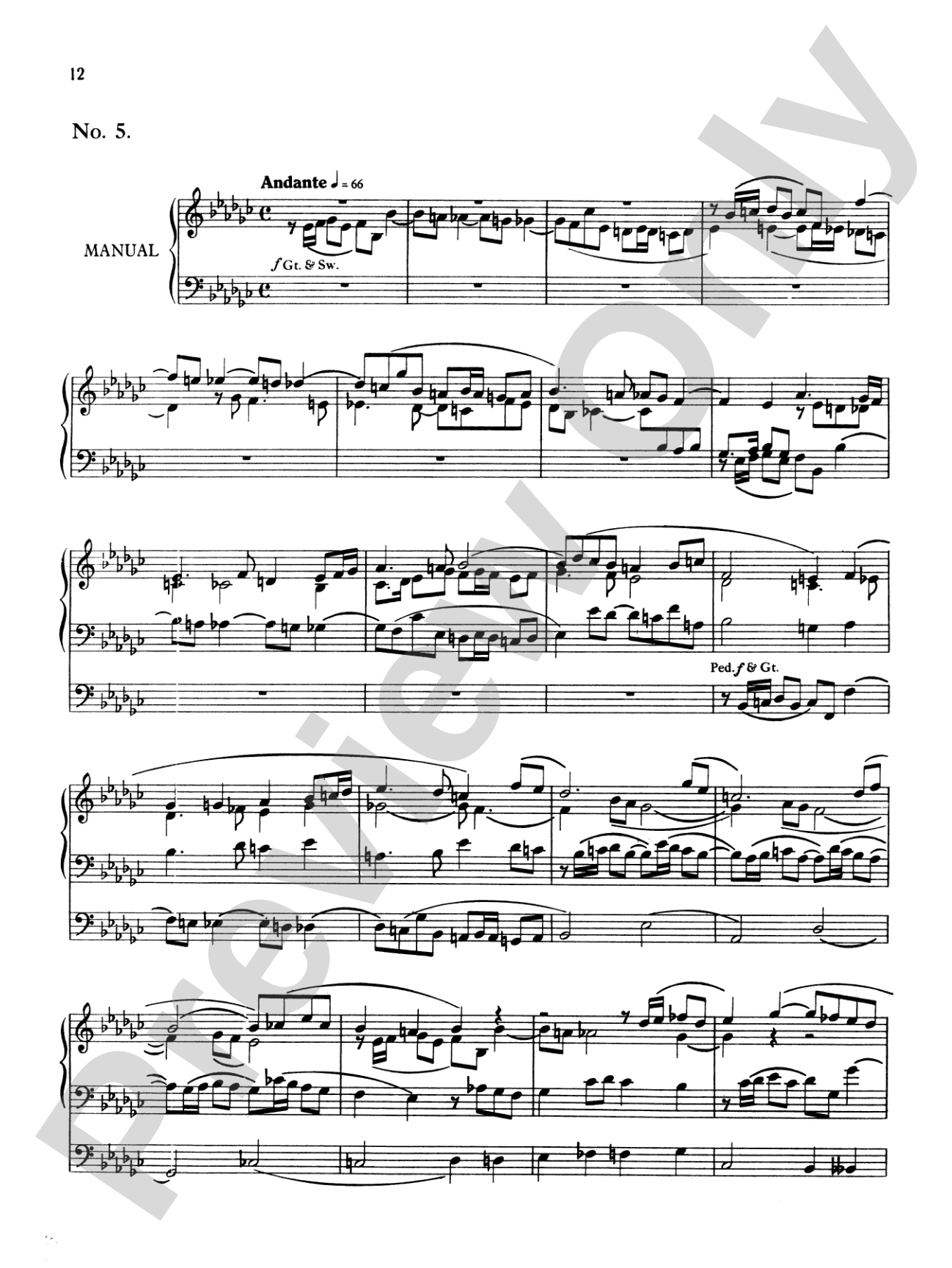
Rheinberger: Twelve Fughettas, Op. 123B

By Joseph Rheinberger

Item: 00-PC-0010639

Digital Download
$0.99
Description

Don't just read it, hear it, play along with it, and watch your students grow with it. In MakeMusic Cloud, Rheinberger: Twelve Fughettas, Op. 123B comes alive with professional accompaniment, adjustable tempo, and built-in practice tools that turn solo practice into real progress.

Sample Audio
No sample audio found.
Sample Video
Additional Details
Series: Kalmus Edition
Publisher: Alfred Music
Page Count: 32
SKU: 00-PC-0010639

More about this title

About the Composer: Joseph Rheinberger

Joseph Rheinberger (1839–1901) was a Swiss composer and organist whose prolific output shaped the Romantic organ repertoire. He served as professor of composition at the Munich Conservatory and composed over 200 works, with organ music forming a substantial and significant portion of his legacy. His writing combined the contrapuntal rigor of the Baroque with 19th-century harmonic language, making him essential to any organist's study of post-Bach fugal forms.

Rheinberger's approach to organ composition emphasized both technical mastery and musical substance. His works remain cornerstones in conservatory curricula and concert halls because they demand serious musicianship while remaining genuinely rewarding to perform and hear.

Why we love this

These fughettas occupy a distinctive pedagogical sweet spot: they're rigorous enough to develop real contrapuntal thinking but scaled to fit the realities of study and rehearsal time. Rheinberger gives organists legitimate concert material that teaches fugal structure without the sprawling architectural ambitions of a full Bach fugue, making them ideal for building confidence in students preparing for jury or recital.

What to expect

These fughettas breathe with Romantic lyricism while maintaining the architectural precision of strict form. Each movement unfolds with elegant restraint, layering voices in conversation that feels both intellectually satisfying and musically moving. There's a clarity and poise here that invites listeners in rather than intimidating them.

Who it's for

Organists working at the late-intermediate to early-advanced level will find these pieces essential stepping stones in contrapuntal development. They suit students preparing for advanced exams, jury requirements, or their first serious recital work. Organ instructors looking for substantive study material that bridges Bach and contemporary practice will return to these repeatedly.

How to get the most out of it

  • Establish harmonic clarity in each voice before worrying about tempo. Rheinberger's voice-leading is transparent, but only if each line sings through without muddying.
  • Use the registration as a structural guide. Changes in tone color often signal important thematic entries and section boundaries.
  • Attend to the pedal part as an equal voice, not accompaniment. These are genuinely four-part structures, and the bass line carries thematic weight throughout.
  • Shape phrase endings with subtle rubato and breath rather than artificial rallentando. The writing assumes an organist's ability to shape without losing rhythmic integrity.

How to use it

Program one or two of these as recital centerpieces alongside larger Rheinberger works or as companions to Bach fugues to show stylistic evolution across centuries. They also serve beautifully as teaching recitals, where you can present several in sequence to demonstrate the composer's range without exhausting either performer or audience. Many organists find value in learning multiple fughettas throughout a season, selecting different ones for different venues and occasions.

Skills your students will build

  • Reading four-part contrapuntal texture with independent pedal lines
  • Identifying and tracking thematic material across voice entries and key areas
  • Managing registration changes to clarify harmonic progression and formal structure
  • Balancing rhythmic precision with phrase shaping in Romantic-era organ writing
  • Developing secure organ technique in moderate-tempo figurations and voice crossings

You May Also Like