
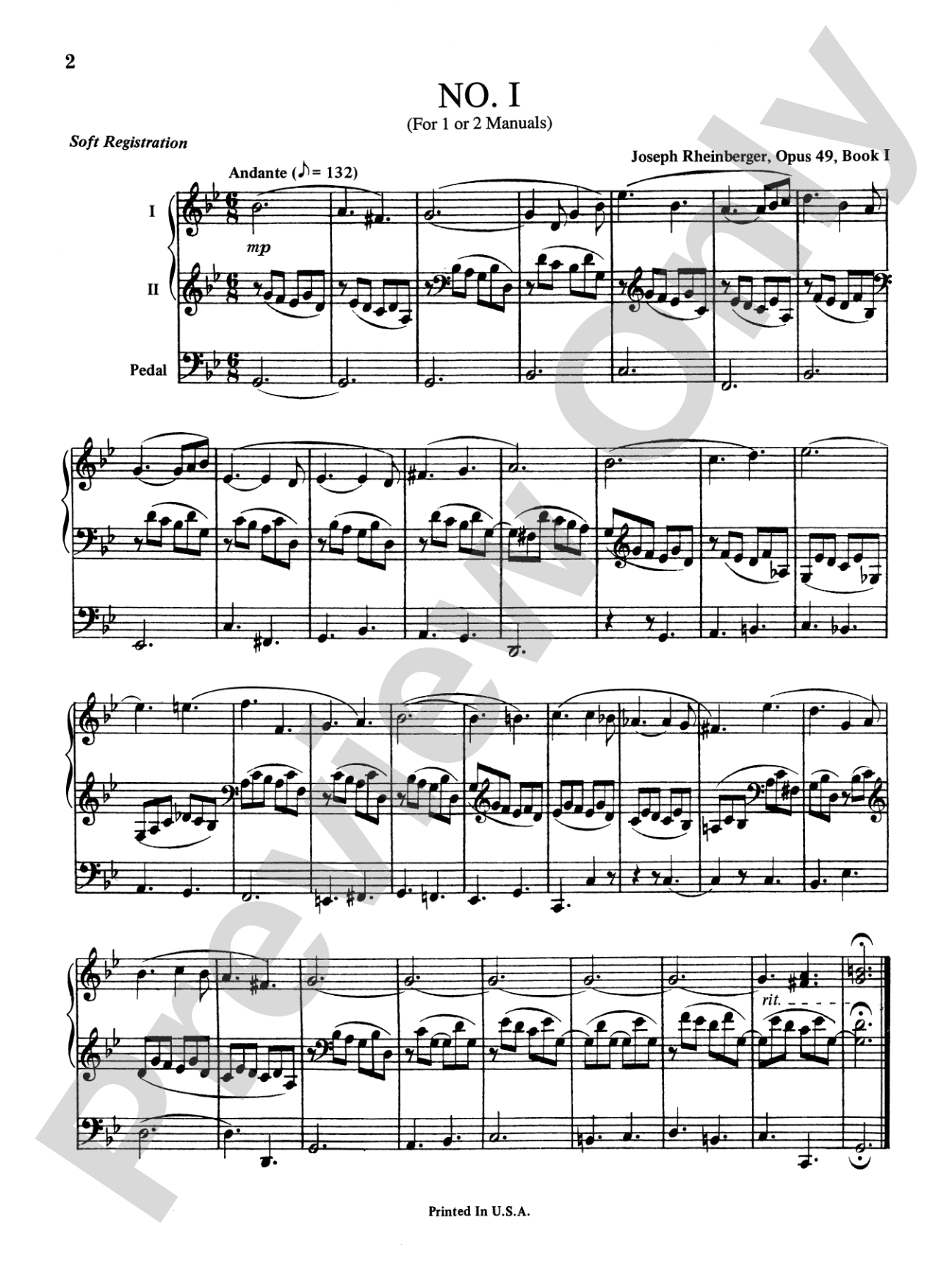

Rheinberger: Ten Trios, Op. 49: Organ Book
By Joseph Rheinberger
Item: 00-PK-0003279

$7.99
Pickup currently not available
Buy Extra Parts (Digital PDF Download)
| Product | Price | Quantity |
|---|---|---|
| Rheinberger: Ten Trios, Op. 49 | $0.99 | |
| Rheinberger: Ten Trios, Op. 49 | $0.99 | |
| Rheinberger: Ten Trios, Op. 49 | $0.99 | |
| Rheinberger: Ten Trios, Op. 49 | $0.99 | |
| Rheinberger: Ten Trios, Op. 49 | $0.99 | |
| Rheinberger: Ten Trios, Op. 49 | $0.99 | |
| Rheinberger: Ten Trios, Op. 49 | $0.99 | |
| Rheinberger: Ten Trios, Op. 49 | $0.99 | |
| Rheinberger: Ten Trios, Op. 49 | $0.99 | |
| Rheinberger: Ten Trios, Op. 49 | $0.99 |
Parts Added to Cart!
Related Items
Ten Trios, Opus 49: Organ Book |
$7.95
|
View |
Description
Expertly arranged Organ Collection by Joseph Rheinberger from the Kalmus Edition series. This is from the Romantic era.


Don't just read it, hear it, play along with it, and watch your students grow with it. In MakeMusic Cloud, Rheinberger: Ten Trios, Op. 49: Organ Book comes alive with professional accompaniment, adjustable tempo, and built-in practice tools that turn solo practice into real progress.
Open in the Player
Jump straight in and assign it today.
Start Your Free Trial
Open this title and explore the full library in minutes.
Sample Audio
No sample audio found.
Sample Video
No sample videos found.
Additional Details
Series:
Kalmus Edition
Publisher:
Alfred Music
Page Count:
12
SKU:
00-PK-0003279
More about this title
About the Composer: Joseph Rheinberger
Joseph Rheinberger (1839-1901) was a Swiss organist, composer, and pedagogue whose prolific output shaped organ repertoire across the Romantic era. His more than 200 compositions include symphonies, concertos, sacred music, and chamber works, but he remains best known for his organ pieces, which balance technical sophistication with lyrical depth. Rheinberger's career centered on Munich, where he taught at the conservatory and served as court organist, establishing himself as one of the nineteenth century's most influential voices in organ composition.
Why we love this
These trios showcase Rheinberger's gift for writing idiomatically for organ while maintaining the clarity and dialogue essential to ensemble music. The Romantic harmonic language and moderate technical demands make this collection accessible for organists expanding beyond solo repertoire into chamber contexts. Each trio feels complete and rewarding without demanding virtuosity, making them ideal for building repertoire that sounds substantial in recital or service.
What to expect
These trios breathe with the warmth and harmonic color of the Romantic period, balancing lyrical singing lines across the manuals with full organ sonority. Each movement unfolds naturally, moving between intimate dialogue and moments of richer textural fullness, inviting the listener into Rheinberger's songlike, approachable musical world.
Who it's for
This collection suits organists at the late intermediate to early advanced level who are ready to explore Romantic trio repertoire. It works equally well for church musicians seeking functional concert music and for recitalists building a program that includes smaller ensemble forms.
How to get the most out of it
- Balance the three manual lines clearly; think of them as independent melodic voices rather than accompaniment-and-melody. Use registration changes between phrases to highlight this equality.
- Pay attention to the harmonic rhythm Rheinberger establishes in each trio; many movements use slower harmonic motion in the pedal to anchor the upper voices, so let that anchor feel purposeful without rushing.
- Experiment with tempo flexibility within phrases. Romantic organ music benefits from subtle rubato, particularly where Rheinberger's harmonic language becomes more adventurous.
How to use it
Program one or two of these trios within a recital to showcase chamber writing on the organ; they pair well with larger Romantic works and offer pacing contrast. They also function beautifully as prelude or postlude music for church services, particularly settings where a brief, substantial organ solo fits the liturgical moment.
Skills your students will build
- Three-voice independence and manual coordination
- Balancing melody and accompaniment across multiple keyboards
- Romantic-era harmonic language and voice leading
- Registrational choices that enhance texture without overwhelming the musical line
- Pedal line clarity and integration with manual parts