
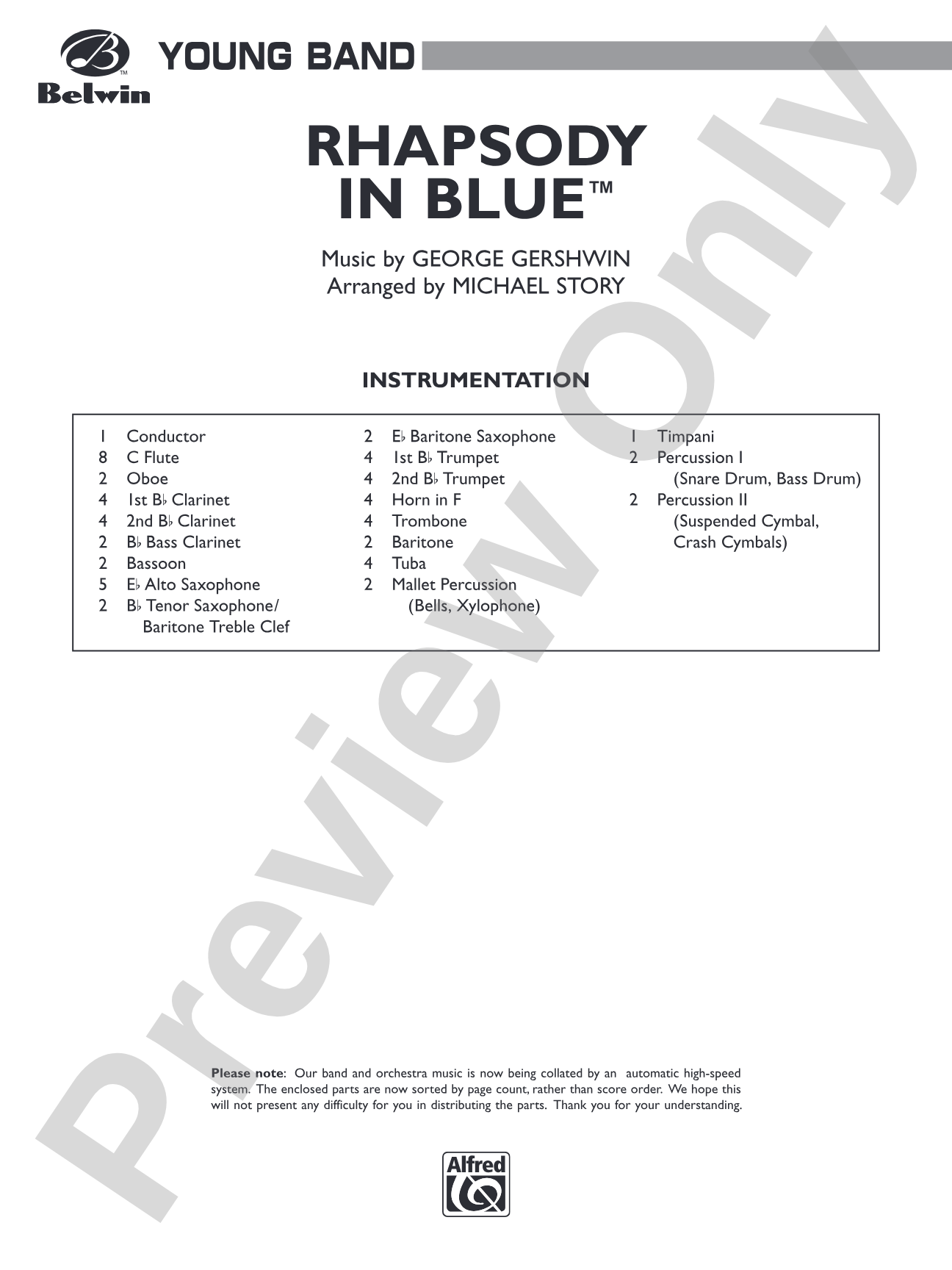
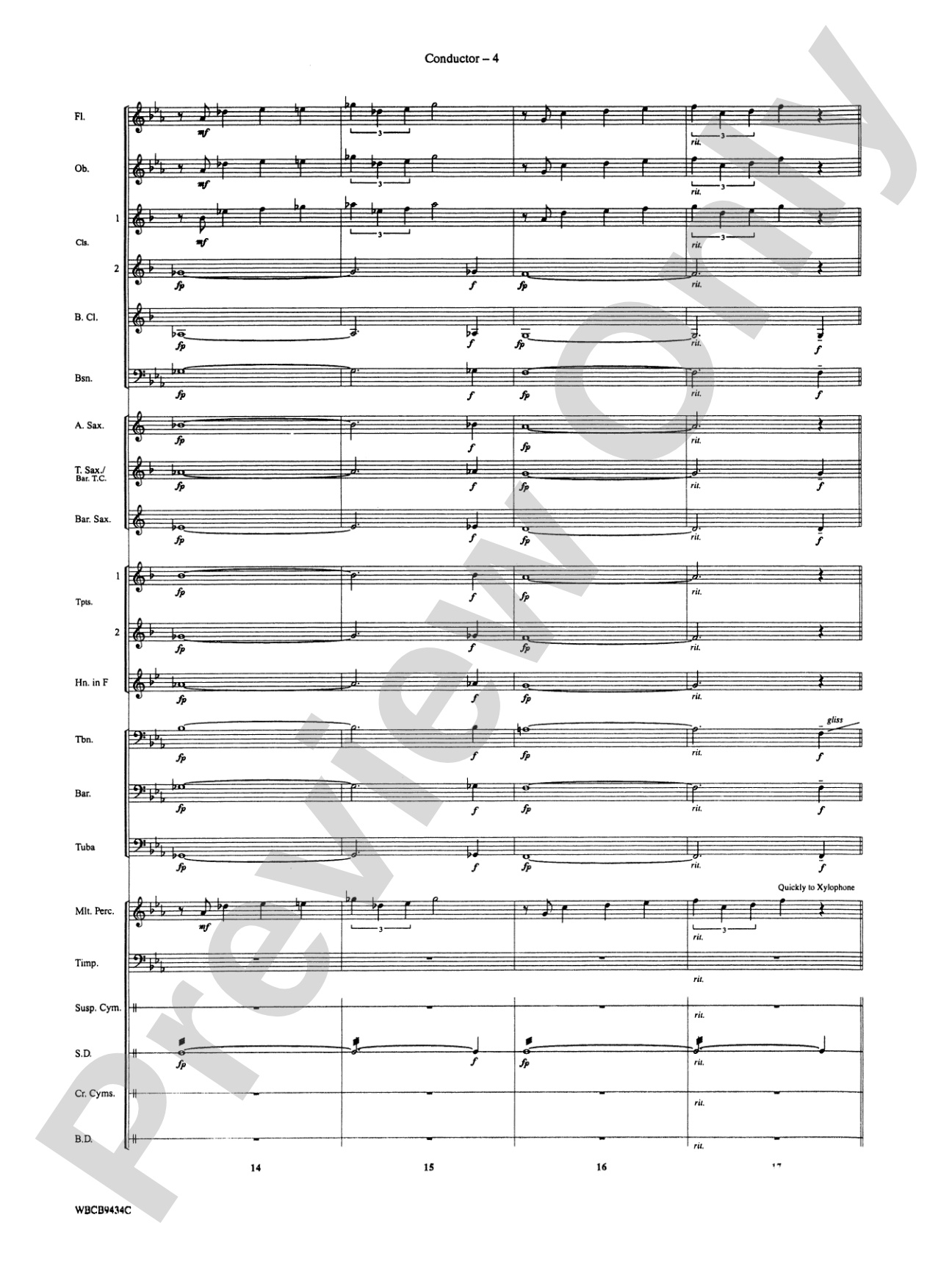
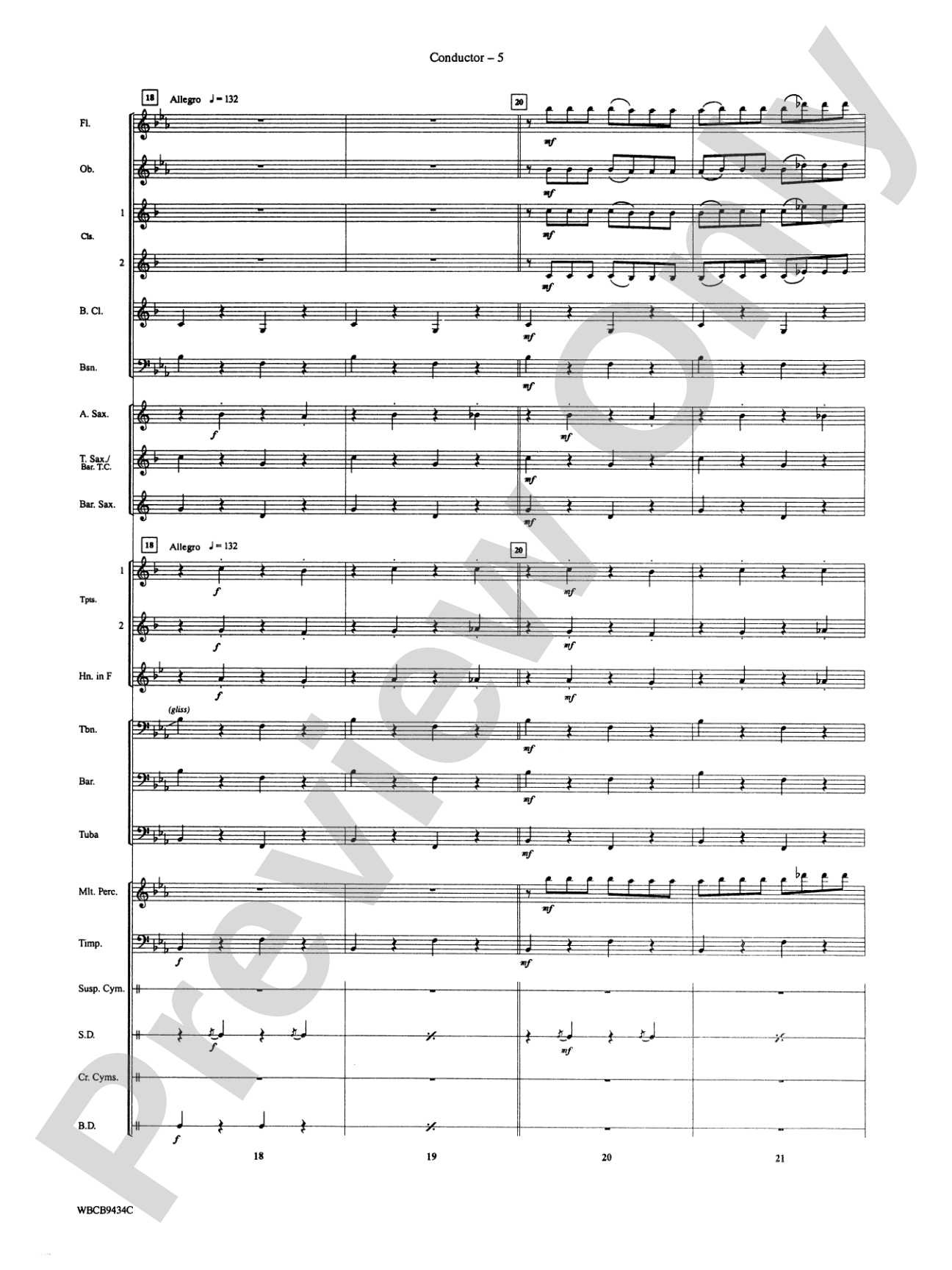
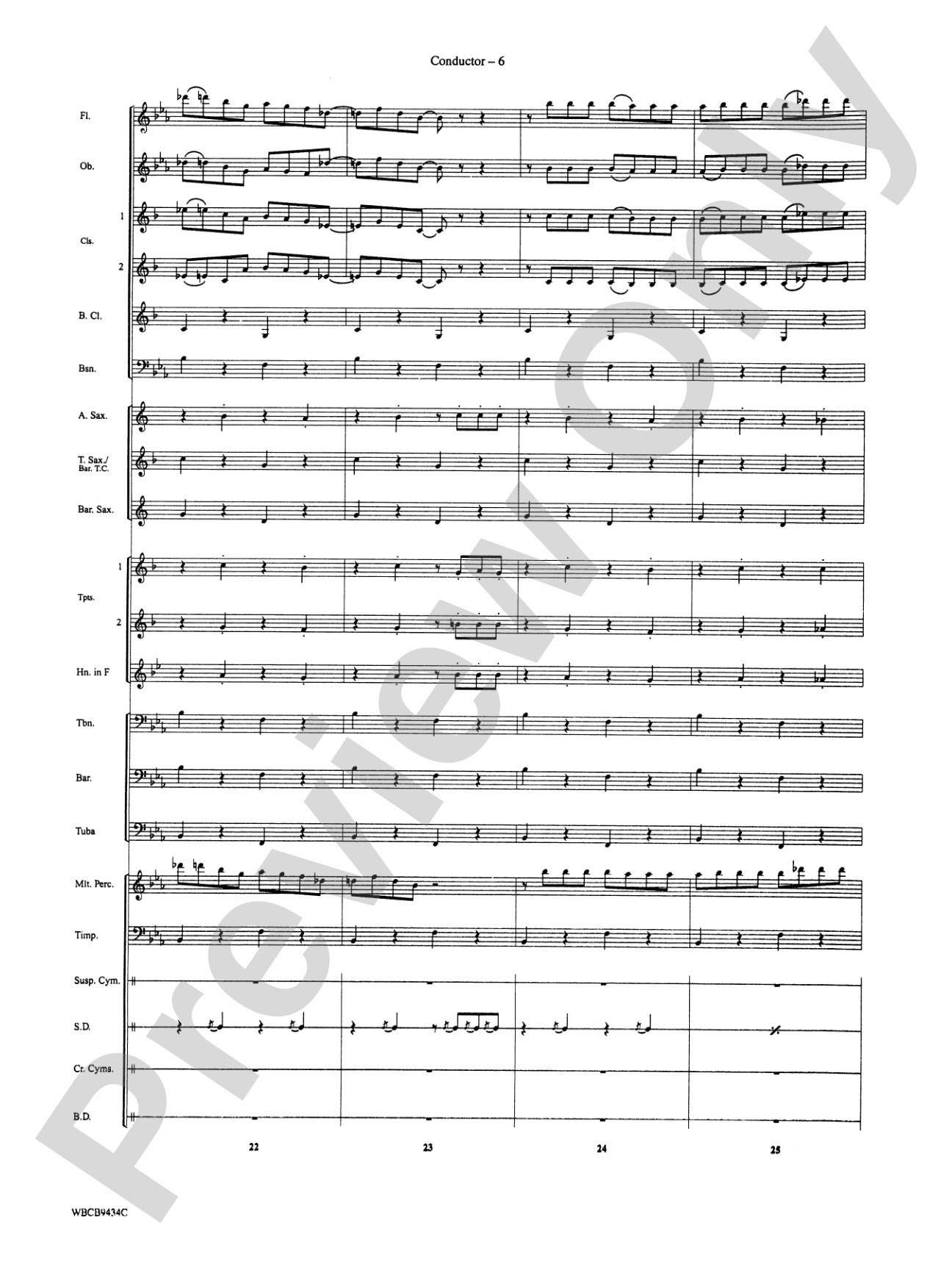
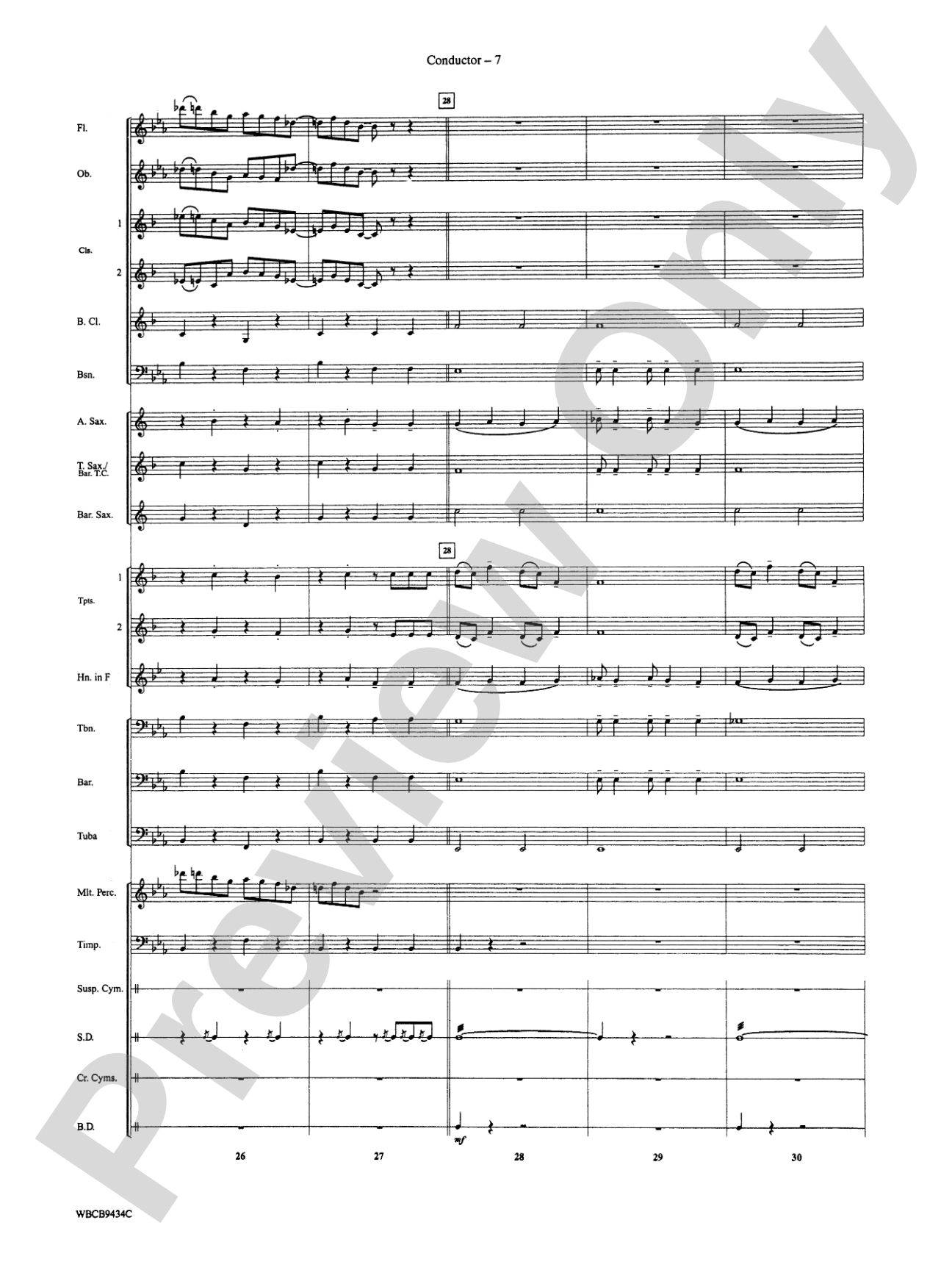


Rhapsody in Blue™: Concert Band Conductor Score & Parts
By George Gershwin / arr. Mike Story
Grade: 2 (Easy)
Item: 00-PK-0002664

$62.00
One moment…
Related Items
Rhapsody in Blue™: Concert Band Conductor Score & Parts |
$60.00
|
View |
Description
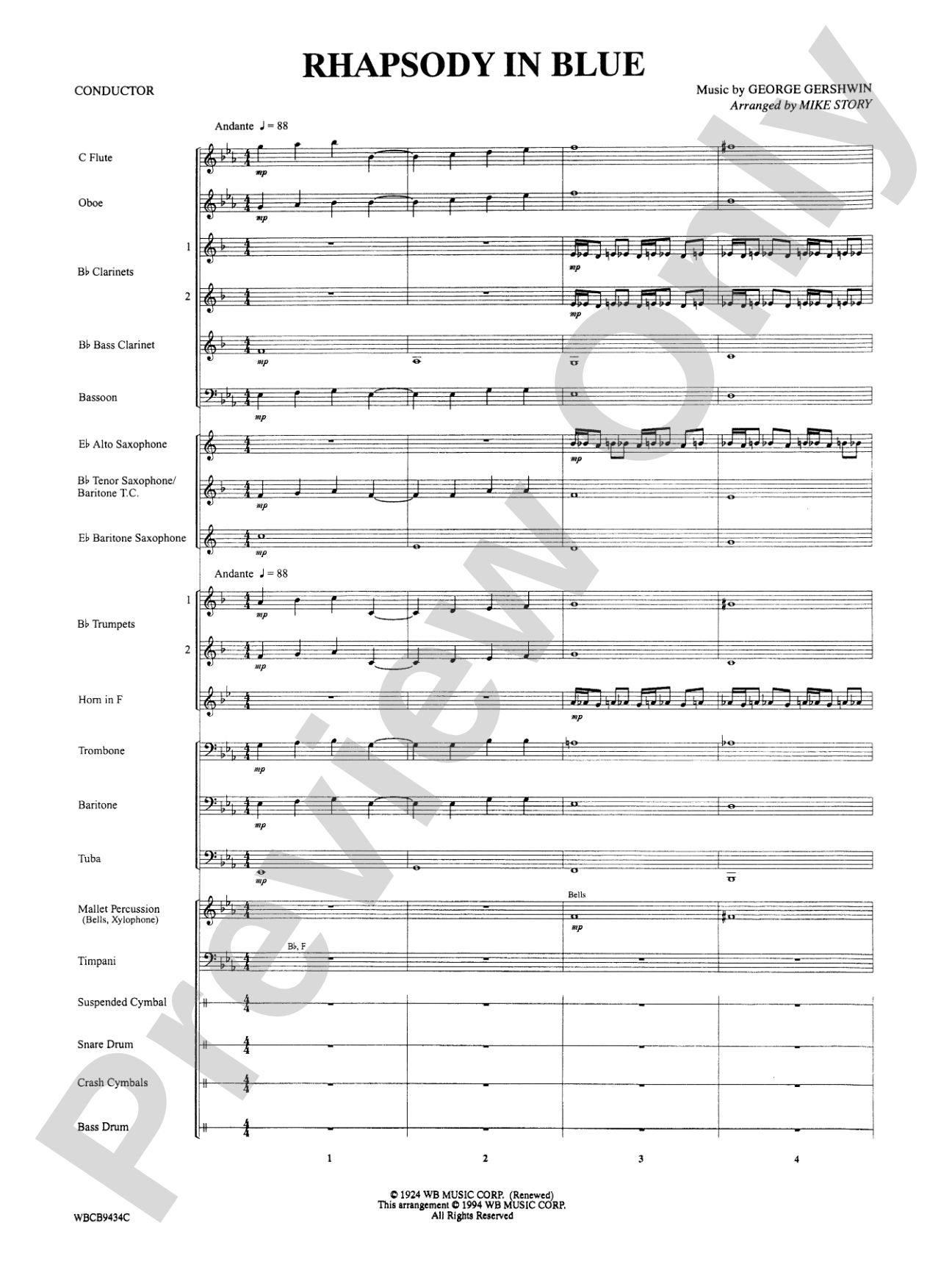
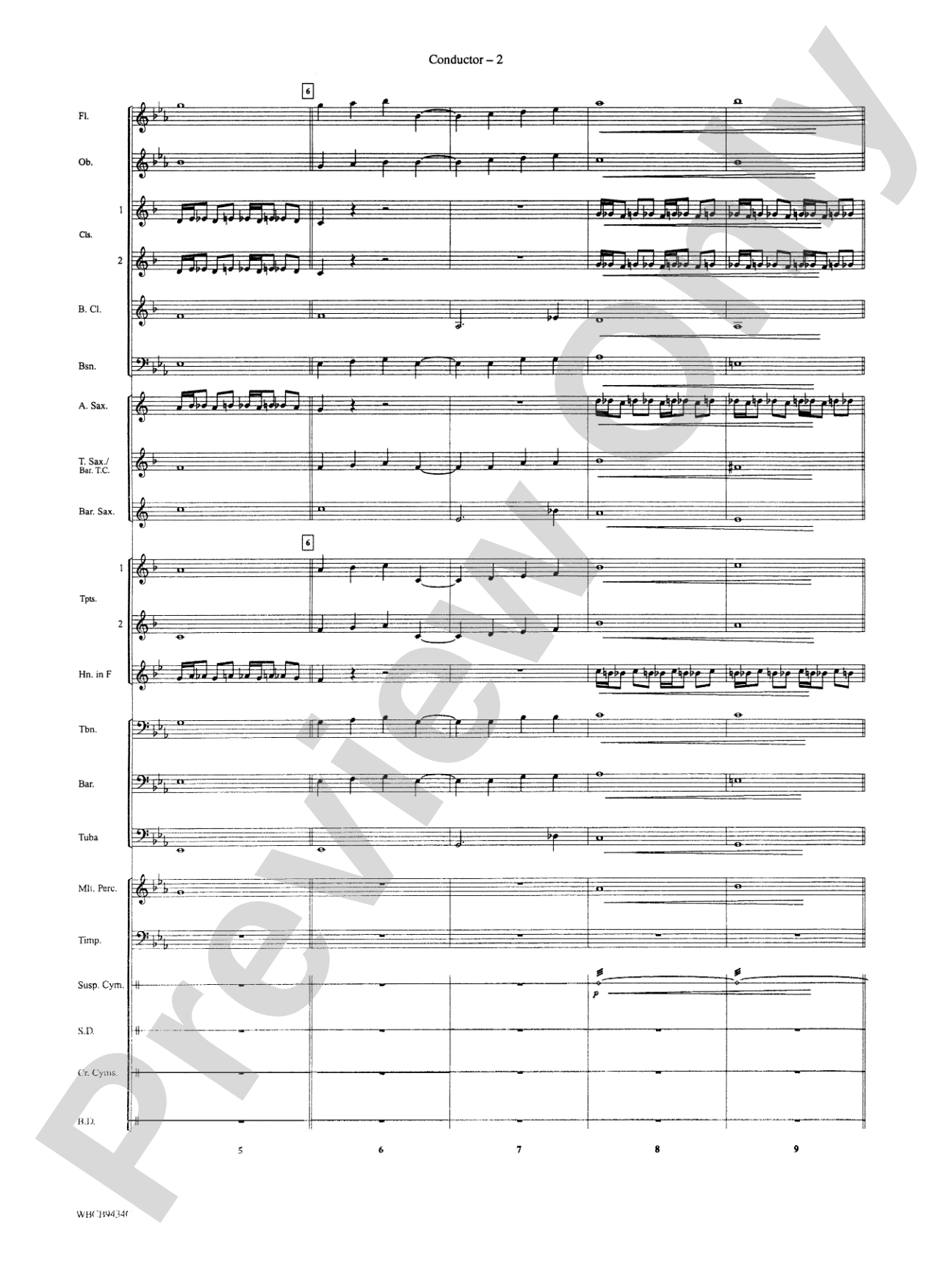
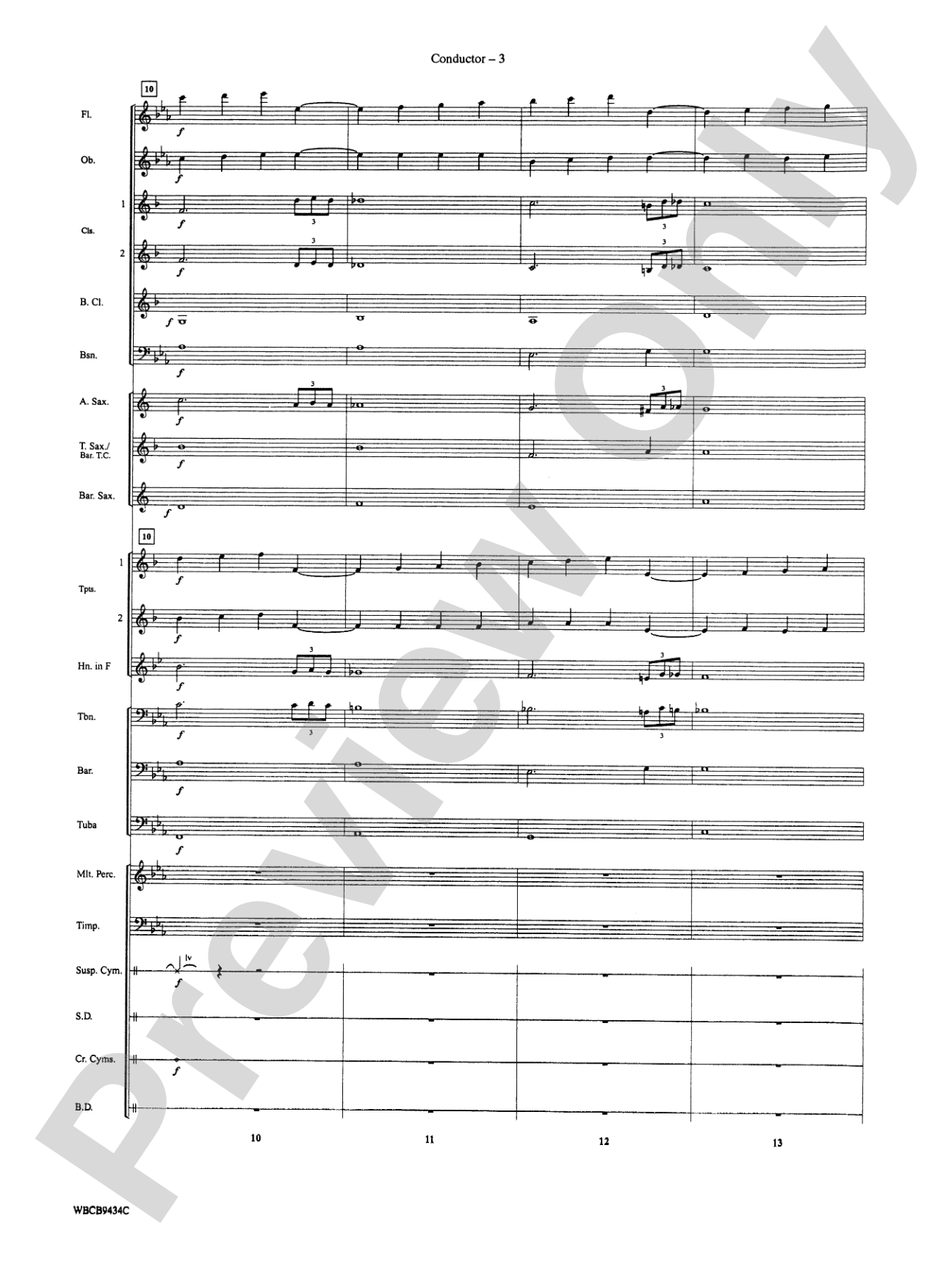
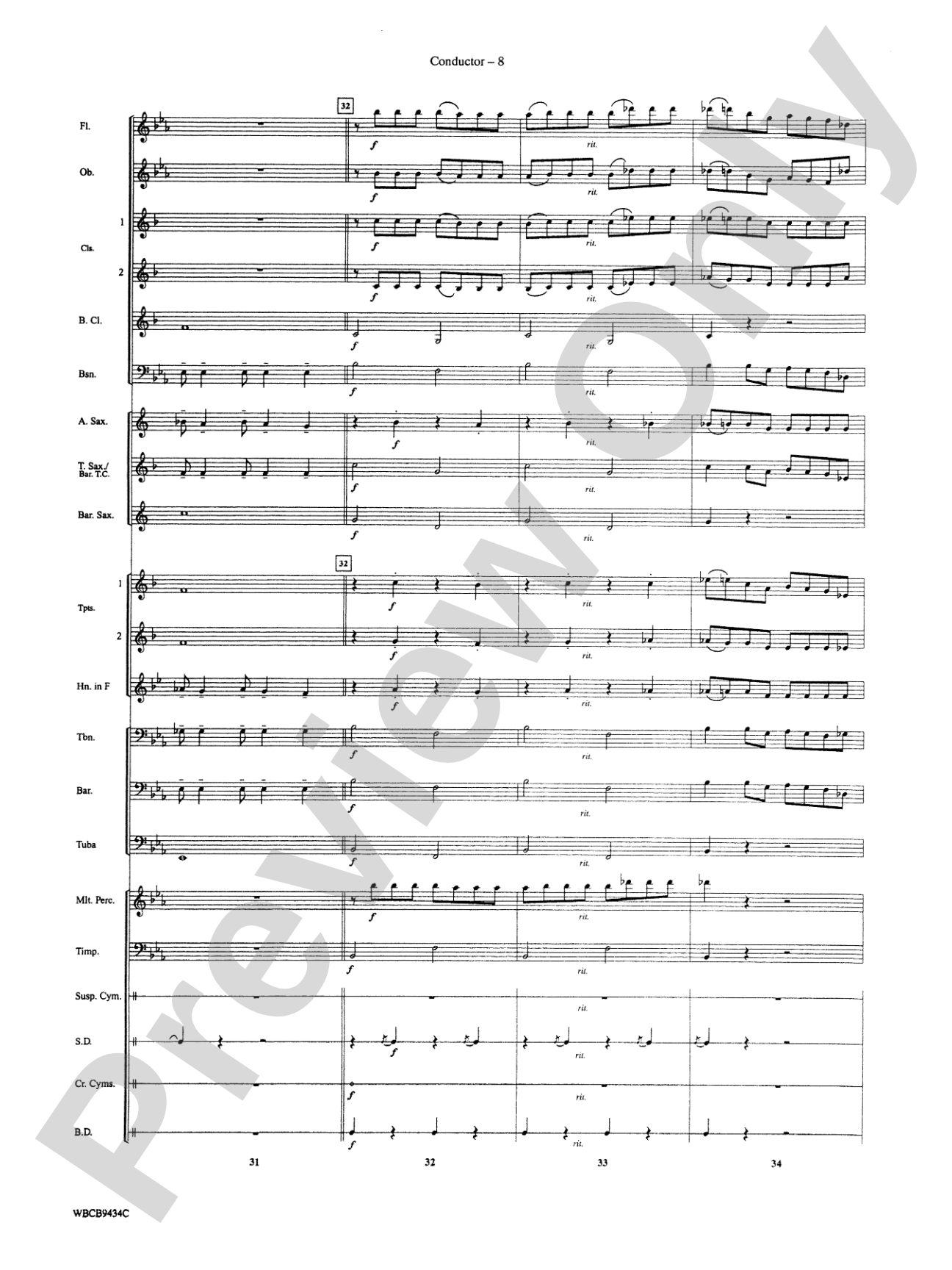
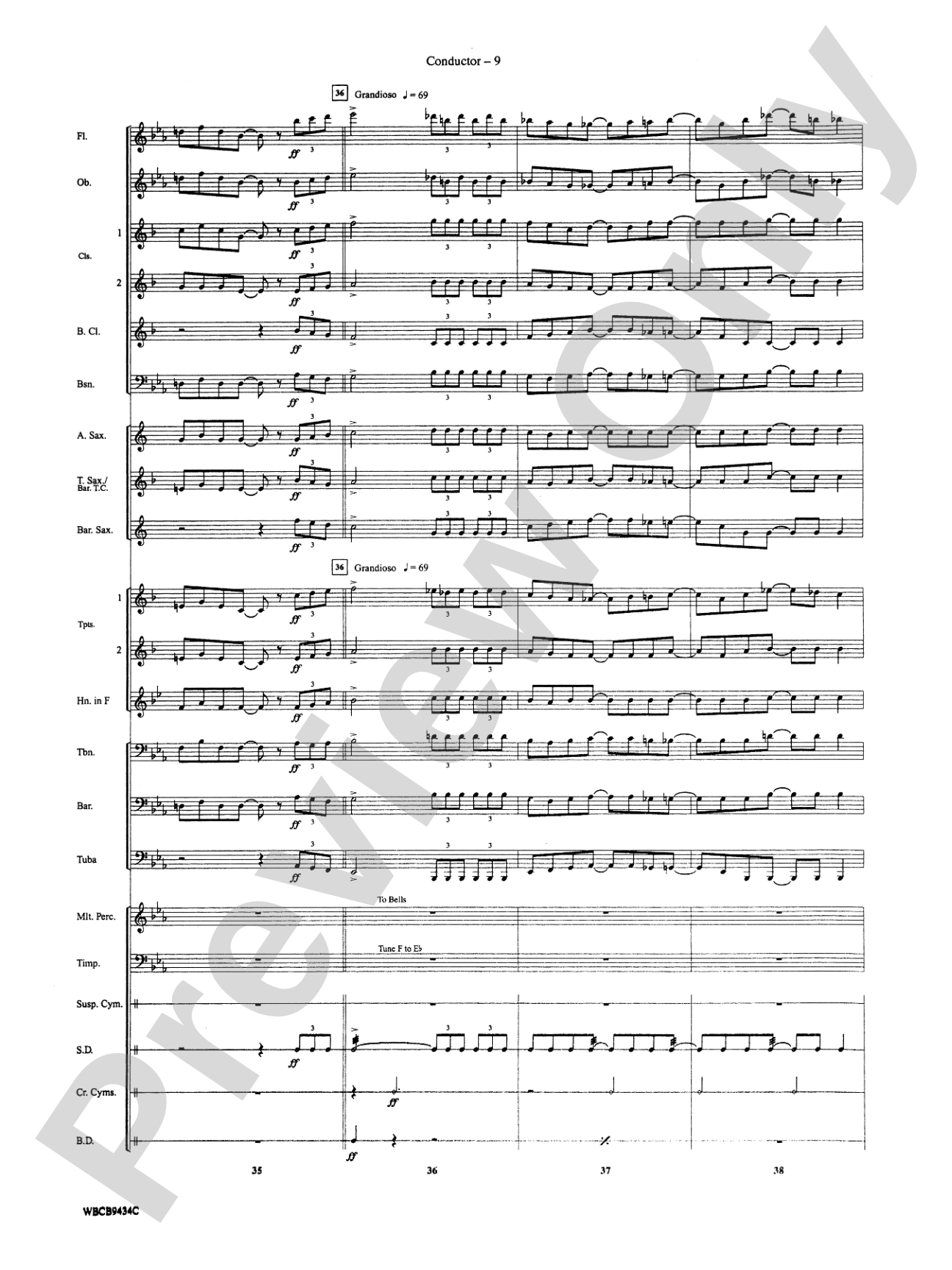
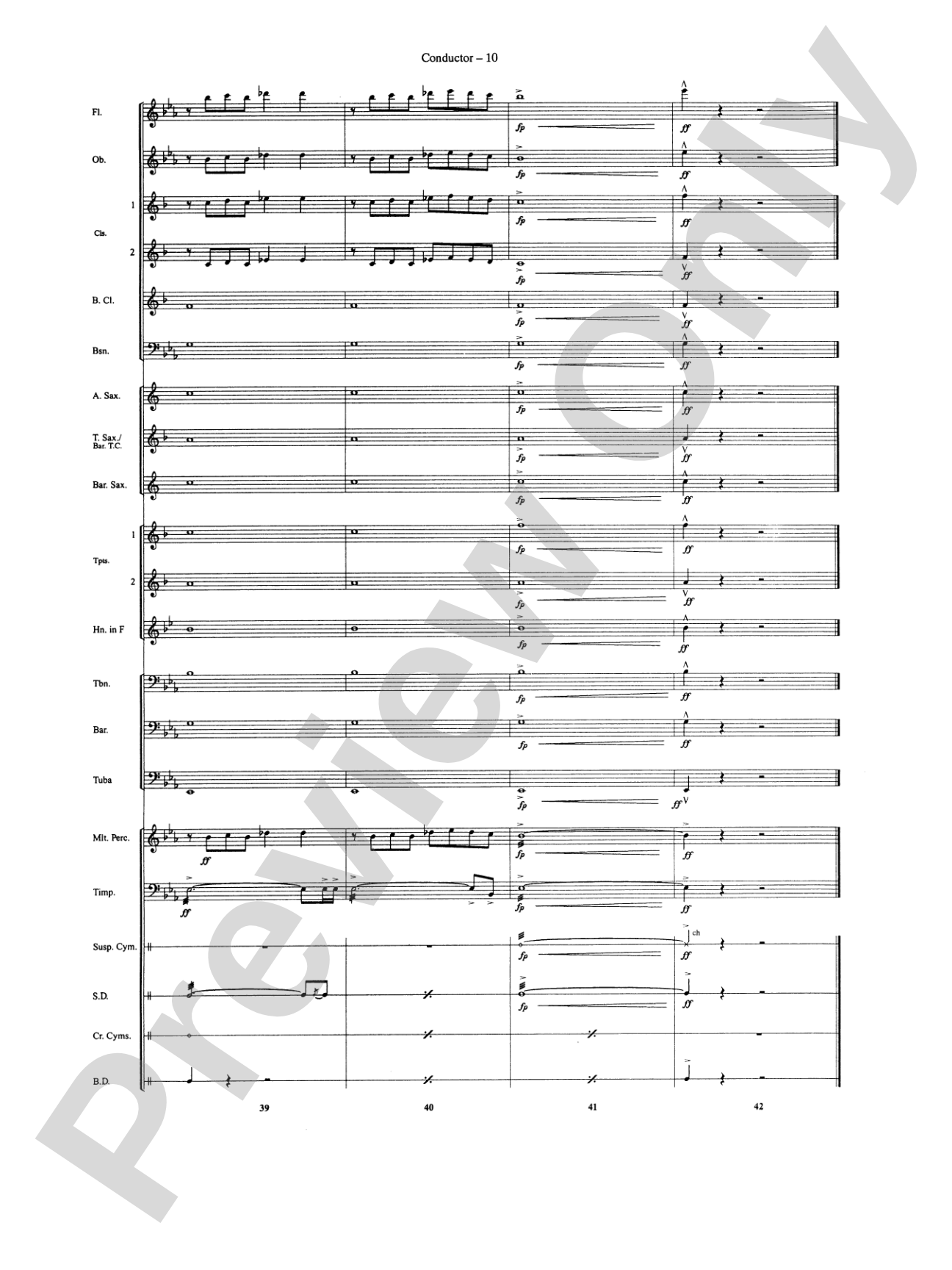
Here is a tasteful adaptation for the young ensemble of several of the most memorable themes from George Gershwin's monumental work. The scoring is brief and to the point, and will serve as a phenomenal attention-getter for any concert audience. This is a great opportunity to introduce your students to a masterpiece. (1:54)


Don't just read it, hear it, play along with it, and watch your students grow with it. In MakeMusic Cloud, Rhapsody in Blue™: Concert Band Conductor Score & Parts comes alive with professional accompaniment, adjustable tempo, and built-in practice tools that turn solo practice into real progress.
Open in the Player
Jump straight in and assign it today.
Start Your Free Trial
Open this title and explore the full library in minutes.
Sample Audio
No sample audio found.
Sample Video
No sample videos found.
Additional Details
Series:
Belwin Young Band
Publisher:
Alfred Music
Page Count:
60
SKU:
00-PK-0002664
More about this title
About the Composer: George Gershwin
George Gershwin (1898-1937) bridged popular song and concert music in ways that few composers have matched. His ability to write melodies that stuck in the ear while maintaining sophisticated harmonies made him central to American musical identity in the 1920s and 1930s. Rhapsody in Blue, premiered in 1924, remains one of the most performed American concert works, and its themes have become synonymous with jazz-influenced classical music.
For music educators, Gershwin matters because he refused to separate "art music" from the music students actually heard on the radio and in jazz clubs. His works give young musicians permission to love music that is simultaneously accessible and substantive.
Why we love this
This adaptation captures the soul of Gershwin's masterpiece without overwhelming young ensembles. Story's arrangement respects the original while making it playable at Grade 2, so your students perform recognizable themes rather than simplified fragments. You get authentic Gershwin with the attention-getting power your audience craves, all in under two minutes.
What to expect
Gershwin's signature blend of swagger and sophistication comes through even in this compact form. The orchestral colors remain warm and jazzy; you hear the blues inflections and the characteristic rhythmic snap that made Rhapsody in Blue feel modern eighty years ago. It's elegant without being precious, familiar without being boring.
Who it's for
Concert bands at the Grade 2 level, from strong elementary programs through early middle school, will find this both musically and technically manageable. Directors looking to program something memorable that audiences recognize instantly will appreciate the built-in appeal. This works for ensembles that want to tackle a genuine masterwork without the difficulty ceiling of the full orchestral score.
How to get the most out of it
- Balance the jazz-influenced rhythms so they feel swung and natural rather than mechanical; the groove matters as much as the notes.
- Give the melodic voices (often clarinet, trumpet, or saxophone) room to sing without drowning out the ensemble; these themes demand space to breathe.
- Lean into the harmonic color Gershwin loved; let chromatic passing tones and blue notes come through in sectional balance checks.
- Use the recorded accompaniment to anchor ensemble cohesion if available, but rehearse without it so your band owns the rhythm and phrasing.
How to use it
Open a concert with this piece to signal to your audience that the evening will include music they know and love. It pairs well before or after other early 20th-century American works, or as a bridge between classical tradition and jazz repertoire in a thematic program. At under two minutes, it's also ideal for showcasing your ensemble's range in a festival or adjudicated setting.
Skills your students will build
- Recognizing and performing jazz-influenced rhythms (swing eighth notes, syncopation)
- Balancing inner harmonic voices while supporting prominent melodic lines
- Reading and responding to dynamic and articulation markings that shape phrasing
- Ensemble cohesion across multiple sections in a moderate tempo work
- Understanding arrangement as an art form; seeing how the same musical idea can work across different instrumentation