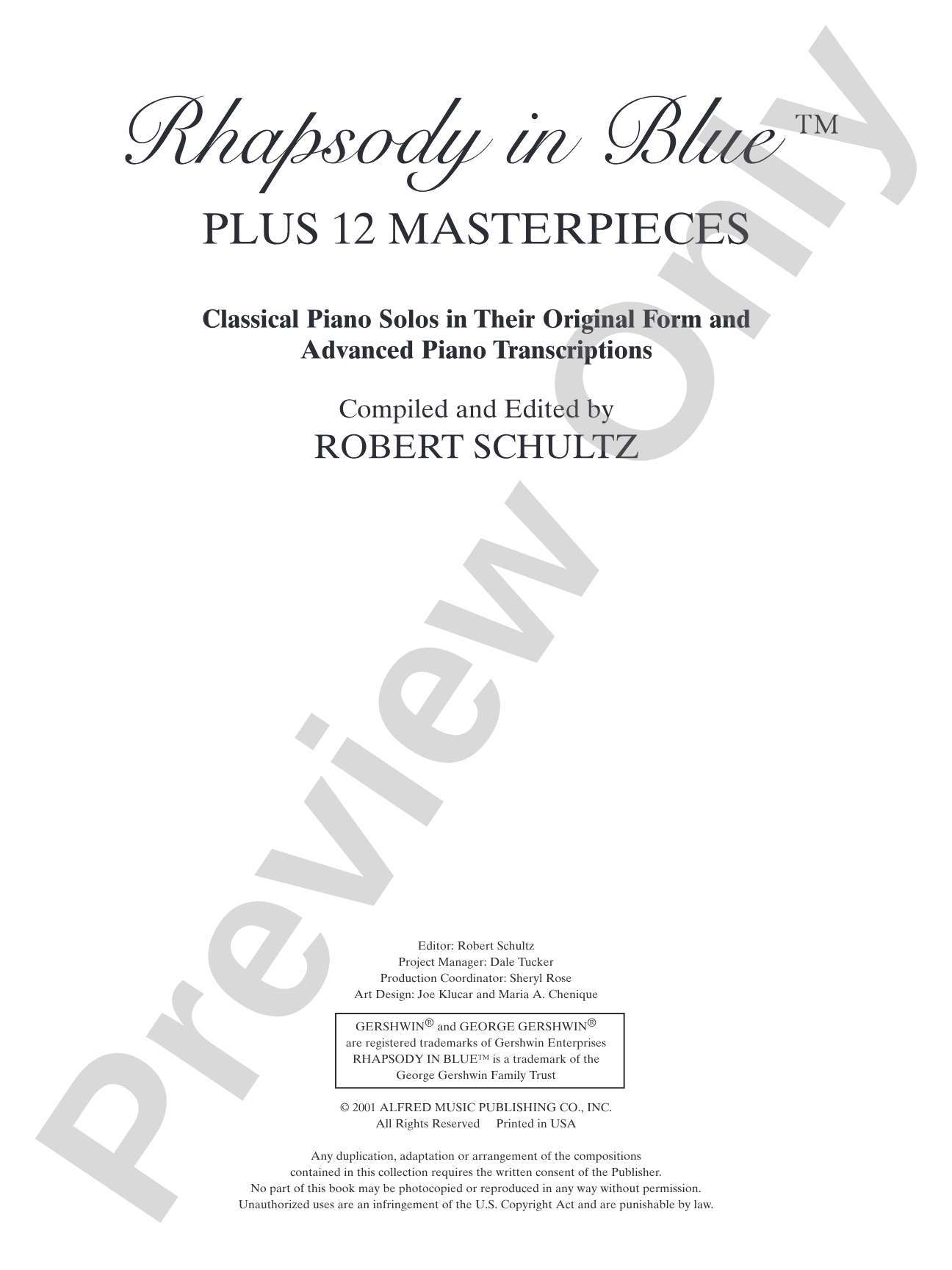
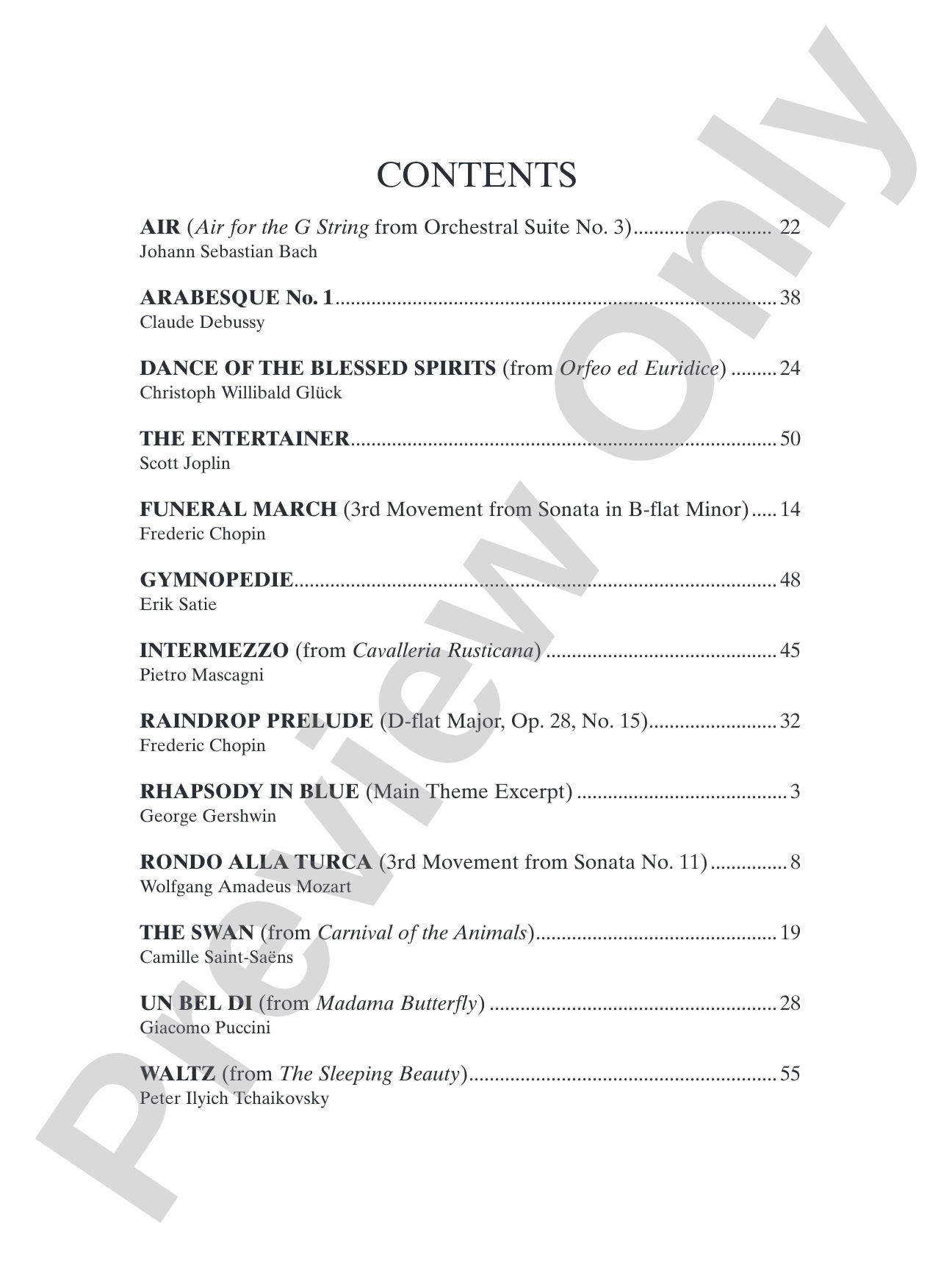
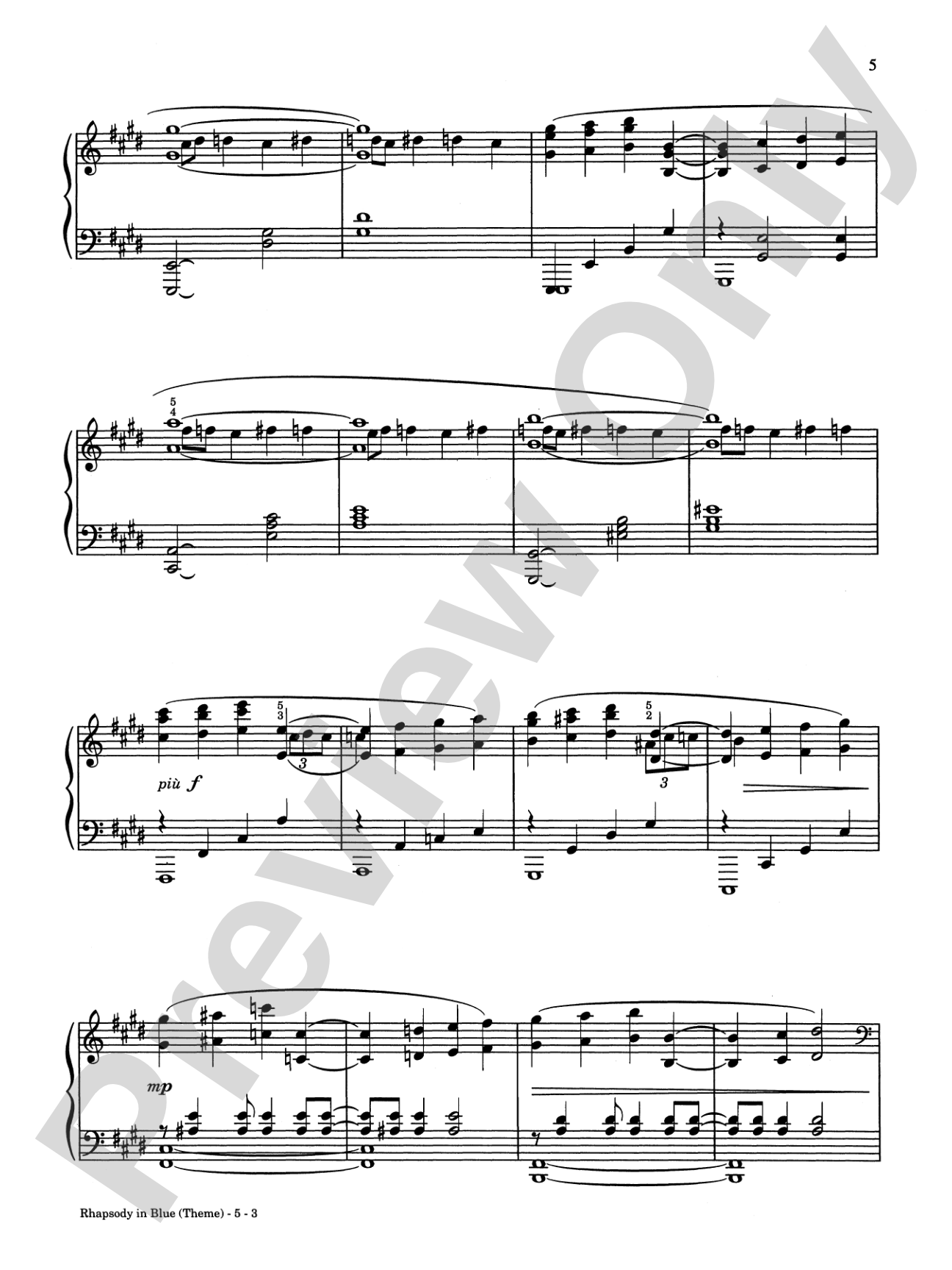
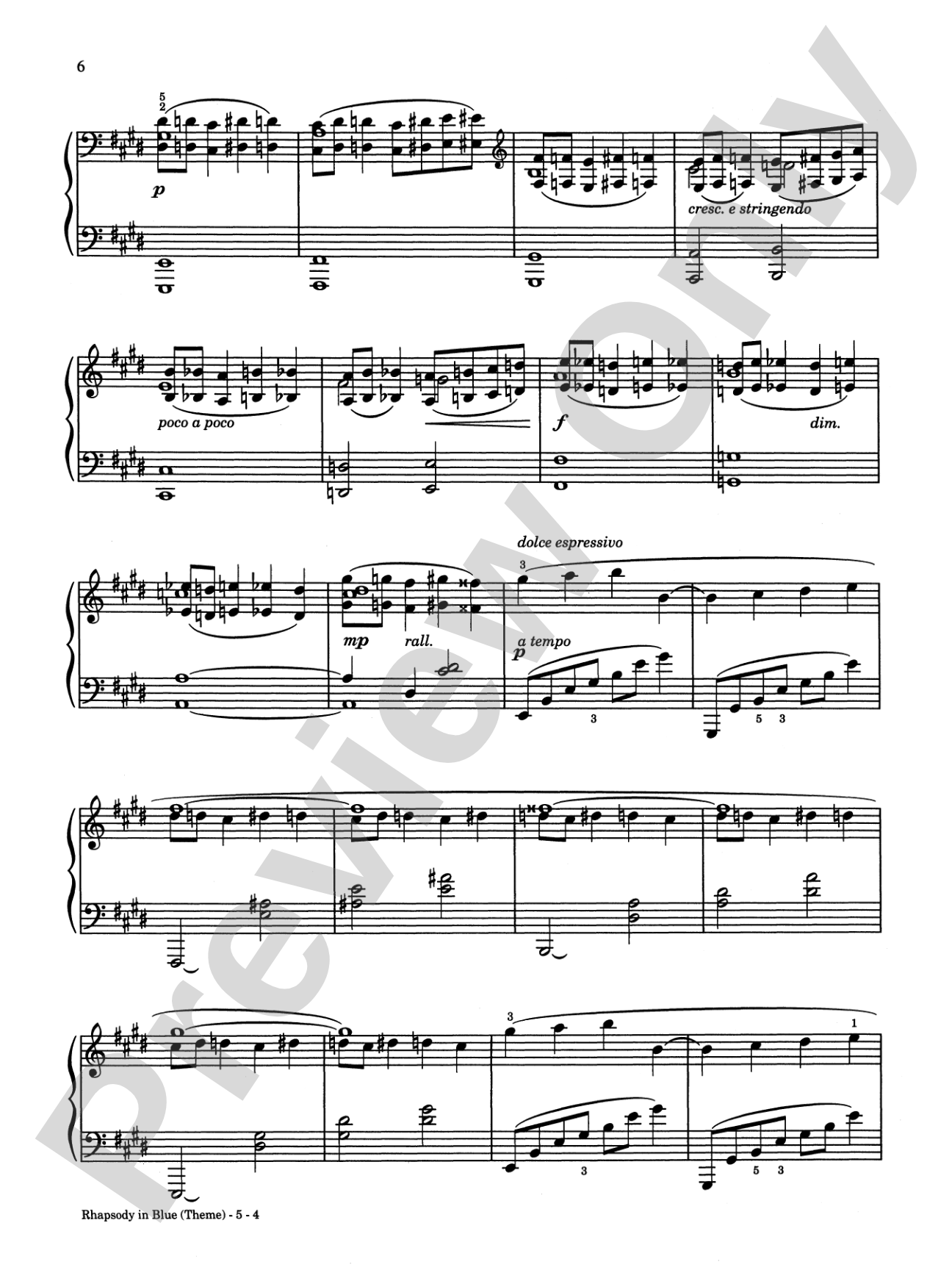
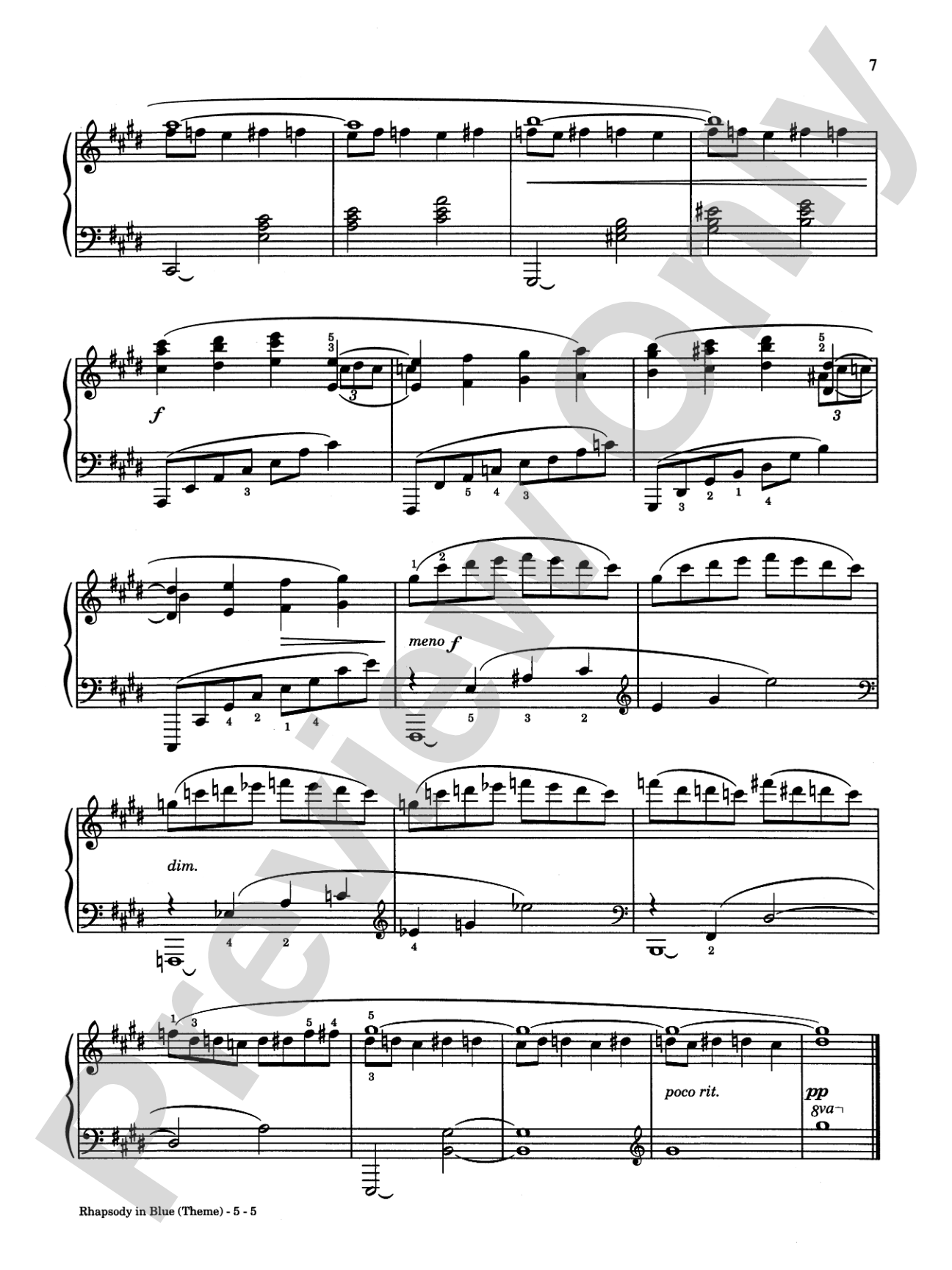
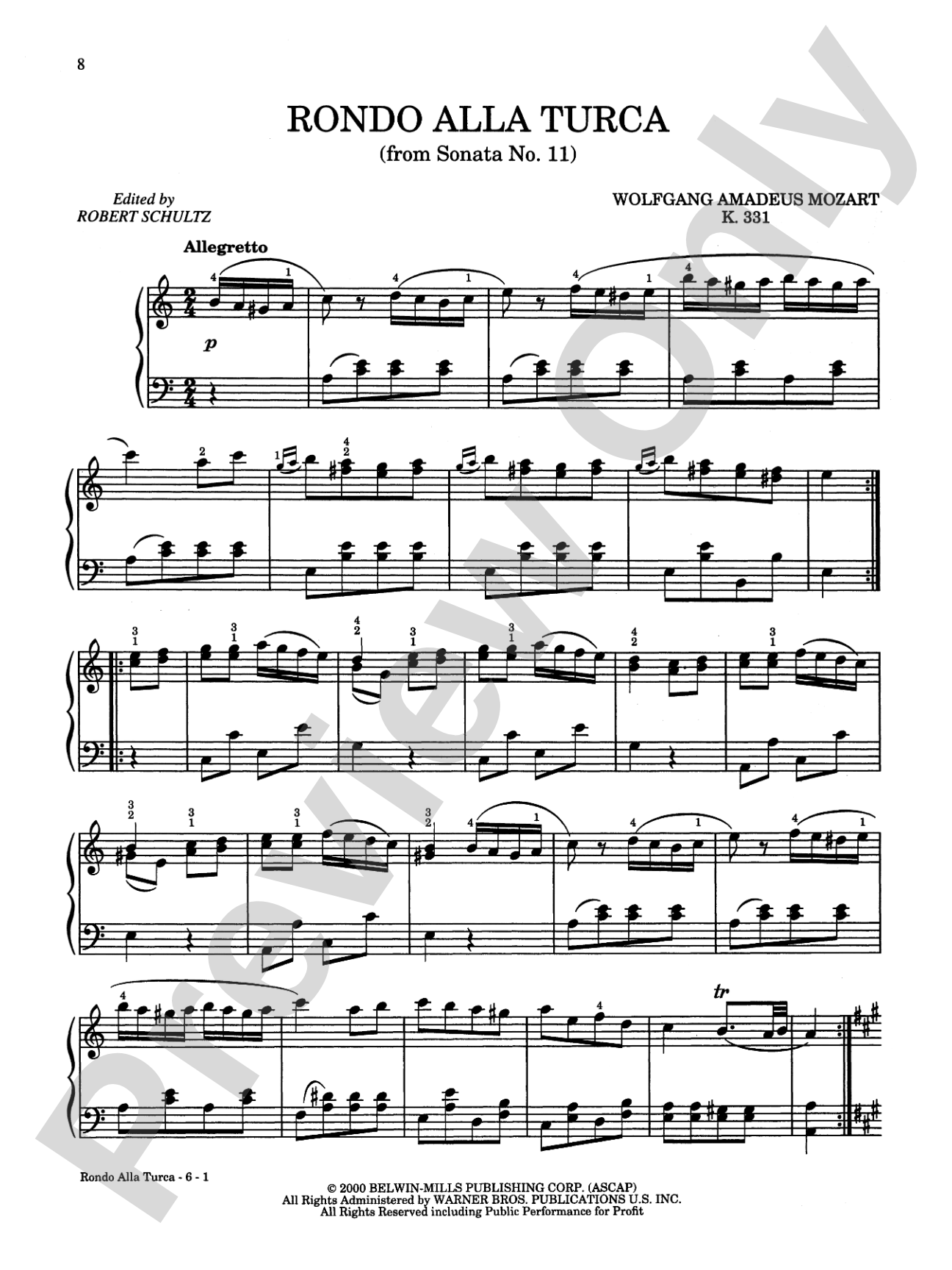
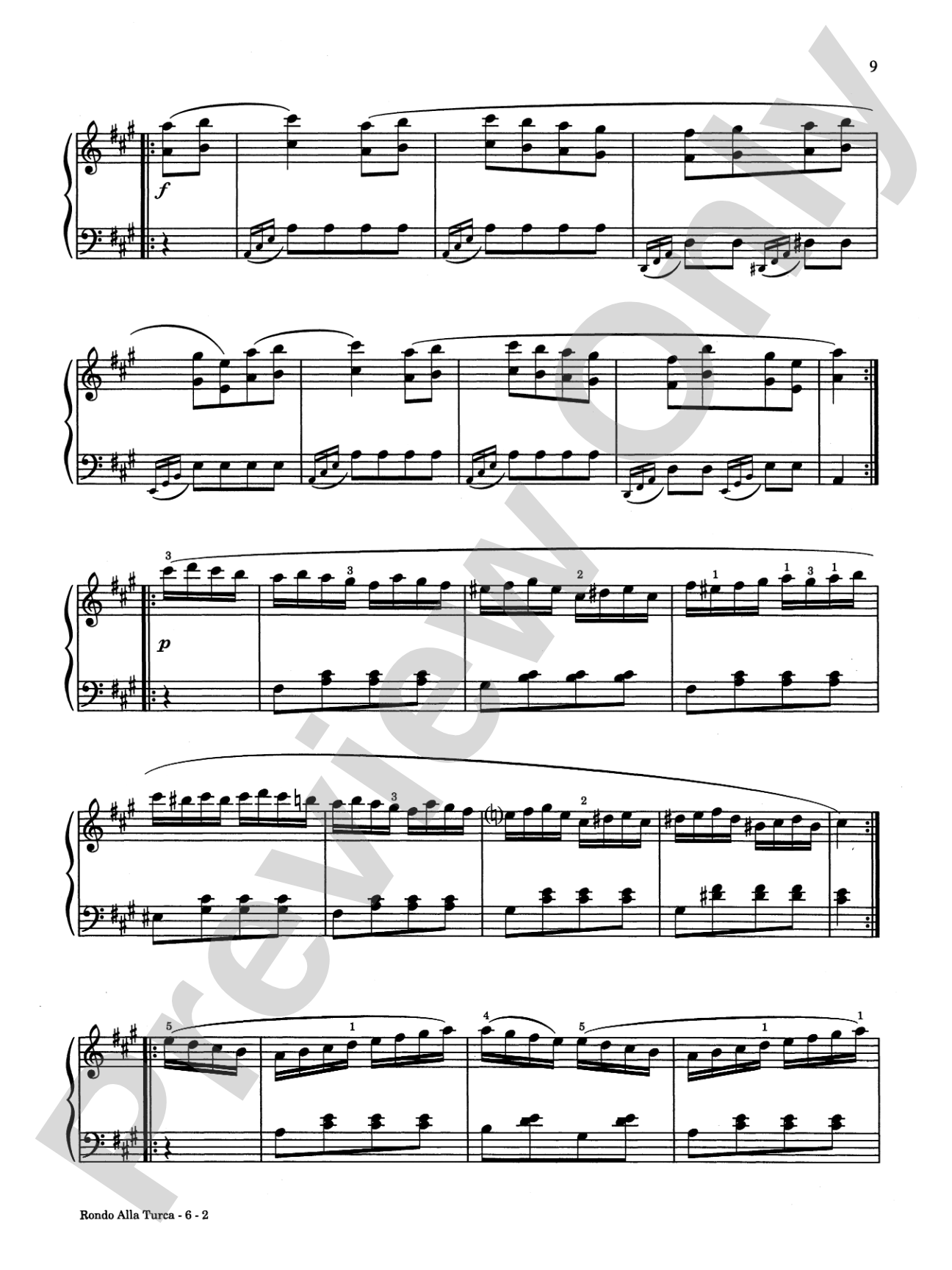
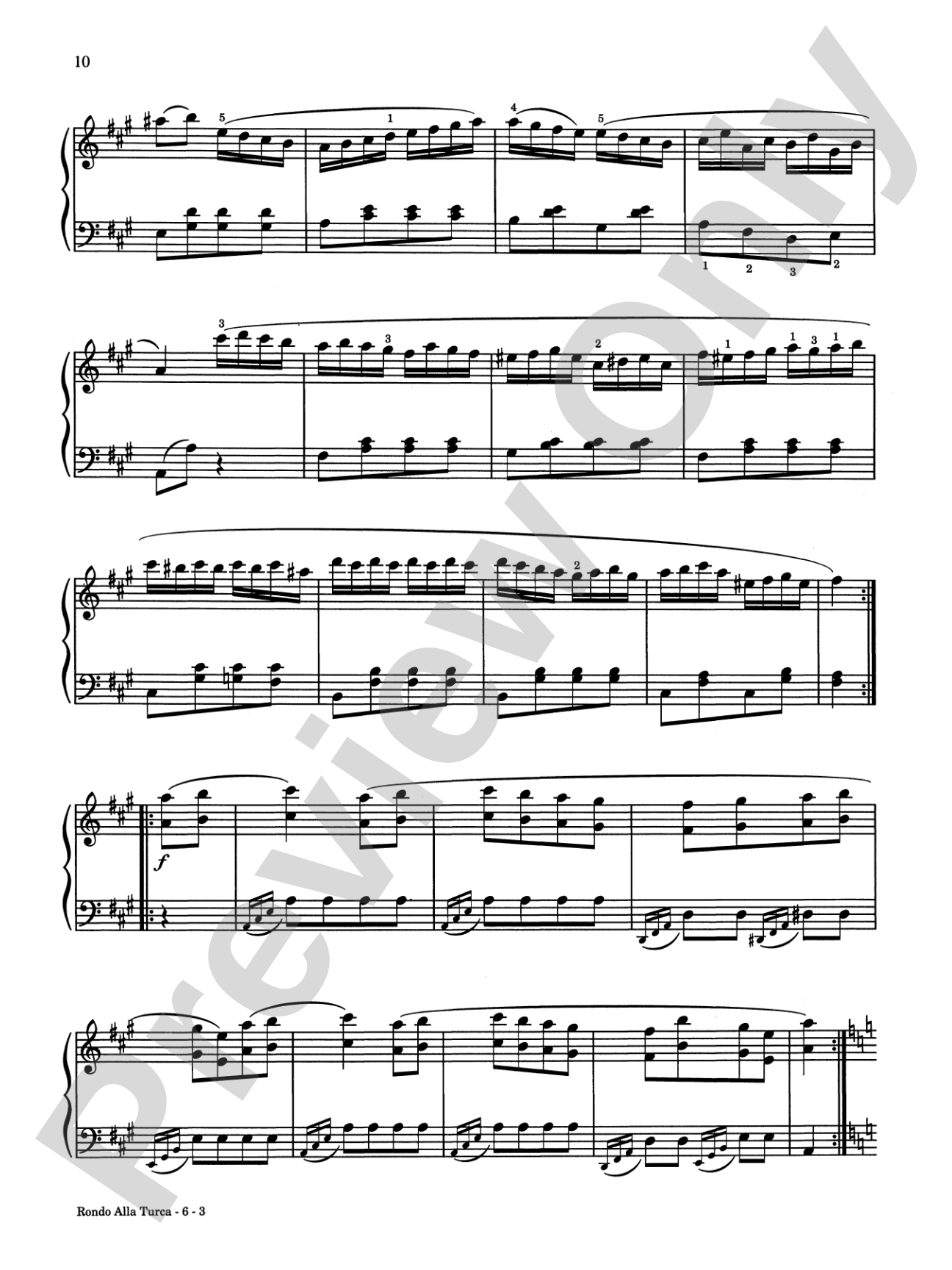
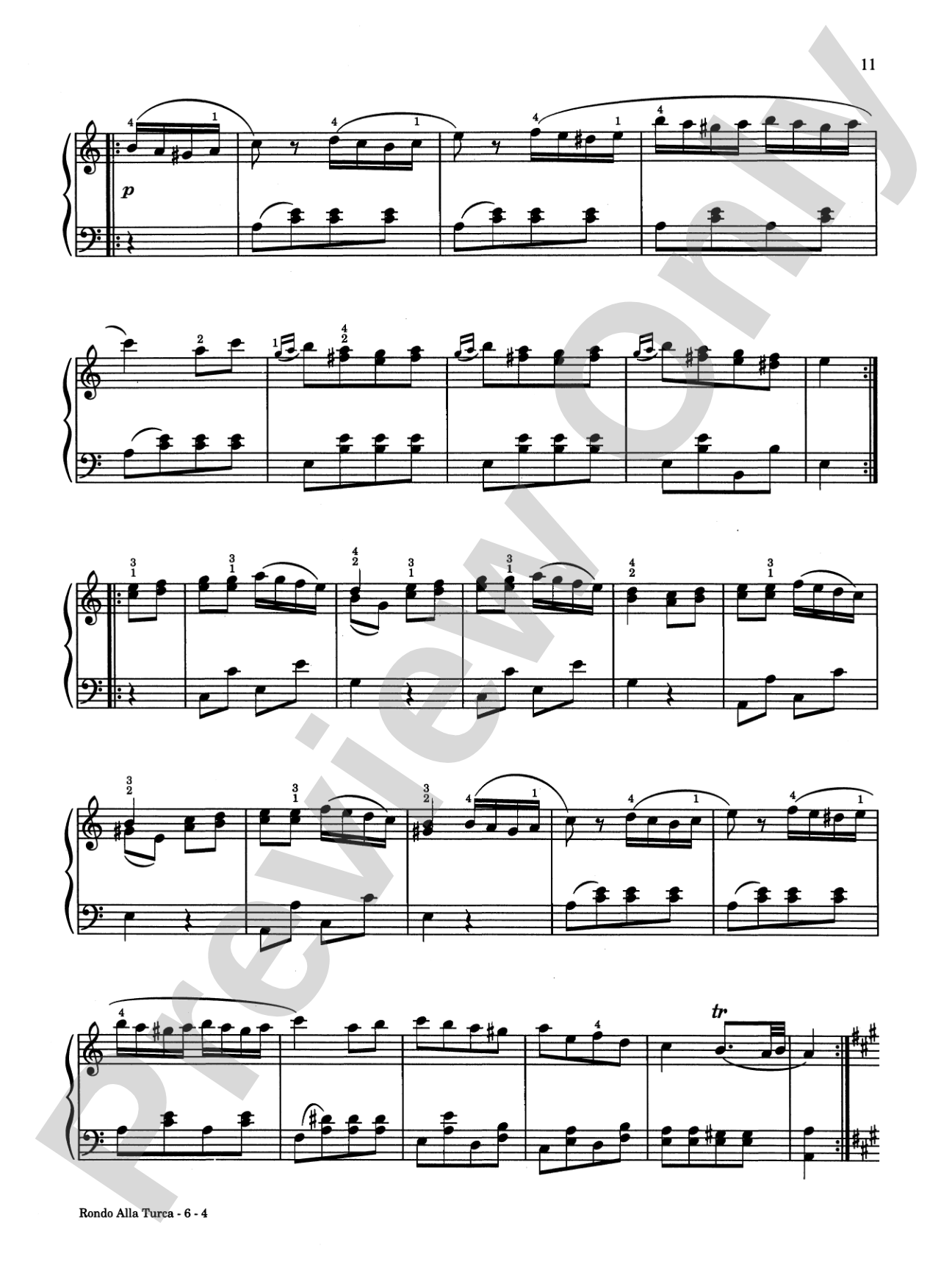
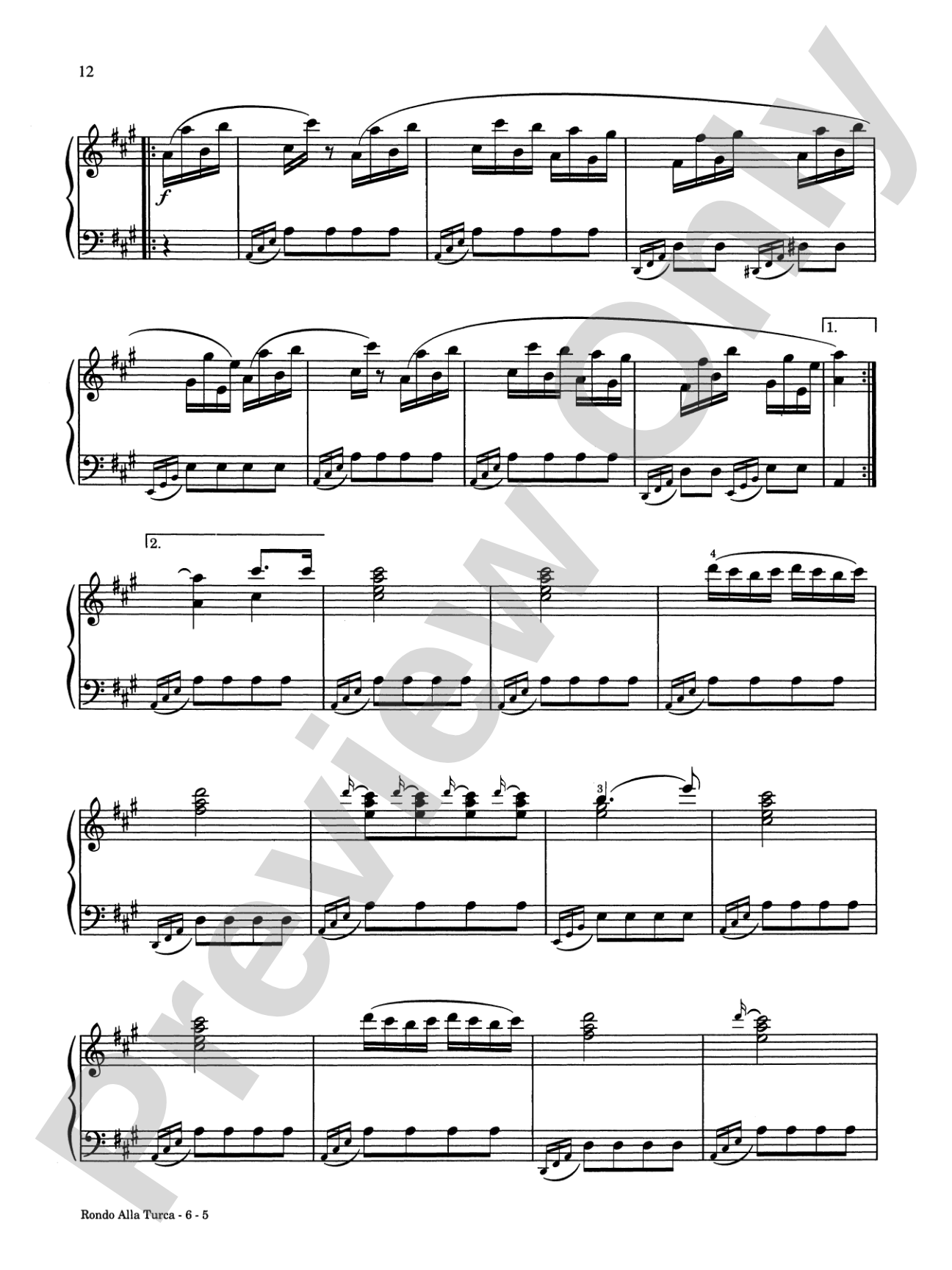
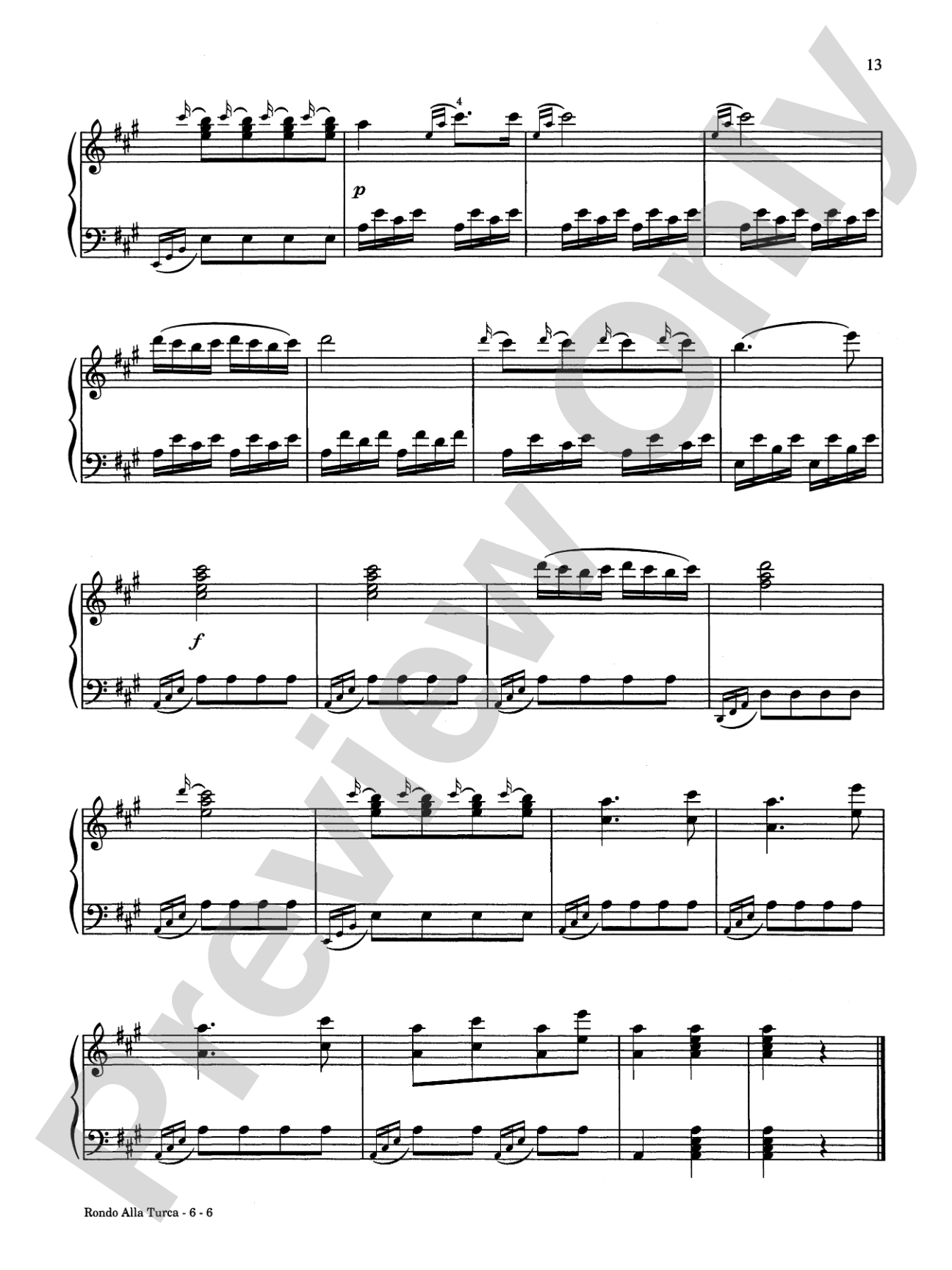
Six classical piano solos in their original form and seven advanced piano transcriptions, including a new piano solo arrangement of the main theme from the ever-popular Rhapsody in Blue. This superb collection of classical hits is certain to appeal to all! Titles include: Sleeping Beauty Waltz (Tchaikovsky) * Air for the G String (J. S. Bach) * Intermezzo from Cavalleria Rusticana (Mascagni) * Funeral March (Chopin) * Rondo Alla Turca (W. A. Mozart) and more.
Discover MakeMusic Cloud: thousands of interactive titles your students can play along with today.
Robert Schultz has spent decades curating and arranging keyboard music for performers at all levels, with a particular gift for making orchestral masterworks accessible at the piano without sacrificing their grandeur. His arrangements prioritize musical integrity; rather than simplifying great themes into unrecognizable fragments, Schultz finds the essential architecture of each piece and rebuilds it thoughtfully for solo keyboard.
Why we love this
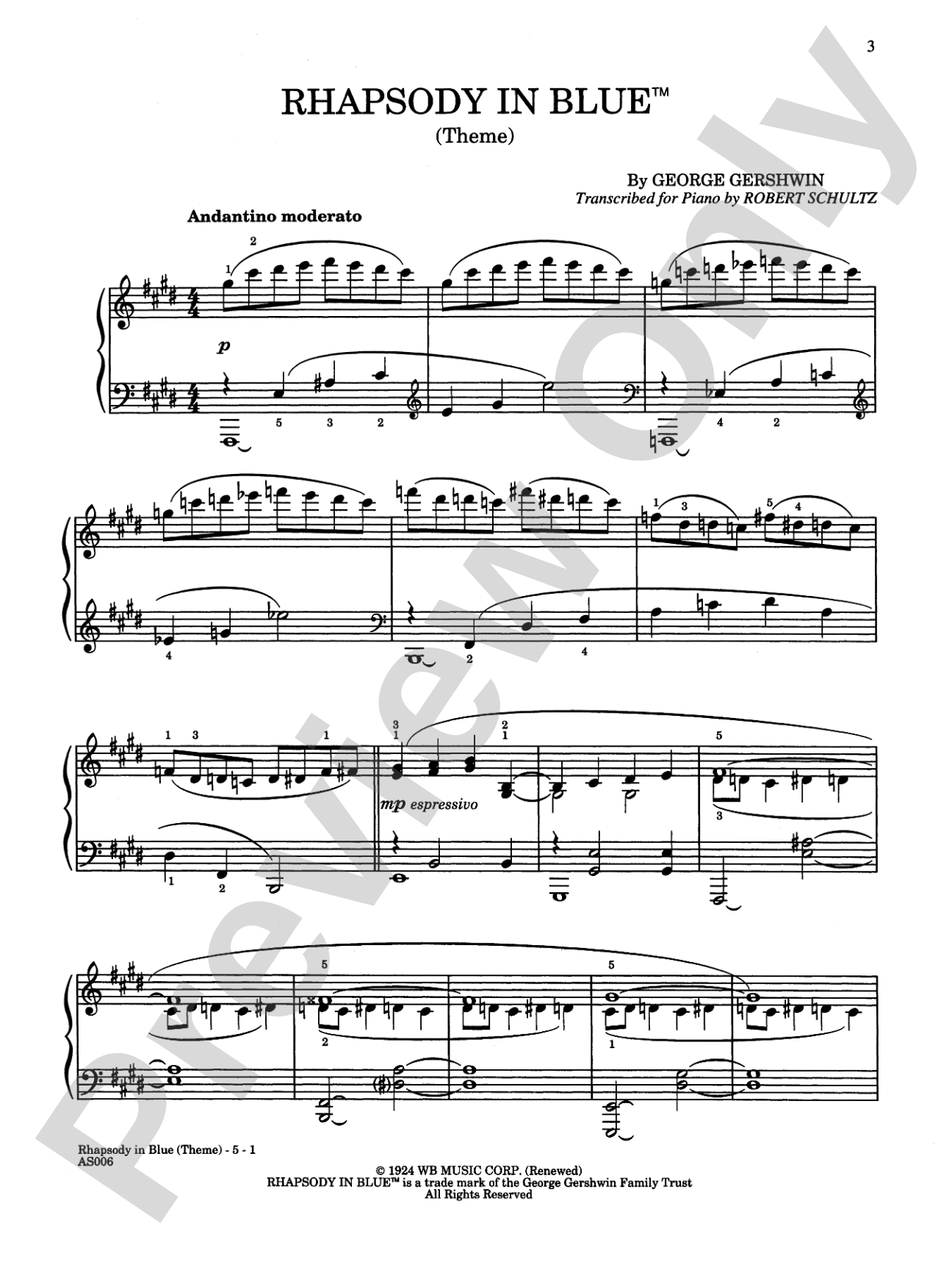
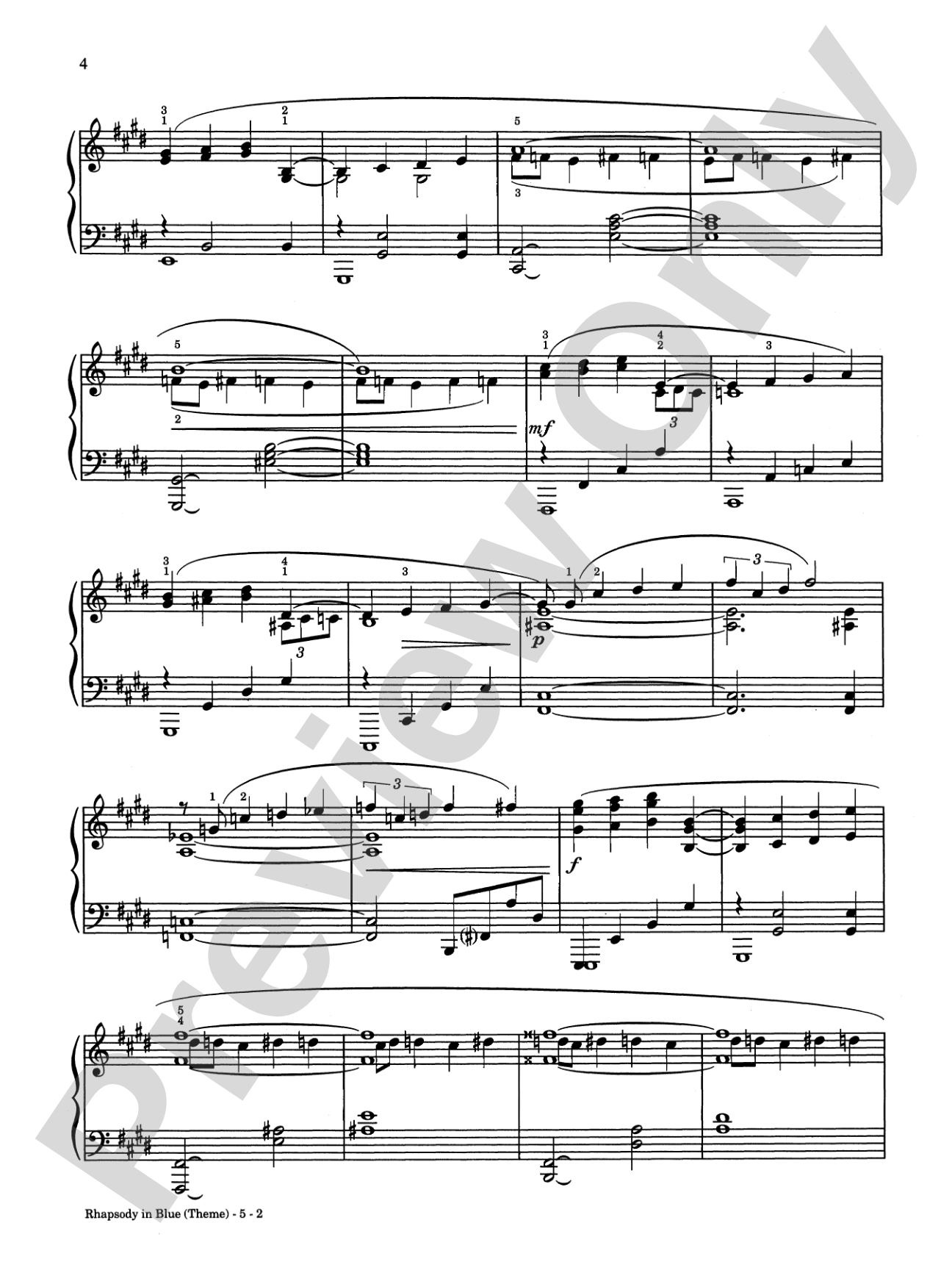
This collection pulls together some of classical music's most beloved moments, but the real strength lies in Schultz's editorial judgment. He includes both works in their original piano form (like Mozart's Rondo Alla Turca and Chopin's Funeral March) and newly imagined transcriptions, creating a program that flows between familiar terrain and fresh interpretations without ever feeling scattered. The Rhapsody in Blue arrangement alone is worth the collection; it captures the jazzy, urgent spirit of Gershwin's original while sitting naturally under advanced pianists' hands.
What to expect
Stepping into a concert hall's greatest hits. These pieces carry the weight and sweep of their orchestral origins, yet the intimacy of solo piano brings you closer to each melody's emotional core. You'll move between the waltzing elegance of Tchaikovsky, the baroque geometry of Bach, and the sultry drama of late Romanticism, all without leaving the bench.
Who it's for
Advanced pianists looking to build a recital program or concert selection without hours spent hunting for arrangements that actually work. This collection also serves teachers who want to place classical standards into the hands of students who thrive on recognizable material with real musical substance.
How to get the most out of it
Treat the Gershwin transcription as the jewel of the set. Its blues inflections and syncopation demand that you listen to the orchestral original to understand the harmonic voice leading Schultz has preserved beneath the solo line.
Balance the weight of the larger Romantic-era works (Sleeping Beauty Waltz, Cavalleria Rusticana) with careful voicing in the middle register. These pieces are orchestral at heart; clarity matters more than size.
Lean into the theatrical character of each piece rather than playing them as exercises. Mascagni's Intermezzo asks for warmth and legit singing tone; Chopin's Funeral March demands gravitas and space between phrases.
The variety of keyboard textures across these 13 pieces means you'll spend more time than usual on technical details (hand position shifts, pedal clarity, independence between hands). Plan rehearsals accordingly.
How to use it
Build a classical survey recital around the stronger transcriptions, bracketing them with the original piano works to show how the same composer sounds at the keyboard versus in orchestration. Alternatively, extract individual pieces for student recitals or community concerts where audiences want comfort alongside quality. The sheer range of moods and styles makes this a resourceful source for filling out a mixed-bag concert program.
Skills your students will build
Translating orchestral color and texture into solo piano voicing
Stylistic awareness across Baroque, Classical, and Romantic idioms
Hand independence and register management in transcribed arrangements
Pedal technique for sustaining harmony across sparse arrangements
Phrasing and rubato consistent with original instrumental intent
You May Also Like
Scan to Complete Your Purchase
Use your phone's camera to scan the code below
You'll log in on your phone and the order will be added to your account