

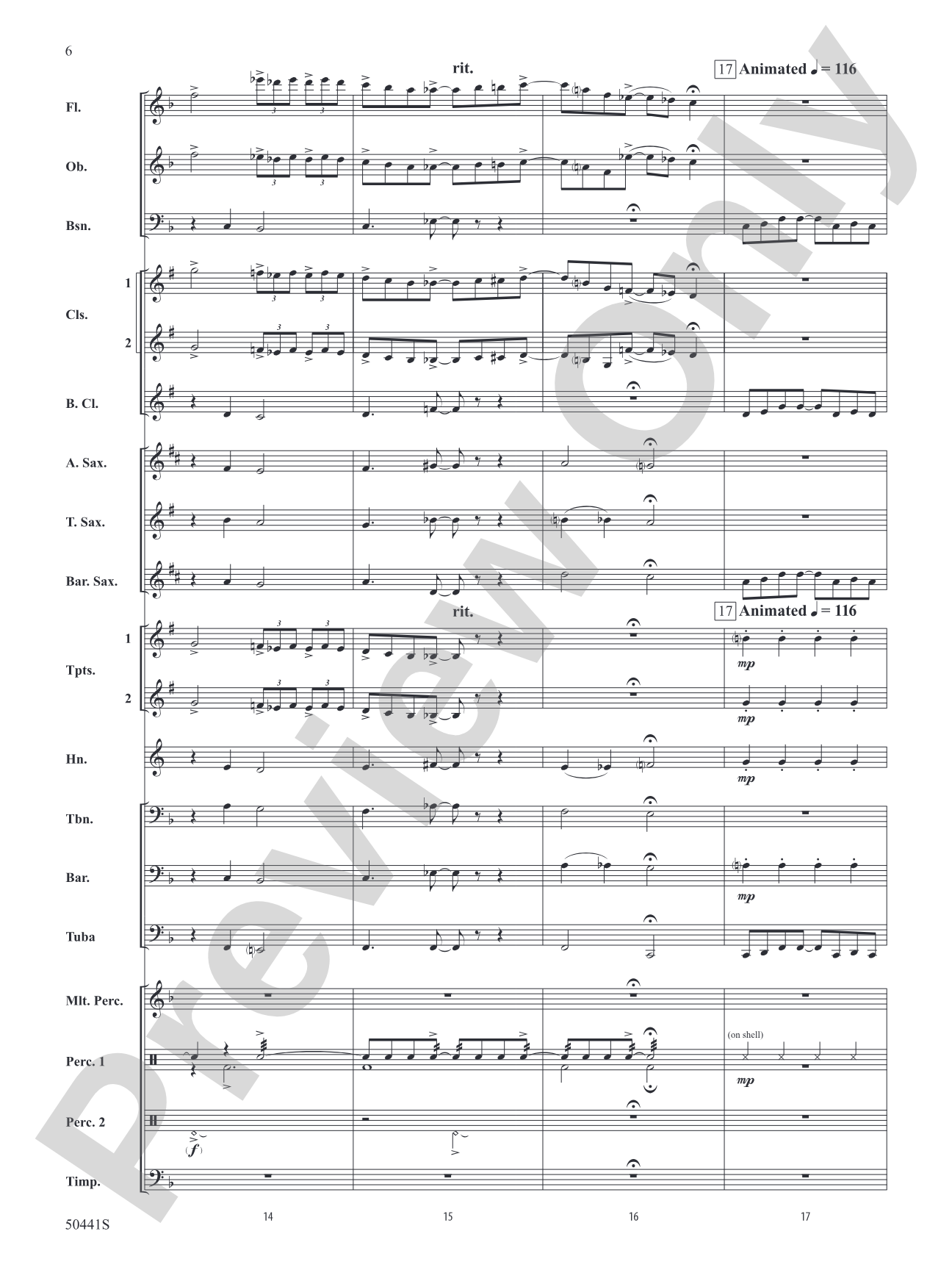
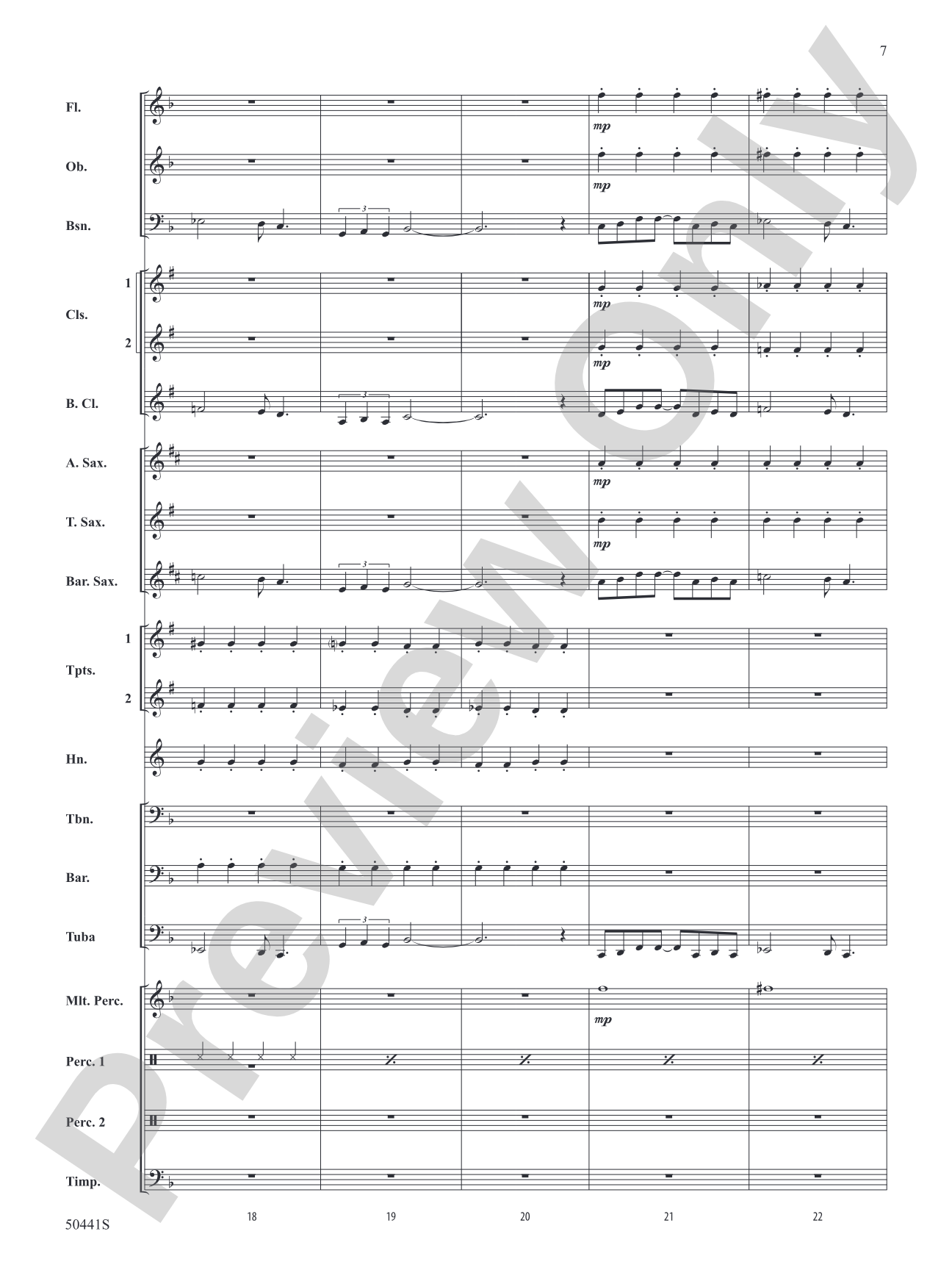
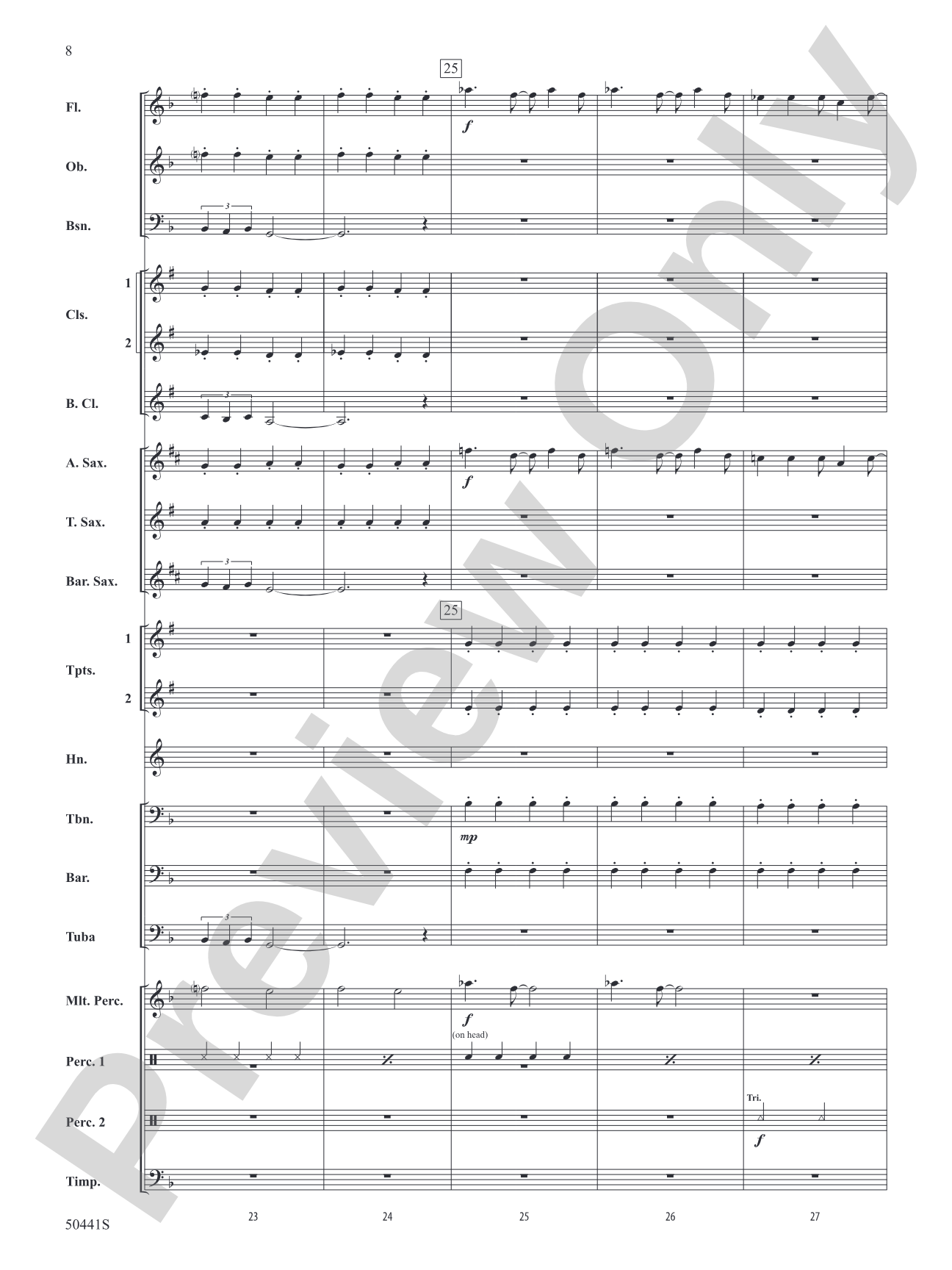
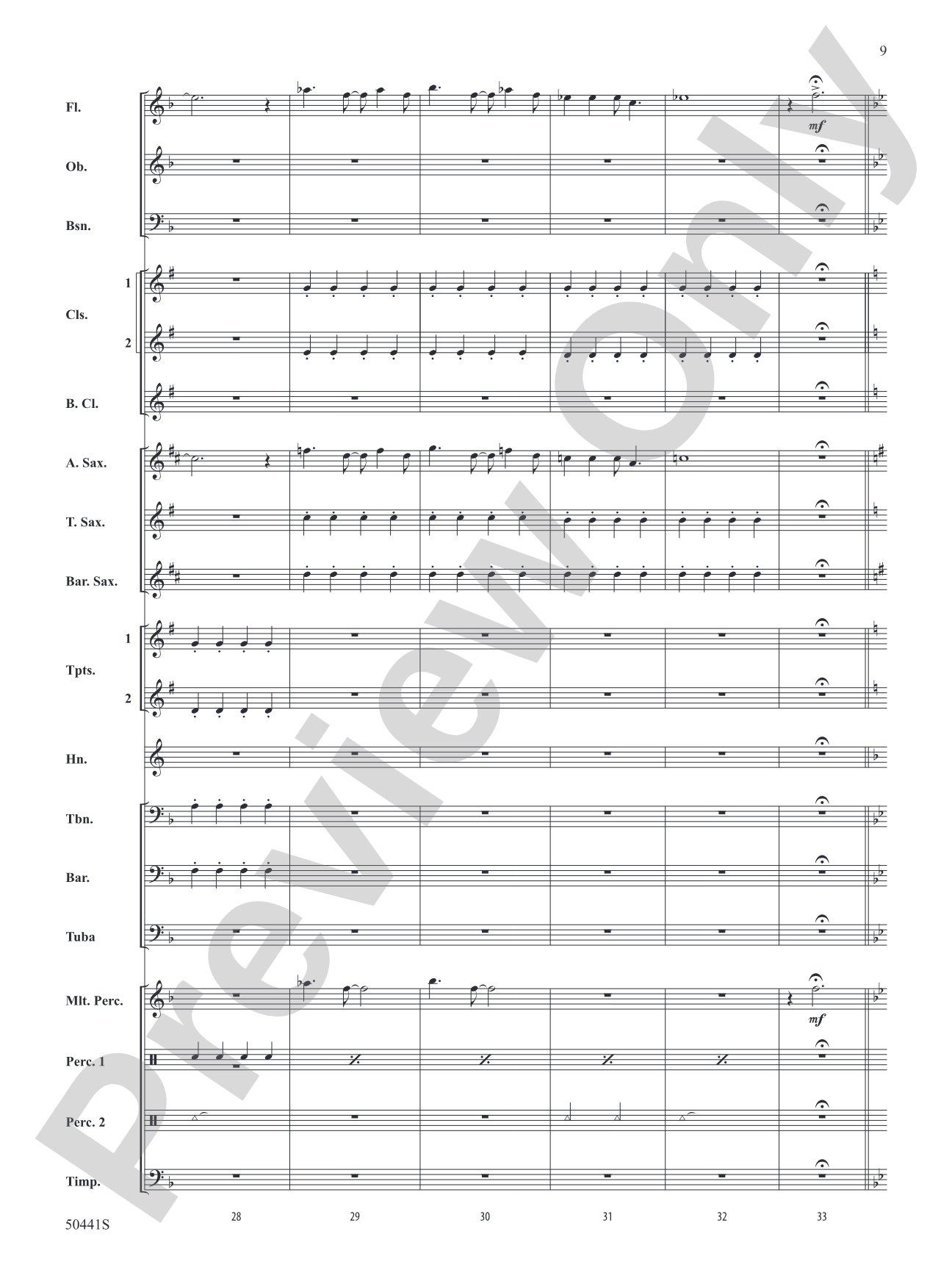
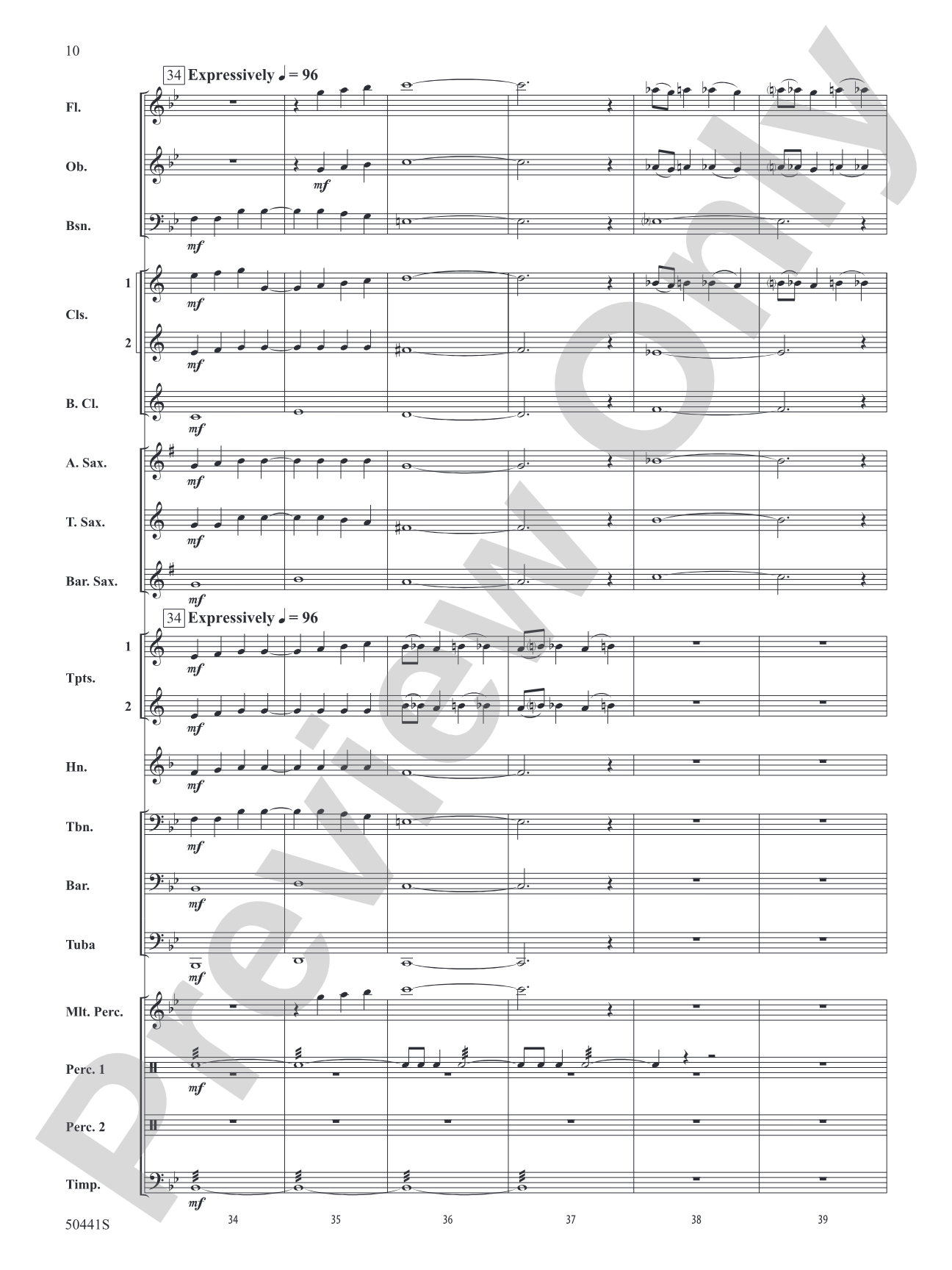
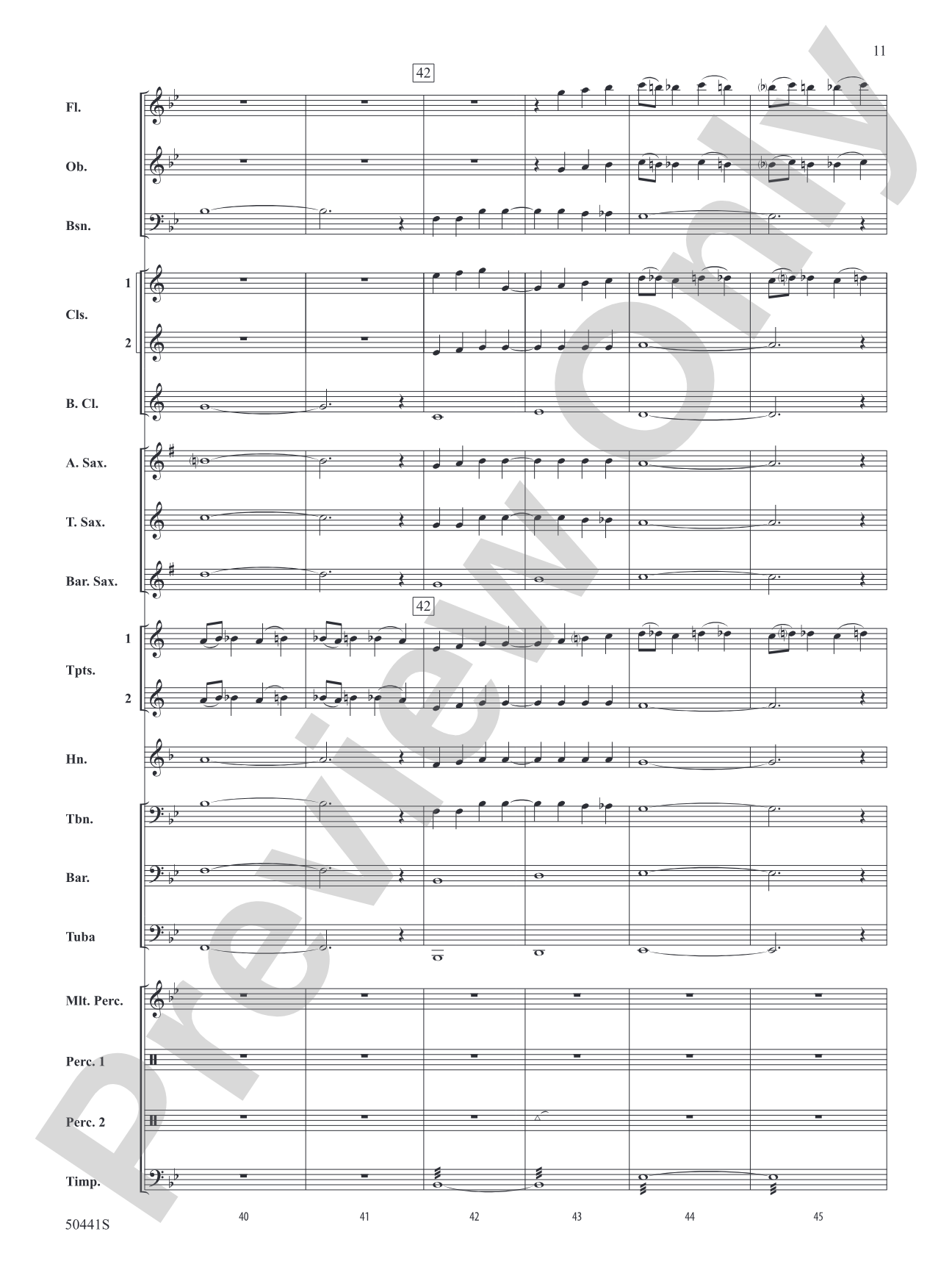
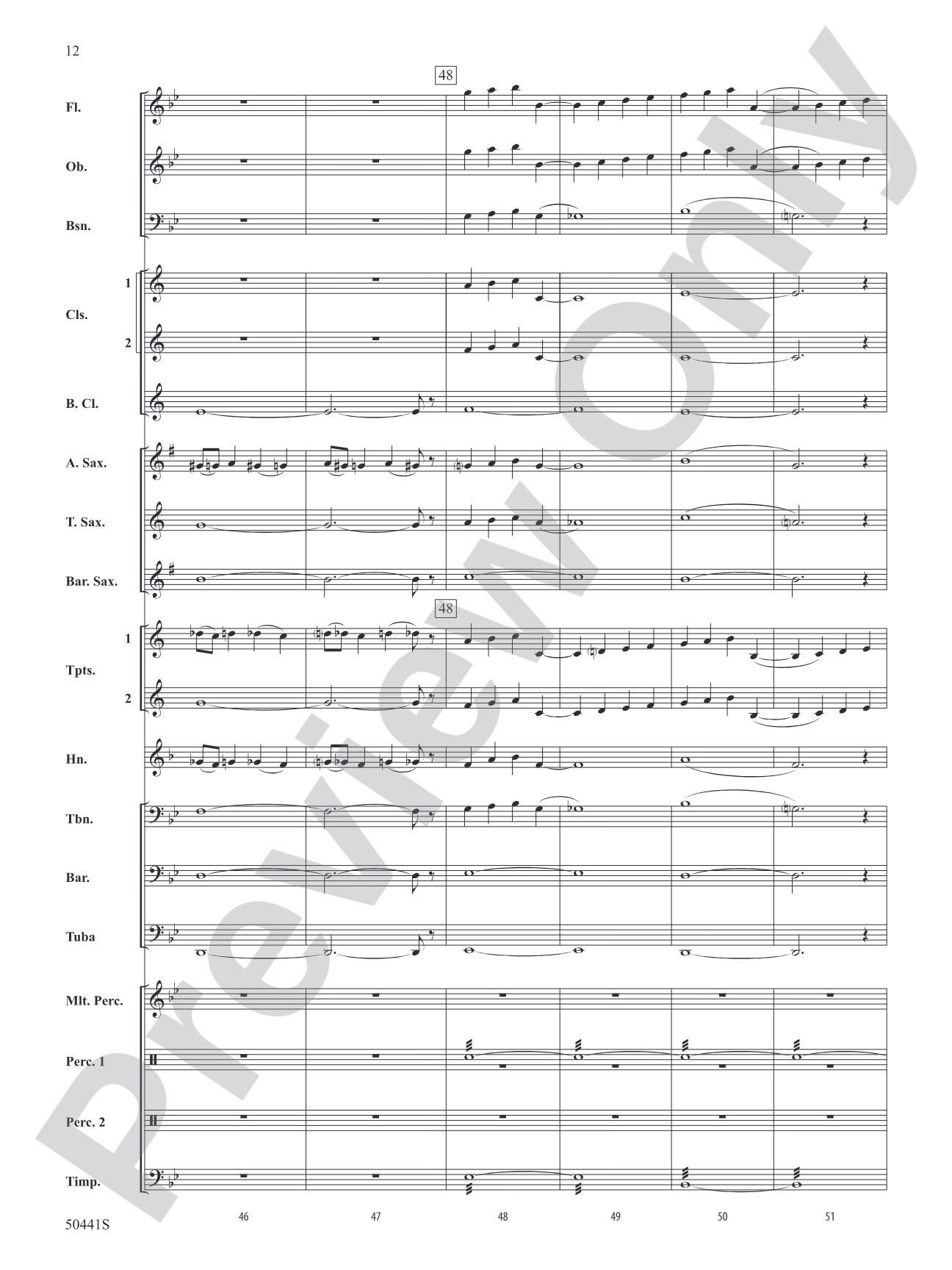
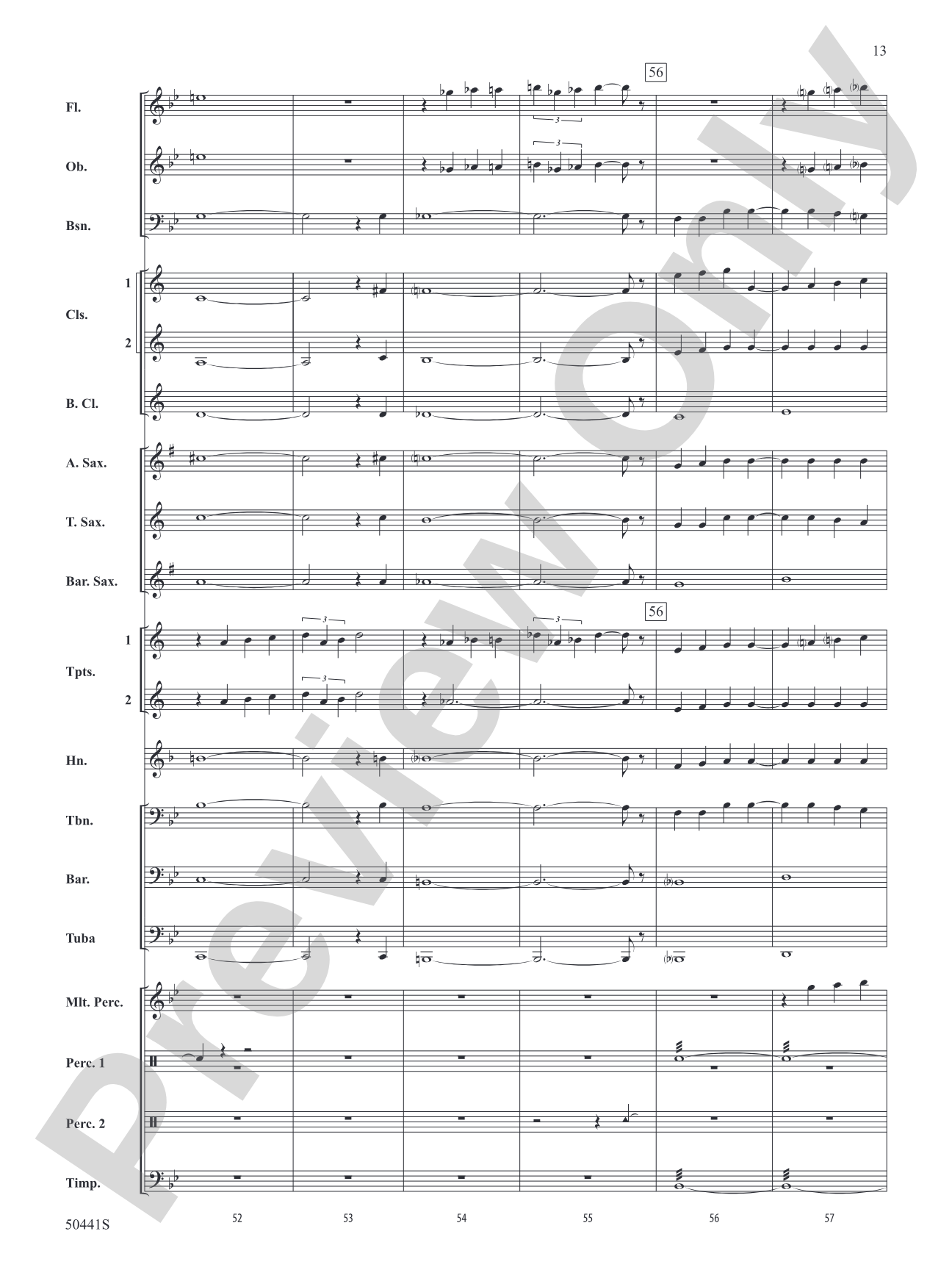
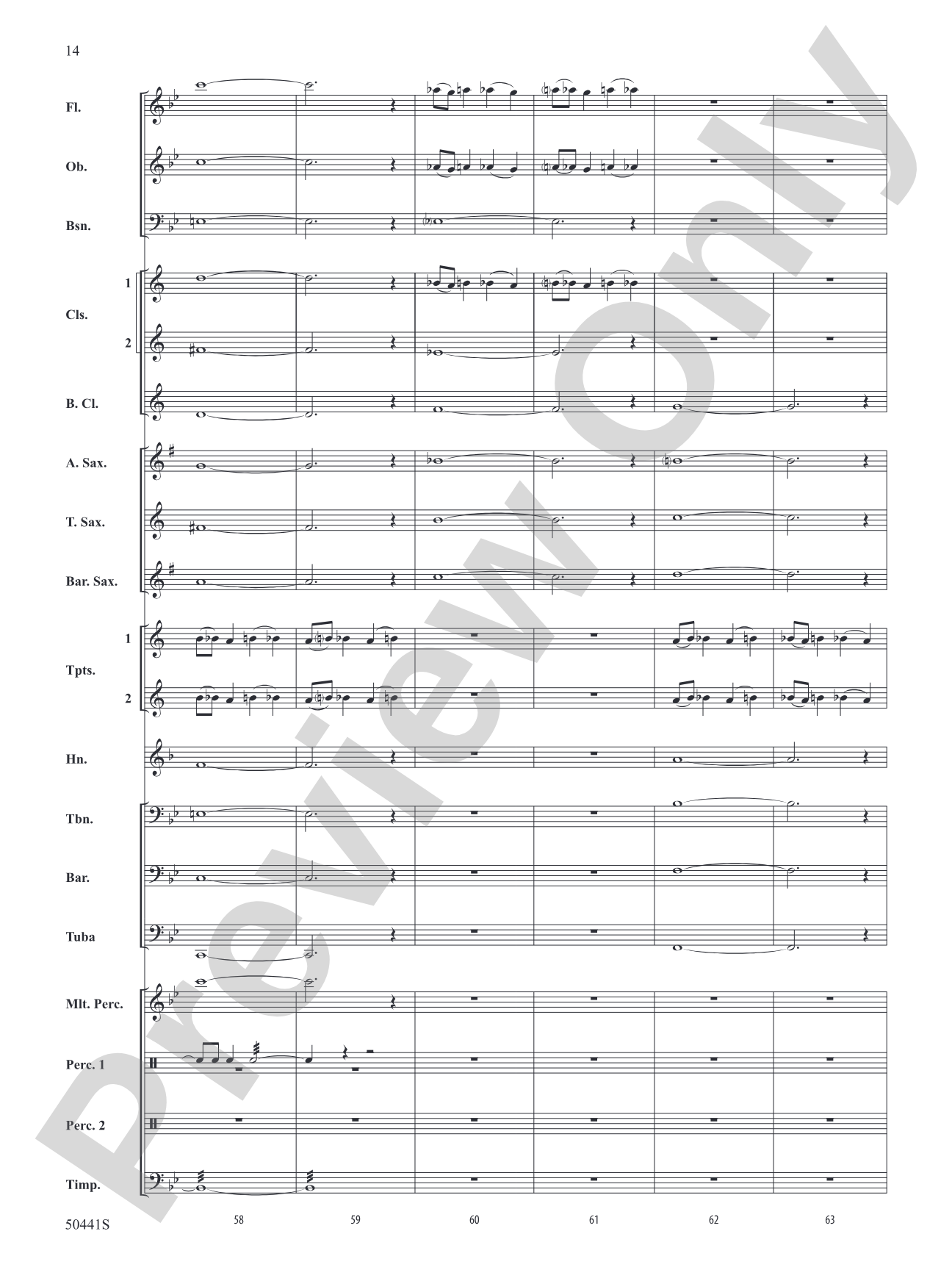
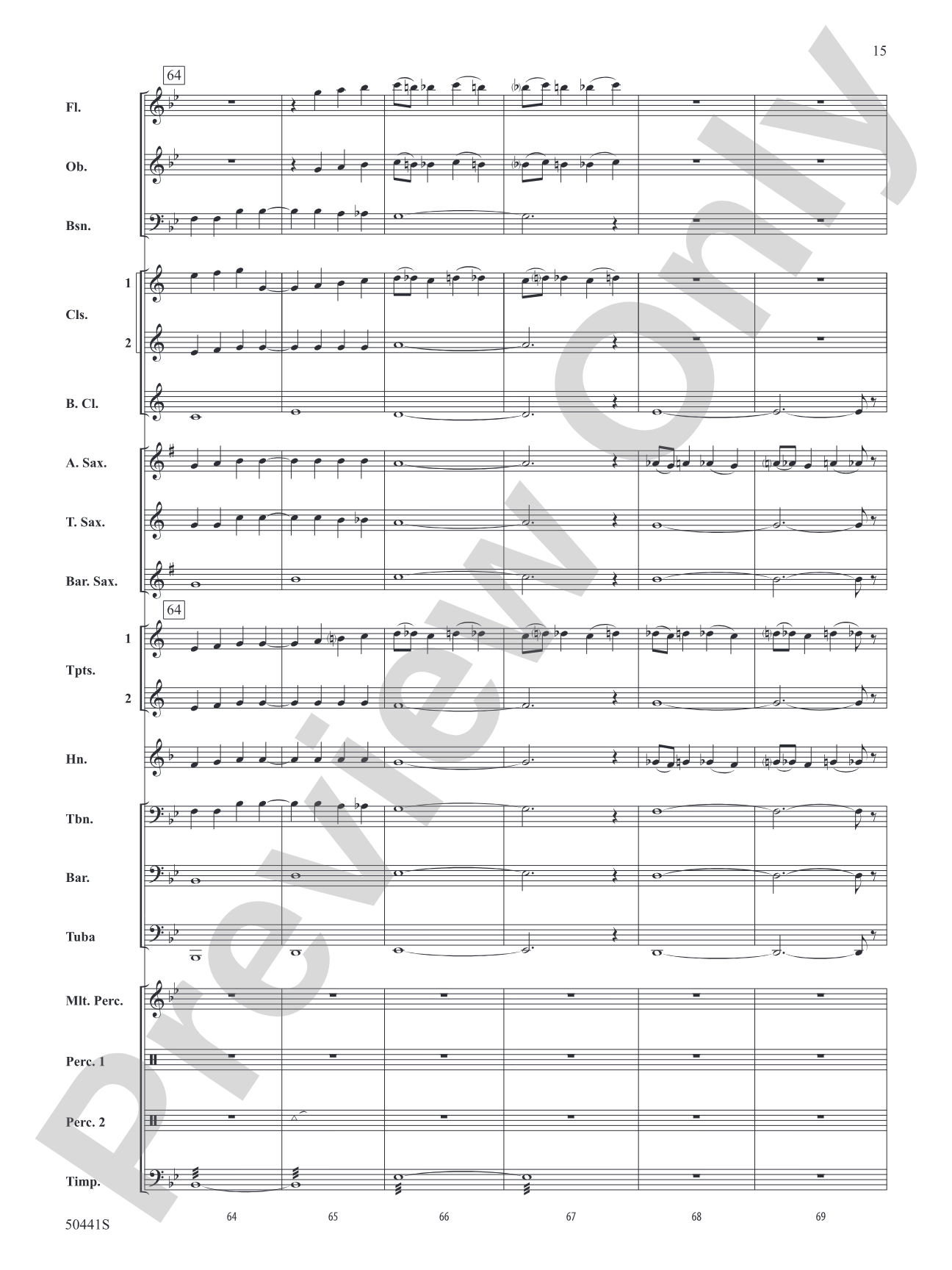
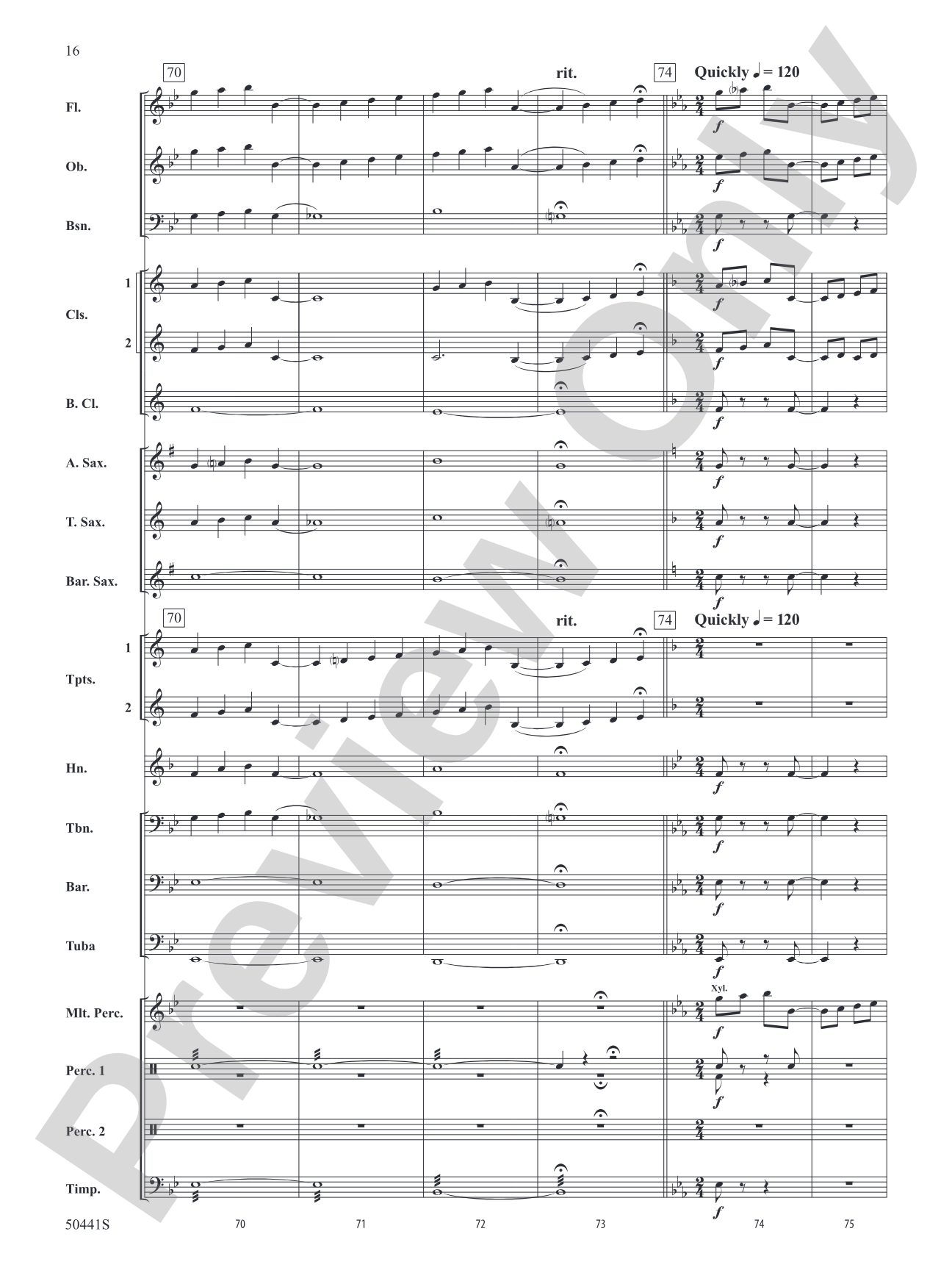
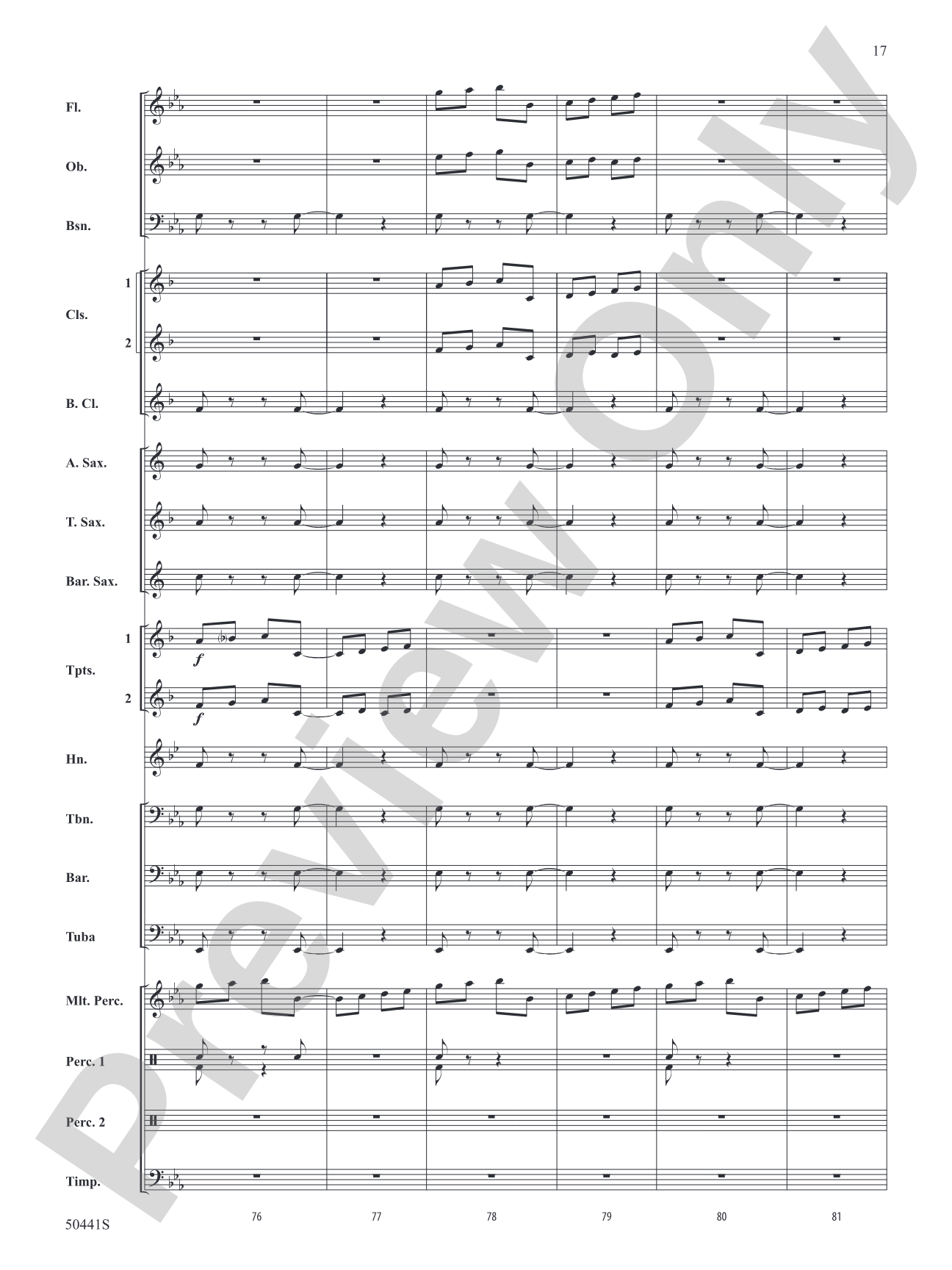

Rhapsody in Blue: Concert Band Conductor Score & Parts
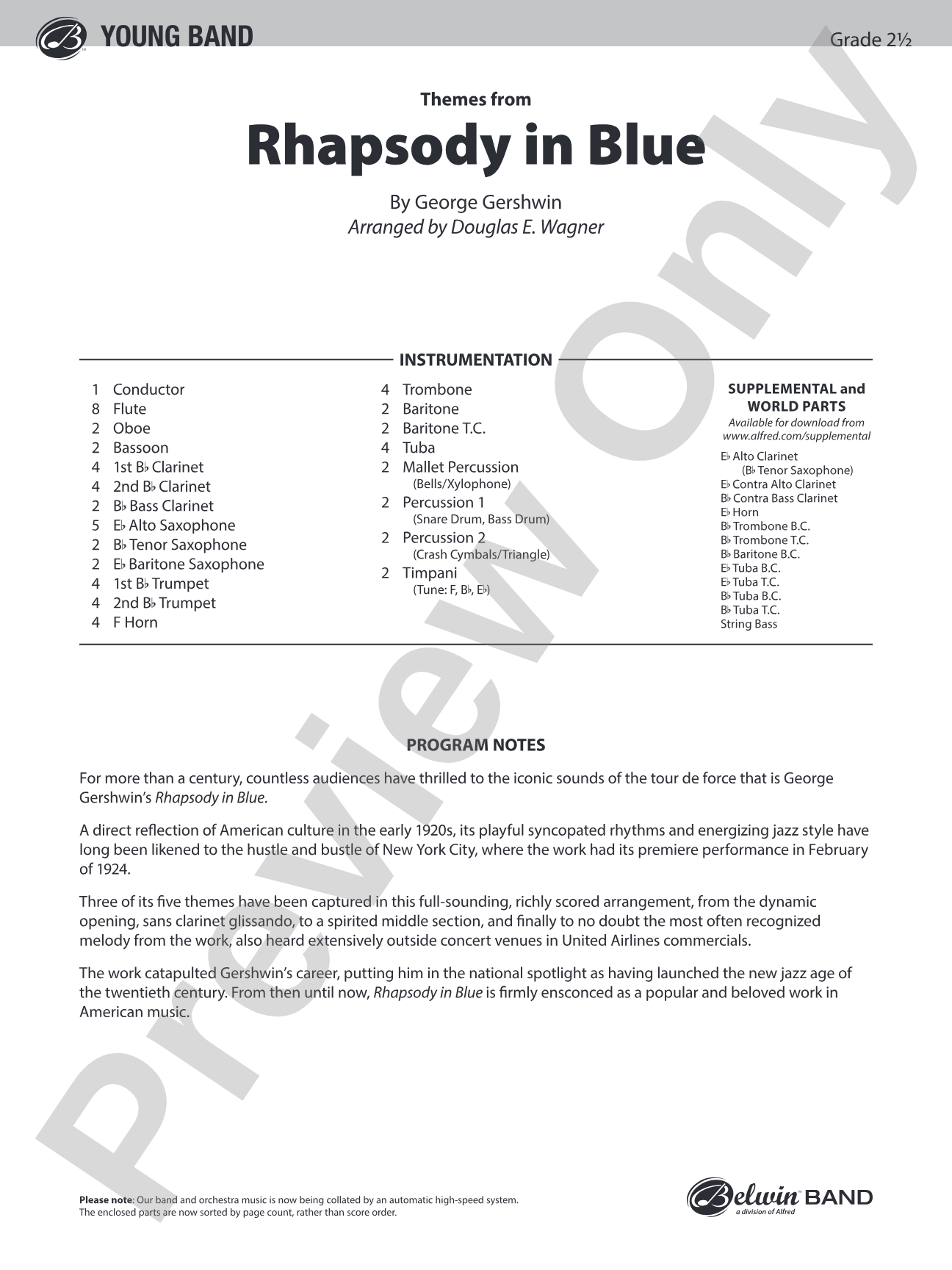
By George Gershwin / arr. Douglas E. Wagner
Grade: 2.5
Item: 00-PK-0009487

$75.00
Pickup currently not available
Buy Extra Parts (Digital PDF Download)
| Product | Price | Quantity |
|---|---|---|
| Rhapsody in Blue: Score | $12.00 | |
| Rhapsody in Blue: Flute | $3.00 | |
| Rhapsody in Blue: Oboe | $3.00 | |
| Rhapsody in Blue: Bassoon | $3.00 | |
| Rhapsody in Blue: 1st B-flat Clarinet | $3.00 | |
| Rhapsody in Blue: 2nd B-flat Clarinet | $3.00 | |
| Rhapsody in Blue: B-flat Bass Clarinet | $3.00 | |
| Rhapsody in Blue: E-flat Alto Saxophone | $3.00 | |
| Rhapsody in Blue: B-flat Tenor Saxophone | $3.00 | |
| Rhapsody in Blue: E-flat Baritone Saxophone | $3.00 | |
| Rhapsody in Blue: 1st B-flat Trumpet | $3.00 | |
| Rhapsody in Blue: 2nd B-flat Trumpet | $3.00 | |
| Rhapsody in Blue: 1st F Horn | $3.00 | |
| Rhapsody in Blue: 1st Trombone | $3.00 | |
| Rhapsody in Blue: Baritone B.C. | $3.00 | |
| Rhapsody in Blue: Baritone T.C. | $3.00 | |
| Rhapsody in Blue: Tuba | $3.00 | |
| Rhapsody in Blue: Mallets | $3.00 | |
| Rhapsody in Blue: 1st Percussion | $3.00 | |
| Rhapsody in Blue: 2nd Percussion | $3.00 | |
| Rhapsody in Blue: Timpani | $3.00 |
Parts Added to Cart!
Description
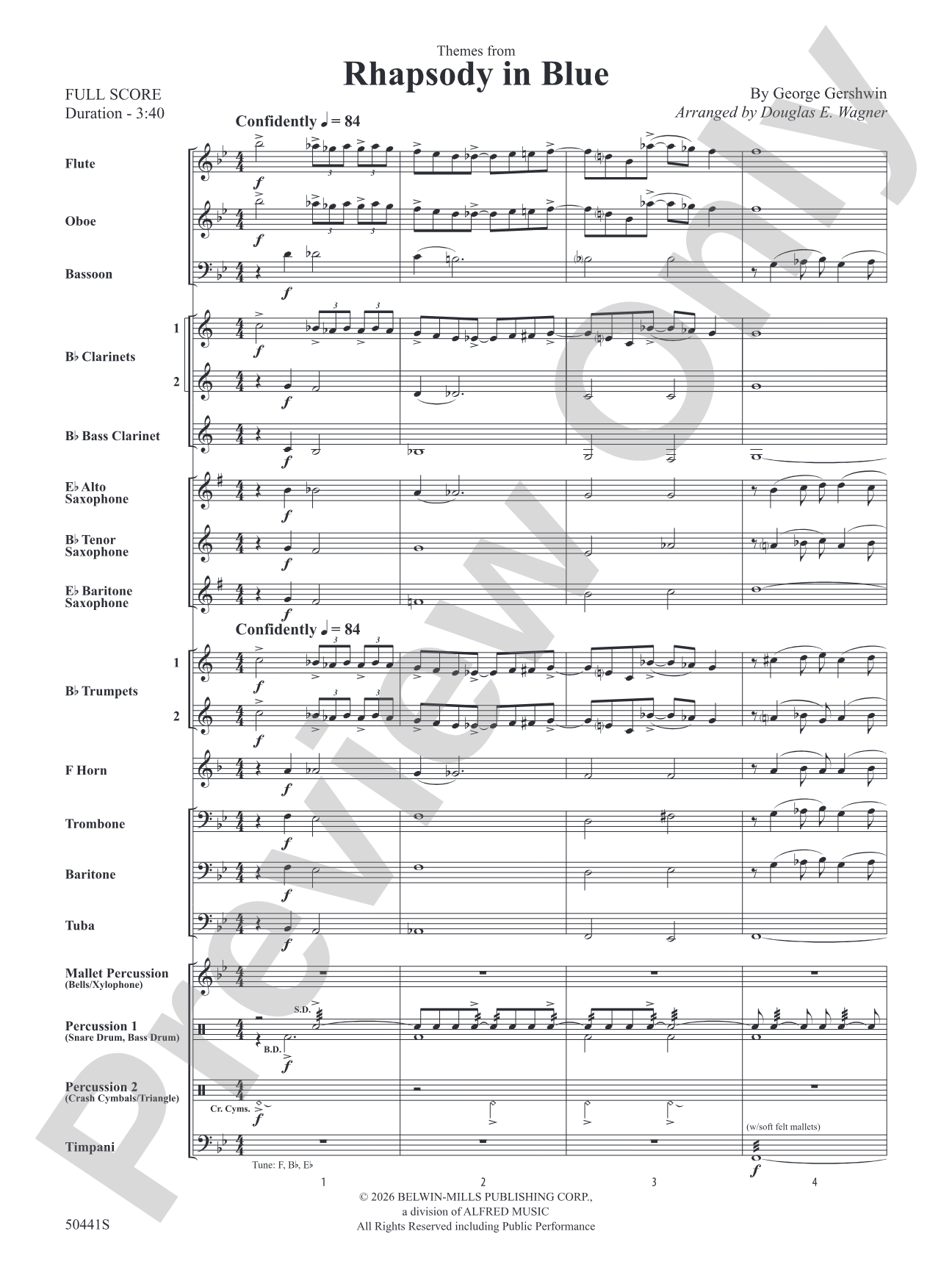
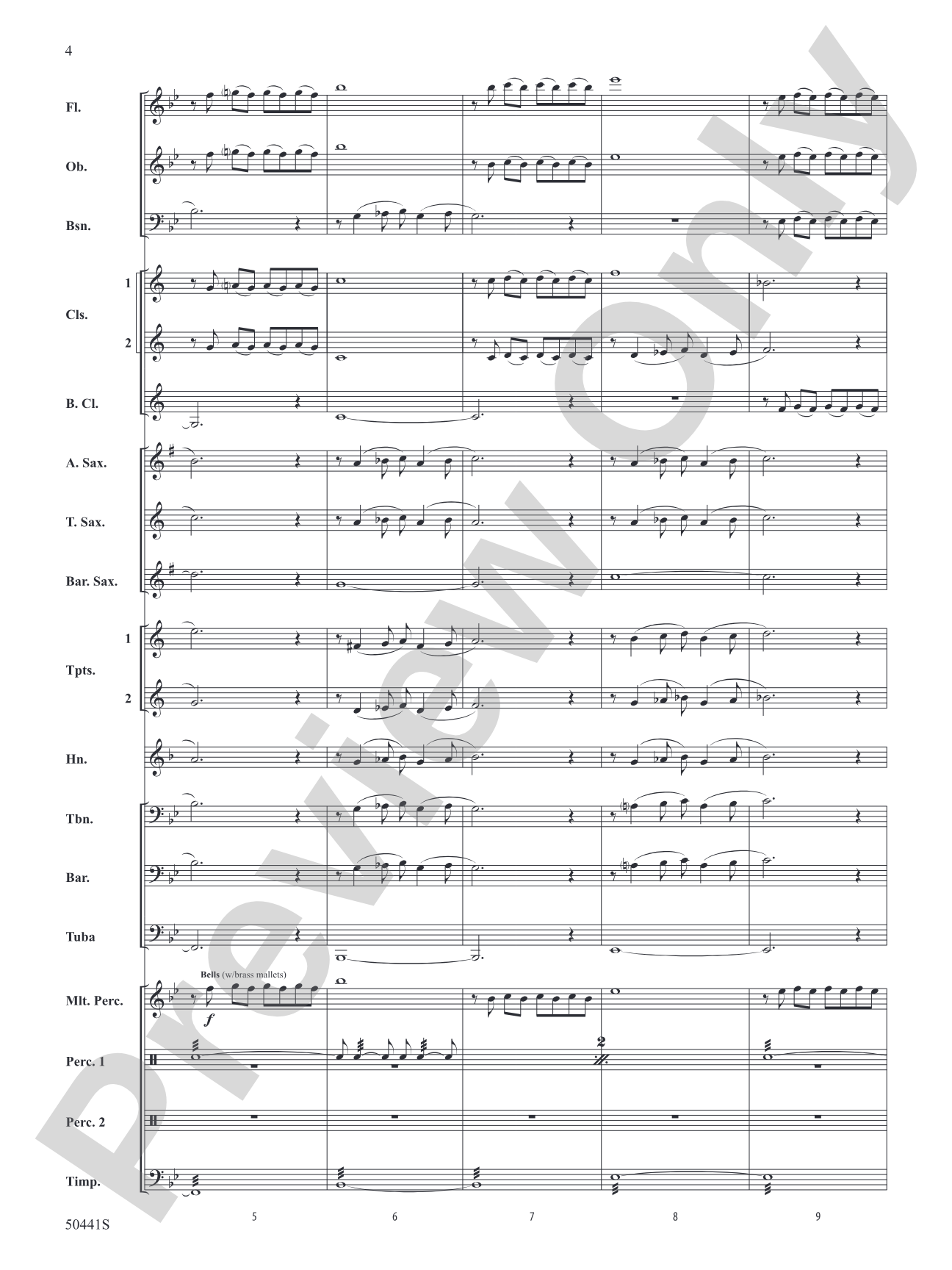
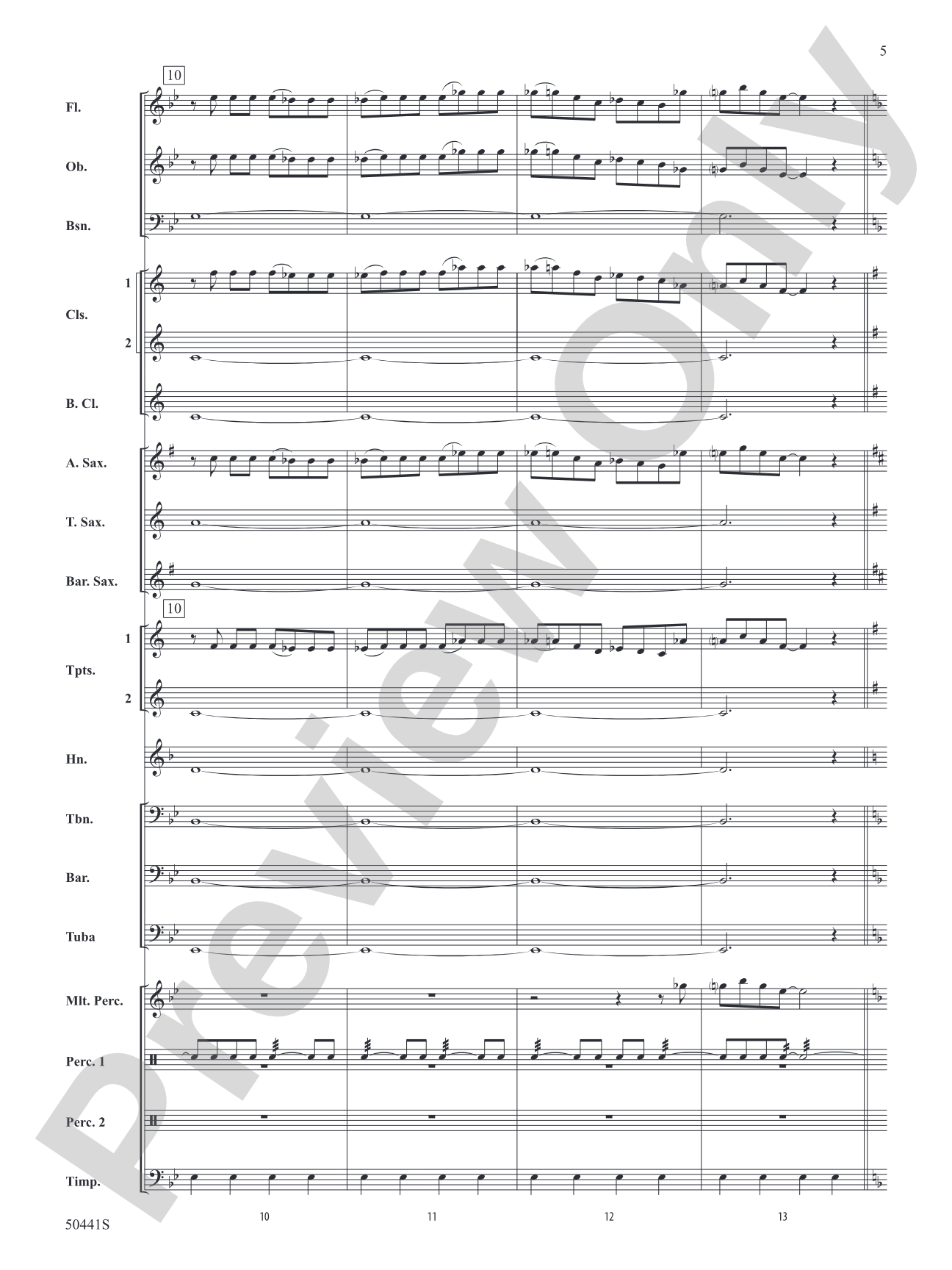
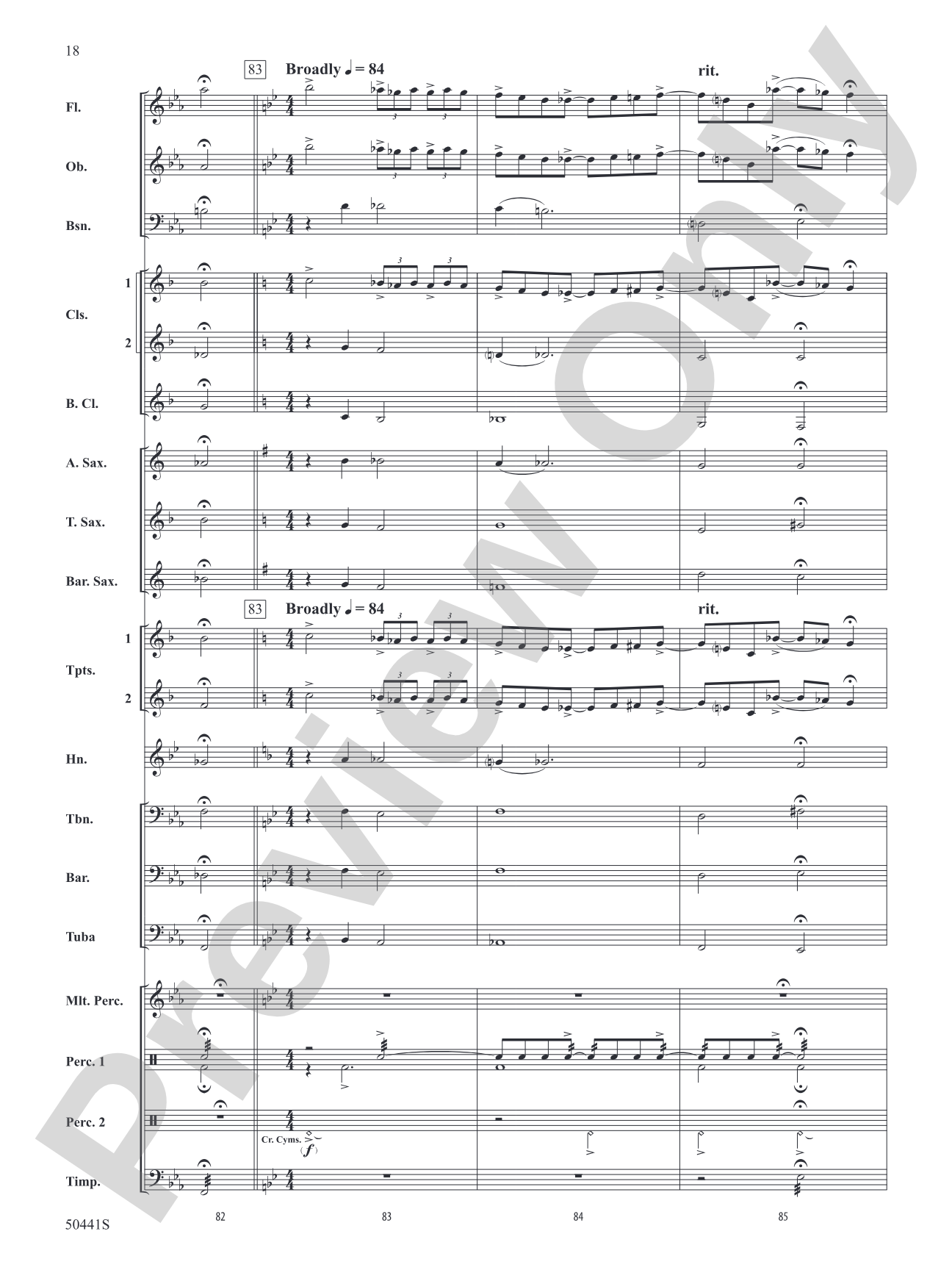
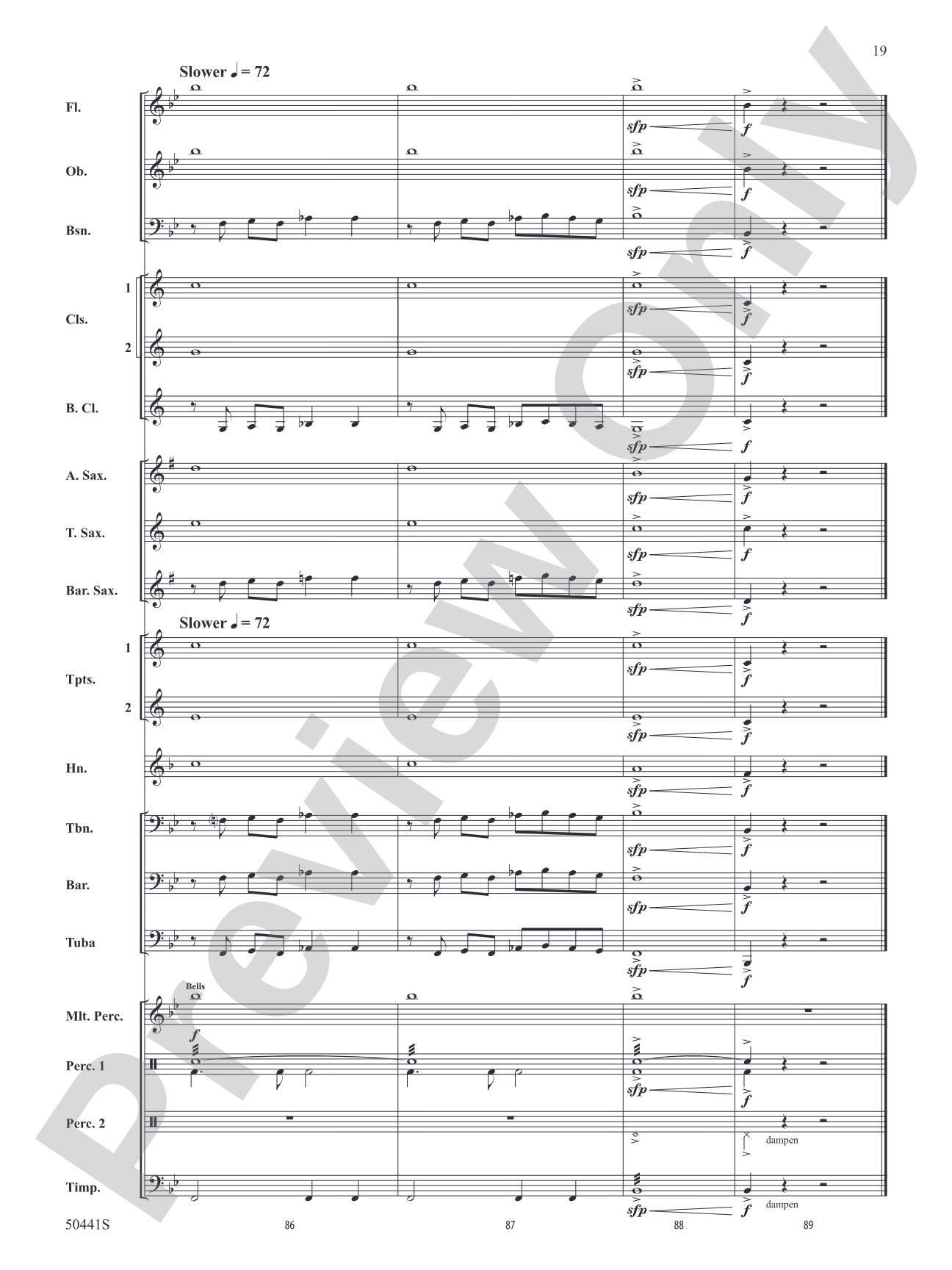
For more than a century, countless audiences have thrilled to the iconic sounds of the tour de force that is George Gershwin's Rhapsody in Blue. Three of its five themes have been captured in this full-sounding, richly scored arrangement by Douglas E. Wagner, from the dynamic opening (sans clarinet glissando), to a spirited middle section, and finally to the most often recognized melody from the work.


Don't just read it, hear it, play along with it, and watch your students grow with it. In MakeMusic Cloud, Rhapsody in Blue: Concert Band Conductor Score & Parts comes alive with professional accompaniment, adjustable tempo, and built-in practice tools that turn solo practice into real progress.
Open in the Player
Jump straight in and assign it today.
Start Your Free Trial
Open this title and explore the full library in minutes.
Sample Audio
1
Audio File
--:--
0:00
0:00
Sample Video
Additional Details
Series:
Belwin Young Band
Publisher:
Alfred Music
SKU:
00-PK-0009487
More about this title
About the Composer: George Gershwin
George Gershwin (1898, 1937) bridged classical and popular music with a directness that made him one of America's most performed composers. His gift for melody and harmonic sophistication emerged from his work in Broadway theater, where he learned to write for ensembles and orchestras with both structural rigor and immediate appeal.
Rhapsody in Blue, premiered in 1924, remains his signature work. It captured the energy and restlessness of Jazz Age America while demanding real compositional craft. For music educators, Gershwin represents a crucial moment when concert music and vernacular idioms stopped being separate worlds.
Why we love this
This Douglas E. Wagner arrangement opens the door to one of the most recognizable American concert works without requiring advanced technical chops from your players. The scoring captures Gershwin's jazzy edge and memorable thematic material in a form that Grade 2.5 bands can execute with genuine musicality, making it an ideal choice for festival repertoire or a concert closer that will resonate with your audience.
What to expect
Urban jazz-inflected energy opens the door, then transforms into lyrical warmth as the most iconic theme arrives. The piece balances rhythmic sophistication with melodic directness, delivering that distinctly American sound of the 1920s with immediacy and charm.
Who it's for
Concert bands at the Grade 2.5 level looking for accessible standard repertoire with genuine musical substance. Directors seeking festival or contest material that audiences will recognize and students will find rewarding to perform.
How to get the most out of it
- Balance the ensemble texture carefully during the opening section; the harmonic foundation needs to support the lyrical content without drowning it out.
- Work the jazzy rhythmic figures with precision. These syncopated passages define Gershwin's style and require clean articulation and locked ensemble feel.
- Shape the transition into the most recognized melody with dynamic restraint so the tune arrives with impact and clarity.
- Use the recorded accompaniment as a reference for groove and phrasing, paying particular attention to how the soloists float over the rhythm section.
How to use it
This works exceptionally well as a concert centerpiece or finale for intermediate groups, offering a shared reference point with audiences who know the original. It also fits squarely into festival competition sets where you want to showcase your band's musicality and ensemble cohesion without scaling into Grade 4 territory.
Skills your students will build
- Jazz articulation and phrasing in a concert music context
- Syncopated rhythm reading and execution
- Balancing solo lines against supporting harmonic texture
- Stylistic awareness of American vernacular music in classical form
- Dynamic shaping and ensemble blend across multiple thematic sections