
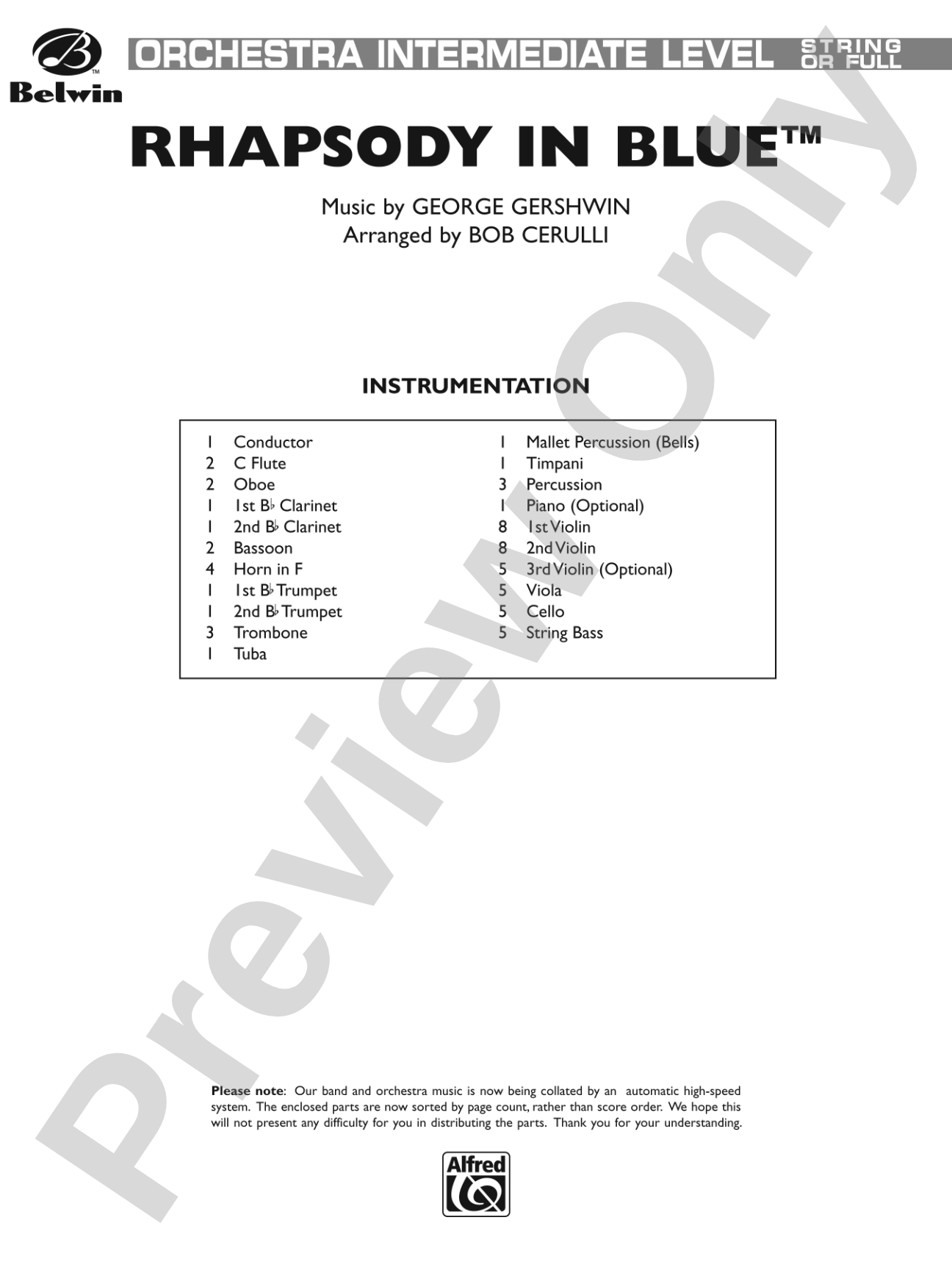

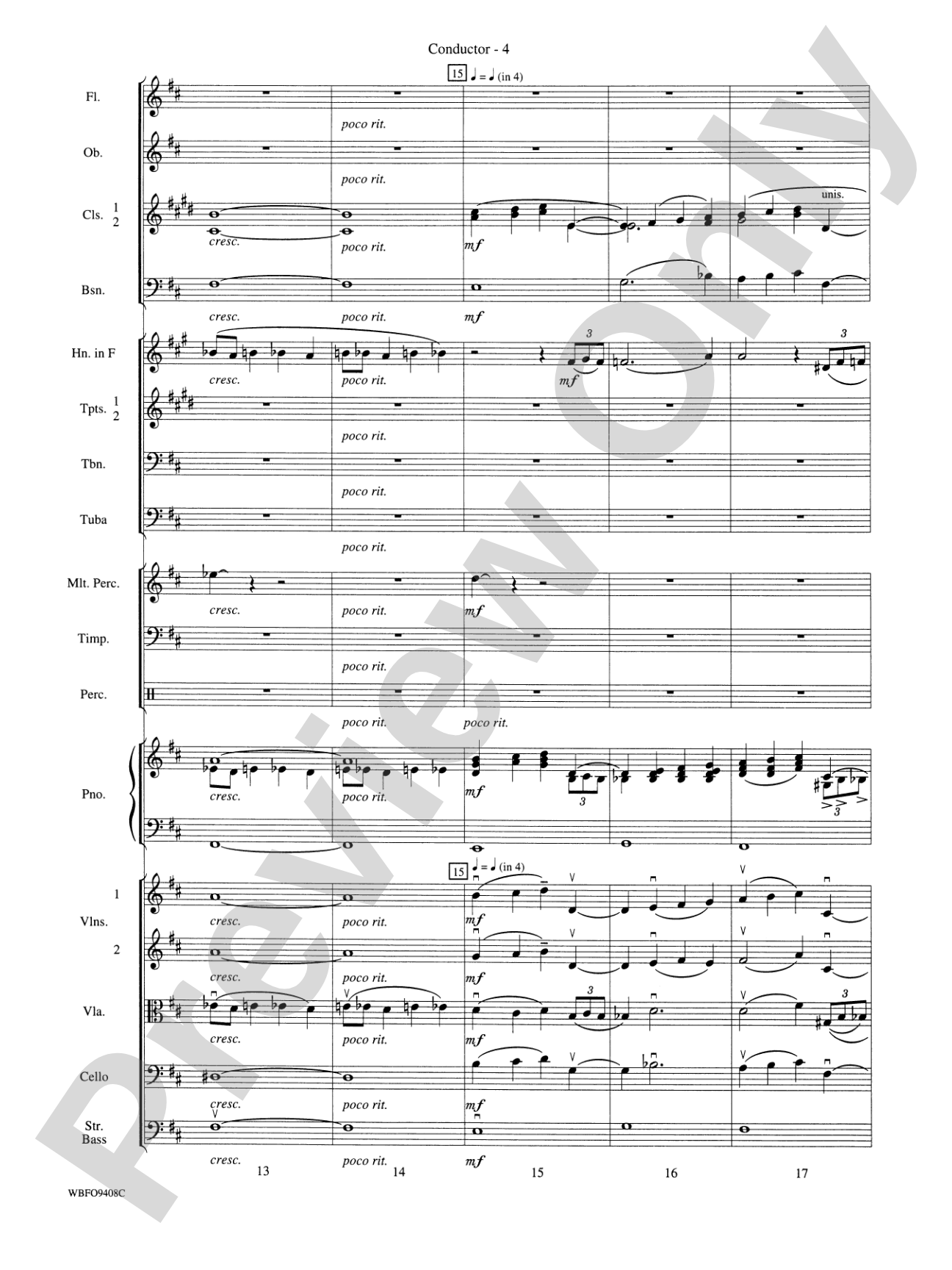
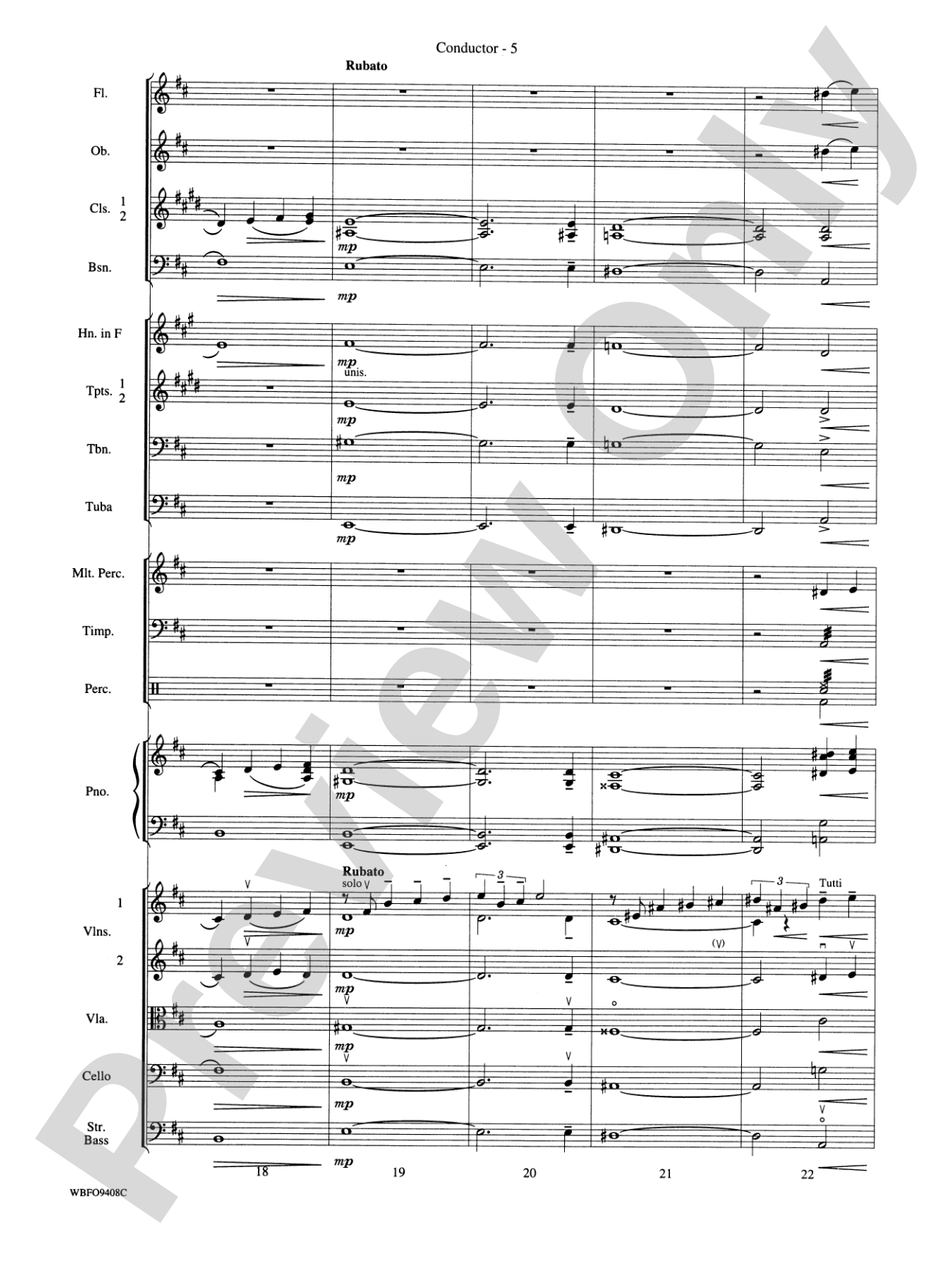
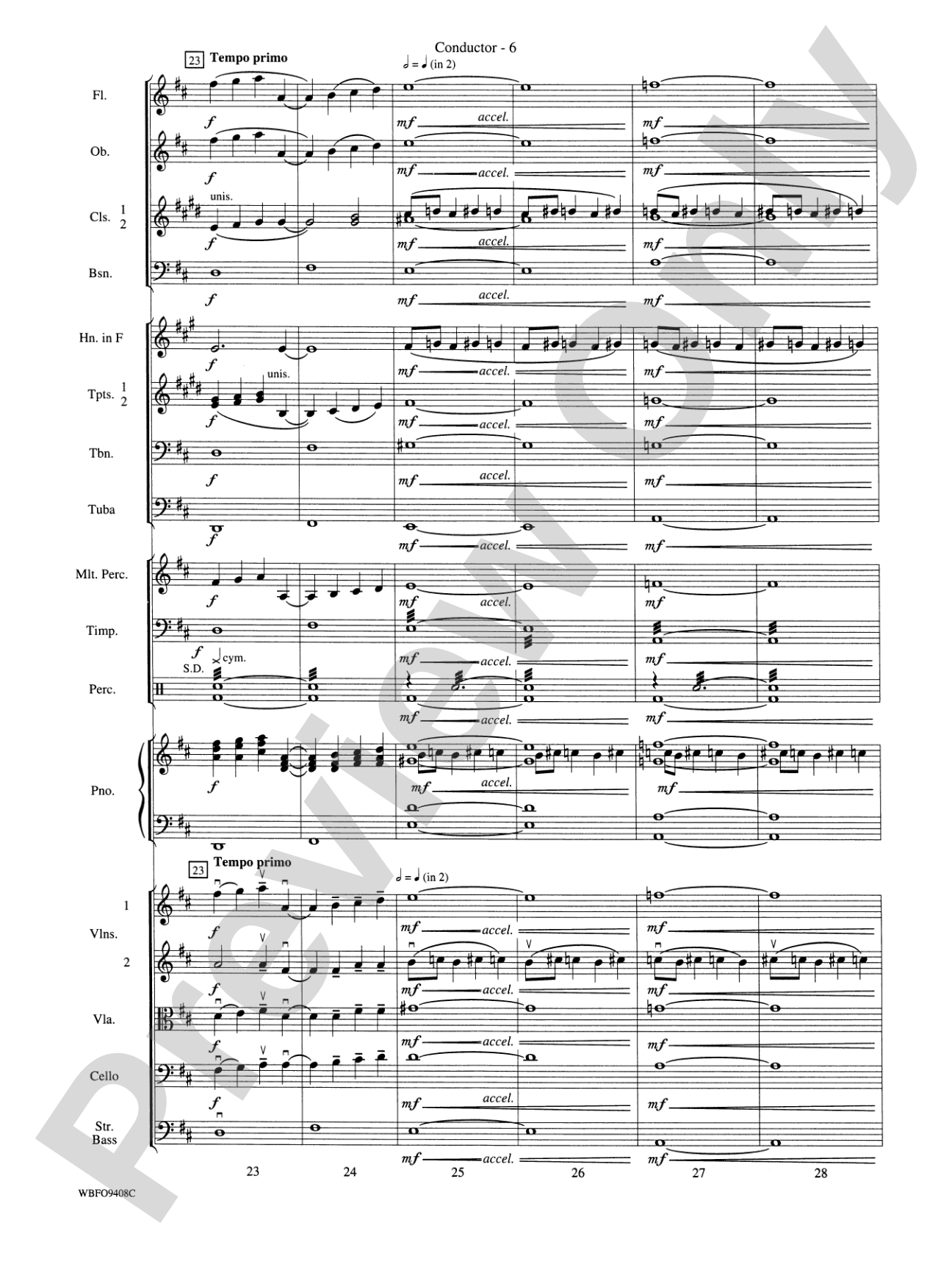
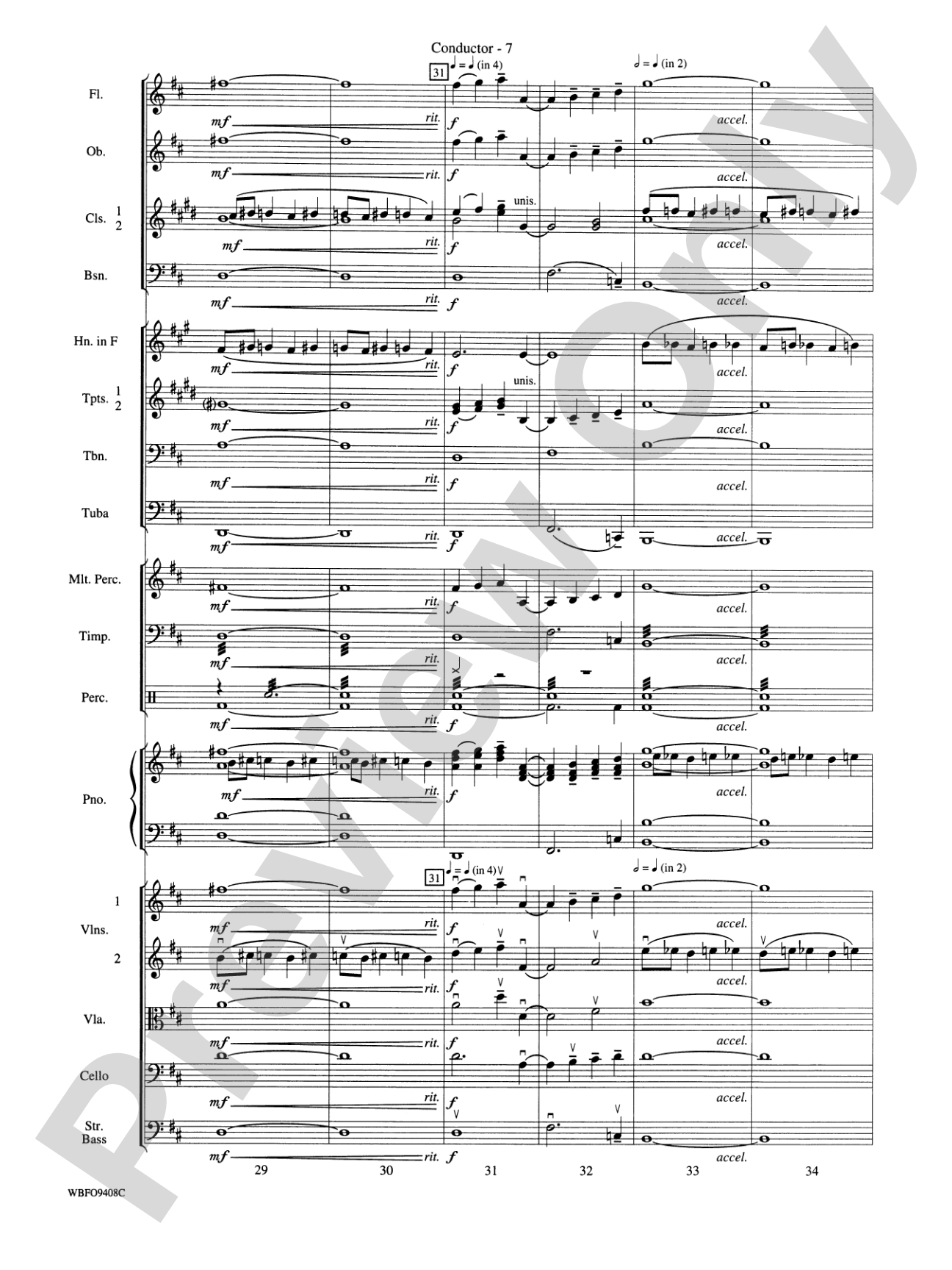
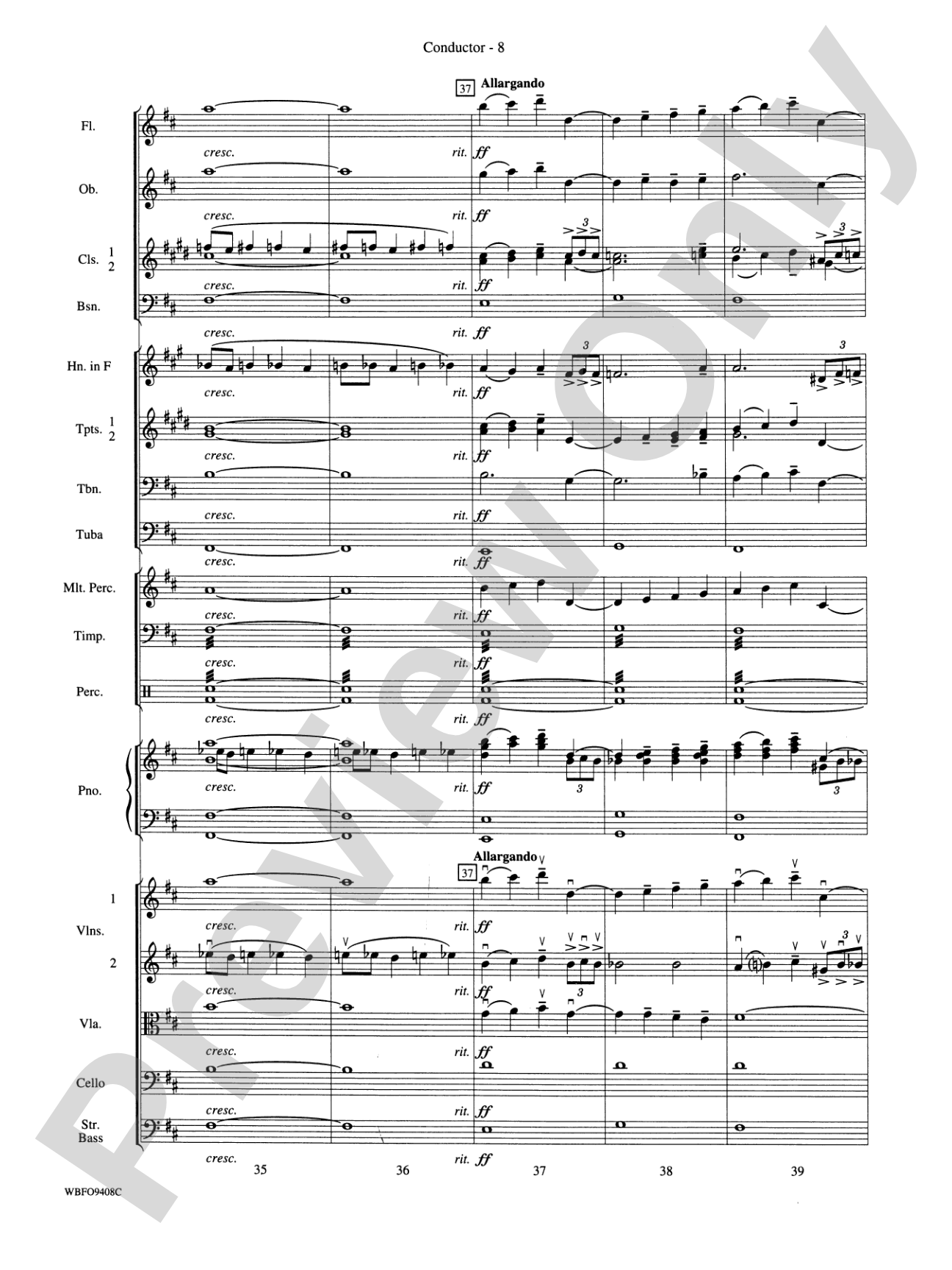
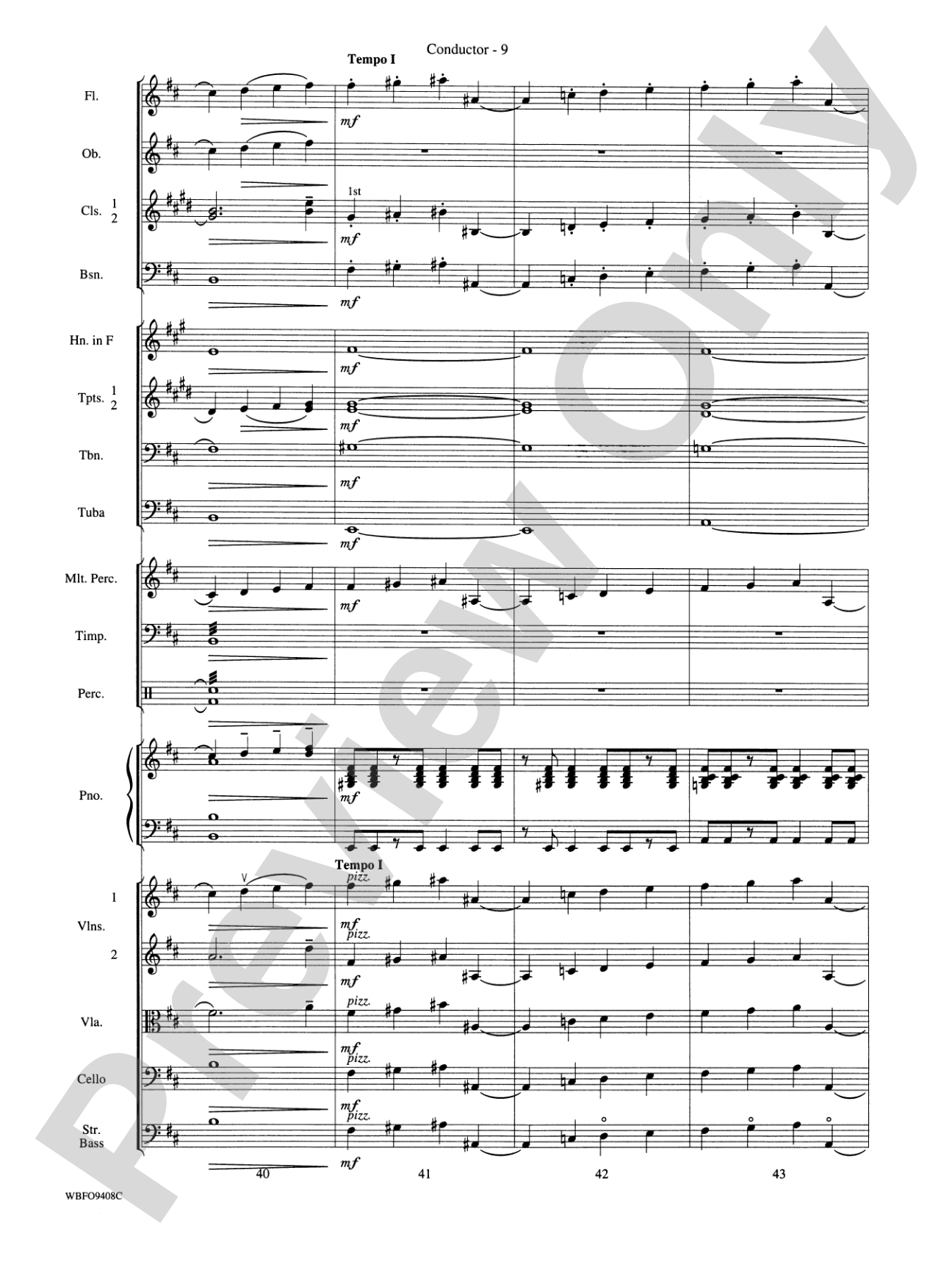
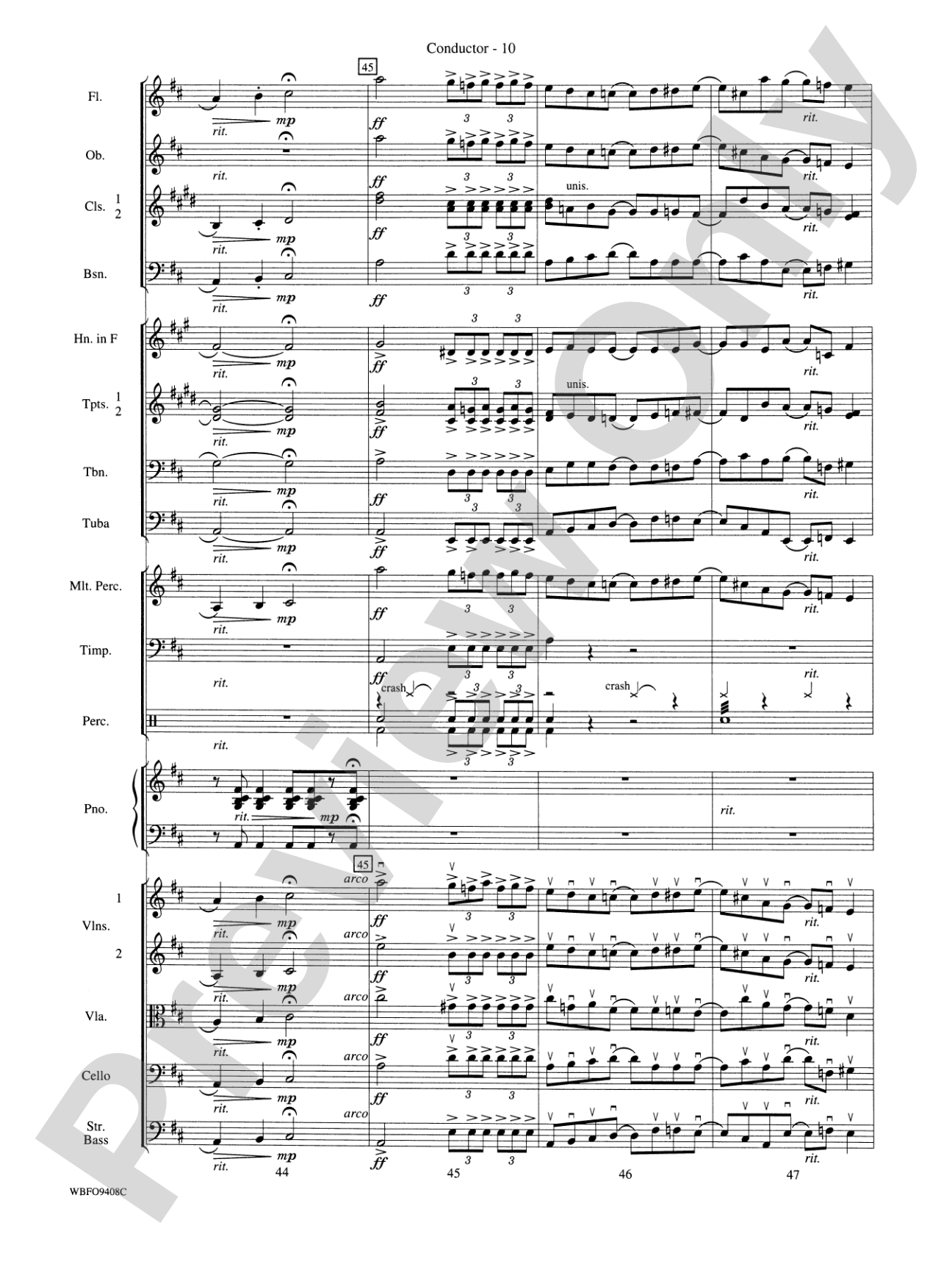
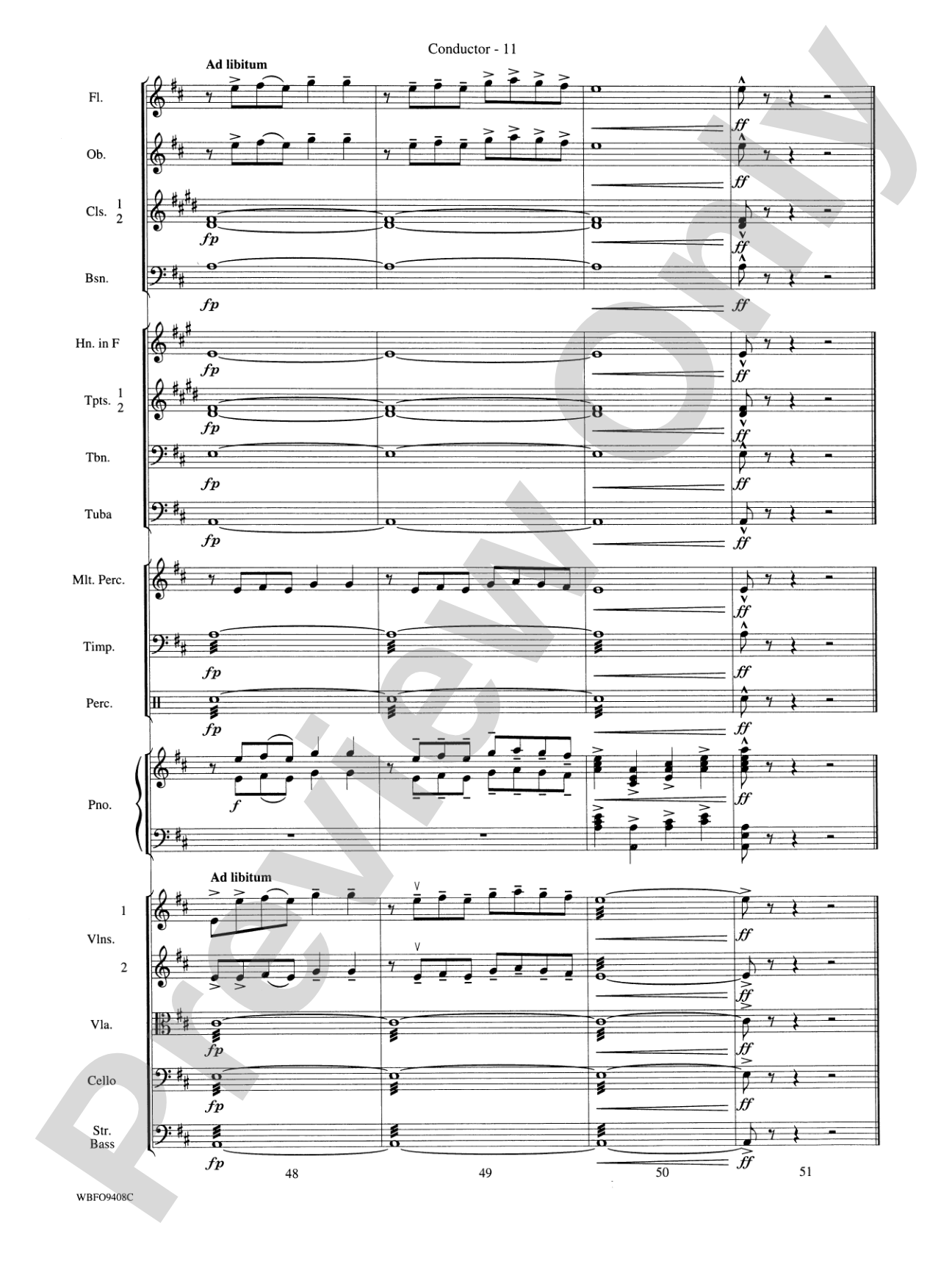




Rhapsody in Blue: Full Orchestra Conductor Score & Parts
By George Gershwin / arr. Bob Cerulli
Grade: 2.5
Item: 00-PK-0002667

$65.00
One moment…
Description
One of the most unforgettable songs in the repertoire. With its lyrical melodies and rhythmic counterparts, it has become a staple in American music. This easy arrangement retains the dignity of the musical composition, but makes it accessible to younger musicians.


Don't just read it, hear it, play along with it, and watch your students grow with it. In MakeMusic Cloud, Rhapsody in Blue: Full Orchestra Conductor Score & Parts comes alive with professional accompaniment, adjustable tempo, and built-in practice tools that turn solo practice into real progress.
Open in the Player
Jump straight in and assign it today.
Start Your Free Trial
Open this title and explore the full library in minutes.
Sample Audio
No sample audio found.
Sample Video
No sample videos found.
Additional Details
Series:
Pop Intermediate Full Orchestra
Publisher:
Alfred Music
Page Count:
122
SKU:
00-PK-0002667
More about this title
About the Composer: George Gershwin
George Gershwin (1898–1937) bridged the worlds of classical composition and popular music with an originality that few composers have matched. His ability to weave jazz idioms, blues harmonies, and folk melodies into large-scale orchestral forms made him a defining voice of American music. Gershwin's works remain central to the orchestral repertoire because they speak directly to musicians and audiences alike without sacrificing musical sophistication.
Beyond his concert works, Gershwin was a prolific composer for musical theater, film, and song. His influence extends across genres, and his music continues to inspire musicians to explore the connections between vernacular and concert music. For student orchestras, his works offer the chance to engage with genuinely American material that feels contemporary even a century after its composition.
Why we love this
Bob Cerulli's Grade 2.5 arrangement respects the essential character of this masterwork while keeping the orchestration within reach of younger players. The full score and parts are well-balanced, allowing every section to contribute meaningfully rather than doubling unison lines. Programming this sends a clear message to students that they can tackle repertoire of genuine cultural significance.
What to expect
The opening has an intimate, almost introspective quality before the piece opens into exuberant, syncopated joy. There's a restless energy throughout—the feeling of American urban life, movement, and optimism. The melodies are instantly singable, yet the harmonies and rhythms remind players that Gershwin was a serious composer working at the highest level.
Who it's for
This arrangement serves orchestras with solid fundamentals and growing confidence in handling twentieth-century idiom. It works equally well for Grade 2.5 groups ready for a cultural anchor piece as for slightly more advanced ensembles looking for accessible repertoire with real substance.
How to get the most out of it
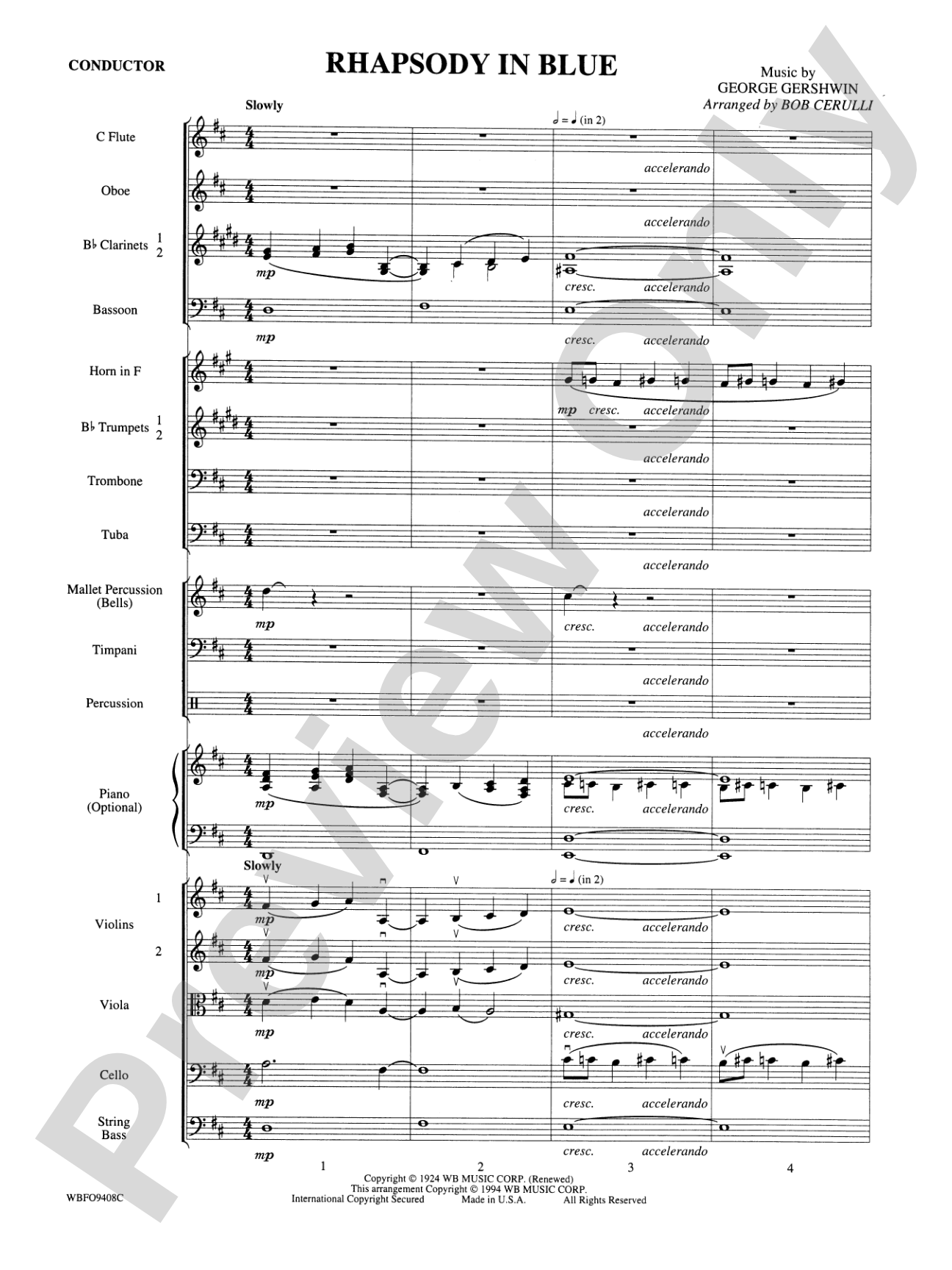
- Shape the opening clarinet melody with careful attention to rubato. Young musicians often play too mechanically here; the accompaniment should breathe with the solo voice rather than lock strictly in time.
- Balance the jazz rhythms in the ensemble sections so they swing naturally. This isn't a march; let the syncopation breathe and feel slightly ahead without rushing the underlying pulse.
- Bring out the contrasting layers when melodic ideas pass between sections. The dialogue between instruments is what gives the piece forward motion, so cue generously and encourage players to listen across parts.
- Manage the dynamic shape of longer phrases carefully. Young orchestras often plateau at forte and lose direction; model how the music builds and releases tension over four or eight bars.
How to use it
This is an ideal concert opener or centerpiece that announces the sophistication of your ensemble while remaining accessible to a broad audience. It pairs well with other American classics in a "Gershwin to now" concert, or stands alone as the flagship piece in a program exploring jazz influences on orchestral music. Consider programming it early in the season when students can benefit from weeks of rehearsal on genuinely rewarding material.
Skills your students will build
- Performing syncopated rhythms and jazz swing idioms in an orchestral context
- Balancing lyrical melodic lines with rhythmic accompaniment textures
- Reading and executing twentieth-century harmonic language and voice leading
- Responding to expressive conducting gestures in a large ensemble setting
- Listening across sections to maintain dialogue and interplay between instruments