
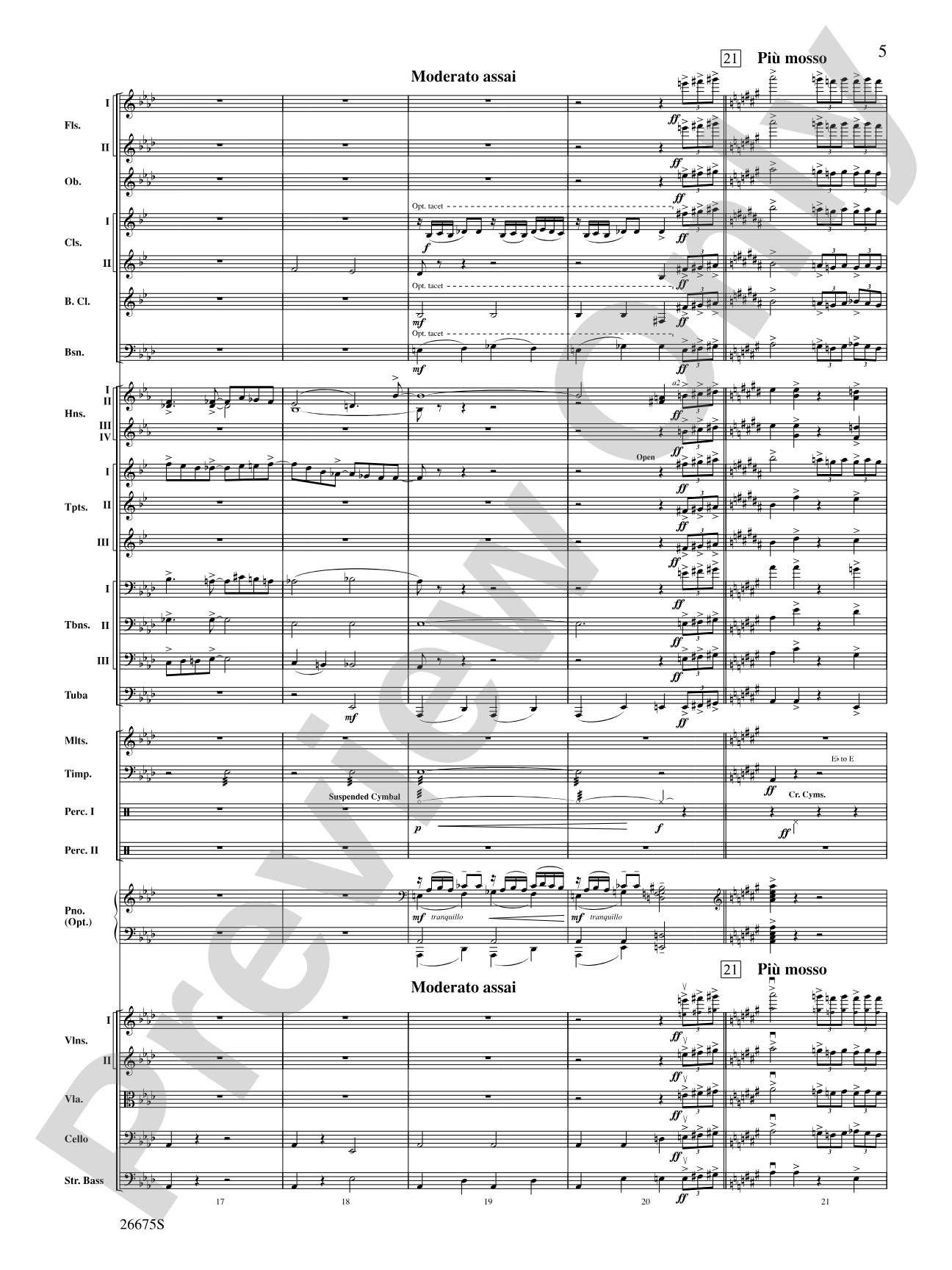
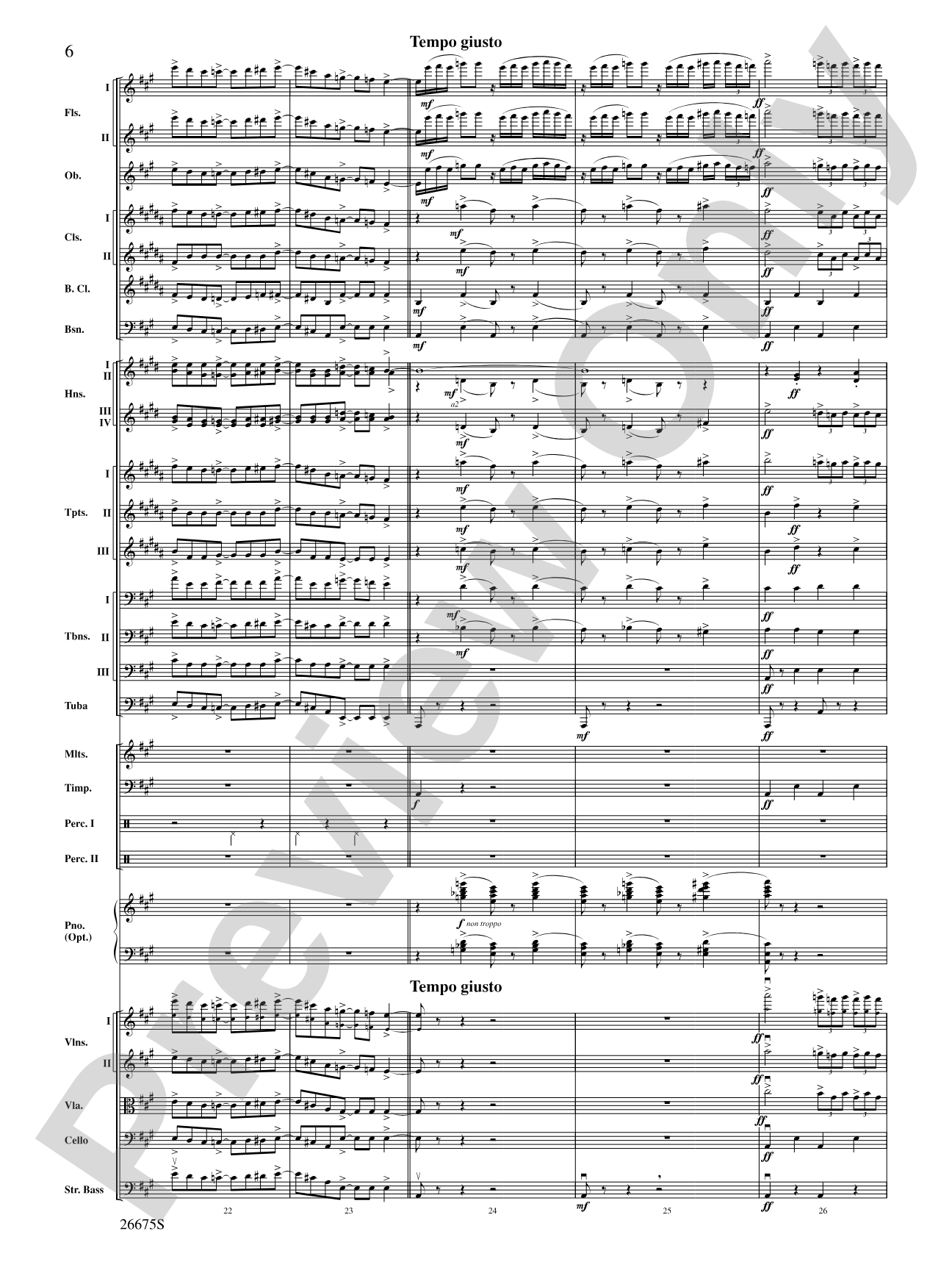
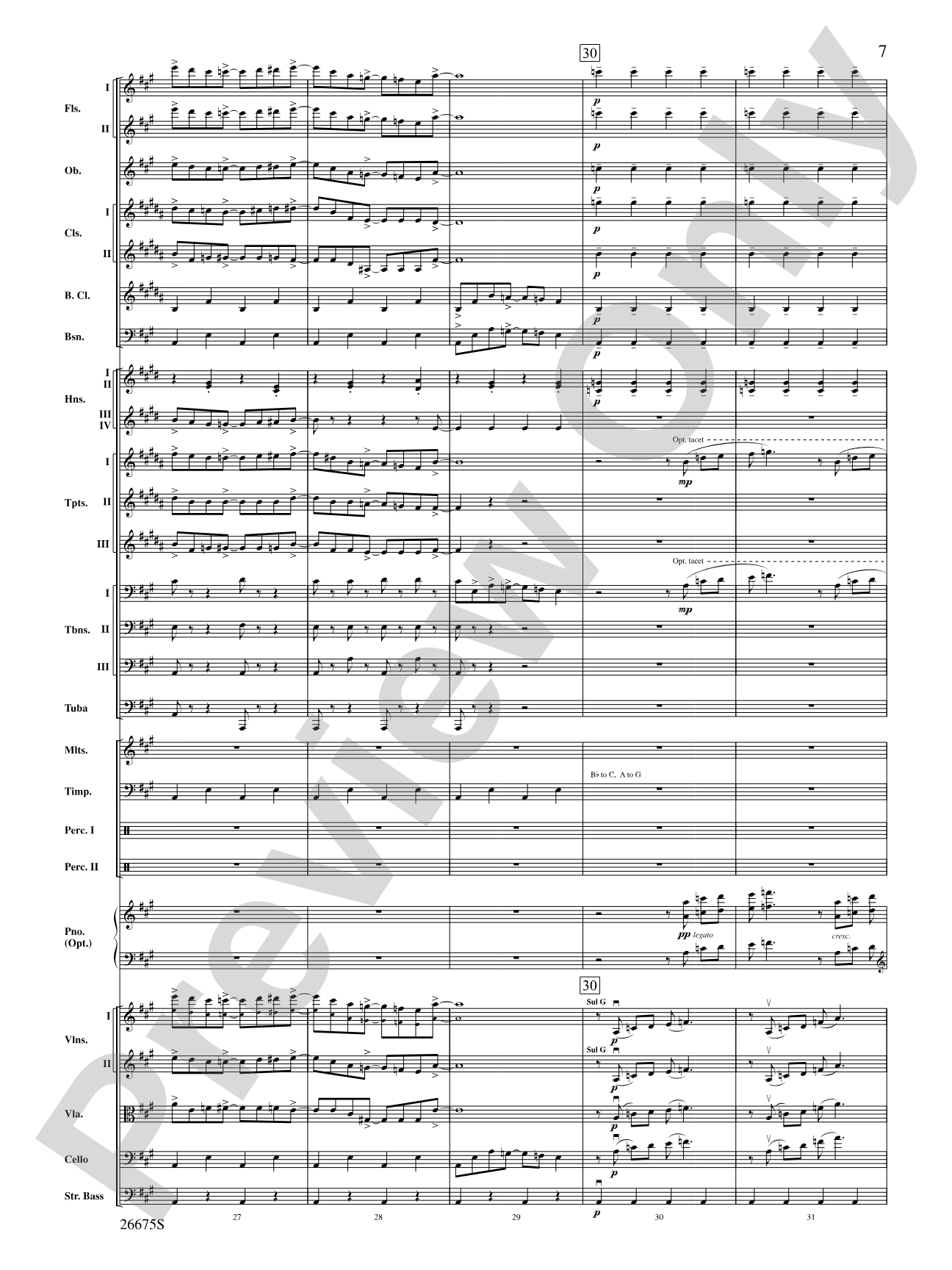
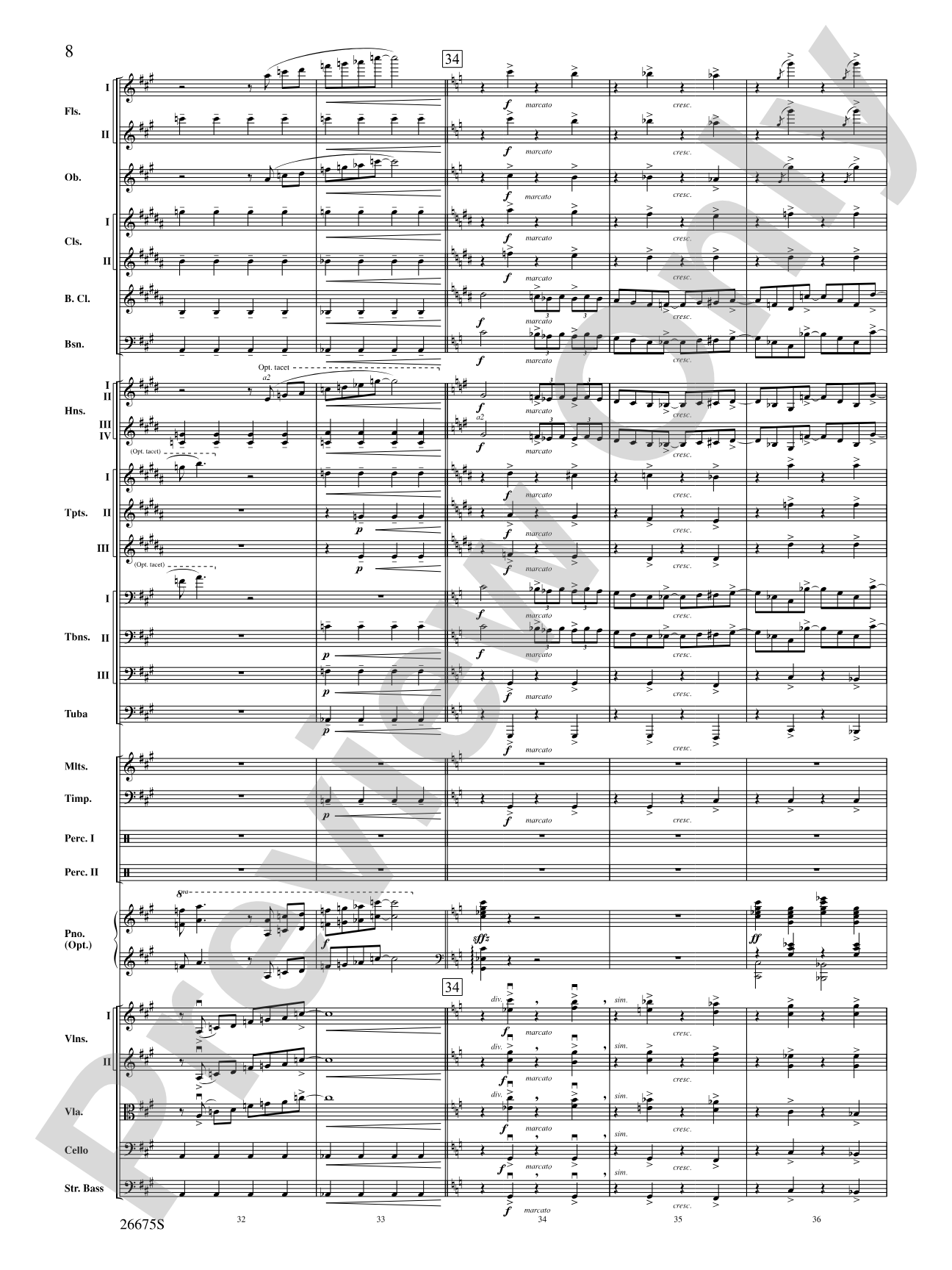
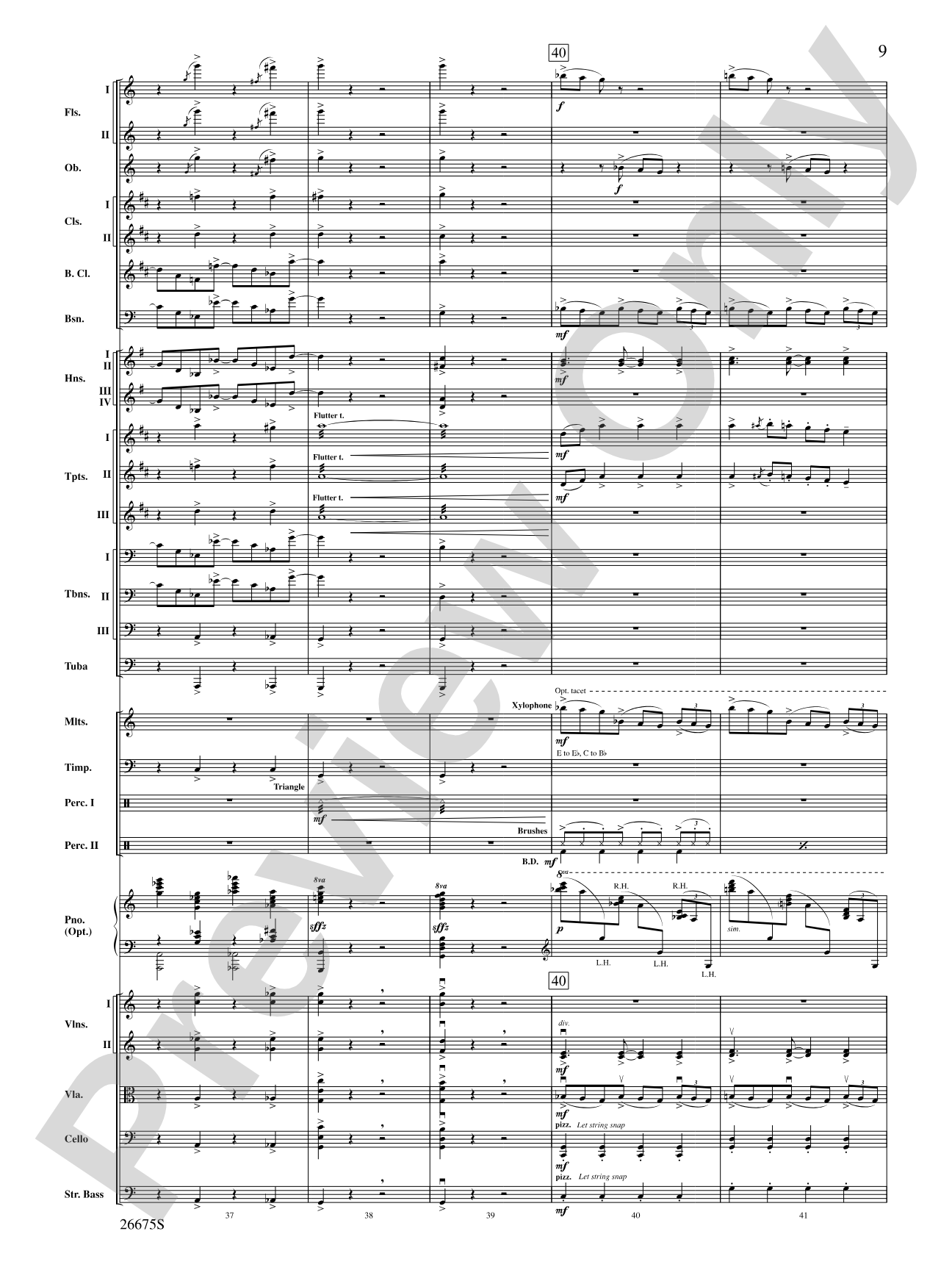
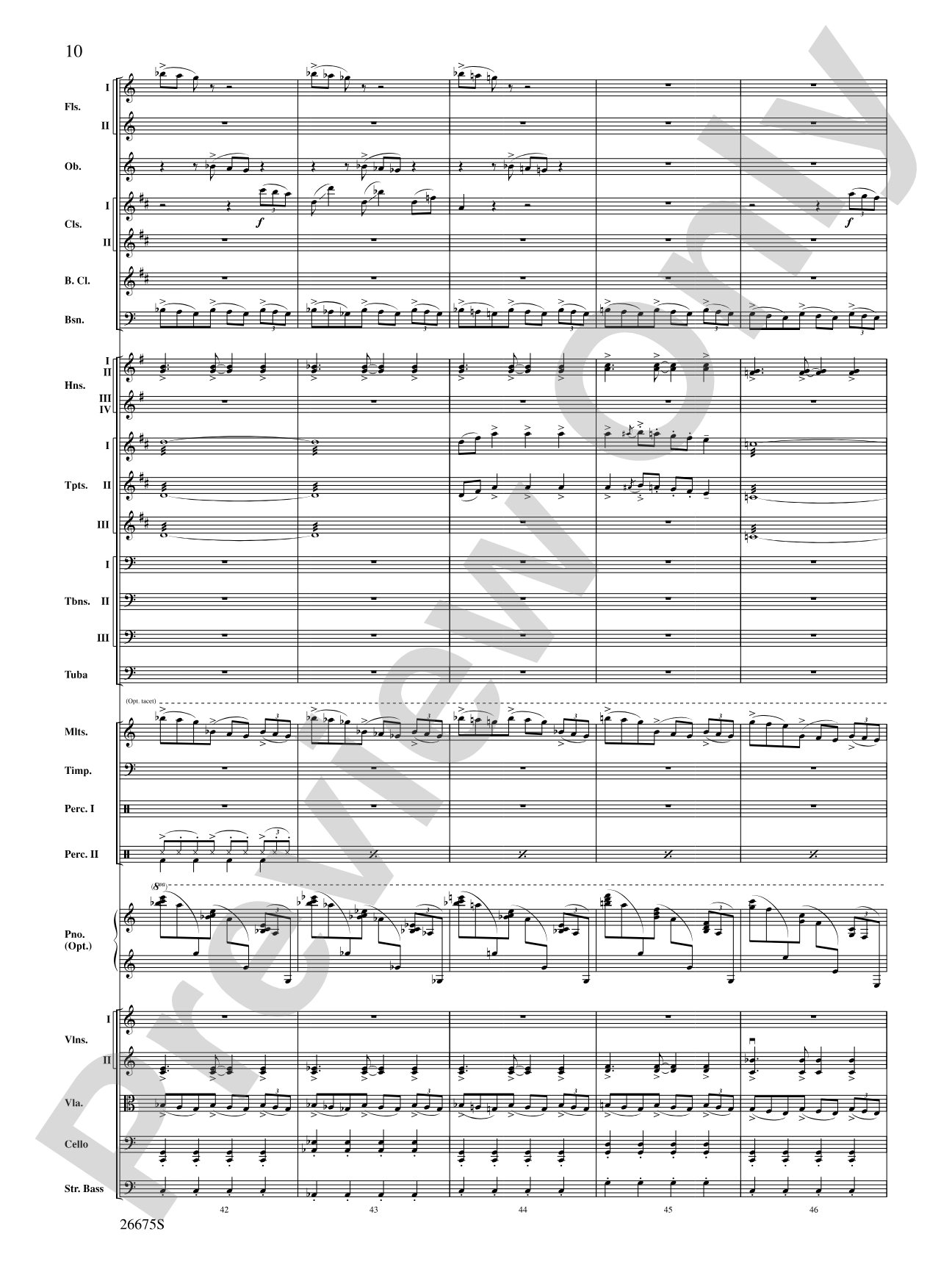
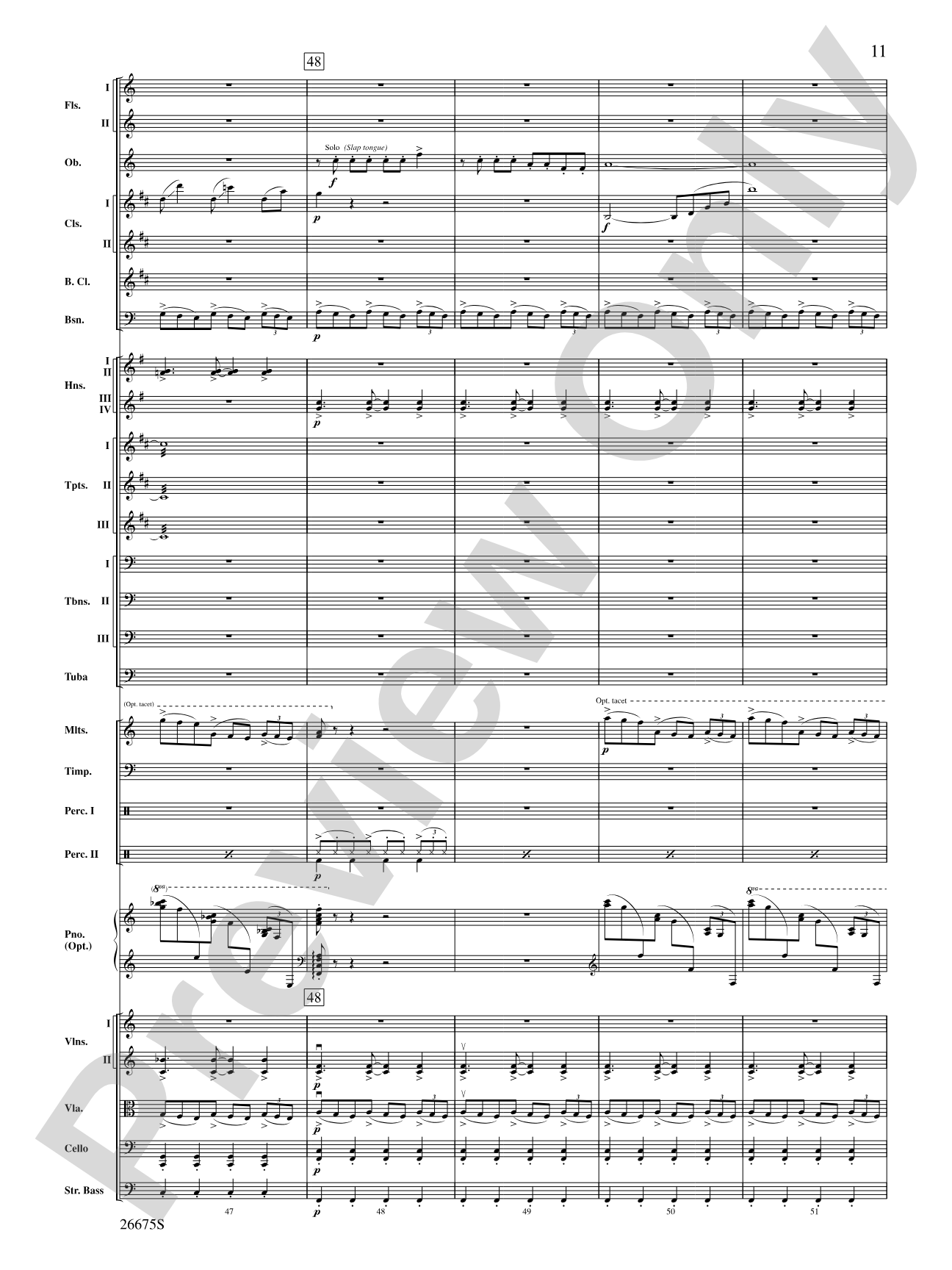
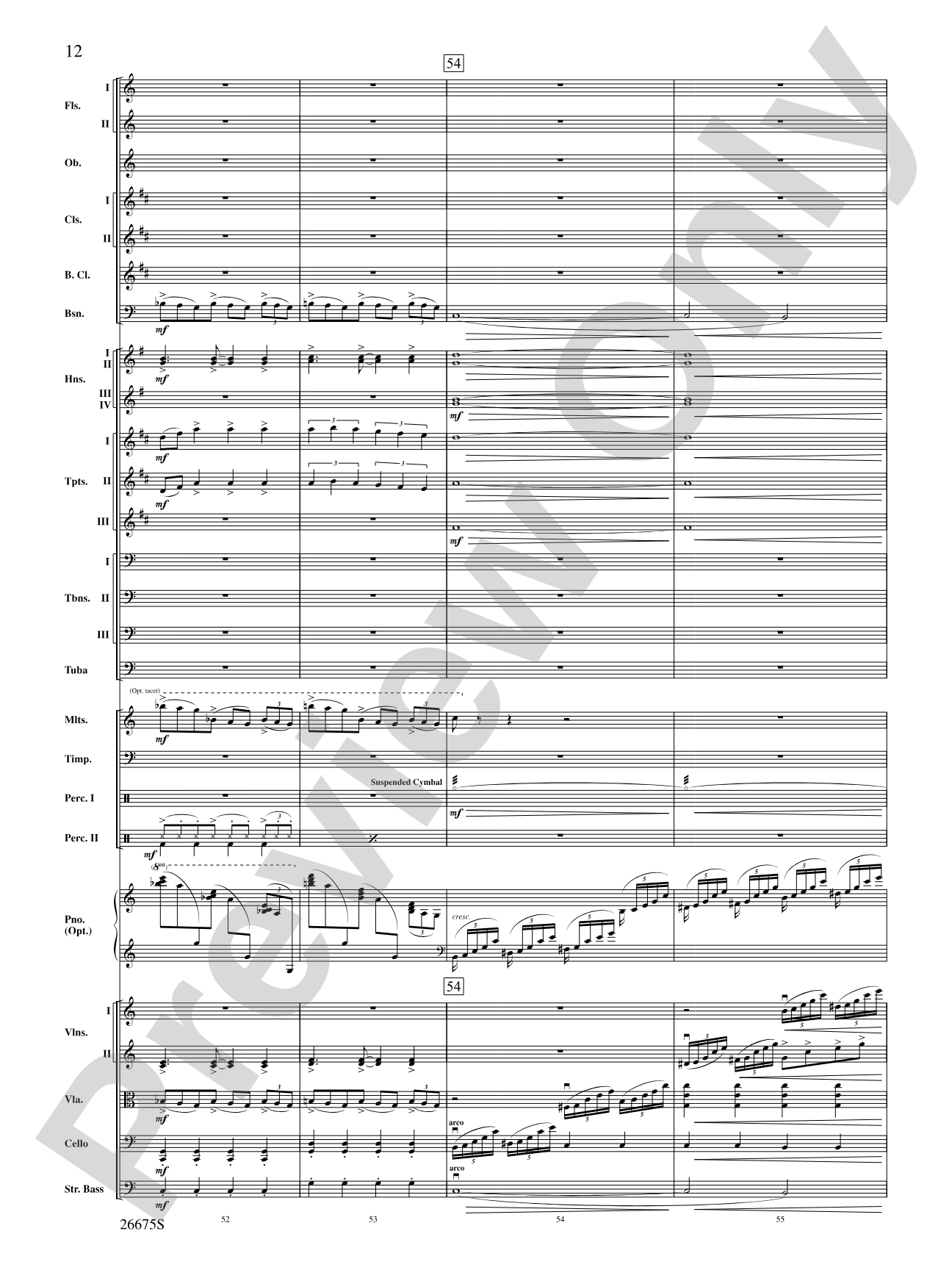
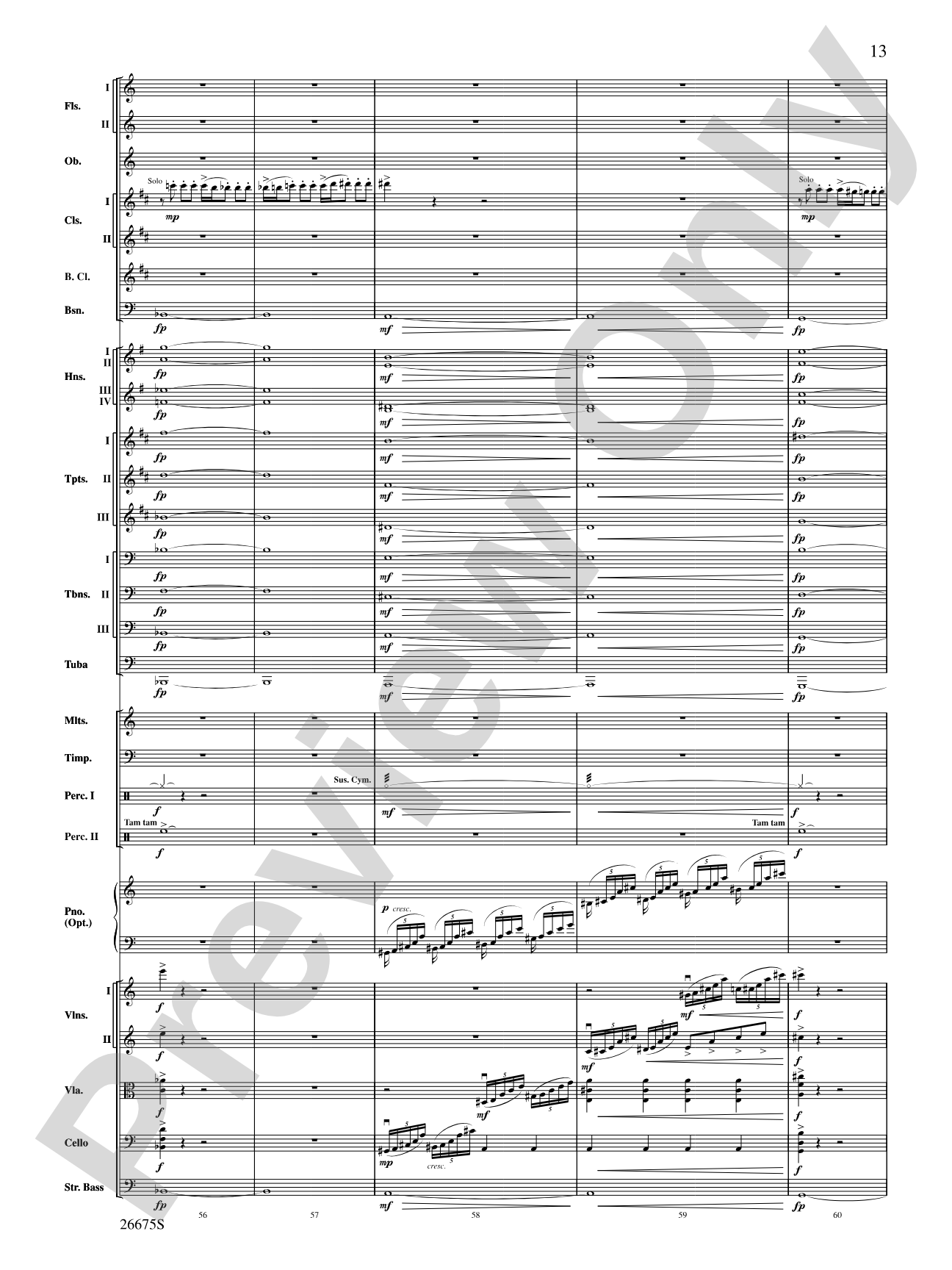
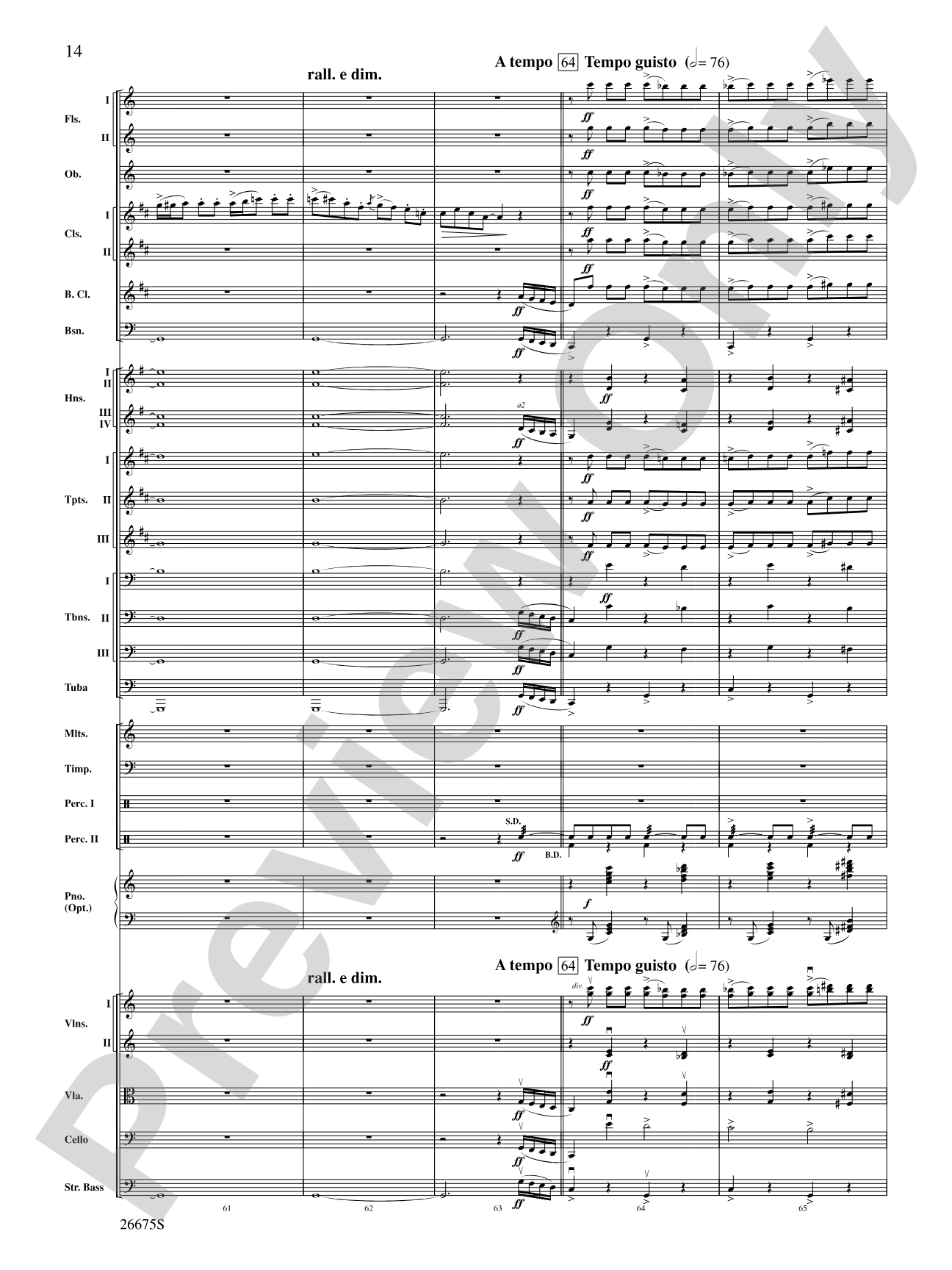
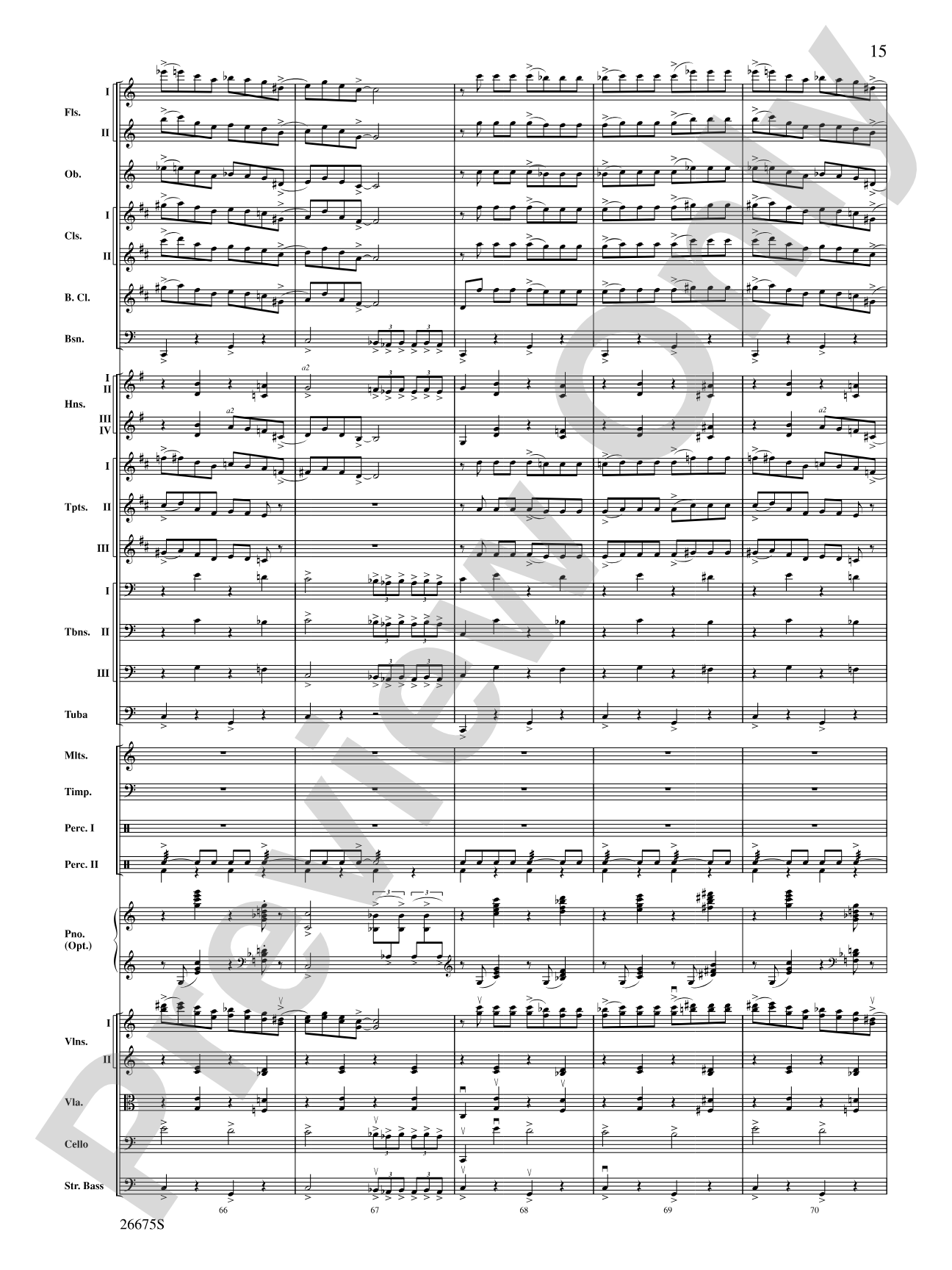
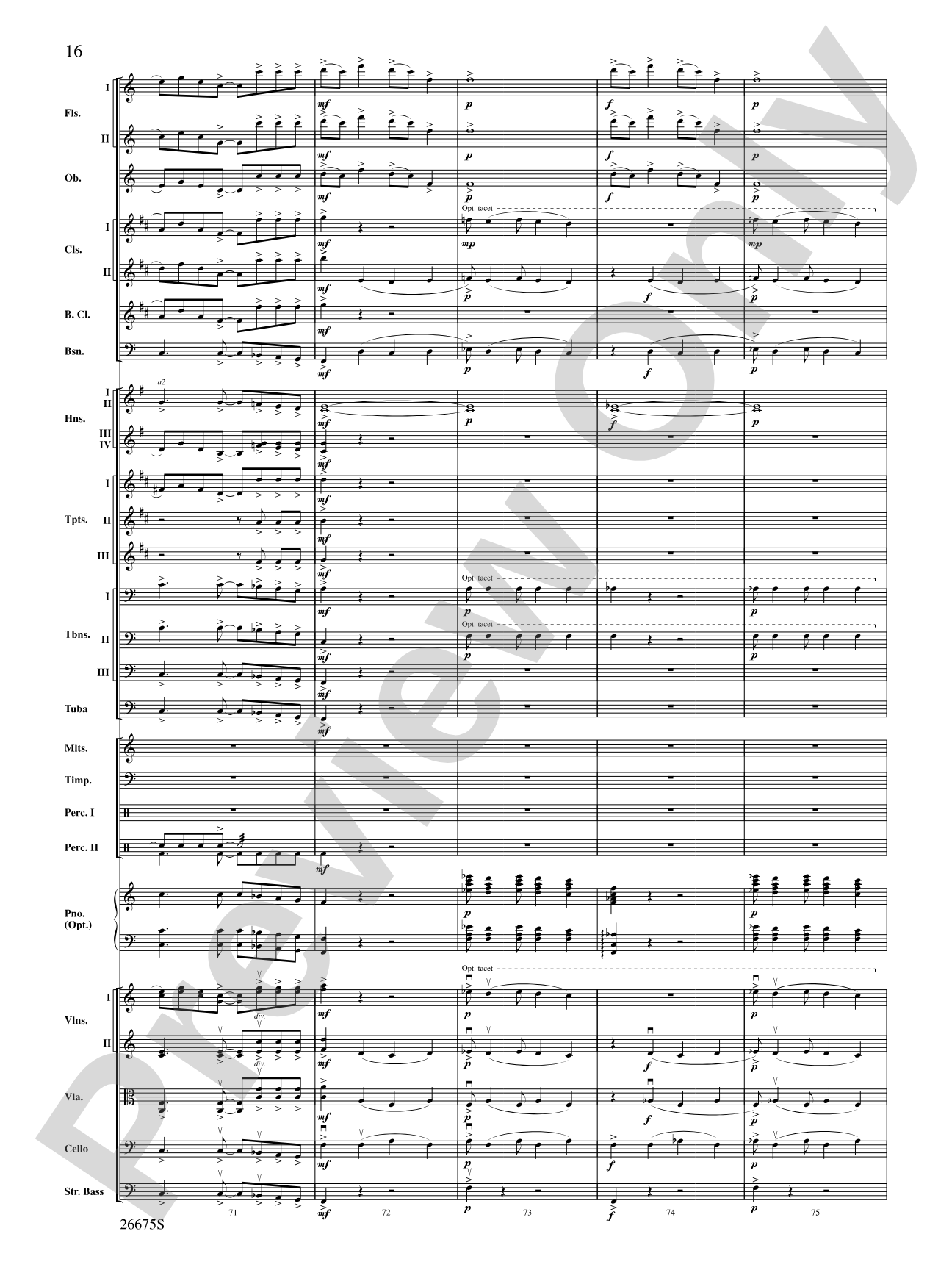
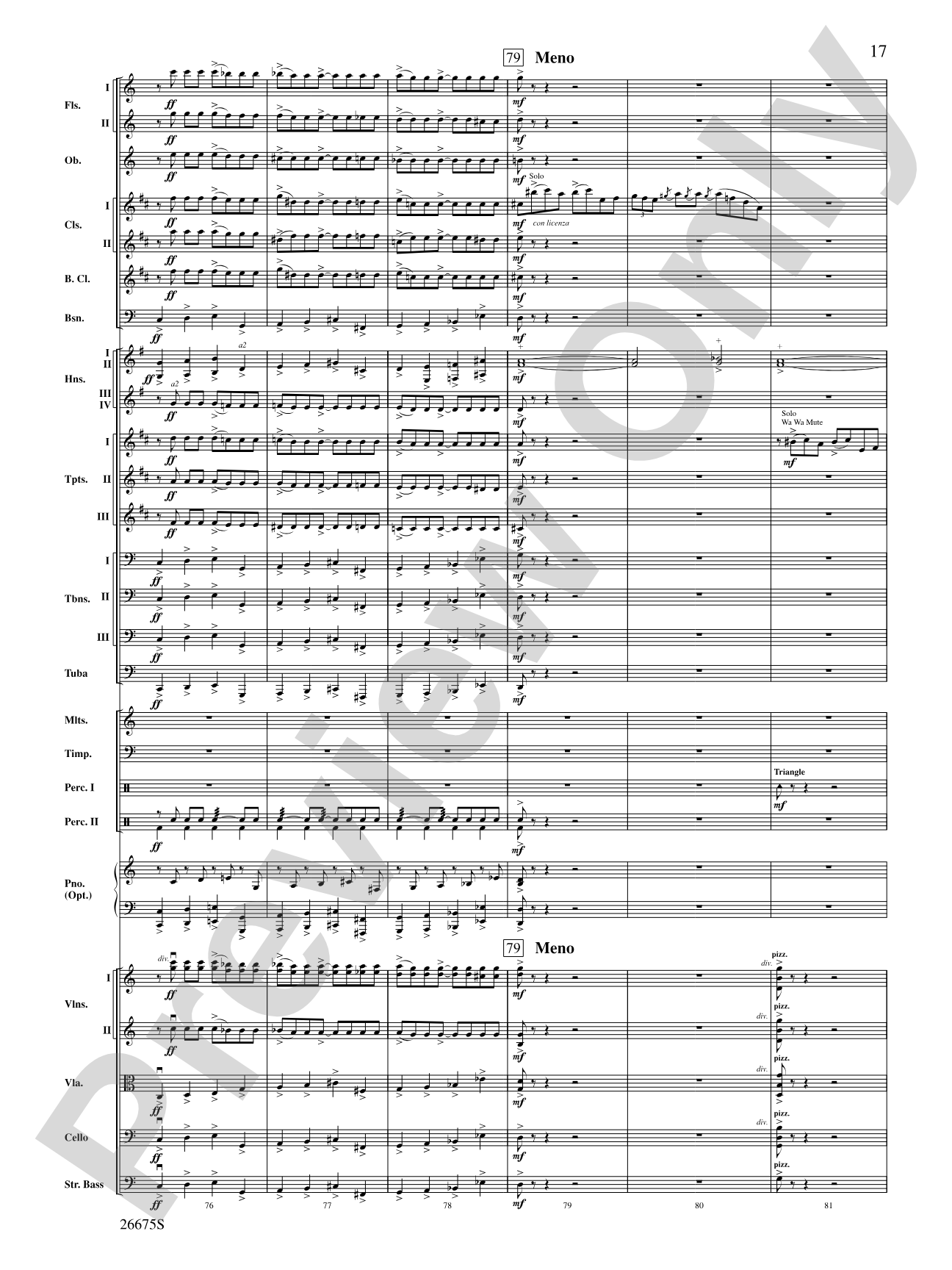
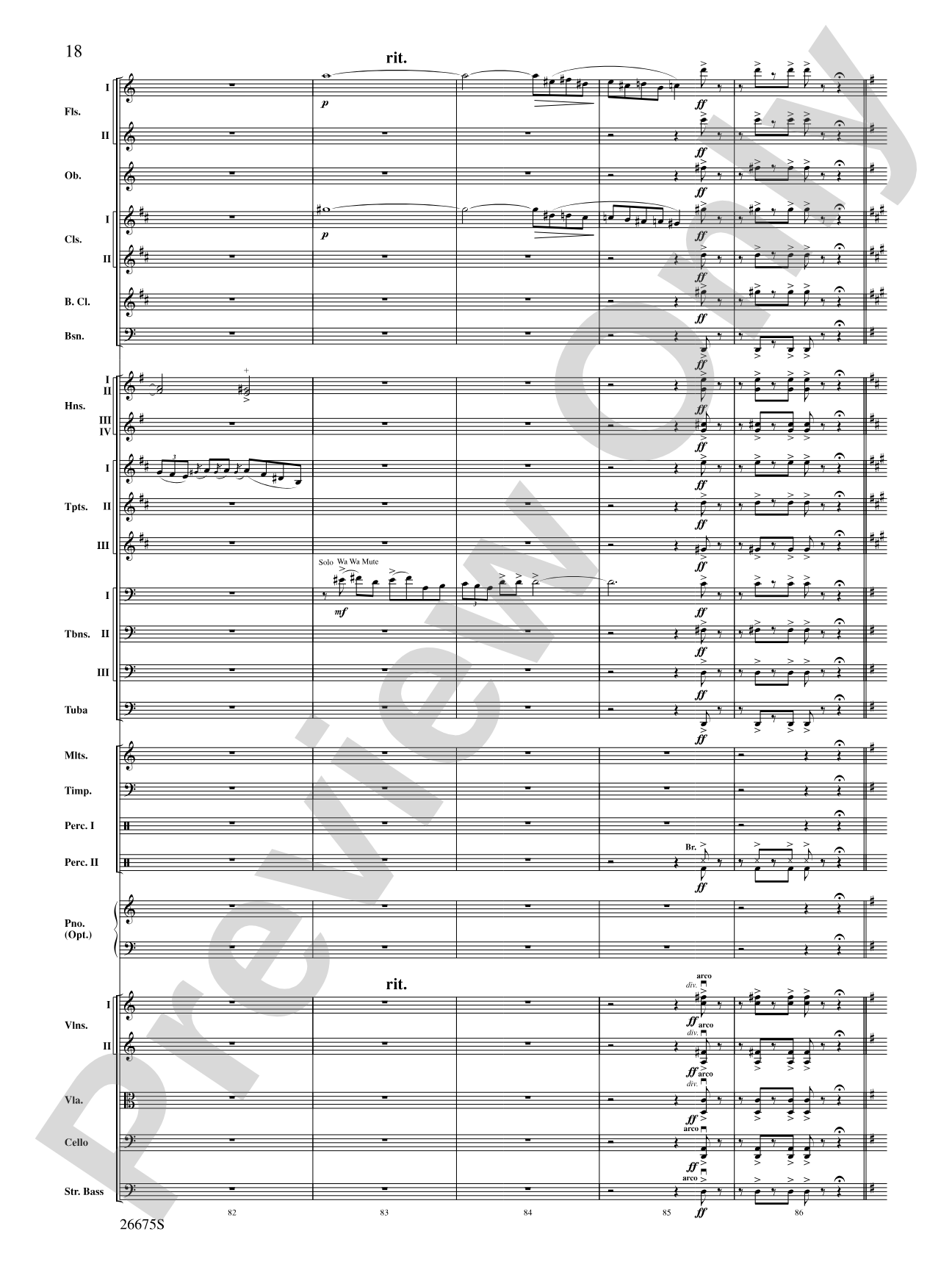
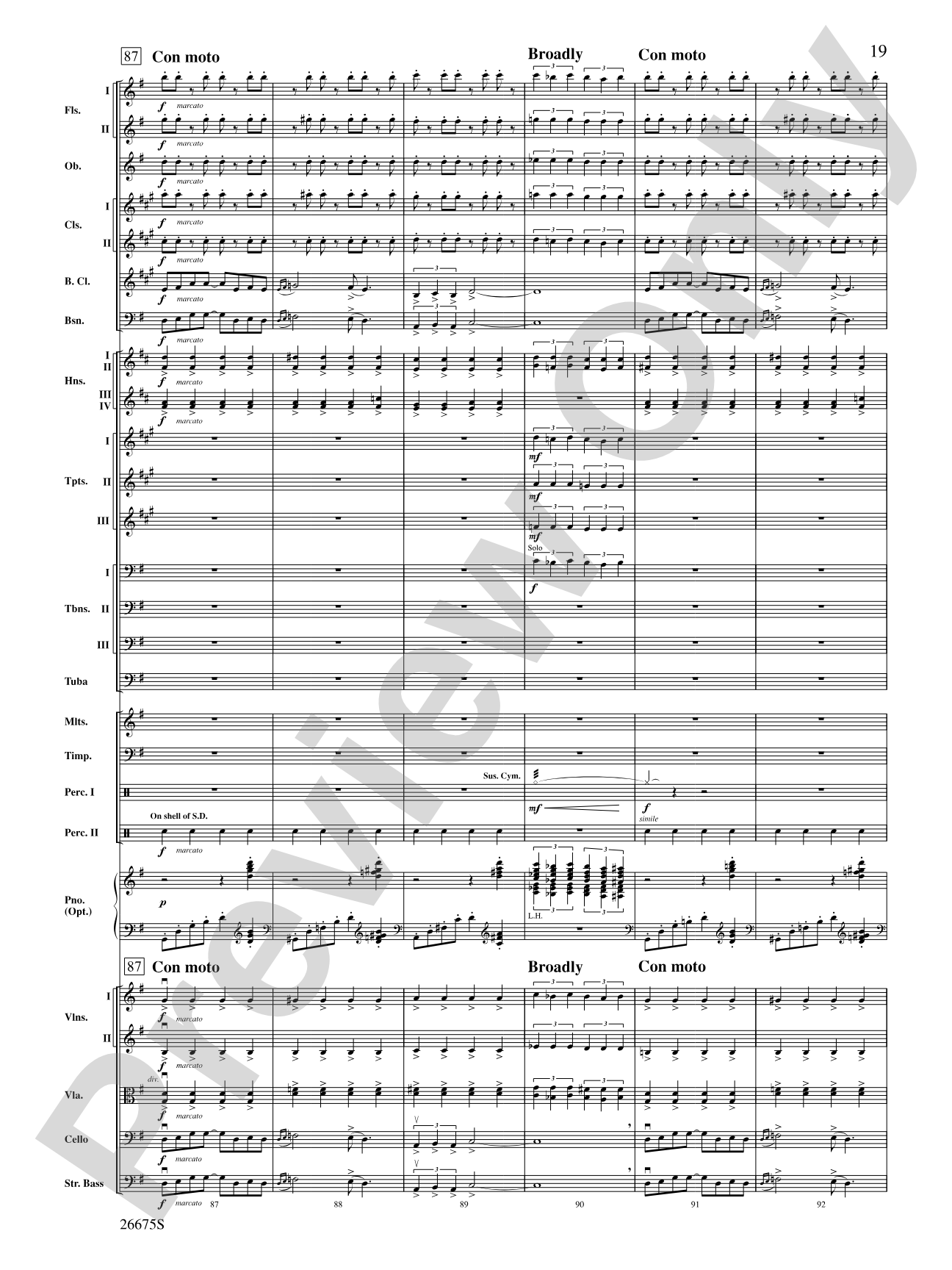
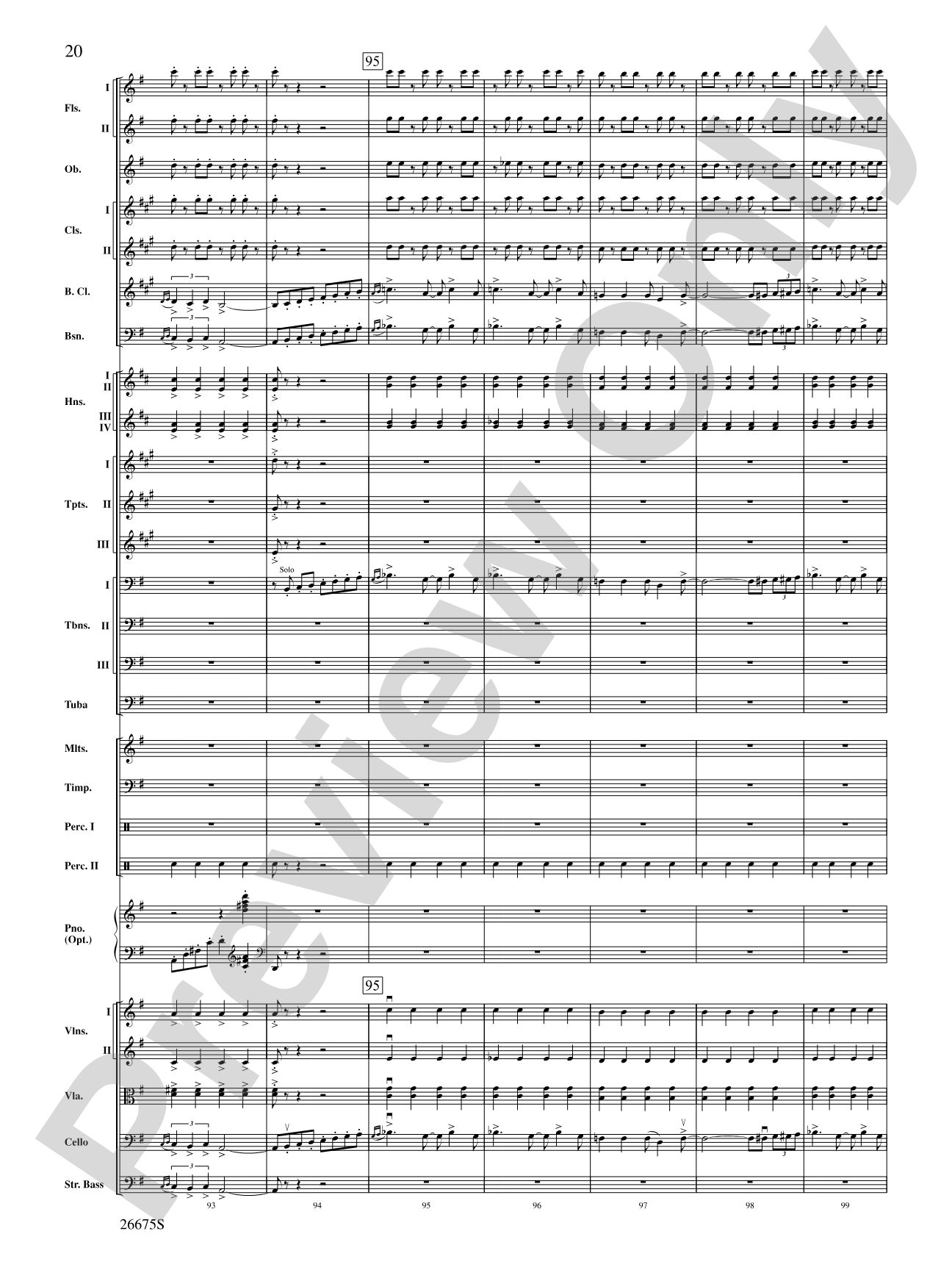
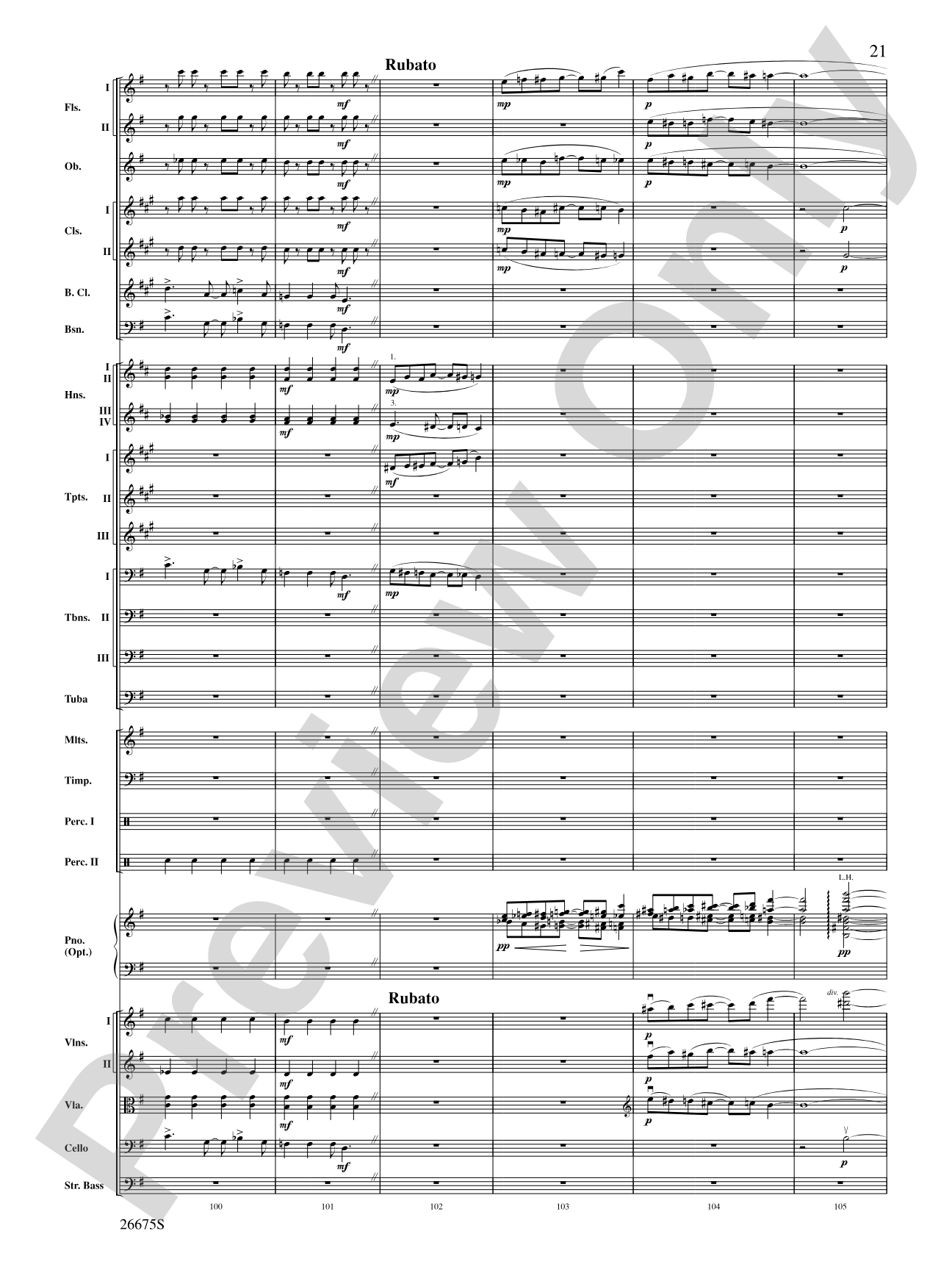
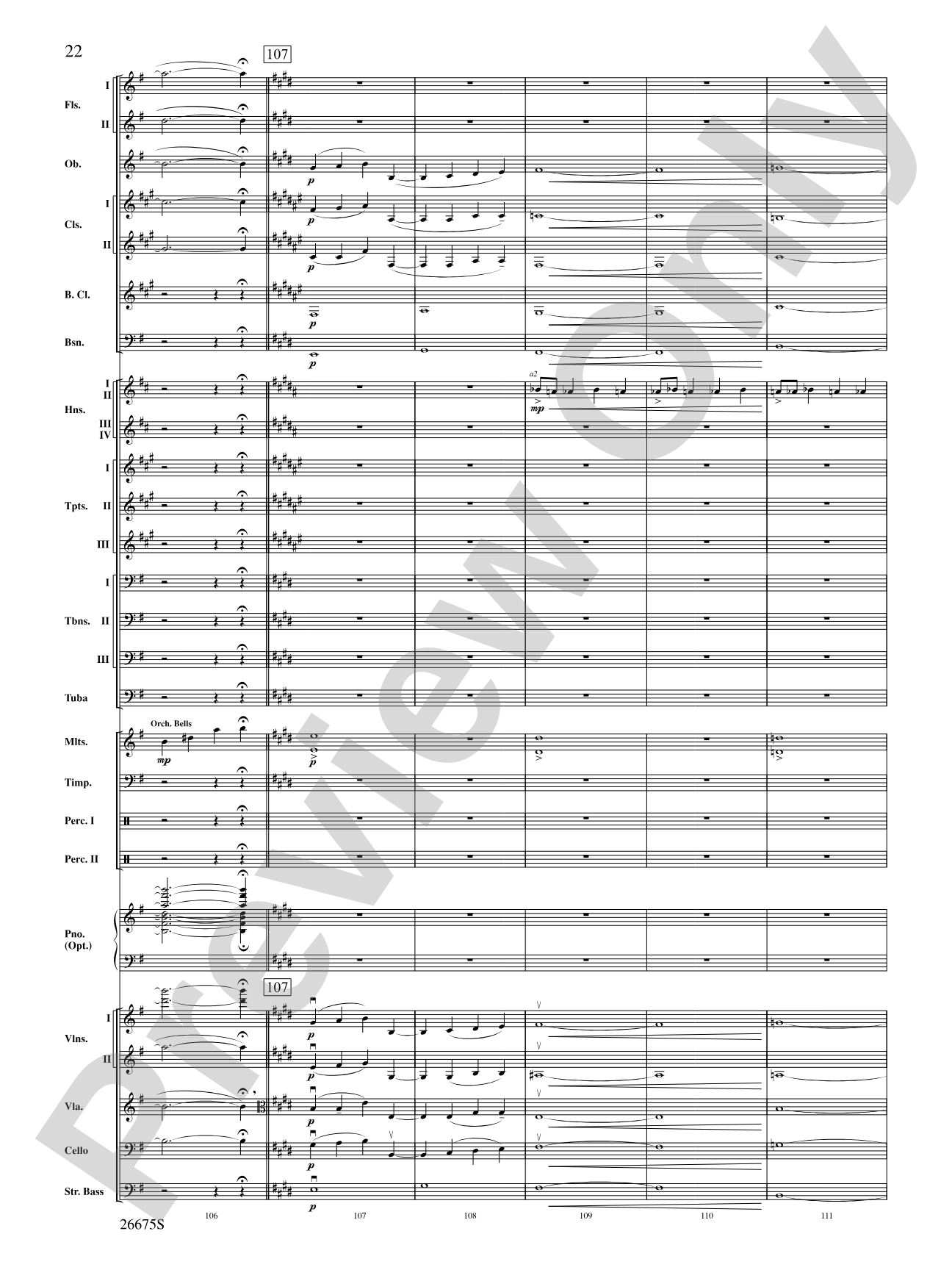
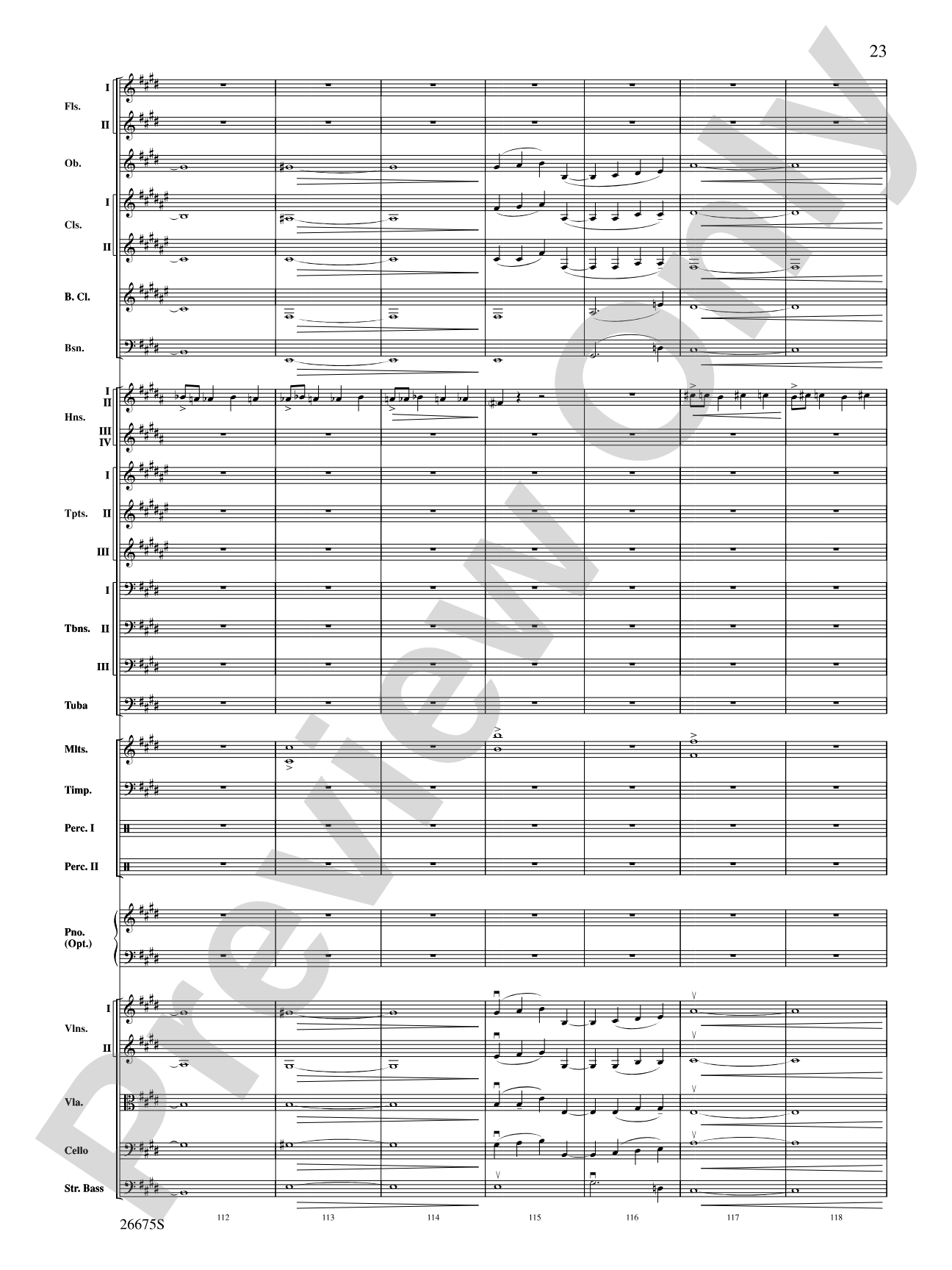
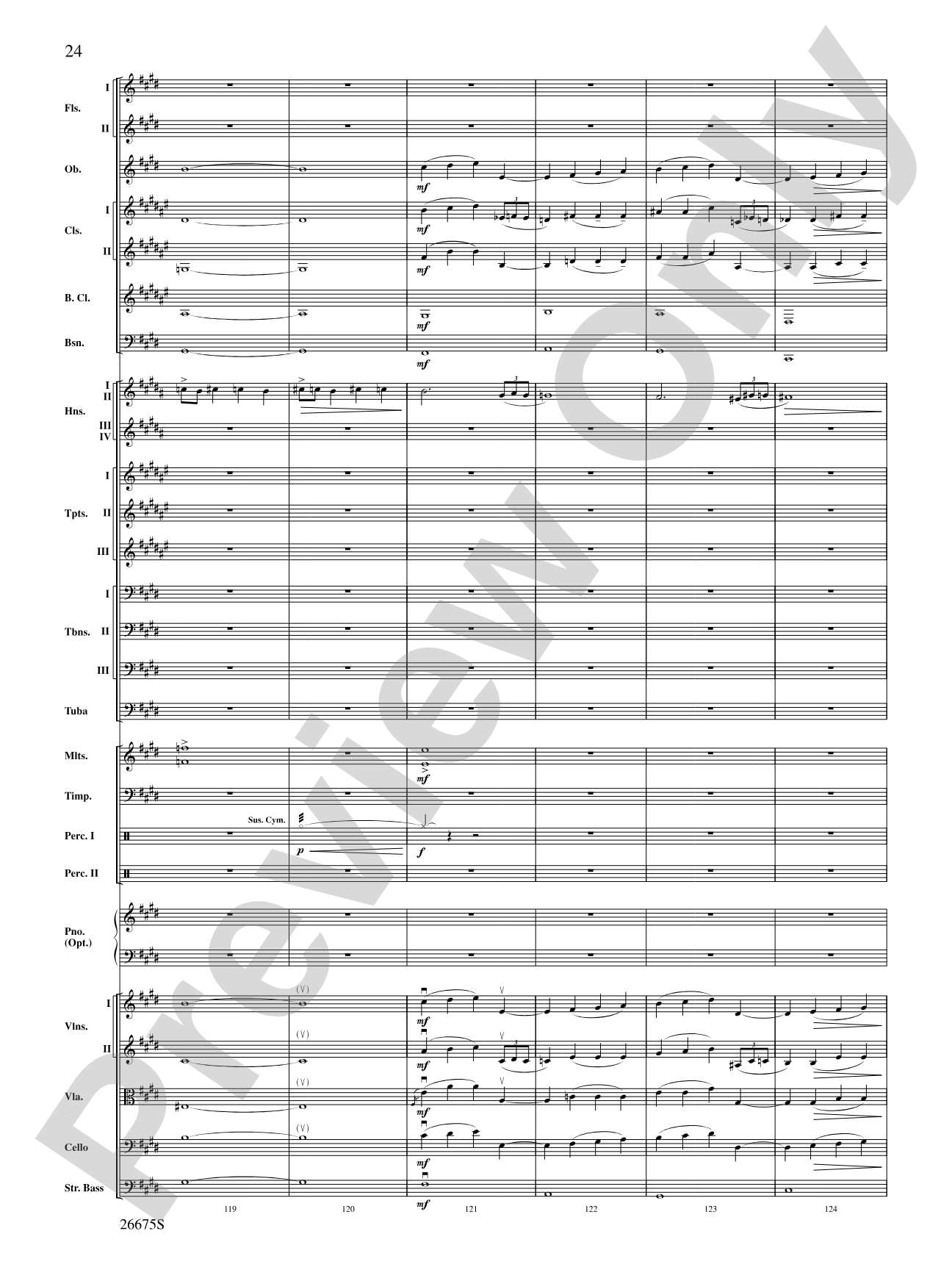
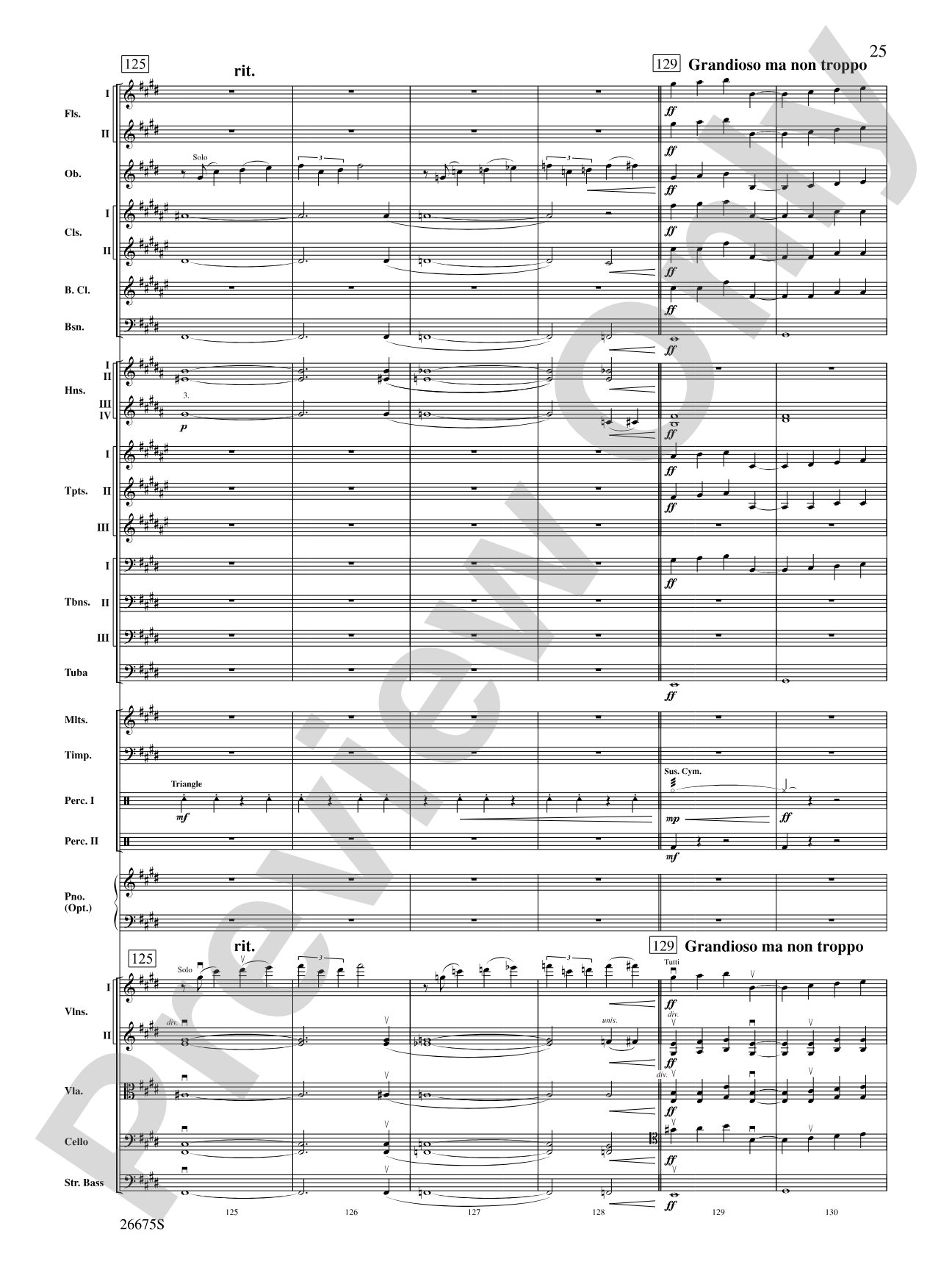
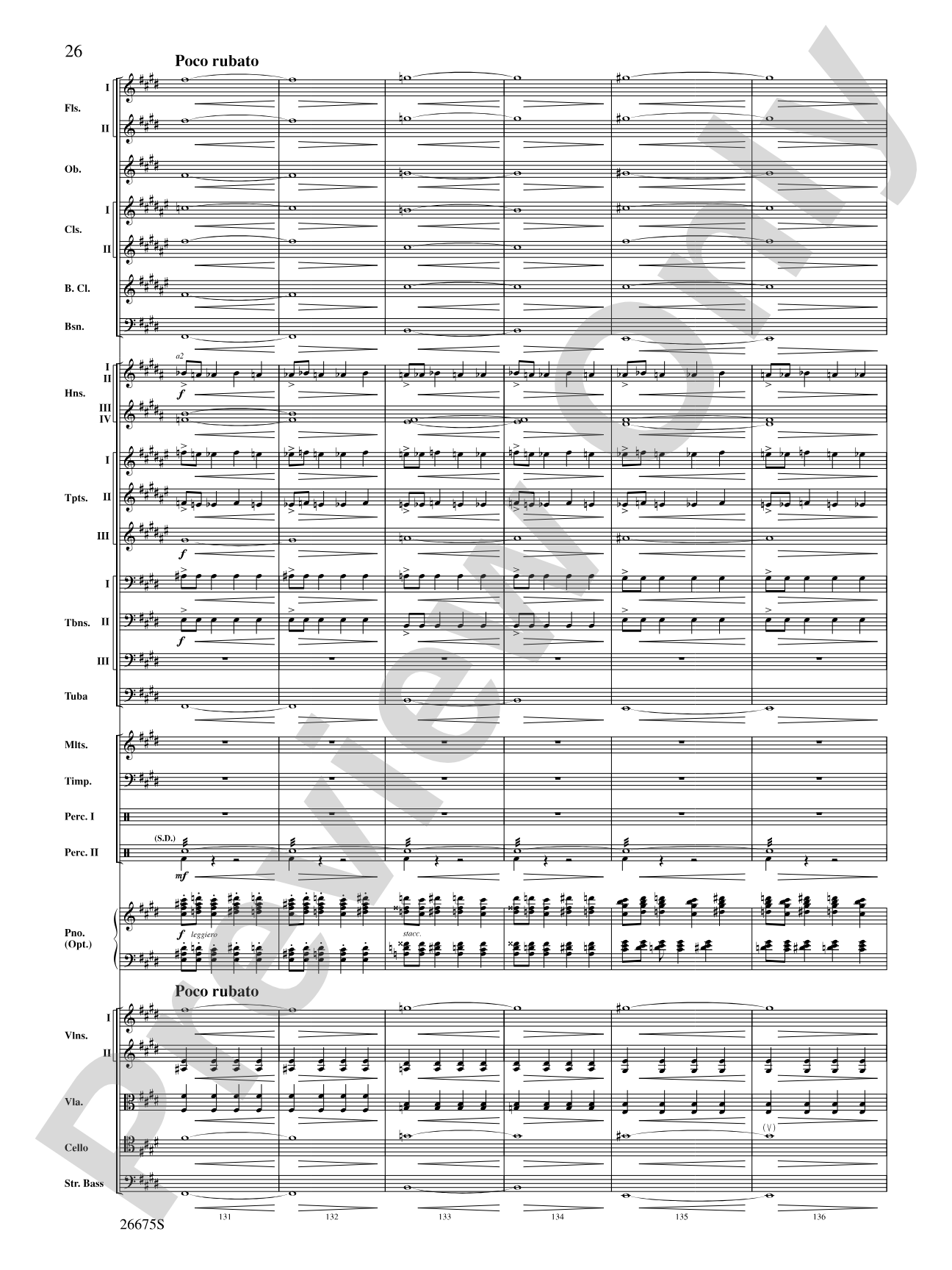
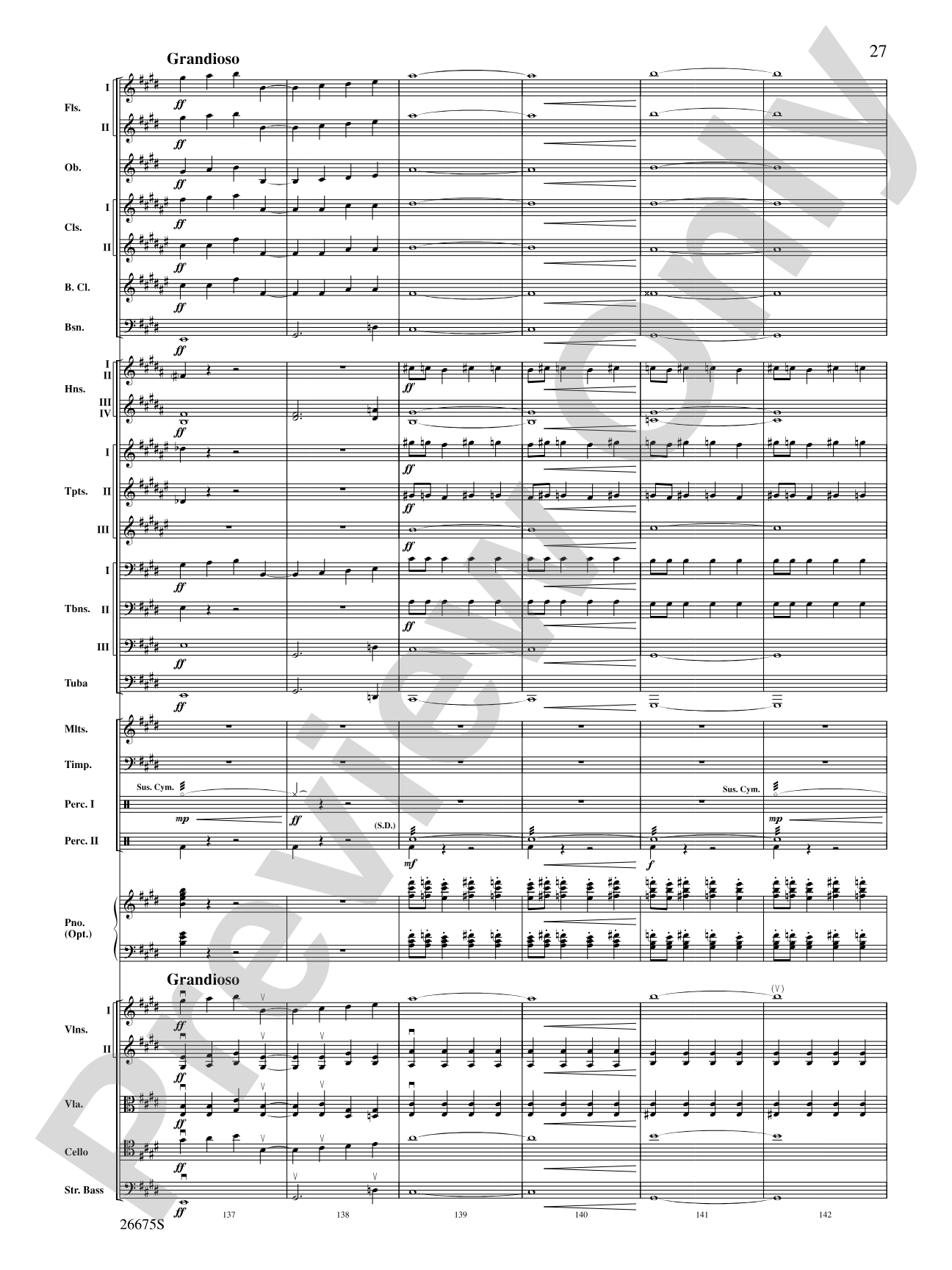
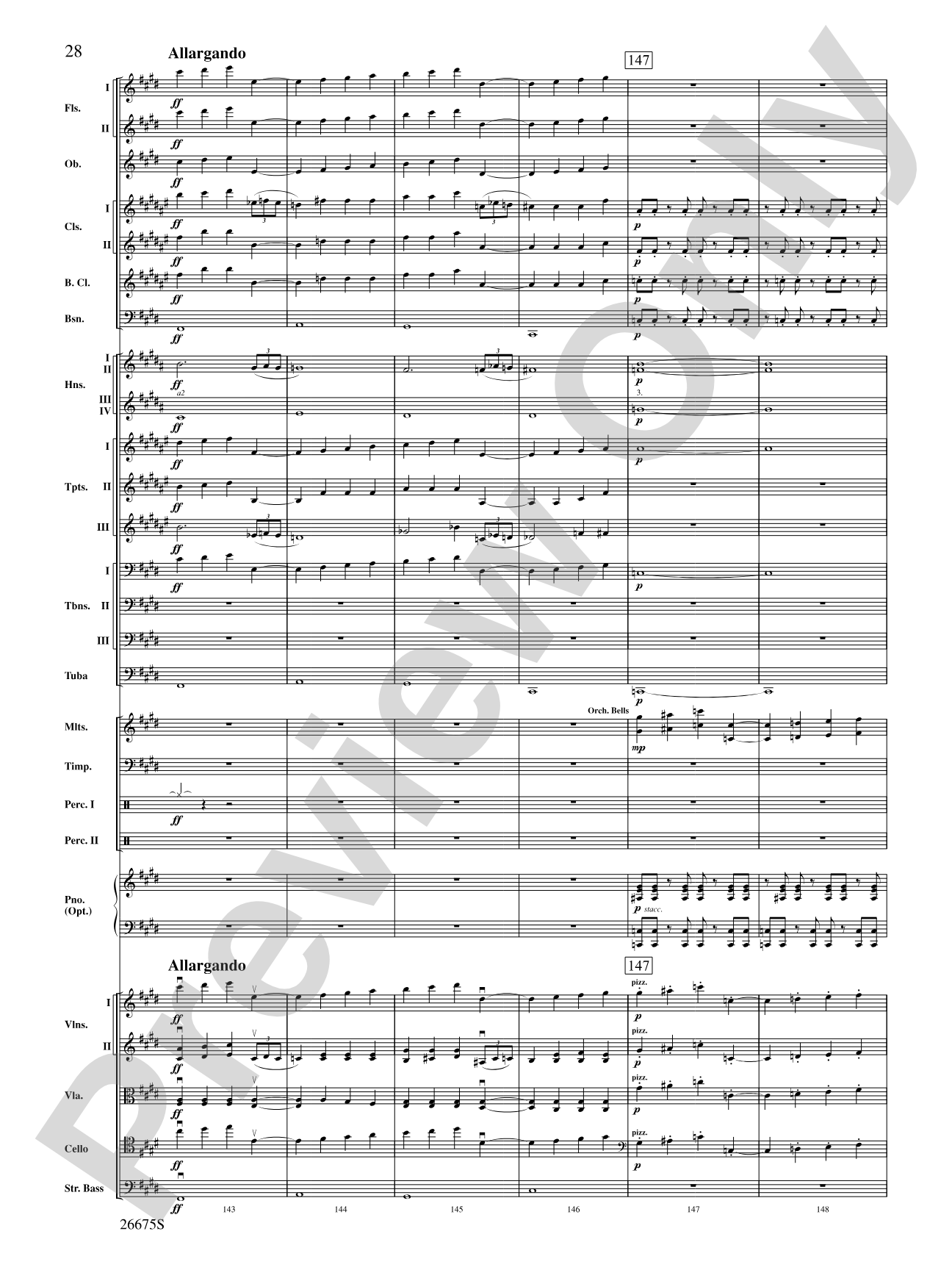
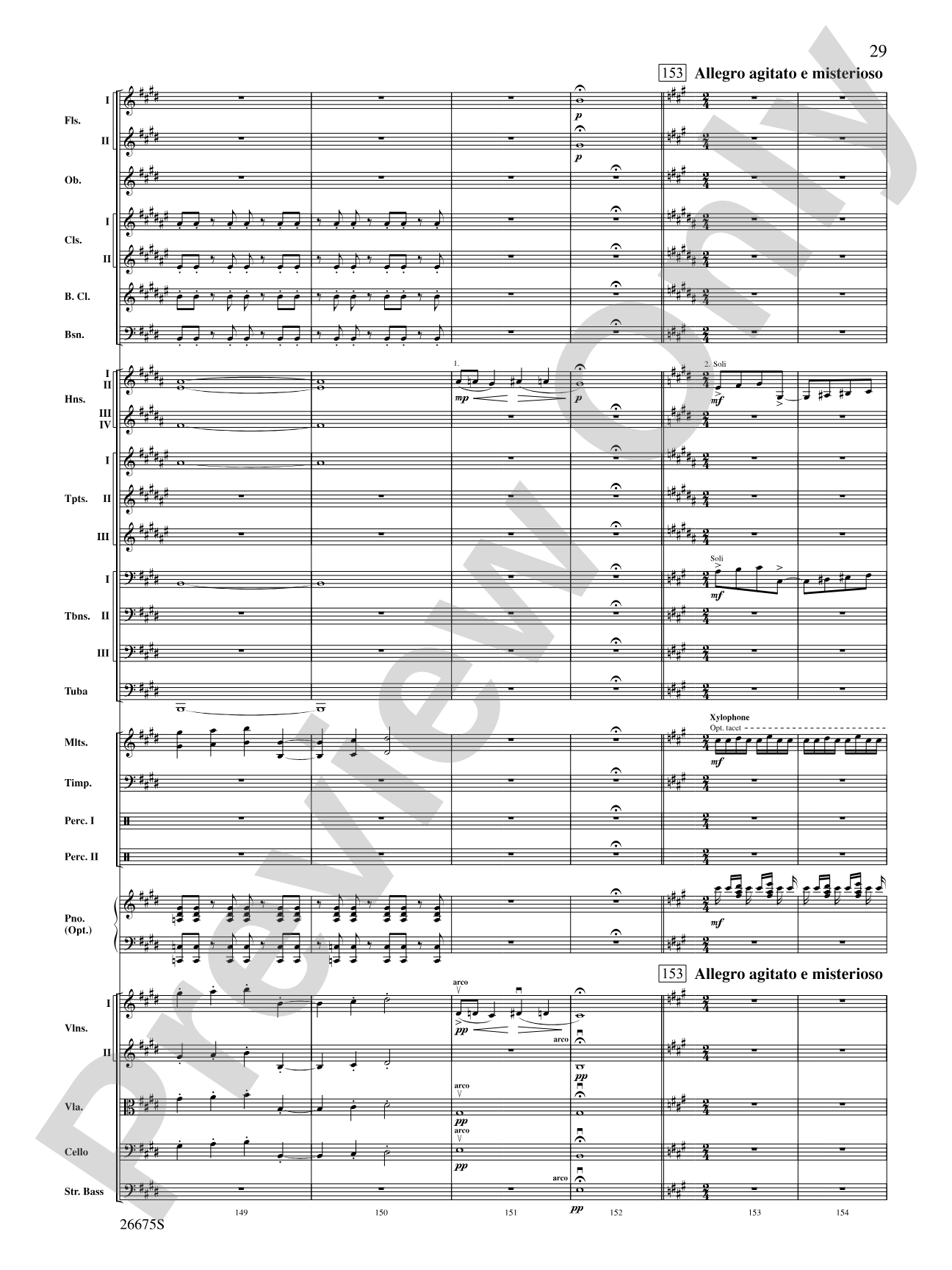
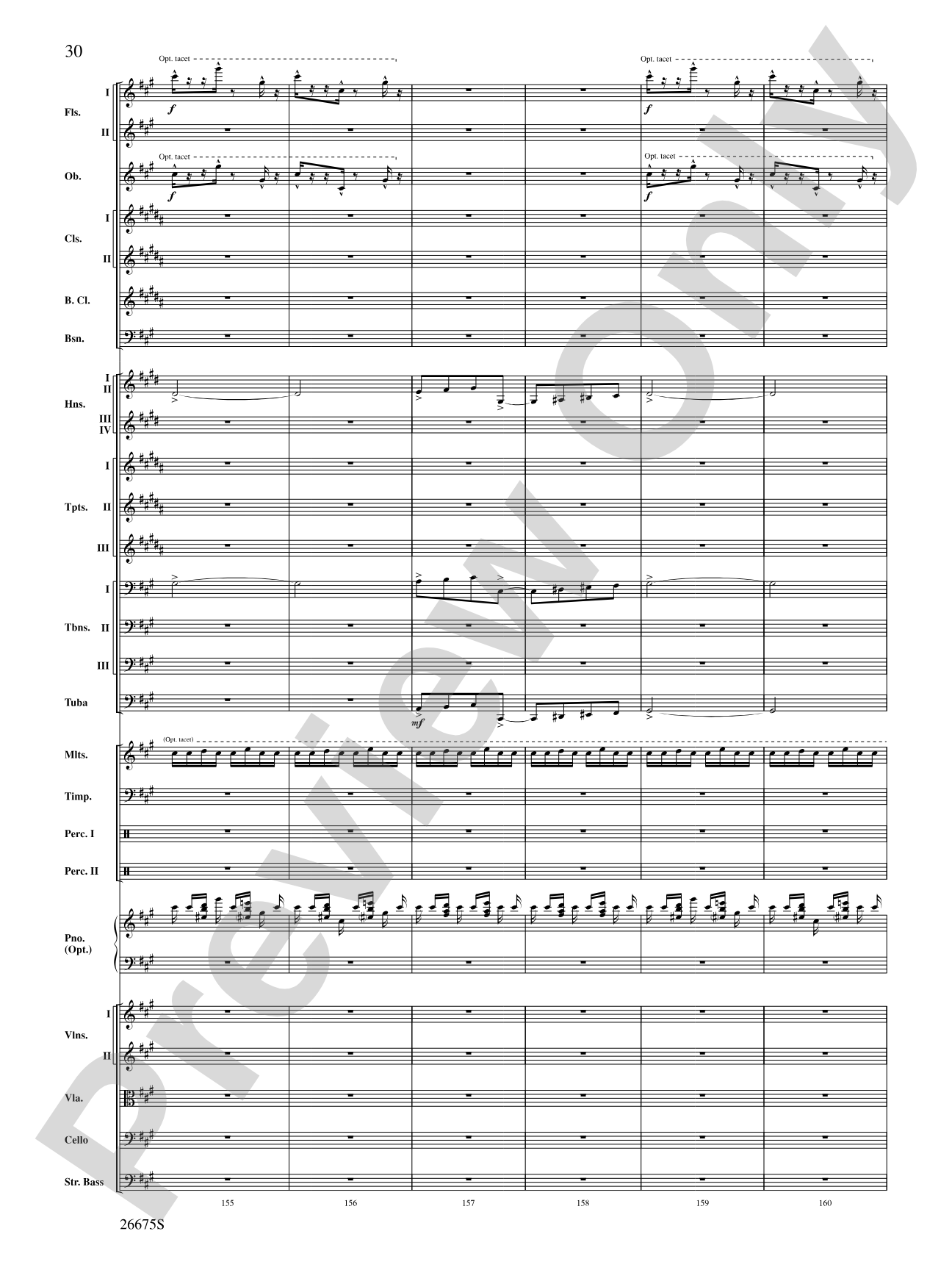
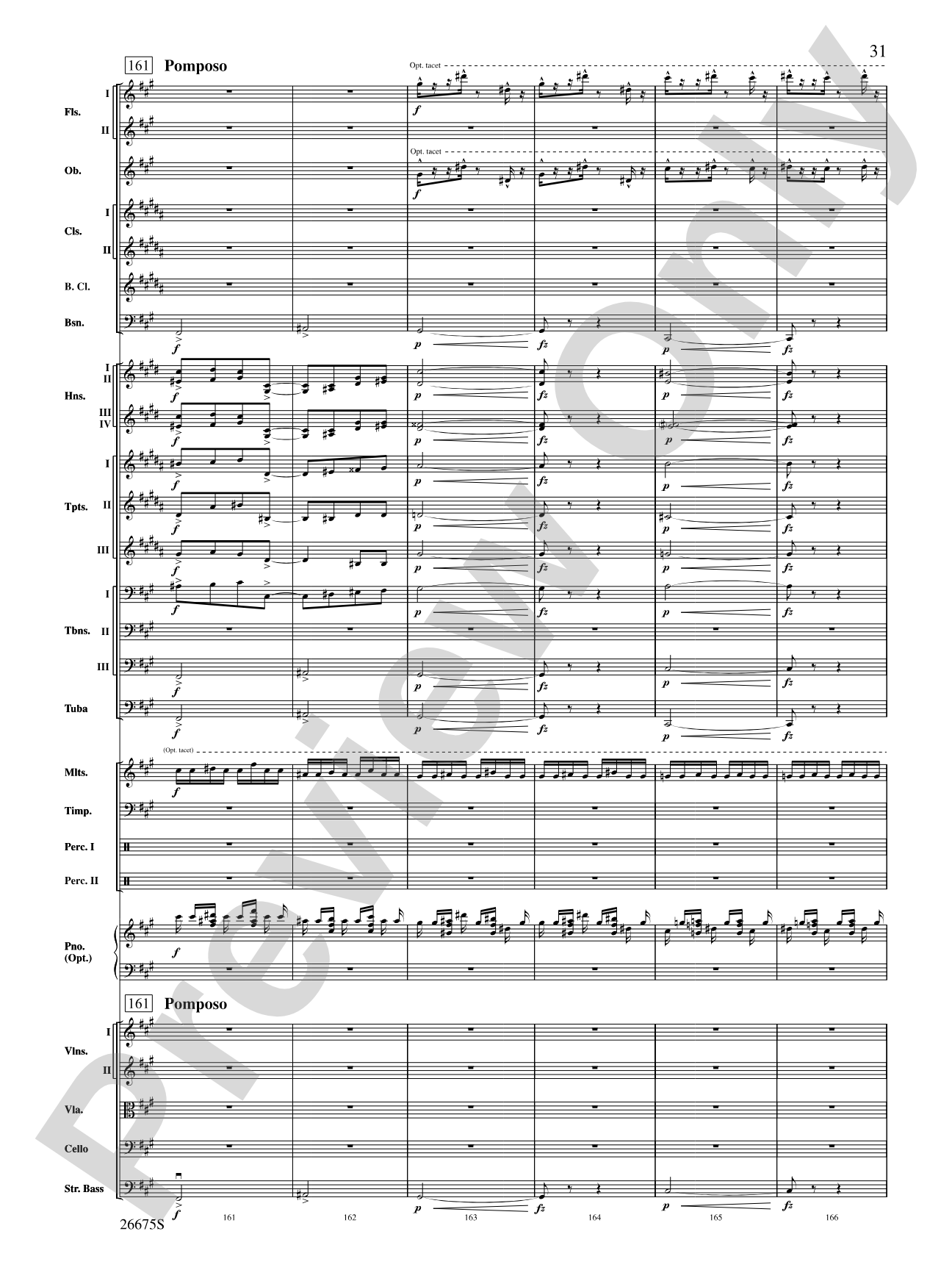
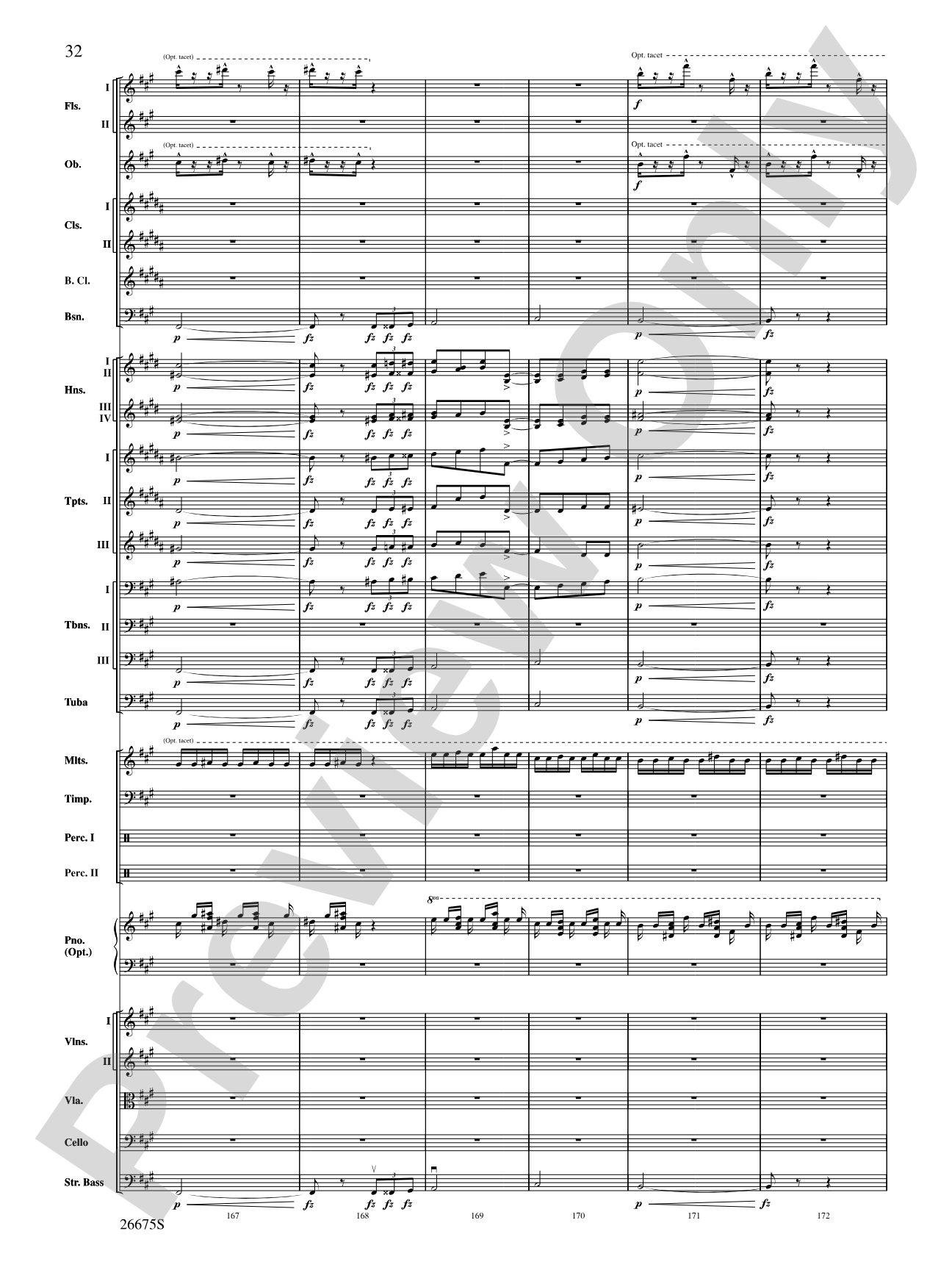
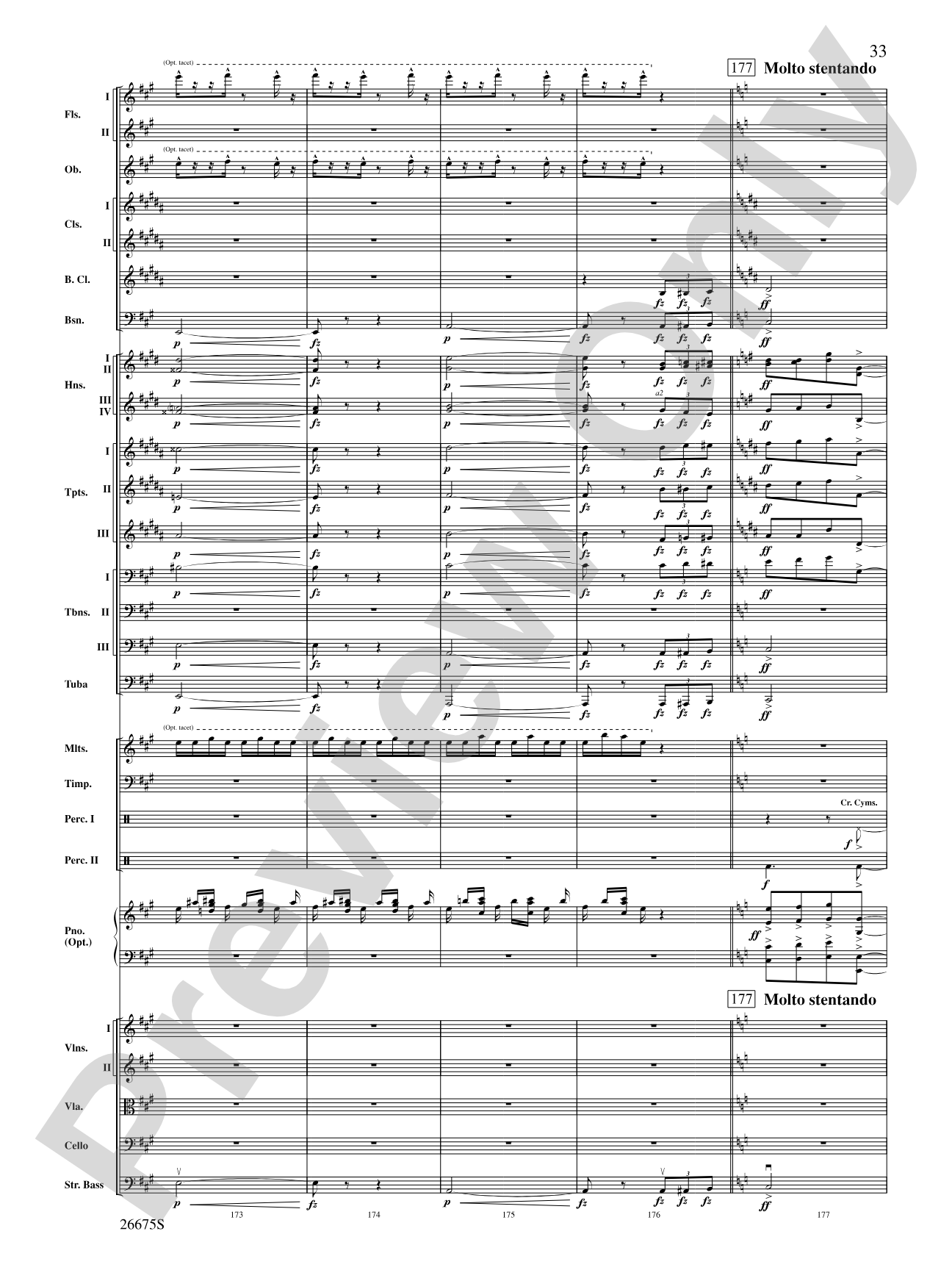
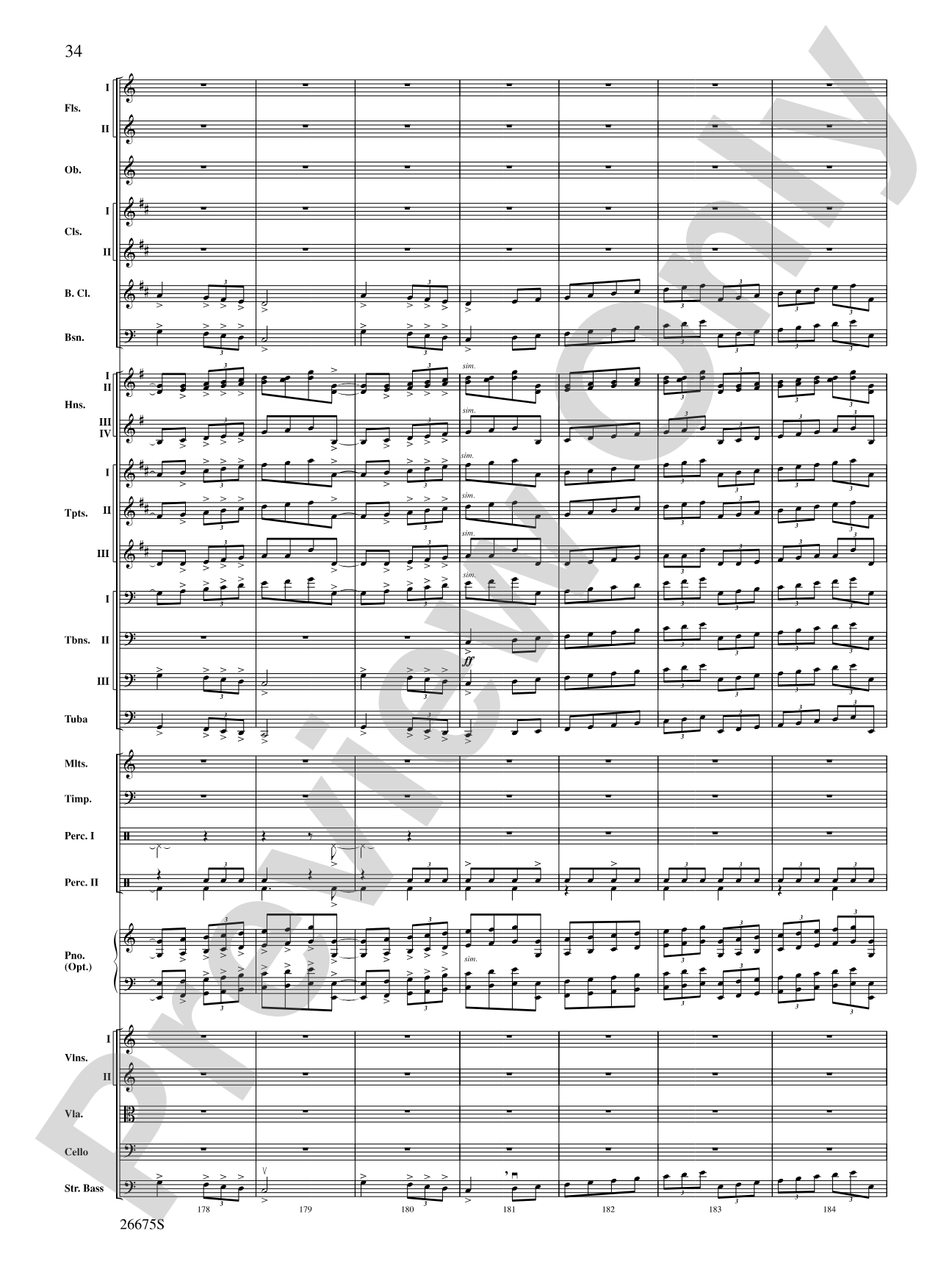
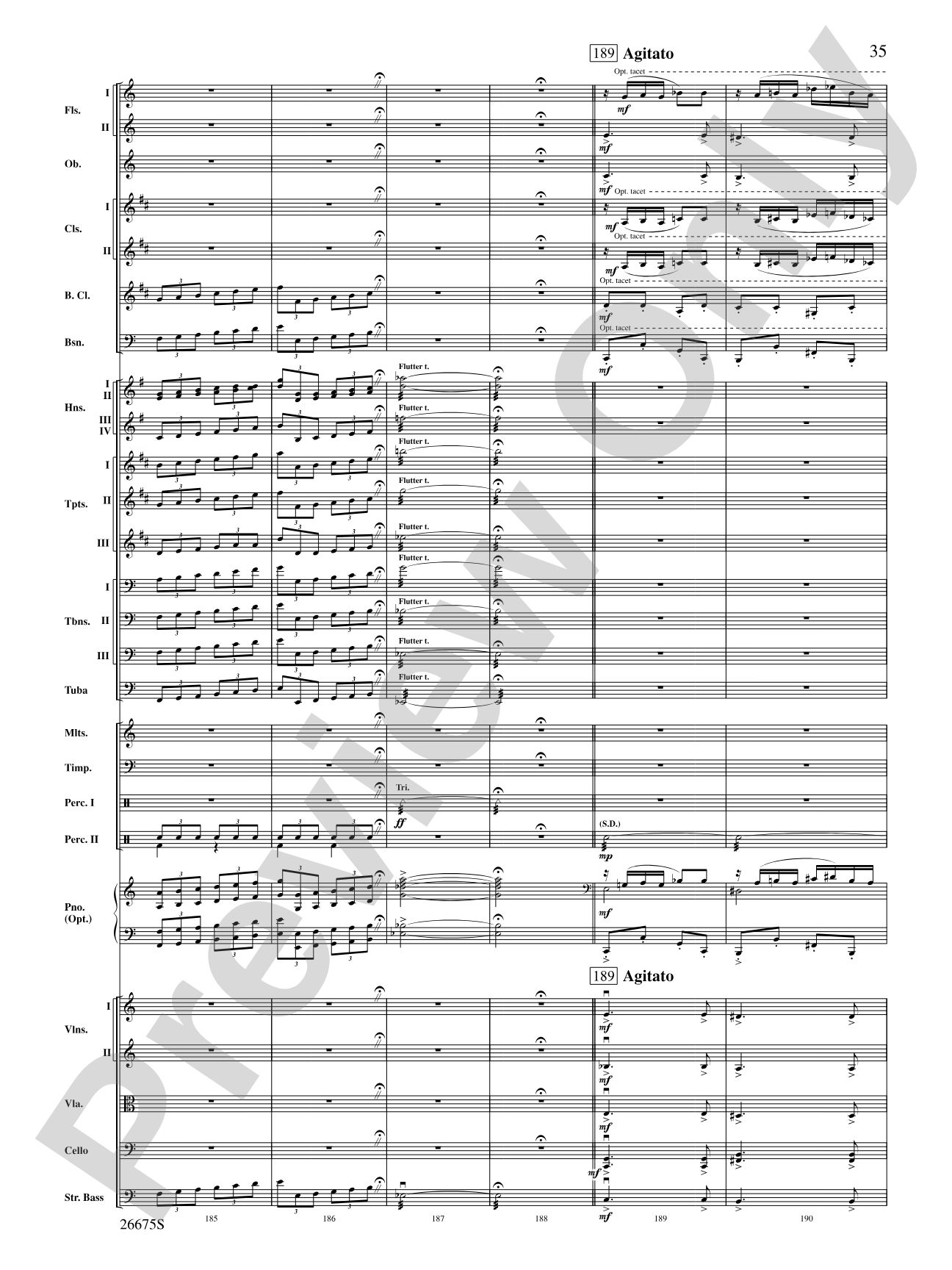
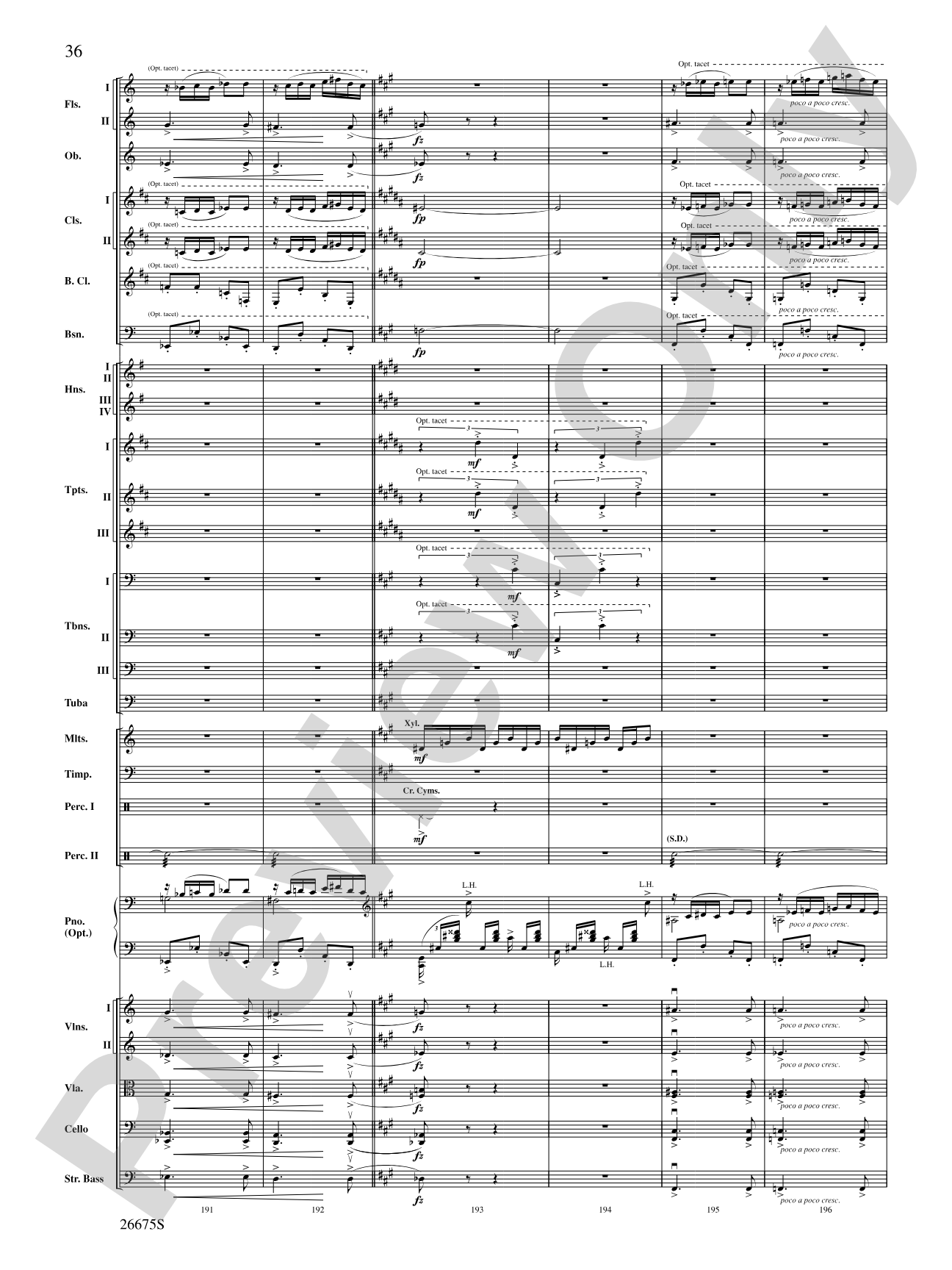
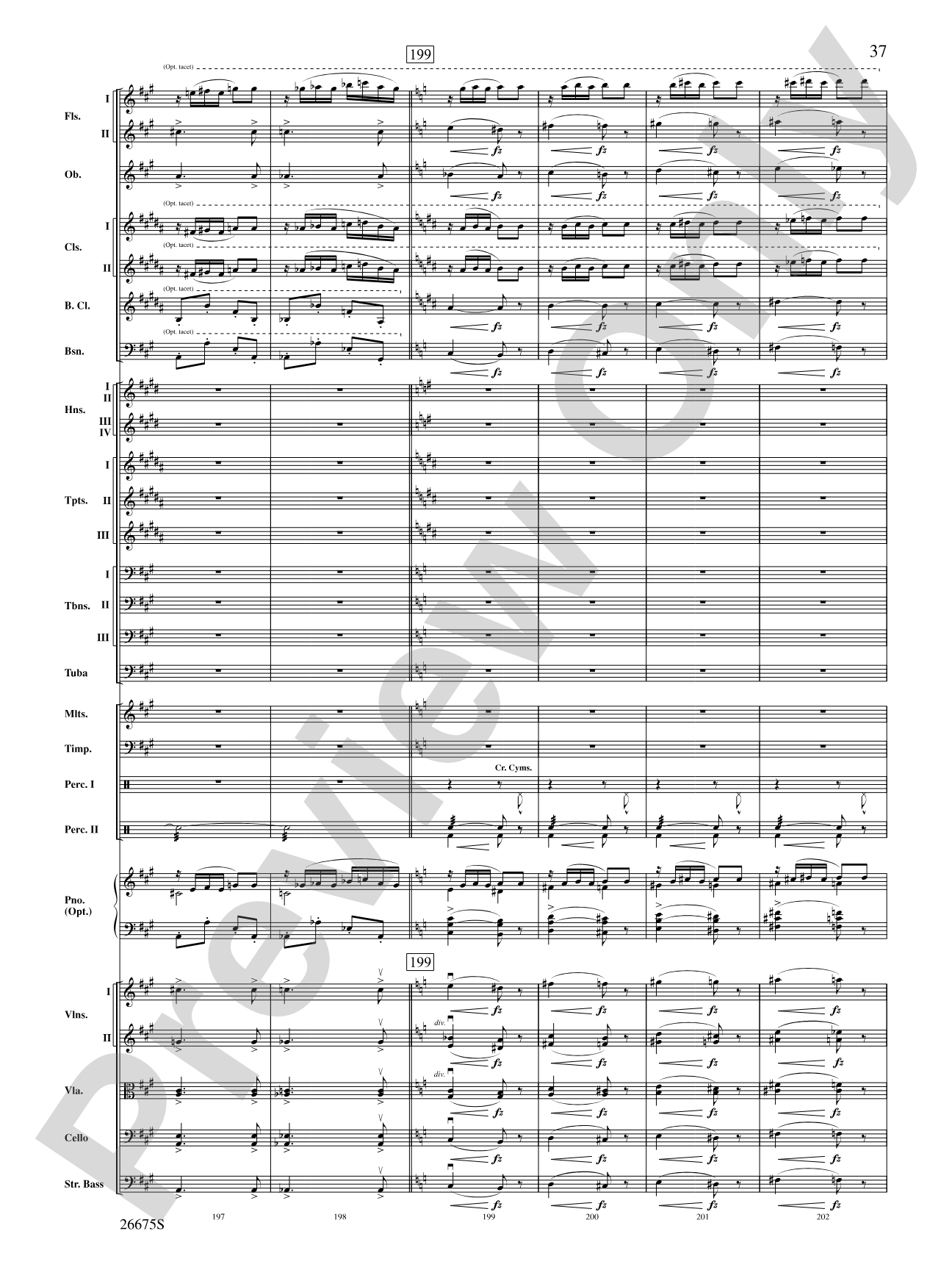
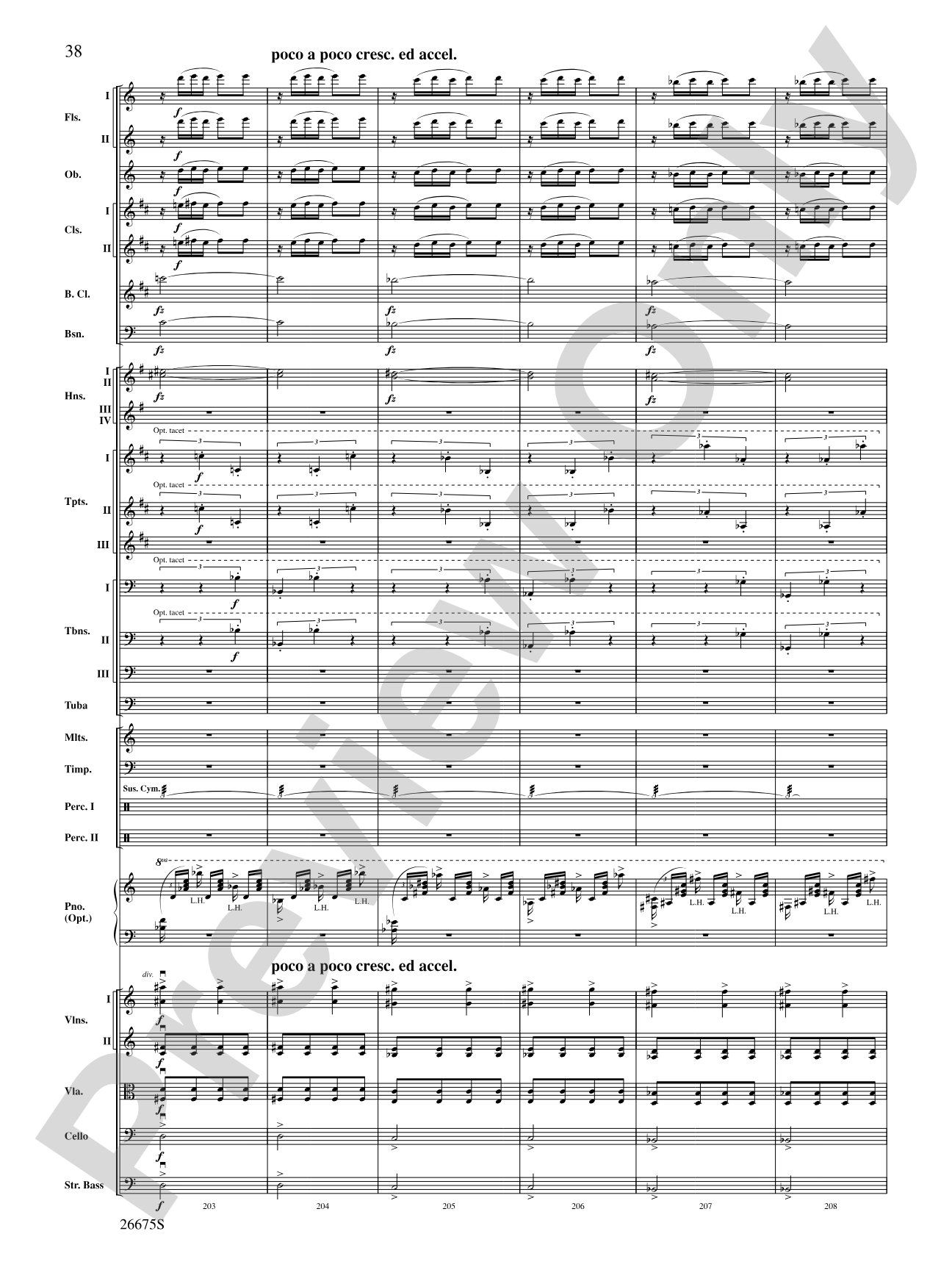
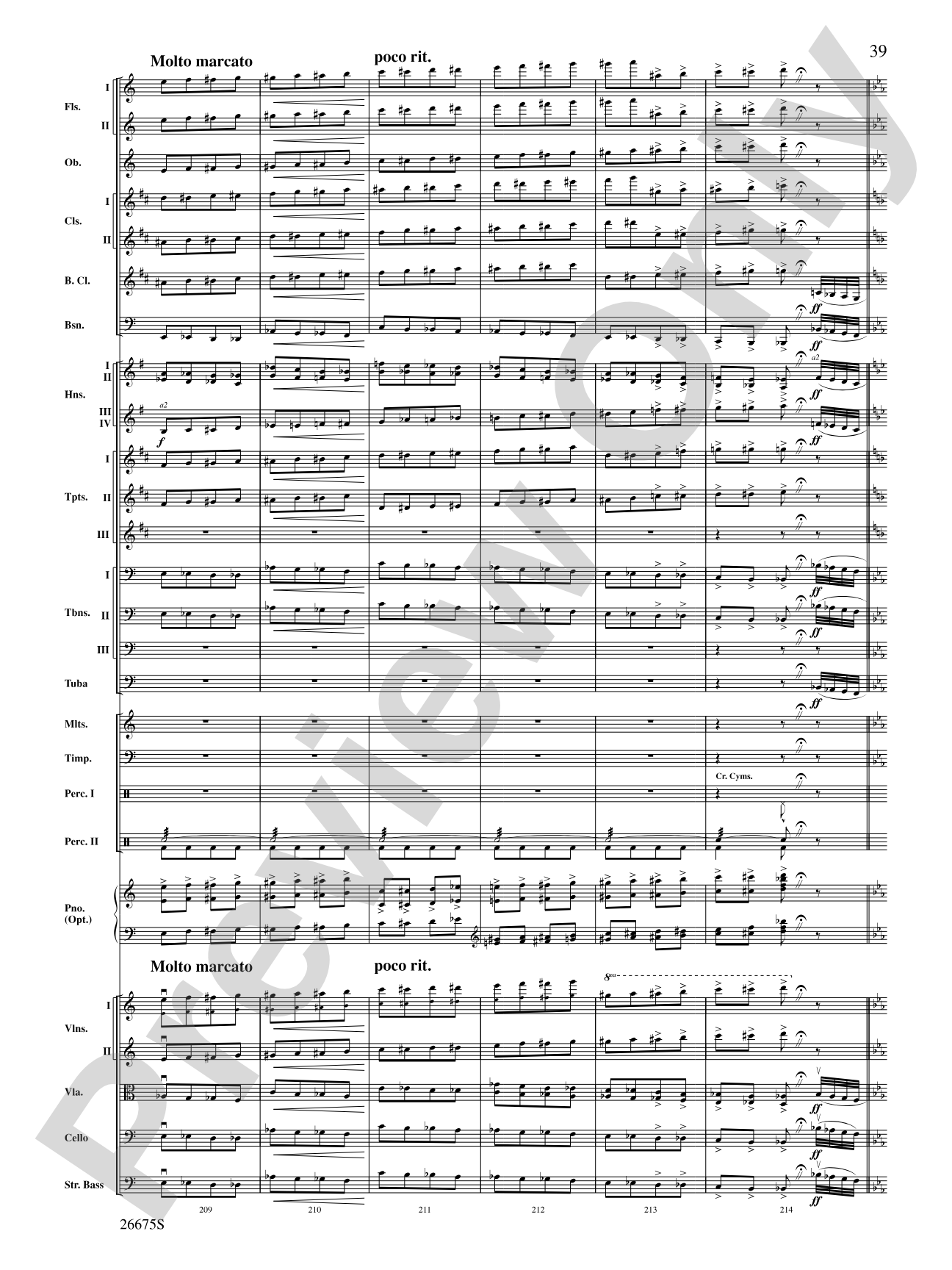
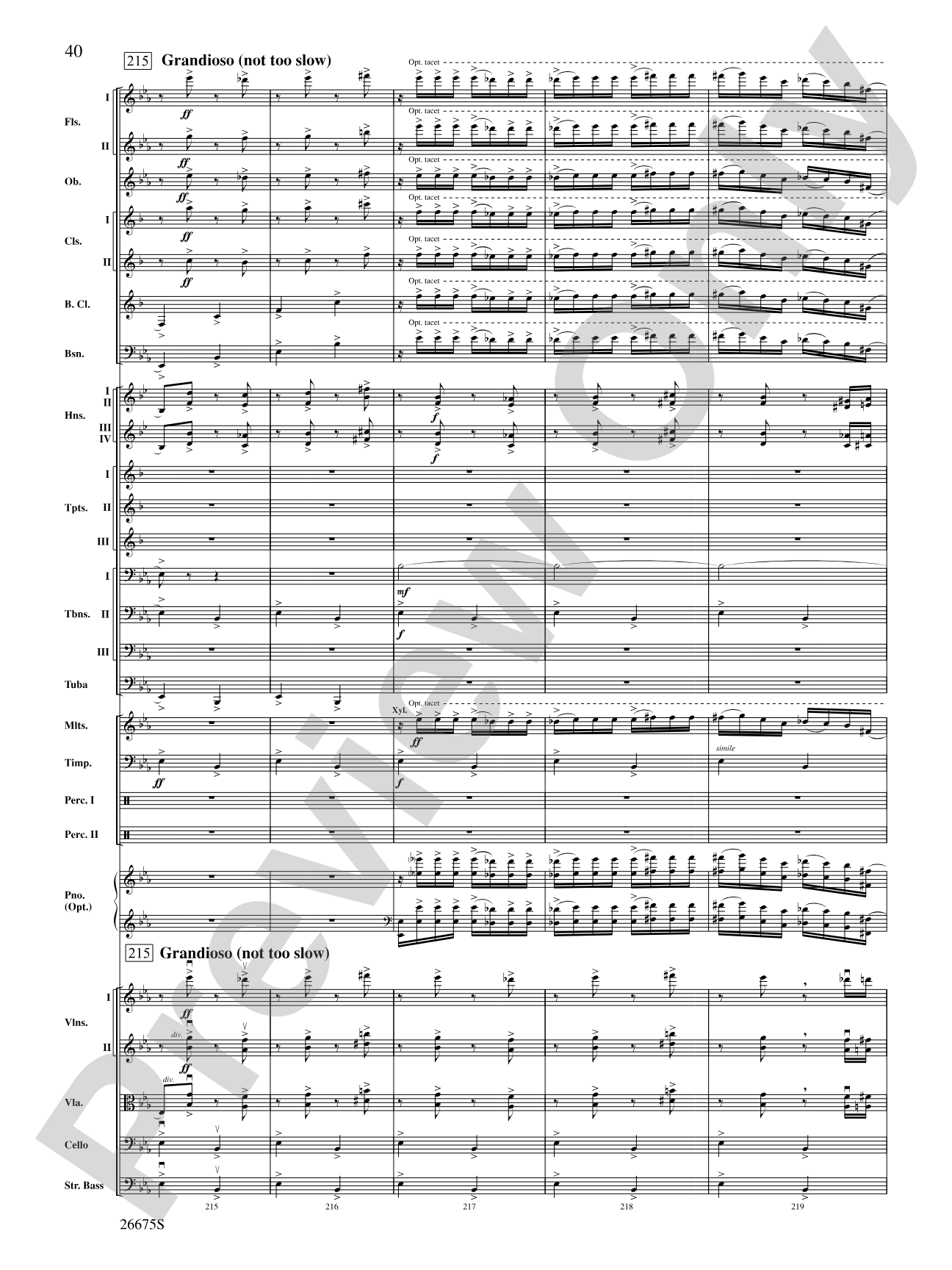
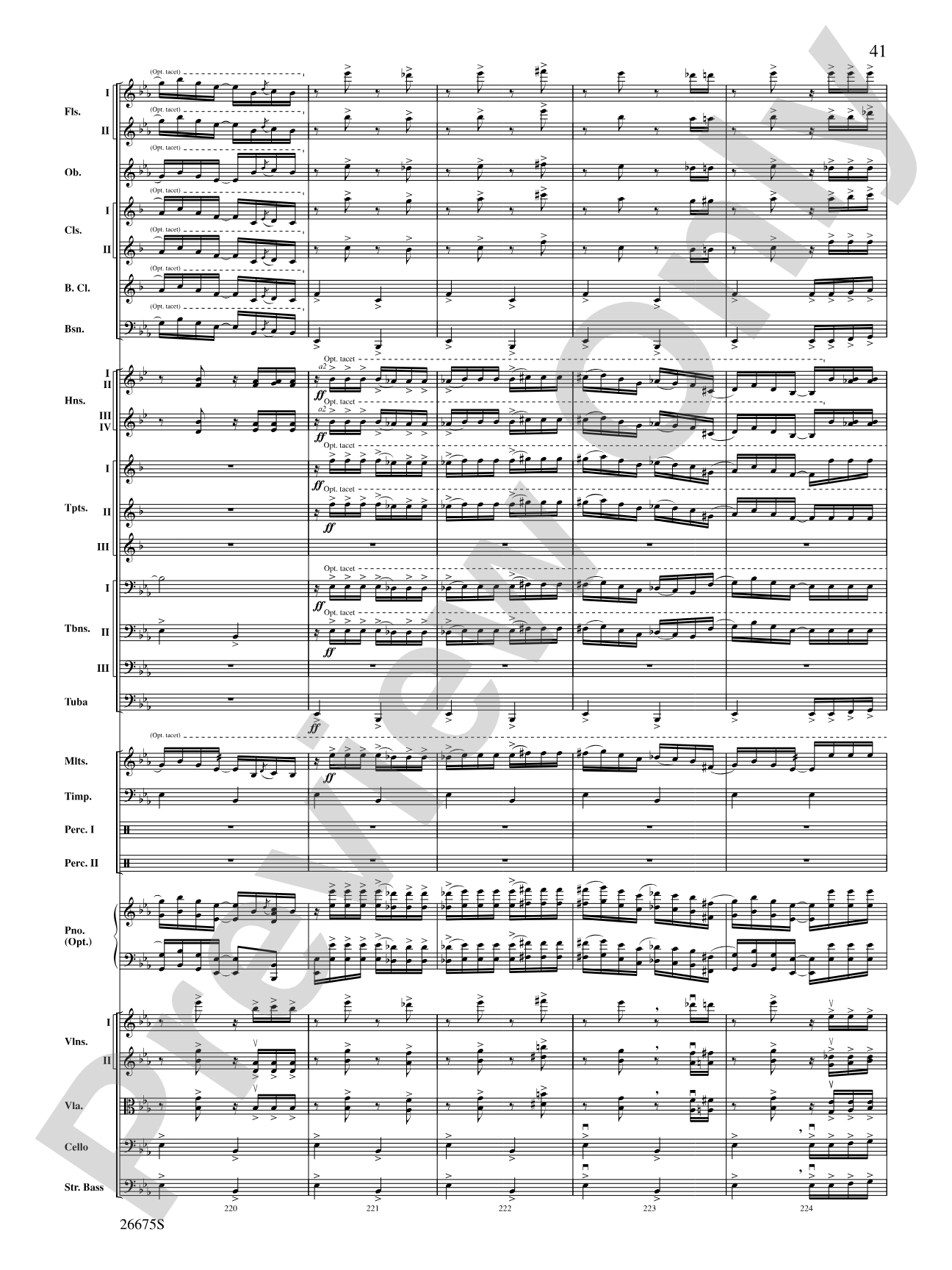
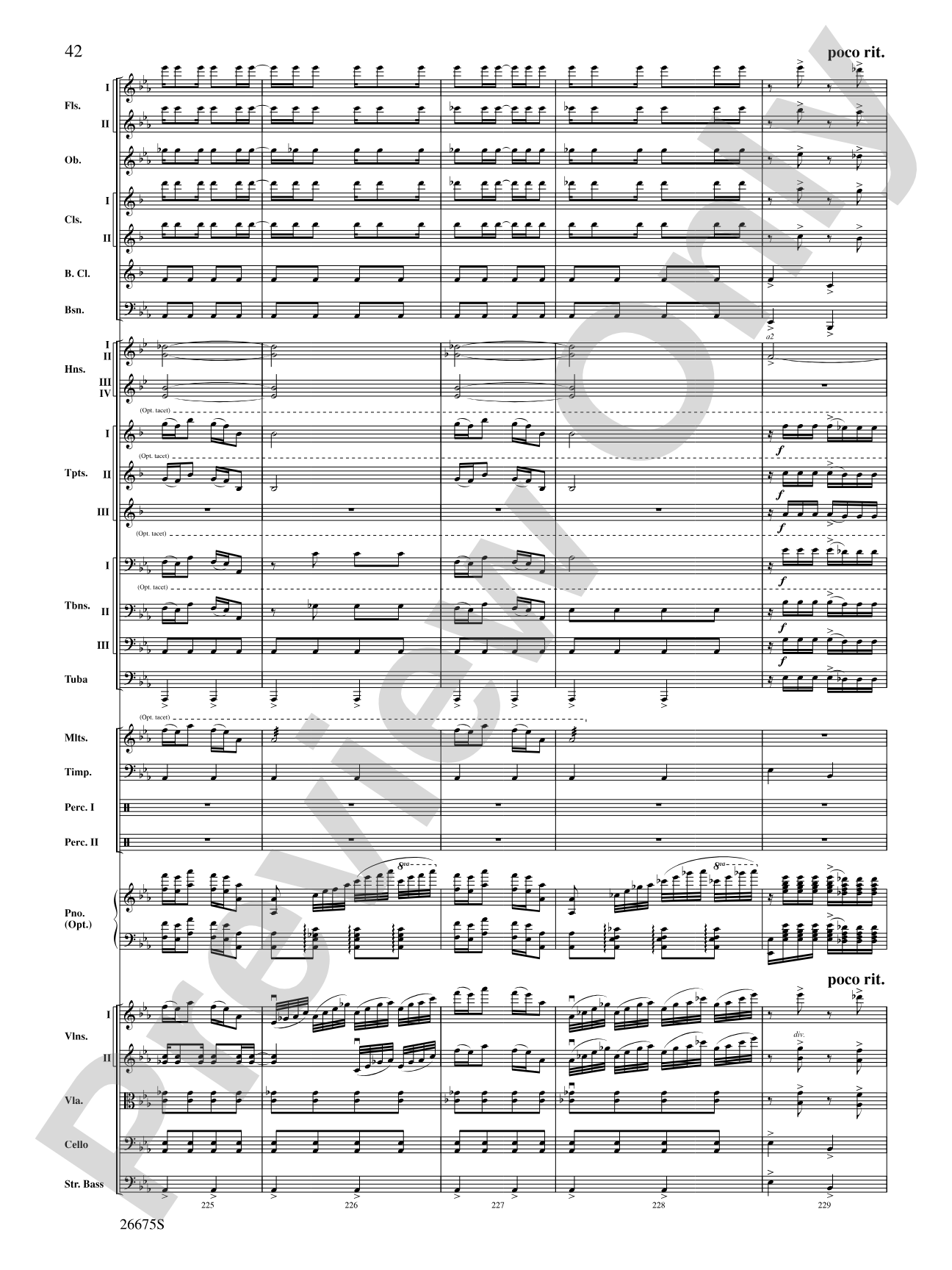
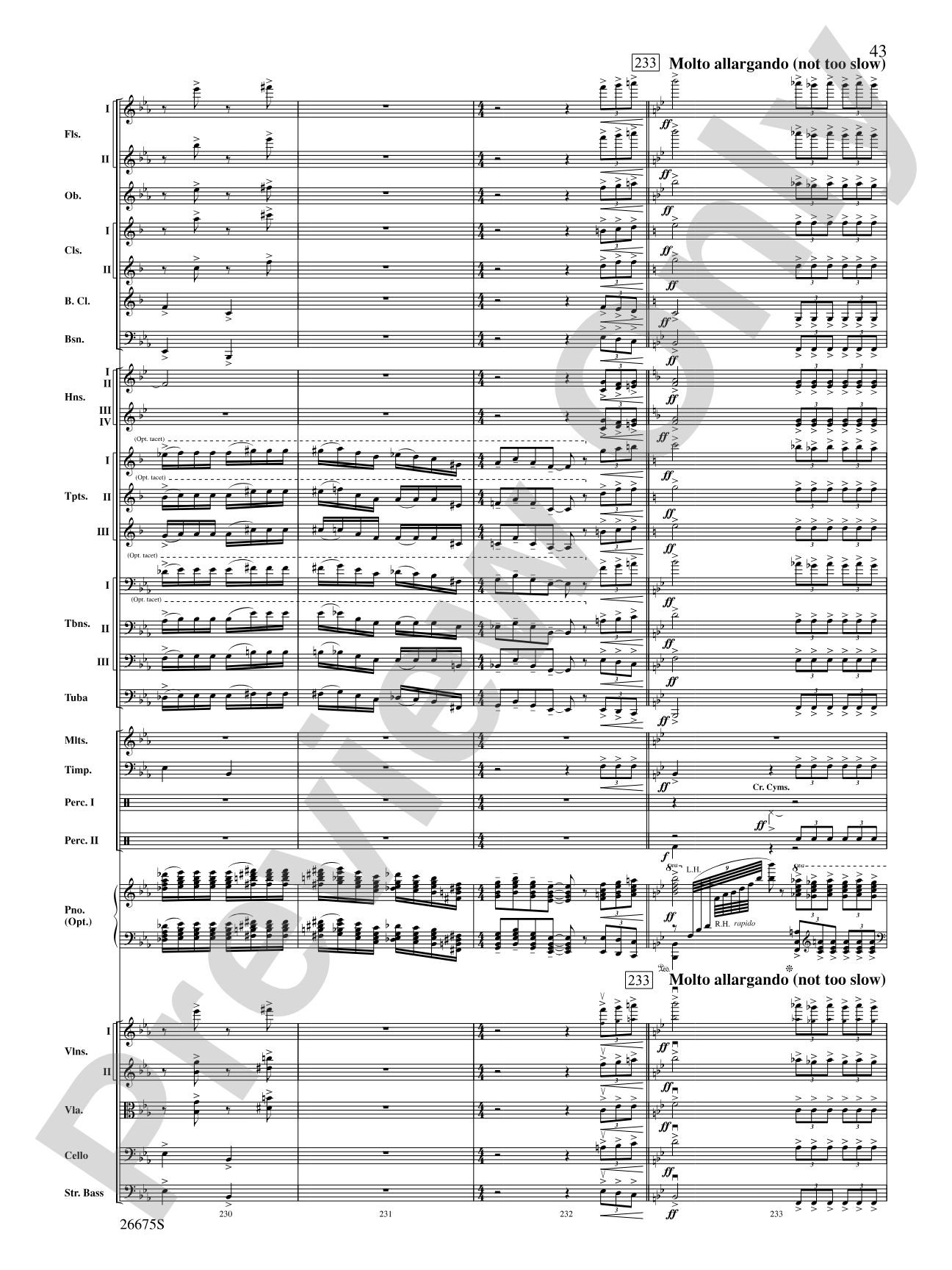
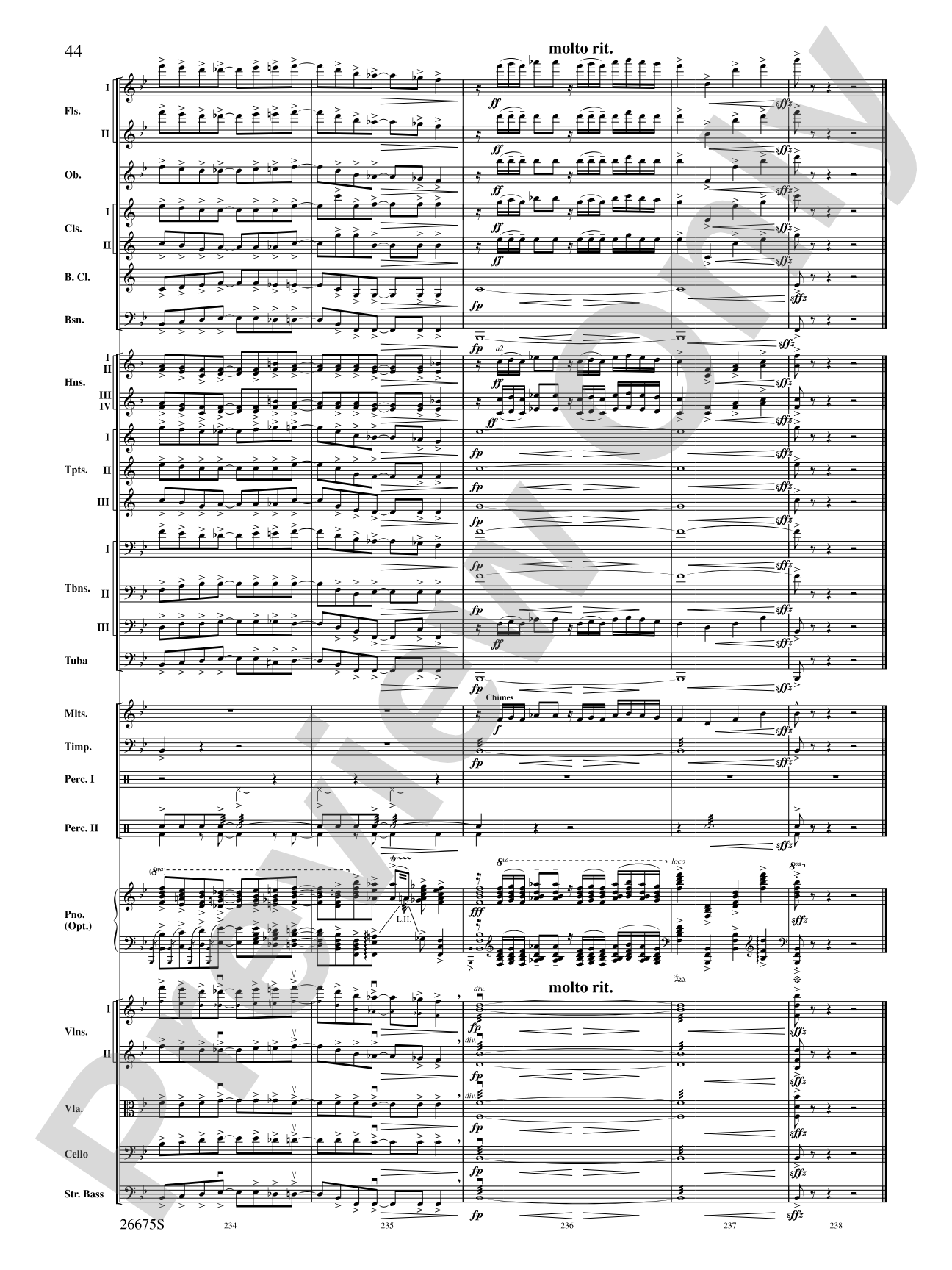

Rhapsody in Blue: Full Orchestra Conductor Score & Parts
By George Gershwin / arr. Jerry Brubaker
Grade: 5
Item: 00-PK-0001171

$75.00
One moment…
Description
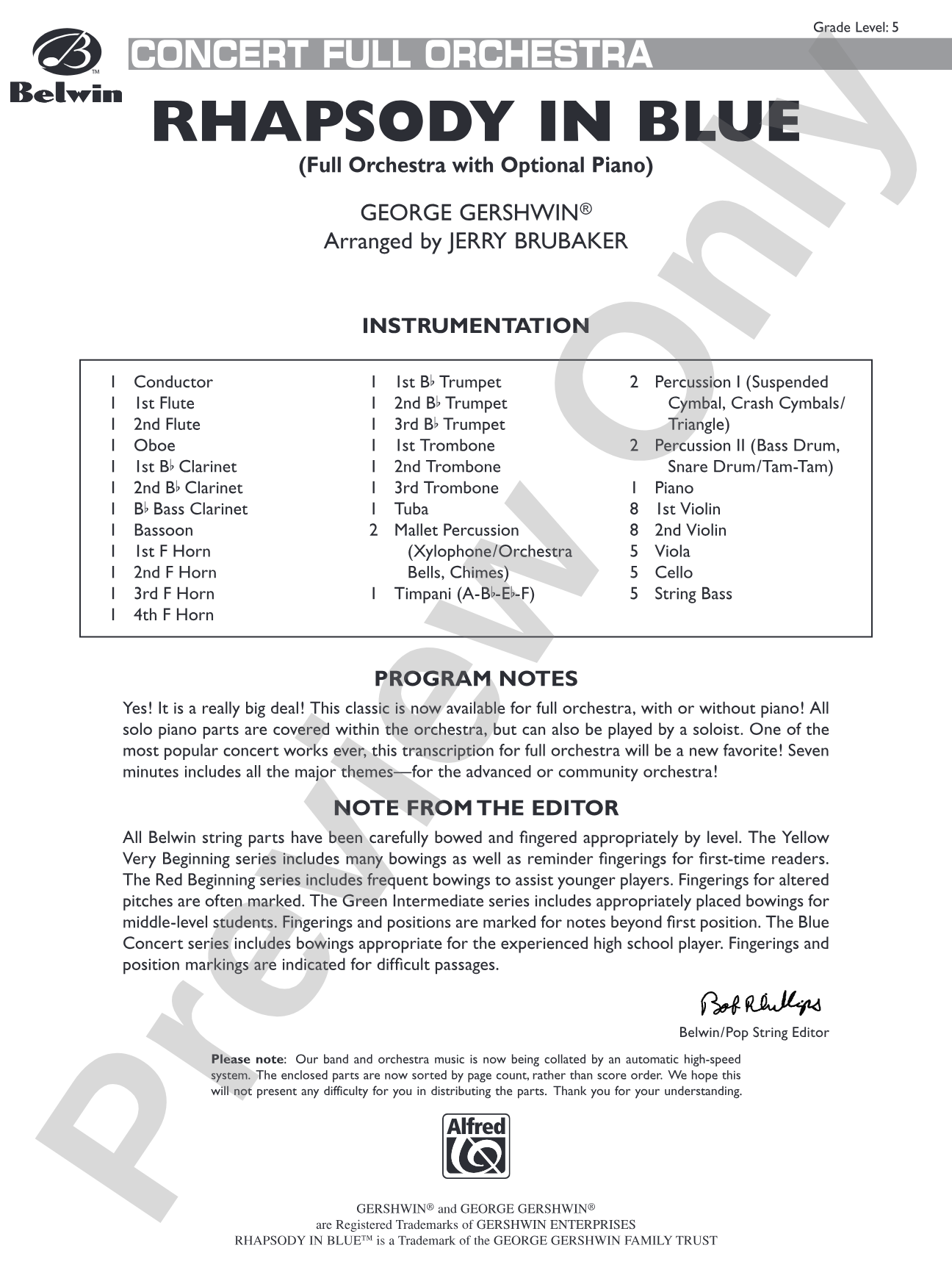
The classic "Rhapsody in Blue" is available for full orchestra, with or without piano, arranged by Jerry Brubaker! All solo piano parts are covered within the orchestra but can also be played with a soloist. One of the most popular concert works ever, this transcription for full orchestra will be a new favorite. Includes all the major themes---for the advanced or community orchestra!


Don't just read it, hear it, play along with it, and watch your students grow with it. In MakeMusic Cloud, Rhapsody in Blue: Full Orchestra Conductor Score & Parts comes alive with professional accompaniment, adjustable tempo, and built-in practice tools that turn solo practice into real progress.
Open in the Player
Jump straight in and assign it today.
Start Your Free Trial
Open this title and explore the full library in minutes.
Sample Audio
1
Audio File
--:--
0:00
0:00
Sample Video
Additional Details
Series:
Pop Concert Full Orchestra
Publisher:
Alfred Music
Page Count:
216
SKU:
00-PK-0001171
More about this title
About the Composer: George Gershwin
George Gershwin (1898–1937) bridged the worlds of popular song, jazz idiom, and concert music at a moment when those worlds rarely spoke to each other. Born in Brooklyn, he began as a Tin Pan Alley songwriter before his ambitions turned toward larger forms. "Rhapsody in Blue," composed in 1924 when he was just 25, became his signature work and one of the most performed American concert pieces of all time.
Gershwin's gift was for memorable melody and rhythmic vitality, but his real achievement was structural. He could sustain a work of genuine length and emotional arc without sacrificing the immediate appeal that made his music singable and danceable. He died young from a brain tumor, but his orchestral works remain central to American music education and concert life.
Why we love this
This Brubaker arrangement opens "Rhapsody in Blue" to orchestras that may lack a virtuoso piano soloist but still want to deliver the piece authentically. The scoring distributes the famous themes across the ensemble while preserving the work's improvisational character and blues vocabulary. For Grade 5 orchestras, it's ambitious without being impossible, and audiences respond to it instantly.
What to expect
It swaggers and swoons by turns. The opening clarinet cry feels like the city waking up; the lyrical sections have a longing tenderness that justifies the "rhapsody" in the title. Throughout, there's an infectious sense of forward motion, rhythmic excitement, and the unmistakable sound of American jazz meeting the concert hall.
Who it's for
Advanced high school orchestras, college and community orchestras, and ensembles that want a showpiece with genuine musical substance. Directors who have strong clarinet and trumpet sections will find plenty to celebrate here.
How to get the most out of it
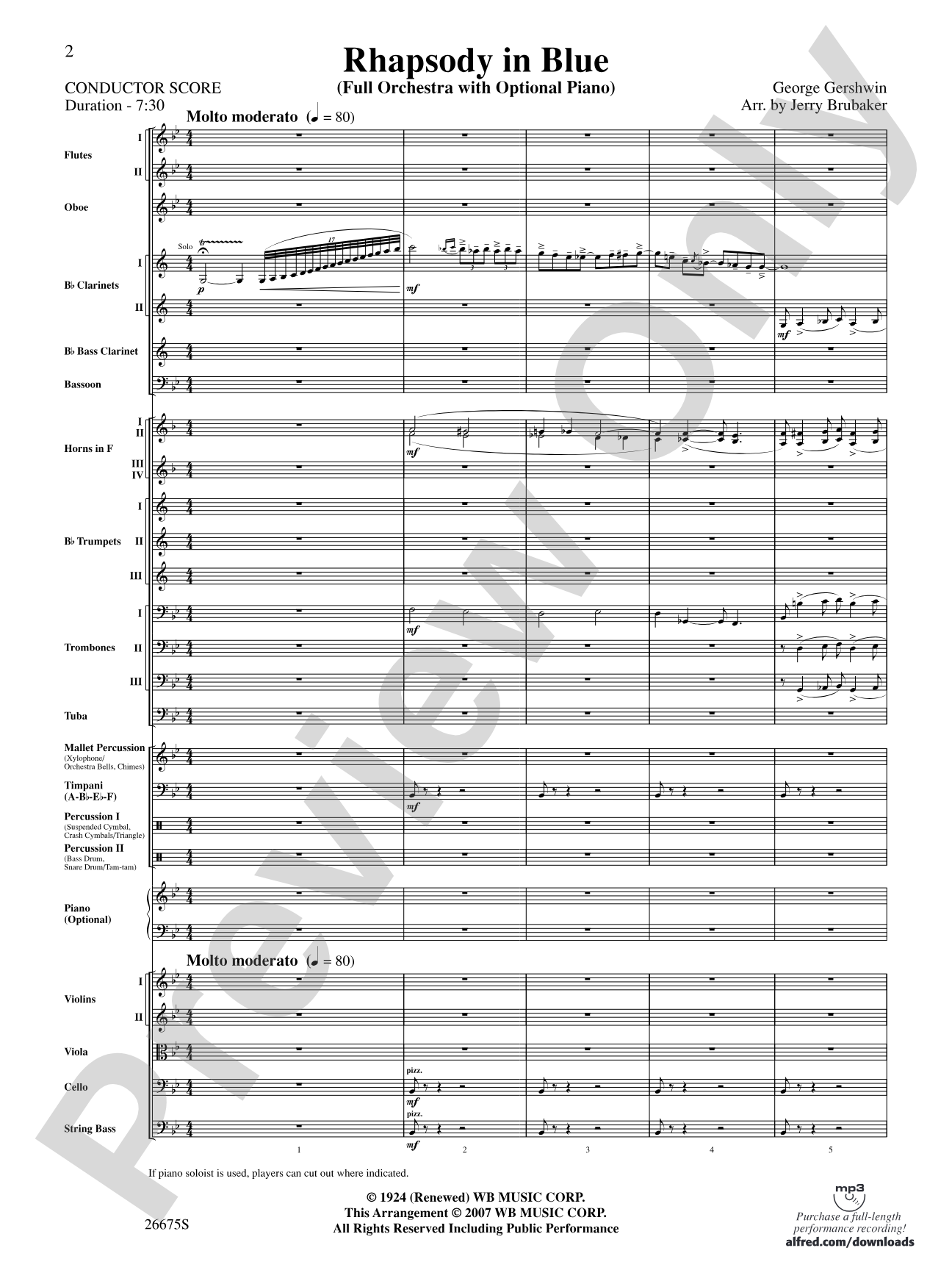
- Balance the clarinet glissandi and early solo passages against the ensemble; these moments define the piece's character, so resist the urge to let orchestration wash them out.
- Treat the rhythmic momentum in the faster sections as a conversation between sections rather than a lockstep march. Jazz-influenced syncopation requires flexibility that tightens if you conduct it metronomically.
- If using a piano soloist, coordinate that player's interpretive freedom with the orchestra's entries. The soloist should lead the ensemble into transitions, not follow after.
How to use it
Anchor a pops or American music concert with this. It works equally well as a dramatic closer to a traditional classical program, where its energy and accessibility will send audiences home energized. Consider programming it where you want maximum impact and broad appeal, and schedule rehearsals that allow the ensemble to hear themselves settle into the jazz idioms.
Skills your students will build
- Reading and executing jazz-influenced syncopation and swing rhythms in an orchestral context
- Balancing solo passages and thematic material within a full orchestra texture
- Responding to flexible, rubato-like phrasing in a collective ensemble setting
- Executing extended solo passages in clarinet, trumpet, and other voices within a larger work