Reverie Cover Image

Reverie: Piano Sheet

$3.50 USD
Sale price  $3.50 USD Regular price 
Skip to product information
Reverie Cover Image

Reverie: Piano Sheet

By George Peter Tingley

Level: Late Intermediate

Item: 00-3690

$3.50
Shipped

One moment…

Description
A long, flowing, left hand eighth note broken chord accompaniment lays under the peaceful, melodic, legato phrasing above it, played "tempo rubato" with rolling dynamic contrasts, and great opportunities for expression and interpretation throughout.

Reverie: Piano Sheet isn't in MakeMusic Cloud just yet...but it could be. Let us know you'd like to see it, and you'll help shape what comes next. In the meantime, start a free trial and dive into thousands of interactive titles your students can play along with today.

Sample Pages

Sample Audio
No sample audio found.
Sample Video
Additional Details
Series: Signature Series
Publisher: Alfred Music
Page Count: 4
ISBN10: 0-7390-1387-4
ISBN13: 978-0-7390-1387-8
UPC: 038081020587
SKU: 00-3690

More about this title

About the Composer: George Peter Tingley
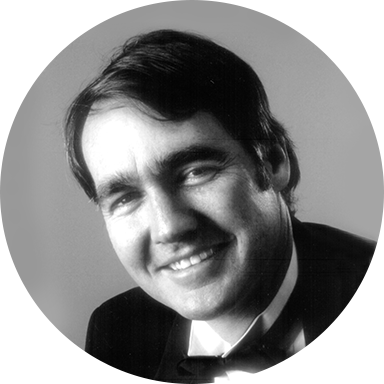
George Peter Tingley

George Peter Tingley grew up in Oakland, California, beginning violin at age four before turning to piano at ten. His musical foundation came from formal study at California State University, Hayward (Bachelor of Arts in Piano Performance) and the University of Southern California (Bachelor and Master of Music degrees in Music Theory), alongside formative years in the 1970s as a private composition student of Nadia Boulanger in Paris.

Based in Point Richmond in the San Francisco Bay Area, Tingley has composed over 75 published piano pieces since 1989, with Reverie becoming his signature work when Alfred published it in 1991. Beyond solo repertoire, he has written duets, educational pieces, and concert works, including Kristi's Theme for Olympic figure skater Kristi Yamaguchi, which was arranged for full orchestra and recorded with Tingley as piano soloist.

Why we love this

Reverie strikes a rare balance between genuine musical substance and genuine playability at the late intermediate level. The piece rewards both the teacher who wants to hear beautiful sound and the student who craves interpretive freedom, with its rolling dynamics and tempo rubato built into the musical DNA rather than tacked on as an afterthought.

What to expect

Reverie unfolds like a quiet conversation with oneself, introspective and unhurried. The gentle eighth note patterns in the left hand create a sense of gentle motion beneath a singing melody, inviting the pianist to shape phrases with vocal-like legato and explore the space between notes.

Who it's for

Late intermediate pianists ready to move beyond note-perfect playing into genuine musical expression and interpretation. This piece appeals to students who respond to lyrical, cantabile writing and want to explore how subtle tempo and dynamic choices reshape a melody's emotional impact.

How to get the most out of it

  • Shape the broken chord accompaniment in the left hand as a continuous wave rather than individual notes; the eighth note motion should breathe alongside the melodic line above, creating one unified musical gesture.
  • Experiment with the tempo rubato across the melodic phrases; lean into the longer note values and allow the rhythm to expand and contract naturally, letting the broken chords support rather than constrain this freedom.
  • Use dynamic swells in the right hand melody to highlight the emotional peaks, and let those contrasts ripple subtly into the accompaniment so the entire texture moves together.
  • Practice the piece hands separately to internalize the rhythmic independence before combining them; the left hand's consistency becomes a foundation the right hand can float above.

How to use it

Program Reverie as a reflective solo in recitals where it can breathe without competition, or pair it with contrasting energy to highlight its peaceful character. The four pages fit naturally into student recitals, masterclass showcases, or end-of-semester performances where interpretive growth matters as much as technical proficiency.

Skills your students will build

  • Legato phrasing and vocal-like melodic shaping at the piano
  • Tempo rubato and rhythmic flexibility within a steady harmonic foundation
  • Independence between hands while maintaining textural unity
  • Dynamic shaping and rolling contrasts across both hands
  • Interpretation and expressive choice-making within notated music

You May Also Like