
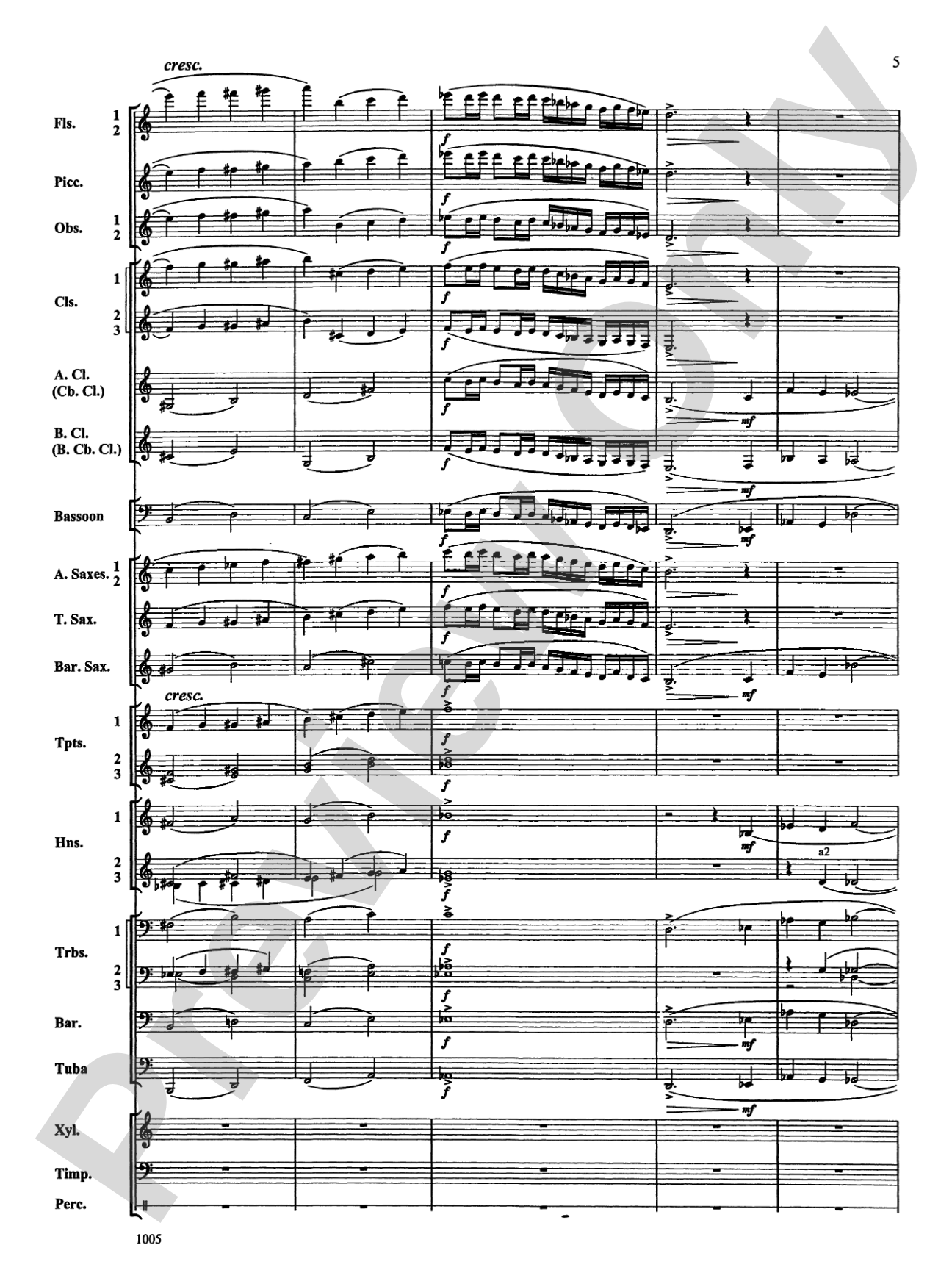
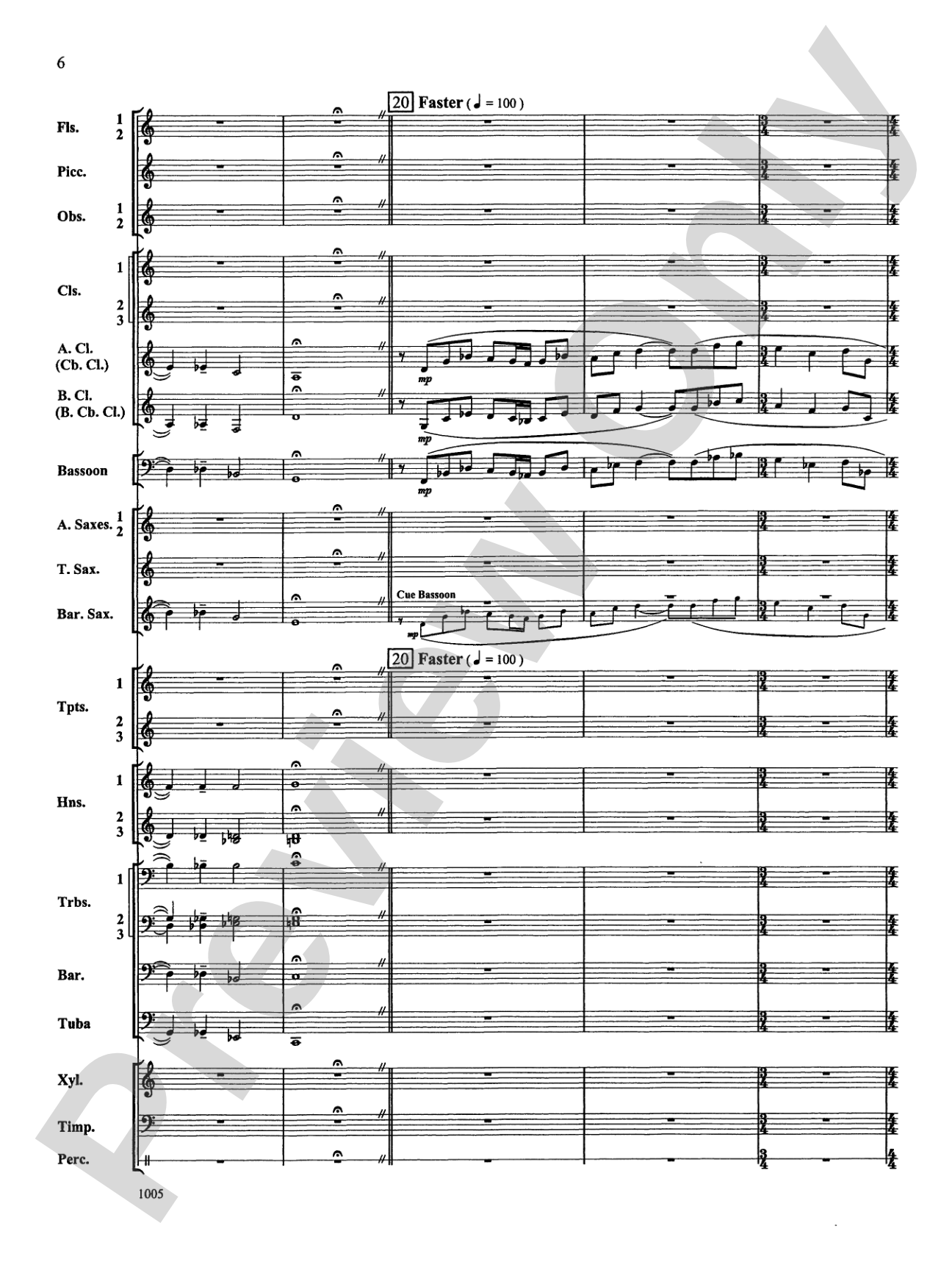
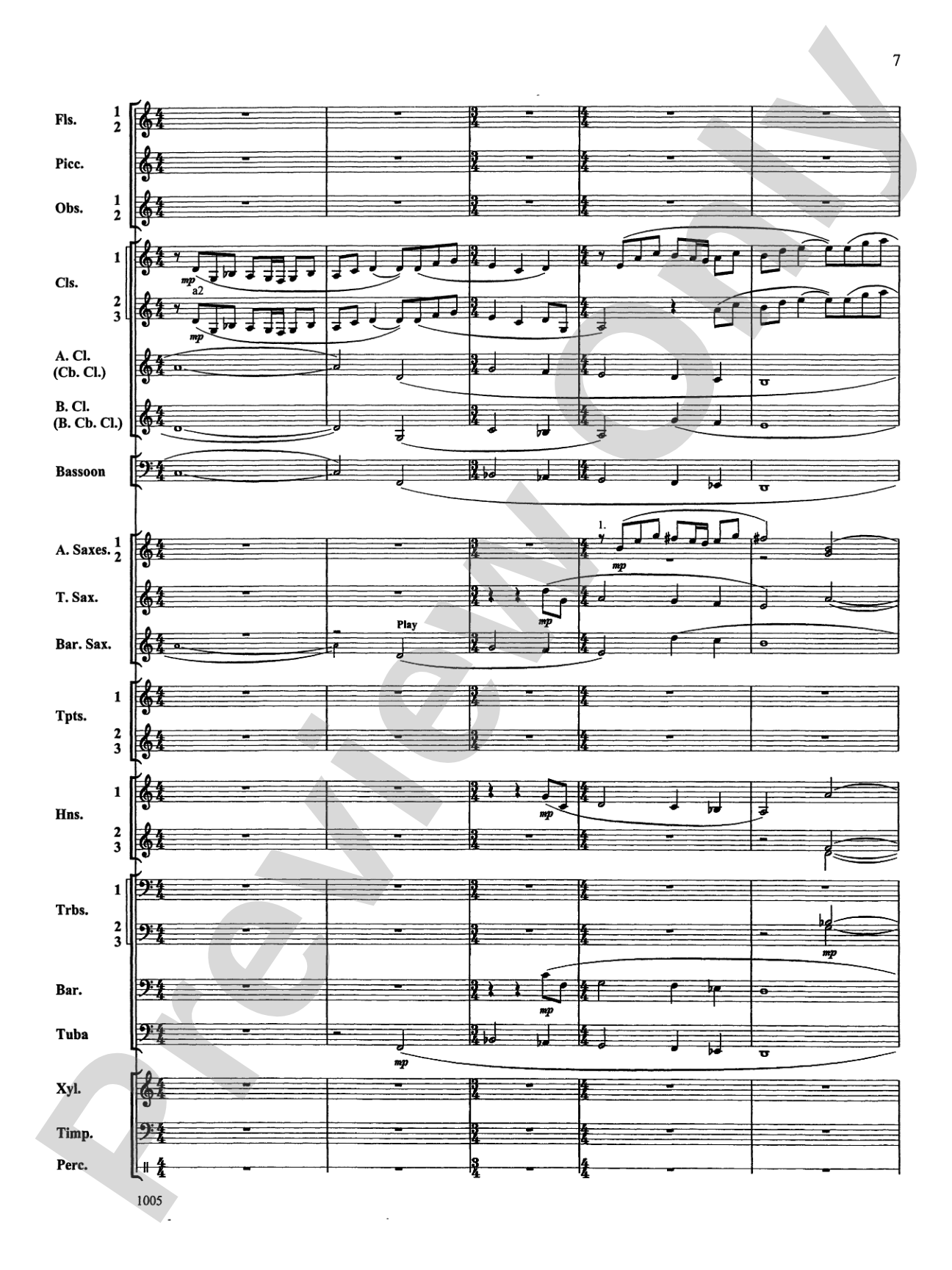
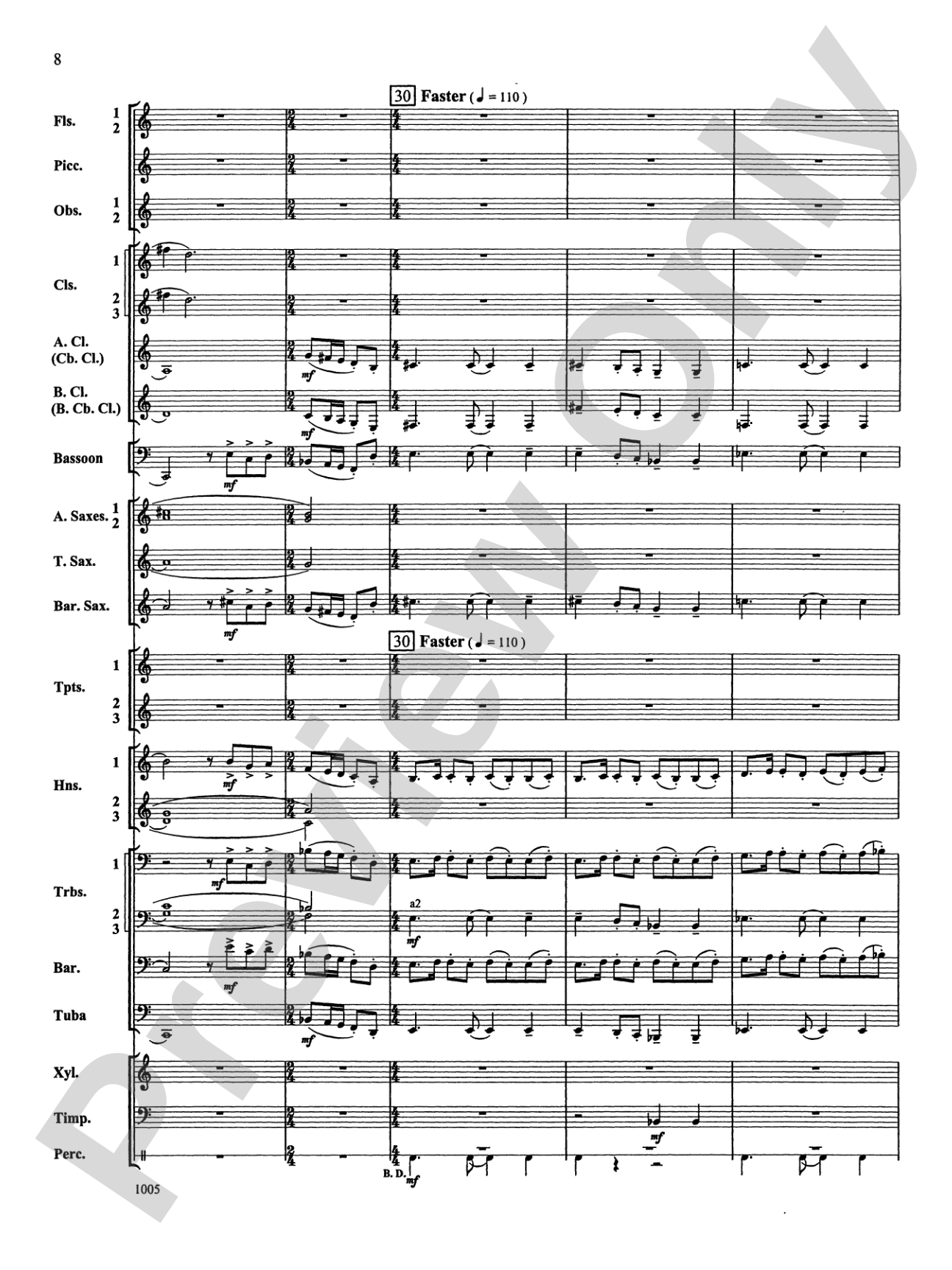
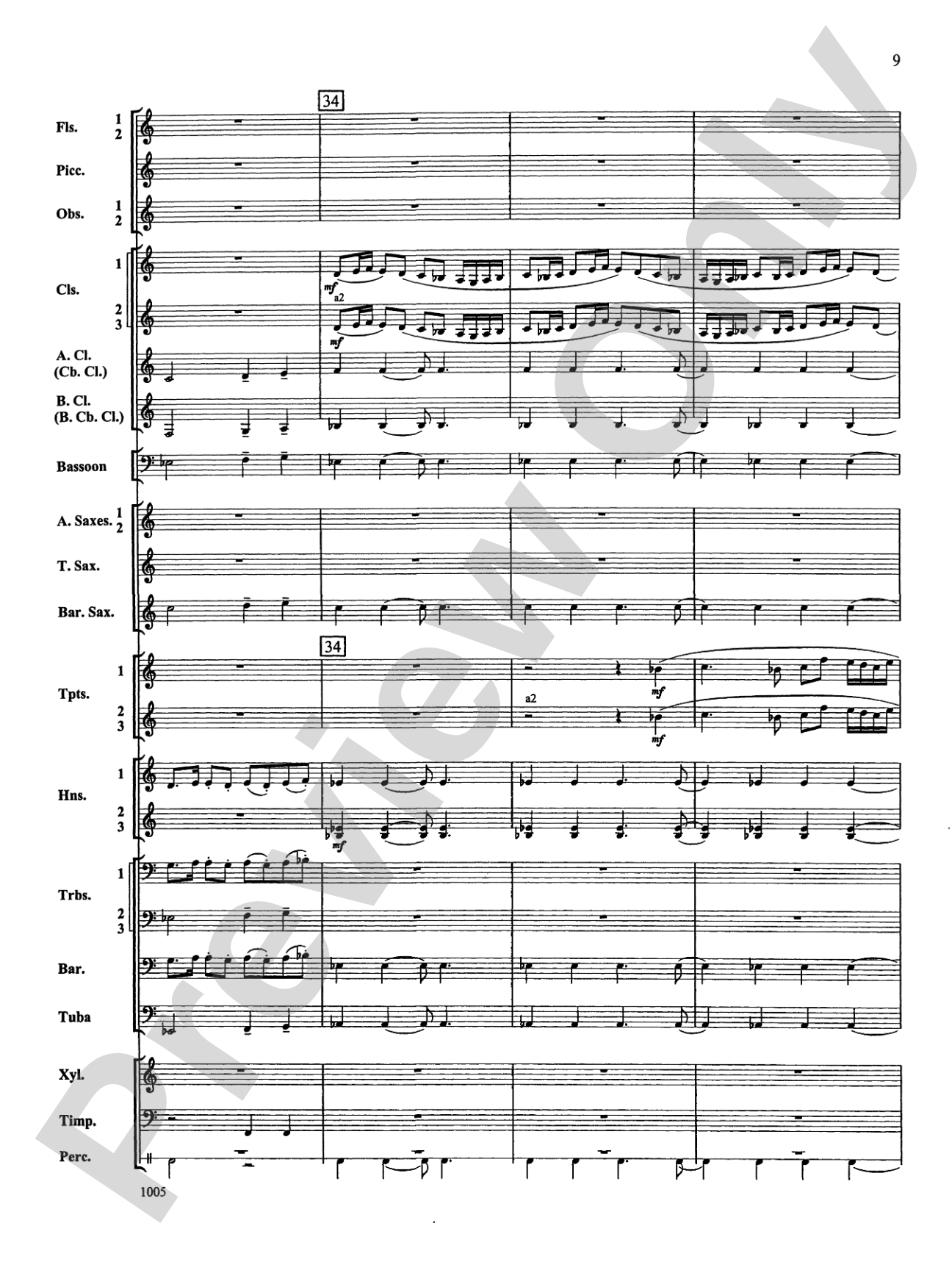
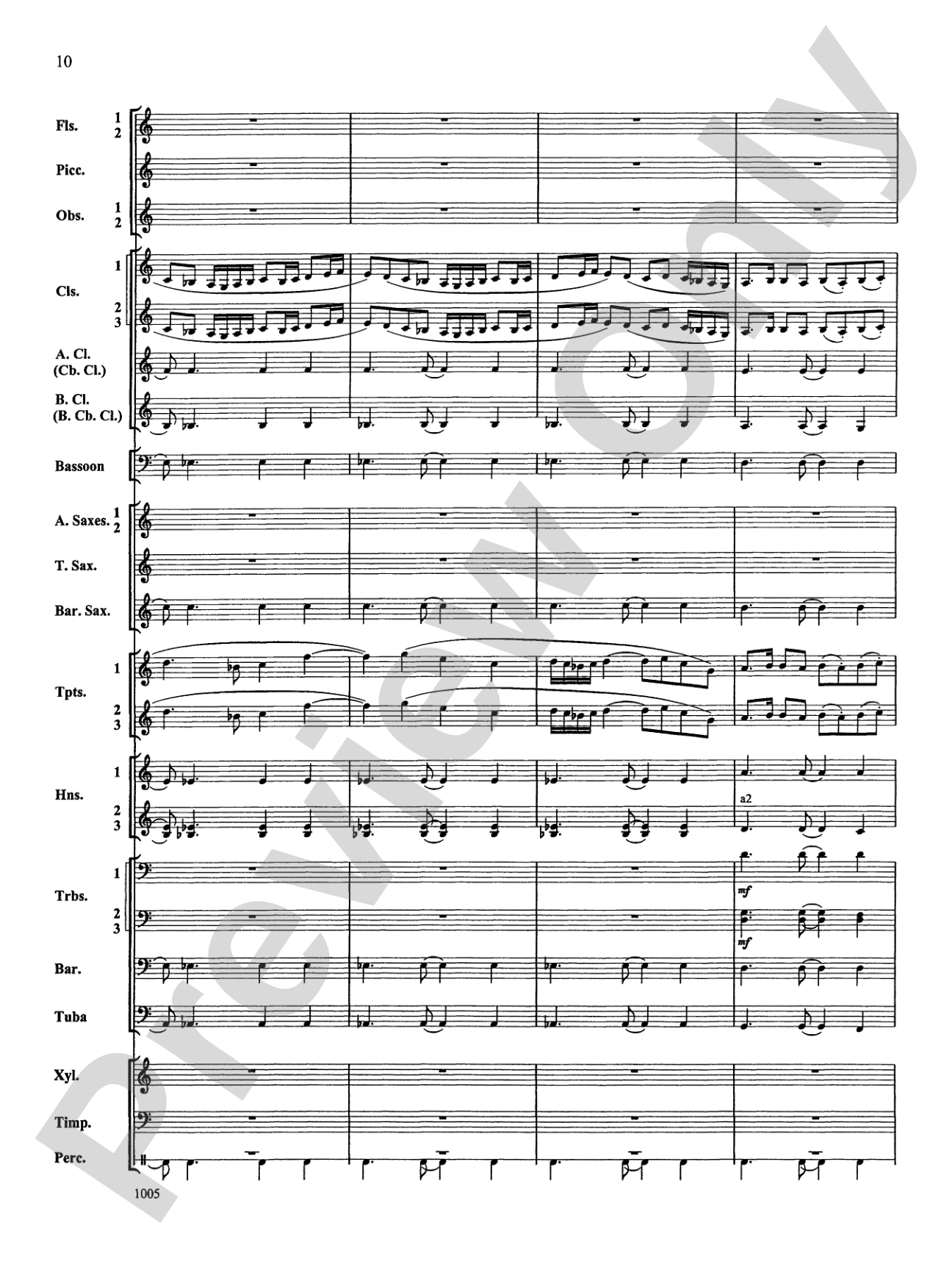
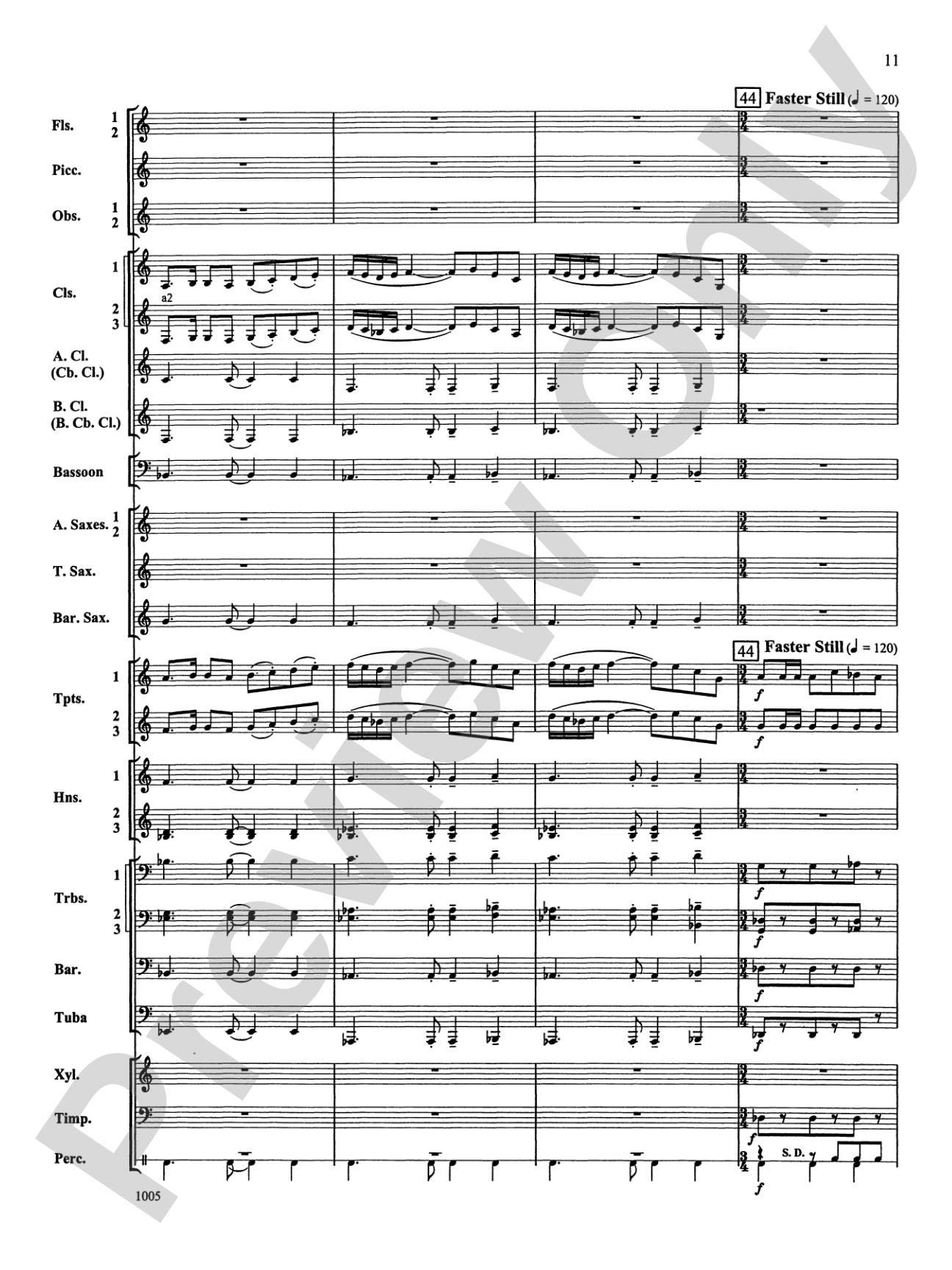
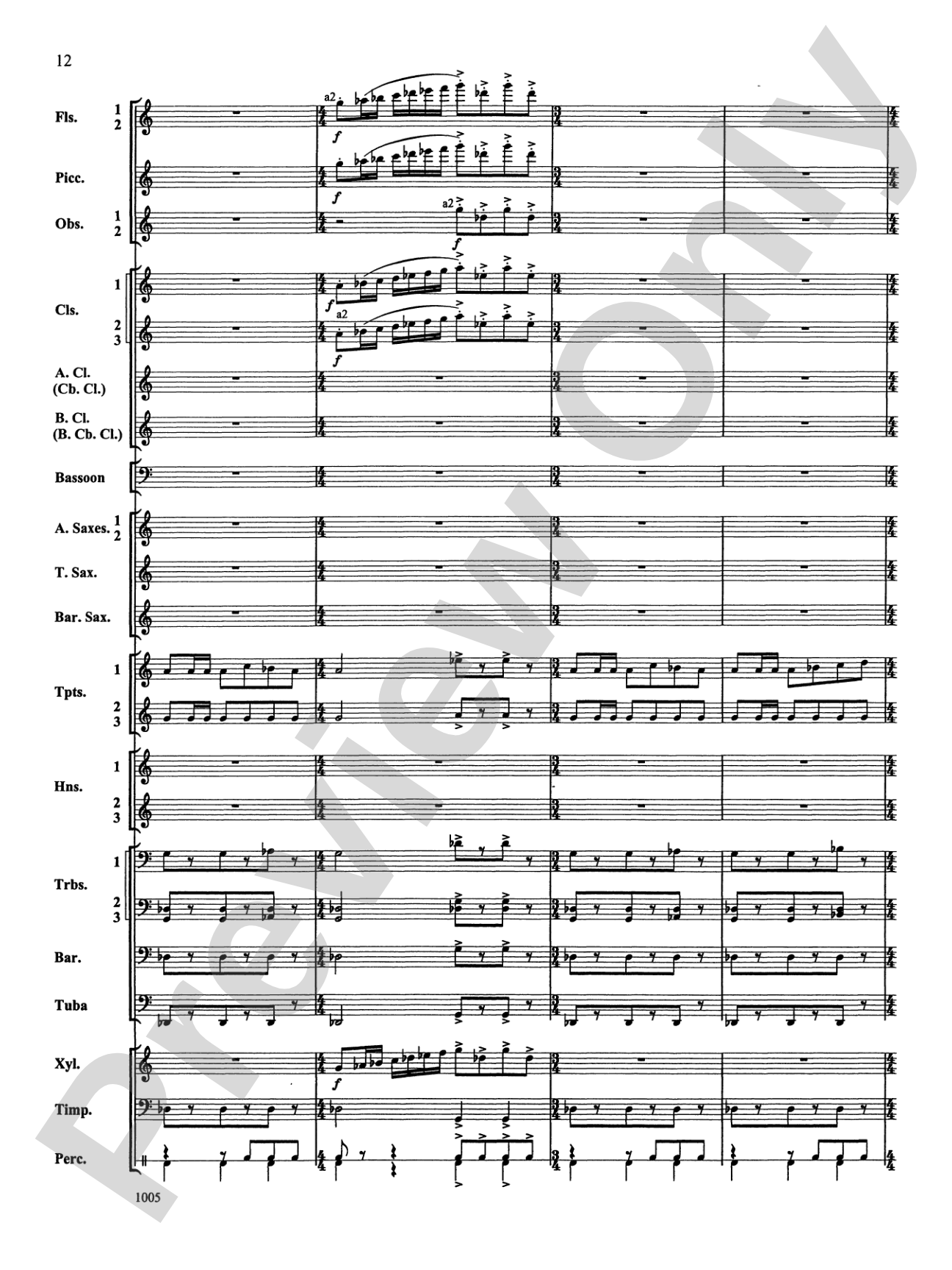
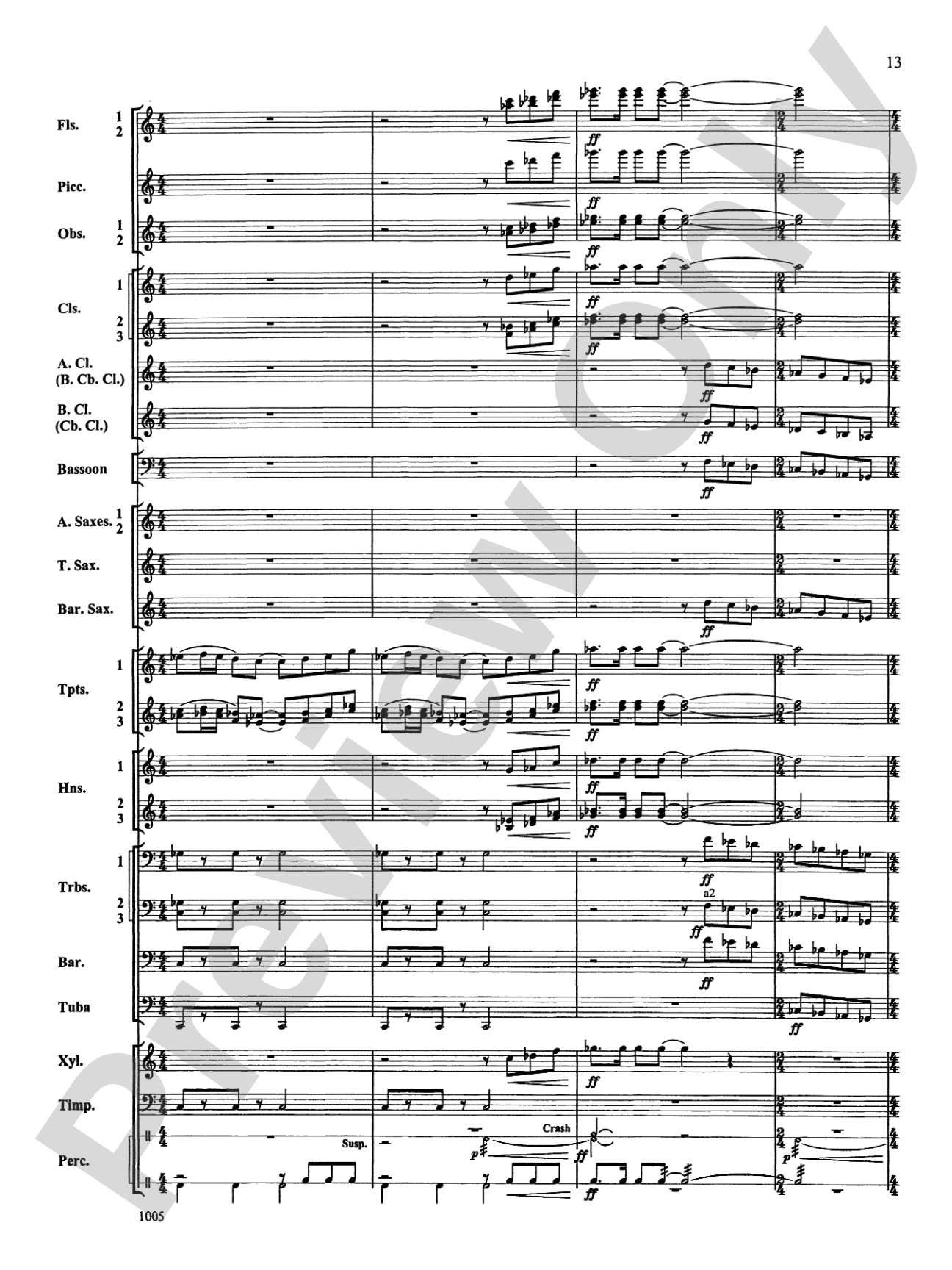
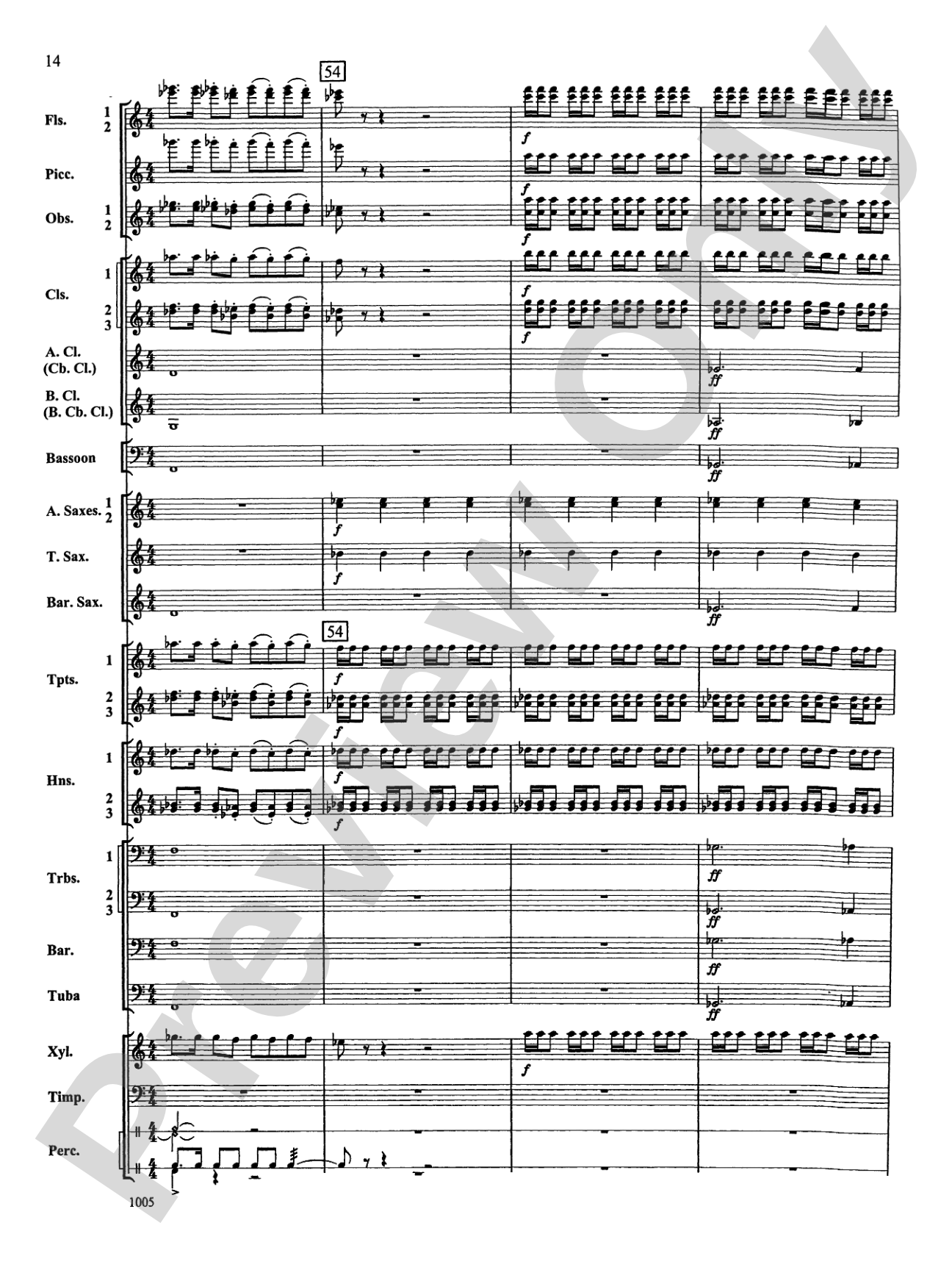
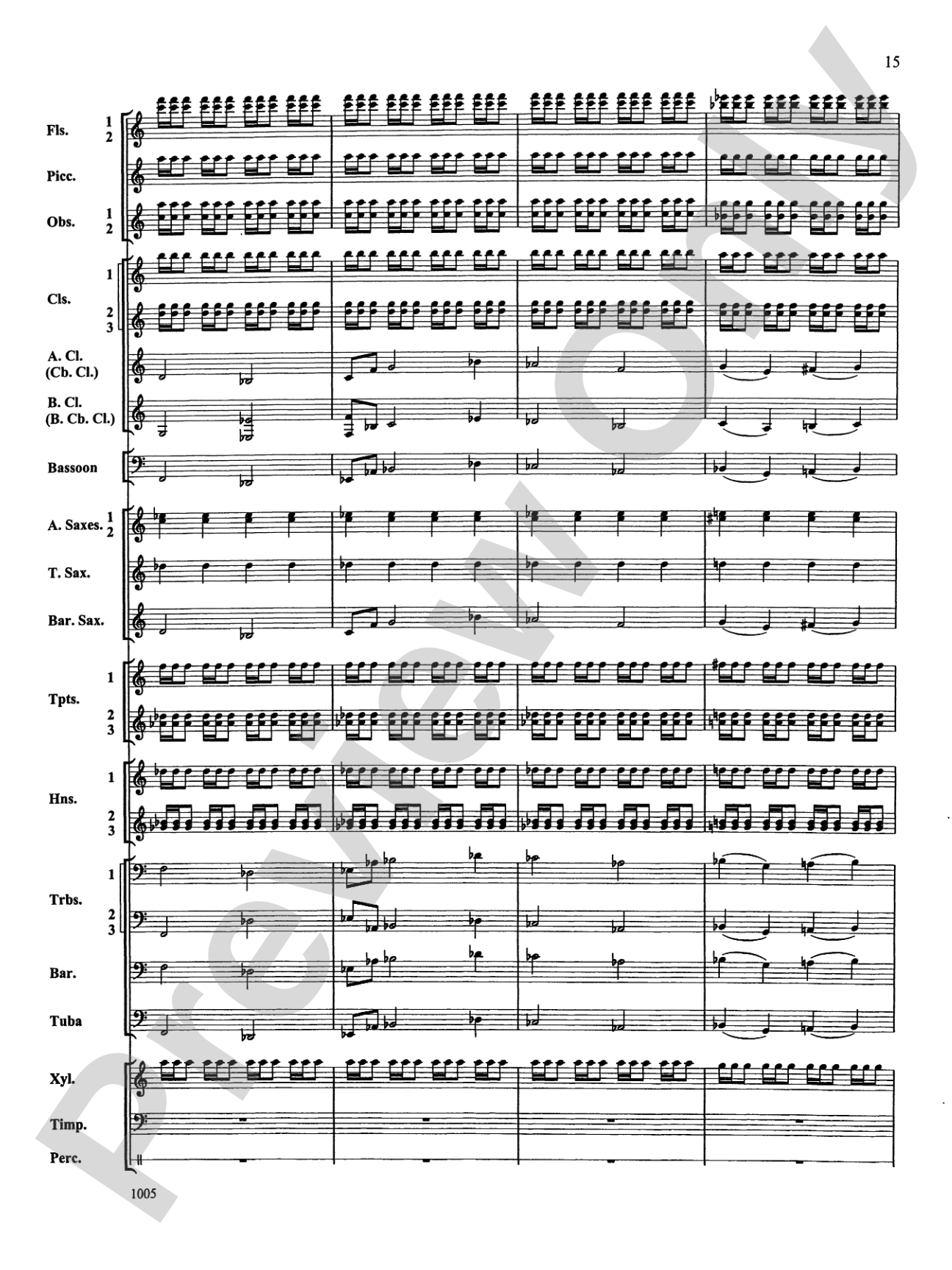
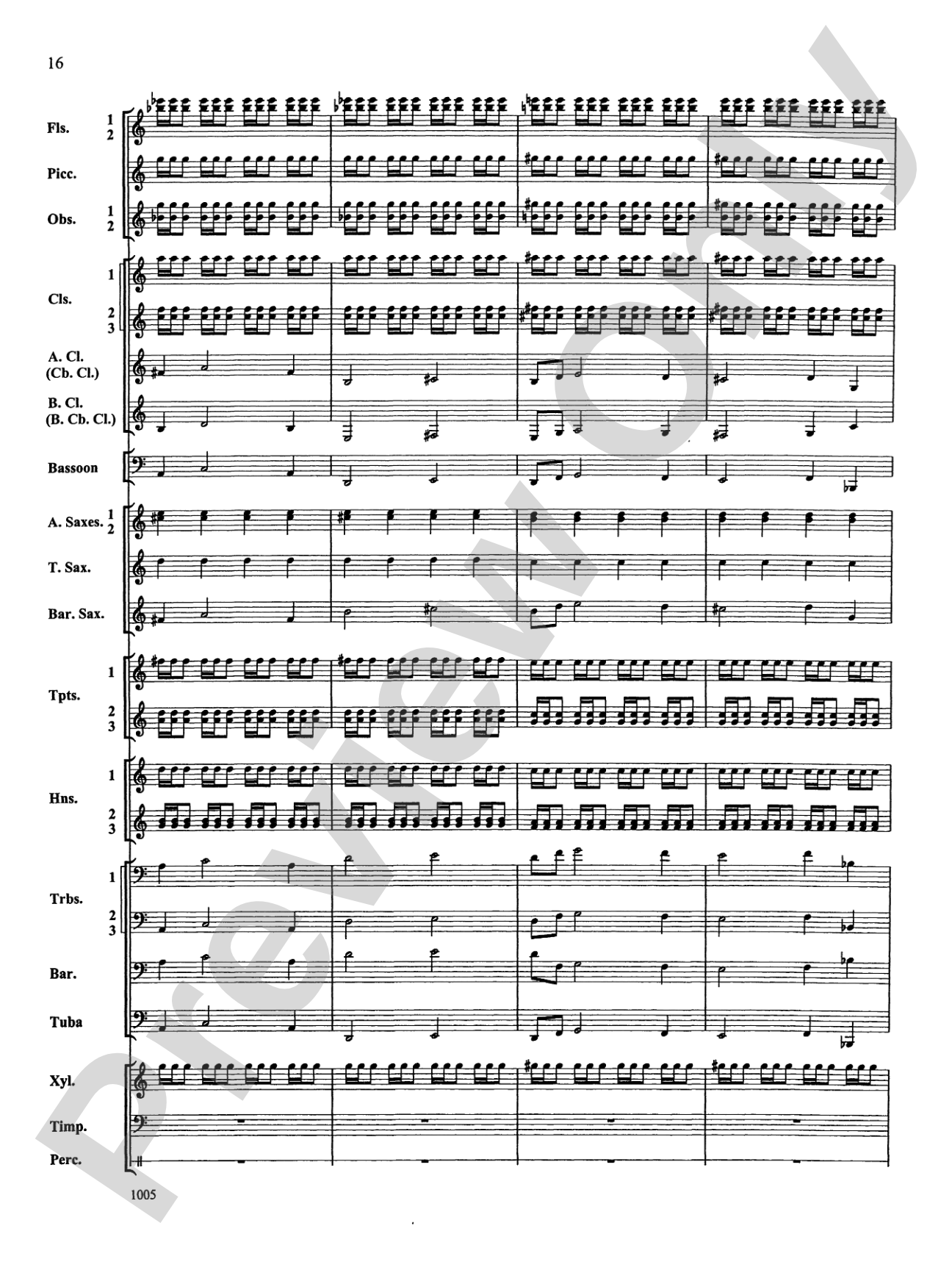
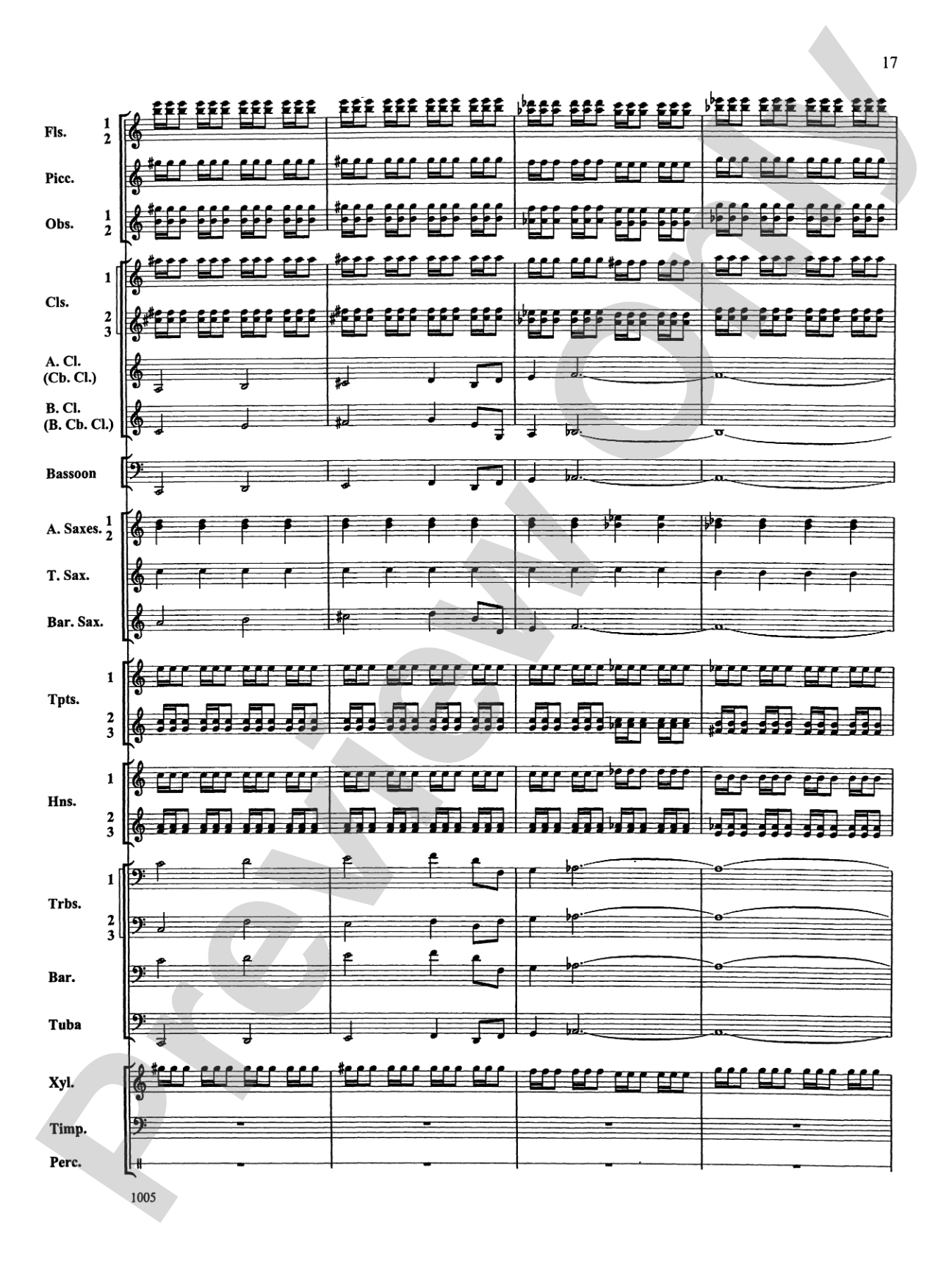
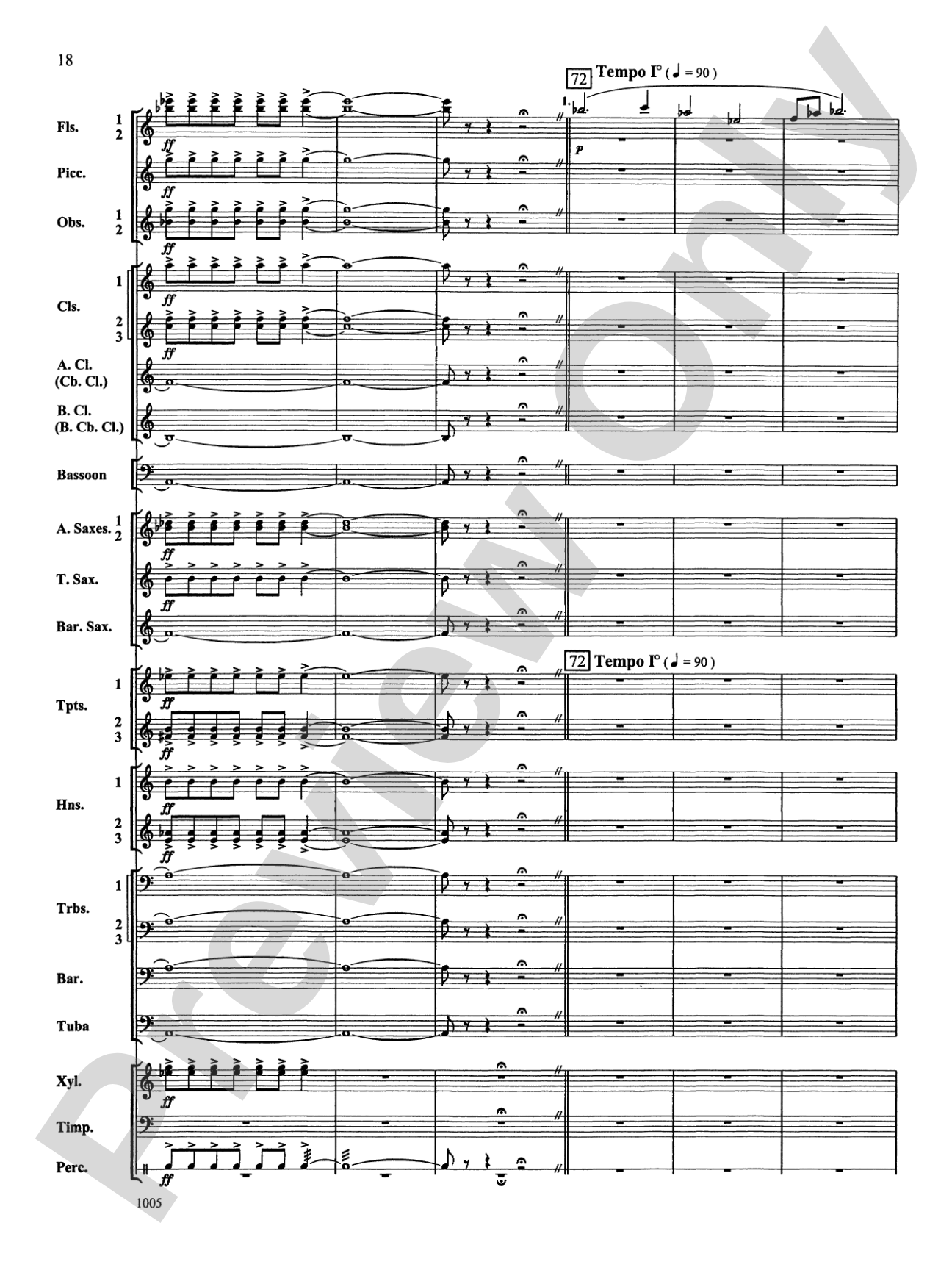
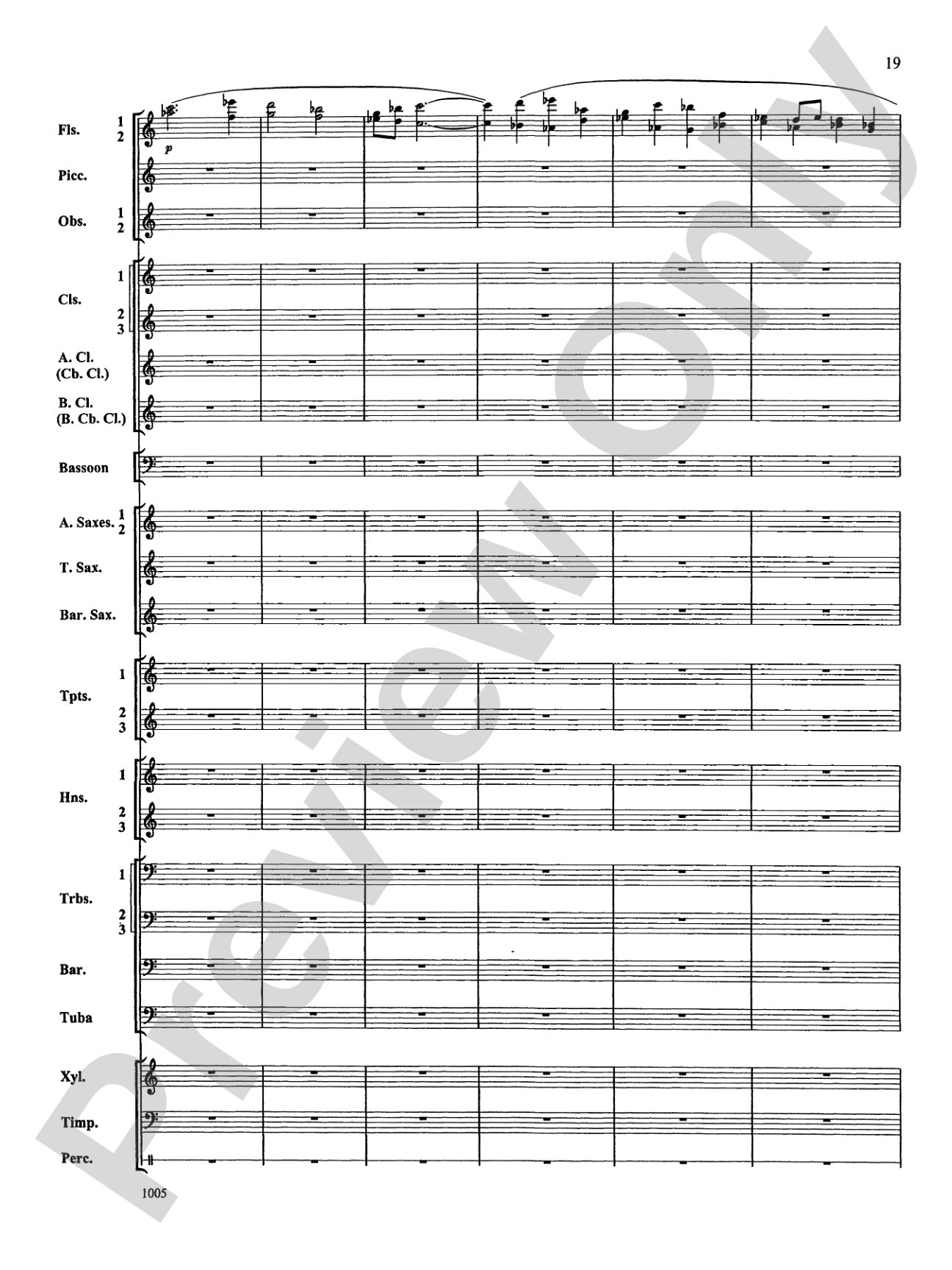
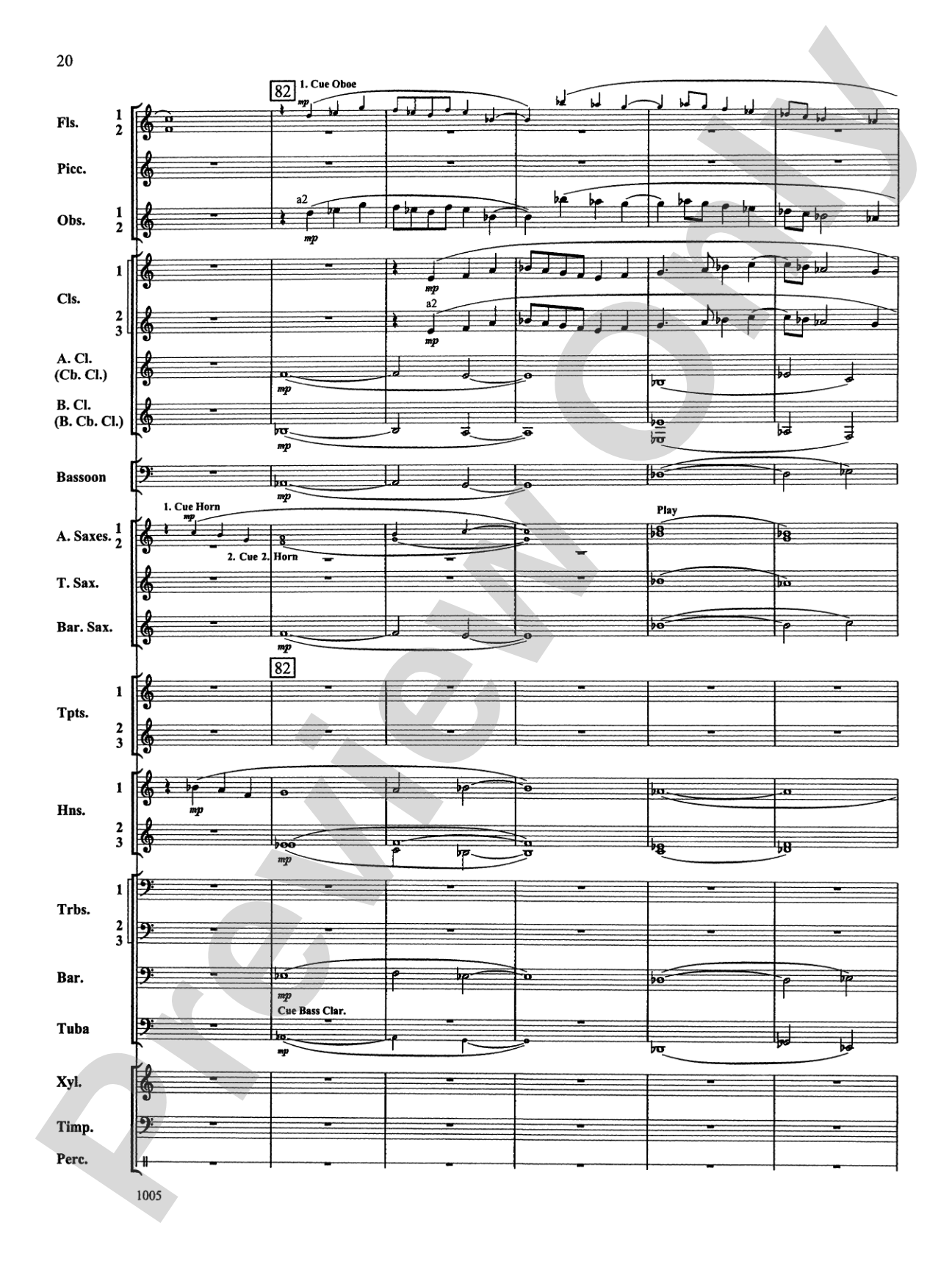
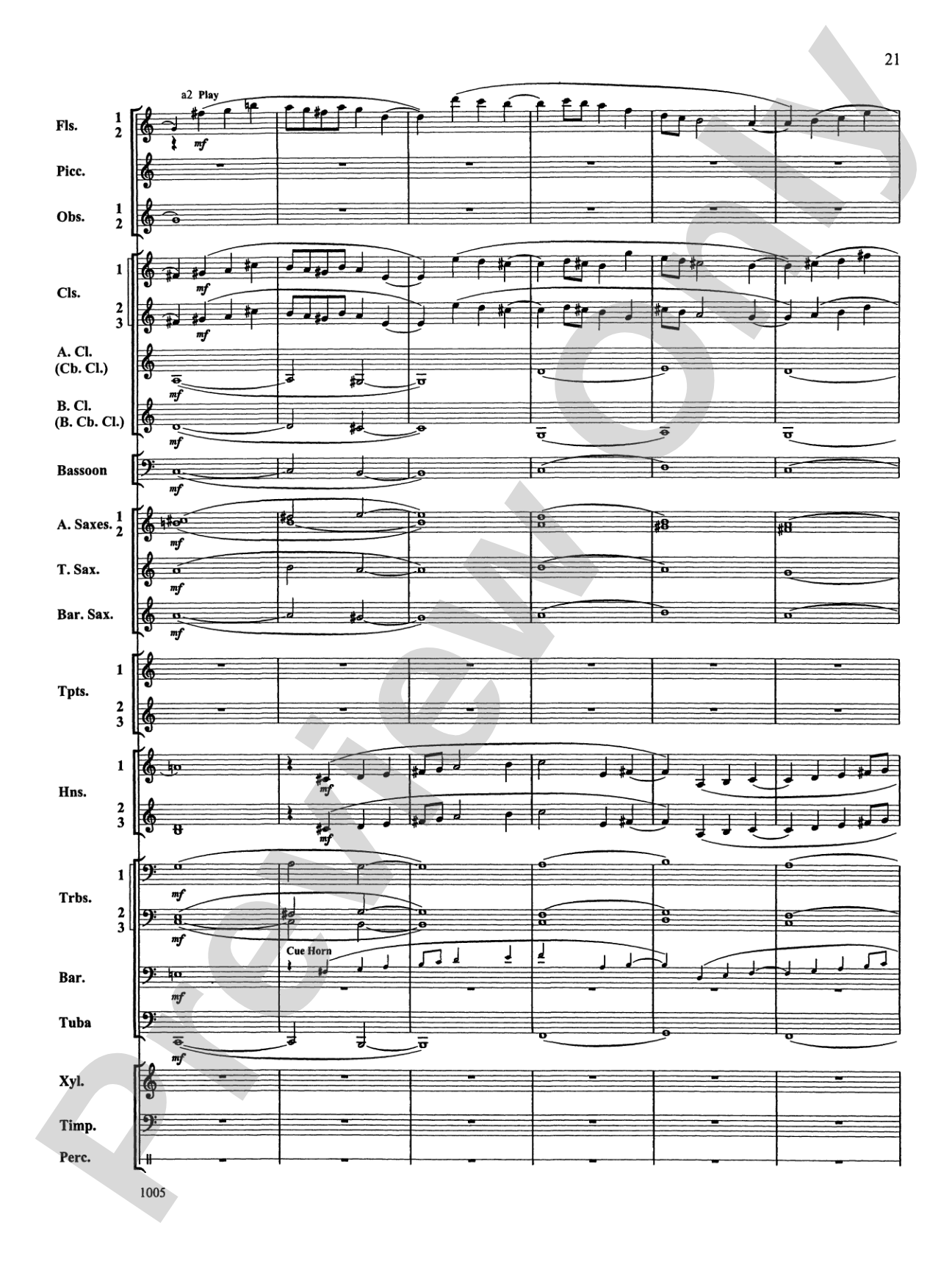
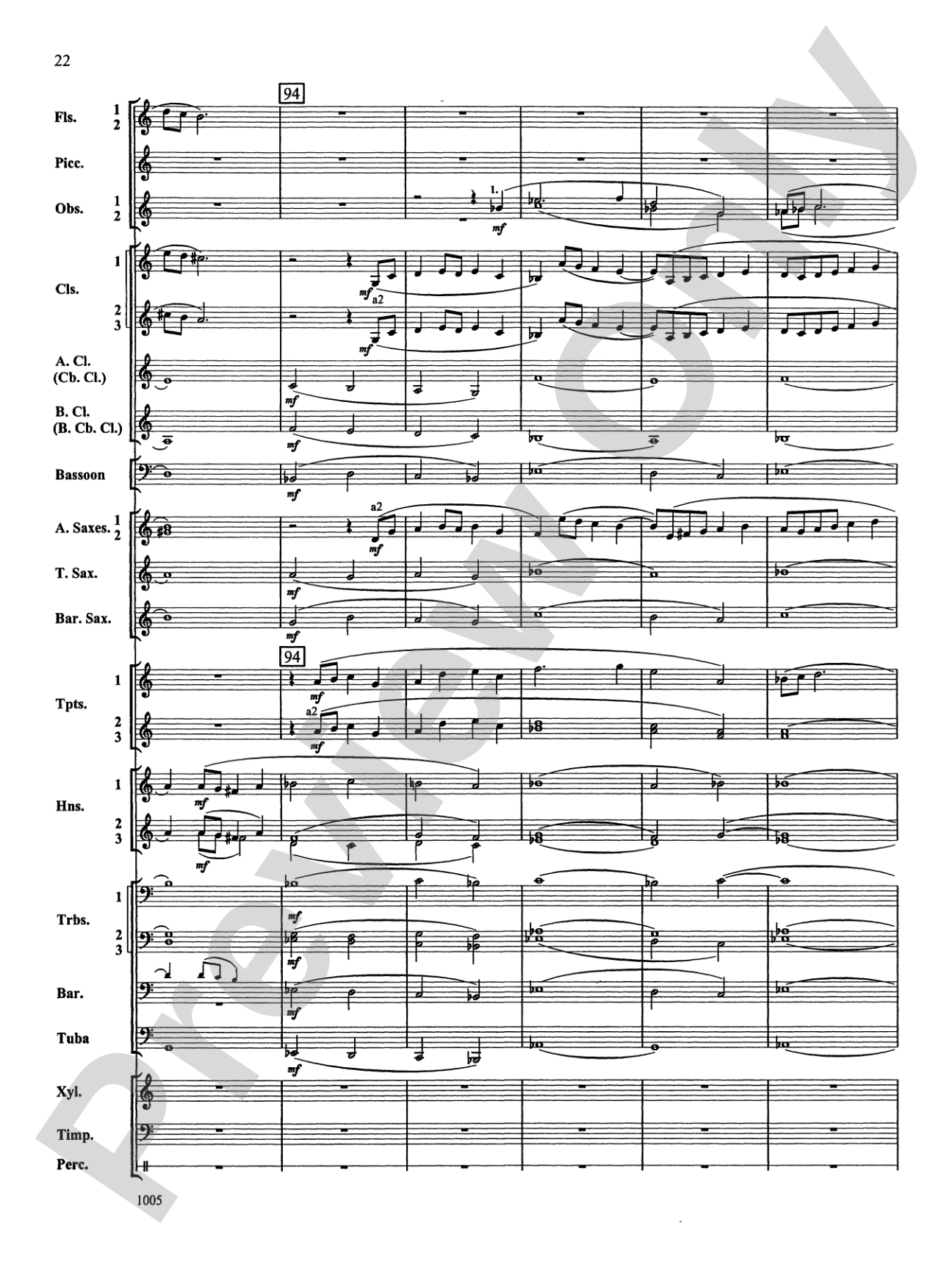
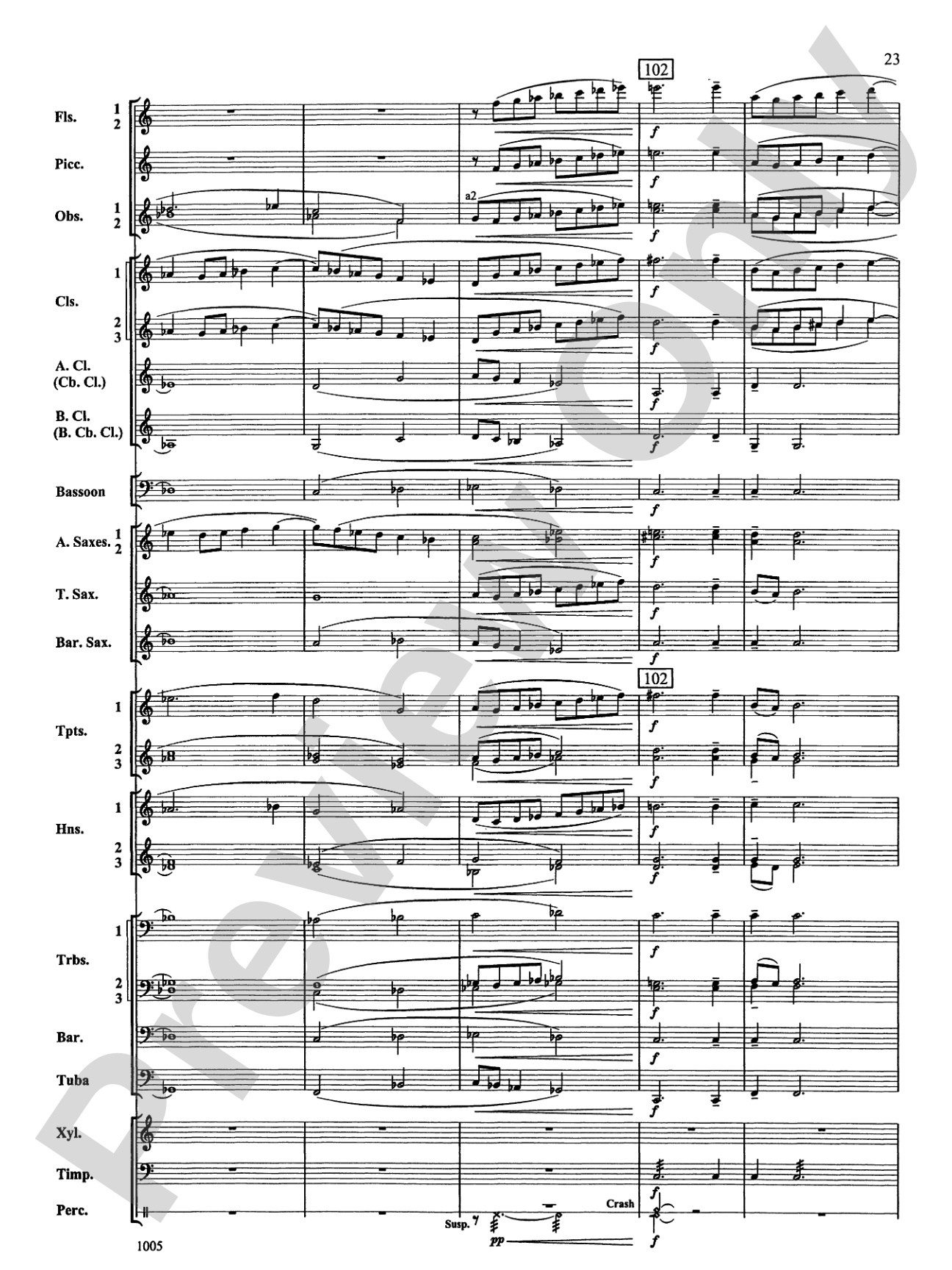
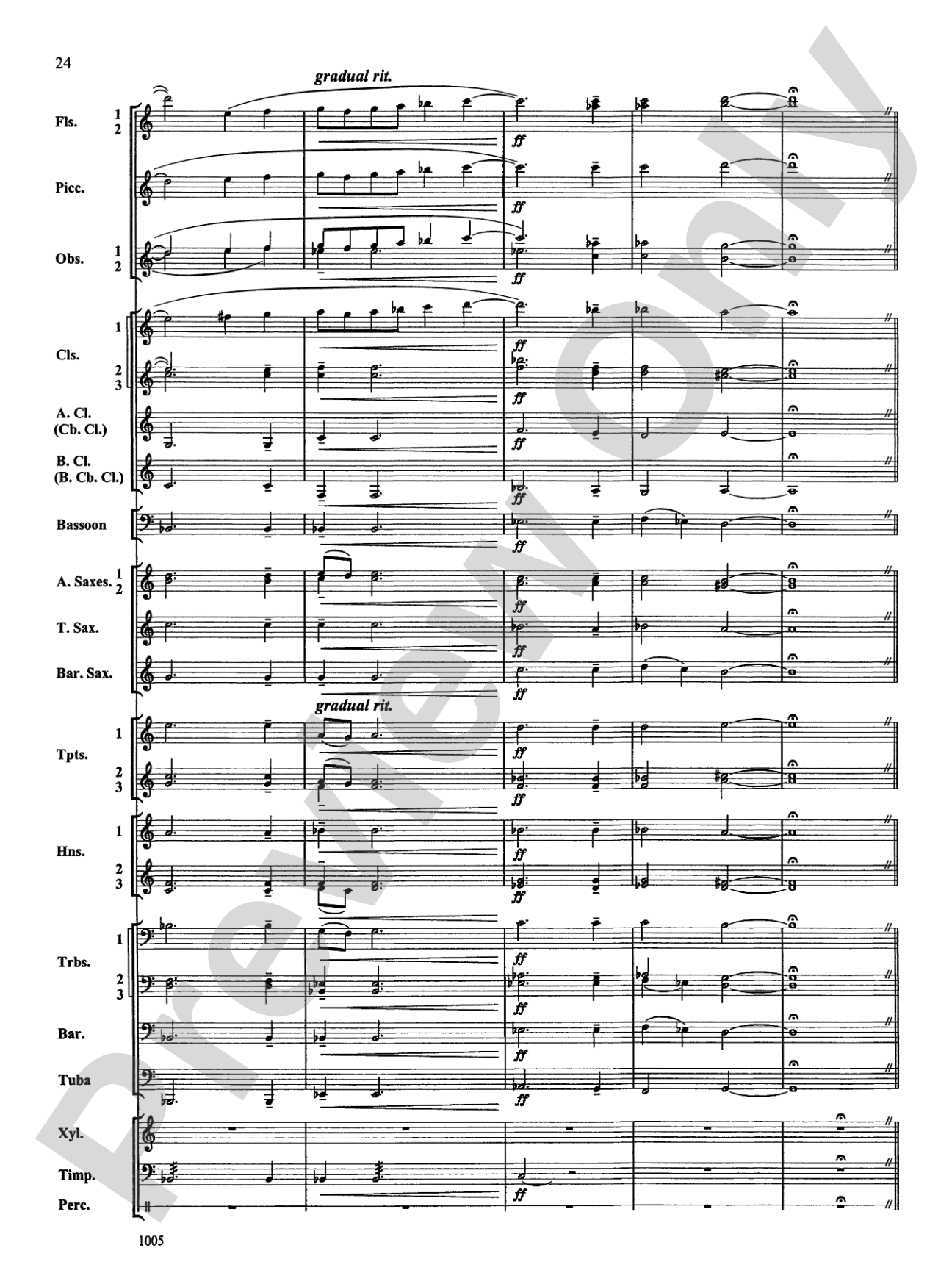
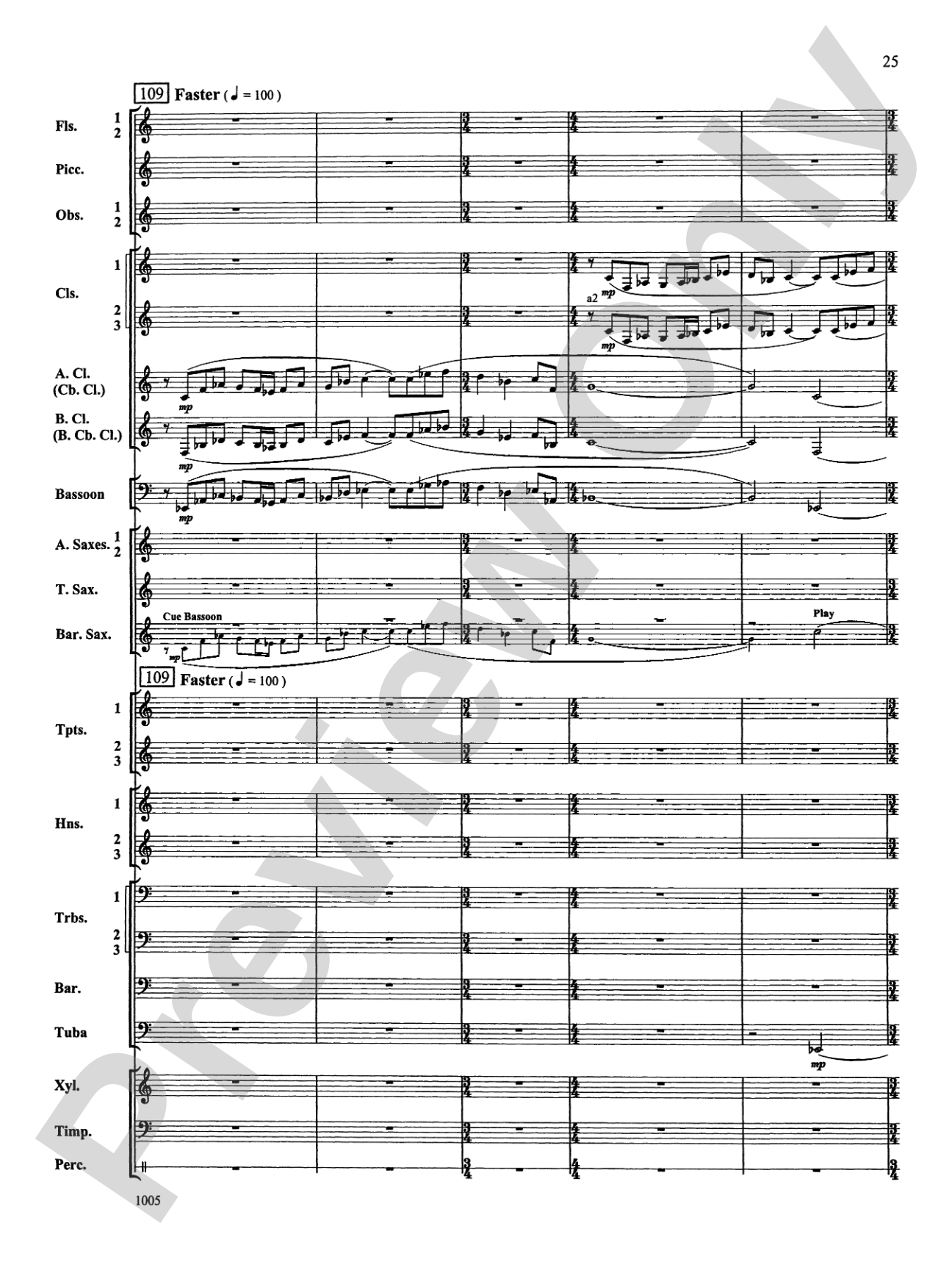
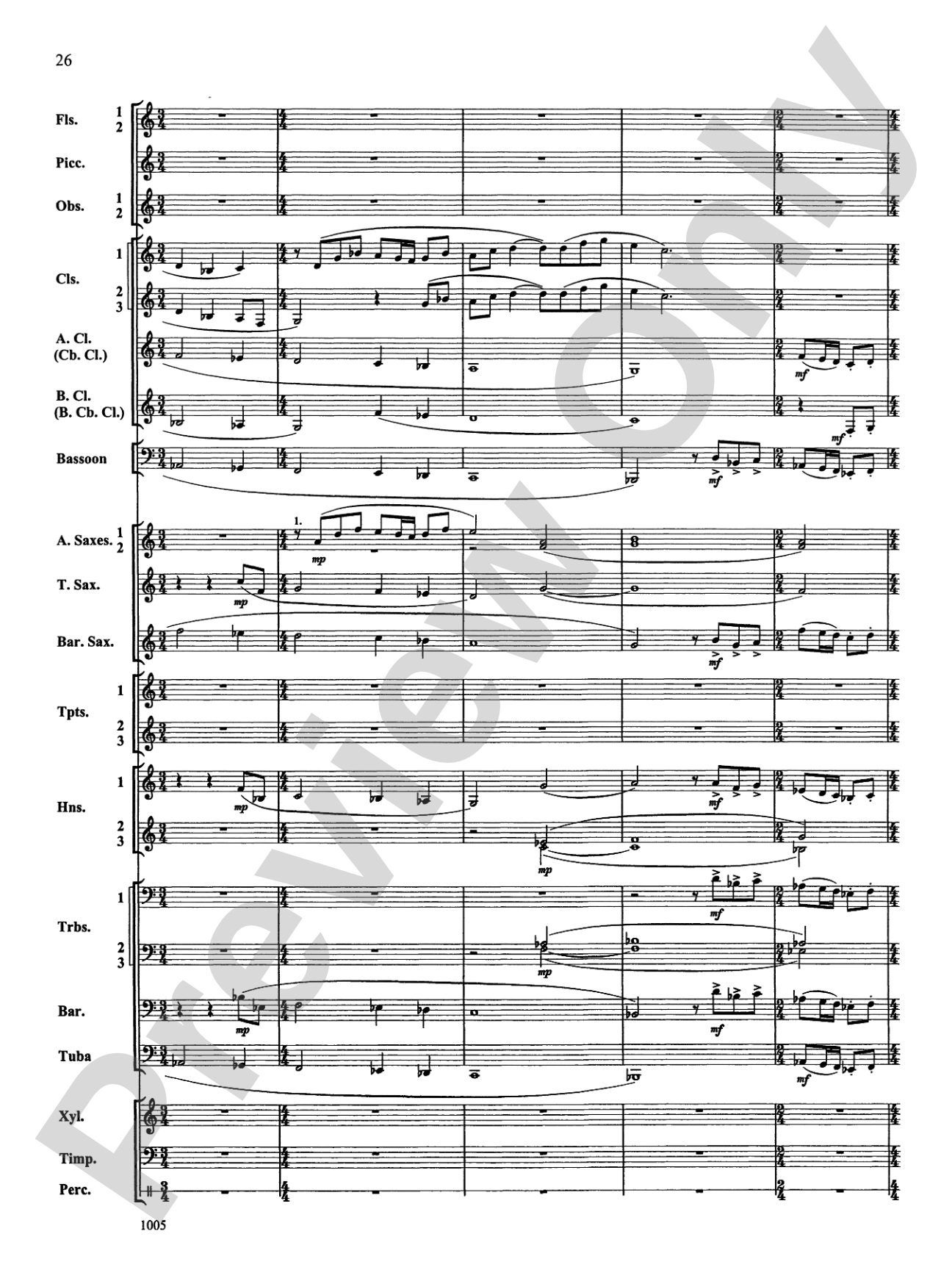
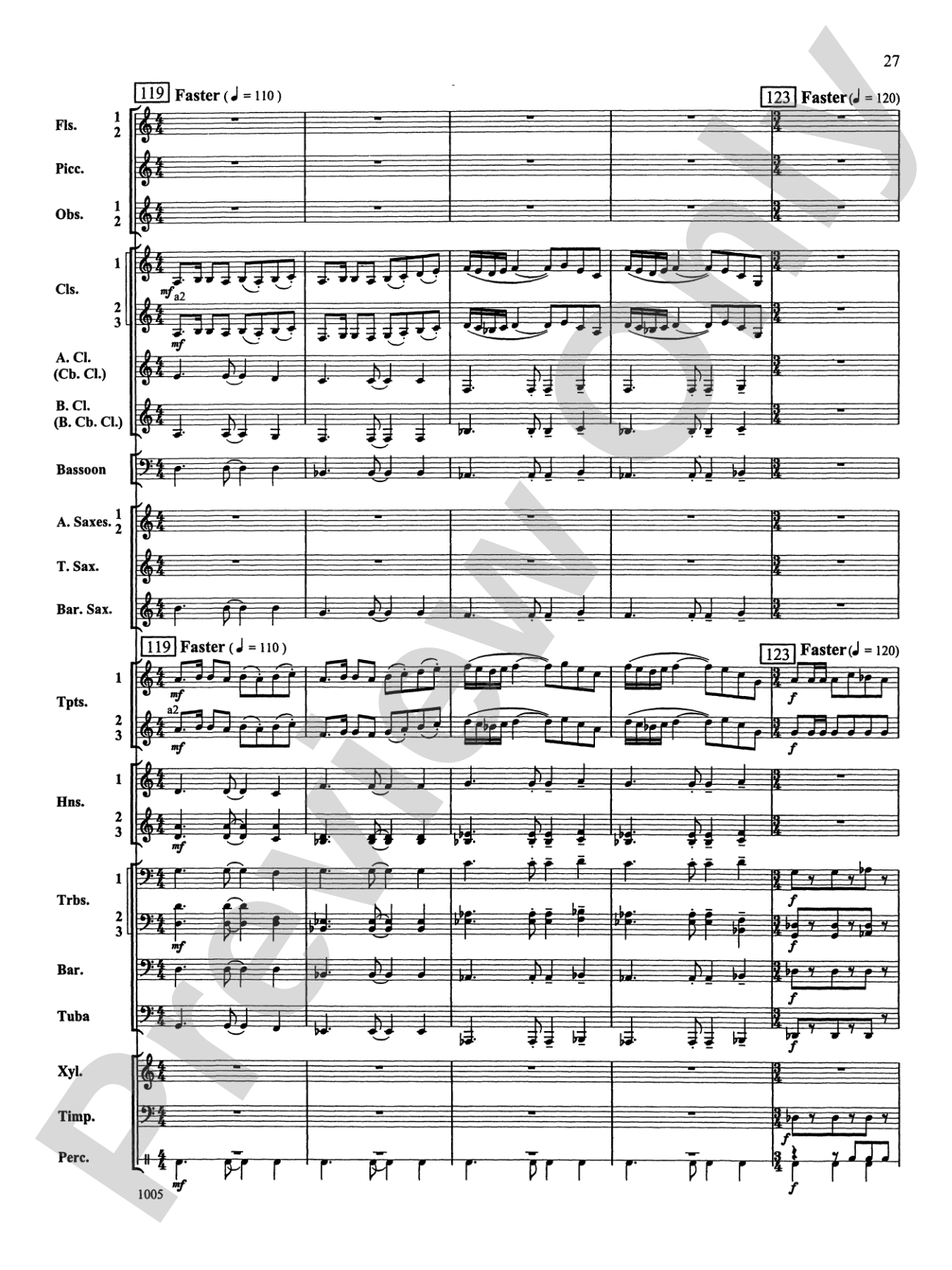
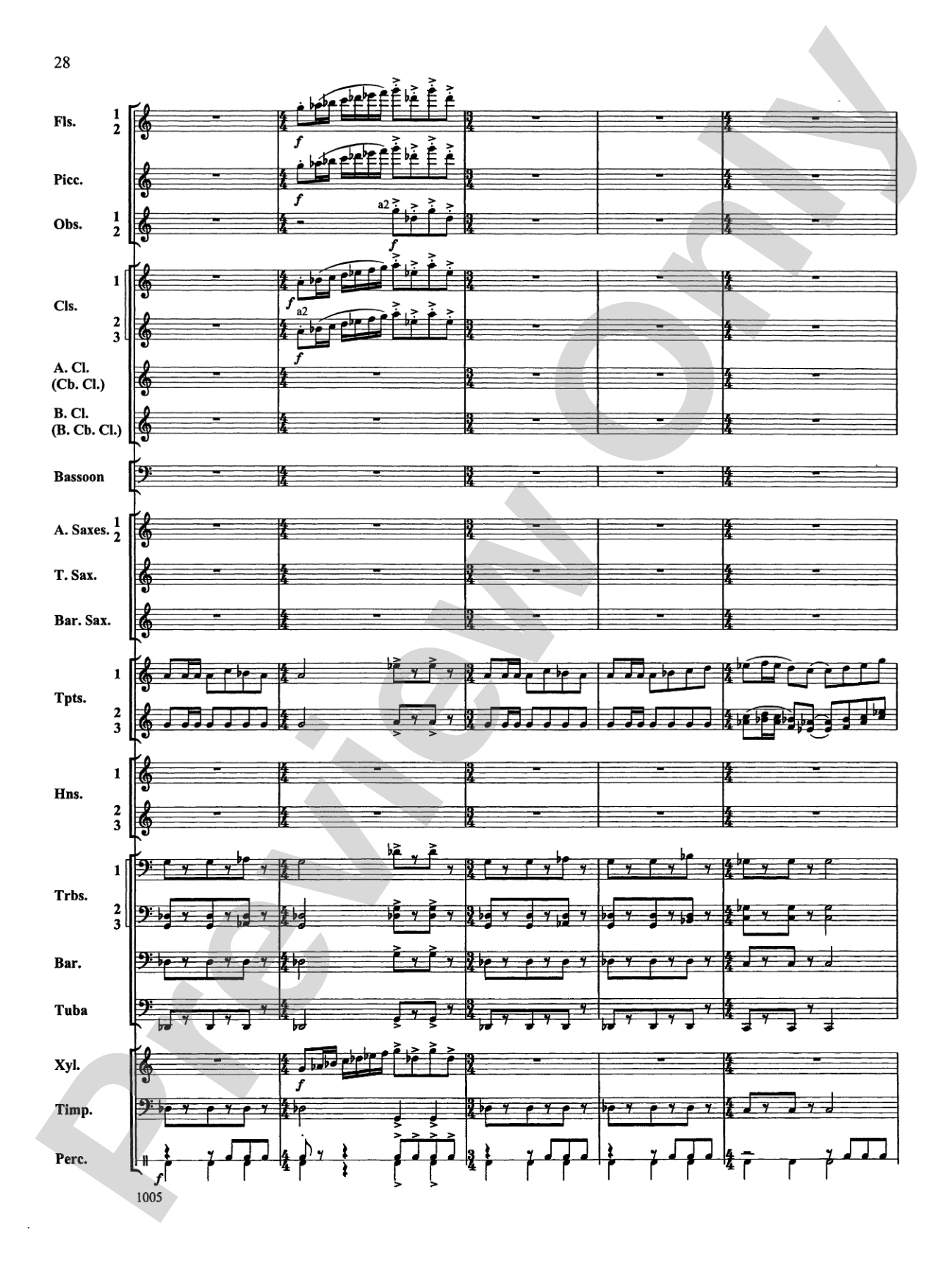
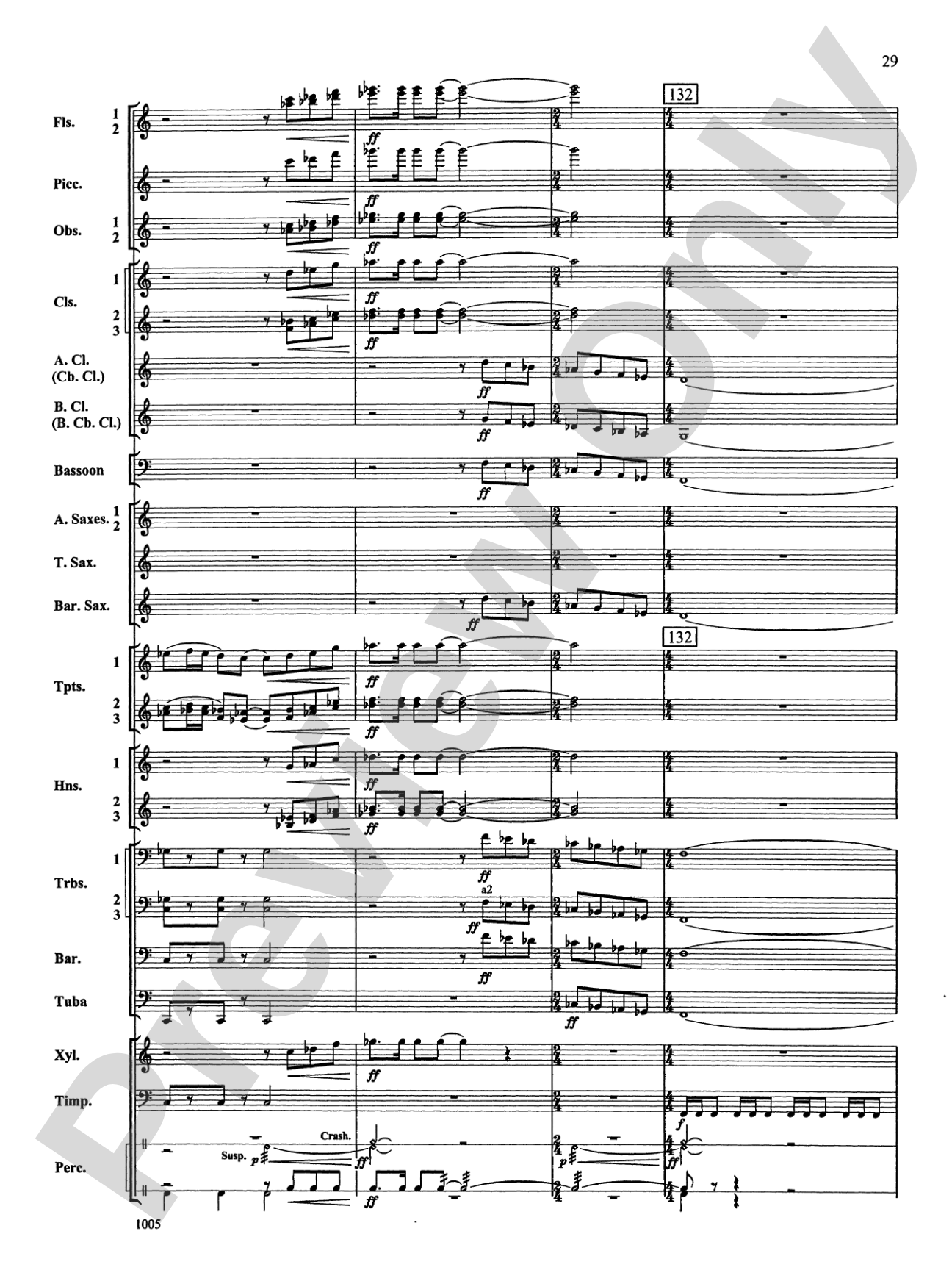
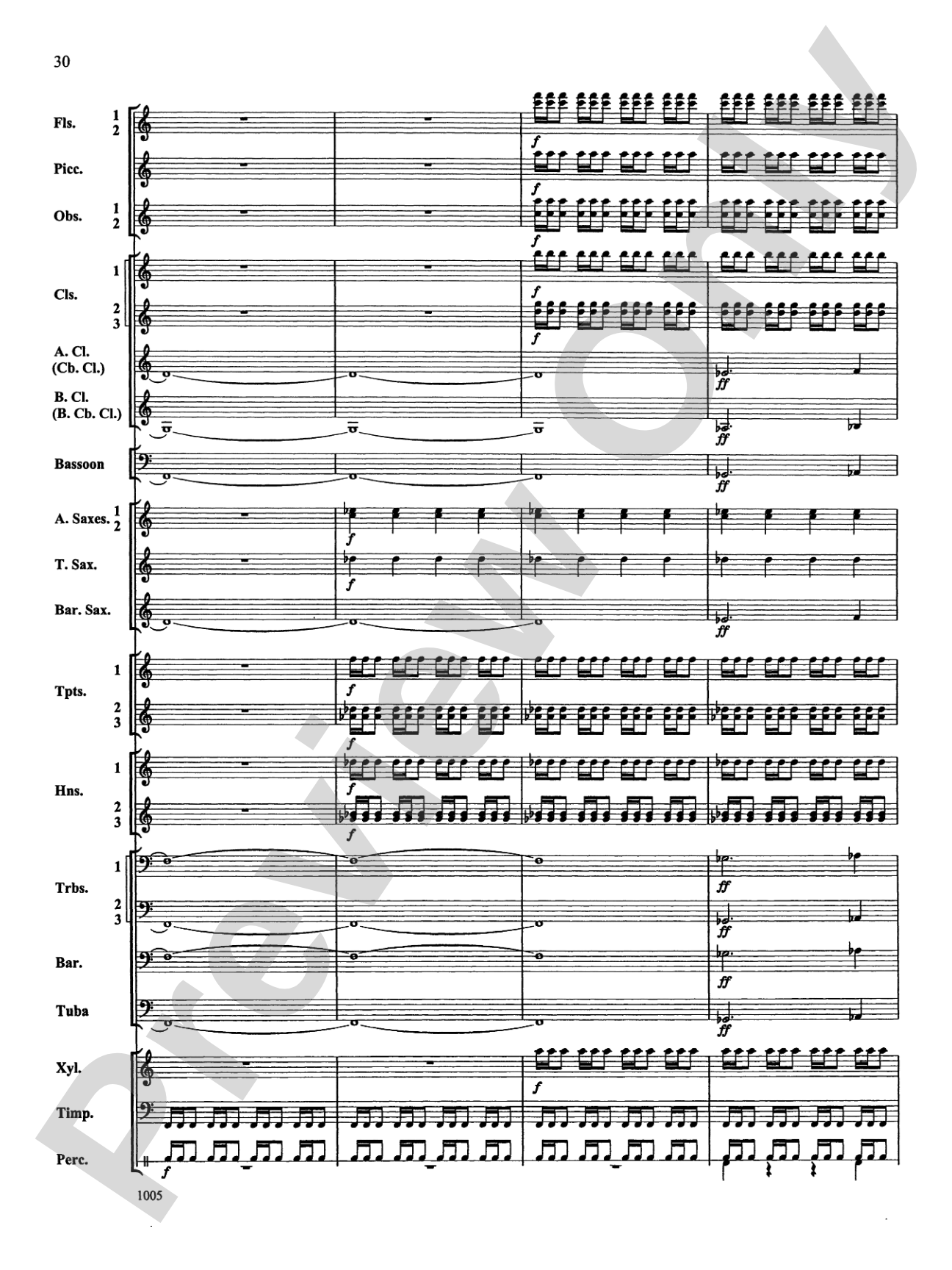
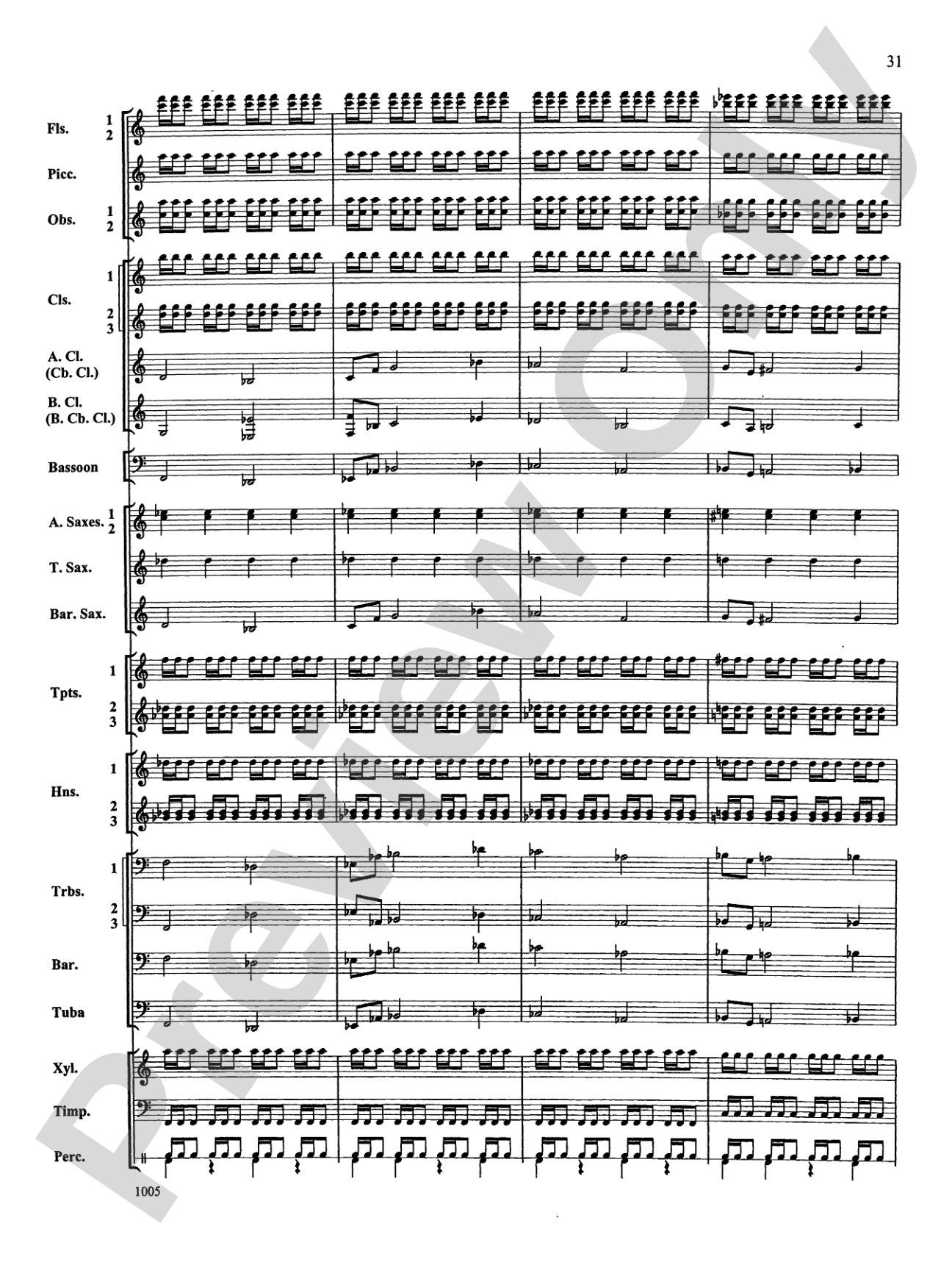
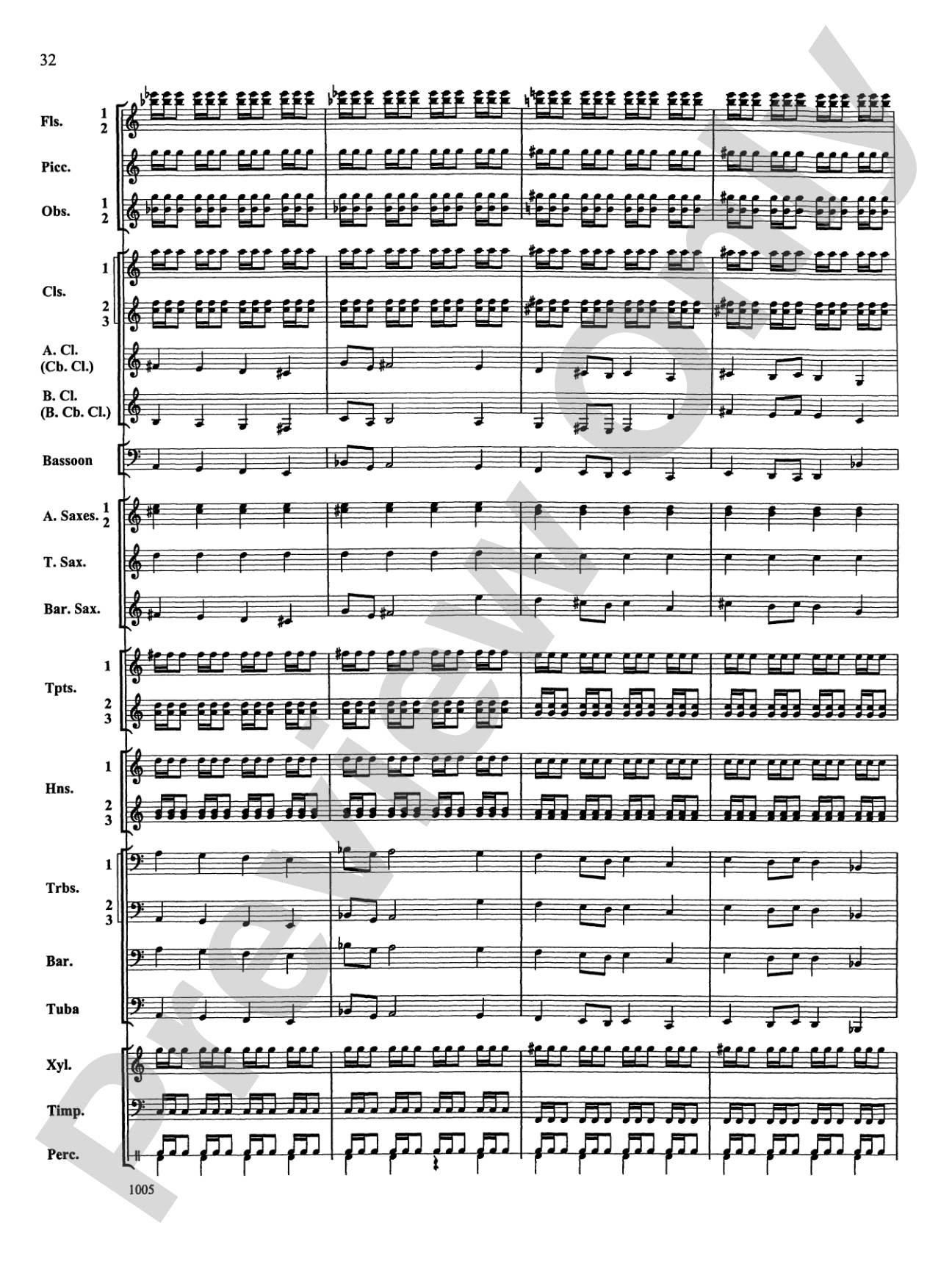
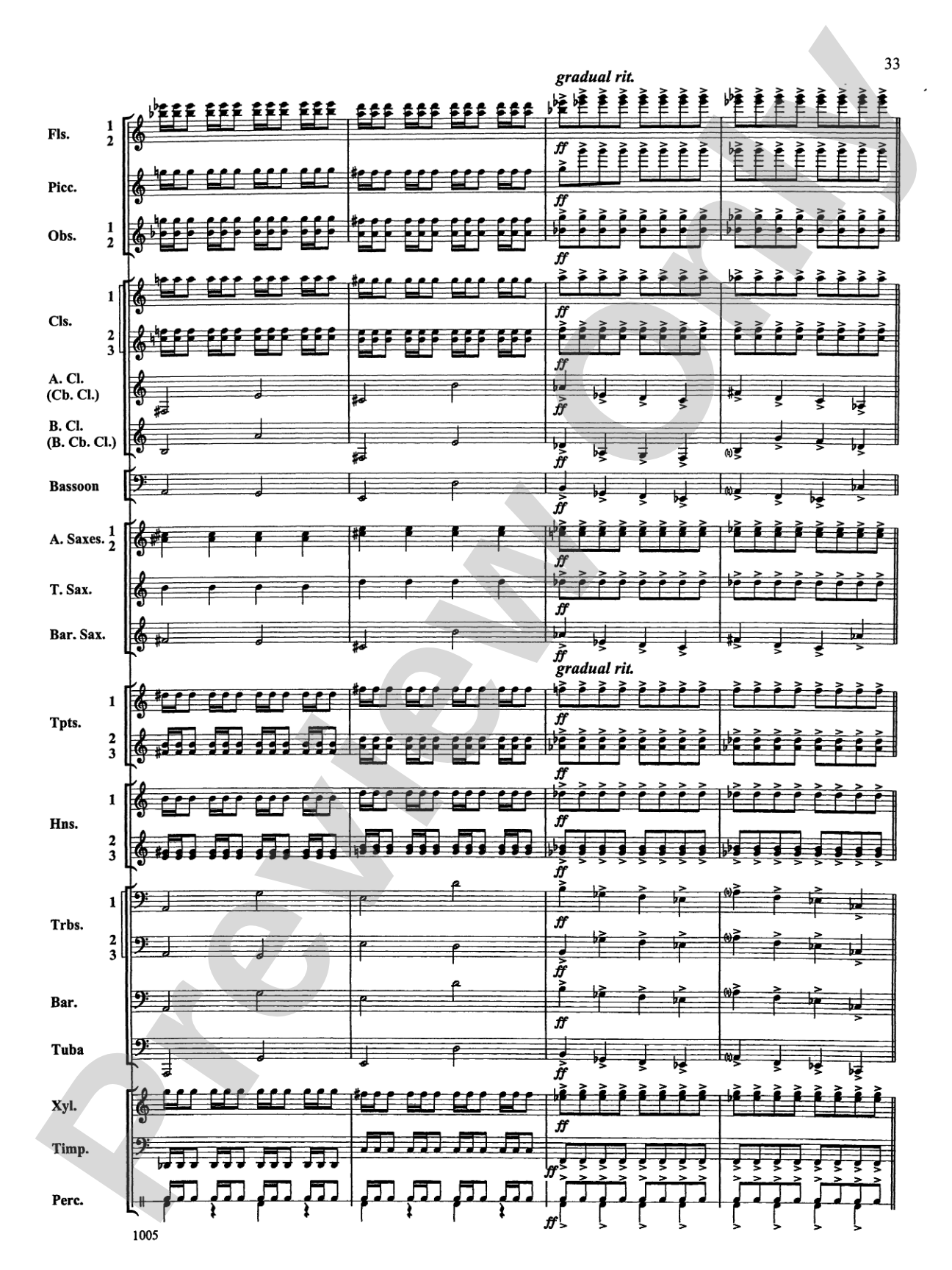
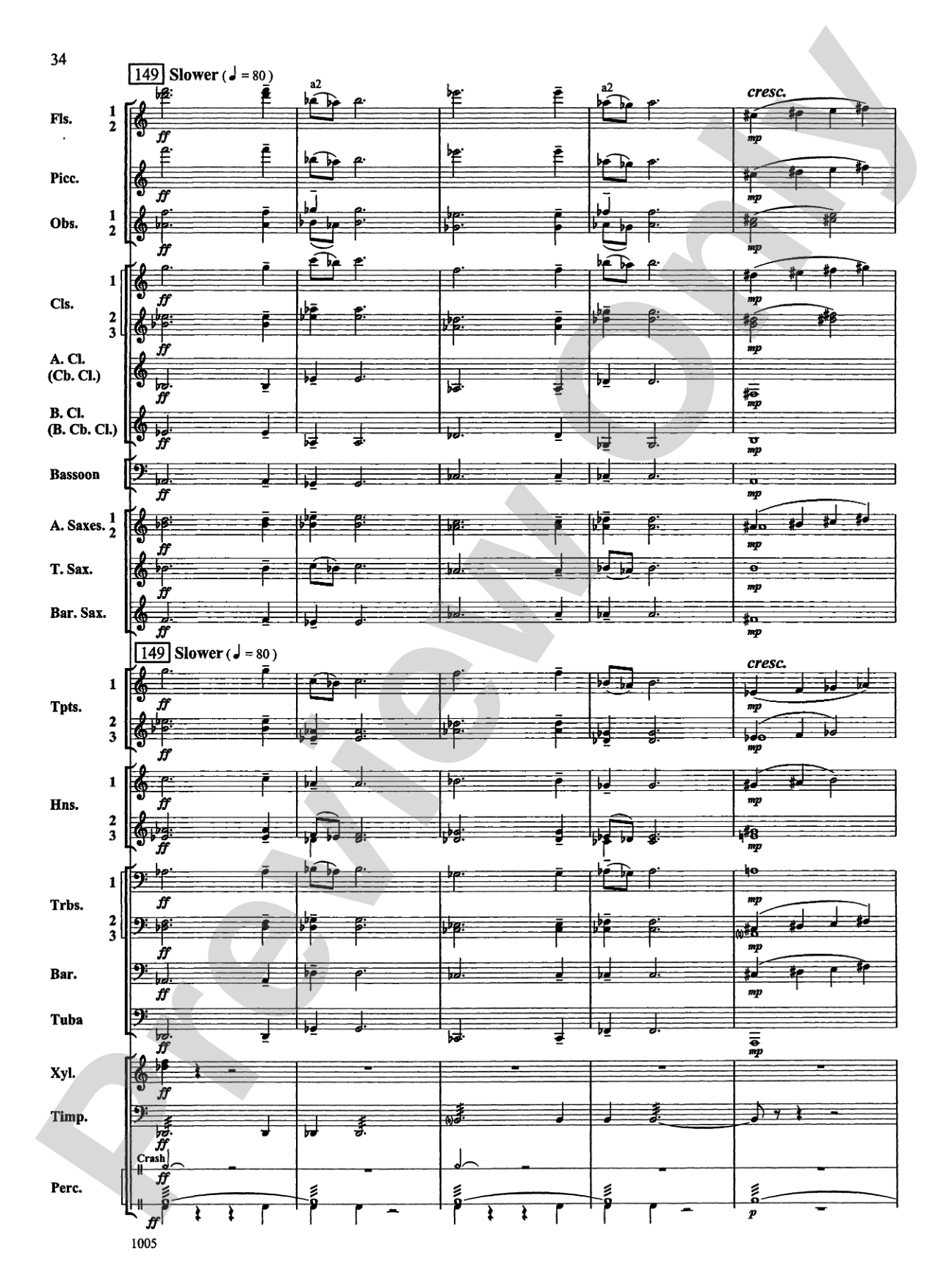
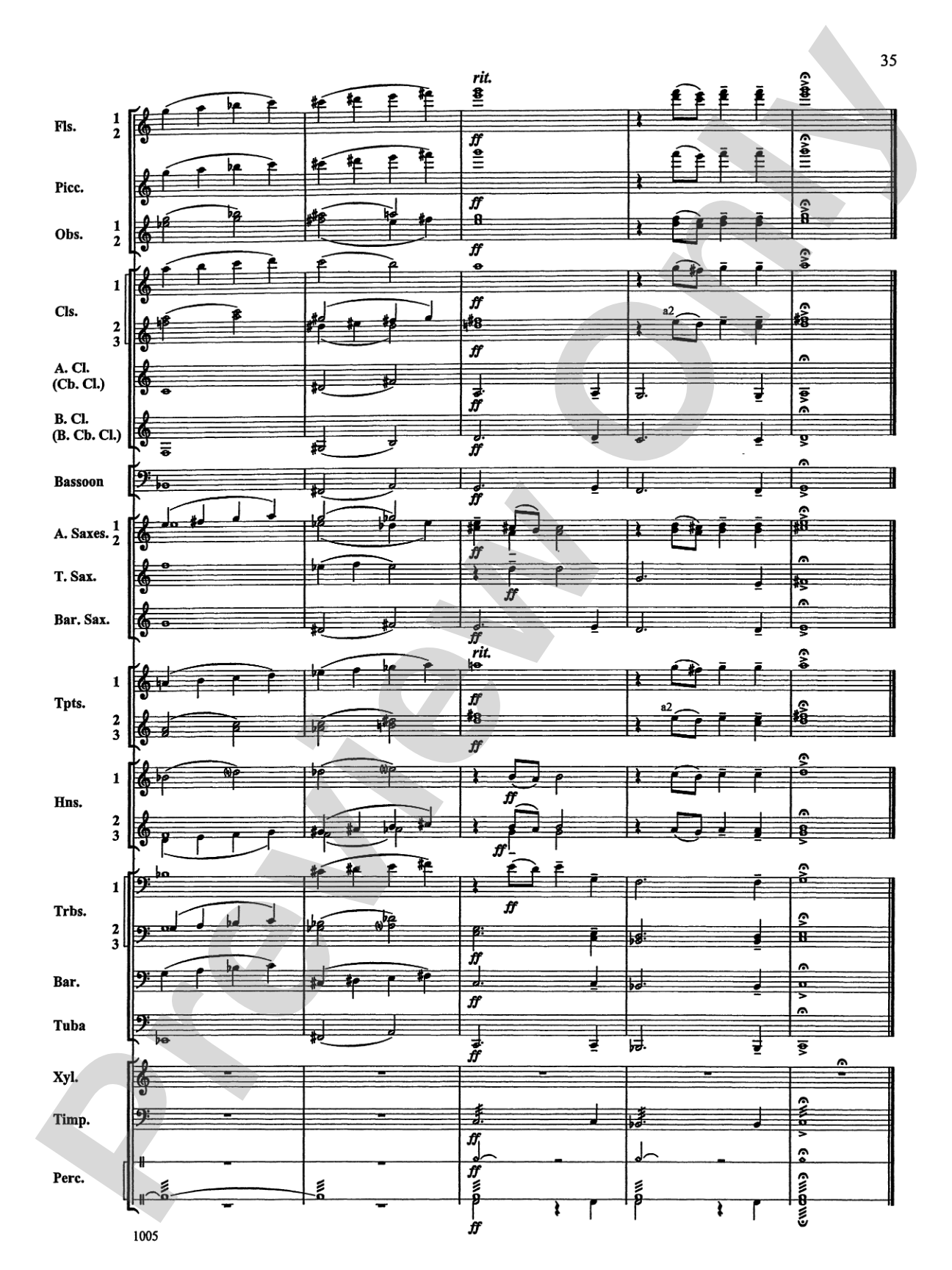


Reverence for Life: Score
By Frank Erickson
Grade: 3 (Medium Easy)
Item: 00-PR-0001609
$9.00
Pickup currently not available
Description
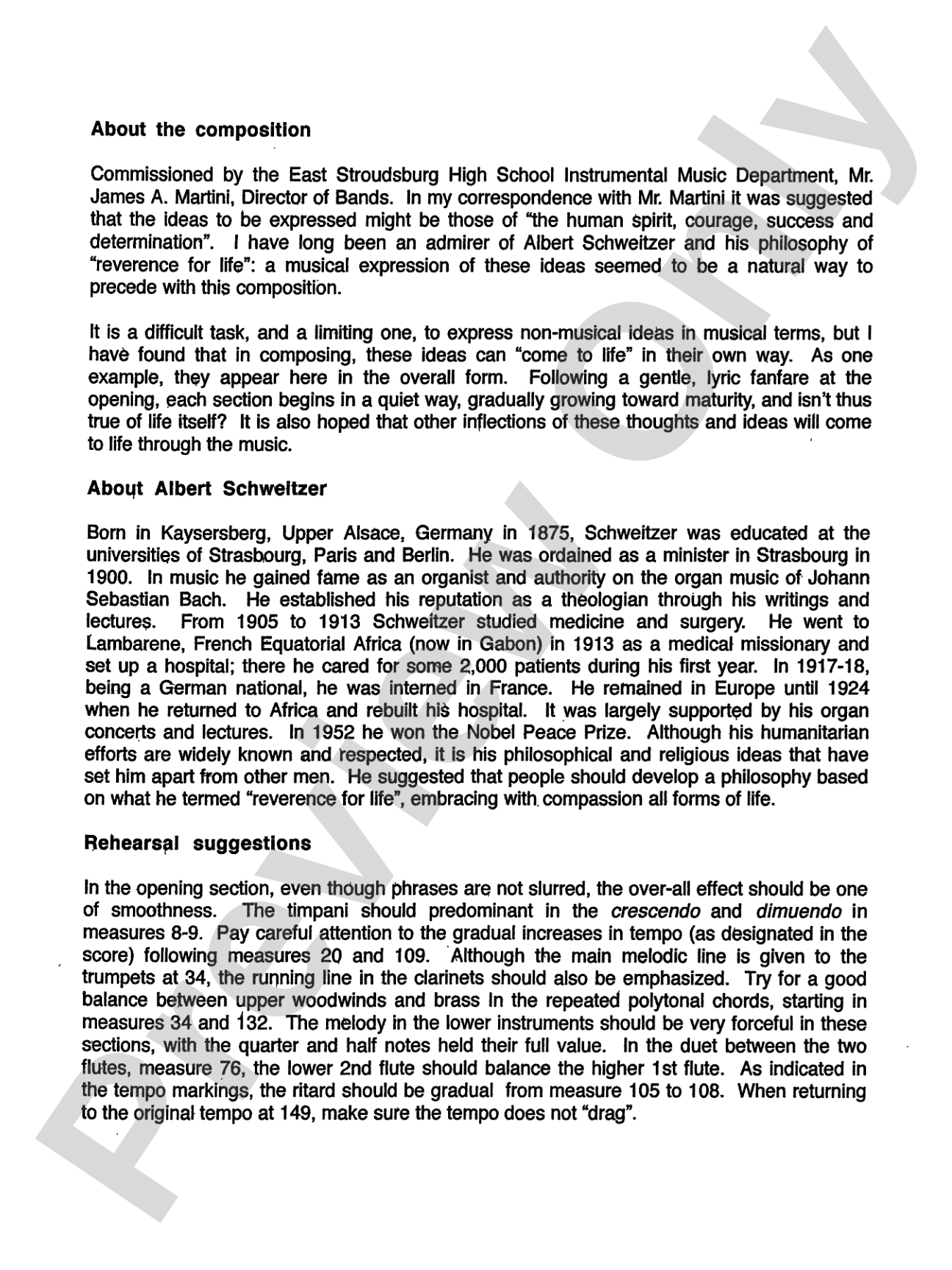
Following a gentle, lyric fanfare at the opening, each section begins in a quiet way, gradually growing toward maturity, and isn't thus true of life itself? It is also hoped that other inflections of these thoughts and ideas will come to life through the music.


Don't just read it, hear it, play along with it, and watch your students grow with it. In MakeMusic Cloud, Reverence for Life: Score comes alive with professional accompaniment, adjustable tempo, and built-in practice tools that turn solo practice into real progress.
Open in the Player
Jump straight in and assign it today.
Start Your Free Trial
Open this title and explore the full library in minutes.
Sample Audio
No sample audio found.
Sample Video
No sample videos found.
Additional Details
Series:
Frank Erickson Publications
Publisher:
Alfred Music
Page Count:
276
SKU:
00-PR-0001609
More about this title
About the Composer: Frank Erickson
Frank Erickson (1923-2010) was a prolific composer and arranger whose output shaped concert band repertoire across multiple decades. His works span from accessible educational pieces to substantial concert works, all characterized by clear orchestration, singable melodies, and direct emotional communication. Erickson held a master's degree in music composition and served as both a composer and educator, creating music that band directors could trust to engage students while maintaining musical integrity.
Why we love this
Reverence for Life exemplifies Erickson's gift for building meaningful musical statements from simple materials. The structure itself teaches: each section's journey from quiet introspection to mature voice mirrors the arc the composer wants students to understand about growth and development. At Grade 3, this piece proves that philosophical content and accessible writing aren't mutually exclusive.
What to expect
Gentle but not sentimental. The opening fanfare suggests optimism, then yields to intimate passages where individual sections find their voice. As the piece unfolds, there's a quiet confidence in the orchestration, as if Erickson is showing rather than telling you how growth happens.
Who it's for
Band directors seeking a Grade 3 work that teaches both musical and life concepts without preaching. This score serves students ready to understand form and architecture, and conductors who want to rehearse dynamic control and voice independence without excessive technical demands.
How to get the most out of it
- Shape the opening fanfare with buoyant character, then pull back immediately into genuine quiet for the section entries that follow. The contrast matters more than the tempo.
- Let each section's gradual growth feel inevitable rather than mechanical. Avoid sudden dynamic jumps; use incremental increases in tone weight and slight tempo flexibility.
- Balance the lyric quality against clarity. Parts may double, but preserve enough transparency that the listener hears how the piece is constructed.
- Conduct with intentionality during quiet passages. Students respond to your stillness and focus when the music is soft; this grounds the entire interpretation.
How to use it
This fits beautifully in the middle of a concert program as a transition piece, moving audiences from energy into reflection before building toward a finale. Consider pairing it with a standard march or overture to bookend it, or use it as the centerpiece of a concert themed around development and maturity.
Skills your students will build
- Controlling dynamic transitions from quiet to full voice
- Listening across sections for balance and blend during growth passages
- Shaping phrases with attention to contour rather than just hitting marks
- Reading and executing transparent orchestration that requires precision tuning
- Understanding how formal structure supports musical meaning