Revelry for String Orchestra and Percussion Cover Image

Revelry for String Orchestra and Percussion: Conductor Score

$8.00 USD
Sale price  $8.00 USD Regular price 
Skip to product information
Revelry for String Orchestra and Percussion Cover Image

Revelry for String Orchestra and Percussion: Conductor Score

By Bud Caputo

Grade: 2

Item: 36-50255121

$8.00
Shipped

One moment…

Description
Your students will revel playing this quirky march in which they learn new chromatic notes. Other teaching points include brief 2nd position for violoncello, dotted rhythms, hooked bowings, trills, glissandi, and some syncopation. With staccato and accent

Revelry for String Orchestra and Percussion: Conductor Score isn't in MakeMusic Cloud just yet...but it could be. Let us know you'd like to see it, and you'll help shape what comes next. In the meantime, start a free trial and dive into thousands of interactive titles your students can play along with today.

Sample Pages

No sample pages found.

Sample Audio
No sample audio found.
Sample Video
Additional Details
Series: LudwigMasters Developing Strings
Publisher: Keiser Productions, Inc.
ISBN10: 1-68-296404-3
ISBN13: 978-1-68-296404-0
UPC: 654690532718
SKU: 36-50255121
Instrumentation: String Orchestra, Percussion

More about this title

About the Composer: Bud Caputo
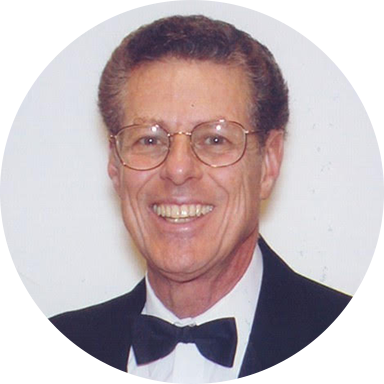
Bud Caputo

Bud Caputo has spent decades shaping music education across the country, from elementary string programs in Northern Virginia to leadership roles in Maryland's instrumental music curriculum. A trombonist with deep roots in both classical and jazz worlds, he studied at the Catholic University of America, Manhattan School of Music, and SUNY Potsdam under renowned musicians from the New York Philharmonic and Metropolitan Opera.

Beyond the classroom, Caputo's professional credits span Broadway performances in Washington, D.C., tours with major orchestras, and service in the U.S. Army Band. He remains active as a clinician at regional festivals and serves as a music consultant for Palm Beach County schools, bringing his multifaceted experience directly into his compositional work for students.

Why we love this

Caputo writes with a genuine understanding of what middle school orchestras need: pieces that introduce genuine technical challenges without overwhelming students, wrapped in music that's genuinely fun to play. The quirky march character keeps rehearsals energetic while you're systematically building chromatic fluency, intonation across positions, and rhythmic precision.

What to expect

Playful and slightly mischievous, with the unpredictable energy of something that refuses to take itself too seriously. The chromatic movement creates a modern, quirky flavor while the march framework keeps everything grounded and purposeful.

Who it's for

String orchestras at the early intermediate level (grades 2-3) who are ready to tackle chromatic passages and expanded technical vocabulary. This works equally well for a full string program pulling strong players from multiple grades or for a single heterogeneous class.

How to get the most out of it

  • Establish the staccato articulation early by singing the articulation pattern as a group before adding bowings; this prevents the tendency to rush the short notes.
  • Mark the glissandi visibly on student parts so violoncellists know exactly where the shift occurs and have time to prepare the bow.
  • Work the hooked bowings separately at a comfortable tempo, isolating just the bow changes without worrying about pitch or rhythm at first.
  • Balance the syncopation against a steady pulse in the percussion section; have the timpani or bass drum player tap the main beat while strings work syncopated figures against it.

How to use it

Fit this into your fall concert rotation as a palate-cleanser between heavier repertoire, or open a spring concert with it to establish an upbeat, approachable tone. It's also an excellent choice for a chamber concert showcasing what your intermediate students have accomplished by mid-year.

Skills your students will build

  • Reading and intonating chromatic passages
  • Second position for violoncello
  • Dotted rhythm figures with accurate subdivision
  • Hooked bowings and articulation changes within the bow
  • Trills and glissandi as expressive devices
  • Syncopation against a steady beat
  • Staccato and accent execution with control

You May Also Like