
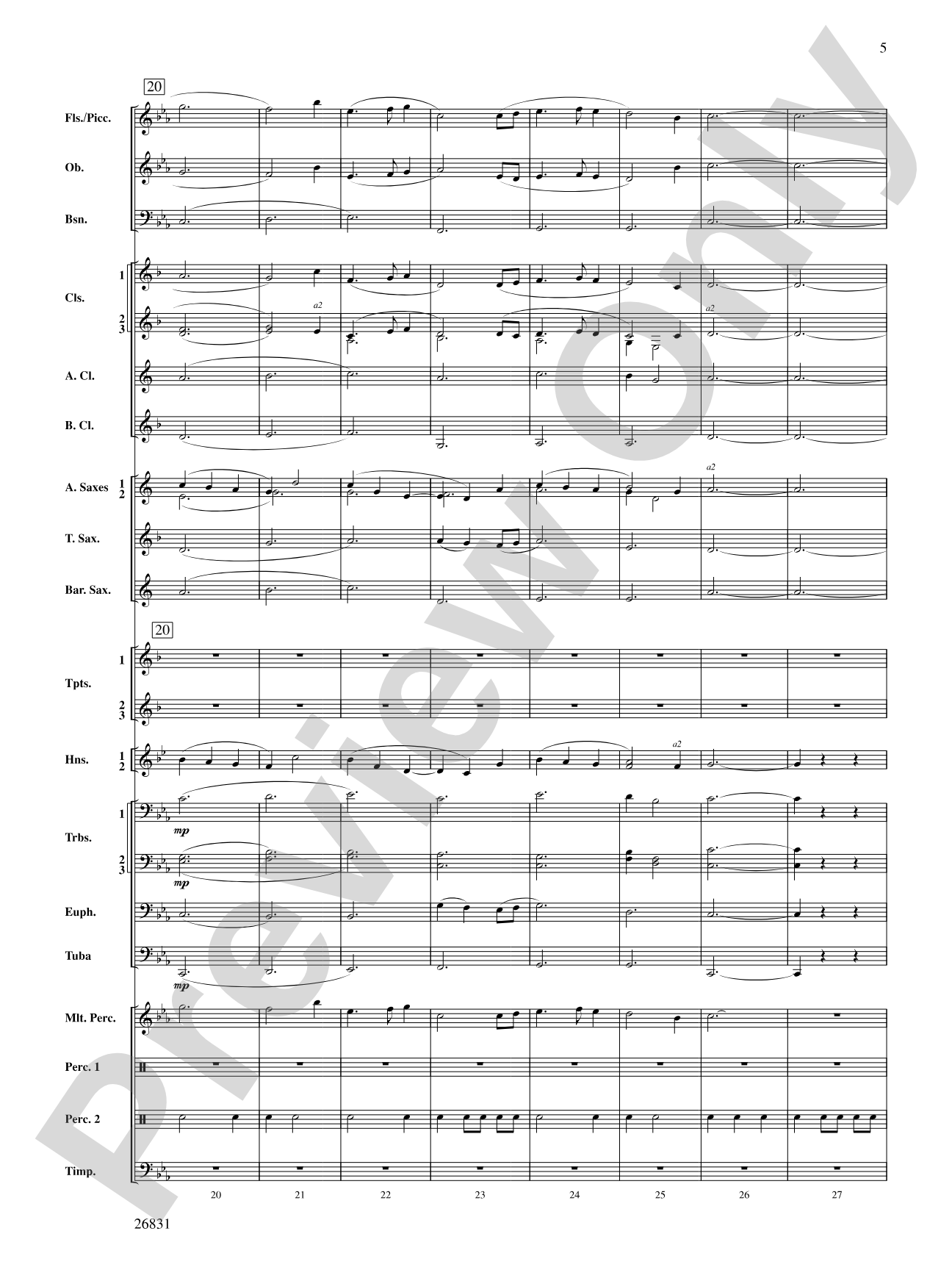
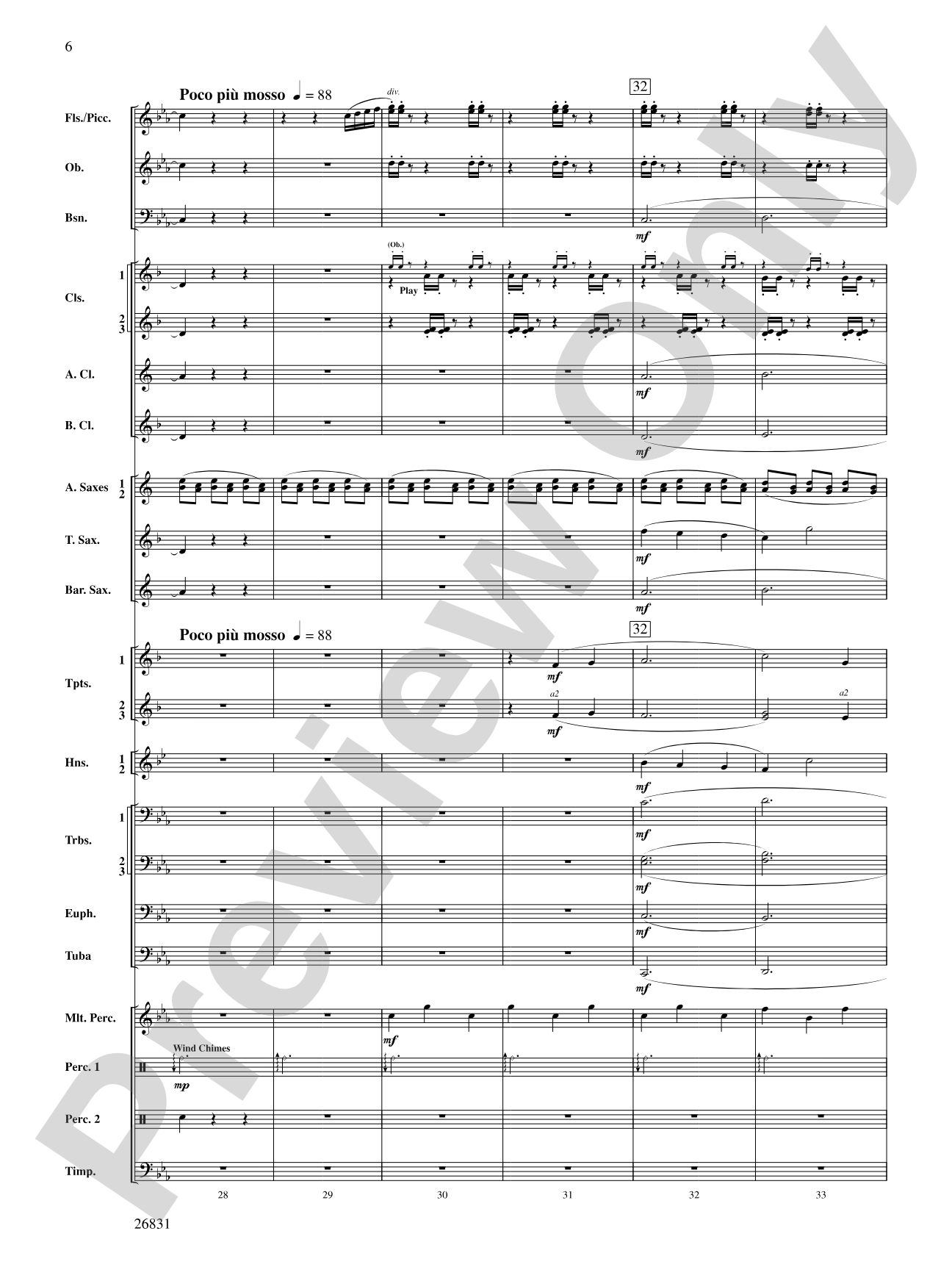
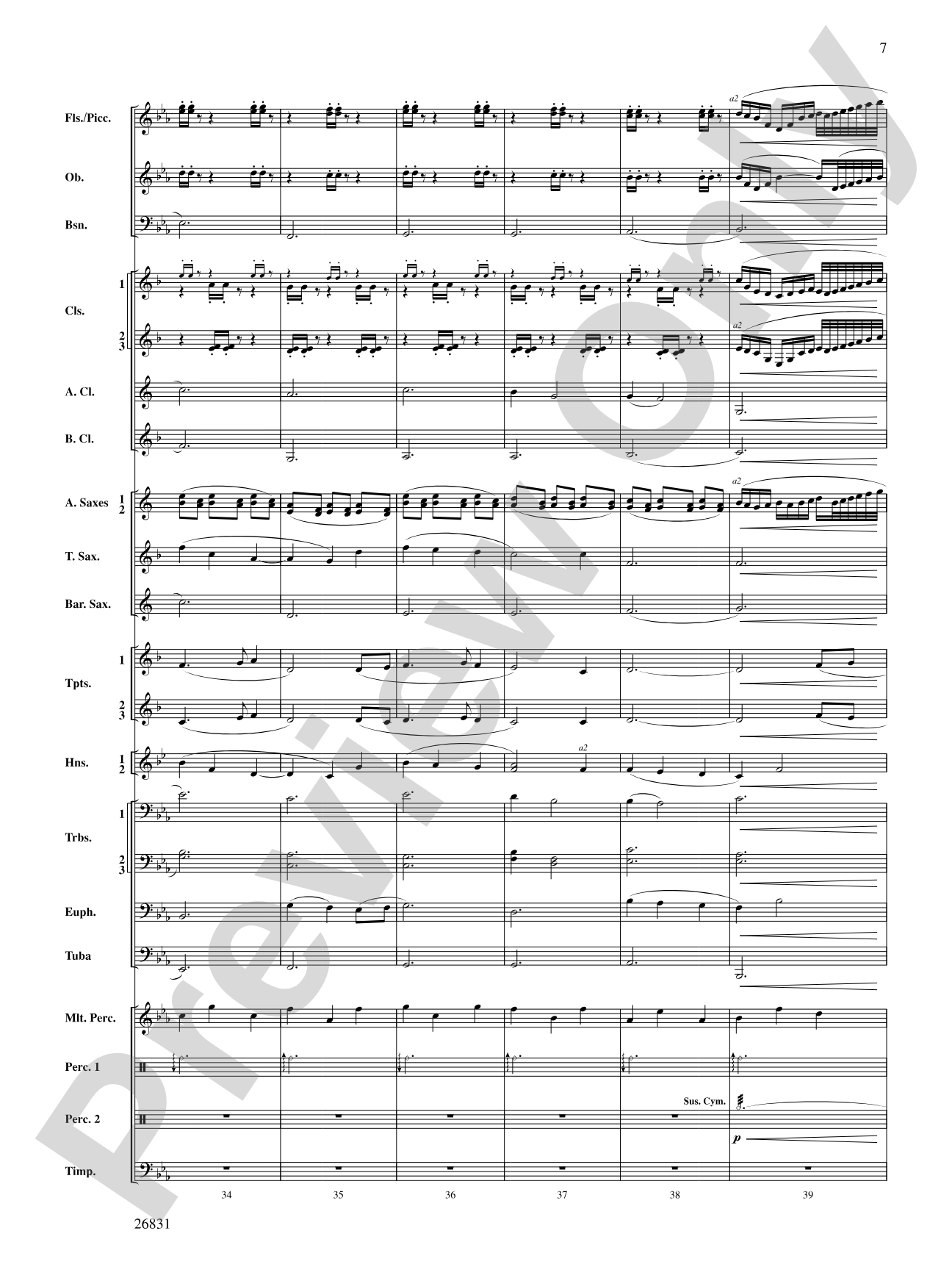
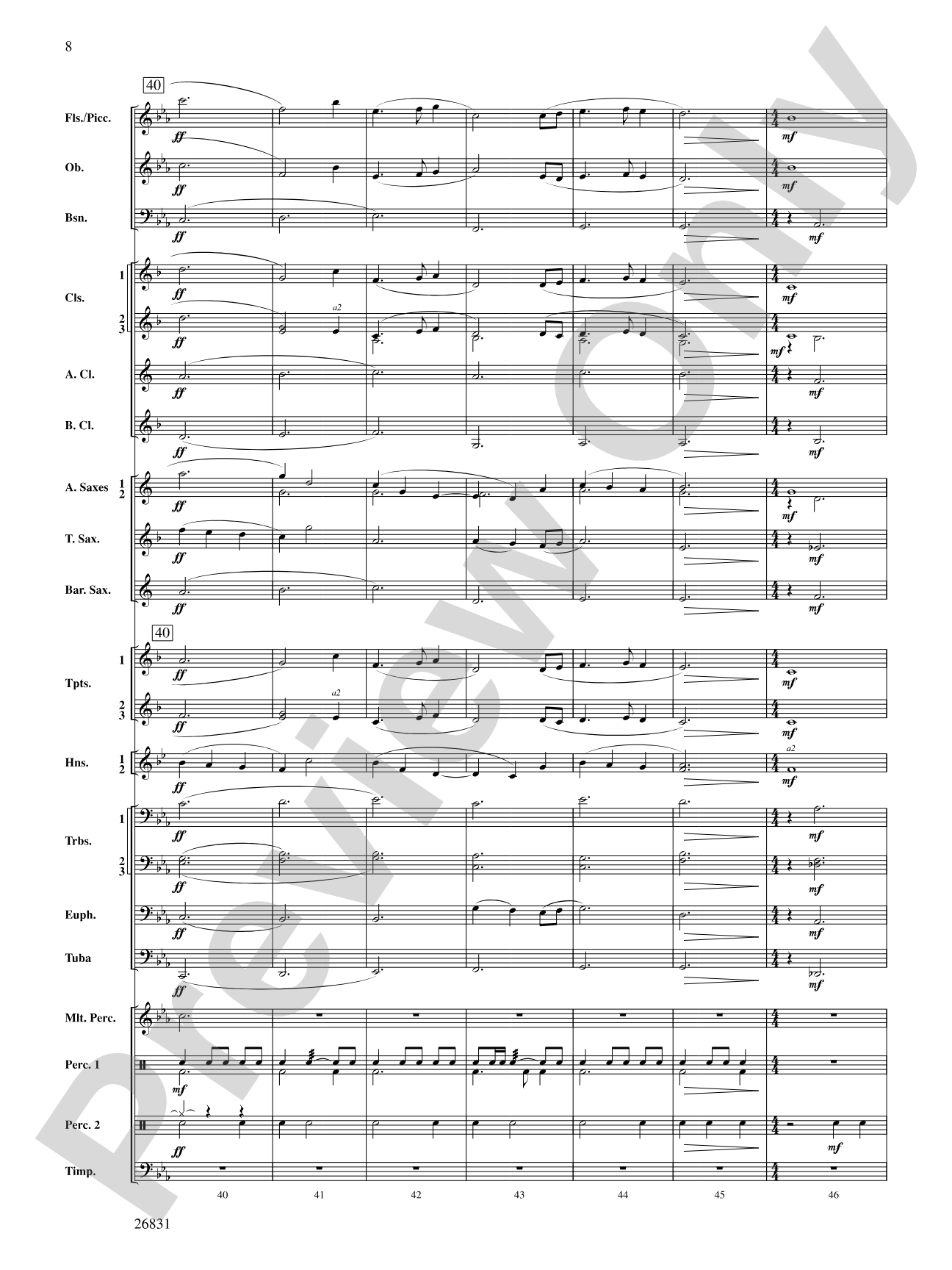
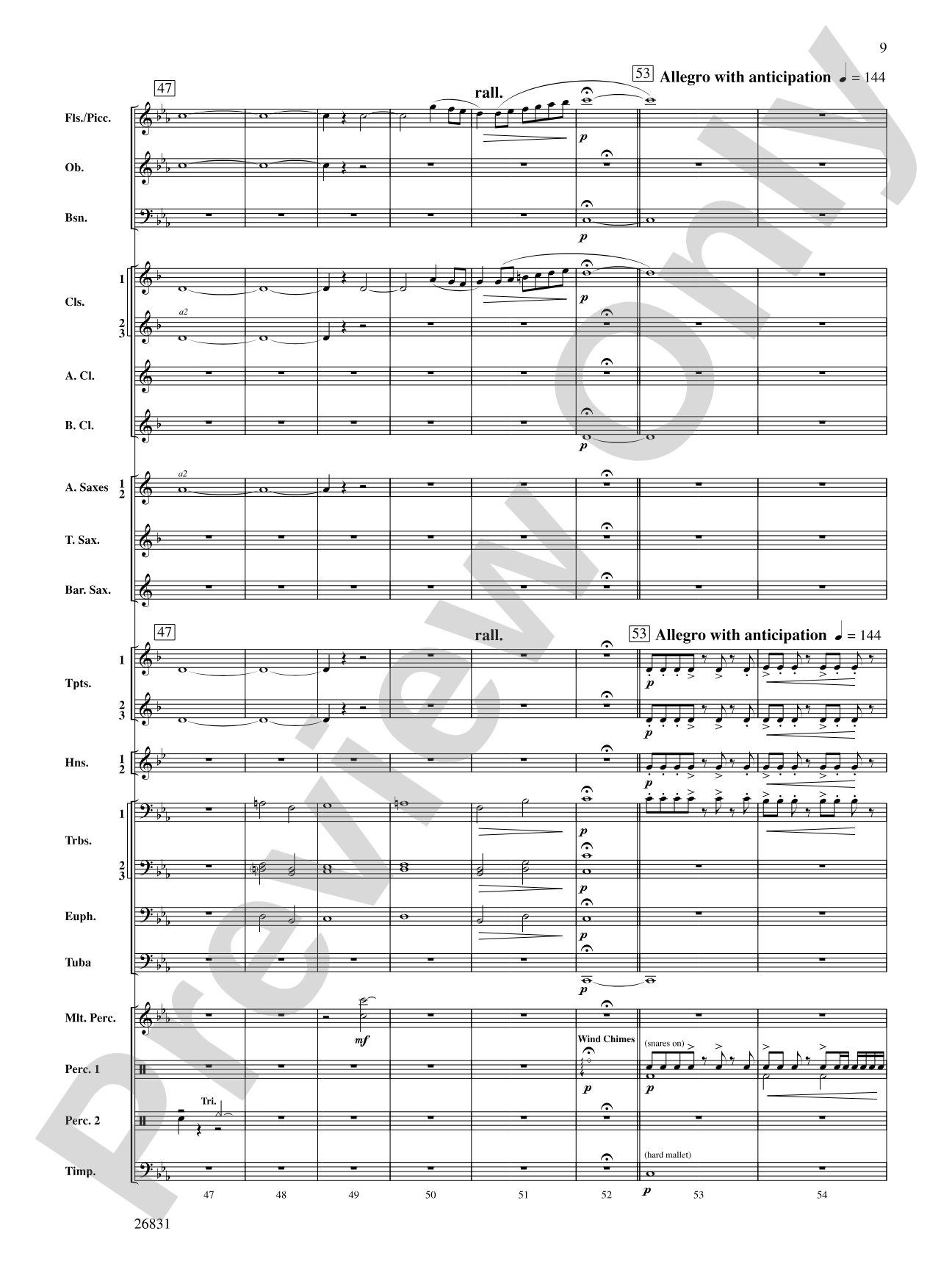
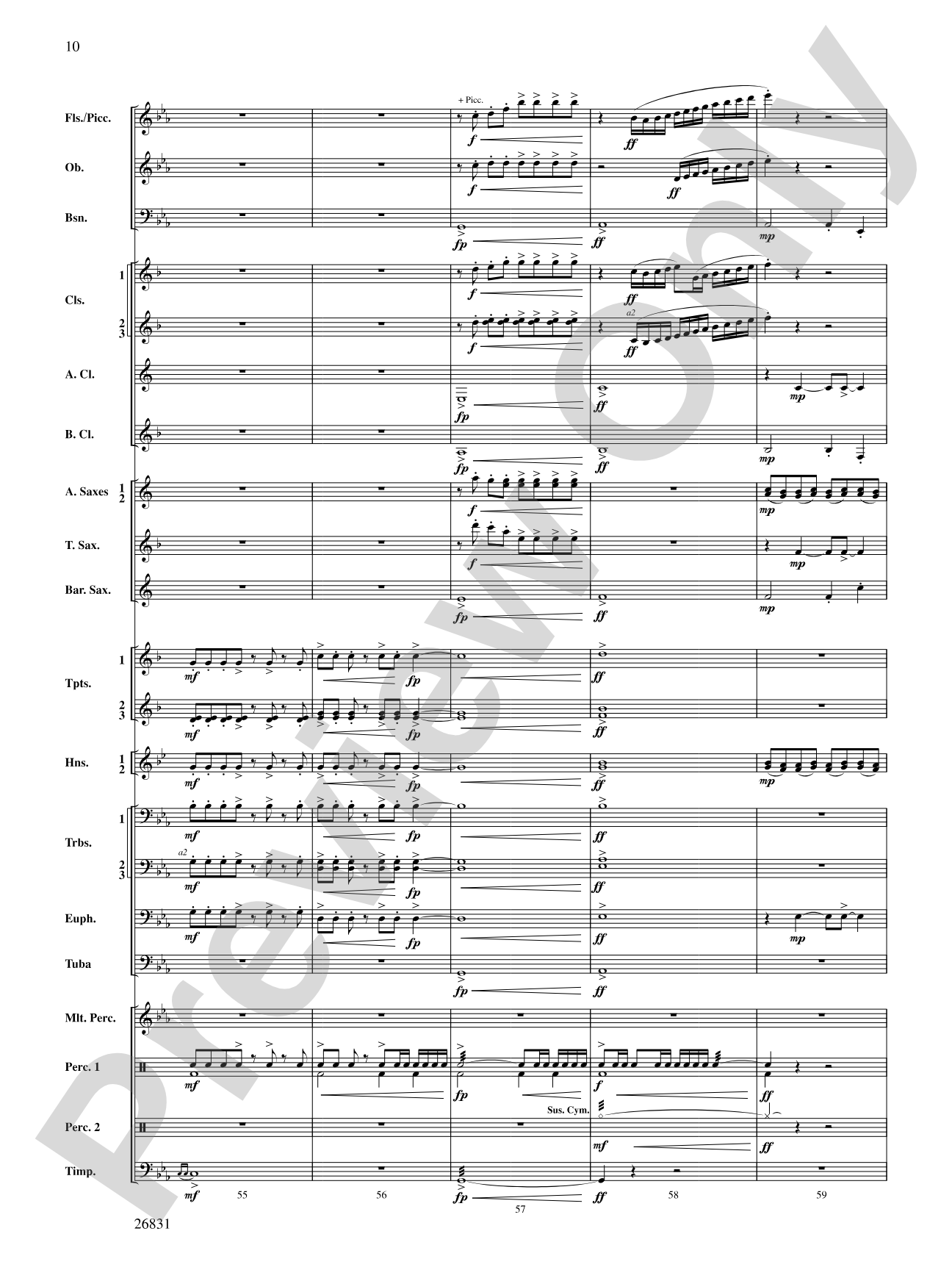
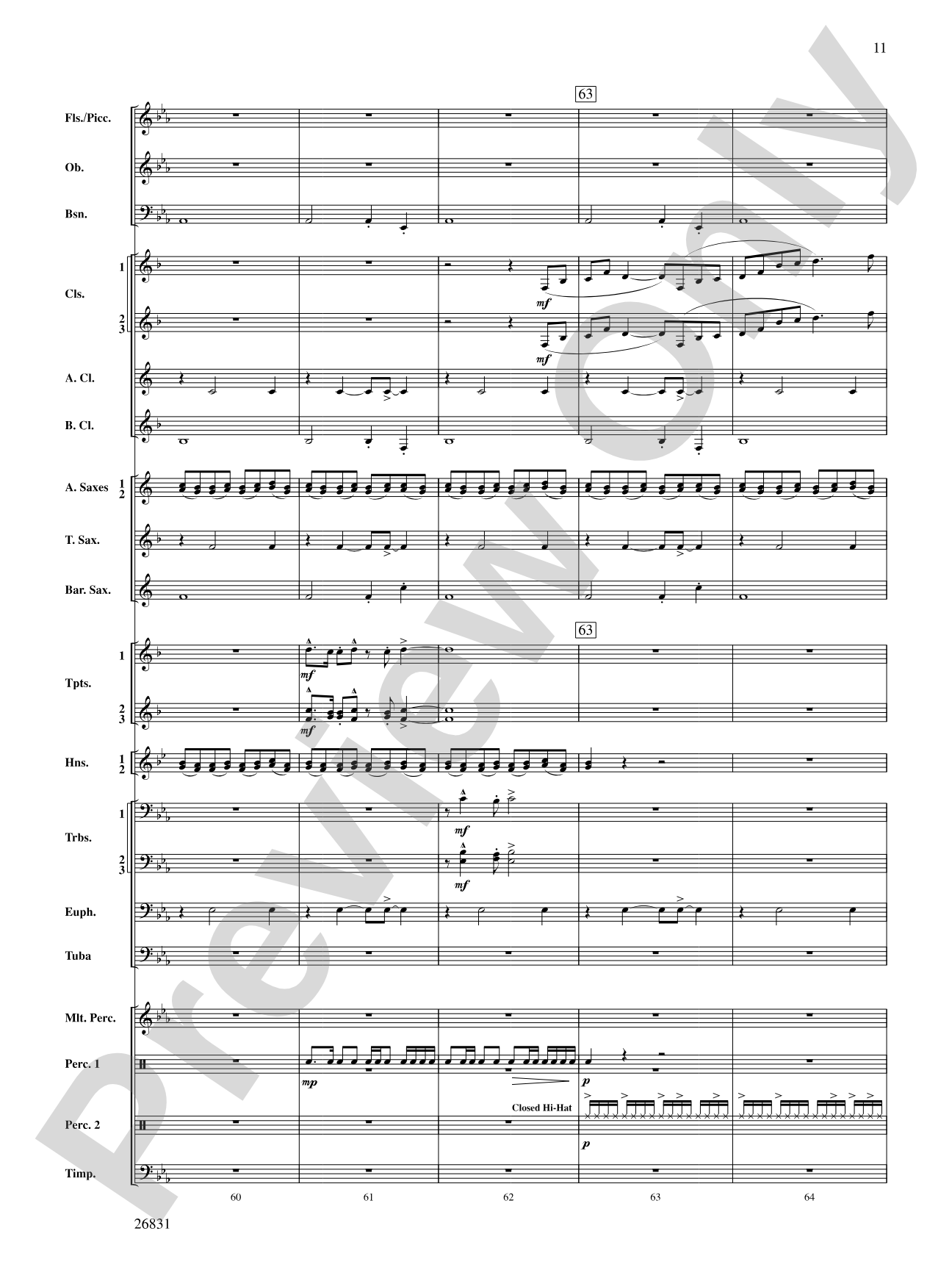
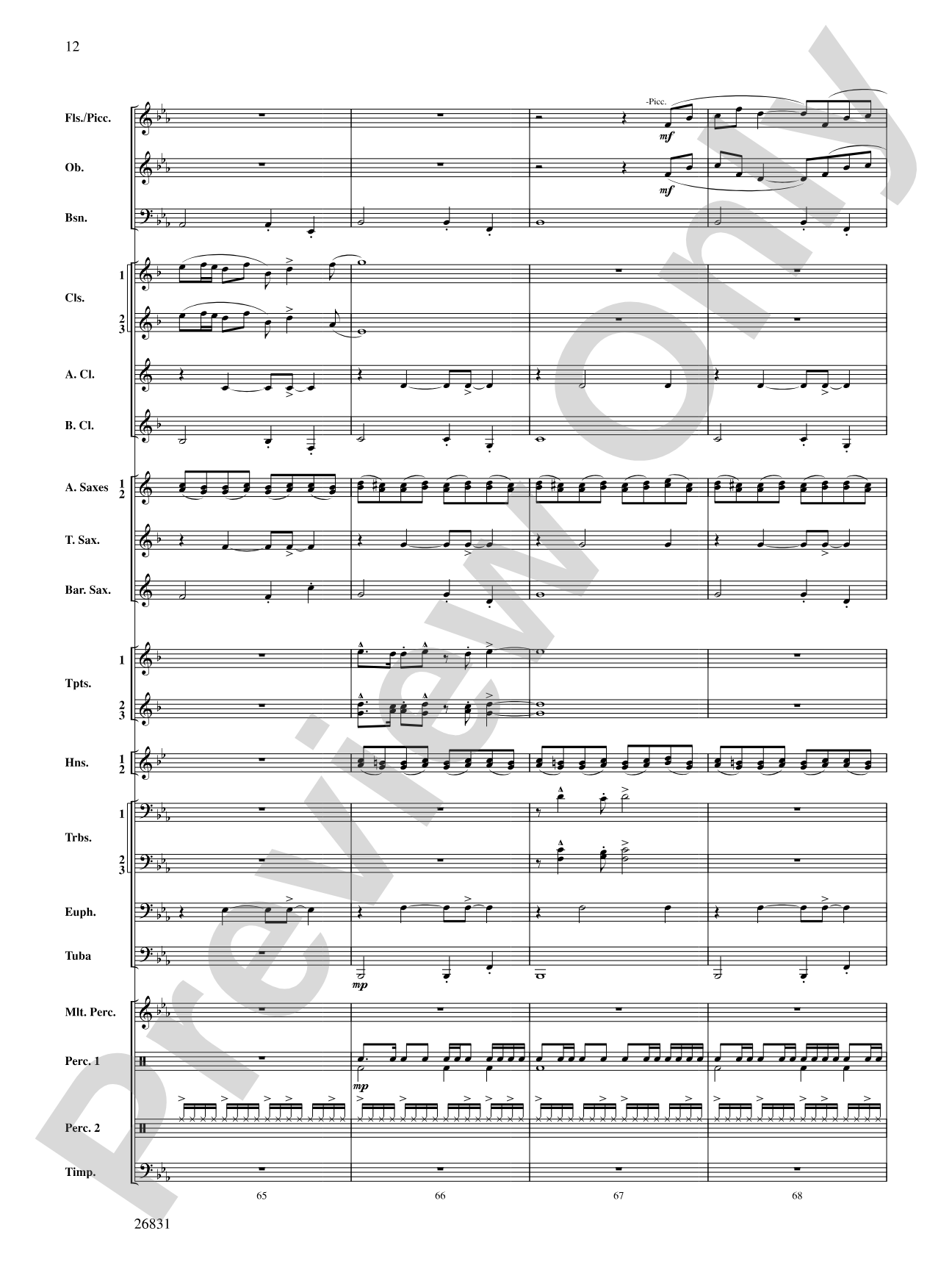
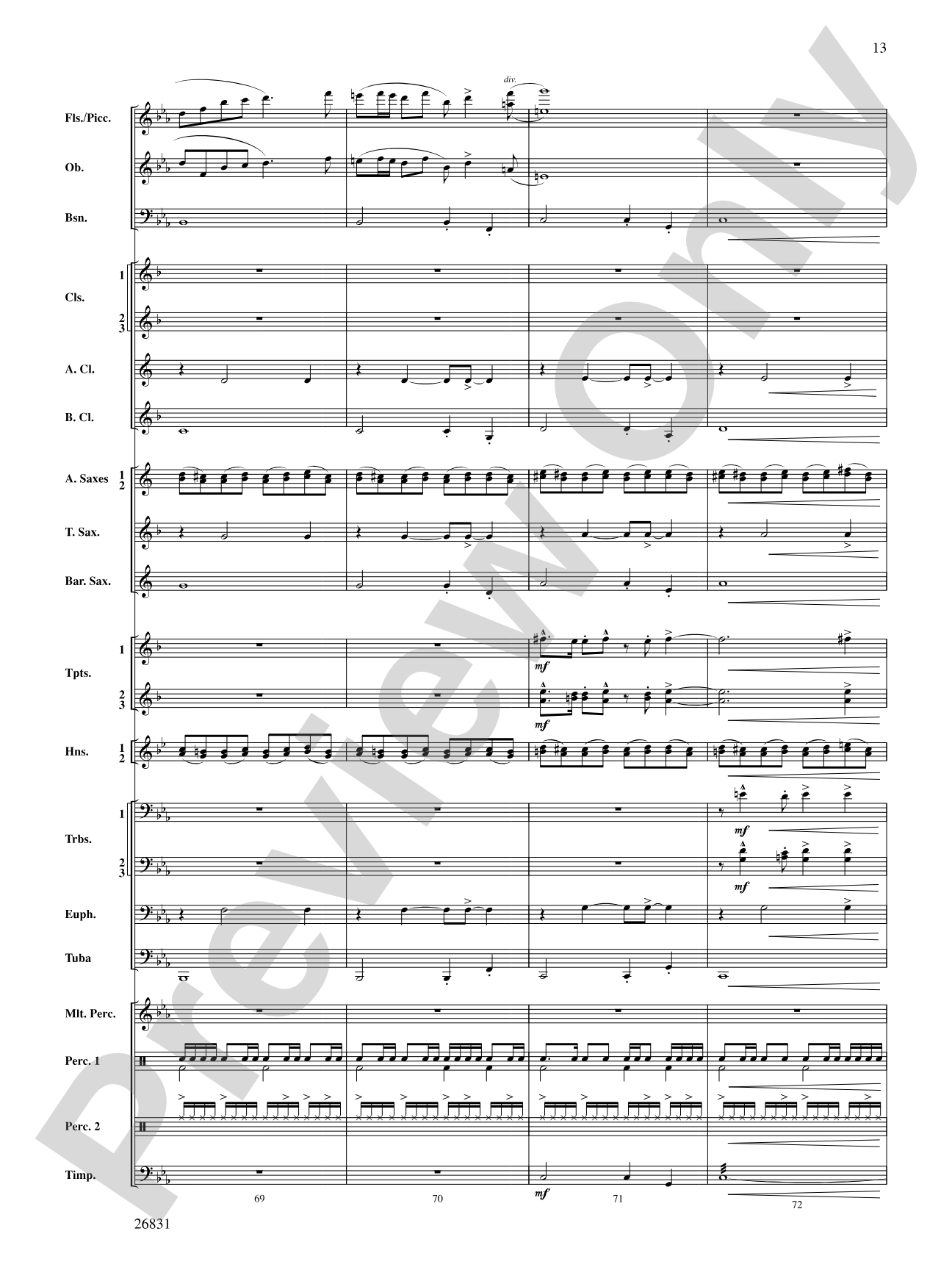
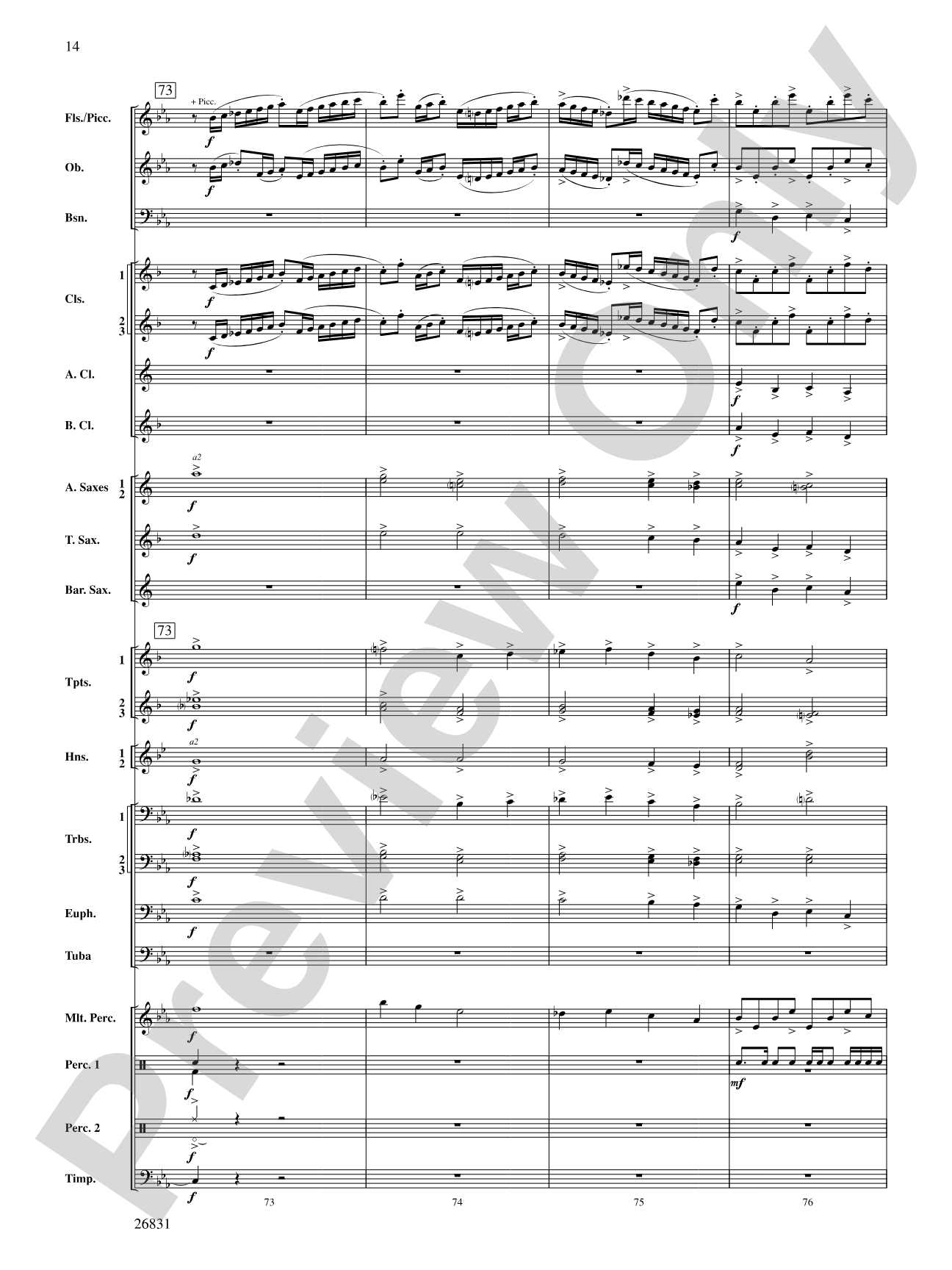
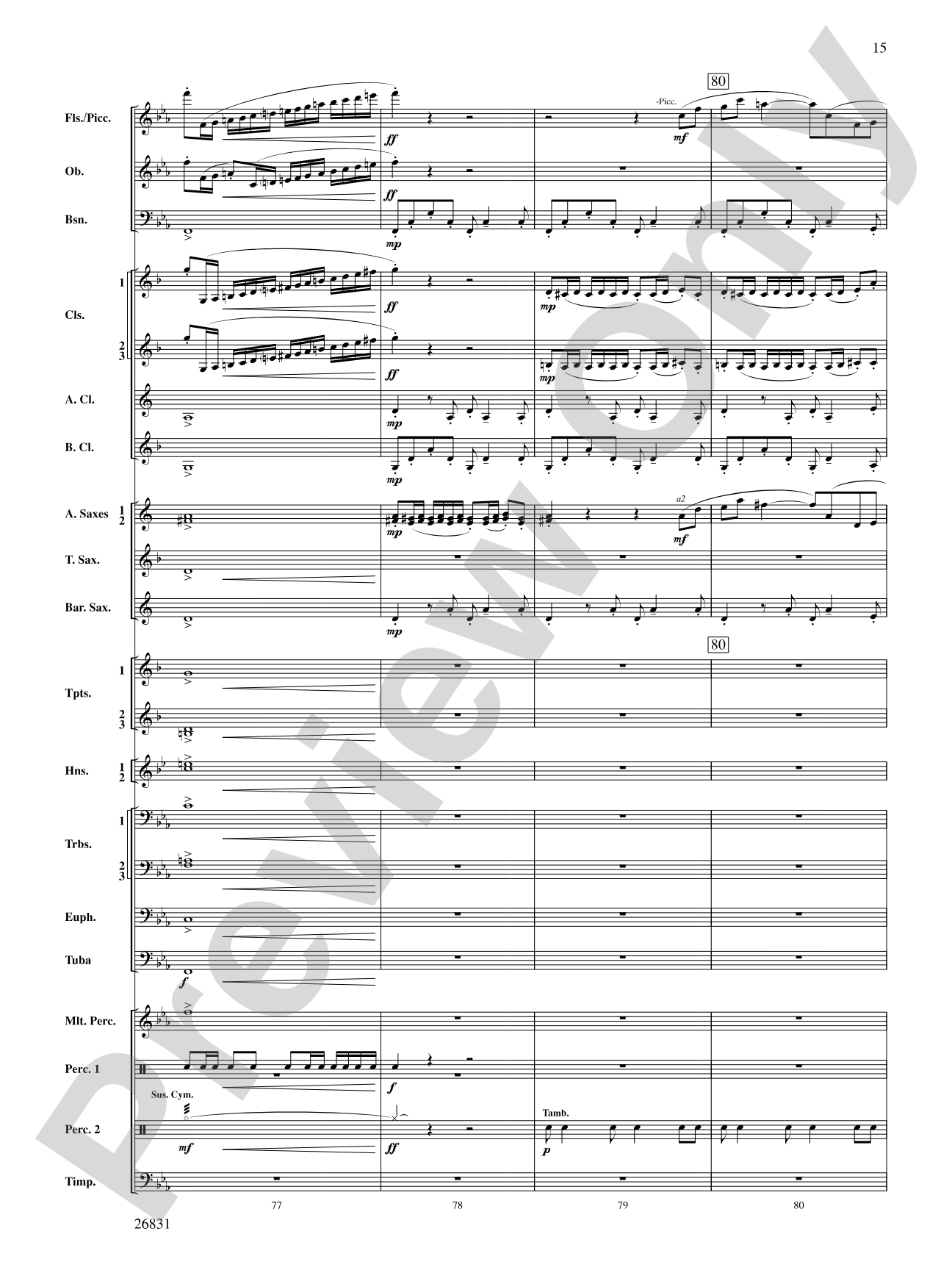
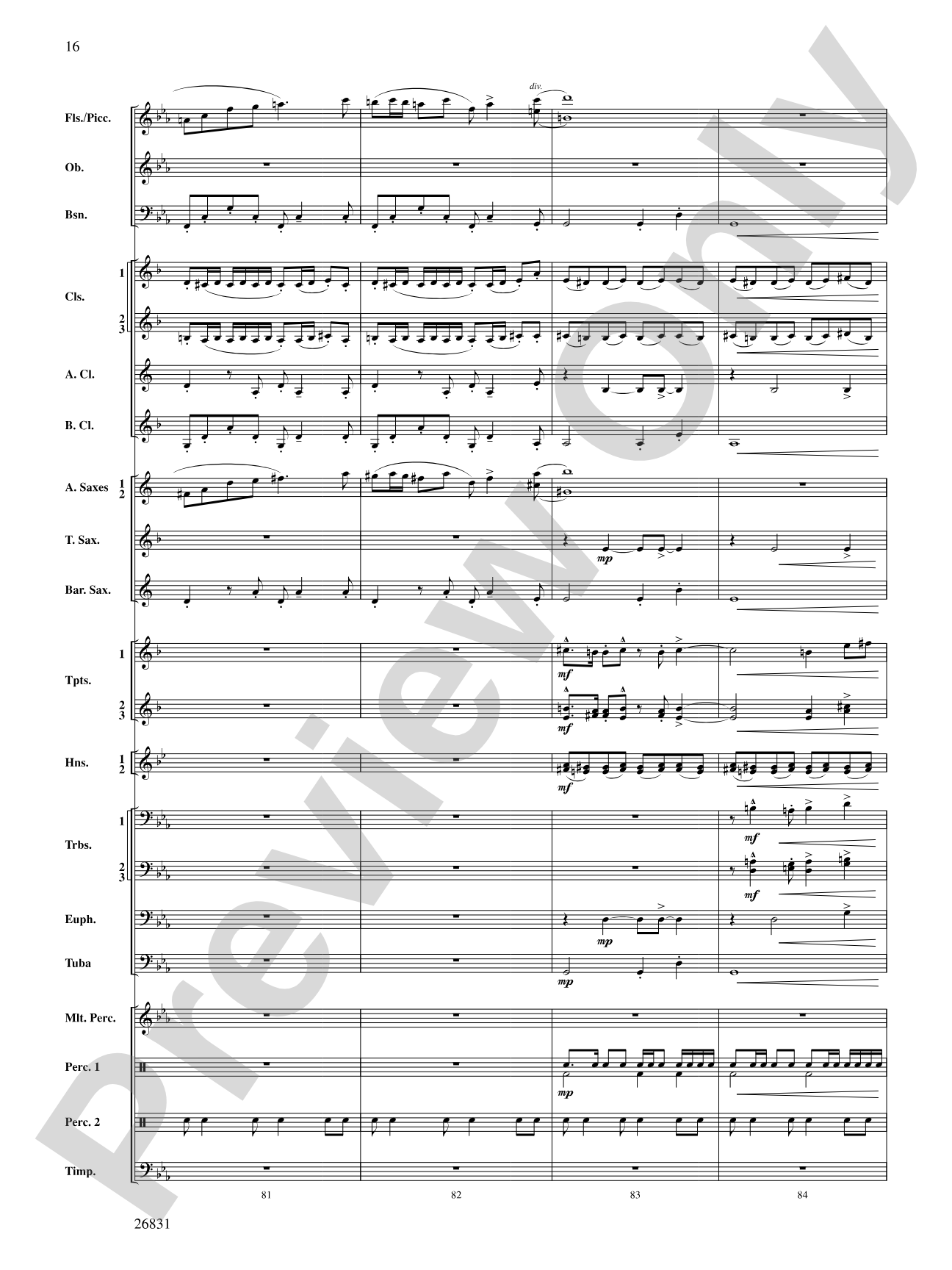
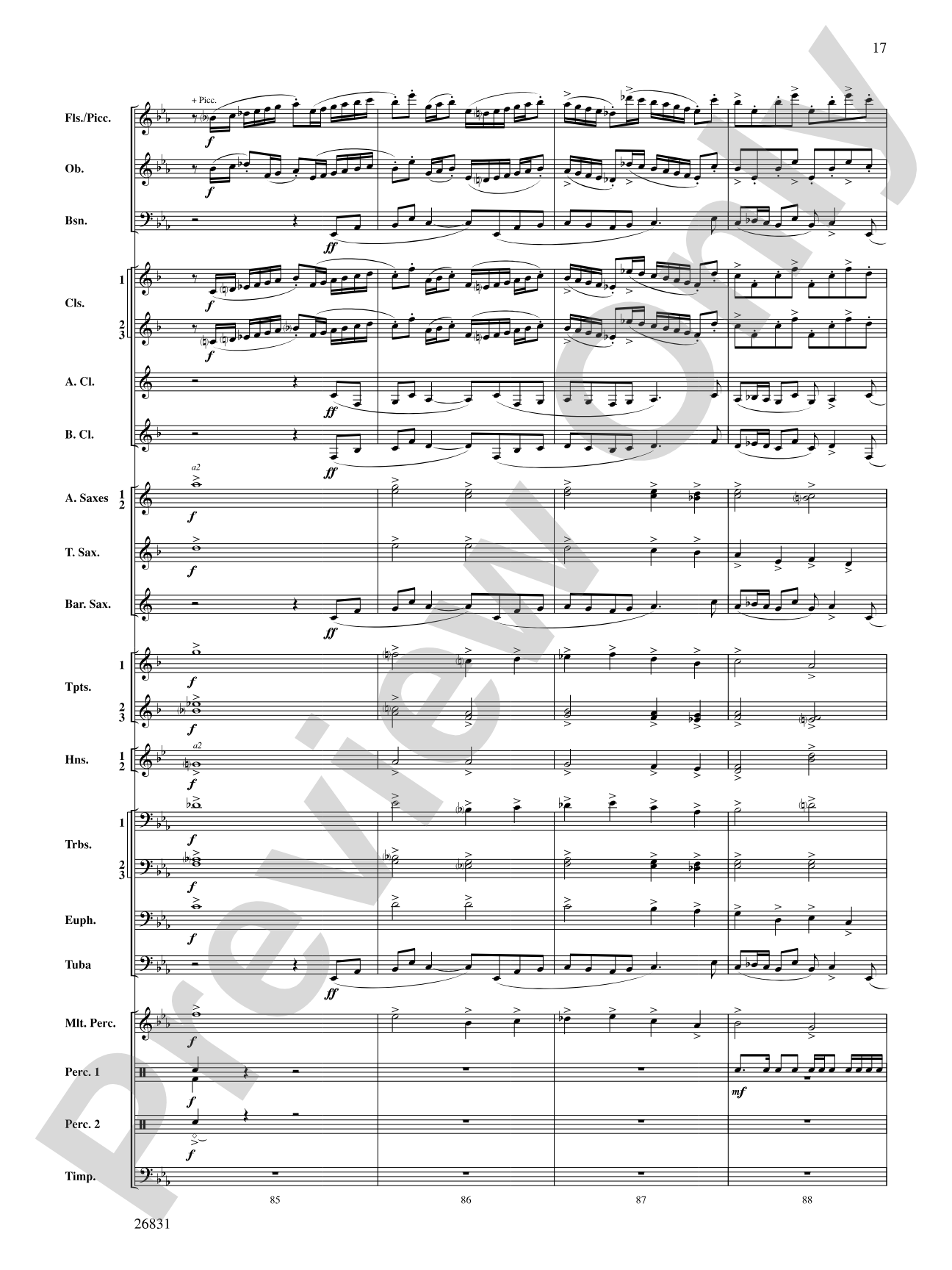
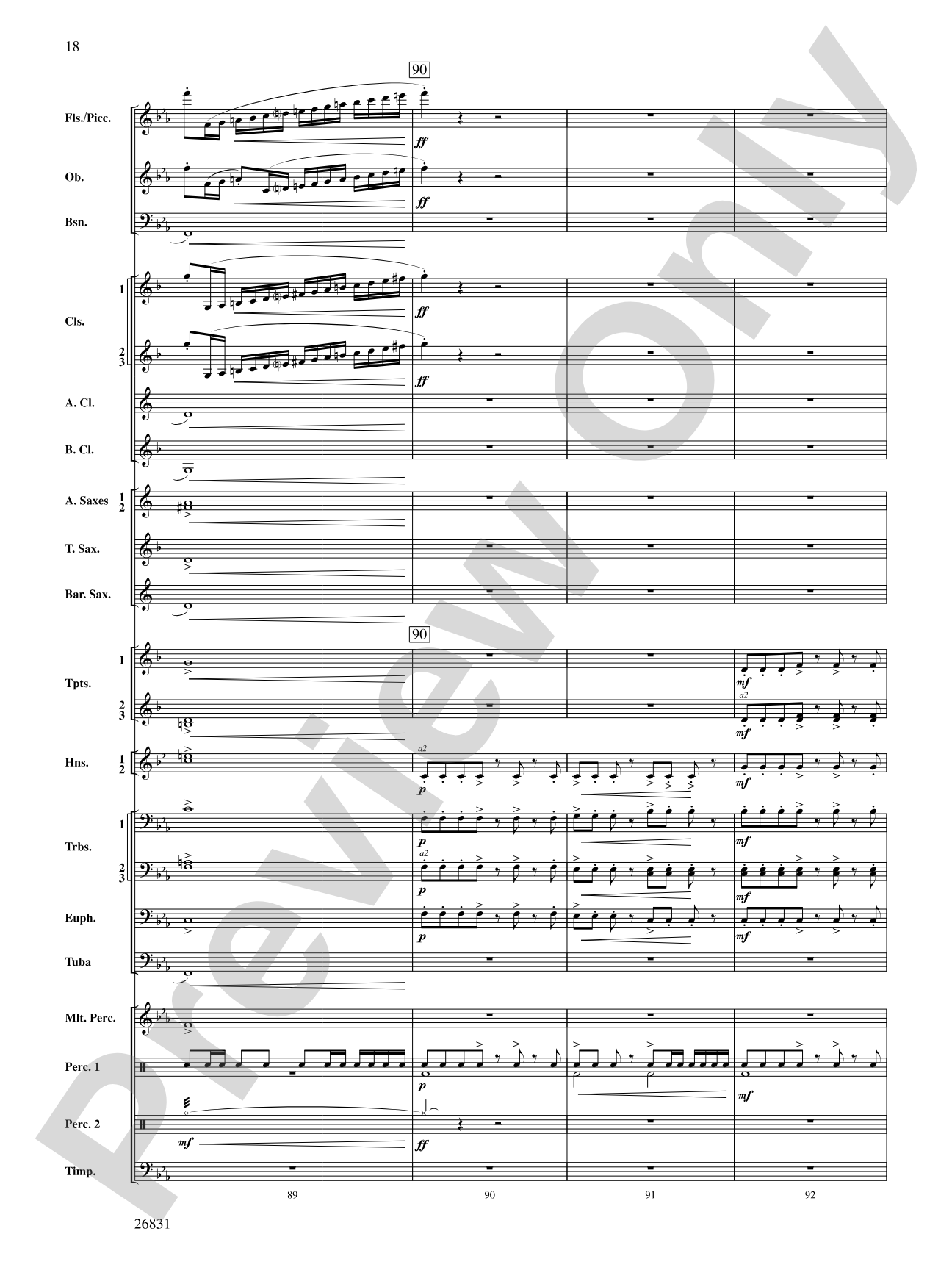
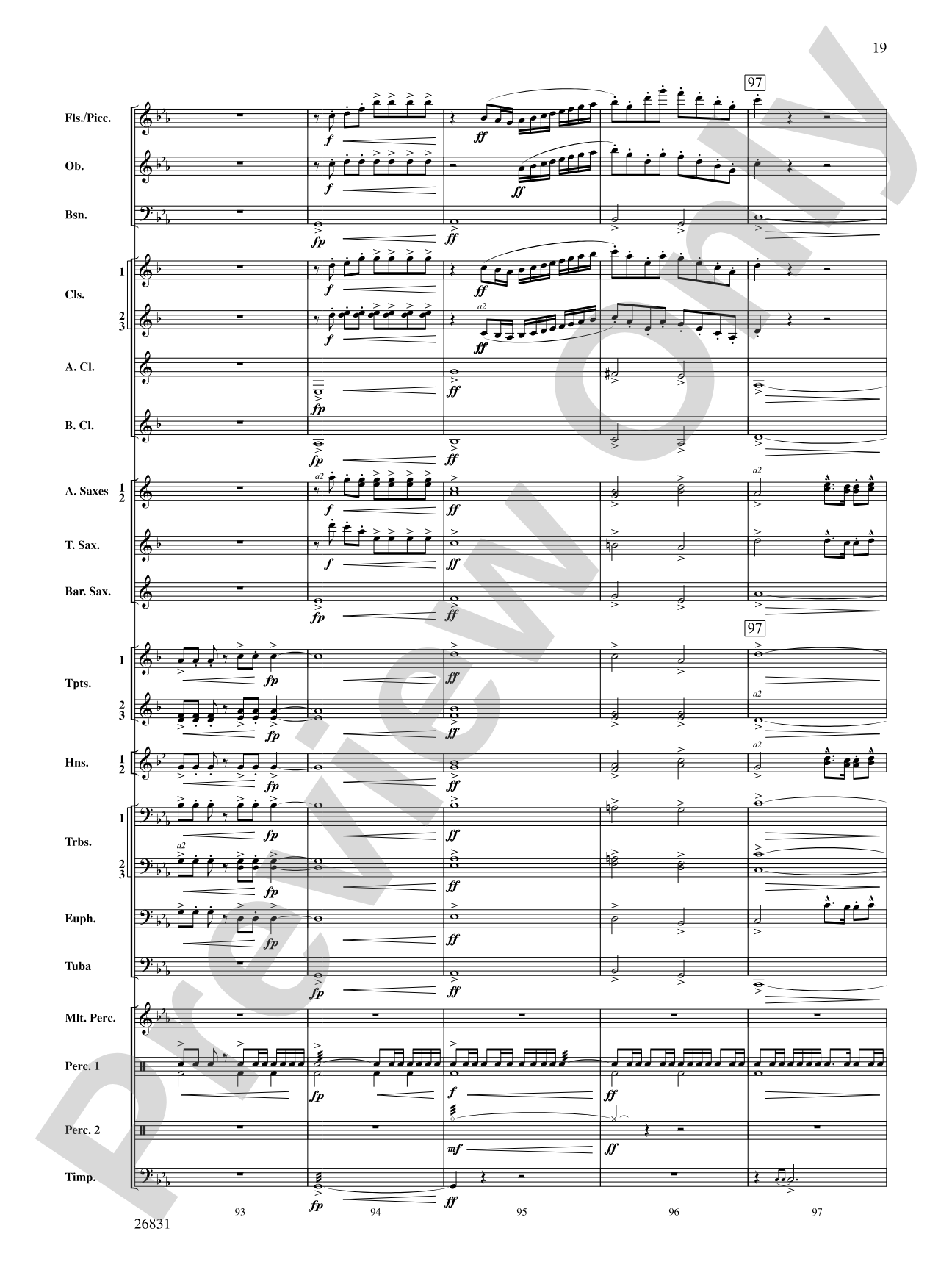
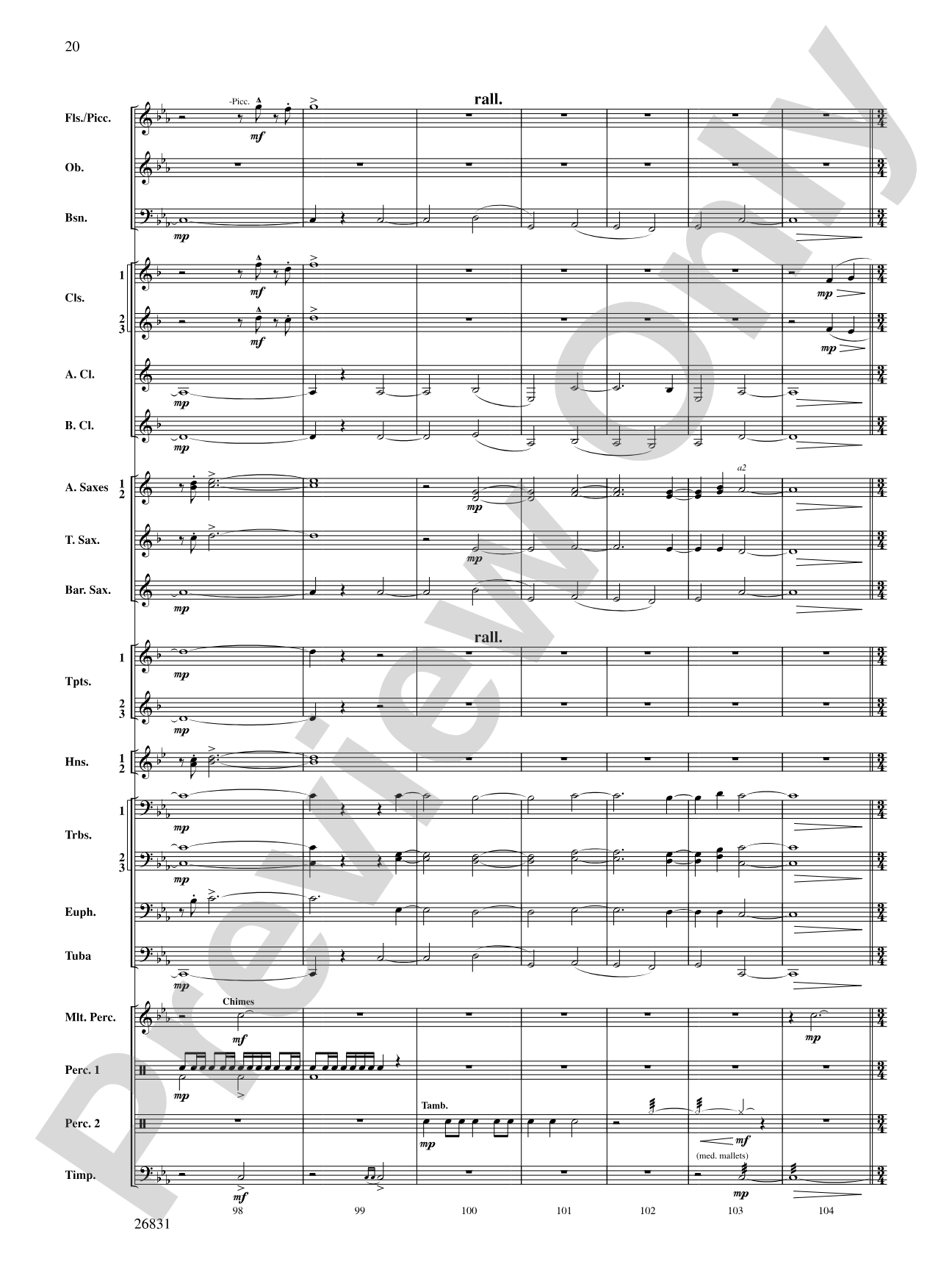
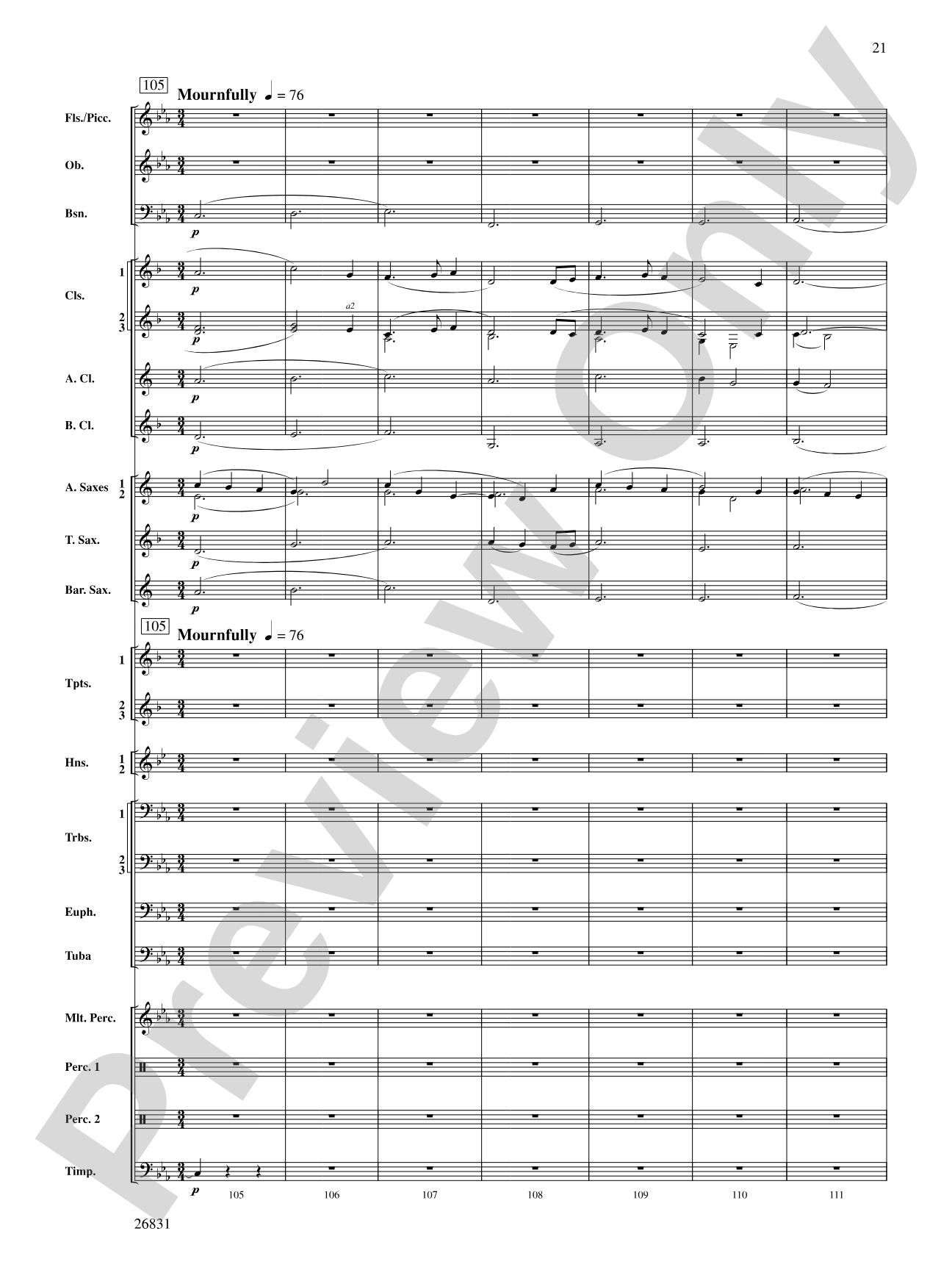
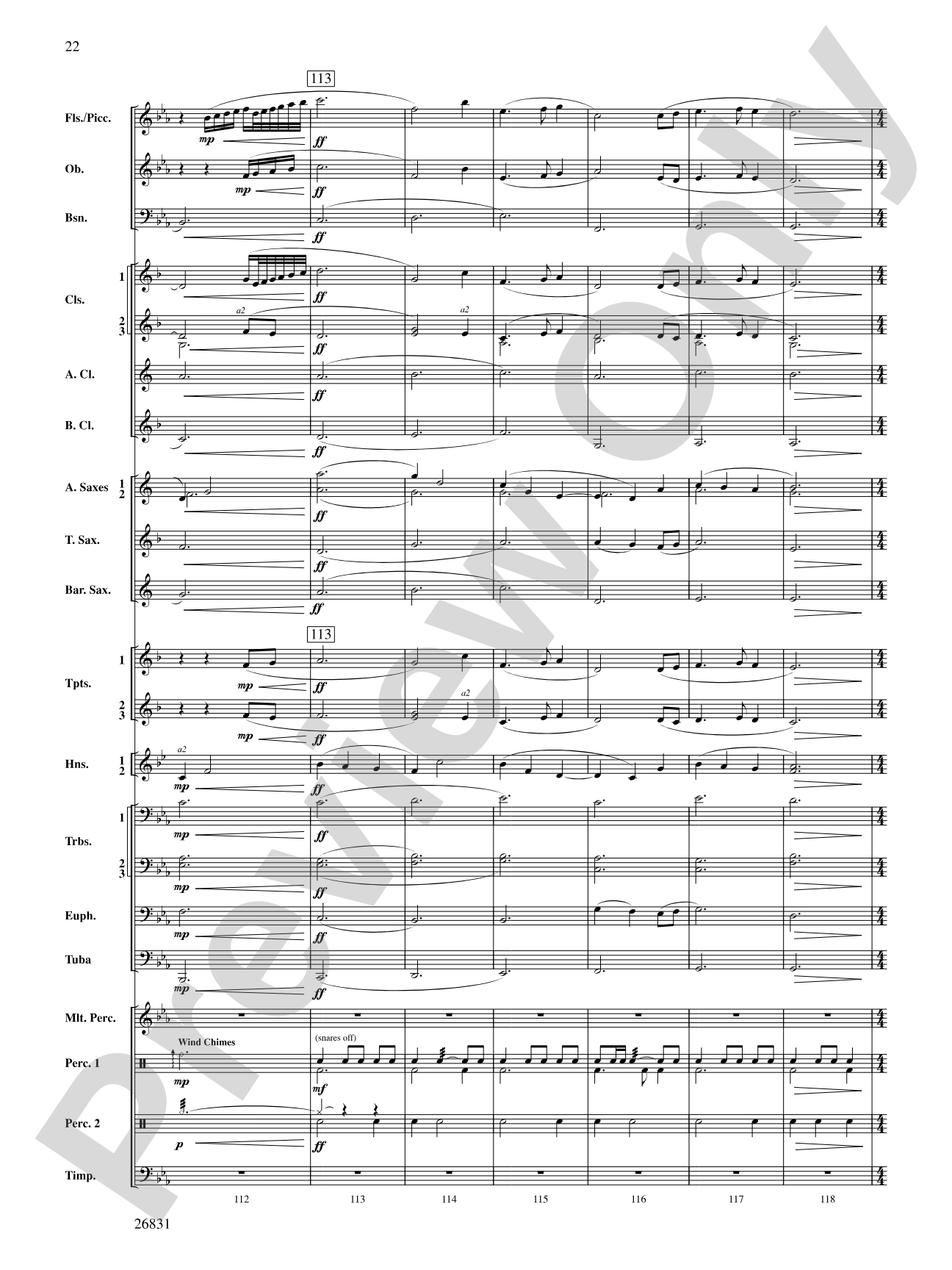
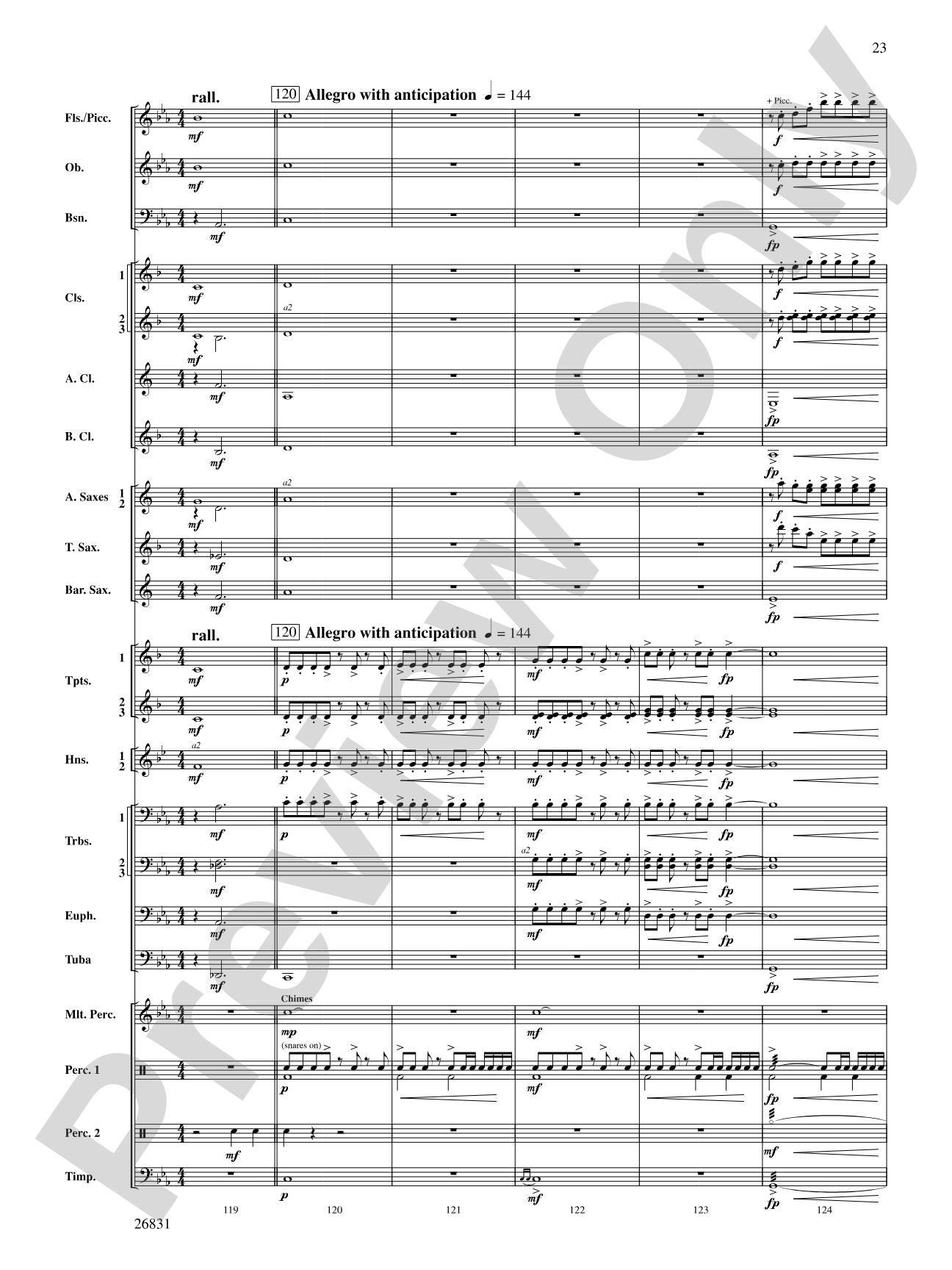
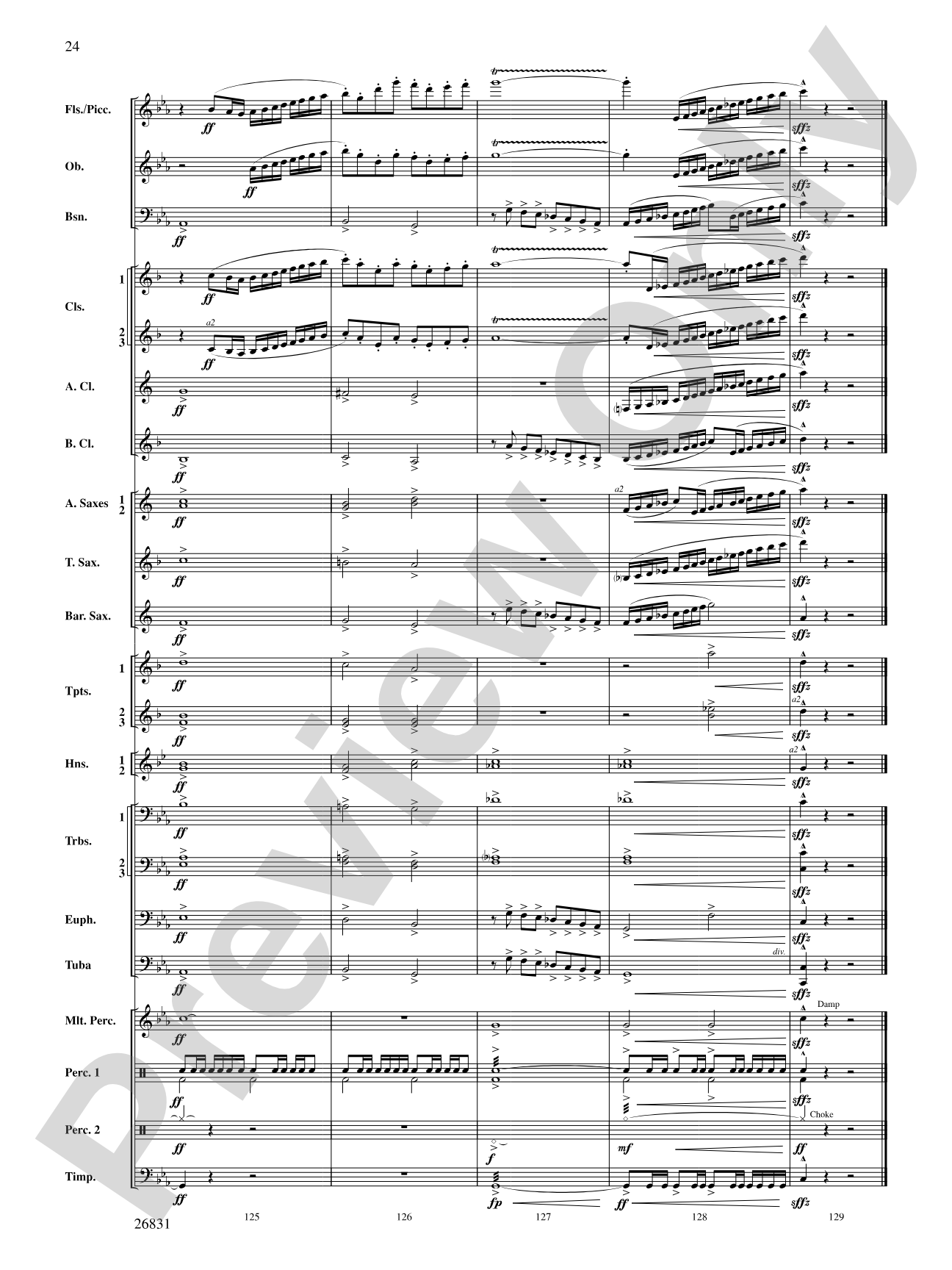

Requiem to a Land Forgotten: Score
By Robert Sheldon
Grade: 3 (Medium)
Item: 00-PR-0001254
$11.00
Pickup currently not available
Description
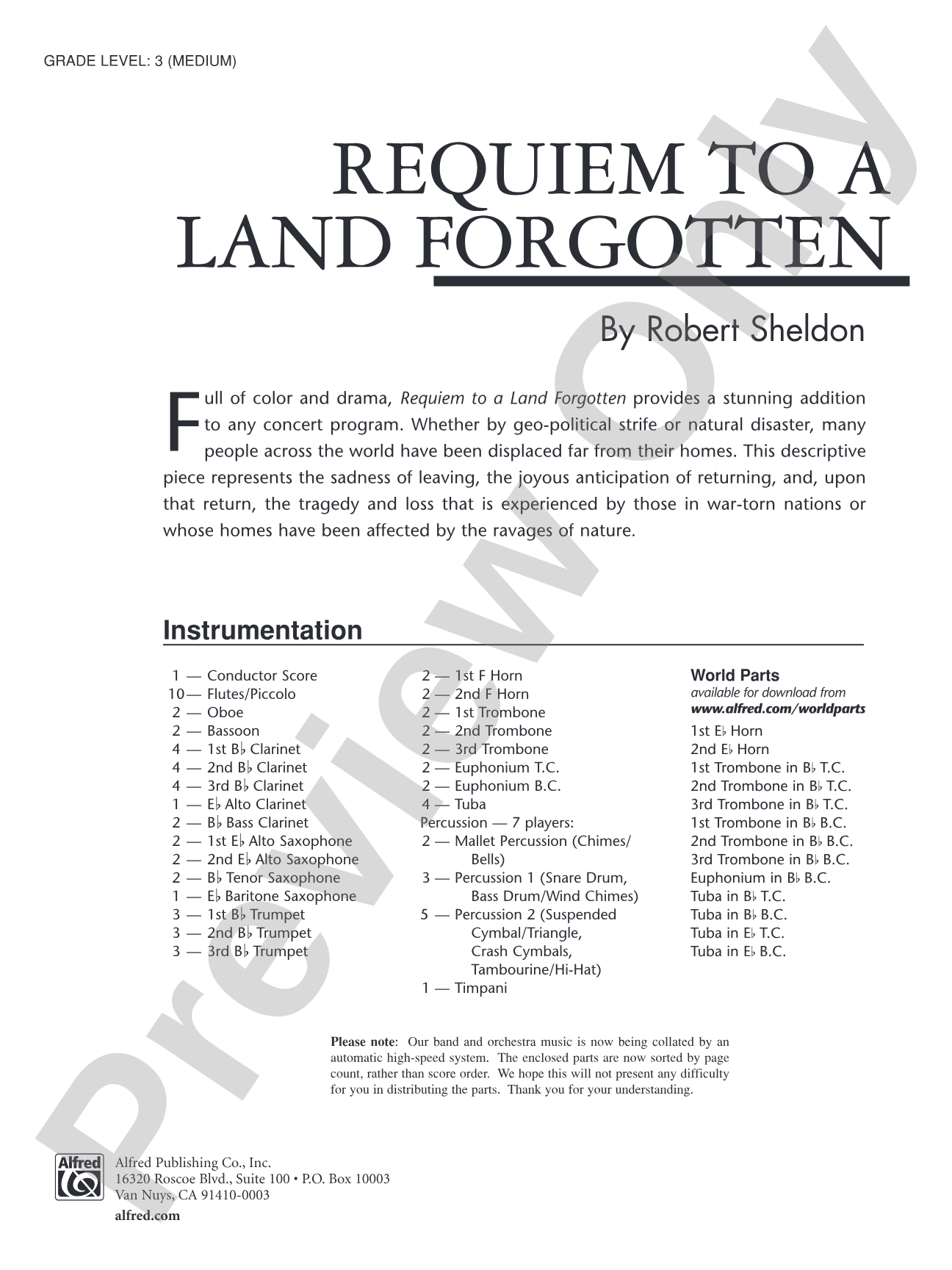
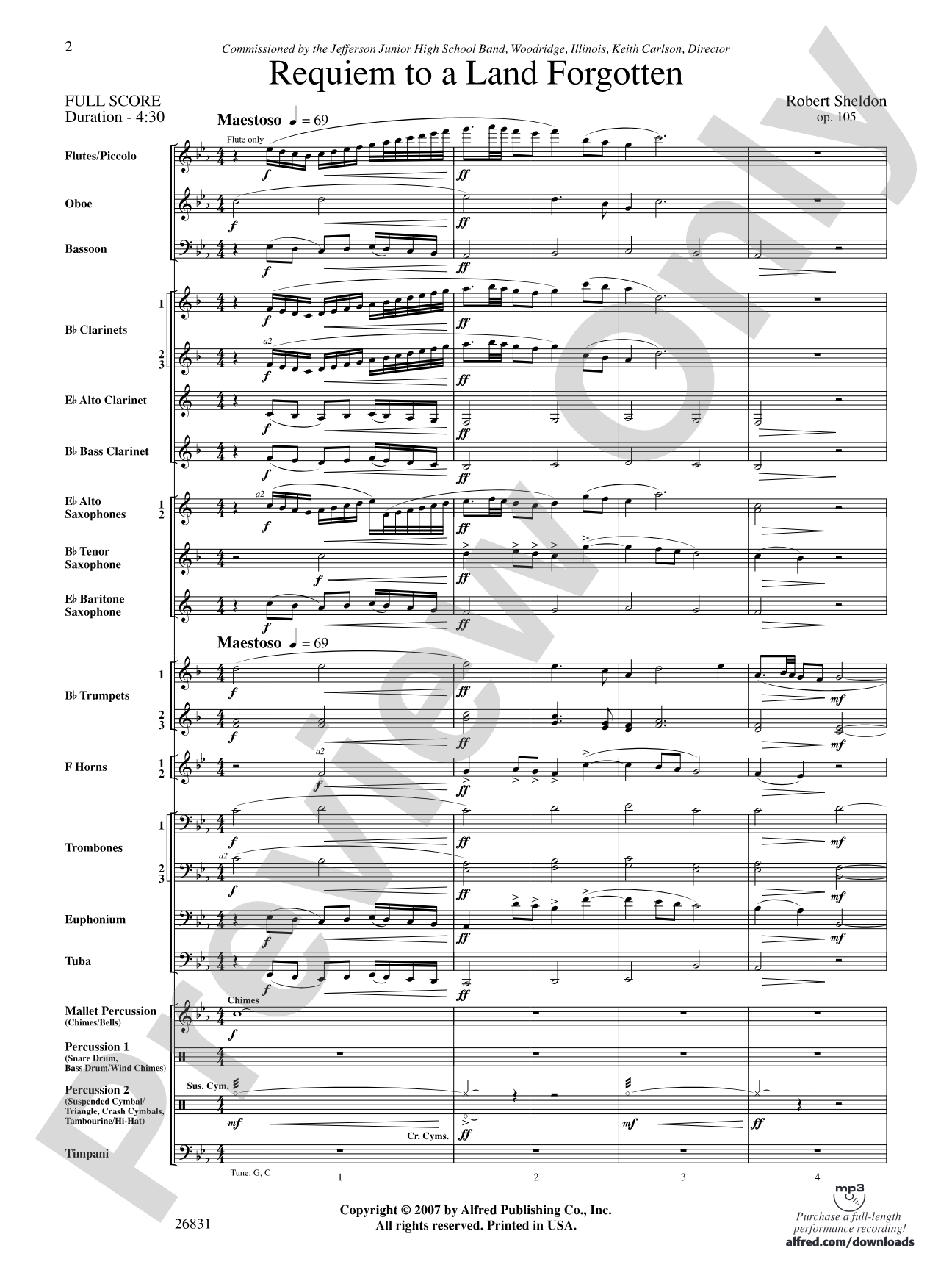
Whether by geo-political strife or natural disaster, many people across the world have been displaced far from their homes. Requiem to a Land Forgotten represents the sadness of leaving, the joyous anticipation of returning, and, upon that return, the tragedy and loss that is experienced by victims of war-torn nations or the ravages of nature. This title is available in MakeMusic Cloud.


Don't just read it, hear it, play along with it, and watch your students grow with it. In MakeMusic Cloud, Requiem to a Land Forgotten: Score comes alive with professional accompaniment, adjustable tempo, and built-in practice tools that turn solo practice into real progress.
Open in the Player
Jump straight in and assign it today.
Start Your Free Trial
Open this title and explore the full library in minutes.
Sample Audio
1
Audio File
--:--
0:00
0:00
Sample Video
No sample videos found.
Additional Details
Series:
Alfred Concert Band
Publisher:
Alfred Music
Page Count:
142
SKU:
00-PR-0001254
More about this title
About the Composer: Robert Sheldon

Robert Sheldon stands among the most frequently performed composers of wind band repertoire, with his works appearing on concert and contest lists worldwide. His compositions have earned recognition from the American School Band Director's Association, Phi Beta Mu, and the American Society of Composers, Authors and Publishers, and his music continues to be performed from Carnegie Hall to the Sydney Opera House across multiple continents.
Beyond composing, Sheldon has shaped music education as lead author of Sound Innovations for Concert Band. He maintains an active schedule as a guest conductor for All-State and Regional Honor Bands, clinician at universities and state conferences, and commission composer. In July 2020, VanderCook College of Music awarded him an honorary doctorate in recognition of his sustained contributions to the field.
Why we love this
Sheldon constructs a narrative arc that Grade 3 bands can actually execute without sacrificing emotional depth. The piece moves beyond programmatic surface-level storytelling to explore genuine human experience: displacement, hope, and the complicated grief of return. Bands will find themselves playing music that matters, not just technical exercises dressed up with a theme.
What to expect
The music unfolds with quiet dignity before opening into passages of yearning. Sections of minor-key melancholy give way to moments of almost fragile hope, creating a soundscape that feels honest about loss while acknowledging resilience.
Who it's for
This work suits concert bands seeking repertoire with genuine emotional substance at a manageable technical level. Directors programming a concert with purpose, rather than simply a collection of pieces, will find Requiem to a Land Forgotten speaks to current realities without descending into triteness.
How to get the most out of it
- Shape the dynamic contours deliberately rather than letting crescendos happen automatically. Each swell toward hope and each retreat into reflection needs conductor intention to land.
- Balance the parts so inner voices carrying thematic material remain audible. A Grade 3 band's natural tendency is to weight the melody heavily; resist that instinct.
- Allow the ensemble adequate rehearsal time on transitions between sections. Sheldon's pacing shifts create opportunities for ensemble cohesion to break down if not carefully prepared.
- Address intonation in the slower, exposed passages first. Wind bands often struggle with pitch control when the texture thins out; lock these moments early.
How to use it
Position this near the concert's emotional center, where it can anchor a program around a coherent theme. Consider pairing it with other works exploring displacement, cultural identity, or human resilience to create a concert with narrative weight rather than musical miscellany.
Skills your students will build
- Sustained phrasing across longer melodic lines without phrase-breaking breaths
- Balancing multiple voice parts so thematic material carries through the texture
- Executing dynamic transitions that serve emotional storytelling, not just technical change
- Intonation control in exposed passages with reduced harmonic support
- Tempo flexibility and rubato in response to emotional content
- Sectional independence within a cohesive ensemble sound