
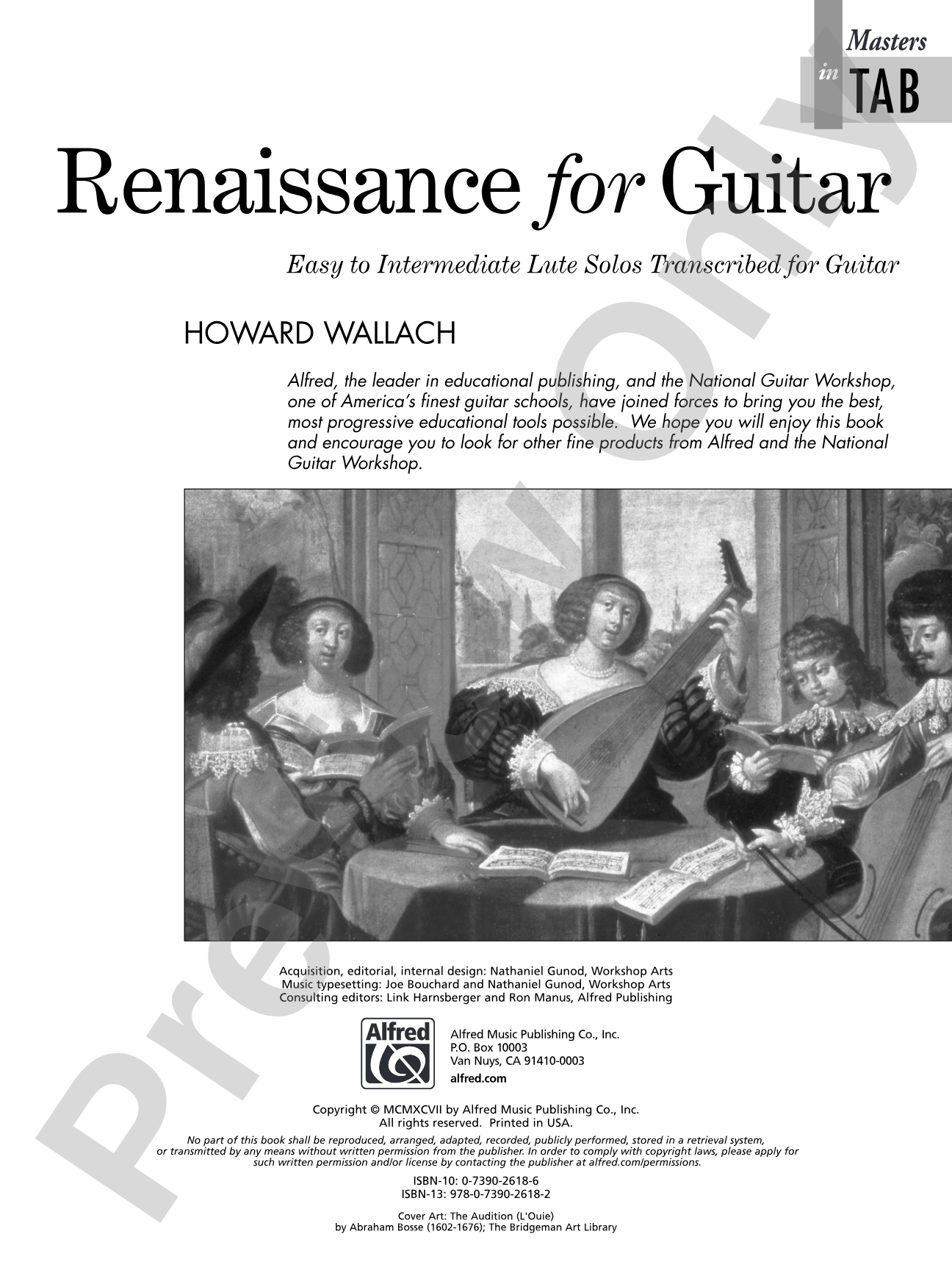

Renaissance for Guitar: Masters in TAB: Easy to Intermediate Lute Solos Transcribed for Guitar: Solo Guitar
Easy to Intermediate Lute Solos Transcribed for Guitar
By Howard Wallach
Item: 00-PB-0002101
$10.99
Pickup currently not available
Related Items
Renaissance for Guitar: Masters in TAB: Guitar Book |
$10.99
|
View |
Description
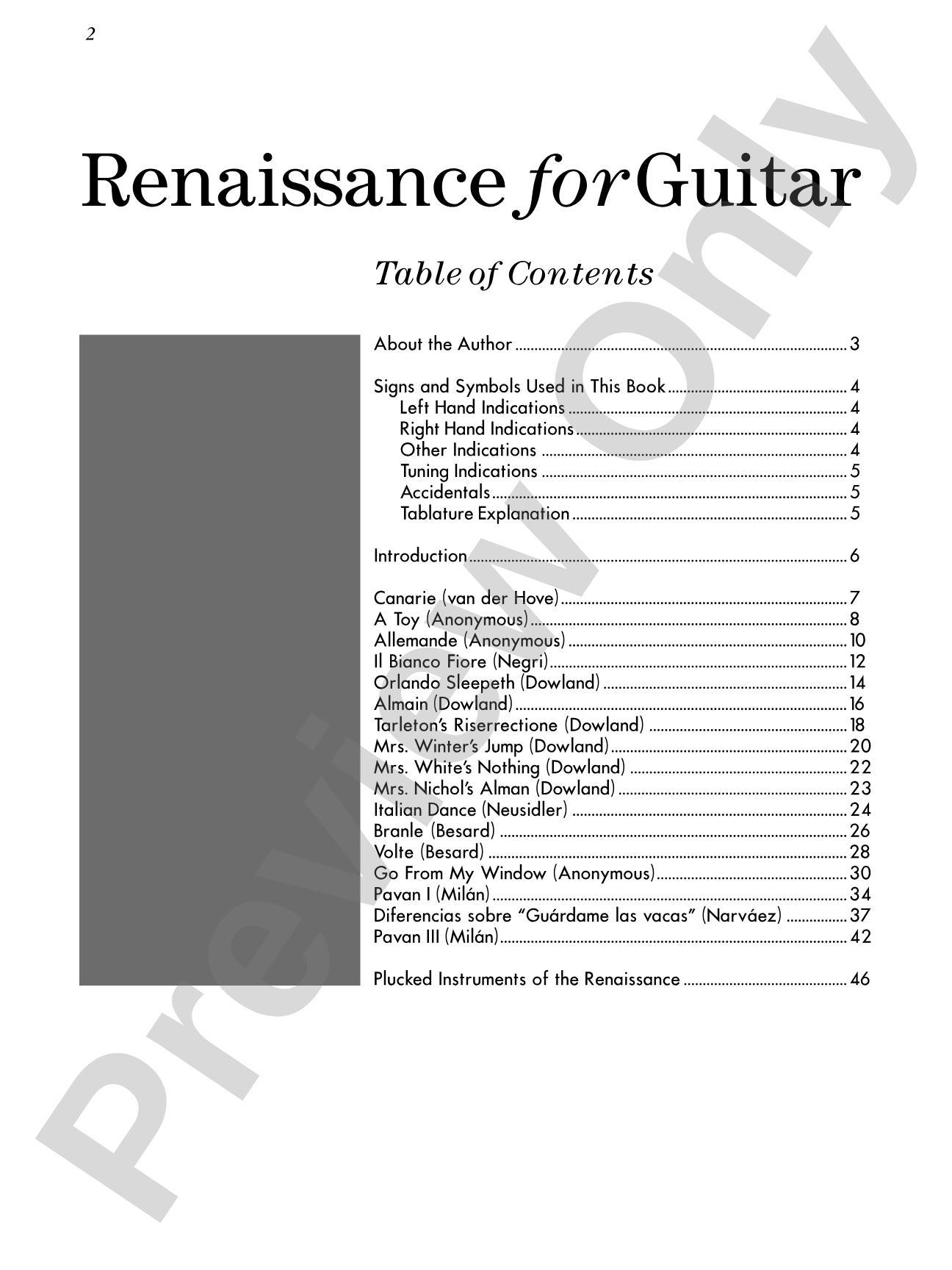
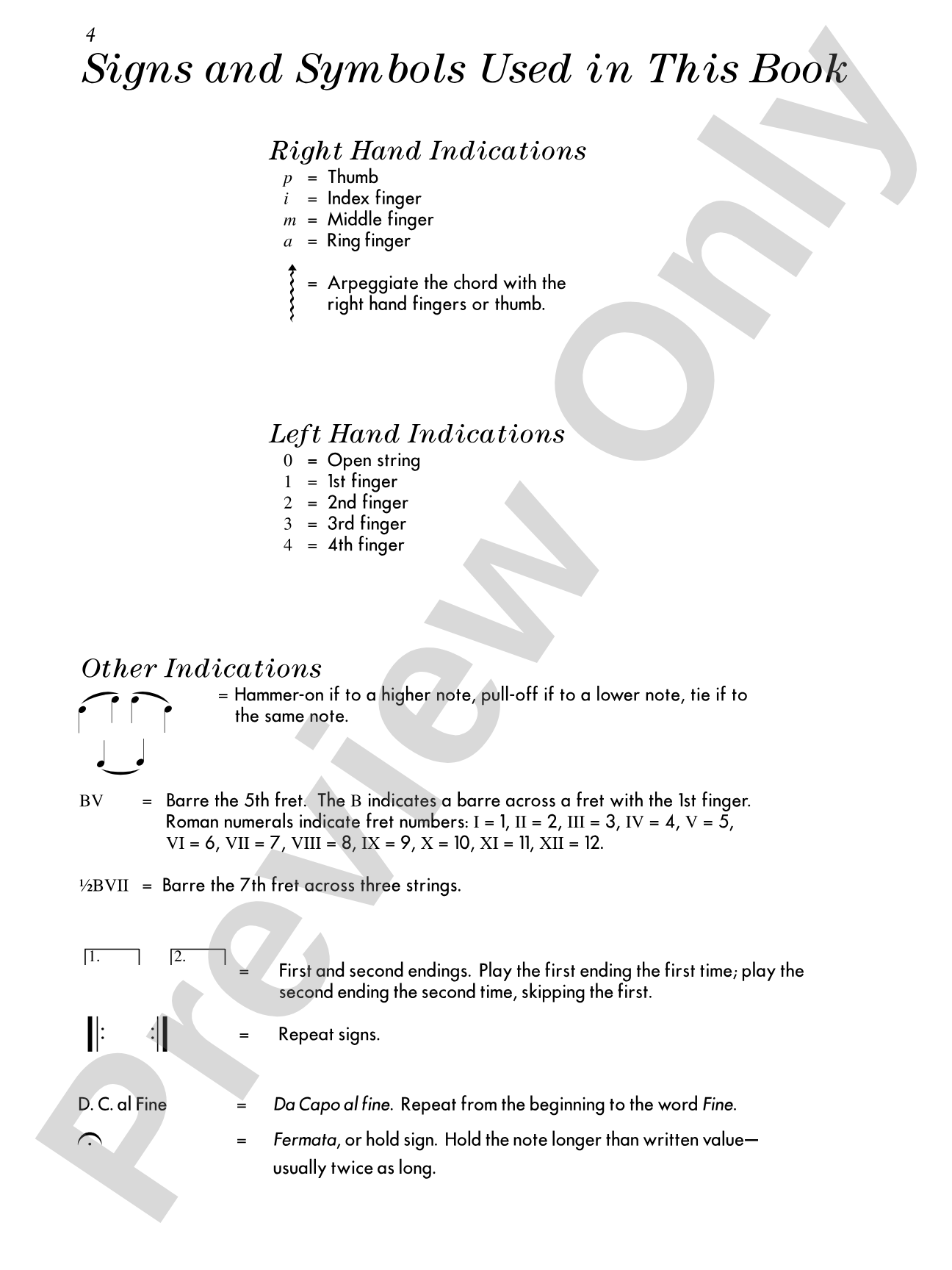
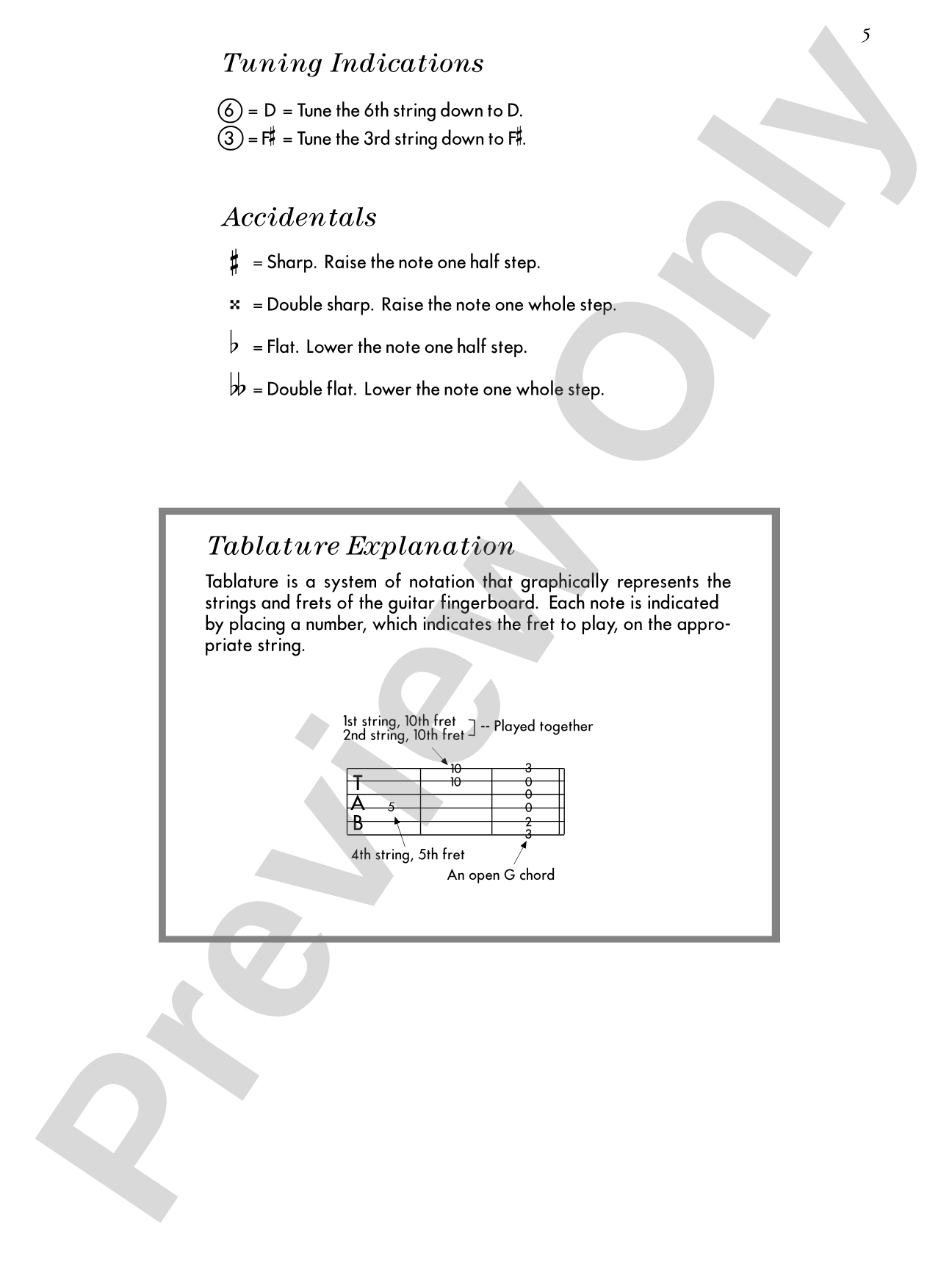
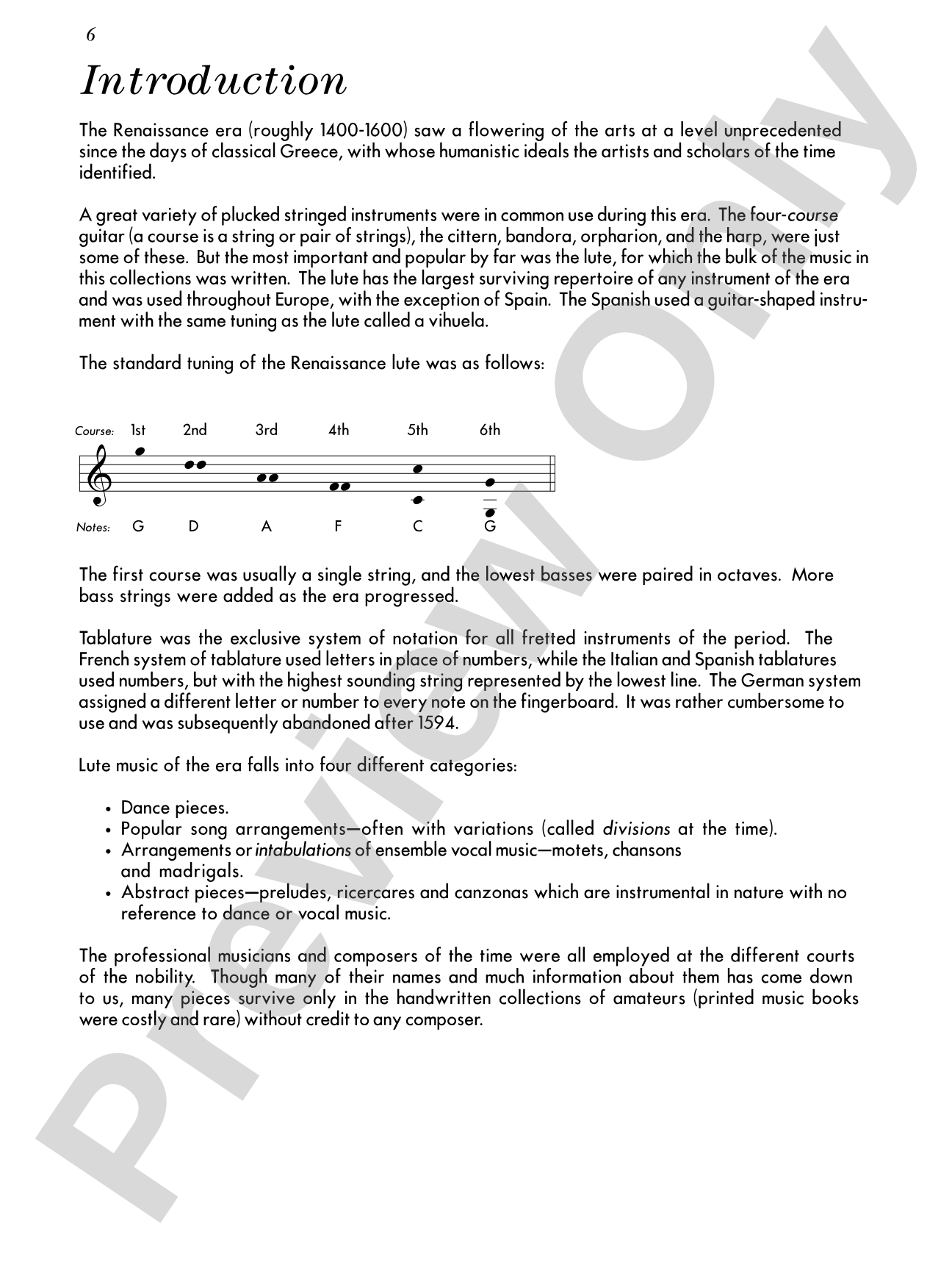
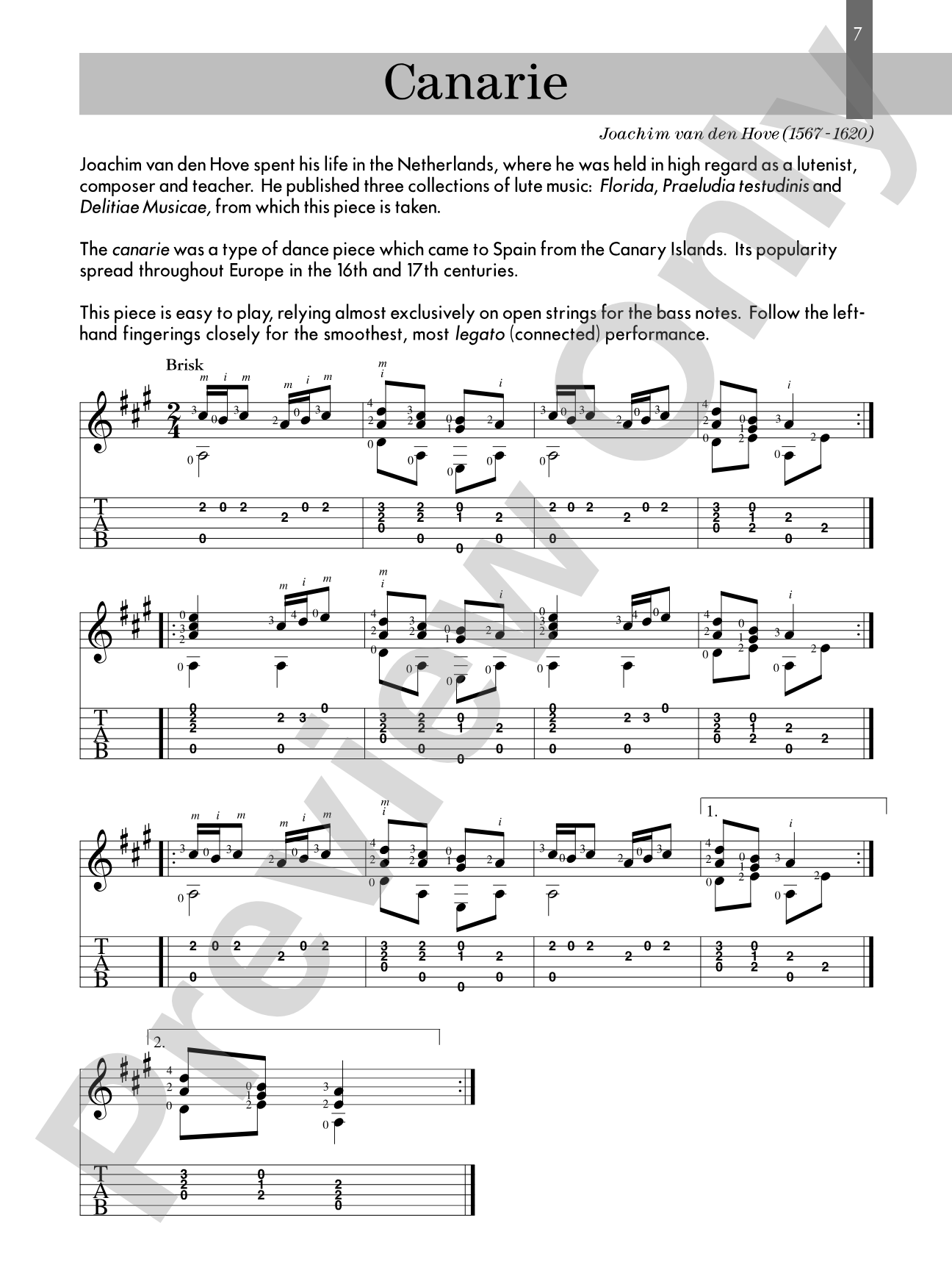
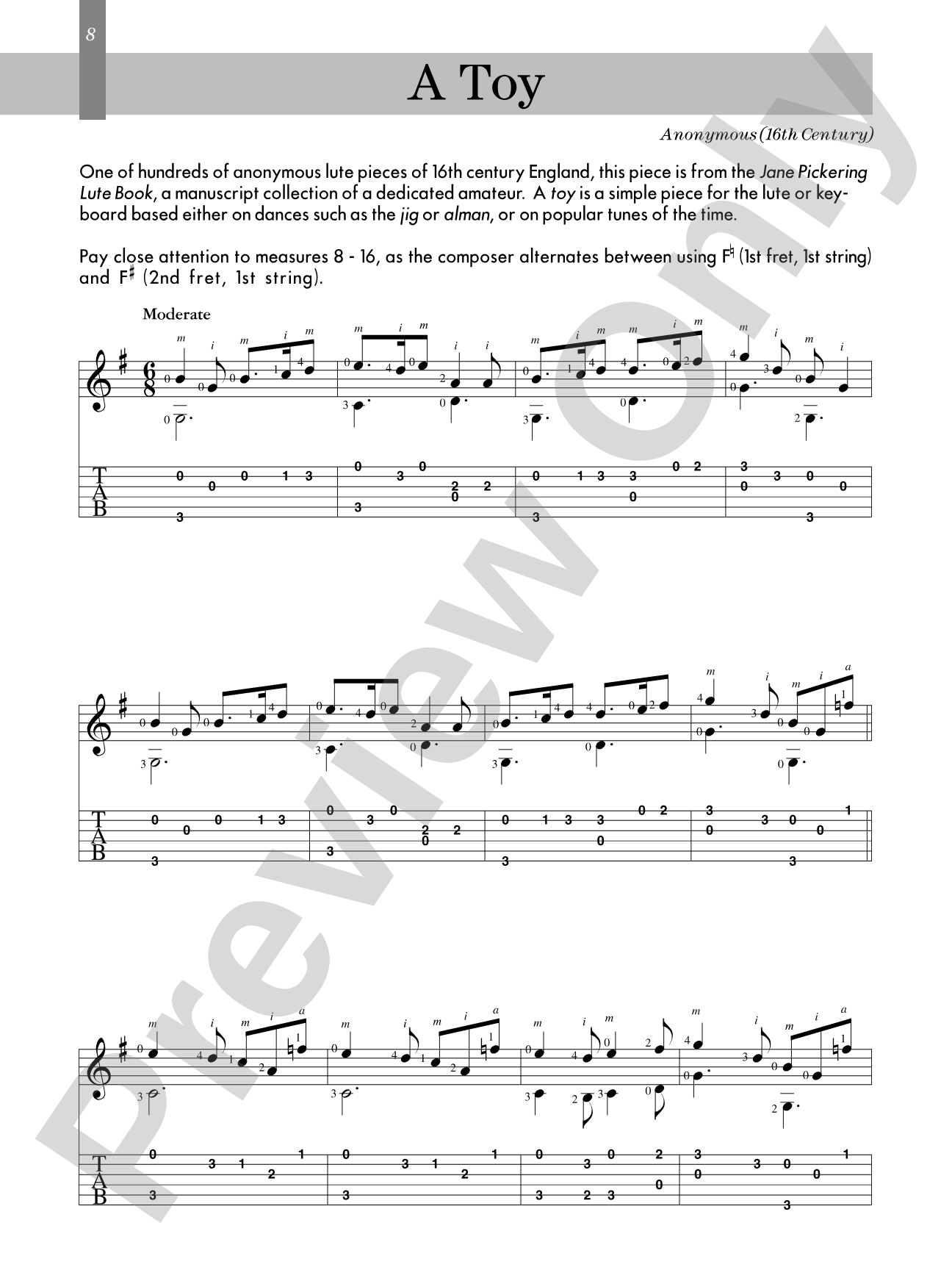
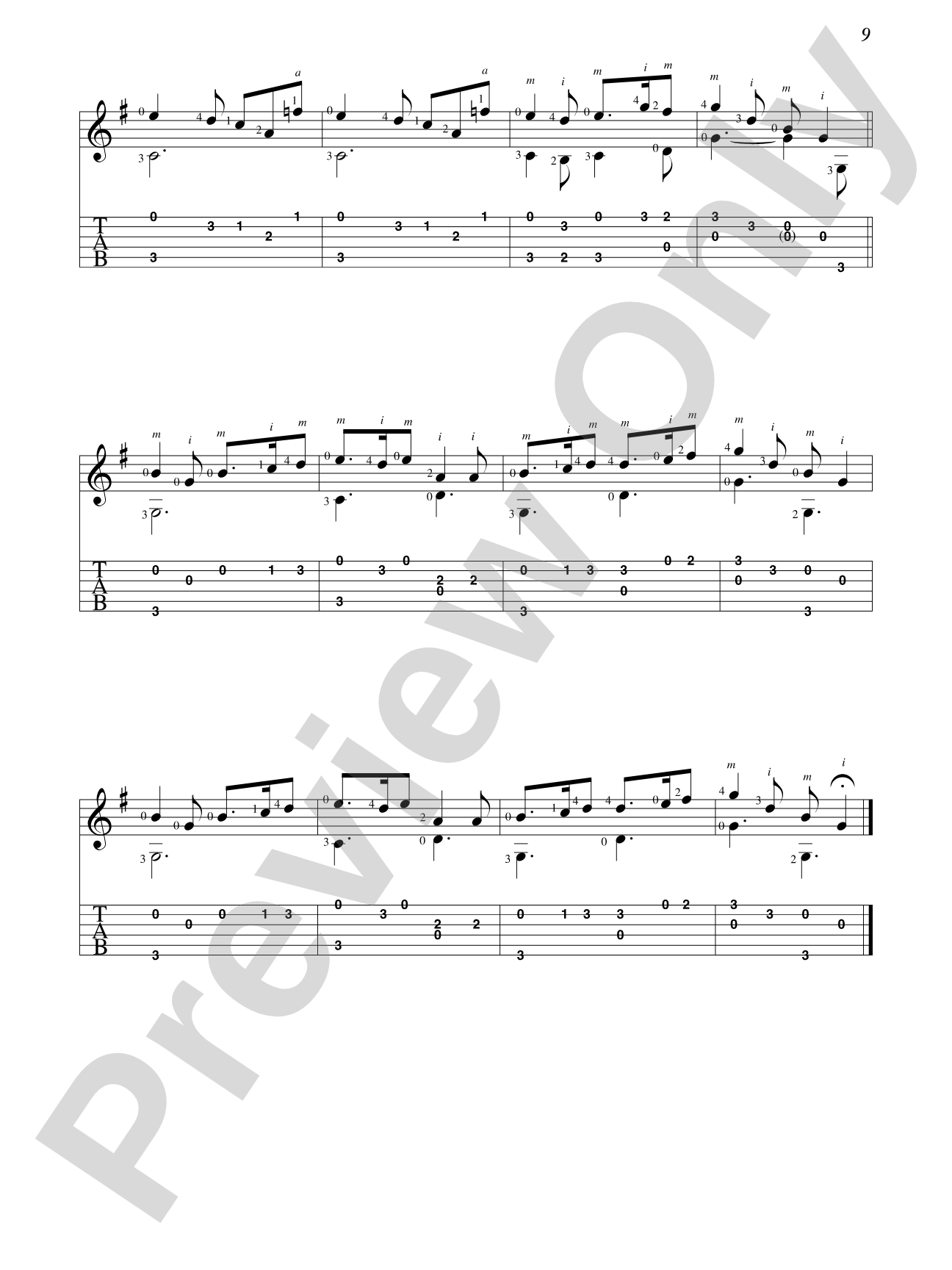
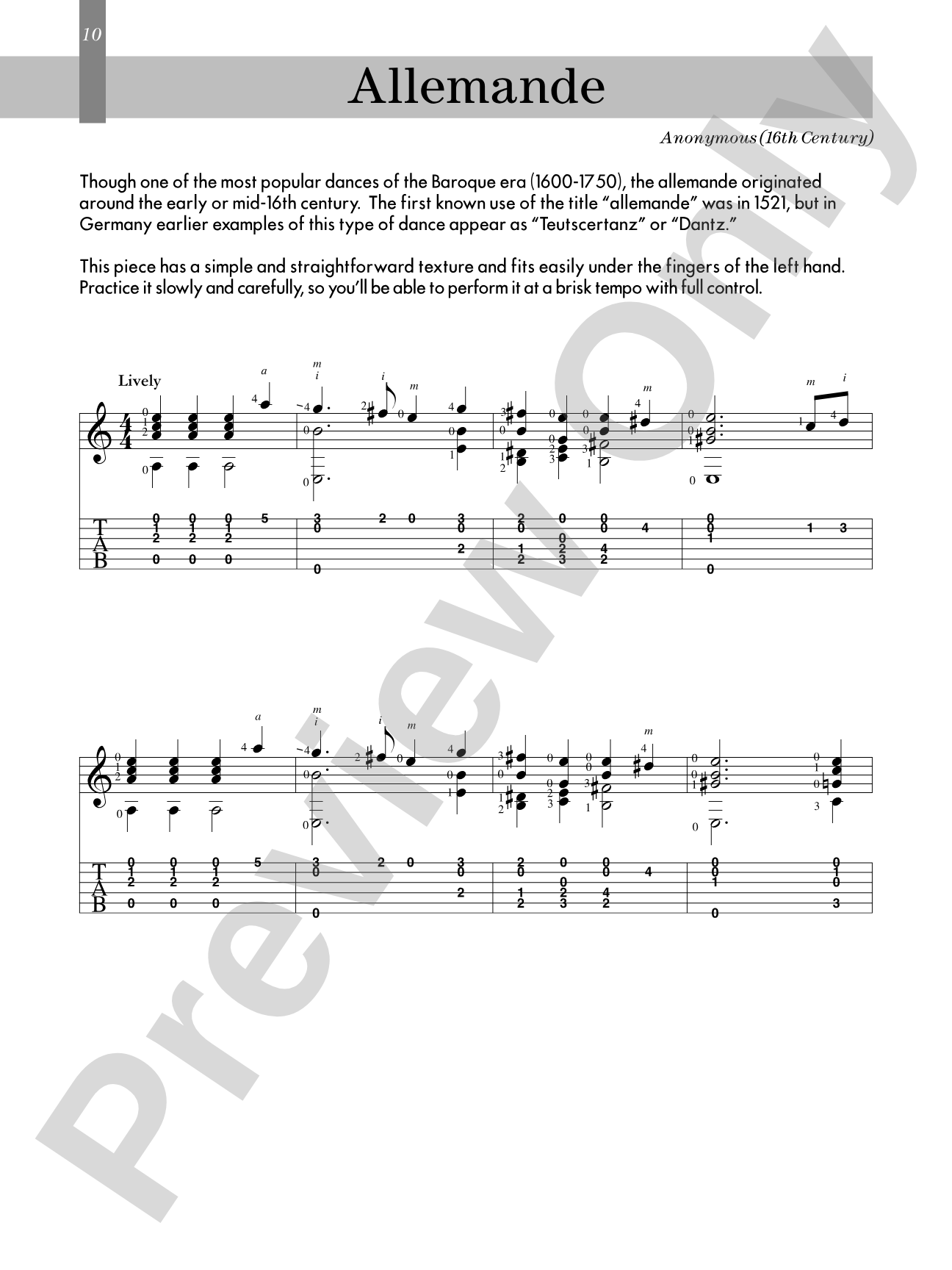
Contains a variety of solos originally written for the Renaissance lute and vihuela. All of these beautiful transcriptions are based on the original tablature. The pieces range in difficulty to provide appropriate challenges for players of both modest and advanced levels. Historical information and performance instructions accompany each piece, and helpful fingering suggestions are also included. Each piece is written in both standard classical guitar notation and modern TAB.


Renaissance for Guitar: Masters in TAB: Easy to Intermediate Lute Solos Transcribed for Guitar: Solo Guitar isn't in MakeMusic Cloud just yet...but it could be. Let us know you'd like to see it, and you'll help shape what comes next. In the meantime, start a free trial and dive into thousands of interactive titles your students can play along with today.
Request This Title
Tell us you want it.
Start Your Free Trial
Explore everything that's ready to play right now.
Sample Audio
No sample audio found.
Sample Video
No sample videos found.
Additional Details
Publisher:
Alfred Music
Page Count:
48
SKU:
00-PB-0002101
More about this title
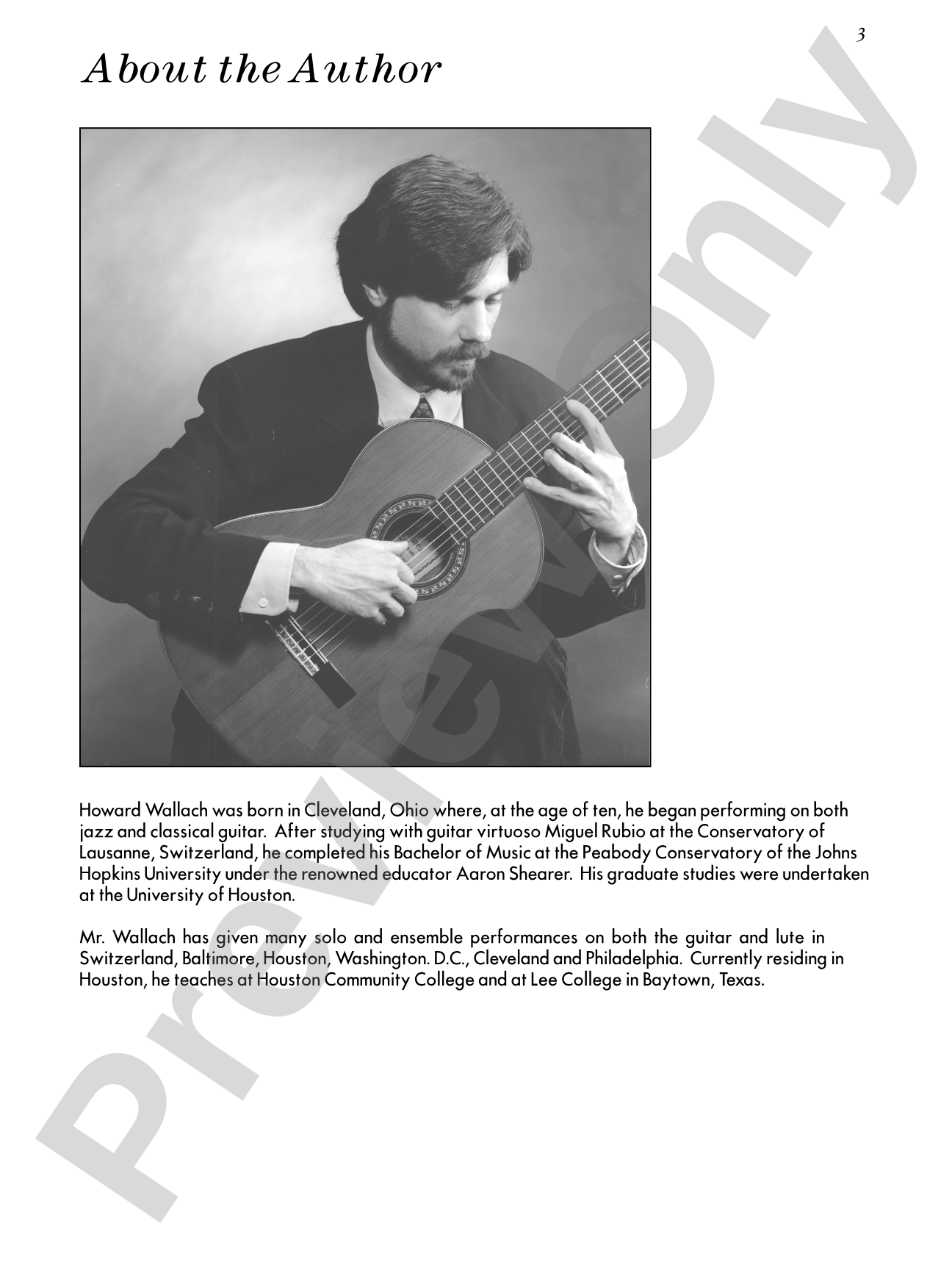
About the Composer: Howard Wallach
Howard Wallach brings a scholar's precision and a performer's sensibility to the world of Renaissance guitar music. His work transcribing lute and vihuela repertoire reflects deep research into historical sources and a commitment to making these works accessible to modern players without sacrificing their musical integrity.
Why we love this
Wallach has done the hard work of research and transcription so your students don't have to. The dual notation (standard and TAB) removes a common barrier for guitarists transitioning into classical repertoire, while the historical context transforms these pieces from abstract exercises into windows onto a specific musical world. You'll find genuine pedagogical progression across the collection, making it genuinely useful for mixed-level studio or ensemble settings.
What to expect
These transcriptions carry an intimate, conversational quality that feels direct across the centuries. You'll encounter moments of delicate counterpoint and surprising harmonic turns alongside straightforward dance forms, all wrapped in the warm, resonant quality that makes Renaissance music feel both distant and deeply human.
Who it's for
Classical guitarists working at the easy to intermediate level who want to move beyond method book exercises into genuine period repertoire. Teachers seeking to build their students' historical awareness and sight-reading of TAB without requiring fluency in early music notation systems.
How to get the most out of it
- Attend to the historical performance notes included with each piece; they often clarify articulation and phrasing conventions that differ from Baroque music that follows.
- Allow the fingerings suggested in the score to guide your right hand approach, but don't treat them as immutable. Test alternatives that promote consistent tone production across position changes.
- Shape phrases around the natural decay of the plucked string rather than fighting it. This repertoire rewards patient, deliberate note placement over speed.
- Listen to lute recordings of these same pieces when available. Hearing the original sonorities will inform your interpretation of the guitar version.
How to use it
Build a recital around a handful of these pieces paired with later guitar works to show the instrument's long tradition. Several selections work beautifully in a classical guitar showcase or as opening numbers that establish an elegant, unhurried tone for the evening.
Skills your students will build
- Reading both standard notation and tablature simultaneously
- Understanding Renaissance harmonic language and phrasing conventions
- Executing clean position shifts on the classical guitar
- Interpreting historical performance markings and ornamentation
- Building independence in fingerstyle playing across varied textures
- Developing tone control in slower, contemplative passages