
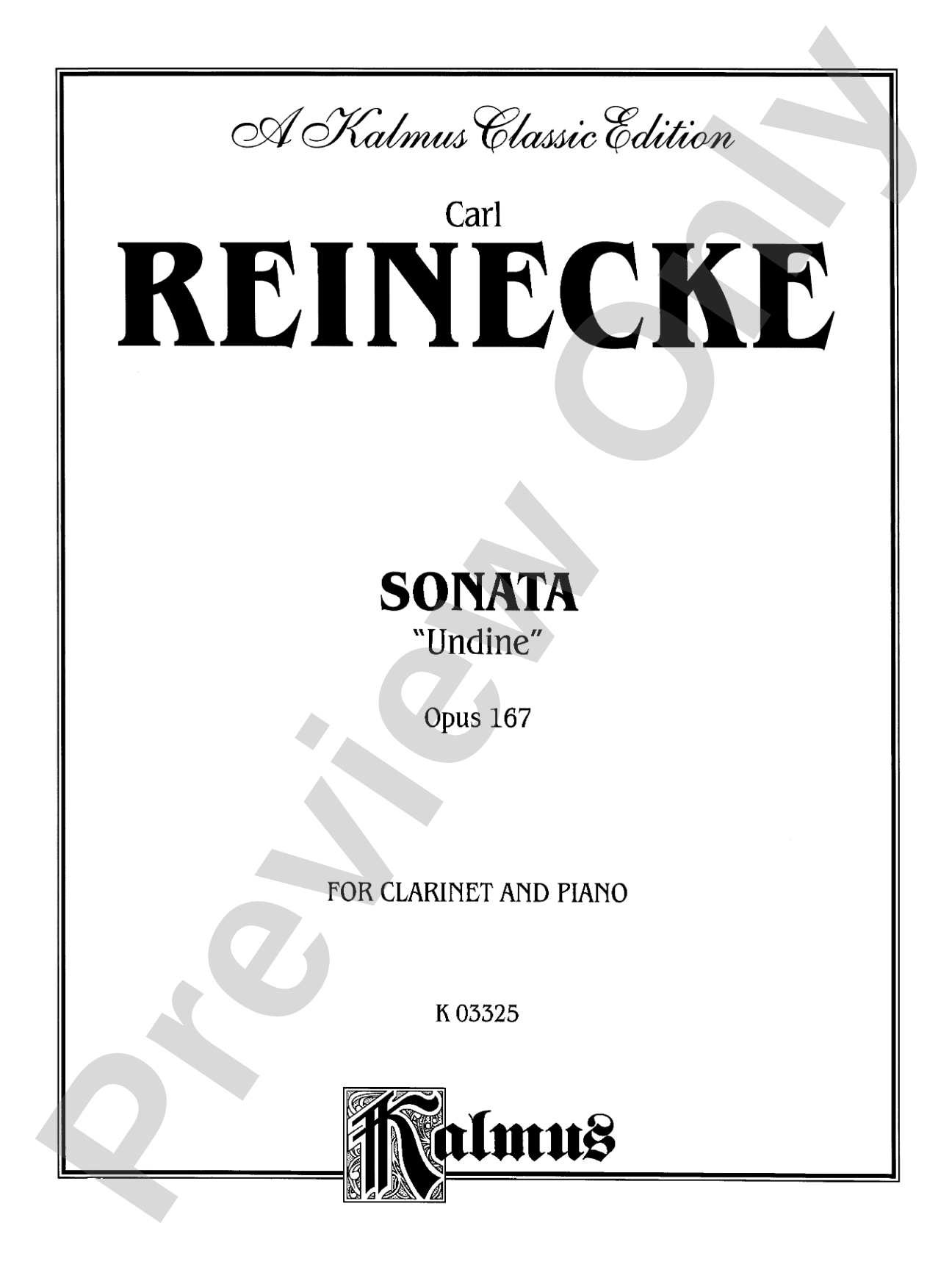
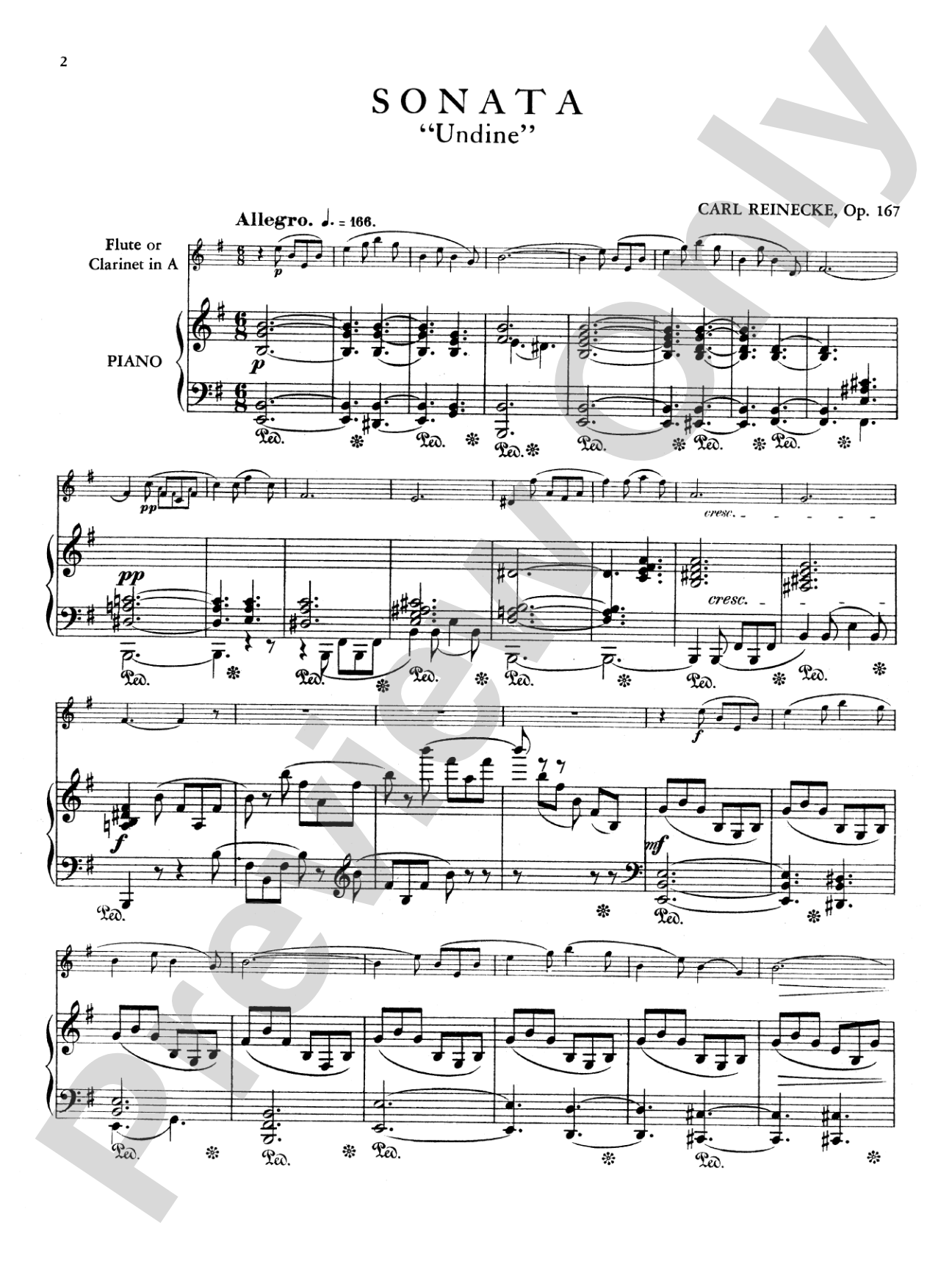
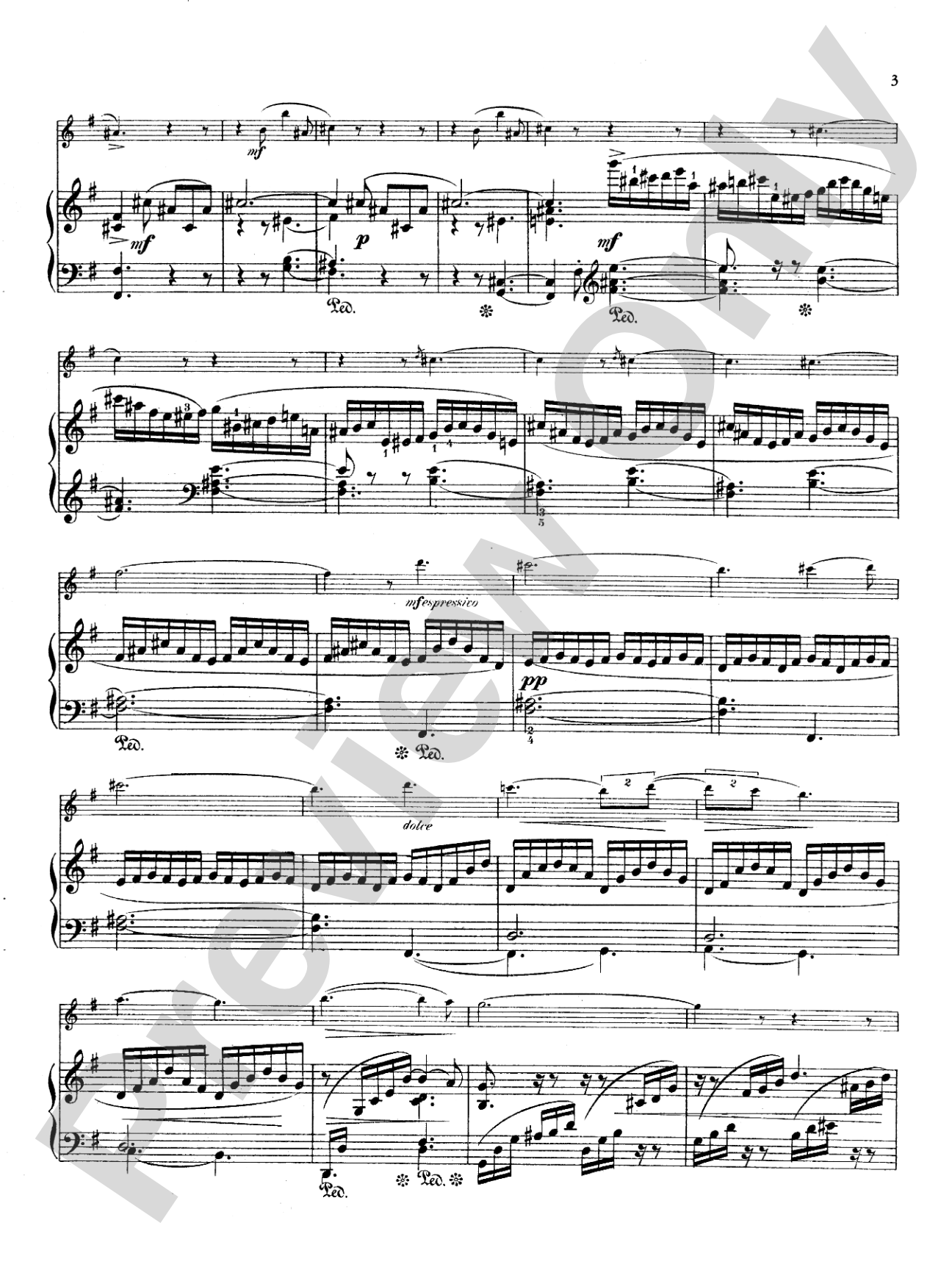
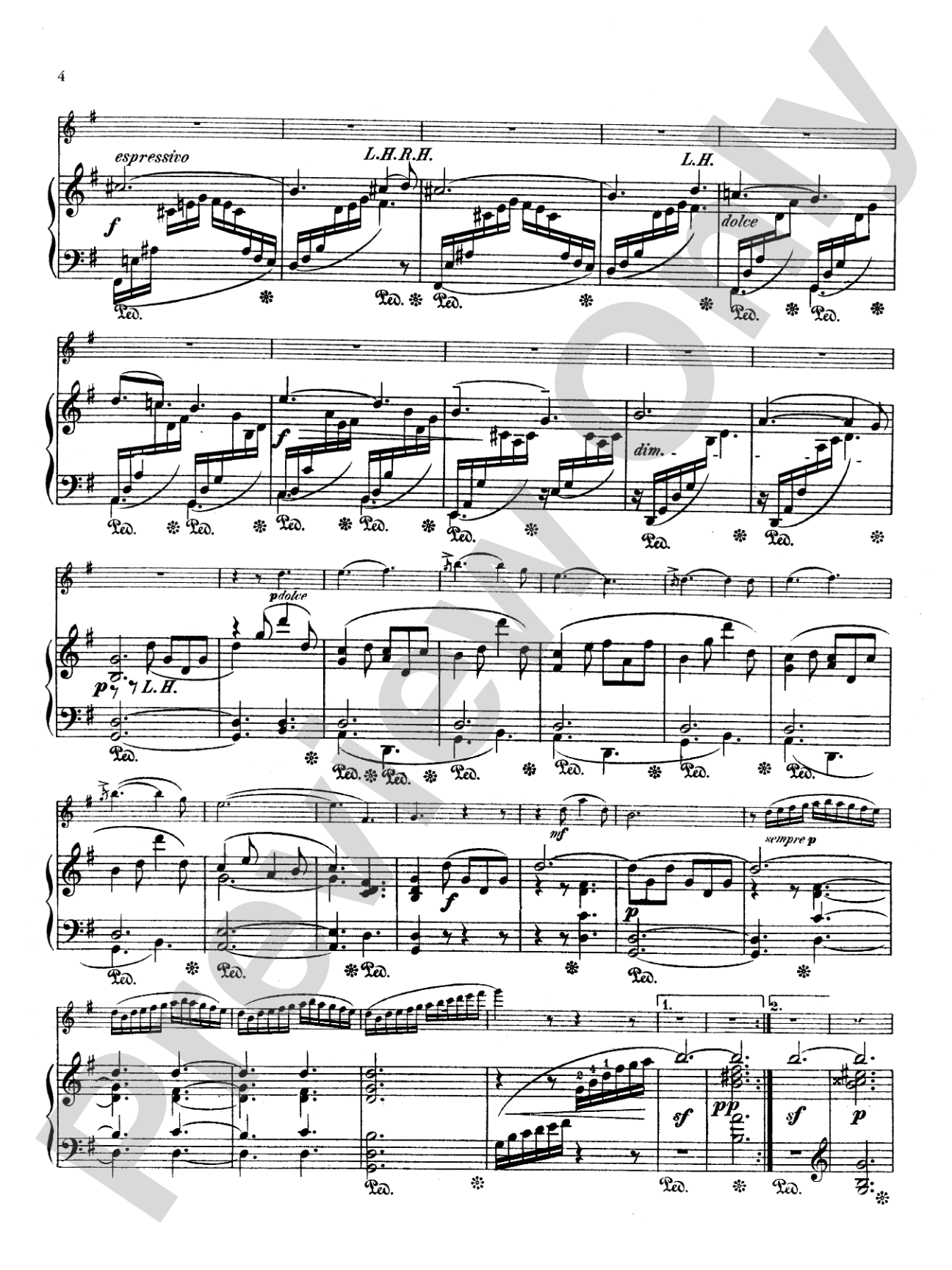
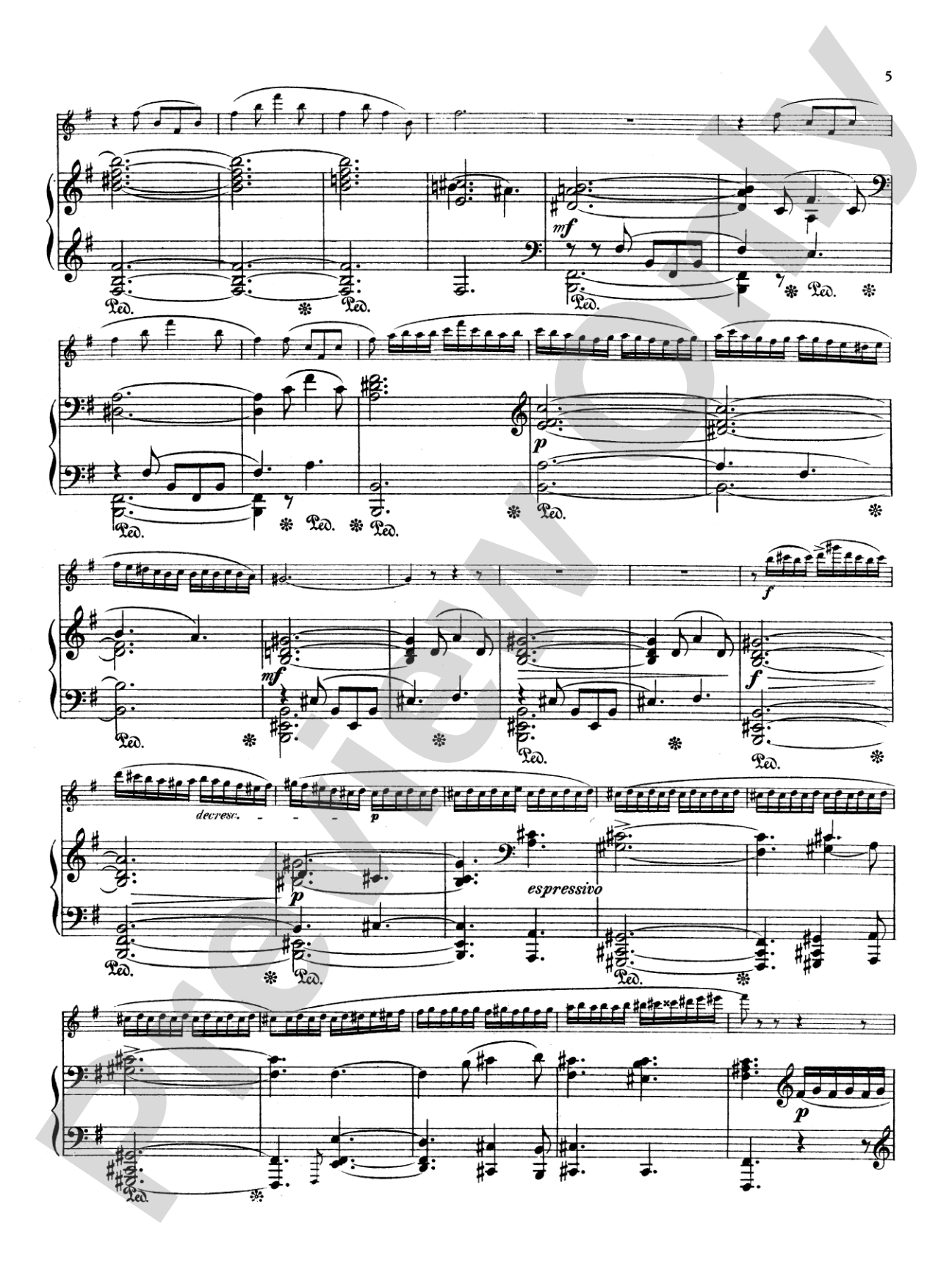
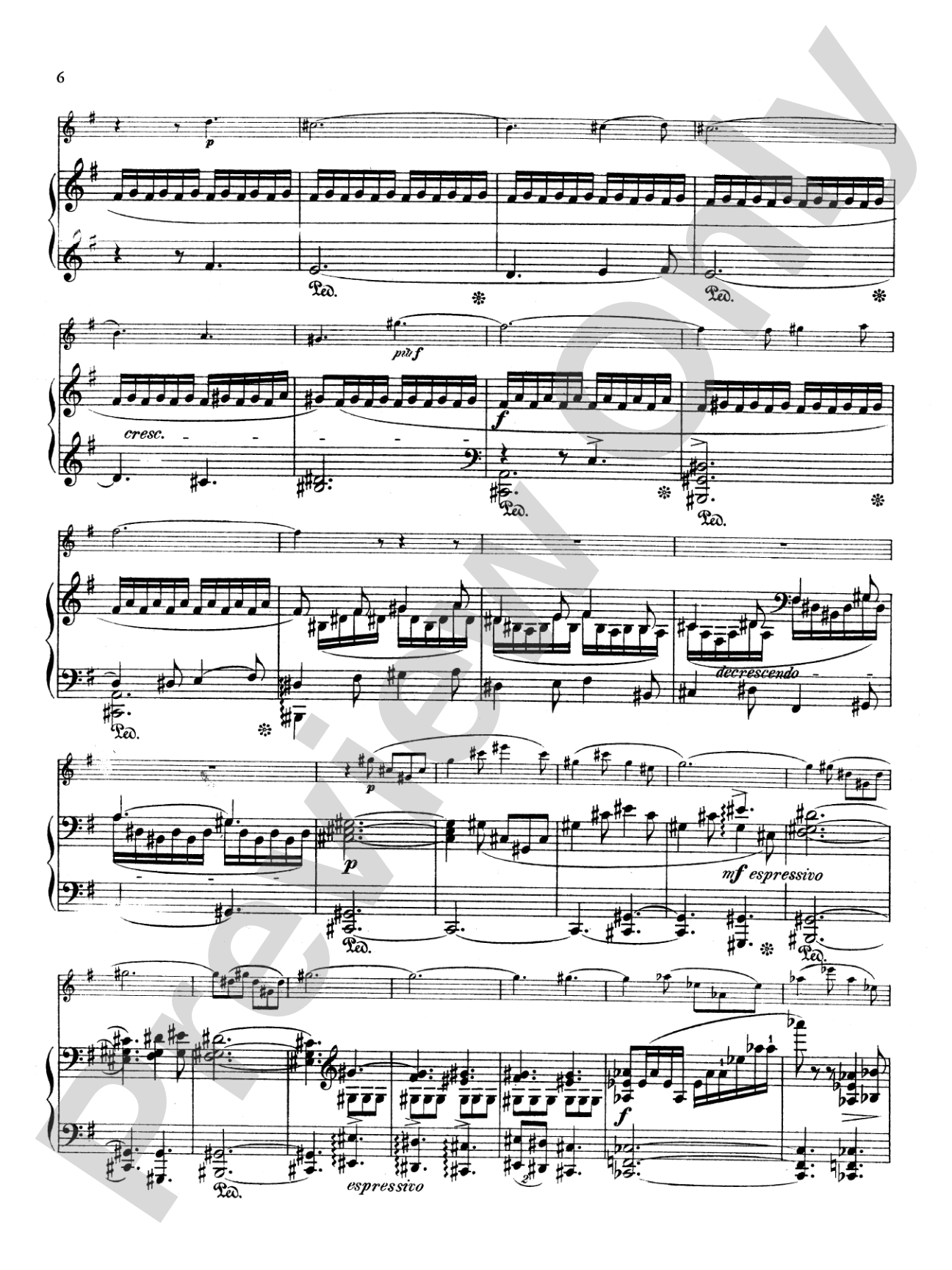
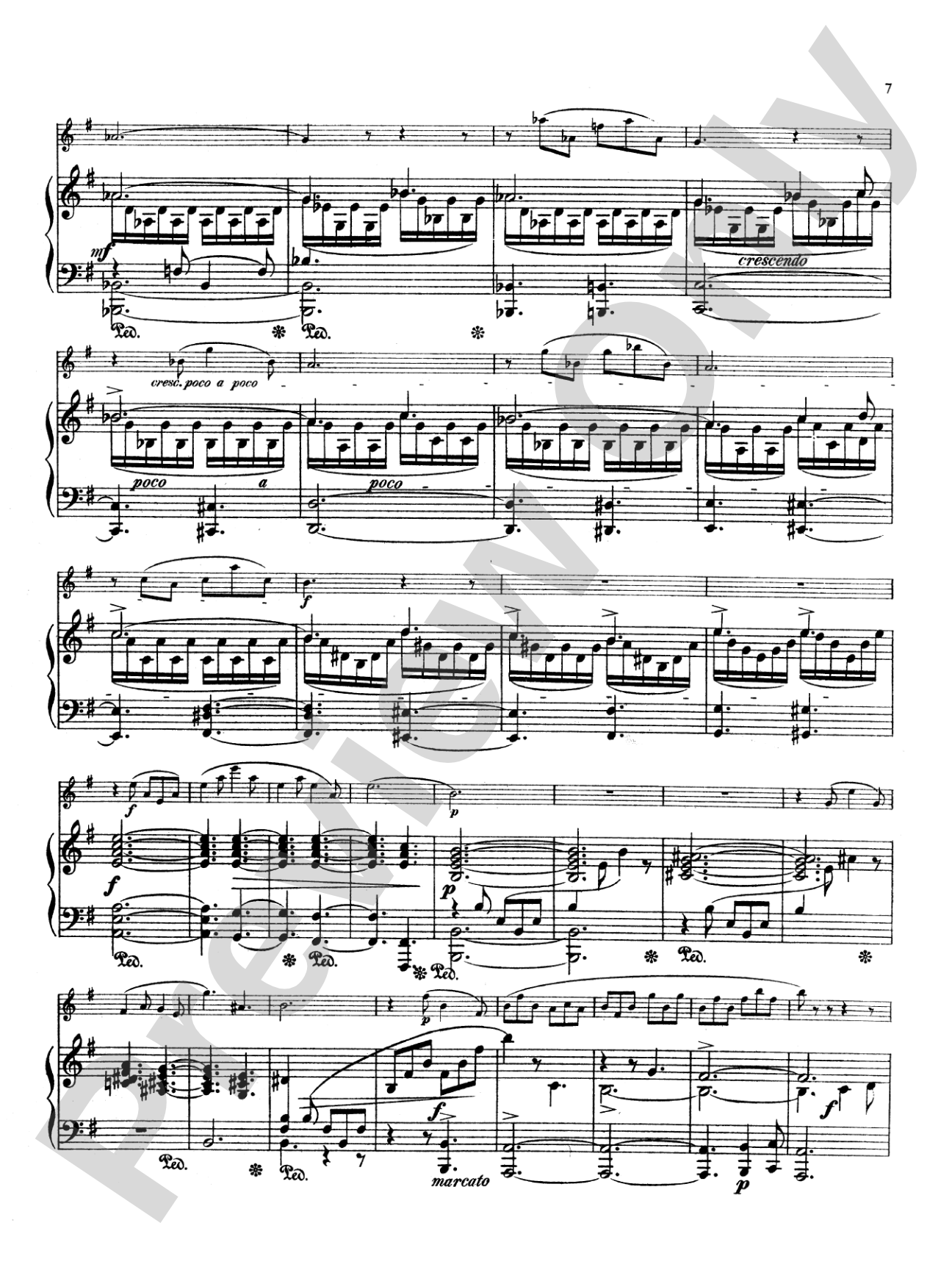
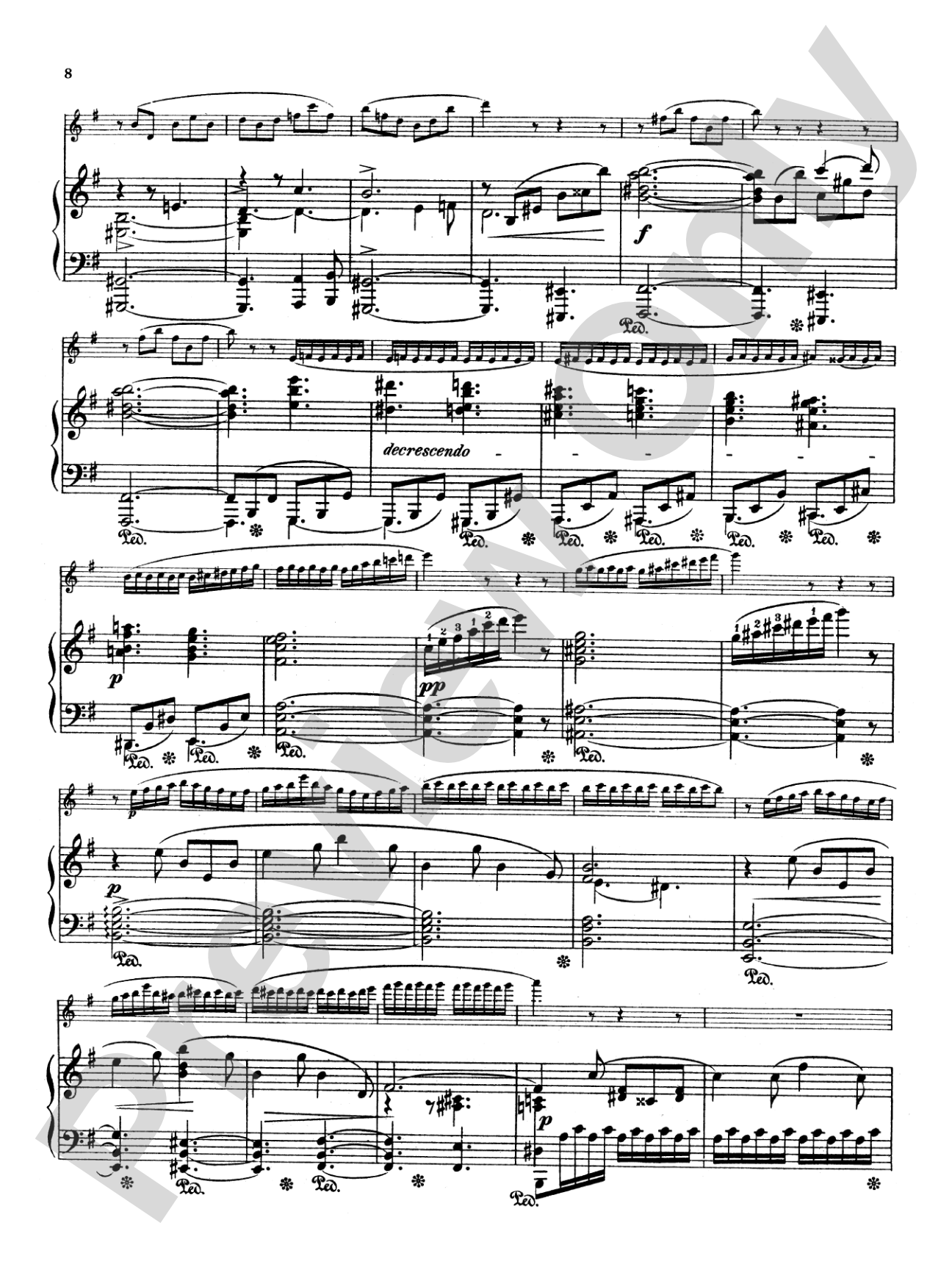
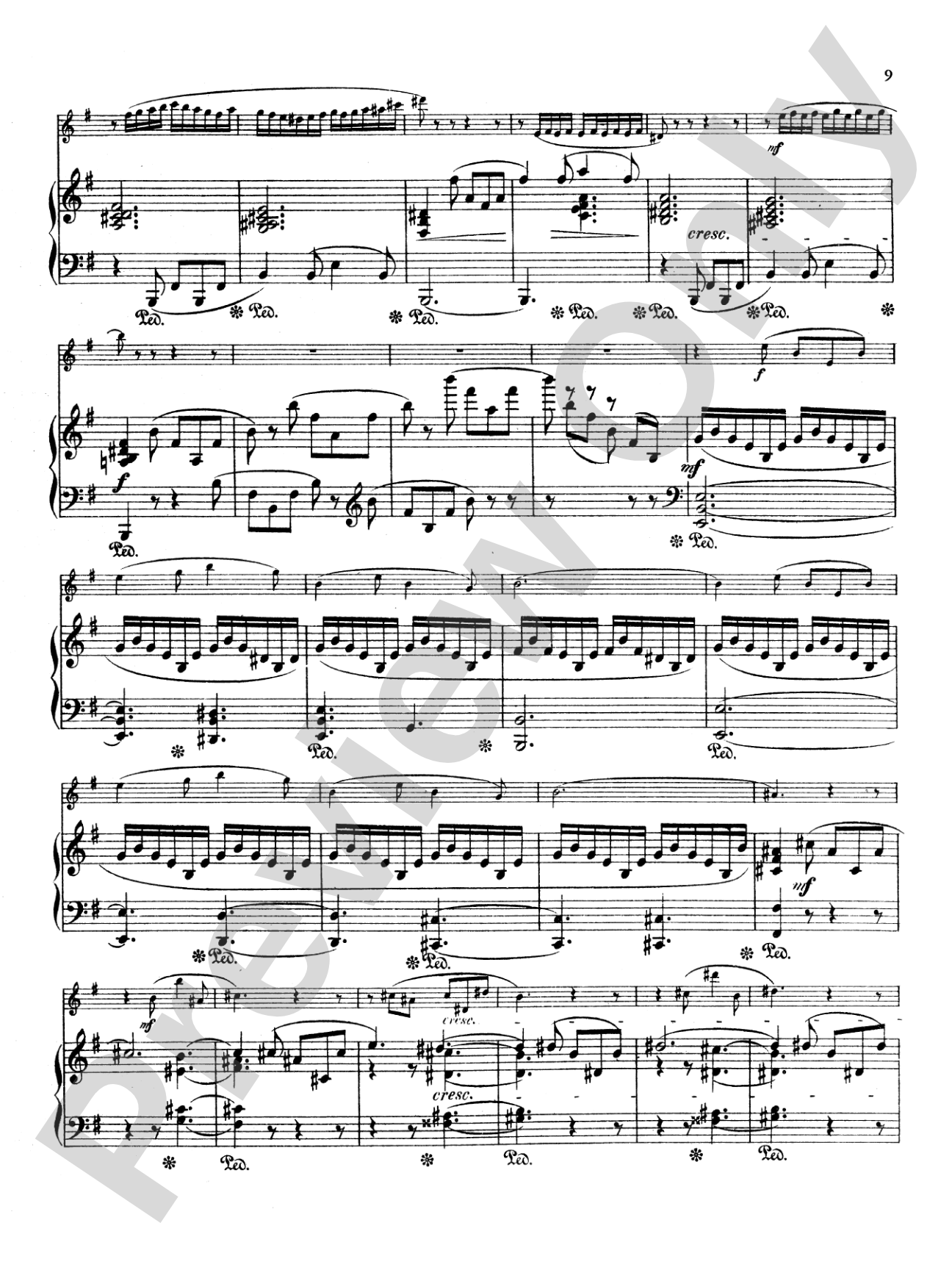
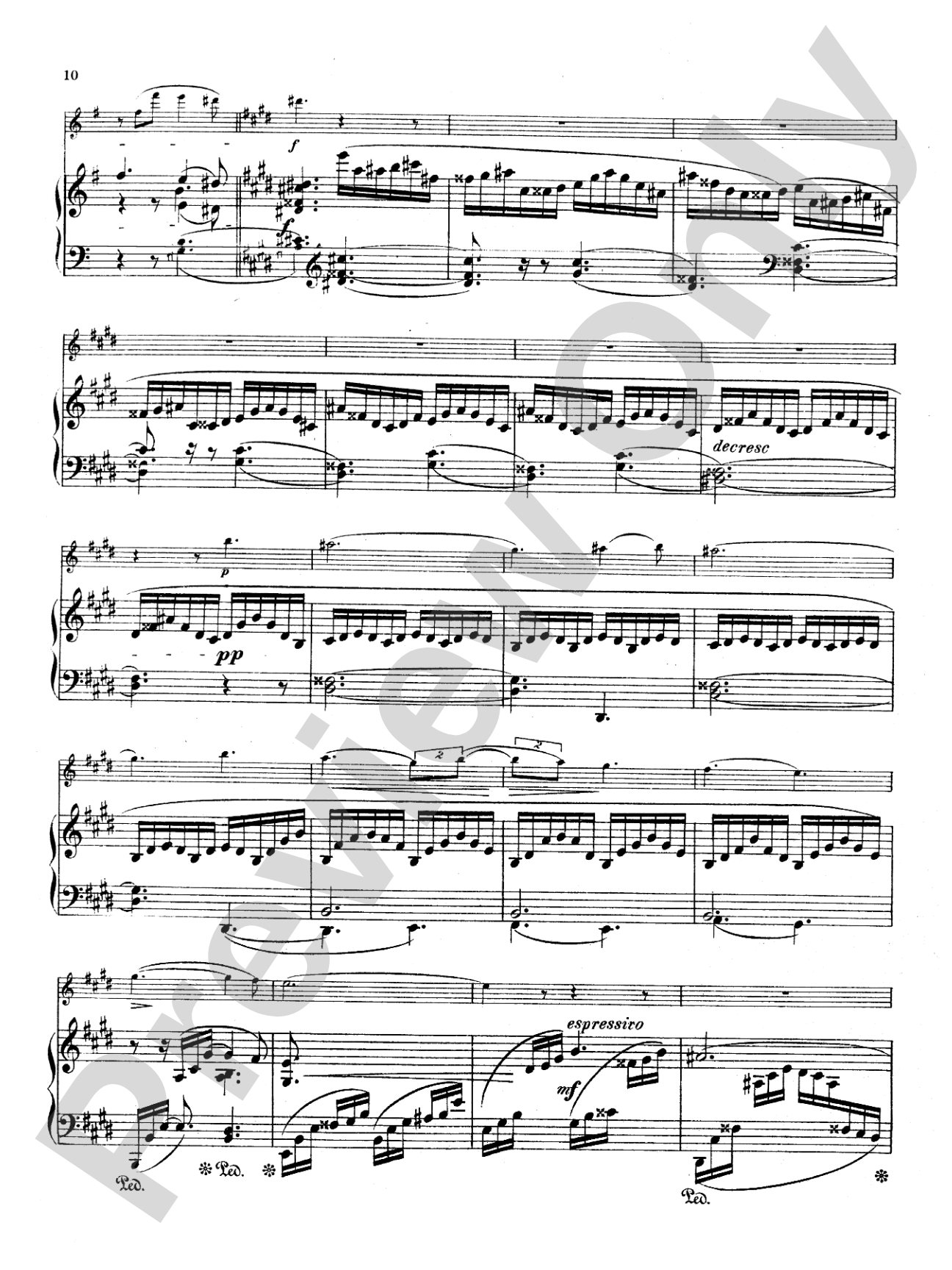
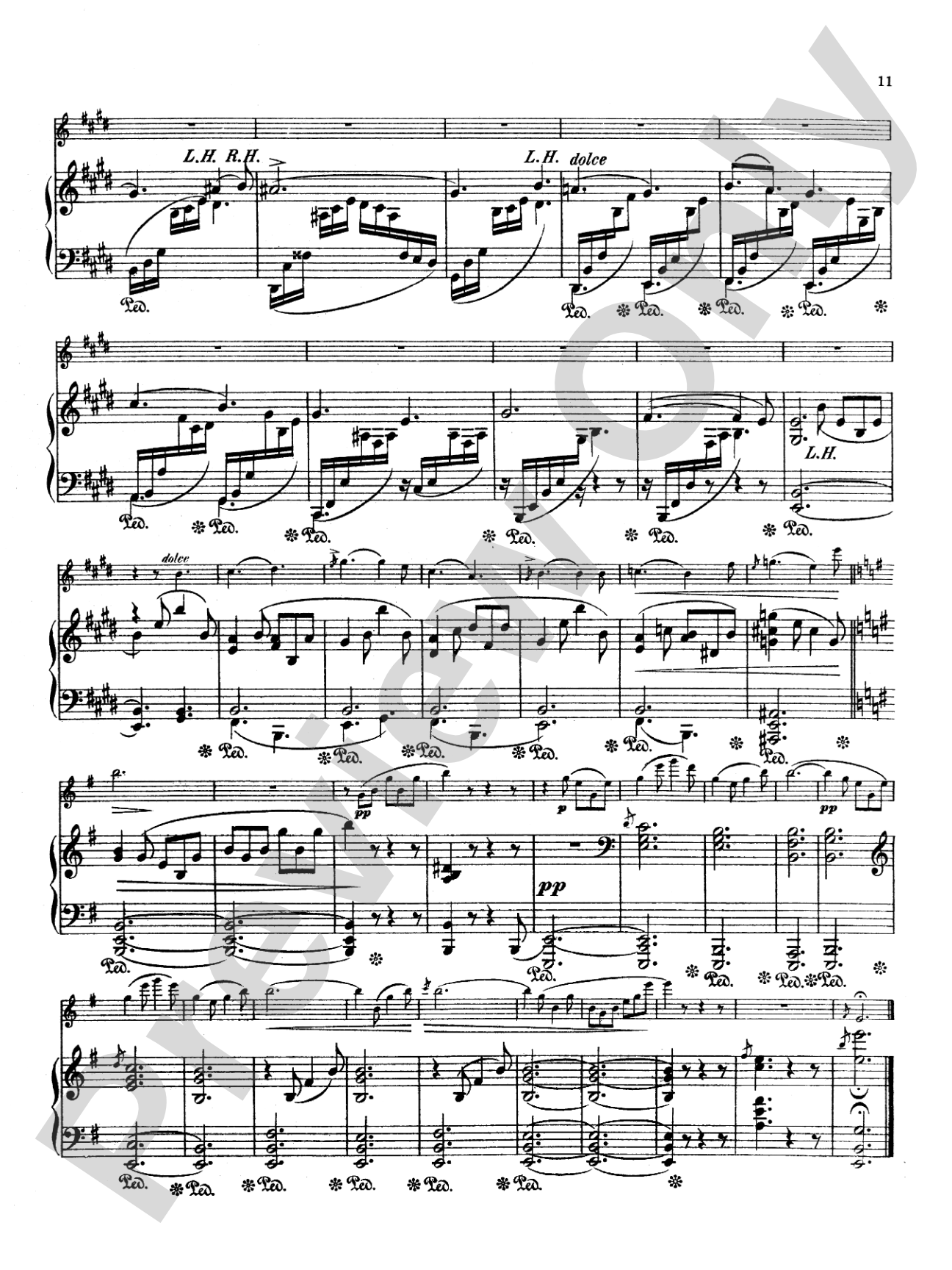
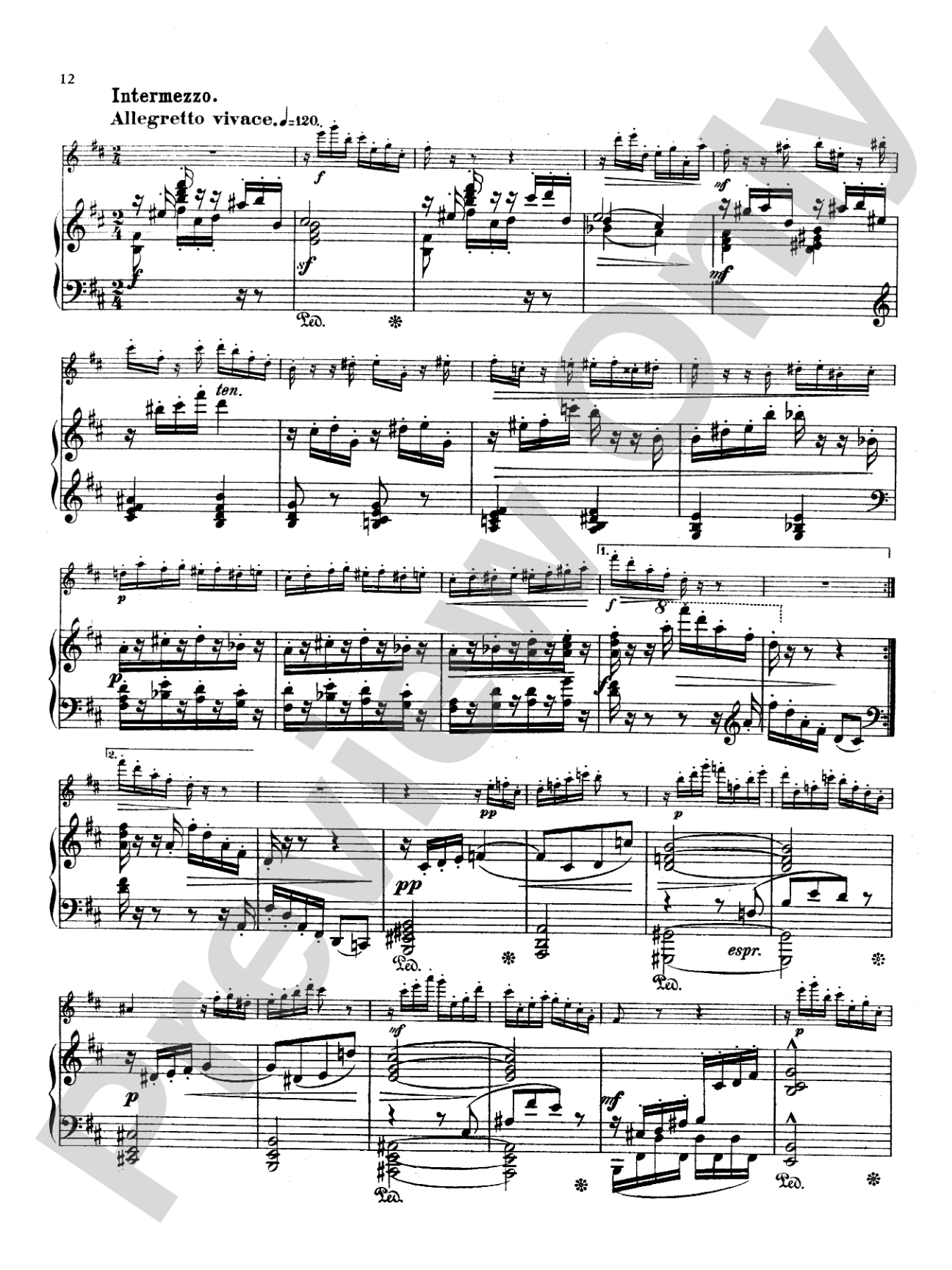
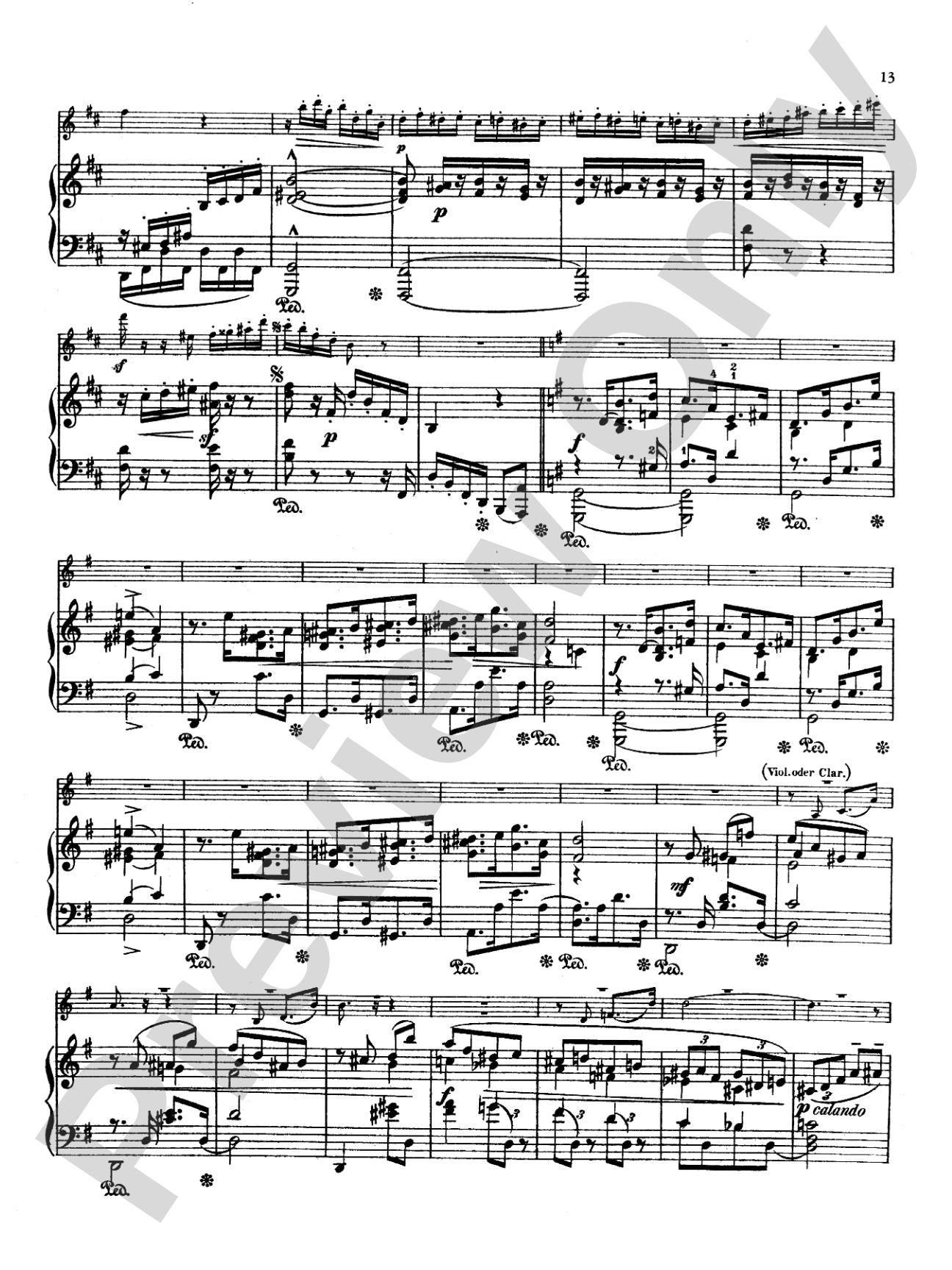
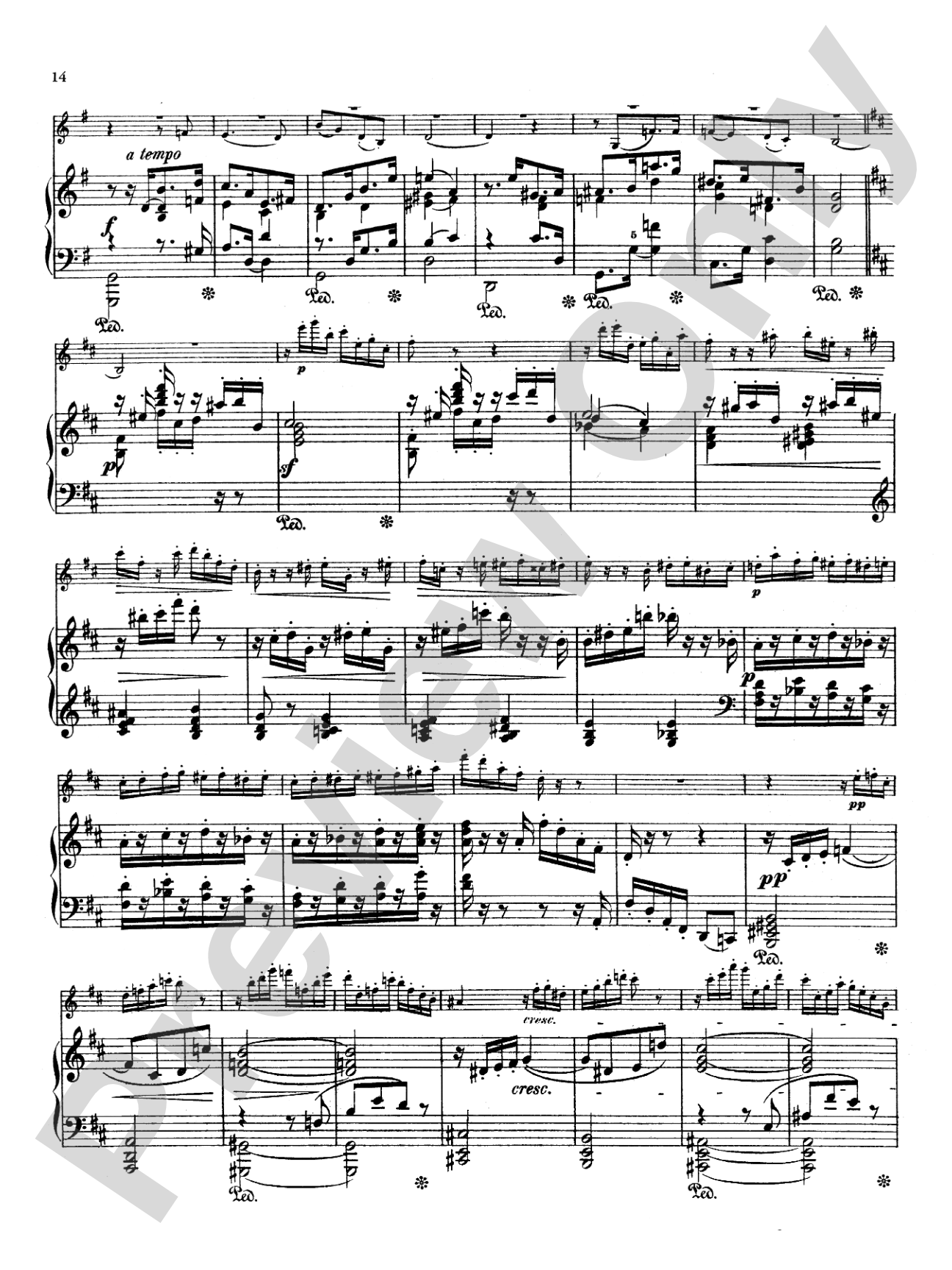
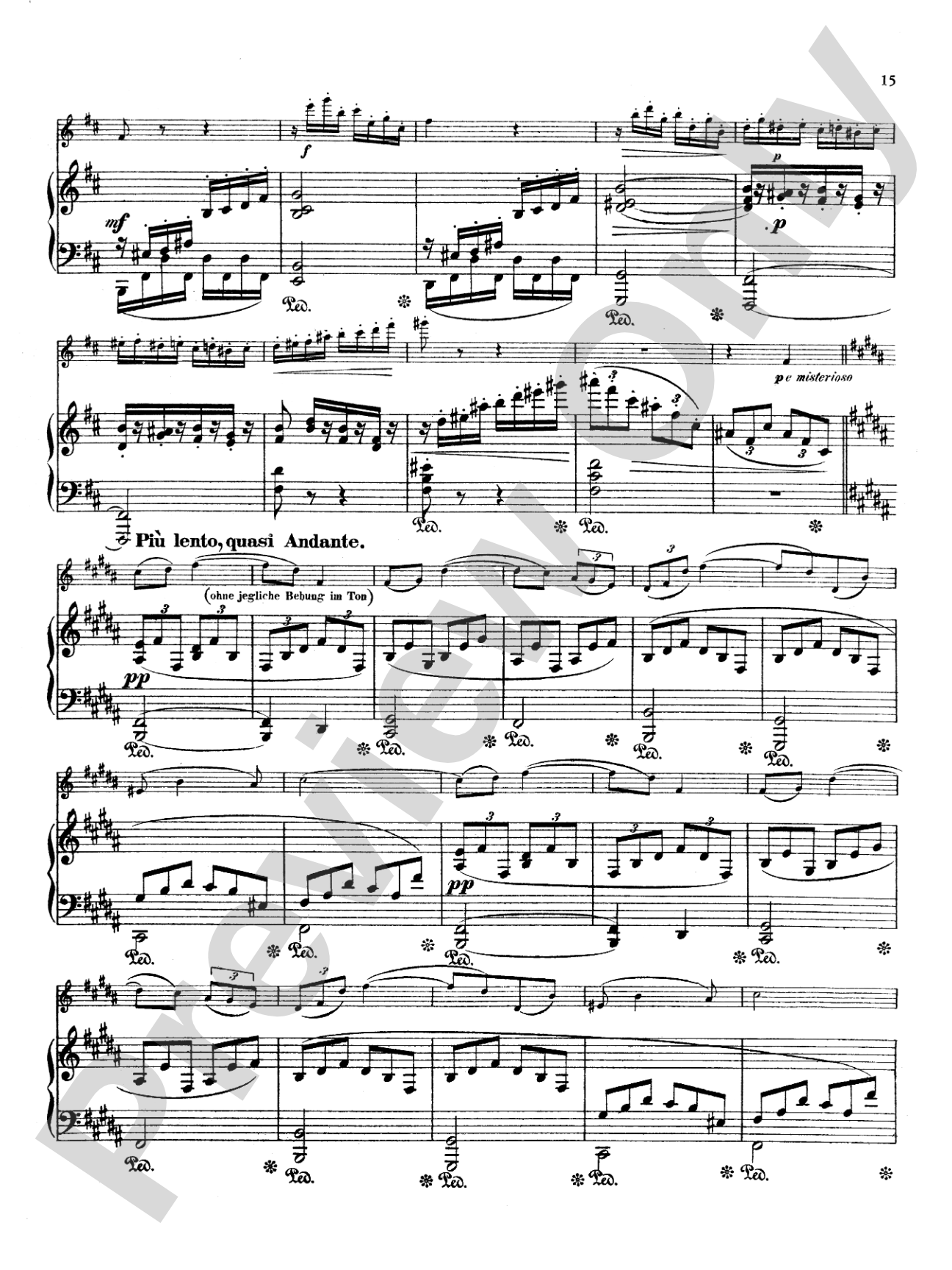
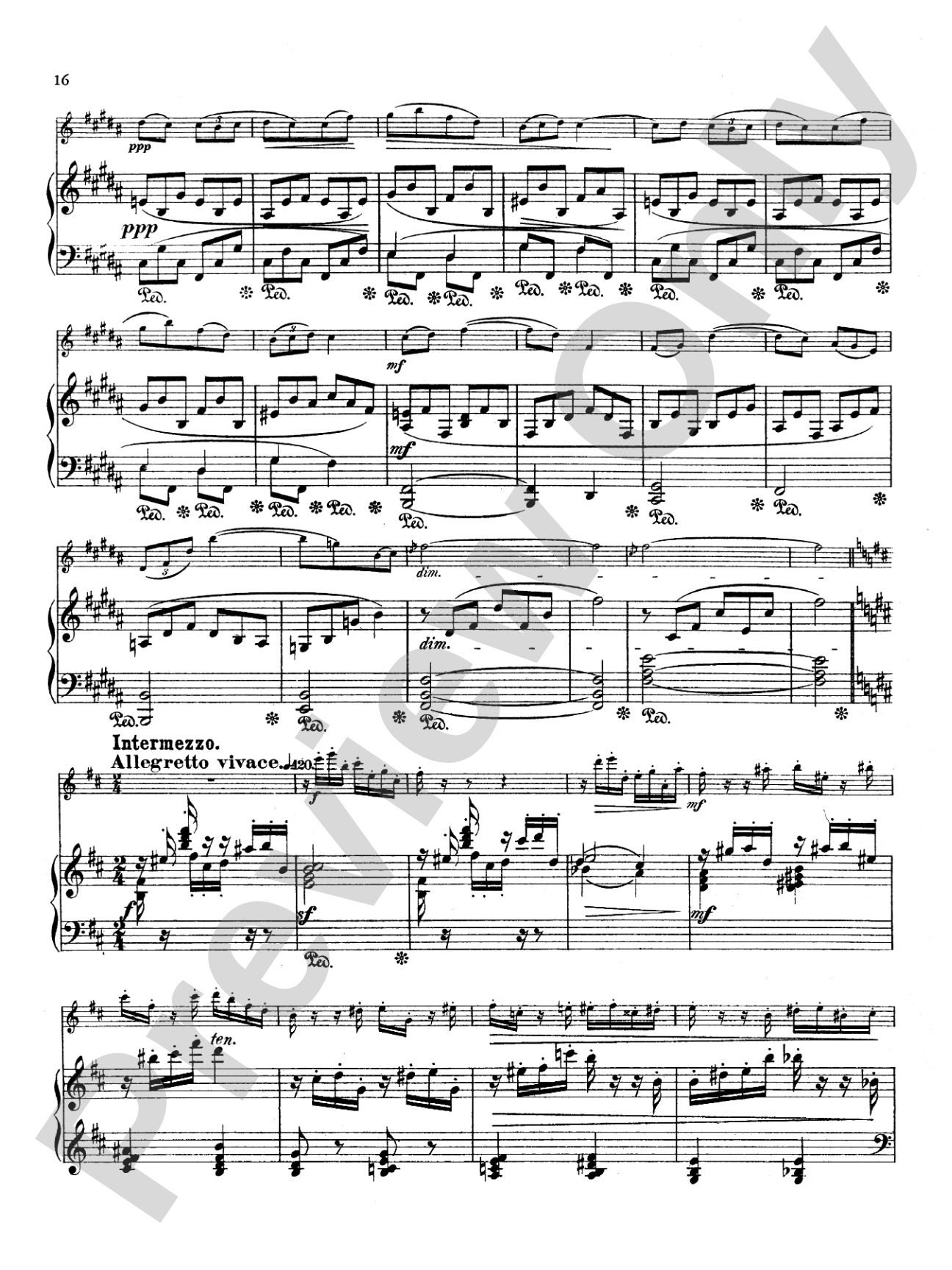
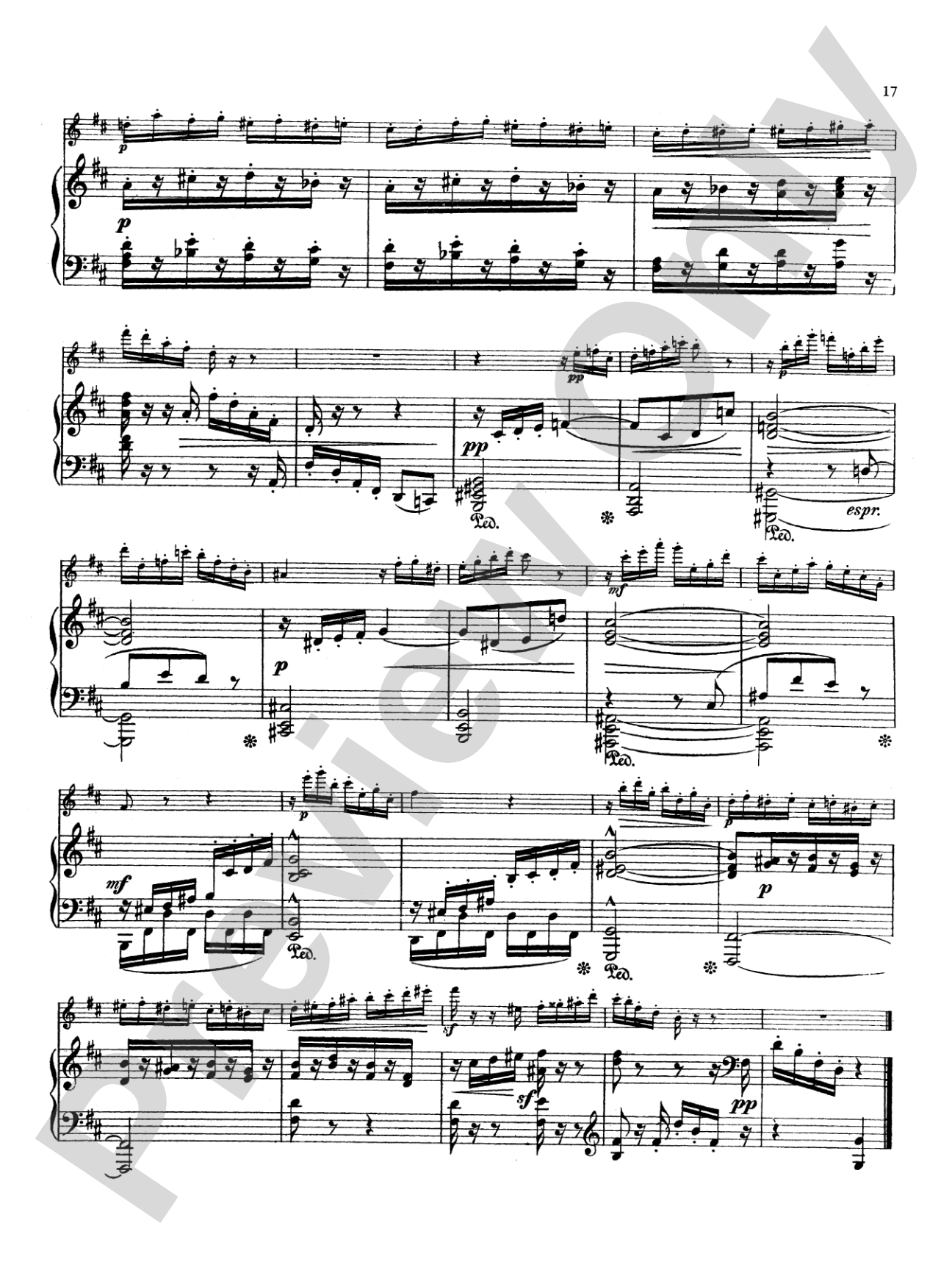
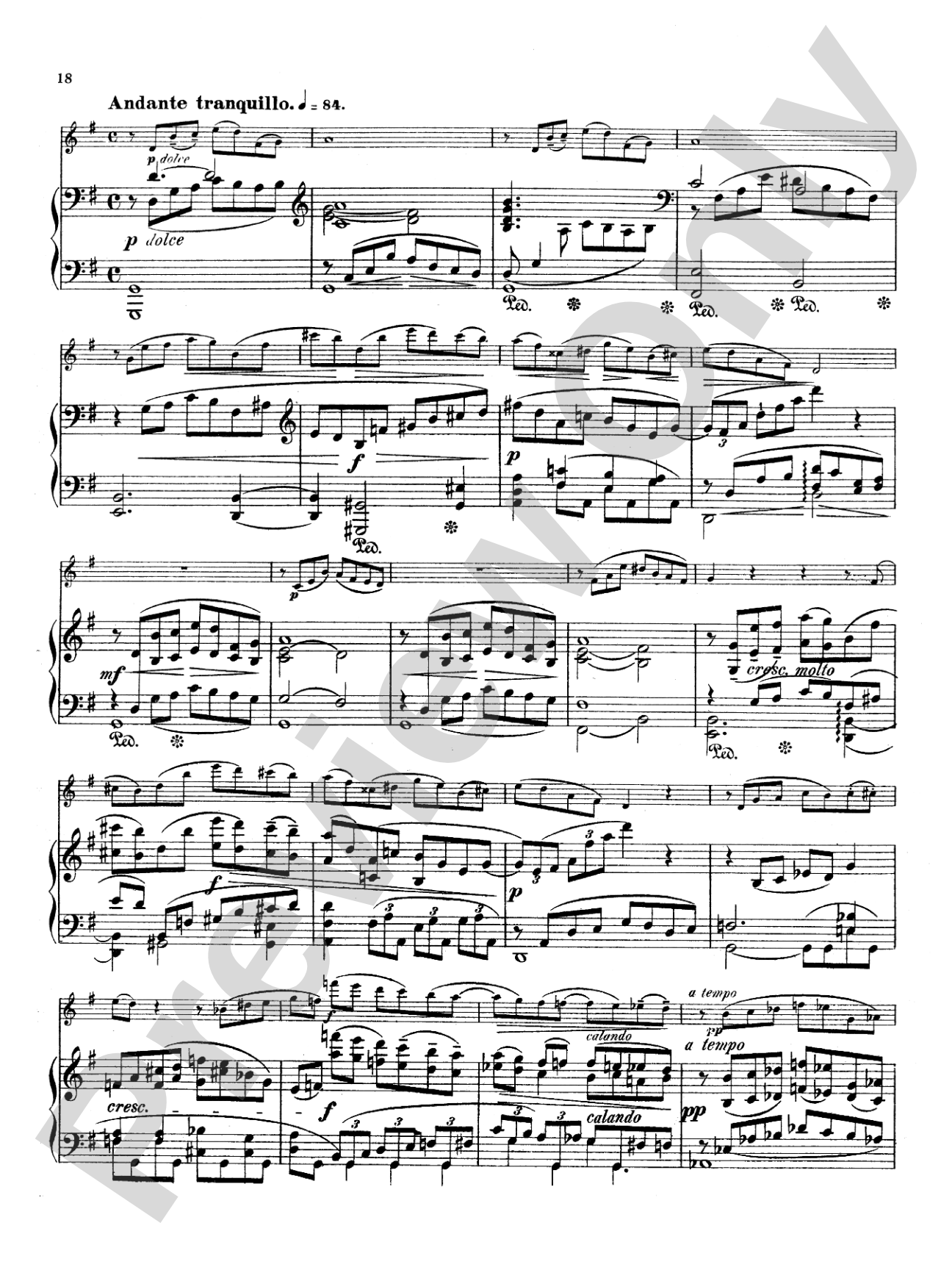
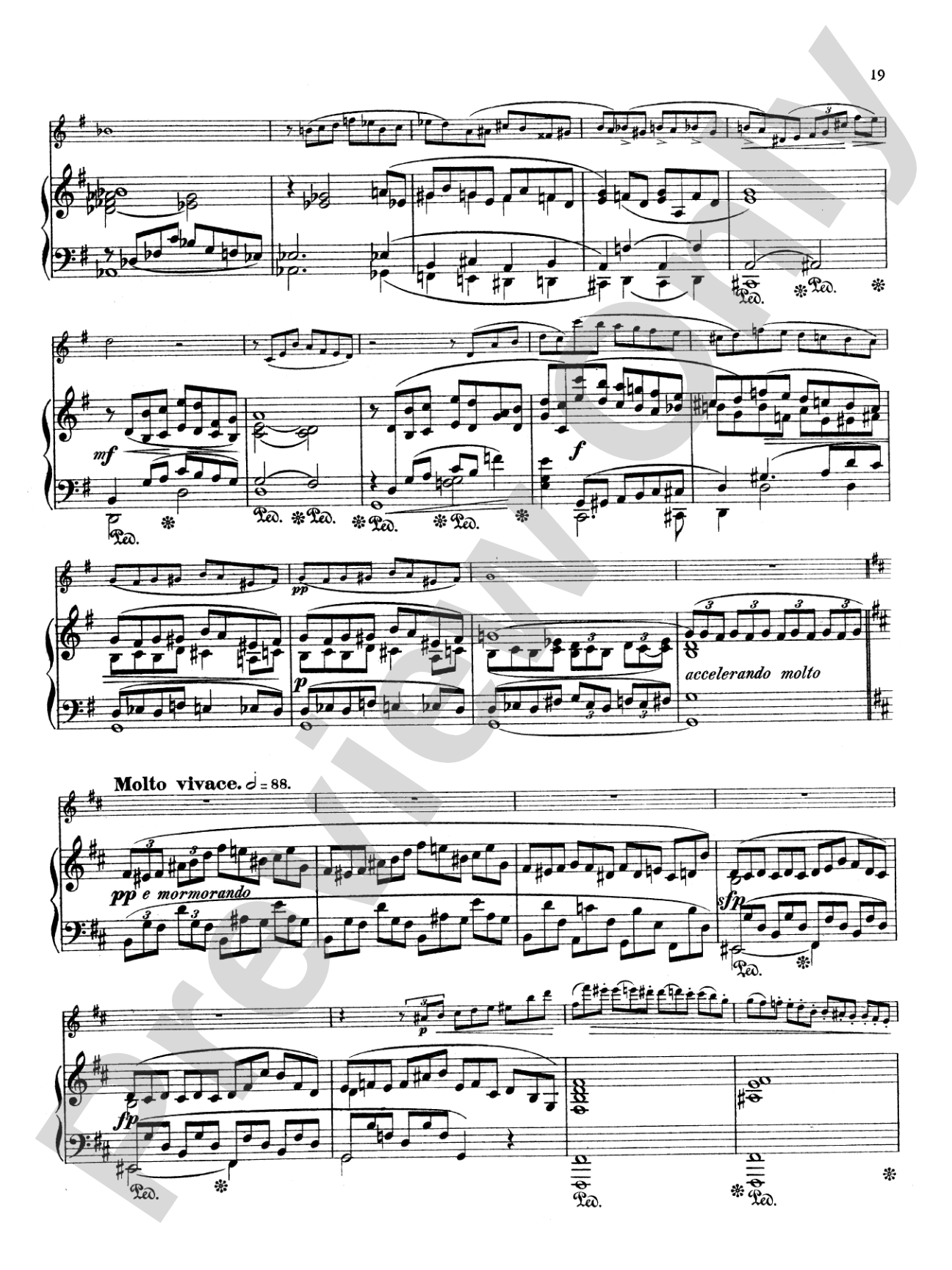
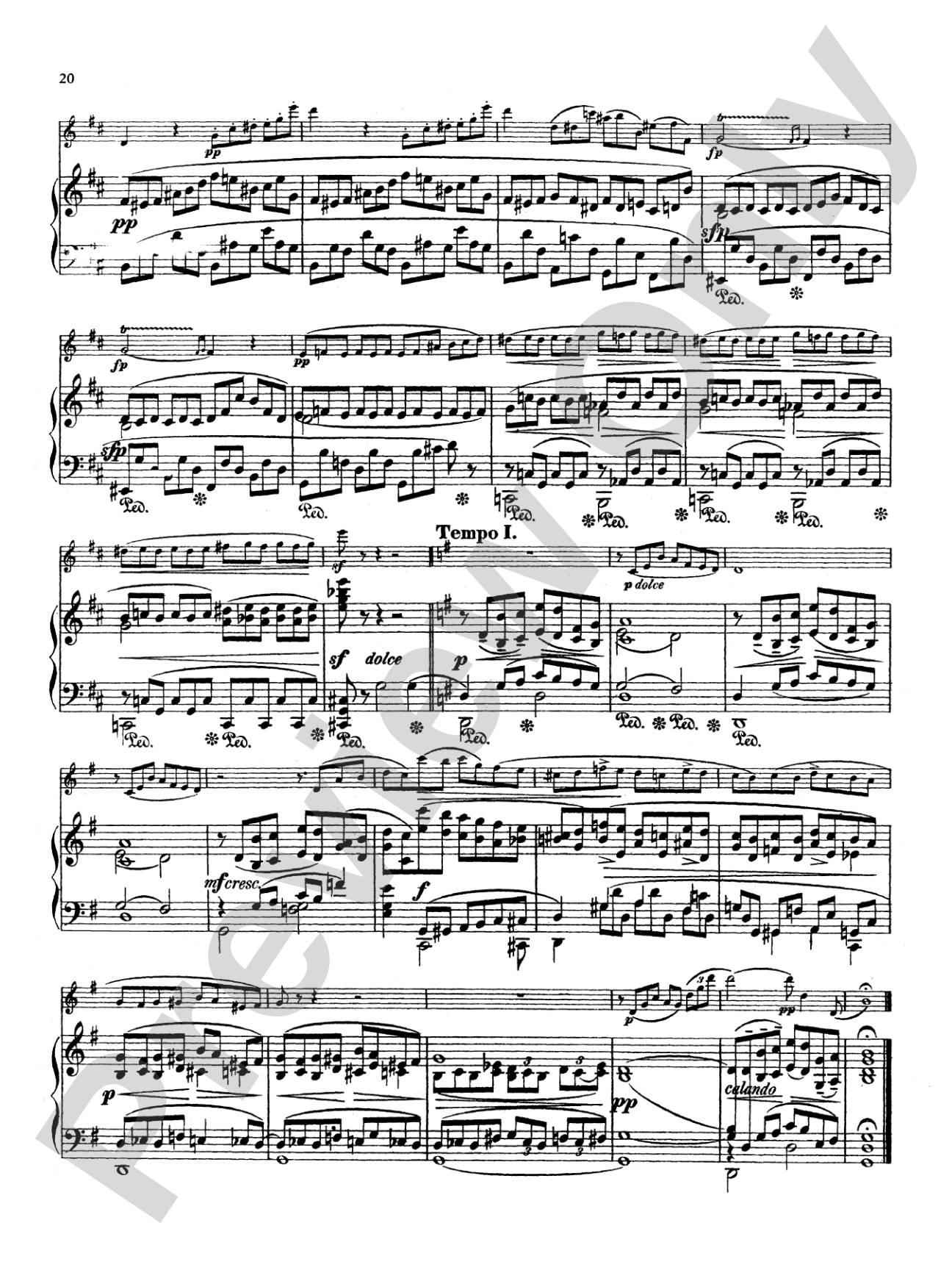
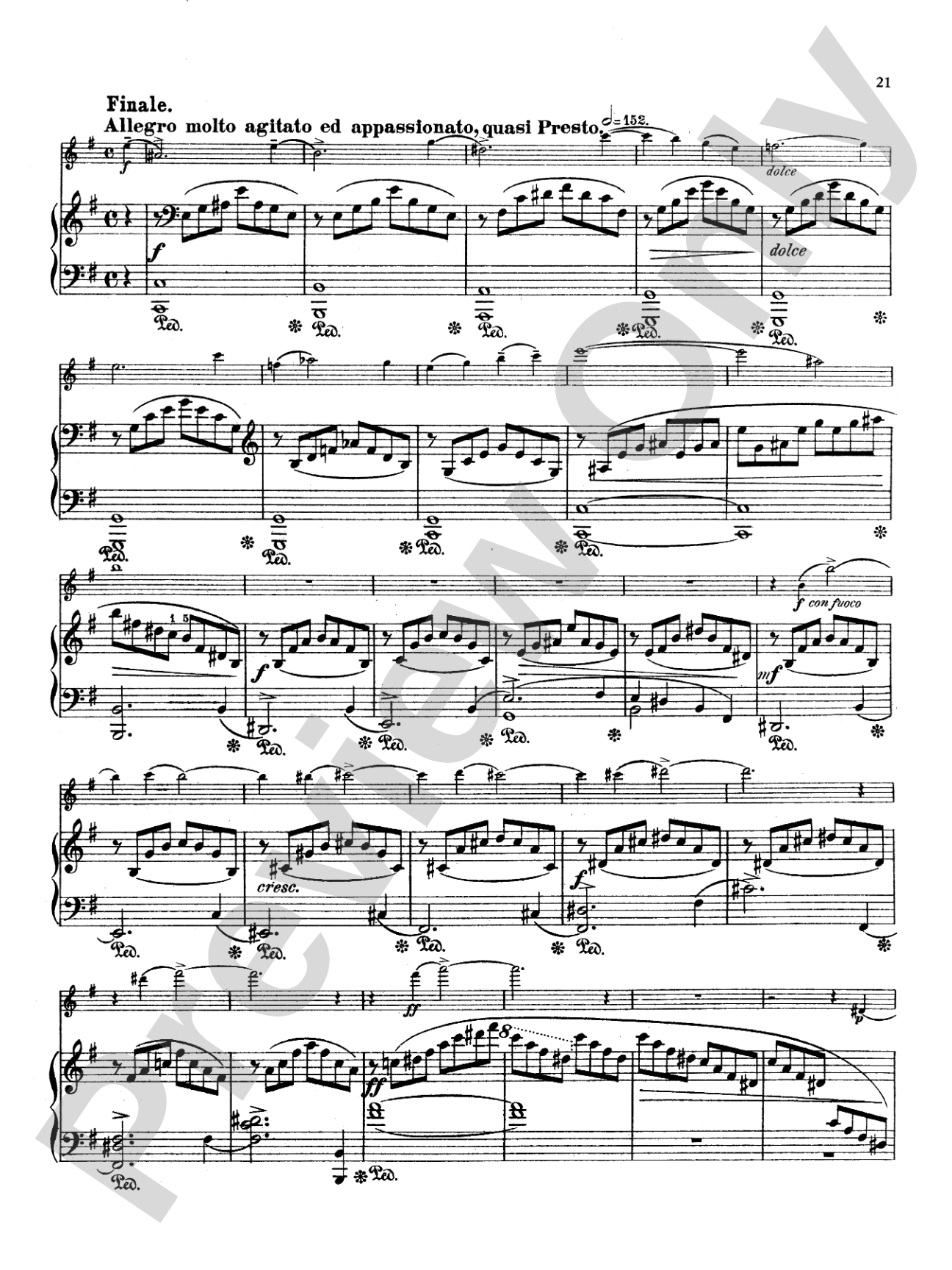
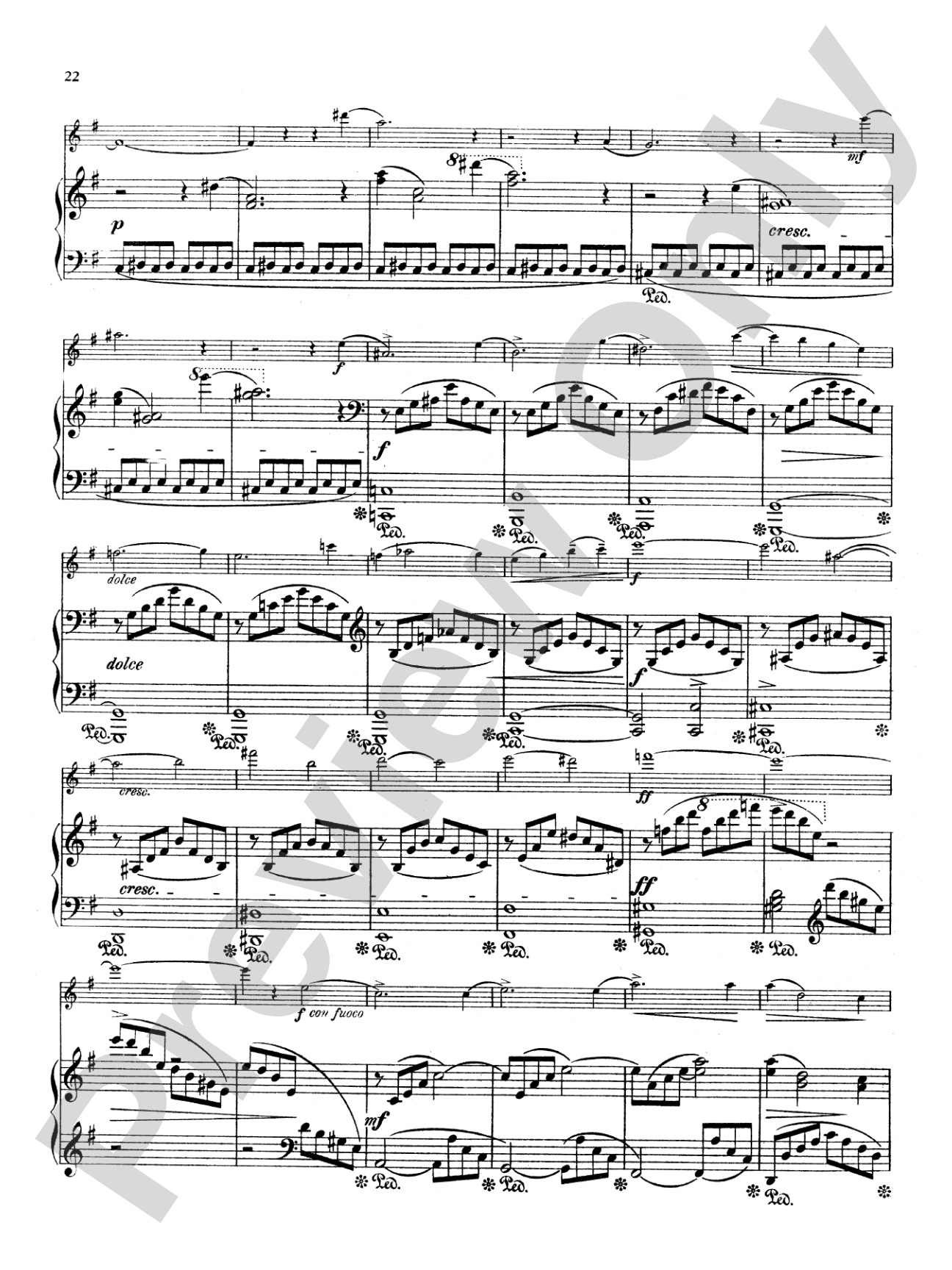
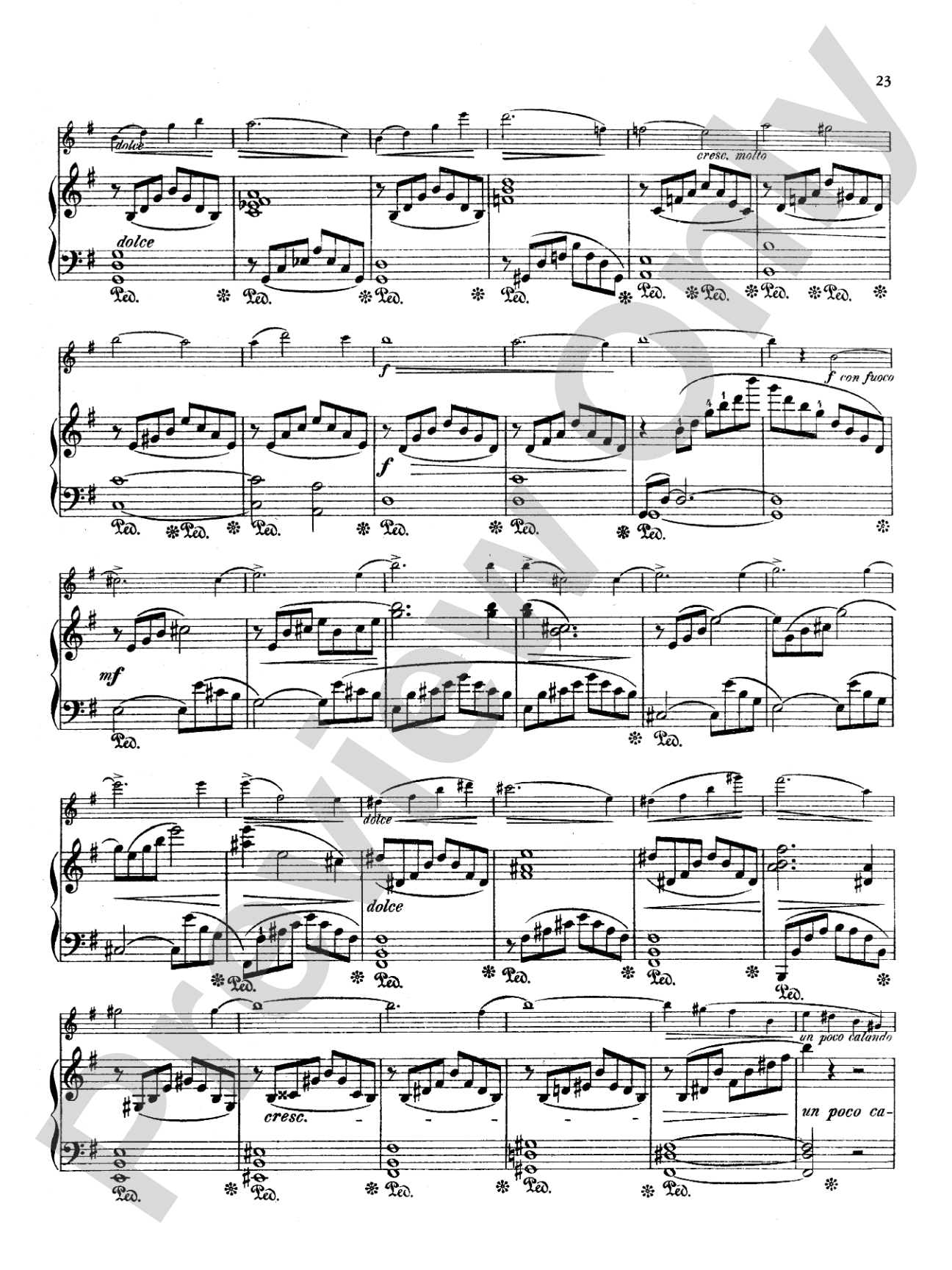
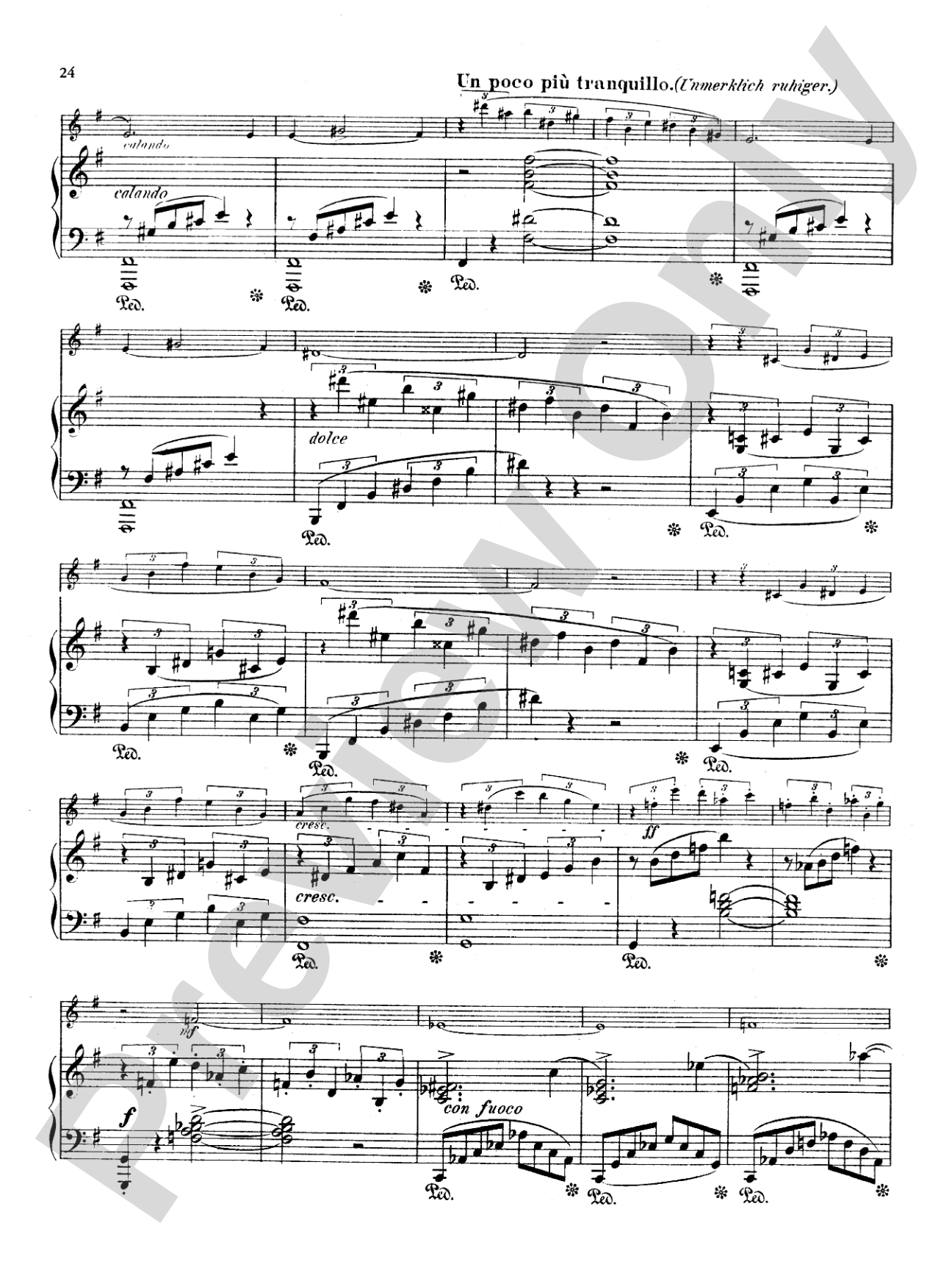
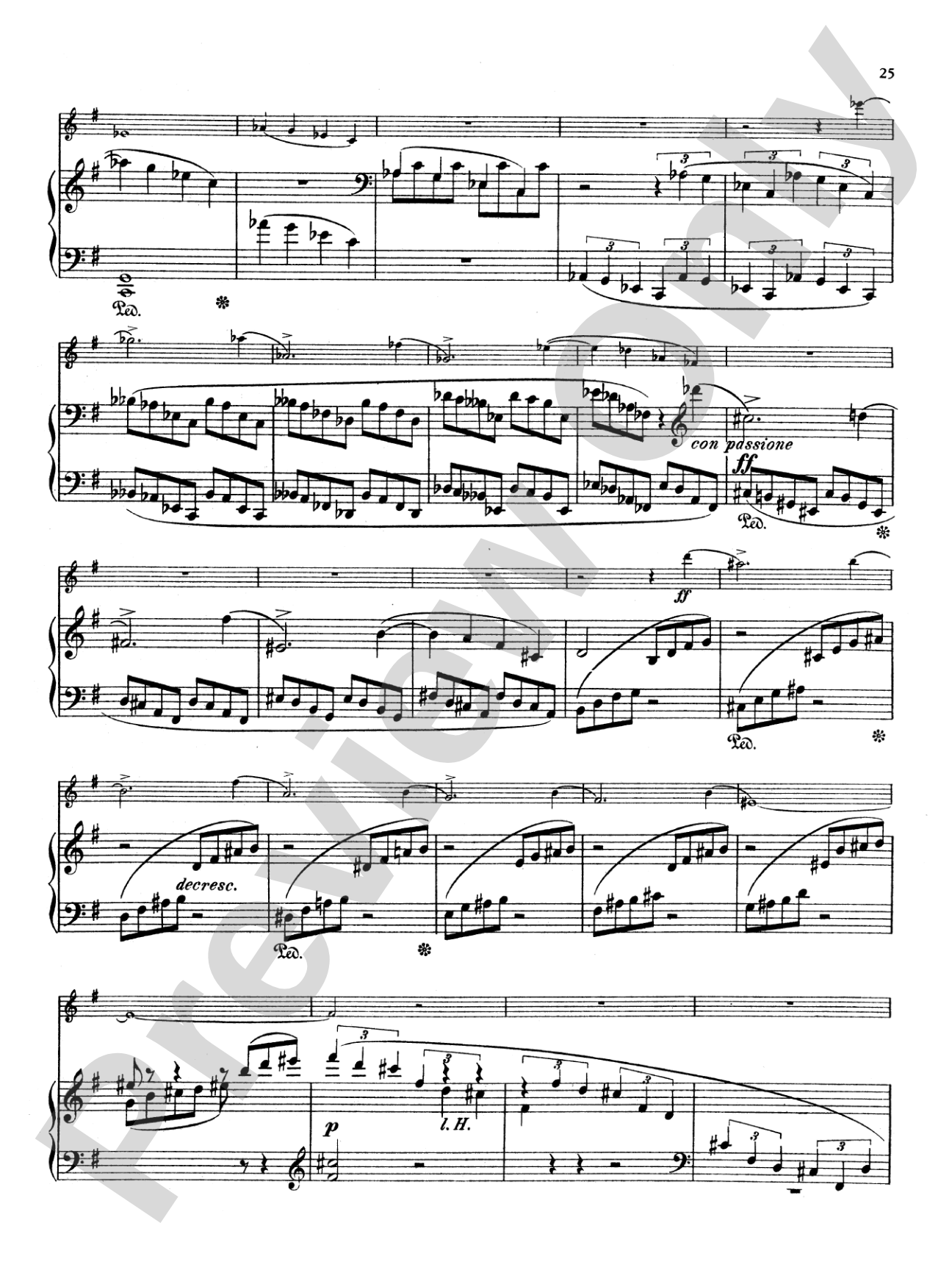
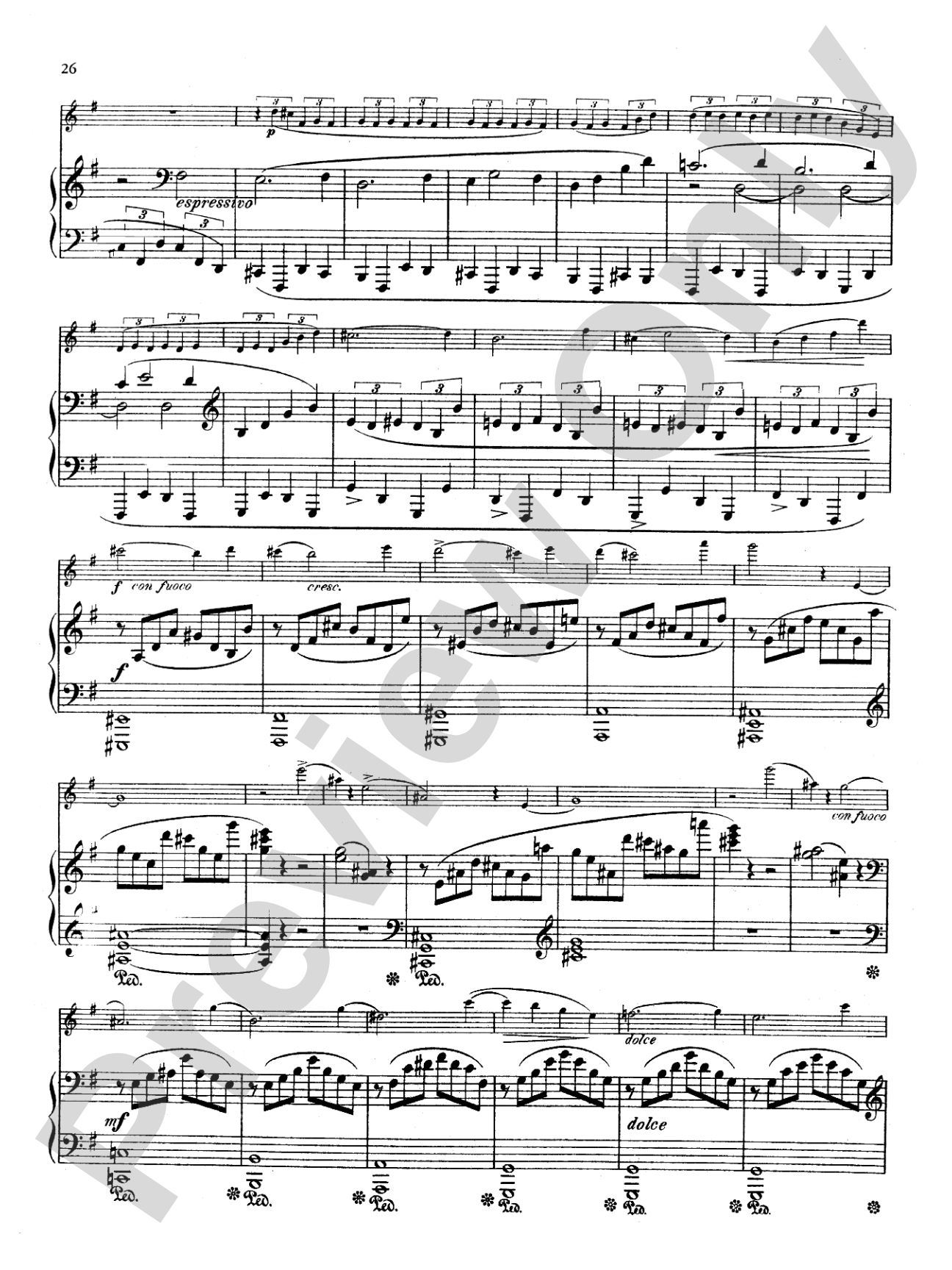
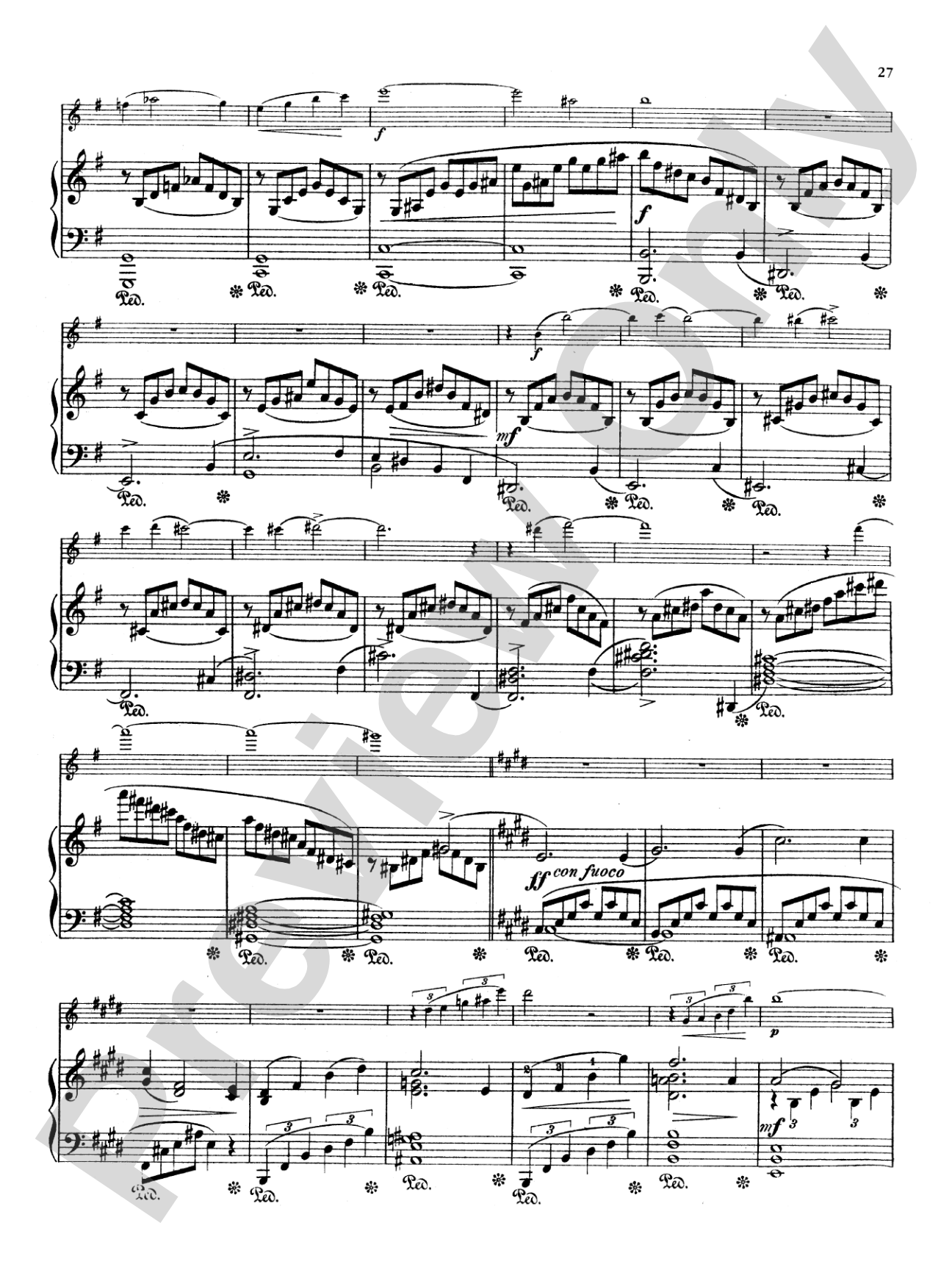
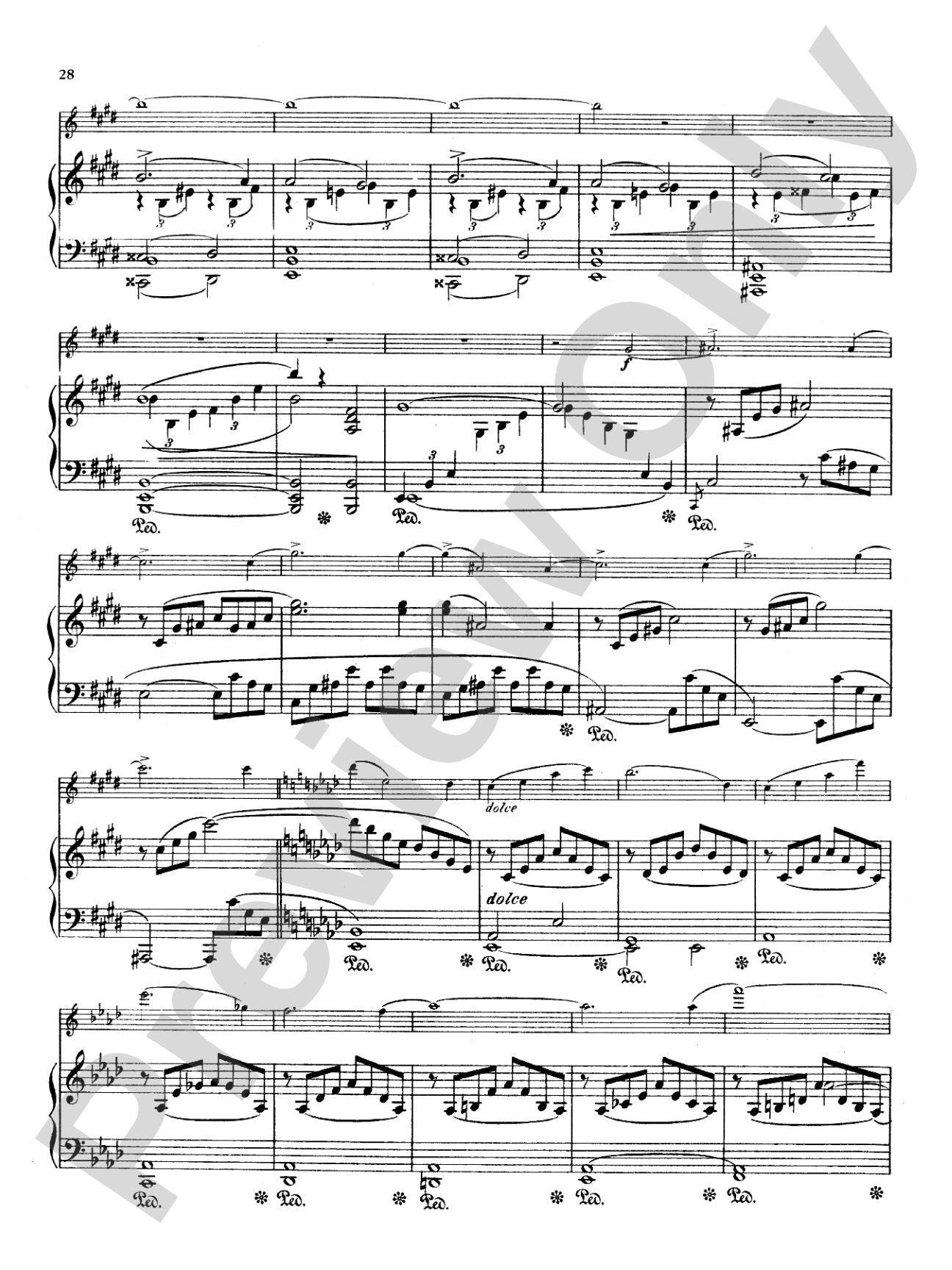
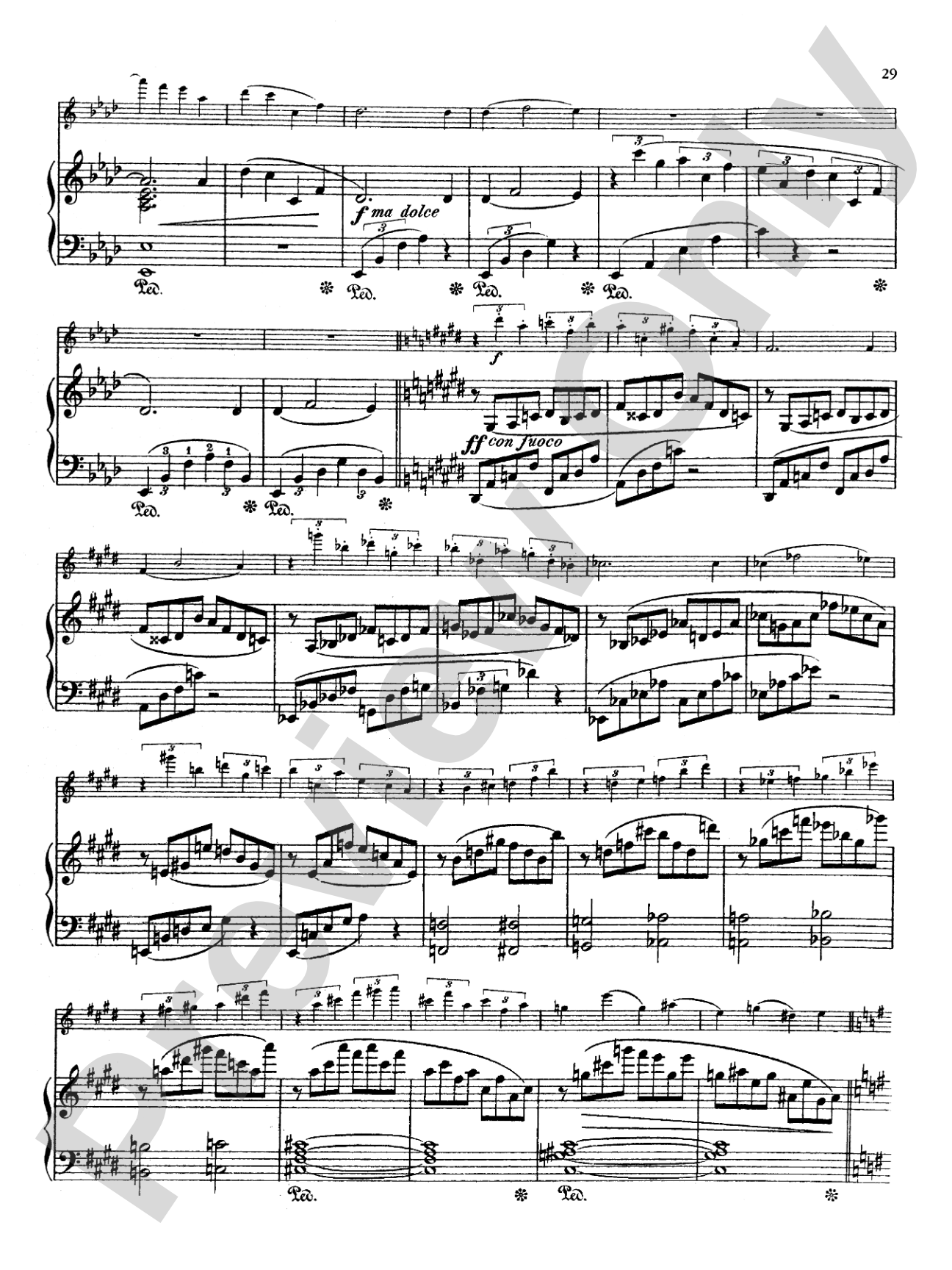
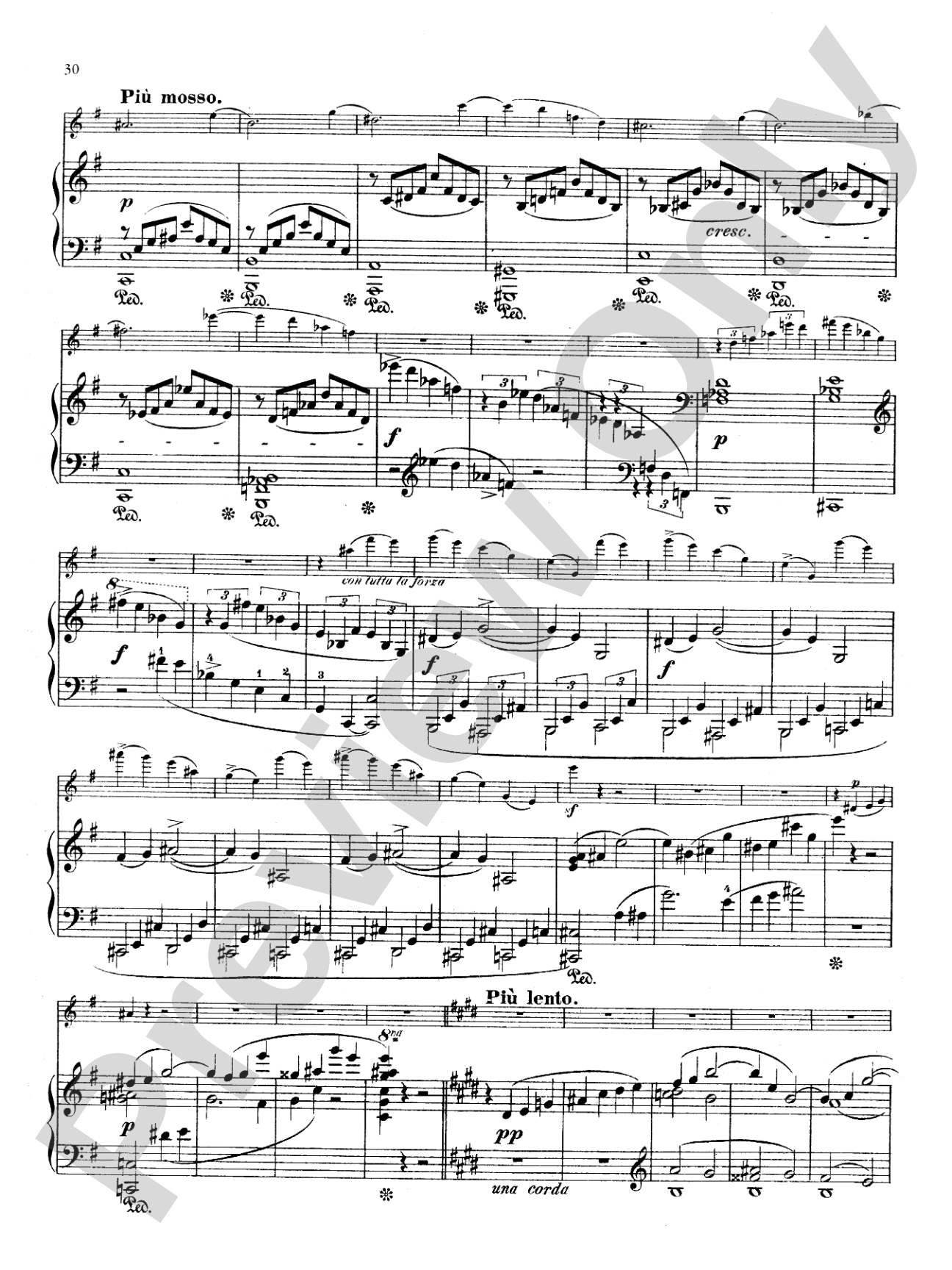
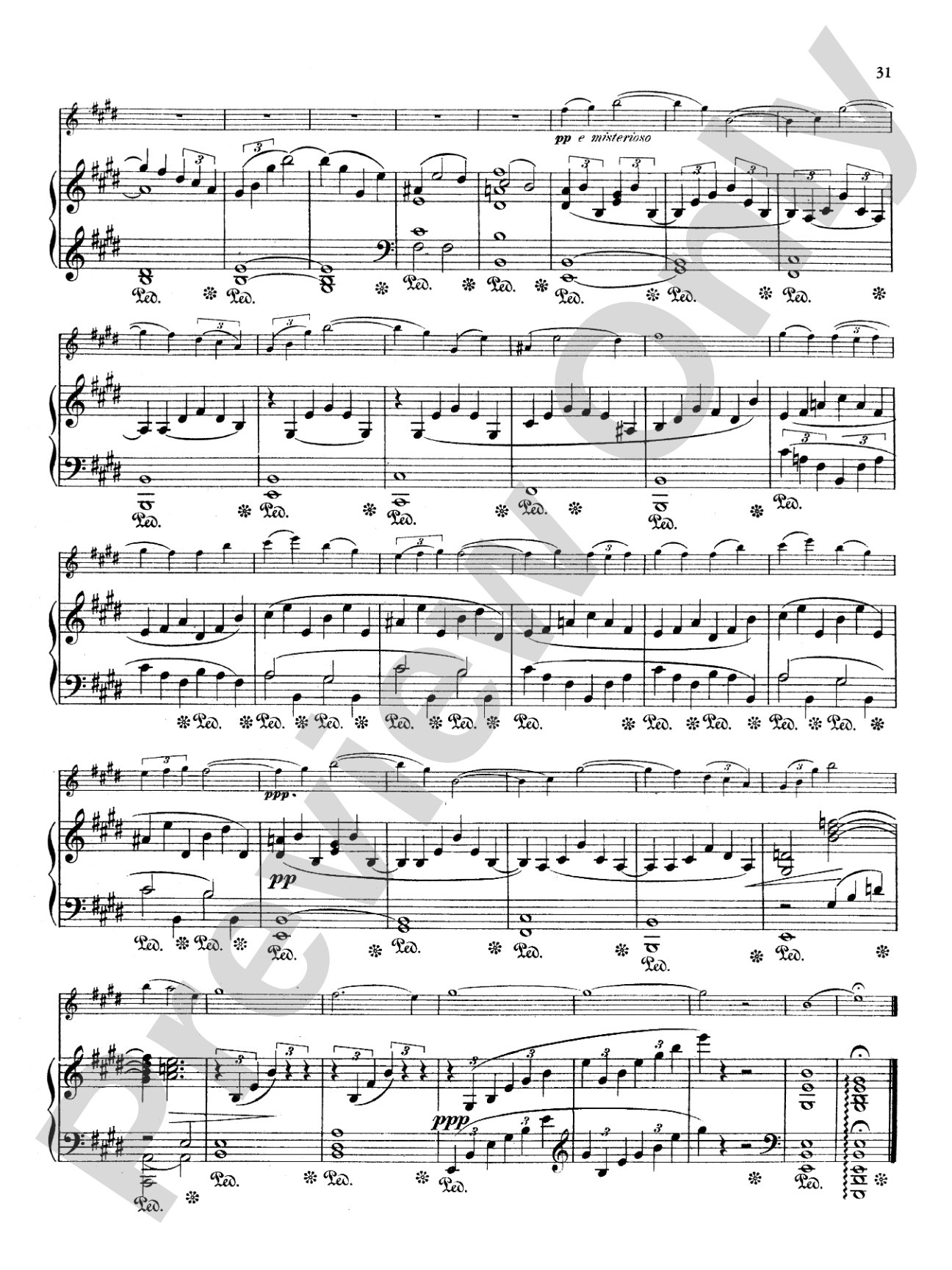


Reinecke: Sonata "Undine", Op. 167: Clarinet Part(s)
By Carl Reinecke
Item: 00-PK-0003012

$9.95
Pickup currently not available
Buy Extra Parts (Digital PDF Download)
| Product | Price | Quantity |
|---|---|---|
| Reinecke: Sonata "Undine", Op. 167 | $8.95 |
Parts Added to Cart!
Related Items
Sonata for Clarinet and Piano, Opus 167: Clarinet Part(s) |
$9.95
|
View |
Description
A B-Flat Calrinet Solo, composed by Carl Reinecke.


Don't just read it, hear it, play along with it, and watch your students grow with it. In MakeMusic Cloud, Reinecke: Sonata "Undine", Op. 167: Clarinet Part(s) comes alive with professional accompaniment, adjustable tempo, and built-in practice tools that turn solo practice into real progress.
Open in the Player
Jump straight in and assign it today.
Start Your Free Trial
Open this title and explore the full library in minutes.
Sample Audio
No sample audio found.
Sample Video
No sample videos found.
Additional Details
Series:
Kalmus Edition
Publisher:
Alfred Music
Page Count:
40
SKU:
00-PK-0003012
More about this title
About the Composer: Carl Reinecke
Carl Reinecke (1824, 1910) was a Leipzig-based composer, conductor, and pedagogue whose prolific output shaped the German musical landscape of the late nineteenth century. He held the position of Gewandhaus conductor and founded the Conservatory's chamber music program, making him instrumental in establishing performance standards that influenced generations of musicians. His compositional voice balanced classical architecture with Romantic lyricism, and he wrote generously for wind instruments, understanding their capabilities from both player and listener perspectives.
Why we love this
The Sonata "Undine" sits at the heart of clarinet contest and festival circuits for good reason. Reinecke writes idiomatic, grateful lines for the clarinet that showcase both the instrument's lyrical warmth and technical facility, while the multi-movement structure gives performers real interpretive depth. It's the kind of masterwork that sounds fresh every time a serious student tackles it.
What to expect
"Undine" evokes the eponymous water spirit through fluid, singing melodic lines that undulate across registers and shift between warmth and brightness. The Romantic sensibility runs deep; expect introspective moments alongside passages of genuine virtuosity, all woven together with the formal clarity and harmonic language characteristic of mid-nineteenth-century German composition.
Who it's for
Advanced high school clarinetists preparing for all-state or regional competitions, and undergraduate music majors building a solo recital repertoire. This work requires secure command of the full range, steady intonation in exposed passages, and the maturity to sustain longer musical phrases.
How to get the most out of it
- Shape the opening theme's contour carefully; Reinecke's long phrases reward sustained tone production and subtle dynamic shaping rather than aggressive articulation.
- Attend to rhythmic precision in faster passages without sacrificing line. These sections are intricate but not flashy; clarity serves the music better than speed.
- Balance yourself against the piano part using your score study; Reinecke often doubles clarinet lines or provides independent material that can easily overshadow you if accompanying dynamics run high.
- Mark your breathing points in advance to avoid fractured phrasing. The sonata demands control over legit passages that might otherwise tempt unsustainable breathing.
How to use it
Place this sonata on a solo recital as a centerpiece work, or program it on a chamber series that pairs it with other Romantic-era wind sonatas (Brahms, Saint-Saëns). Its substantial length and technical demands make it ideal for a featured solo spot rather than an opening piece.
Skills your students will build
- Phrasing and shaping long melodic lines across register breaks
- Technical fluency in rapid scalar and arpeggio passages
- Intonation stability in exposed high and low register passages
- Rhythmic precision in syncopated and off-beat rhythms
- Dynamic control and color variation within Romantic-era harmonic language
- Collaborative listening and balance with piano accompaniment