
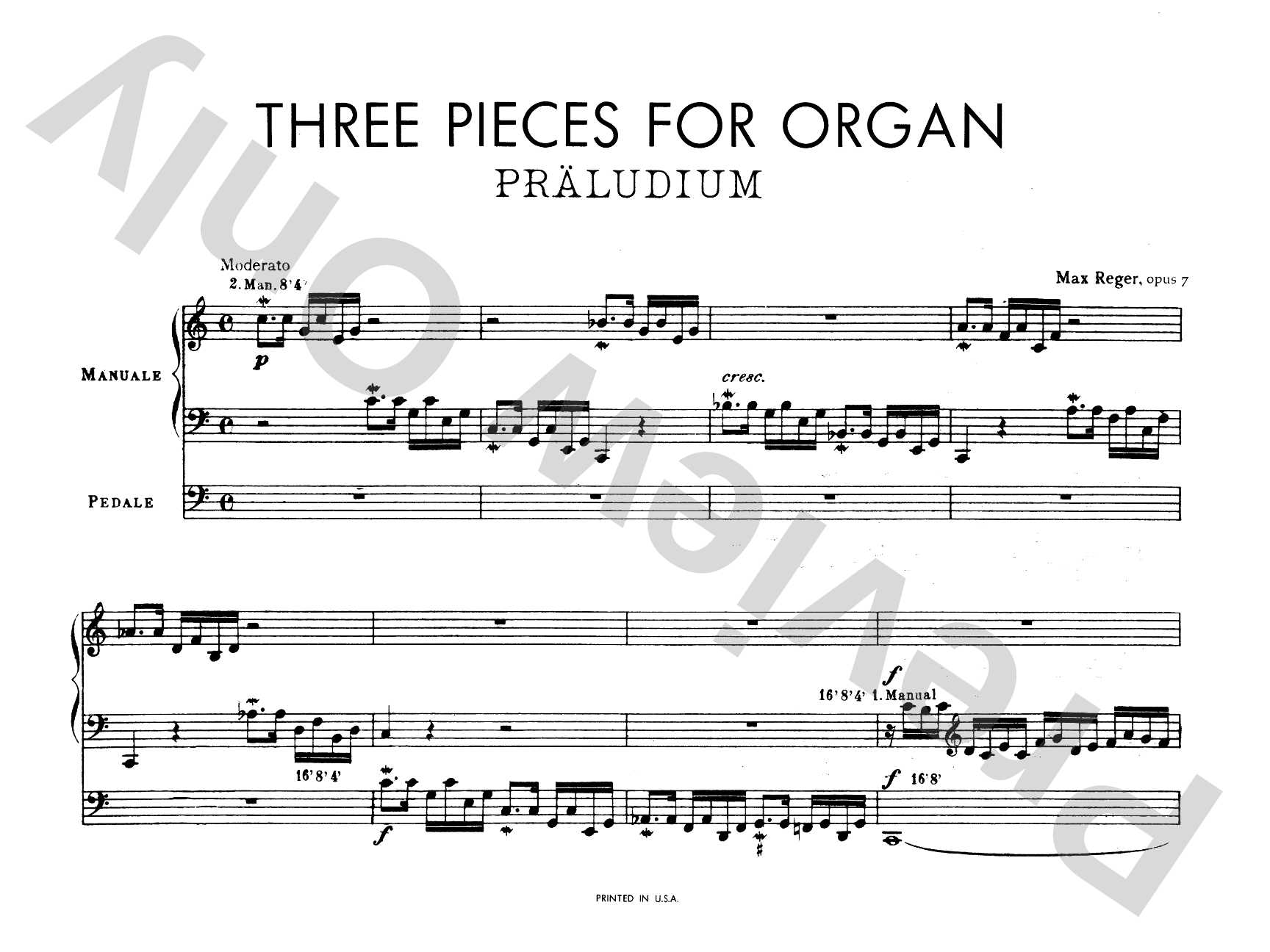
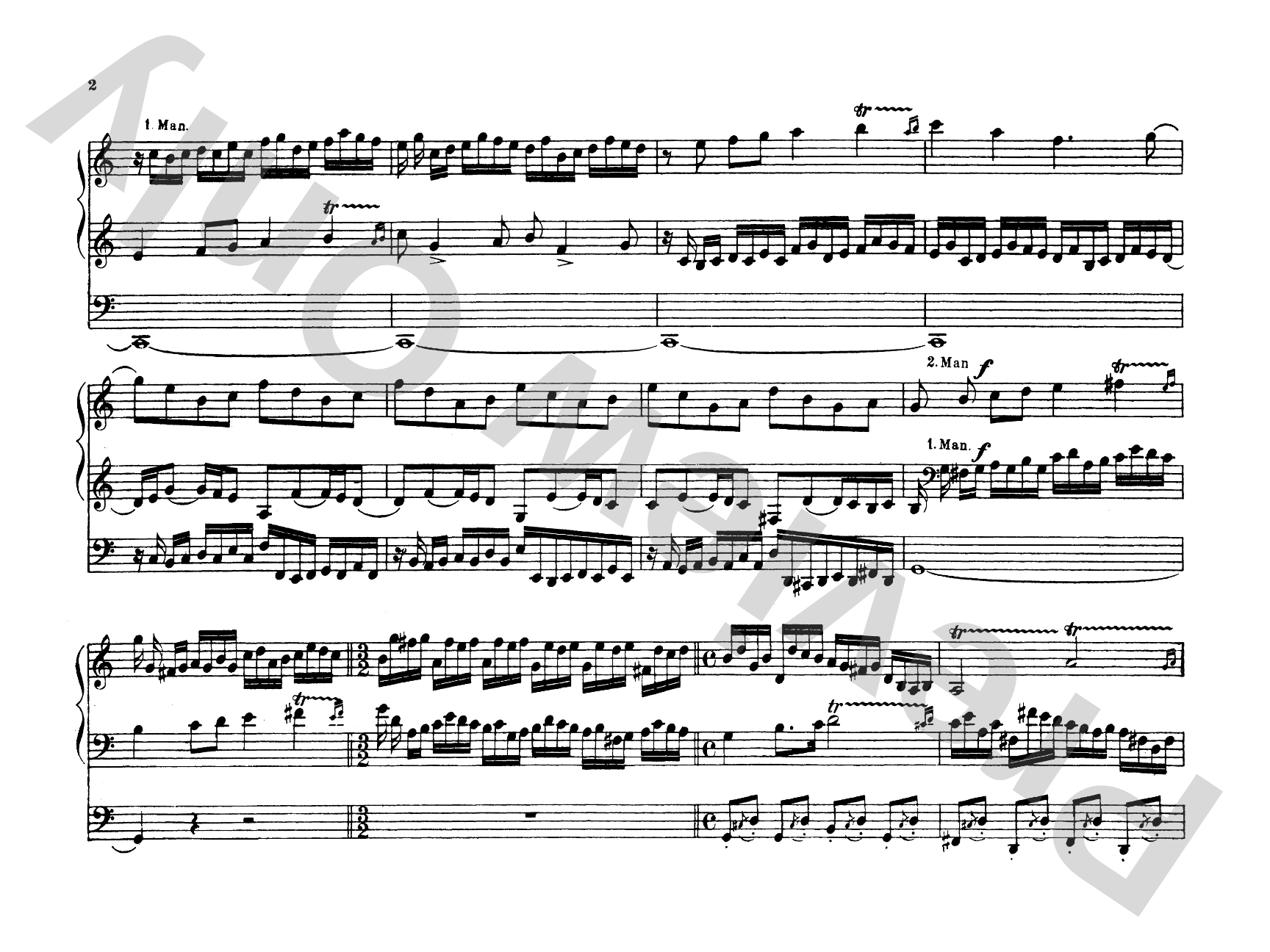
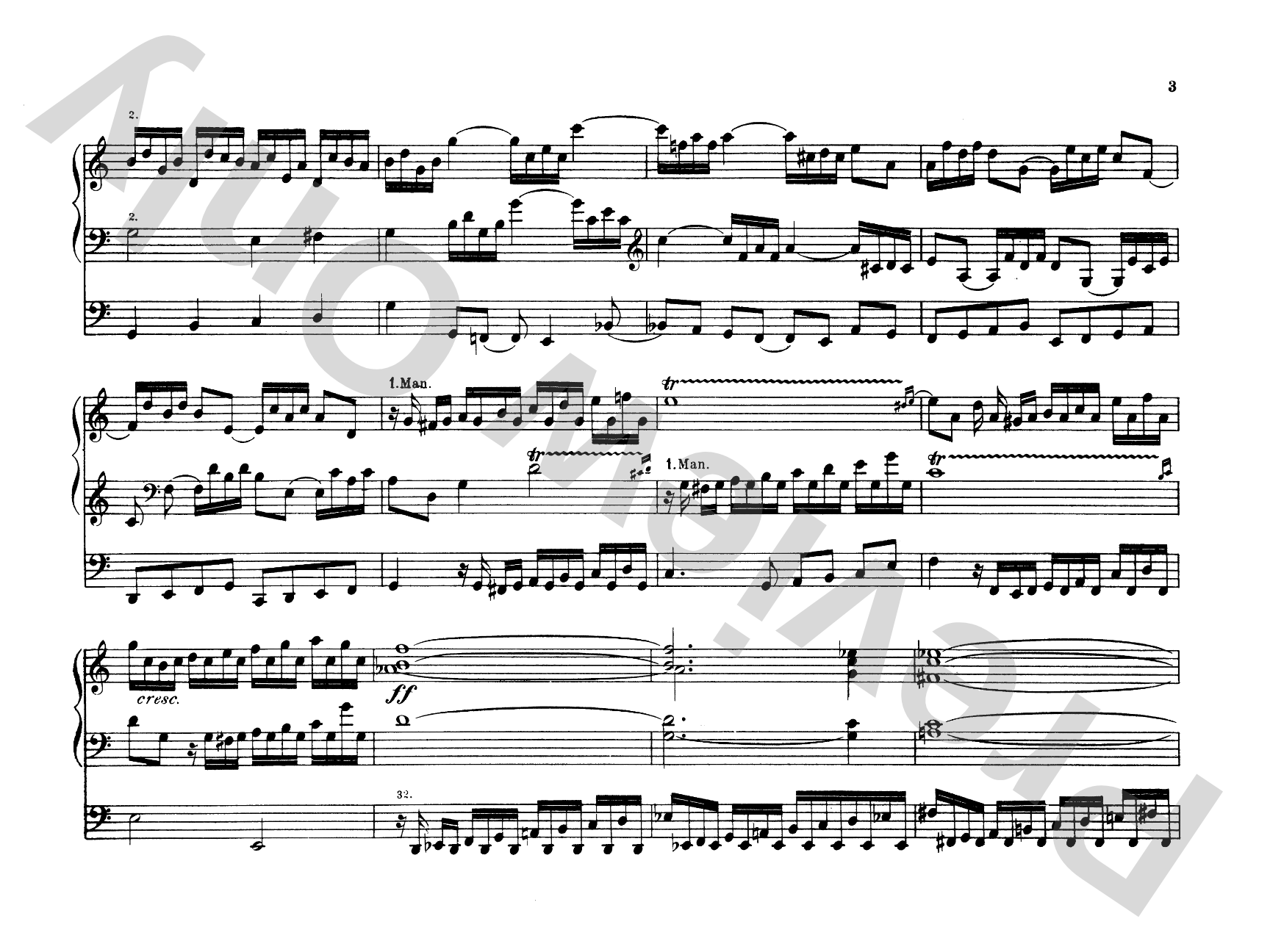
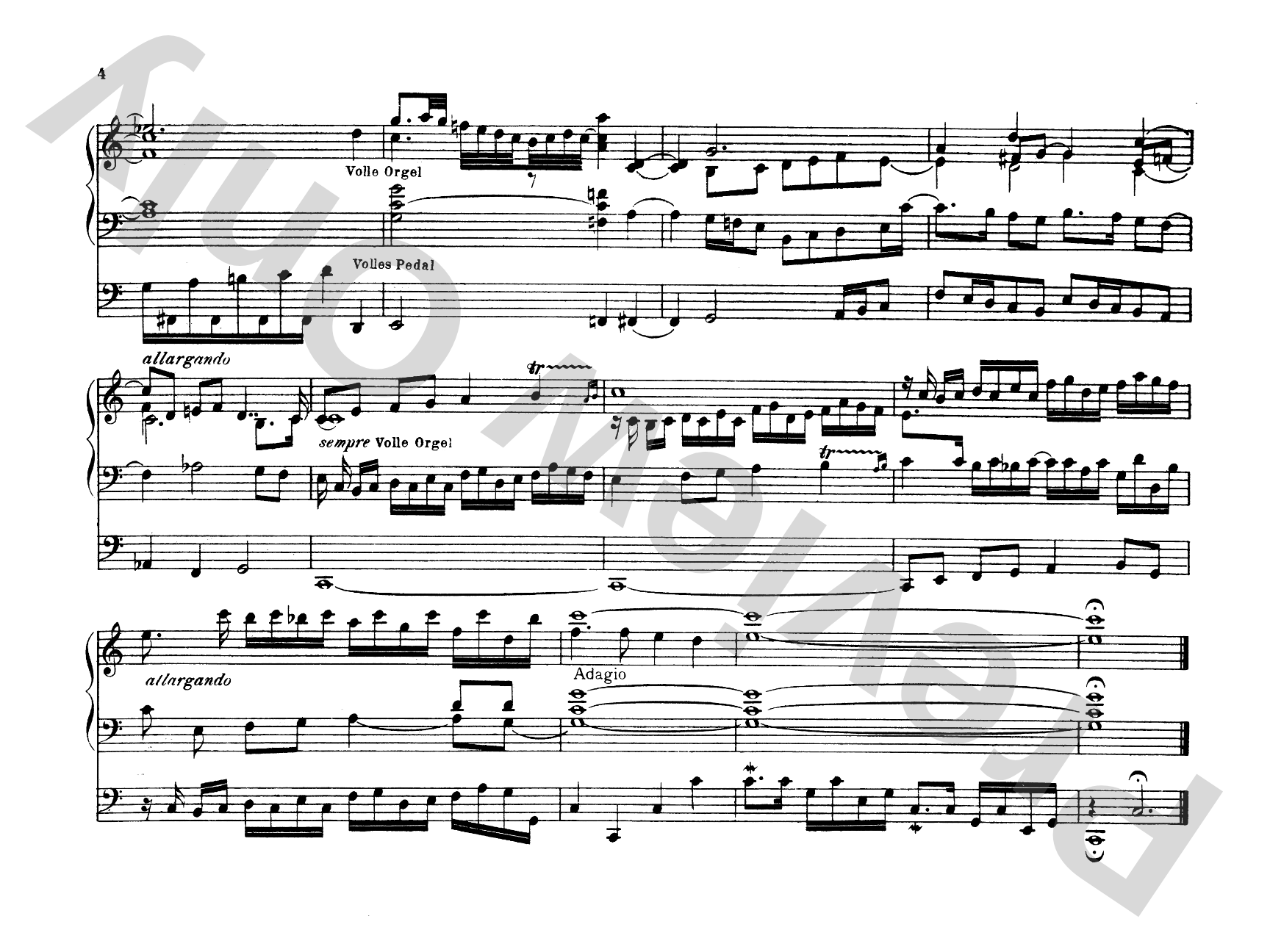

Reger: Three Pieces for Organ, Op. 7
By Max Reger
Item: 00-PK-0003739

$8.99
Pickup currently not available
Buy Extra Parts (Digital PDF Download)
| Product | Price | Quantity |
|---|---|---|
| Reger: Three Pieces for Organ, Op. 7 | $1.99 | |
| Reger: Three Pieces for Organ, Op. 7 | $1.99 | |
| Reger: Three Pieces for Organ, Op. 7 | $1.99 | |
| Reger: Three Pieces for Organ, Op. 7 | $1.99 |
Parts Added to Cart!
Description


Don't just read it, hear it, play along with it, and watch your students grow with it. In MakeMusic Cloud, Reger: Three Pieces for Organ, Op. 7 comes alive with professional accompaniment, adjustable tempo, and built-in practice tools that turn solo practice into real progress.
Open in the Player
Jump straight in and assign it today.
Start Your Free Trial
Open this title and explore the full library in minutes.
Sample Audio
No sample audio found.
Sample Video
No sample videos found.
Additional Details
Series:
Kalmus Edition
Publisher:
Alfred Music
Page Count:
36
SKU:
00-PK-0003739
More about this title
About the Composer: Max Reger
Max Reger (1873-1916) stands as one of the last great masters of the Romantic organ tradition. A prolific composer, conductor, and pianist, Reger wrote across all instrumental genres but devoted particular care to the organ, understanding its architecture and capabilities with rare sophistication. His organ works balance Brahmsian structural rigor with the lush harmonic language of late Romanticism, creating pieces that demand both technical command and musical maturity from performers.
Reger's contributions to organ pedagogy extended beyond composition into performance and interpretation. He held prominent teaching and conducting positions throughout Germany, including a tenure as professor at the Leipzig Conservatory. His organ music remains central to both the recital and church music repertoires, valued for its architectural clarity, harmonic invention, and the bridge it builds between the organ traditions of Bach and the modern concert hall.
Why we love this
These three pieces showcase Reger's gift for writing organ music that feels inevitable in its construction yet surprising in its harmonic turns. The Op. 7 set demands serious musicianship without asking for virtuosity divorced from musical purpose, making it ideal repertoire for organists ready to engage with substantial contemporary Romantic literature.
What to expect
These pieces unfold with the deliberate, architecturally rigorous quality typical of Reger's style. Harmonies shift with surprising warmth even as the overall design feels austere and intellectually engaged, creating a listening experience that rewards close attention while maintaining genuine expressive depth.
Who it's for
Intermediate to advanced organists with solid pedal technique and harmonic literacy will find substantial material here. This collection suits recital programming and church music contexts alike, especially for musicians who have moved beyond standard repertoire and seek meaningful engagement with early twentieth-century organ idiom.
How to get the most out of it
- Attend closely to Reger's registration markings and ornament indications; they are integral to the harmonic color and phrasing, not optional embellishment.
- Plan your manual and pedal work well in advance, particularly at transitions between pieces, since the set requires thoughtful registration changes that affect ensemble balance.
- Shape phrases through gradual dynamic buildup rather than sudden changes; Reger's harmonic progressions reveal themselves more effectively when the architecture of each musical gesture is clearly articulated.
How to use it
The three pieces work beautifully as a complete recital set, offering variety in character while maintaining a unified artistic statement. They also program well alongside Bach and earlier Romantic composers, bridging historical styles within a single concert. For church musicians, individual pieces integrate naturally into liturgical contexts while maintaining concert-quality substance.
Skills your students will build
- Interpreting complex harmonic progressions in late Romantic idiom
- Coordinating manual and pedal parts with independence and clarity
- Understanding organ registration as a compositional and interpretive tool
- Reading and executing Reger's specialized notation conventions
- Building endurance for structurally substantial single-movement works