

Reger: Organ Works, Op. 65: Organ Comb Bound Book
By Max Reger
Item: 00-PK-0002768

$12.99
Pickup currently not available
Buy Extra Parts (Digital PDF Download)
| Product | Price | Quantity |
|---|---|---|
| Reger: Organ Works, Op. 65 | $0.99 | |
| Reger: Organ Works, Op. 65 | $0.99 | |
| Reger: Organ Works, Op. 65 | $0.99 | |
| Reger: Organ Works, Op. 65 | $0.99 | |
| Reger: Organ Works, Op. 65 | $0.99 | |
| Reger: Organ Works, Op. 65 | $0.99 | |
| Reger: Organ Works, Op. 65 | $0.99 | |
| Reger: Organ Works, Op. 65 | $0.99 | |
| Reger: Organ Works, Op. 65 | $0.99 | |
| Reger: Organ Works, Op. 65 | $0.99 | |
| Reger: Organ Works, Op. 65 | $0.99 | |
| Reger: Organ Works, Op. 65 | $0.99 |
Parts Added to Cart!
Related Items
Organ Works, Opus 65: Organ Comb Bound Book |
$12.95
|
View |
Description
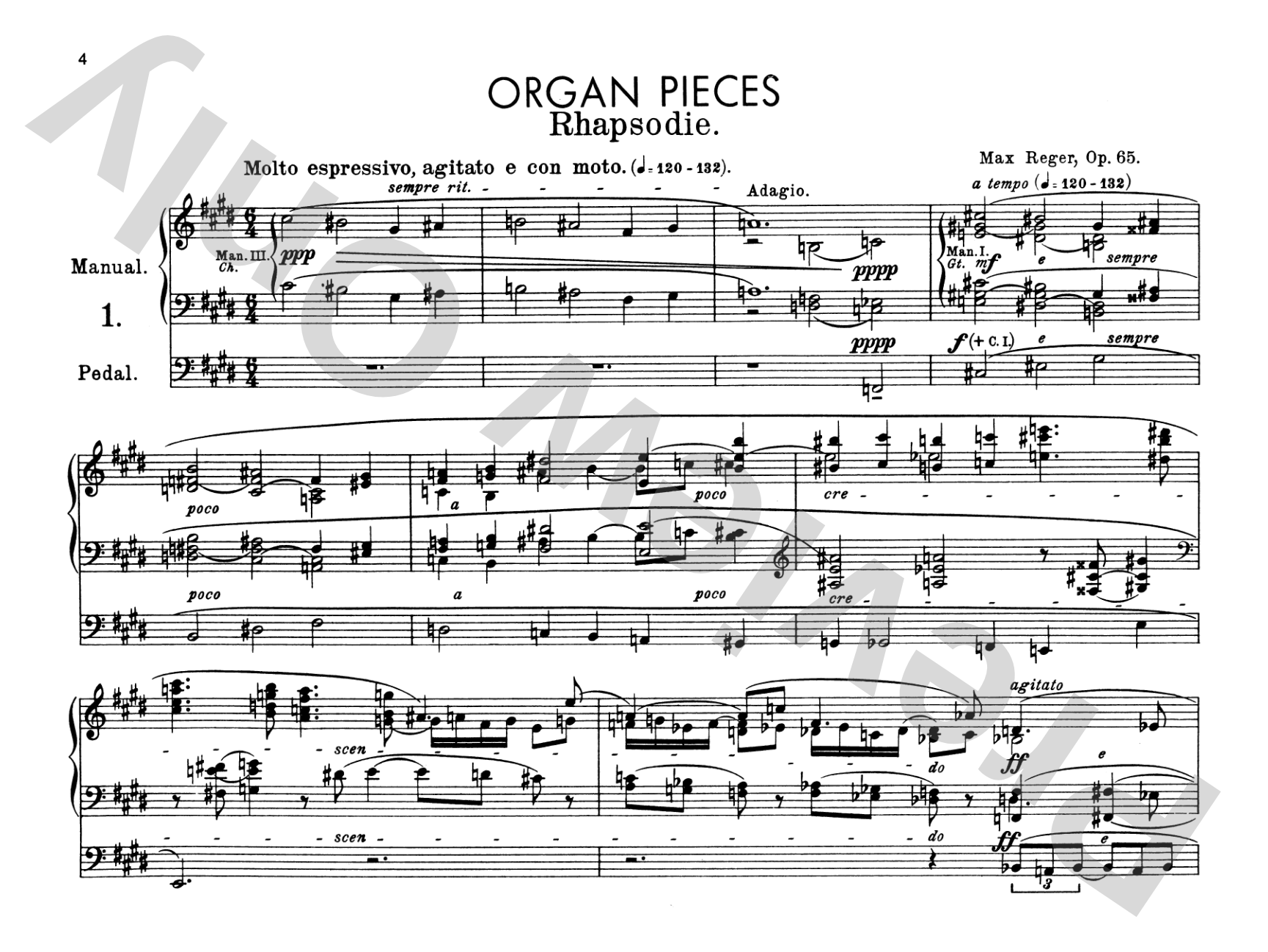
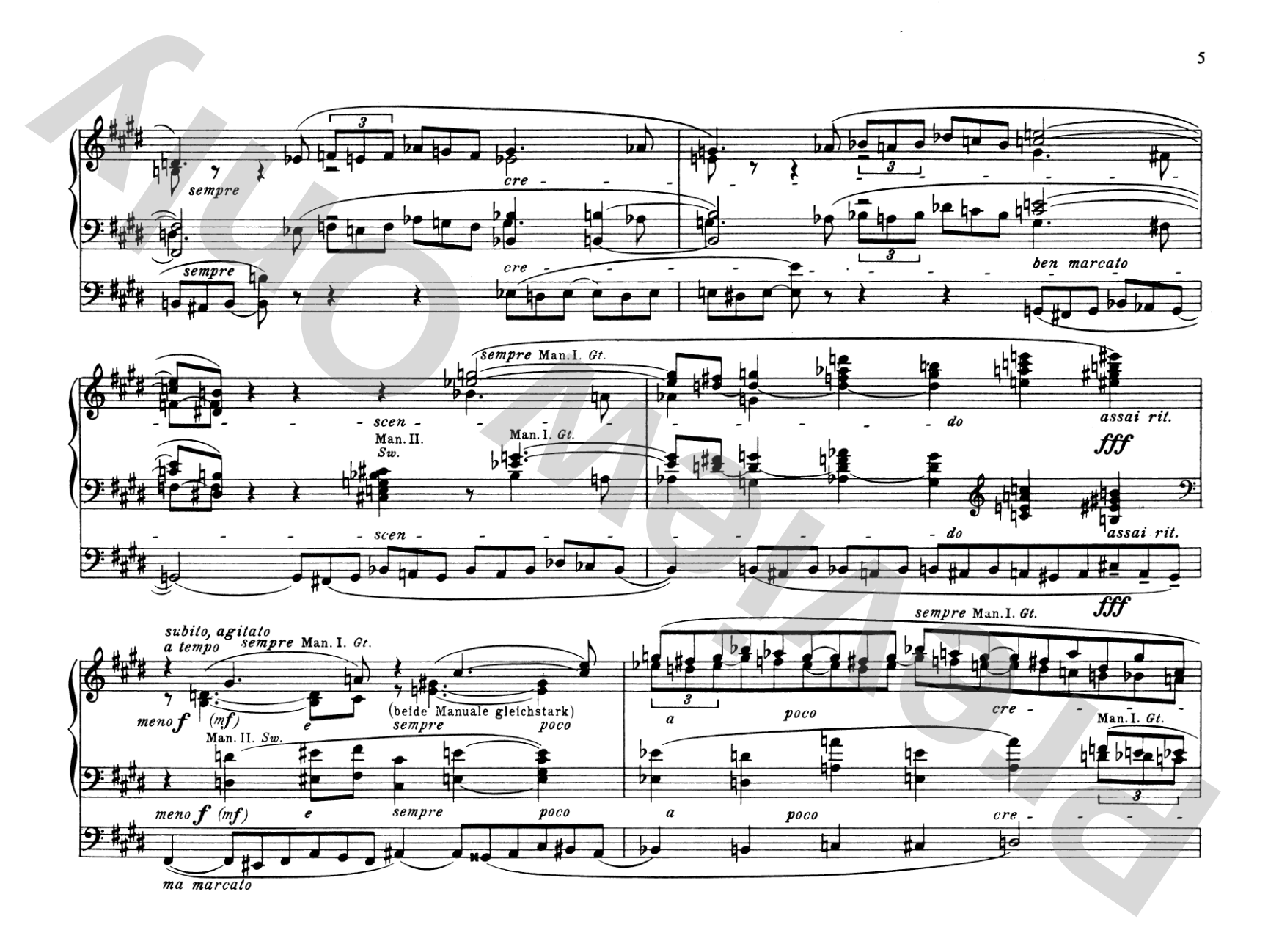
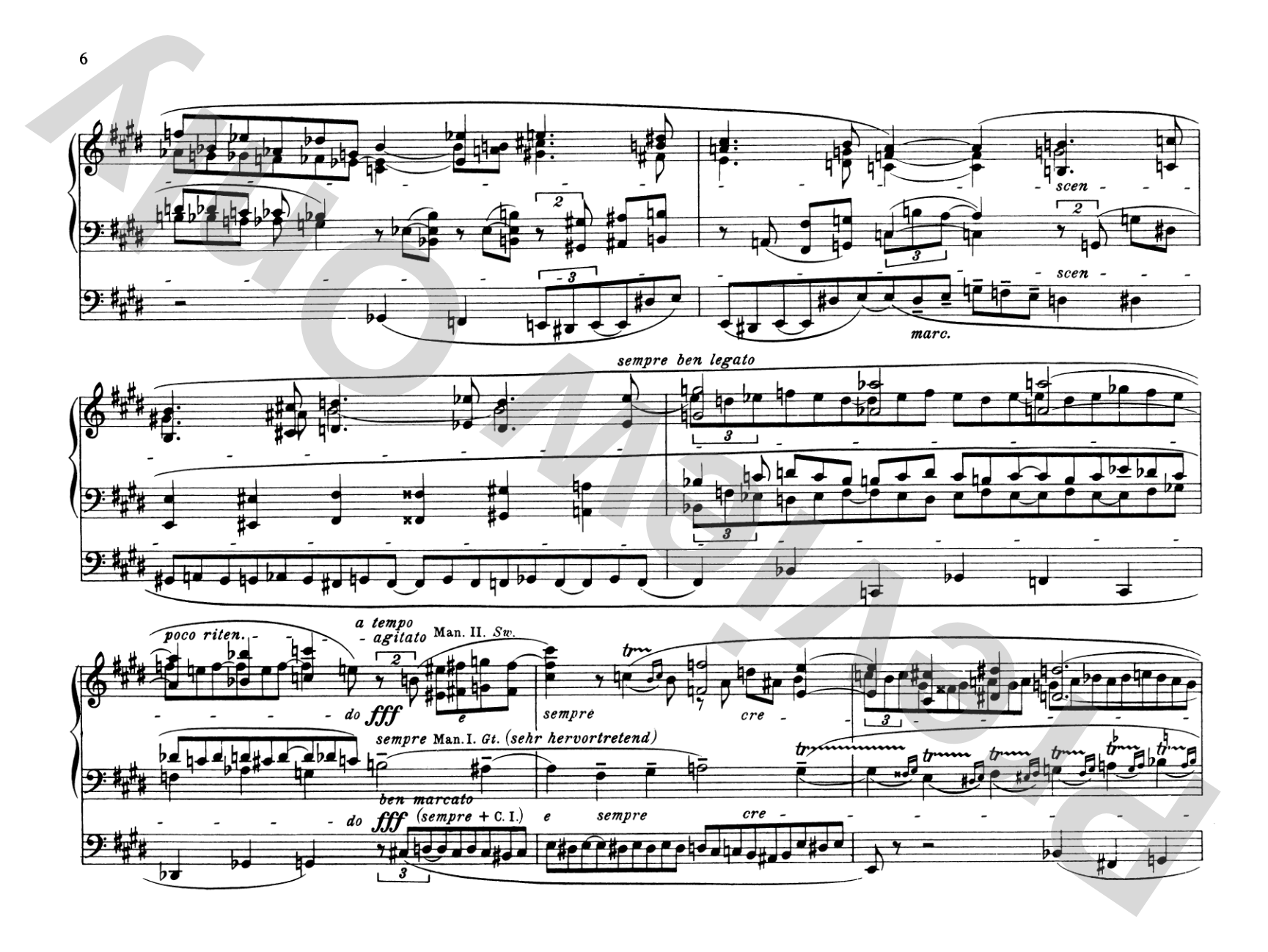
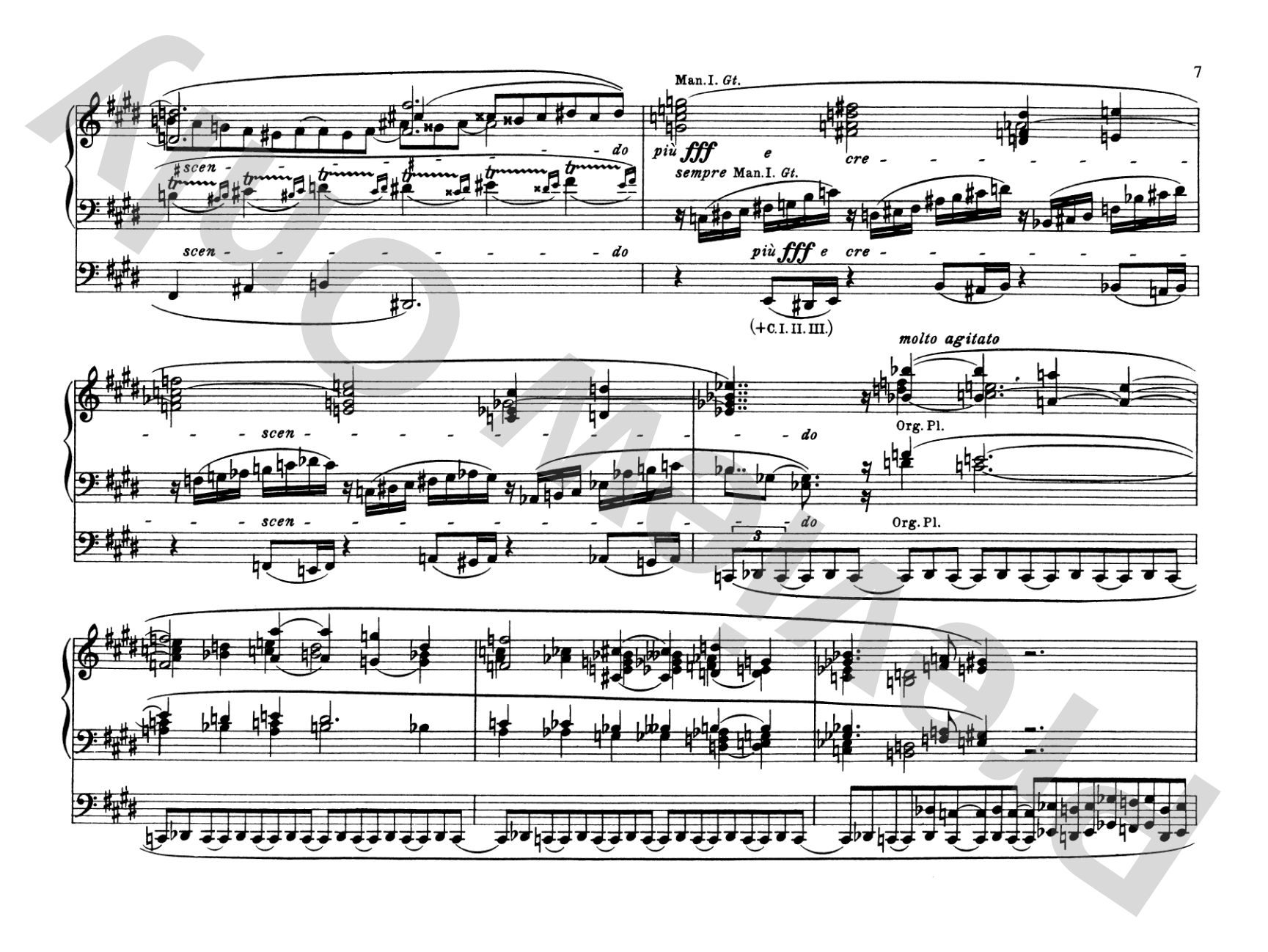
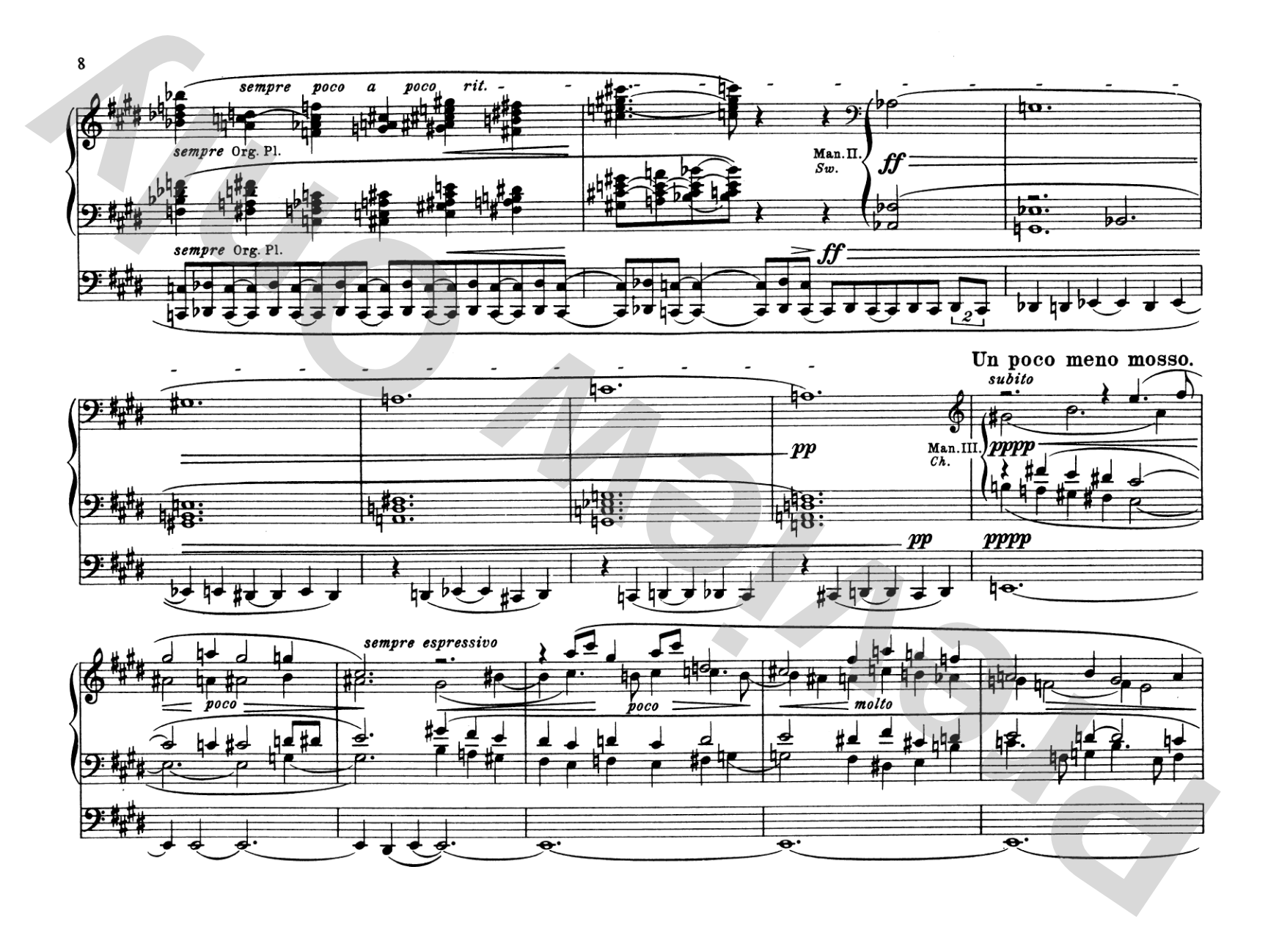
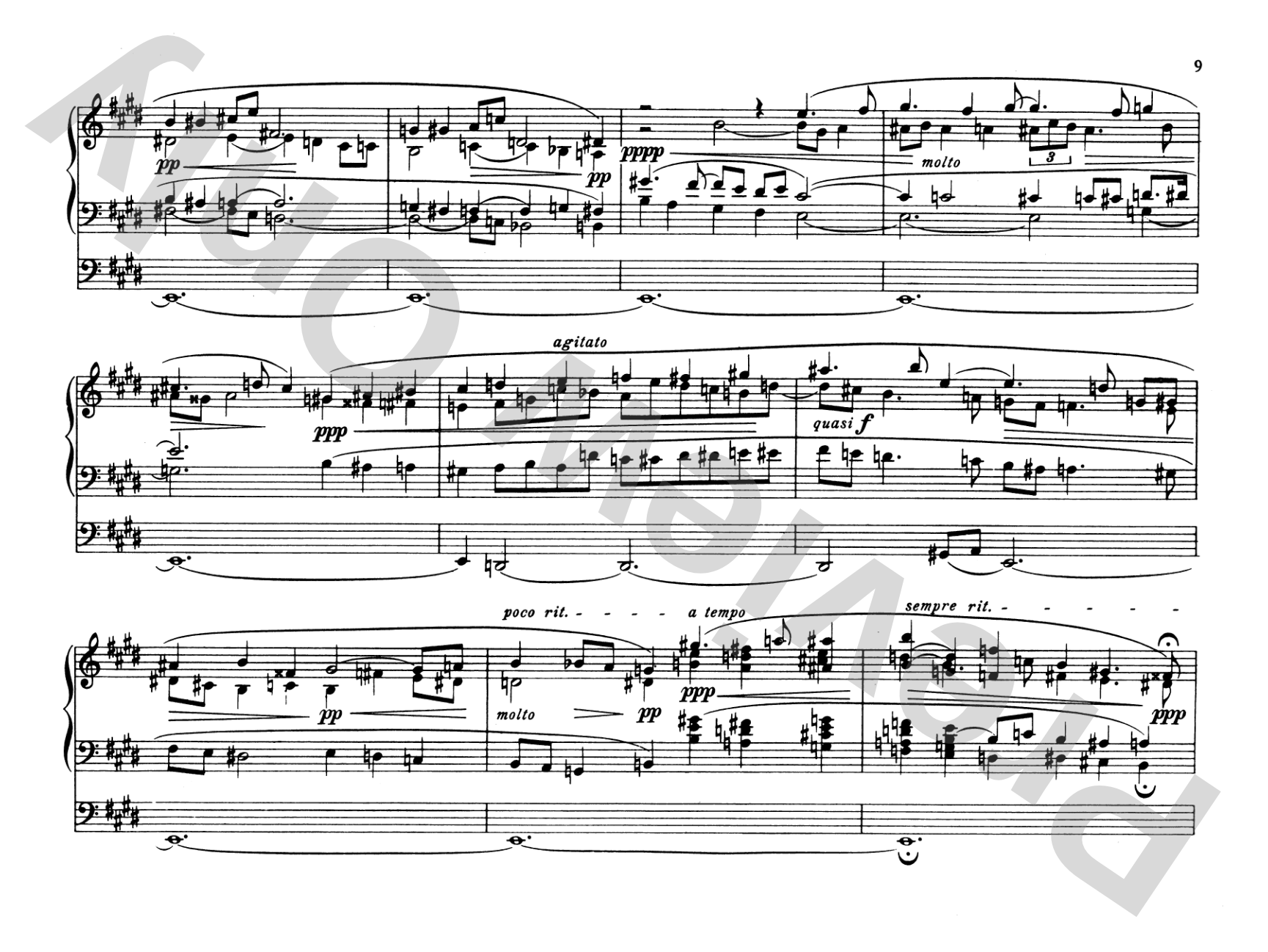
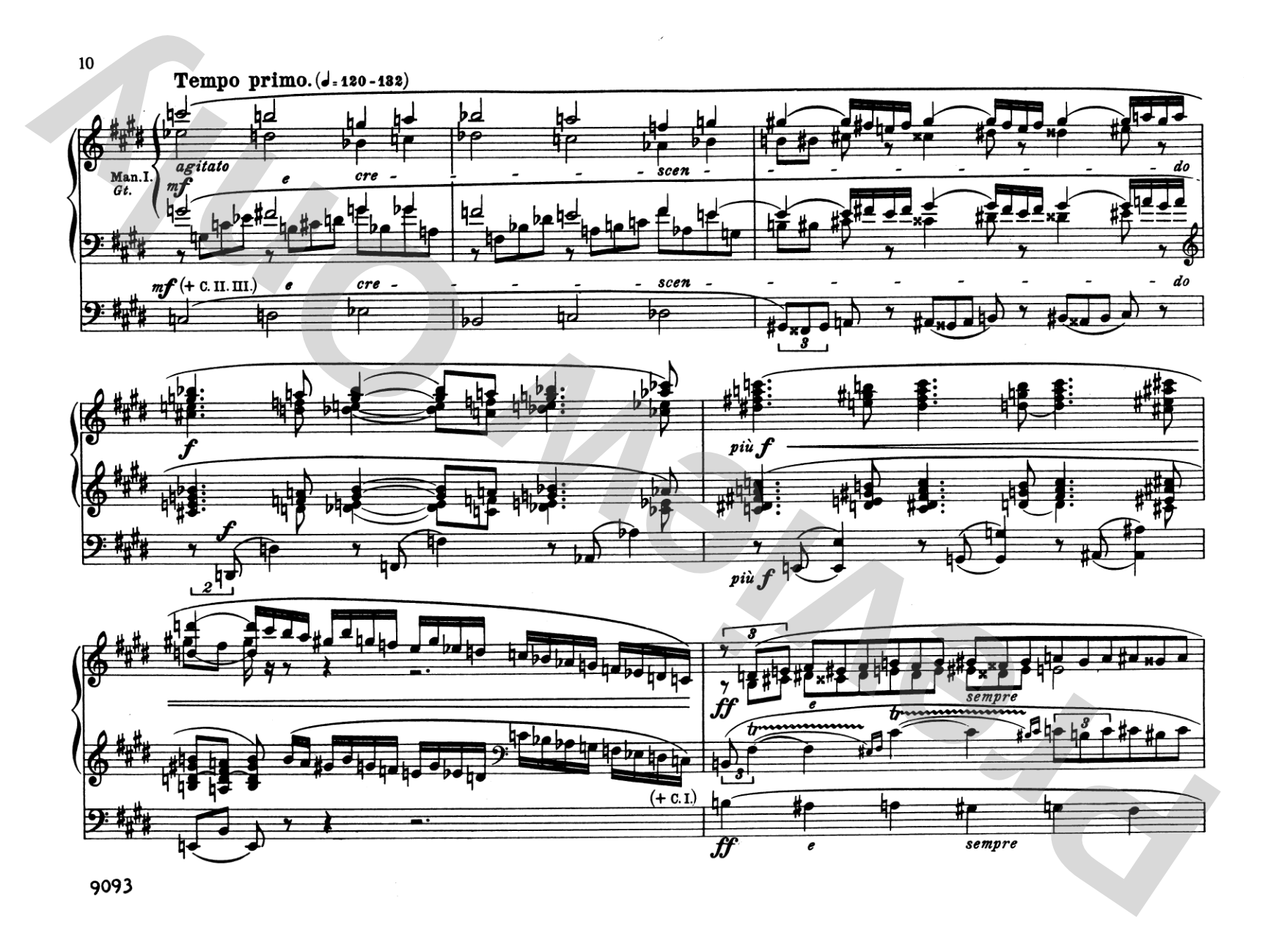
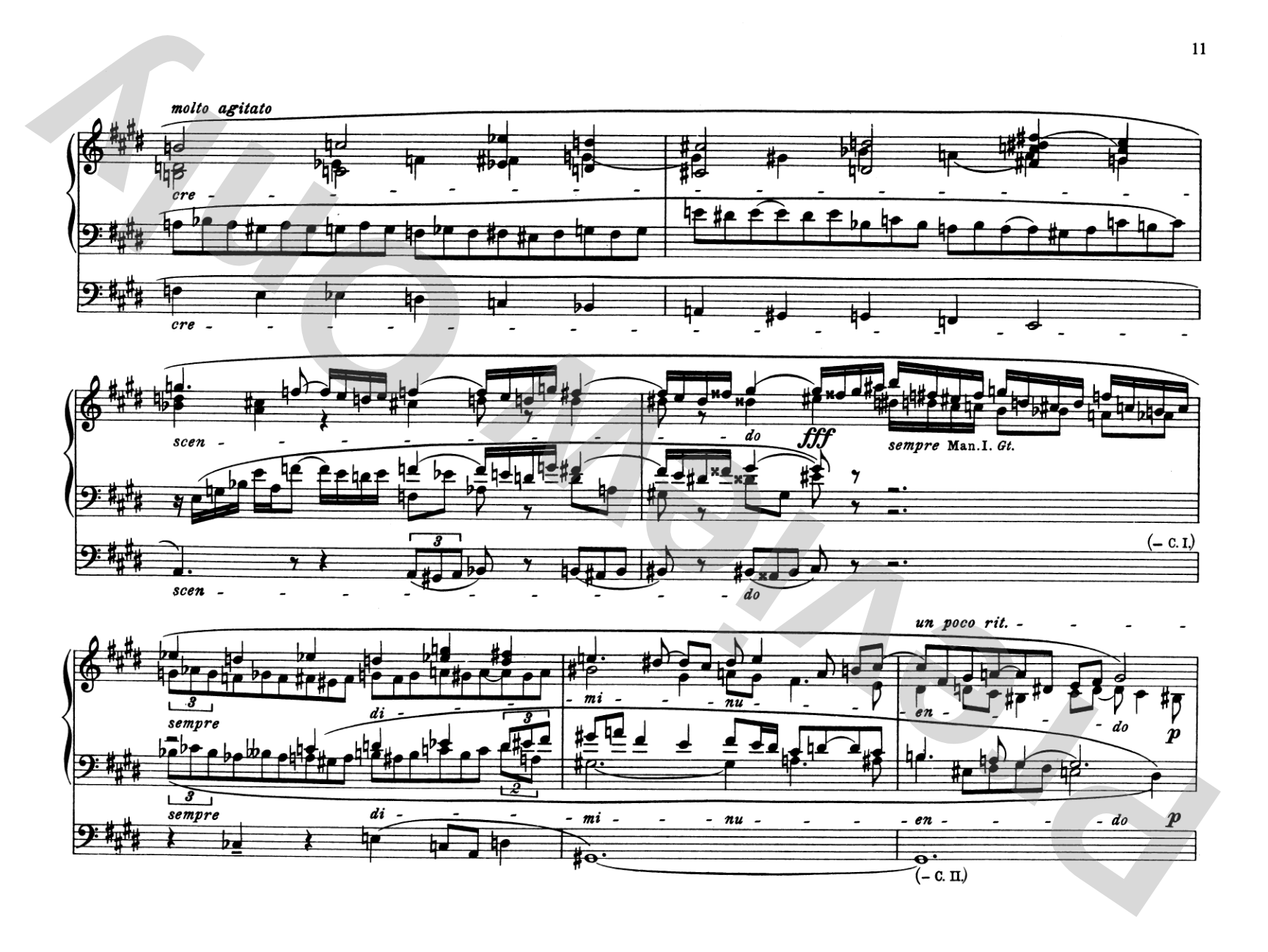
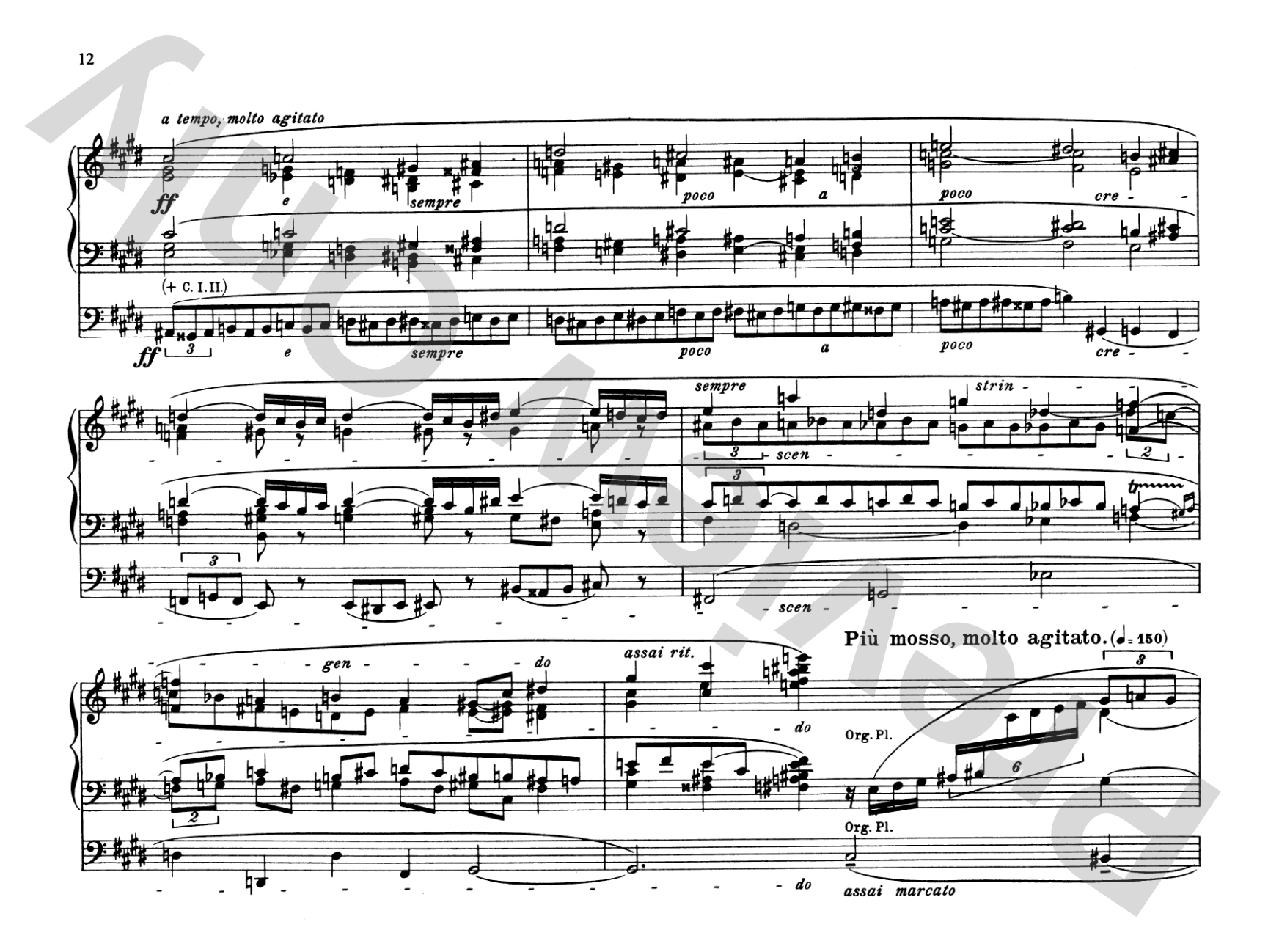
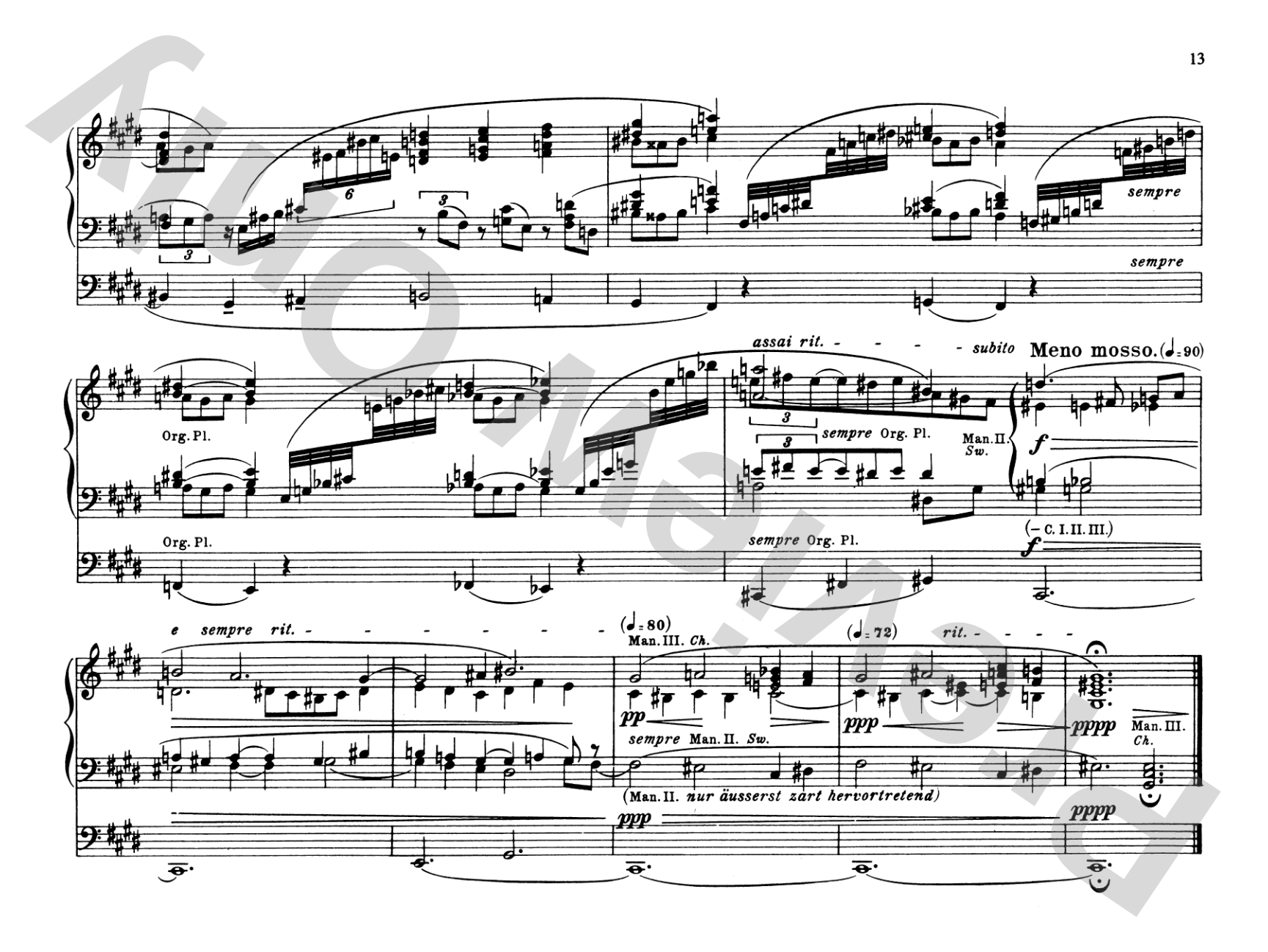
The third Kalmus volume features all twelve advanced-level organ compositions from Reger's opus 65. The comb binding creates a lay-flat book that is perfect for study and performance.


Don't just read it, hear it, play along with it, and watch your students grow with it. In MakeMusic Cloud, Reger: Organ Works, Op. 65: Organ Comb Bound Book comes alive with professional accompaniment, adjustable tempo, and built-in practice tools that turn solo practice into real progress.
Open in the Player
Jump straight in and assign it today.
Start Your Free Trial
Open this title and explore the full library in minutes.
Sample Audio
No sample audio found.
Sample Video
No sample videos found.
Additional Details
Series:
Kalmus Edition
Publisher:
Alfred Music
Page Count:
96
SKU:
00-PK-0002768
More about this title
About the Composer: Max Reger
Max Reger (1873, 1916) was a German composer and organist whose output spanned nearly every musical form. His organ works occupy a central place in his catalog, representing some of the most technically demanding and harmonically sophisticated writing for the instrument in the early twentieth century. Reger's approach to organ composition drew from both the contrapuntal traditions of Bach and the chromatic language of his contemporary Brahms, creating a bridge between Romantic harmonic adventure and structural rigor.
Why we love this
Op. 65 opens a substantial window into Reger's compositional voice at its most confident and inventive. The twelve pieces progress logically in difficulty and character, offering a complete study in his harmonic language and contrapuntal technique. Organists treasure this collection for its architectural integrity; each piece rewards deep study and reveals new details with repeated performance.
What to expect
Reger's Op. 65 unfolds with architectural grandeur and emotional warmth. The pieces breathe with Romantic lyricism while maintaining rigorous structural discipline; you encounter moments of luxuriant harmonic color alongside passages of intricate counterpoint that demand clarity and control. The collection feels like stepping into a world of intellectual rigor wrapped in songful writing.
Who it's for
This collection serves advanced organists who have moved beyond foundational technique and are ready to engage with substantial Romantic-era compositions. It suits organ students pursuing serious study, church musicians building their recital and service repertoire, and accomplished amateurs seeking music of genuine artistic challenge and reward.
How to get the most out of it
- Map the harmonic rhythm before diving into technical work. Reger's voice leading often unfolds across multiple staves, and understanding where the structural pulses fall will anchor your interpretation.
- Address pedal independence early in your preparation. These pieces require your feet to navigate independent melodic and harmonic lines; isolate pedal passages and build comfort before adding manual complexity.
- Exploit registration as a structural tool rather than decoration. Reger designed these works for specific tonal colors that highlight fugal entries, thematic returns, and harmonic shifts.
- Pace your learning across the collection. The later pieces in Op. 65 demand considerable facility; spacing your study prevents burnout and allows each work to deepen your understanding of Reger's style.
How to use it
Program individual pieces from Op. 65 to anchor organ recitals or concert programs focused on Romantic keyboard music. A single work makes an excellent centerpiece for a church concert or lecture-recital exploring Reger's approach to the instrument. The collection's internal variety means you can select pieces that fit different liturgical or concert contexts without breaking thematic coherence.
Skills your students will build
- Independent pedal writing and coordination between feet and hands
- Reading and performing complex harmonic progressions with chromatic voice leading
- Fugal technique and contrapuntal clarity across multiple manual and pedal lines
- Registration planning to articulate structure and highlight thematic material
- Interpretive depth in Romantic-era organ repertoire
- Sustained technical facility across pieces of escalating difficulty