
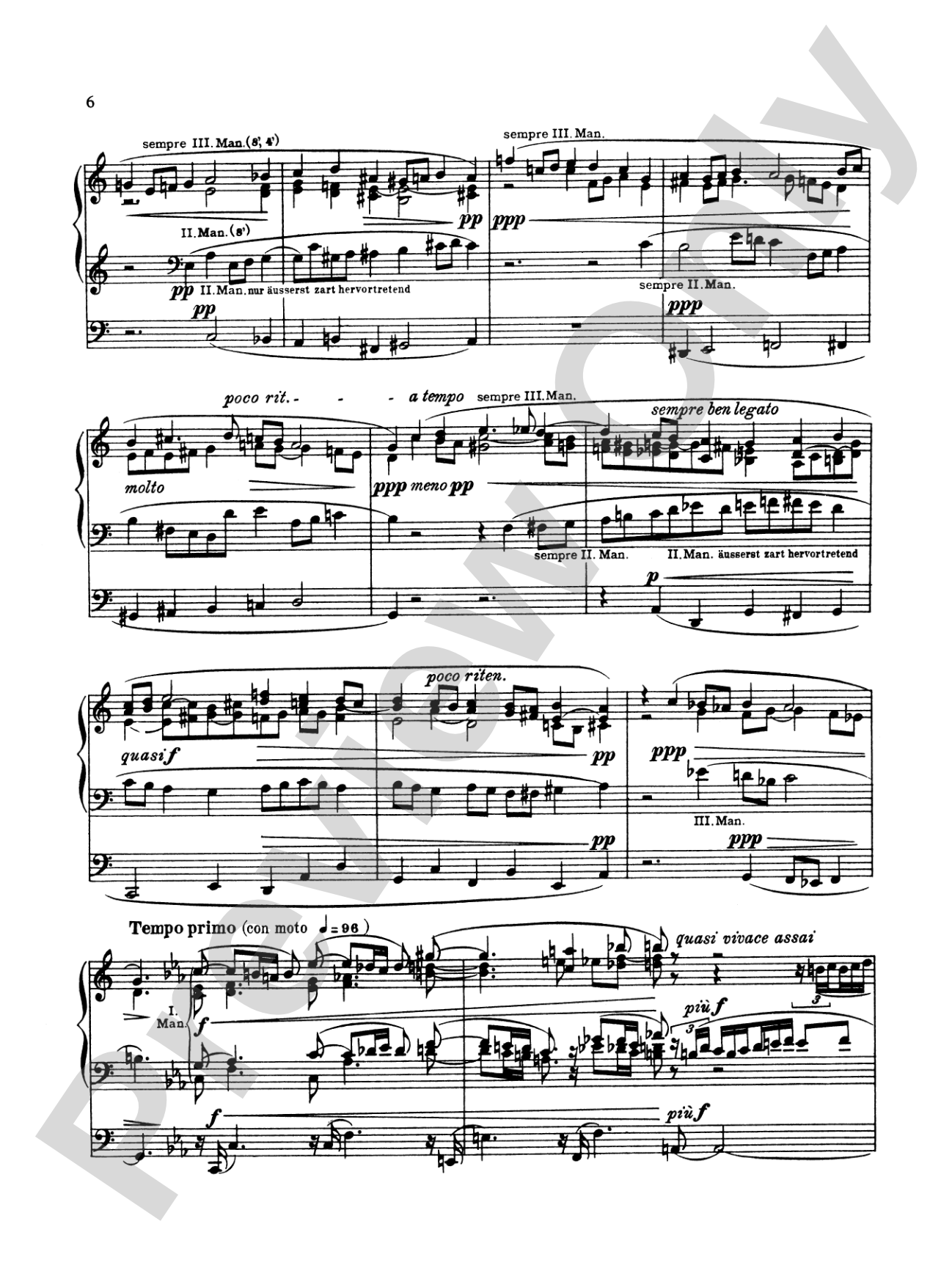
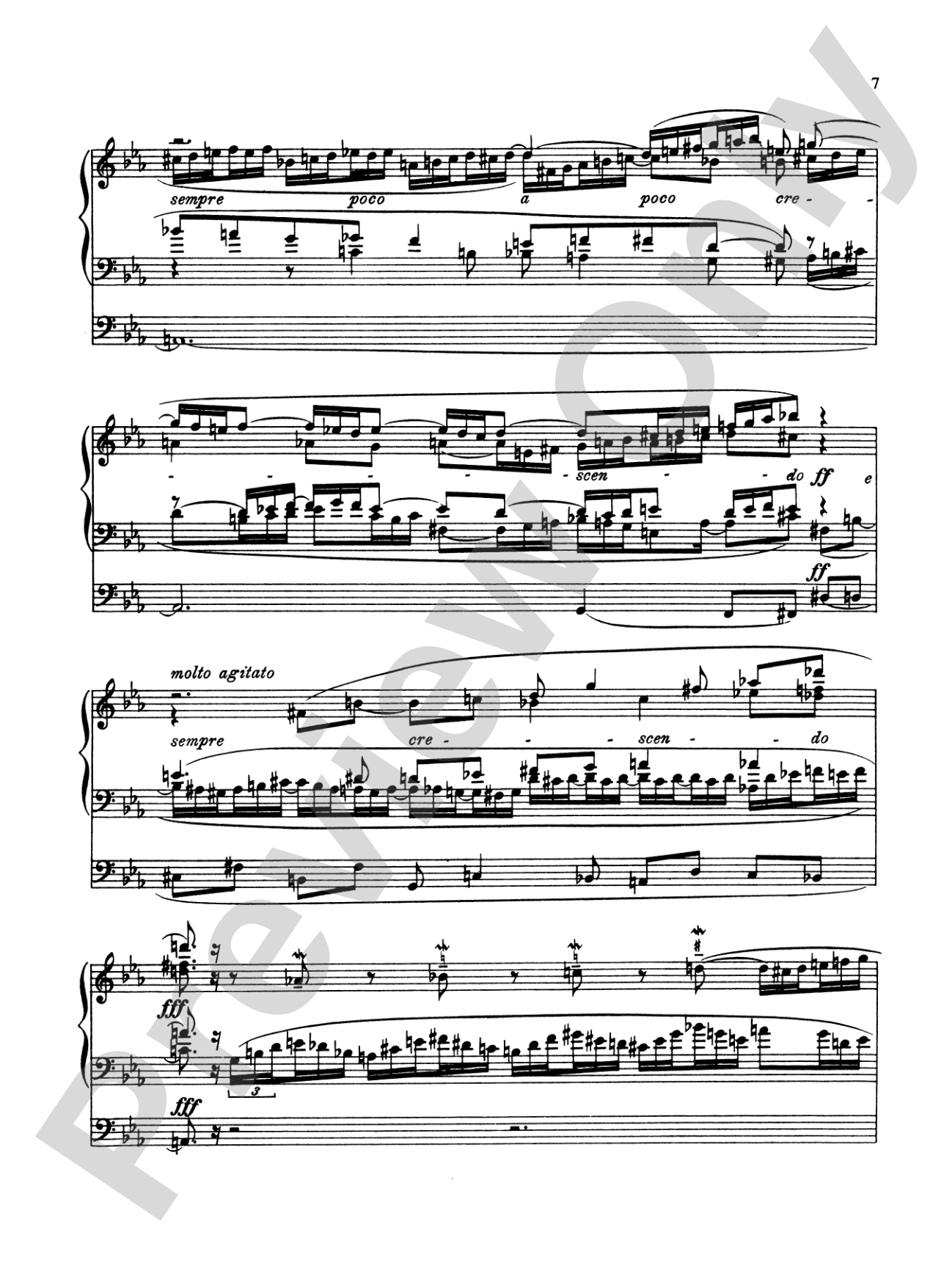
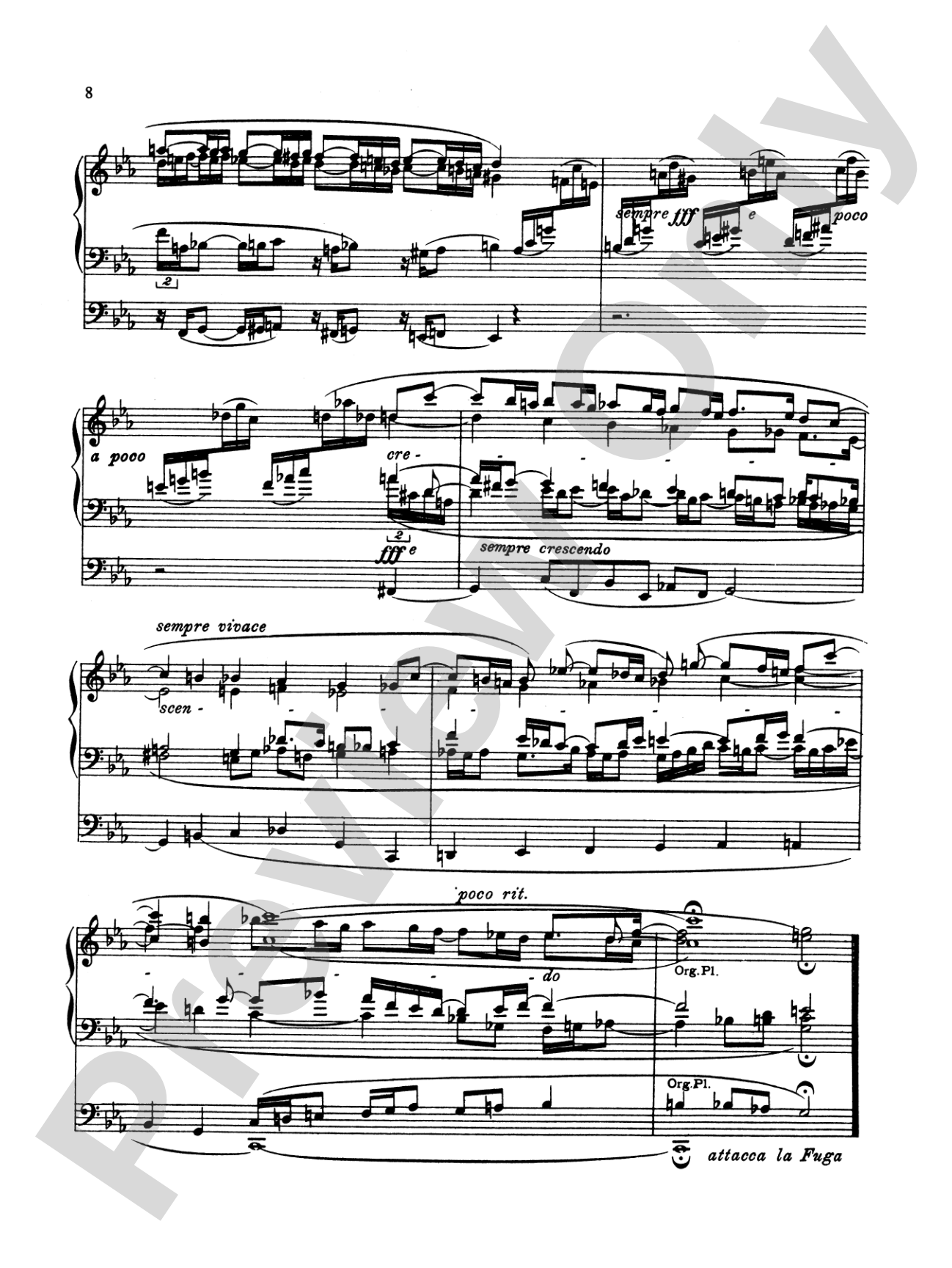

Reger: Organ Works, Op. 63: Organ Book
By Max Reger
Item: 00-PK-0002767

$11.99
Pickup currently not available
Buy Extra Parts (Digital PDF Download)
| Product | Price | Quantity |
|---|---|---|
| Reger: Organ Works, Op. 63 | $0.99 | |
| Reger: Organ Works, Op. 63 | $0.99 | |
| Reger: Organ Works, Op. 63 | $0.99 | |
| Reger: Organ Works, Op. 63 | $0.99 | |
| Reger: Organ Works, Op. 63 | $0.99 | |
| Reger: Organ Works, Op. 63 | $0.99 | |
| Reger: Organ Works, Op. 63 | $0.99 | |
| Reger: Organ Works, Op. 63 | $0.99 | |
| Reger: Organ Works, Op. 63 | $0.99 | |
| Reger: Organ Works, Op. 63 | $0.99 | |
| Reger: Organ Works, Op. 63 | $0.99 | |
| Reger: Organ Works, Op. 63 | $0.99 |
Parts Added to Cart!
Related Items
Organ Works, Opus 63: Organ Book |
$11.99
|
View |
Description
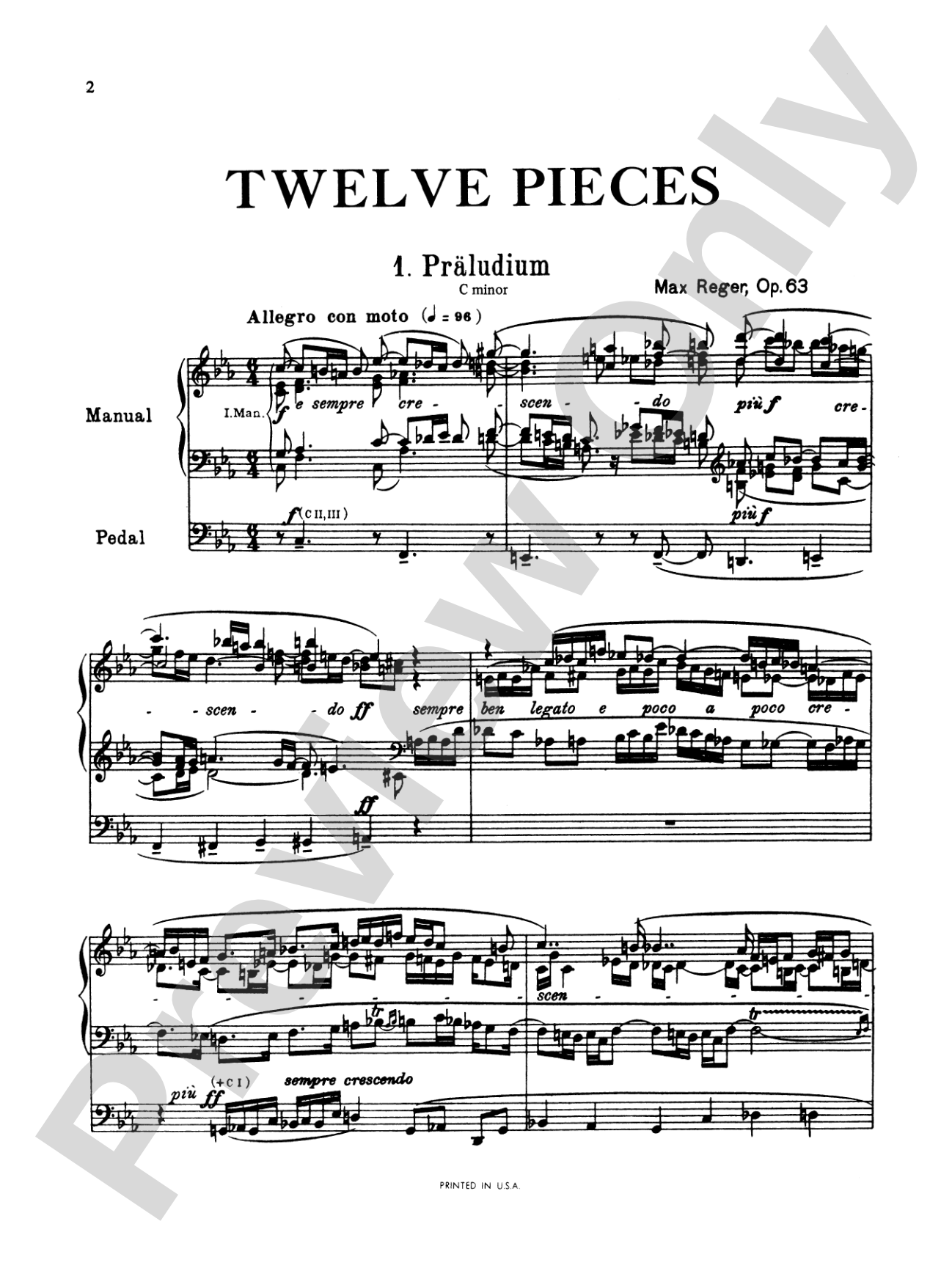
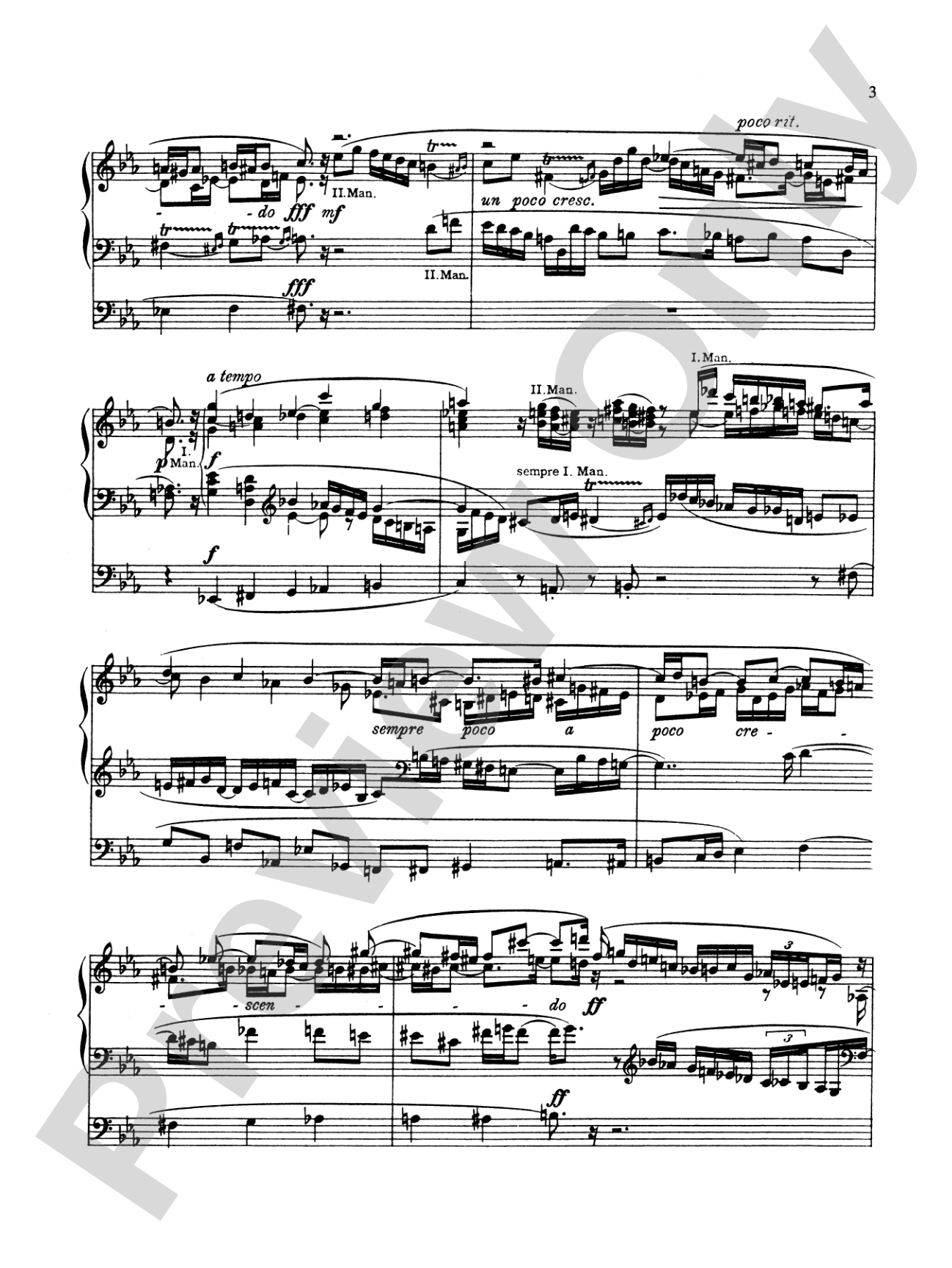
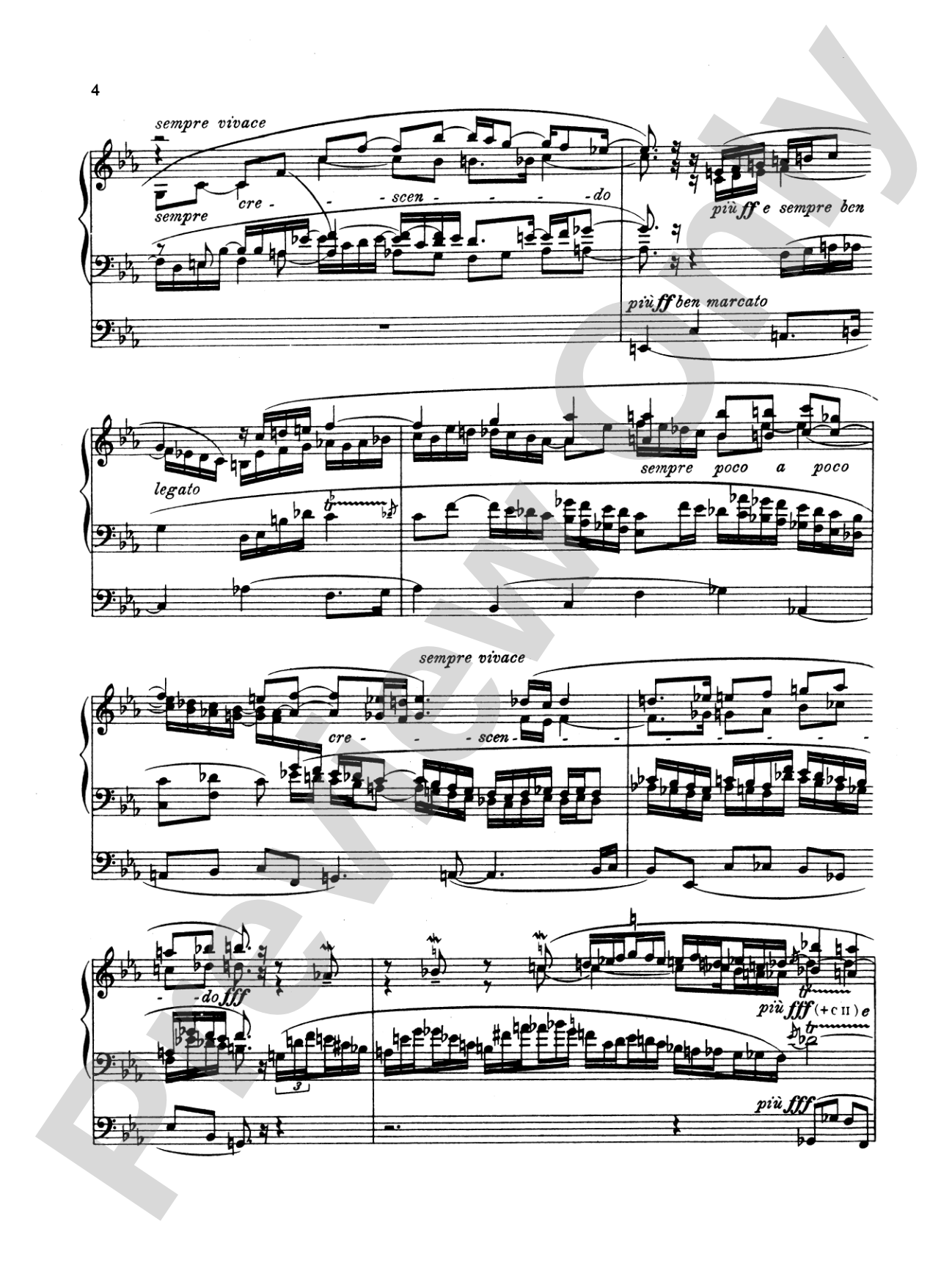
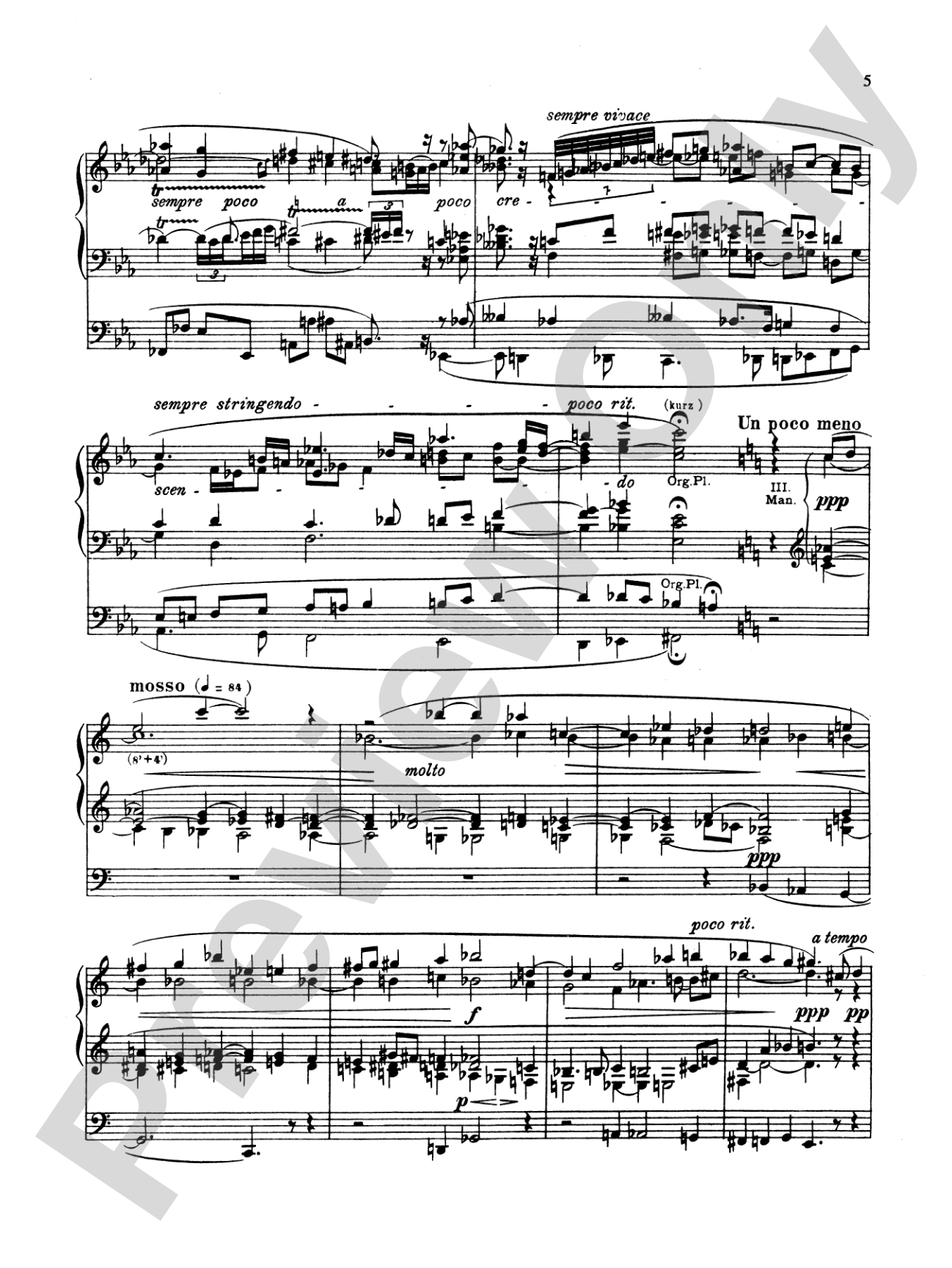
Our second volume of organ works by Reger features all twelve advanced works from his opus 63.


Don't just read it, hear it, play along with it, and watch your students grow with it. In MakeMusic Cloud, Reger: Organ Works, Op. 63: Organ Book comes alive with professional accompaniment, adjustable tempo, and built-in practice tools that turn solo practice into real progress.
Open in the Player
Jump straight in and assign it today.
Start Your Free Trial
Open this title and explore the full library in minutes.
Sample Audio
No sample audio found.
Sample Video
No sample videos found.
Additional Details
Series:
Kalmus Edition
Publisher:
Alfred Music
Page Count:
84
SKU:
00-PK-0002767
More about this title
About the Composer: Max Reger
Max Reger (1873, 1916) was a German composer and organist whose prolific output bridged the late Romantic and early modern periods. His organ works are central to the repertoire, combining Bach-influenced counterpoint with chromatic harmony and intricate registration demands that expand what the instrument can express.
Reger's approach to organ composition treats the instrument as a vehicle for sophisticated musical thought. His works require organists to master pedal technique, navigate complex harmonic language, and understand the architectural logic of large-scale forms. He elevated organ music to concert-hall status at a time when it risked becoming purely liturgical.
Why we love this
These twelve pieces from Op. 63 represent some of Reger's most concentrated organ writing, works that demand serious musicianship while rewarding deep study. The collection spans multiple forms and moods, giving you real programming flexibility within a single opus. You get genuine artistic substance here, not exercises dressed up as compositions.
What to expect
These pieces inhabit a world of dense counterpoint and lush harmonic color, where Bach's architectural logic meets Romantic chromaticism. The writing feels intricate and demanding, requiring both intellectual engagement and expressive vulnerability. Each work unfolds with a sense of inevitable structure even as the harmonic language surprises.
Who it's for
Advanced organists preparing for recitals, competitions, or graduate-level study will find this collection essential. Church musicians seeking to expand their liturgical and concert repertoire with substantial works will benefit from Reger's sophisticated musical language. This volume assumes solid technical foundation, fluent score reading, and comfort with advanced harmonic language.
How to get the most out of it
- Attend carefully to Reger's registration markings; they are integral to the harmonic architecture and often signal structural moments. Experiment with your instrument's capabilities before settling on final choices.
- Study the harmonic language systematically before tackling pedal passages. Understanding the underlying voice leading will clarify awkward fingerings and rhythmic profiles.
- Practice separated hands and feet frequently, paying particular attention to independence between manual parts and pedal entries that cut against manual rhythms.
- Approach tempo with restraint; Reger's counterpoint requires breathing room. A slightly slower tempo allows harmonic richness to emerge without sacrificing structural clarity.
How to use it
Include individual pieces from this collection in recitals devoted to twentieth-century organ music or as centerpieces in programs exploring the German organ tradition. These works pair effectively with earlier Reger opus numbers or with contemporaries like Widor and Vierne. A single Op. 63 work can anchor the second half of a mixed recital, providing intellectual and emotional weight.
Skills your students will build
- Advanced counterpoint and voice leading in modern harmonic language
- Independent pedal technique with complex rhythmic patterns
- Harmonic analysis of chromatic and extended tertian structures
- Organ registration choices based on structural and harmonic content
- Reading and interpreting dense musical scores with multiple simultaneous lines
- Interpretive phrasing within architecturally rigorous compositional frameworks