
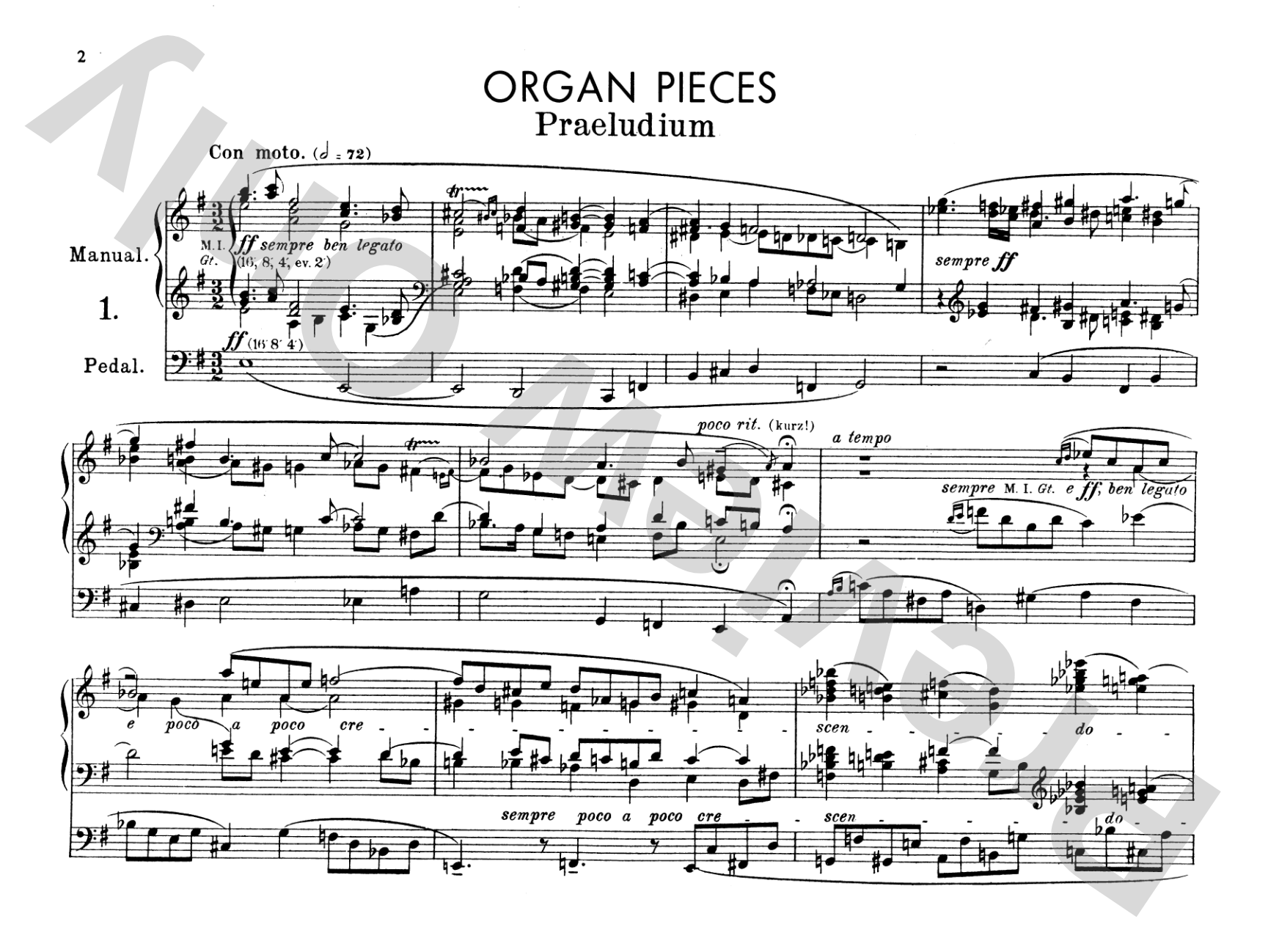
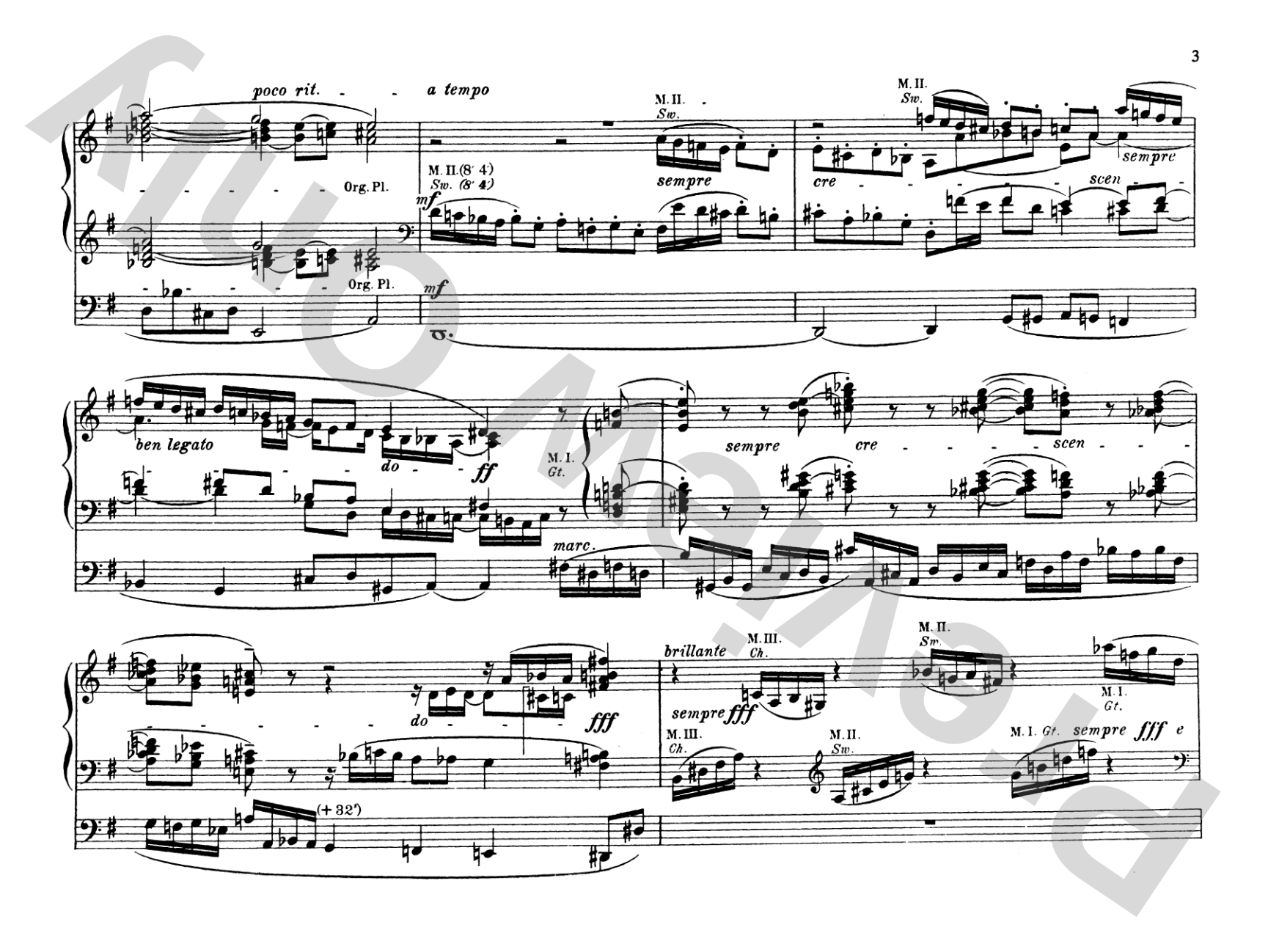
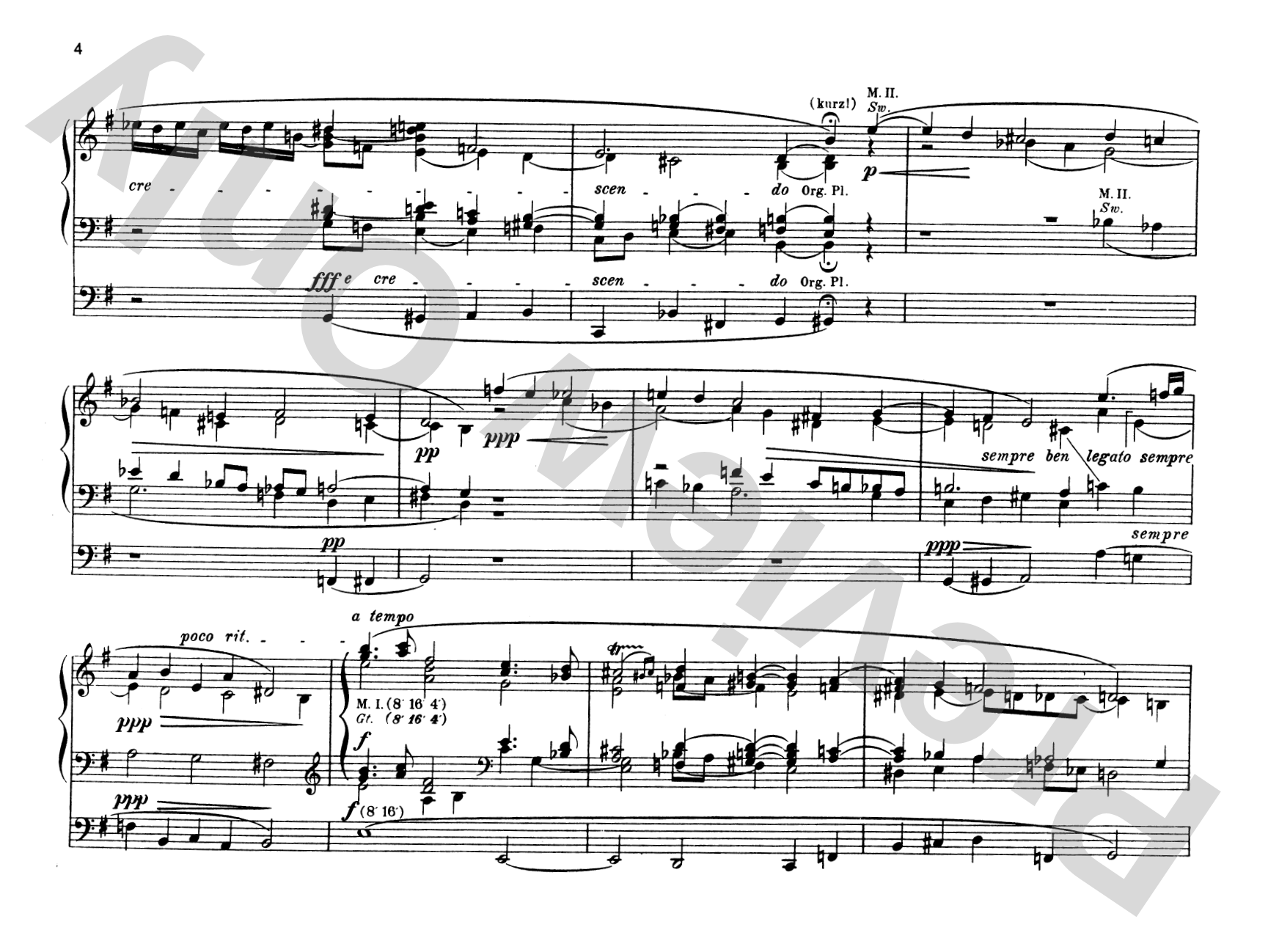
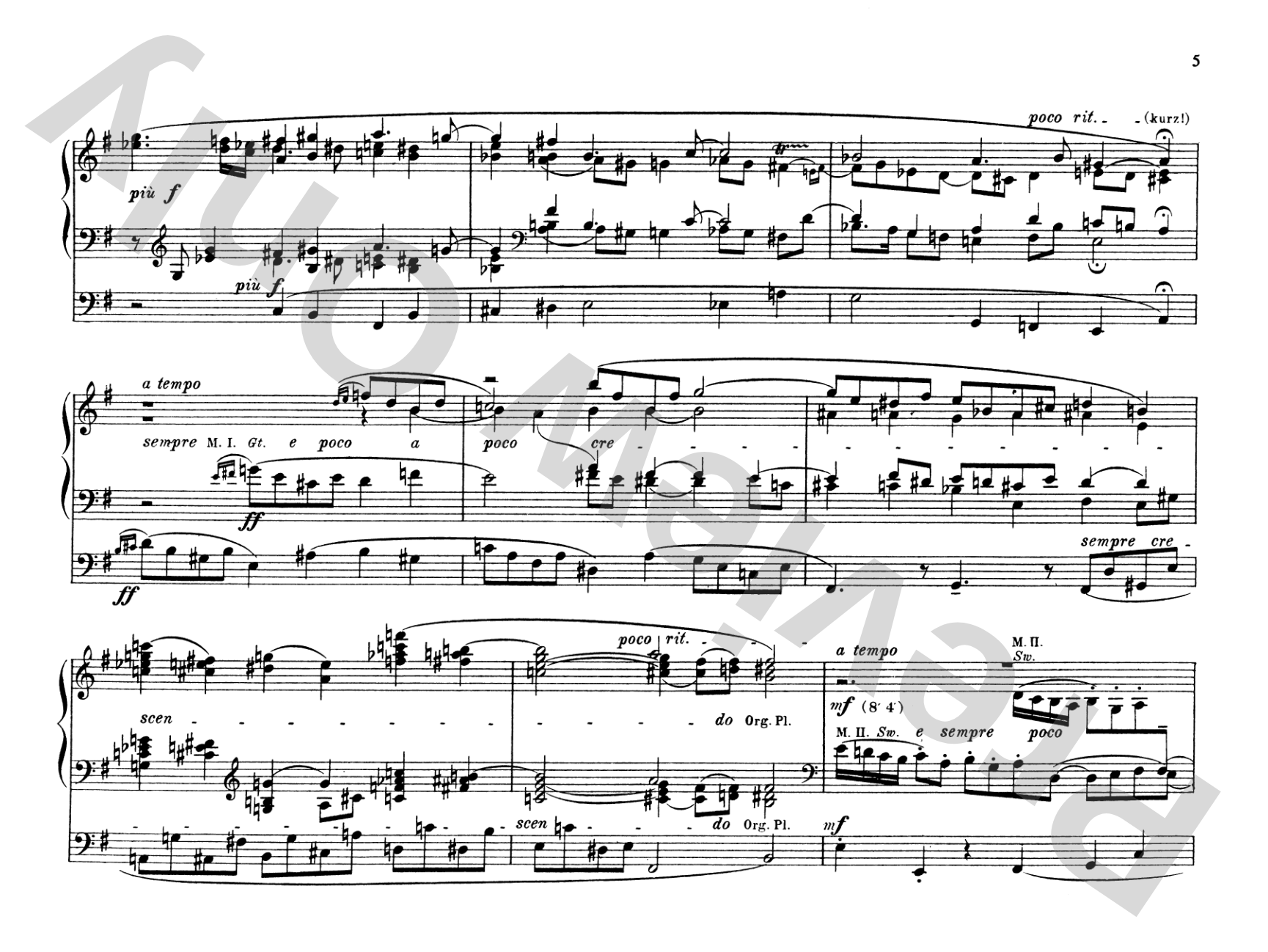

Reger: Organ Works, Op. 59: Organ Comb Bound Book
By Max Reger
Item: 00-PK-0002766

$10.99
Pickup currently not available
Buy Extra Parts (Digital PDF Download)
| Product | Price | Quantity |
|---|---|---|
| Reger: Organ Works, Op. 59 | $0.99 | |
| Reger: Organ Works, Op. 59 | $0.99 | |
| Reger: Organ Works, Op. 59 | $0.99 | |
| Reger: Organ Works, Op. 59 | $0.99 | |
| Reger: Organ Works, Op. 59 | $0.99 | |
| Reger: Organ Works, Op. 59 | $0.99 | |
| Reger: Organ Works, Op. 59 | $0.99 | |
| Reger: Organ Works, Op. 59 | $0.99 | |
| Reger: Organ Works, Op. 59 | $0.99 | |
| Reger: Organ Works, Op. 59 | $0.99 | |
| Reger: Organ Works, Op. 59 | $0.99 | |
| Reger: Organ Works, Op. 59 | $0.99 |
Parts Added to Cart!
Related Items
Organ Works, Opus 59: Organ Comb Bound Book |
$10.95
|
View |
Description
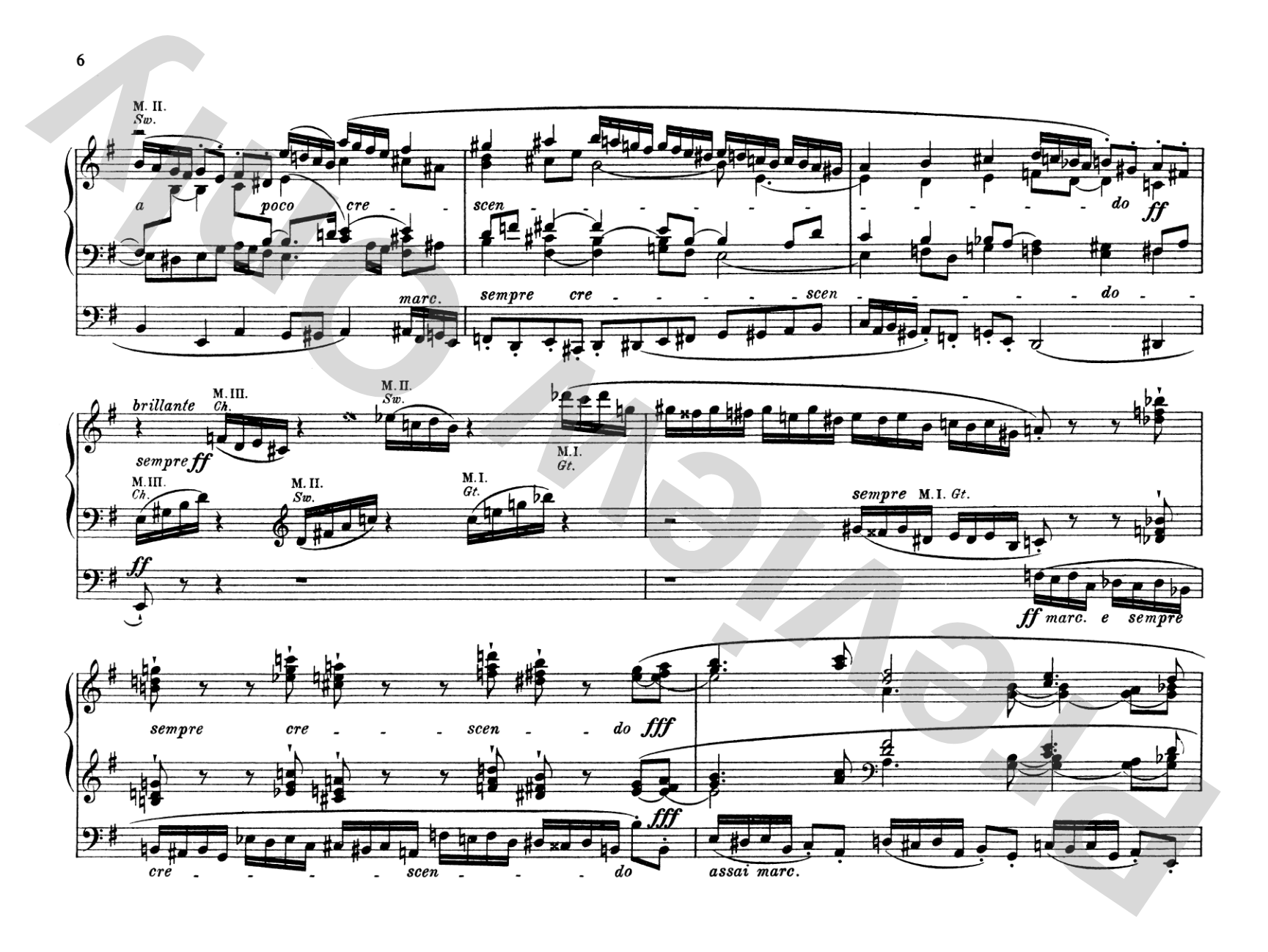
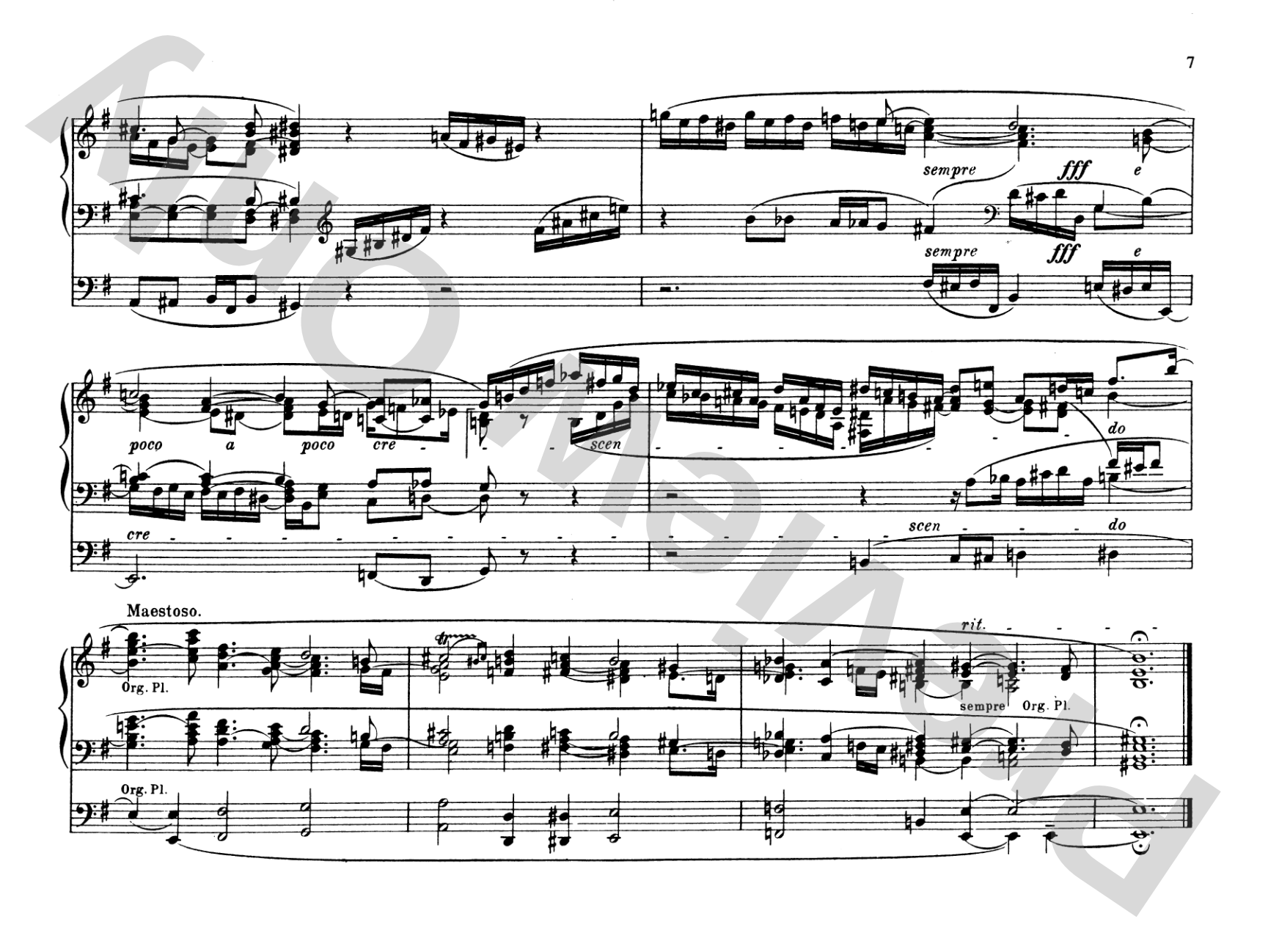
The first of three volumes of organ works by famed German organist/composer, Max Reger. This edition includes twelve organ solos from his opus 59. The comb binding creates a lay-flat book that is perfect for study and performance.


Don't just read it, hear it, play along with it, and watch your students grow with it. In MakeMusic Cloud, Reger: Organ Works, Op. 59: Organ Comb Bound Book comes alive with professional accompaniment, adjustable tempo, and built-in practice tools that turn solo practice into real progress.
Open in the Player
Jump straight in and assign it today.
Start Your Free Trial
Open this title and explore the full library in minutes.
Sample Audio
No sample audio found.
Sample Video
No sample videos found.
Additional Details
Series:
Kalmus Edition
Publisher:
Alfred Music
Page Count:
56
SKU:
00-PK-0002766
More about this title
About the Composer: Max Reger
Max Reger (1873, 1916) was one of the most prolific composers of his era, working across virtually every genre with restless creative energy. His organ works occupy a central place in his output and remain core repertoire for serious organists; his technical command of counterpoint and harmonic language reshaped what was possible at the instrument during the late Romantic period.
Reger's approach to organ composition balanced respect for German liturgical tradition with advanced chromatic harmony and architectural ambition. His willingness to demand virtuosity from players, combined with his deep knowledge of organ registration and mechanical design, established a new standard for the medium that influenced generations of composers and performers.
Why we love this
Op. 59 offers organists substantial yet accessible material that doesn't require the virtuosic extremes of Reger's larger works. These twelve solos represent a thoughtful entry point into his compositional voice while maintaining the harmonic depth and formal sophistication that make Reger's music genuinely rewarding to study and perform.
What to expect
These works pulse with romantic warmth tempered by intellectual rigor. You'll find moments of lyrical beauty alongside passages of contrapuntal density, all underpinned by the rich, complex harmonies that define Reger's compositional identity. The writing feels both intimate and architecturally grand.
Who it's for
Organists with intermediate to advanced technical facility who are ready to engage with Reger's harmonic language and registration demands. This collection suits both church musicians looking to expand their repertoire and serious students preparing for recitals or examinations.
How to get the most out of it
- Map out the registration changes throughout each piece before your first full run-through; Reger's timbral palette is integral to the musical argument, and understanding when stops shift will clarify phrase structure.
- Pay attention to the pedal line independently of the manuals. Many of these solos ask the feet to carry significant thematic material, so practice the pedal part as its own voice rather than as accompaniment.
- Allow rubato in the lyrical passages without losing harmonic clarity. Reger's chromaticism rewards flexibility in tempo, but maintain precision in voice leading so listeners can follow the harmonic motion.
- Use the comb binding to keep your place during practice by marking registration cues lightly in pencil; the lay-flat format makes annotation and page turns considerably easier during learning.
How to use it
These solos work beautifully as recital pieces or as part of a church service prelude or postlude program. A single piece from this set could anchor a concert around nineteenth-century organ music, or several could be grouped together to create a substantial program exploring Reger's stylistic range.
Skills your students will build
- Managing chromatic harmony and voice independence across multiple staves
- Executing secure pedal technique with thematic material
- Understanding organ registration and timbral planning
- Interpreting Romantic-era harmonic language and rubato
- Reading and performing works in varied keys and meters