

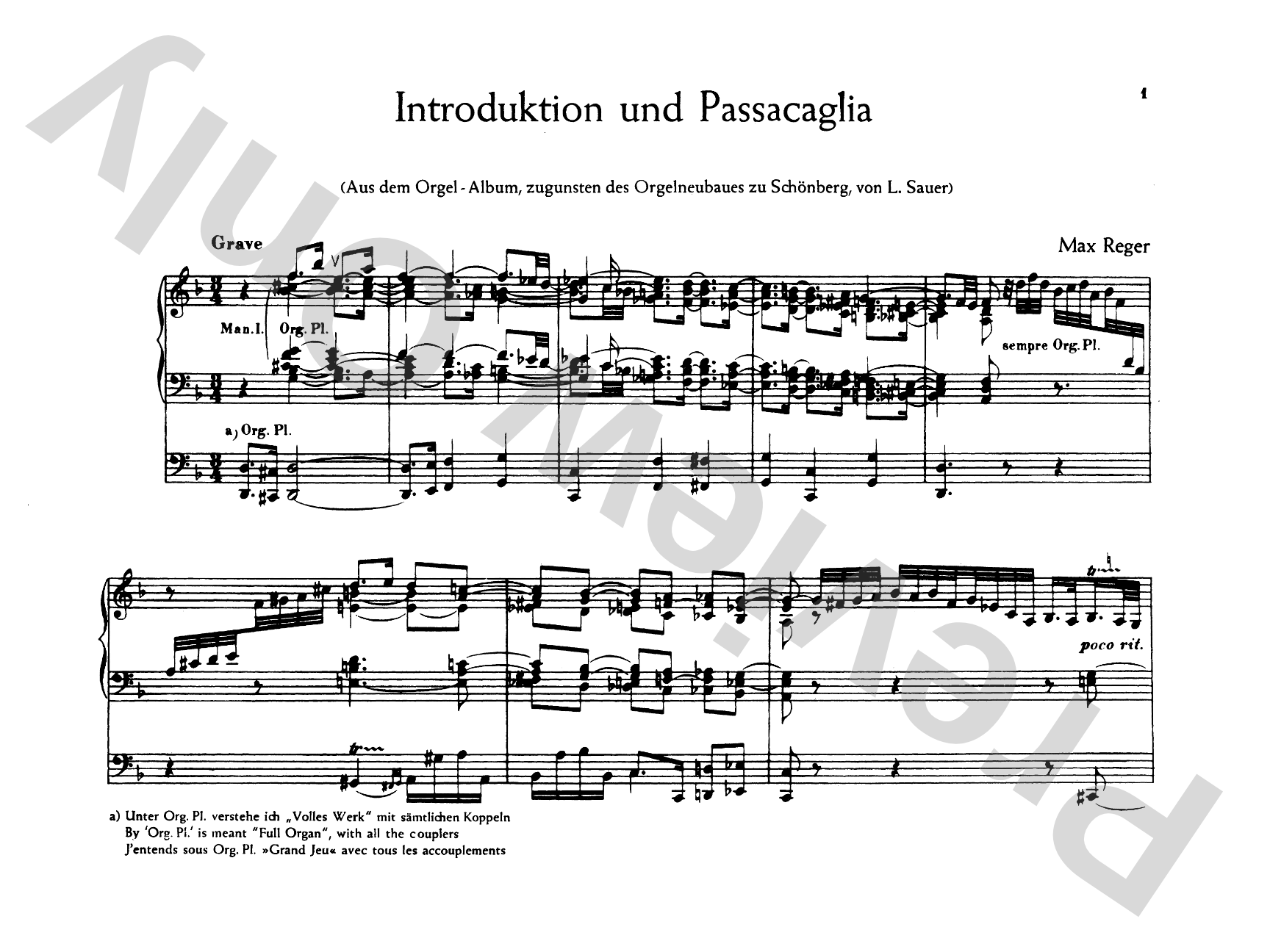
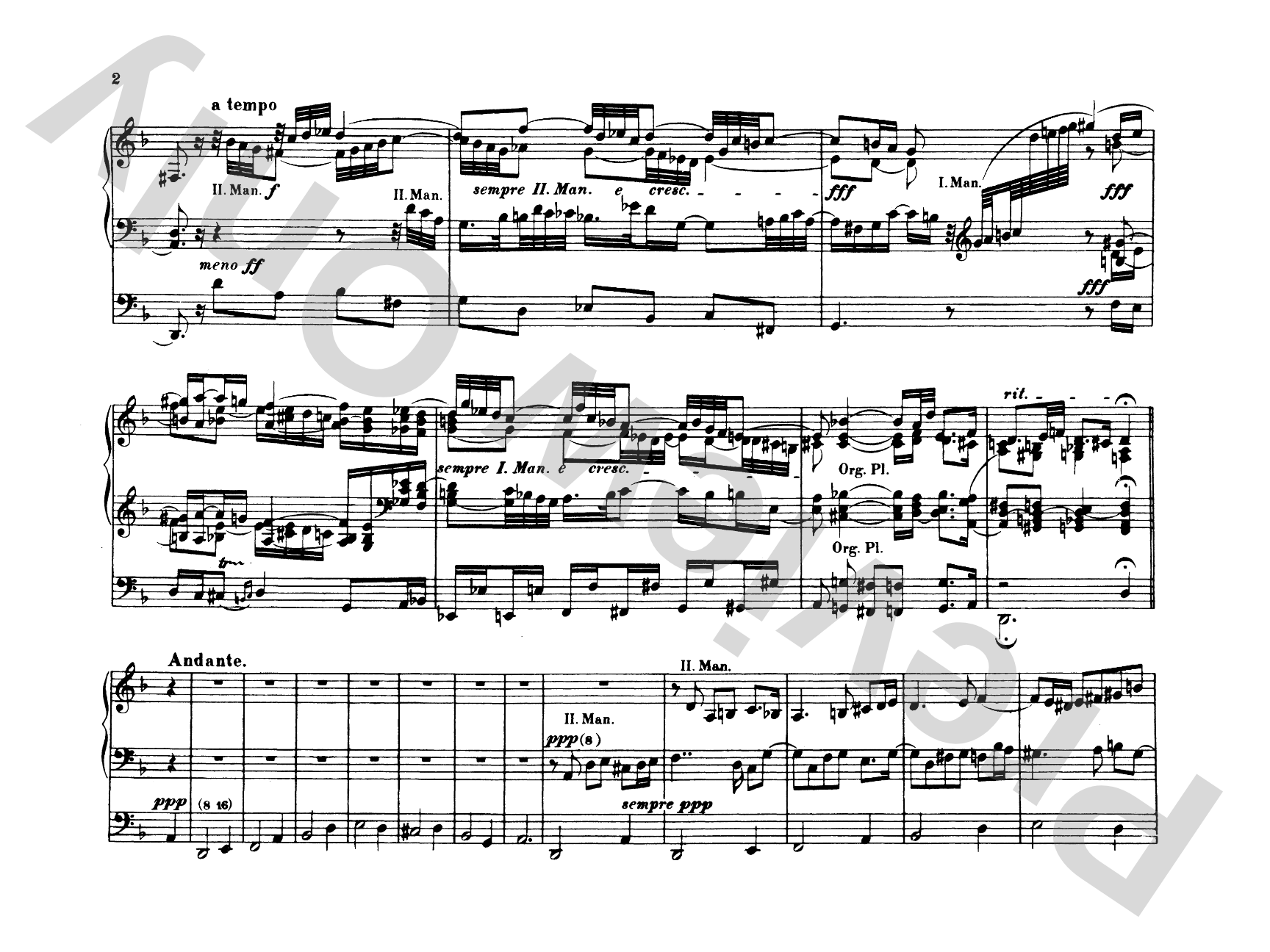
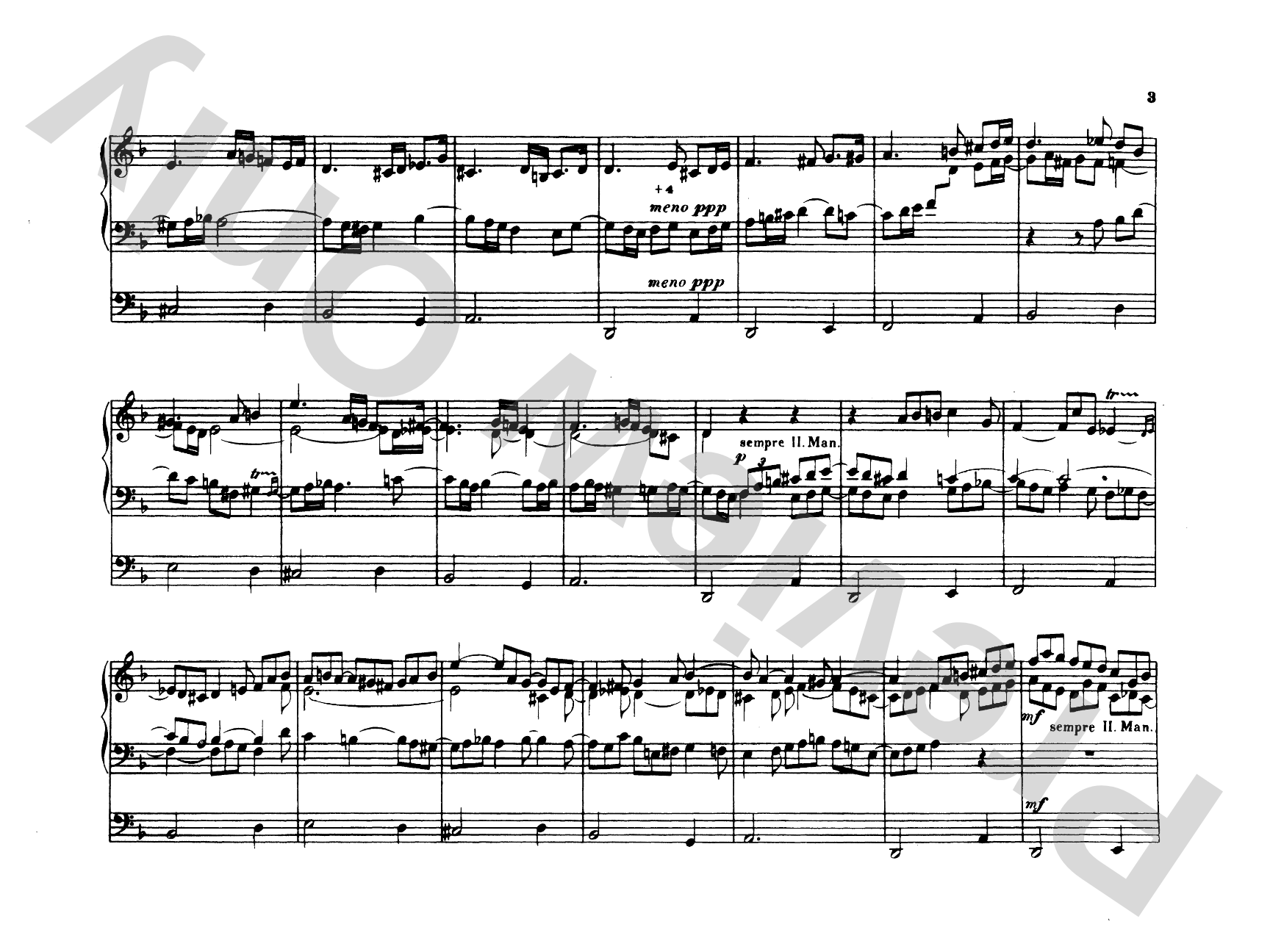
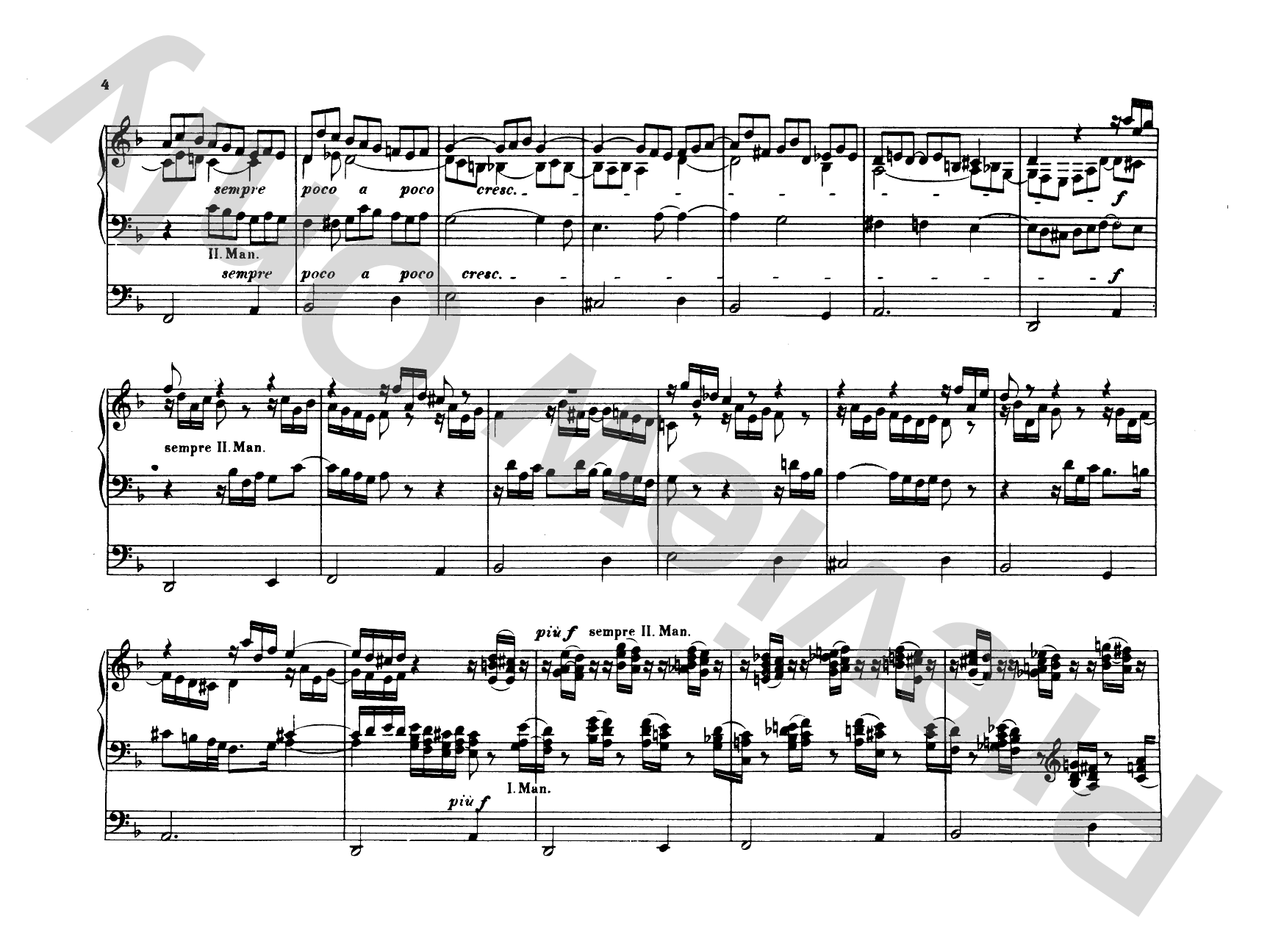
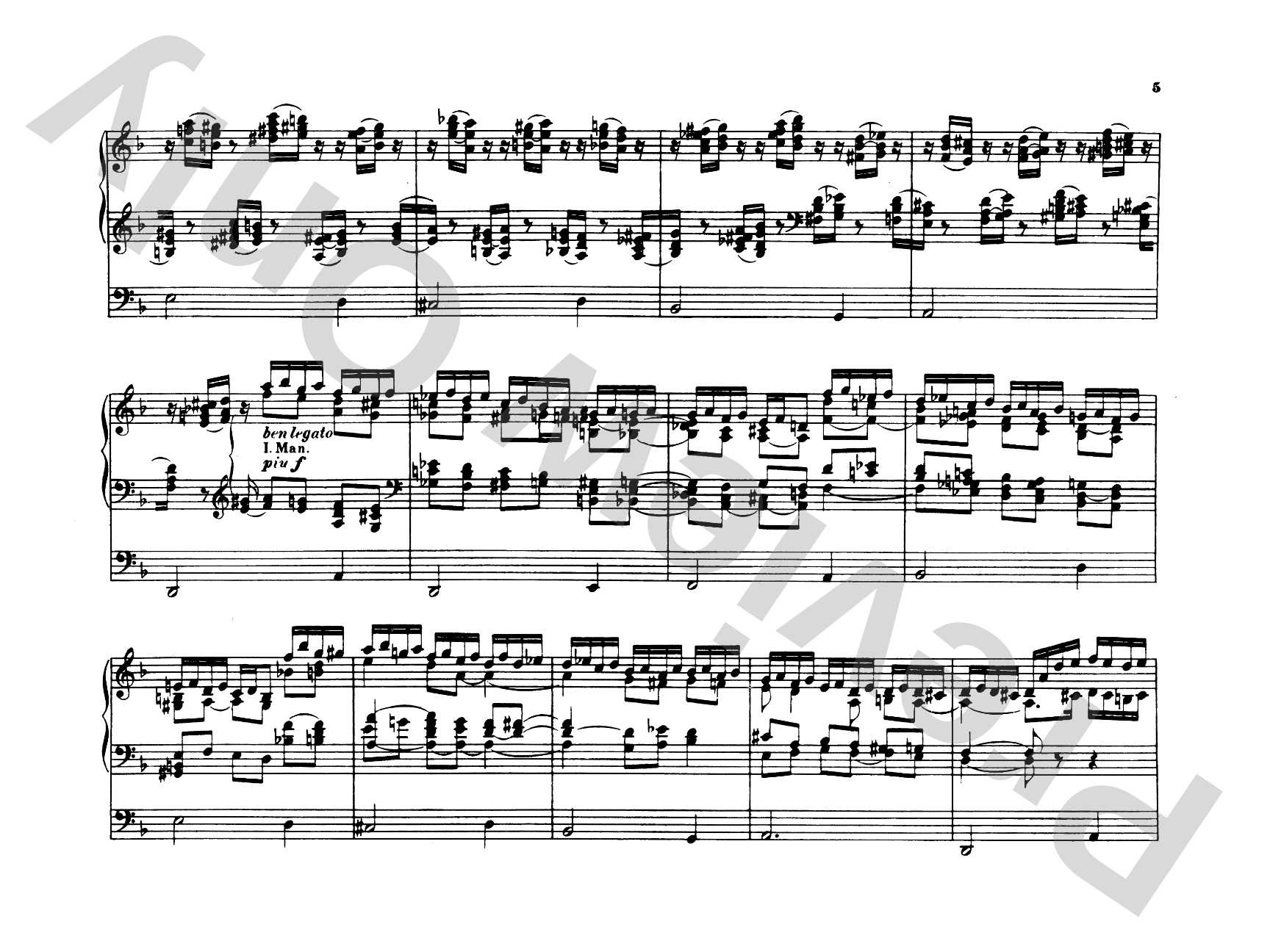
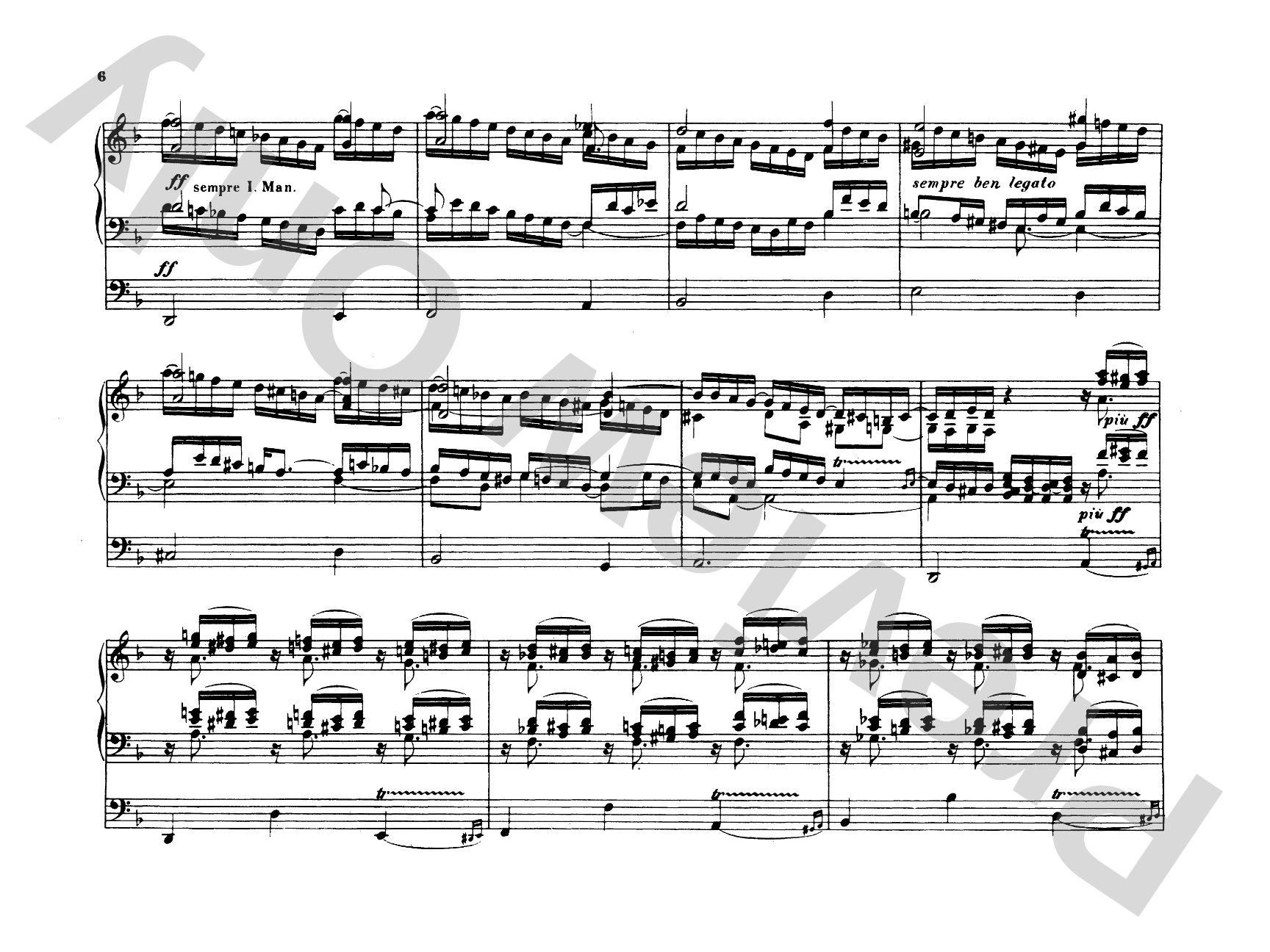
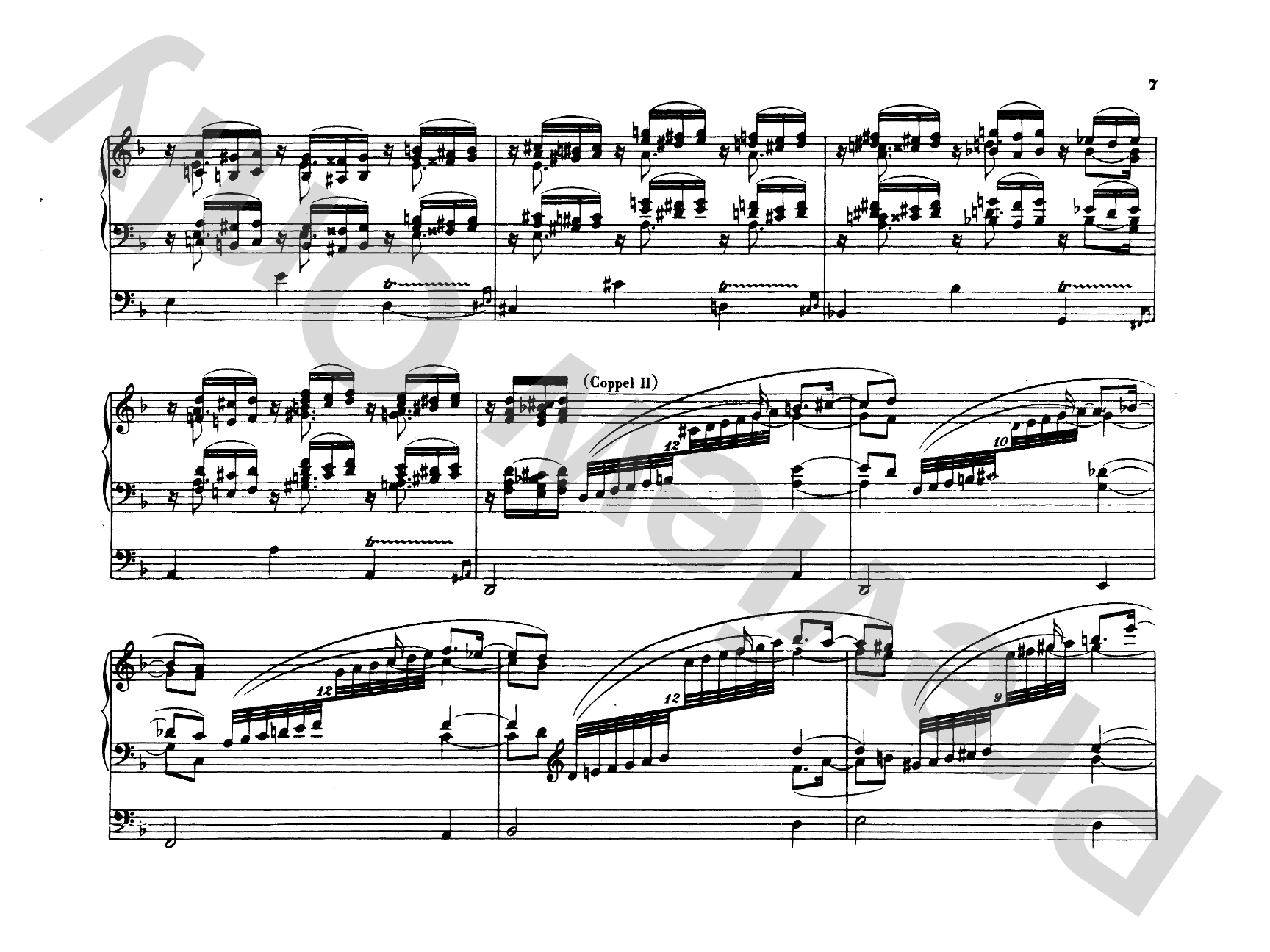
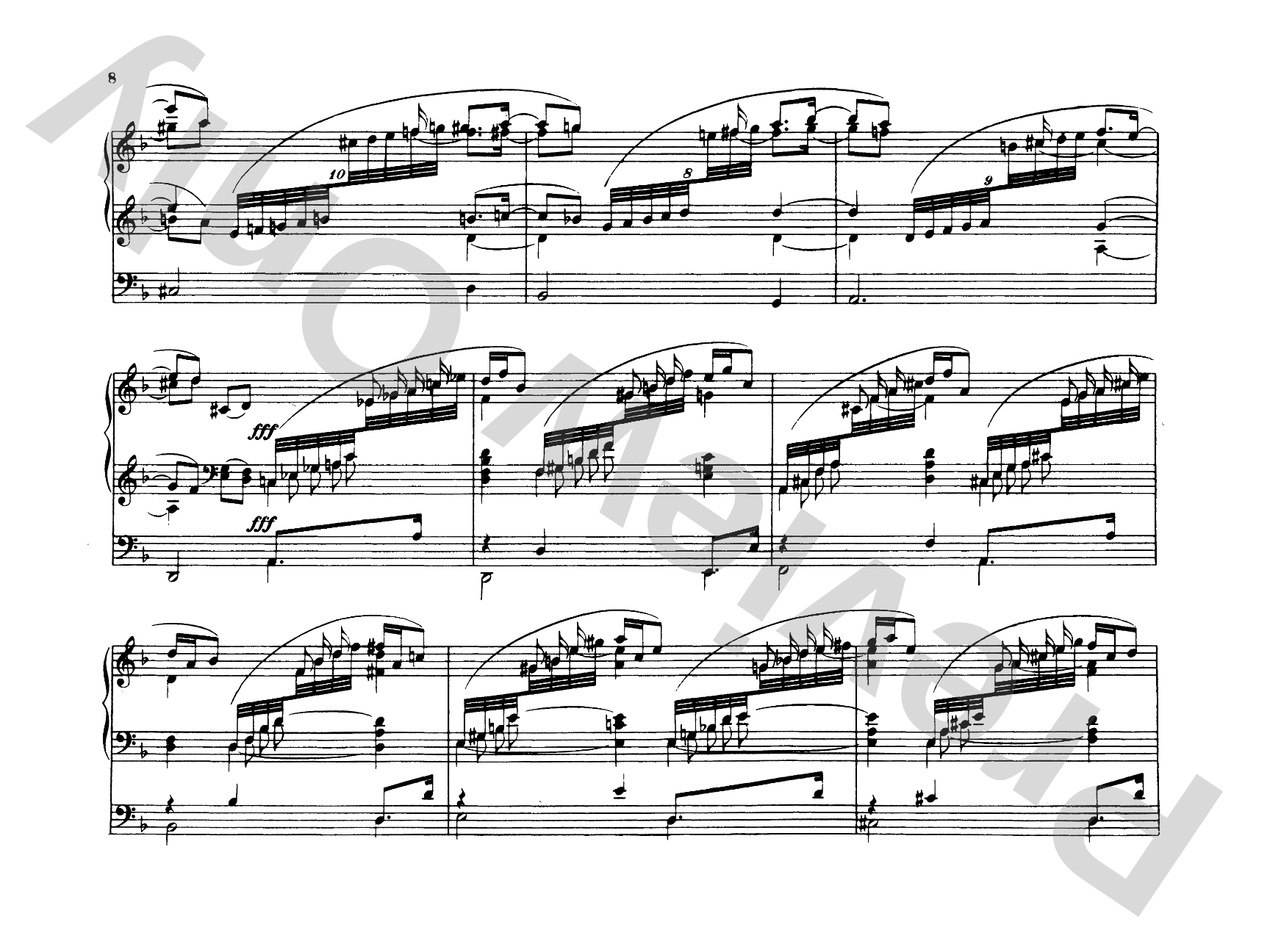
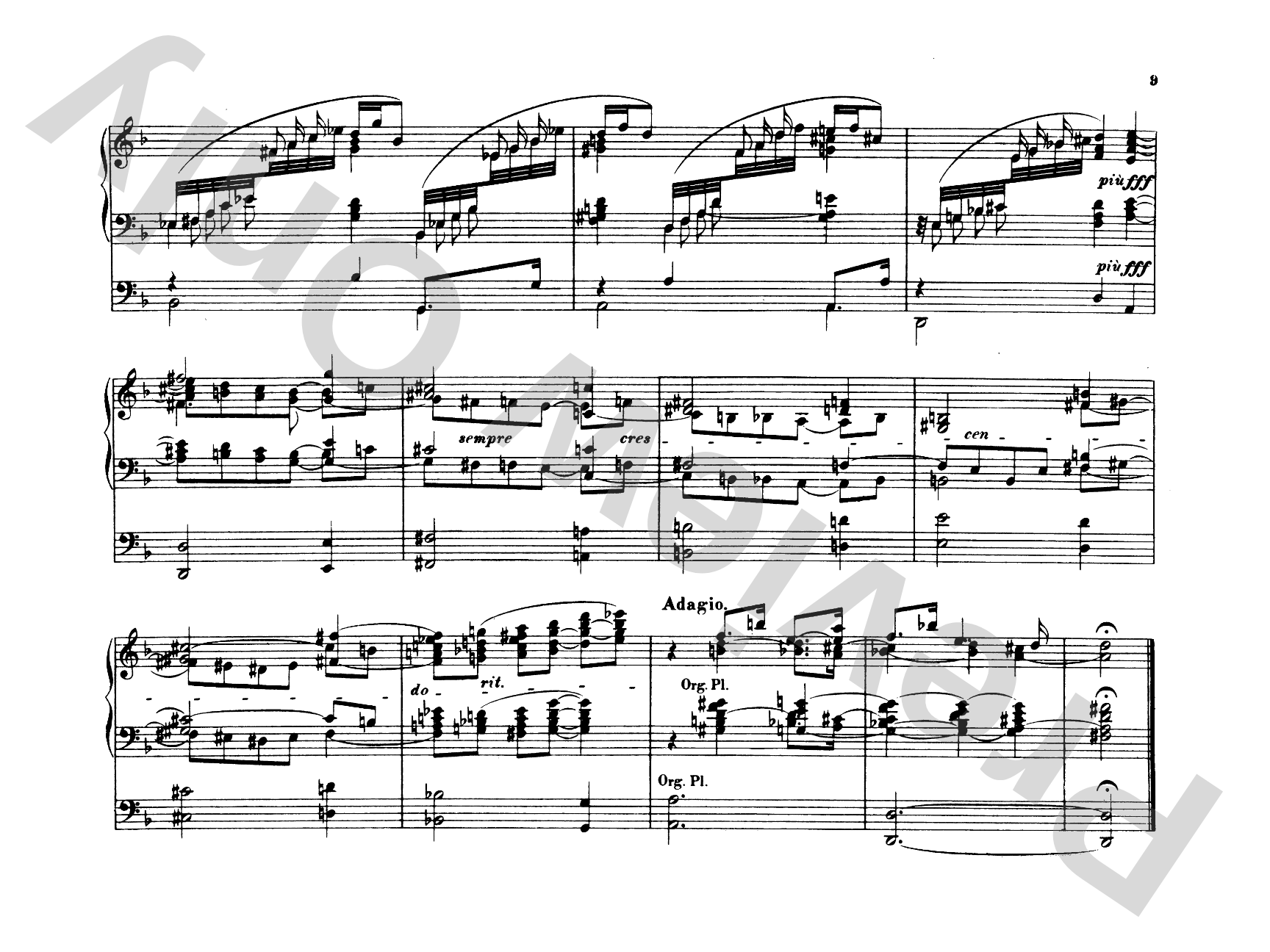


Reger: Introduction and Passacaglia: Organ Comb Bound Book
By Max Reger
Item: 00-PK-0003525

$9.99
Pickup currently not available
Buy Extra Parts (Digital PDF Download)
| Product | Price | Quantity |
|---|---|---|
| Reger: Introduction and Passacaglia | $8.99 |
Parts Added to Cart!
Related Items
Introduction and Passacaglia: Organ Comb Bound Book |
$9.95
|
View |
Description
The comb binding creates a lay-flat book that is perfect for study and performance.


Don't just read it, hear it, play along with it, and watch your students grow with it. In MakeMusic Cloud, Reger: Introduction and Passacaglia: Organ Comb Bound Book comes alive with professional accompaniment, adjustable tempo, and built-in practice tools that turn solo practice into real progress.
Open in the Player
Jump straight in and assign it today.
Start Your Free Trial
Open this title and explore the full library in minutes.
Sample Audio
No sample audio found.
Sample Video
No sample videos found.
Additional Details
Series:
Kalmus Edition
Publisher:
Alfred Music
Page Count:
12
SKU:
00-PK-0003525
More about this title
About the Composer: Max Reger
Max Reger (1873-1916) was a German composer, organist, and conductor whose prolific output spanned nearly every genre. His organ works stand among the most significant contributions to the instrument's repertoire in the twentieth century, combining Romantic harmonic language with contrapuntal mastery and architectural scope. Reger's compositional approach demands technical command and interpretive depth from performers, making his works essential study for serious organists.
Why we love this
The Introduction and Passacaglia showcases Reger at his most architecturally assured, building from intimate harmonic exploration into a towering set of variations. The comb binding makes it genuinely usable on the bench during performance and practice, which matters for a work of this length and complexity. This is the kind of piece that reveals new contrapuntal layers with every study session.
What to expect
The piece unfolds as a journey through harmonic territories that feel both intimate and monumental. The introduction draws you into Reger's world of chromatic motion and unexpected resolutions before the passacaglia theme arrives like an anchor, steady and inevitable. What follows is a series of variations that build in complexity and emotional weight, each layer adding new textural possibilities while the foundational theme holds the structure together.
Who it's for
Organists with solid command of Romantic repertoire and the technical facility to manage Reger's contrapuntal textures and pedal writing. This work suits advanced students preparing for conservatory study or recitalists building programs that demonstrate both historical awareness and contemporary interpretive skill. Teachers will find it an excellent benchmark for assessing readiness to engage with twentieth-century organ literature.
How to get the most out of it
- Establish the harmonic language of the introduction clearly; the chromatic voice-leading and unexpected tonal shifts need definition rather than romantic blur.
- Let the passacaglia theme itself remain steady and audible throughout the variations; resist the temptation to bury it under elaborate figuration.
- Plan registration shifts between variation sections to create structural coherence; the piece's twelve pages demand architectural pacing at the console.
- Use the pedal independence passages as opportunities to shape individual lines rather than playing them as accompaniment.
How to use it
Position this as a major work on a recital that pairs well with earlier Baroque passacaglias or with other Reger organ works to explore his stylistic range. It functions equally well as a closing piece on a program featuring twentieth-century organ music or as the centerpiece of a concert devoted to variation form across different eras. Consider pairing it with shorter Romantic works to frame it as a pinnacle moment in the program.
Skills your students will build
- Navigating chromatic harmonic language and non-traditional voice-leading
- Maintaining independence between manuals and pedals through sustained linear thinking
- Interpreting and executing variation form at large scale
- Console technique including registration planning and coordination across multiple divisions
- Sustaining interpretive focus across an extended single-movement work