
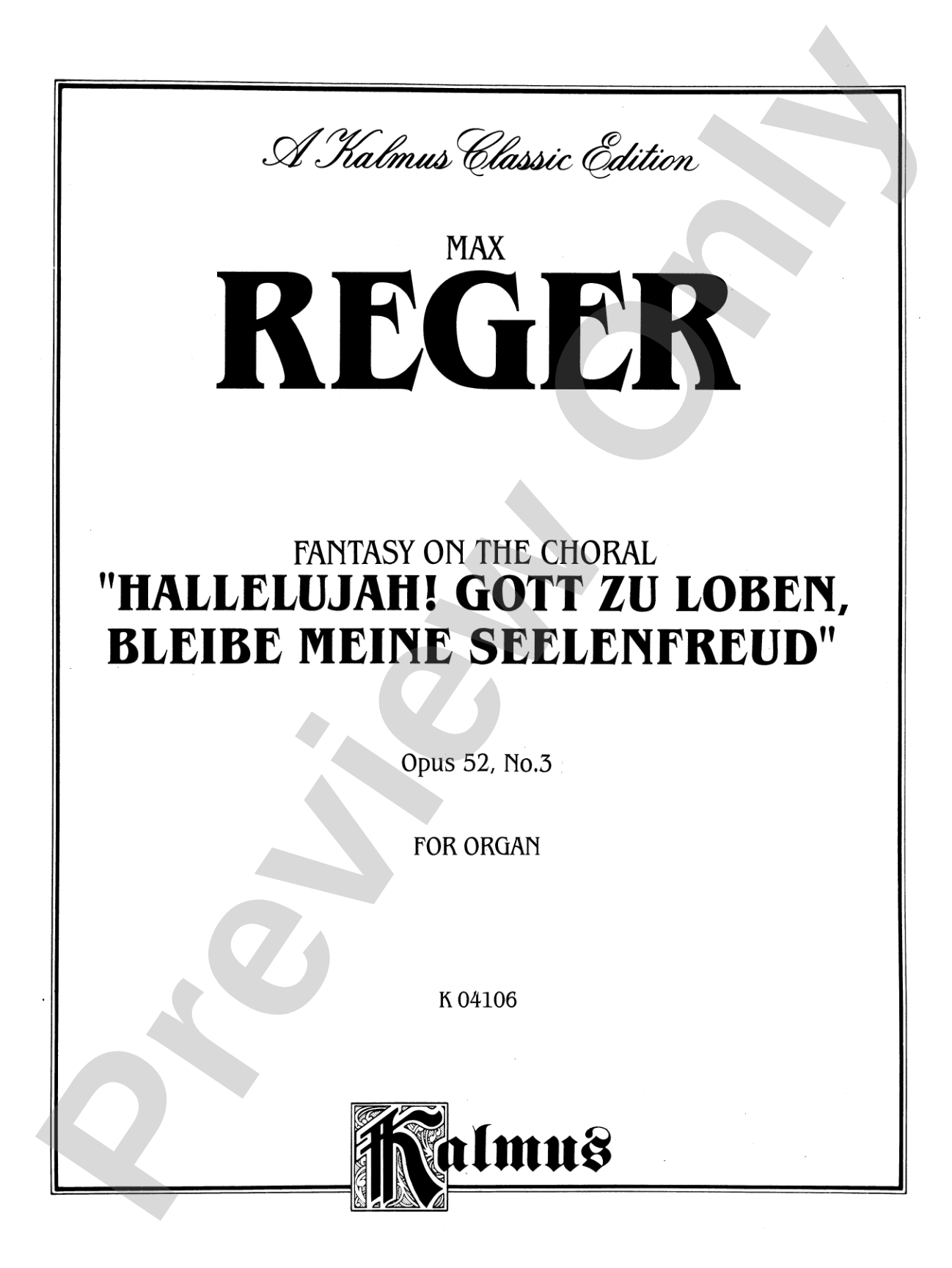

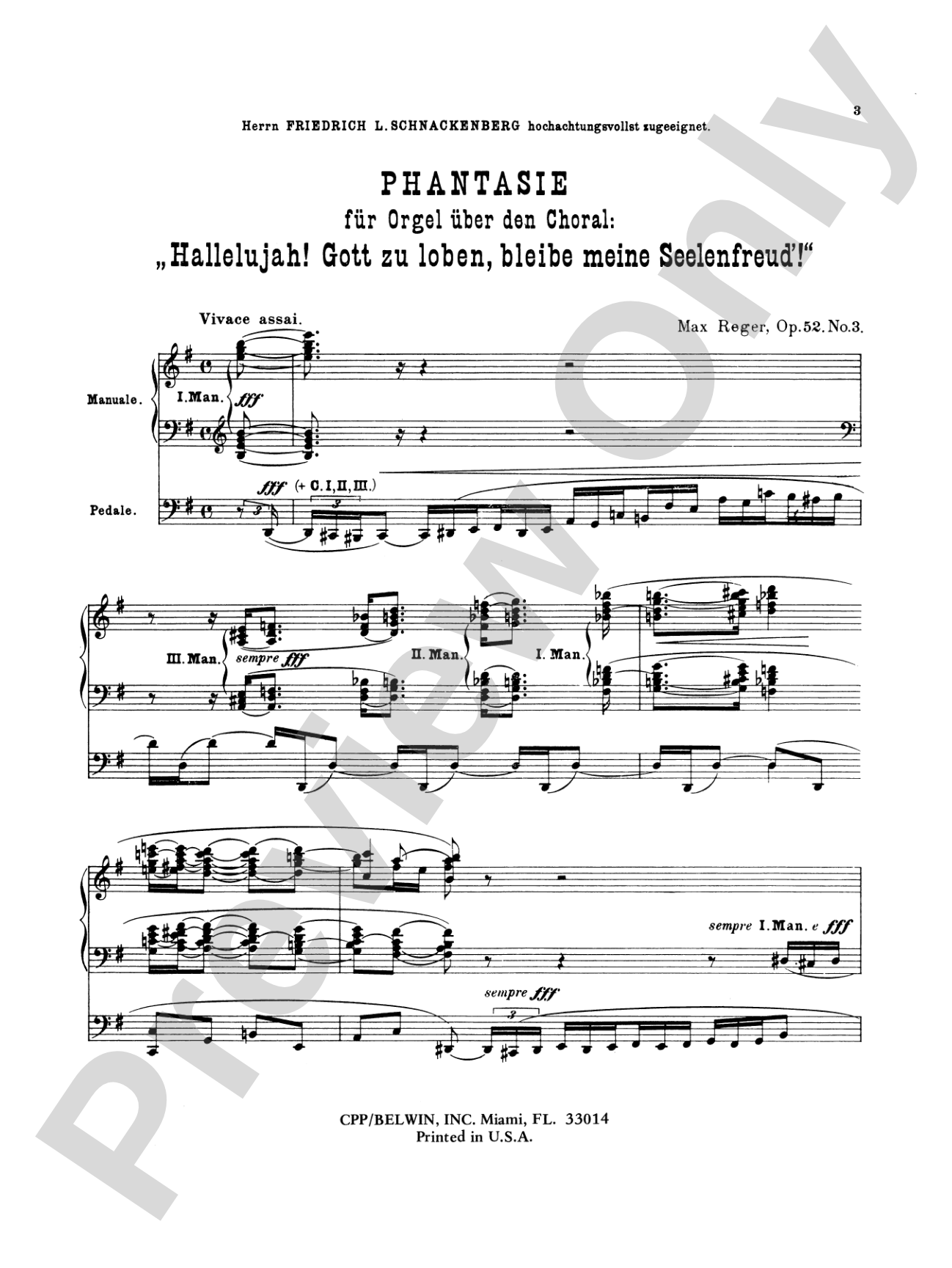
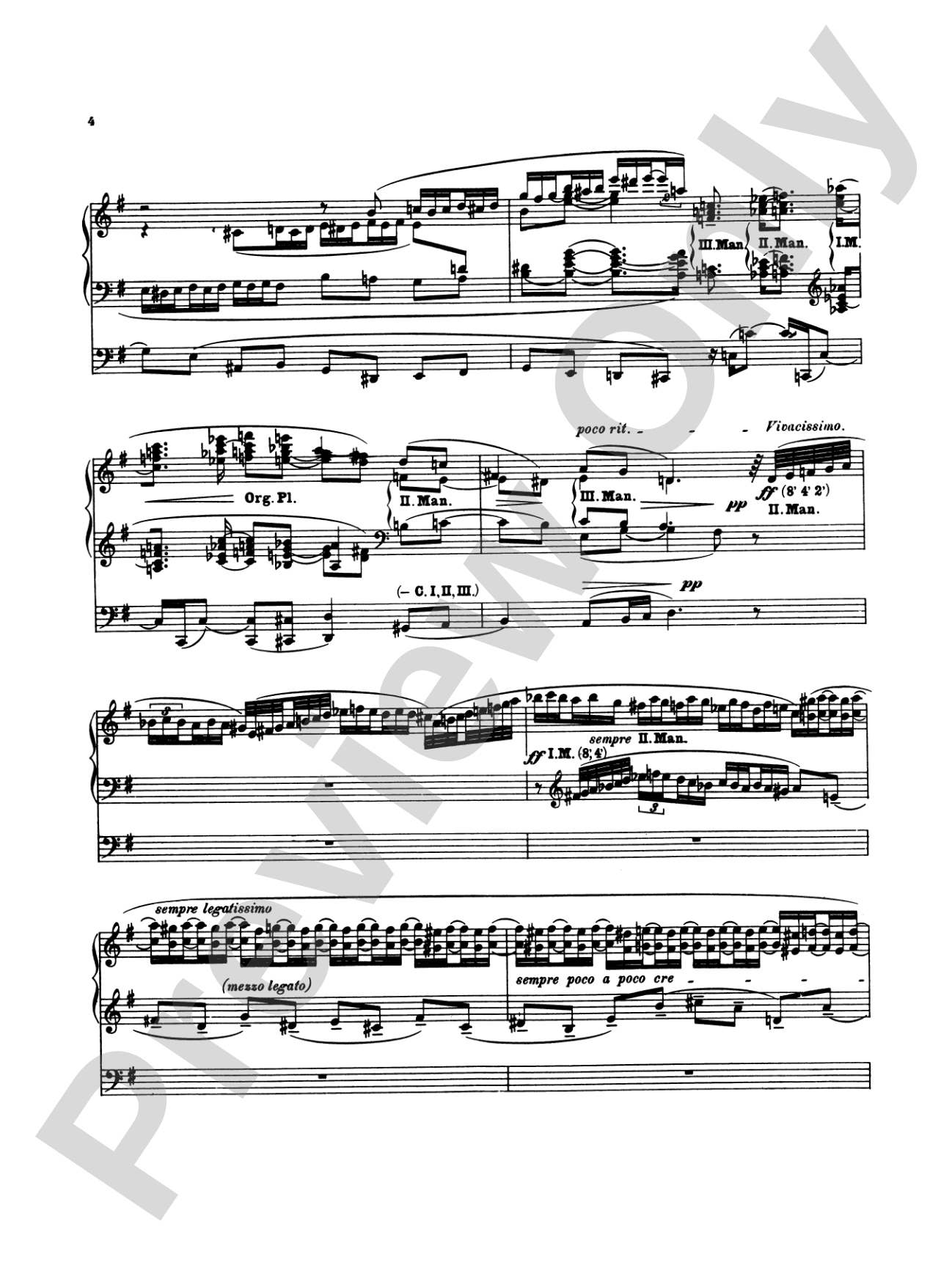
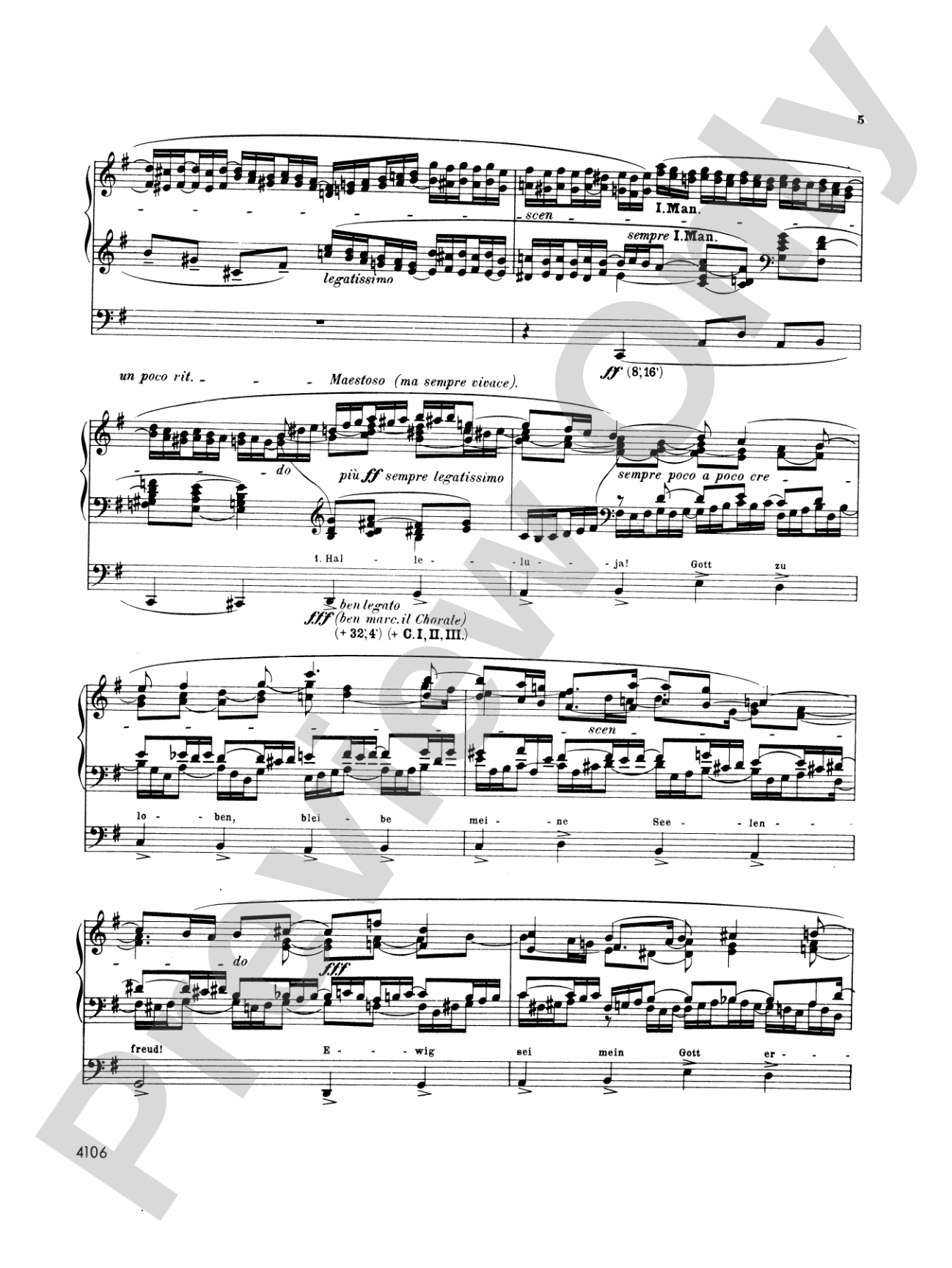
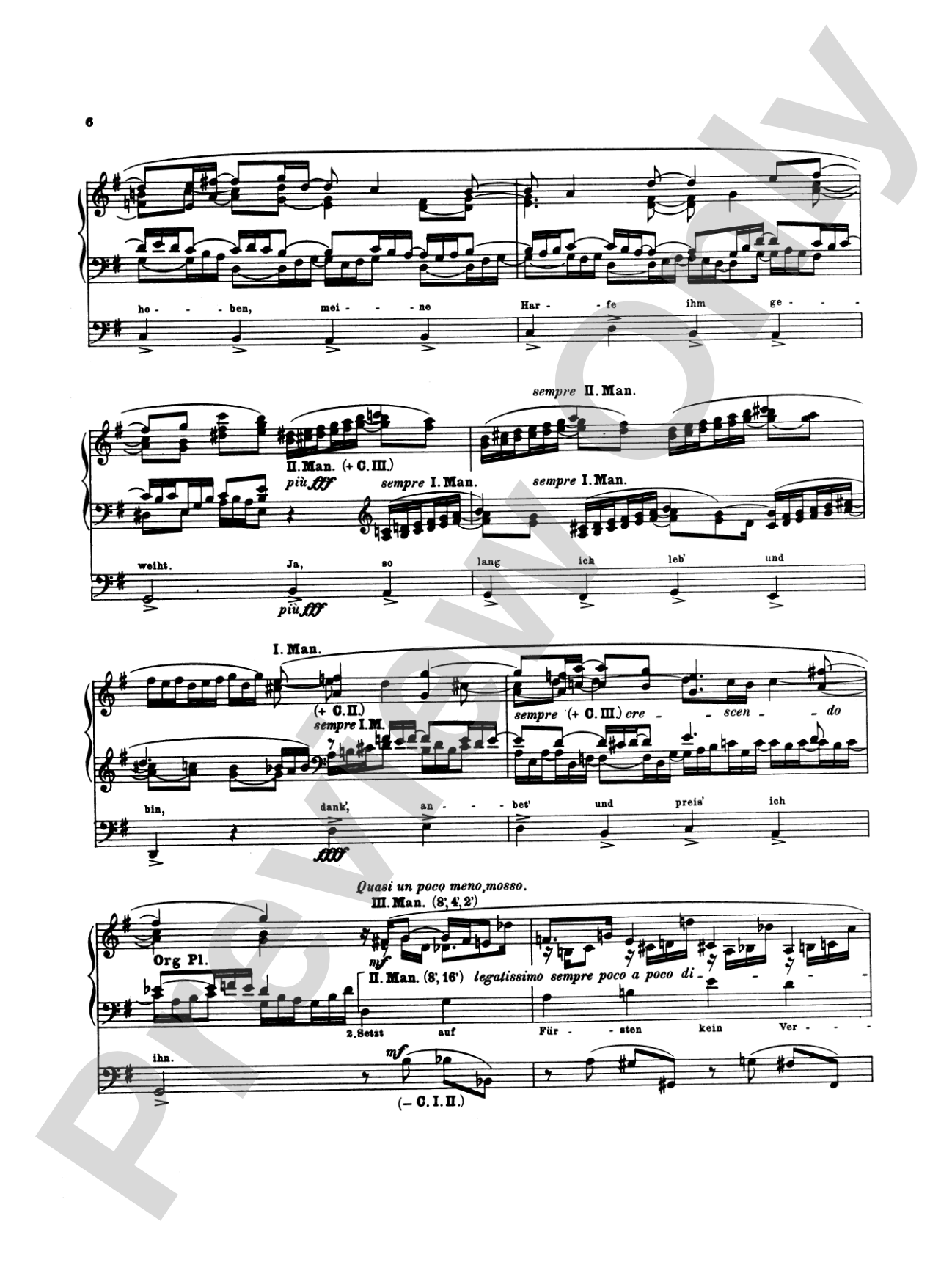
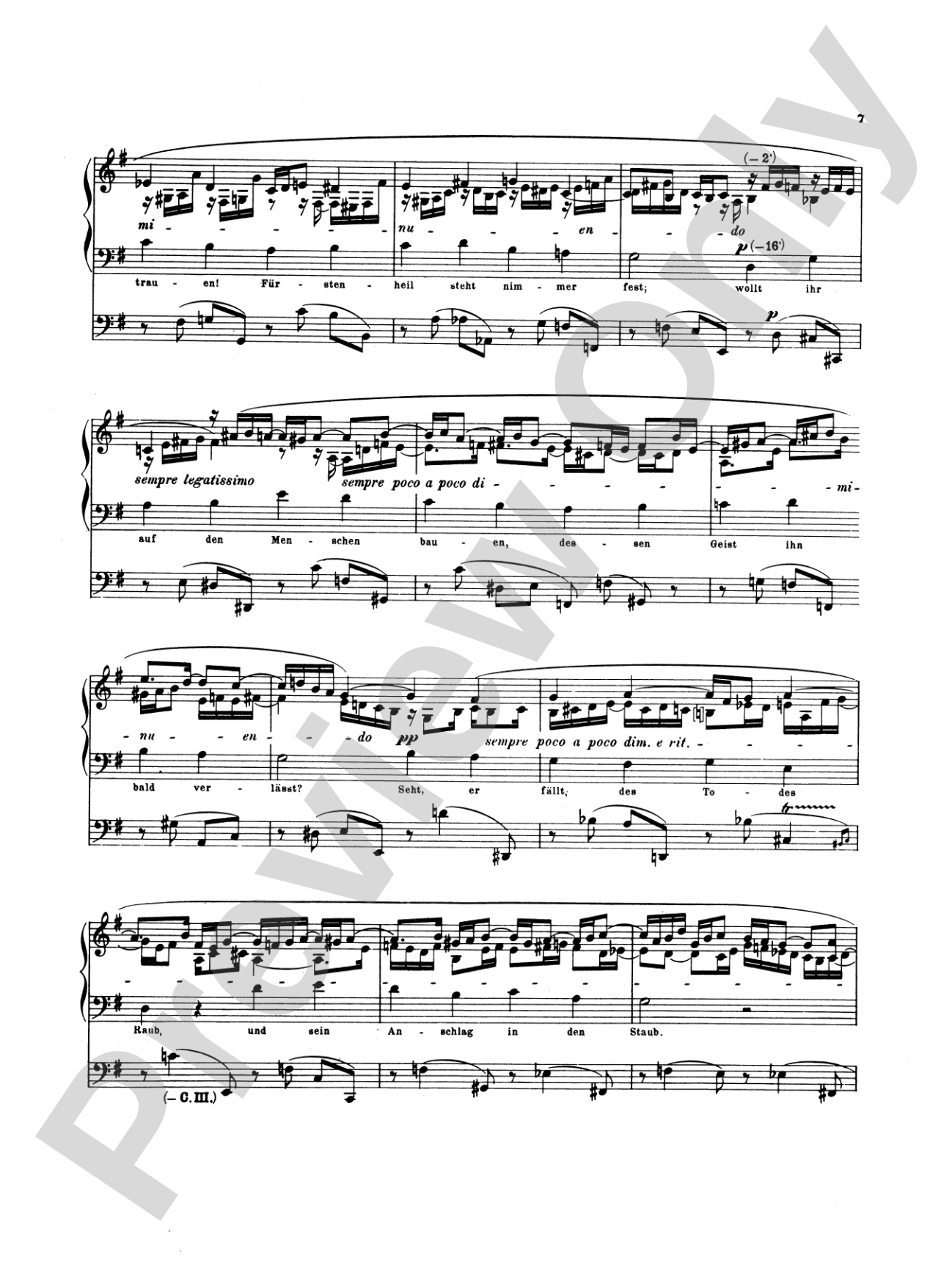
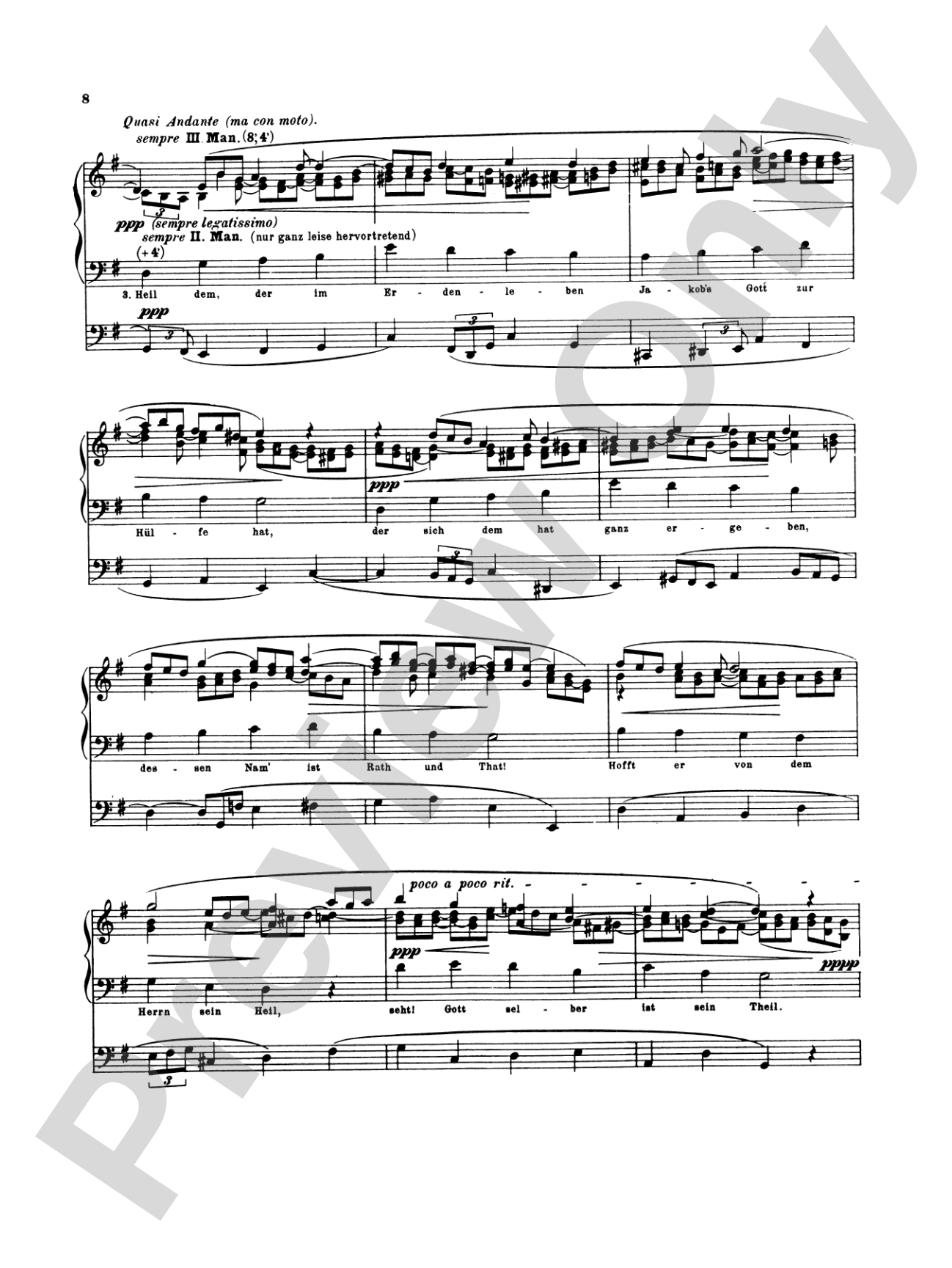
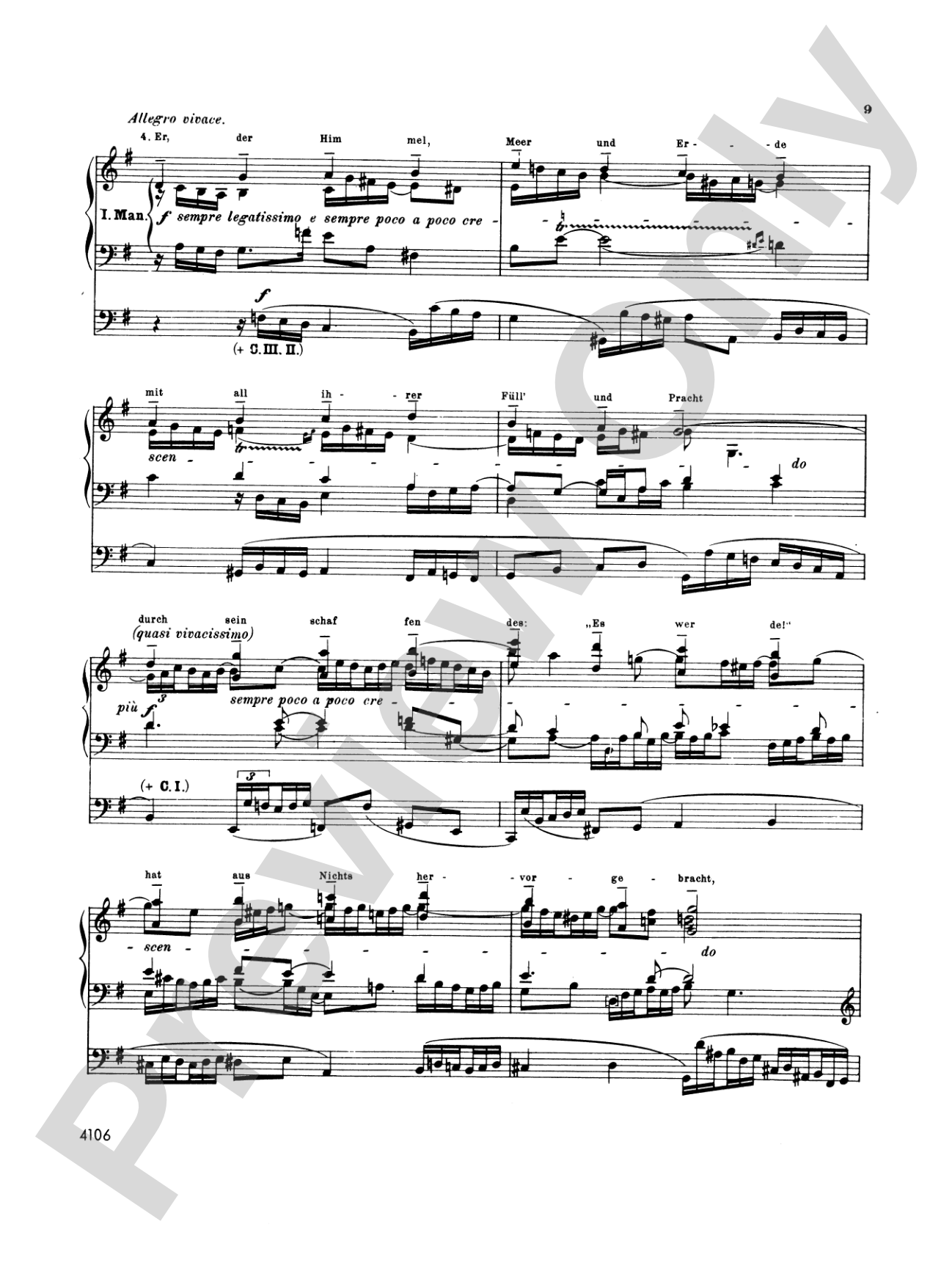
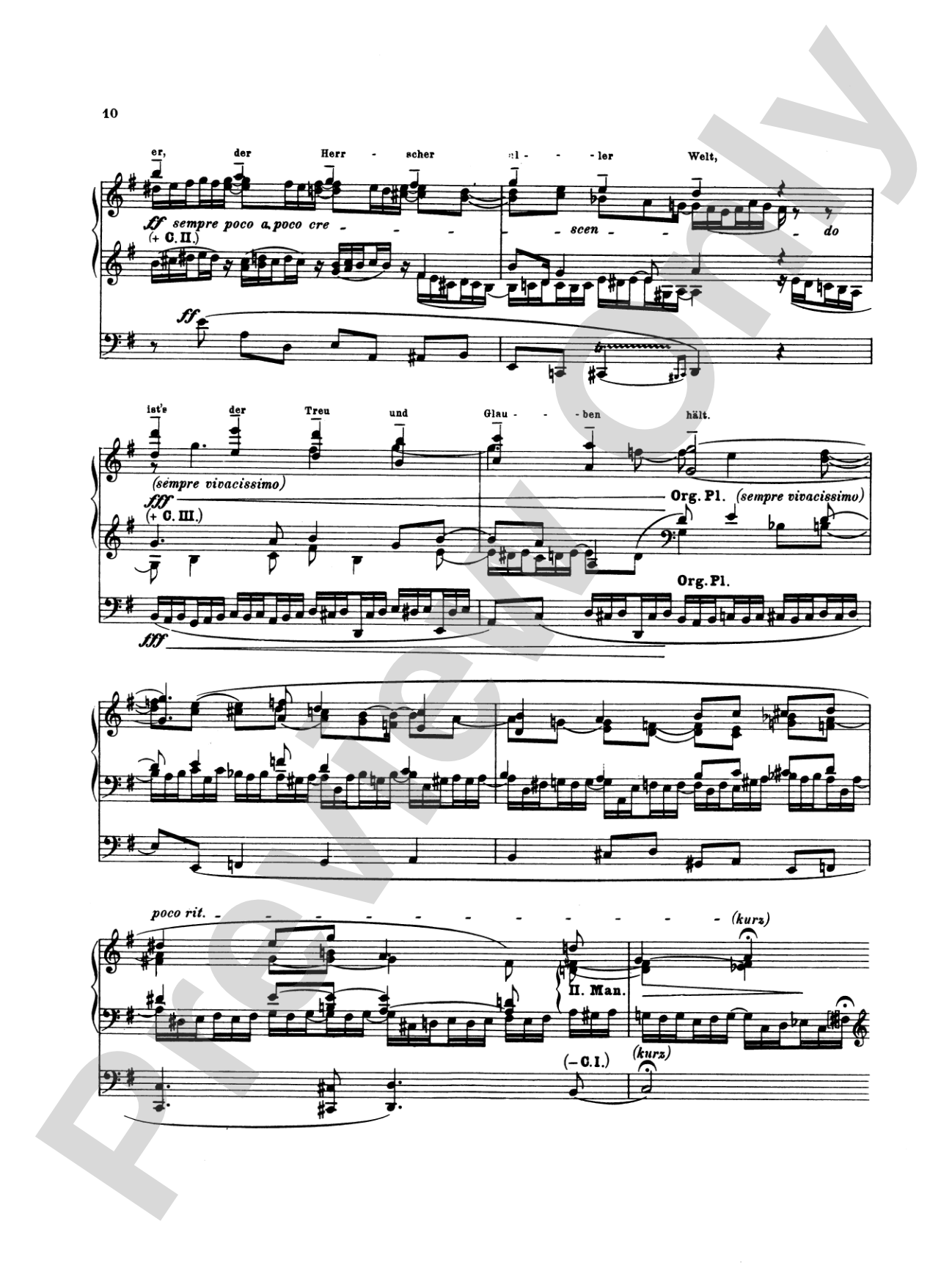
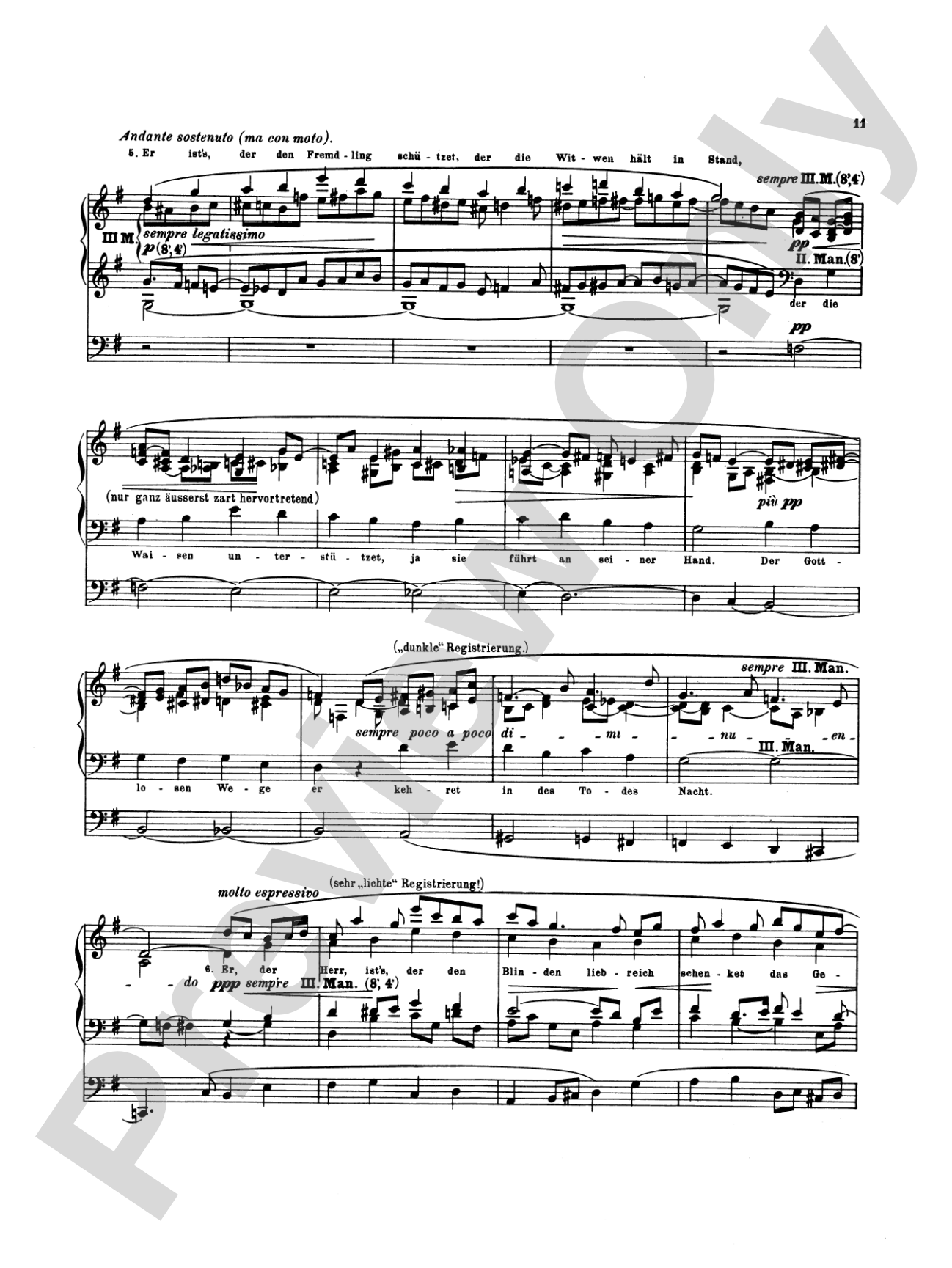
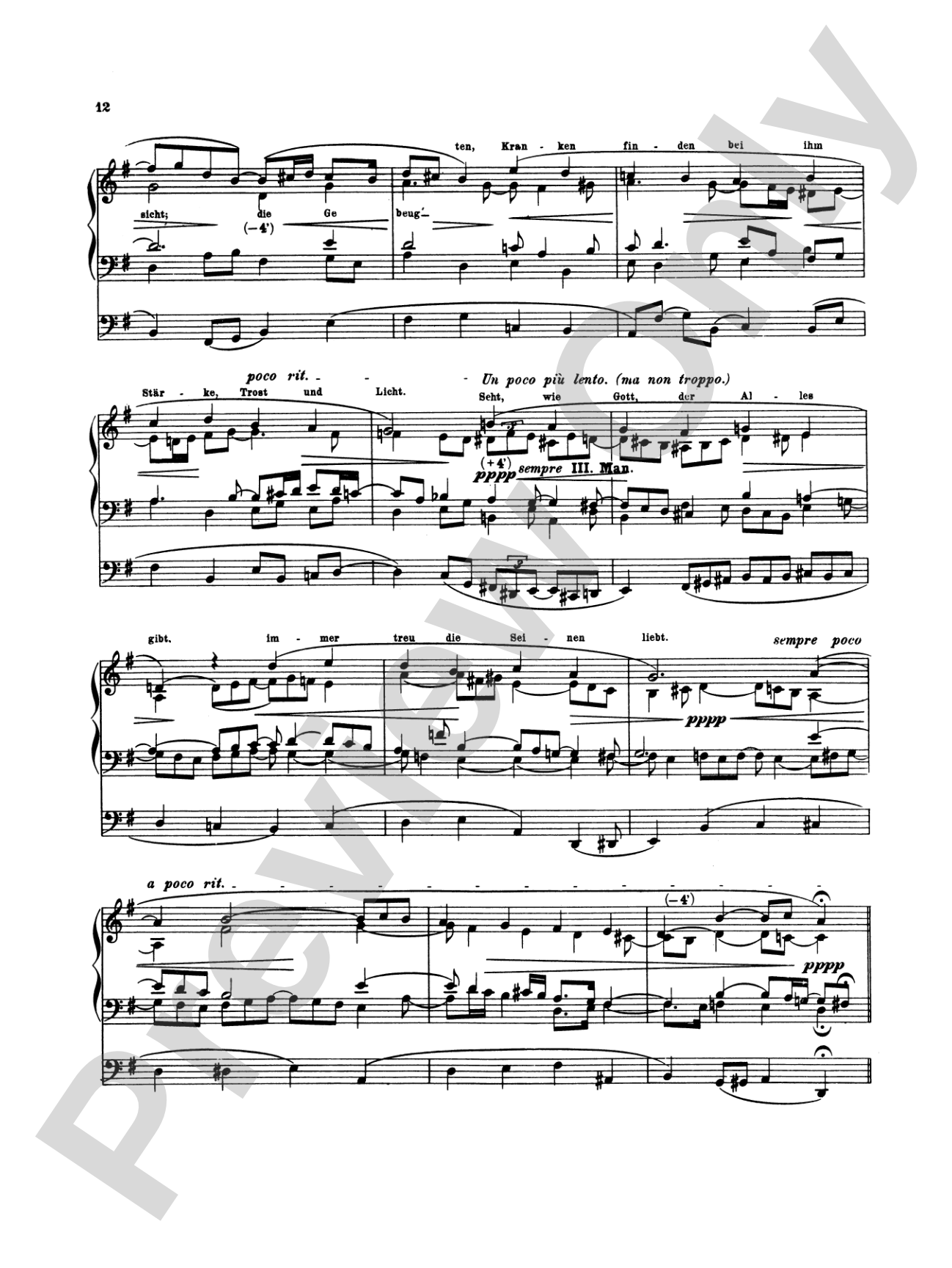
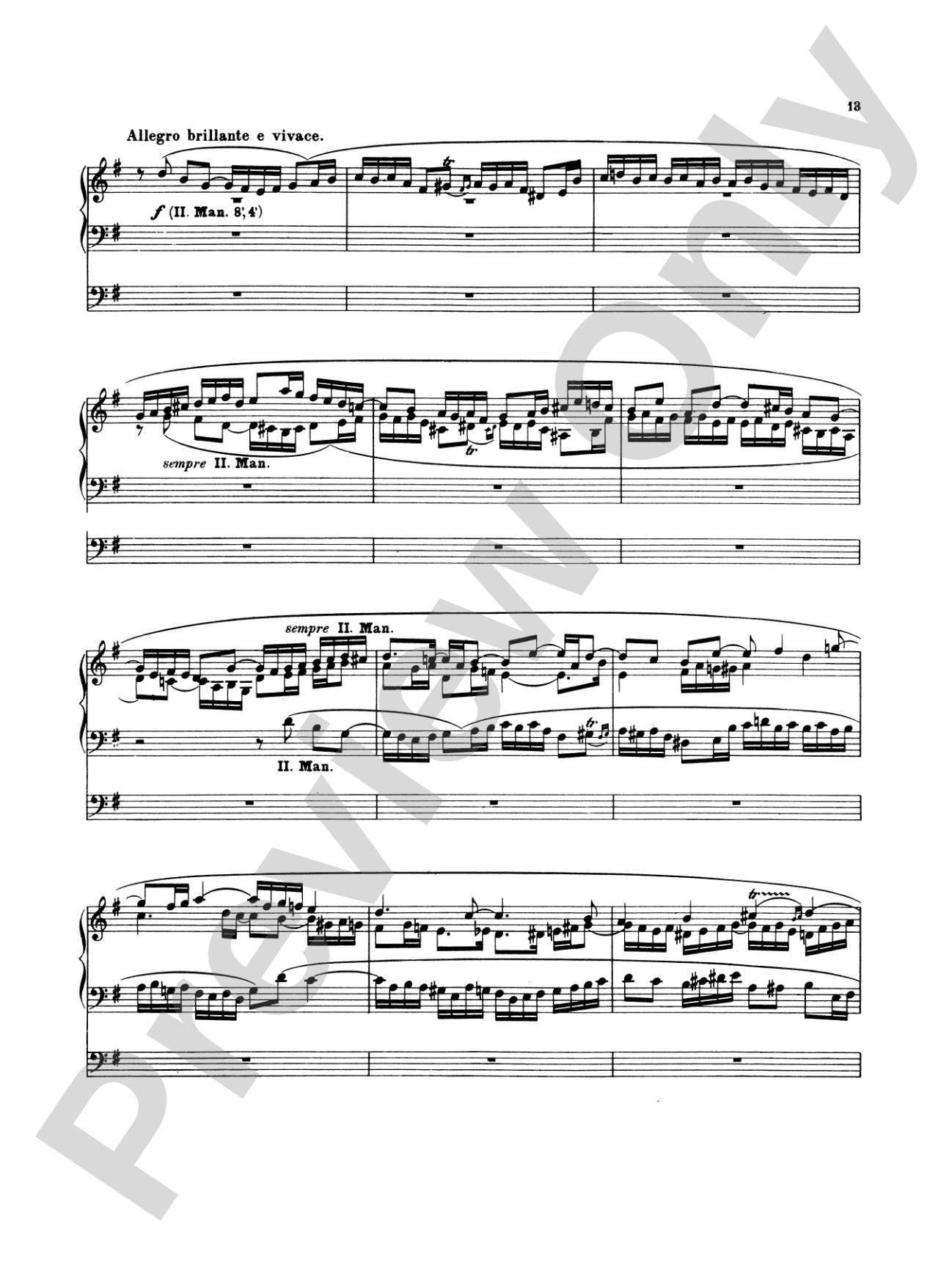
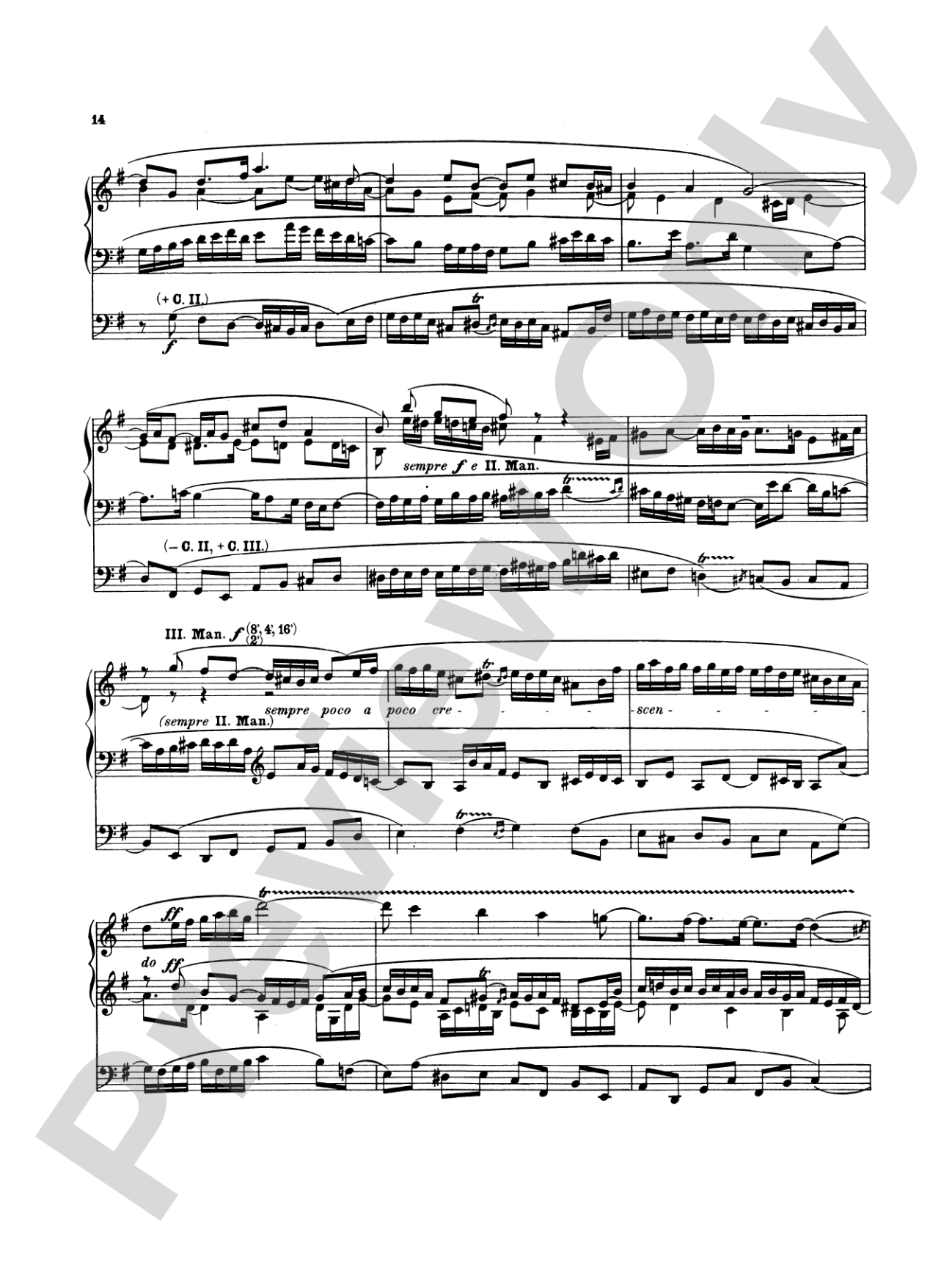
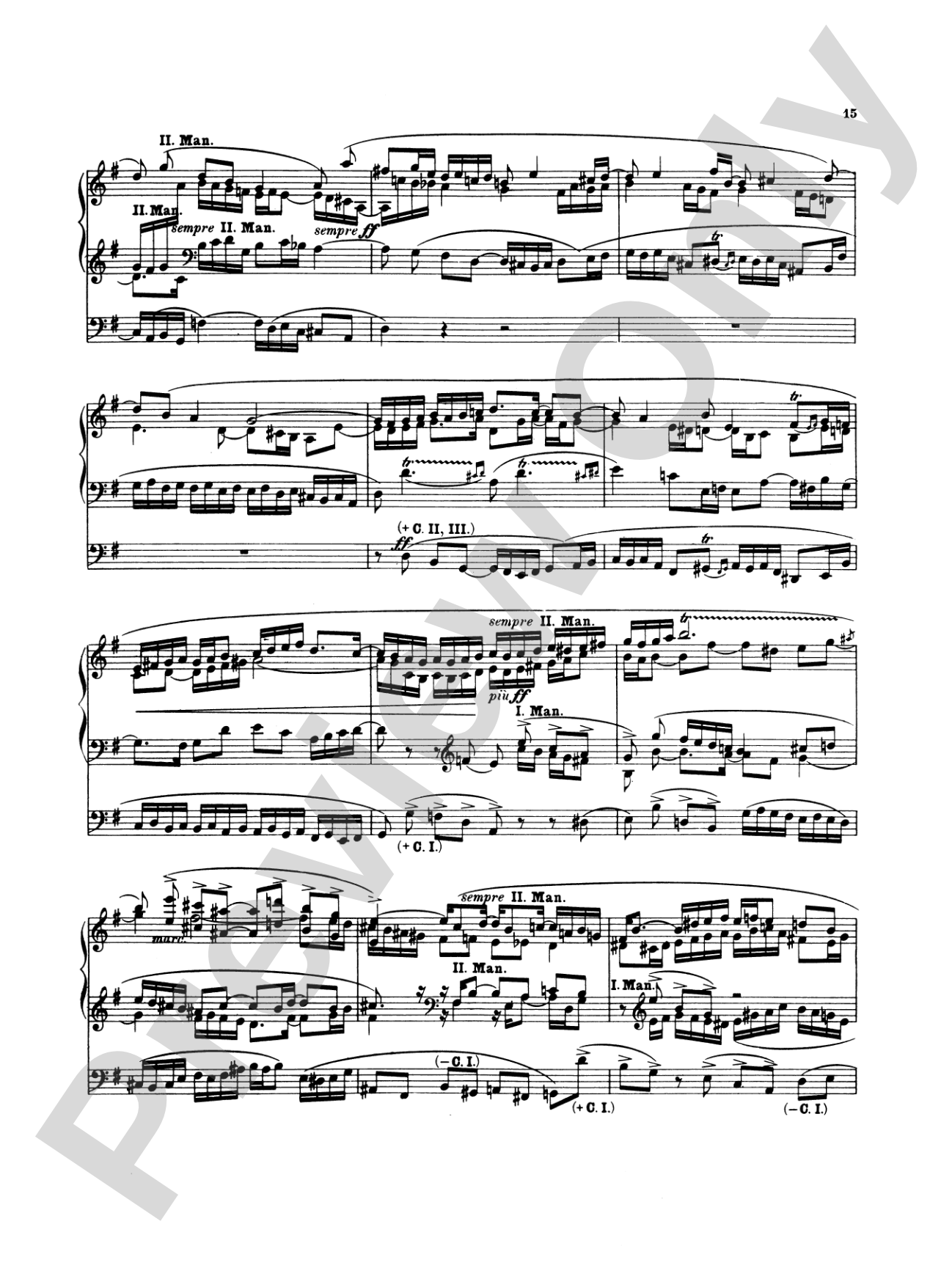
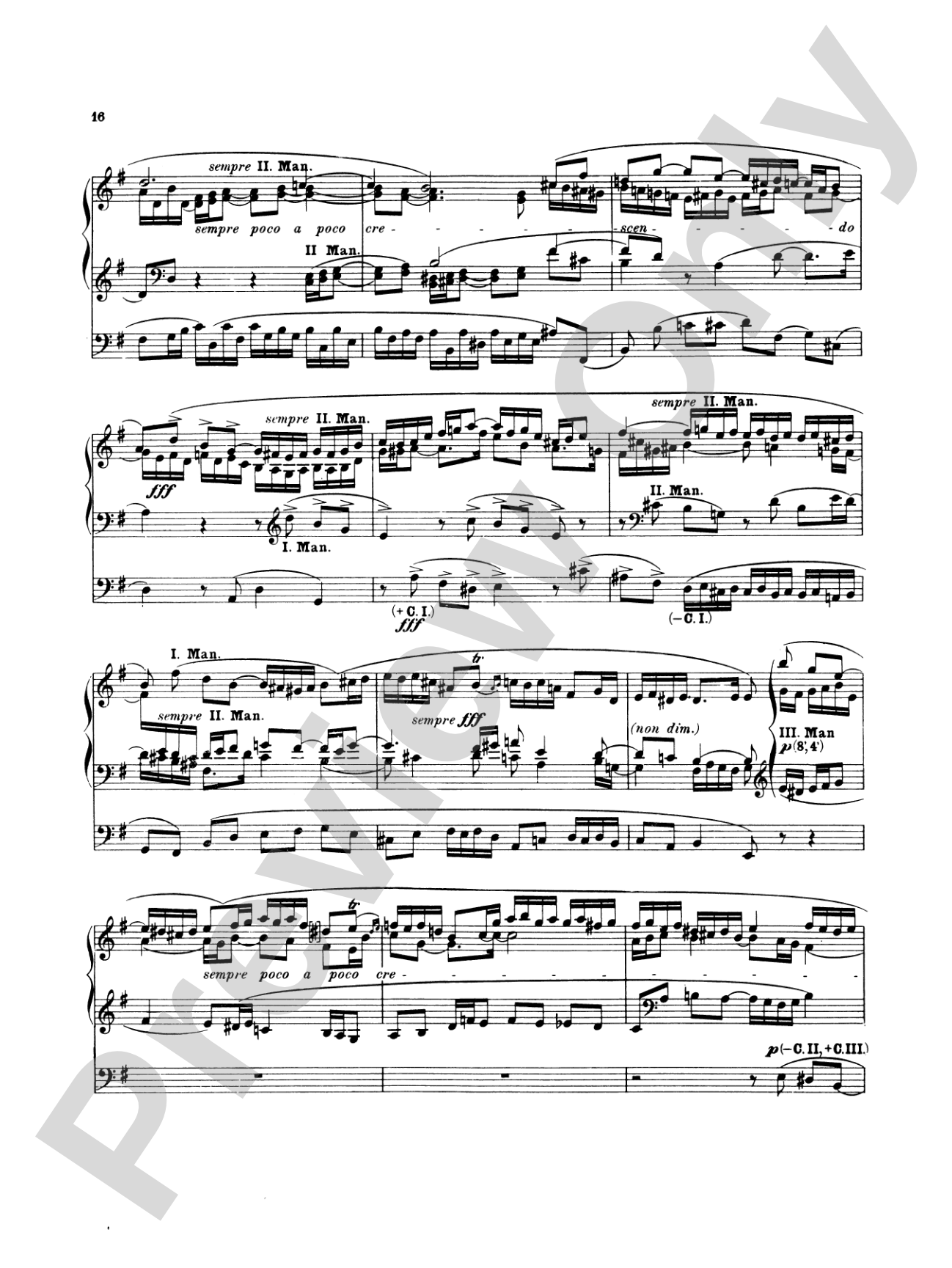
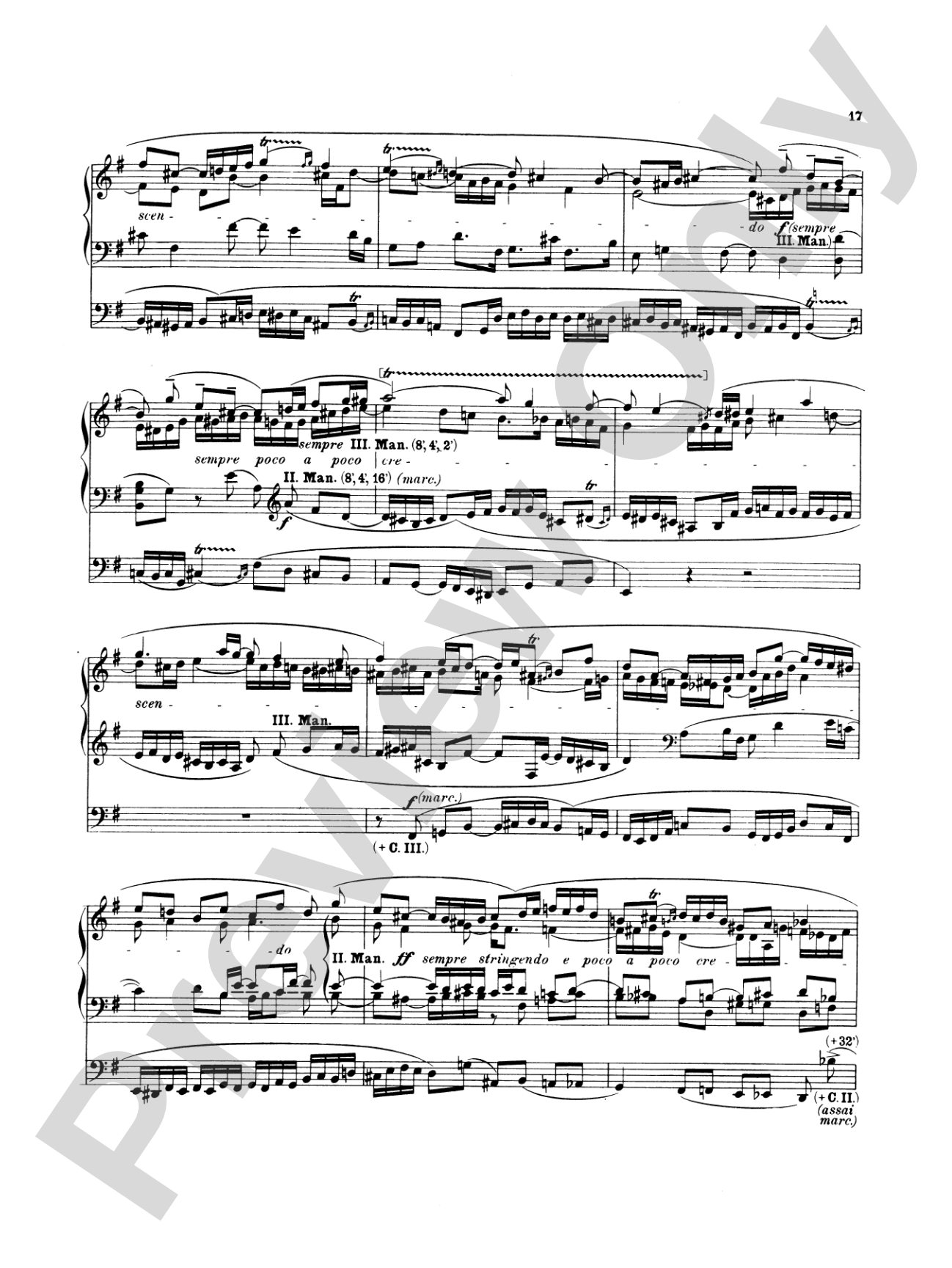
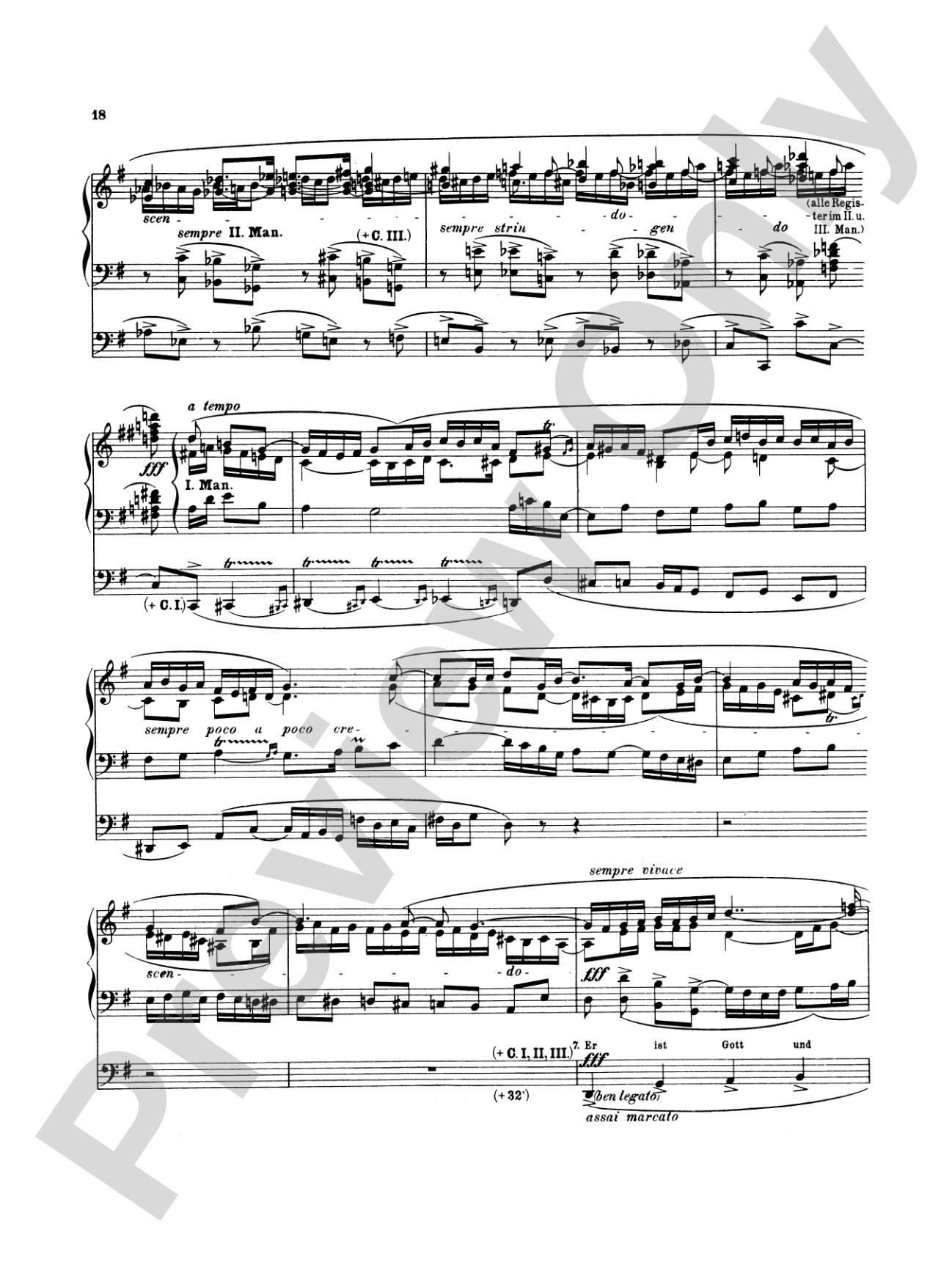
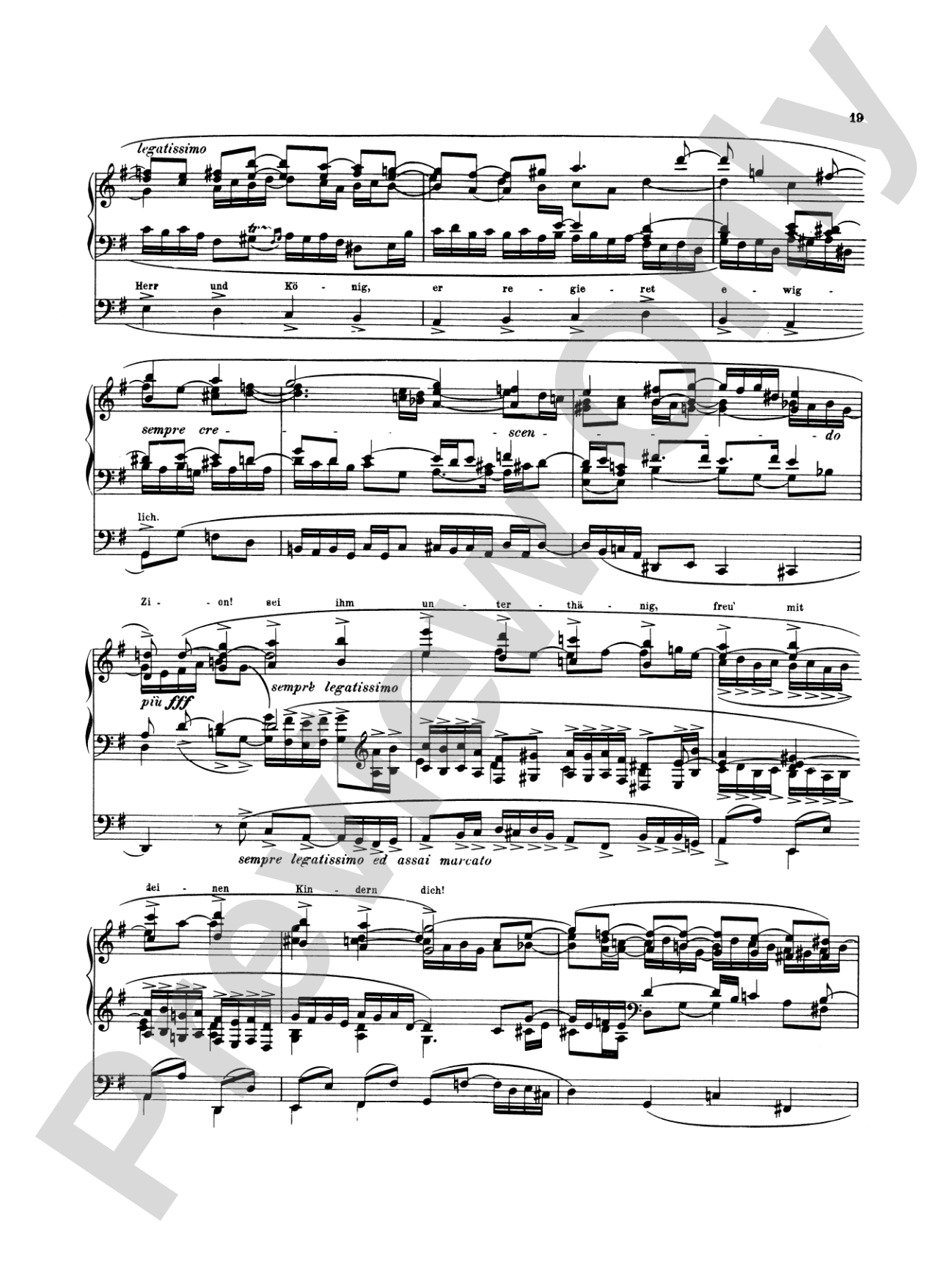
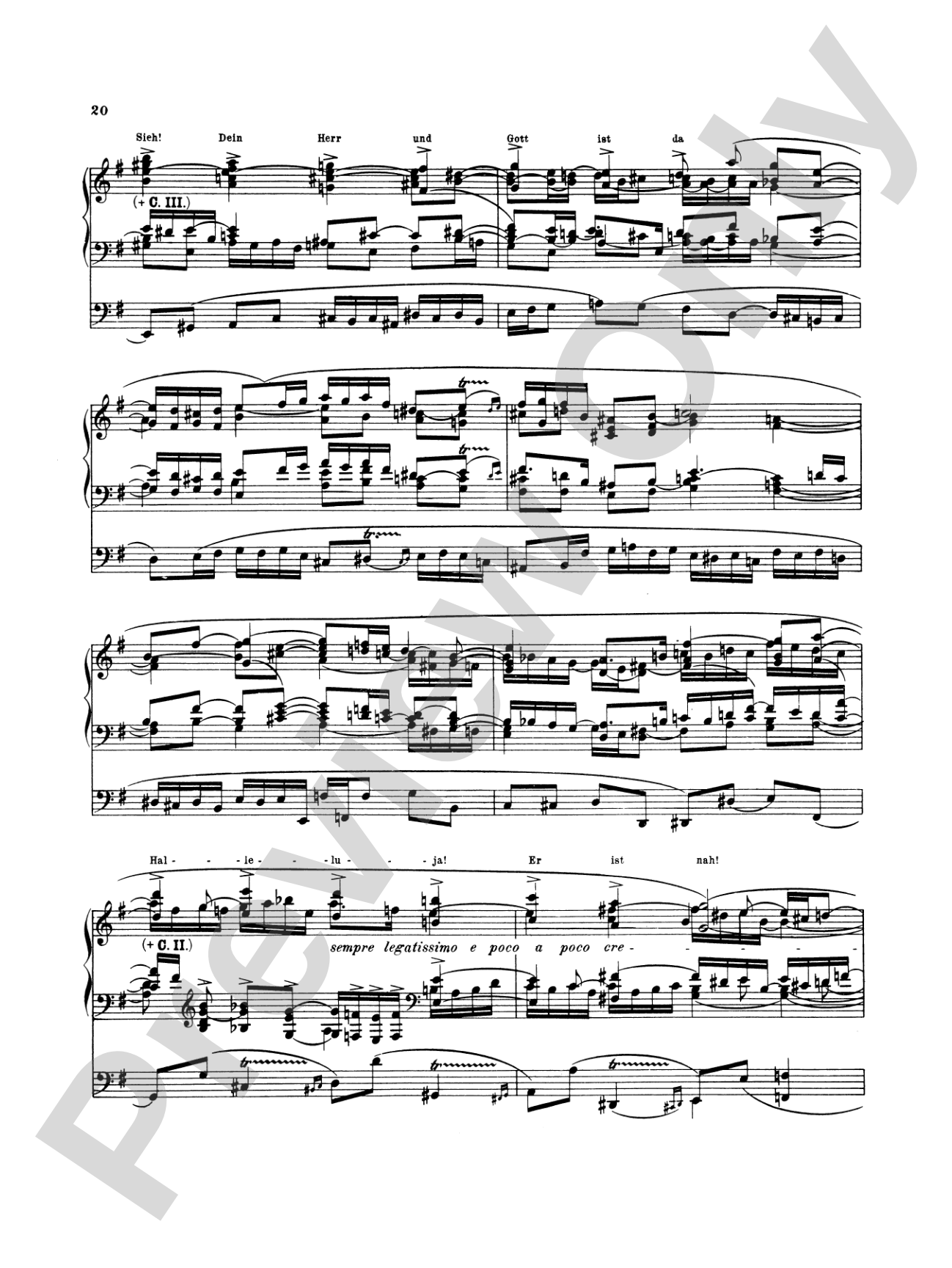
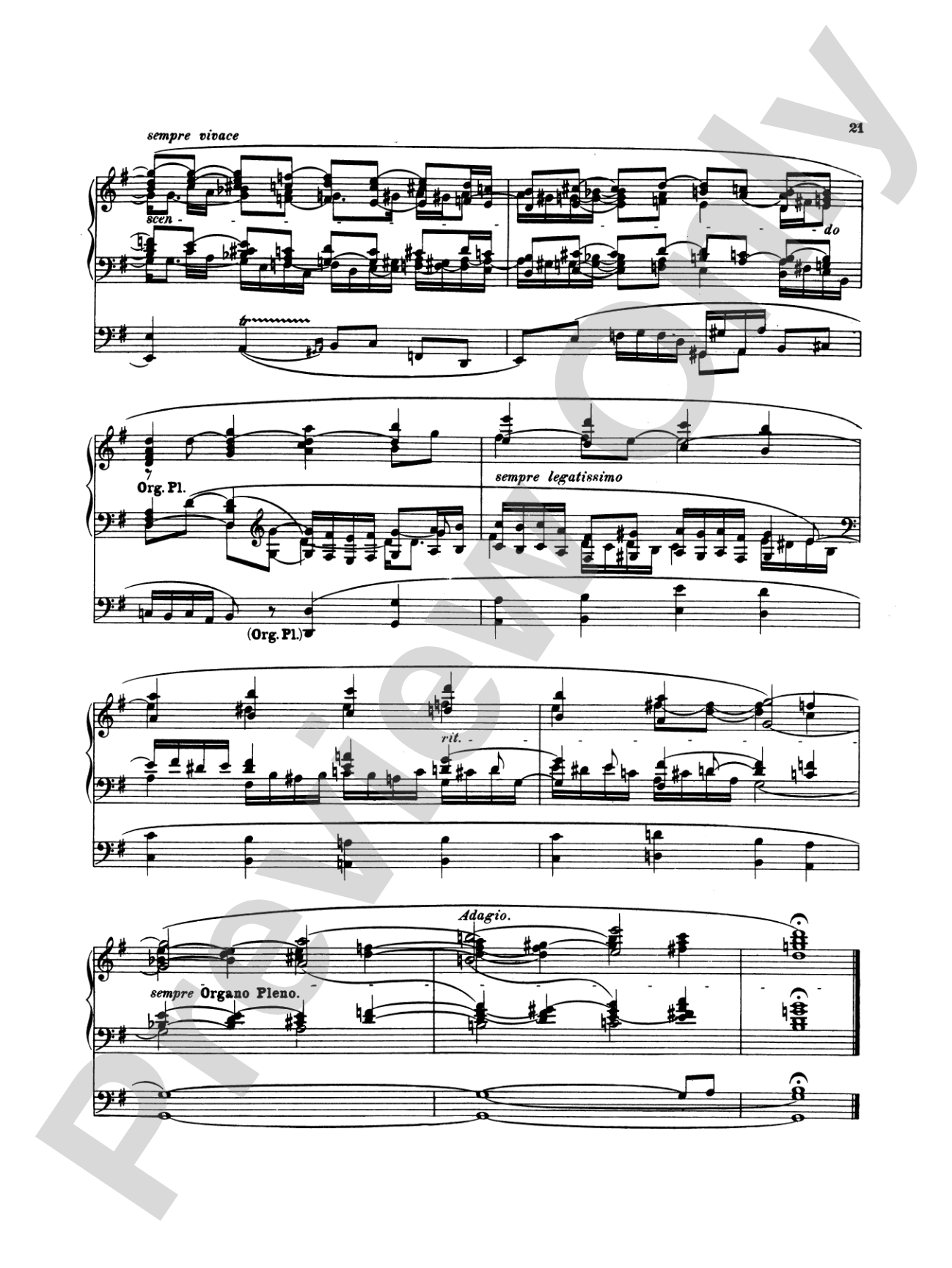




Reger: Fantasy on the Choral "Hallelujah! Gott Zu Loben, Bleibe Meine Seelenfreud", Op. 52, No. 3: Organ Sheet
By Max Reger
Item: 00-PK-0003412

$9.95
Pickup currently not available
Buy Extra Parts (Digital PDF Download)
| Product | Price | Quantity |
|---|---|---|
| Reger: Fantasy on the Choral "Hallelujah! Gott Zu Loben, Bleibe Meine Seelenfreud", Op. 52, No. 3 | $8.95 |
Parts Added to Cart!
Related Items
Fantasy on the Chorale "Hallelujah! Gott Zu Loben, Bleibe Meine Seelenfreud," Opus 52, No. 3: Organ Sheet |
$9.95
|
View |
Description


Don't just read it, hear it, play along with it, and watch your students grow with it. In MakeMusic Cloud, Reger: Fantasy on the Choral "Hallelujah! Gott Zu Loben, Bleibe Meine Seelenfreud", Op. 52, No. 3: Organ Sheet comes alive with professional accompaniment, adjustable tempo, and built-in practice tools that turn solo practice into real progress.
Open in the Player
Jump straight in and assign it today.
Start Your Free Trial
Open this title and explore the full library in minutes.
Sample Audio
No sample audio found.
Sample Video
No sample videos found.
Additional Details
Series:
Kalmus Edition
Publisher:
Alfred Music
Page Count:
24
SKU:
00-PK-0003412
More about this title
About the Composer: Max Reger
Max Reger (1873–1916) was a German composer, pianist, and organist whose prolific output spanned nearly every musical form. A master of counterpoint and harmonic language, he built his reputation on large-scale works for organ, piano, and orchestra that demand technical command and interpretive maturity. His organ fantasies represent the culmination of his craft: they synthesize chorale-based structures with the harmonic adventurousness of the late Romantic era.
Reger's approach to organ composition honored the German chorale tradition while pushing harmonic boundaries in ways that still challenge performers today. He taught composition at major German conservatories and served as a conductor and recitalist, roles that deepened his understanding of what was both musically compelling and technically achievable at the console.
Why we love this
This fantasy takes a beloved Lutheran chorale and transforms it through layers of contrapuntal development and harmonic color that feel utterly inevitable in hindsight yet surprising in the moment. The piece rewards an organist who can balance structural clarity with harmonic nuance, making it an ideal choice for recitalists ready to move beyond showpiece repertoire into music that demands both technical security and musical intelligence.
What to expect
Reger's fantasy mirrors the structure of a spiritual journey: opening with forthright statement of the chorale, then descending into harmonic ambiguity and contrapuntal complexity before finding resolution and affirmation. The music shifts between moments of stark beauty and passages where thick voicings and chromatic harmony create a sense of searching or struggle, all anchored by the familiar chorale melody returning at crucial junctures.
Who it's for
Organists with solid technical command, strong sight-reading ability, and experience with Romantic-era harmony and counterpoint will find this 24-page fantasy both challenging and deeply rewarding. This is repertoire for recitalists or students preparing for college auditions and advanced performance certificates, not casual players.
How to get the most out of it
- Study the registration scheme carefully. Reger's dynamic and timbral markings are compositional decisions, not ornamentation. Honor them as you would any Romantic composer's orchestration.
- Lock down the chorale melody before tackling the accompaniment. Knowing where that tune sits at every moment keeps the overall architecture audible even in dense sections.
- Manage the pedal part as an independent voice. Many passages benefit from subtle articulation or overlap between pedal phrases, not mechanical precision.
- Pace the harmonic progressions rather than rushing through chromatic passages. Reger's voice-leading unfolds deliberately; allow each transition room to breathe.
How to use it
This work suits a recital focused on the organ's place in Romantic music, or a program pairing German chorale-based works across centuries. It also serves as an excellent teaching piece for advanced students preparing a recital that demonstrates command of both structural design and harmonic sophistication.
Skills your students will build
- Chorale-based form and variation techniques
- Multi-voice independence between hands and feet
- Harmonic analysis in chromatic, late-Romantic language
- Pedal technique and articulation at tempo
- Interpreting detailed registration markings
- Structural clarity in through-composed, developmental forms