

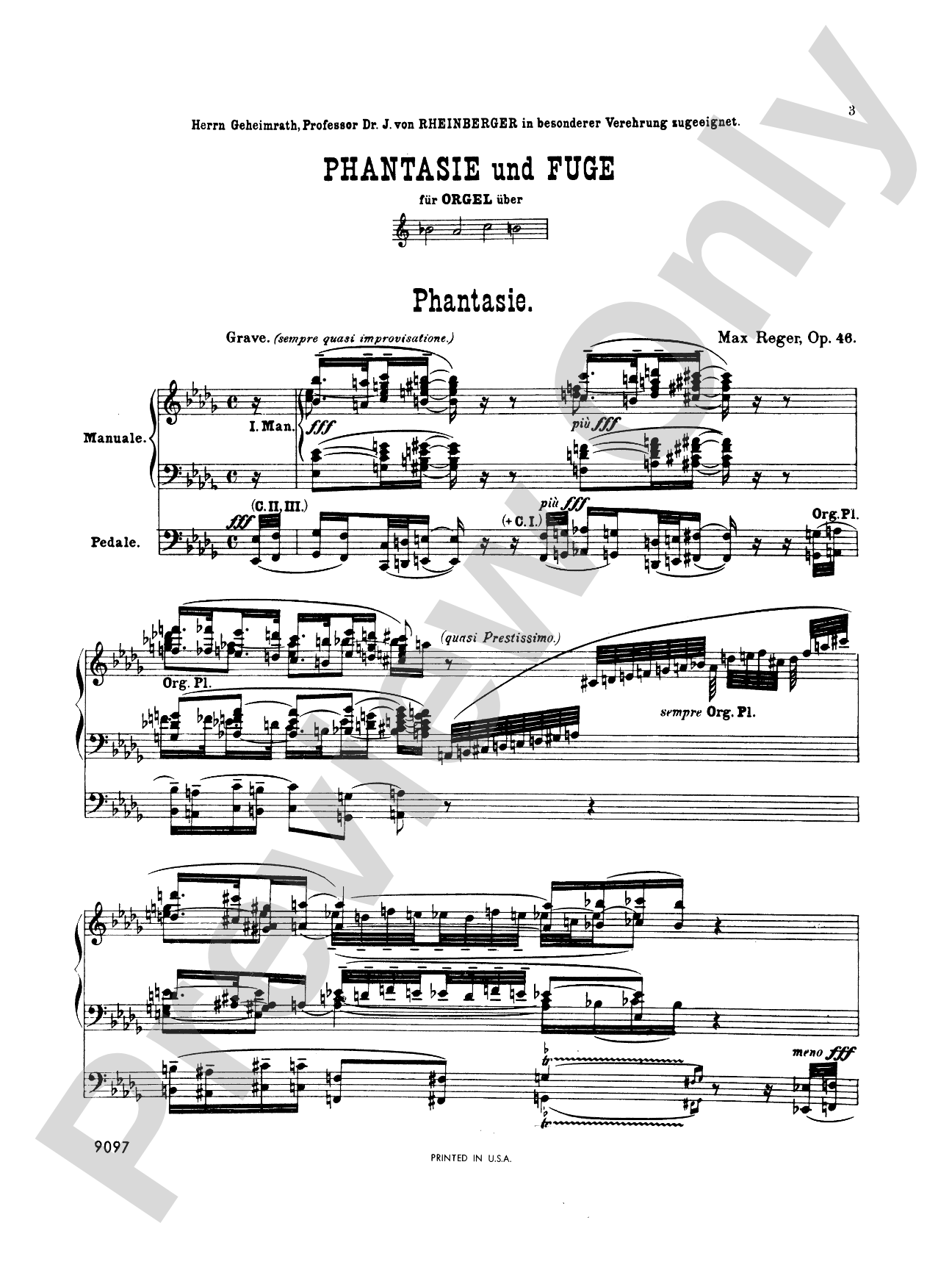
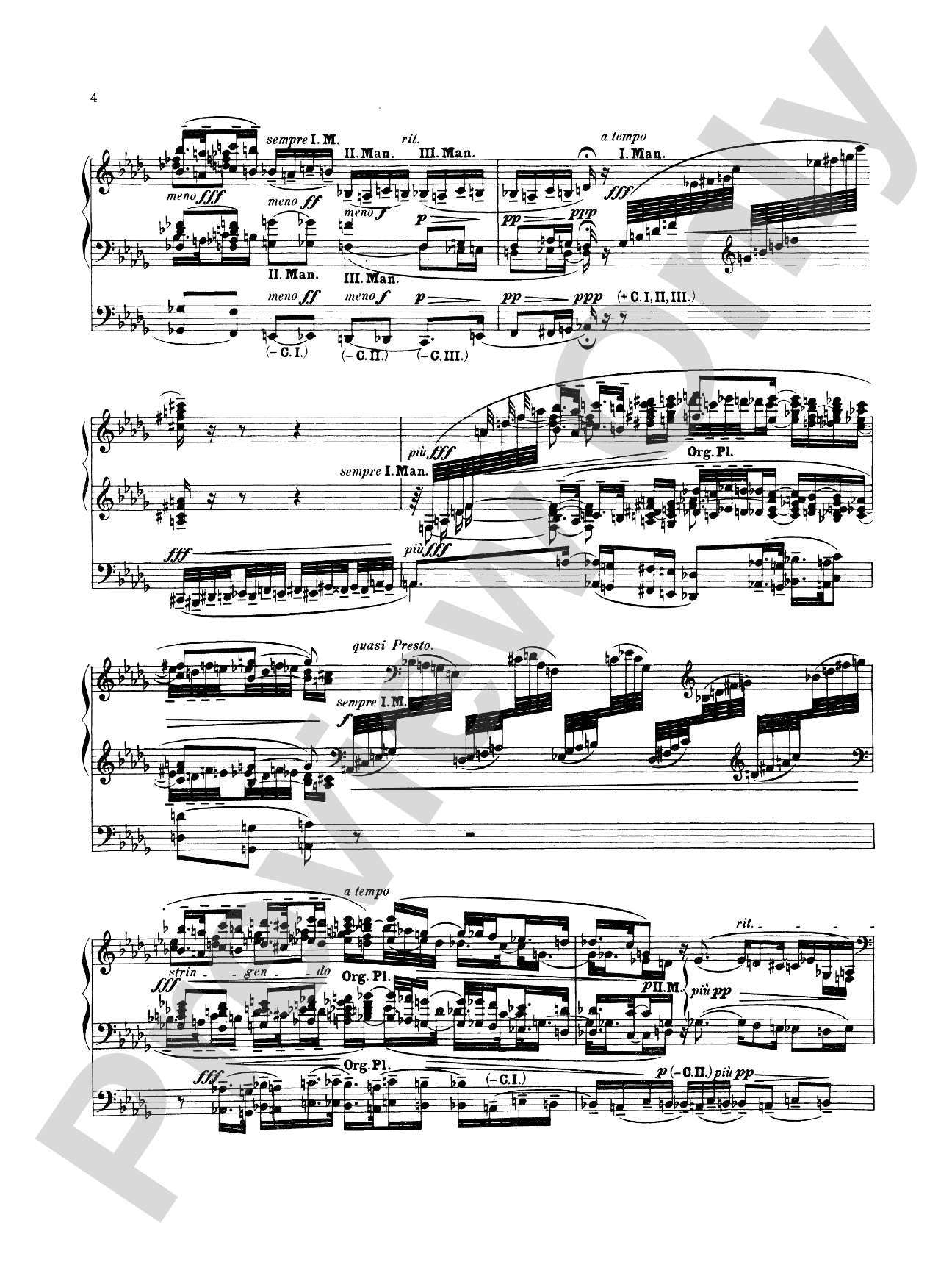
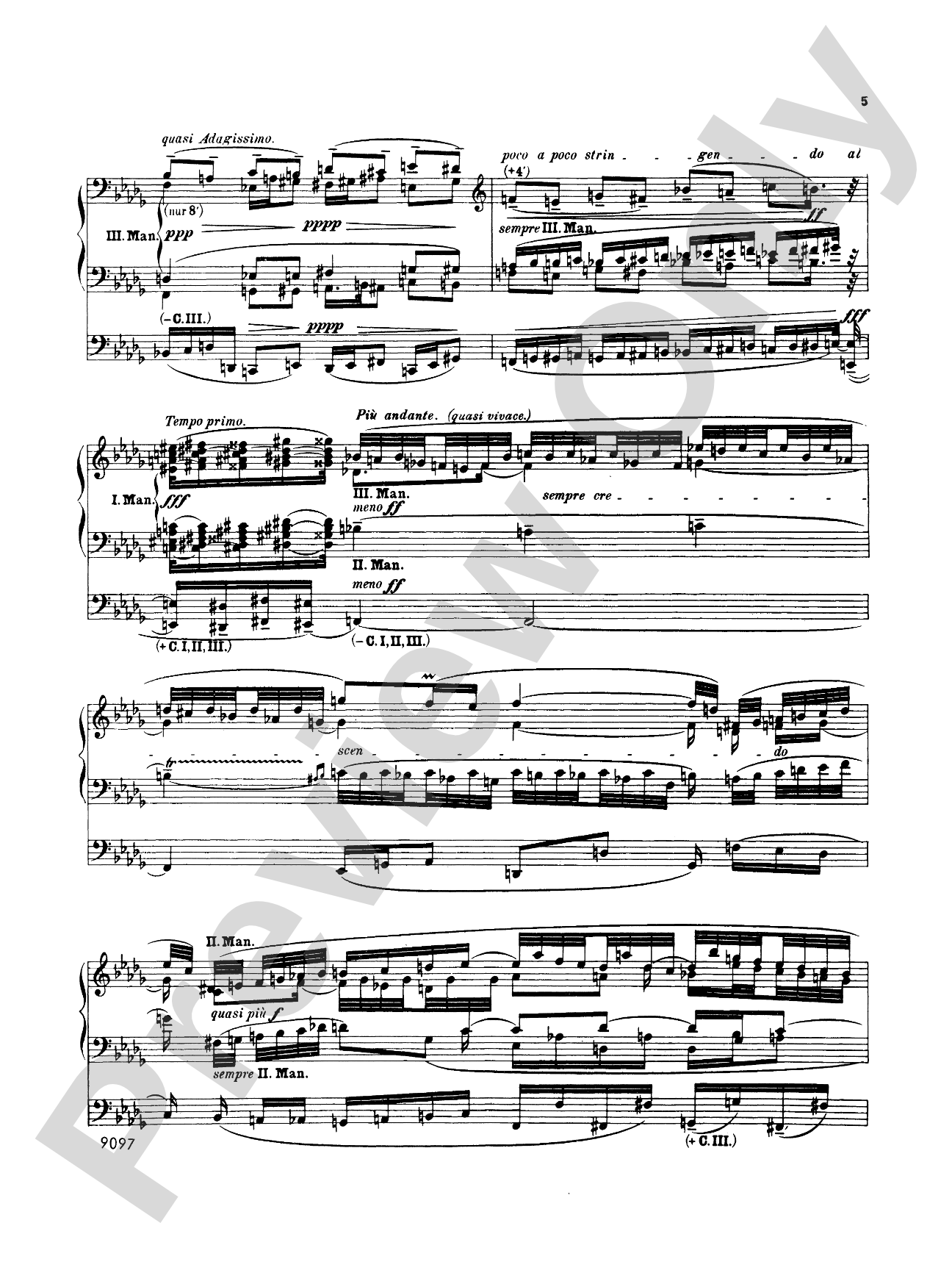
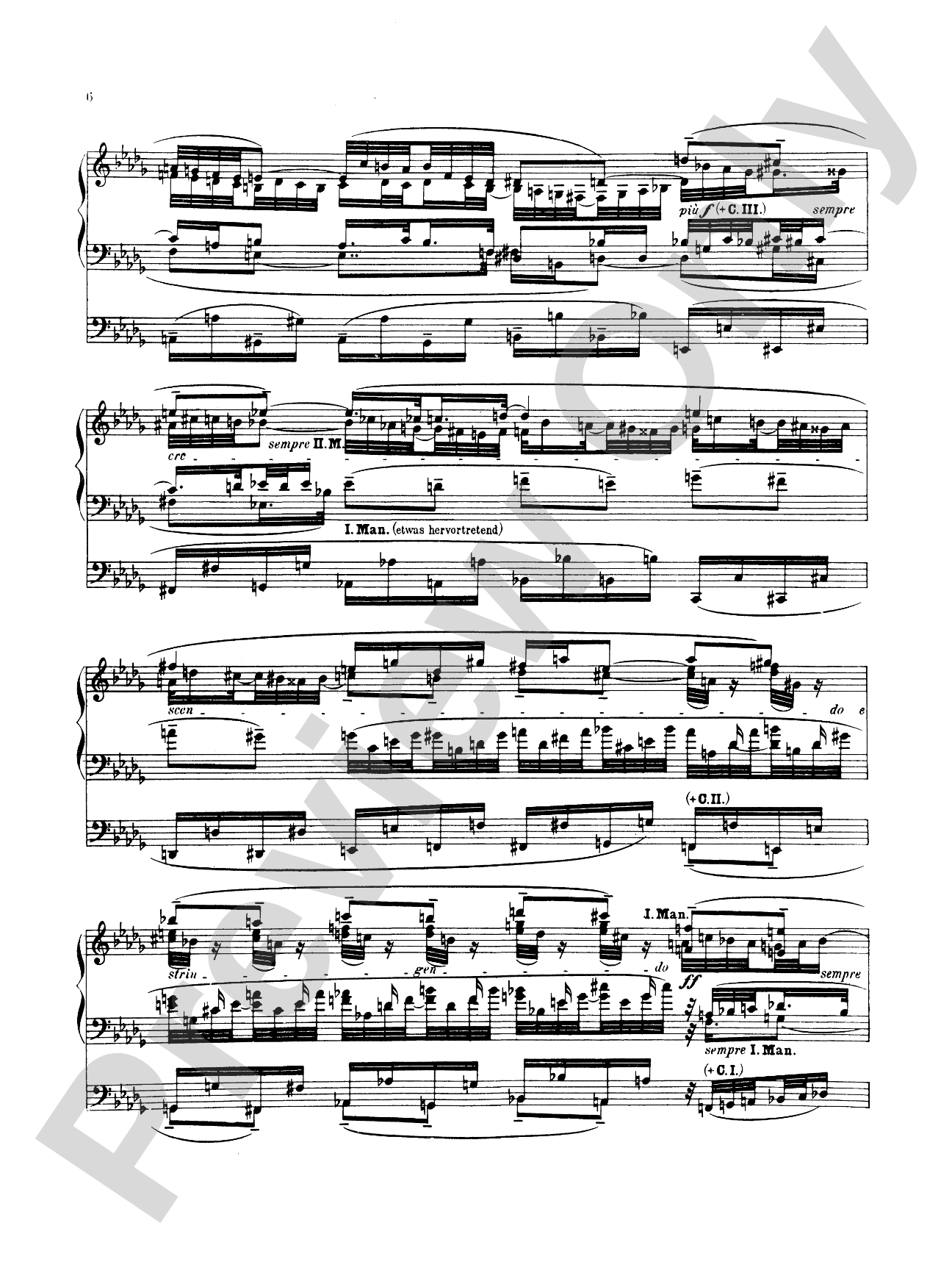

Reger: Fantasy and Fugue on the Name of Bach
By Max Reger
Item: 00-PC-0011692
$5.95
Pickup currently not available
Description
An organ solo brilliantly compossed by Max Reger.


Don't just read it, hear it, play along with it, and watch your students grow with it. In MakeMusic Cloud, Reger: Fantasy and Fugue on the Name of Bach comes alive with professional accompaniment, adjustable tempo, and built-in practice tools that turn solo practice into real progress.
Open in the Player
Jump straight in and assign it today.
Start Your Free Trial
Open this title and explore the full library in minutes.
Sample Audio
No sample audio found.
Sample Video
No sample videos found.
Additional Details
Series:
Kalmus Edition
Publisher:
Alfred Music
Page Count:
28
SKU:
00-PC-0011692
More about this title
About the Composer: Max Reger
Max Reger (1873-1916) was a German composer, conductor, and organist whose prolific output spanned virtually every musical form. A towering figure in early twentieth-century music, he brought the contrapuntal mastery of Bach into modern harmonic language, creating works of remarkable density and intellectual rigor. Reger's organ music in particular stands as some of the most demanding and rewarding writing for the instrument, combining virtuosic display with profound musical substance.
Reger's deep reverence for Bach informed much of his compositional philosophy. His chorale preludes, fugues, and fantasias draw on Baroque structures while expanding them through chromatic harmony and expanded tonal language. The Fantasy and Fugue on the Name of Bach exemplifies this synthesis: it transforms the letters of Bach's name (B-A-C-H in German notation) into a musical theme that becomes the foundation for both fantasia and fugal development. For organists and music educators, Reger's organ works represent the apex of Romantic keyboard writing.
Why we love this
This work demonstrates the full scope of Reger's compositional ambition in a single piece. The thematic unity achieved through the B-A-C-H motif gives the entire structure a philosophical coherence that challenges organists to think architecturally about large-form organ writing. Programming this piece signals serious artistic intention and offers audiences a window into how twentieth-century composers engaged with the Baroque masters.
What to expect
The Fantasy opens with improvisatory grandeur, exploring harmonic territory that feels both rooted in Bach and urgently modern. The Fugue subjects the B-A-C-H theme to rigorous contrapuntal development, building layers of complexity that reward close listening. Throughout, there's a sense of intellectual passion, as if Reger is in dialogue with his great predecessor, honoring his legacy while pushing the organ's expressive possibilities forward.
Who it's for
Advanced organists with solid technique and deep familiarity with both Baroque counterpoint and Romantic harmonic language. This is repertoire for performers ready to engage with substantial musical architecture and audiences prepared for modernist approaches to organ writing.
How to get the most out of it
- Study the harmonic language closely before focusing on technical passages; Reger's chromaticism requires understanding voice leading to avoid muddiness on the organ
- Plan your manual and pedal registration carefully throughout, marking registration changes that reinforce the formal architecture and harmonic shifts
- Balance the contrapuntal lines clearly in the fugal section, using subtle registration changes to distinguish voices without sacrificing ensemble
- Give yourself significant preparation time for the hand-crossing passages and rapid pedal figures; these are compositional gestures, not ornaments, and deserve clarity
How to use it
This work pairs exceptionally well on recitals devoted to organ repertoire spanning three centuries, creating a dialogue between Baroque masters and their early twentieth-century inheritors. It also serves as a powerful standalone organ recital centerpiece for advanced performers, or as the anchor of a program exploring theme and variation across different musical periods.
Skills your students will build
- Reading complex chromaticism and extended harmony
- Executing rapid pedal passage work with rhythmic precision
- Managing manual registration changes to clarify polyphonic texture
- Sustaining long-form architectural coherence across 28 pages
- Interpreting Reger's notation and performance markings with historical awareness