
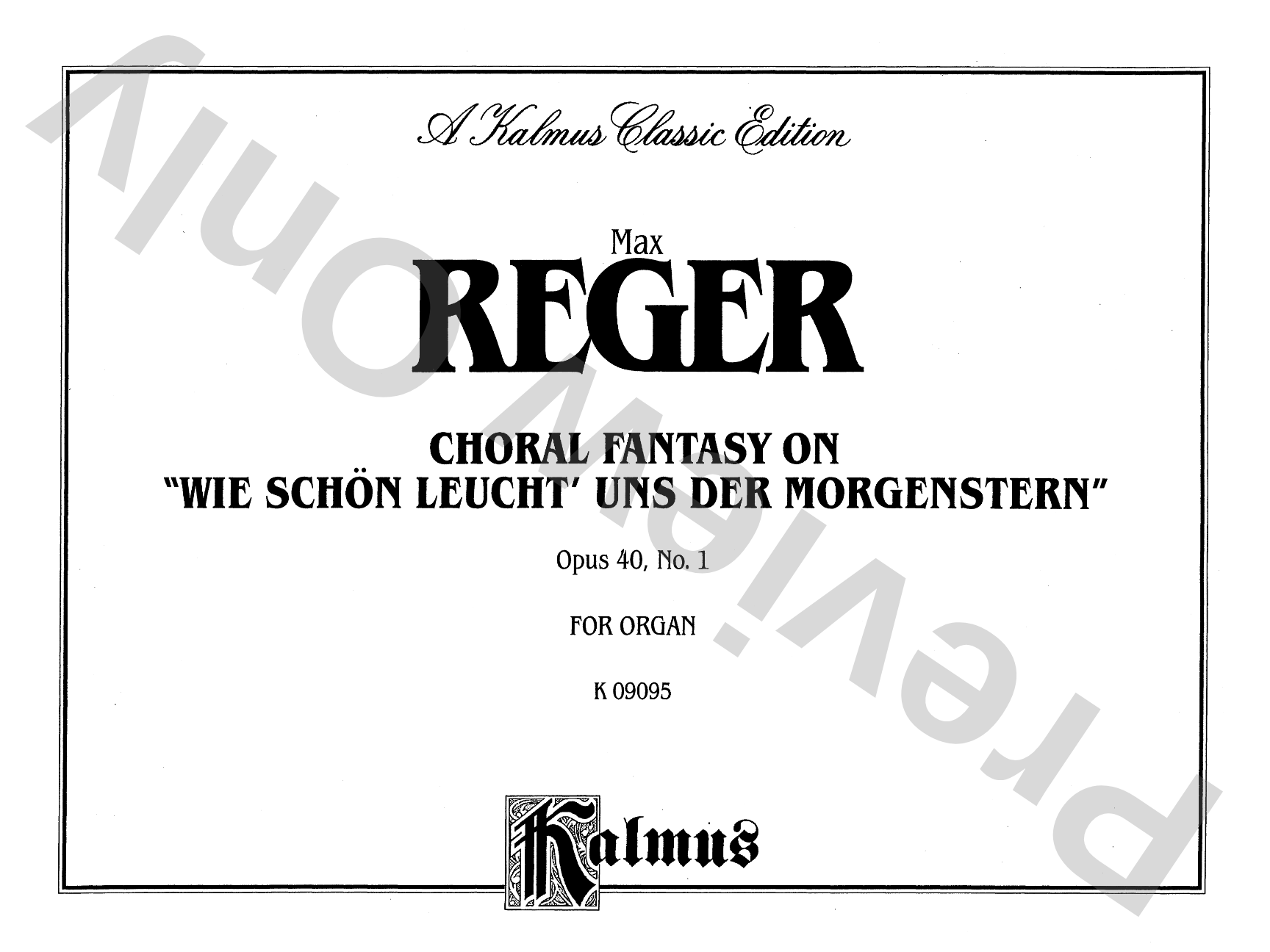

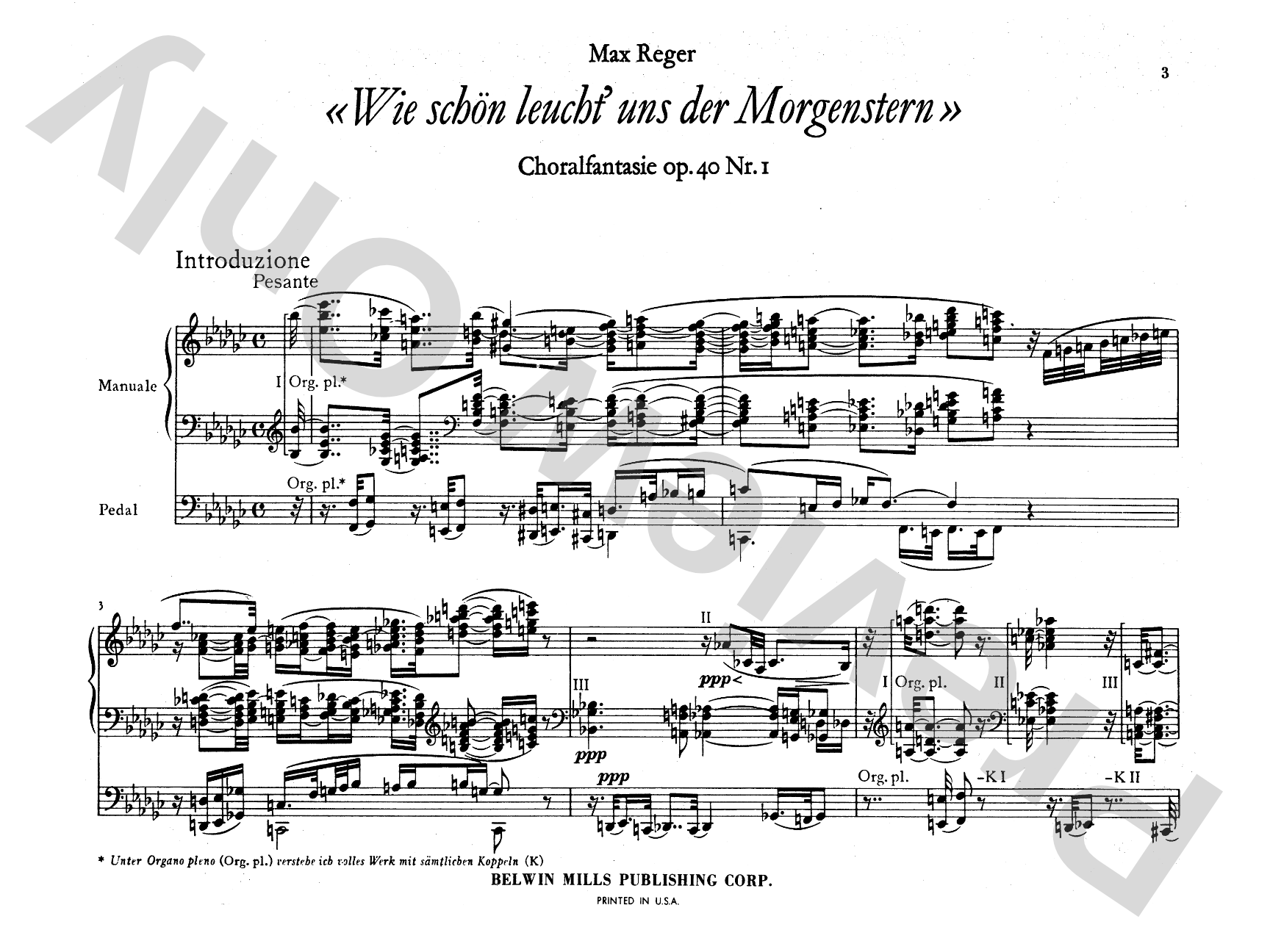
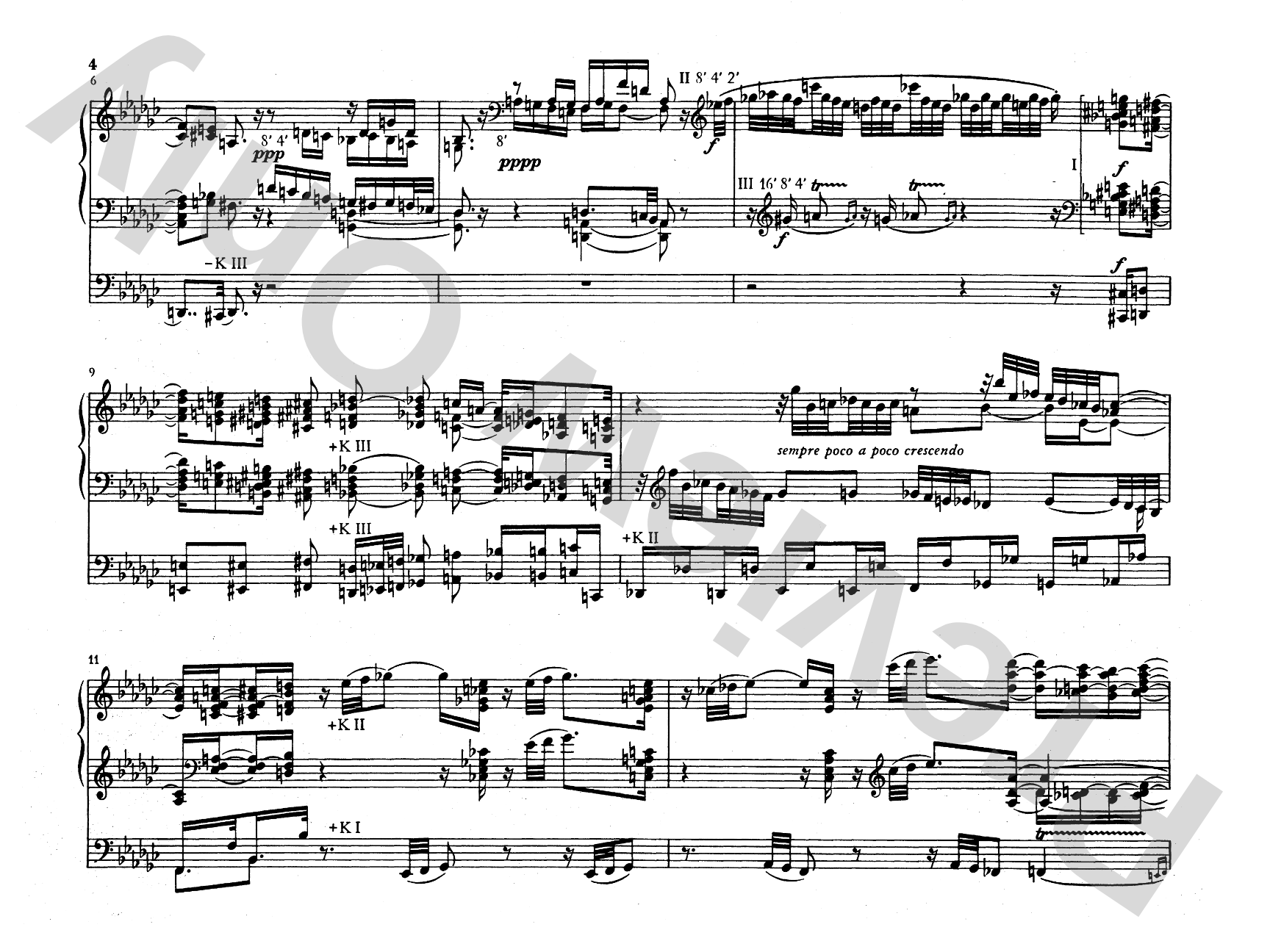
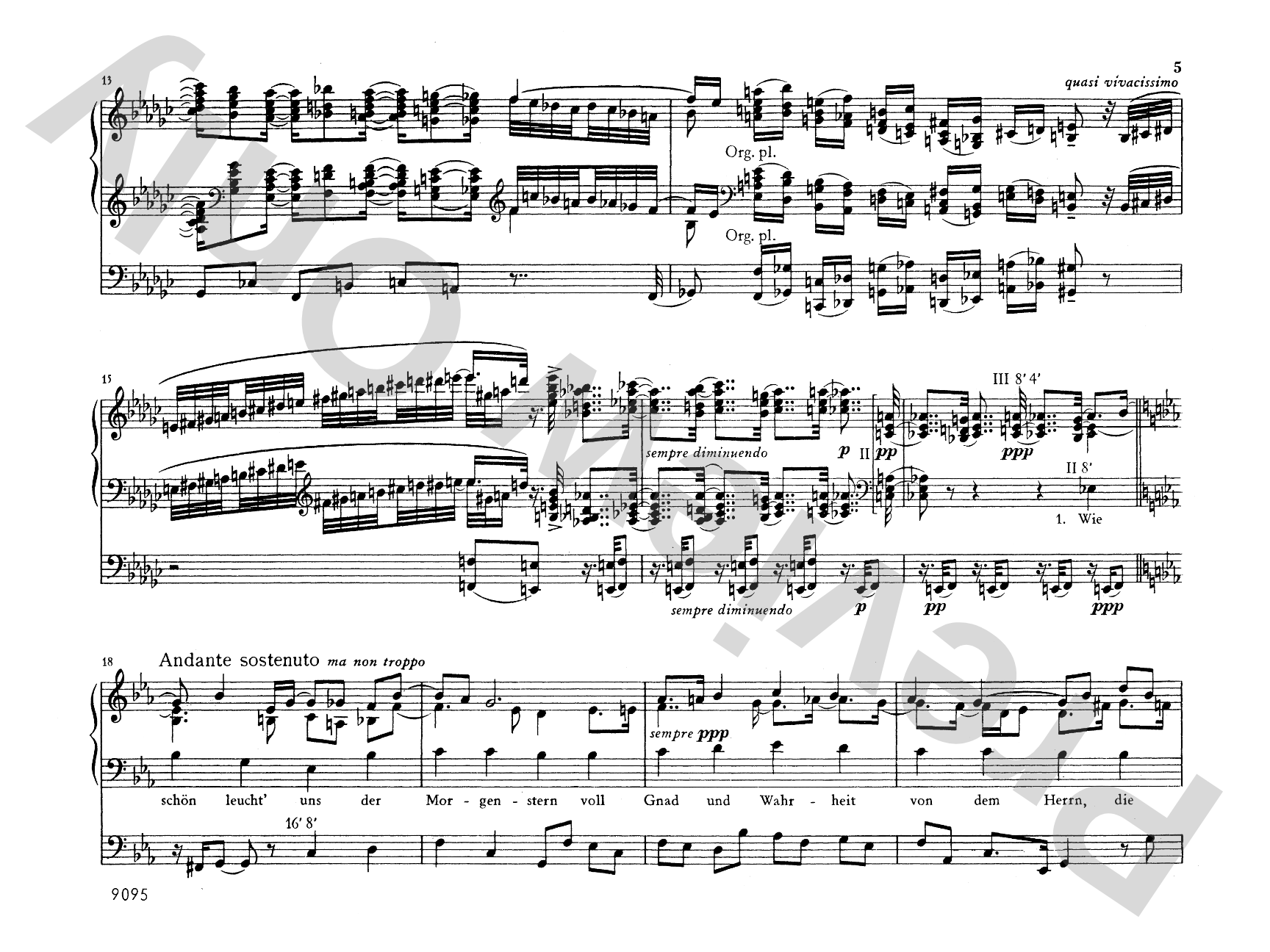
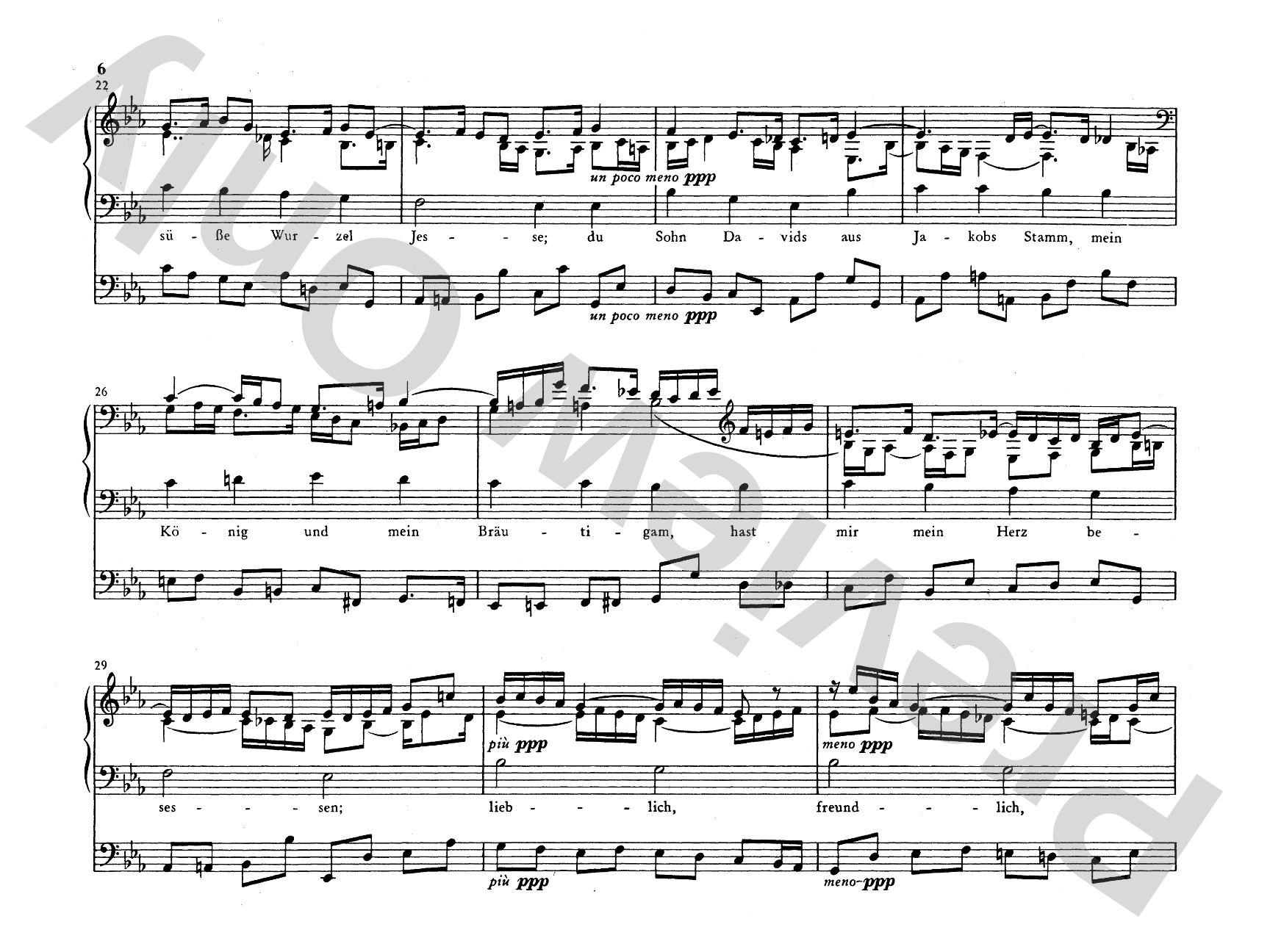
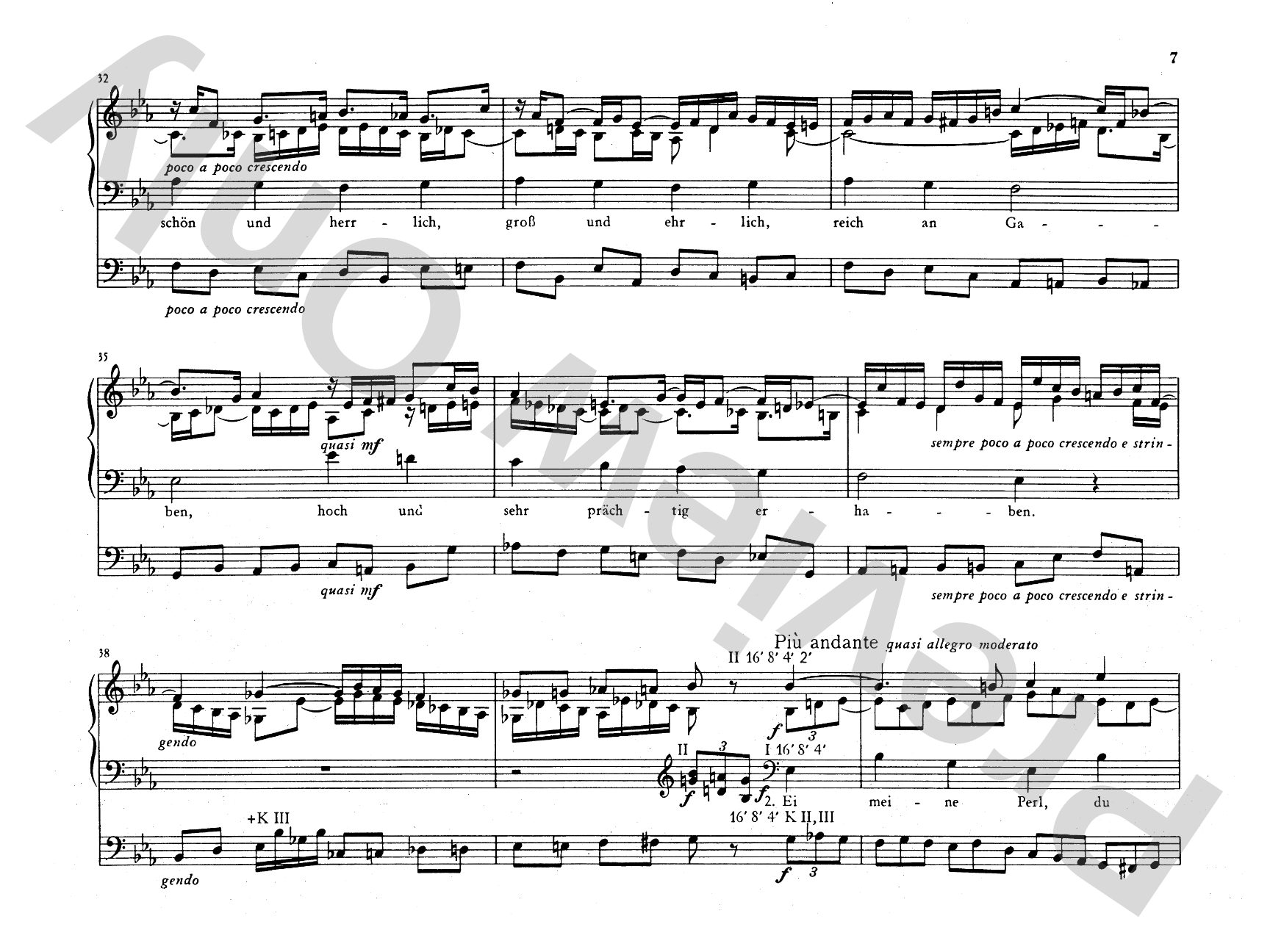
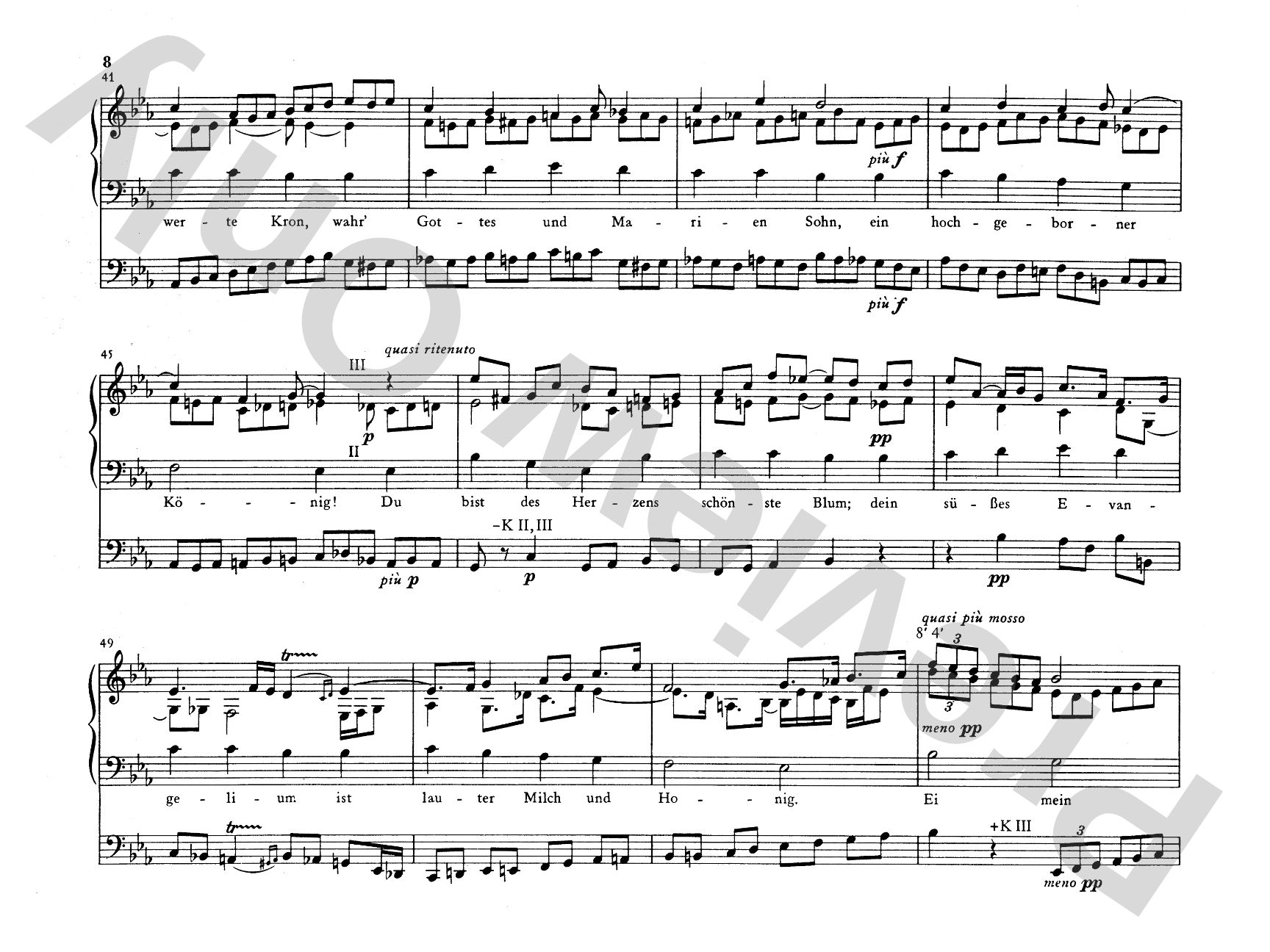
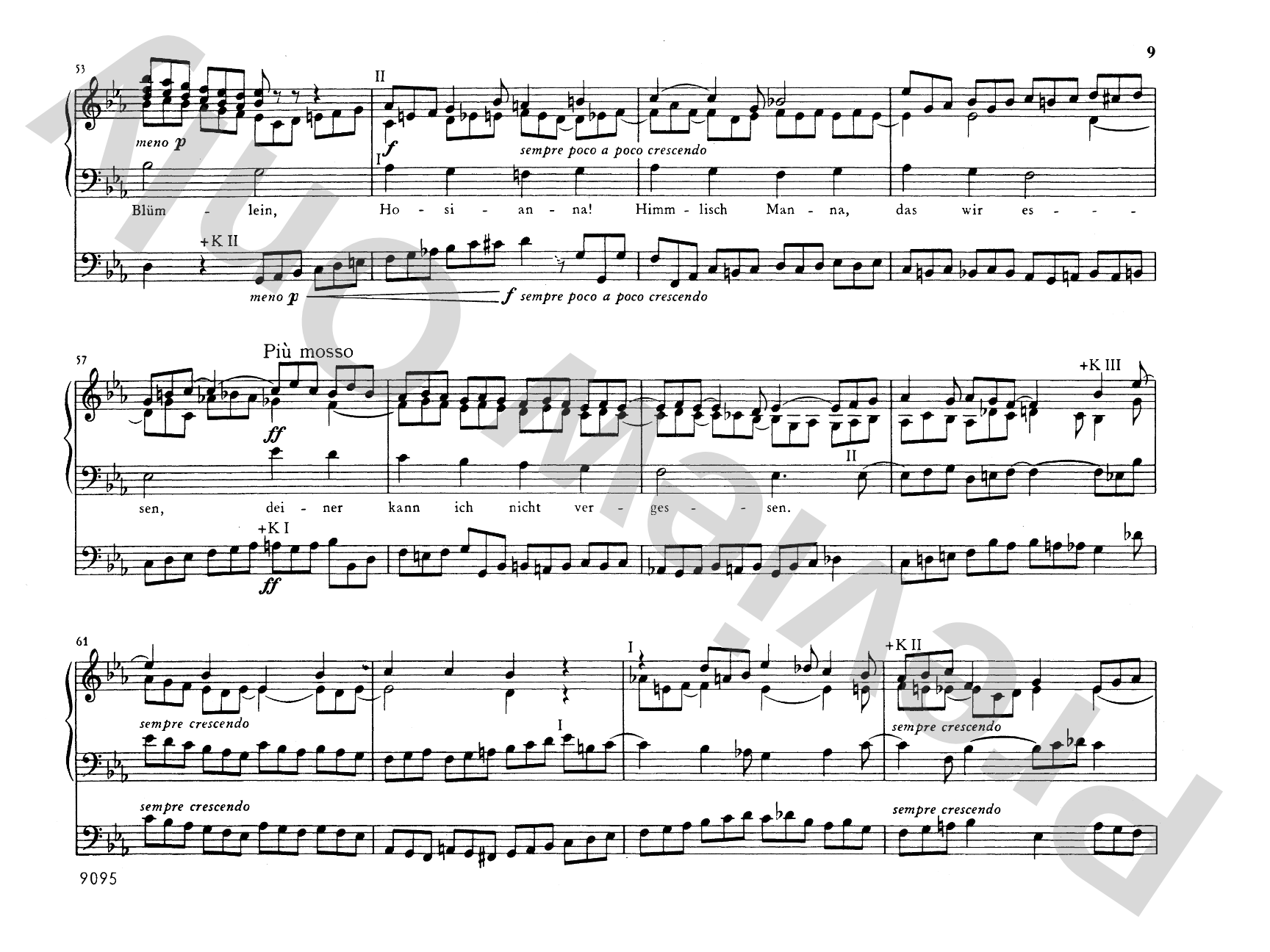
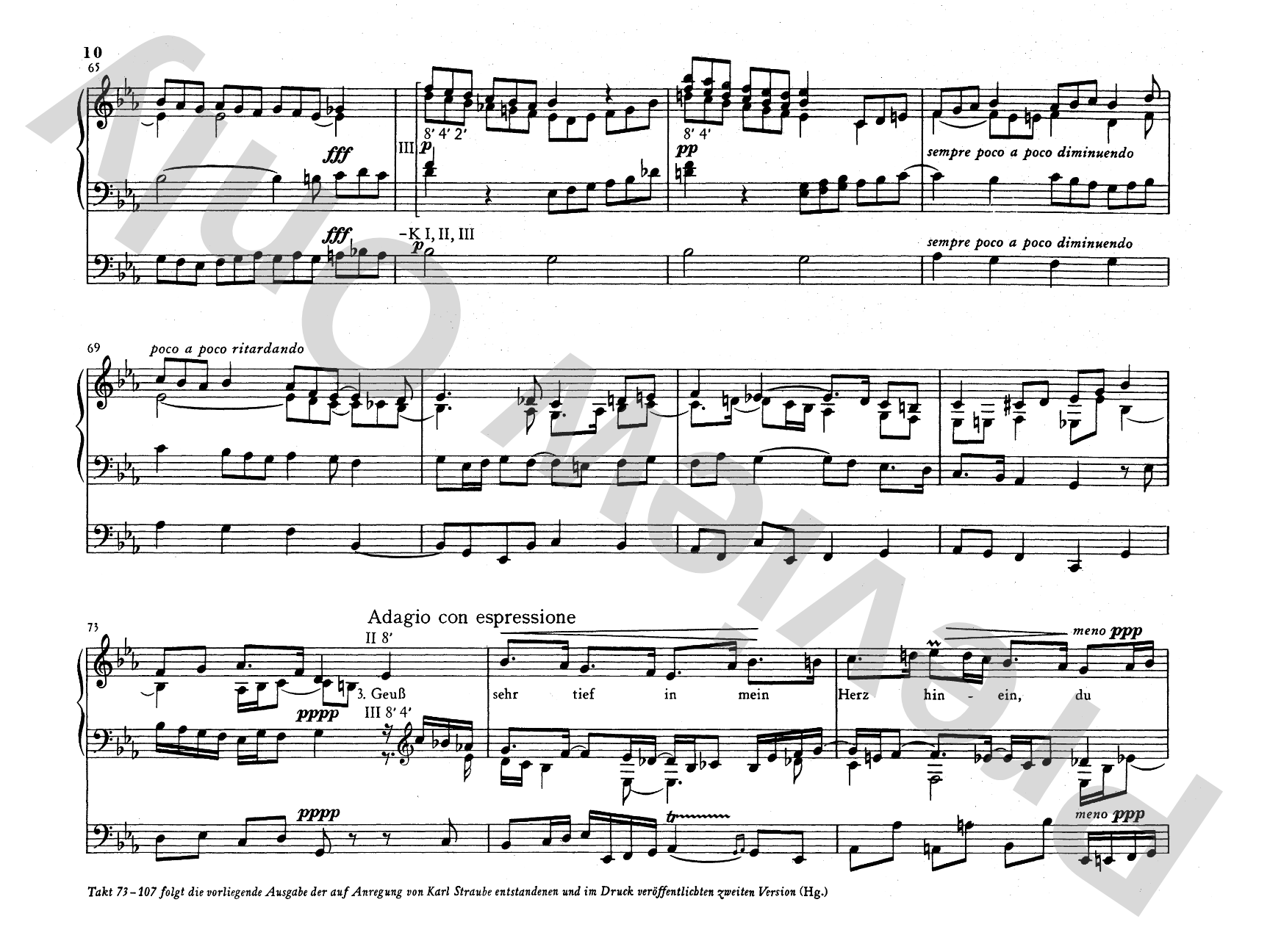
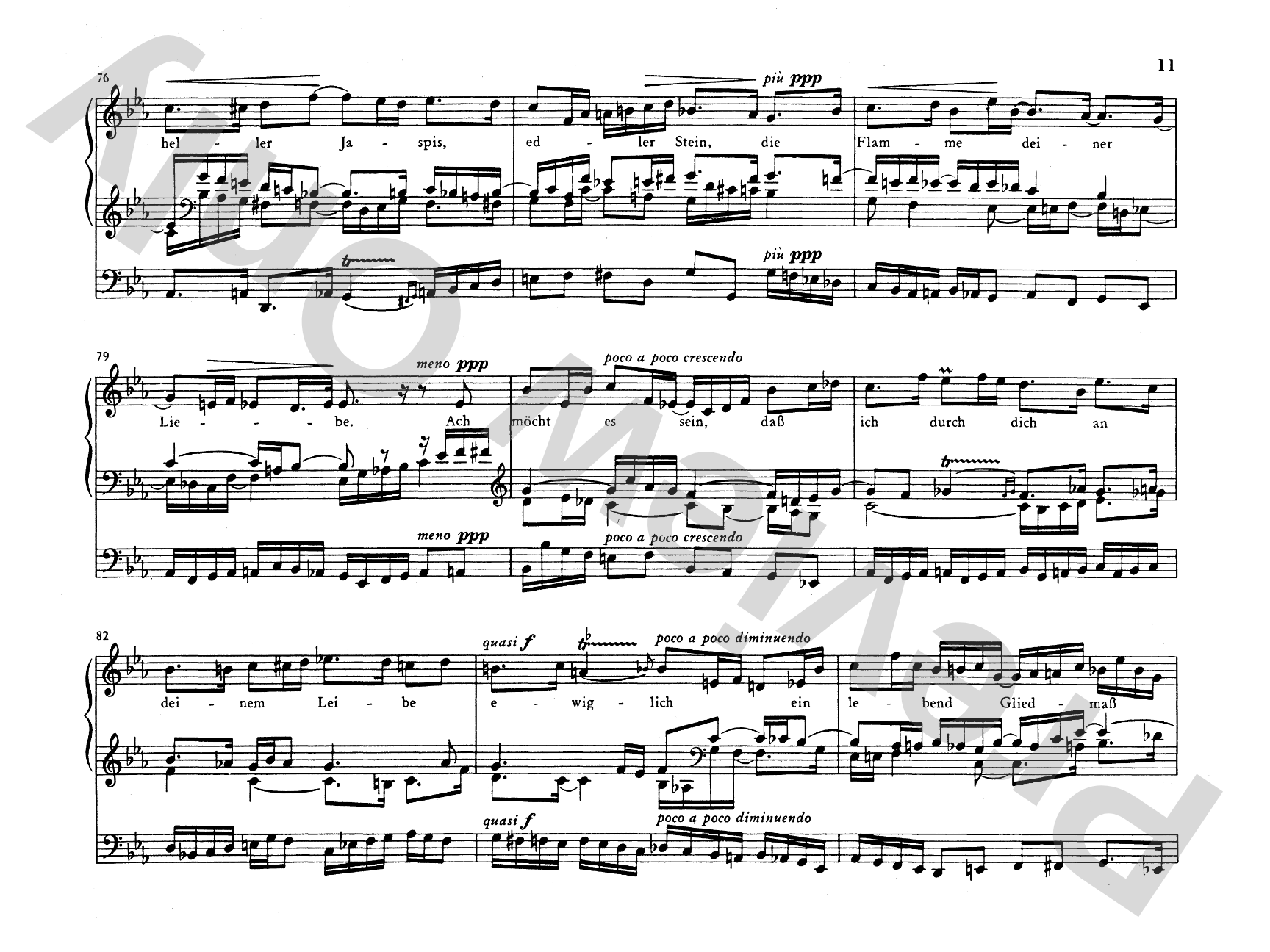
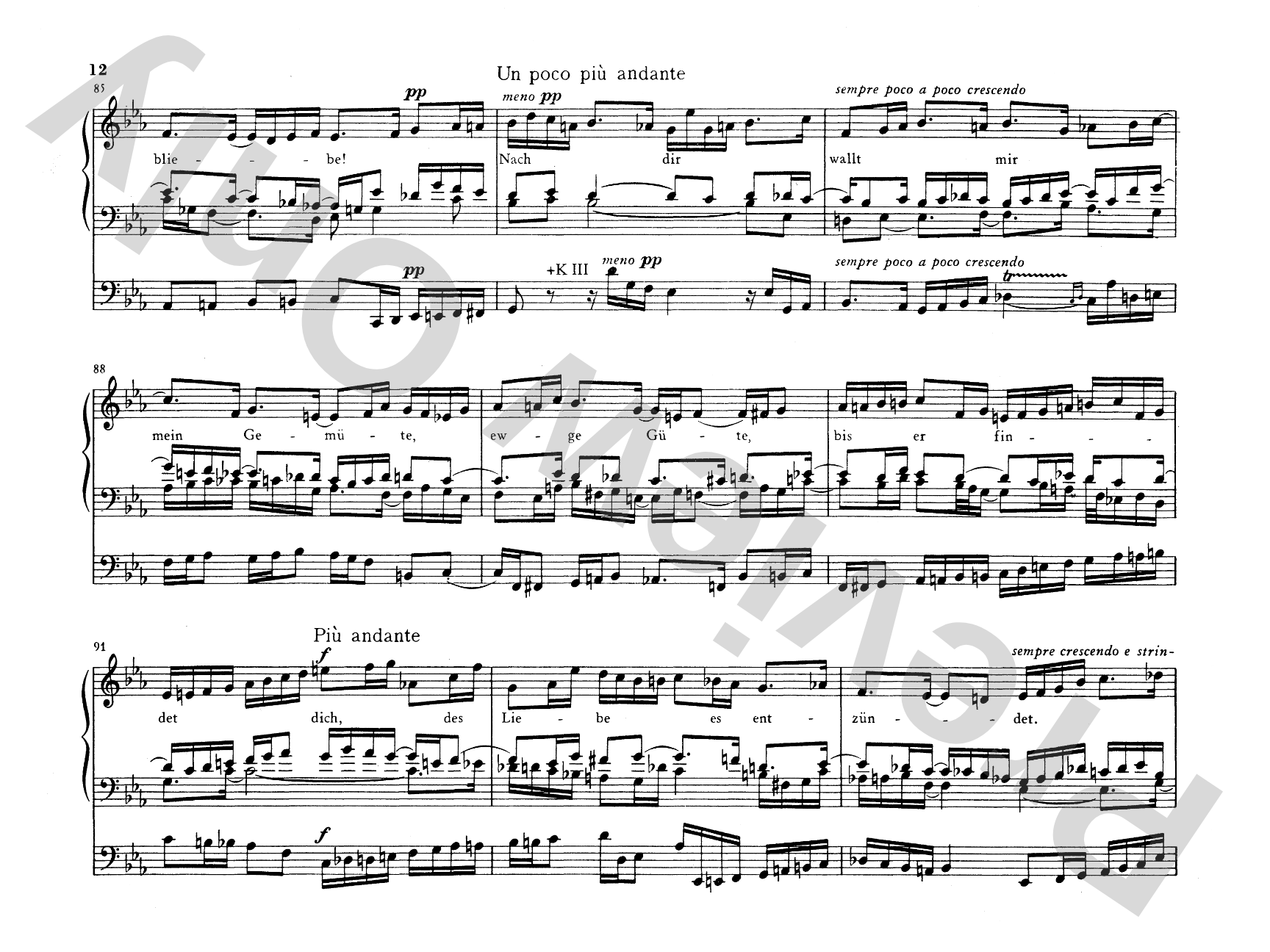
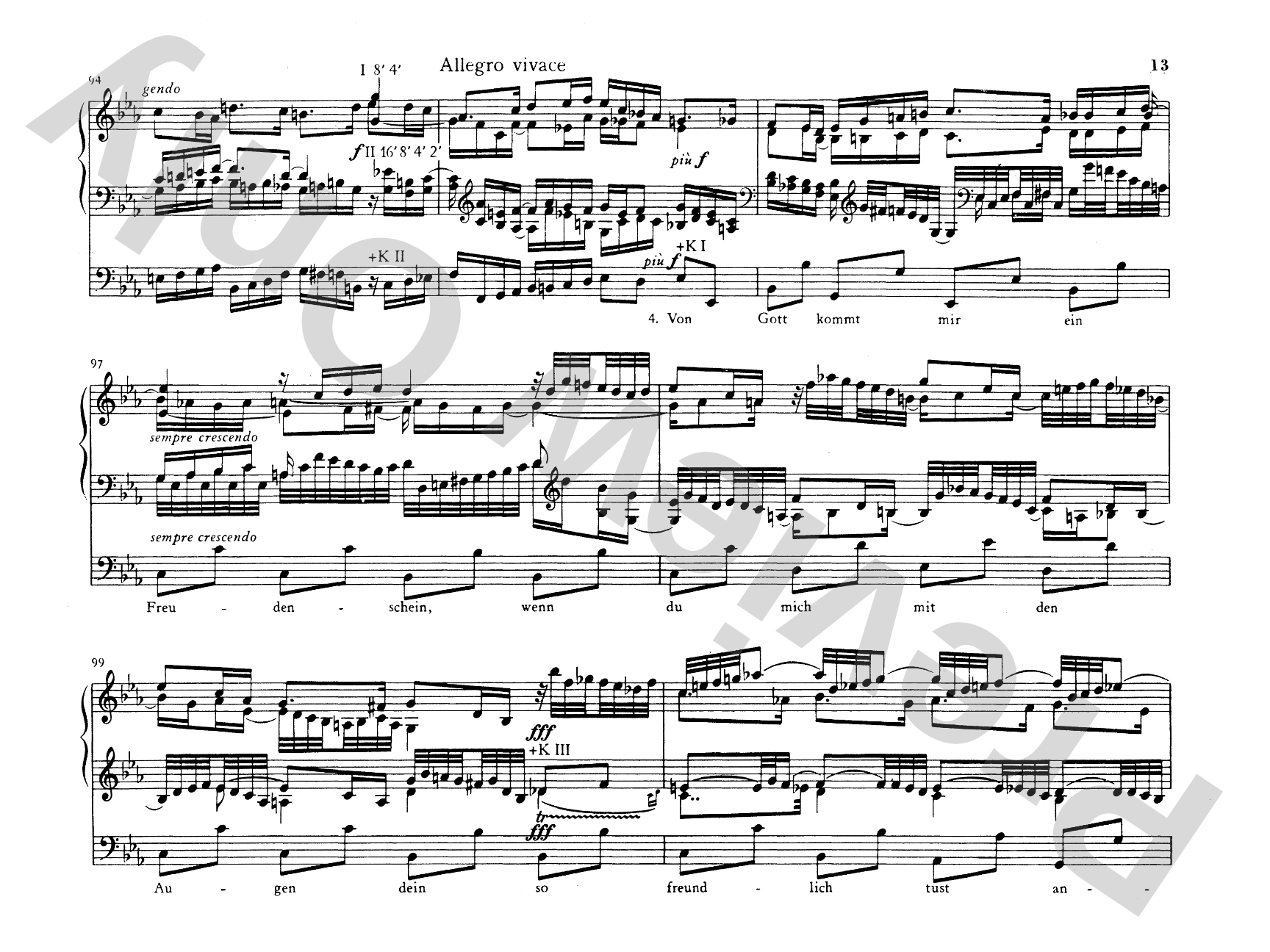
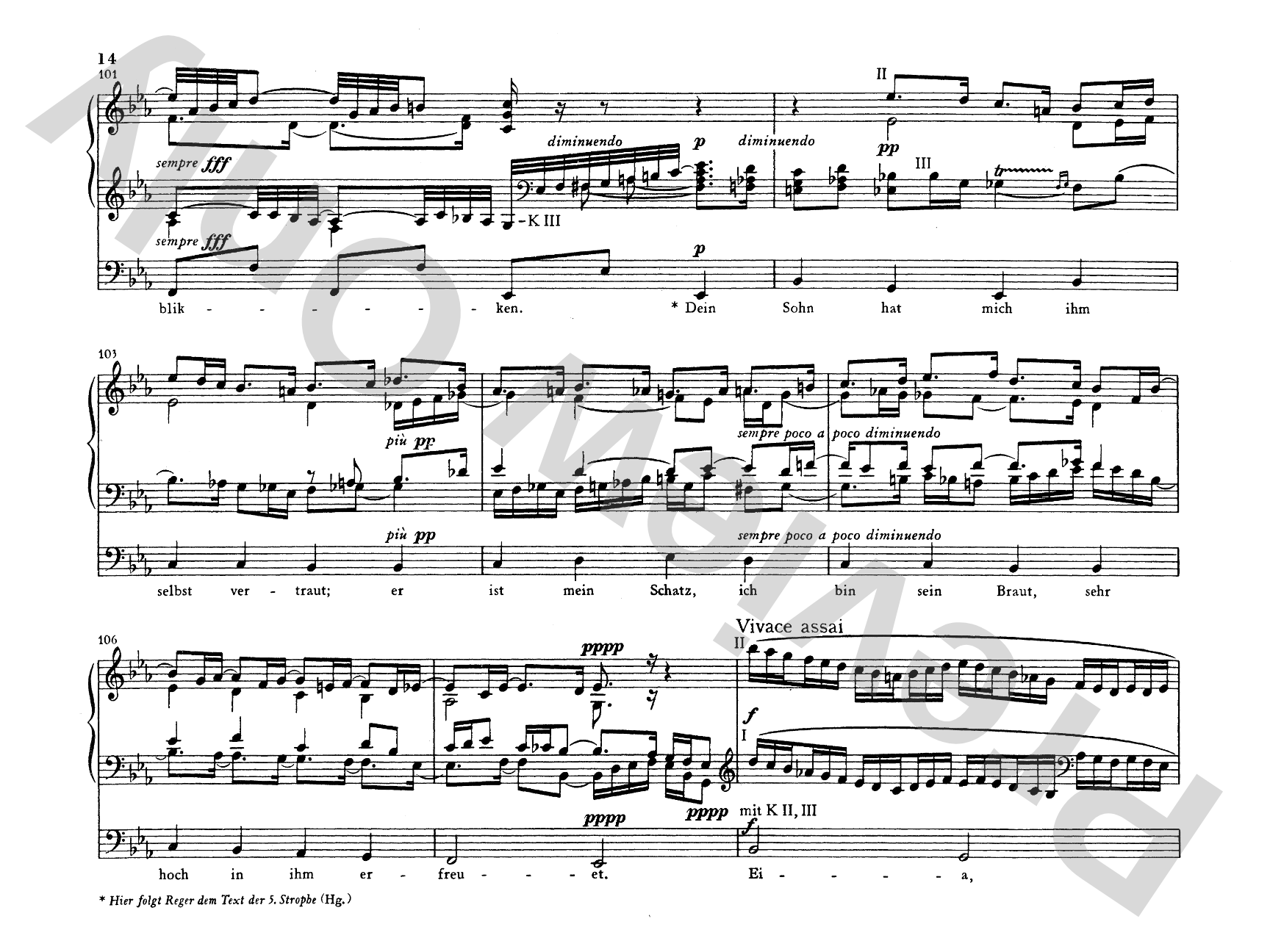
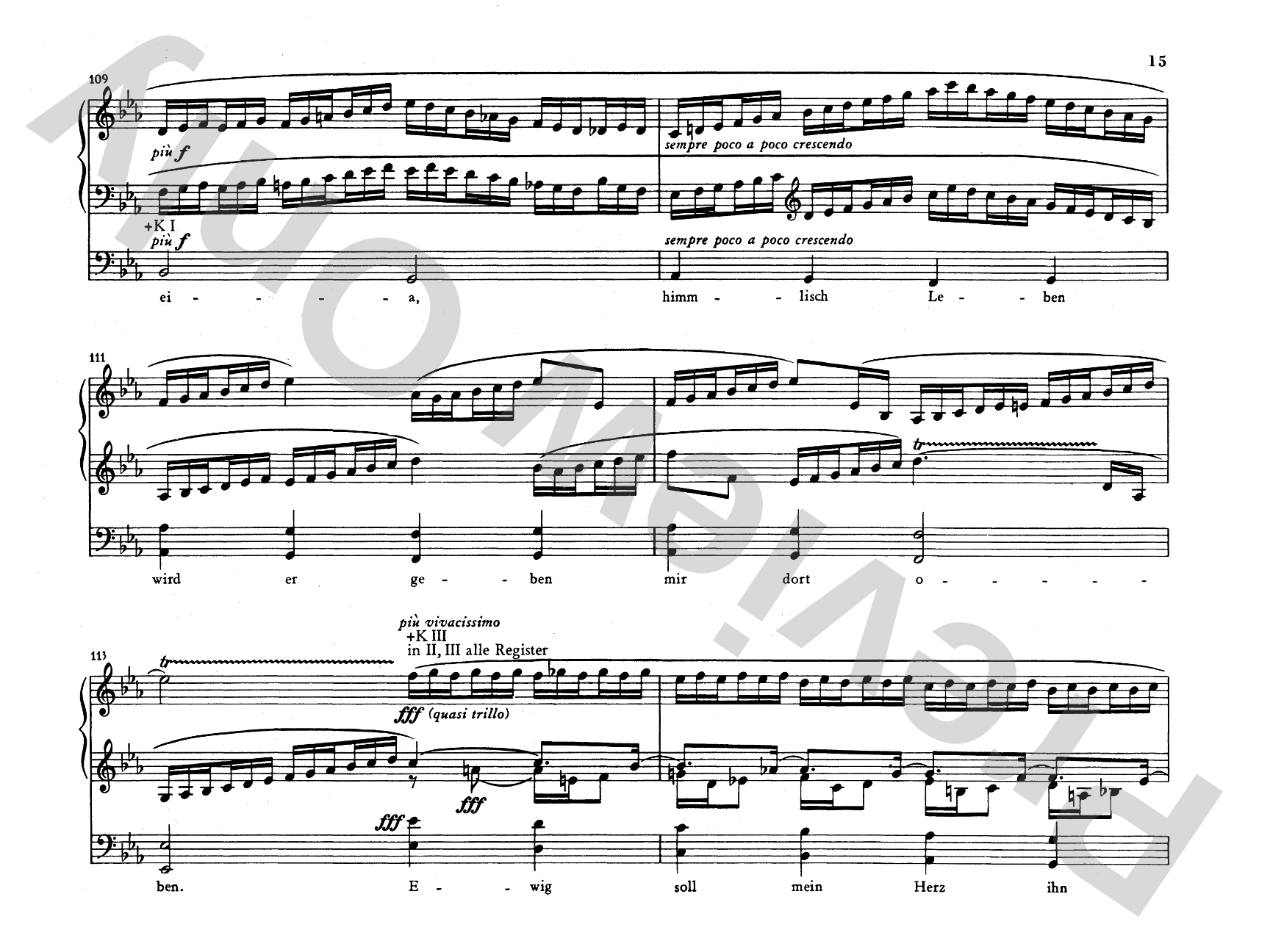
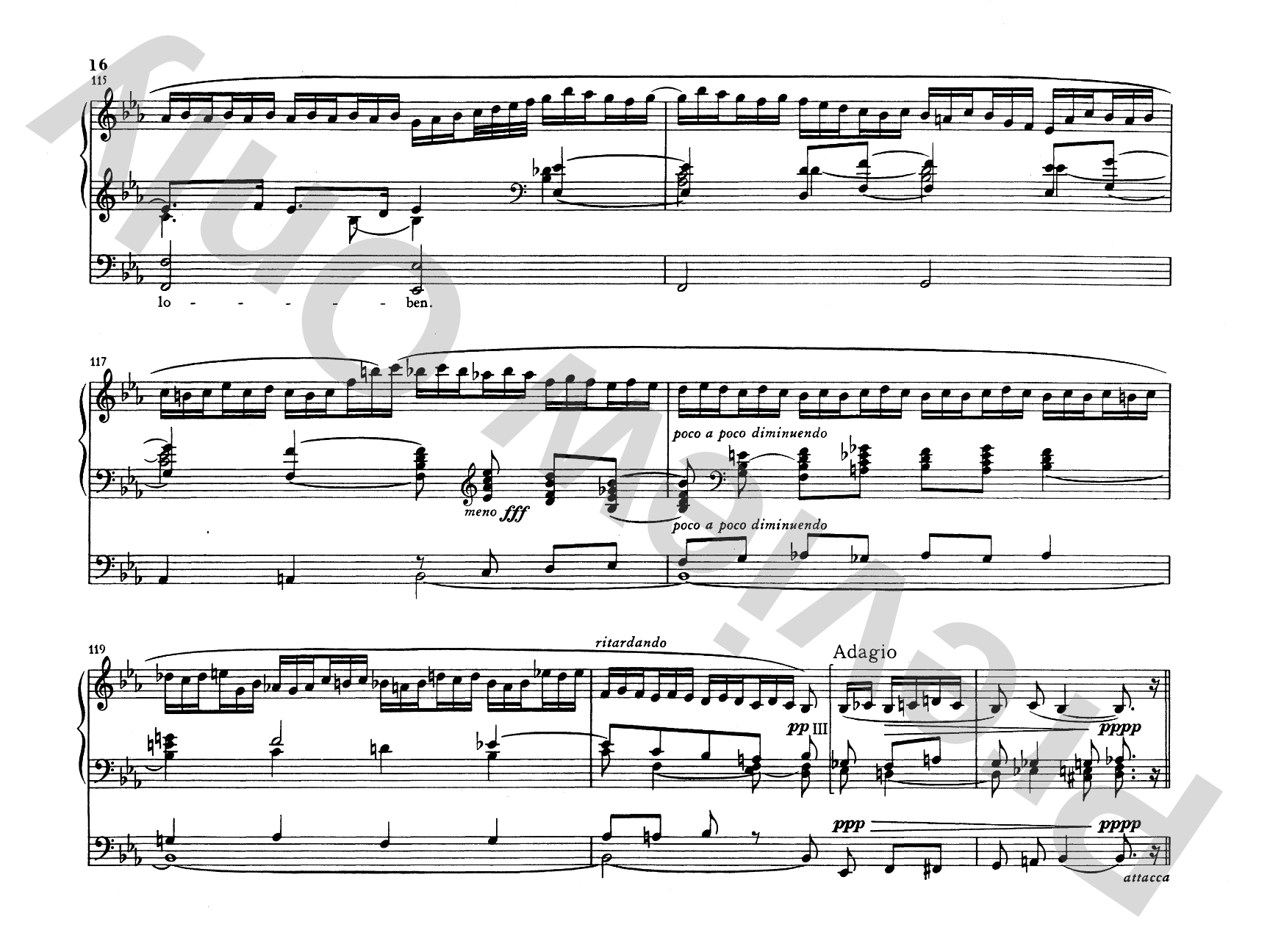
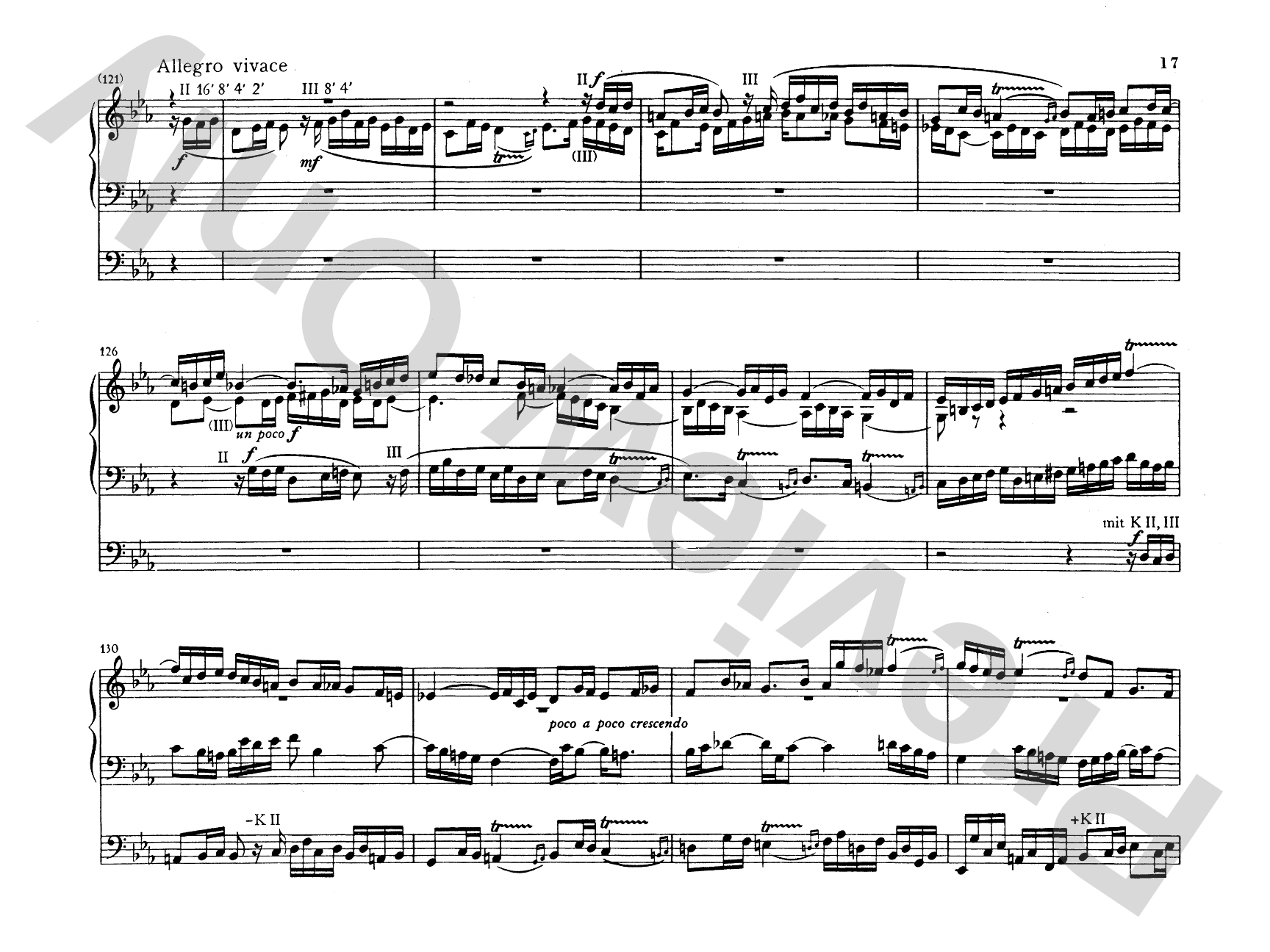
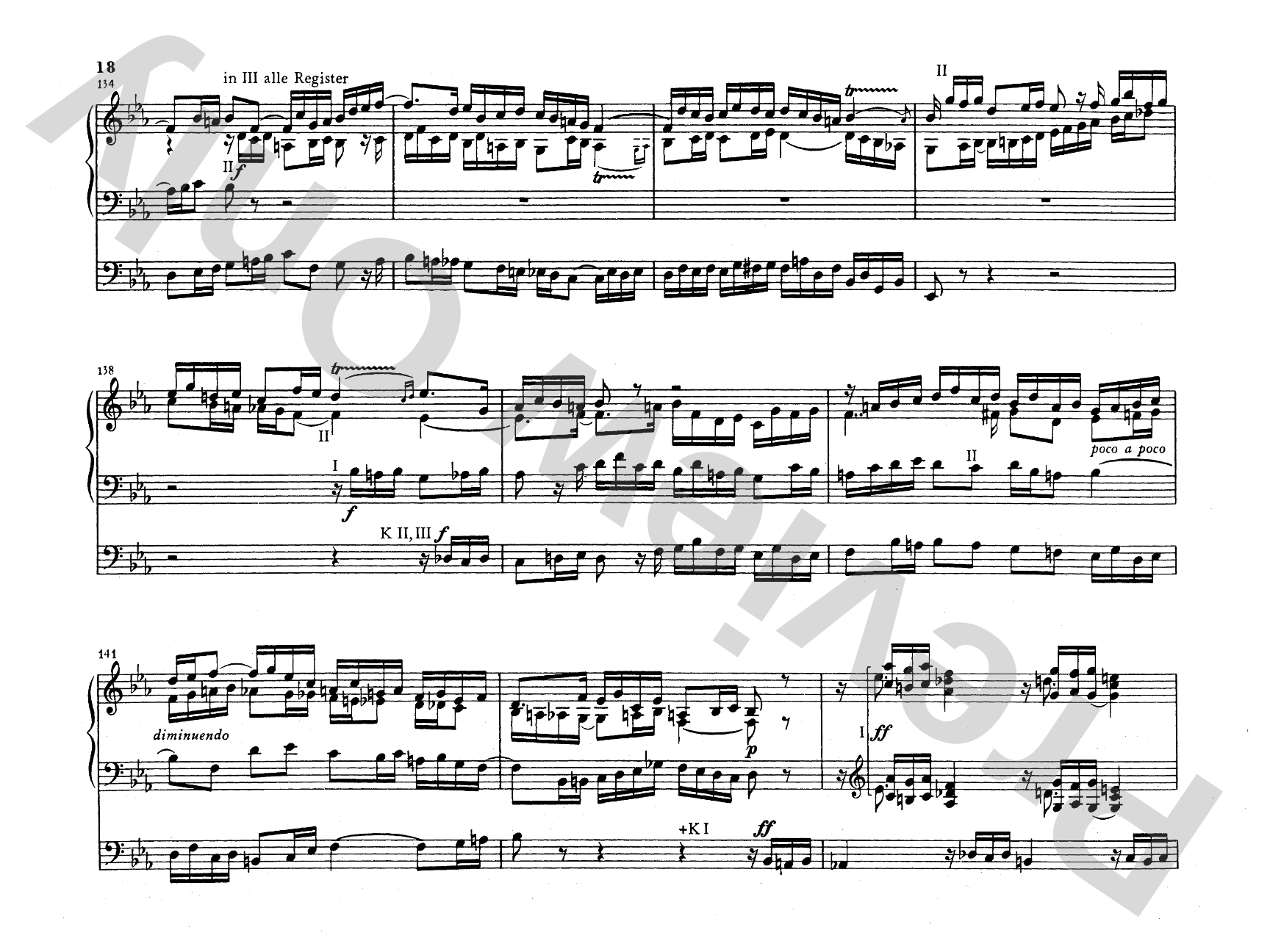
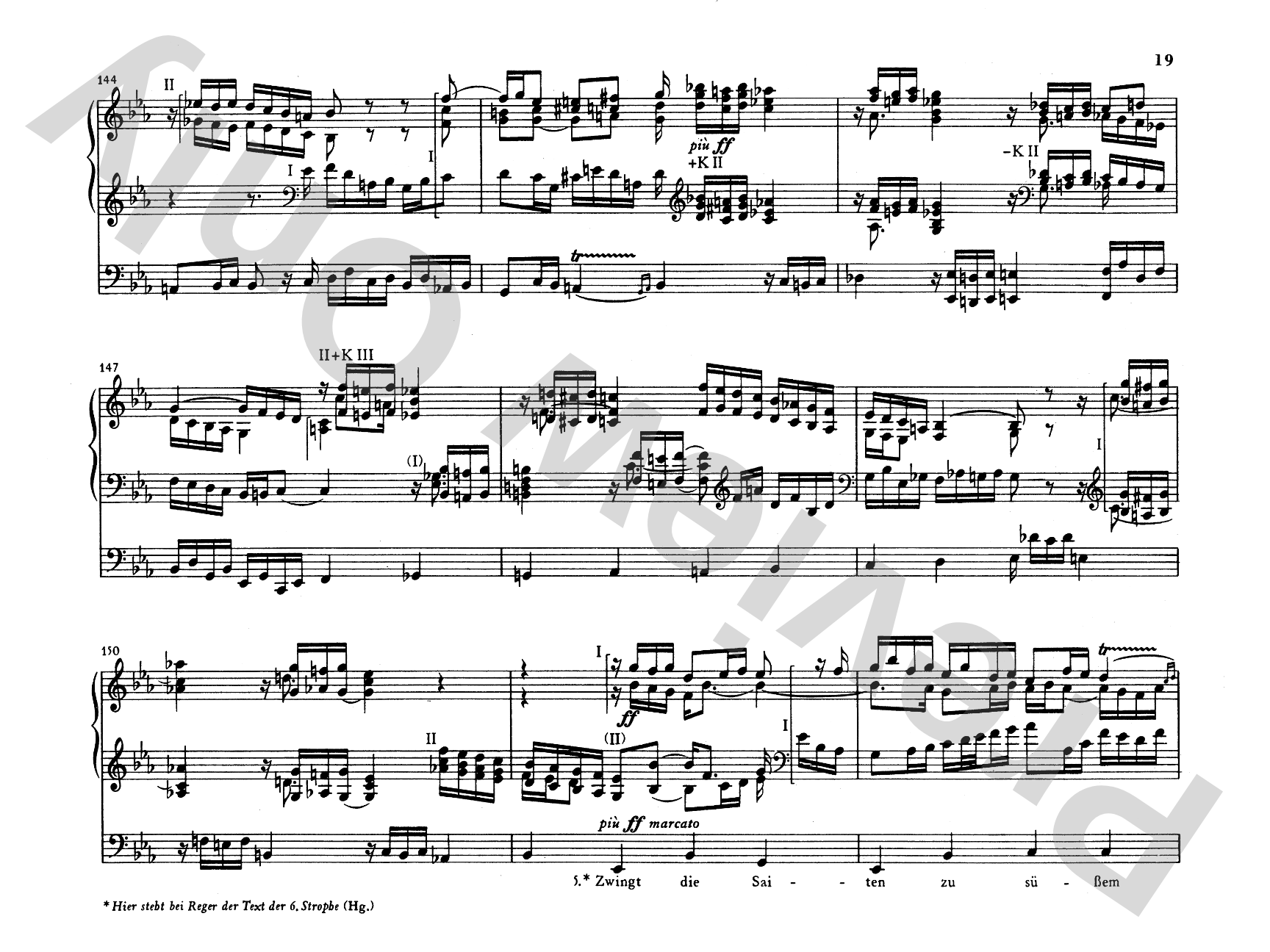
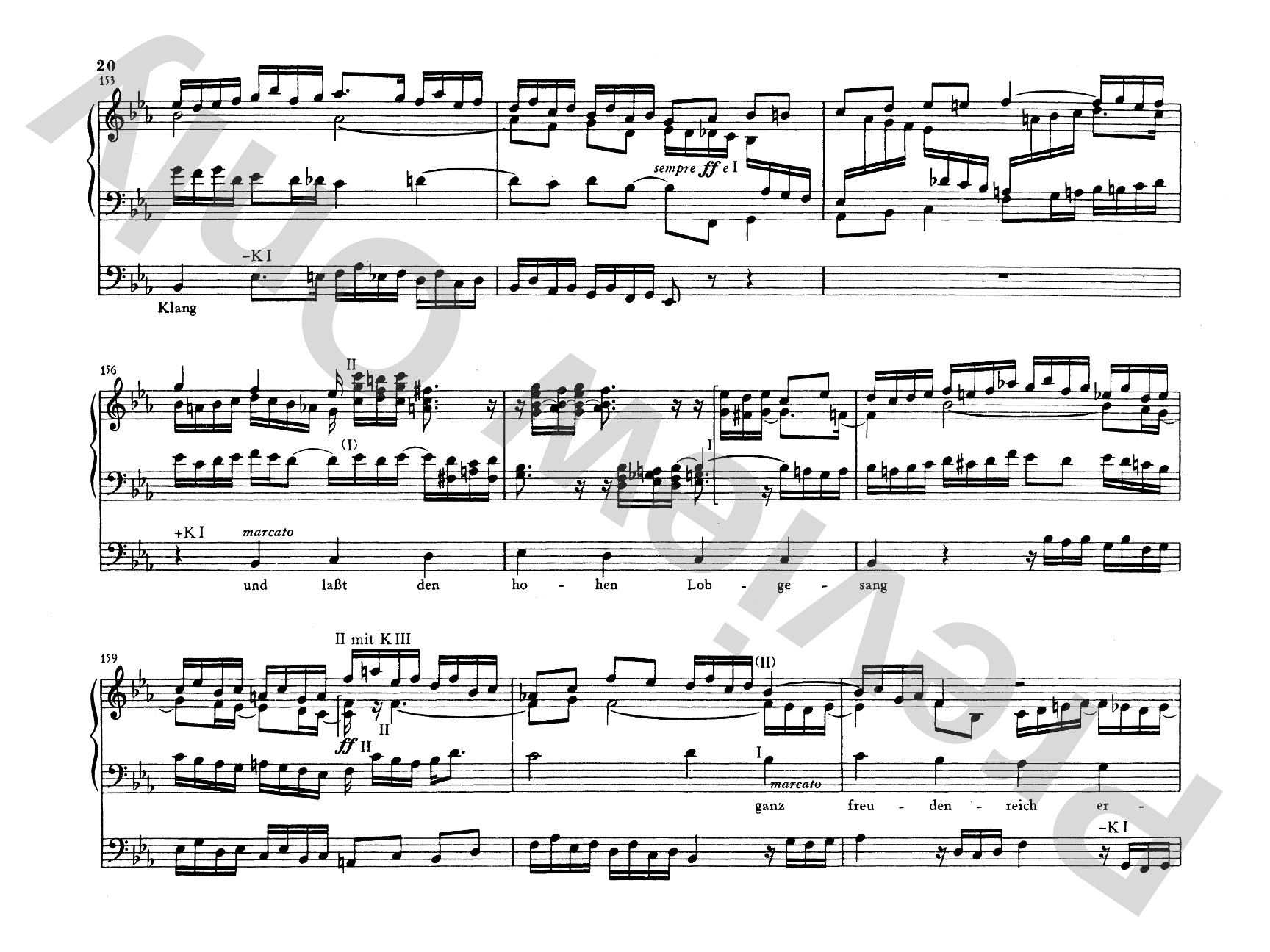
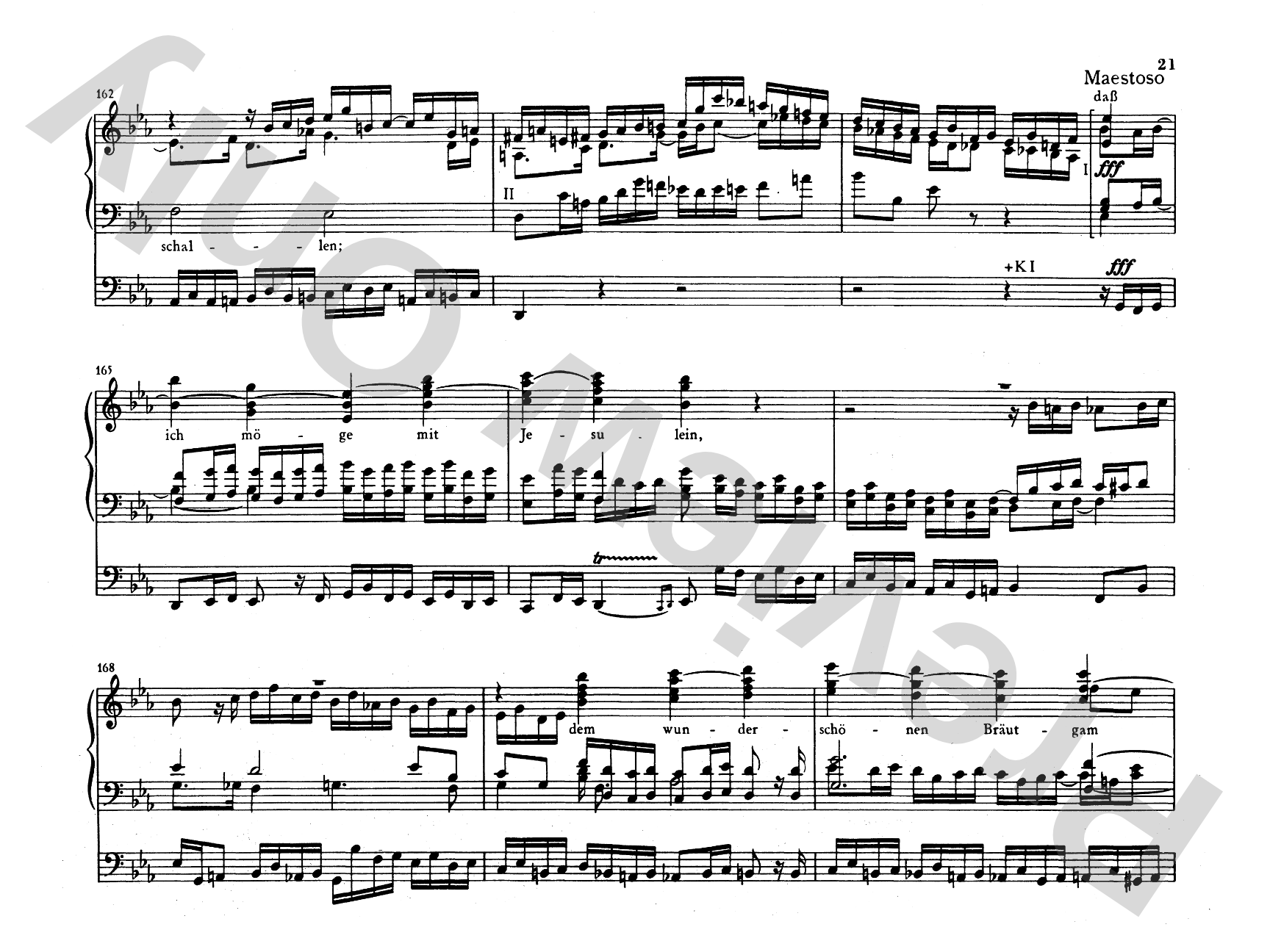
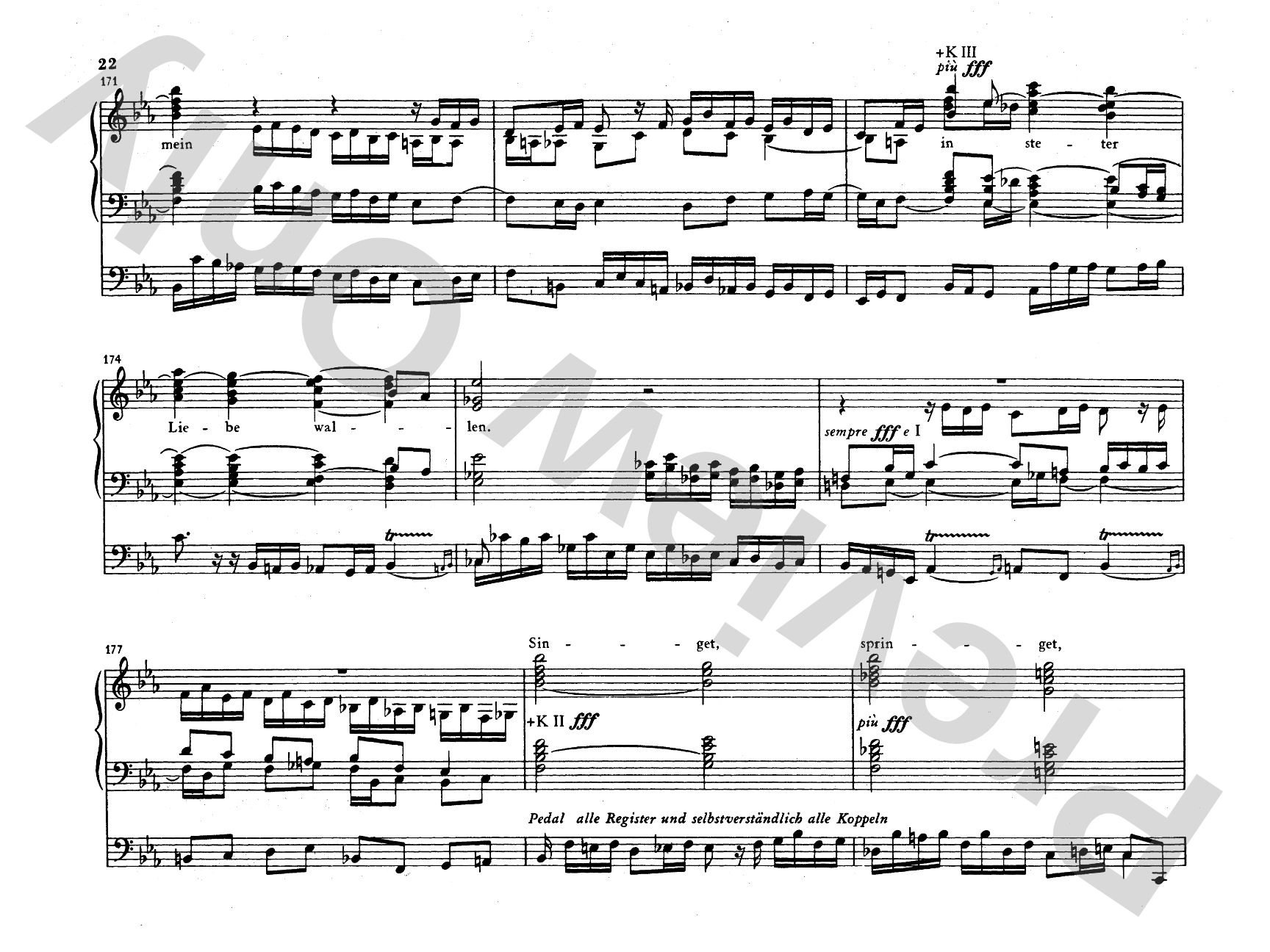
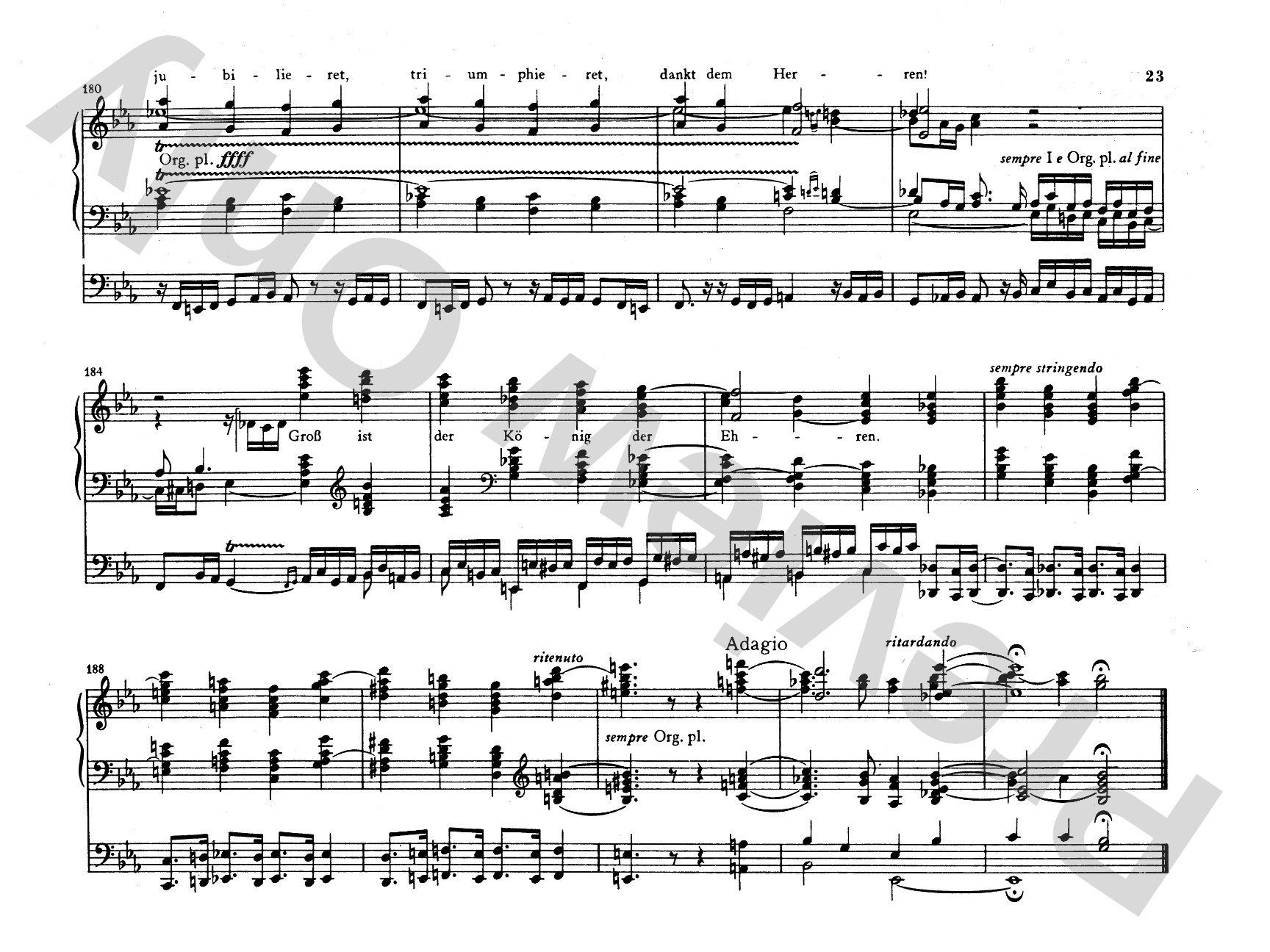


Reger: Chorale Fantasy on "Wie Sch'n Leucht Uns der Morgenstern," Op. 40, No. 1
By Max Reger
Item: 00-PK-0003677

$7.95
Pickup currently not available
Buy Extra Parts (Digital PDF Download)
| Product | Price | Quantity |
|---|---|---|
| Reger: Chorale Fantasy on "Wie Sch'n Leucht Uns der Morgenstern," Op. 40, No. 1 | $6.95 |
Parts Added to Cart!
Description


Don't just read it, hear it, play along with it, and watch your students grow with it. In MakeMusic Cloud, Reger: Chorale Fantasy on "Wie Sch'n Leucht Uns der Morgenstern," Op. 40, No. 1 comes alive with professional accompaniment, adjustable tempo, and built-in practice tools that turn solo practice into real progress.
Open in the Player
Jump straight in and assign it today.
Start Your Free Trial
Open this title and explore the full library in minutes.
Sample Audio
No sample audio found.
Sample Video
No sample videos found.
Additional Details
Series:
Kalmus Edition
Publisher:
Alfred Music
Page Count:
24
SKU:
00-PK-0003677
More about this title
About the Composer: Max Reger
Max Reger (1873-1916) was a German composer and organist whose prolific output spanned nearly every musical form. Though trained in the Brahmsian tradition, Reger pushed Romantic harmony into increasingly complex harmonic language, drawing inspiration from Bach's contrapuntal mastery and combining it with 19th-century chromatic density.
Reger's organ works remain central to the repertoire. His chorale fantasias, in particular, demonstrate his gift for transforming familiar Lutheran hymn melodies into expansive, architecturally ambitious structures. These pieces demand both technical command and interpretive maturity from the performer.
Why we love this
Reger's chorale fantasias sit at the intersection of scholarly craftsmanship and genuine emotional depth. This work honors a centuries-old hymn tune while creating something unmistakably modern; the opening material unfolds with spacious dignity, and the harmonic language rewards close listening from both performer and audience.
What to expect
A majestic yet introspective journey through a beloved chorale melody. The piece opens with serene spaciousness, then gradually weaves the hymn tune through increasingly intricate harmonic layers, creating an effect both meditative and intellectually engaging. By its conclusion, the familiar melody emerges transformed, dignified by the elaborate musical architecture that surrounds it.
Who it's for
Advanced organists seeking substantial Romantic-era repertoire that combines liturgical roots with sophisticated compositional technique. This work suits recitalists who enjoy exploring the full technical and interpretive range of the instrument and performers comfortable with extended harmonic language and intricate polyphonic writing.
How to get the most out of it
- Approach the opening chorale statement as an unaccompanied soprano line floating above sustained harmonic support. Allow space to breathe between phrases rather than rushing through the exposition.
- Navigate the chromatic voice-leading with sensitivity to each line's direction. Reger's complexity comes not from speed but from clarity of polyphonic texture, so invest time in separating what each hand is articulating.
- Mark registrations carefully before performance. The piece's architecture depends on subtle shifts in tonal color; plan pedal changes and manual exchanges to reinforce structural divisions.
- Balance the hymn tune's accessibility with the dense harmonic context surrounding it. The chorale should remain recognizable even as the accompaniment grows increasingly elaborate.
How to use it
Program this as a centerpiece in a recital exploring chorale-based organ works from Bach through the early 20th century. It also serves well as a concert opening that signals both reverence and sophistication to an audience, setting a contemplative tone before lighter repertoire or as a substantial solo work in a liturgical concert series.
Skills your students will build
- Managing independent voices across three or more staves simultaneously
- Interpreting dense chromatic voice-leading and ambiguous harmonic progressions
- Coordinating hands and feet to articulate register changes and pedal effects
- Sustaining long-range formal coherence across a multi-section structure
- Balancing architectural clarity with expressive rubato in Romantic organ writing