
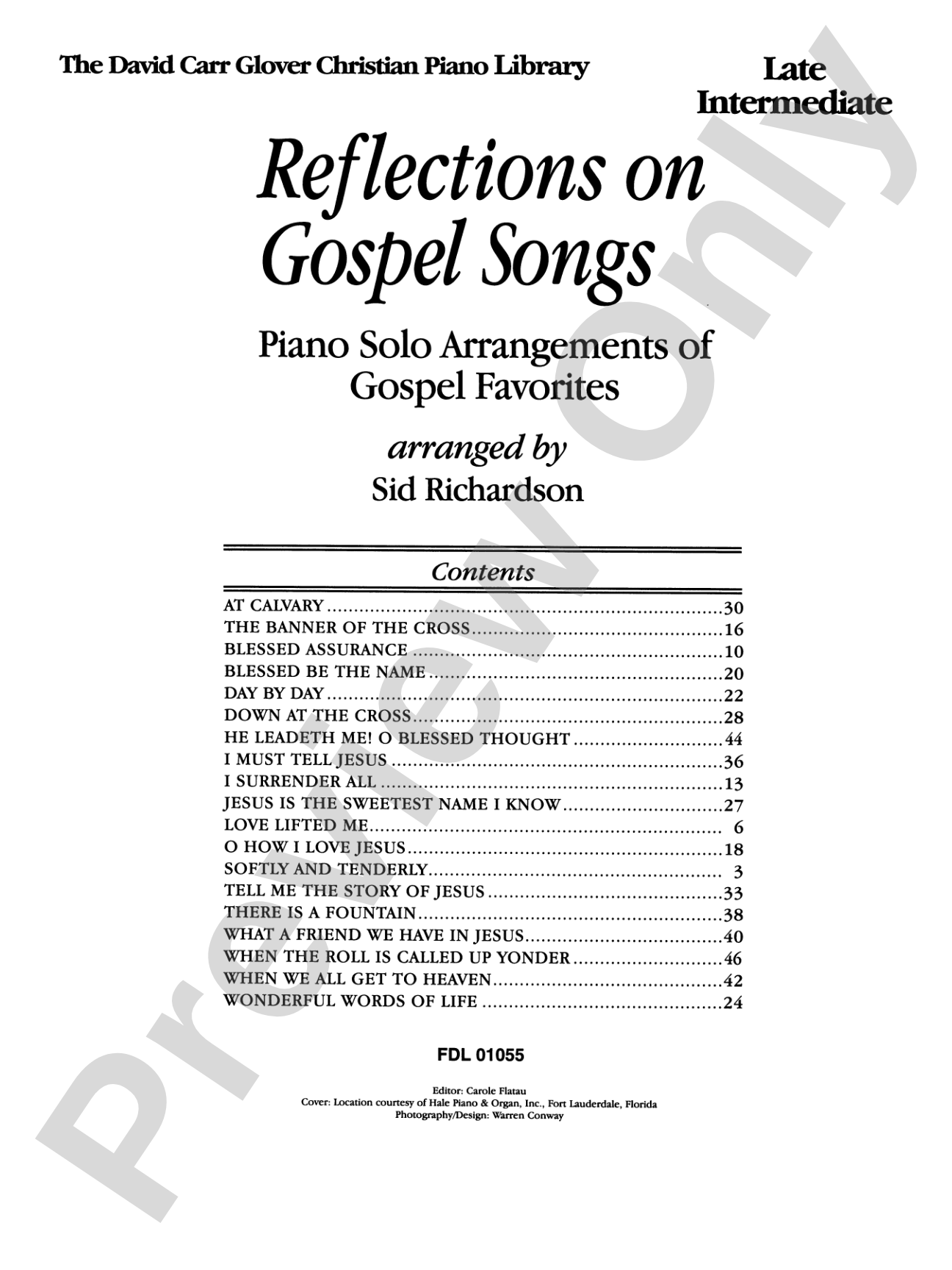

Reflections on Gospel Songs: Piano Solo Arrangements of Gospel Favorites: Piano
Piano Solo Arrangements of Gospel Favorites
Arranged by Sid Richardson
Level: Late Intermediate (4-5)
Item: 00-PB-0001960
$8.95
Pickup currently not available
Related Items
Reflections on Gospel Songs: Piano Book |
$8.95
|
View |
Description
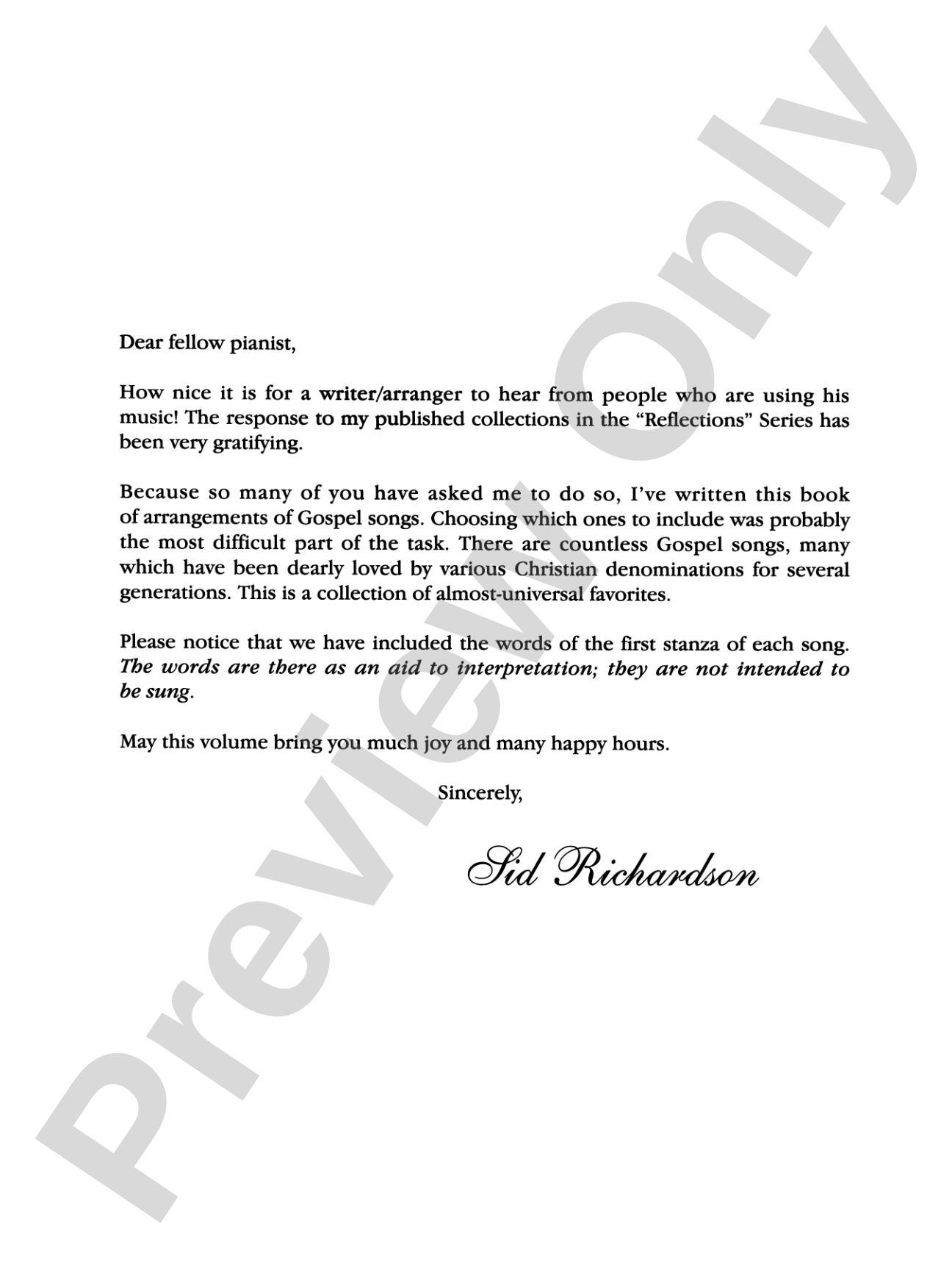
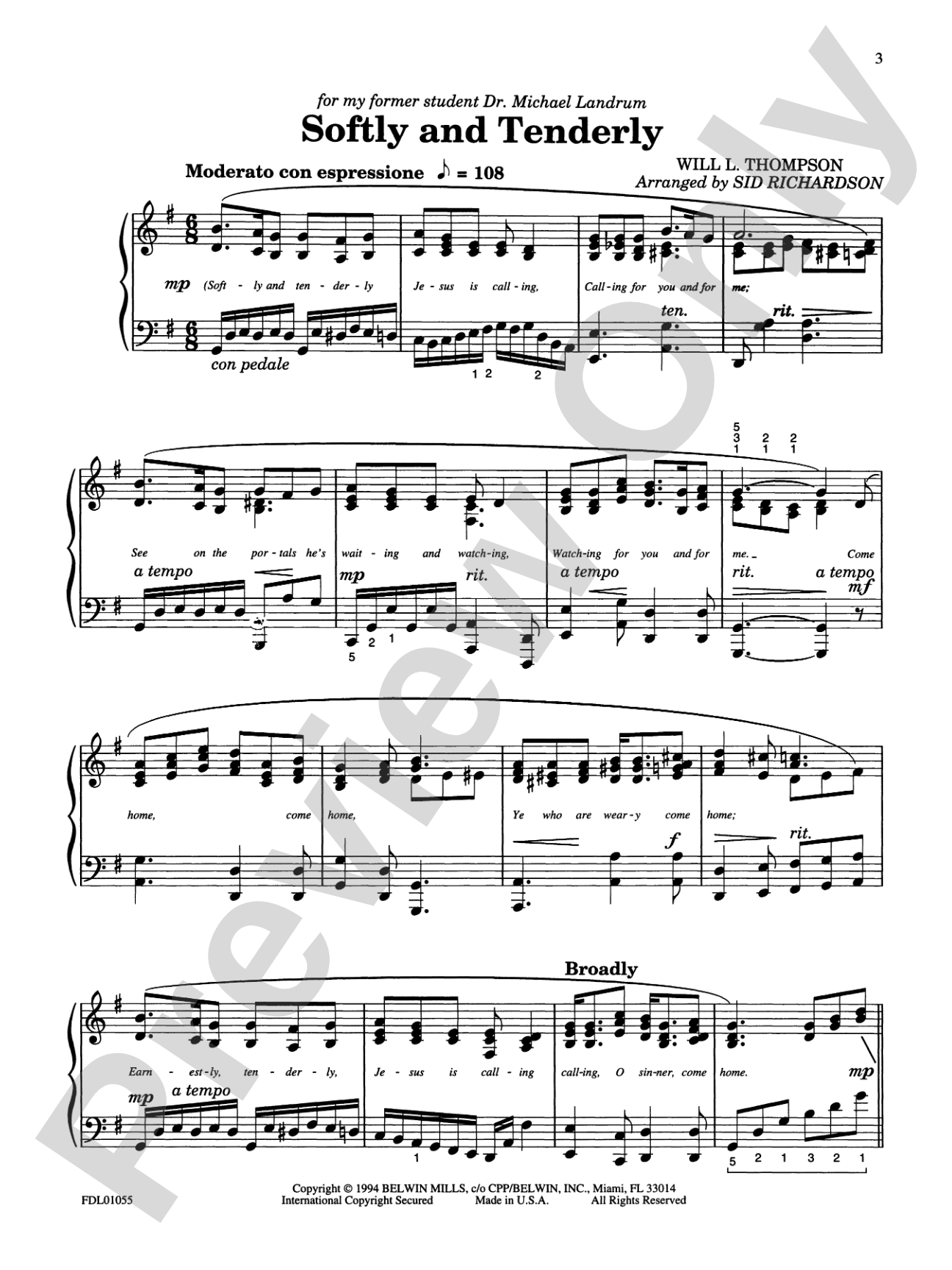
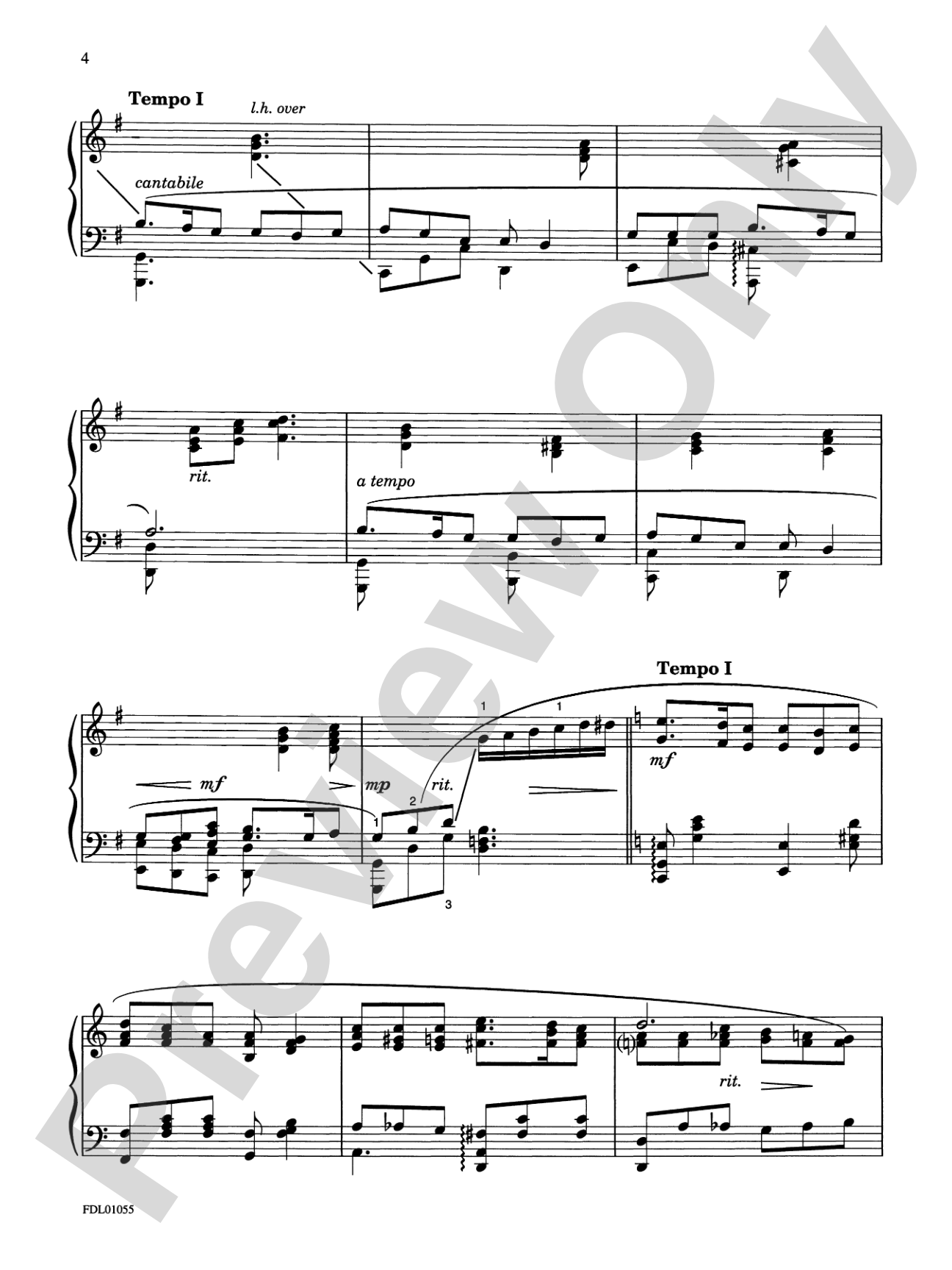
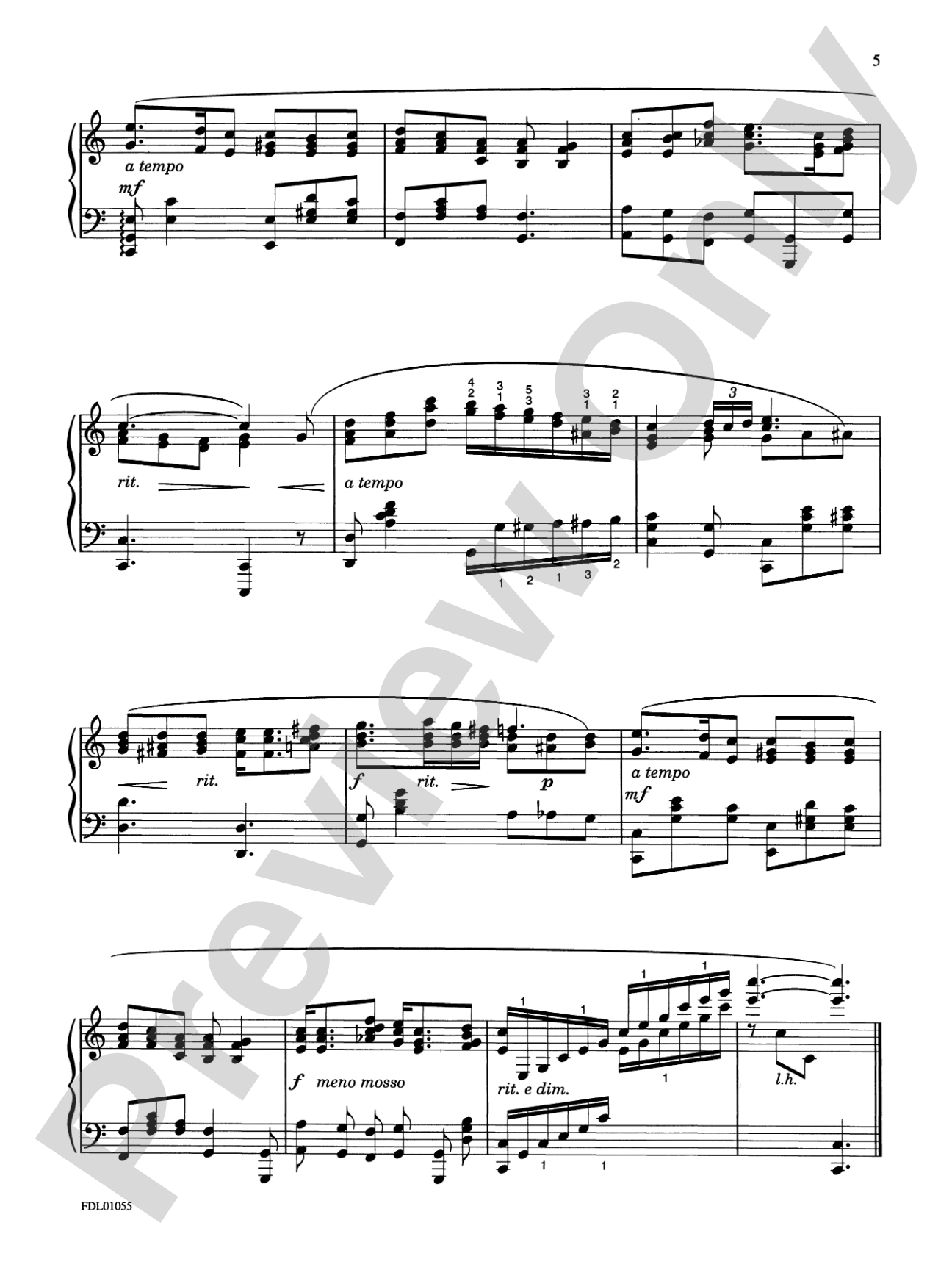
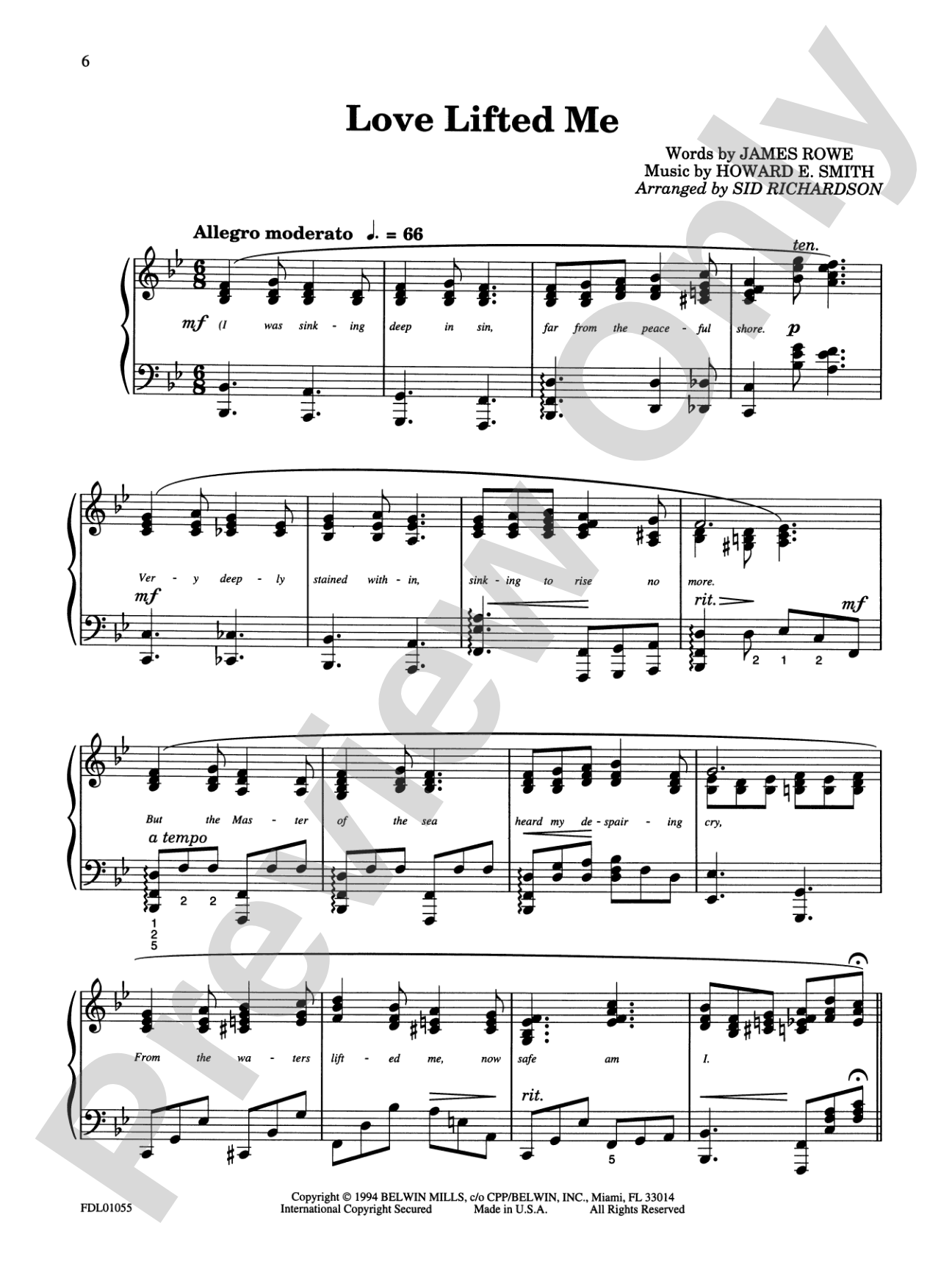
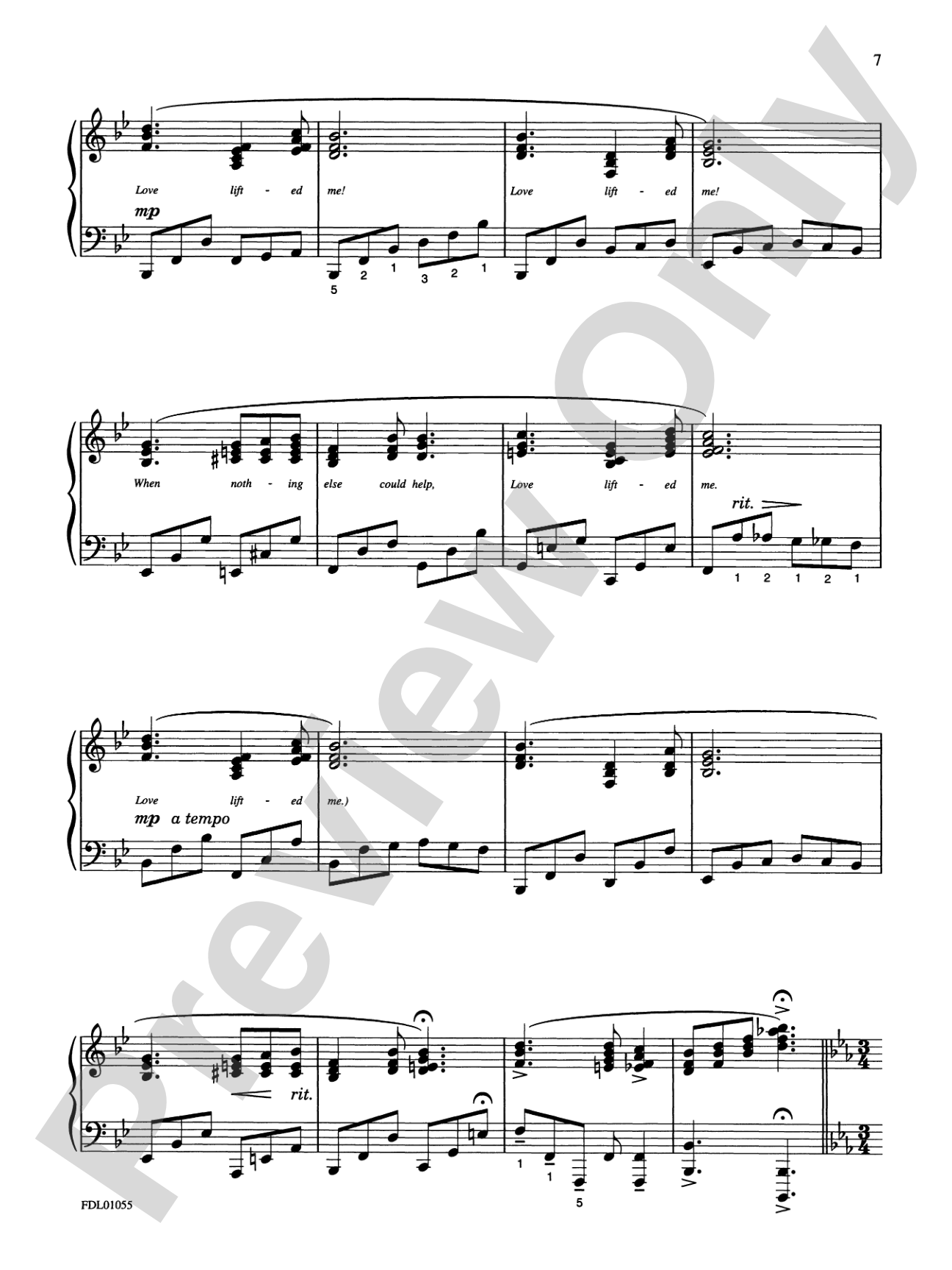
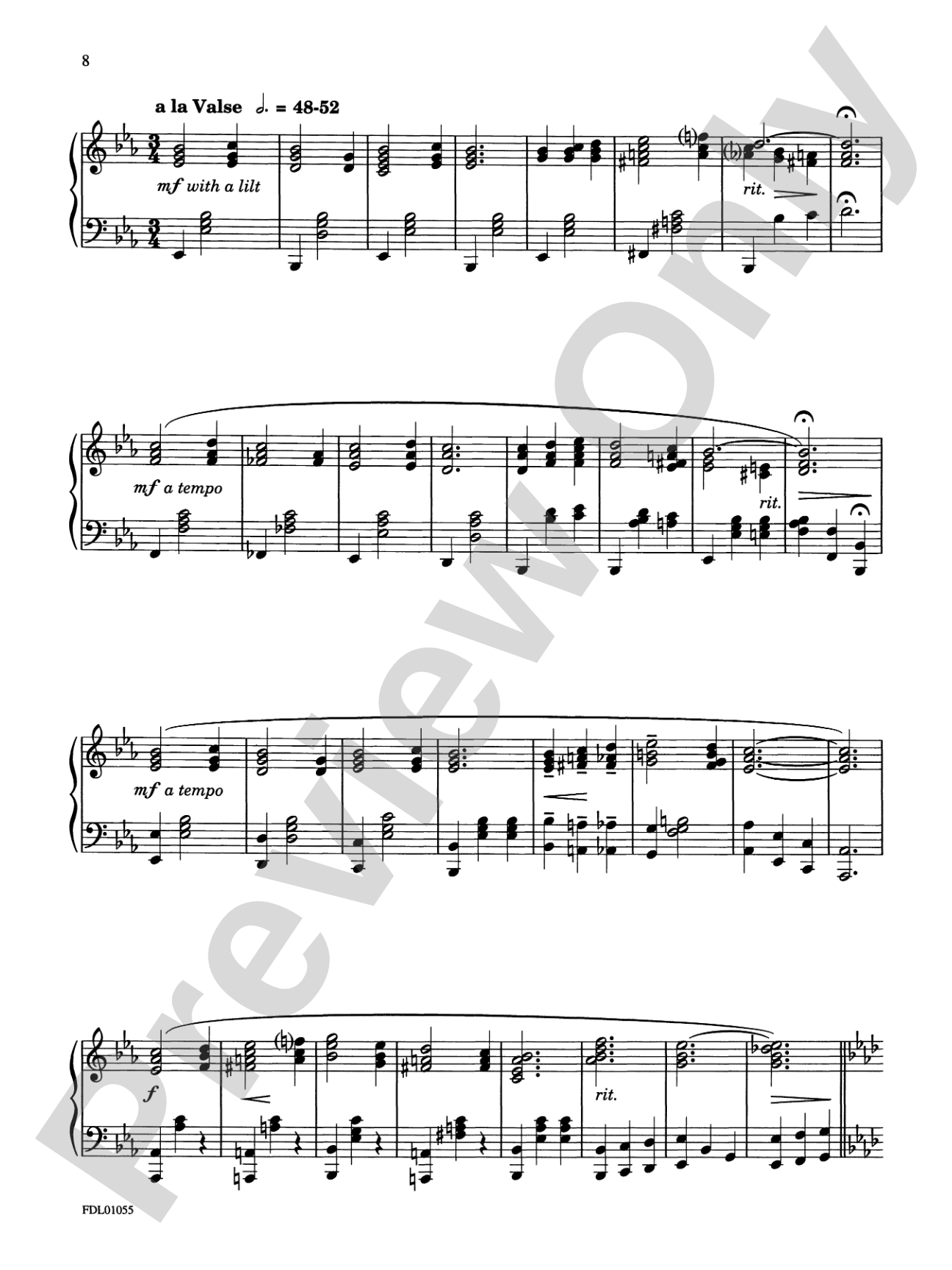
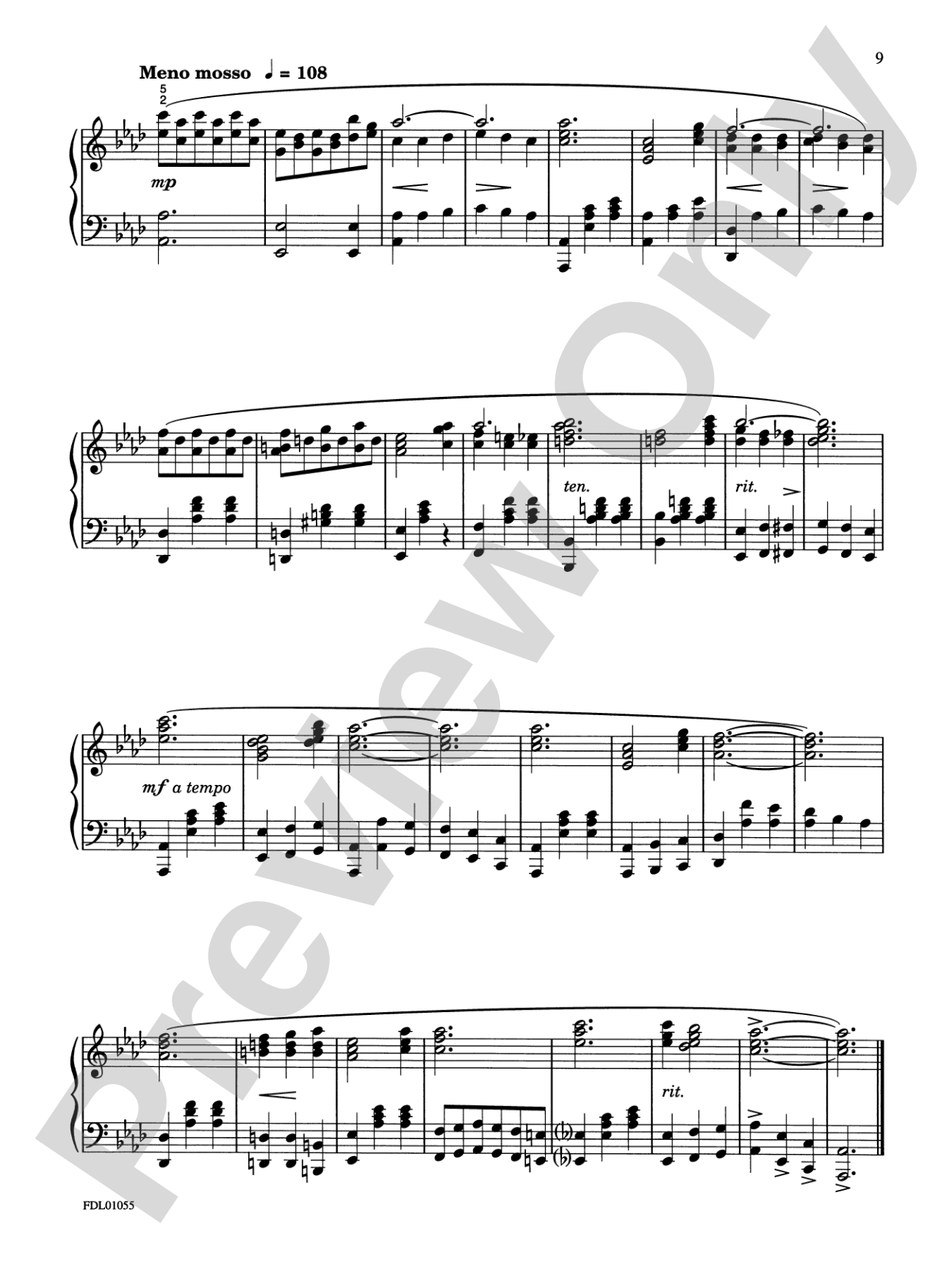
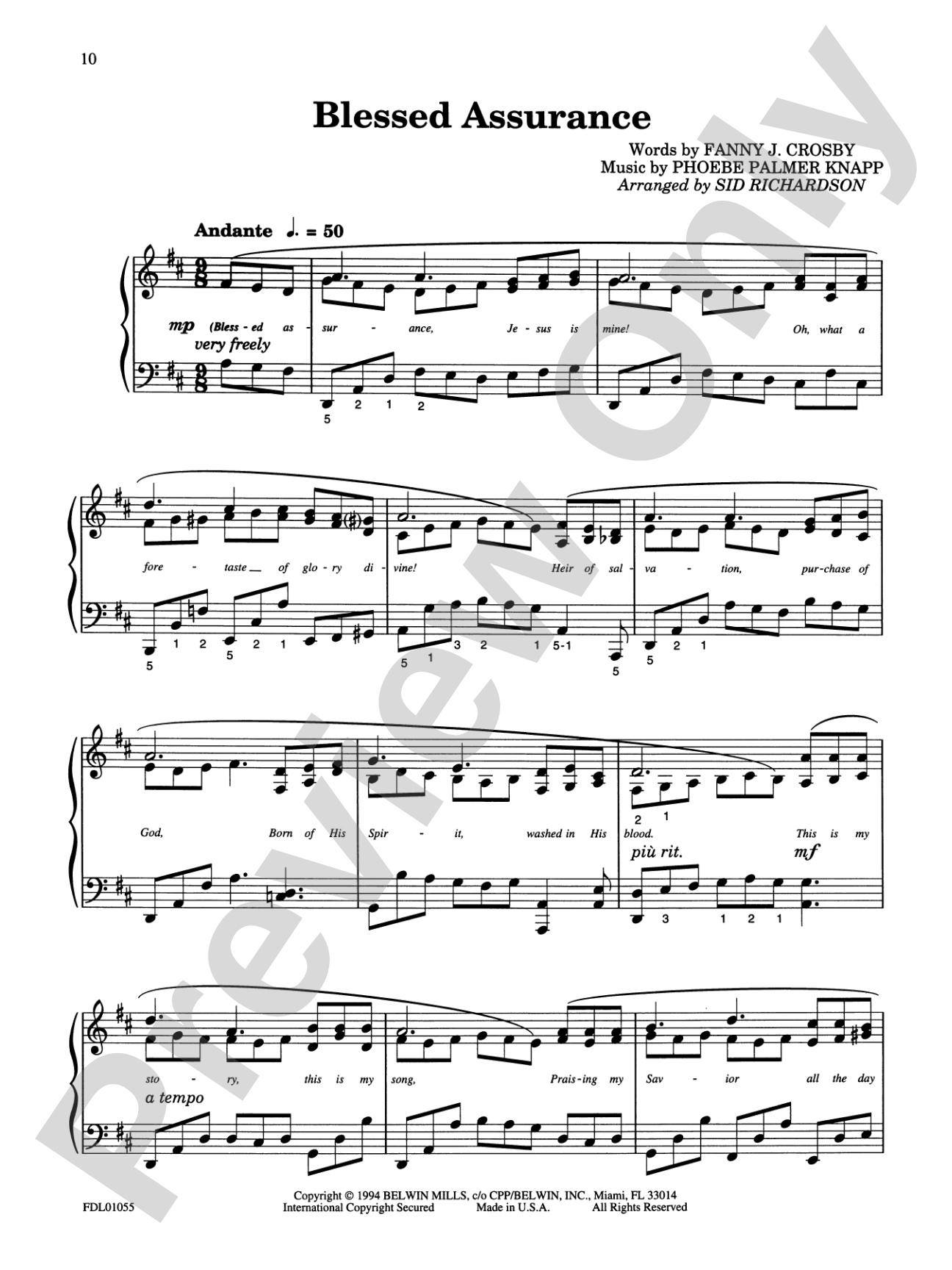
In answer to repeated requests from teachers, students, and church musicians, Sid Richardson has arranged favorite gospel songs for piano solo. The arrangements are rich and full, and carefully retain the flavor of each song. The words are included for one verse of each hymn. These are not arrangements intended for singing -- the words will help in the phrasing and interpretation of the piano solo. A big collection with 19 solos.


Reflections on Gospel Songs: Piano Solo Arrangements of Gospel Favorites: Piano isn't in MakeMusic Cloud just yet...but it could be. Let us know you'd like to see it, and you'll help shape what comes next. In the meantime, start a free trial and dive into thousands of interactive titles your students can play along with today.
Request This Title
Tell us you want it.
Start Your Free Trial
Explore everything that's ready to play right now.
Sample Audio
No sample audio found.
Sample Video
No sample videos found.
Additional Details
Series:
David Carr Glover Christian Piano Library
Publisher:
Alfred Music
Page Count:
48
SKU:
00-PB-0001960
More about this title
About the Arranger: Sid Richardson
Sid Richardson has built a reputation as an arranger deeply attuned to the needs of church musicians and piano teachers. His work in the David Carr Glover Christian Library demonstrates a particular gift for translating the emotional weight and rhythmic drive of gospel music into idiomatic piano writing.
Richardson's arrangements honor the source material while creating genuinely pianistic textures. Rather than simply transplanting vocal lines to the keyboard, he constructs arrangements that feel native to the instrument, allowing students to experience gospel's spiritual intensity through their own hands.
Why we love this
Richardson refuses the temptation to oversimplify gospel repertoire for intermediate pianists. These 19 arrangements preserve the harmonic richness and rhythmic character of the originals while remaining solidly achievable at late intermediate level. A teacher gets genuine musicianship and authentic genre voice without the grinding frustration of overly technical passagework.
What to expect
Warm, soulful, and conversational. Richardson's harmonies breathe with the blue notes and modal inflections that make gospel distinctive, while the full textures create a sense of abundance and generosity. The music invites you to play with expressiveness and emotional ownership rather than mechanical precision.
Who it's for
Church pianists preparing special music, students exploring gospel idioms beyond classical training, and teachers seeking substantial intermediate repertoire grounded in American sacred tradition. This collection works equally well for students with strong classical technique who need to develop stylistic flexibility and for pianists already steeped in gospel who want carefully notated arrangements to formalize their intuitive knowledge.
How to get the most out of it
- Use the included verse text as a phrasing guide even though you're playing solo. The natural breath points and lyrical arc of the original song will shape where you shape the melody and how you voice the harmonic support underneath.
- Honor the syncopated rhythms without rushing them. Gospel piano thrives on the subtle push and pull of swing feels and delayed resolutions; play with the tension rather than straightening it into metronomic regularity.
- Experiment with dynamic contrast within each arrangement. The full, rich voicings Richardson provides can shift from intimate and introspective to proclamatory depending on your touch and volume choices across a single piece.
- Let your left hand breathe as an independent voice. These are not simple accompaniment patterns; Richardson often voices countermelodic material or harmonic motion that deserves its own musical attention.
How to use it
Feature these as church service music, piano recital solos, or special concert offerings celebrating American musical traditions. The collection's size (19 pieces) makes it ideal for a gospel-themed recital program or as a long-term repertoire resource for a single student exploring one genre in depth across a semester or year.
Skills your students will build
- Voicing four-part harmony with independence between hands
- Reading and performing swing rhythms and syncopation
- Interpreting gospel idioms including blues inflections and modal harmony
- Shaping phrase structure based on text and vocal tradition rather than purely instrumental logic
- Managing full, rich textures at intermediate technical level
- Developing stylistic flexibility and expressive maturity