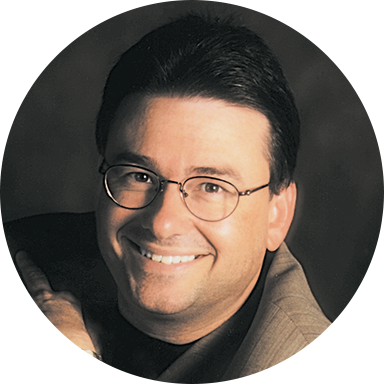
Joseph M. Martin studied piano performance at Furman University and later earned his master's degree from the University of Texas at Austin, where he subsequently taught in the Piano Pedagogy Department for five years. His career spans solo recitals, orchestral performances across the United States and Mexico, and a competition win that brought him to perform with the Guadalajara Symphony Orchestra. His broadcast recital from Ex-convento del Carman reached national audiences, establishing him as a versatile musician.
These days, Martin channels his artistic energy into church music and conference work while maintaining an active composition and arrangement schedule. His output ranges from concert stages like Carnegie Hall to worship services in hundreds of churches across North America, reflecting a deep commitment to making music accessible across settings. Based in Austin, Texas, he continues to expand the boundaries of what audiences expect from contemporary sacred music.
Why we love this
Martin's arrangements consistently honor the text while creating genuine musical moments that feel fresh without demanding excessive rehearsal time. This octavo balances accessibility with enough harmonic and textural interest to keep singers engaged and audiences moved.
What to expect
Thoughtful and introspective, with the kind of harmonic warmth that invites listeners in rather than overwhelming them. The writing feels conversational yet composed, honoring both the text and the singers performing it.
Who it's for
Choirs seeking sacred repertoire that works for services, concerts, and festival performances without excessive rehearsal demands. This arrangement suits singers from community choirs to skilled ensembles, as its accessibility doesn't compromise musicality.
How to get the most out of it
Shape the phrase lines carefully through the SATB texture. Even at modest dynamic levels, clear voice independence makes the arrangement resonate.
Pay attention to any text painting Martin includes. His word-setting typically highlights key theological or emotional moments that merit musical attention.
Balance the parts so sopranos and altos don't overshadow the inner voices. The harmonic warmth depends on hearing all four lines.
Let silence breathe where it appears. Martin often uses space deliberately to reset the listener's ear or emphasize what comes next.
How to use it
Fit this into a concert's quieter moments or use it as an anchor for a thematic program around reflection and faith. At nine pages, it reads as substantial enough to stand alone on a program while remaining manageable within a longer service or concert context.
Skills your students will build
Balancing four-part harmony with attention to voice independence
Singing with textual awareness and emotional clarity
Sustaining phrasing across longer musical lines
Blending vowels while maintaining articulate consonants in ensemble context
You May Also Like
Scan to Complete Your Purchase
Use your phone's camera to scan the code below
You'll log in on your phone and the order will be added to your account