
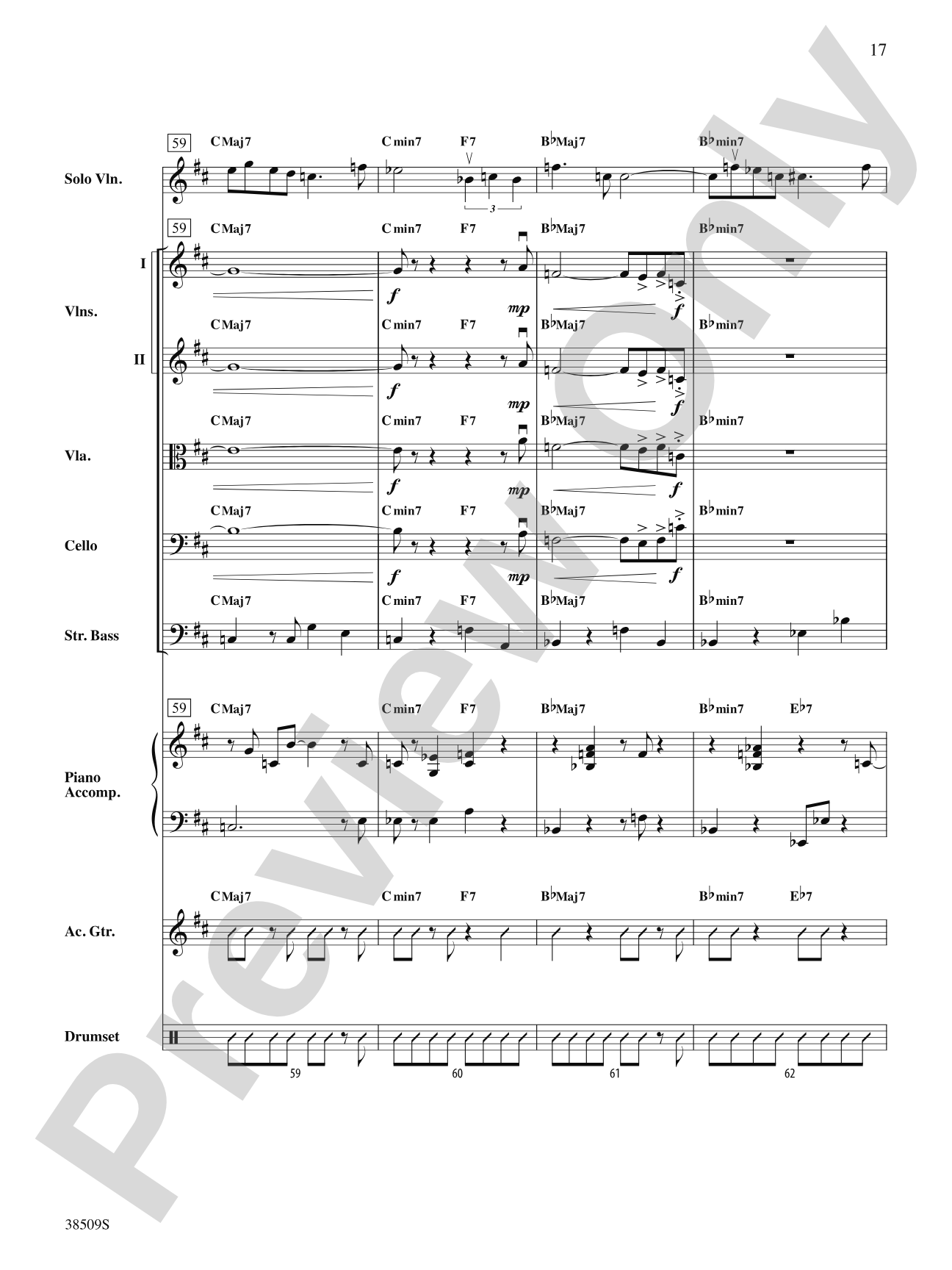
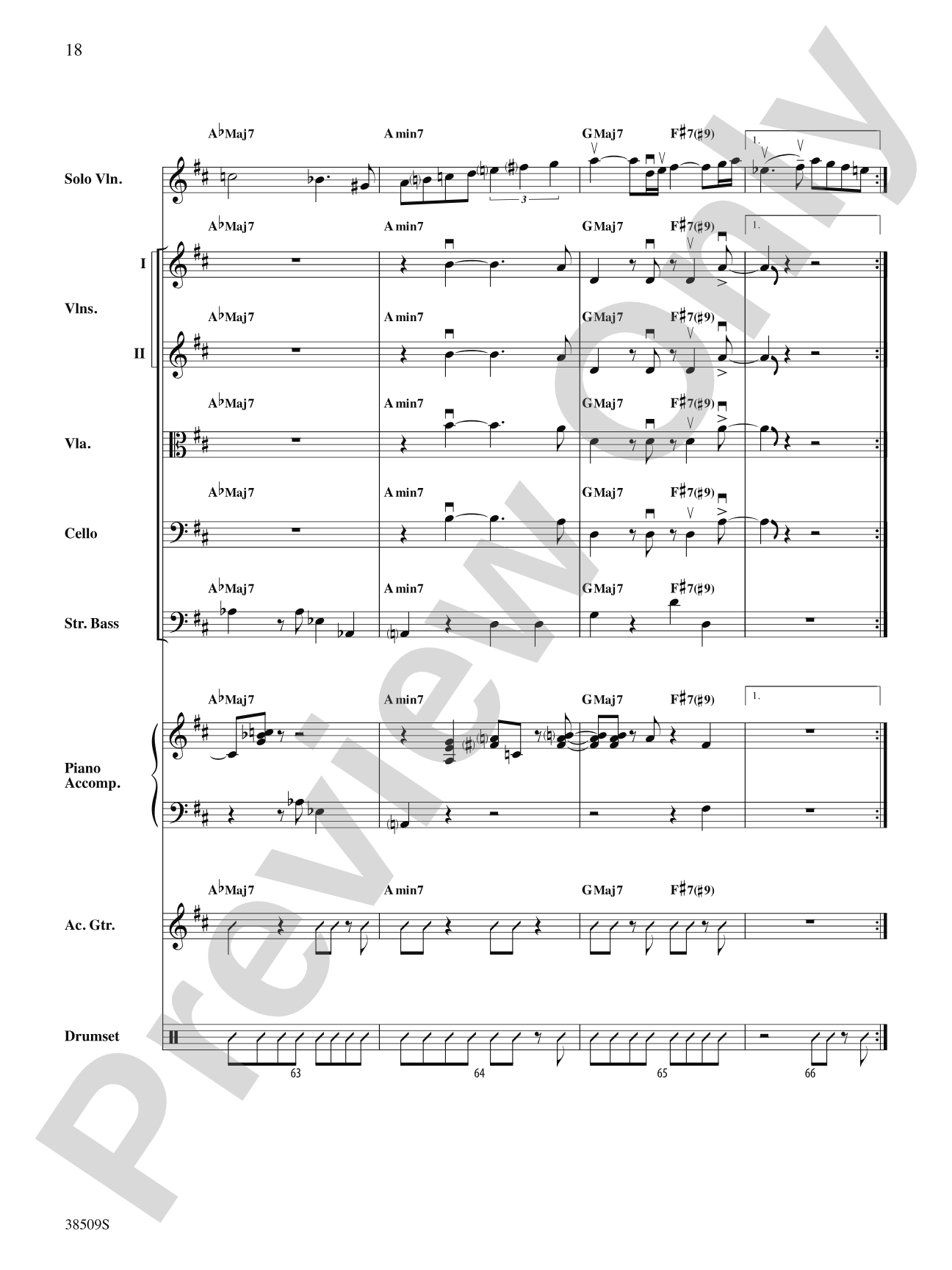
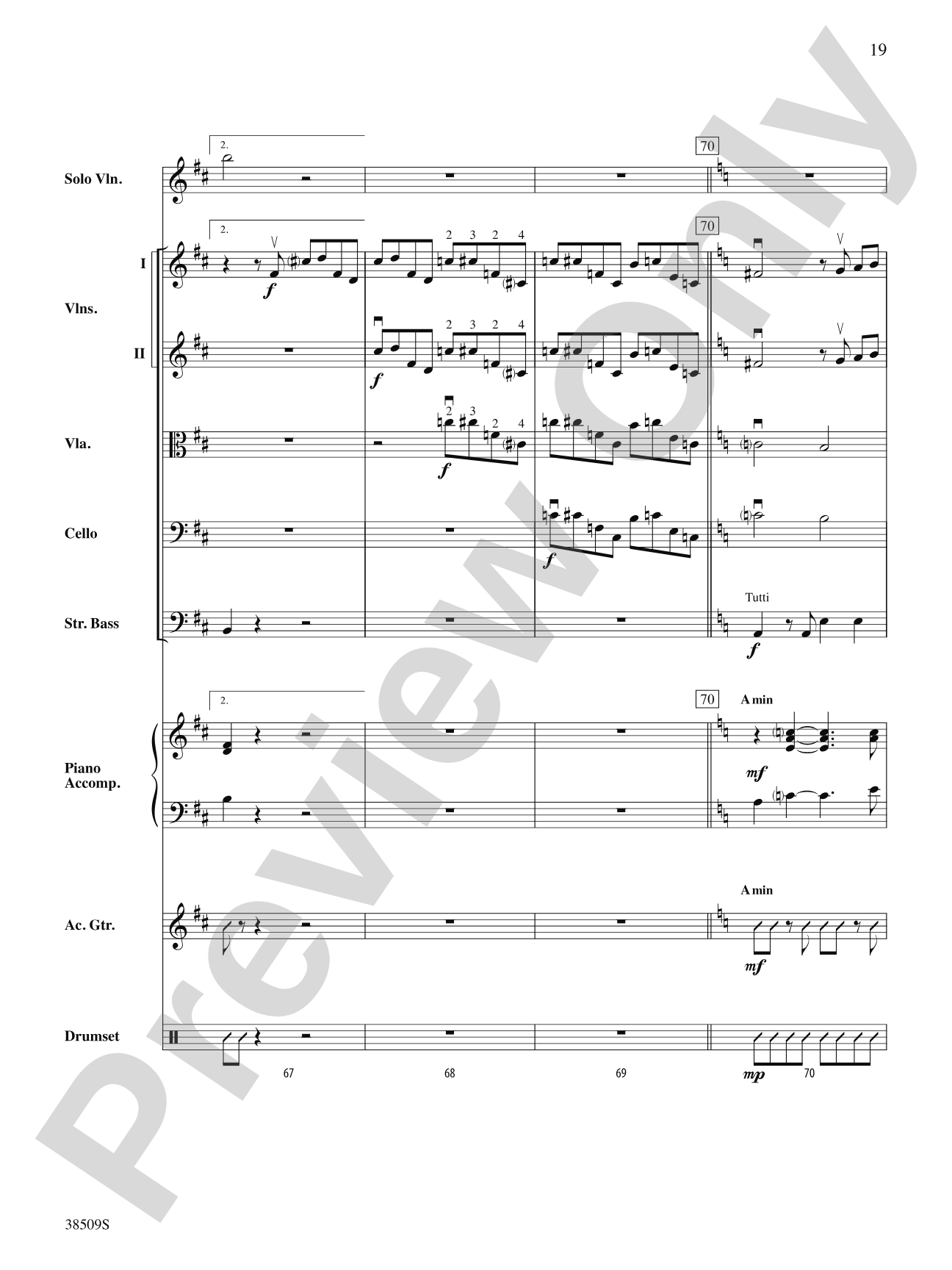
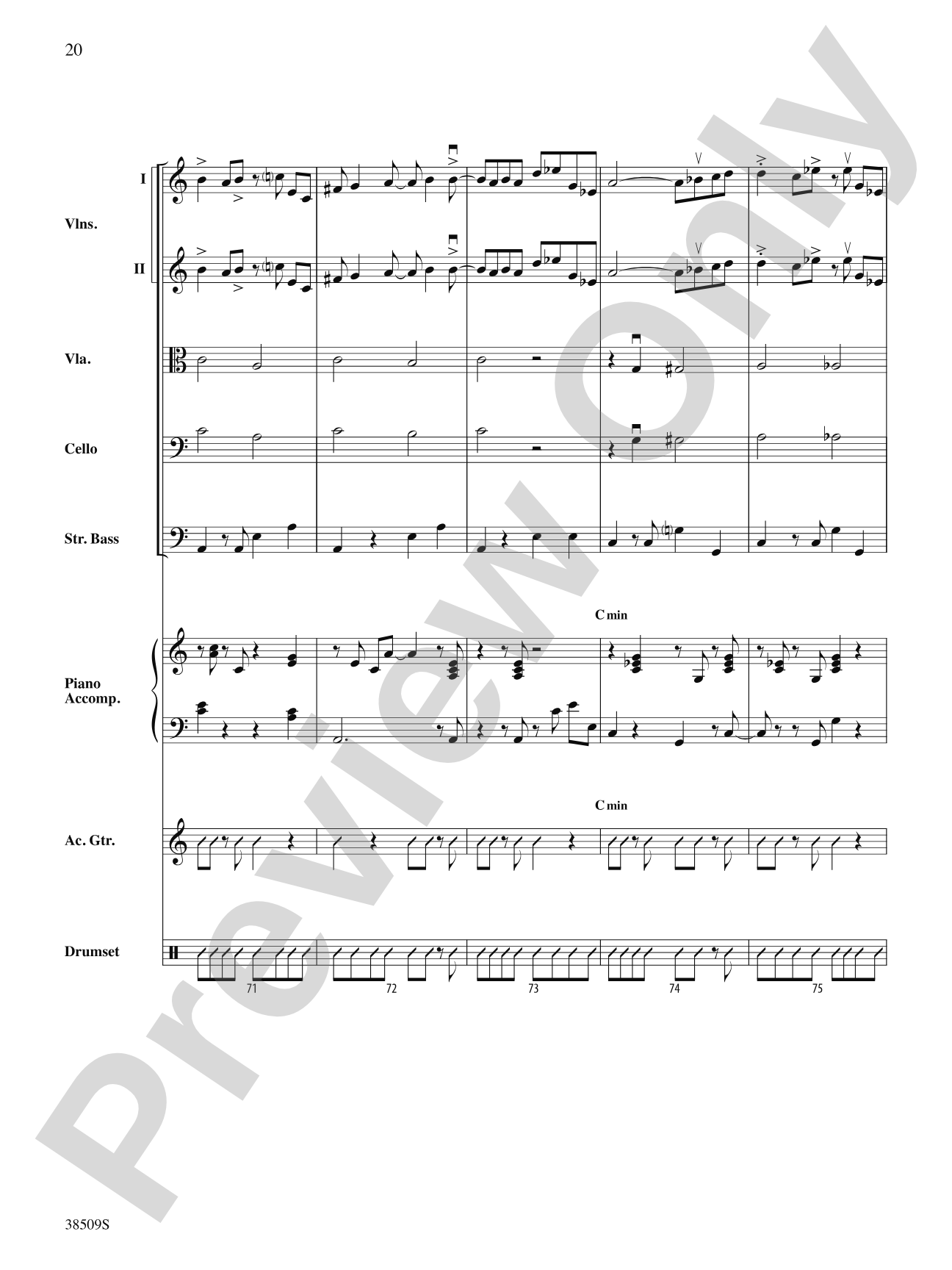
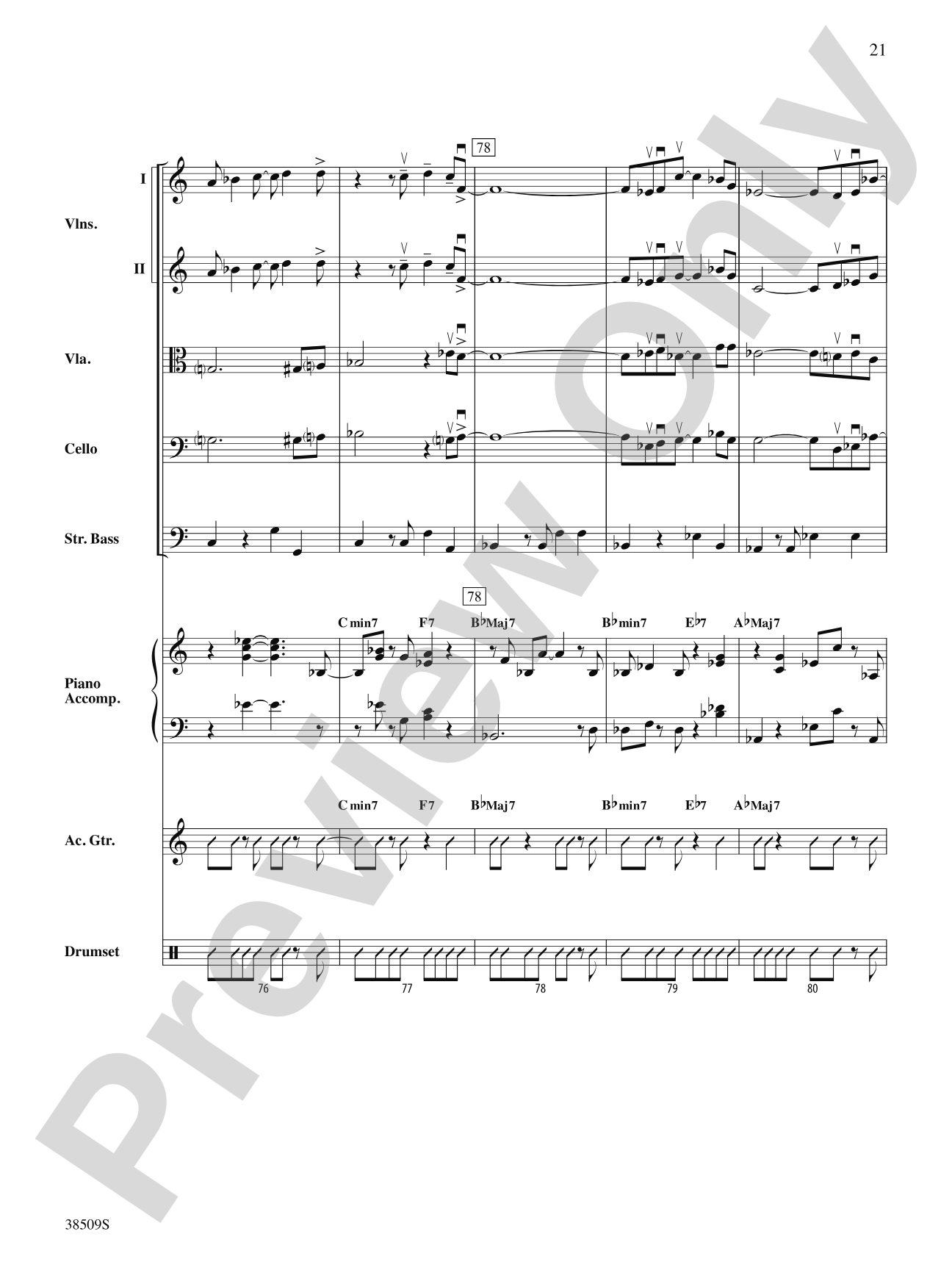
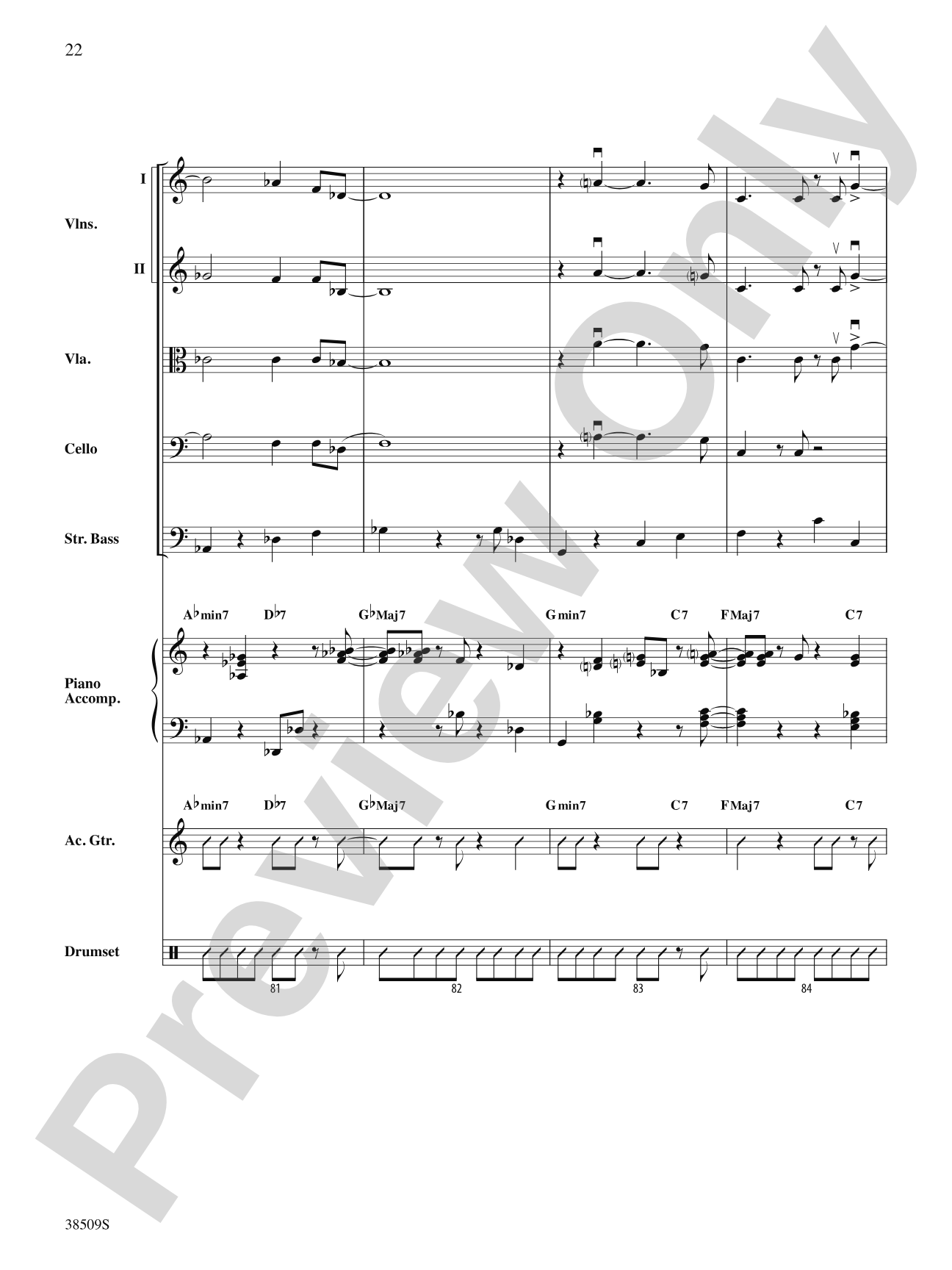
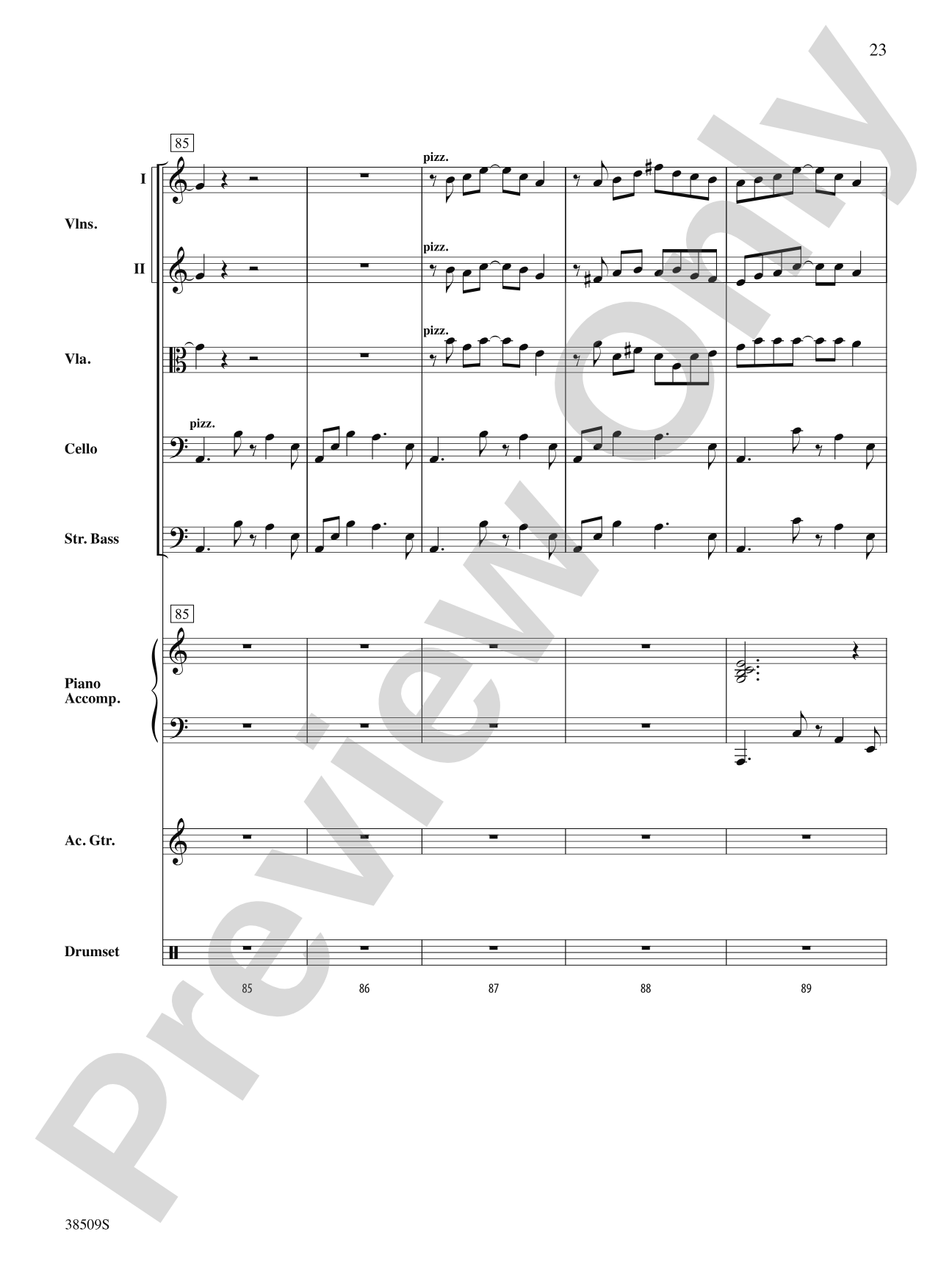
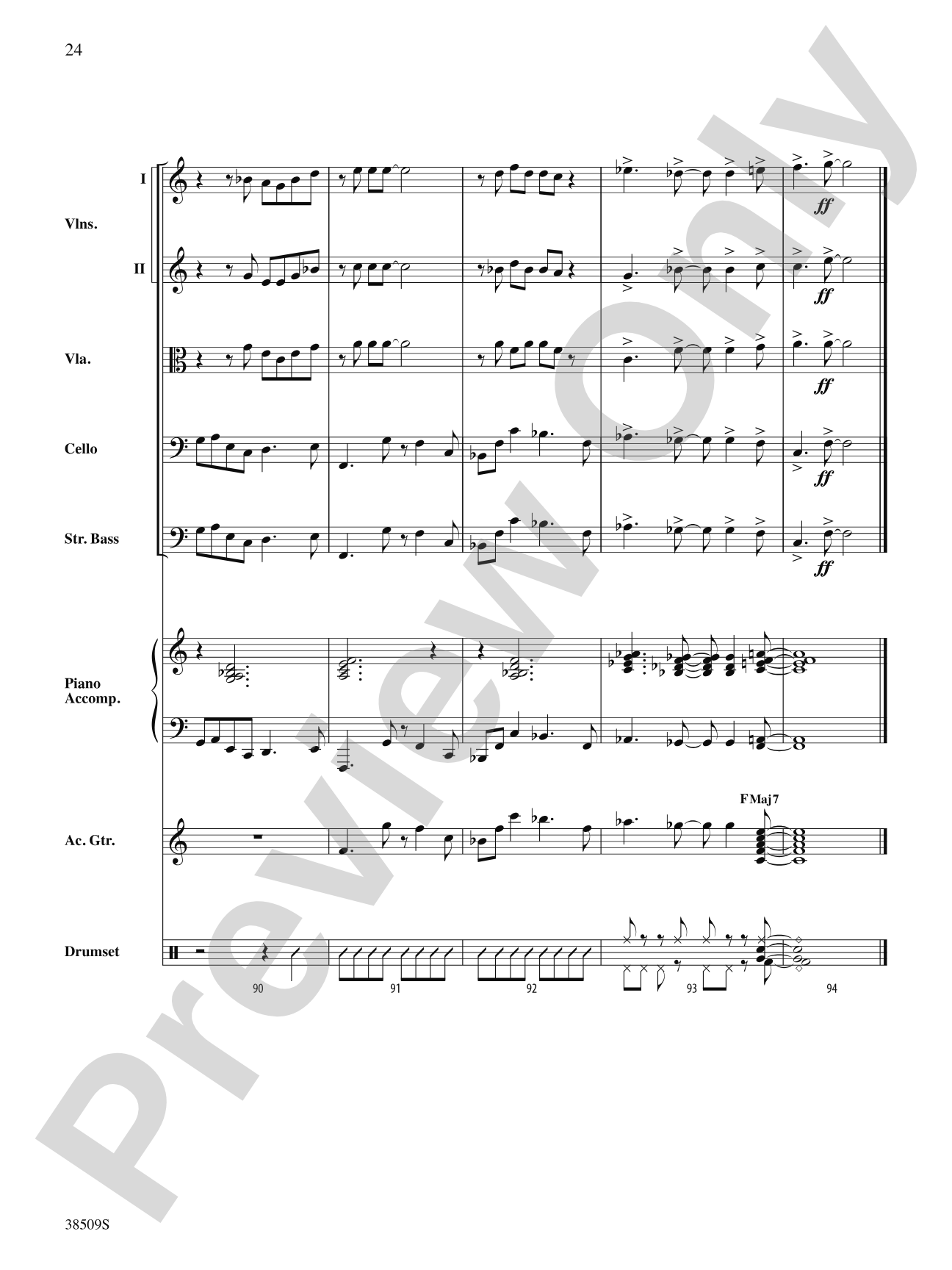



Recorda Me: String Orchestra Conductor Score & Parts
By Joe Henderson / arr. Bud Caputo
Grade: 3
Item: 00-PK-0005299

$49.00
One moment…
Description
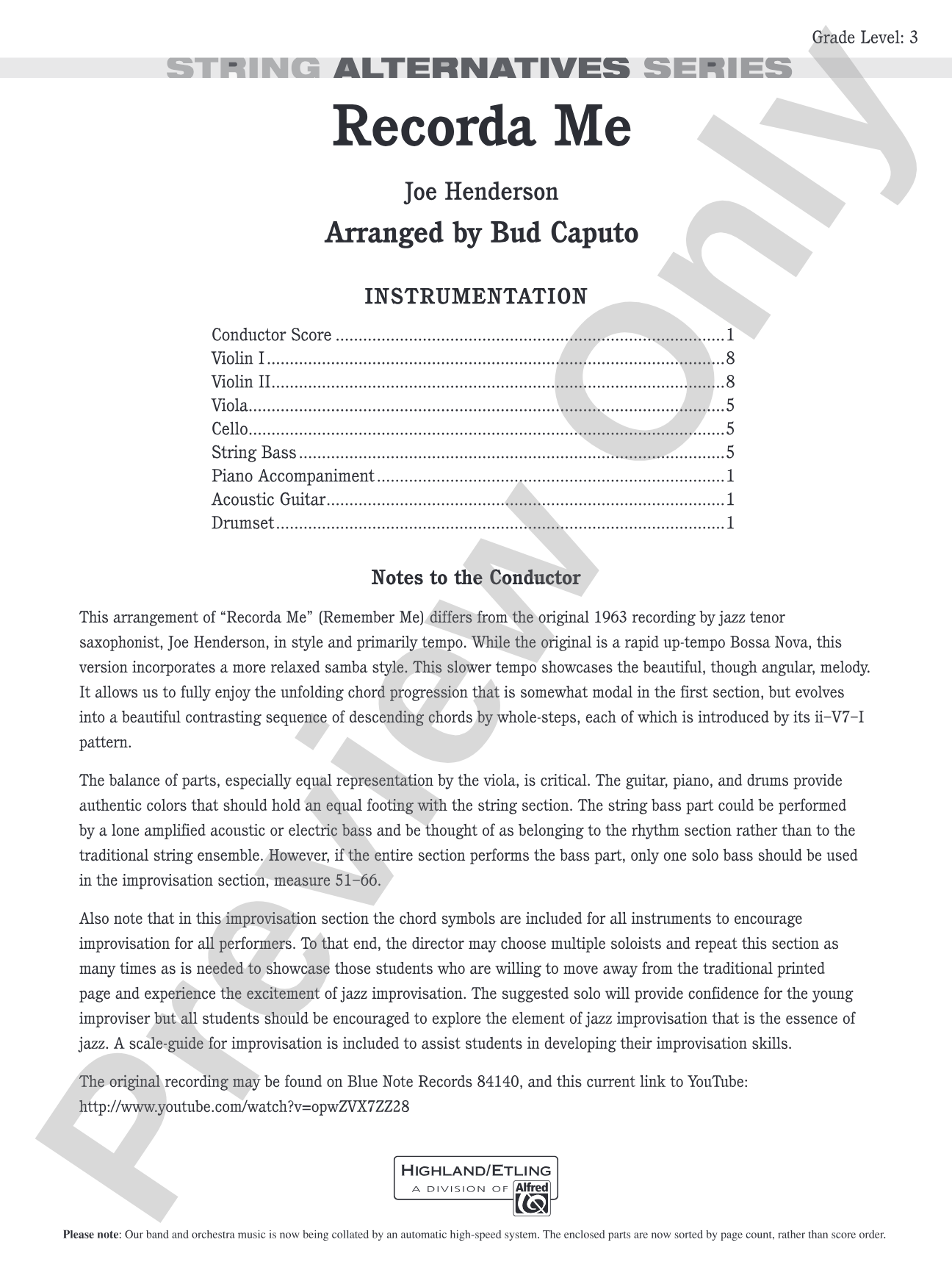
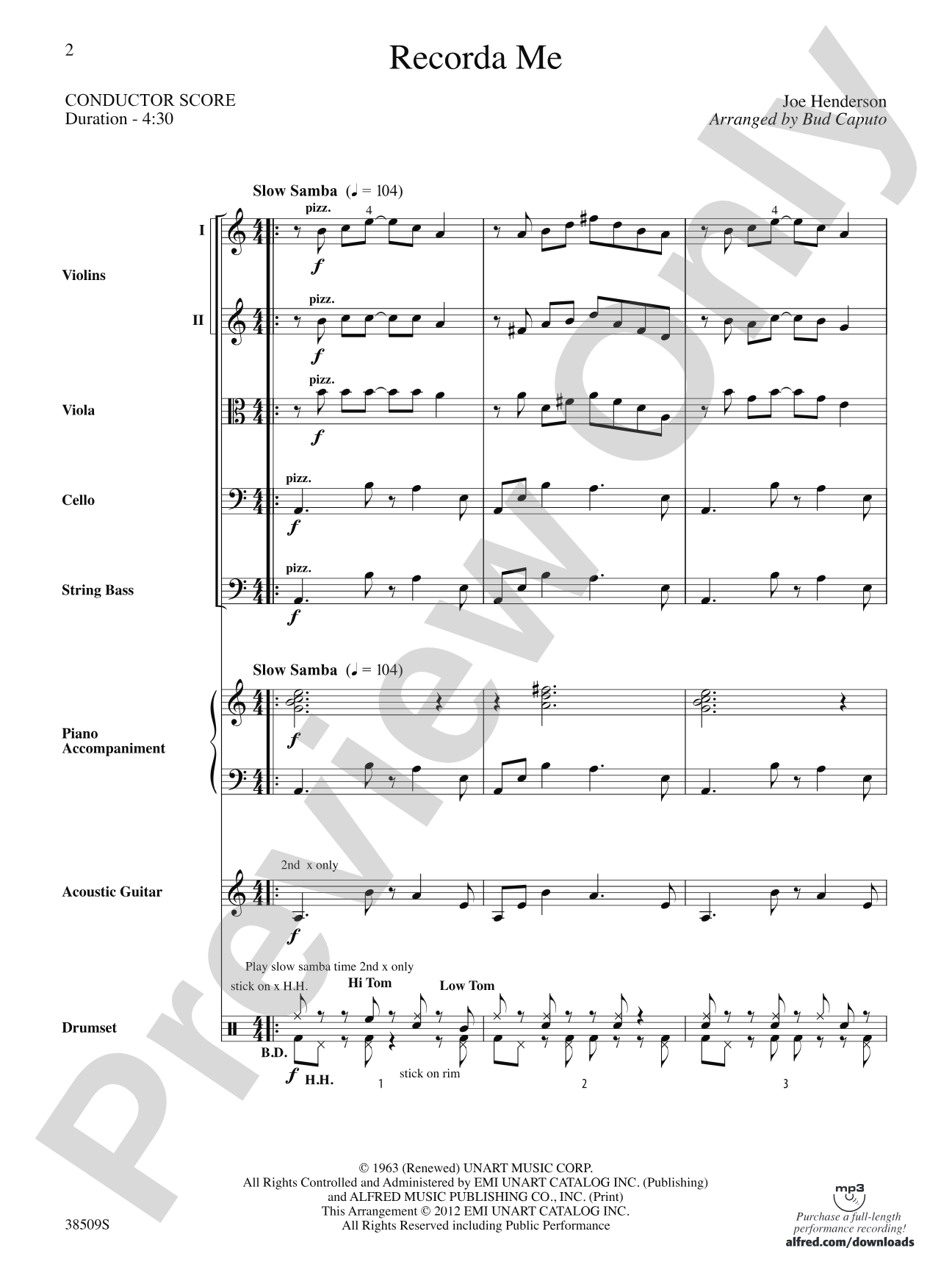
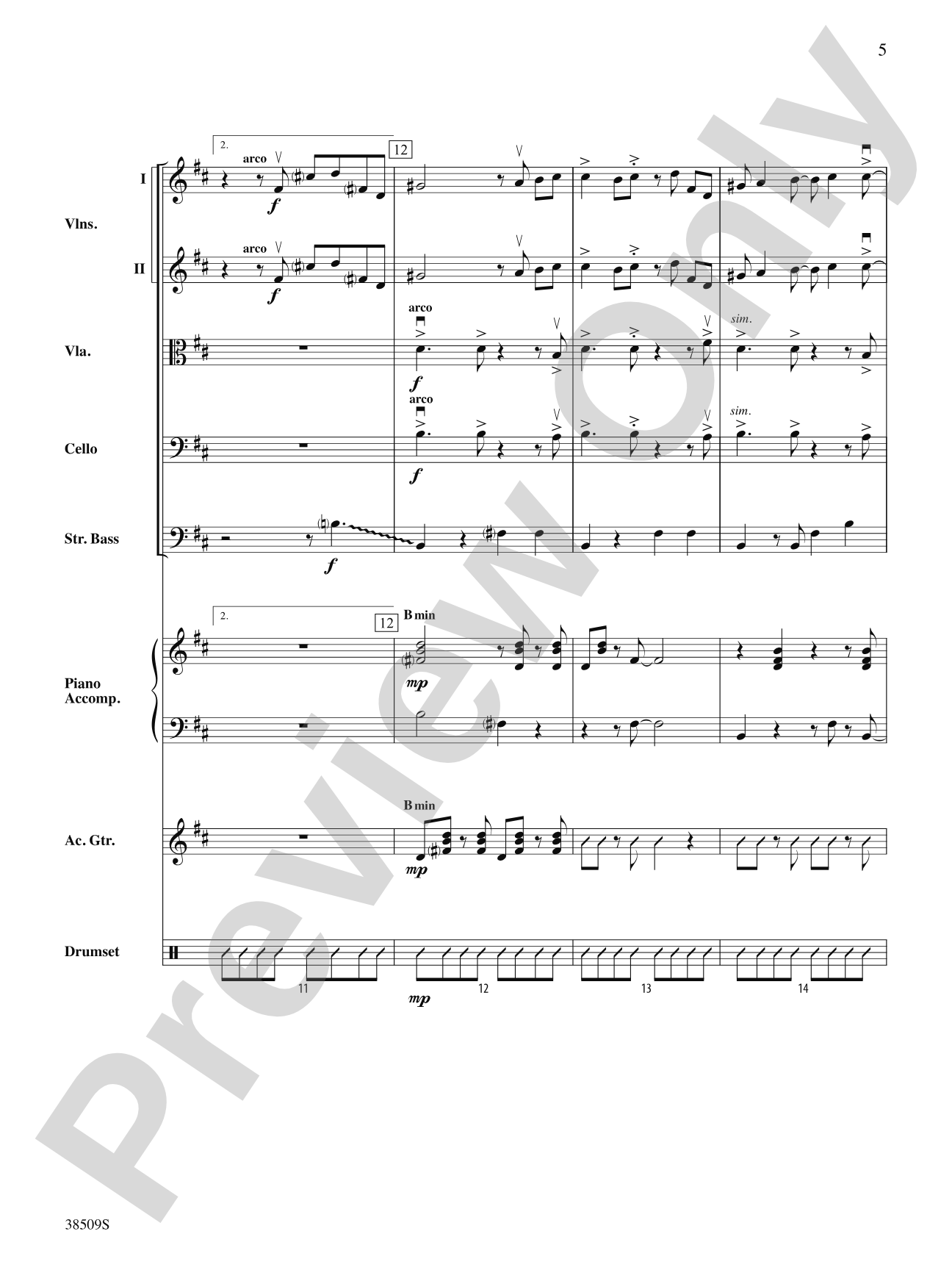
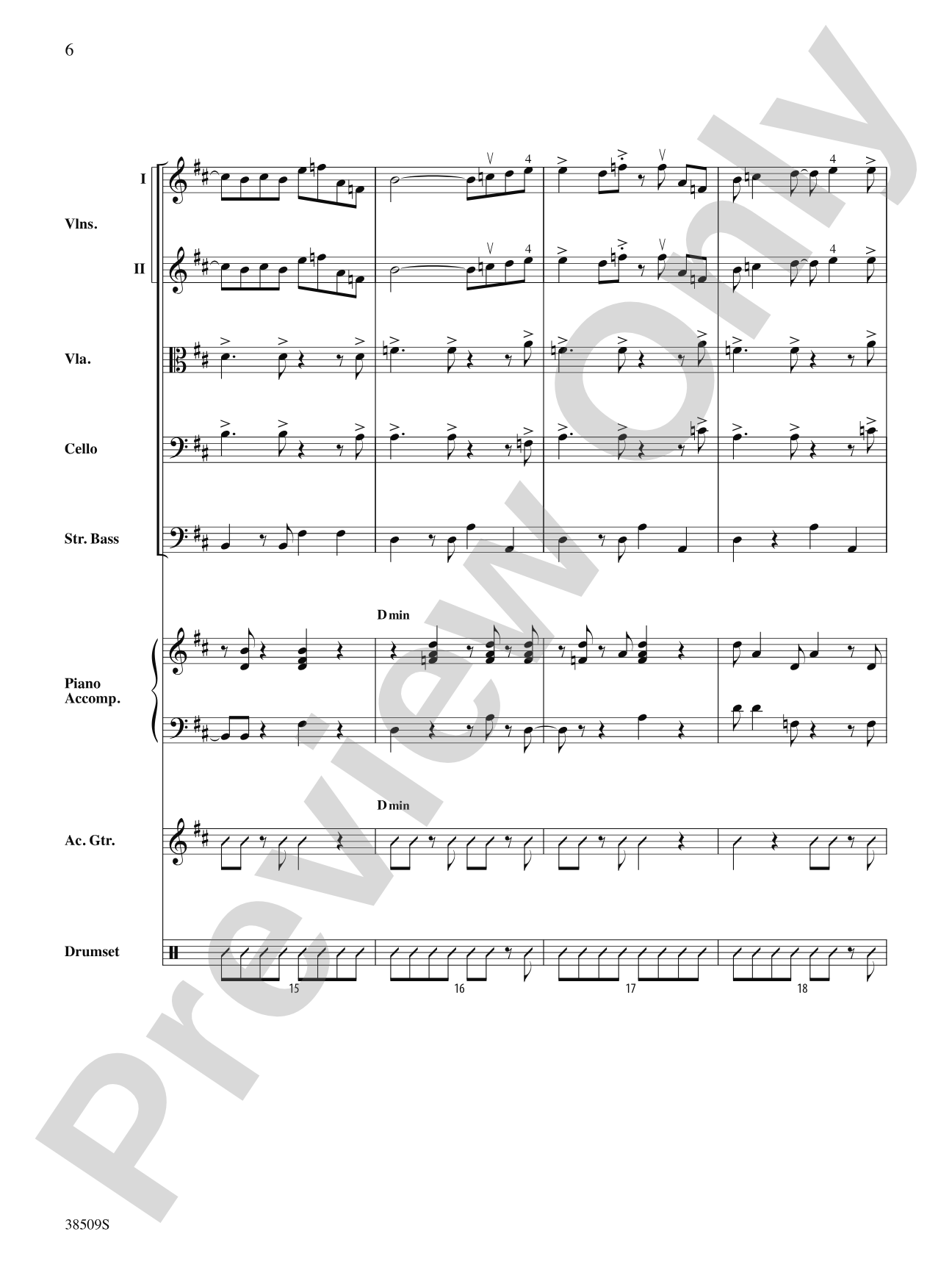
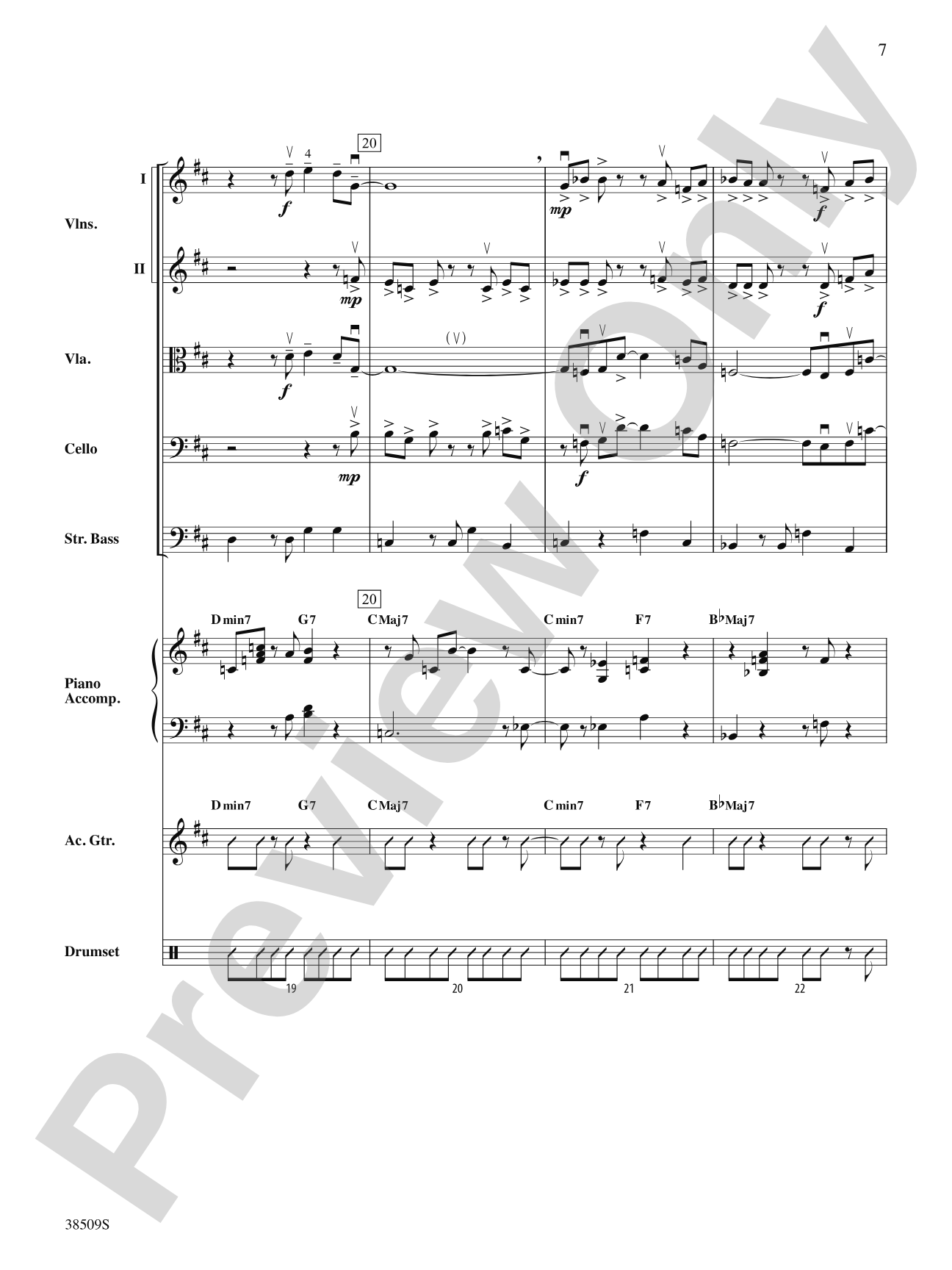
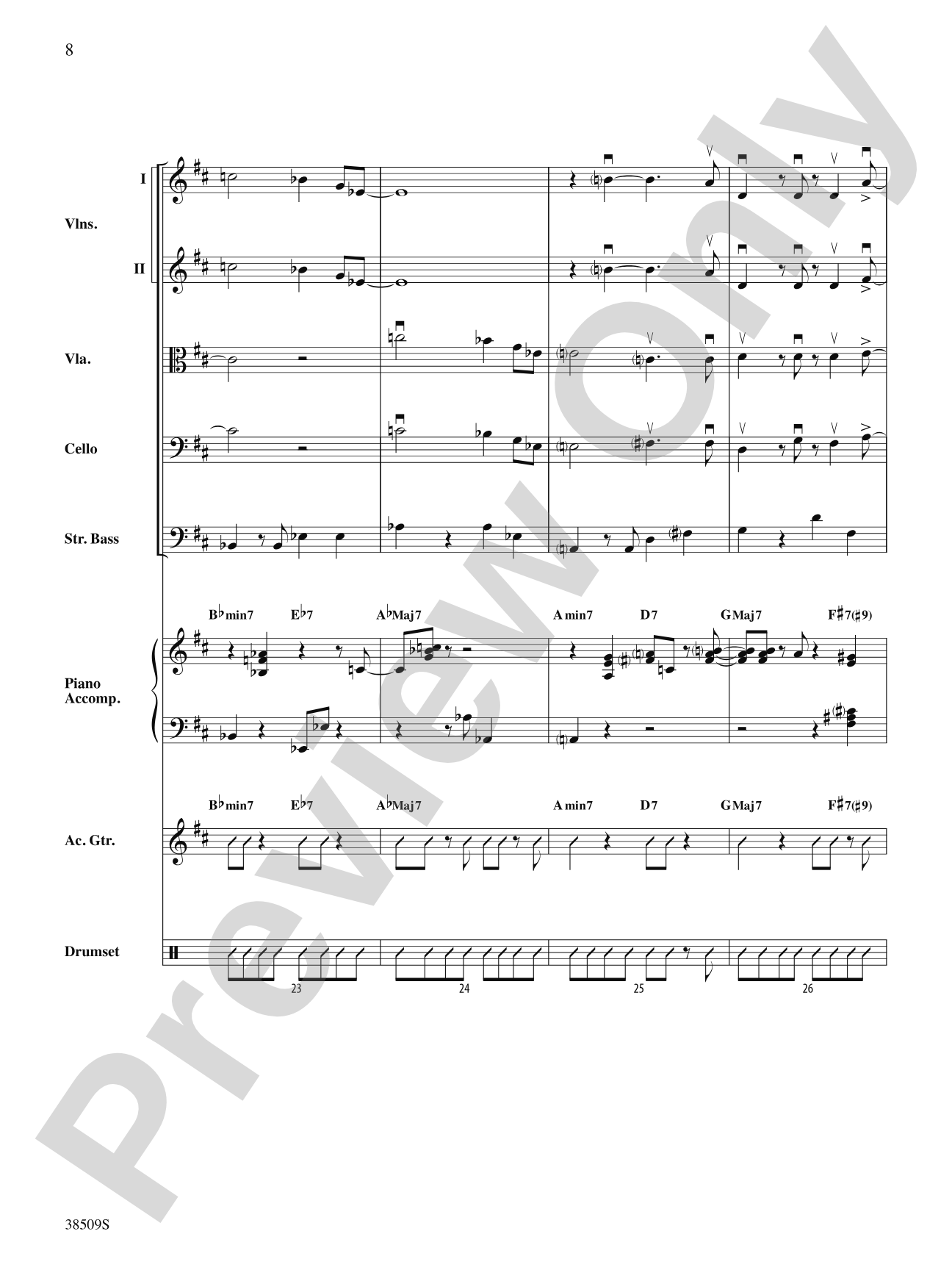
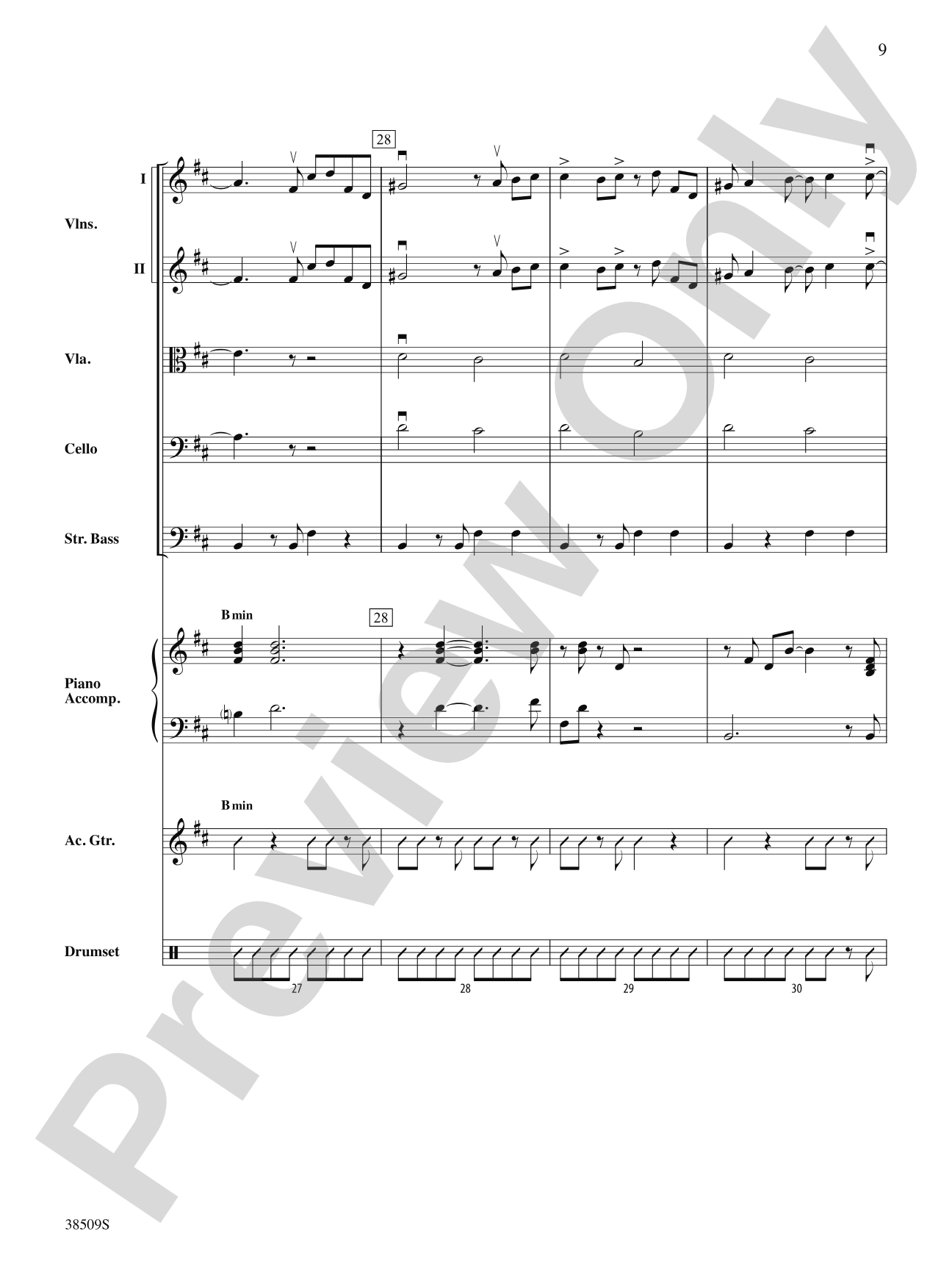
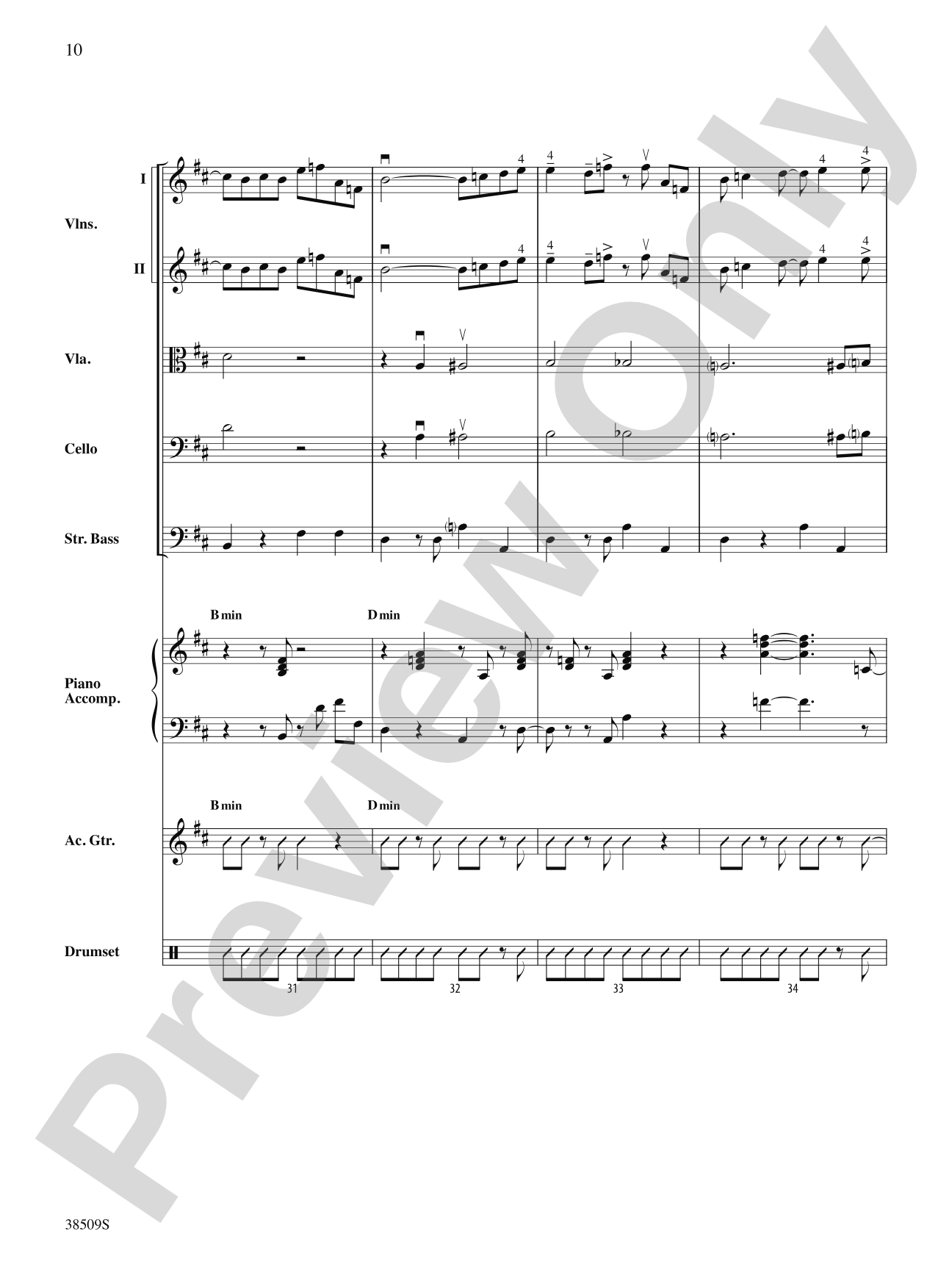
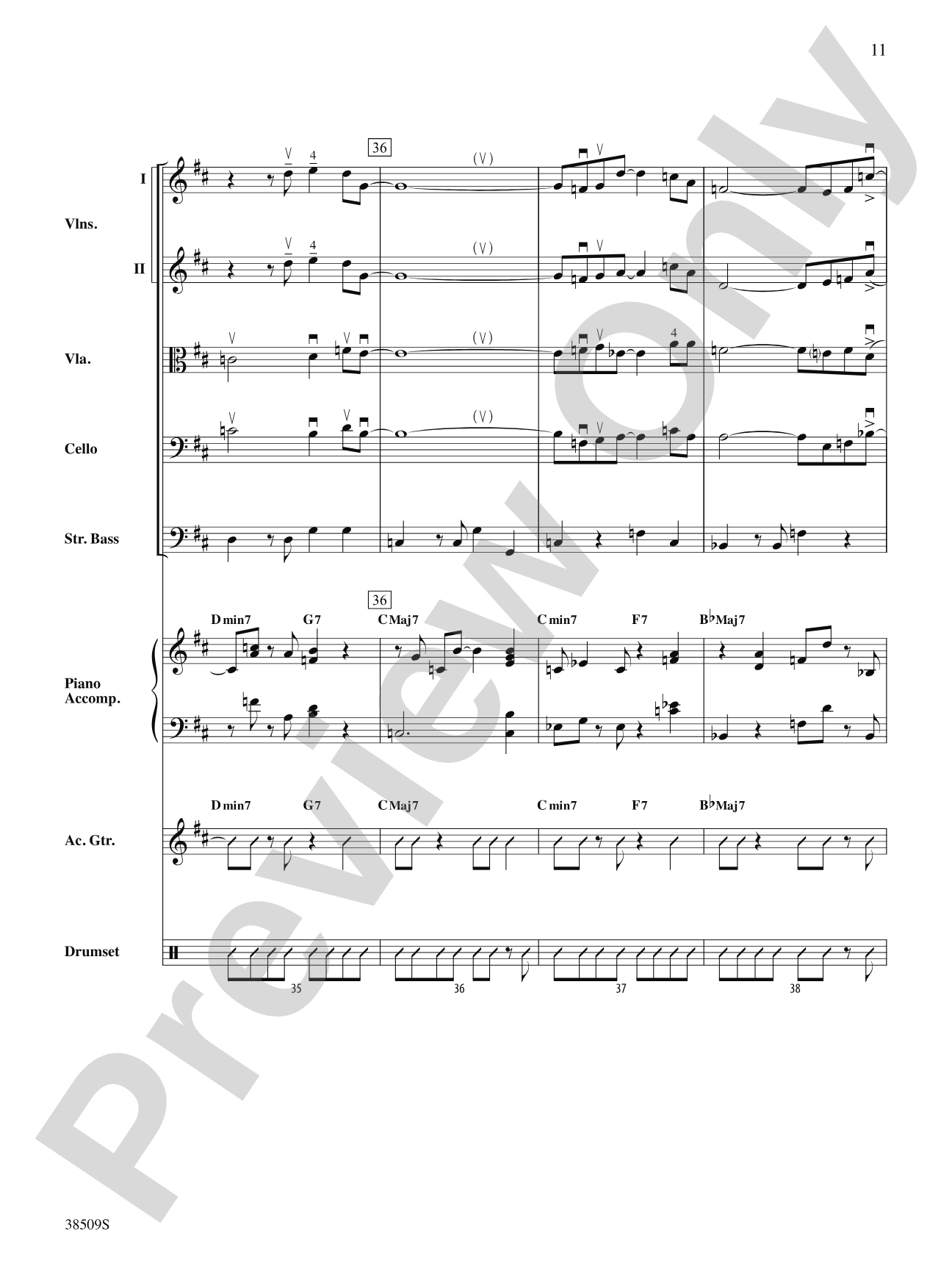
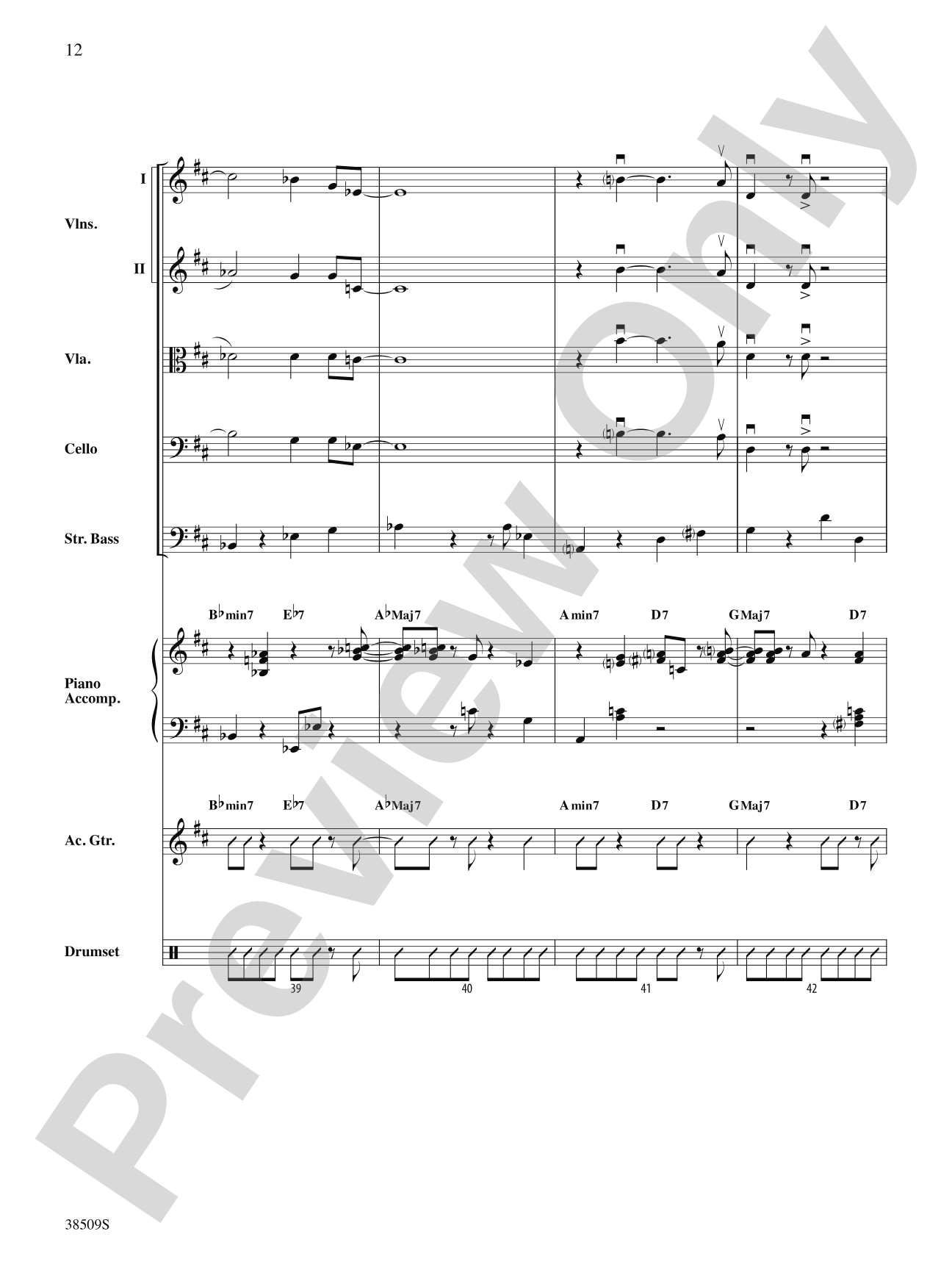
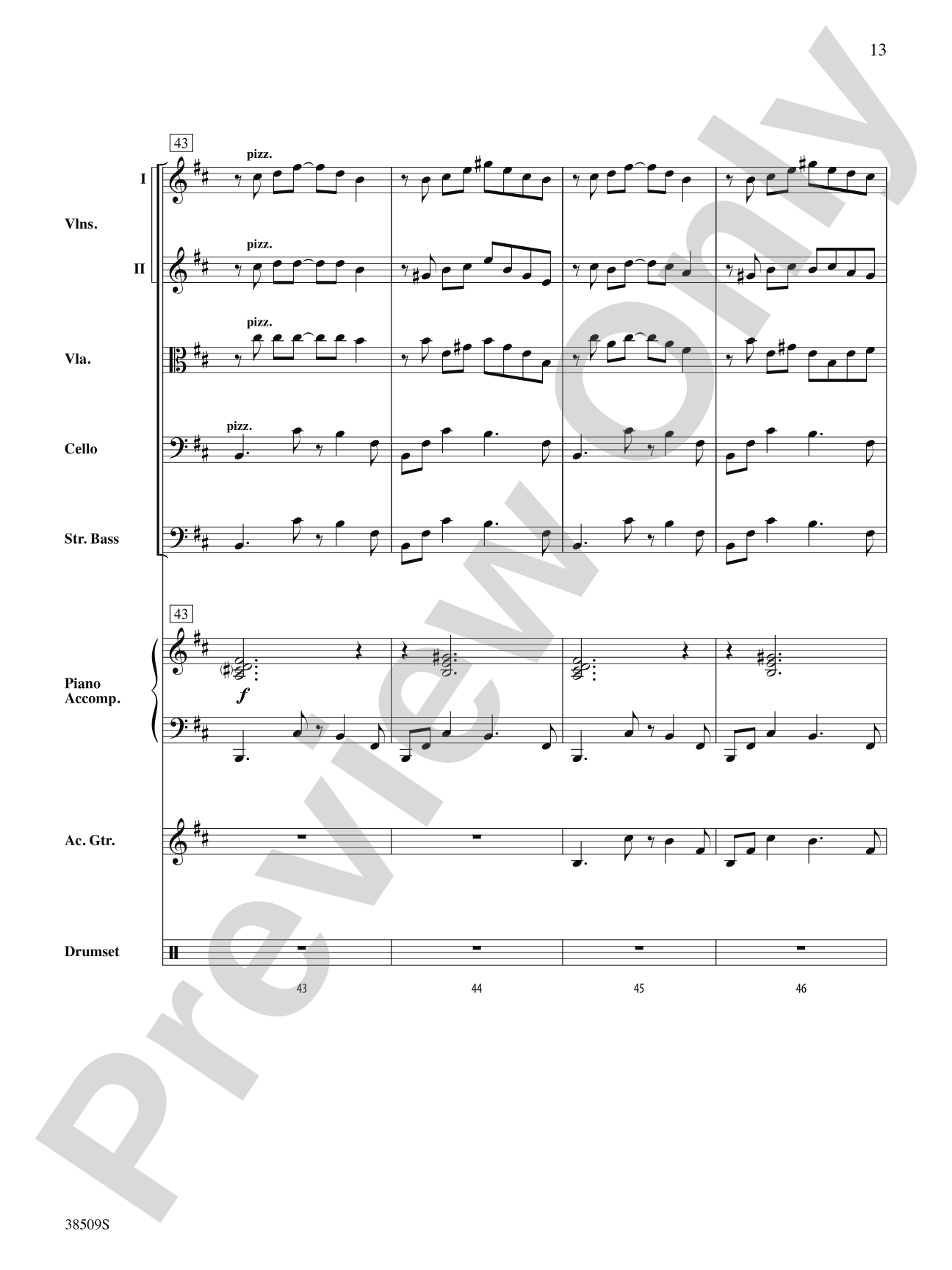
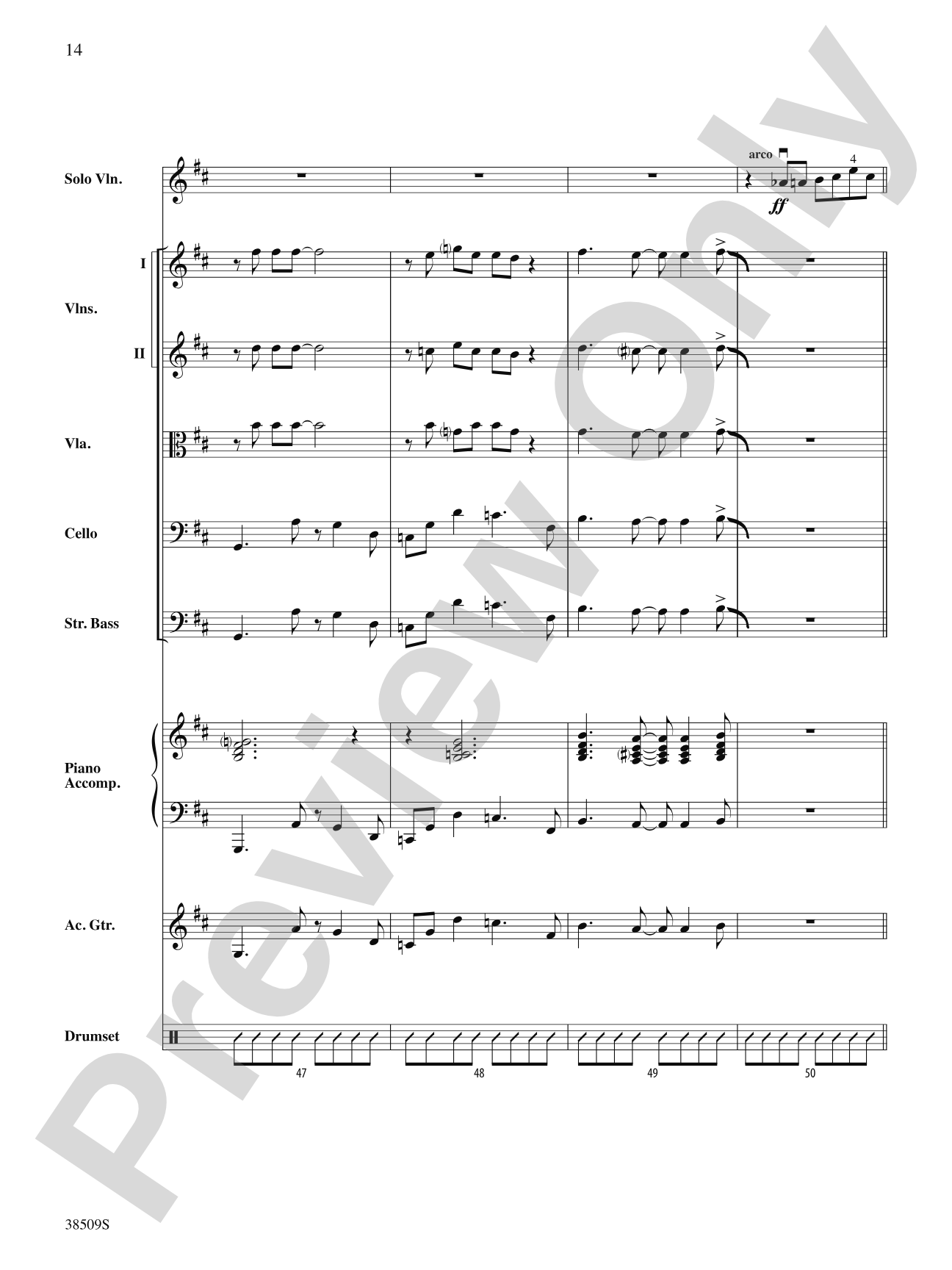
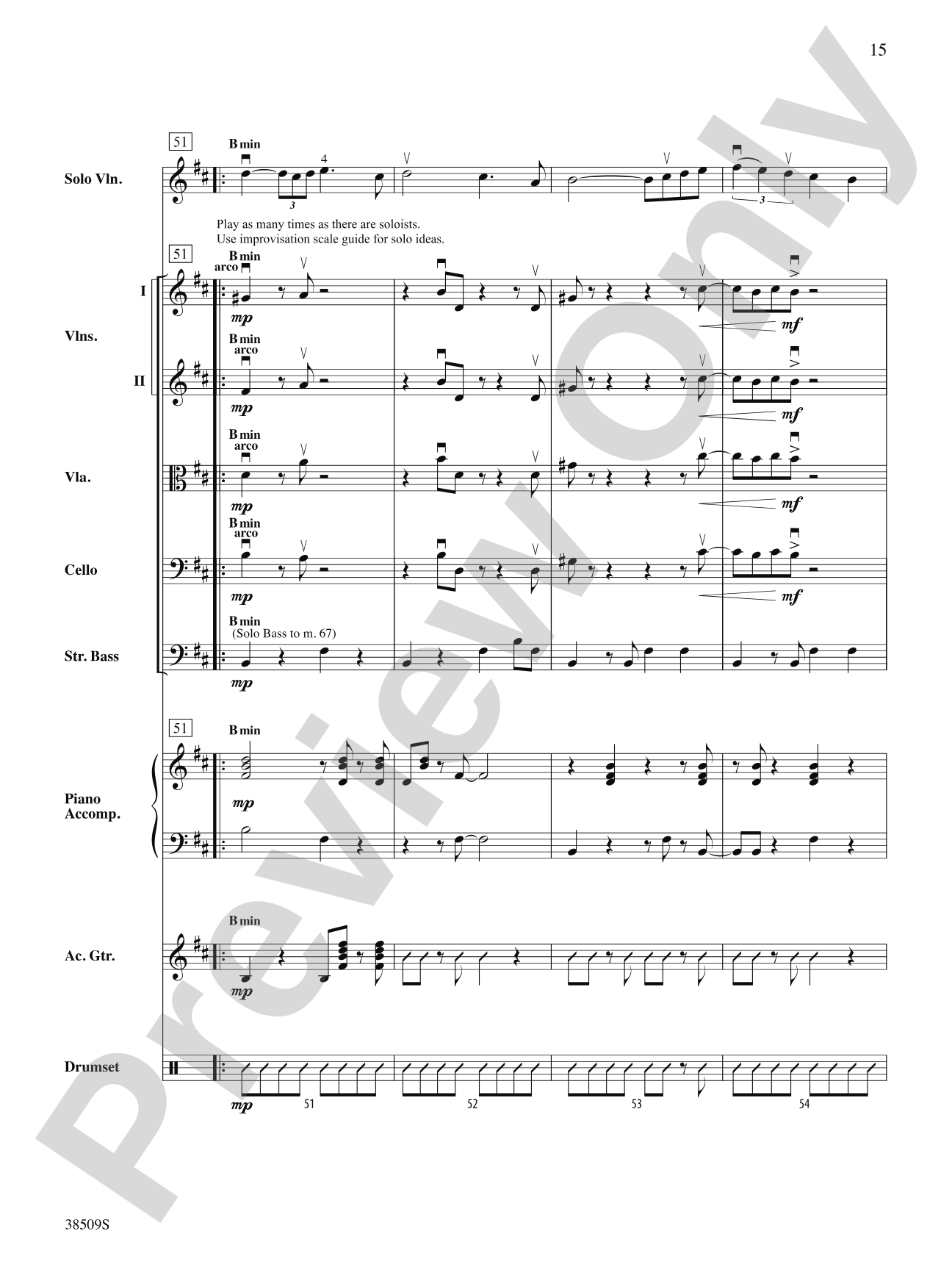
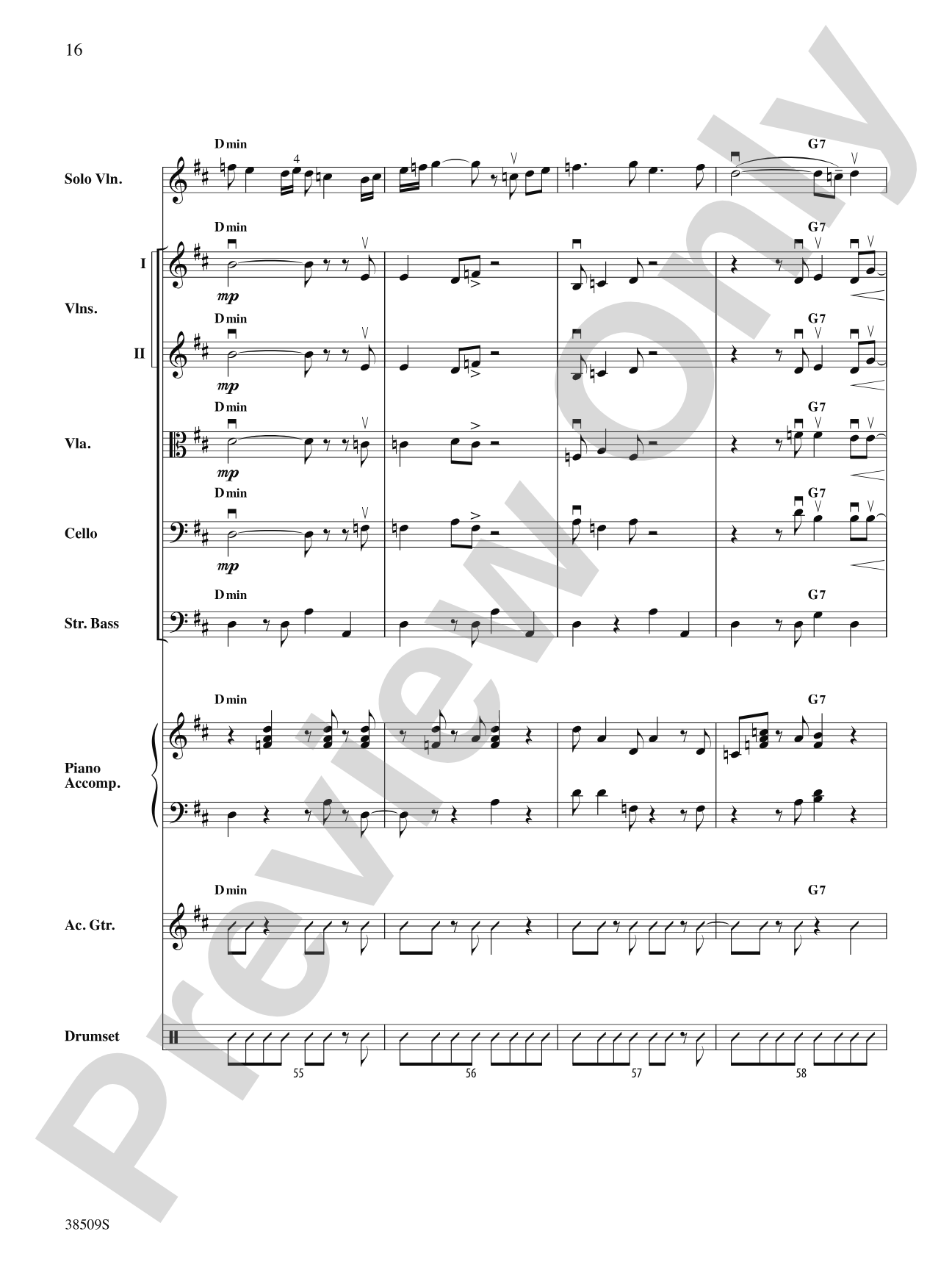
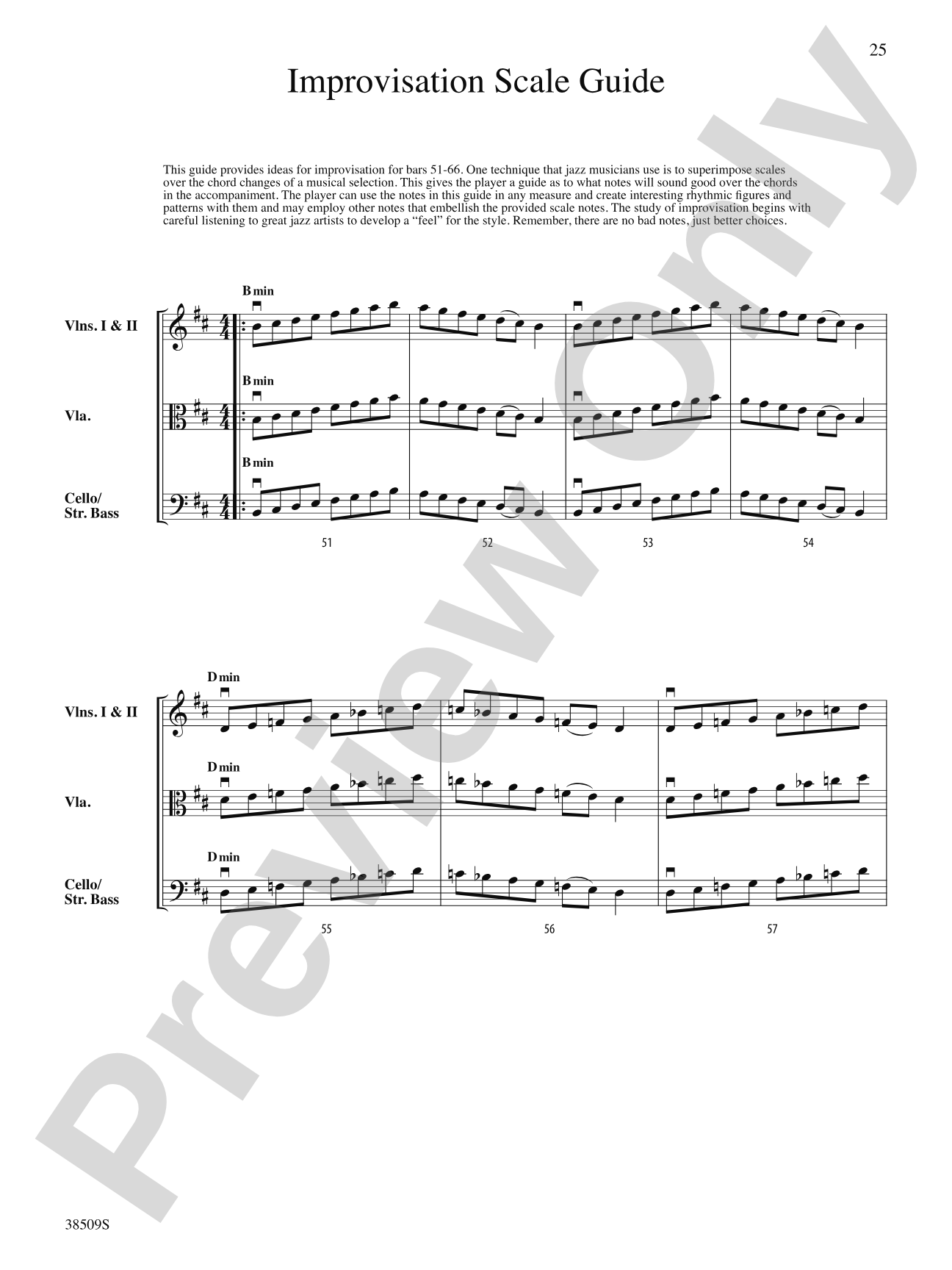
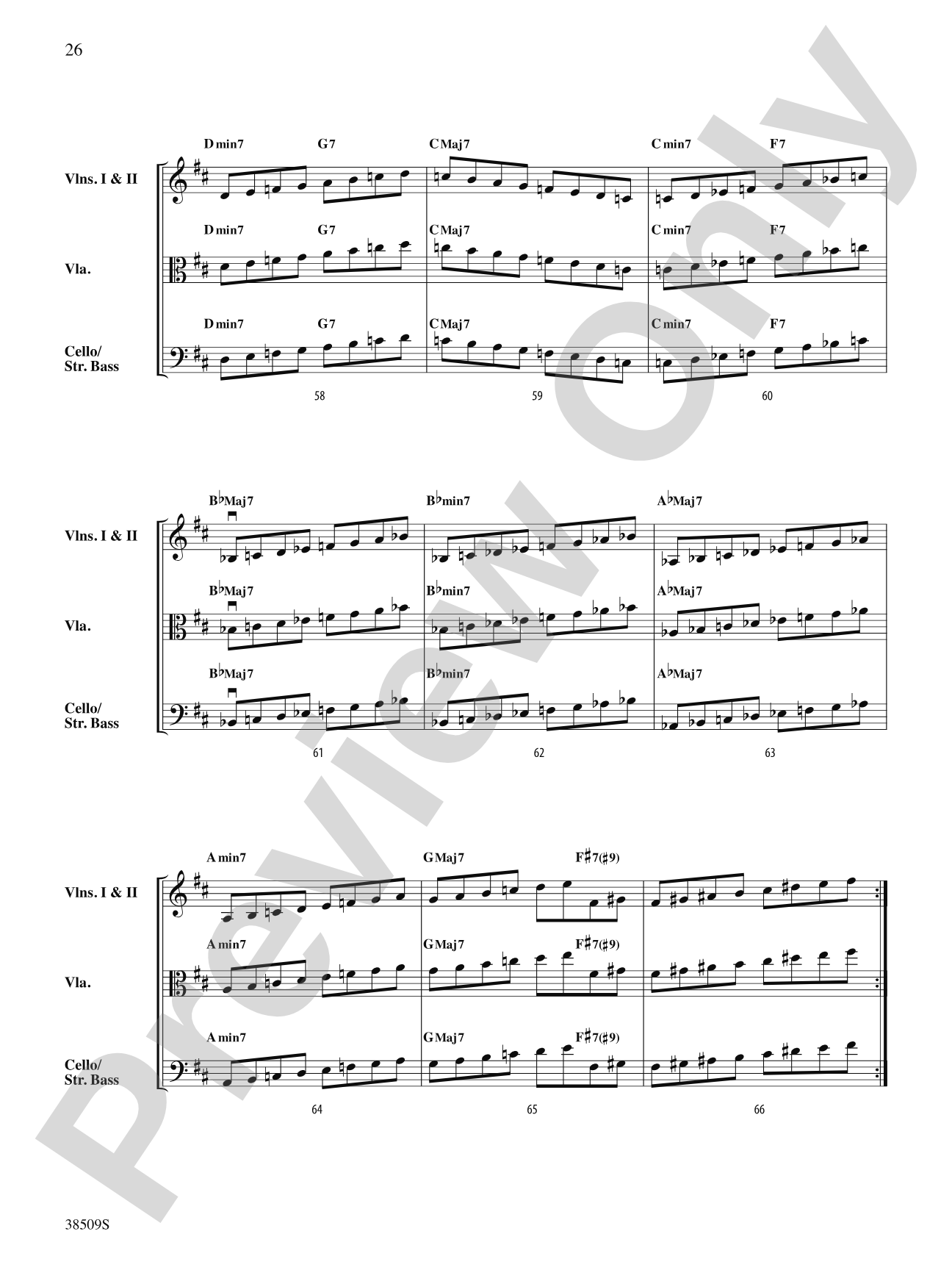
A relaxed samba-style interpretation of this jazz classic that will delight! A written-out solo is provided, as well as an improvisation scale guide to assist students in becoming comfortable improvising.


Don't just read it, hear it, play along with it, and watch your students grow with it. In MakeMusic Cloud, Recorda Me: String Orchestra Conductor Score & Parts comes alive with professional accompaniment, adjustable tempo, and built-in practice tools that turn solo practice into real progress.
Open in the Player
Jump straight in and assign it today.
Start Your Free Trial
Open this title and explore the full library in minutes.
Sample Audio
1
Audio File
--:--
0:00
0:00
Sample Video
No sample videos found.
Additional Details
Series:
Highland/Etling String Alternatives
Publisher:
Alfred Music
Page Count:
136
SKU:
00-PK-0005299
More about this title
About the Composer: Joe Henderson
Joe Henderson was a tenor saxophonist and composer whose prolific output shaped modern jazz from the 1960s onward. His compositions balance accessibility with harmonic sophistication, making them enduring favorites in educational and professional settings alike.
Why we love this
Bud Caputo's samba arrangement opens a door to jazz repertoire for string orchestras, removing the barrier of needing wind players or complex rhythm section training. The inclusion of both a written solo and an improvisation scale guide means your students can experience guided improvisation without overwhelming them, building confidence in a jazz idiom that often intimidates classical string players.
What to expect
Warm and groove-oriented, with the easiness of a samba afternoon. The relaxed tempo and written harmonic foundation give the piece a welcoming character, inviting rather than demanding, while the improvisation passages add spontaneity and joy that transcends the page.
Who it's for
String orchestra directors teaching Grade 3 students who want to introduce jazz vocabulary and Latin feel in an accessible context. Conductors seeking accessible jazz repertoire that doesn't require hiring additional musicians or extensive rhythm section expertise.
How to get the most out of it
- Establish the samba groove early in rehearsals by having the ensemble tap the rhythm section pattern while playing; this locks the pocket and prevents the piece from drifting into straight eighths.
- Take advantage of the improvisation scale guide during sectional rehearsals before assigning a soloist, so the entire orchestra understands the harmonic movement and can support improvisation without hesitation.
- Balance the soloists against the ensemble by rehearsing dynamics with the written solo first; once that sits securely, introduce student improvisers and adjust blend accordingly.
- Work the swing feel of the head (melody) separately from the rhythm section groove; string players often need explicit reminders that jazz articulation is lighter and shorter than classical détaché.
How to use it
Place this in a spring or end-of-year concert where you want to shift energy and mood; it works beautifully after heavier classical fare and gives audiences a taste of cultural and stylistic breadth. It also serves as a bridge into a jazz unit for players who might otherwise see jazz as entirely separate from their classical training.
Skills your students will build
- Playing with swing feel and understanding rhythmic relaxation versus classical precision
- Reading jazz chord symbols and understanding harmonic movement
- Guided melodic improvisation within a defined scale and harmonic framework
- Listening and responding to a soloist while maintaining ensemble groove
- Samba rhythmic feel and Latin coordination across string sections