

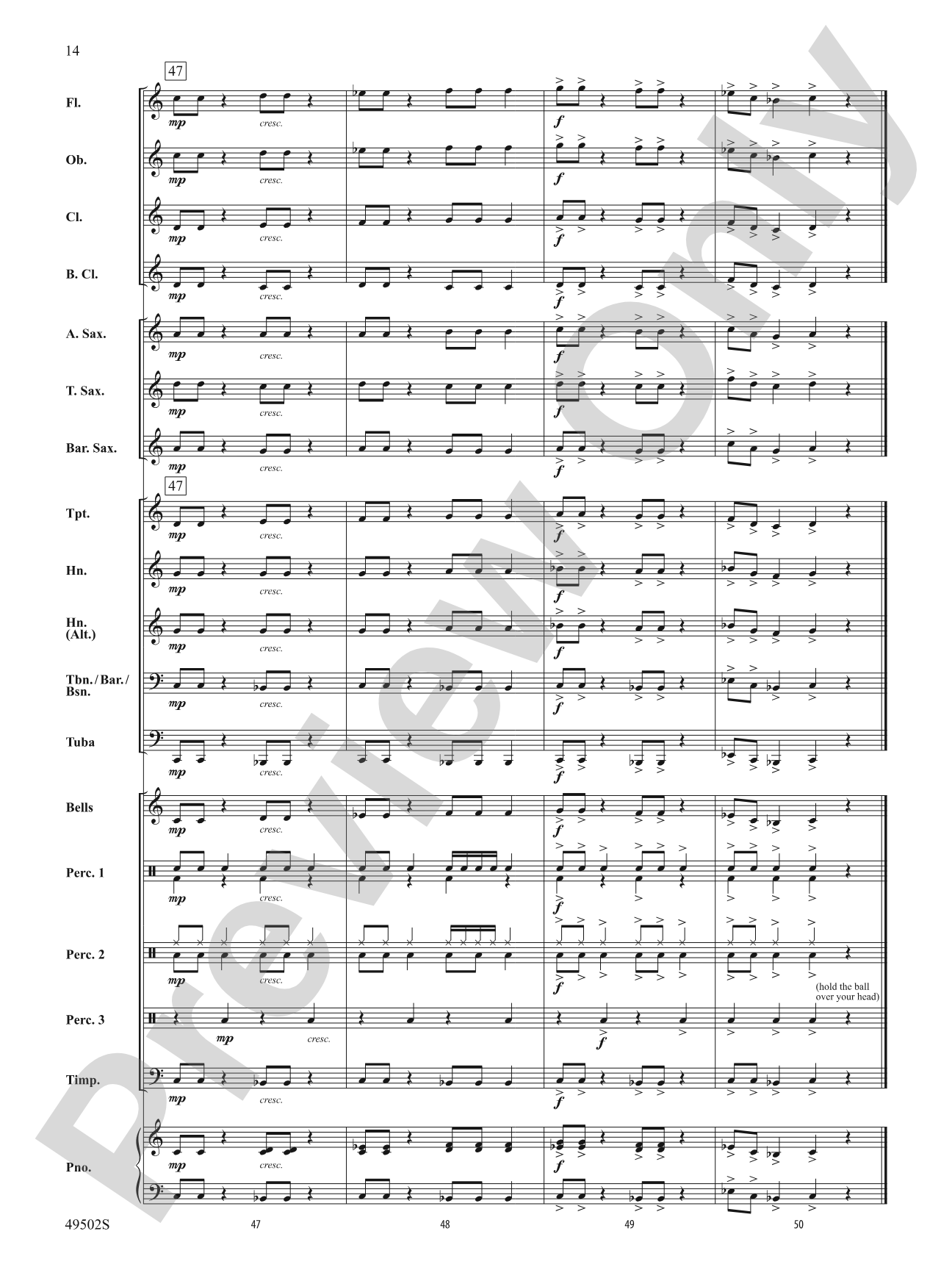

Rebound: Concert Band Conductor Score & Parts
Percussion and Basketball Section Feature
By Chris M. Bernotas
Grade: 0.5
Item: 00-PK-0008502

$50.00
Pickup currently not available
Buy Extra Parts (Digital PDF Download)
| Product | Price | Quantity |
|---|---|---|
| Rebound: Score | $8.00 | |
| Rebound: Flute | $3.00 | |
| Rebound: Oboe | $3.00 | |
| Rebound: 1st B-flat Clarinet | $3.00 | |
| Rebound: B-flat Bass Clarinet | $3.00 | |
| Rebound: E-flat Alto Saxophone | $3.00 | |
| Rebound: B-flat Tenor Saxophone | $3.00 | |
| Rebound: E-flat Baritone Saxophone | $3.00 | |
| Rebound: 1st B-flat Trumpet | $3.00 | |
| Rebound: 1st F Horn | $3.00 | |
| Rebound: 1st F Horn (Alternate) | $3.00 | |
| Rebound: 1st Trombone | $3.00 | |
| Rebound: Baritone T.C. | $3.00 | |
| Rebound: Tuba | $3.00 | |
| Rebound: Mallets | $3.00 | |
| Rebound: 1st Percussion | $3.00 | |
| Rebound: 2nd Percussion | $3.00 | |
| Rebound: 3rd Percussion | $3.00 | |
| Rebound: Timpani | $3.00 | |
| Rebound: Piano Accompaniment | $3.00 | |
| Rebound: C Educational Pack | $3.00 | |
| Rebound: Bb Educational Pack | $3.00 | |
| Rebound: Eb Educational Pack | $3.00 | |
| Rebound: F Educational Pack | $3.00 | |
| Rebound: Bass Clef Educational Pack | $3.00 |
Parts Added to Cart!
Description
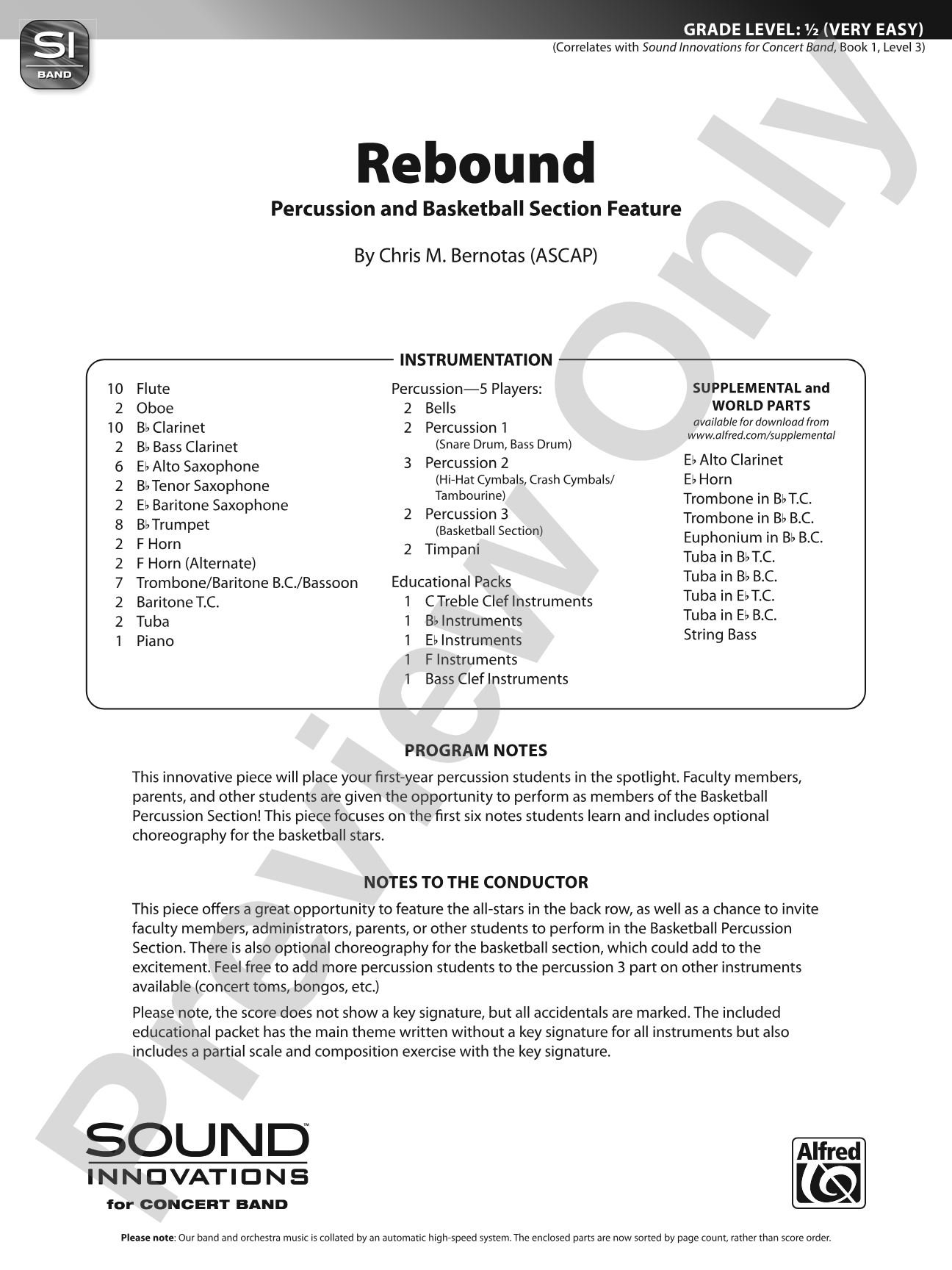
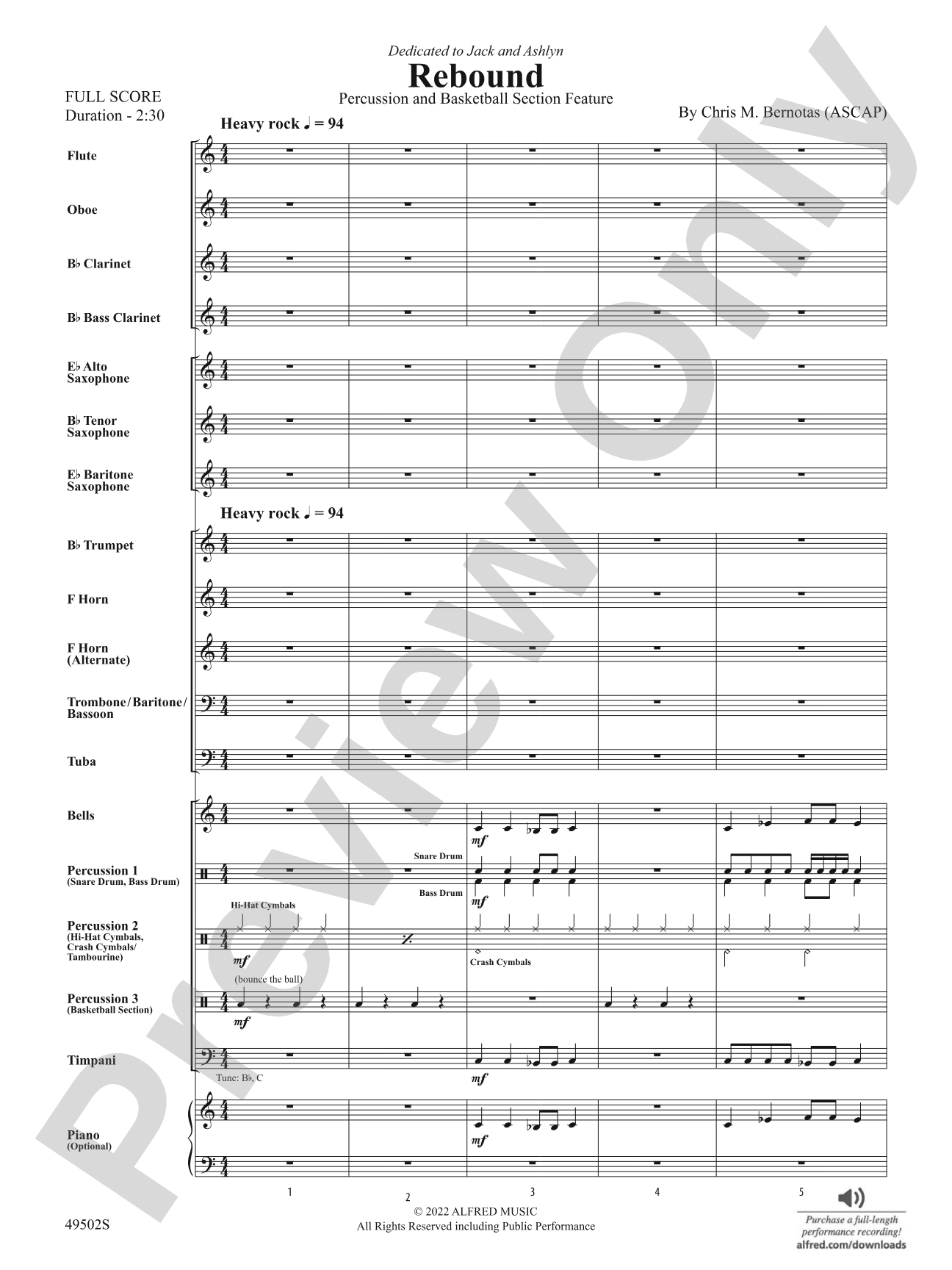
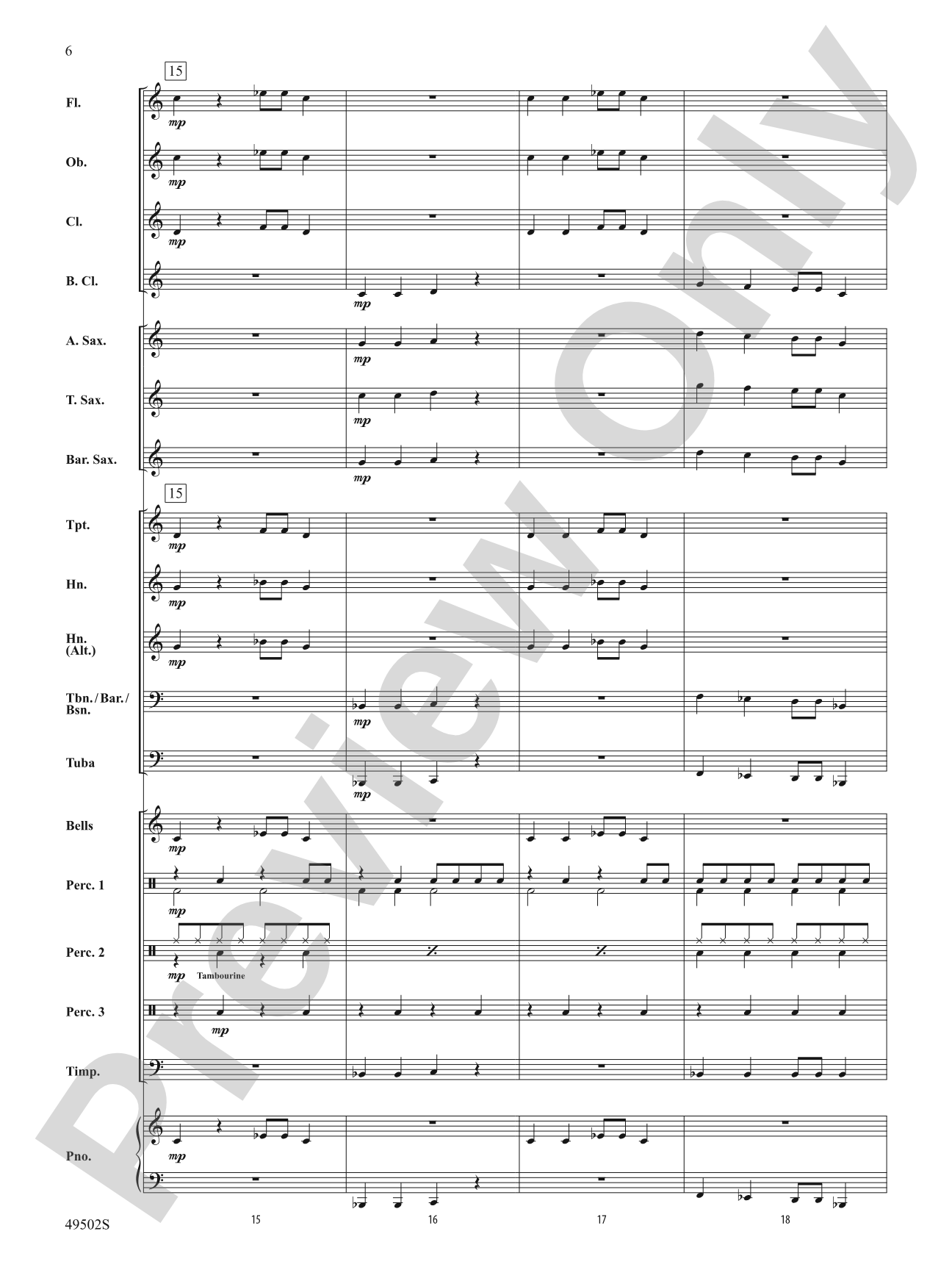
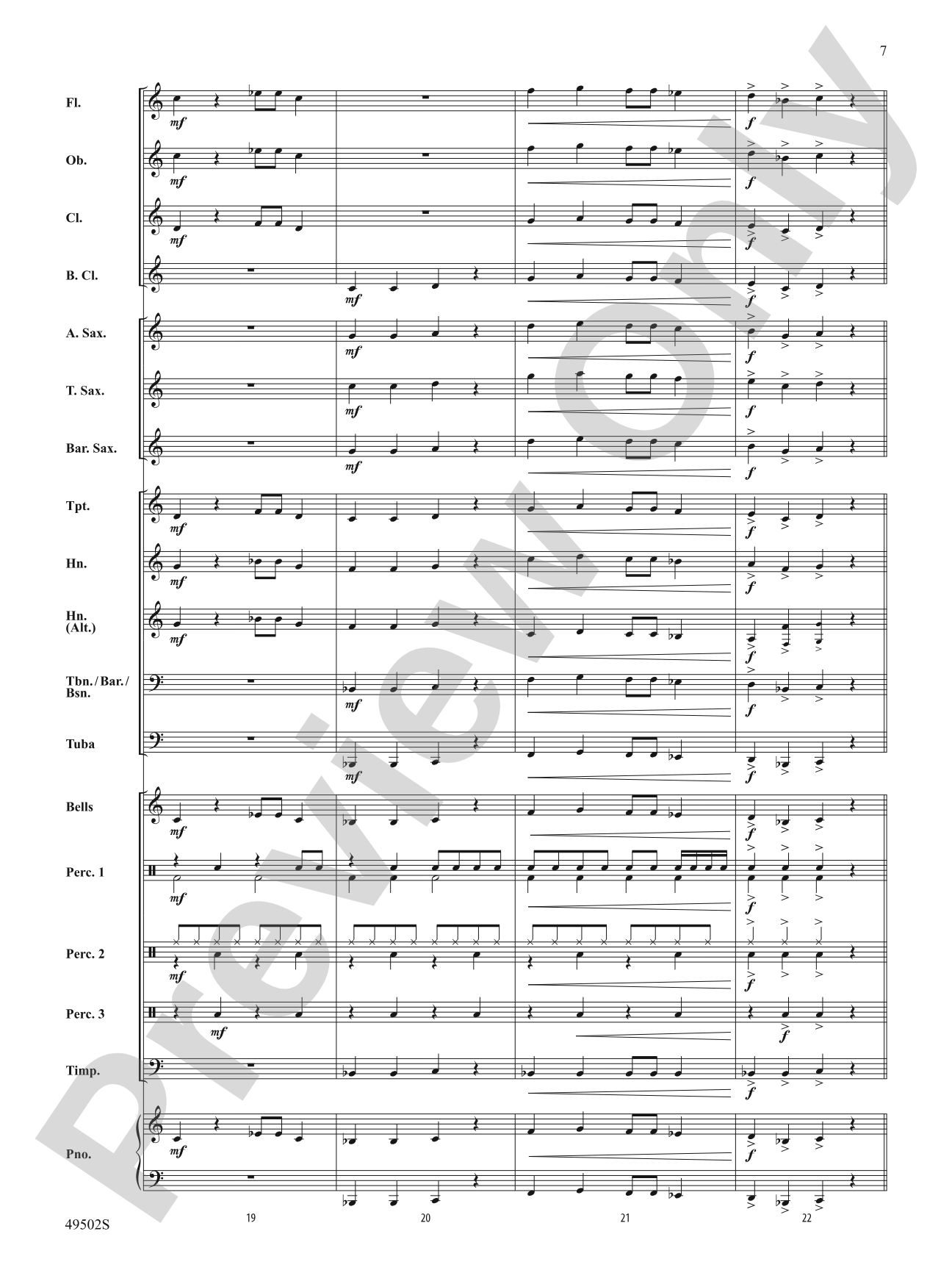
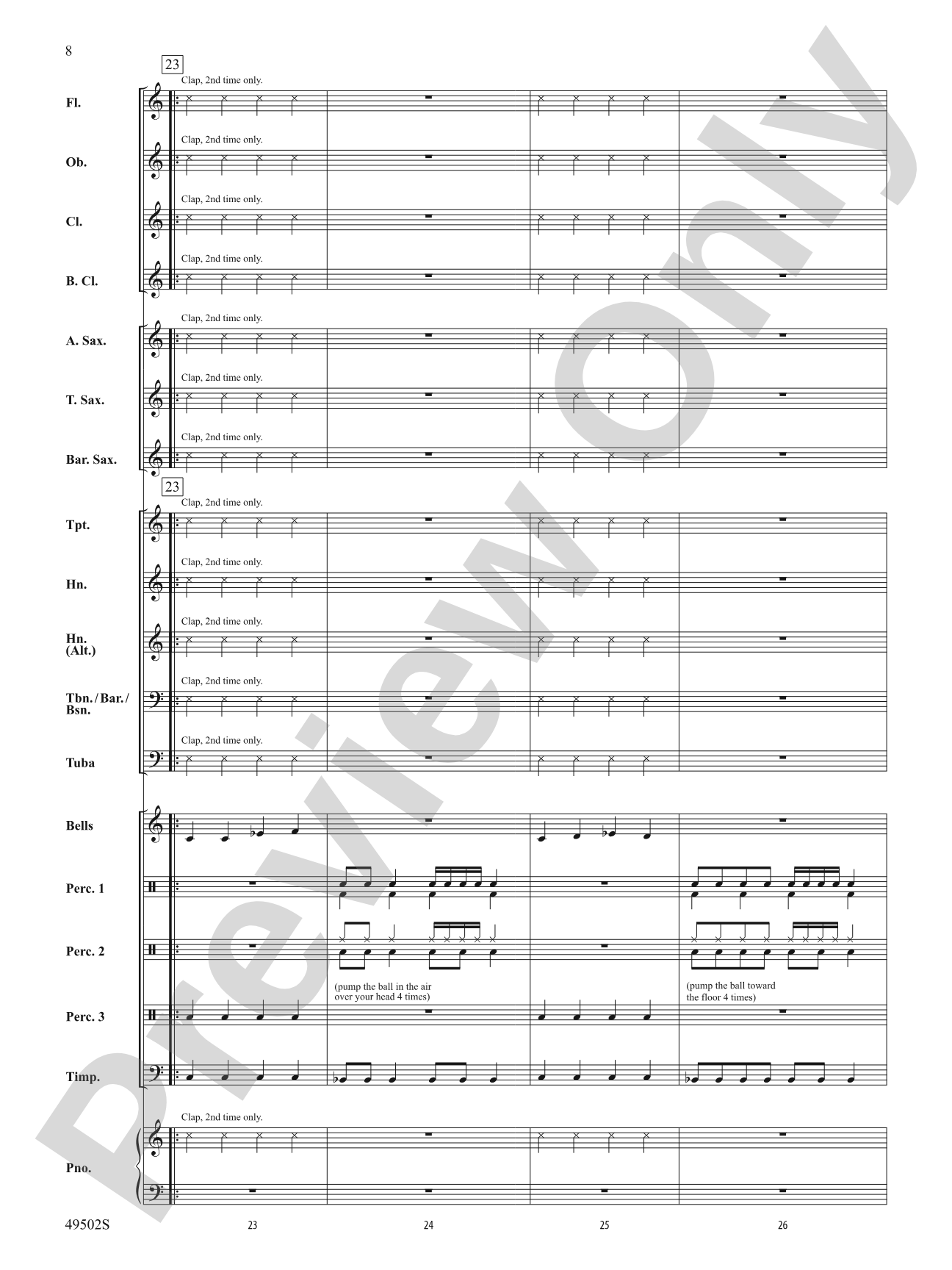
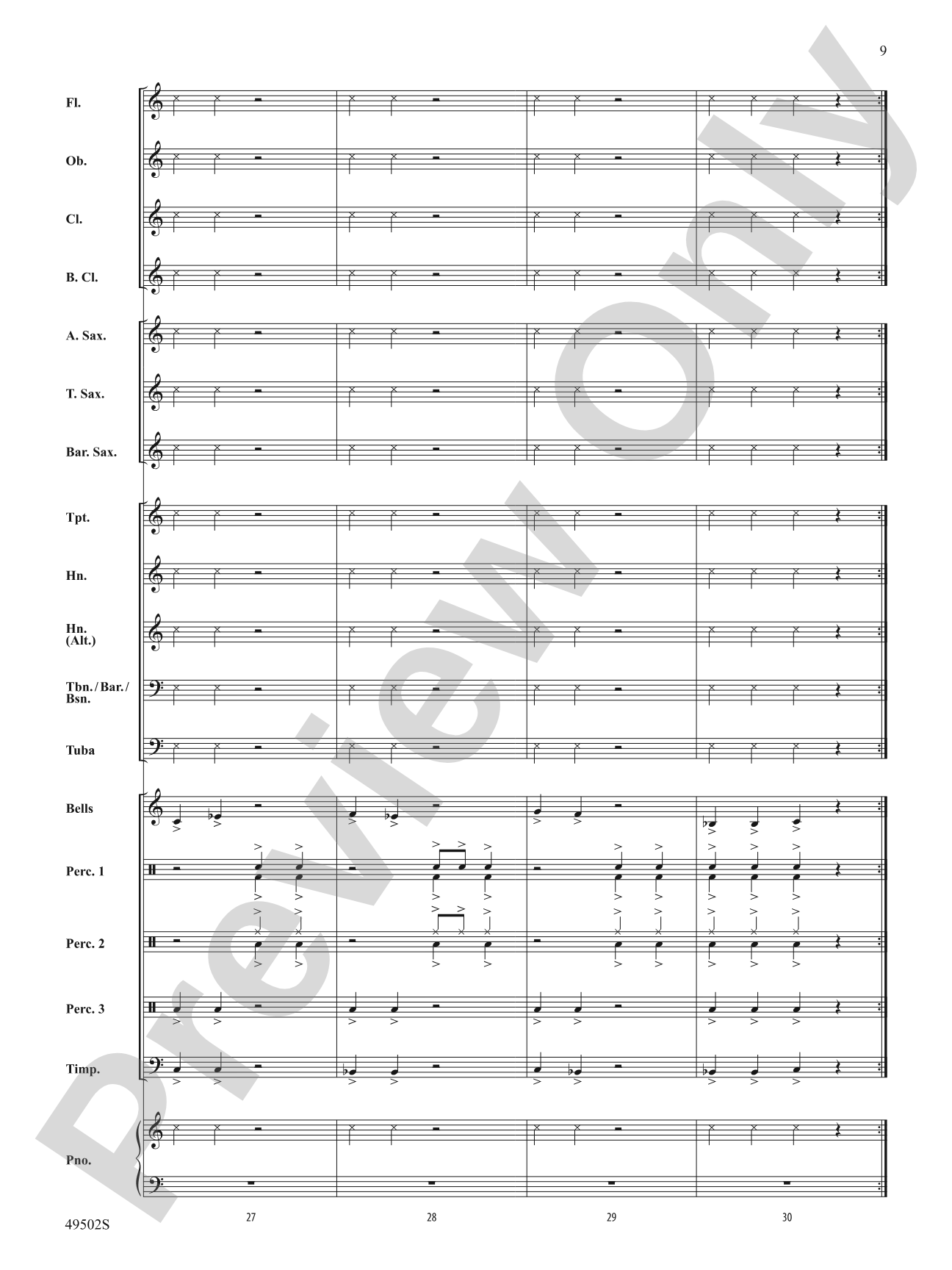
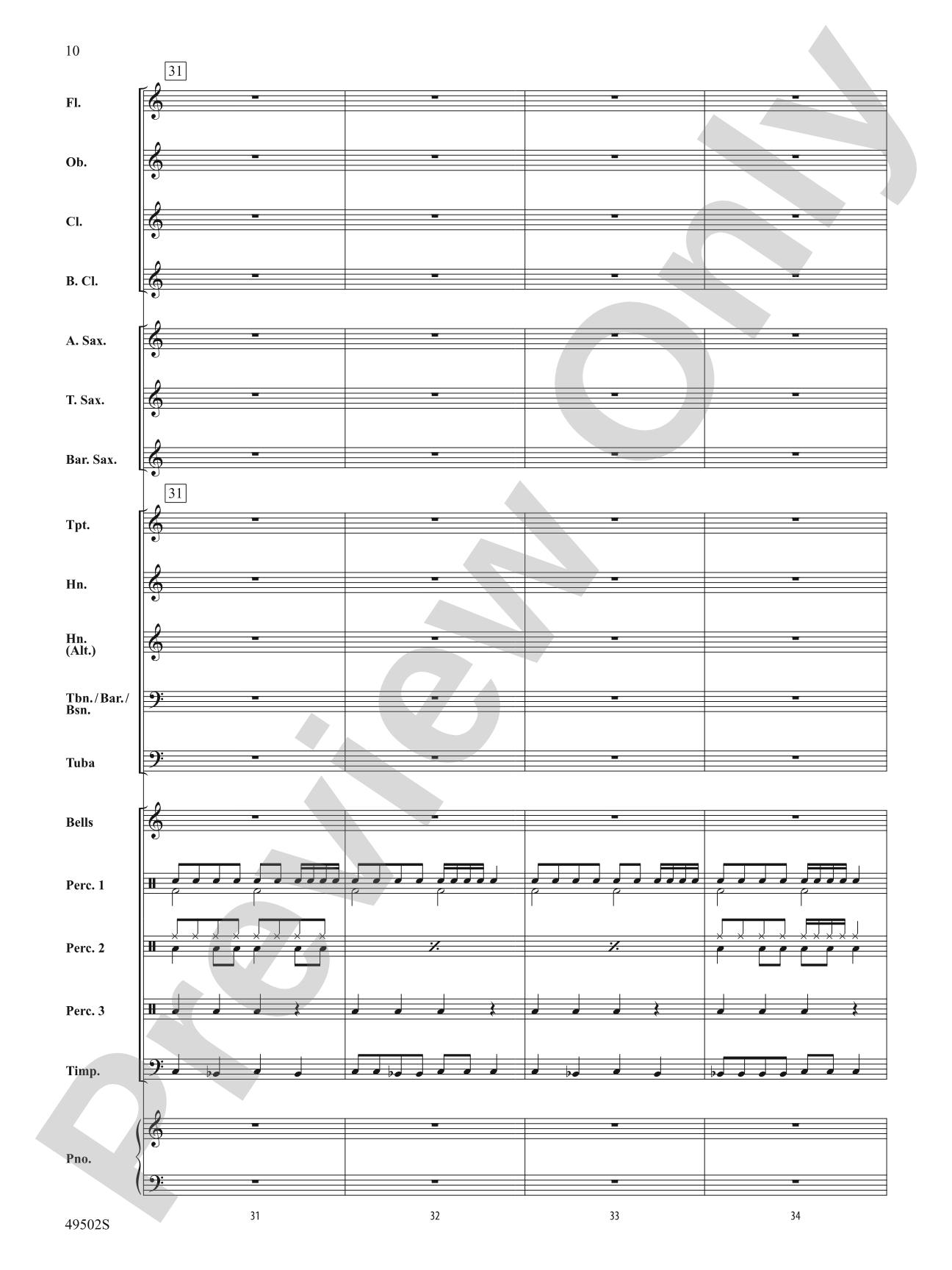
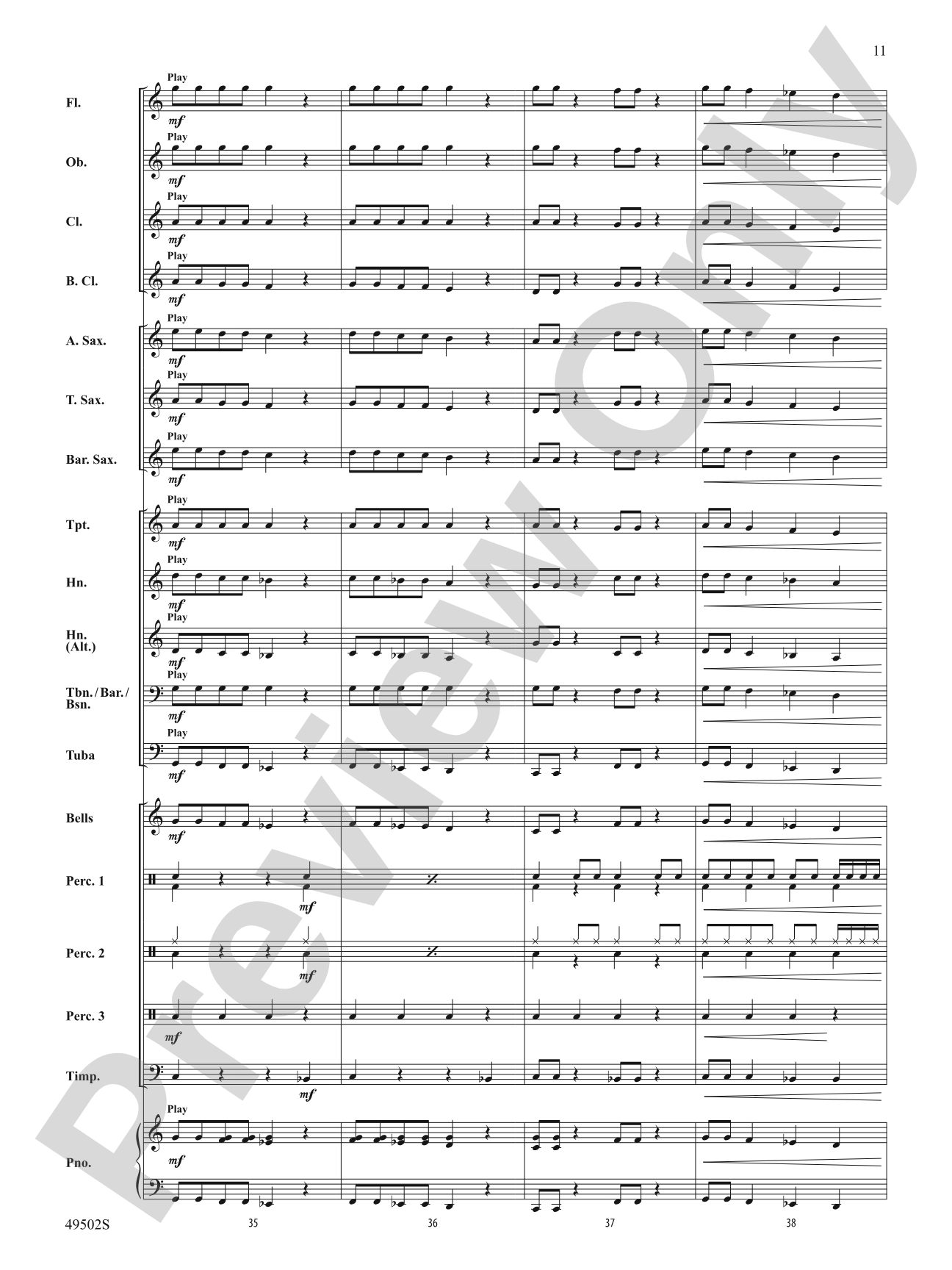
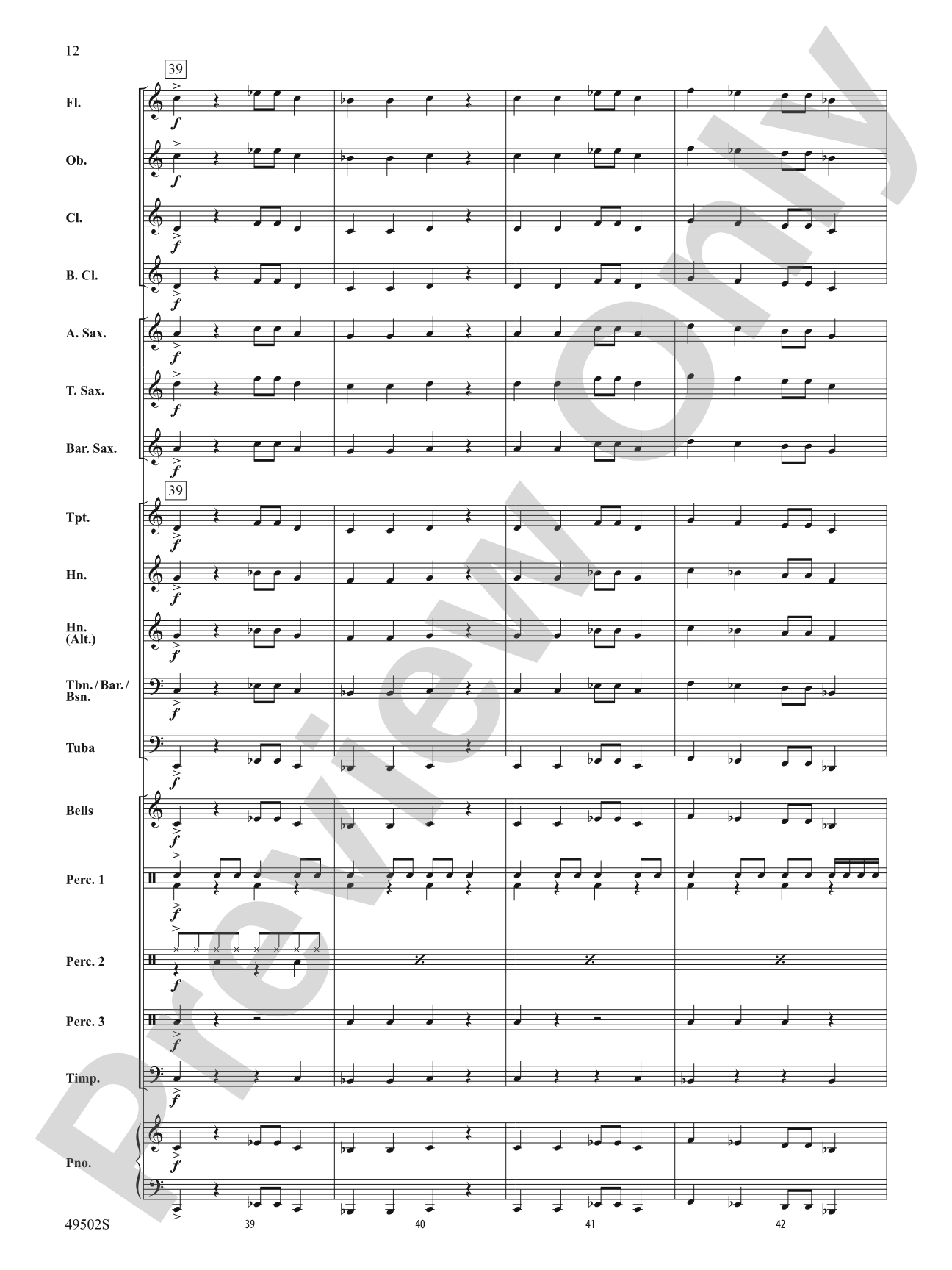
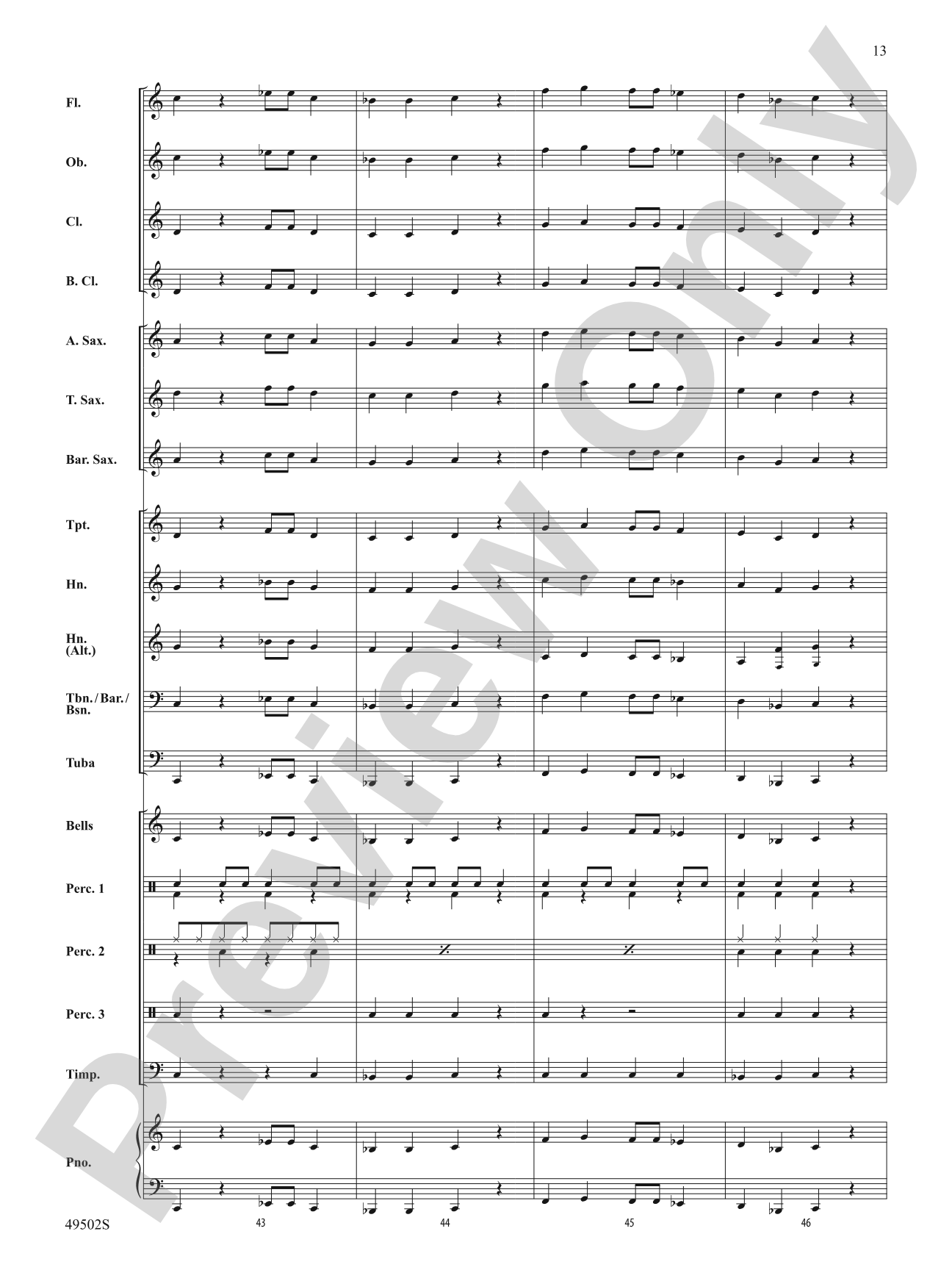
Rebound by Chris M. Bernotas is an innovative piece that will place your first-year percussion students in the spotlight. Faculty members, parents, and other students are given the opportunity to perform as members of the Basketball Percussion Section! This piece focuses on the first six notes students learn and includes choreography for the basketball stars. (2:35) Correlated to Sound Innovations, Book 1, Level 3. This title is available in MakeMusic Cloud.


Don't just read it, hear it, play along with it, and watch your students grow with it. In MakeMusic Cloud, Rebound: Concert Band Conductor Score & Parts comes alive with professional accompaniment, adjustable tempo, and built-in practice tools that turn solo practice into real progress.
Open in the Player
Jump straight in and assign it today.
Start Your Free Trial
Open this title and explore the full library in minutes.
Sample Audio
1
Audio File
--:--
0:00
0:00
Sample Video
Additional Details
Series:
Sound Innovations for Concert Band
Publisher:
Alfred Music
SKU:
00-PK-0008502
More about this title
About the Composer: Chris M. Bernotas
Chris M. Bernotas brings over 25 years of music education experience to his work as a composer and conductor. As Director of Instrumental Publications at Alfred Music, he shapes band and orchestra curricula used by programs worldwide, grounding his compositions in real classroom realities and the developmental arc of young musicians.
Bernotas is known for writing pieces that balance musicality with accessibility, creating work that speaks to beginners and advanced ensembles alike. His guest conducting and clinician work keeps him connected to the teachers and students who use his materials. Beyond composing, he has co-authored several essential resources including the Sound Innovations series, Sound Percussion, Sound Artistry, and Sound Performance, positioning him as both a creative voice and a thoughtful architect of music education.
Why we love this
This piece solves a genuine problem: giving young percussion students genuine ensemble responsibility without overwhelming them technically. The concept of a Basketball Percussion Section lets directors invite faculty, families, and non-musicians into the performance space, transforming a percussion feature into a full-ensemble celebration. The constraint of six notes keeps focus sharp while the choreography and basketball theme naturally engage audiences who might otherwise tune out a percussion showcase.
What to expect
Energetic and playful, with the unmistakable spirit of a gym or arena. The basketball theme gives the music a contemporary swagger that audiences recognize immediately, while the rhythmic simplicity lets young percussionists feel the groove without fighting the mechanics.
Who it's for
First-year band students ready to step into a featured role, and directors seeking a straightforward way to build percussion confidence and family engagement. The Sound Innovations Level 3 correlation makes this a natural fit for ensembles working through that method sequence.
How to get the most out of it
- Recruit your Basketball Percussion Section early so participants have time to learn and feel confident with the rhythmic patterns. Even non-musicians can execute this part with a few rehearsals.
- Work the choreography into sectional rehearsals so your percussion students own the visual presentation. They should lead the section, not just follow along.
- Use the recorded accompaniment to lock in ensemble precision, especially during the transitions between the pitched percussion and the basketball section entries.
How to use it
Program this early in a concert to set an upbeat, accessible tone and draw families into the event. Its 2:35 duration and contest/festival eligibility make it ideal for opening a concert or winter pops program where novelty and community participation are assets.
Skills your students will build
- Reading unison rhythms using the first six notes of their instrument
- Maintaining steady ensemble pulse in a full-band context
- Coordinating rhythm with choreography and visual cues
- Building confidence as featured soloists within an ensemble
- Responding to conductor cues during section entries and transitions