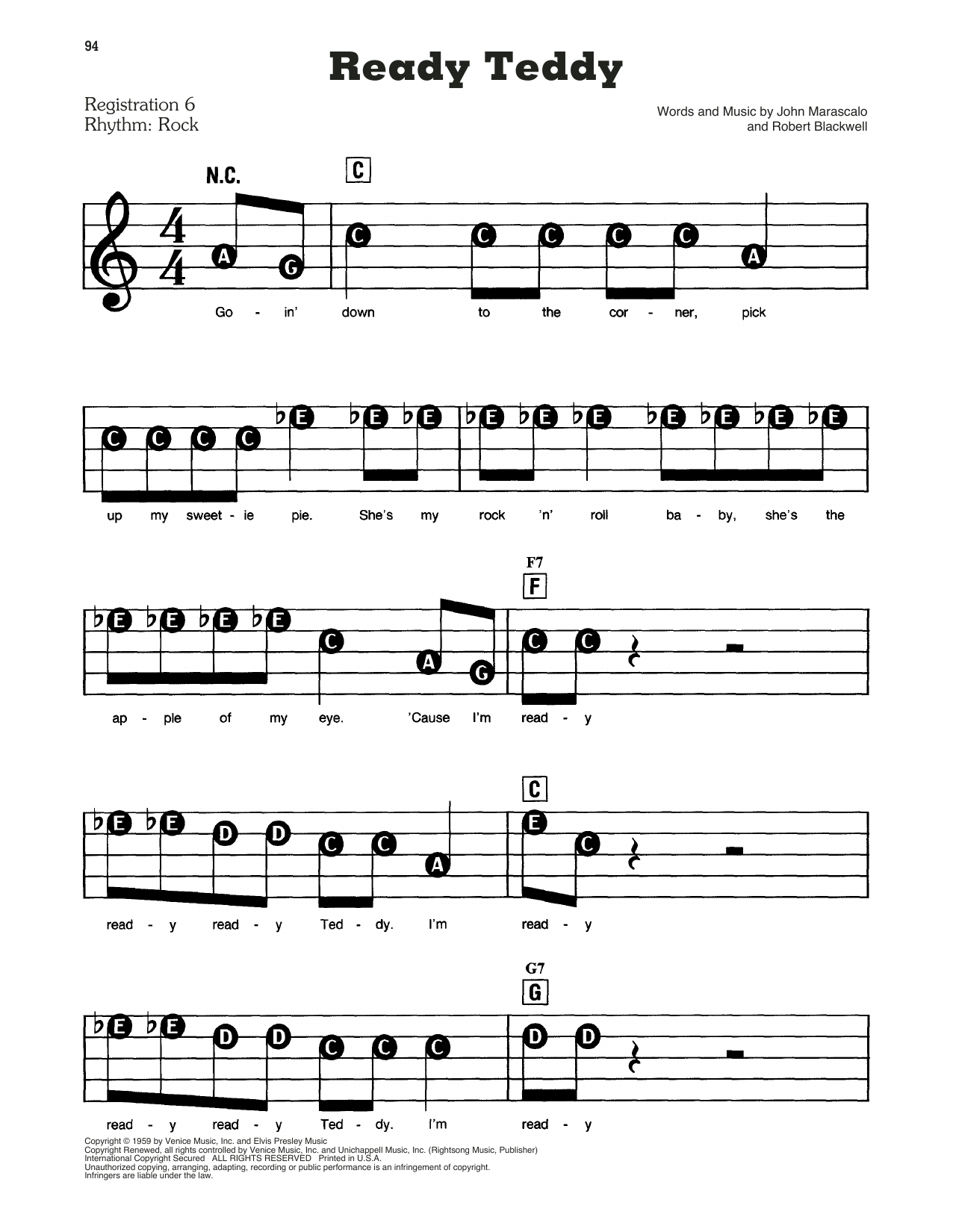
Elvis Presley fundamentally changed what popular music could be. His command of rhythm and phrasing came from deep roots in gospel, country, and blues; he synthesized these traditions into something electrifying that dominated the 1950s and beyond. For music educators, Elvis represents a pivotal moment when popular song became worthy of serious study, his vocal control and interpretive choices offering lessons in style, taste, and emotional communication.
Little Richard (Richard Wayne Penniman) pioneered the wild energy and genre-blending spirit that became rock and roll. His piano playing was percussive and rhythmically inventive; his vocal approach combined gospel fervor with unbridled joy. Both artists shaped how subsequent generations understood rhythm, phrasing, and the expressive potential of popular song.