
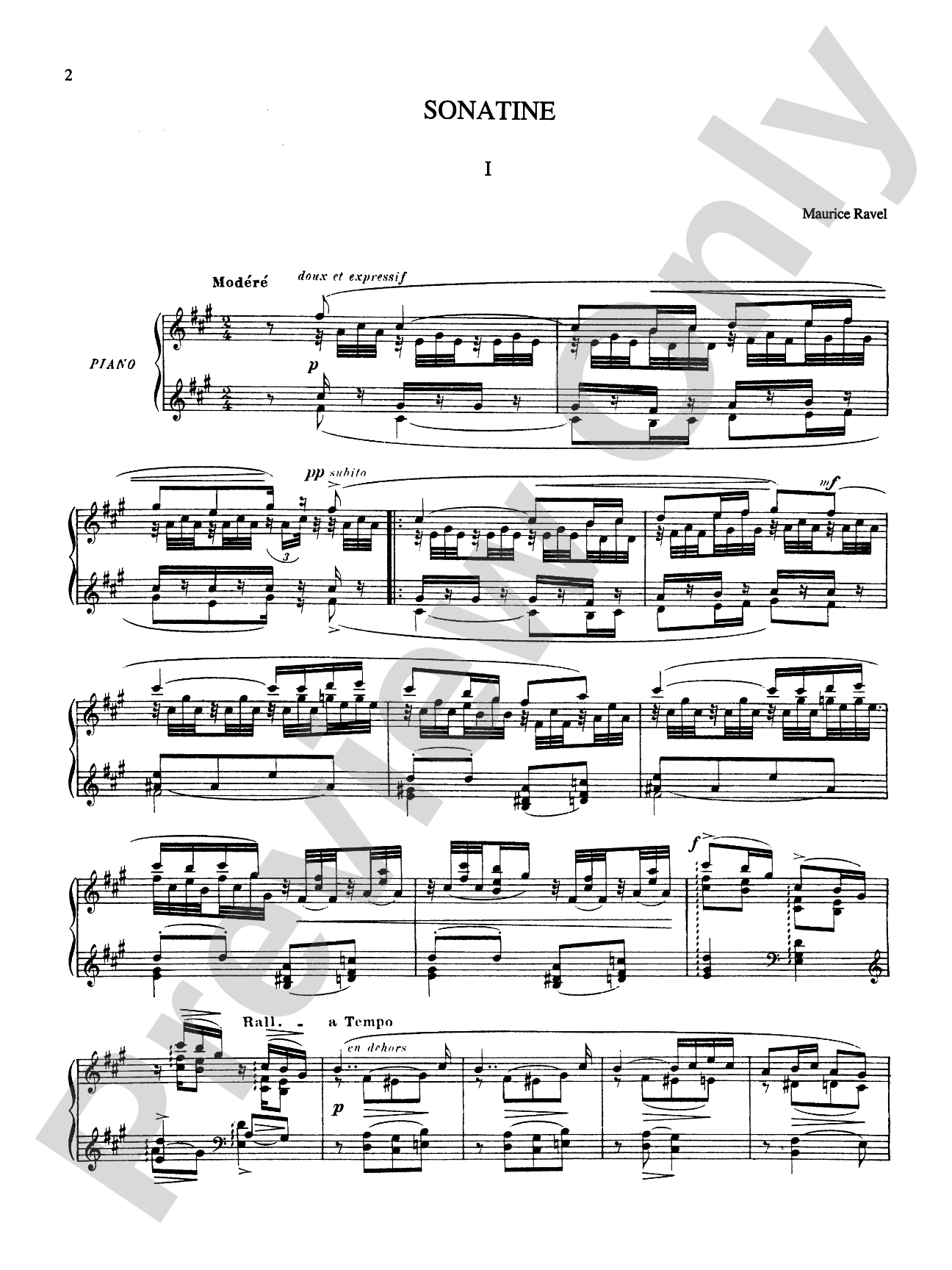
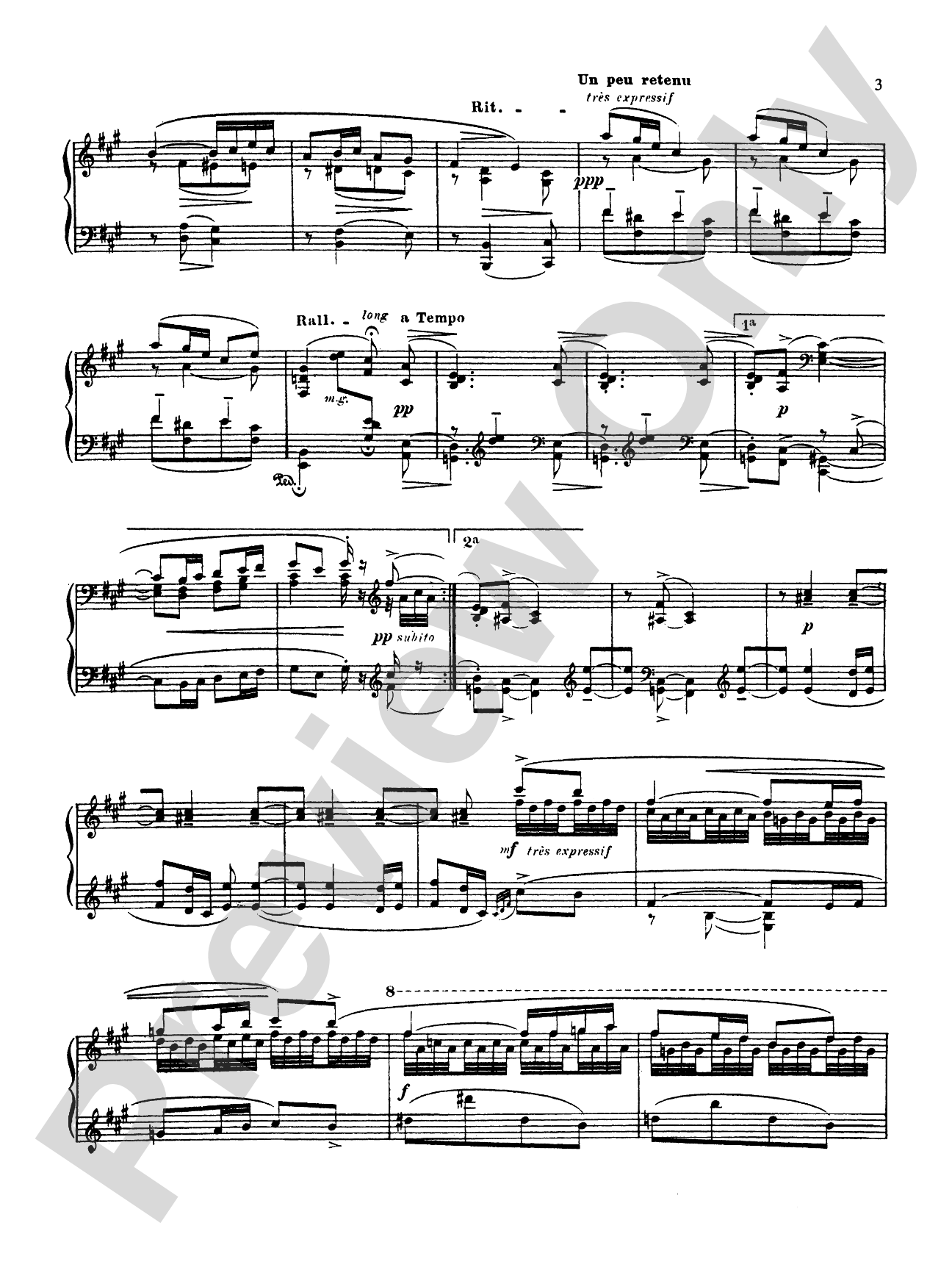
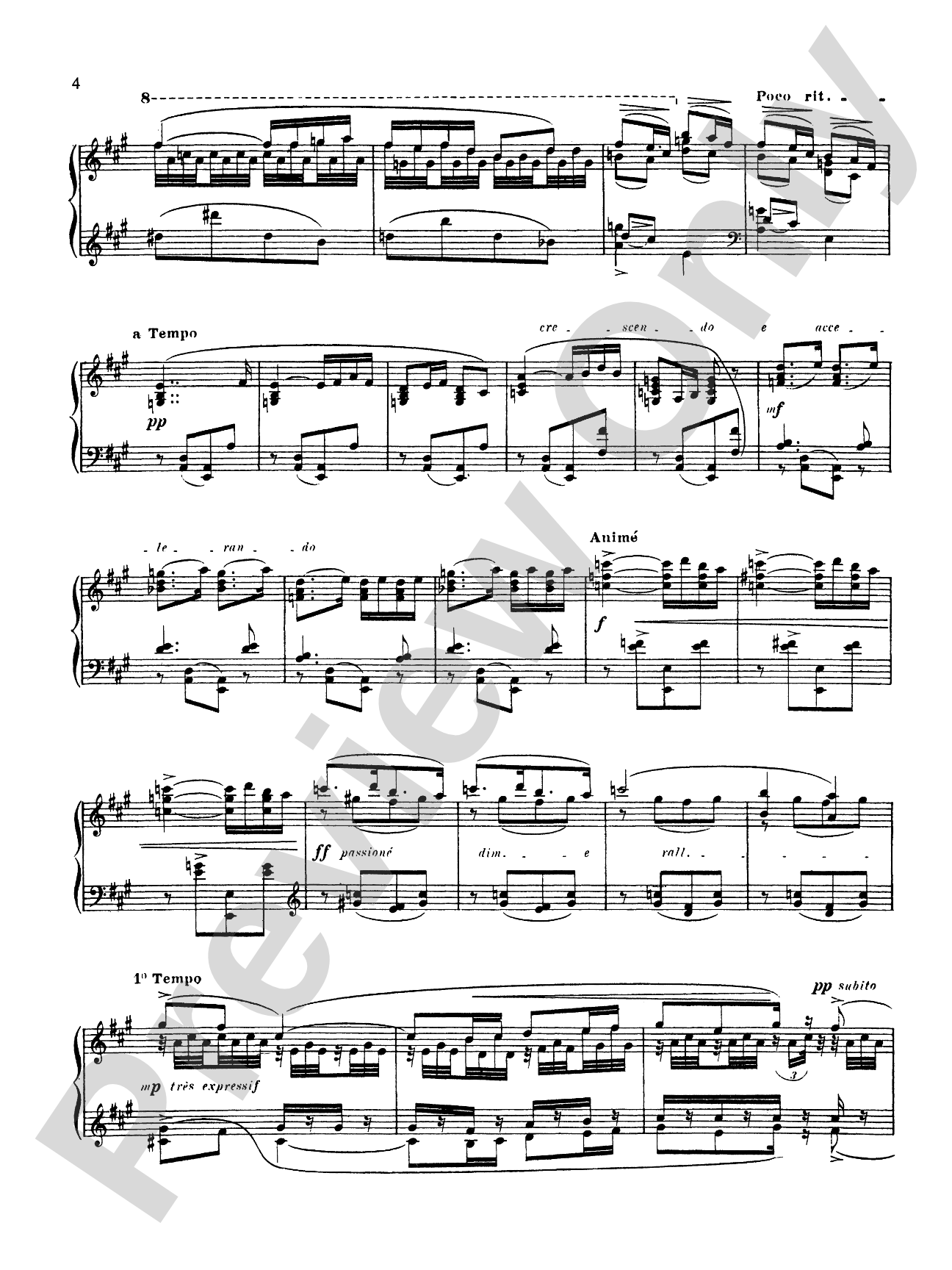
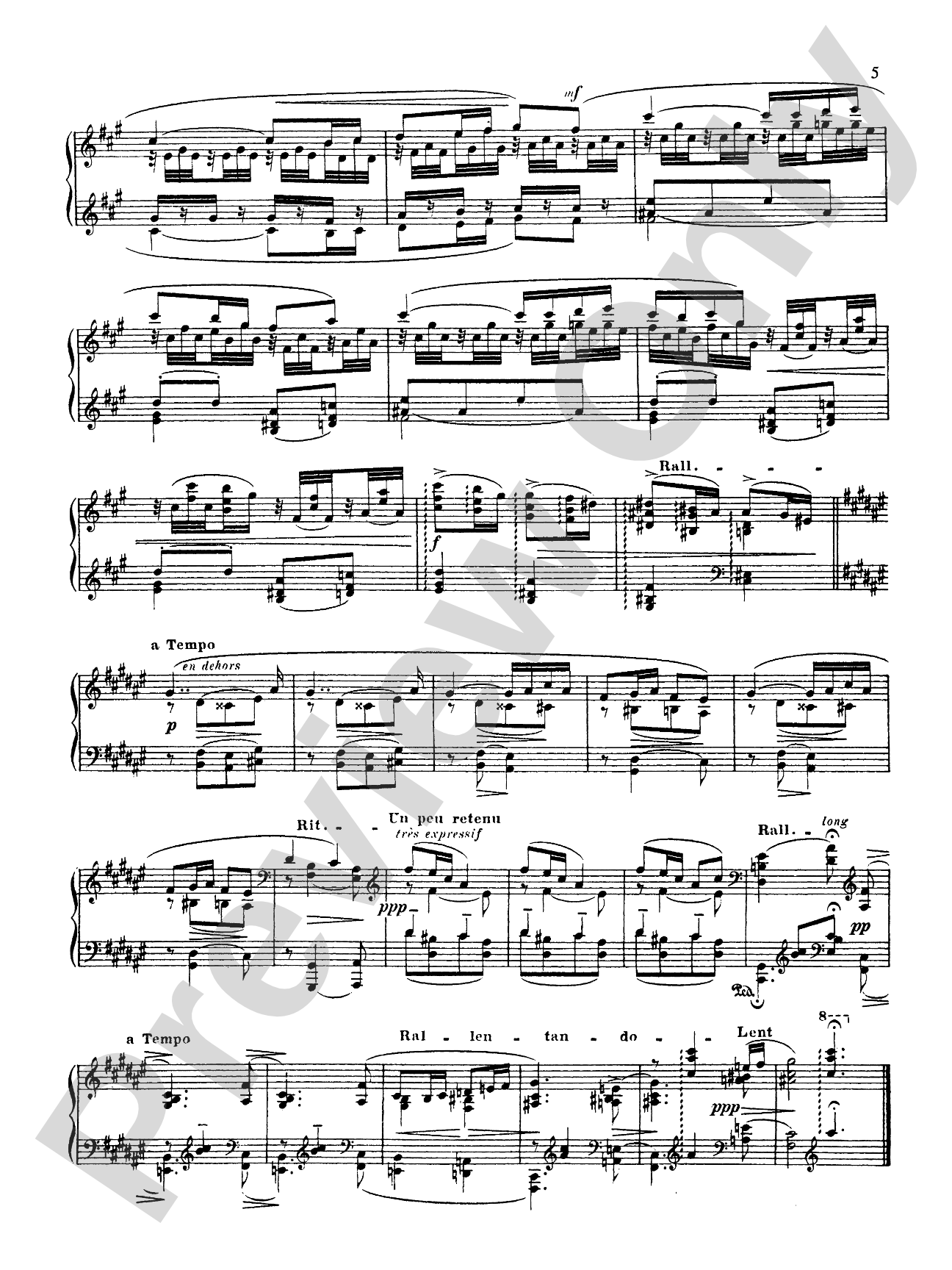
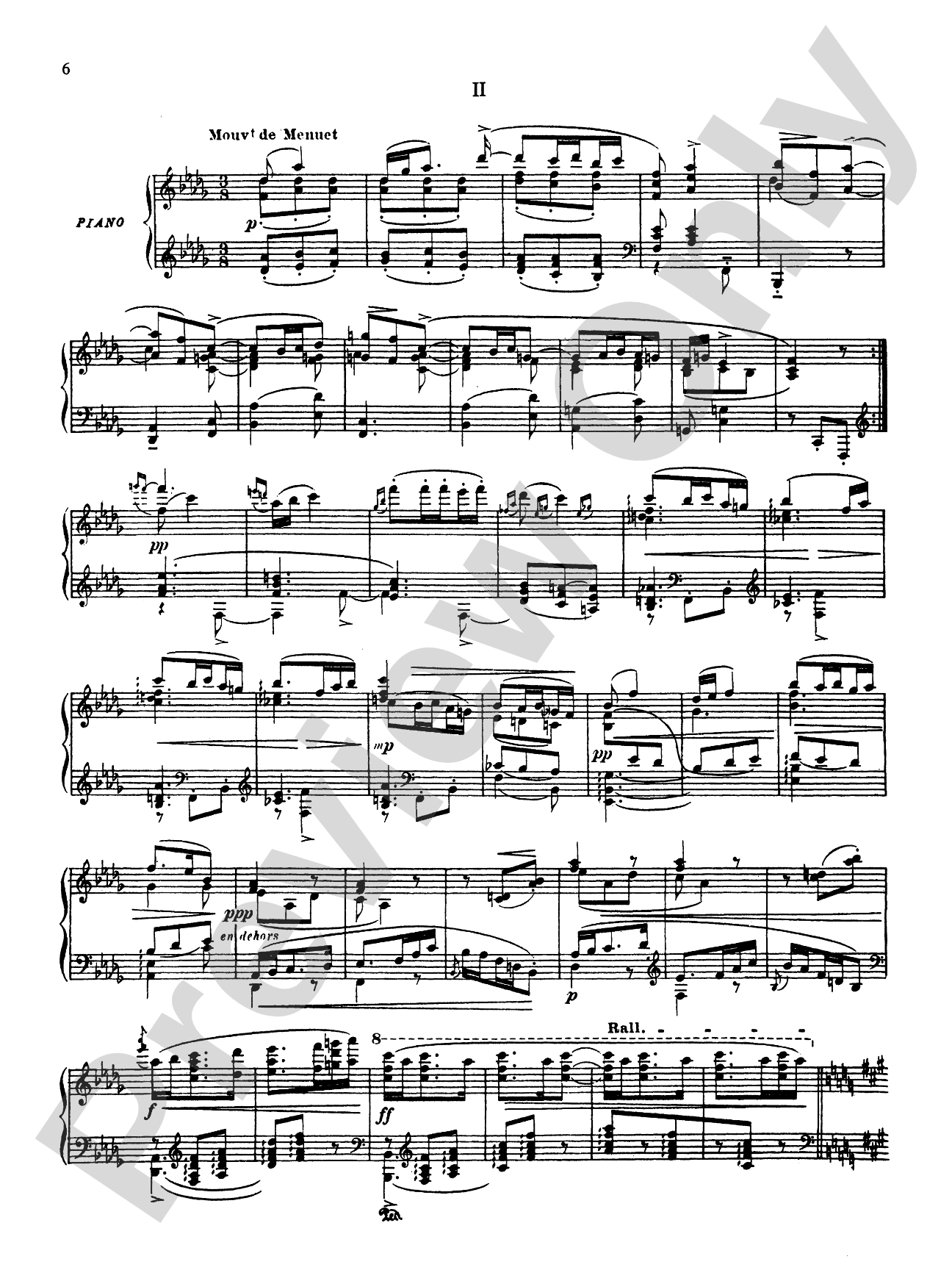
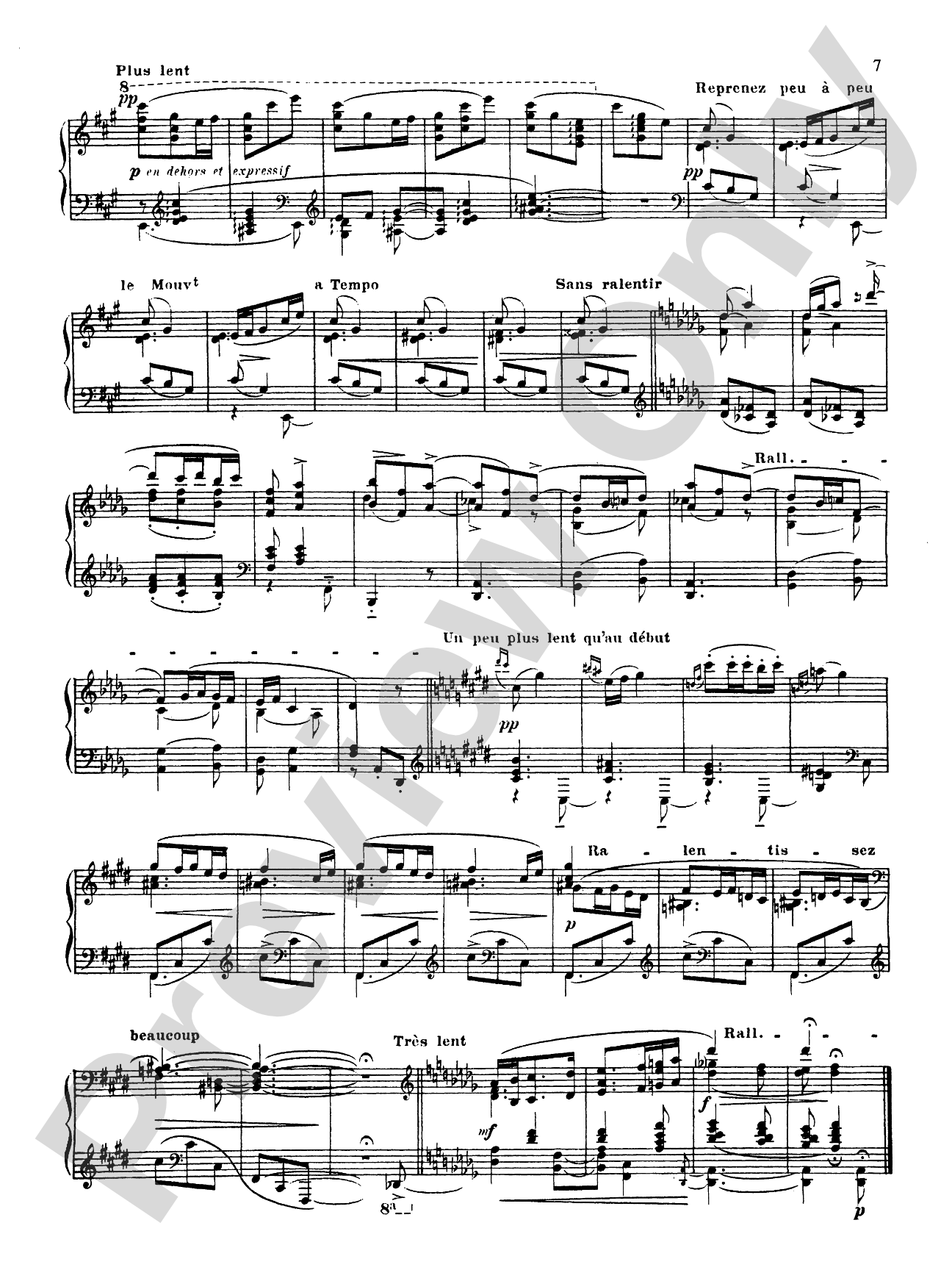
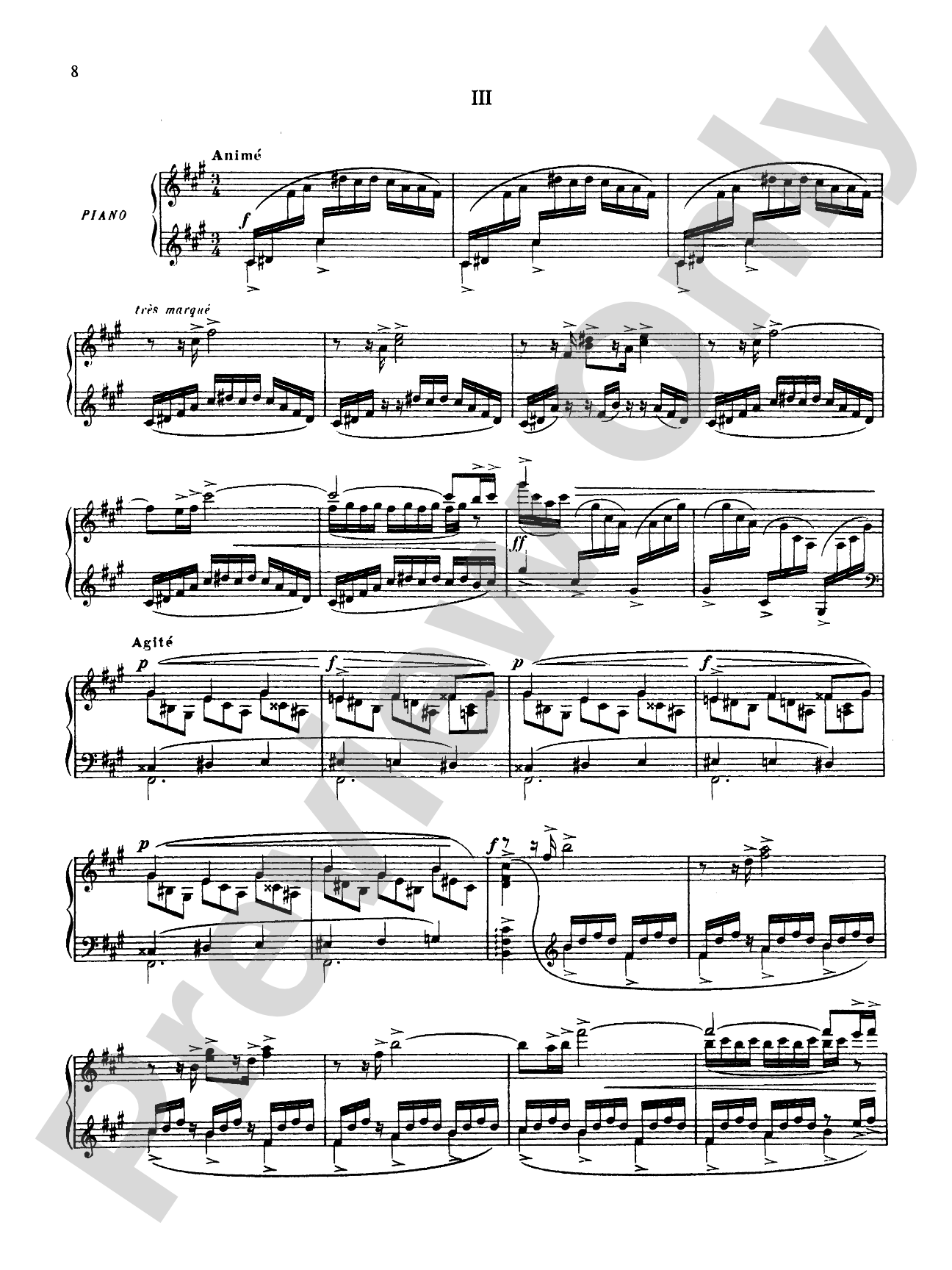
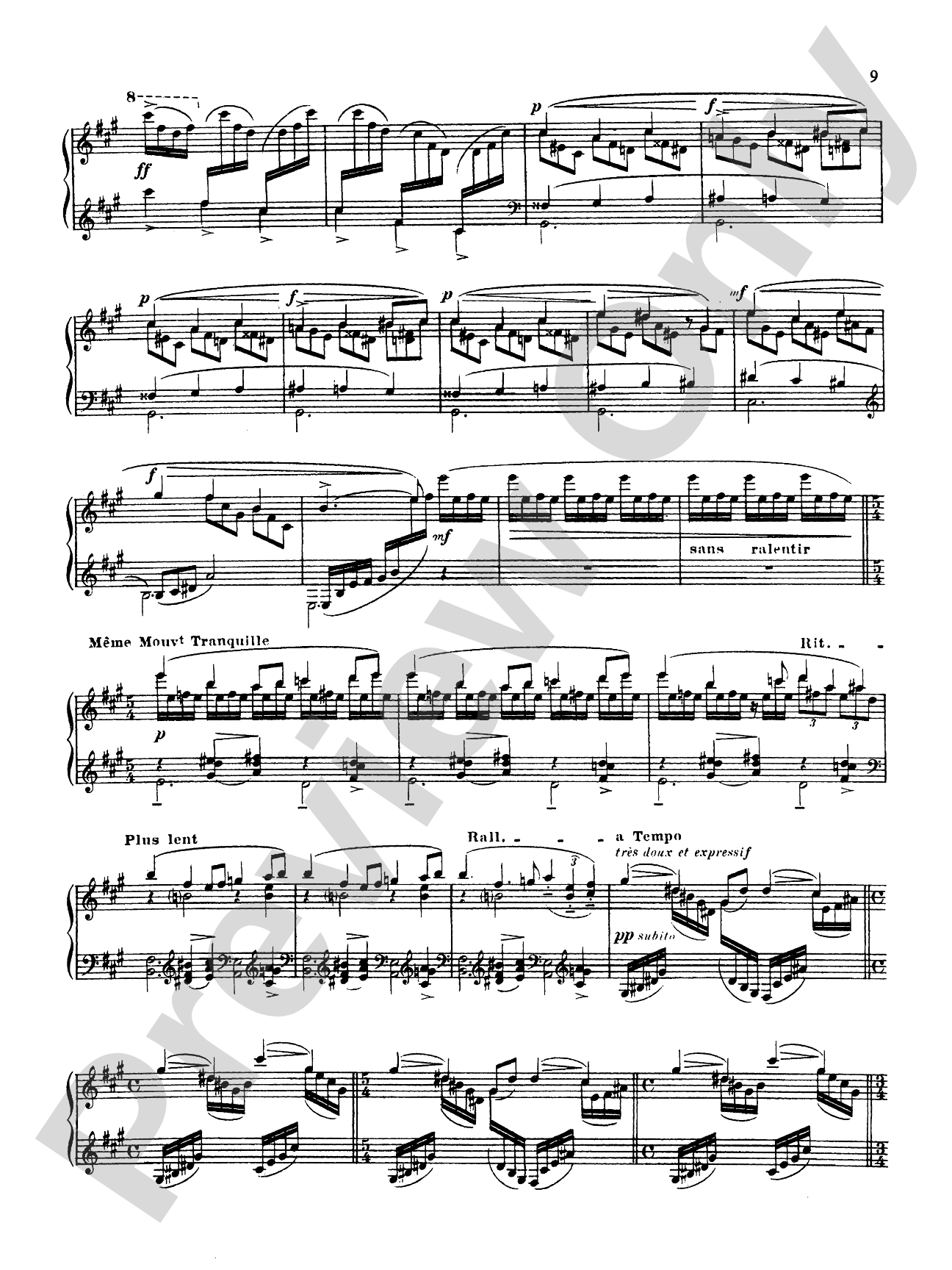
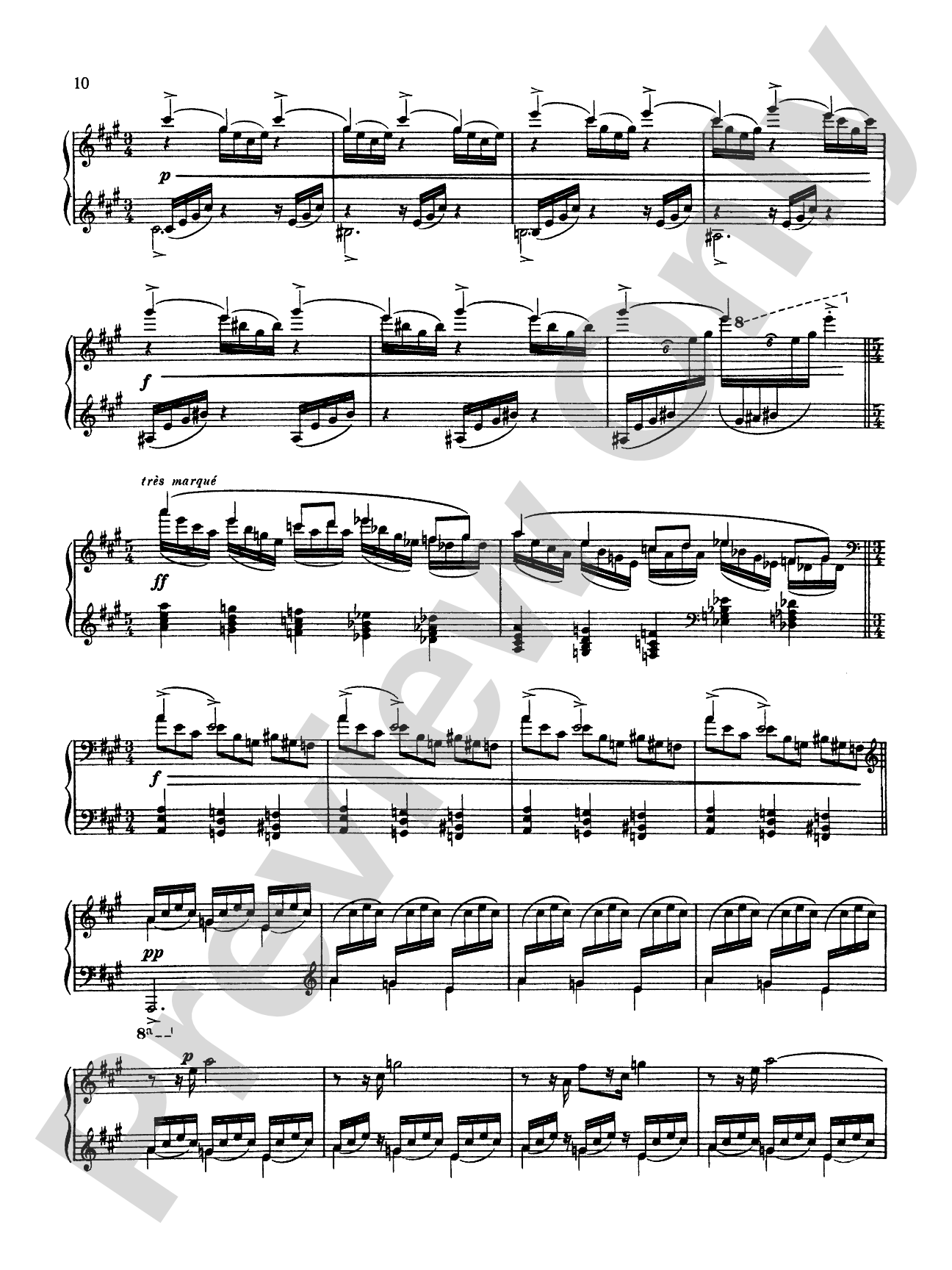
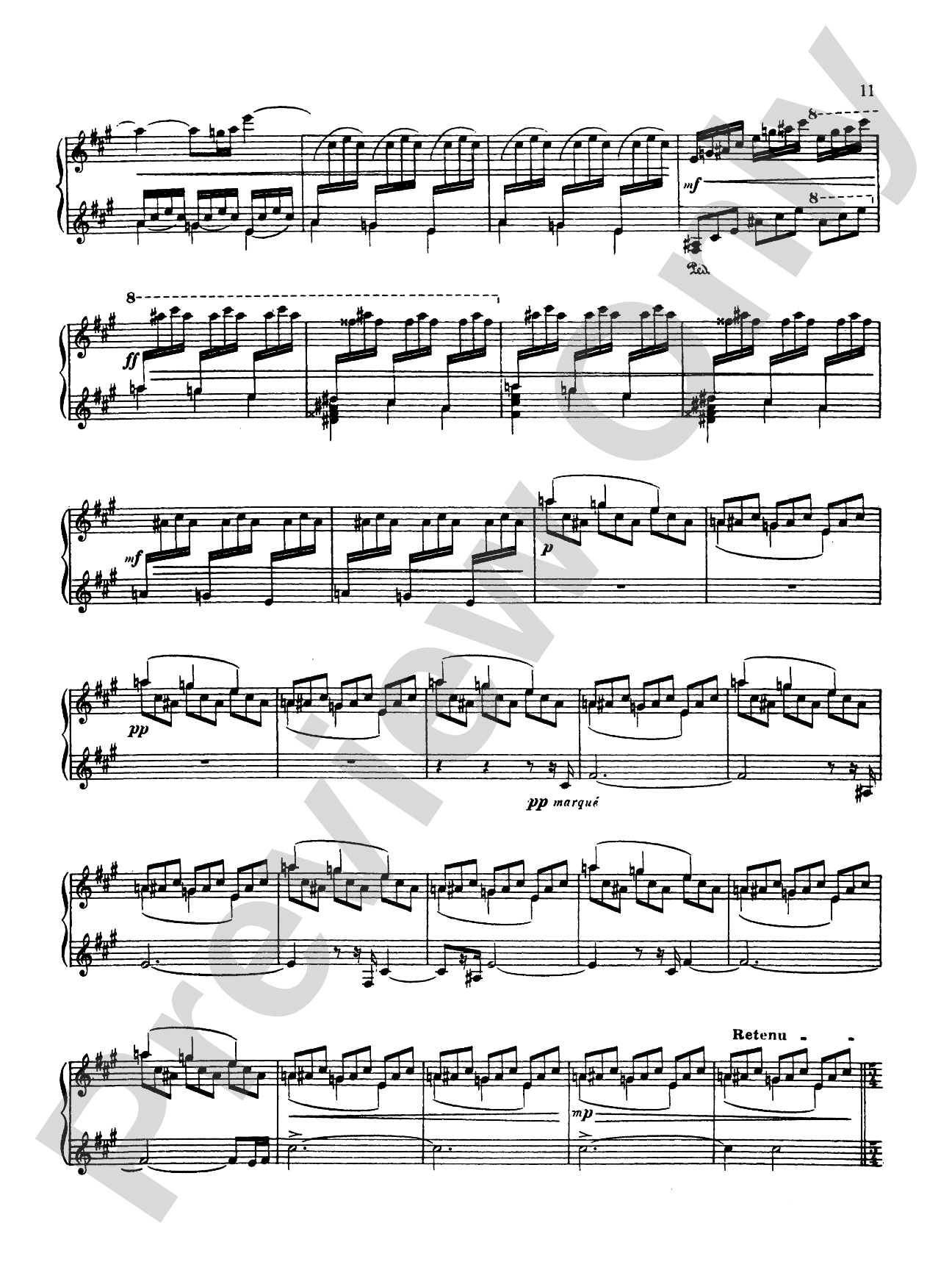
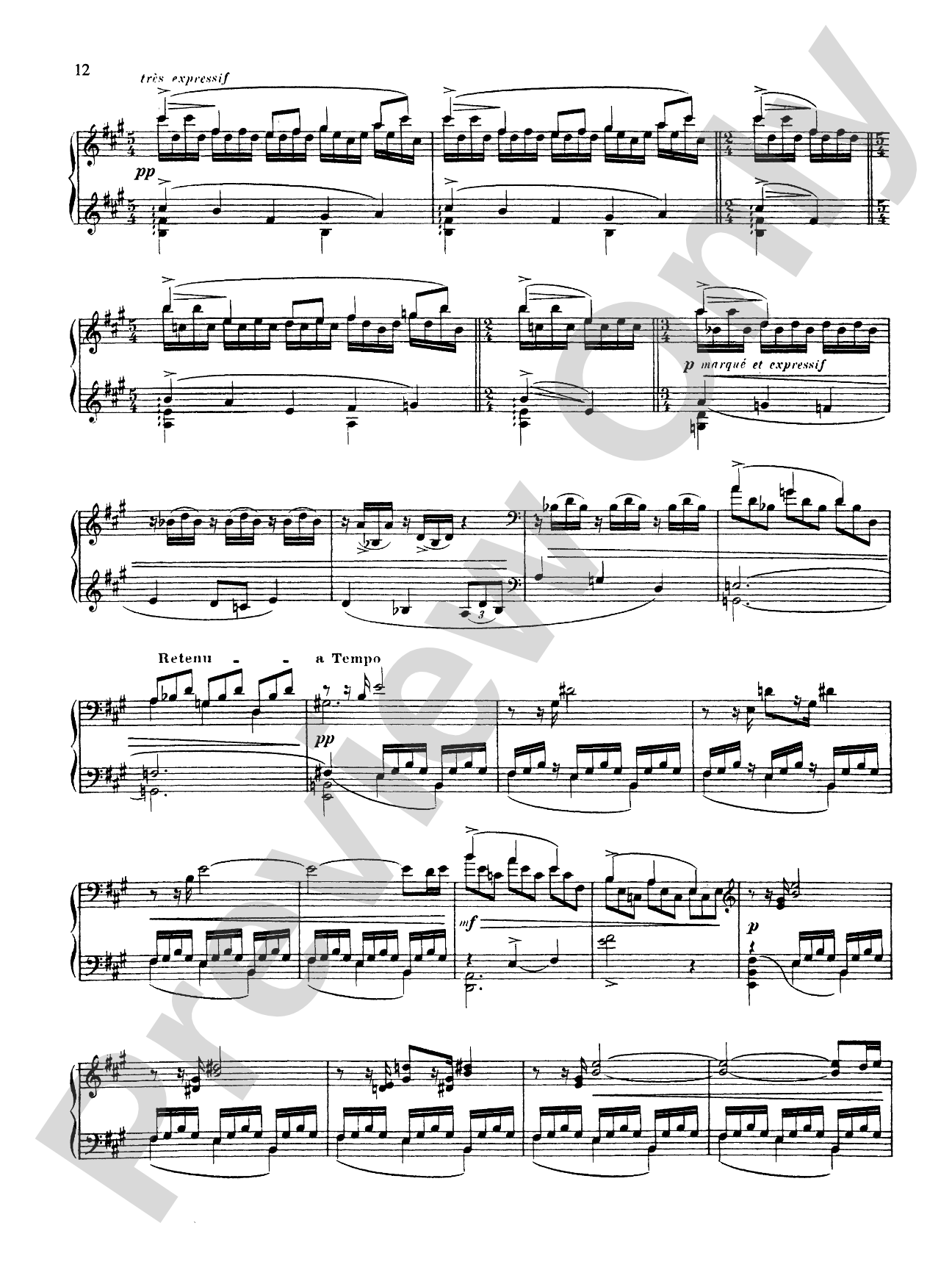
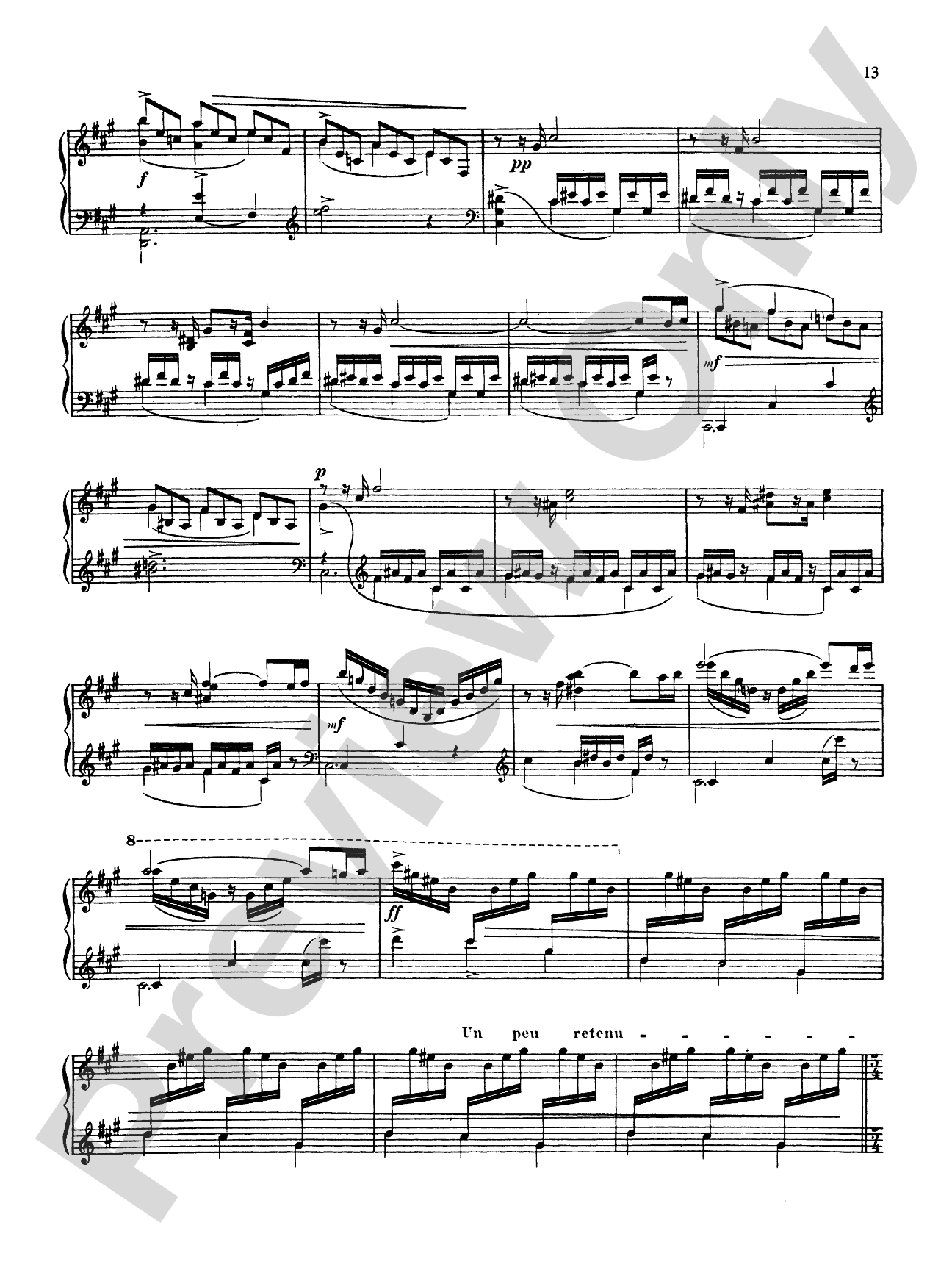
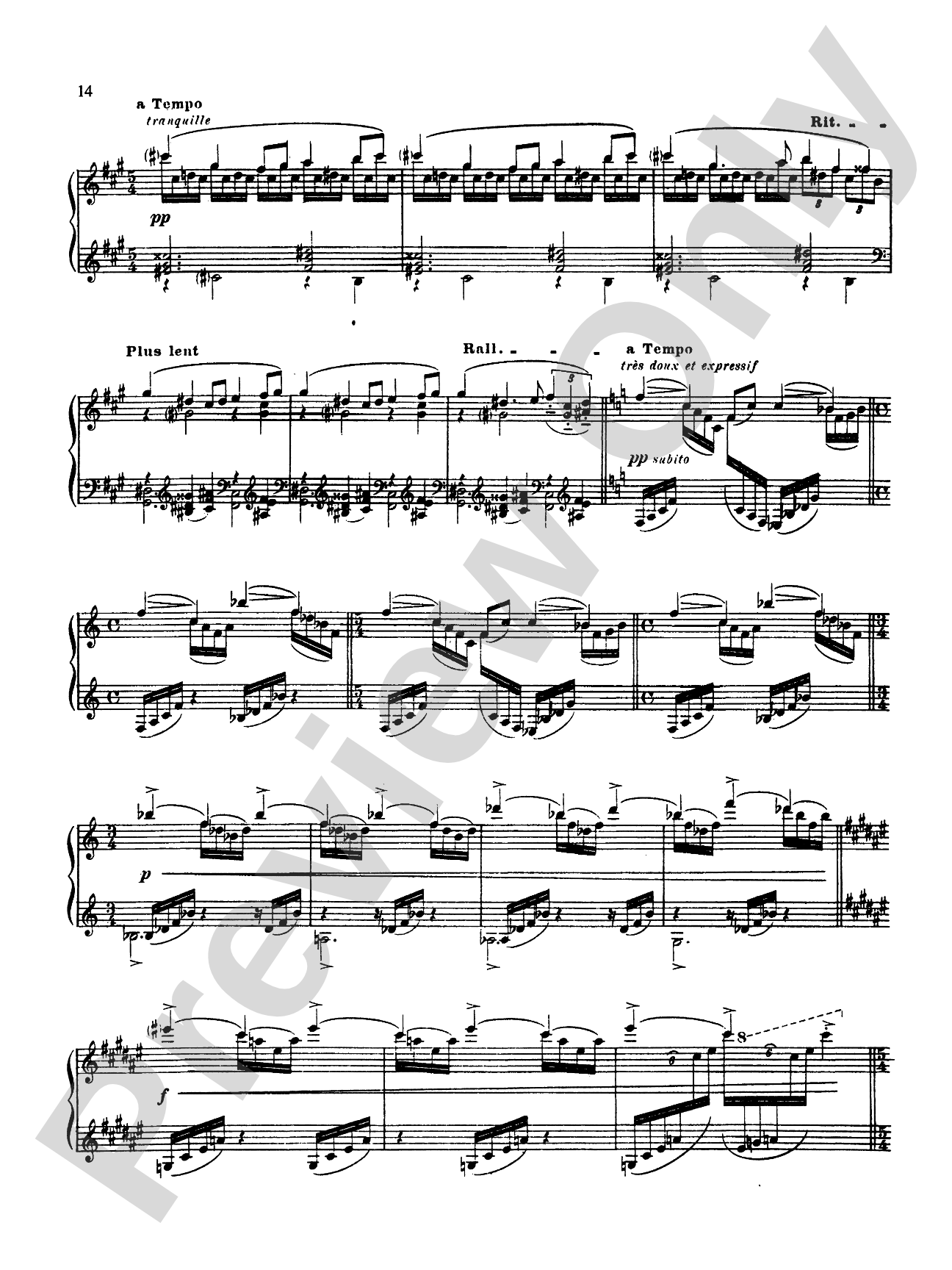
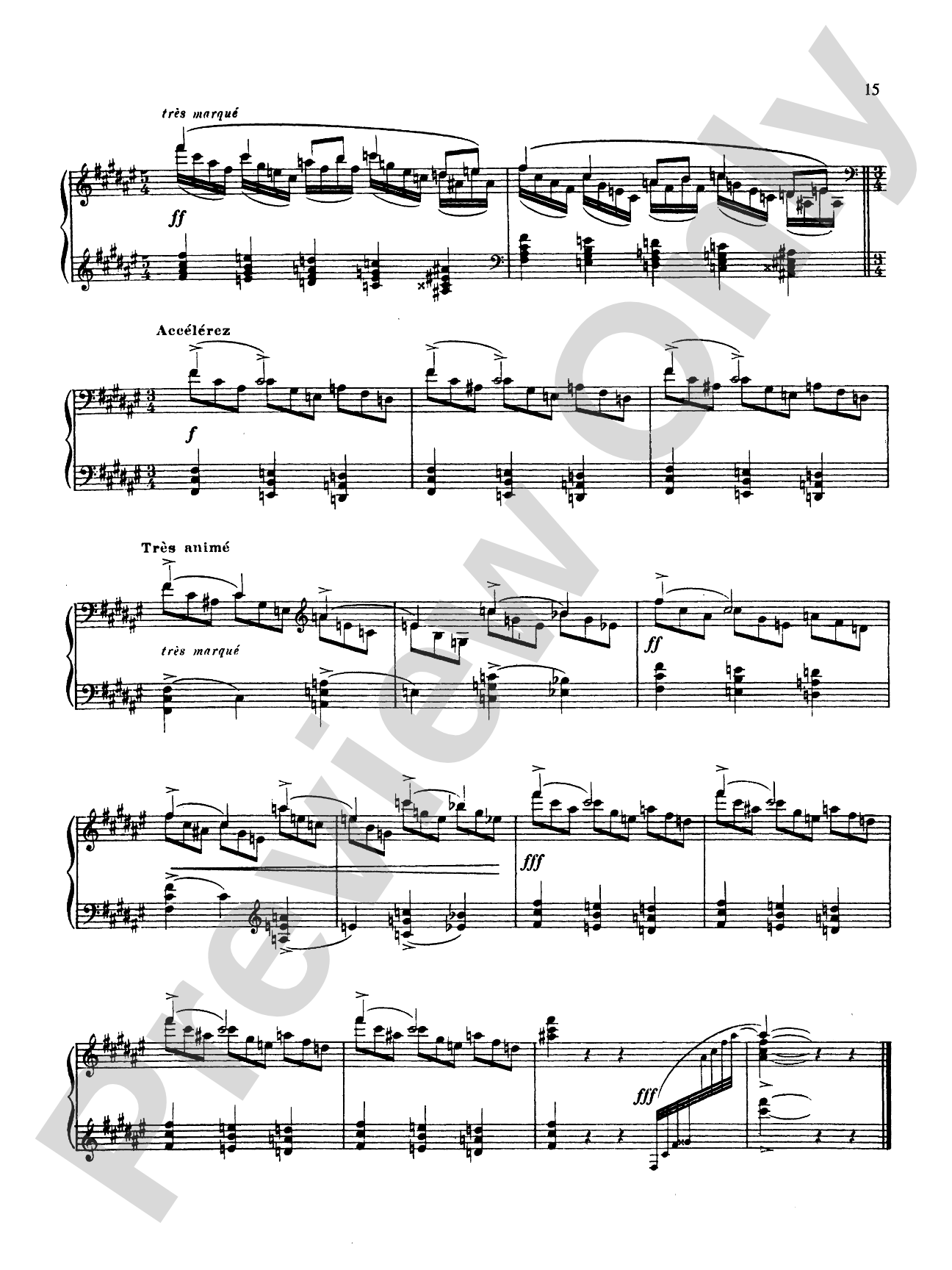


Ravel: Sonatina: Piano
By Maurice Ravel
Level: Intermediate / Advanced
Item: 00-PK-0003296

$8.99
Pickup currently not available
Parts Added to Cart!
Related Items
Sonatina: Piano |
$8.95
|
View |
Description


Don't just read it, hear it, play along with it, and watch your students grow with it. In MakeMusic Cloud, Ravel: Sonatina: Piano comes alive with professional accompaniment, adjustable tempo, and built-in practice tools that turn solo practice into real progress.
Open in the Player
Jump straight in and assign it today.
Start Your Free Trial
Open this title and explore the full library in minutes.
Sample Audio
No sample audio found.
Sample Video
No sample videos found.
Additional Details
Series:
Kalmus Edition
Publisher:
Alfred Music
Page Count:
16
SKU:
00-PK-0003296
More about this title
About the Composer: Maurice Ravel
Maurice Ravel (1875, 1937) stands among the most meticulous orchestrators and pianists of the twentieth century. His compositional approach combined classical formal clarity with impressionistic color and harmonic innovation, placing him at a unique intersection in early modernism that influenced generations of composers who followed.
Why we love this
The Sonatina distills Ravel's formal mastery into a work that rewards deep study without requiring massive technical display. Its three movements each present distinct musical landscapes, lyrical, rhythmically inventive, and architecturally satisfying, making it an ideal anchor for a recital or a pivotal teaching moment in a student's development.
What to expect
Delicate and luminous, the Sonatina captures an impressionistic aesthetic through crystalline textures and shimmering harmonies. Each movement reveals a different facet: the opening suggests a graceful dance, the middle section deepens into introspection, and the finale sparkles with transparent virtuosity and charm.
Who it's for
Intermediate to advanced pianists seeking substantial solo repertoire that challenges both technique and musicianship. This work appeals to students ready to engage with twentieth-century harmonic language and to performers building recital programs with modern masterworks.
How to get the most out of it
- Attend to the layered textures in each movement. Ravel's writing often asks for simultaneous melodic lines in different registers; ensure each voice emerges clearly without sacrificing the overall harmonic bloom.
- Shape phrases through color rather than tempo fluctuation. This music responds beautifully to subtle shifts in tone quality and voicing, which can accomplish far more musically than traditional rubato.
- Balance virtuosic passages with the intimate character of the slower sections. The technical writing should always serve the impressionistic atmosphere, never overshadow it.
- Explore the pedal possibilities carefully. Ravel's harmonic language benefits from judicious pedaling, but clarity is paramount; experiment with partial pedal and strategic changes to maintain definition.
How to use it
Position this as a recital centerpiece in a program pairing Ravel with earlier Romantic or Classical repertoire, or group it with other early twentieth-century French piano works. Its moderate length and moderate technical demands make it an excellent choice for student recitals or competitions at the intermediate-advanced level.
Skills your students will build
- Voice independence and transparency in multi-layered textures
- Impressionistic harmonic language and altered chord voicings
- Pedal technique for harmonic color without sacrificing clarity
- Interpretation of twentieth-century notation and articulation marks
- Balancing lyrical phrasing with French elegance and restraint
- Technical facility in the finale's scalar and arpeggiatic passages