
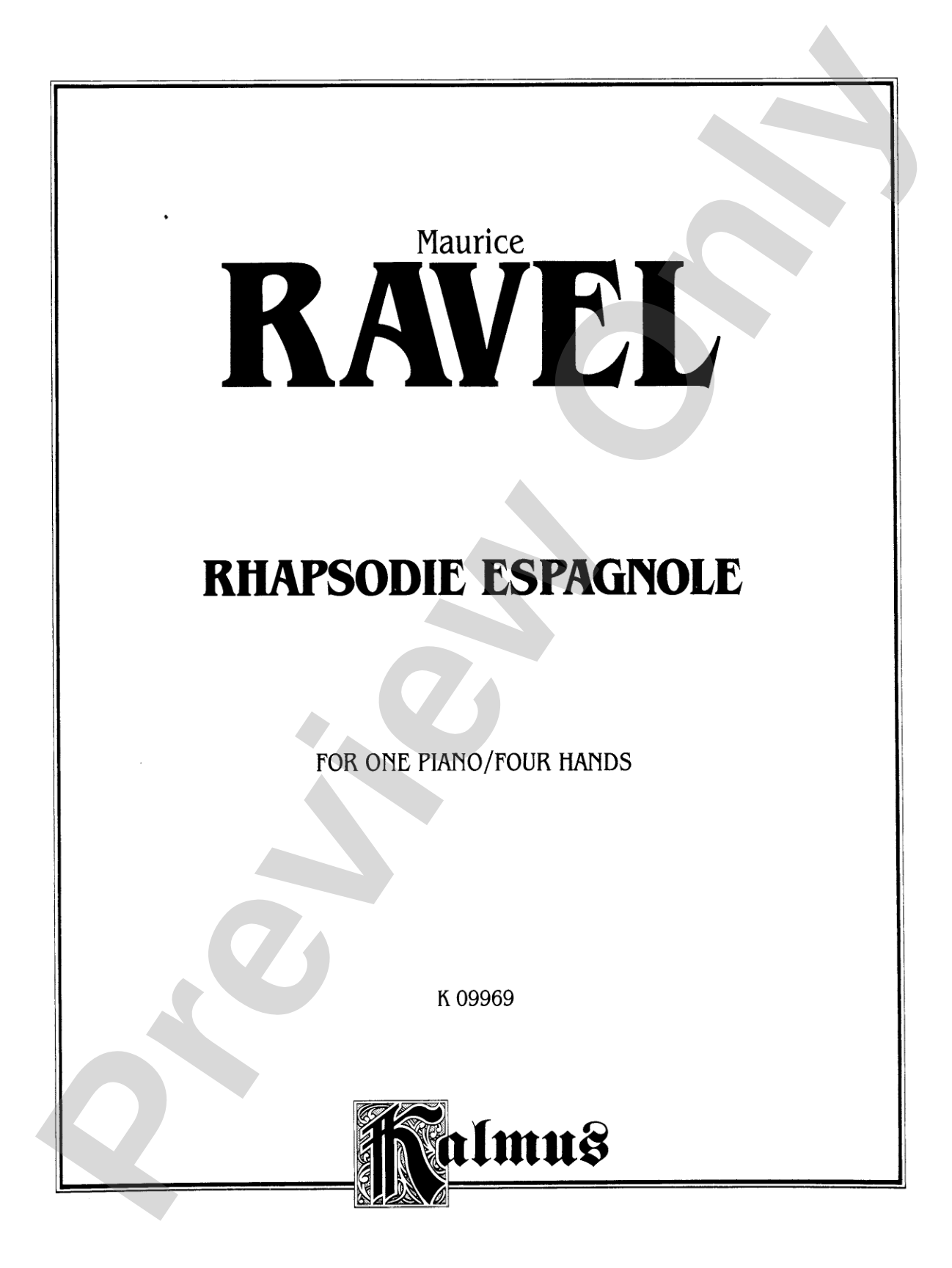

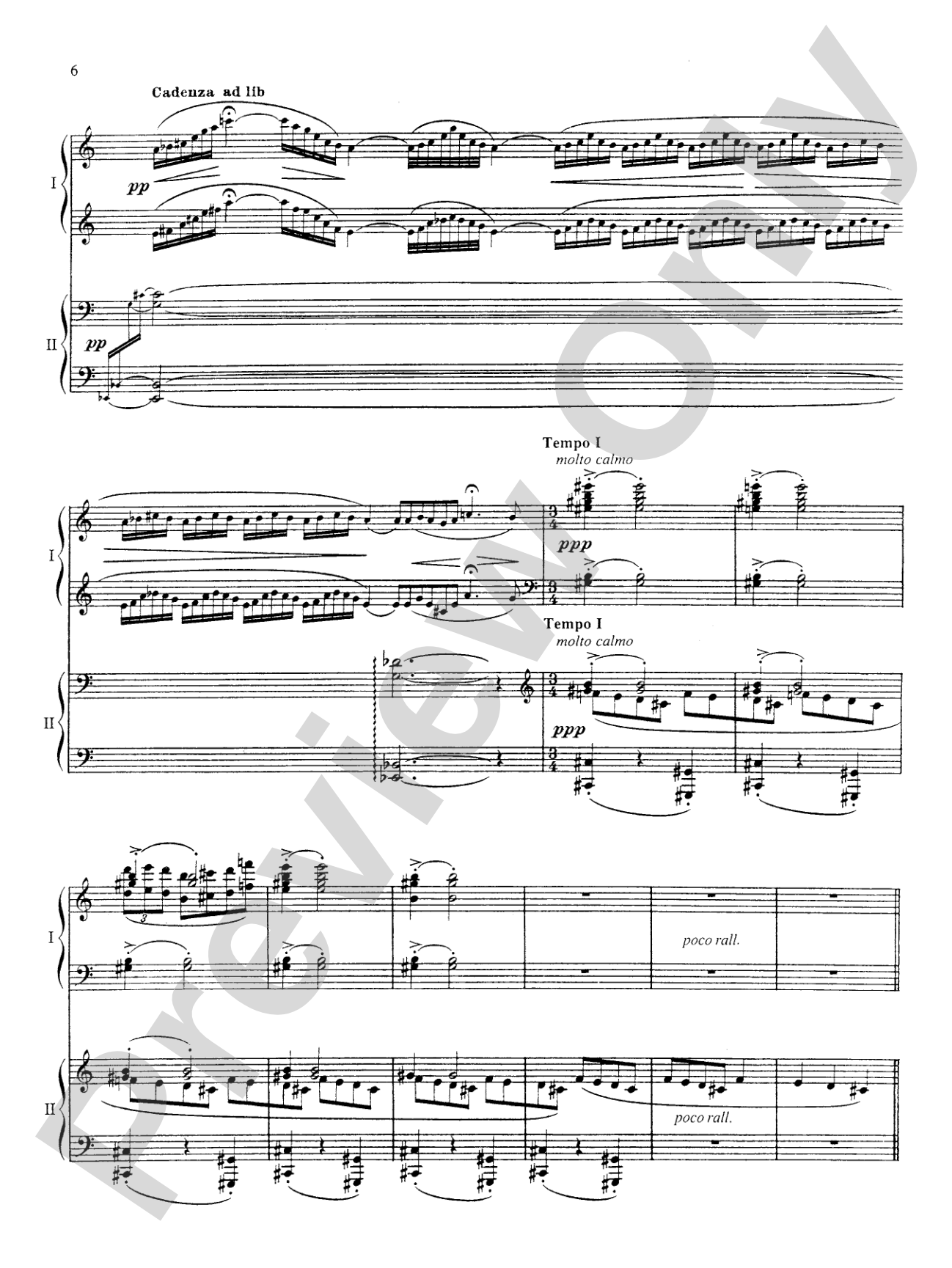
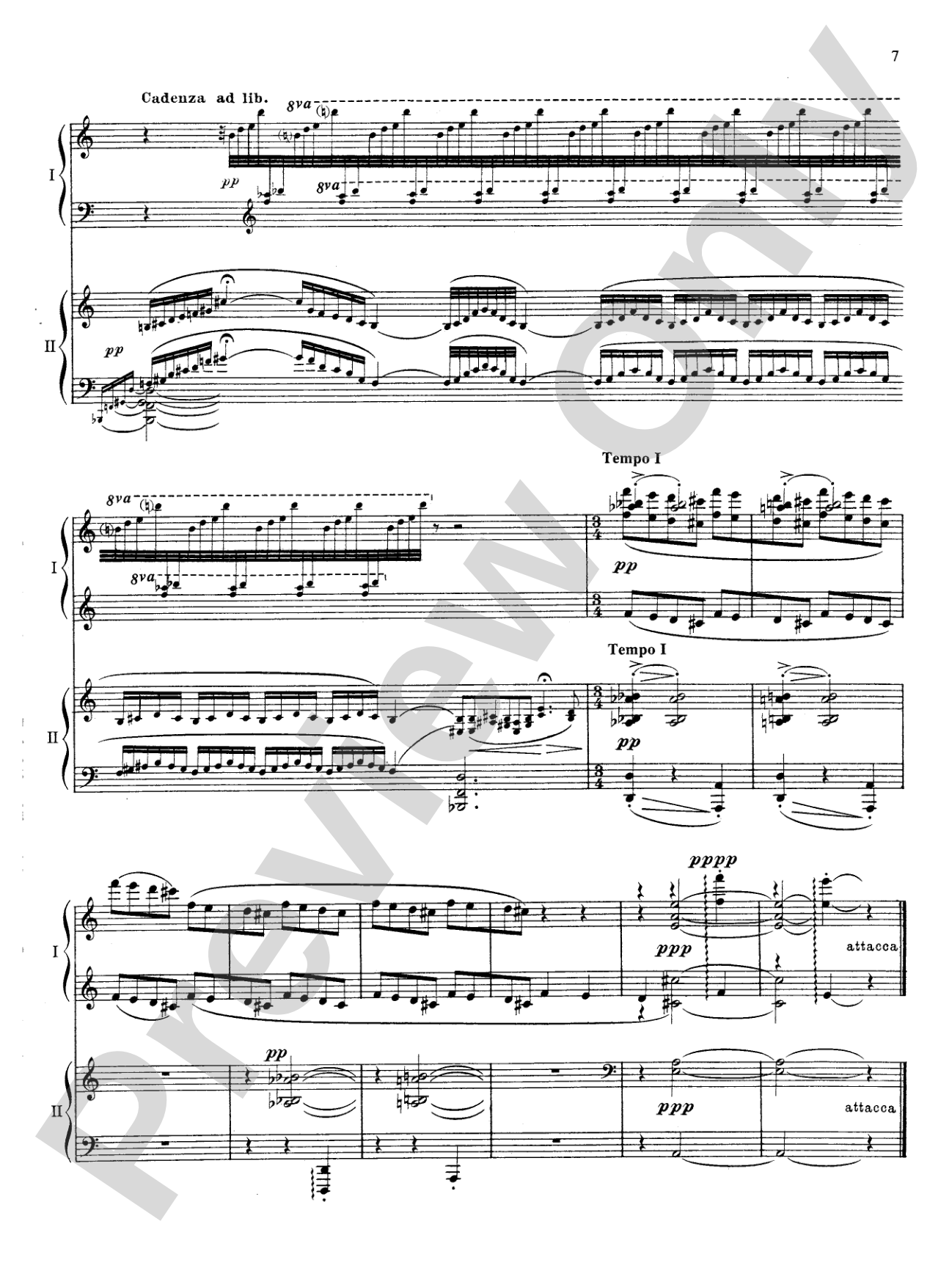
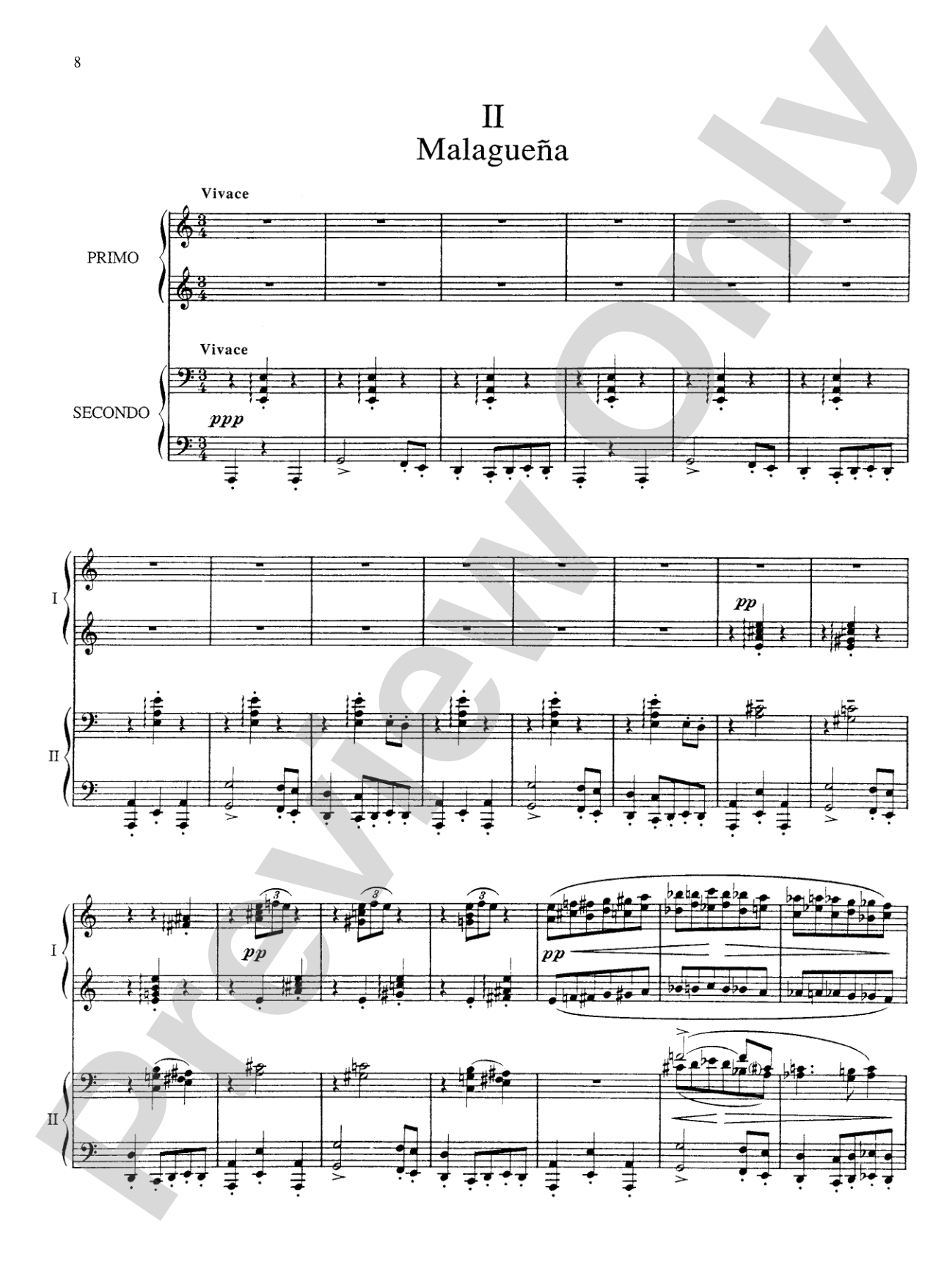
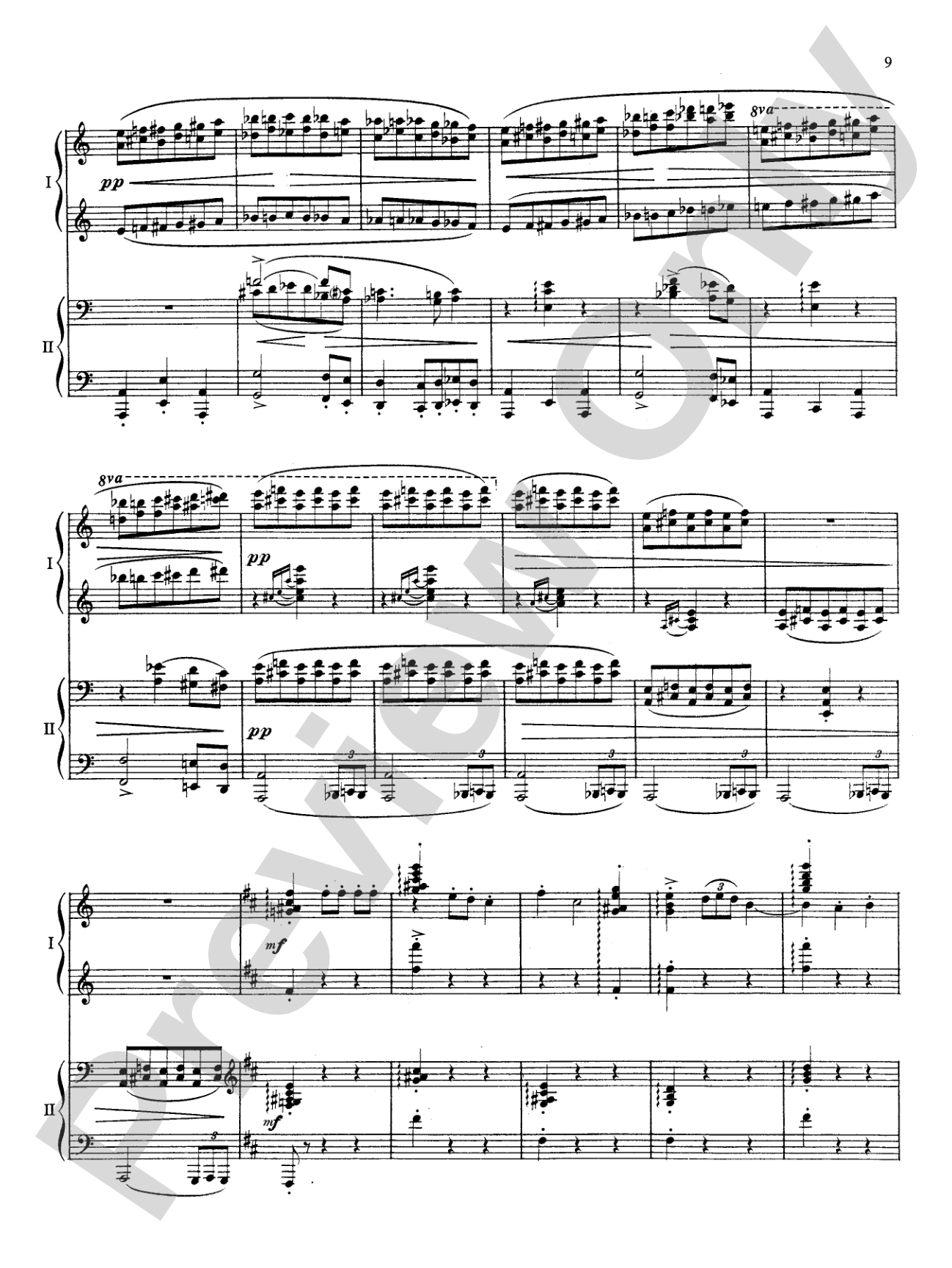
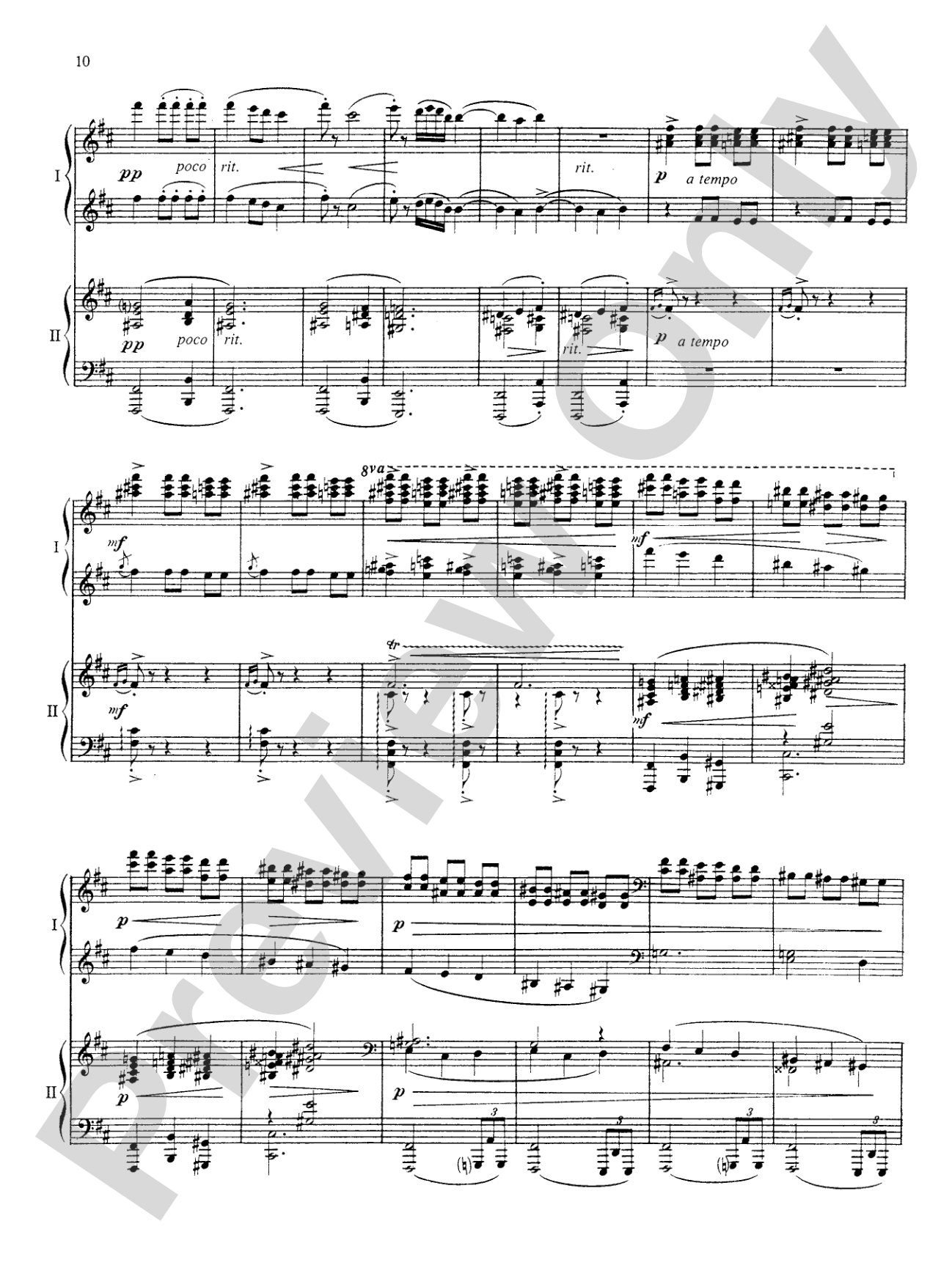
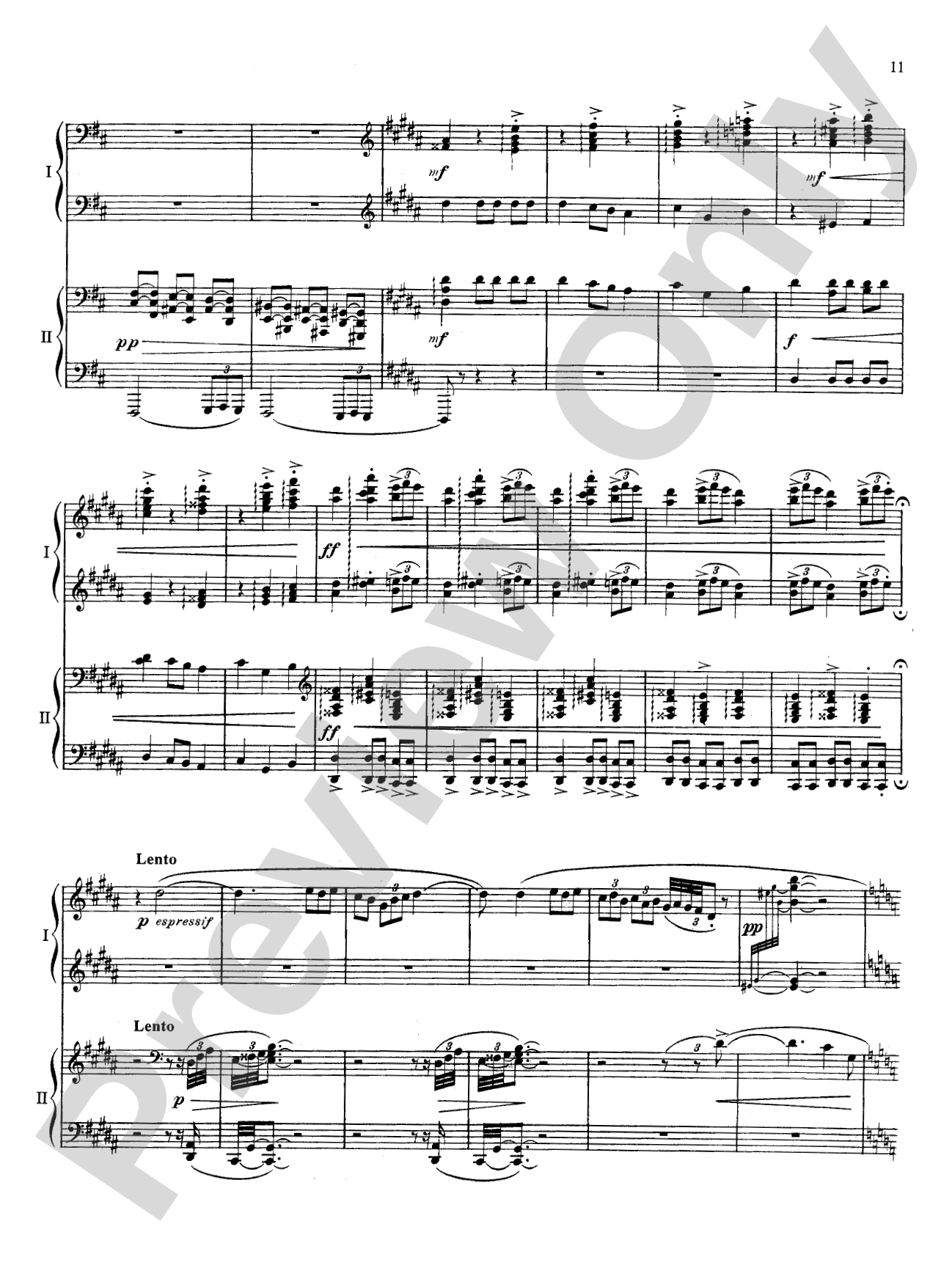
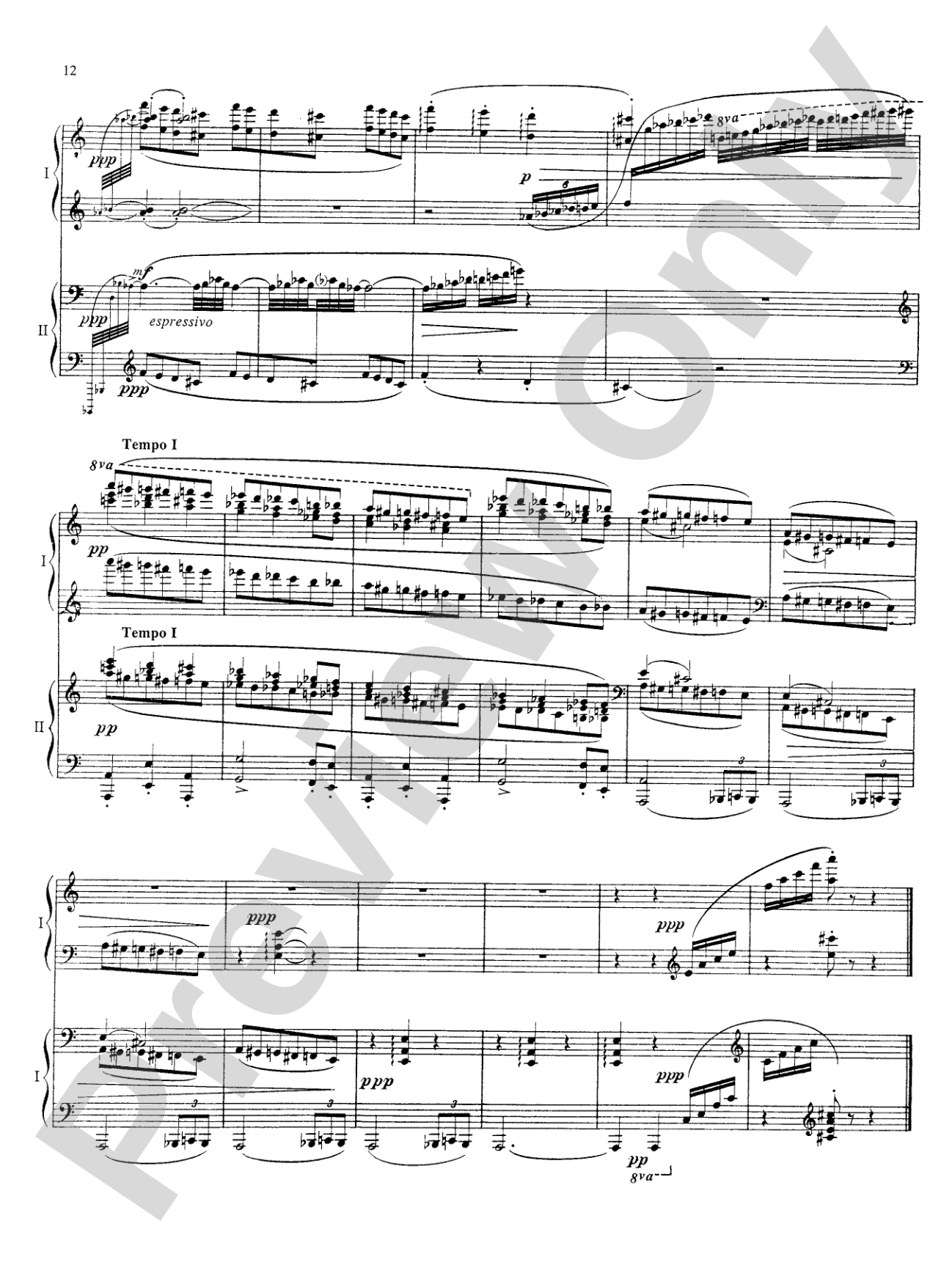
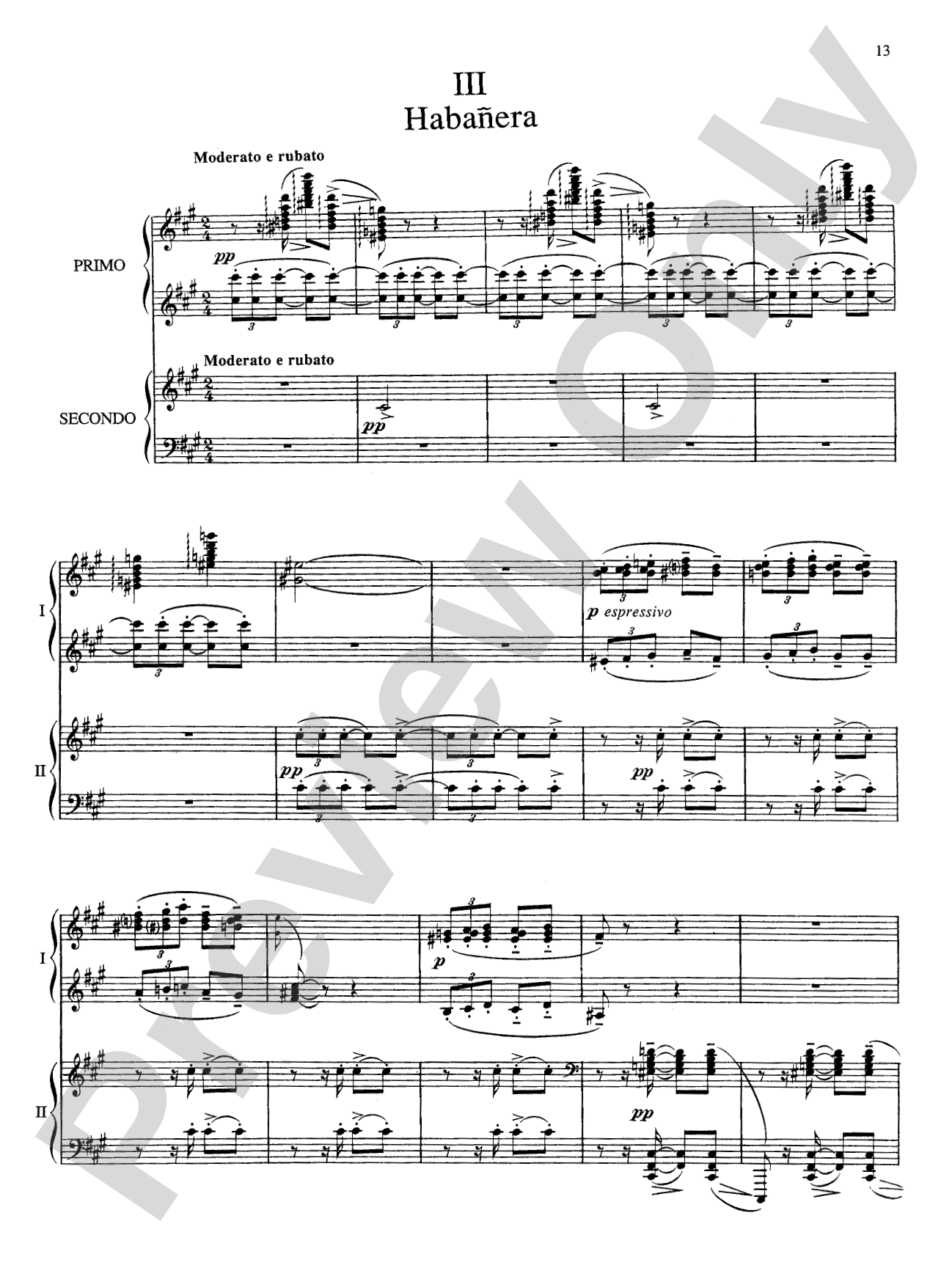
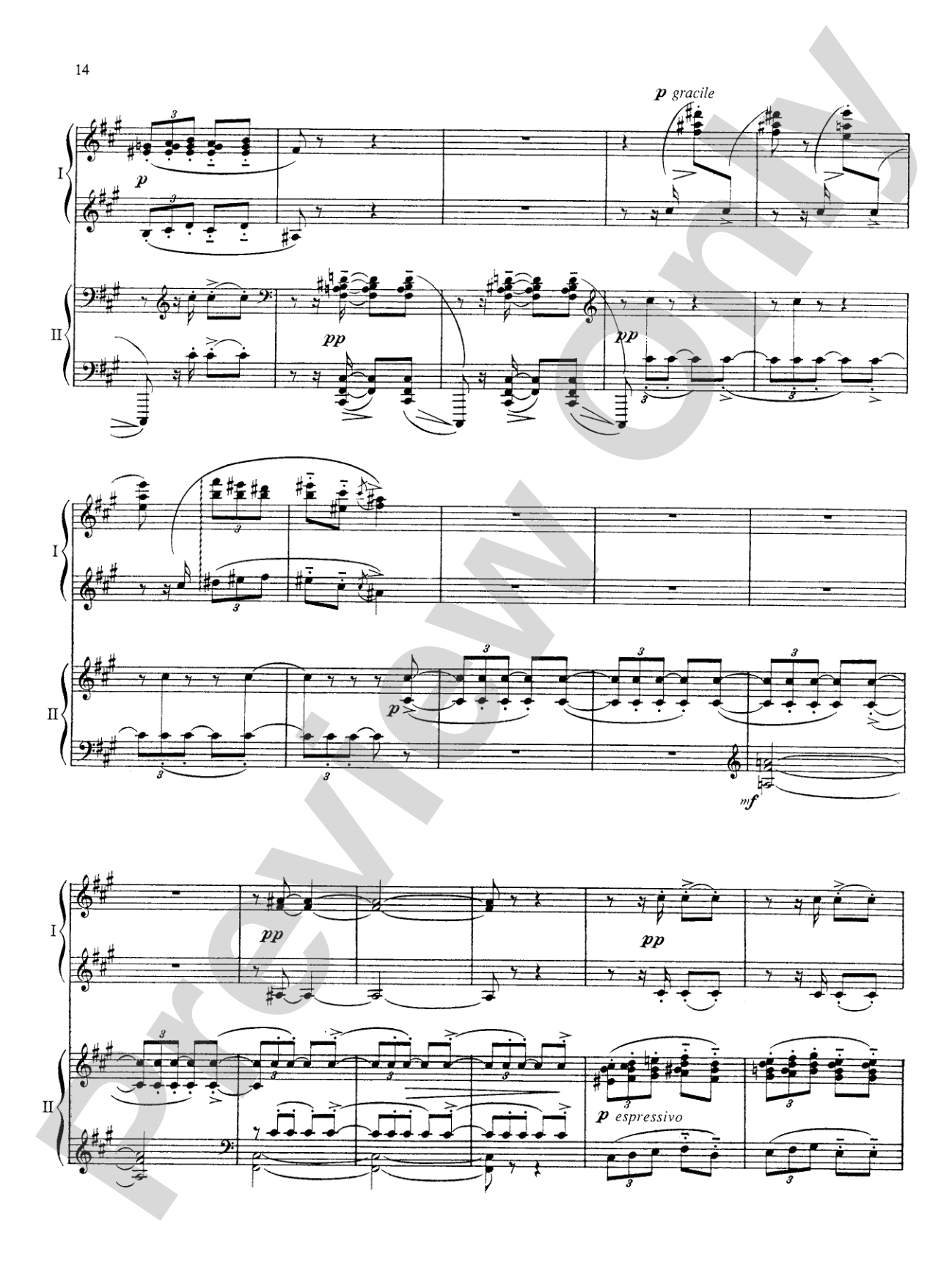
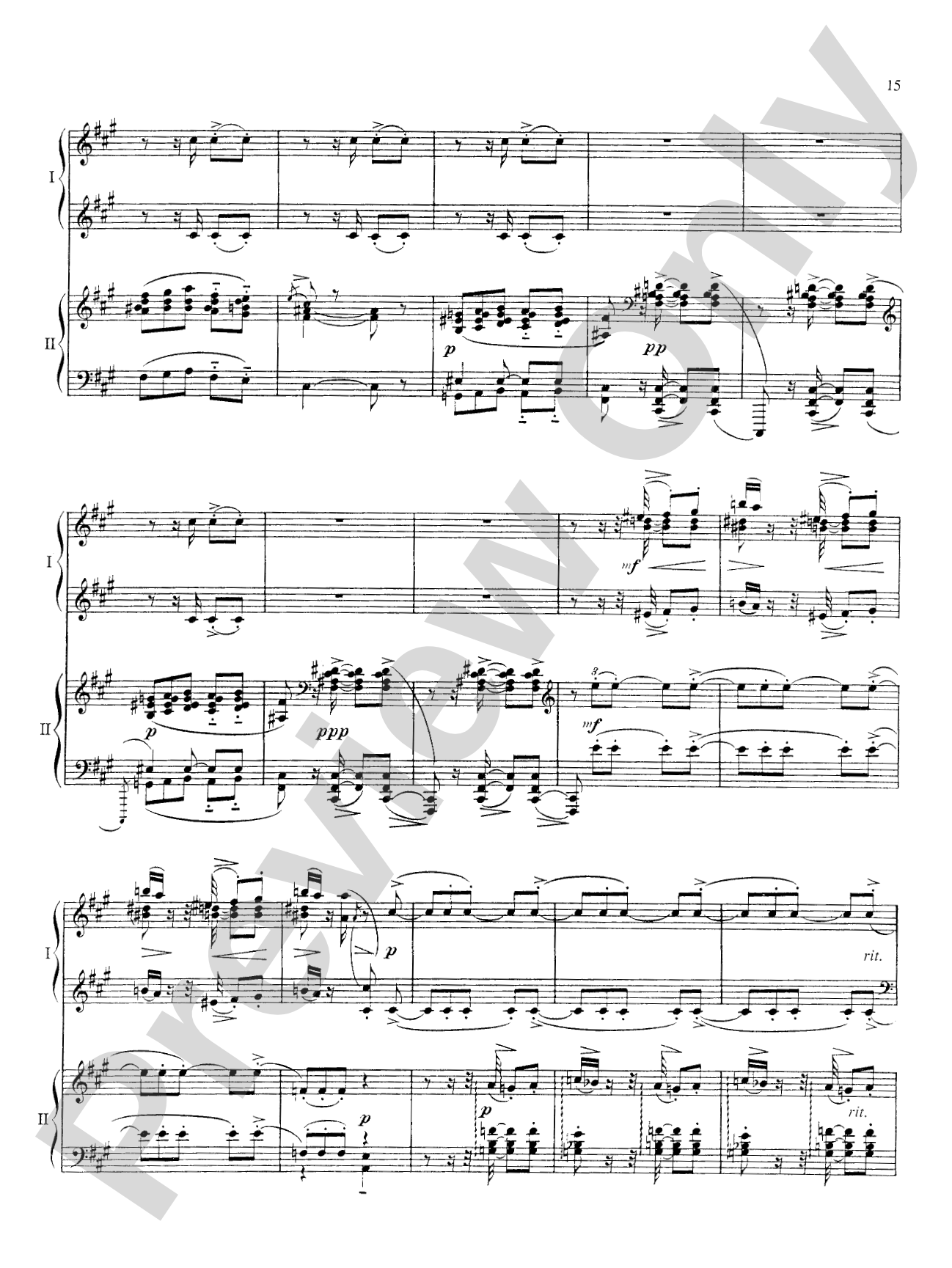
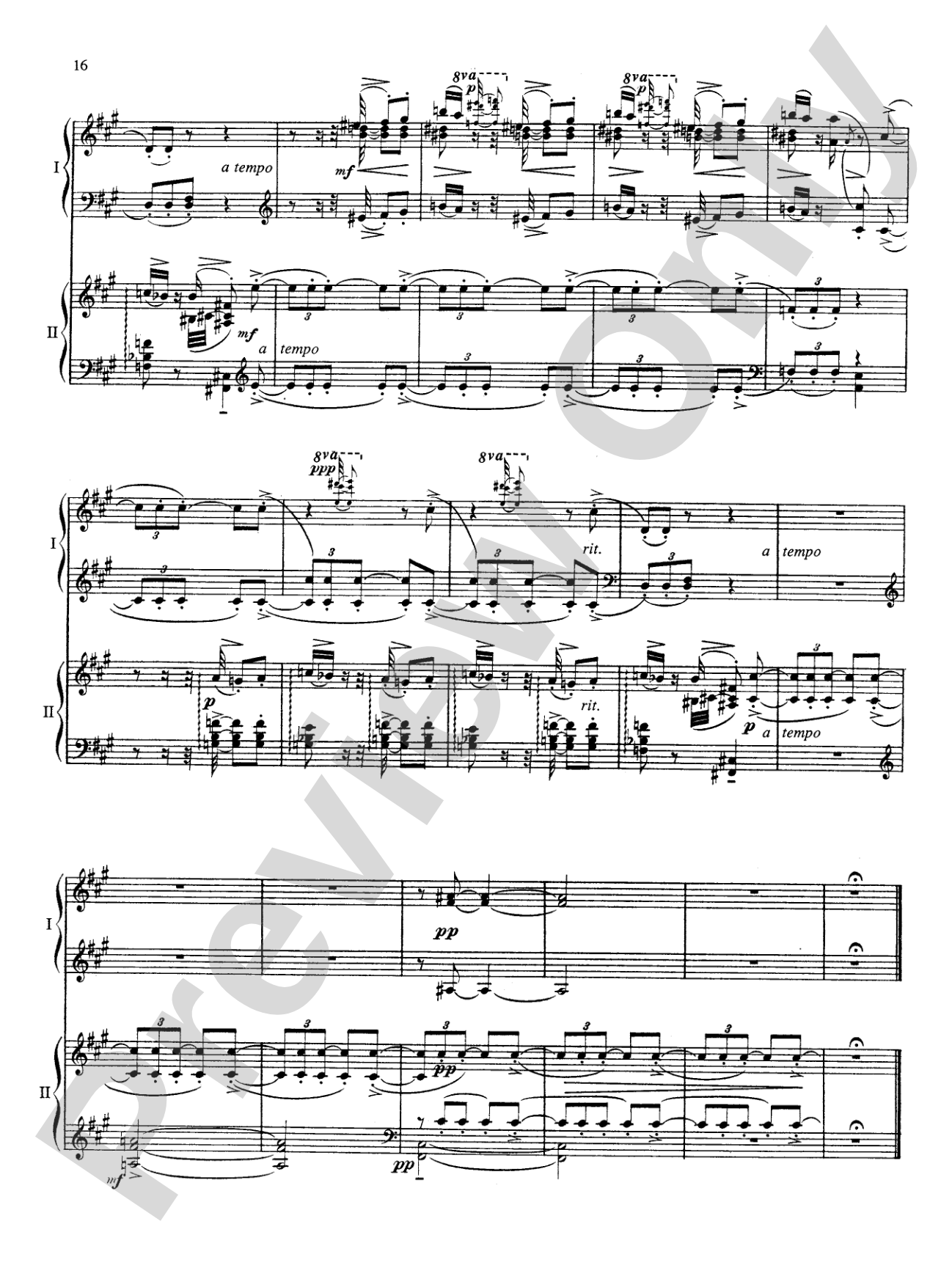
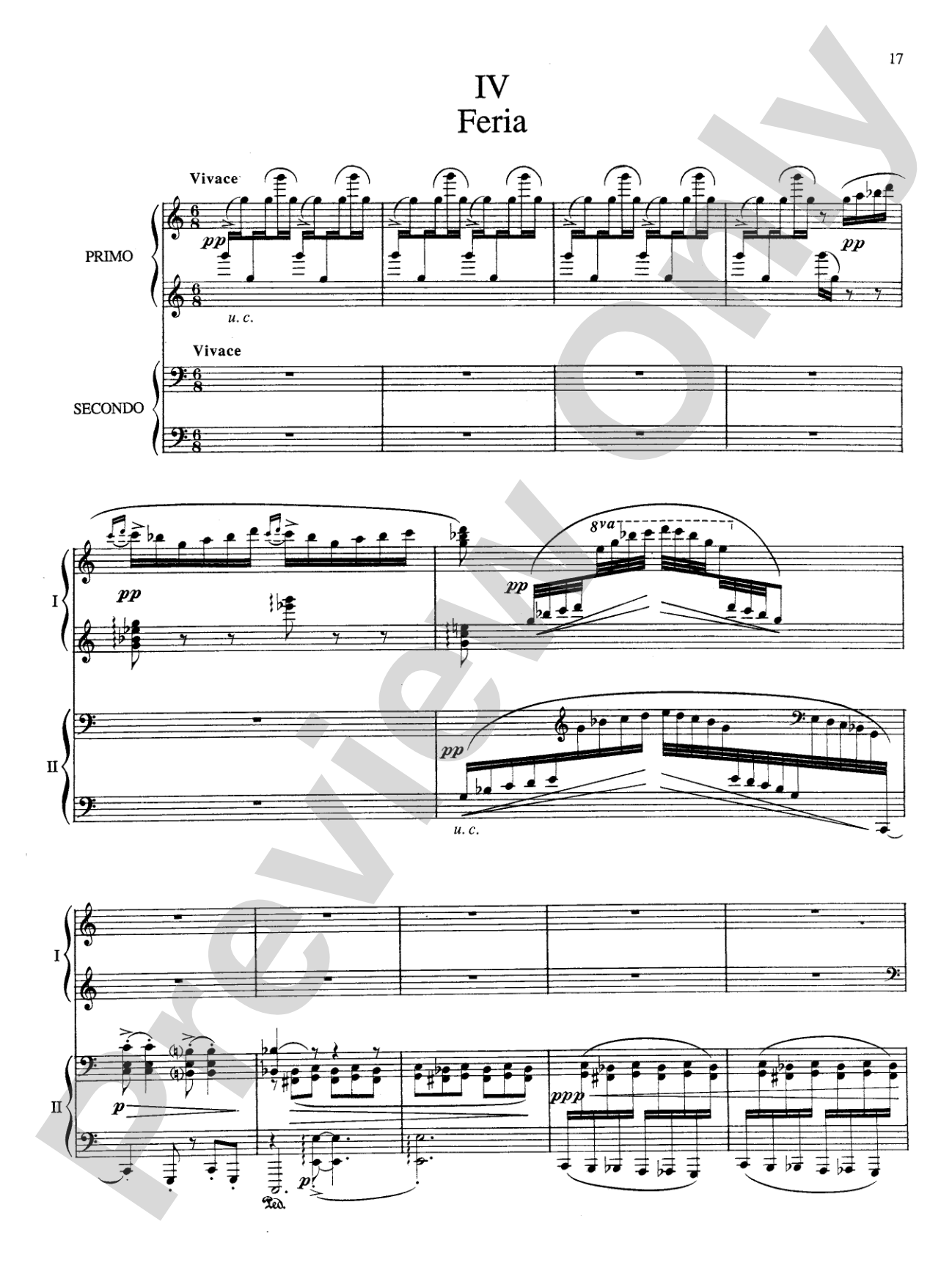
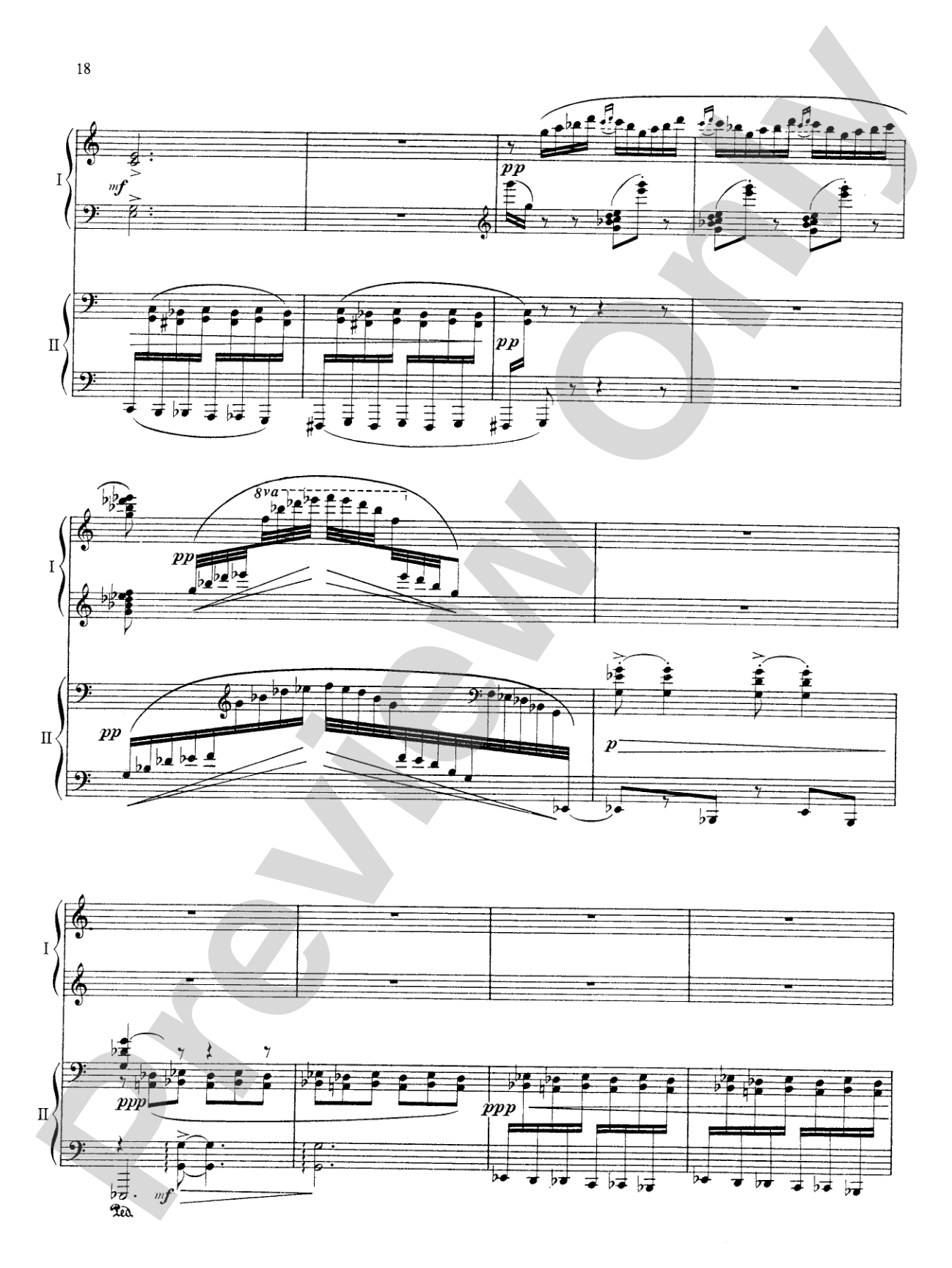
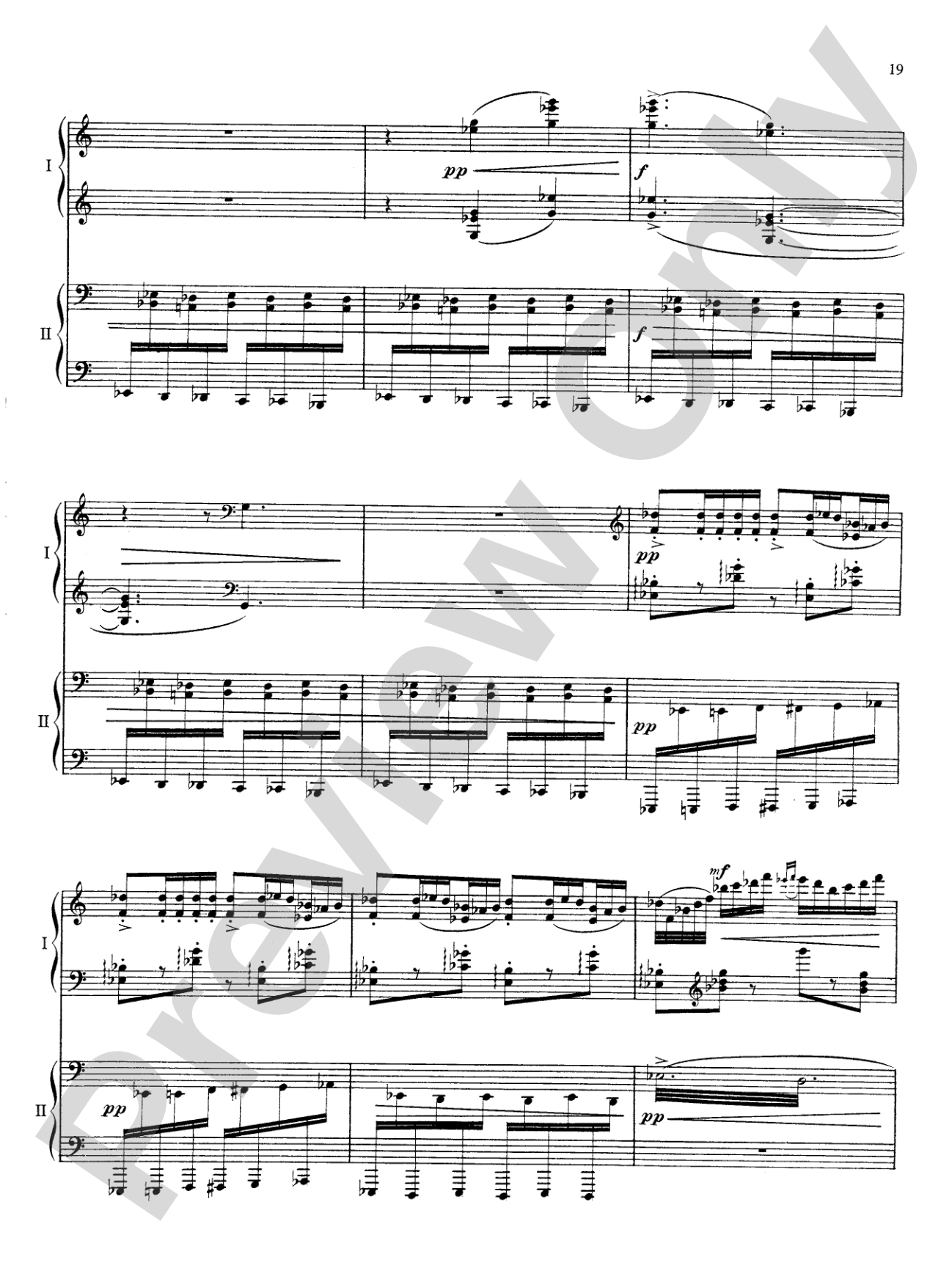
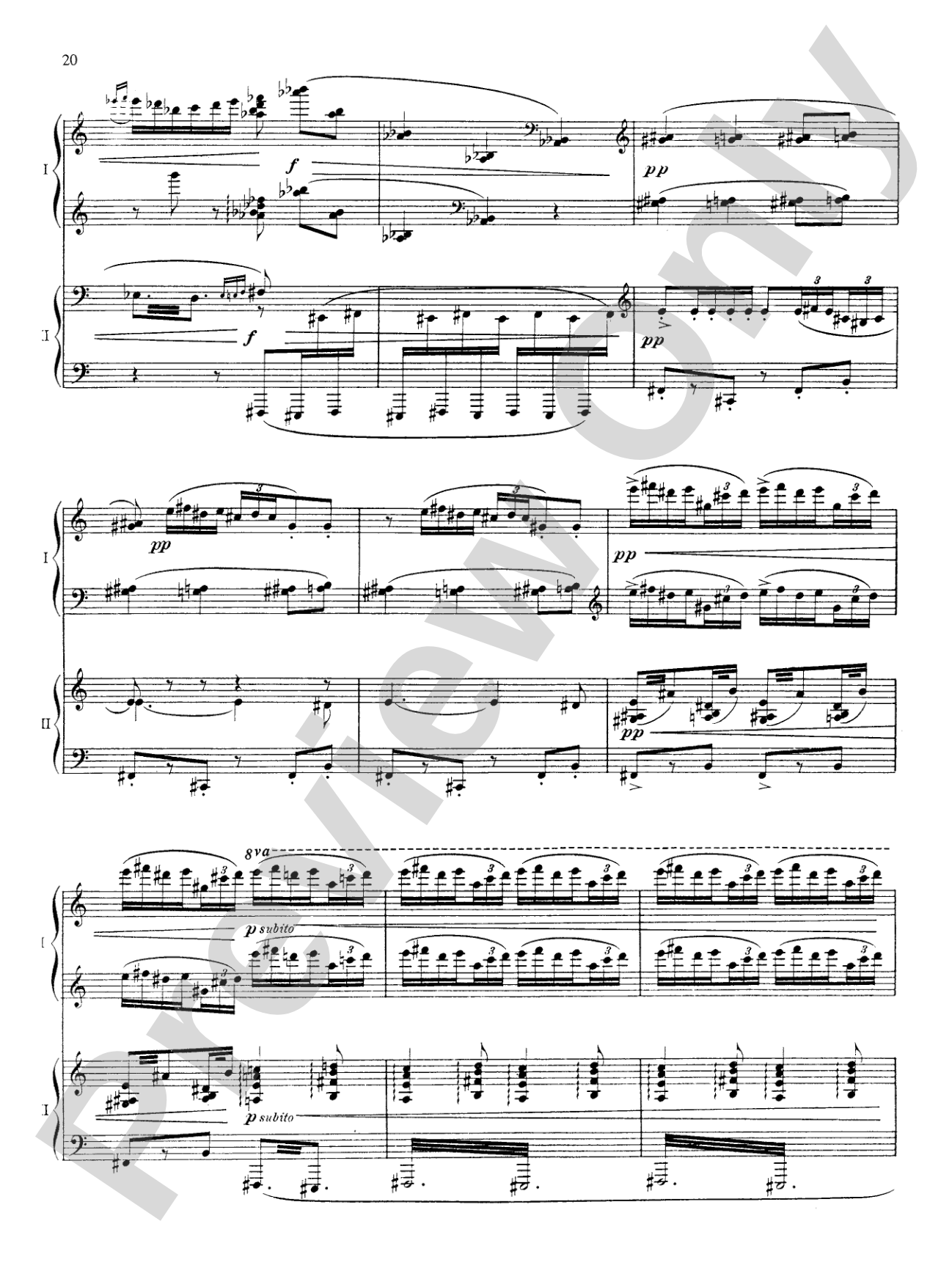
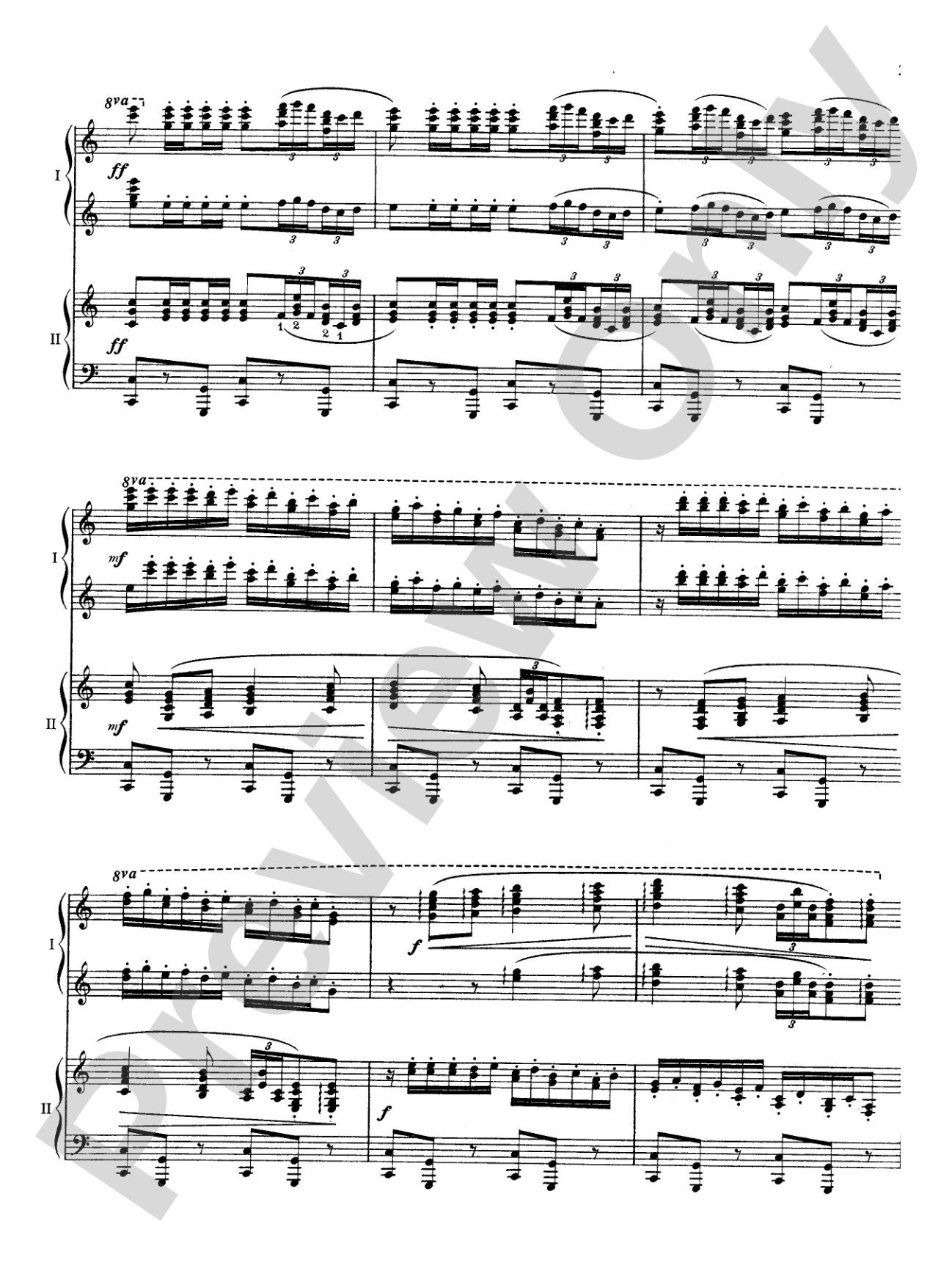
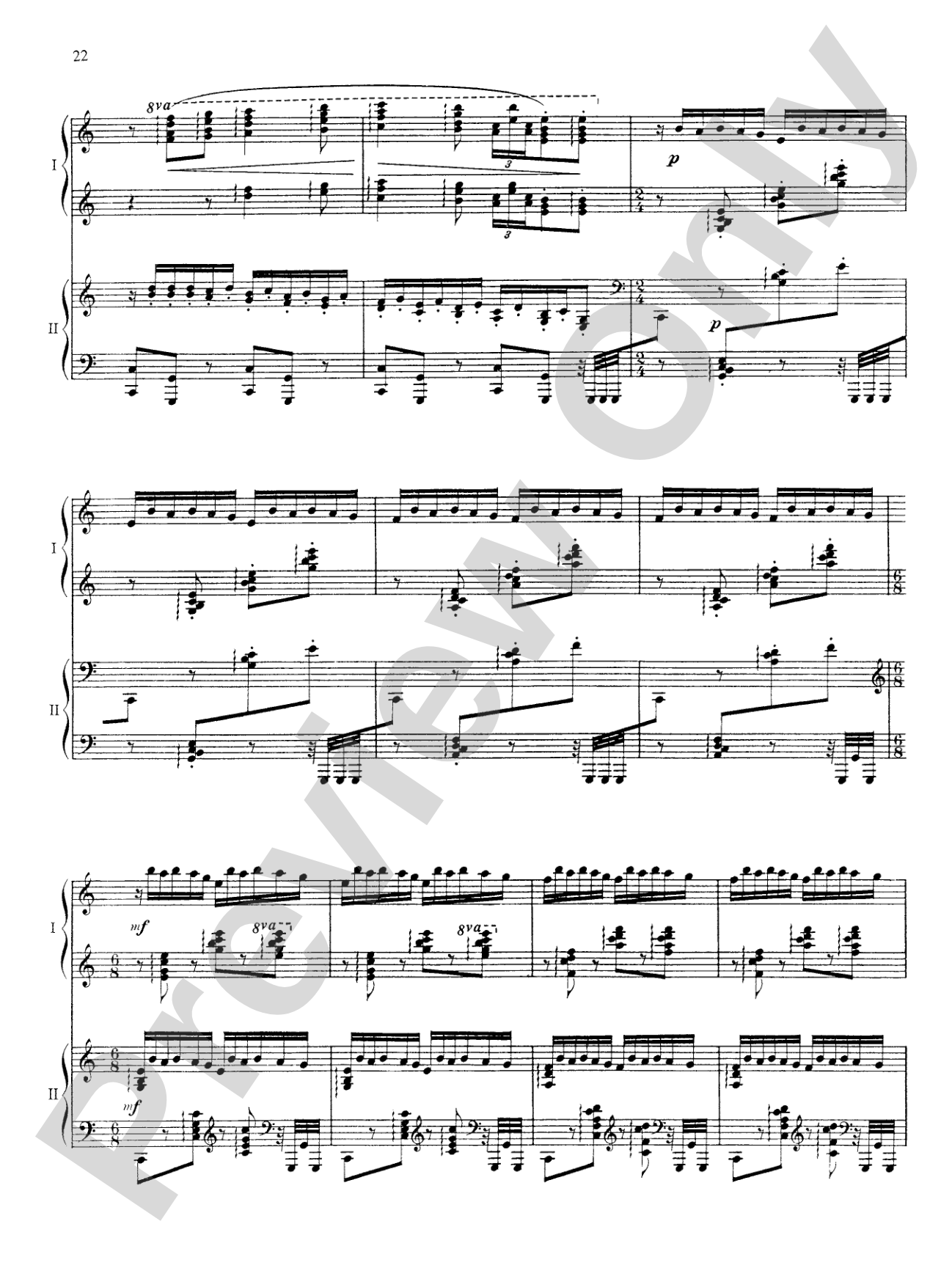
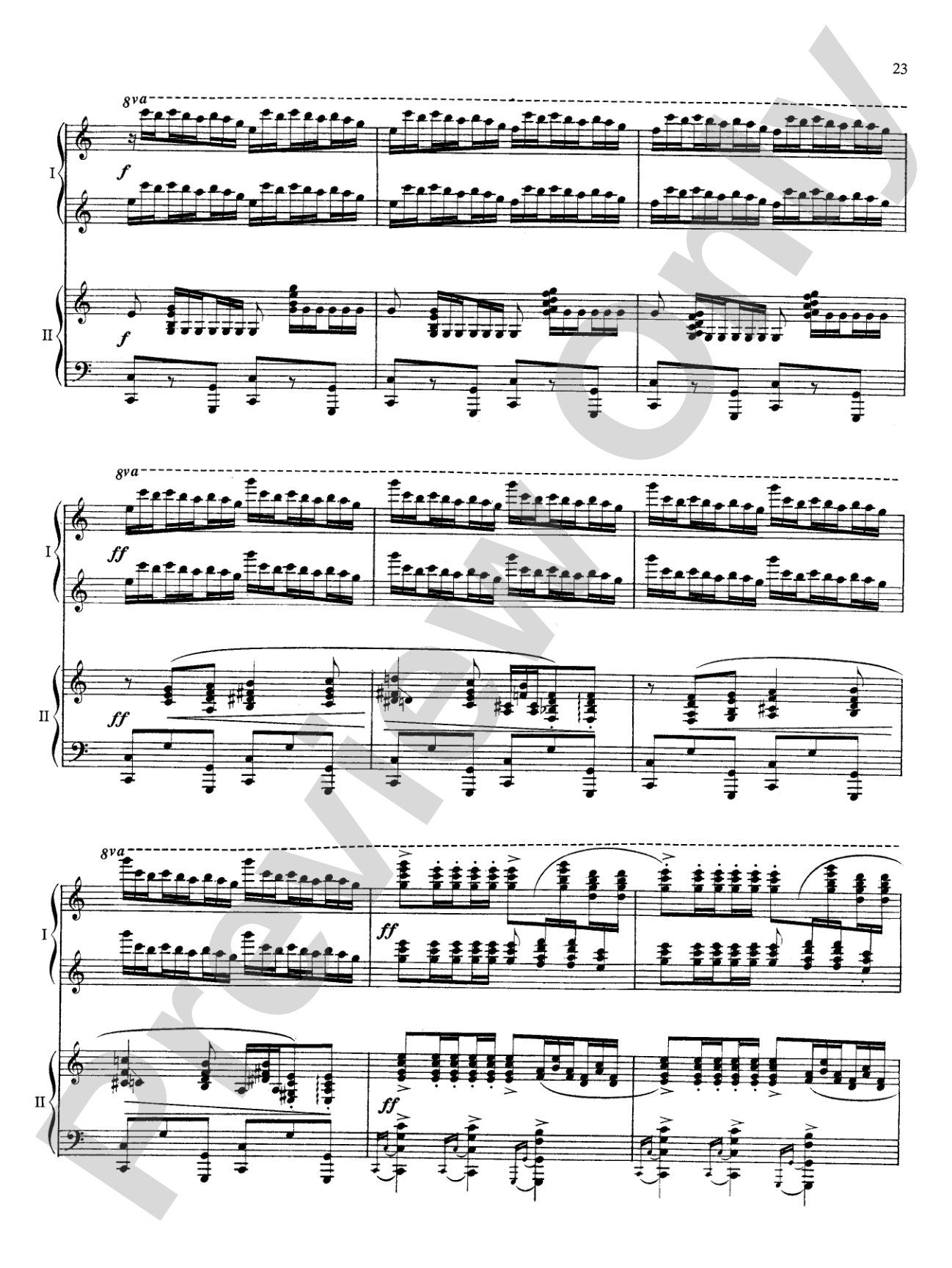
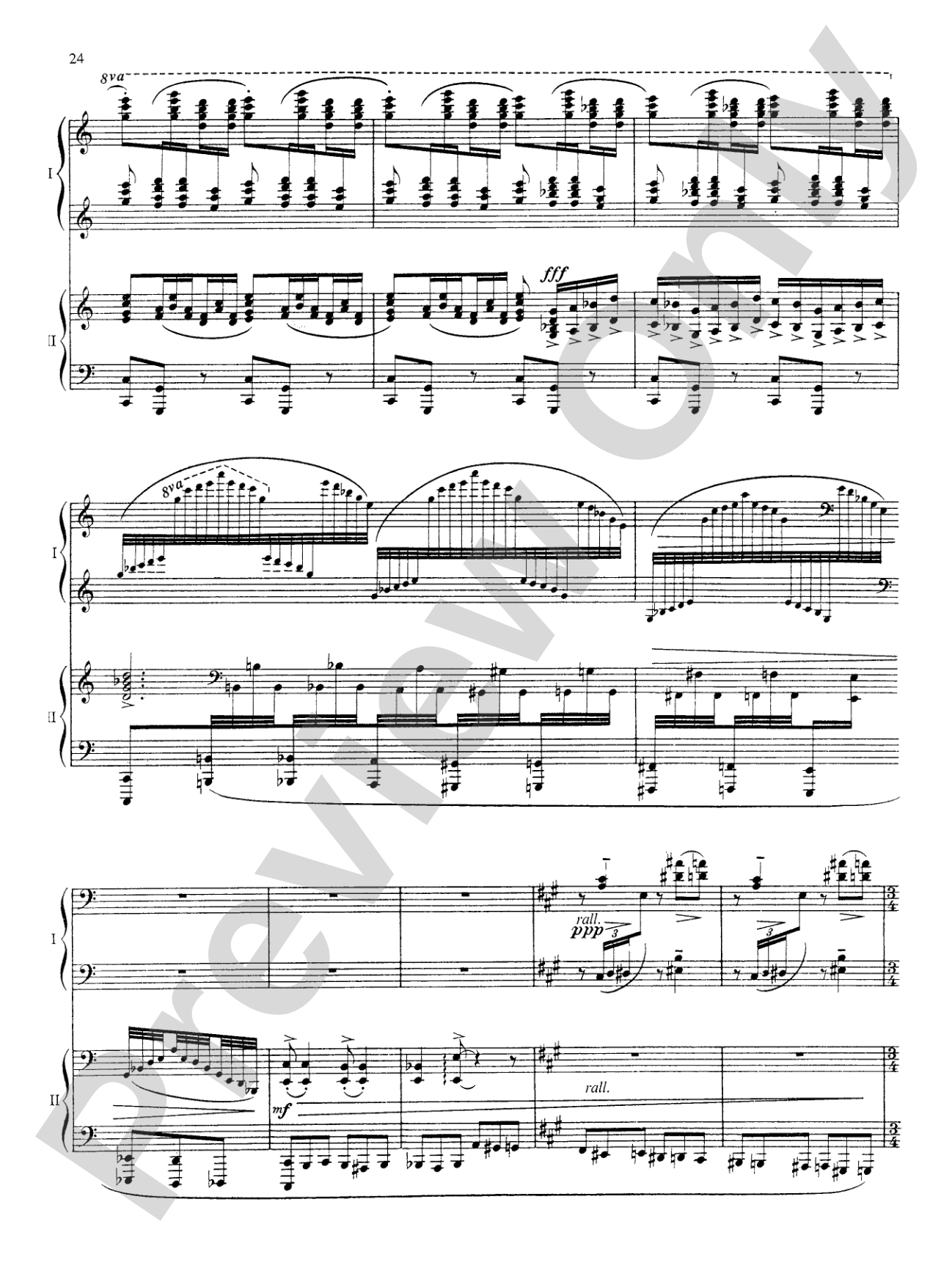
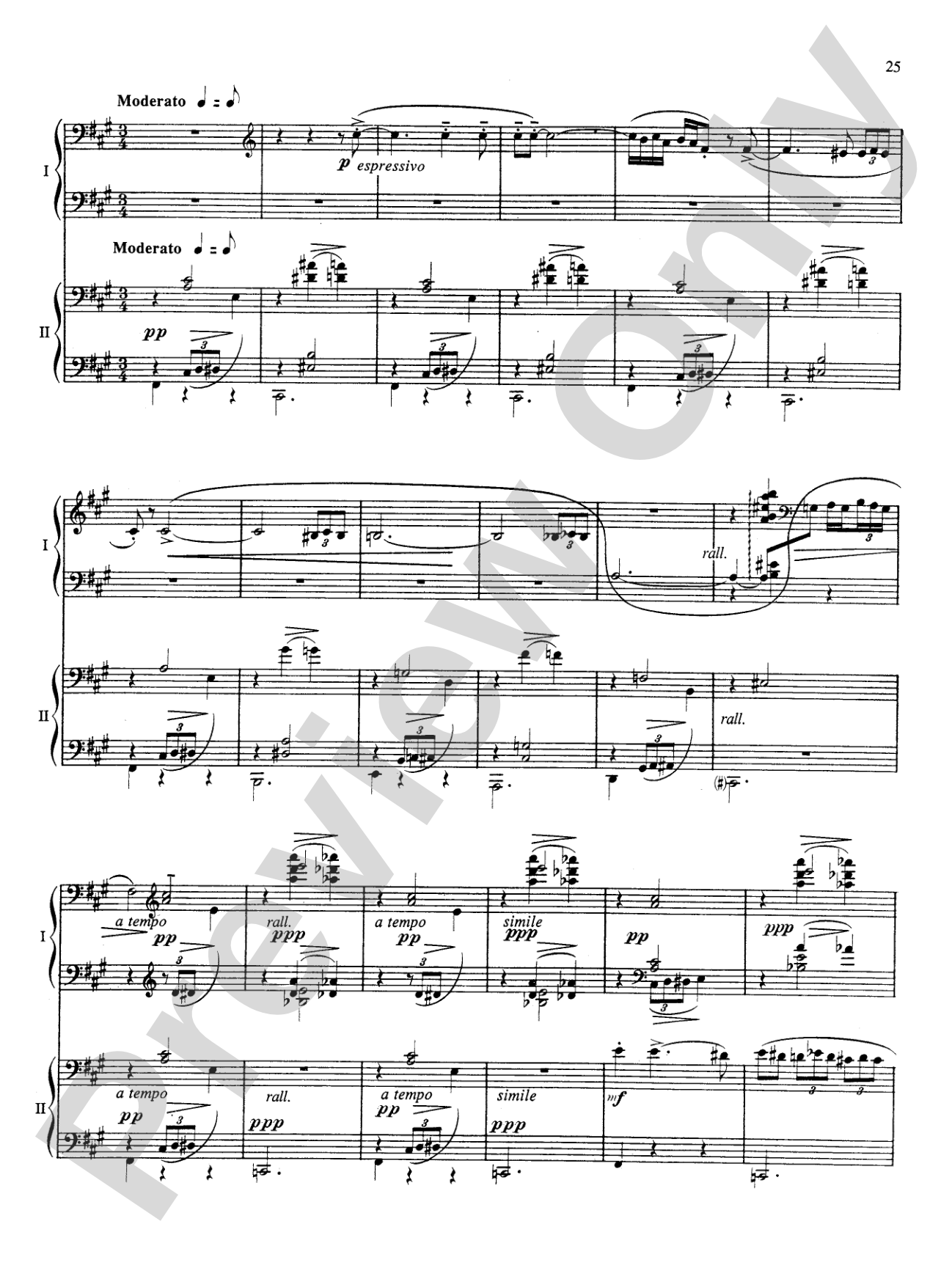
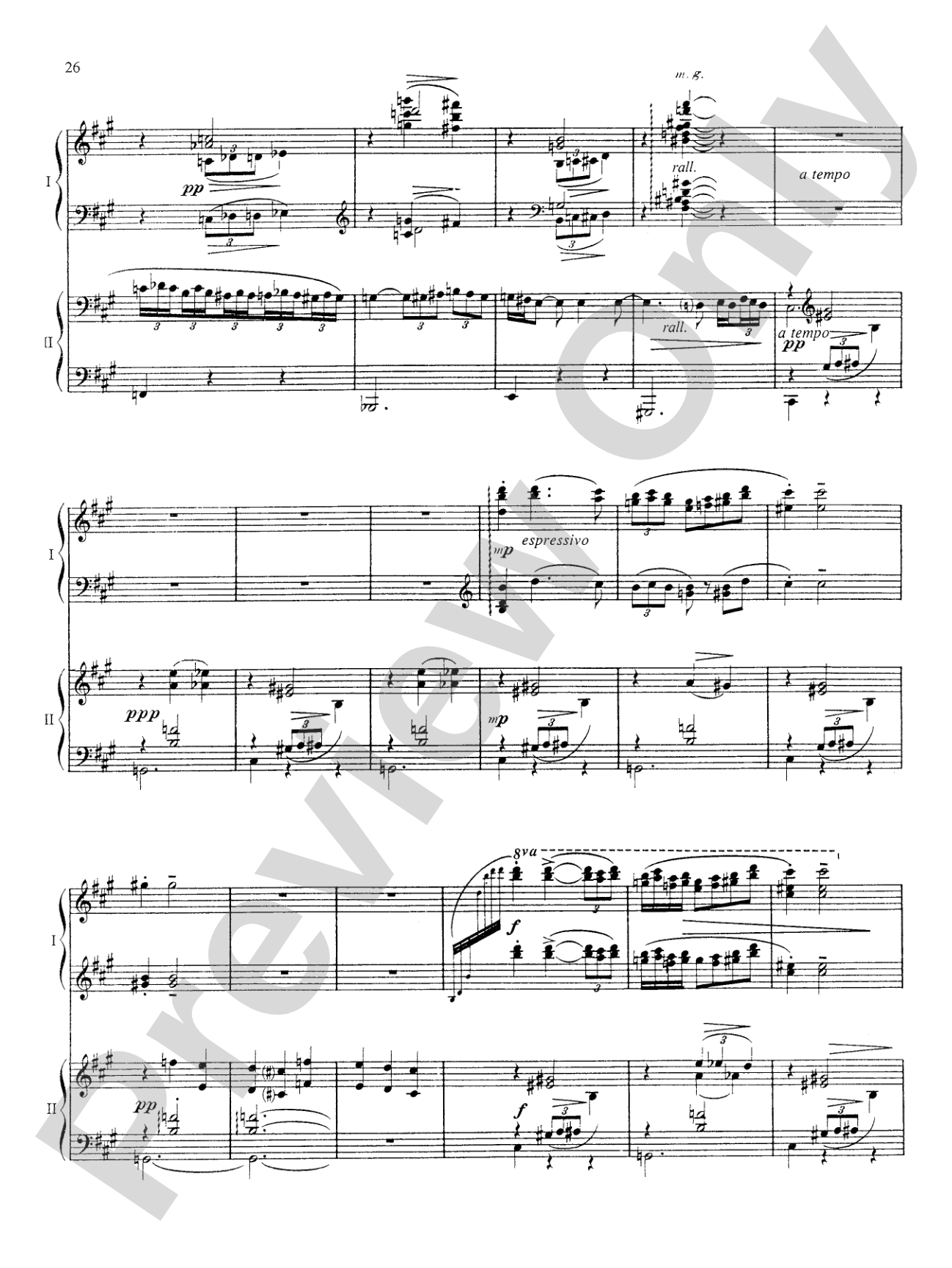
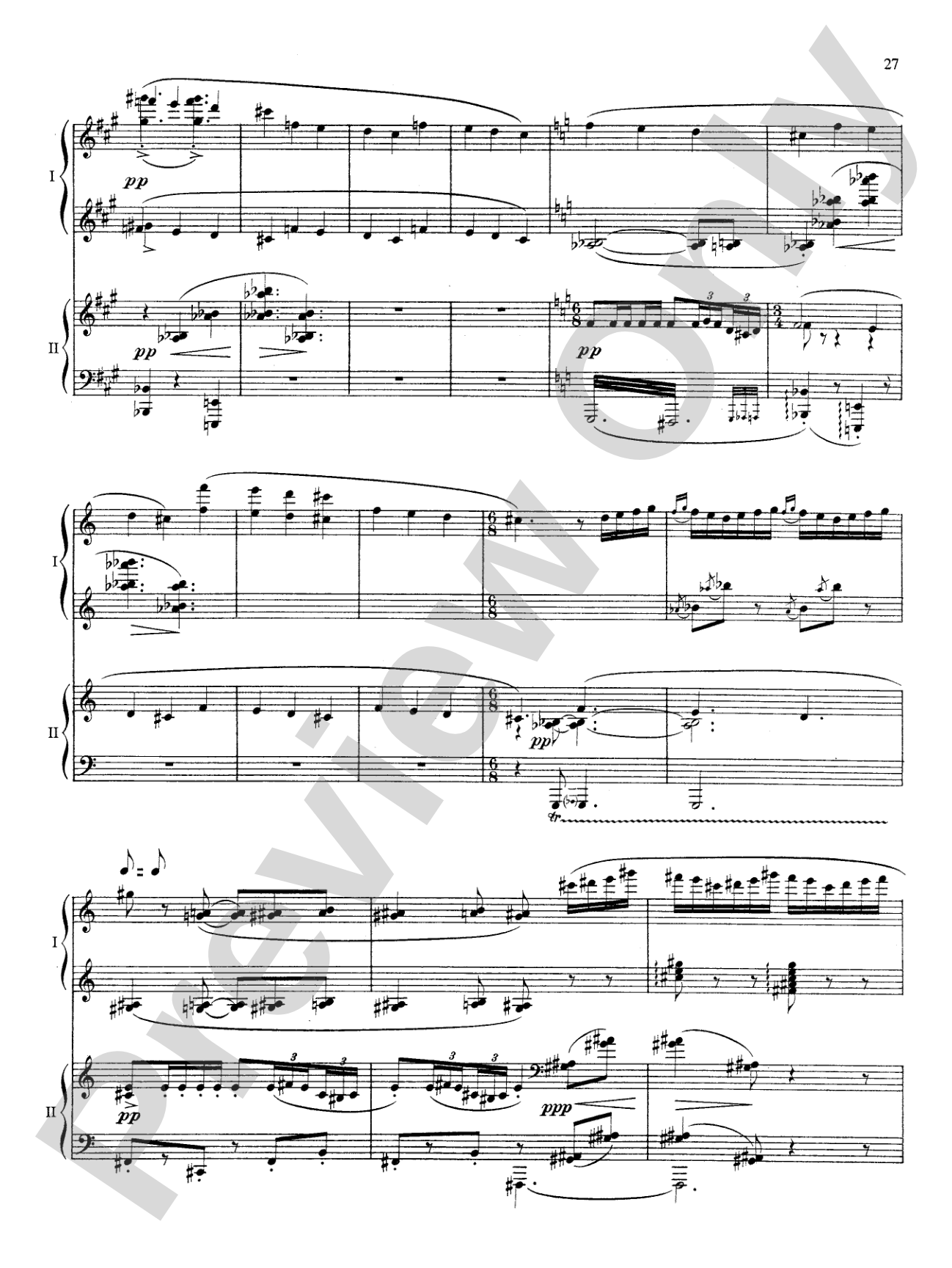
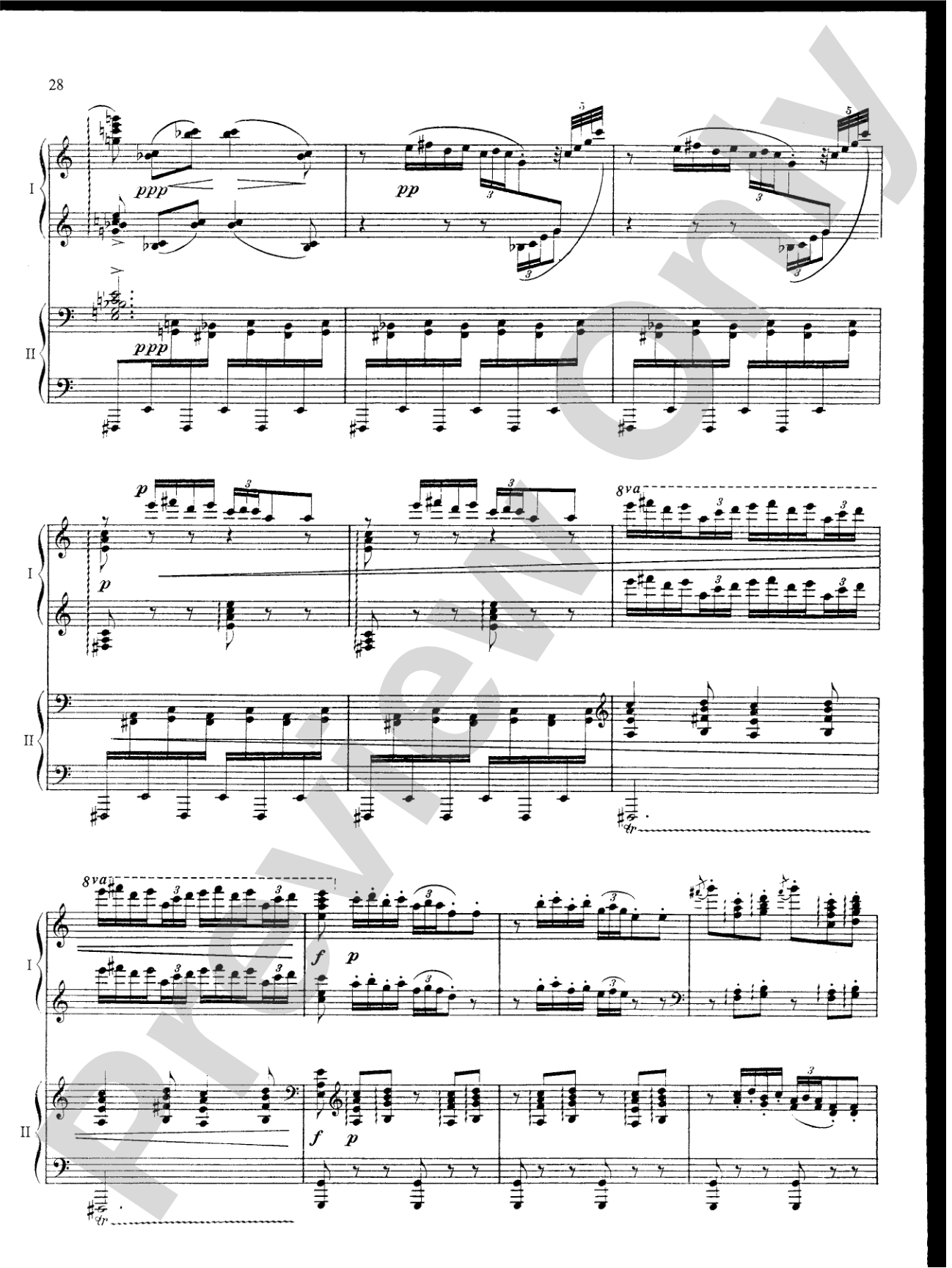
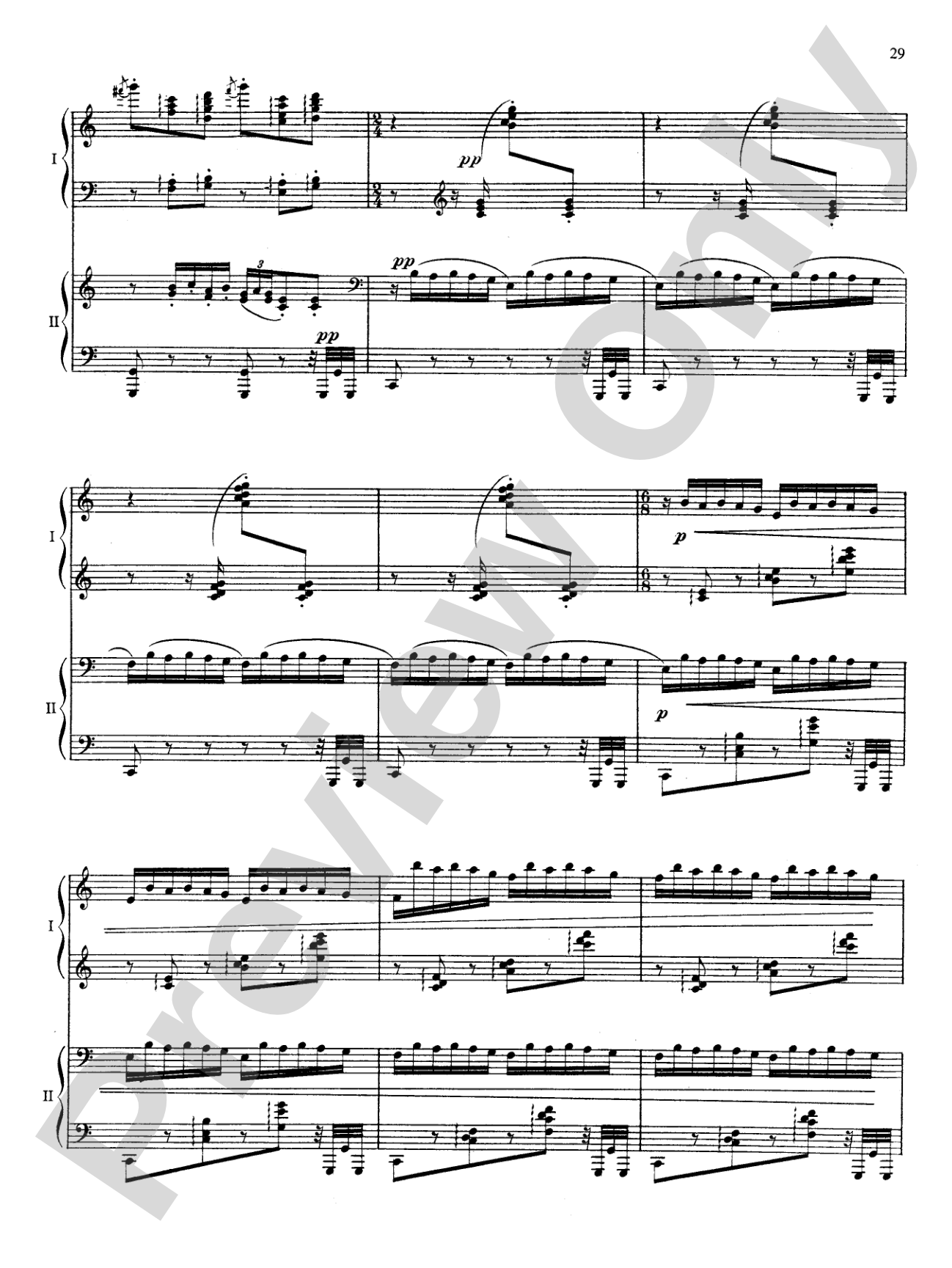
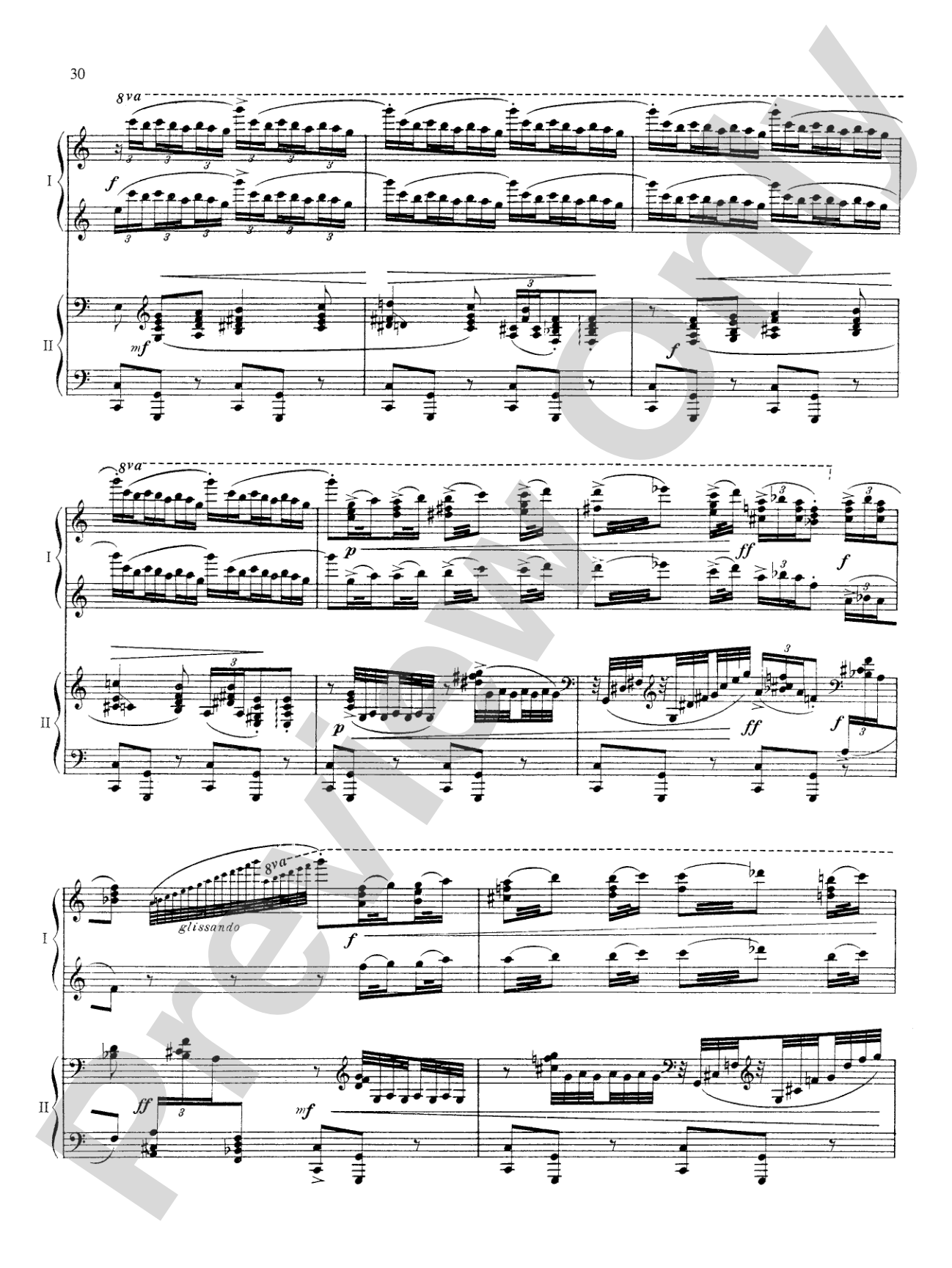
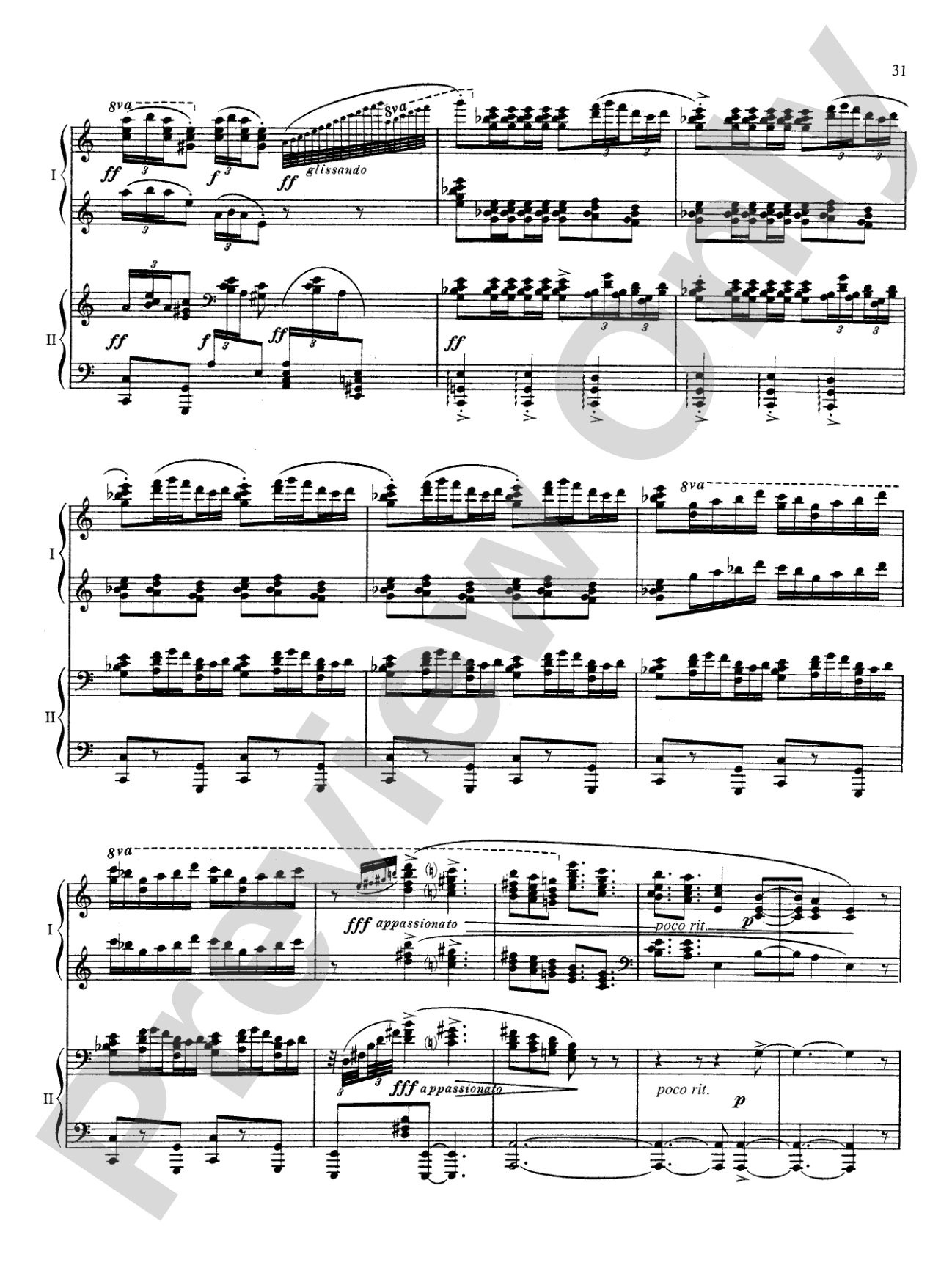
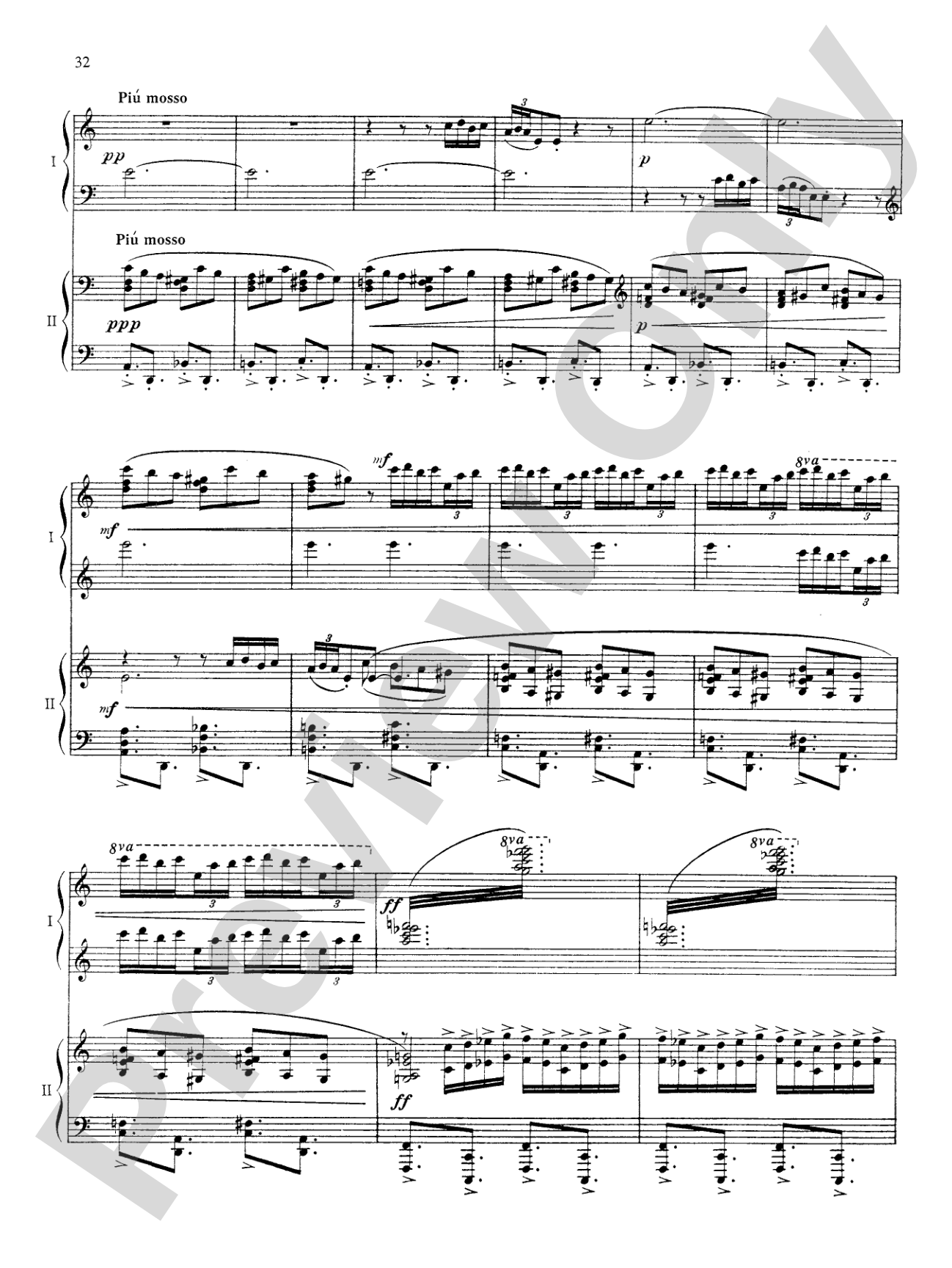
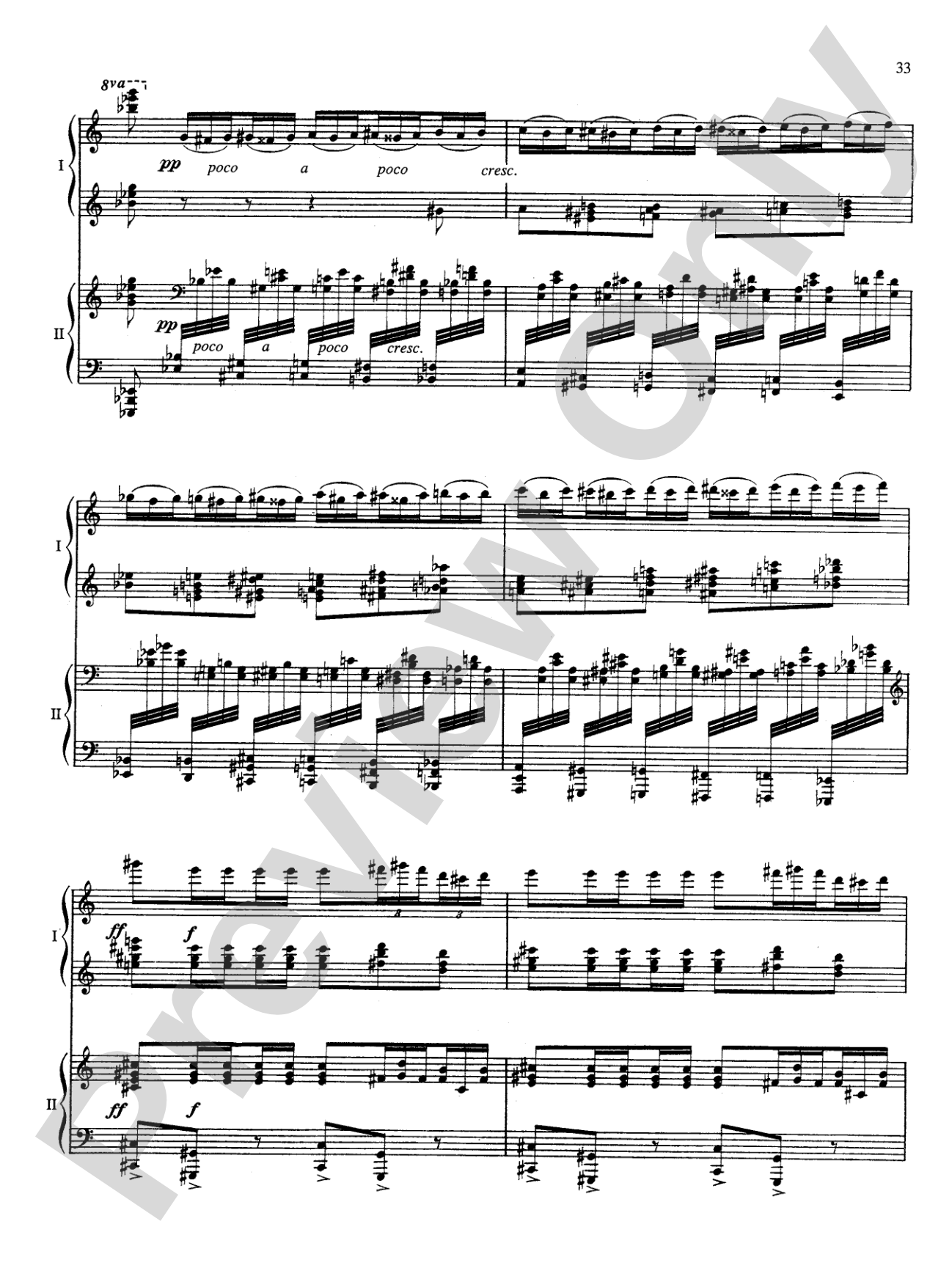
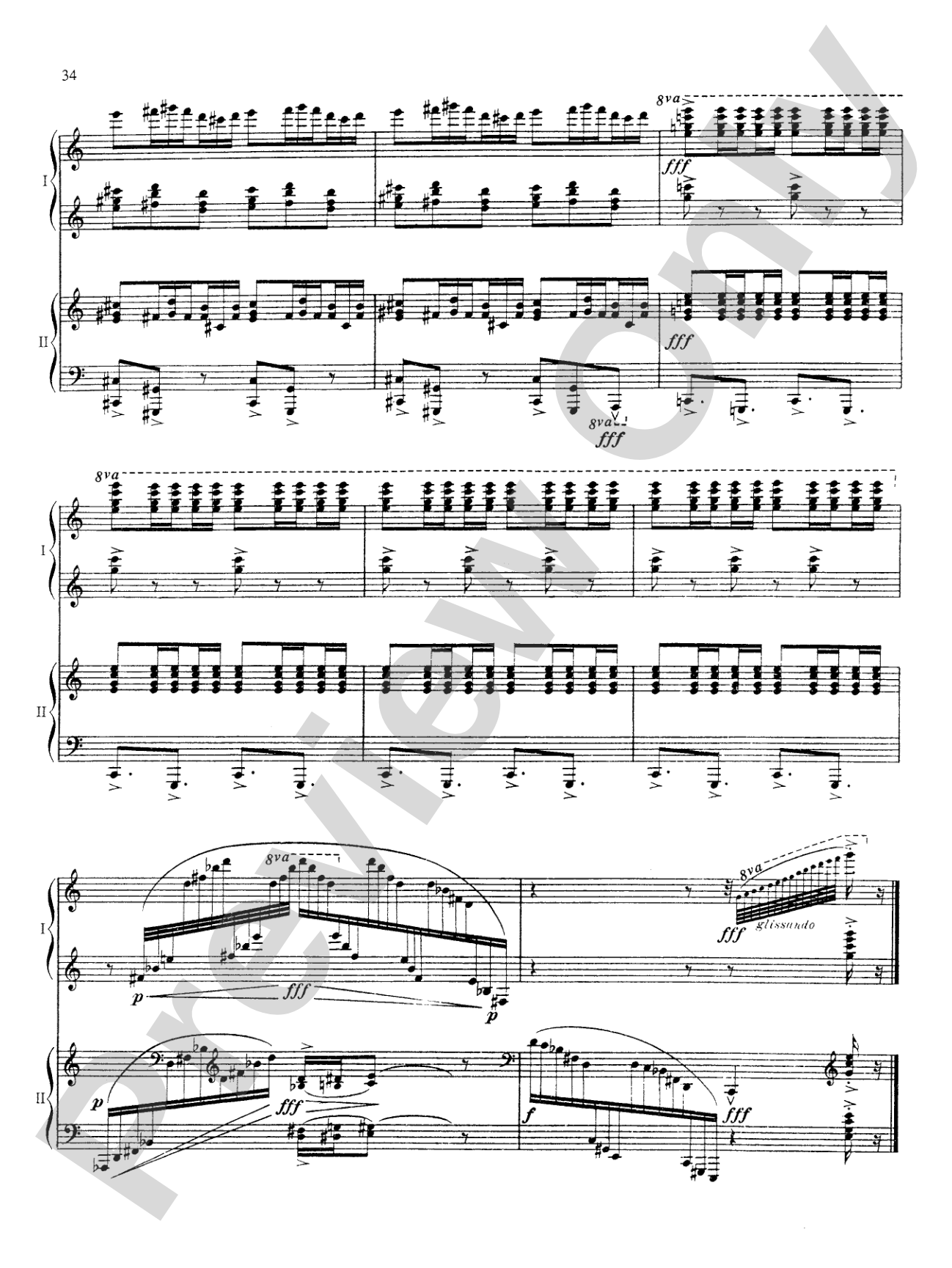



Ravel: Rhapsodie Espagnole: Piano Duet (1 Piano, 4 Hands)
By Maurice Ravel
Item: 00-PK-0003935

$9.95
Pickup currently not available
Parts Added to Cart!
Related Items
Rhapsodie Espagnole, Volume I: Piano Duet (1 Piano, 4 Hands) |
$9.95
|
View |
Description
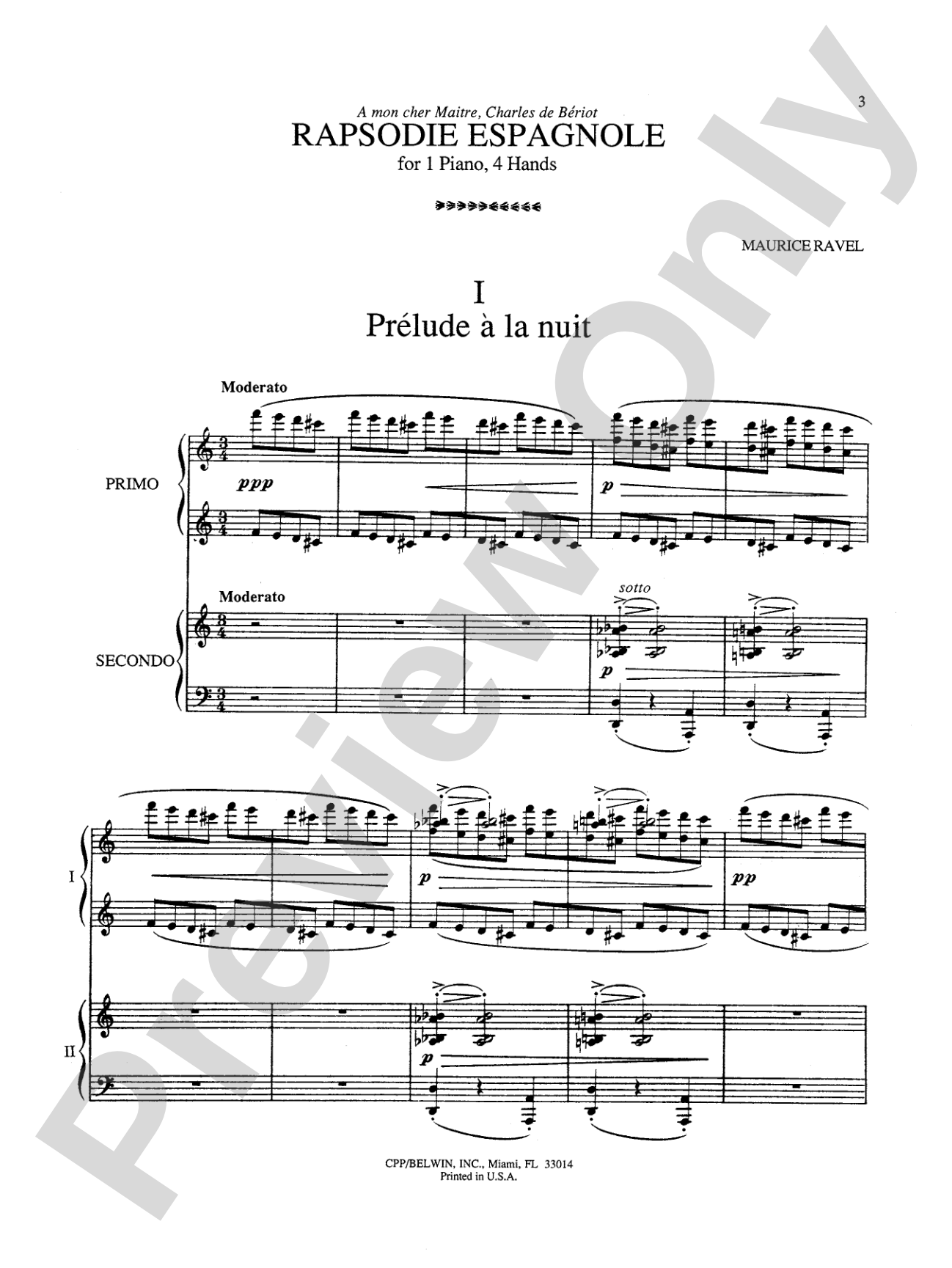
An exciting, often-performed piano duet in a clean, readable edition. A welcome addition to the piano repertoire, this composition also offers a challenge to advancing students. Titles: Prelude a la Nuit * Malagueña * Habañera * Feria.


Don't just read it, hear it, play along with it, and watch your students grow with it. In MakeMusic Cloud, Ravel: Rhapsodie Espagnole: Piano Duet (1 Piano, 4 Hands) comes alive with professional accompaniment, adjustable tempo, and built-in practice tools that turn solo practice into real progress.
Open in the Player
Jump straight in and assign it today.
Start Your Free Trial
Open this title and explore the full library in minutes.
Sample Audio
No sample audio found.
Sample Video
No sample videos found.
Additional Details
Series:
Kalmus Edition
Publisher:
Alfred Music
Page Count:
36
SKU:
00-PK-0003935
More about this title
About the Composer: Maurice Ravel
Maurice Ravel (1875, 1937) shaped twentieth-century music through his obsessive refinement of orchestral color and harmonic language. A French composer of Basque heritage, he approached composition with the precision of a jeweler, often spending months perfecting a single work. His influence on music education extends beyond his own pieces; he demonstrated that modernist technique and lyrical beauty need not conflict, a lesson that fundamentally altered how we teach composition and orchestration.
Ravel's piano writing remains pedagogically essential because it demands technical fluency while teaching genuine musicality. His duet arrangements, particularly the Rhapsodie Espagnole, preserve the harmonic sophistication and textural invention of his larger works while making them accessible to advancing pianists. Students who engage with his music develop a more refined ear for sonority and a deeper understanding of how idiomatic writing serves both performer and listener.
Why we love this
This four-hand arrangement captures Ravel's genius for orchestral color and rhythmic drive in an idiom perfectly suited to the piano keyboard. The division of material between primo and secondo parts is expertly balanced, offering both players genuinely musical lines rather than relegating one part to accompaniment. Programming it alongside Ravel's orchestral works or pairing it with impressionistic chamber music enriches any recital or collaborative showcase.
What to expect
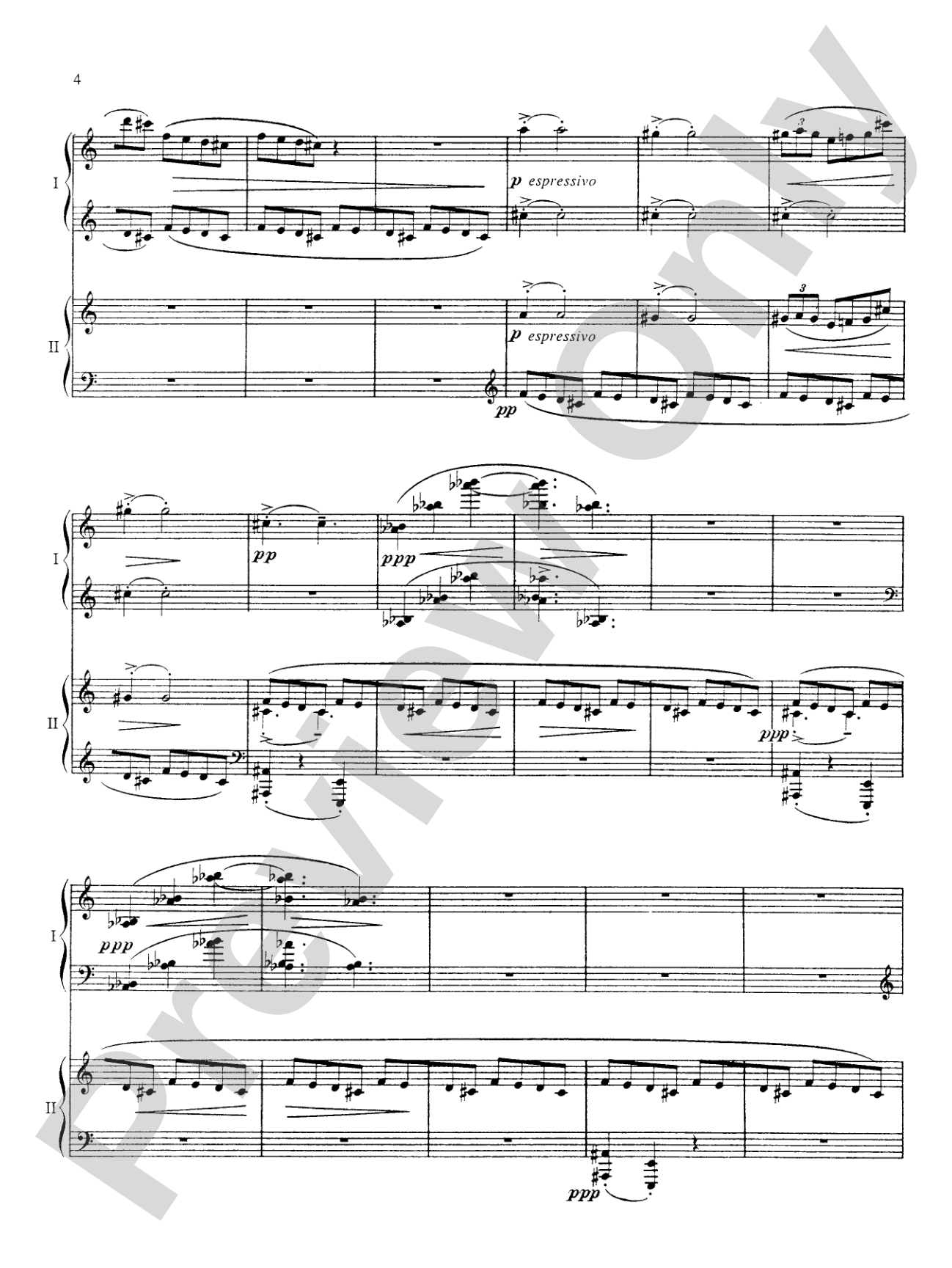
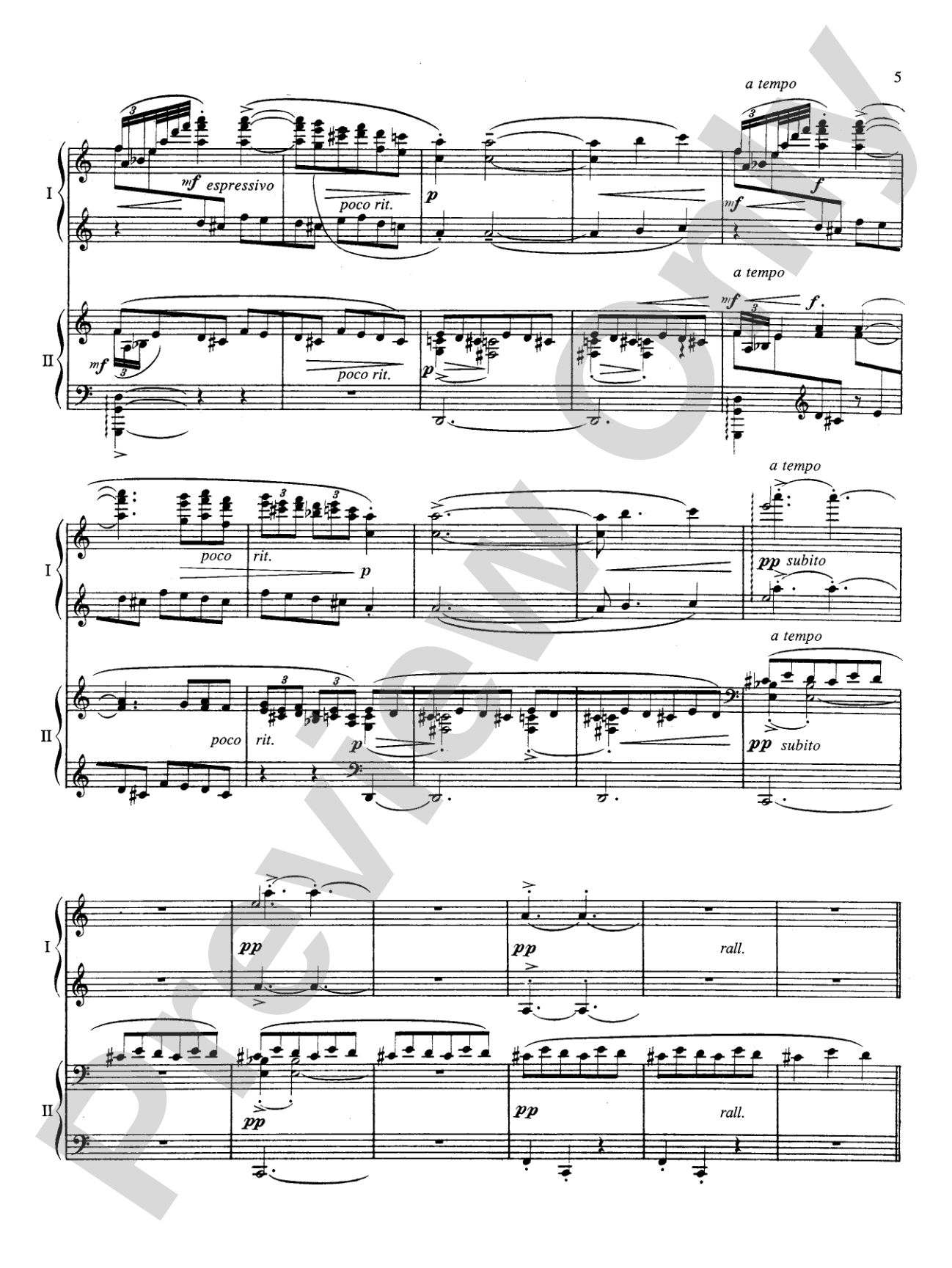
From the hushed, atmospheric opening of Prélude à la Nuit through the passionate intensity of Malagueña and the sultry elegance of Habañera, Ravel paints scenes of Spanish nightlife and passion with orchestral sophistication at the keyboard. The work culminates in Feria's dizzying rhythmic energy and glittering cascades, where four hands create a full ensemble sound that feels both precise and exuberant. Throughout, crystalline harmonies, unexpected harmonic shifts, and richly layered textures create an experience far more elaborate than a traditional salon duet.
Who it's for
Advanced pianists and serious duet partnerships seeking substantial, concert-ready repertoire that demands real technical control and musical maturity. This work suits studio recitals, competitive festivals, or collaborative performance series where both players deserve equally rewarding material. Students ready to engage with twentieth-century impressionism and composers who expanded the piano's range will find much to explore.
How to get the most out of it
- Establish the specific character of each movement before rehearsals begin; the four contrasting sections demand distinct approaches to tempo, articulation, and color.
- Attend closely to the rhythmic precision required in Feria, where syncopation and Spanish inflection define the movement's energy and cannot be rushed or approximated.
- Balance the two parts so that neither drowns out the other; even when one hand carries the primary melody, both players must project with clarity and conviction.
- Use the printed score's dynamic and articulation markings as compositional statements, not suggestions; Ravel's notation is intentional and shapes how each phrase should breathe and land.
How to use it
Position this as a centerpiece in a recital focused on early twentieth-century impressionism, or pair it with orchestral works by Ravel to highlight his approach to color and form across different media. The four movements also allow flexible programming; individual movements can occasionally stand alone if a complete performance feels too demanding within a larger concert context, though the full arc delivers the strongest impact.
Skills your students will build
- Balancing two independent, equally important melodic lines while maintaining ensemble coordination
- Executing rhythmic precision in syncopated, Spanish-inflected passages without losing musical flow
- Creating tonal color and shimmer through careful attention to pedaling, voicing, and dynamic shaping
- Interpreting impressionistic harmony and unconventional chord progressions
- Managing physical spacing and hand crossing in four-hand writing