



Ravel: La Vallée des Cloches: Piano
By Maurice Ravel
Level: Intermediate / Advanced
Item: 00-PK-0003295

$6.99
Pickup currently not available
Parts Added to Cart!
Description


Don't just read it, hear it, play along with it, and watch your students grow with it. In MakeMusic Cloud, Ravel: La Vallée des Cloches: Piano comes alive with professional accompaniment, adjustable tempo, and built-in practice tools that turn solo practice into real progress.
Open in the Player
Jump straight in and assign it today.
Start Your Free Trial
Open this title and explore the full library in minutes.
Sample Audio
No sample audio found.
Sample Video
No sample videos found.
Additional Details
Series:
Kalmus Edition
Publisher:
Alfred Music
Page Count:
8
SKU:
00-PK-0003295
More about this title
About the Composer: Maurice Ravel
Maurice Ravel (1875, 1937) shaped modern piano writing through his obsession with sonority and structural clarity. His technical innovations, layered textures, color through register, rhythmic independence between hands, became foundational to twentieth-century keyboard pedagogy and remain central to intermediate-advanced piano study.
Ravel's approach to composition privileged craftsmanship and restraint. He rejected the unbridled emotionalism of late Romanticism in favor of precise orchestration, even in solo works. For student pianists, his music teaches the discipline of listening to oneself: every note must sing, every texture must breathe, every gesture must serve the whole.
Why we love this
La Vallée des Cloches captures everything distinctive about Ravel's piano writing: intricate textures that shimmer with color, rhythmic precision paired with lyrical warmth, and a structural clarity that rewards careful listening. This is repertoire that teaches players the difference between playing notes and crafting sound.
What to expect
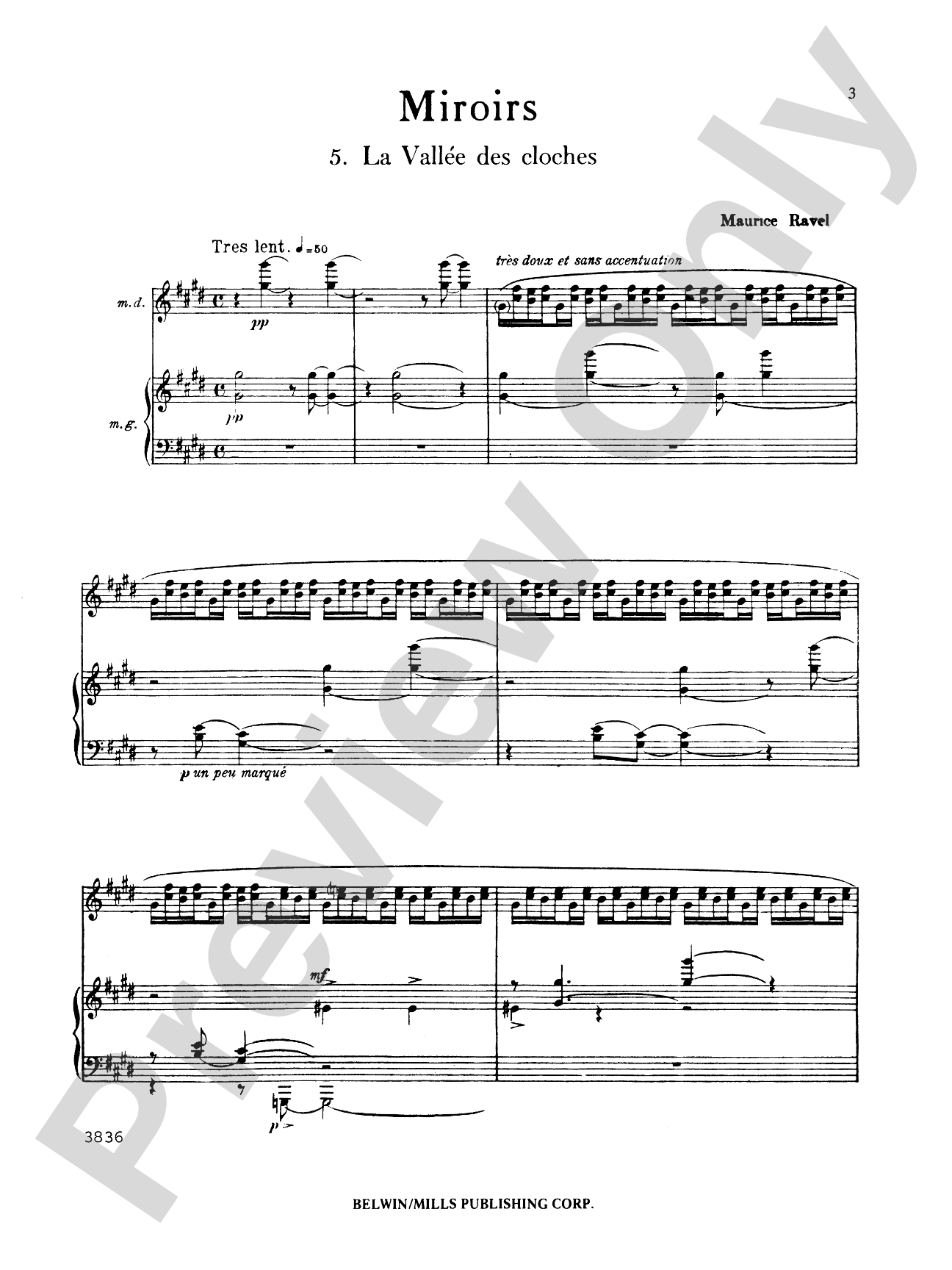
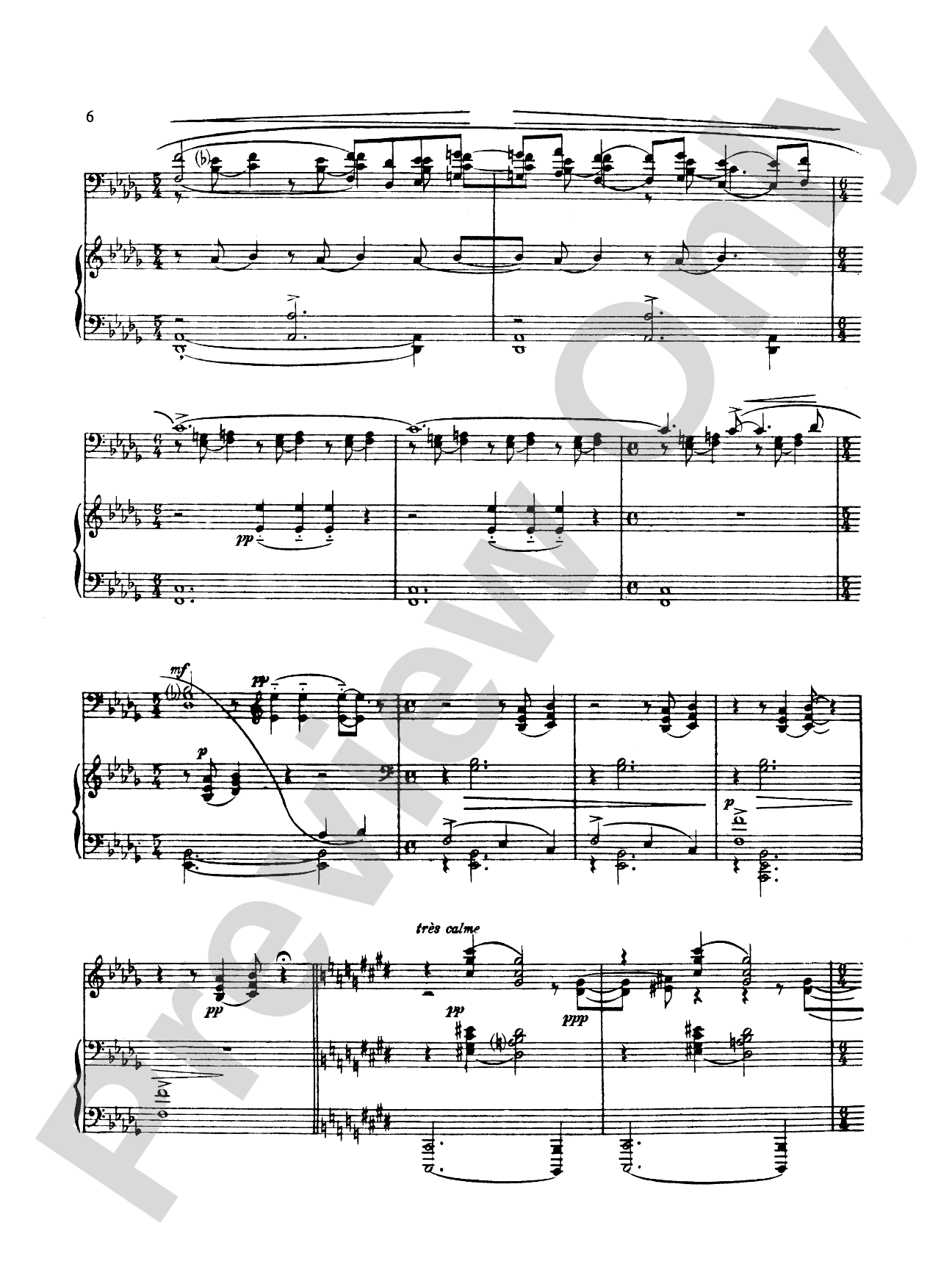
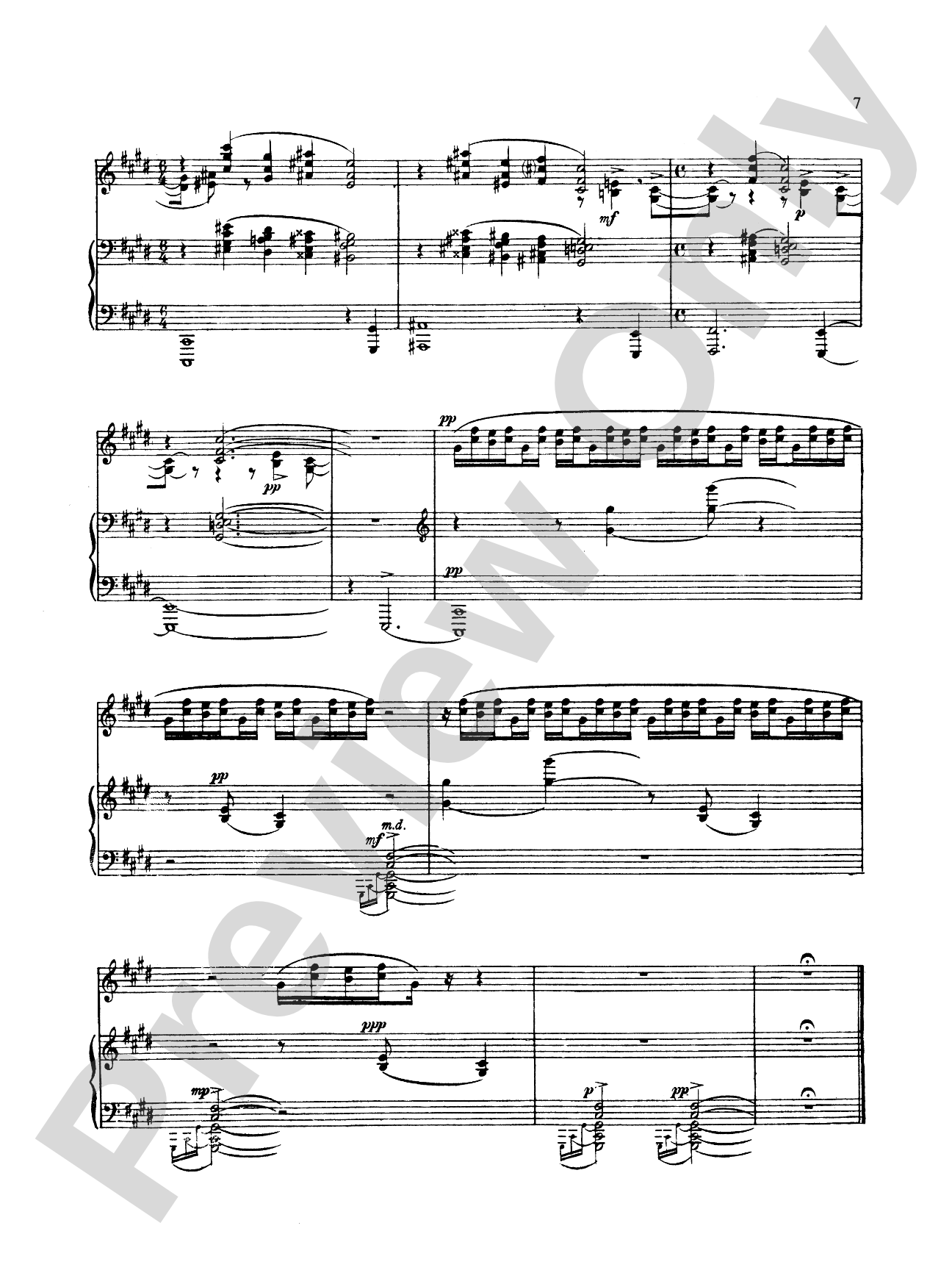
The opening evokes a distant landscape where church bells resound across a valley, their tones merging and fading into atmospheric haze. Shimmering figuration creates a sense of light and motion, while the harmonic language shifts subtly between clarity and dreamlike ambiguity, building emotional presence without dramatic climax.
Who it's for
Intermediate to advanced pianists seeking substantial repertoire that bridges late Romantic texture with twentieth-century harmonic innovation. This work suits conservatory students, serious amateurs, and recital pianists ready to engage with impressionistic scoring and refined interpretive demands.
How to get the most out of it
- Shape the opening melody with gentle contour; the bell-like figuration in the accompaniment should remain transparent and rhythmically steady beneath it.
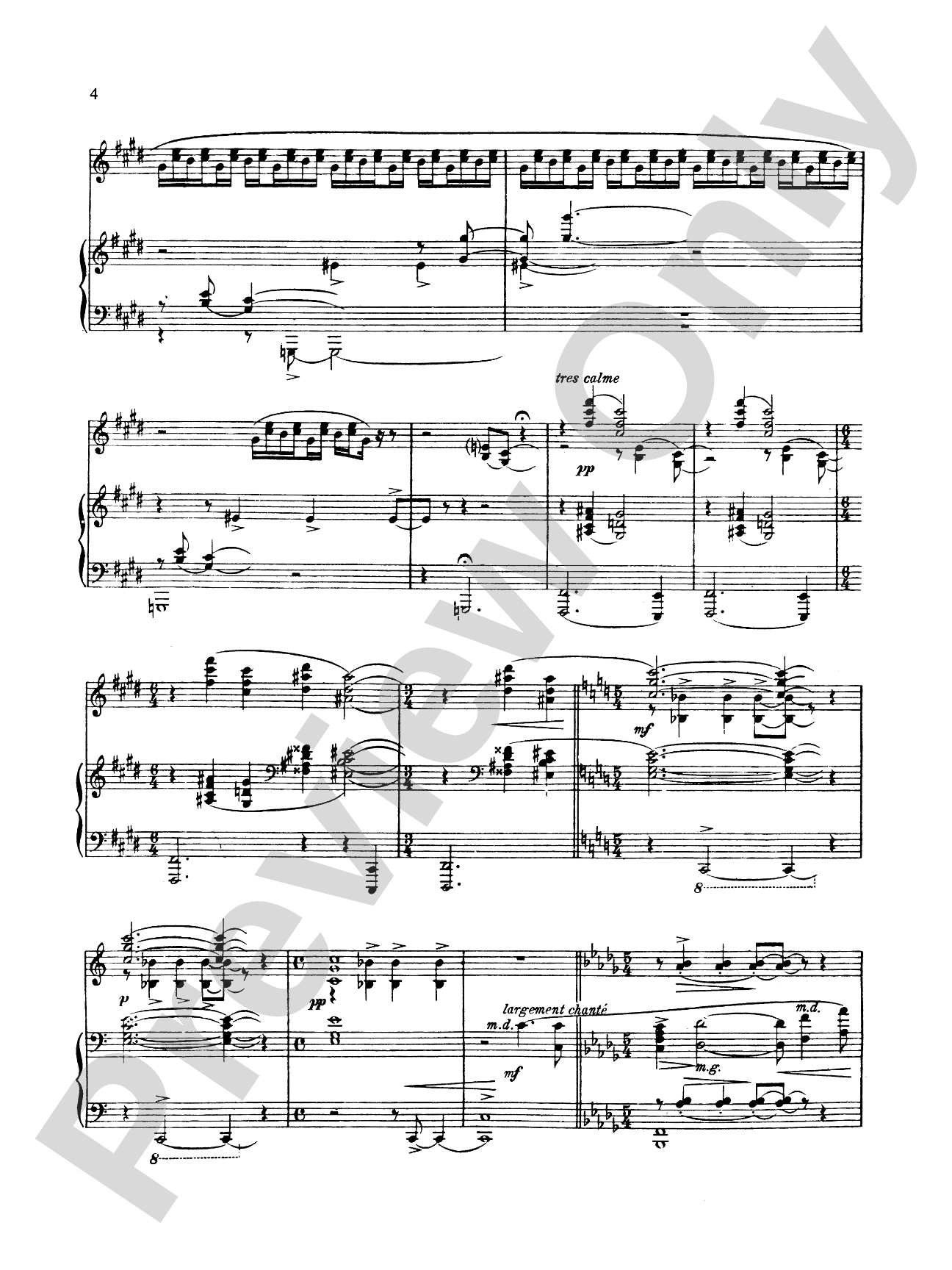
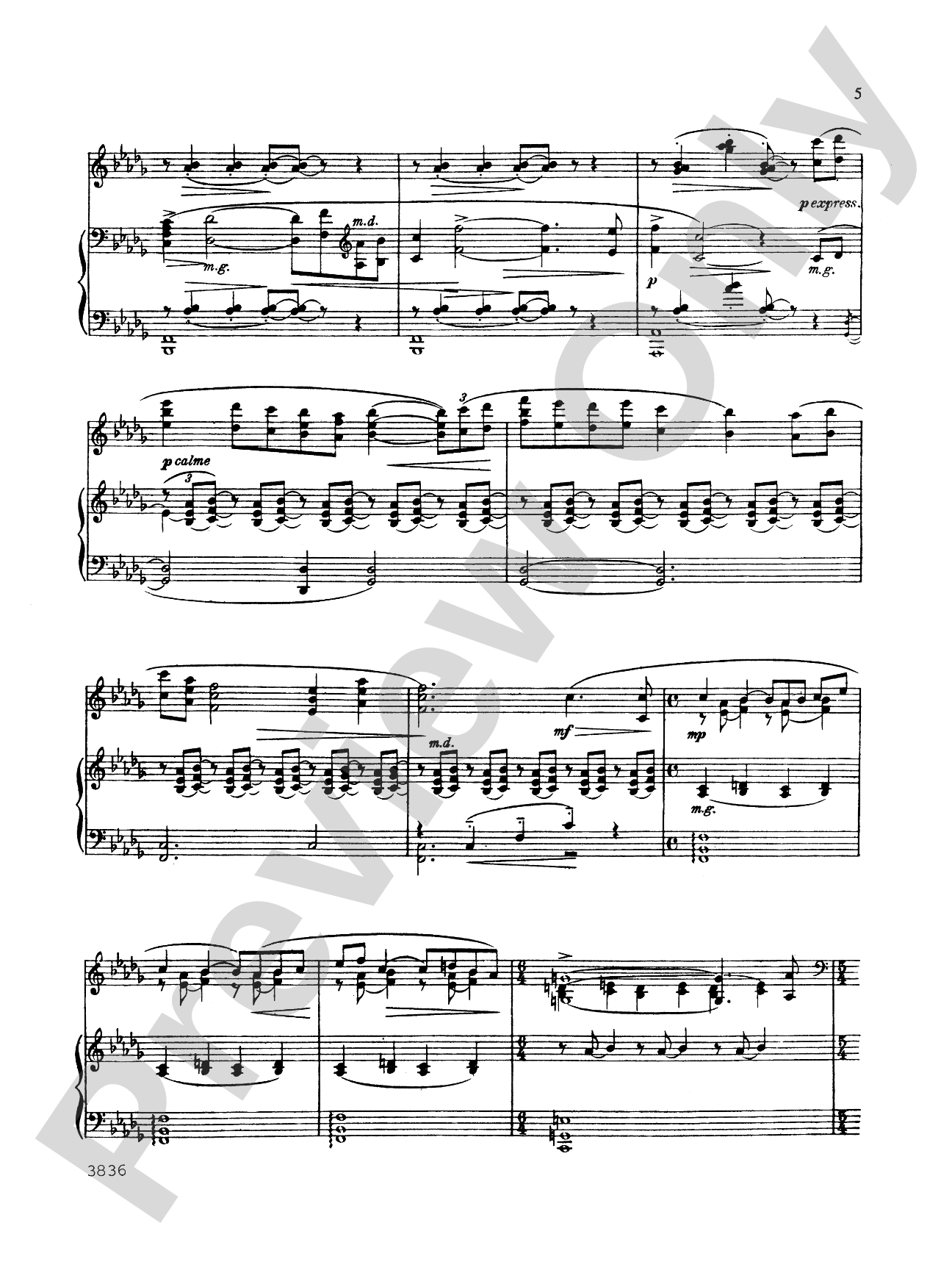
- Practice the layered texture slowly without pedal first to establish independence between voices, then add sustain gradually to achieve the impressionistic wash without muddying harmonic details.
- Attend to dynamic gradations carefully; Ravel's dynamic markings are compositional choices that articulate form and forward motion, not decorative suggestions.
- Balance technical passage work with the lyrical passages; virtuosity serves the musical idea, never the reverse.
How to use it
Program this alongside other French masterworks from the early twentieth century, or pair it with Ravel's other solo piano pieces to showcase his approach to the instrument across different moods and textures. It works equally well as a recital centerpiece or as part of a thematic program exploring impressionism and modern harmony.
Skills your students will build
- Control of pedaling to blend resonance while maintaining harmonic clarity
- Textural balance in impressionistic writing with multiple simultaneous voices
- Interpretation of subtle dynamic and tempo nuance as structural tools
- Technical facility in chromatic passage work and rhythmic precision
- Understanding of twentieth-century harmonic language and tonal ambiguity