

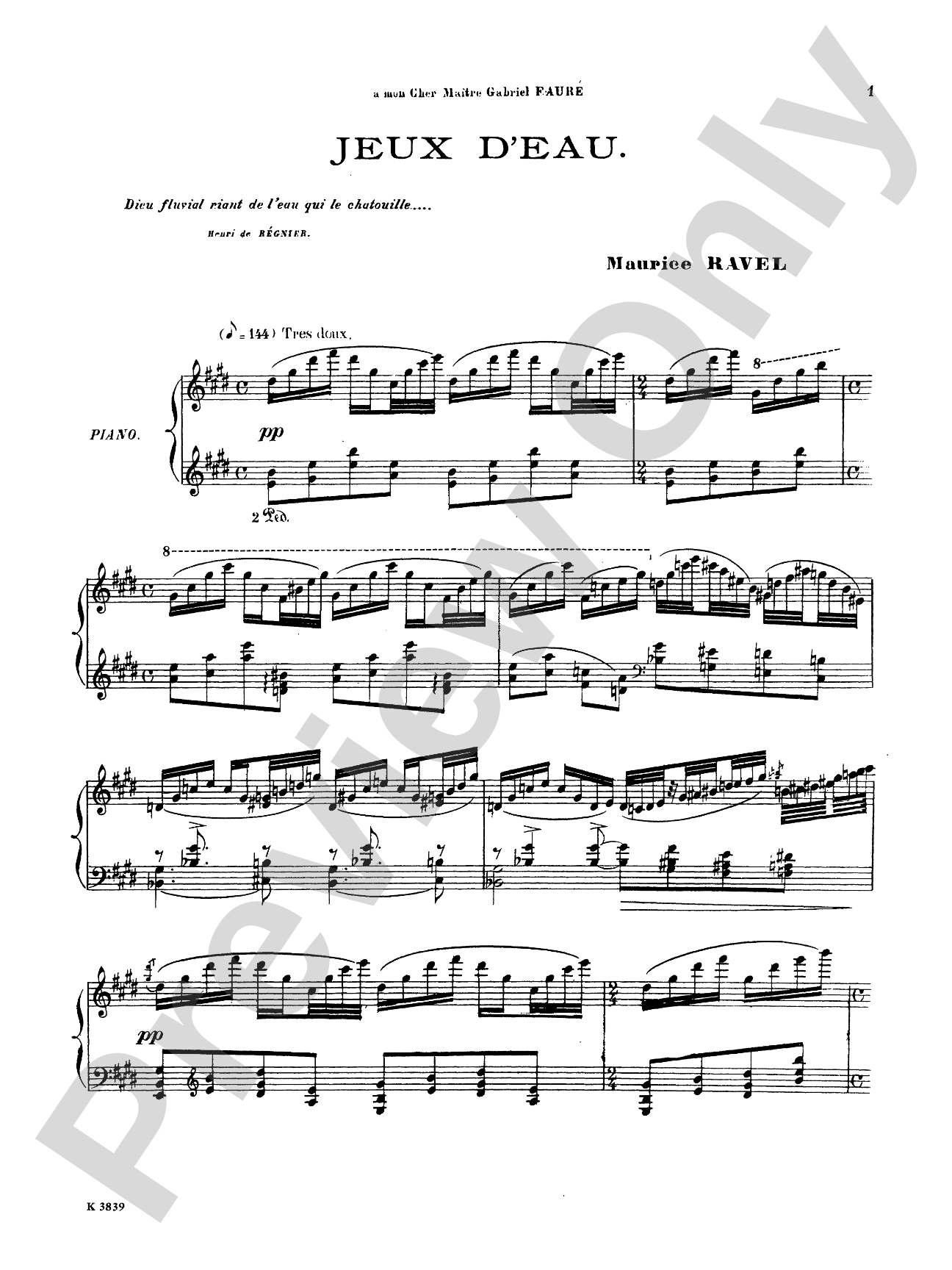
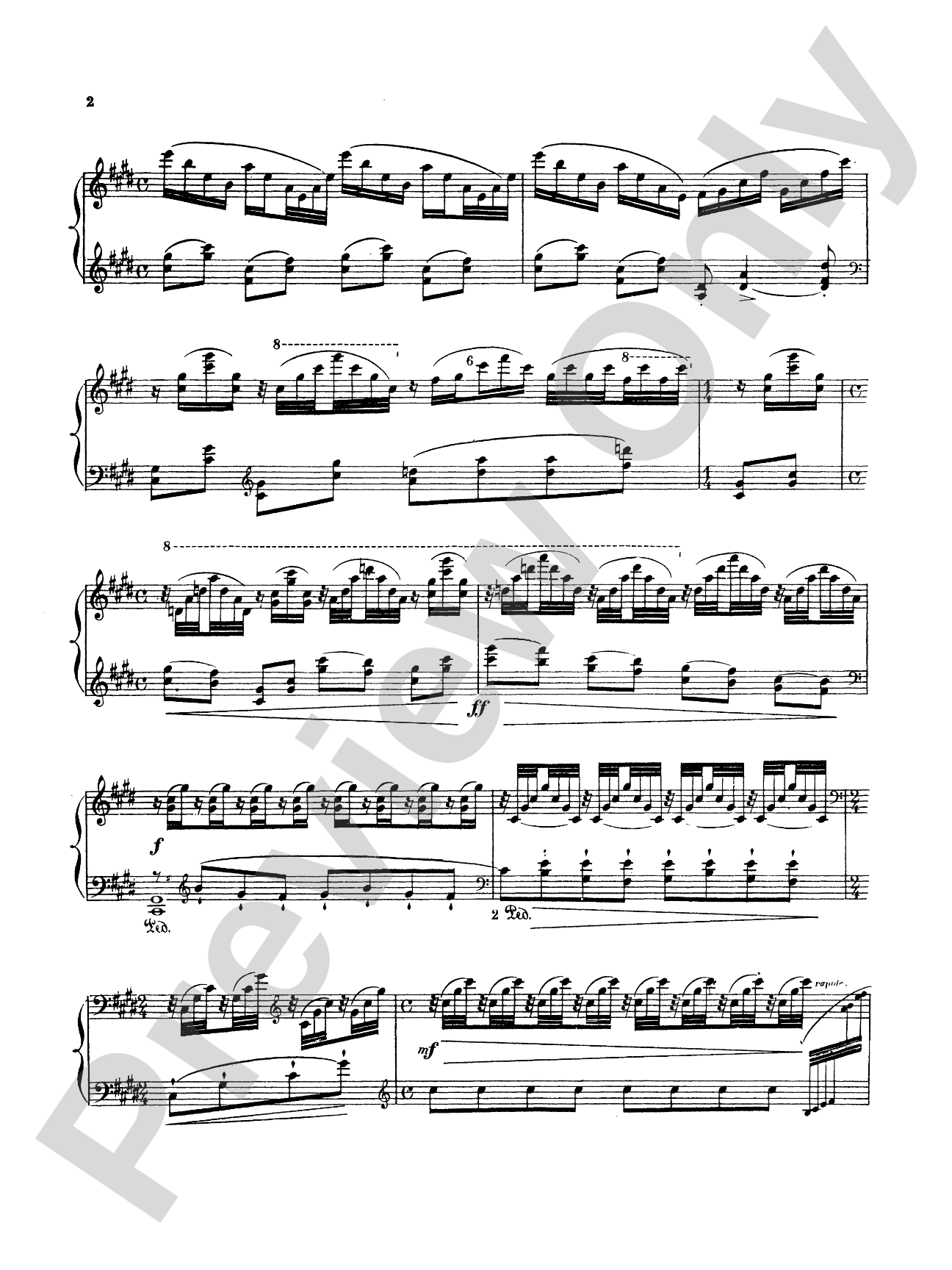
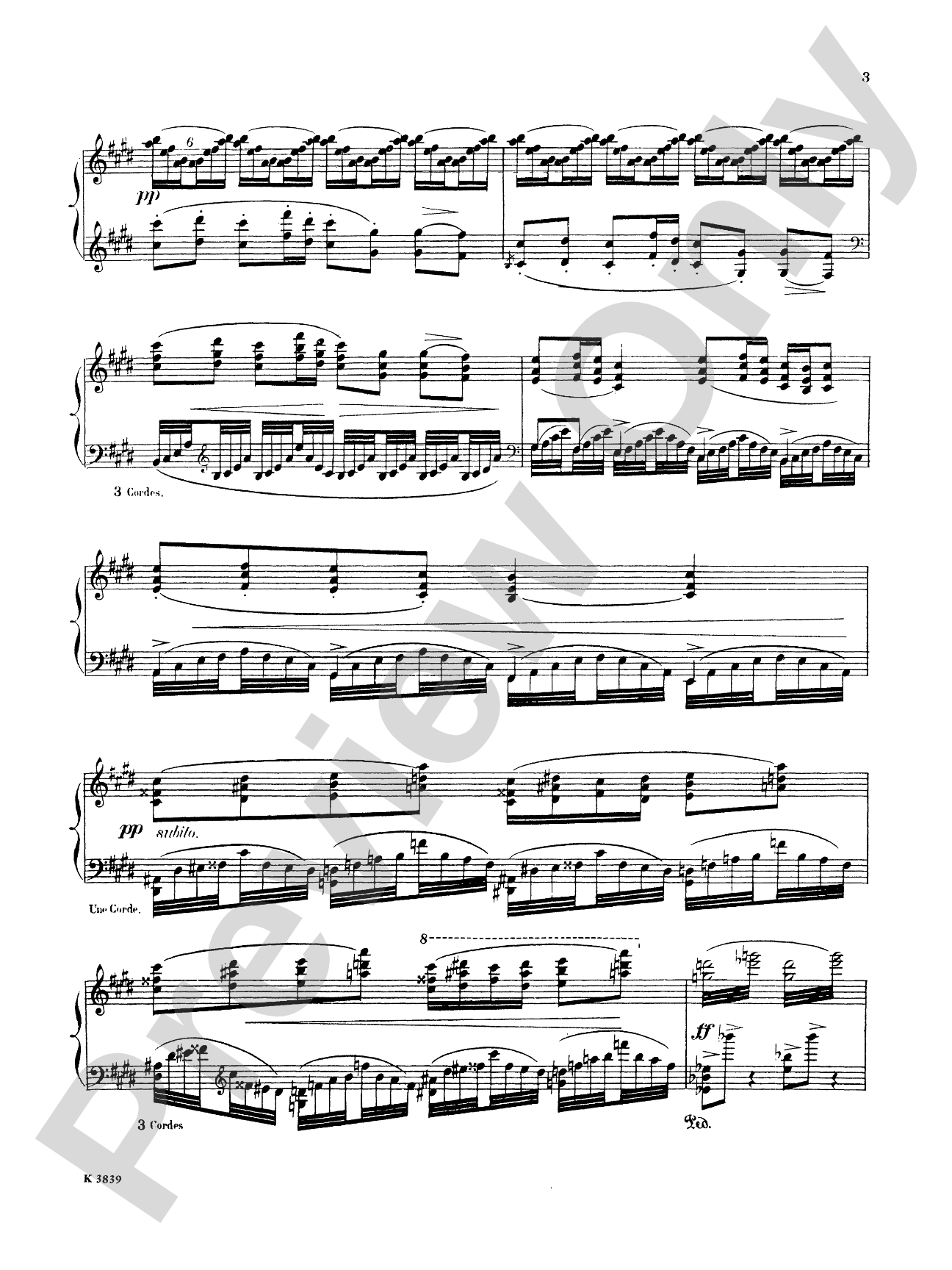
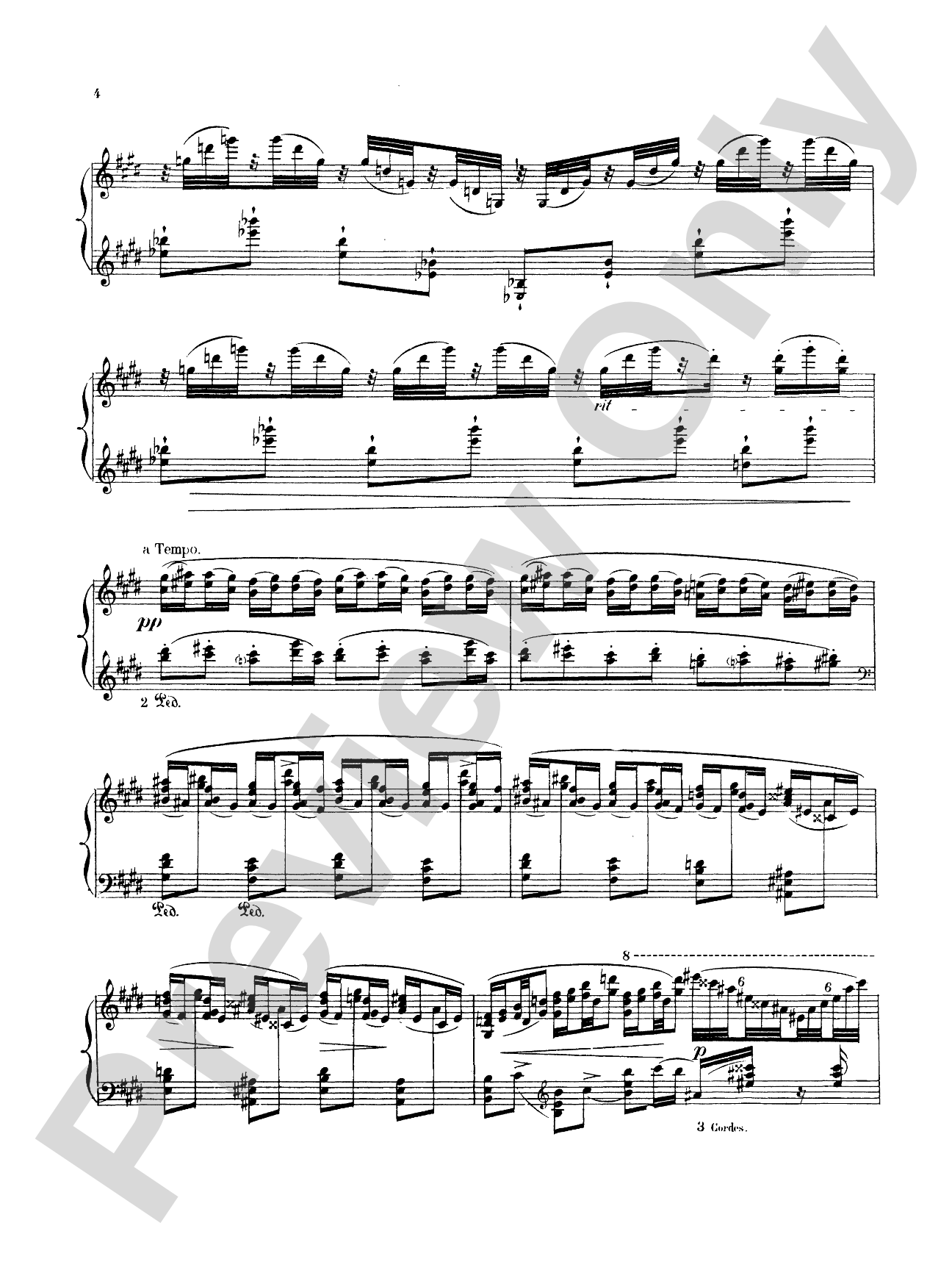
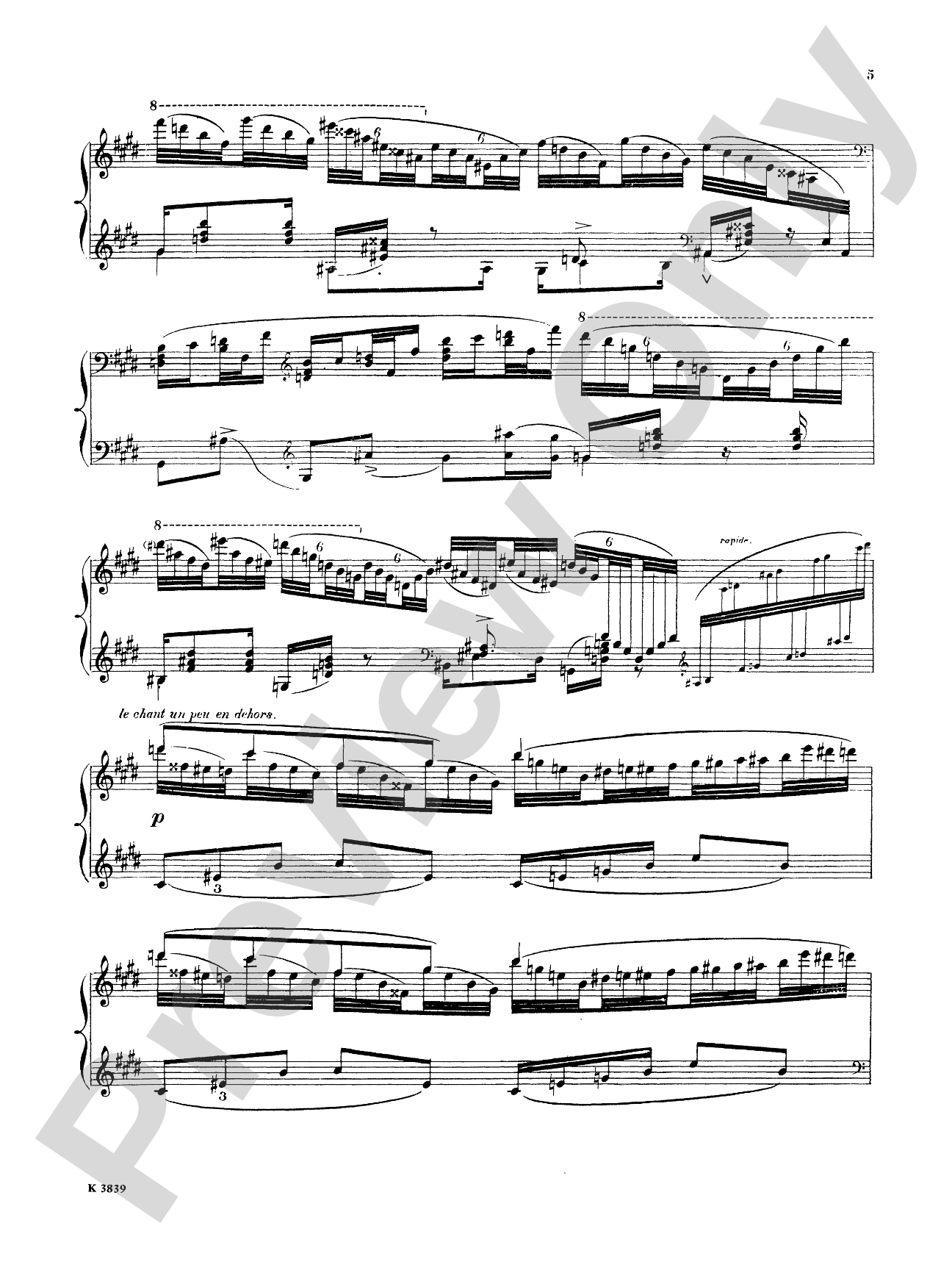
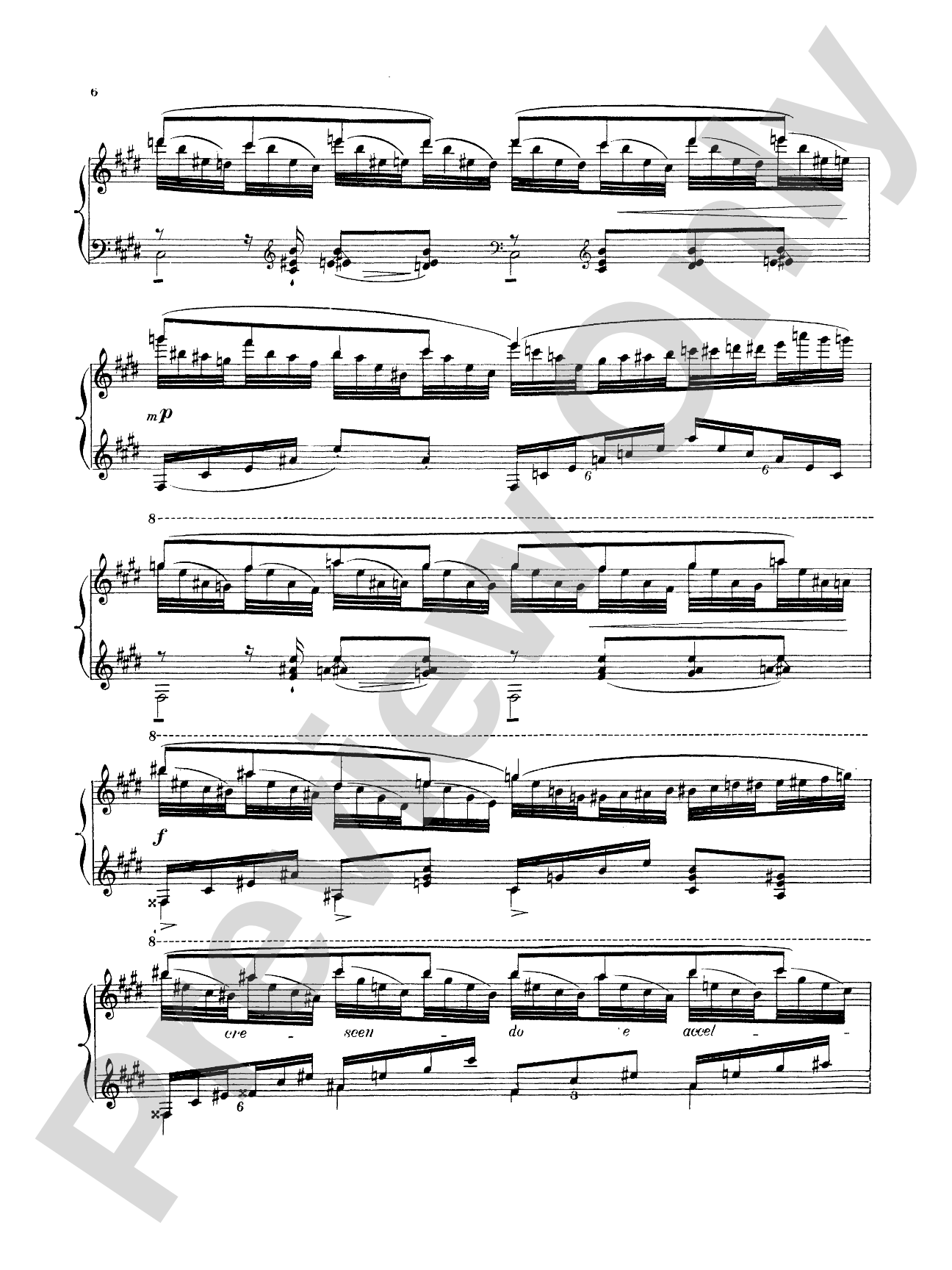
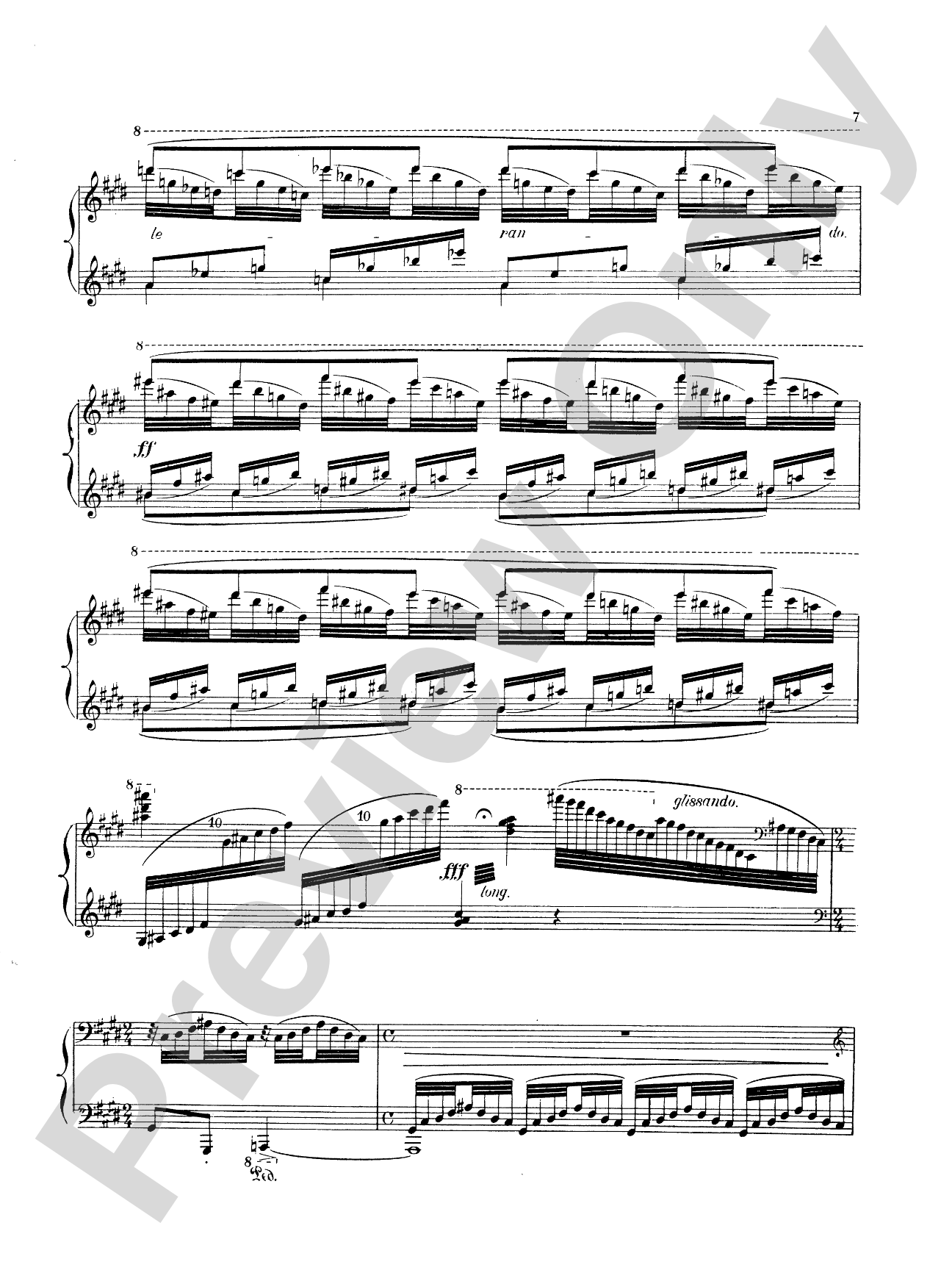
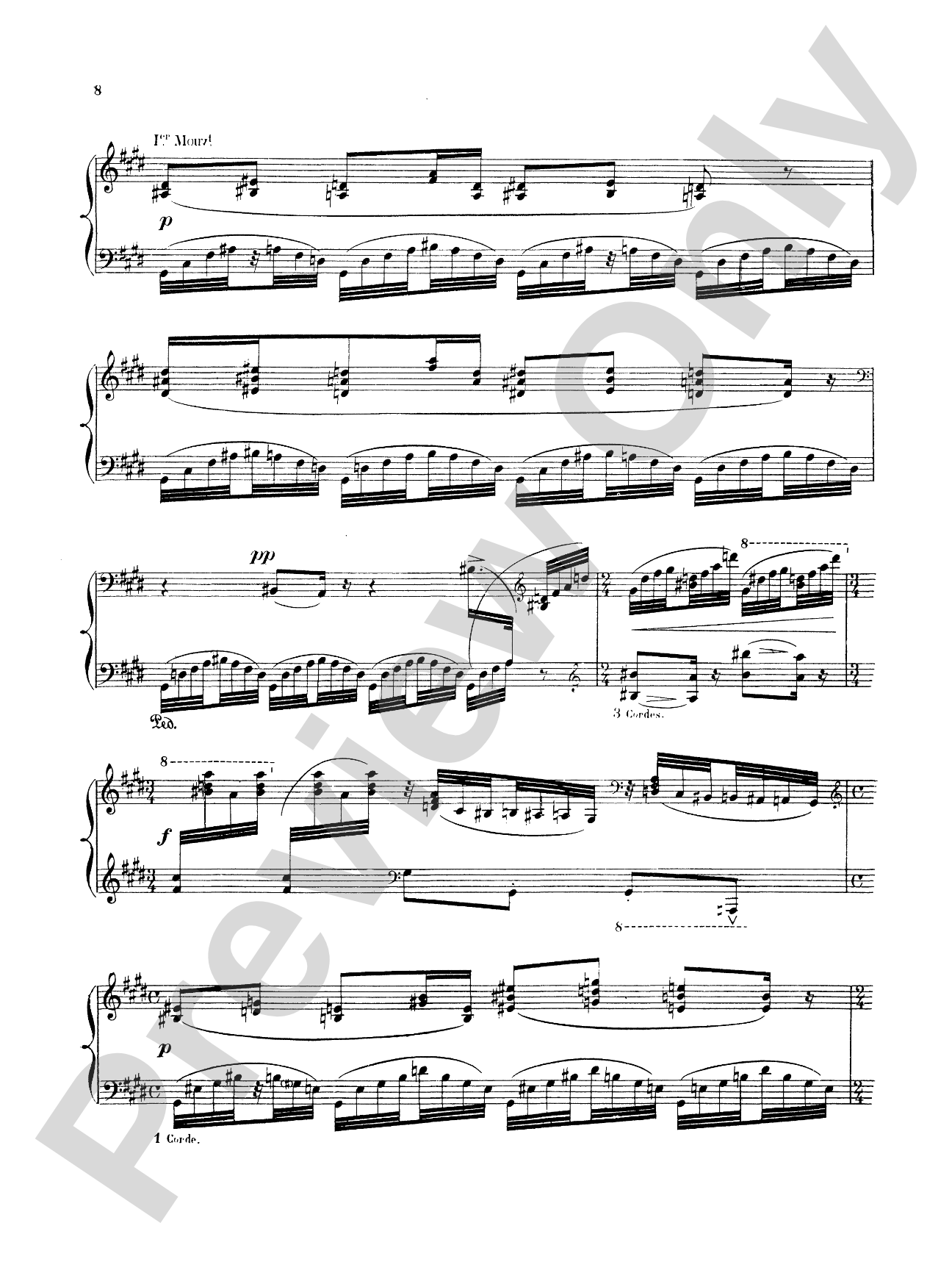
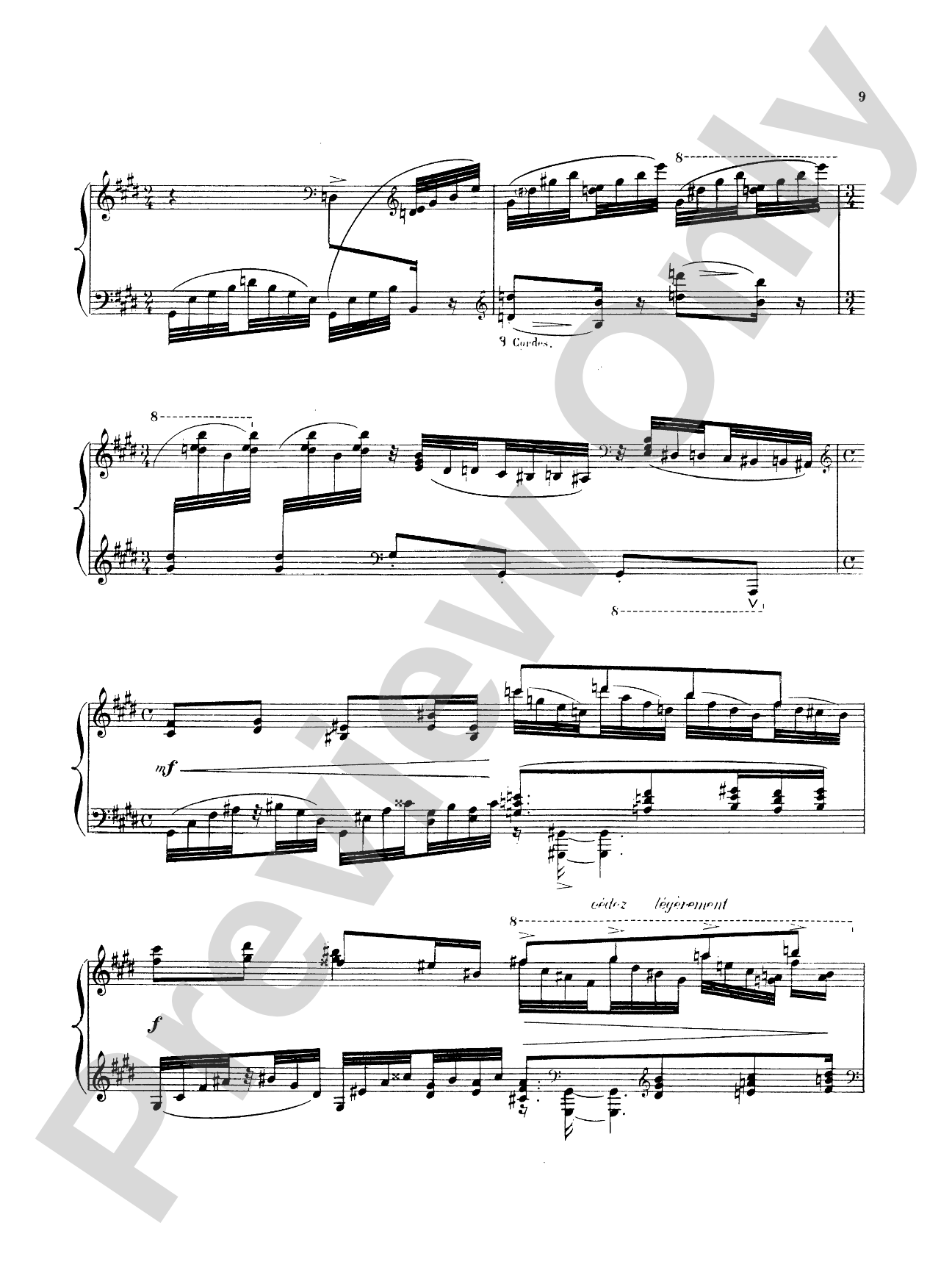
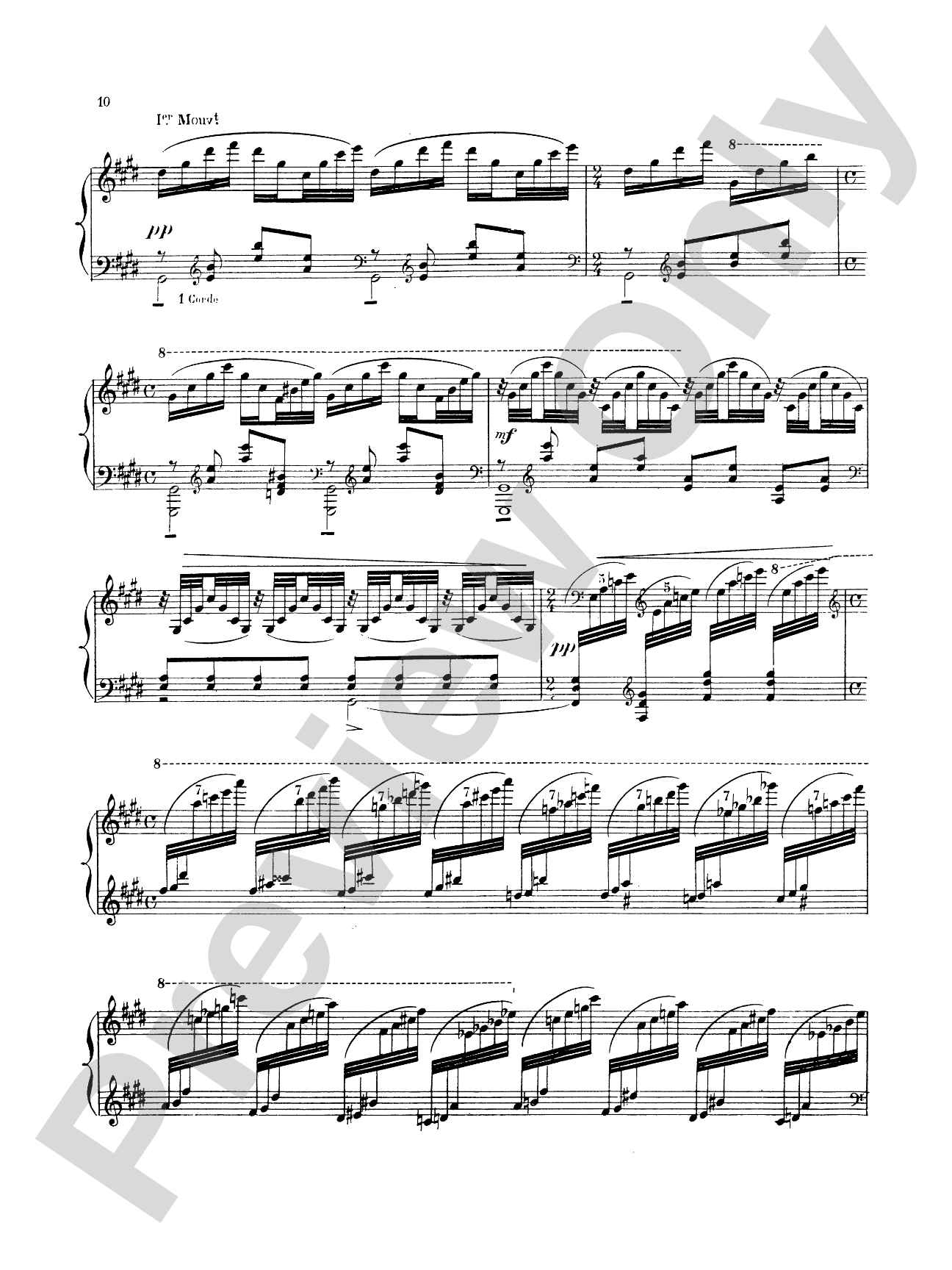
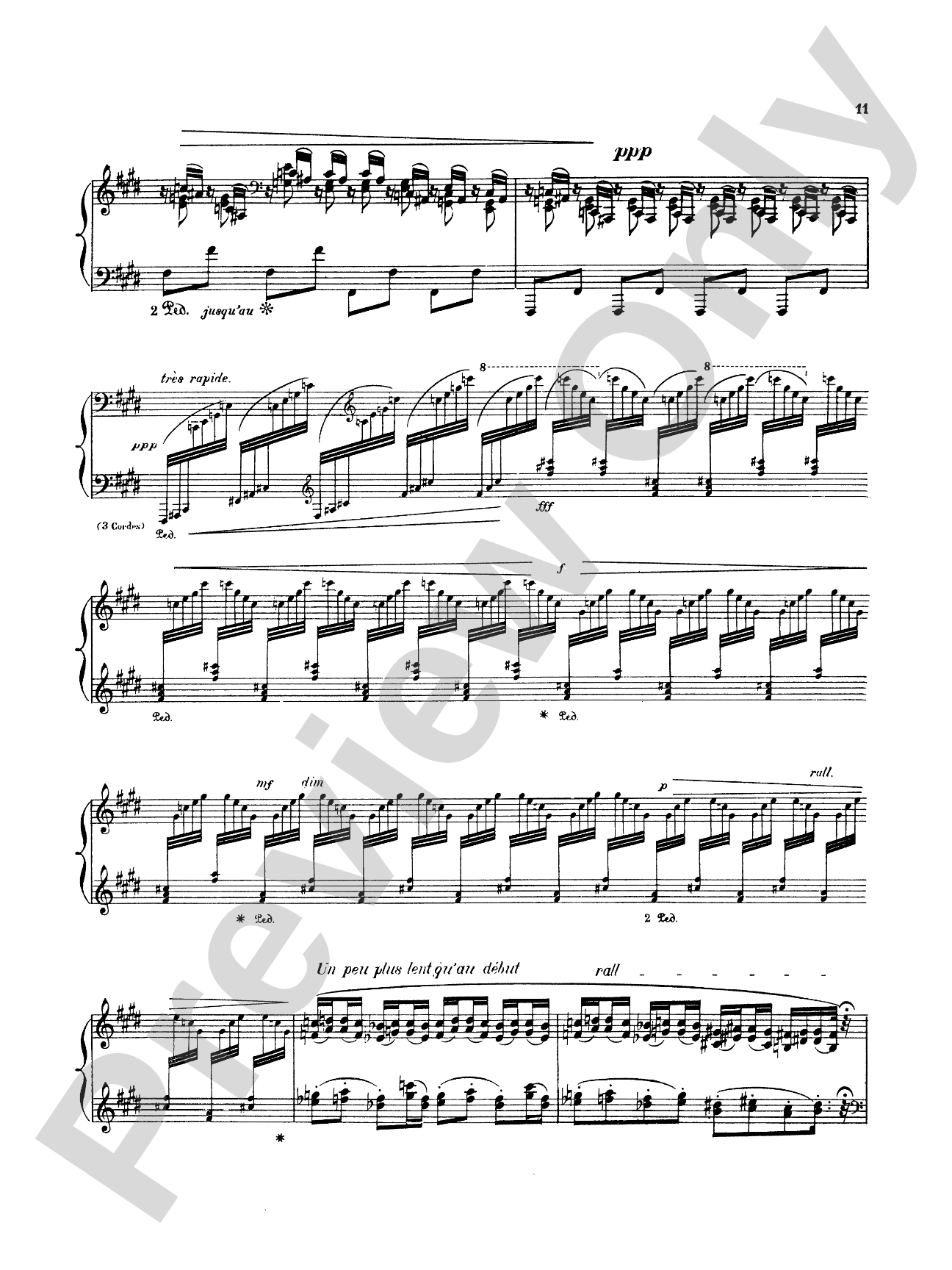
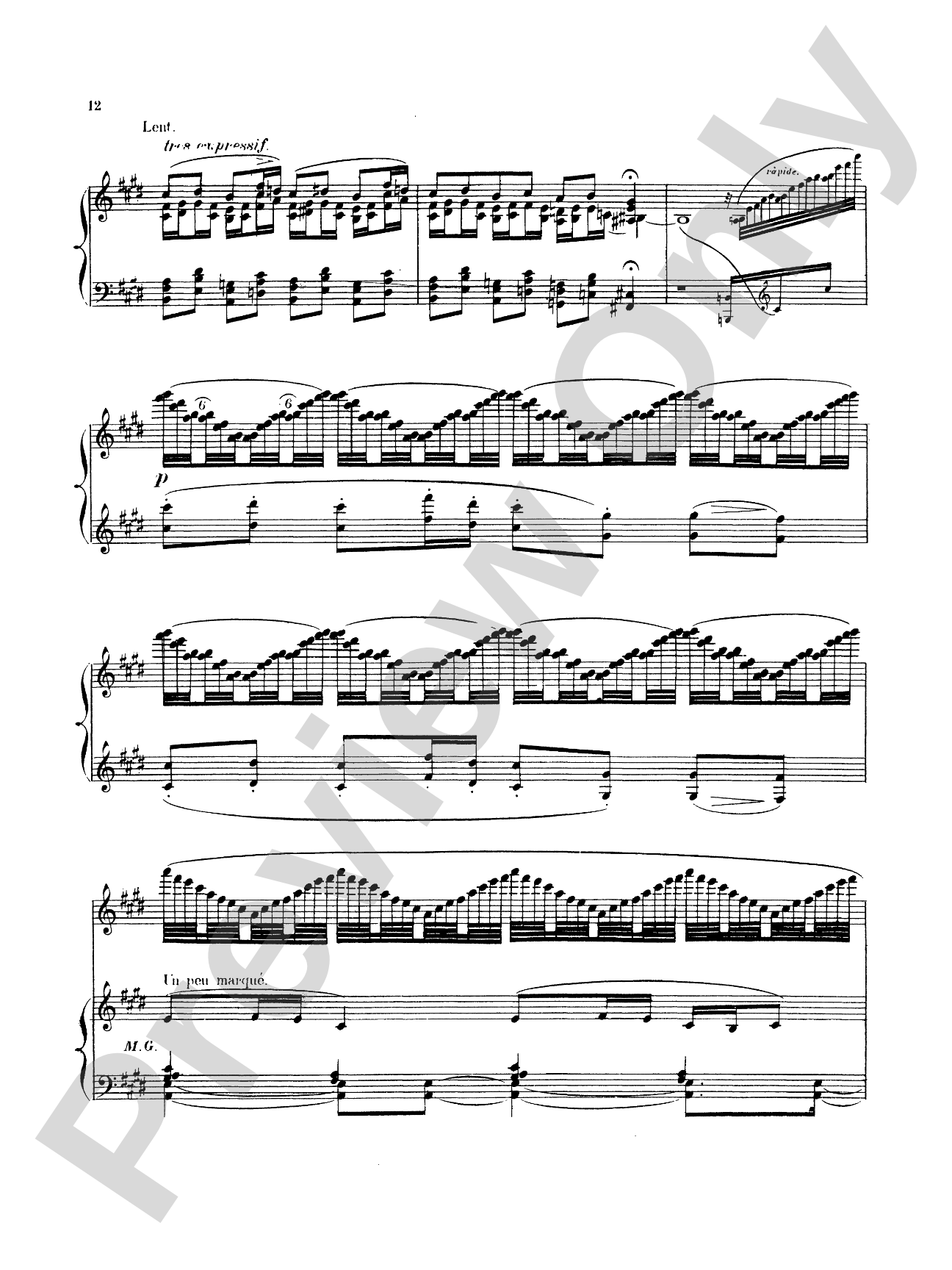
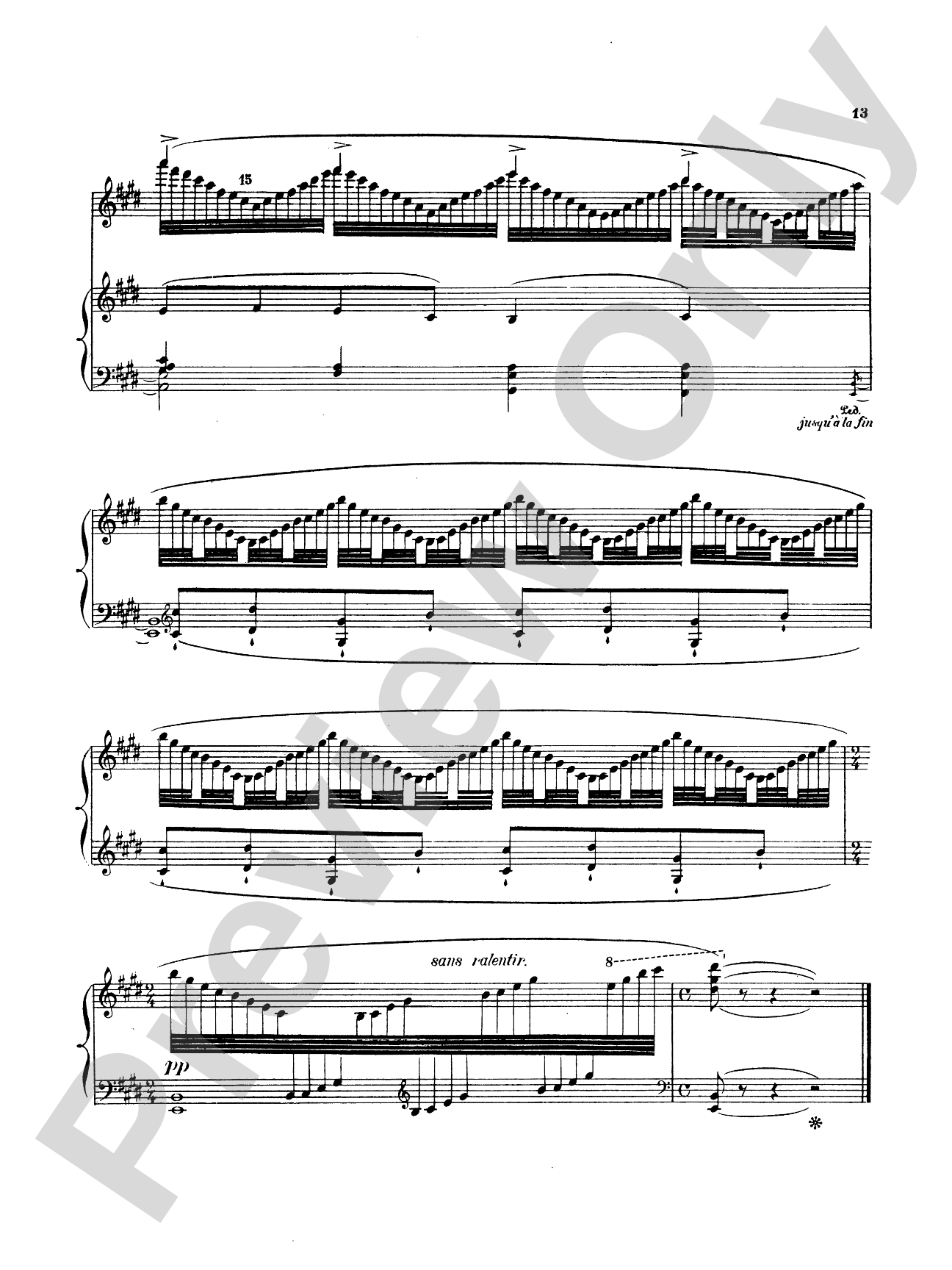


Ravel: Jeux d'eau: Piano
By Maurice Ravel
Item: 00-PK-0003297

$8.99
Pickup currently not available
Parts Added to Cart!
Related Items
Jeux d'eau: Piano |
$8.95
|
View |
Description


Don't just read it, hear it, play along with it, and watch your students grow with it. In MakeMusic Cloud, Ravel: Jeux d'eau: Piano comes alive with professional accompaniment, adjustable tempo, and built-in practice tools that turn solo practice into real progress.
Open in the Player
Jump straight in and assign it today.
Start Your Free Trial
Open this title and explore the full library in minutes.
Sample Audio
No sample audio found.
Sample Video
No sample videos found.
Additional Details
Series:
Kalmus Edition
Publisher:
Alfred Music
Page Count:
16
SKU:
00-PK-0003297
More about this title
About the Composer: Maurice Ravel
Maurice Ravel (1875, 1937) was a French composer who shaped early 20th-century music through obsessive refinement of orchestration and harmonic color. His piano works are laboratories for exploring texture and sonority; he treated the keyboard as an instrument capable of orchestral effects through careful voicing and pedal work. Ravel's influence on piano pedagogy remains significant because his scores demand technical precision in service of musical atmosphere rather than virtuosity for its own sake.
Why we love this
Jeux d'eau remains one of the most influential piano works of the twentieth century, demonstrating that virtuosity and musical substance are inseparable. The piece showcases Ravel's genius for translating orchestral thinking into keyboard color, making it an essential addition to any advanced pianist's repertoire and a window into how modern composition reimagines the instrument itself.
What to expect
Water in motion, captured with almost scientific precision. The piece opens with rippling figuration that suggests flowing water yet maintains crystalline harmonic clarity, moving through pools of reflection and moments of gentle turbulence before settling into a dreamy conclusion. It is simultaneously visceral and impressionistic, tactile yet shimmering.
Who it's for
Advanced pianists preparing concert or recital repertoire will find this work both technically demanding and artistically rewarding. Students studying twentieth-century piano literature, impressionistic composition, or Ravel's catalog specifically need this cornerstone of his keyboard writing.
How to get the most out of it
- Approach the cascading figuration as a unified gesture rather than isolated passages; think of the hand position and arm weight as tools for sustaining the musical line beneath the surface brilliance.
- Balance the bass line's harmonic anchor against the rapid foreground writing; too much pedal will blur the harmonic progression, so practice releasing and refreshing the pedal at key structural points.
- Shape the subtle melodic moments that emerge from the texture (particularly in the middle section) with warmth and clarity; these are the emotional heart of the piece and deserve a distinct tonal quality from the opening.
- Attend carefully to Ravel's dynamic markings and tempo fluctuations; they are precise and essential to the character. Resist the urge to rush the faster sections, as clarity and control matter more than velocity.
How to use it
Program this as the centerpiece of a recital dedicated to early twentieth-century piano works, or pair it with other Ravel compositions (Scarbo or Gaspard de la nuit) for a focused exploration of his keyboard mastery. It also works effectively as a curtain-raiser or finale depending on the surrounding repertoire and the narrative arc you wish to create.
Skills your students will build
- Executing rapid passagework with clarity and even tone across extended technical passages
- Managing harmonic color through pedal control and voice leading
- Balancing multiple textural layers (melody, figuration, bass) simultaneously
- Interpreting impressionistic harmony and non-functional chord progressions
- Sustaining physical control and precision at varying tempos and dynamic levels