
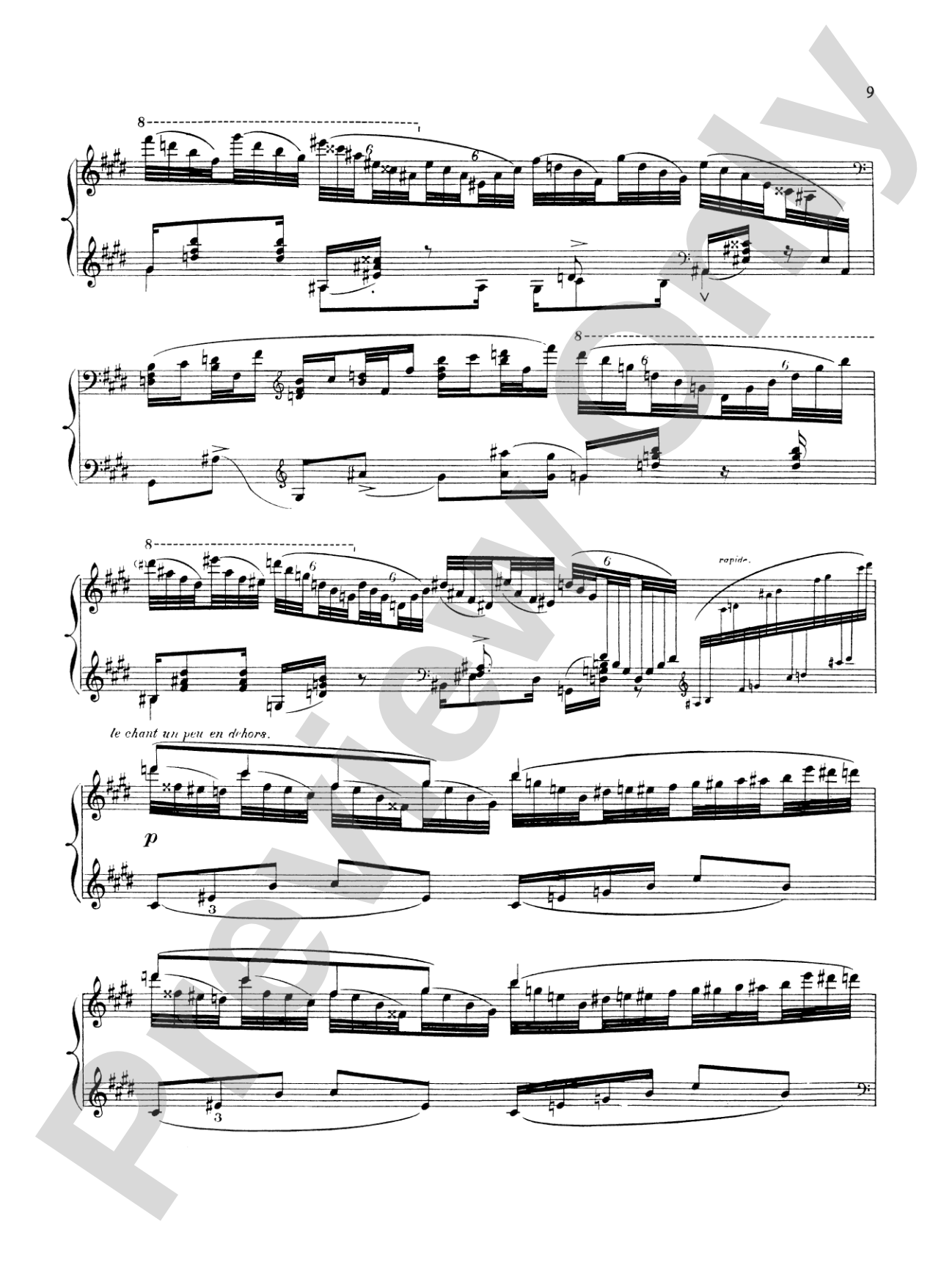
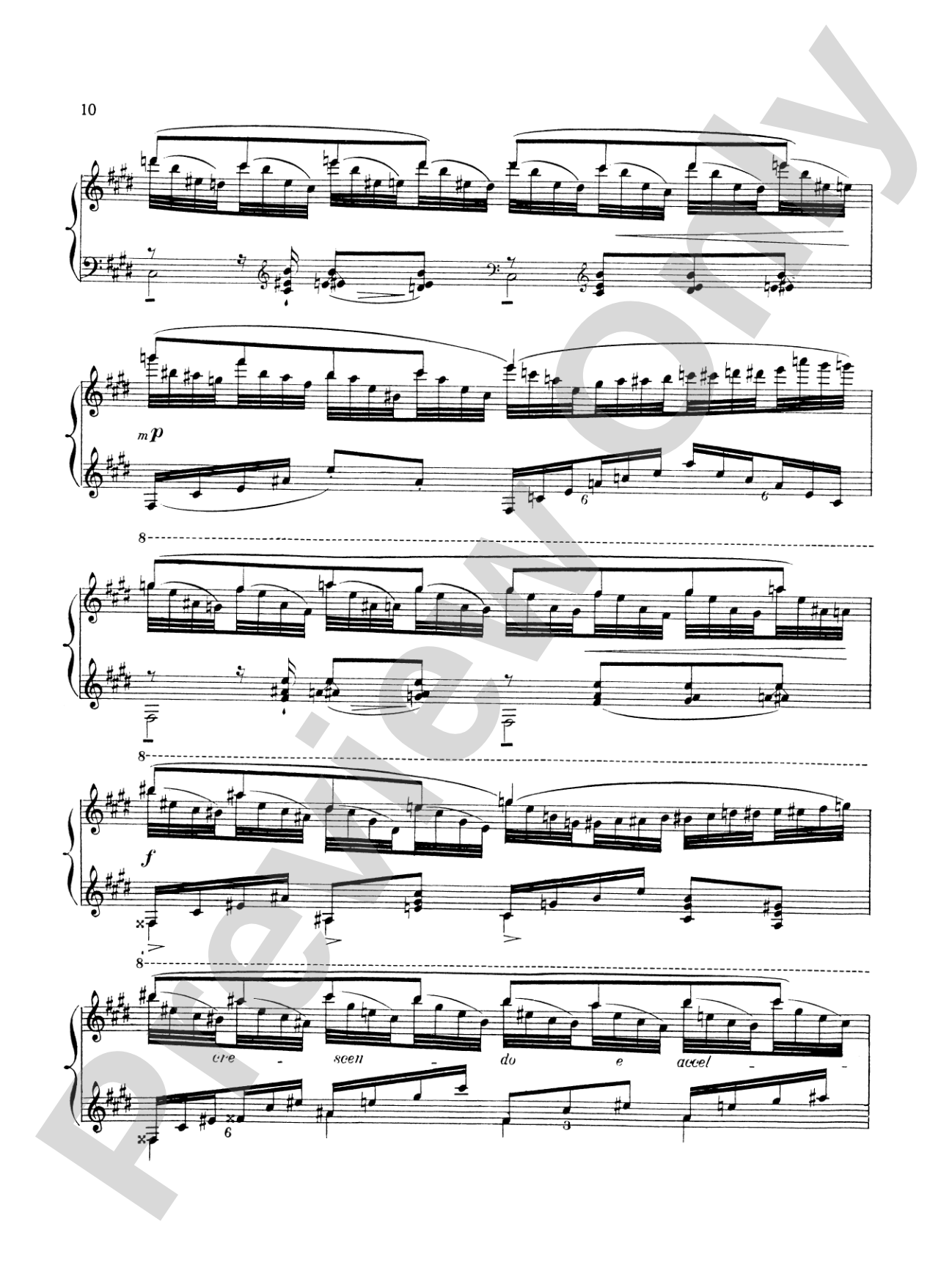
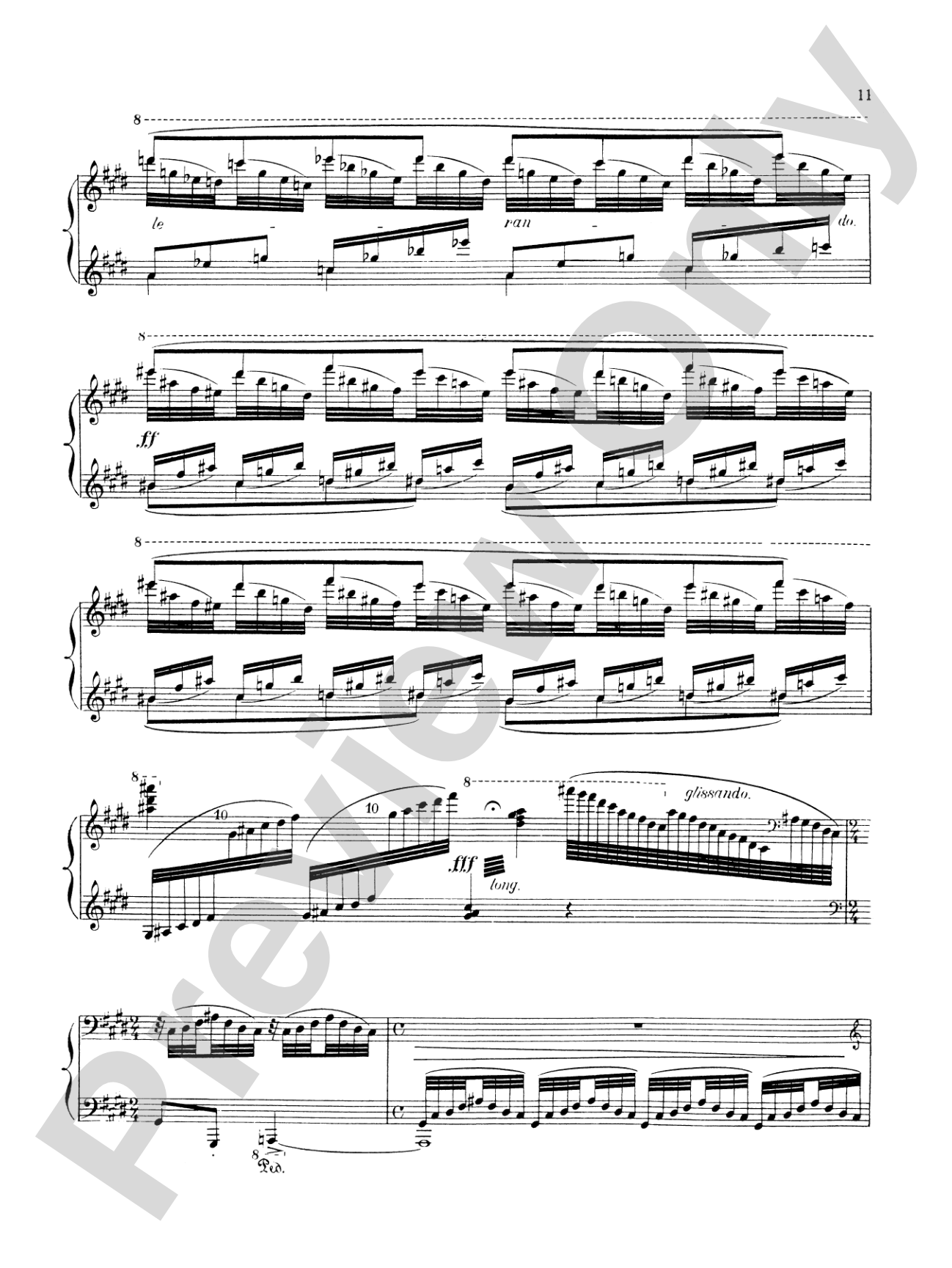
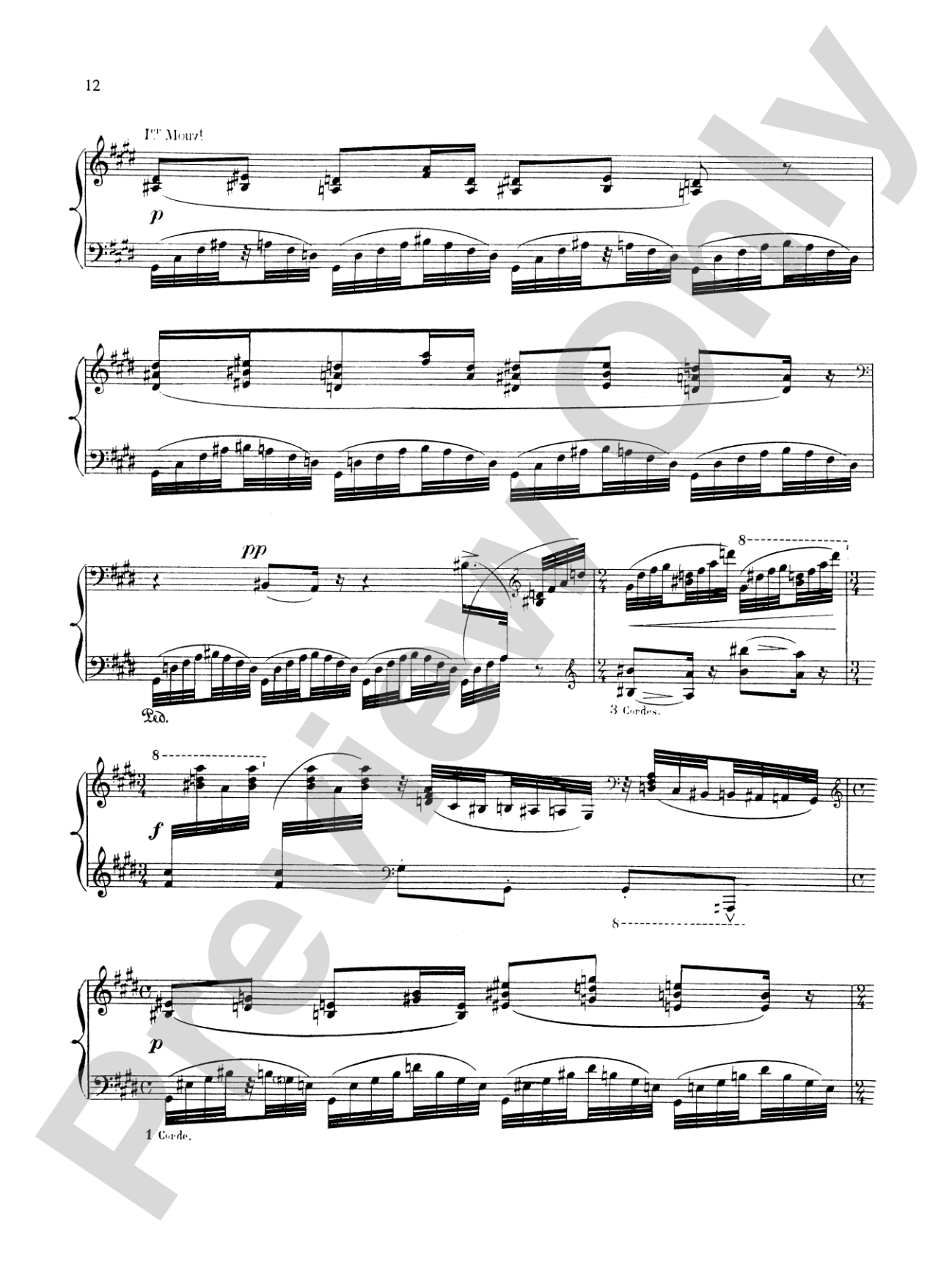
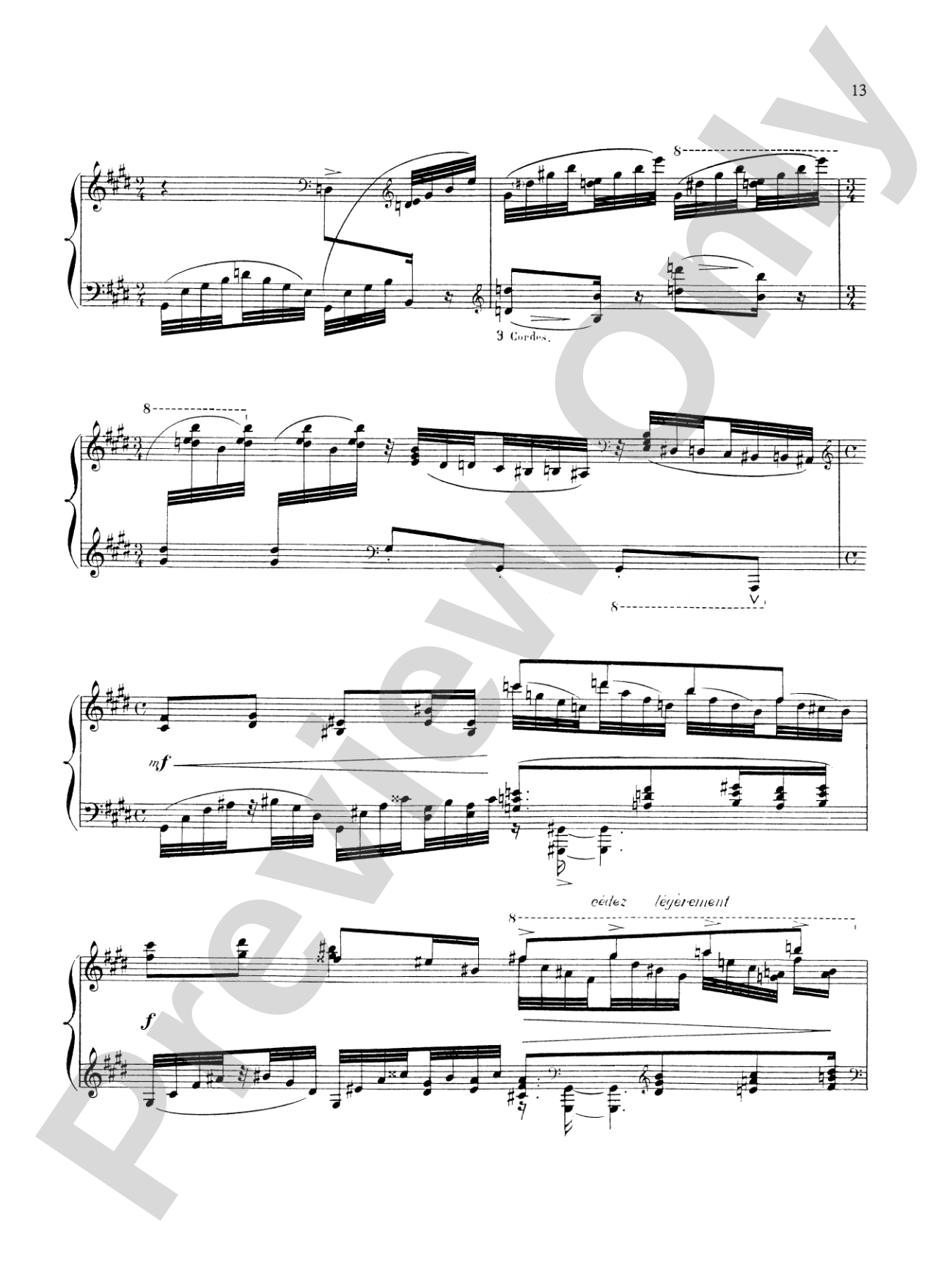
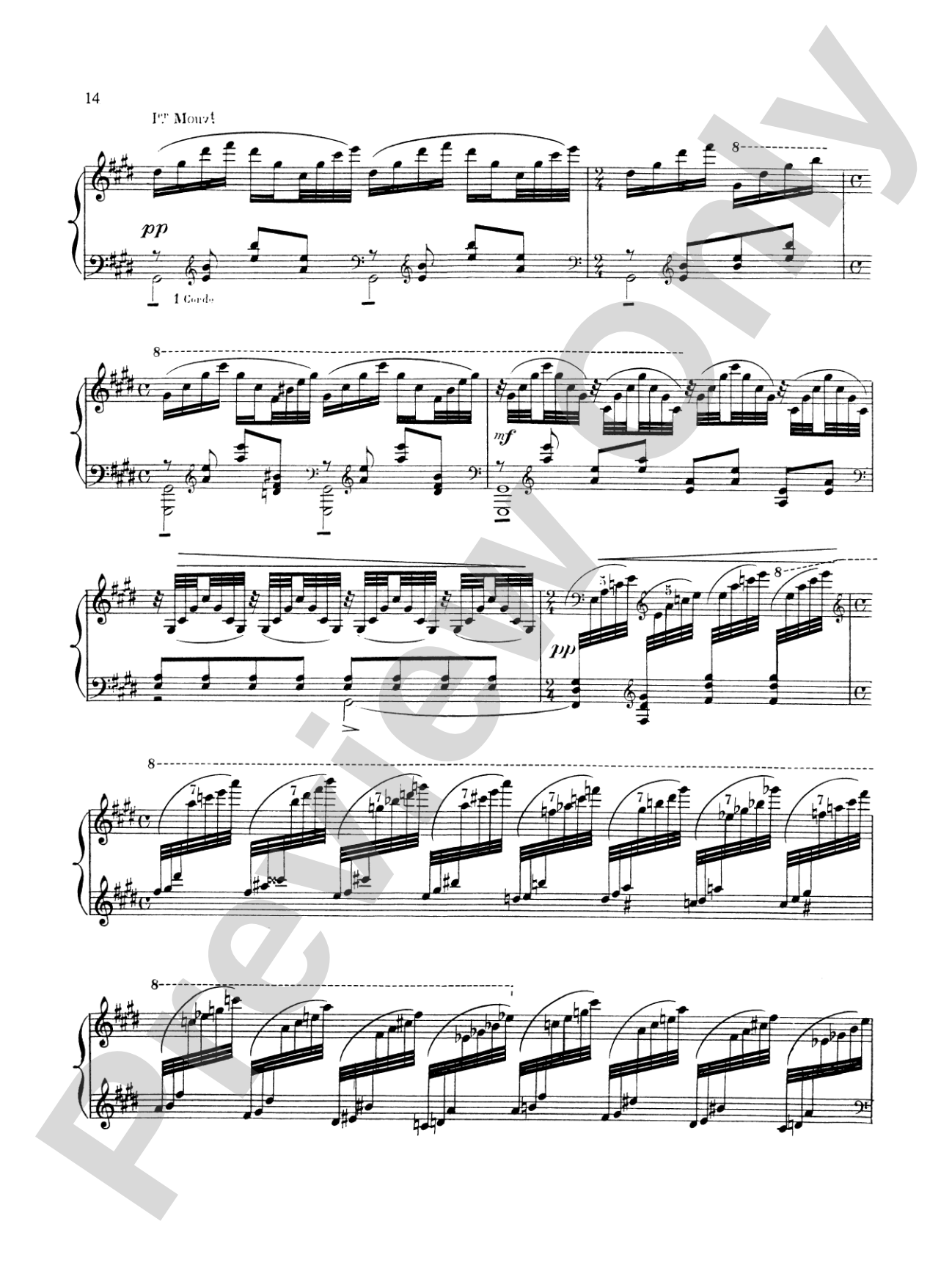
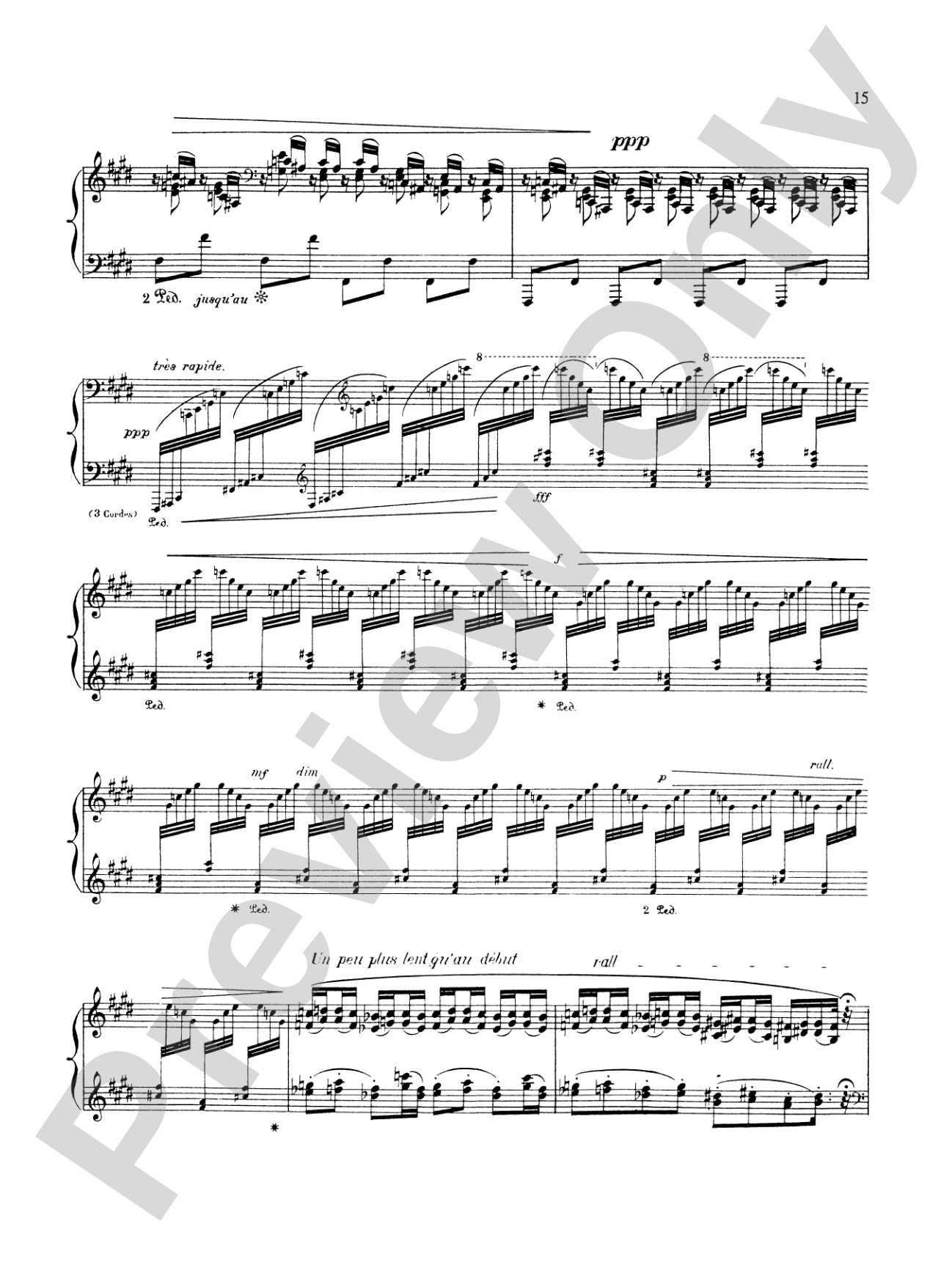
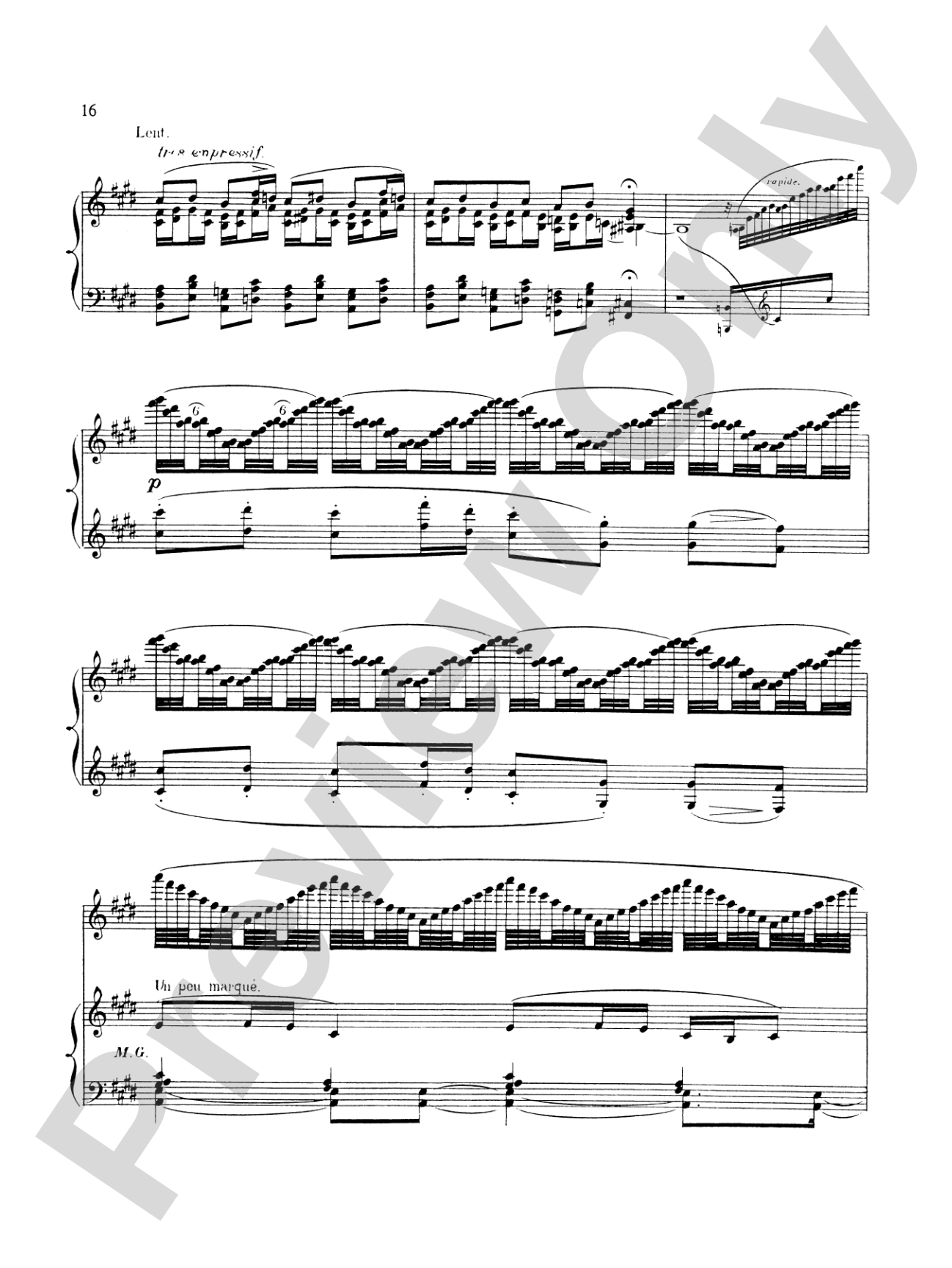

Ravel: Album: Piano Book
By Maurice Ravel
Item: 00-PK-0002709

$9.99
Pickup currently not available
Buy Extra Parts (Digital PDF Download)
| Product | Price | Quantity |
|---|---|---|
| Ravel: Album | $0.99 | |
| Ravel: Album | $0.99 | |
| Ravel: Album | $0.99 | |
| Ravel: Album | $0.99 | |
| Ravel: Album | $0.99 |
Parts Added to Cart!
Related Items
Album for Piano: Piano Book |
$9.99
|
View |
Description
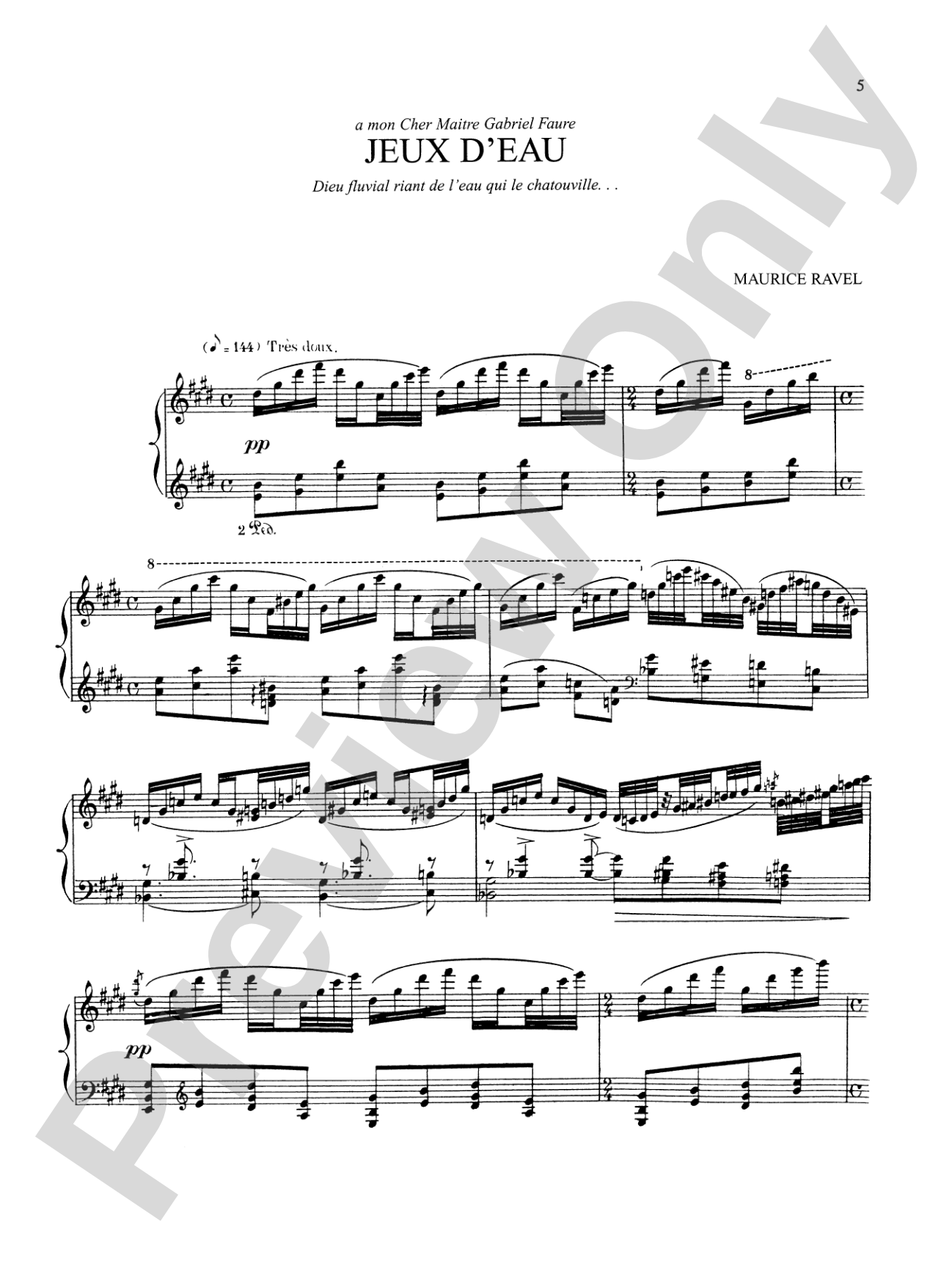
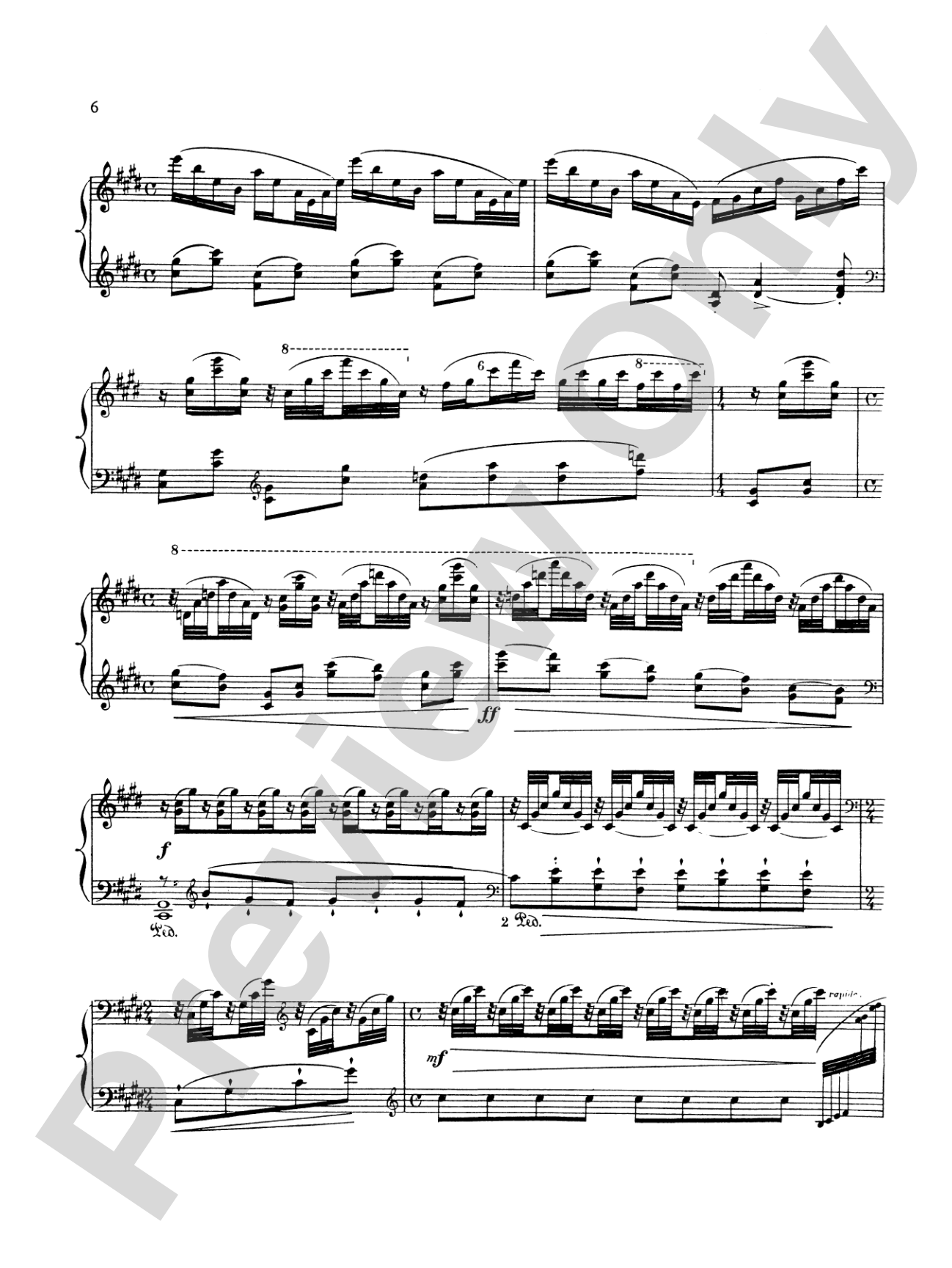
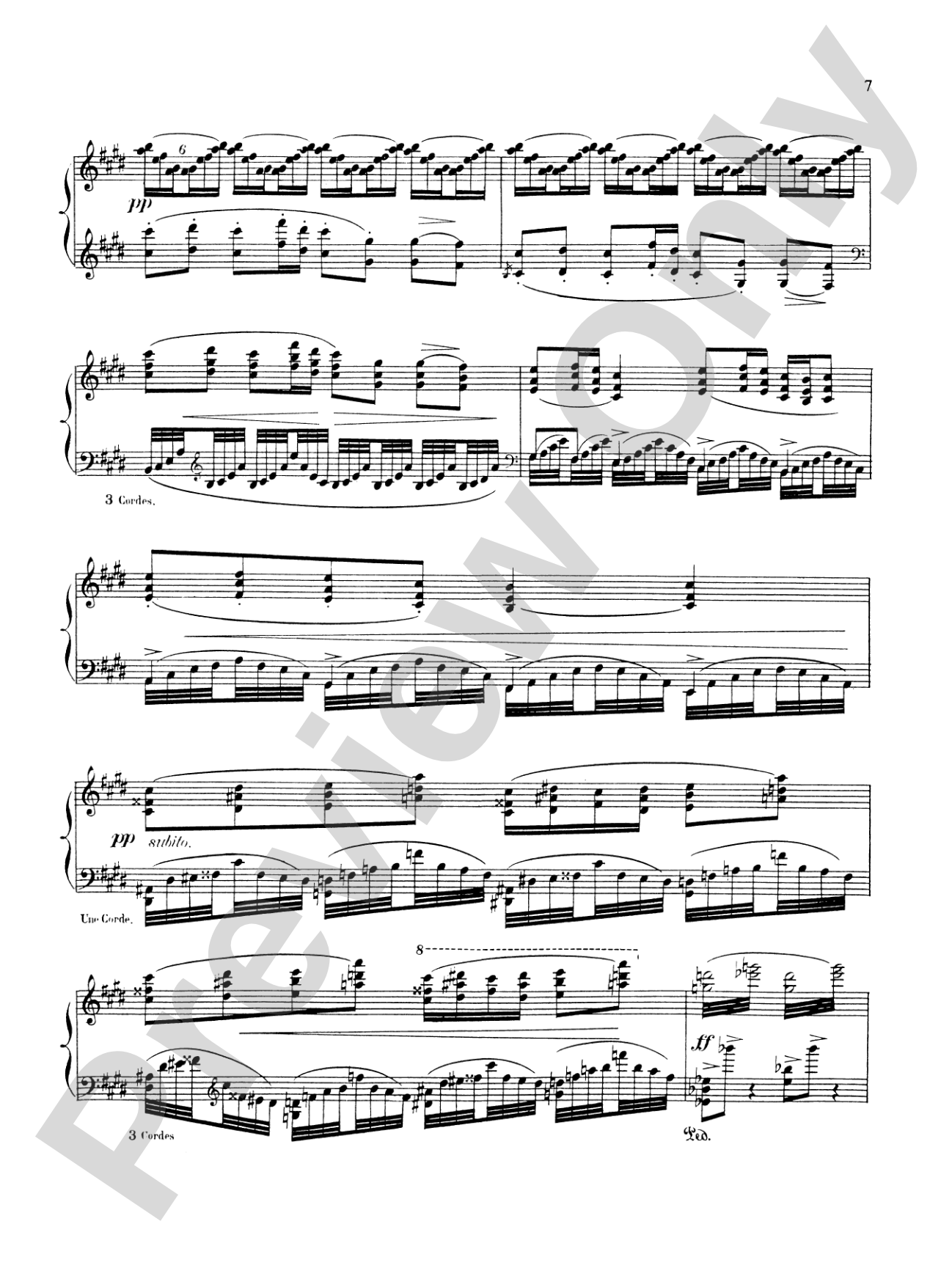
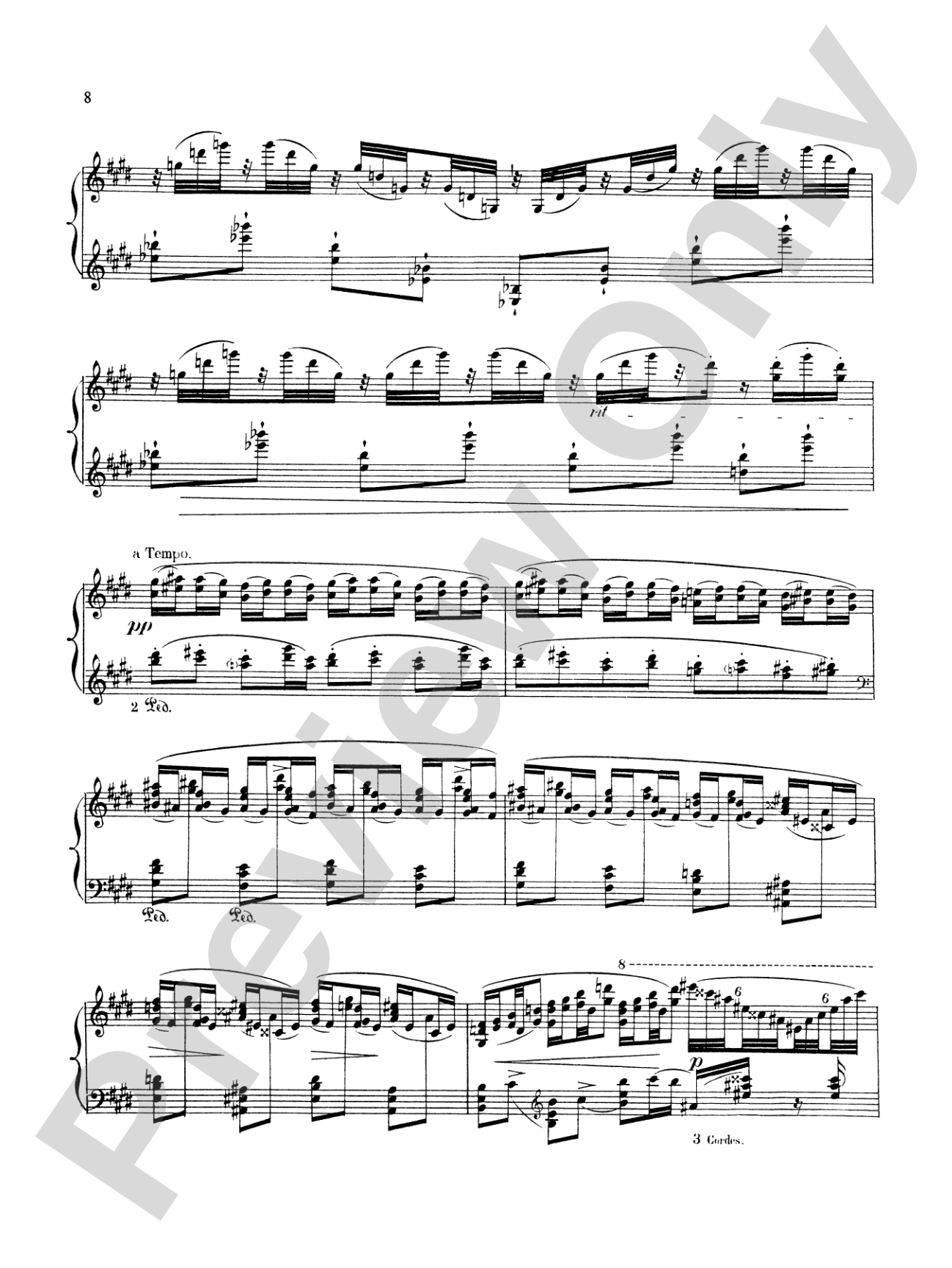
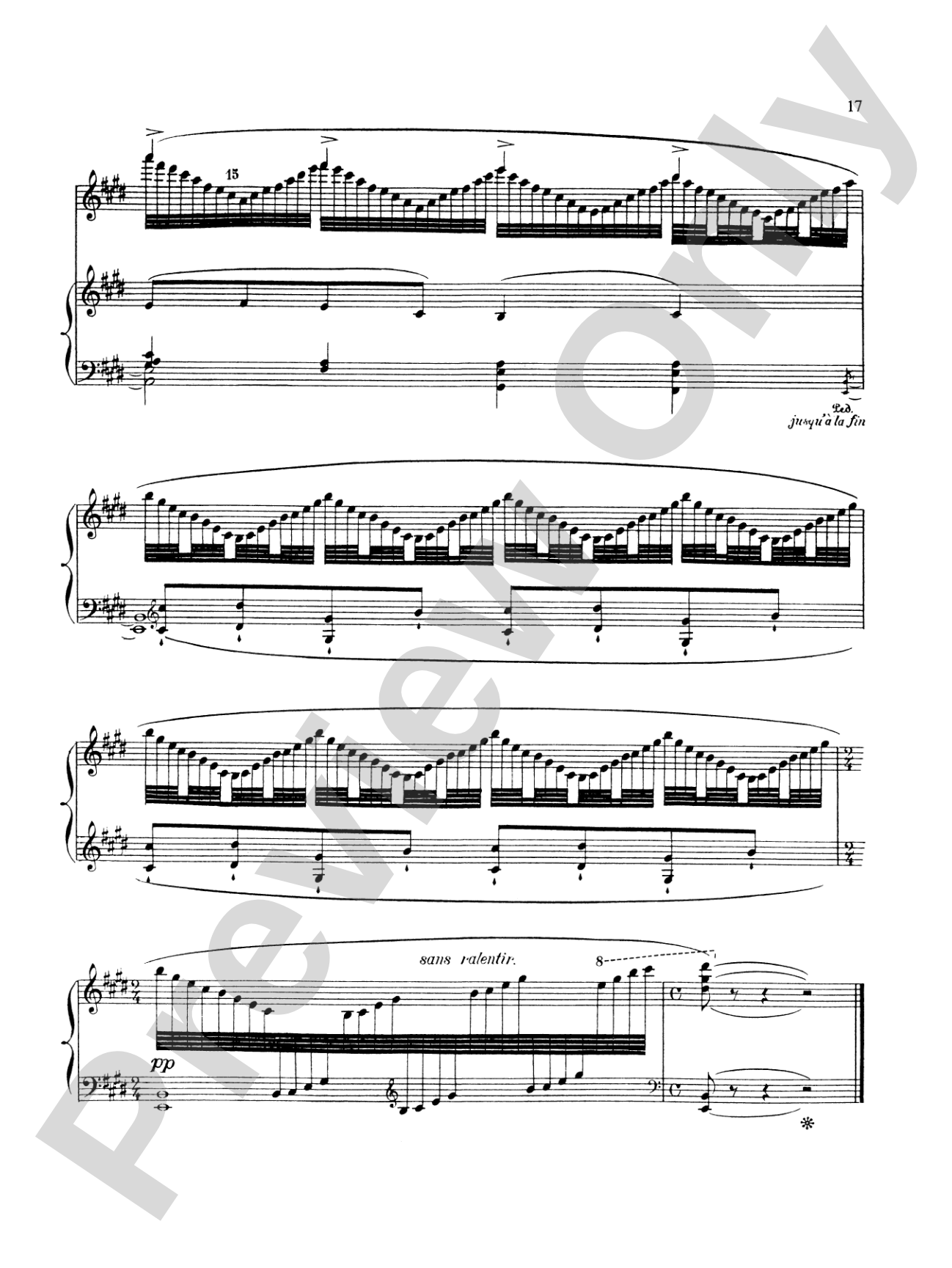
Titles Alborada del gracioso from Miroirs; Barque sur L'océan; Jeux d'eau; Menuet Antique; La Vallée des cloches.


Don't just read it, hear it, play along with it, and watch your students grow with it. In MakeMusic Cloud, Ravel: Album: Piano Book comes alive with professional accompaniment, adjustable tempo, and built-in practice tools that turn solo practice into real progress.
Open in the Player
Jump straight in and assign it today.
Start Your Free Trial
Open this title and explore the full library in minutes.
Sample Audio
No sample audio found.
Sample Video
No sample videos found.
Additional Details
Series:
Kalmus Edition
Publisher:
Alfred Music
Page Count:
60
SKU:
00-PK-0002709
More about this title
About the Composer: Maurice Ravel
Maurice Ravel (1875-1937) was a French composer whose fastidious orchestration and harmonic innovation defined early twentieth-century modernism. His piano works occupy a central place in the repertoire, combining technical virtuosity with impressionistic color and formal clarity in ways that continue to challenge and reward serious students.
Why we love this
This collection gathers five of Ravel's most consequential solo piano works, each a showcase for different facets of his compositional voice. The variety spans from the lyrical impressionism of Jeux d'eau to the rhythmic sophistication of Alborada del gracioso, making this an essential program builder for advanced students and recitalists who need substantial, varied material at the highest level.
What to expect
These pieces shimmer with impressionistic color and rational structure held in elegant tension. Ravel's imagination dwells in miniature worlds of crystalline precision—glittering fountains, tolling bells, rocking boats, and courtly dances—where every note serves both sensory and architectural purpose.
Who it's for
Advanced pianists and upper-level conservatory students preparing ambitious recital programs or studying the modernist piano repertoire. Teachers seeking substantial, repertoire-standard works that demand technical control, harmonic awareness, and mature musical judgment will find multiple options for their most capable students.
How to get the most out of it
- Attend closely to Ravel's pedal markings; they are integral to the harmonic design and not optional interpretive choices. The resonance of the instrument becomes part of the compositional texture.
- Work the hand independence passages in Jeux d'eau slowly to develop clarity before approaching tempo. The right hand's cascading figuration must remain articulate even when cascading at speed.
- Shape the modal melody in Menuet Antique with the restraint Ravel demands. Avoid expressive overstatement; the archaic character lies in simplicity, not sentiment.
- Balance the polytonal layers in Barque sur l'océan so that the persistent left-hand figurations support rather than obscure the narrative unfolding above them.
How to use it
Program these works as individual statements in student recitals or use a pairing (such as Jeux d'eau and Alborada del gracioso) to anchor a concert exploring early twentieth-century French modernism. The collection also serves advanced students building a comprehensive survey of Ravel's solo keyboard output.
Skills your students will build
- Executing rapid passagework with harmonic clarity and evenness of tone
- Interpreting impressionistic harmony and understanding functional harmony's limits
- Managing pedal as a compositional tool rather than a dynamic effect
- Reading and executing complex rhythmic figures across changing time signatures
- Bringing structural coherence to pieces built on ostinato and figuration rather than melodic development
- Balancing polytonal layers and independent hand voices