Ramsgate March Cover Image

Ramsgate March: Concert Band Conductor Score & Parts

$60.00 USD
Sale price  $60.00 USD Regular price 
Skip to product information
Ramsgate March Cover Image

Ramsgate March: Concert Band Conductor Score & Parts

By Carl Strommen

Grade: 2 (Easy)

Item: 00-BDM02010

makemusic Cloud badge

Need it now?

Buy Digital Version
$60.00
Shipped

One moment…

Description
Look no further for your new concert march with a British flavor. This very full sounding original has varied textures and an exciting finish. Crisp melodies build to a tutti ensemble statement. This solidly scored march is suitable as a contest warm-up and is super for any program. (2:14)

Don't just read it, hear it, play along with it, and watch your students grow with it. In MakeMusic Cloud, Ramsgate March: Concert Band Conductor Score & Parts comes alive with professional accompaniment, adjustable tempo, and built-in practice tools that turn solo practice into real progress.

Sample Pages

Sample Audio
0:00
0:00
Sample Video
Additional Details
Series: Belwin Young Band
Publisher: Alfred Music
Page Count: 332
UPC: 654979030126
SKU: 00-BDM02010

More about this title

About the Composer: Carl Strommen
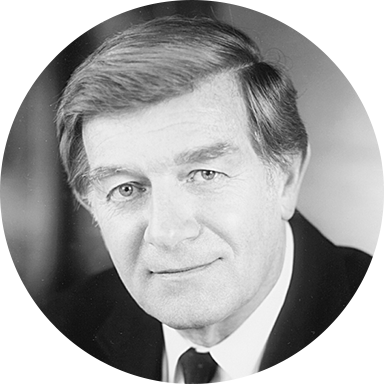
Carl Strommen

Carl Strommen's output spans concert band, orchestra, jazz ensemble, and choral settings, establishing him as one of the most widely performed composer-arrangers working today. His music appears regularly in concert halls, broadcast media, and film scores across North America and internationally. He serves as an adjunct professor of orchestration and composition at C.W. Post Campus of Long Island University and maintains an active schedule as both a clinician and commission composer. His consistent recognition includes multiple annual ASCAP Standard Writers Awards, a testament to the breadth and quality of his catalog.

A graduate of City College of New York, Strommen brings both academic rigor and practical orchestration expertise to every project. He divides his time between Long Island and extended family visits to Colorado, drawing inspiration from both coasts.

Why we love this

Strommen writes marches that balance accessibility with genuine compositional craft. The textural variety here prevents the piece from feeling thin at Grade 2, while the building momentum toward the final tutti statement gives students something genuinely exciting to work toward. It's the kind of march that sounds polished in contest warm-ups yet remains fresh enough for a full-concert closer.

What to expect

The opening is crisp and clear, with melodies that feel almost British in their straightforward elegance. As textures layer and build, the piece gains momentum and grandeur, arriving at a unified ensemble statement that delivers the payoff students have been working toward. It's energetic without being frantic, polished without being precious.

Who it's for

Young concert bands at the Grade 2 level looking for a march with real compositional substance. Directors seeking contest warm-up repertoire that doesn't sound like filler and that builds student confidence with accessible yet rewarding writing.

How to get the most out of it

  • Shape the crisp melodies with clear articulation in the opening sections; let the ensemble hear where phrases breathe before the textures thicken.
  • Build cumulative intensity through the piece by gradually bringing layers of the ensemble in, resisting the urge to play the full sound too early.
  • Anchor the final tutti statement with a solid foundation in the bass and low reeds; this passage is where the "very full" character Strommen intends comes into focus.
  • Use the 2:14 runtime as a guide for pacing; a march that moves with confidence feels more powerful than one that drags.

How to use it

Open a concert with this march to establish energy and confidence, or use it as a strong bridge between works of different character. The compact 2:14 duration makes it ideal as a contest warm-up that settles nerves while showcasing your ensemble's articulation and balance.

Skills your students will build

  • Crisp articulation and diction across the ensemble
  • Layered texture building and dynamic control
  • Phrasing in melodic lines at a moderate tempo
  • Balancing individual parts within a growing ensemble texture
  • Managing march style and forward momentum

You May Also Like
