
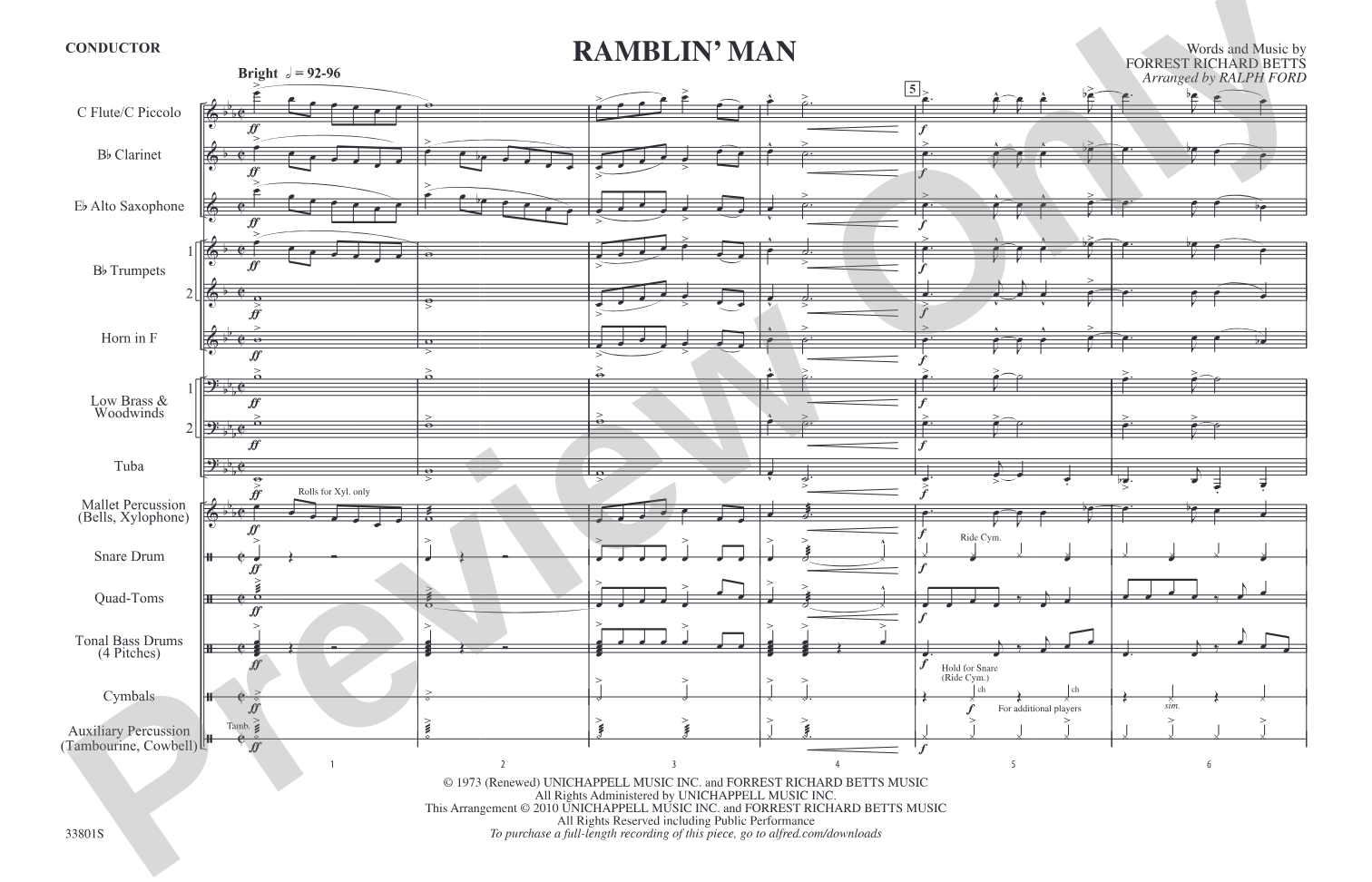
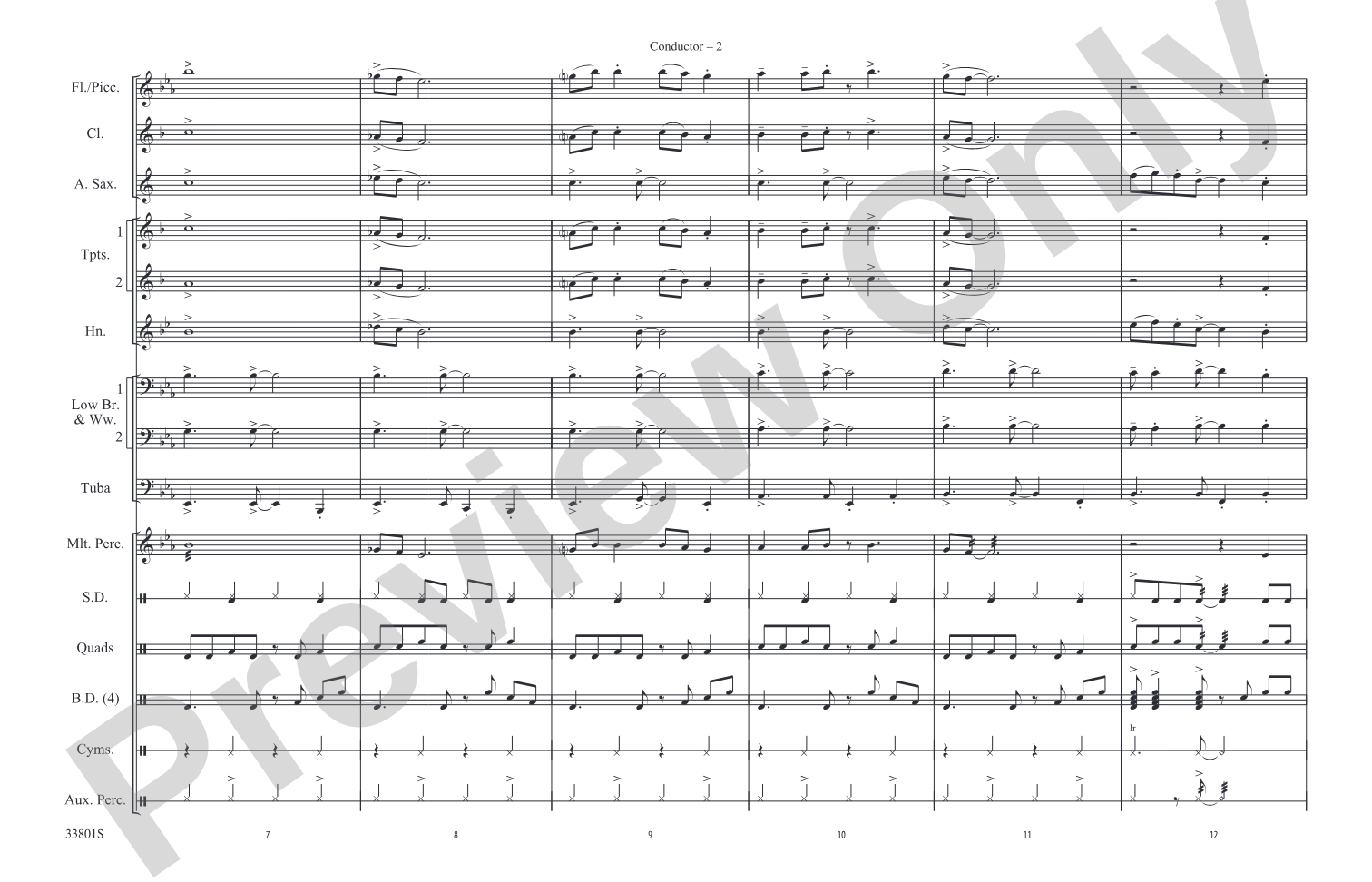
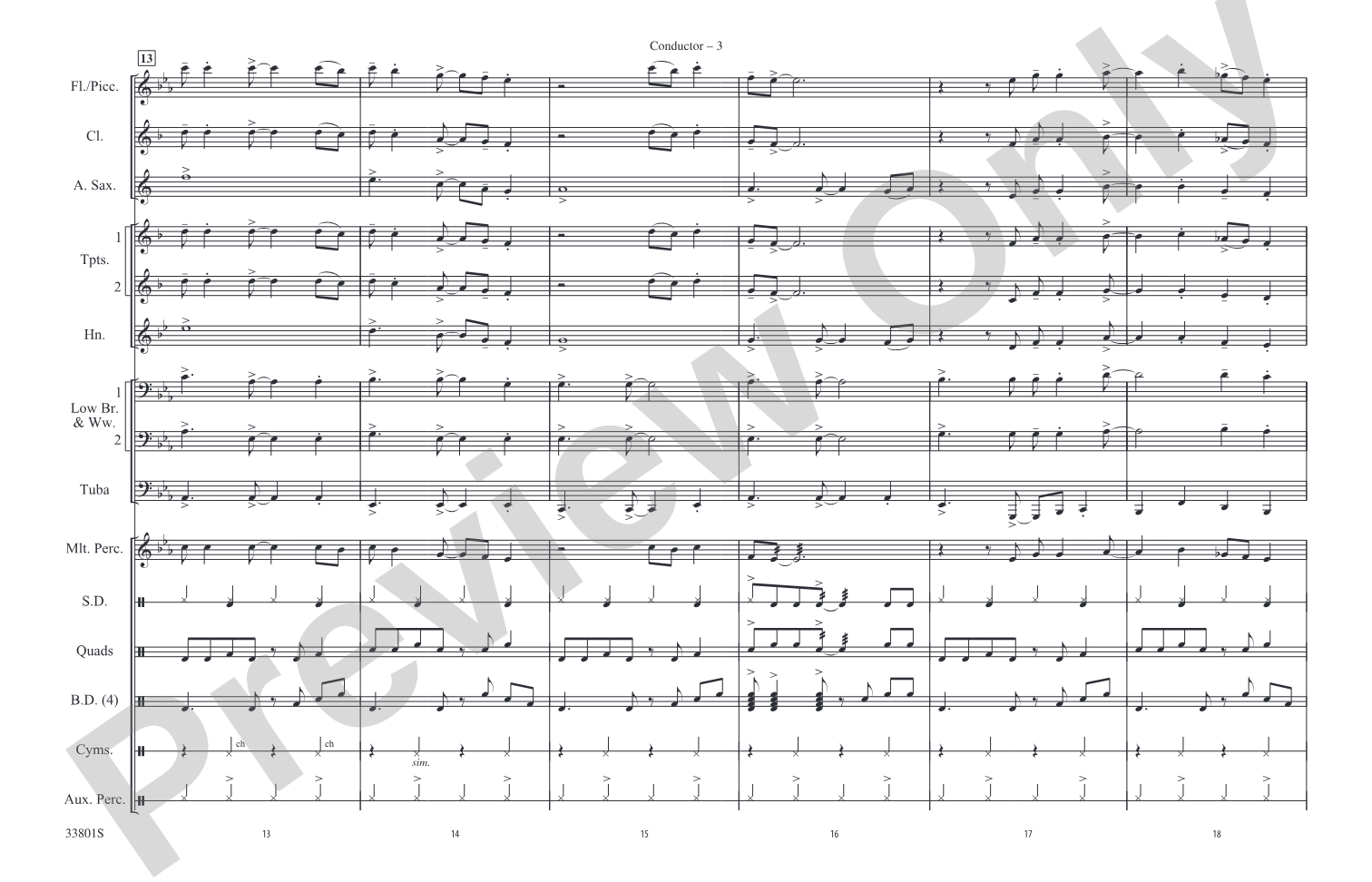
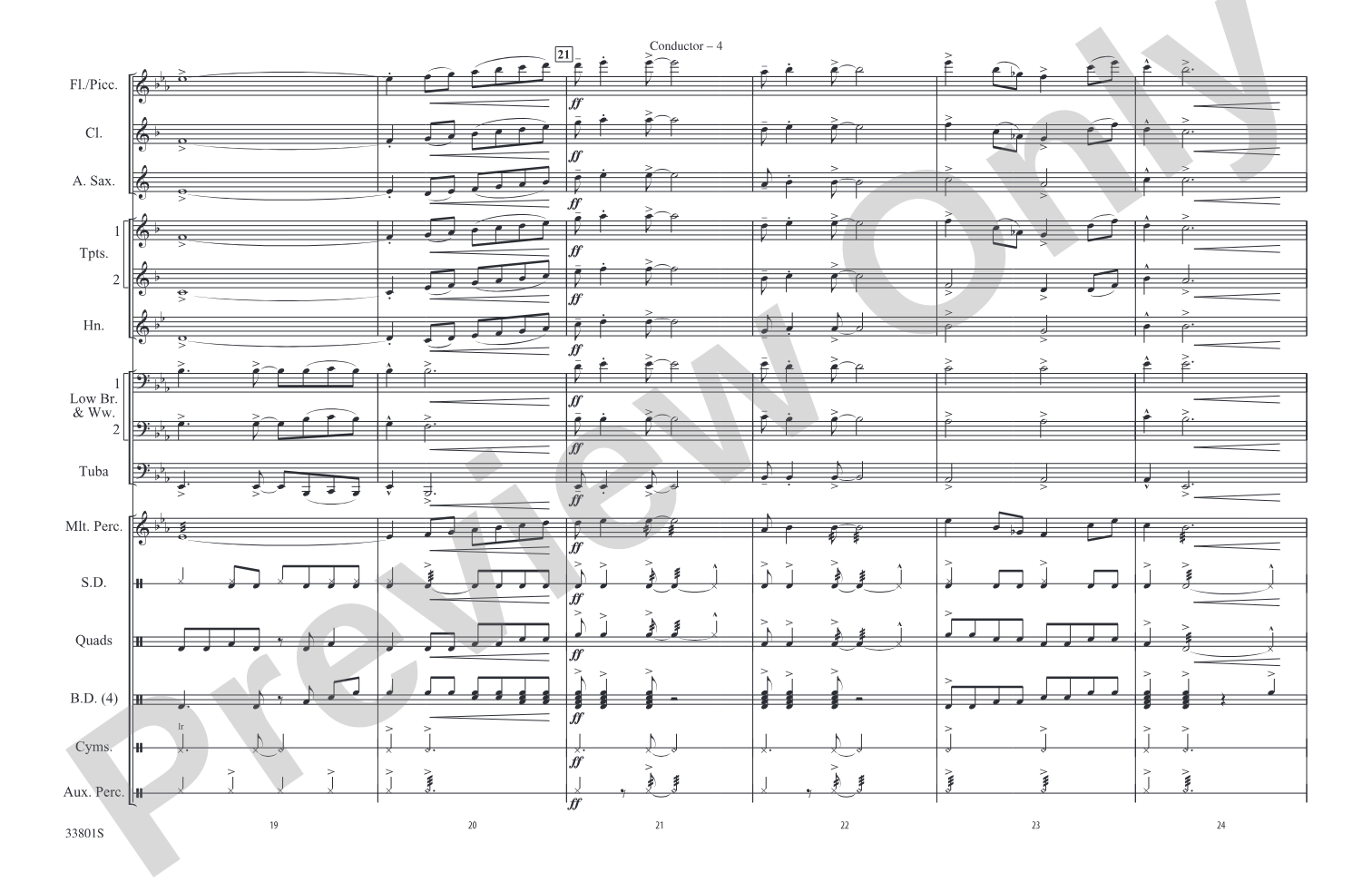
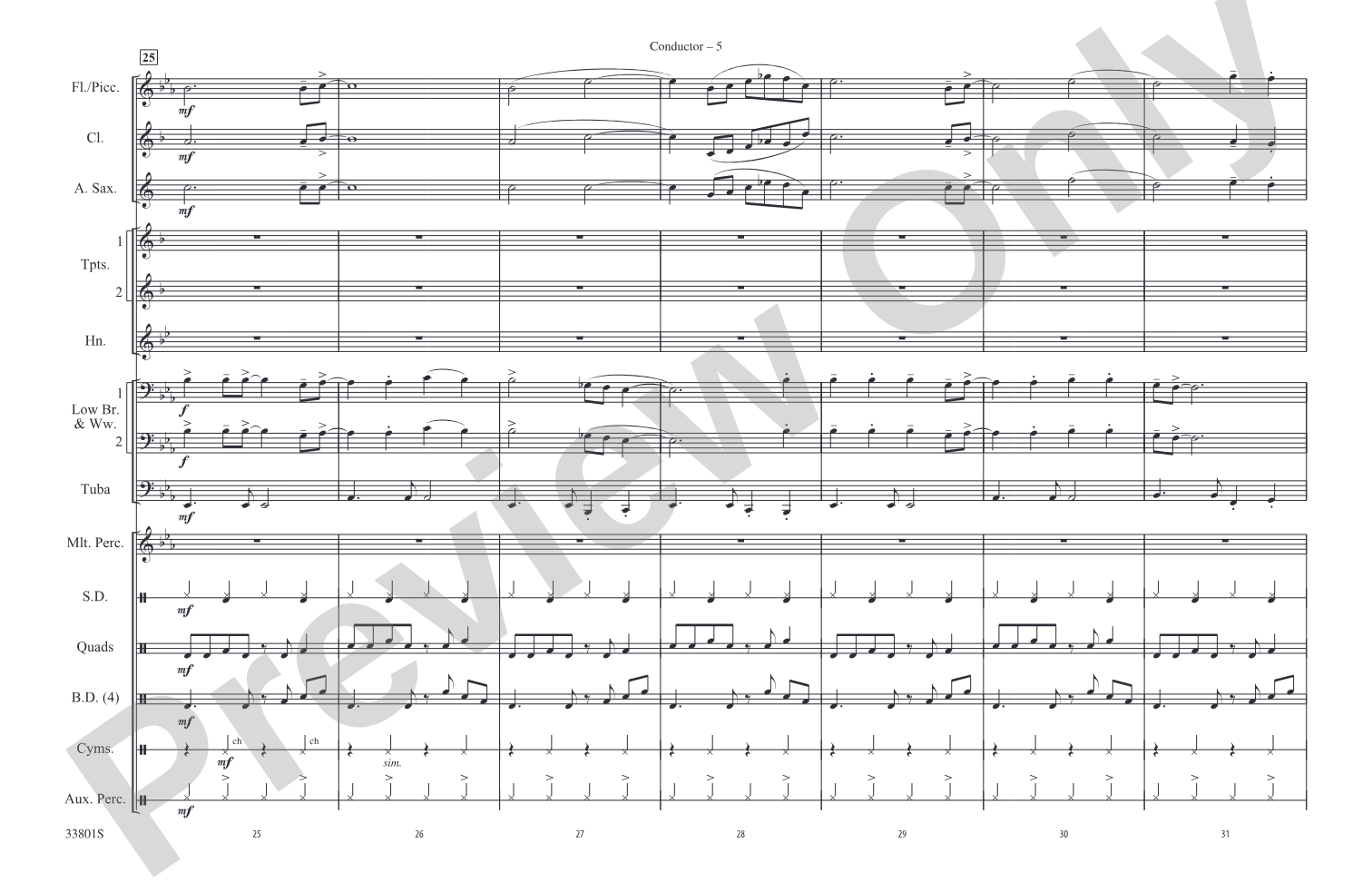
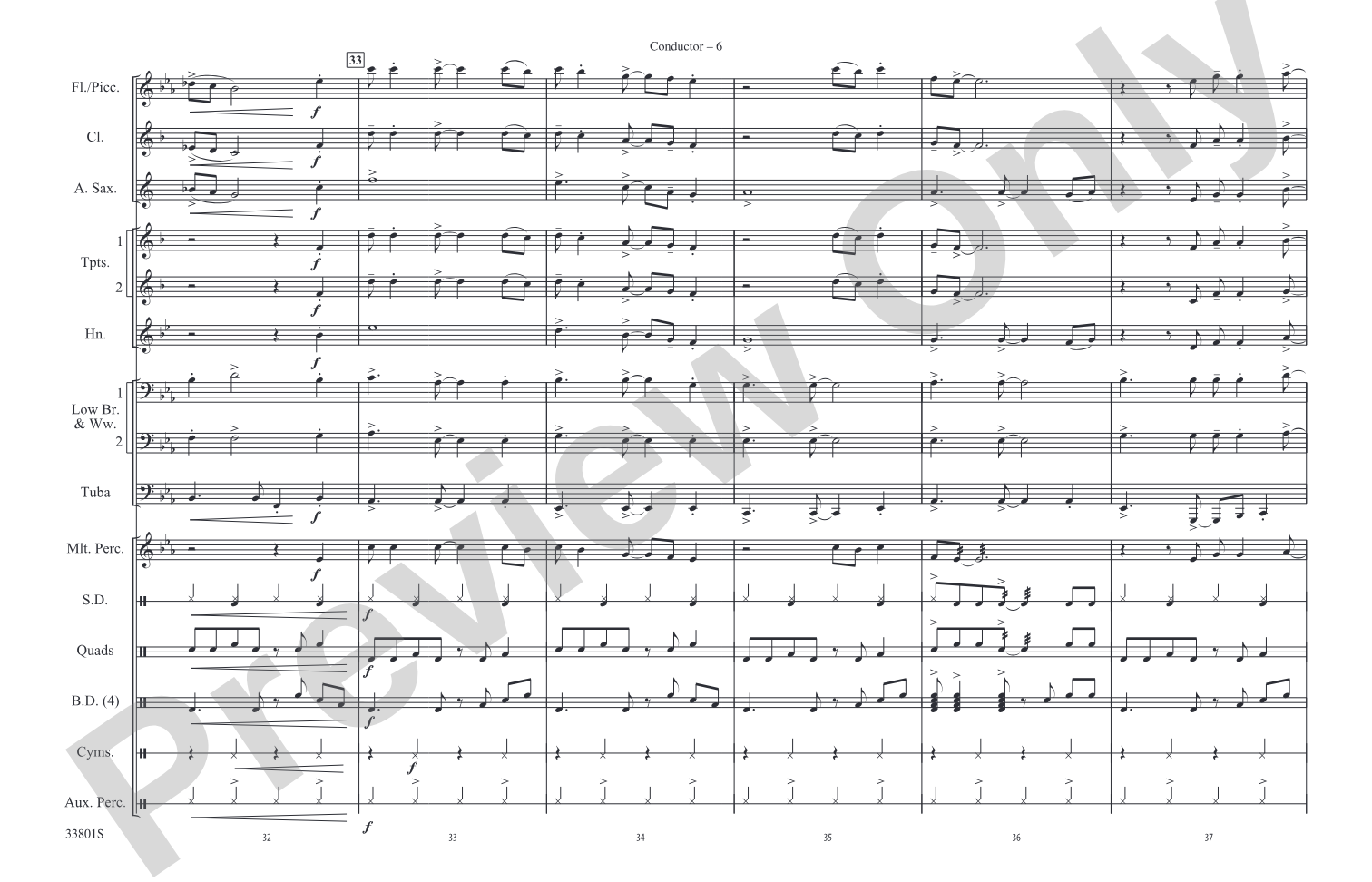
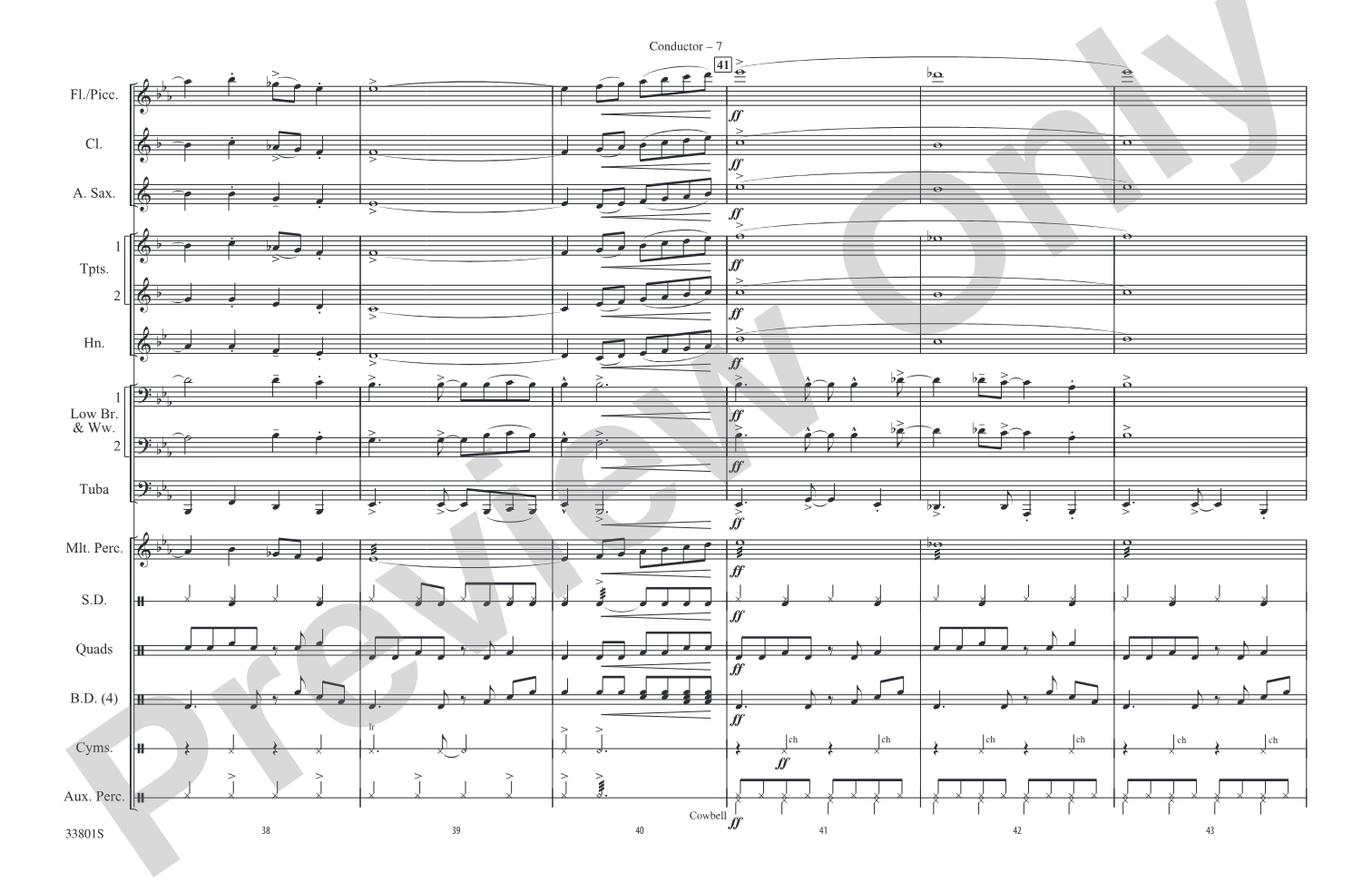
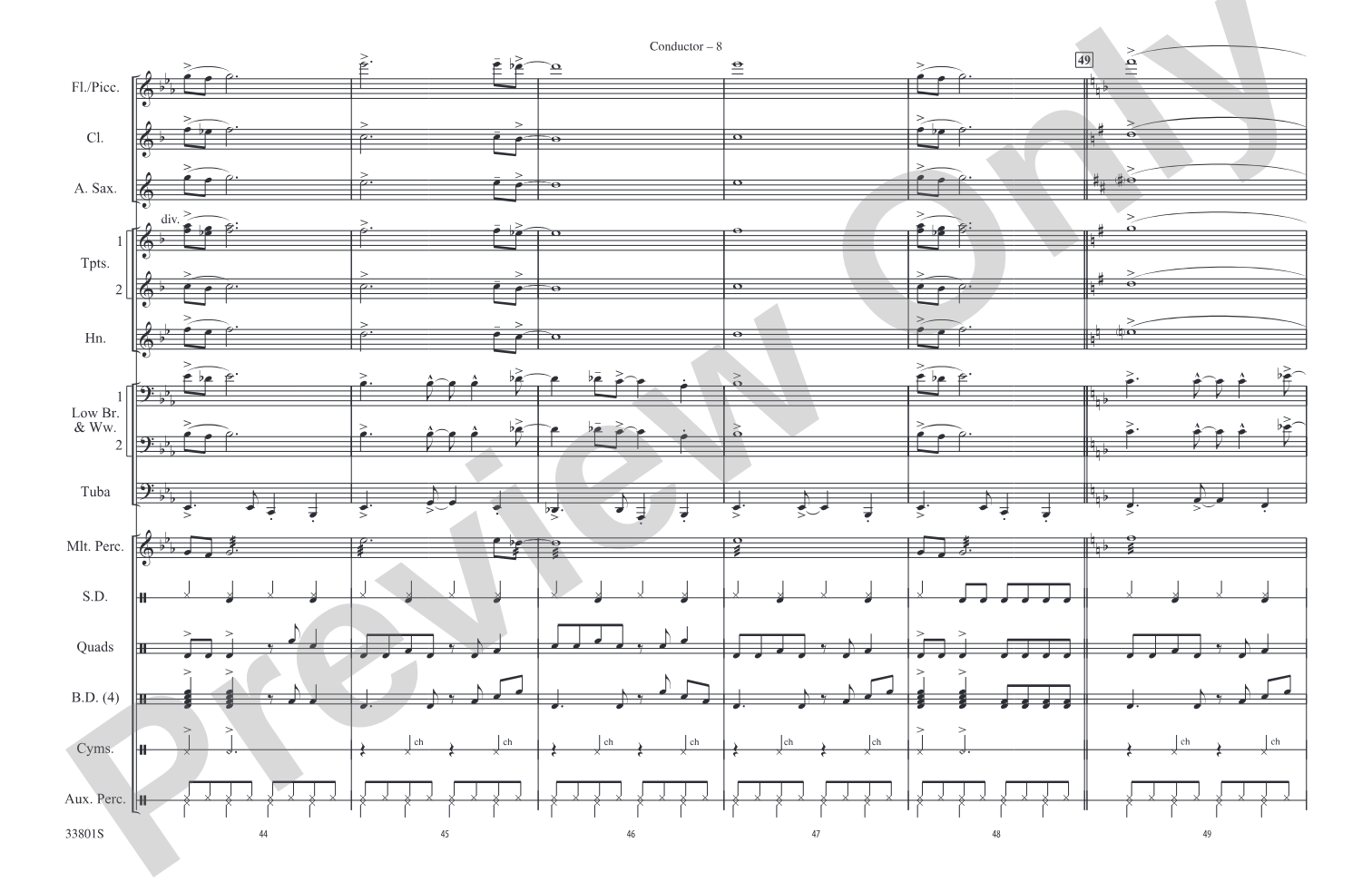
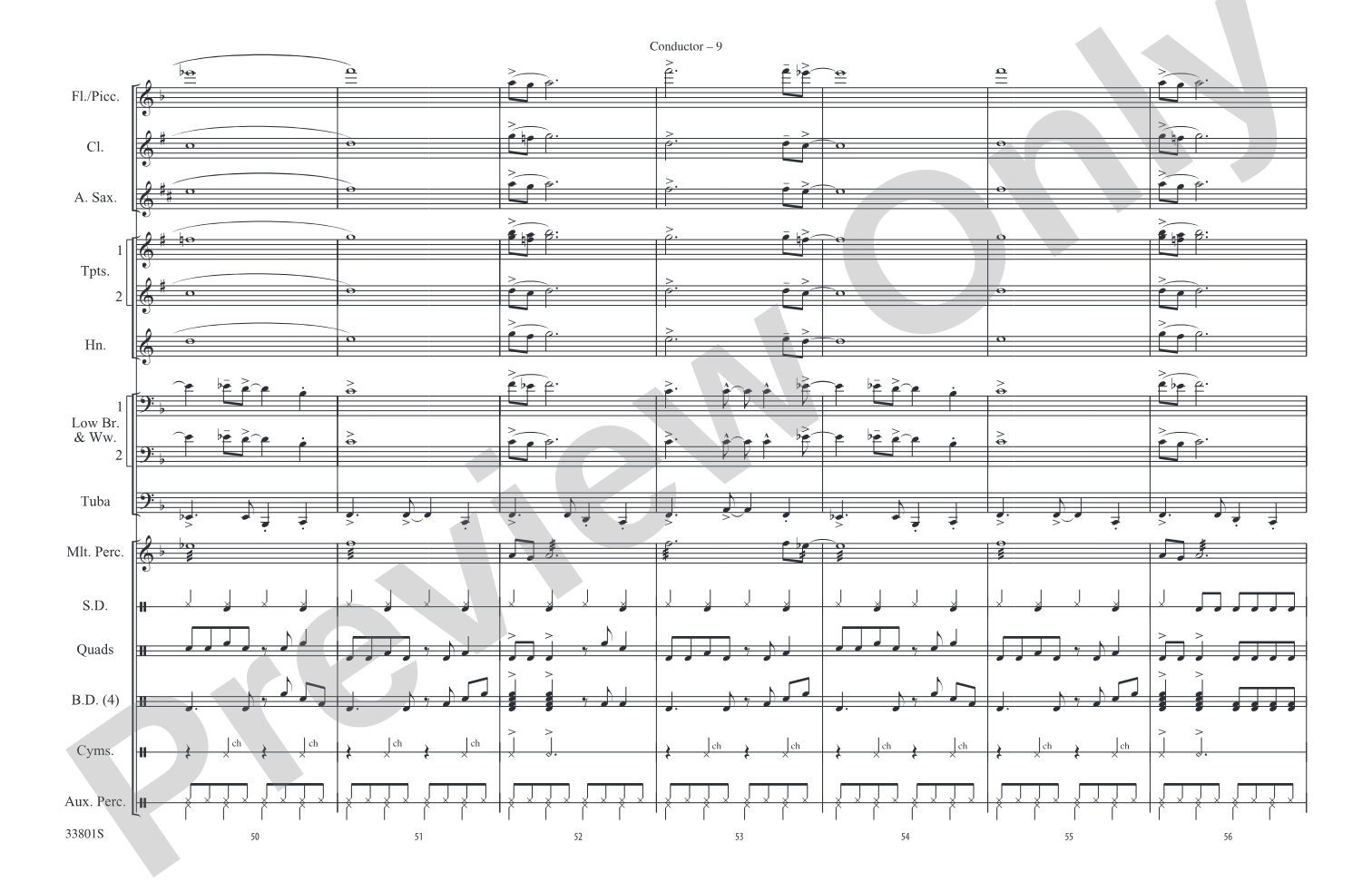
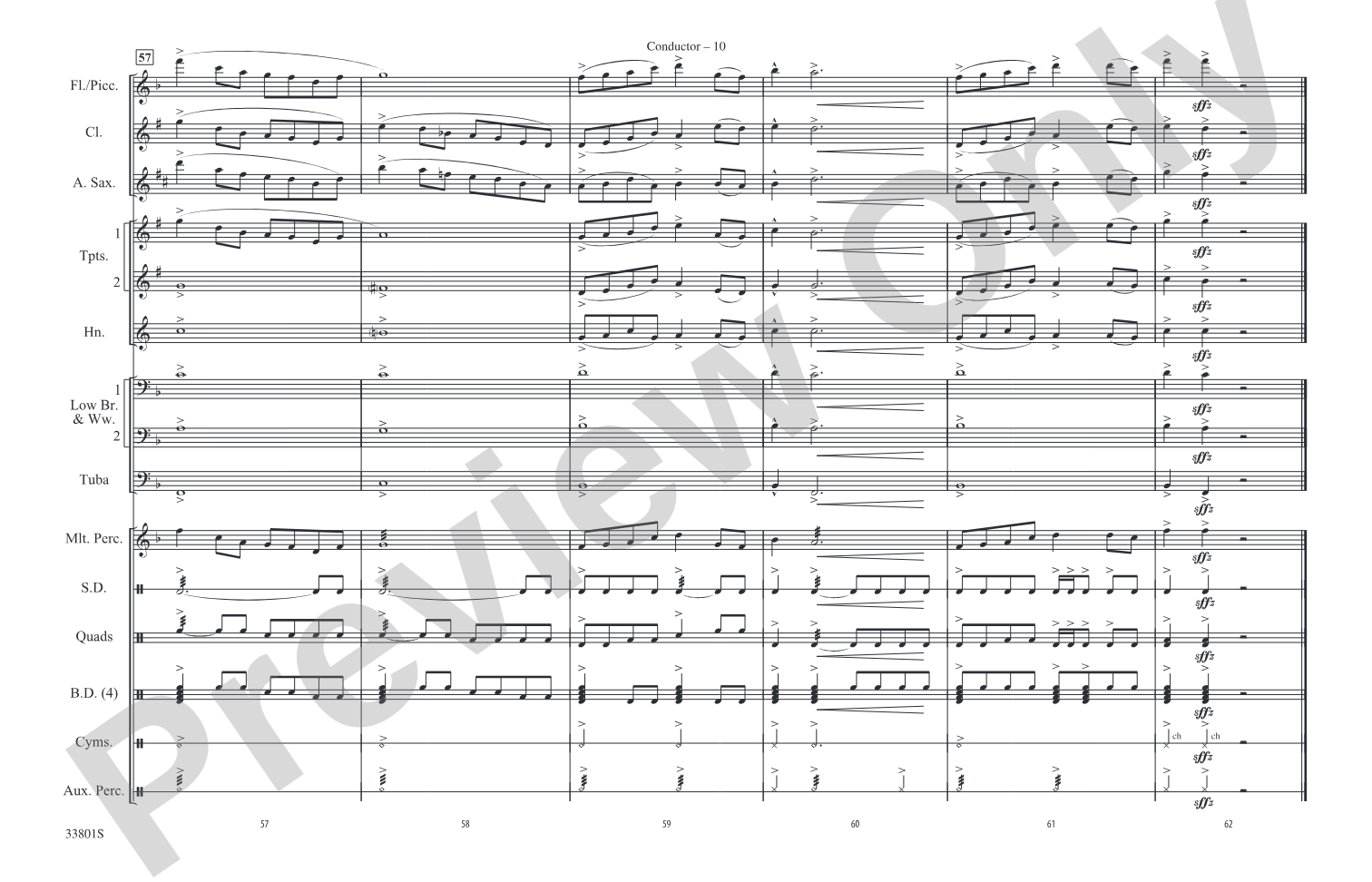

Ramblin' Man: Marching Band Conductor Score & Parts
Words and music by Forrest Richard Betts [The Allman Brothers Band] / arr. Ralph Ford
Grade: 3 (Medium)
Item: 00-PK-0007937

$50.00
One moment…
Related Items
Ramblin' Man: Marching Band Conductor Score |
$8.00
|
View |
Description
The Allman Brothers Band had a big hit with this southern rock classic. Ralph Ford gives us a superb arrangement that full of great variety and excitement. This is perfect material for the stands or for pep band!


Don't just read it, hear it, play along with it, and watch your students grow with it. In MakeMusic Cloud, Ramblin' Man: Marching Band Conductor Score & Parts comes alive with professional accompaniment, adjustable tempo, and built-in practice tools that turn solo practice into real progress.
Open in the Player
Jump straight in and assign it today.
Start Your Free Trial
Open this title and explore the full library in minutes.
Sample Audio
1
Audio File
--:--
0:00
0:00
Sample Video
No sample videos found.
Additional Details
Series:
Mega Sounds for Marching Band
Publisher:
Alfred Music
Page Count:
114
SKU:
00-PK-0007937
More about this title
About the Composer: Forrest Richard Betts
Forrest Richard Betts, known as Dickey Betts, co-founded the Allman Brothers Band and established himself as one of southern rock's most influential guitarists and songwriters. His instrumental and compositional work shaped the sound of American rock in the 1970s, blending blues, country, and improvisational traditions into a distinctive regional style.
Betts' songs, including "Ramblin' Man," remain staples of rock radio and continue to inspire musicians across genres. His legacy as both a performer and writer makes his work a natural choice for music education, offering students access to authentic rock repertoire grounded in American musical tradition.
Why we love this
Ralph Ford's arrangement captures the swagger and groove of the original without losing the melodic hooks that made this song iconic. The Grade 3 voicing keeps it playable for developing bands while the "great variety and excitement" described in the score translates to genuine engagement from your students, who likely already know this tune. It works equally well as a concert closer or a pep band moment, making it a genuinely flexible addition to your library.
What to expect
Road-tested and confident. The arrangement channels southern rock's laid-back attitude and its underlying structural precision, giving players the sensation of a well-oiled engine moving forward with purpose. You get the swagger of the original without pretension.
Who it's for
Marching bands and pep bands at the middle school and early high school level who want accessible rock repertoire with real musicality. This works for groups with solid fundamentals who are ready to tackle groove and style but don't yet need advanced technical demands.
How to get the most out of it
- Lock the rhythm section (bass drum, snare, cymbals) to the pocket of the original recording. The groove is the foundation; everything else sits on top of it.
- Highlight the saxophone soli in the alto and tenor parts. These voices carry the song's character and need clear articulation to shine through the full band texture.
- Balance the dynamic contrast between verses and the full band sections. The arrangement's variety only works if you shape the arc intentionally.
- Address the mellophone and trumpet interplay in the upper voices. The doubling and call-and-response figures should feel conversational, not blended into uniformity.
How to use it
Close out a spring pep band concert or festival appearance with this one. Its familiarity makes it a crowd pleaser while the Grade 3 level ensures your ensemble can execute it cleanly. It also pairs well alongside other classic rock in a "rock roots" concert theme, offering variety from standard marching band fare.
Skills your students will build
- Groove and pocket playing (locking rhythm section with front ensemble)
- Dynamic contrast between section and full band textures
- Stylistic articulation specific to southern rock (tonguing, phrasing)
- Balancing melody and accompaniment in rock voicings
- Reading and executing rhythmic syncopation across the ensemble