Rainbow 'Round My Shoulder Cover Image

Rainbow 'Round My Shoulder: TTBB Choral Octavo

$2.95 USD
Sale price  $2.95 USD Regular price 
Skip to product information
Rainbow 'Round My Shoulder Cover Image

Rainbow 'Round My Shoulder: TTBB Choral Octavo

Arr. Robert DeCormier

Item: 00-LG51757

makemusic Cloud badge

Need it now?

Buy Digital Version
$2.95
Shipped

One moment…

Description

Don't just read it, hear it, play along with it, and watch your students grow with it. In MakeMusic Cloud, Rainbow 'Round My Shoulder: TTBB Choral Octavo comes alive with professional accompaniment, adjustable tempo, and built-in practice tools that turn solo practice into real progress.

Sample Pages

Sample Audio
No sample audio found.
Sample Video
Additional Details
Series: Alfred Archive Edition: Lawson-Gould Music Publishers
Publisher: Alfred Music
Page Count: 16
UPC: 783556008859
SKU: 00-LG51757

More about this title

About the Arranger: Robert DeCormier
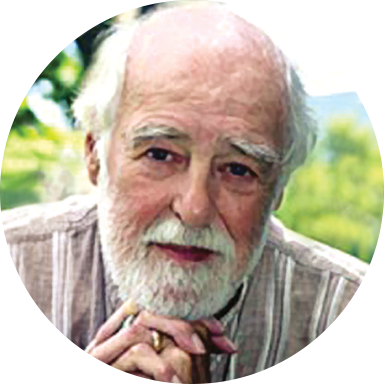
Robert DeCormier

Robert DeCormier earned his degree from Juilliard and built a career spanning classical conducting, Broadway music direction, and folk music arrangement. He led the Robert DeCormier Singers on concert tours across North America, served as music director of the New York Choral Society for seventeen years, and directed the Peter, Paul and Mary organization from 1978 to 2010. His work ranged from opera to spirituals to international folk repertoire, and he held faculty positions at the Eastman School of Music during the 1970s.

Beyond his conducting work, DeCormier founded the professional vocal ensemble Counterpoint in 2000, which recorded six albums and brought workshops and concerts to high school choirs throughout New England and beyond. His contributions to American music earned him the Vermont Governor's Award for Excellence in the Arts (2002) and a Lifetime Achievement Award from the New England Choral Arts Foundation (2006). His arrangements and compositions continue to serve choirs seeking authentic, accessible settings of folk and spiritual traditions.

Why we love this

DeCormier's arrangement captures the folk authenticity that defined his career while making the piece singable and rewarding for men's choirs at multiple skill levels. The flexible voicing options (TB/TTB/TBB/TTBB) let you match your ensemble's strengths without compromising the arrangement's character. An arranger with real experience conducting folk music knows how to honor the tradition while serving the singers in front of him.

What to expect

Warm and grounded, with the comfortable familiarity of a work song sung by voices that know the landscape it comes from. The piece breathes with the ease of tradition passed from singer to singer, inviting both performers and listeners into a moment of genuine connection rather than display.

Who it's for

Men's choirs ranging from high school to community and semi-professional levels will find this arrangement accessible yet musically substantial. Directors seeking secular repertoire with roots in American folk tradition and cultural authenticity will appreciate DeCormier's approach.

How to get the most out of it

  • Maintain the conversational, storytelling quality throughout; this is not a concert hall piece performed at a distance from the audience, but rather an intimate sharing of a work song.
  • Balance the harmonic depth in the lower voices without letting them overshadow the melody, especially in the TTBB voicing where the second tenor carries important counter-melodic material.
  • Lean into the rhythmic flexibility of folk song; avoid metronomic precision in favor of natural phrasing that mirrors how the text would be spoken.

How to use it

Pair this with other American folk arrangements to build a thematic concert around labor songs, migration narratives, or regional traditions. It also works well as a choral interlude in a program mixing genres, offering the audience a chance to hear your ensemble in relaxed, human terms before returning to more formal repertoire.

Skills your students will build

  • Reading and balancing flexible voicing options (TB through TTBB)
  • Singing with stylistic authenticity in folk idiom
  • Maintaining conversational phrasing over harmonic movement
  • Supporting counter-melodic lines in ensemble texture

You May Also Like
