


Radiance: Flexible String Ensemble Score & Parts
By Cooper Ford
Grade: 1
Item: 00-PK-0009189

$55.00
Pickup currently not available
Buy Extra Parts (Digital PDF Download)
| Product | Price | Quantity |
|---|---|---|
| Radiance: Score | $10.00 | |
| Radiance: 1st Violin | $3.00 | |
| Radiance: 2nd Violin | $3.00 | |
| Radiance: Viola | $3.00 | |
| Radiance: Cello | $3.00 | |
| Radiance: String Bass | $3.00 |
Parts Added to Cart!
Description
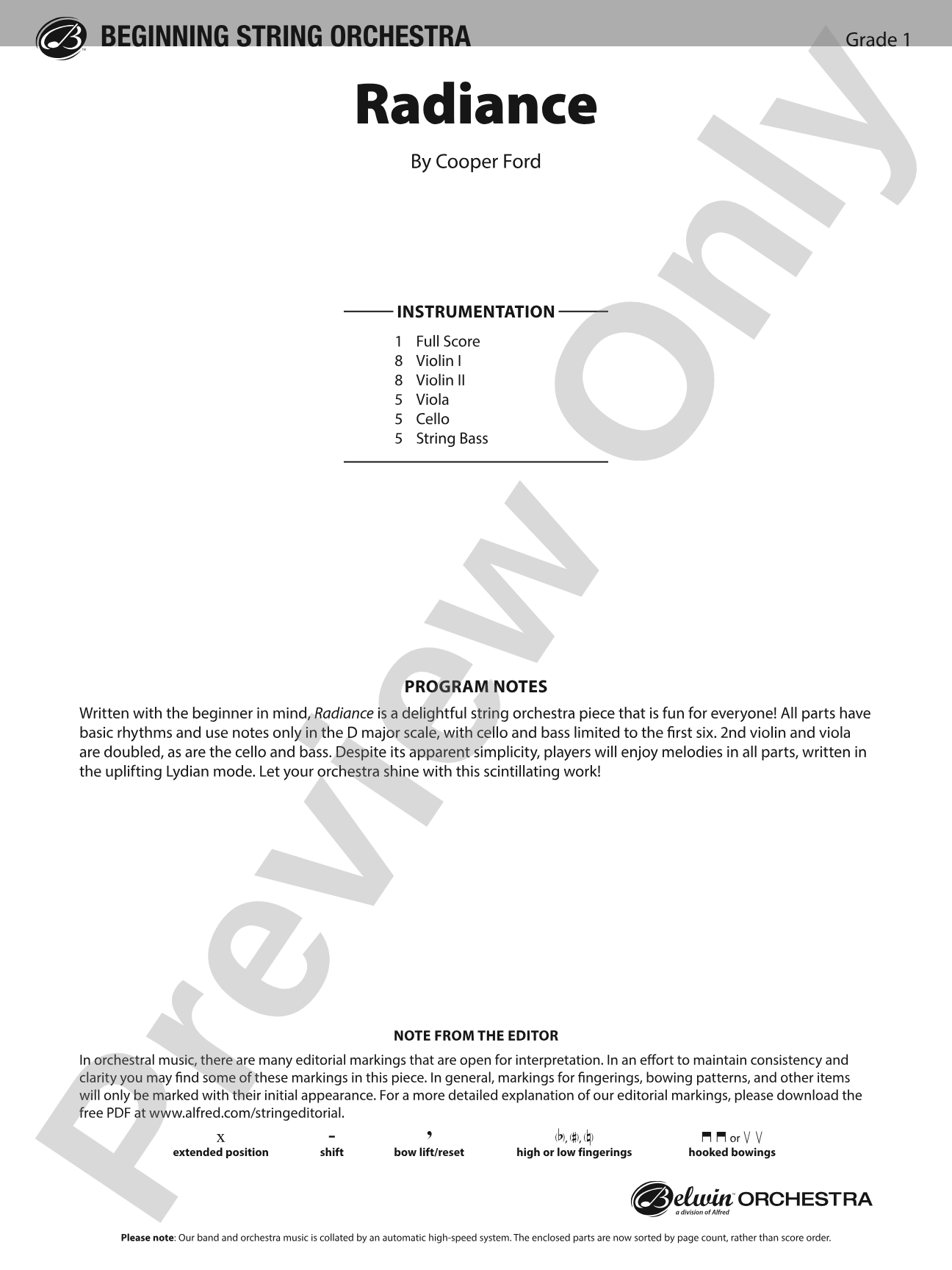
This title features Alfred Music's String Orchestra FLEX options. That means that every part in this set is now transposed into every other part, so you can play this title with any combination of like- or mixed-string ensemble. After purchasing this set, decide what additional parts you need to meet the unique needs of your ensemble, then download and print them for free at alfred.com/supplemental---free of charge.
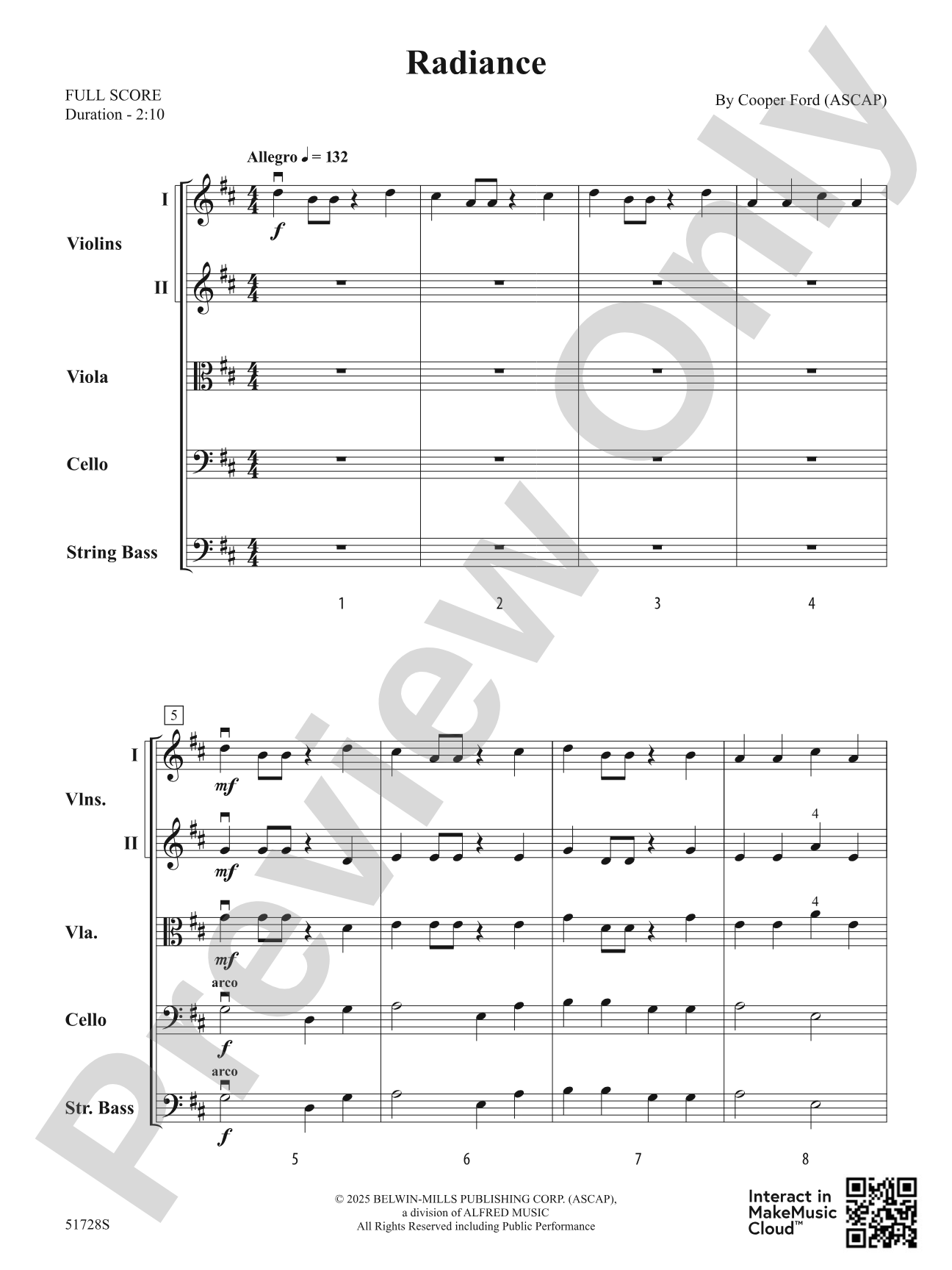
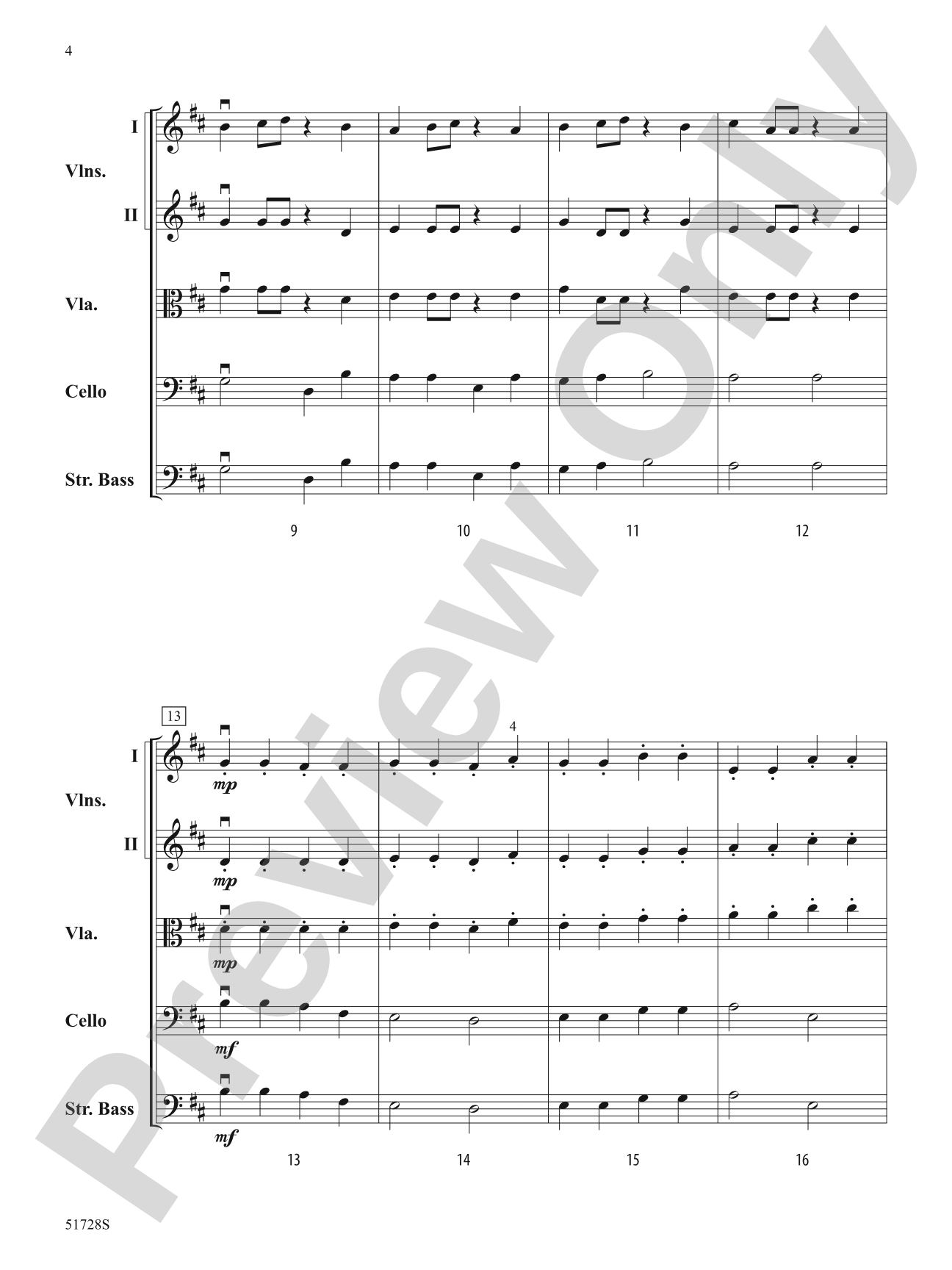
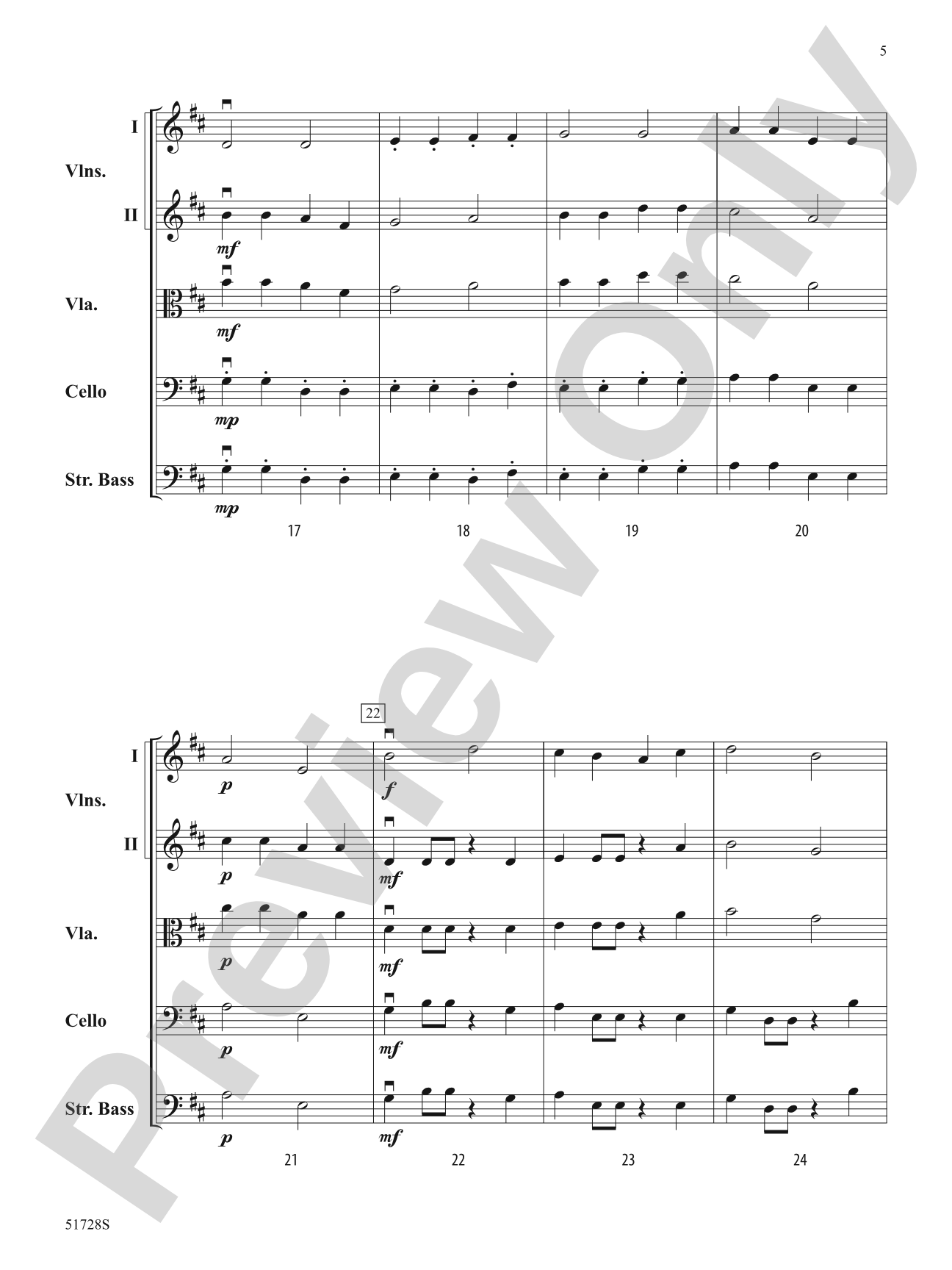
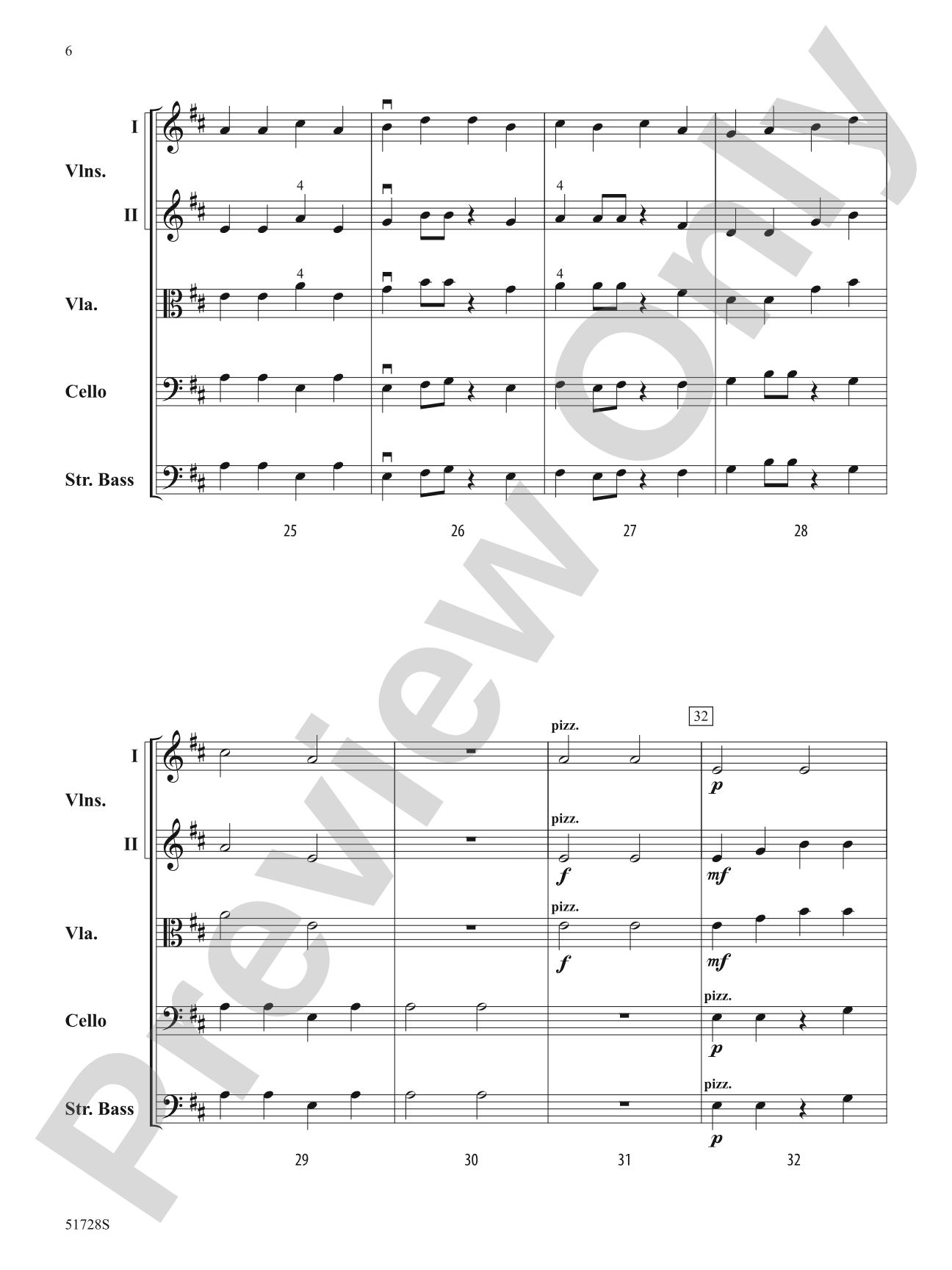
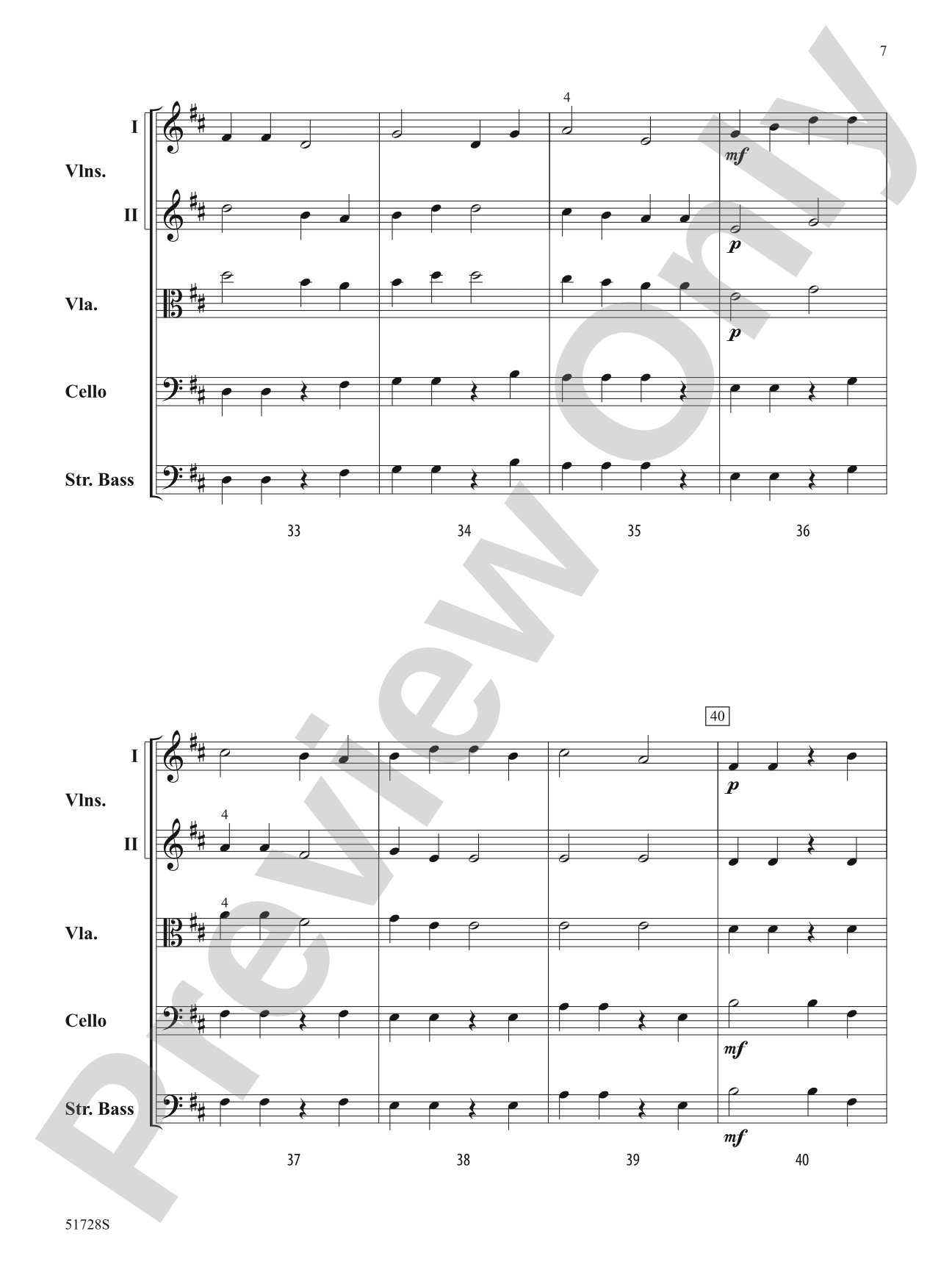
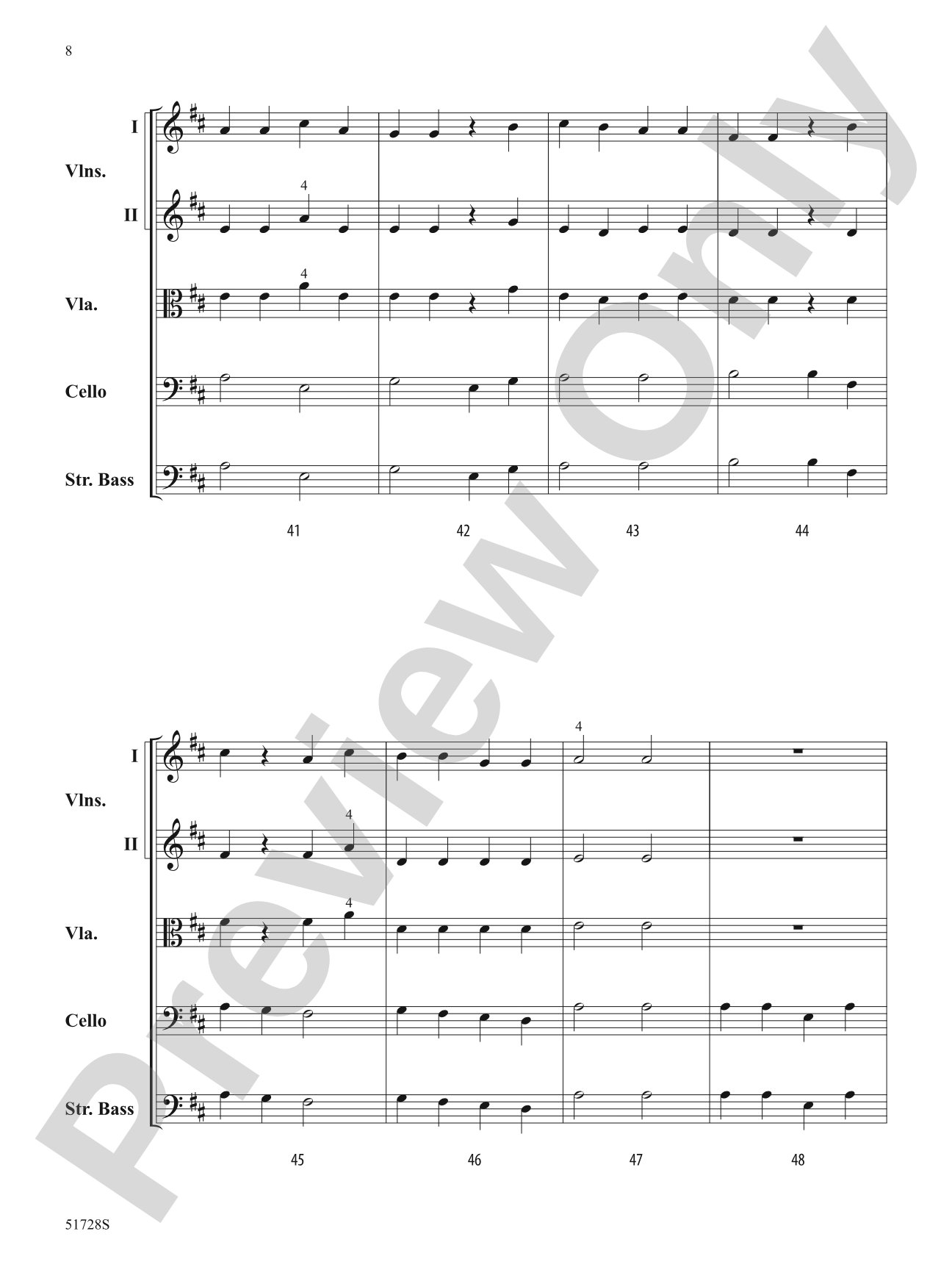
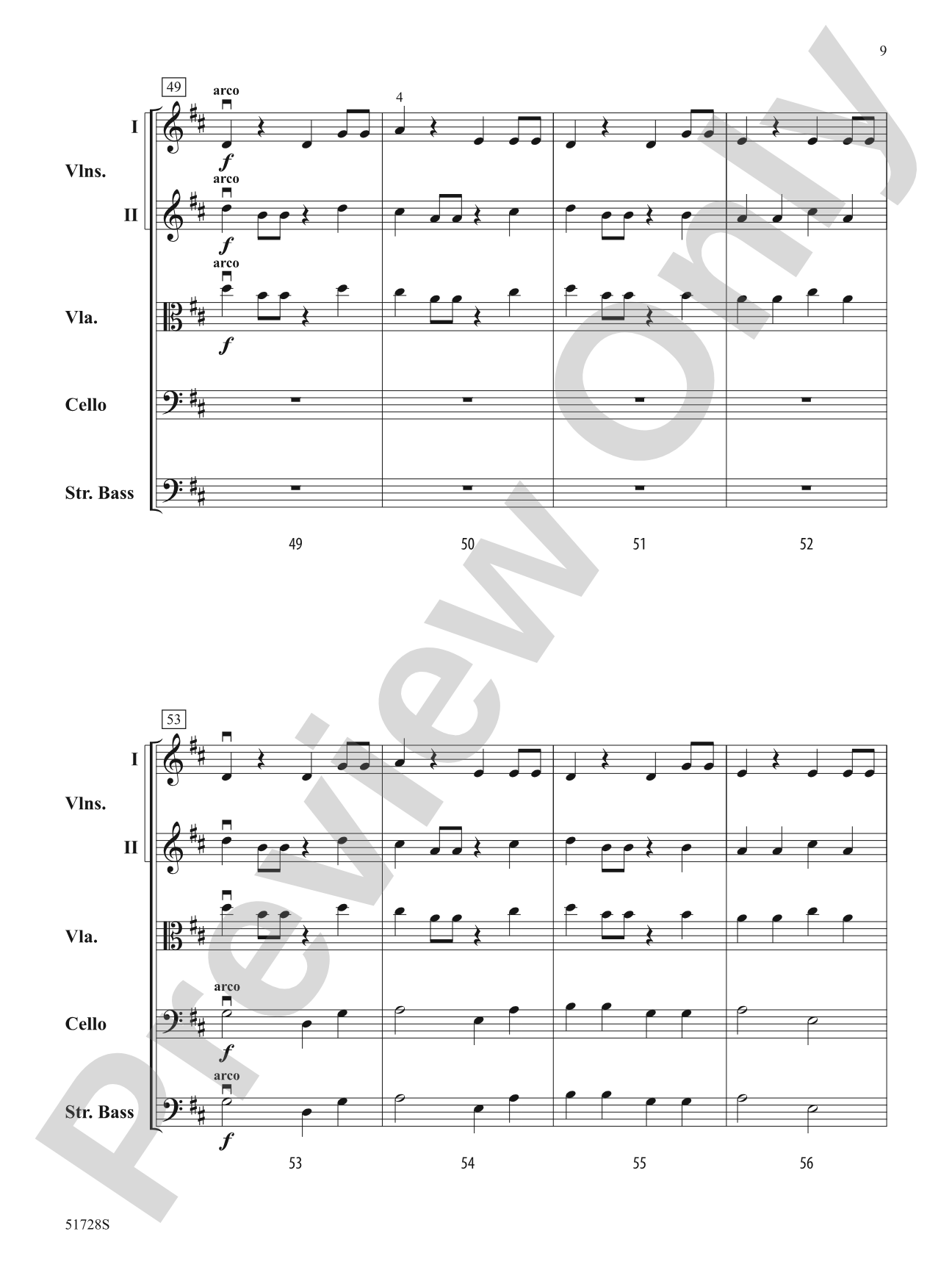
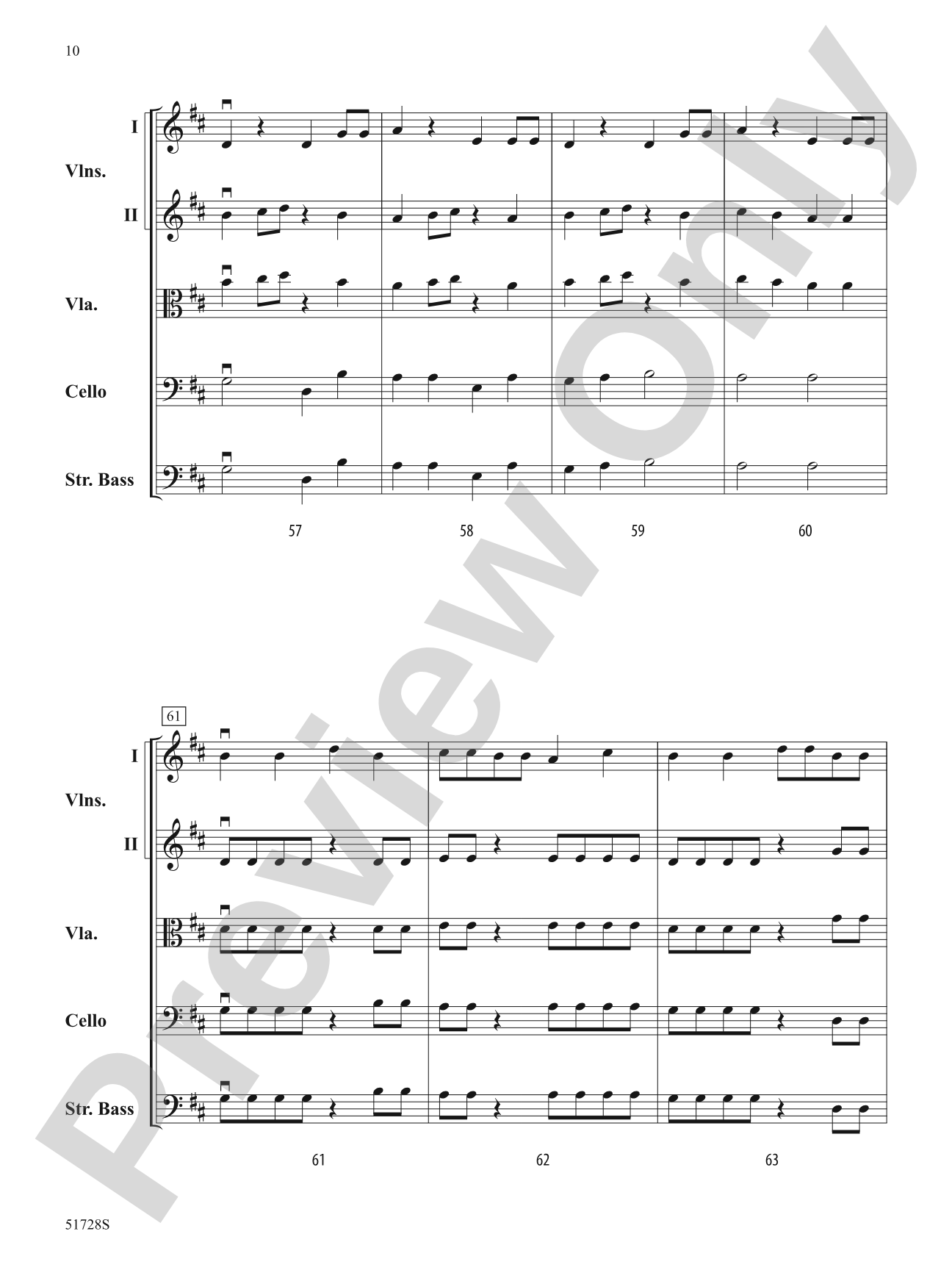
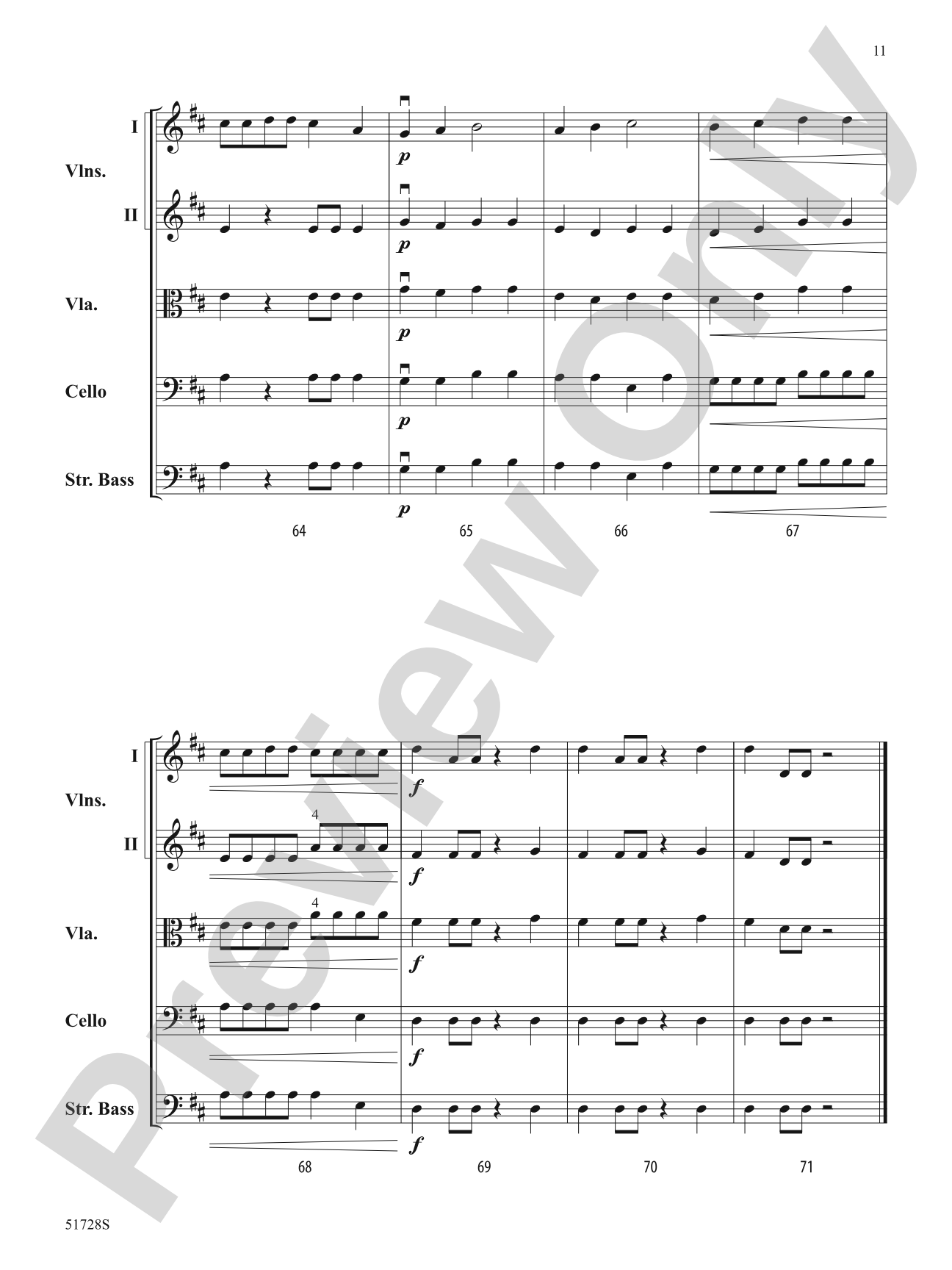
Written with the beginner in mind, Radiance is a delightful string orchestra piece that is fun for everyone! All parts have basic rhythms and use notes only in the D major scale, with cello and bass limited to the first six. 2nd violin and viola are doubled, as are the cello and bass. Despite its apparent simplicity, players will enjoy melodies in all parts, written in the uplifting Lydian mode. Let your orchestra shine with this scintillating work! (2:10)


Written with the beginner in mind, Radiance is a delightful string orchestra piece that is fun for everyone! All parts have basic rhythms and use notes only in the D major scale, with cello and bass limited to the first six. 2nd violin and viola are doubled, as are the cello and bass. Despite its apparent simplicity, players will enjoy melodies in all parts, written in the uplifting Lydian mode. Let your orchestra shine with this scintillating work! (2:10)
Don't just read it, hear it, play along with it, and watch your students grow with it. In MakeMusic Cloud, Radiance: Flexible String Ensemble Score & Parts comes alive with professional accompaniment, adjustable tempo, and built-in practice tools that turn solo practice into real progress.
Open in the Player
Jump straight in and assign it today.
Start Your Free Trial
Open this title and explore the full library in minutes.
Sample Audio
1
Audio File
--:--
0:00
0:00
Sample Video
Additional Details
Series:
Belwin Beginning String Orchestra
Publisher:
Alfred Music
SKU:
00-PK-0009189
More about this title
About the Composer: Cooper Ford

Cooper Ford grew up in Chatham, New Jersey, where early instruction in violin and trumpet sparked his curiosity about composition. His teachers recognized his creative drive and guided him toward deeper musical study. He earned his Bachelor of Music in Music Education from The College of New Jersey and his Master of Music in Music Education from the University of Florida.
Ford has taught orchestra at North Brunswick Township High School in North Brunswick, New Jersey, where he also directs the Music Production program. He previously conducted the New Jersey Youth Symphony's middle school ensembles and remains active as a guest conductor and clinician. He holds memberships in the American String Teachers Association (ASTA) and the National Association for Music Education (NAfME).
Why we love this
The FLEX instrumentation model removes the logistical puzzle from building a balanced string orchestra at the elementary level. Ford's decision to limit cello and bass to first position and keep all parts within the D major scale means you can truly cast this piece flexibly without sacrificing musical quality. The Lydian mode adds harmonic color and genuine melodic interest to every part, so even beginning second violins feel like they're playing something real, not just filler.
What to expect
Radiance glows with an optimistic, shimmering quality. The Lydian mode gives the D major tonality an open, almost ethereal character that feels both contemporary and timeless. Melodies arc across all parts with genuine warmth, creating the sense that every player is contributing something beautiful rather than simply supporting the first violins.
Who it's for
String orchestras in grades 3-6 or beginning ensembles at any level. The limited reading demands and straightforward rhythms make this accessible to players within their first one to two years of instruction, yet the melodic writing and harmonic sophistication keep it rewarding for teachers and students alike.
How to get the most out of it
- Balance the Lydian mode's raised fourth scale degree by listening carefully to the harmonic quality in tuning sessions. The raised F sharp may feel unfamiliar initially, so isolate passages where this note is prominent and check intonation in the context of the chord.
- Emphasize legato phrasing across the doubled parts (2nd violin/viola and cello/bass) to create a unified sound rather than an echo. These doublings should feel like reinforcement, not like separate voices.
- Keep the tempo buoyant without rushing. At 2:10, there's room to let the melodies breathe and allow younger players to settle into the musical line.
How to use it
Program this as an opener or transition piece in a spring concert, where its cheerful character and brief runtime (2:10) set a positive tone without overshadowing longer works. It also works well as a confidence builder in a festival context, since the straightforward technical demands allow students to focus on musicality and ensemble blend rather than struggling with notes.
Skills your students will build
- Reading melodic material in the D major scale across all string parts
- Sustaining legato phrasing in paired doublings
- Intonation awareness in the Lydian mode (raised fourth scale degree)
- Ensemble balance and blend with flexible instrumentation
- Maintaining steady pulse in a lyrical, singing context