
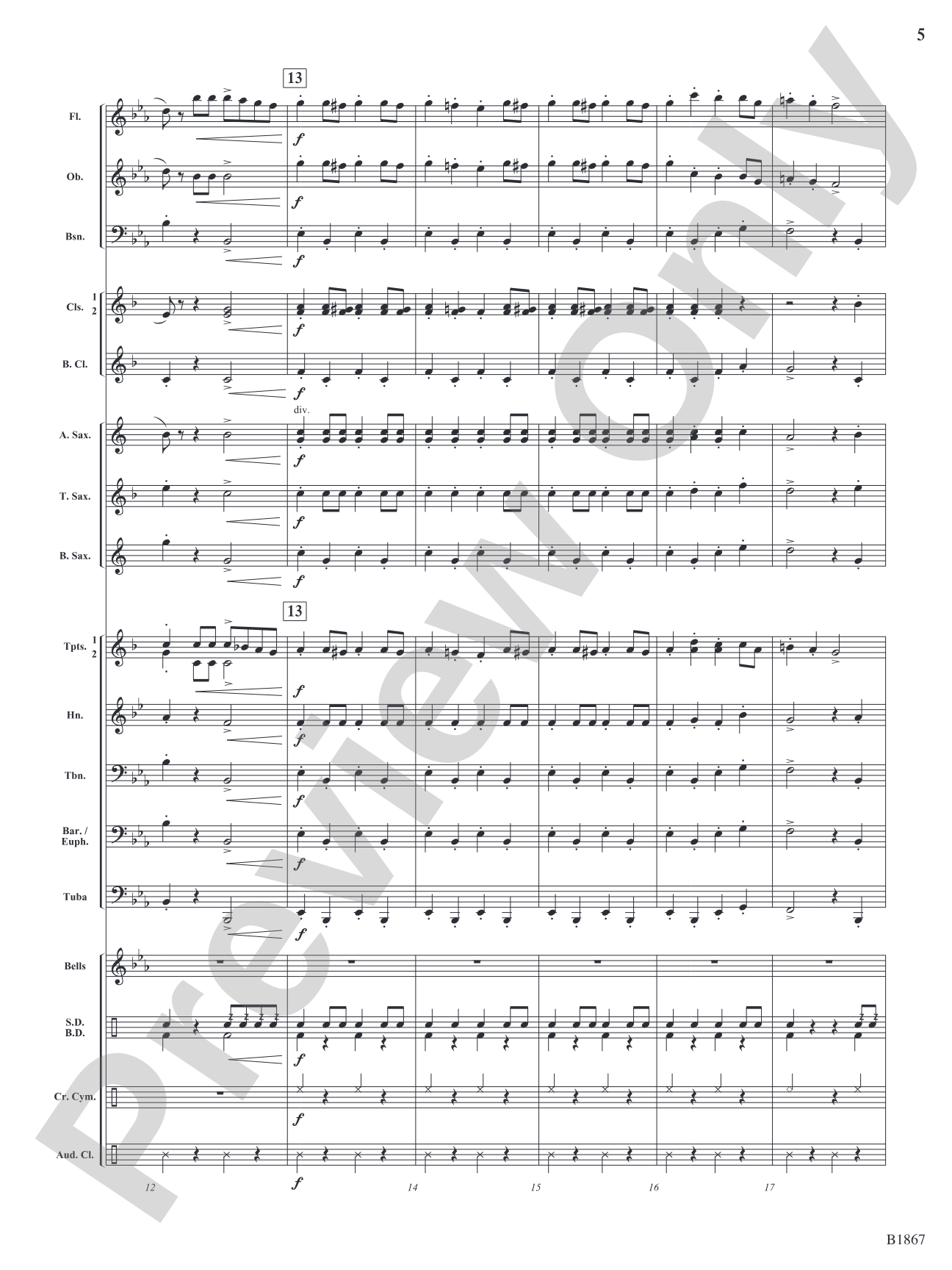
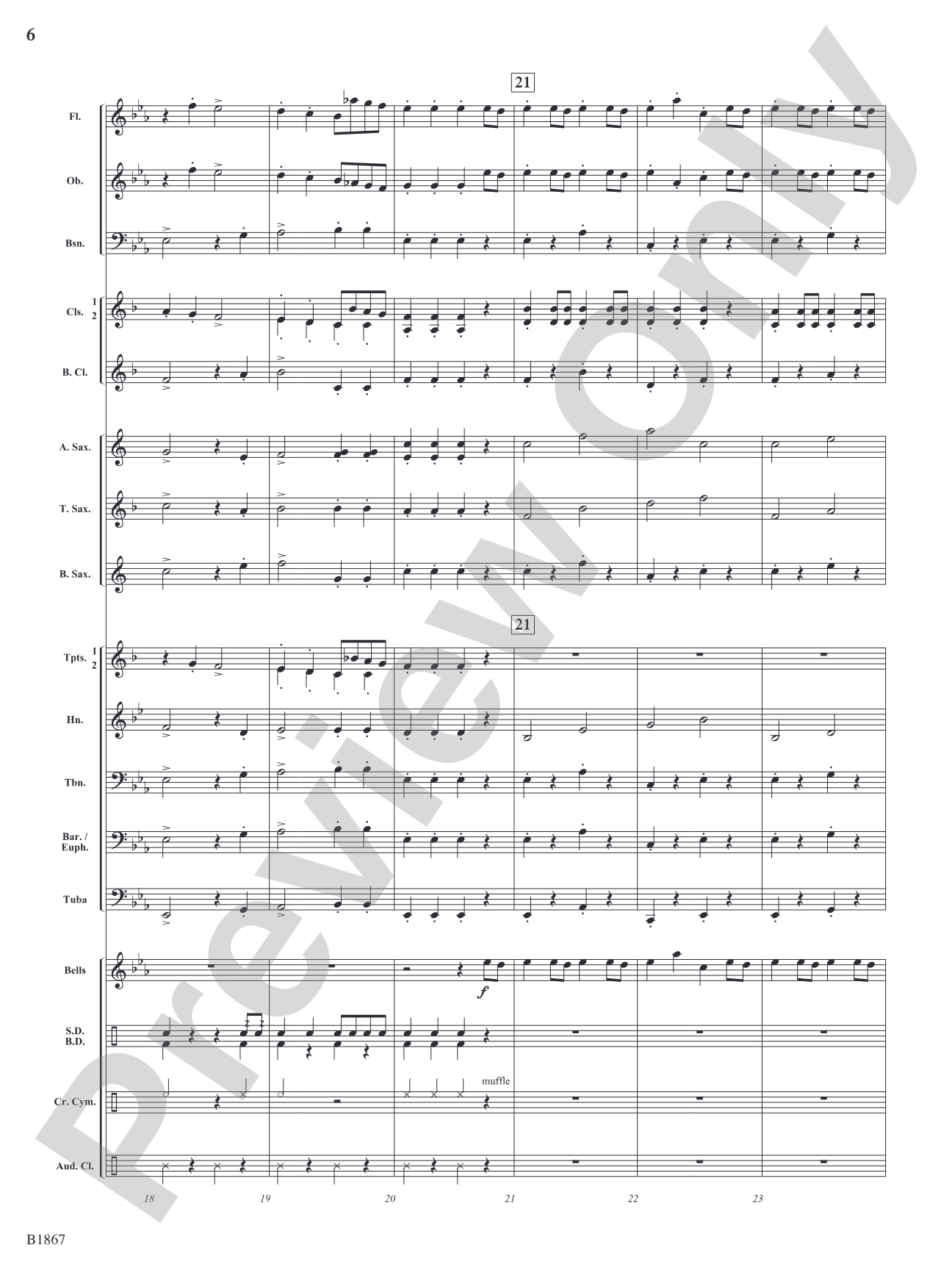
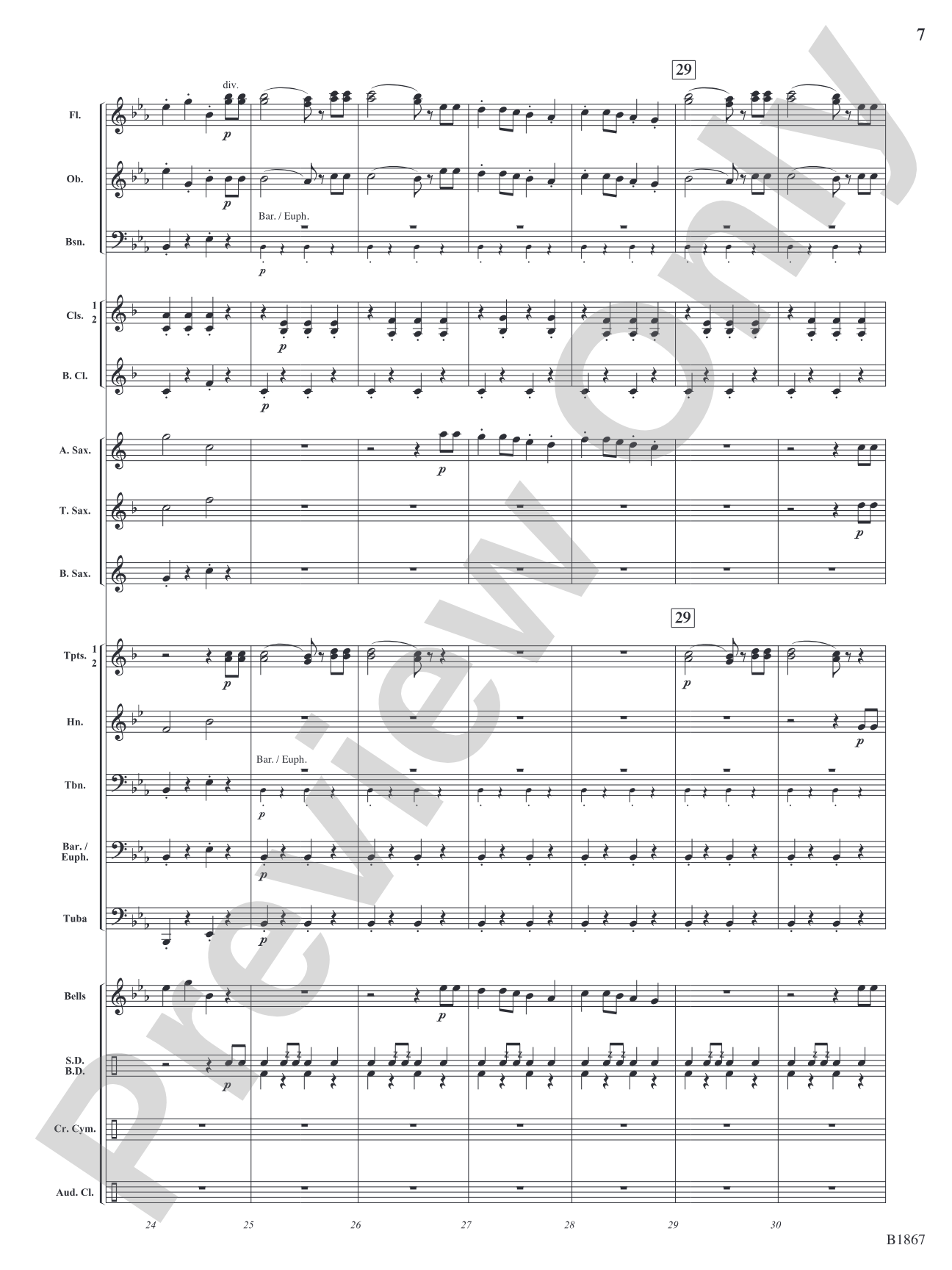
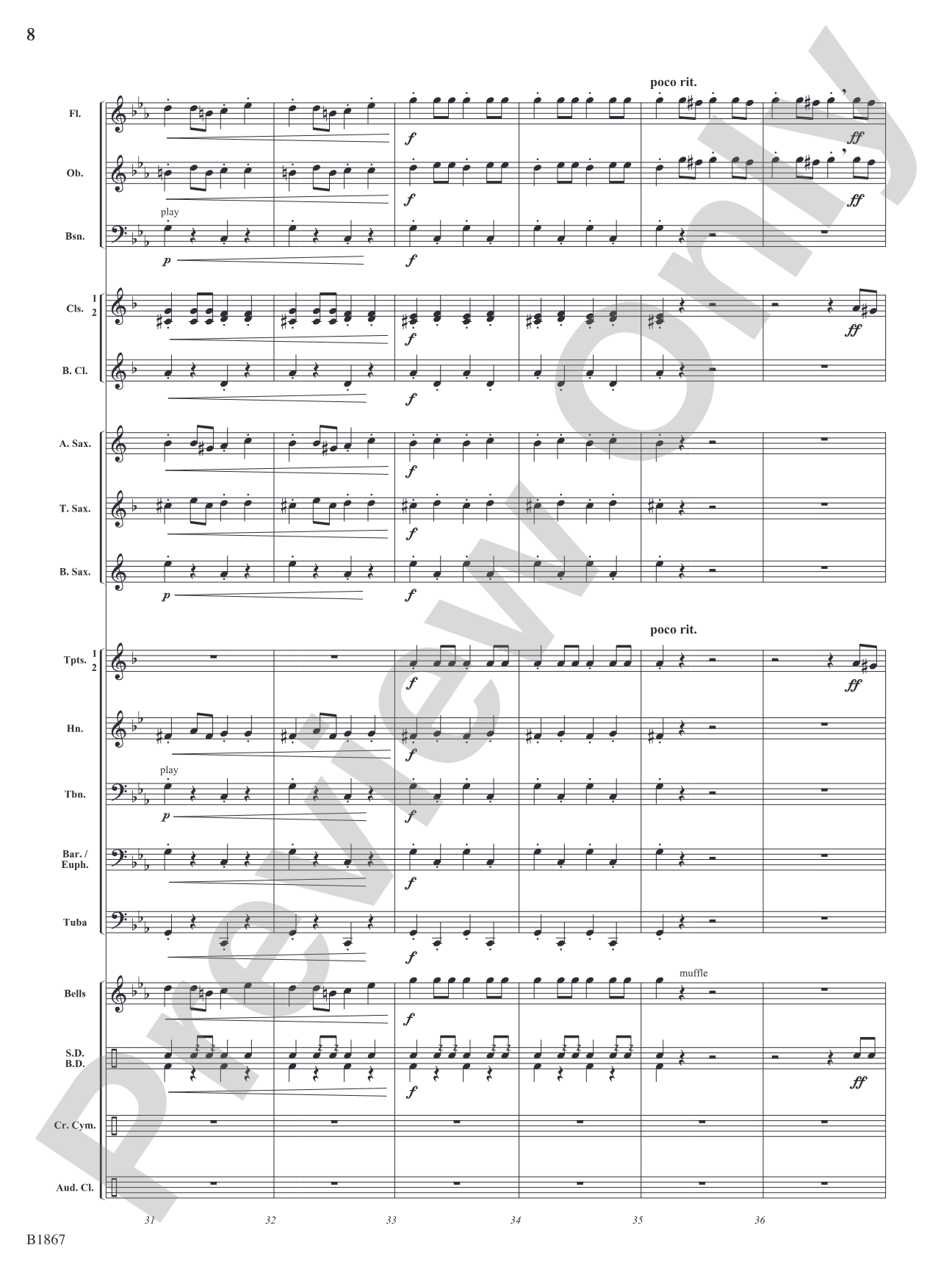
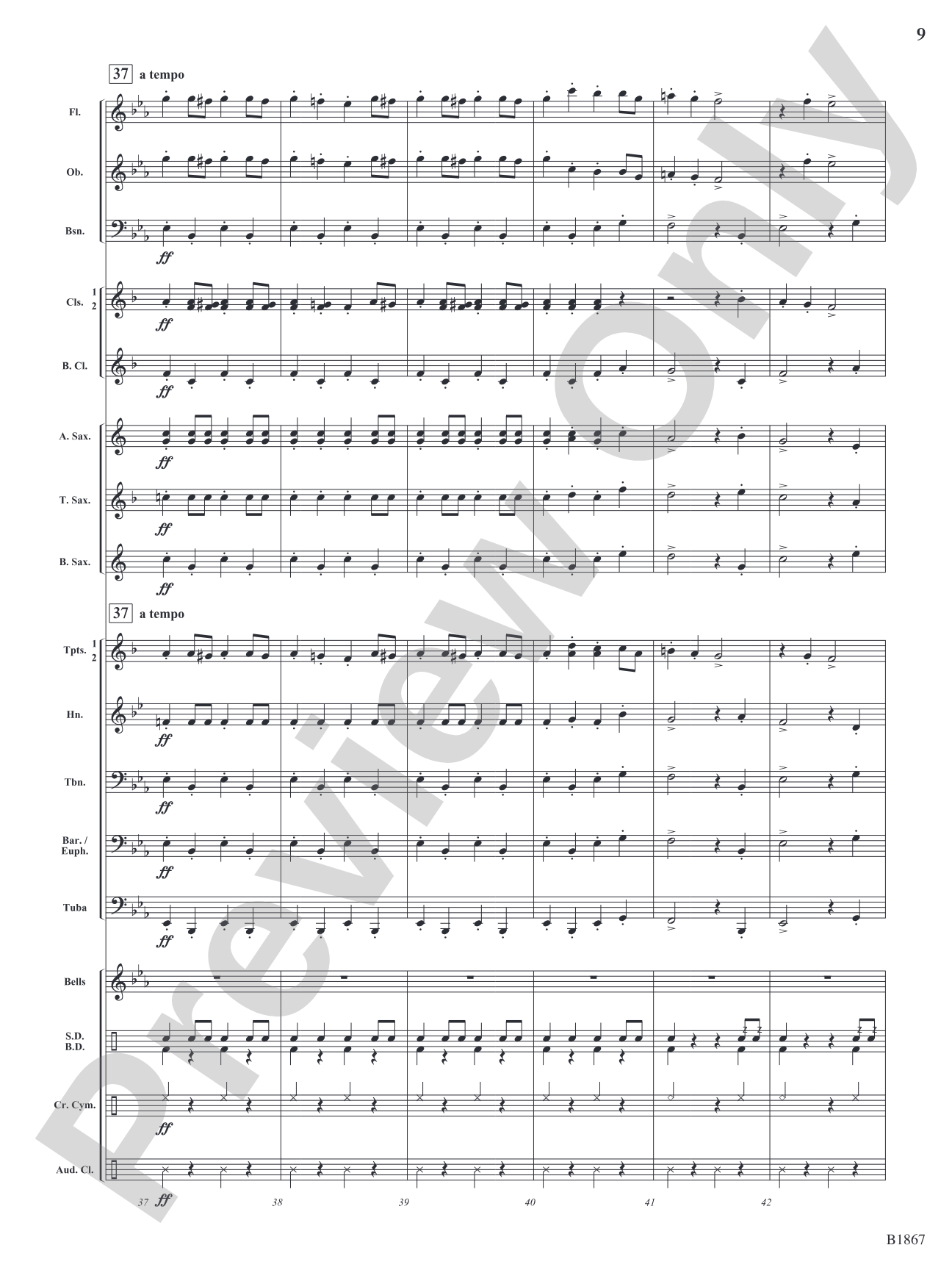
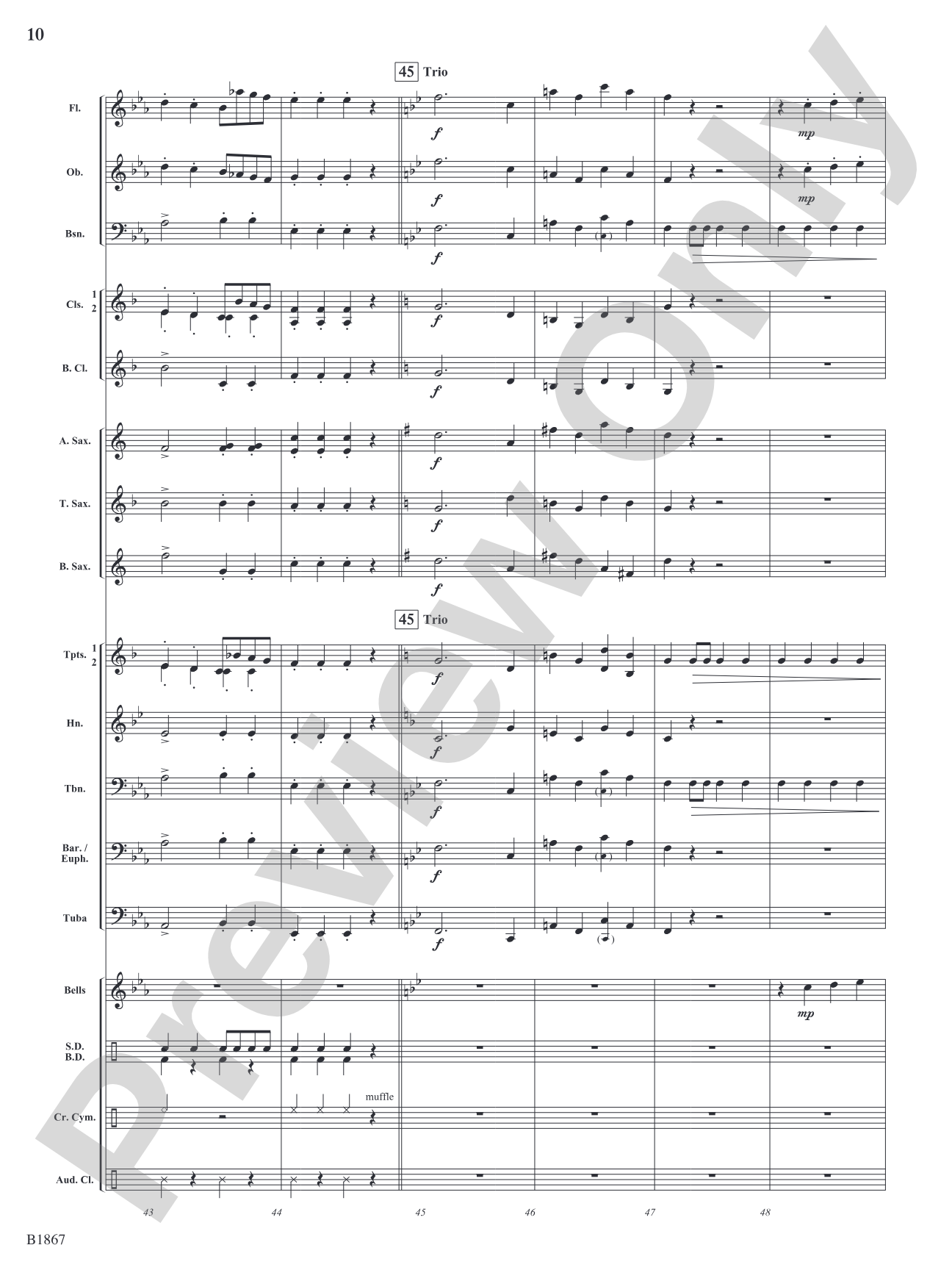
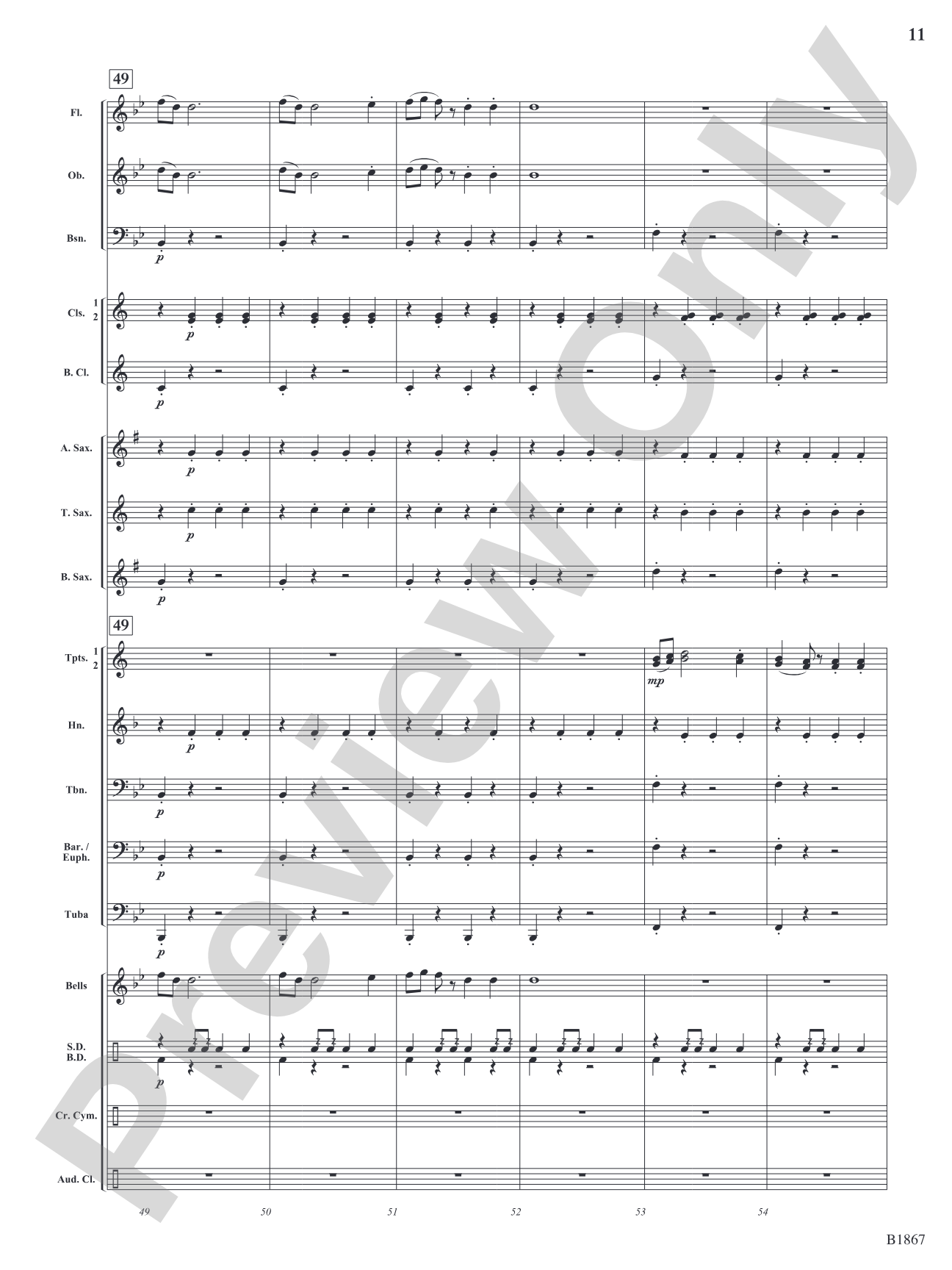
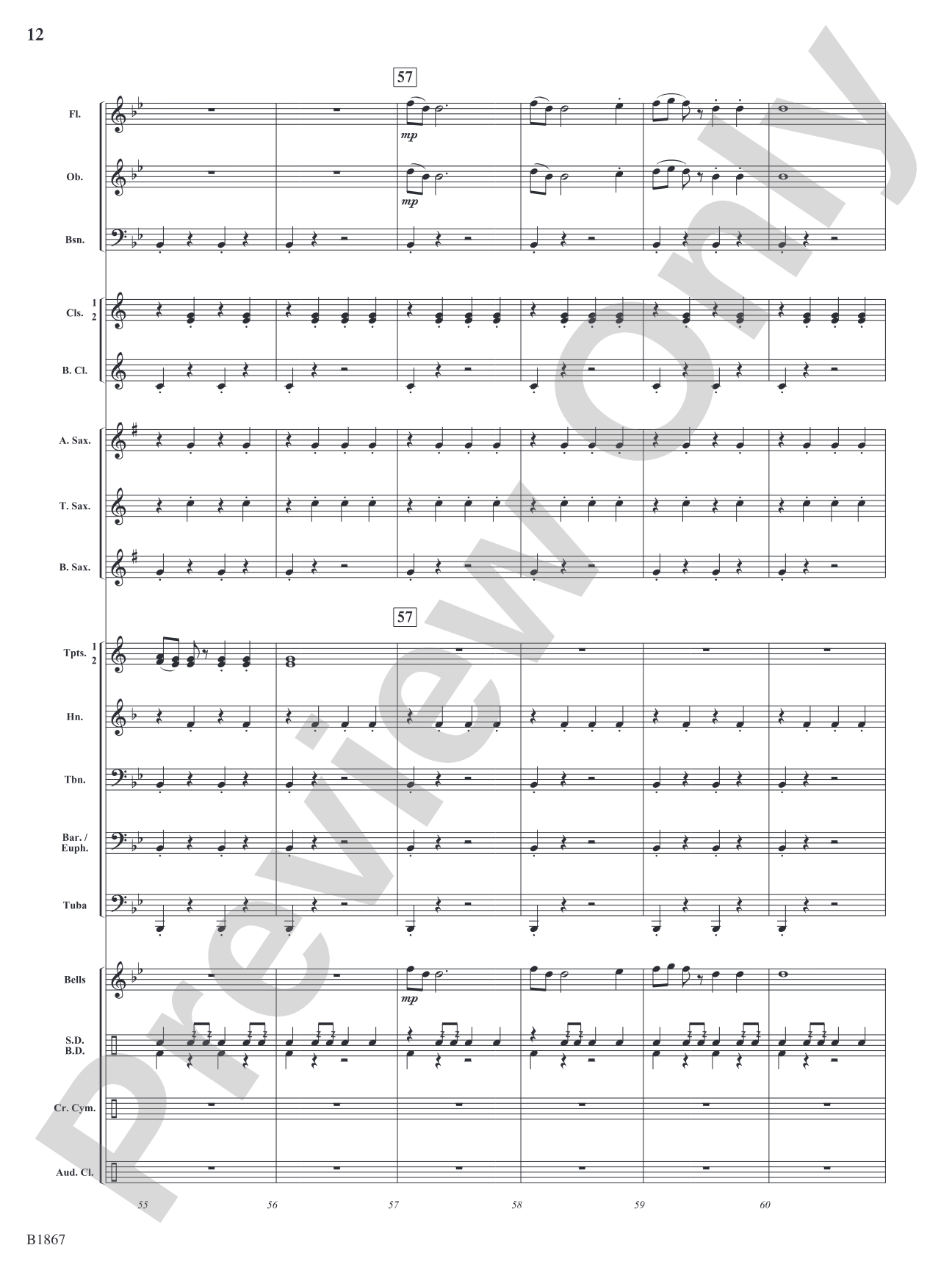
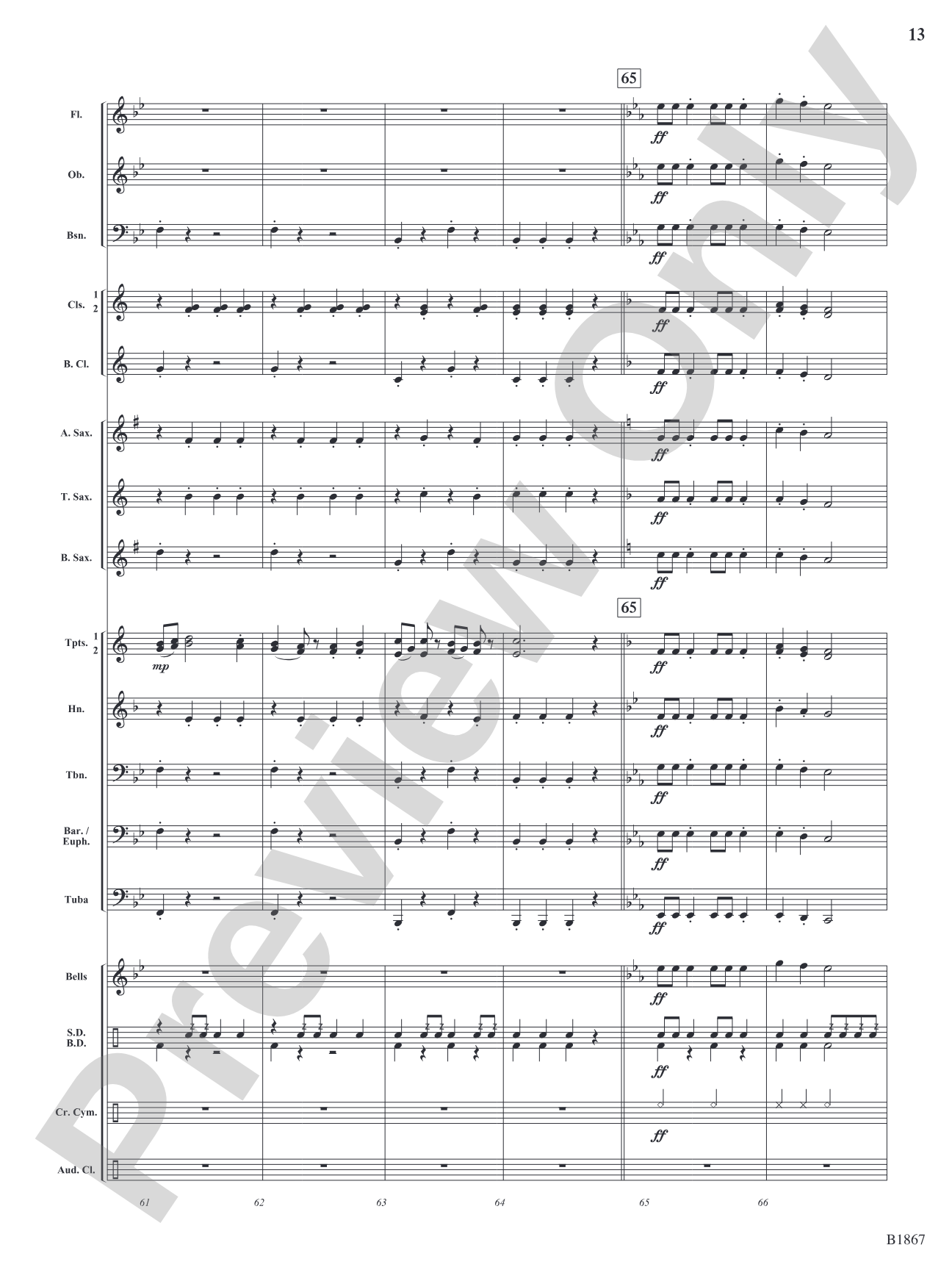
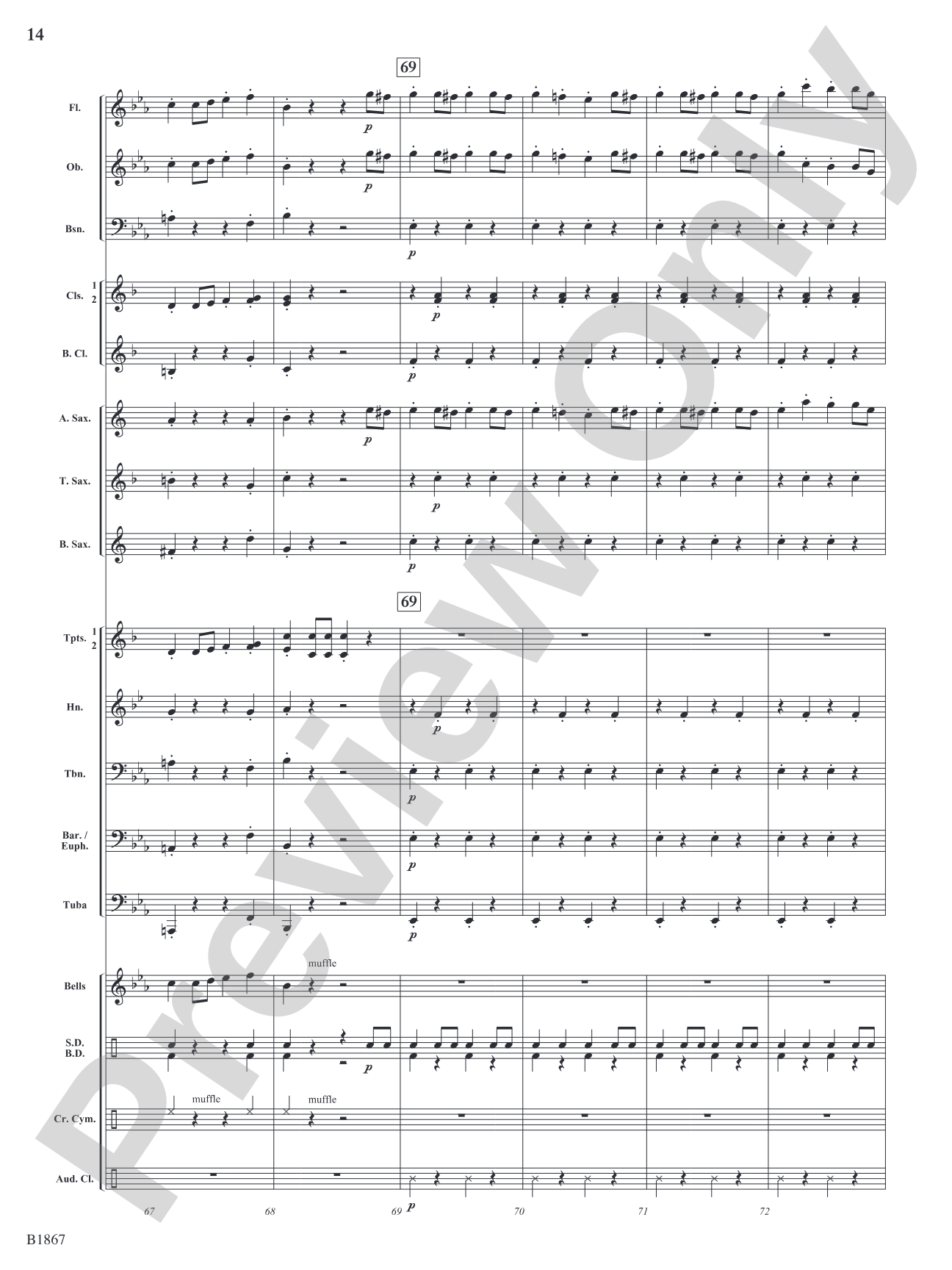
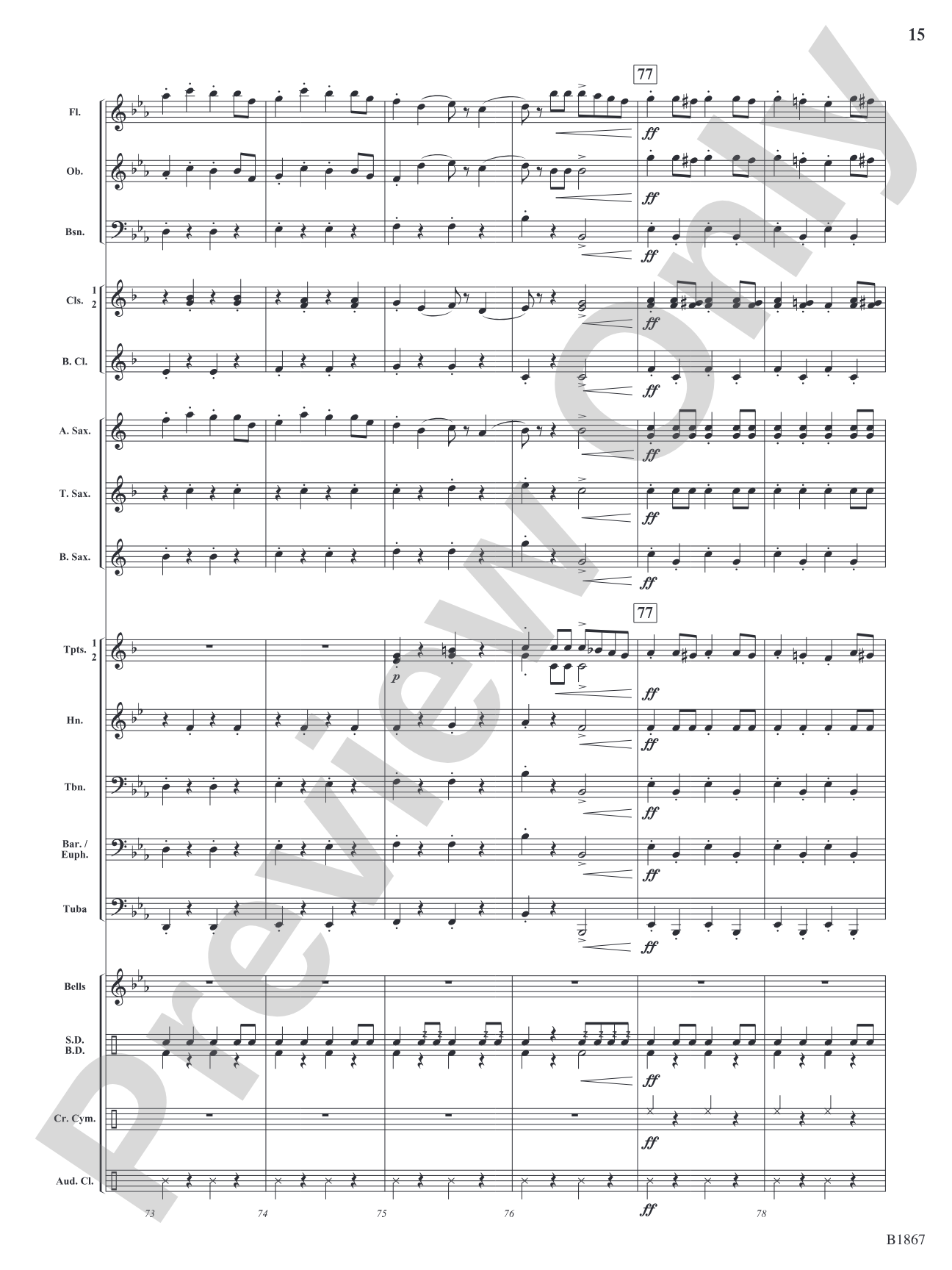
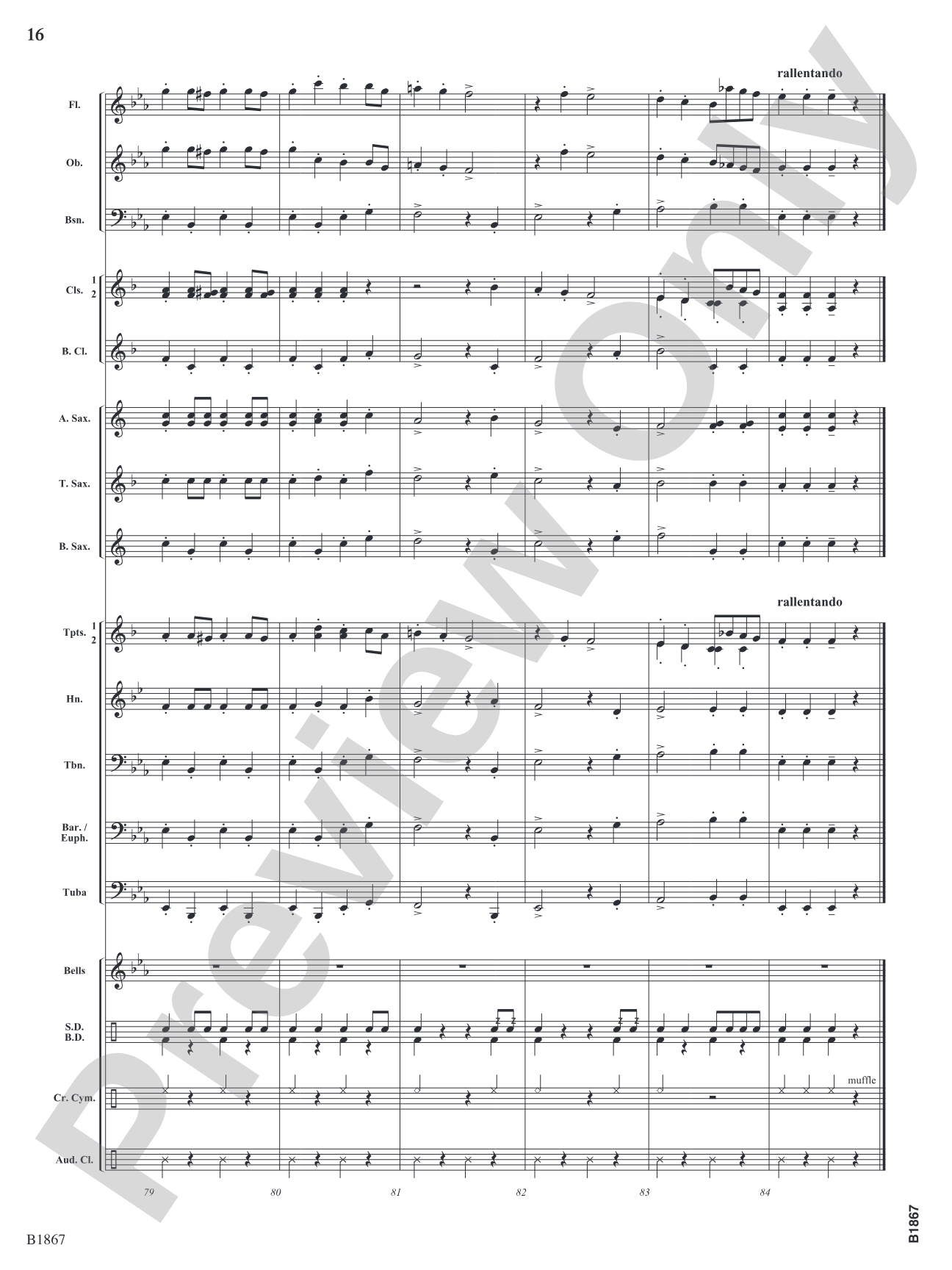

Radetzky March: Score
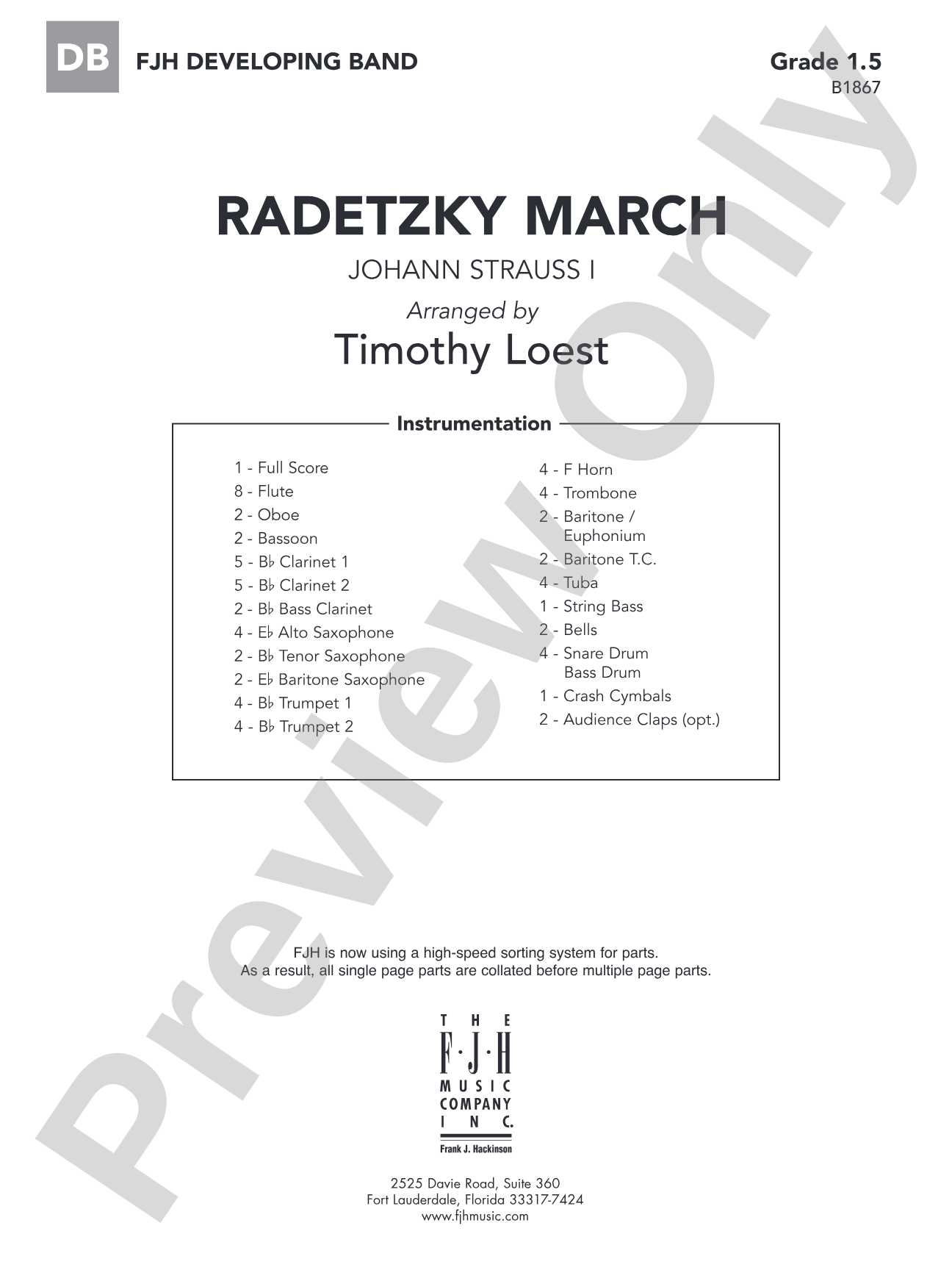
By Johann Strauss I / arr. Timothy Loest
Grade: 1.5
Item: 98-DB1867S
$6.00
Pickup currently not available
Description
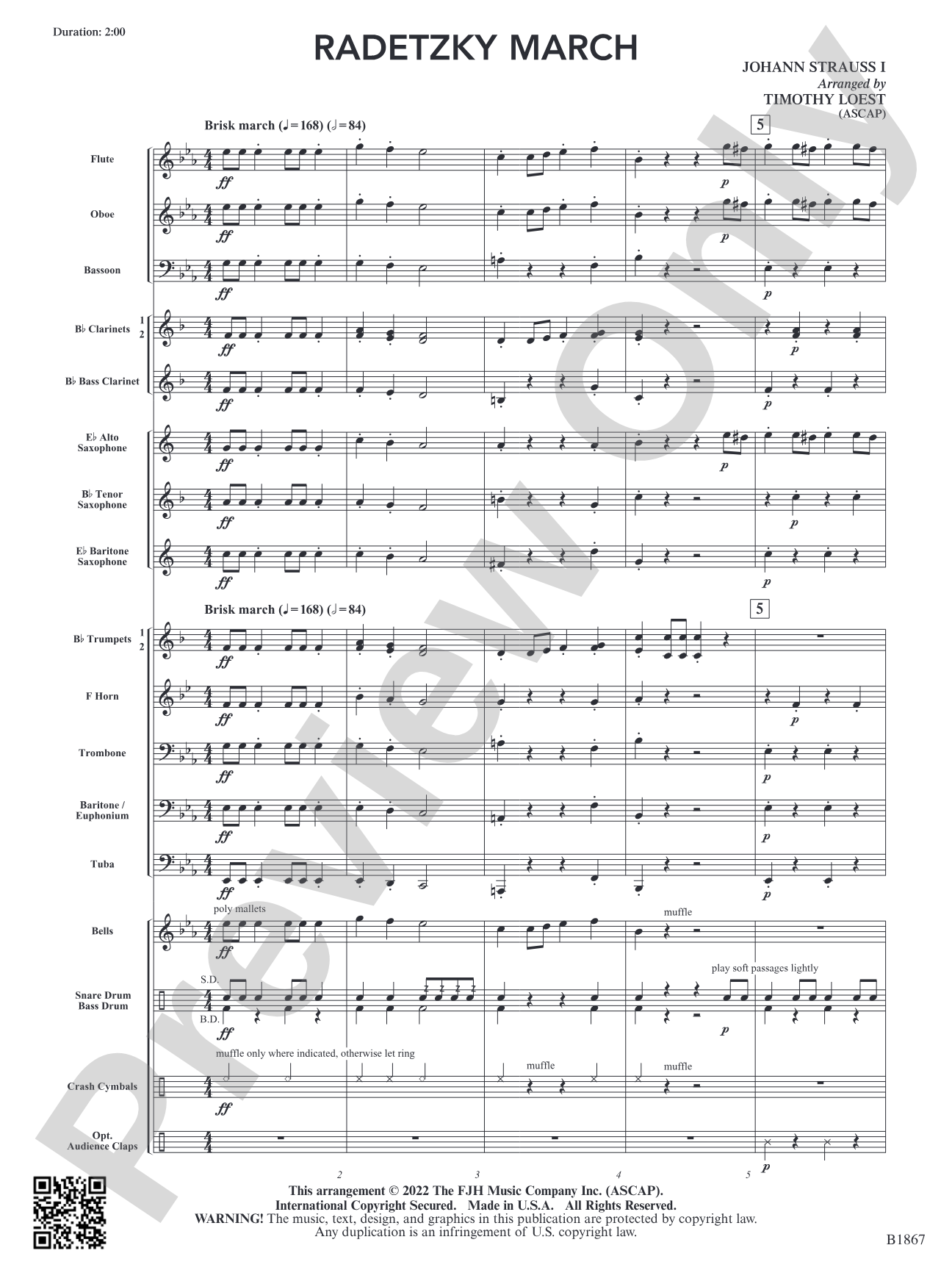
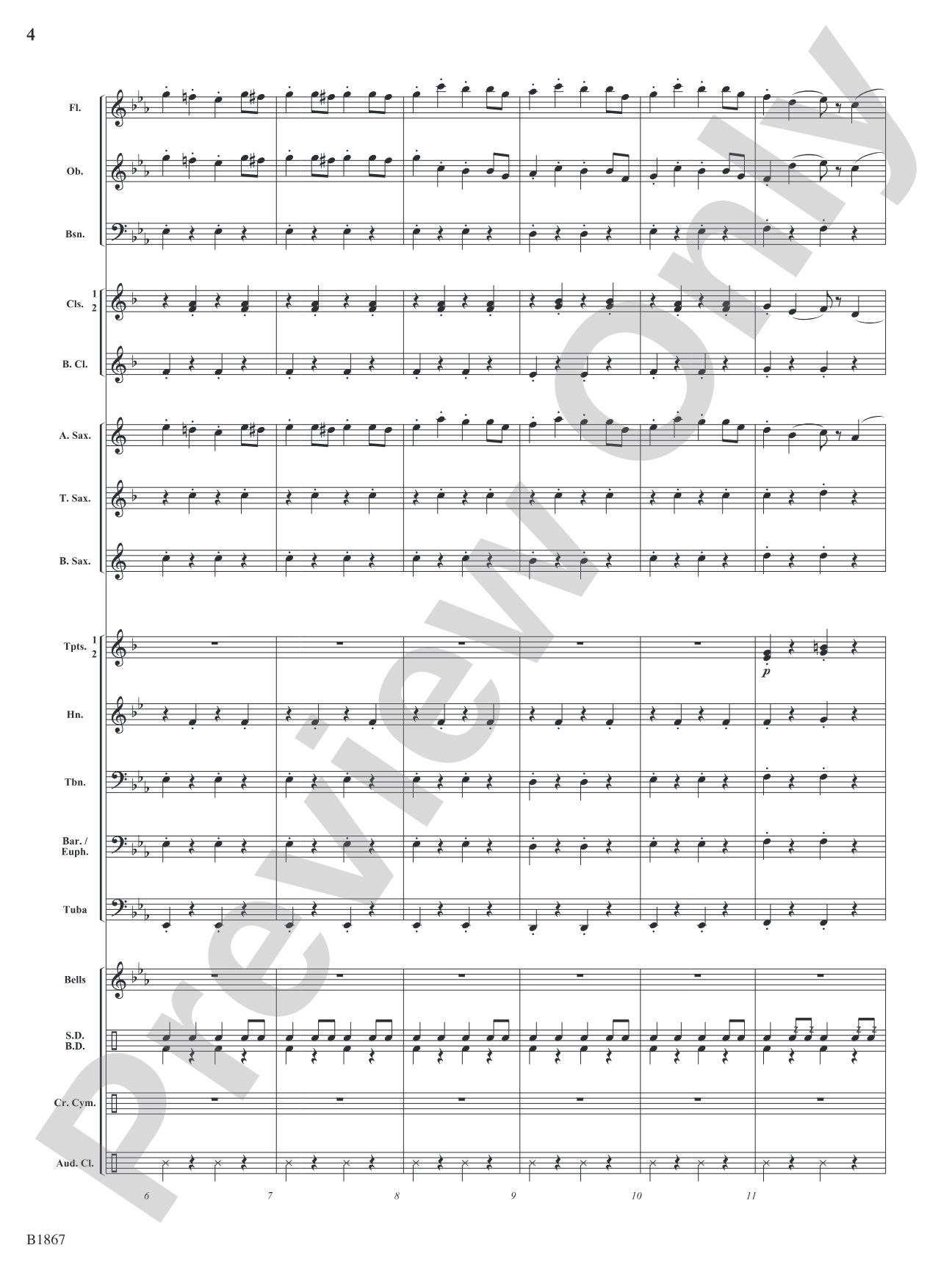
Bring down the house with this delightful and incredibly authentic transcription that allows you to experience the work of Johann Strauss, Sr. in all of its glory! Consider using the optional clapping part to engage your audience with their participation, or shine the spotlight solely on your band. A great choice for concert, contest or any event!


Don't just read it, hear it, play along with it, and watch your students grow with it. In MakeMusic Cloud, Radetzky March: Score comes alive with professional accompaniment, adjustable tempo, and built-in practice tools that turn solo practice into real progress.
Open in the Player
Jump straight in and assign it today.
Start Your Free Trial
Open this title and explore the full library in minutes.
Sample Audio
1
Audio File
--:--
0:00
0:00
Sample Video
Additional Details
Series:
FJH Developing Band
Publisher:
The FJH Music Company, Inc.
SKU:
98-DB1867S
More about this title
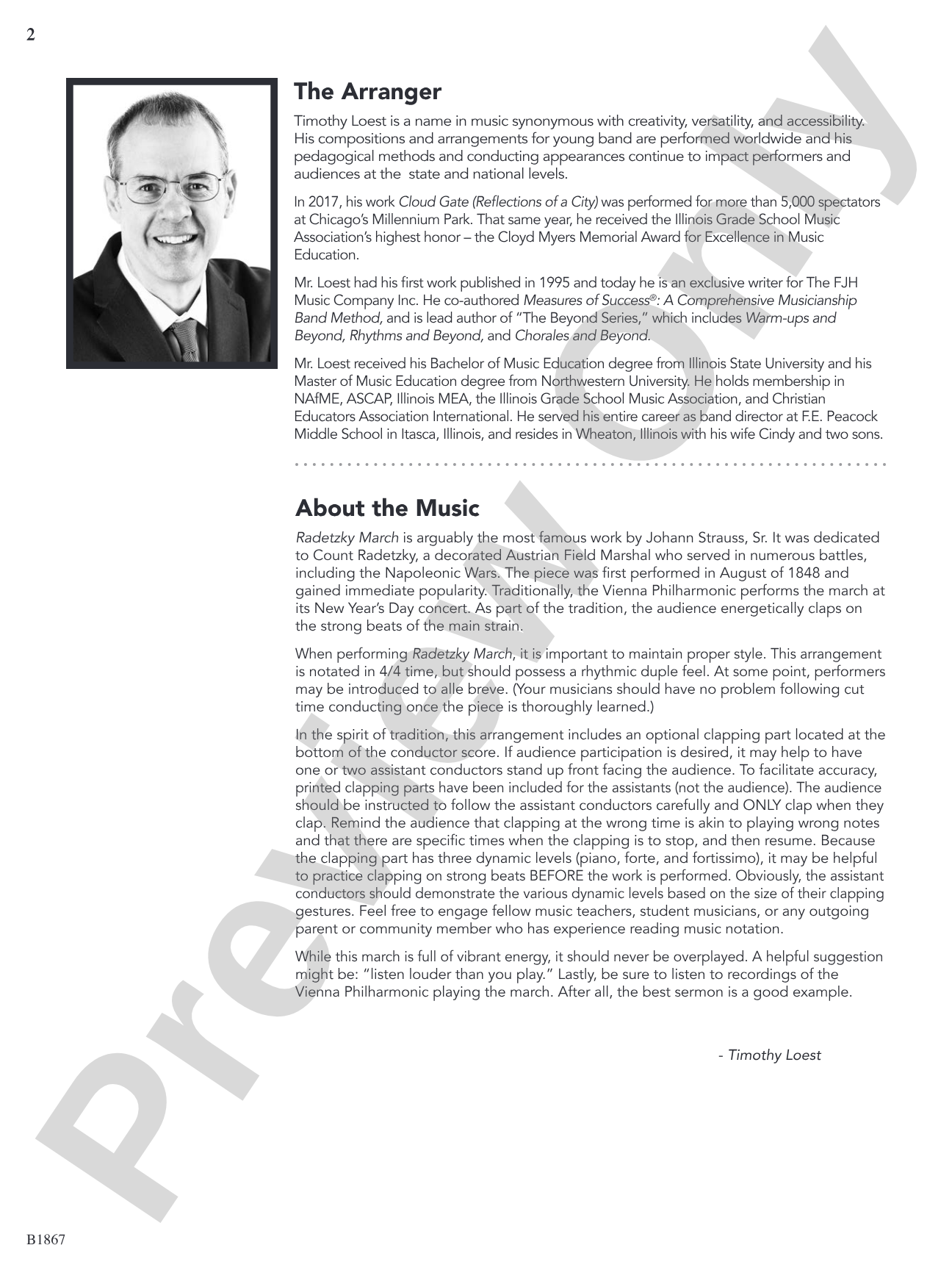
About the Composer: Johann Strauss I
Johann Strauss I (1804-1849) established the waltz as Vienna's defining musical form and became known as the 'Waltz King.' His prolific output and innovative orchestrations set the standard for popular concert music in 19th-century Europe, influencing generations of composers and performers.
The Radetzky March stands among his most enduring works, celebrated for its infectious energy and straightforward brilliance. Written to commemorate an Austrian military victory, it transcends its occasional origins to become a concert staple that audiences recognize and embrace immediately.
Why we love this
Timothy Loest captures the unrelenting joy and propulsive momentum of this masterwork without oversimplifying it. The Grade 1.5 scoring gives developing bands real musical material to execute rather than an over-arranged skeleton, and the optional audience clapping part transforms a concert performance into a participatory event that builds genuine excitement.
What to expect
Unstoppable forward momentum and infectious exuberance. The march invites audiences in with its famous melody and steady rhythmic drive, creating an atmosphere of celebration and straightforward joy.
Who it's for
Developing concert bands looking for a showstopper that builds audience connection while remaining accessible to players at the Grade 1.5 level. This arrangement works for groups seeking an encore or finale that lands with energy and clarity.
How to get the most out of it
- Establish a crisp, energetic tempo from the downbeat. The march's appeal depends on forward motion and clean articulation across all sections.
- Balance the clapping part carefully in rehearsals; if you include it, brief your audience before the performance so the cue is clear and unified.
- Emphasize the characteristic rhythmic swagger in the main melody. This isn't a military drill; it's a celebration with personality.
- Shape the dynamic contrasts between sections. The piece gains impact when softer passages give way to full band statements.
How to use it
Program this as a concert closer or finale when you need a strong, crowd-pleasing exit. Its accessibility and immediate appeal make it ideal for community concerts, pops events, or contest programs where you want to showcase your ensemble's musical confidence and leave the audience energized.
Skills your students will build
- Crisp articulation in fast, marchlike rhythms
- Maintaining steady tempo and pulse through repetitive material
- Balance and blend across multiple sections playing the same melodic line
- Responding to dynamic and stylistic contrasts within a familiar form