
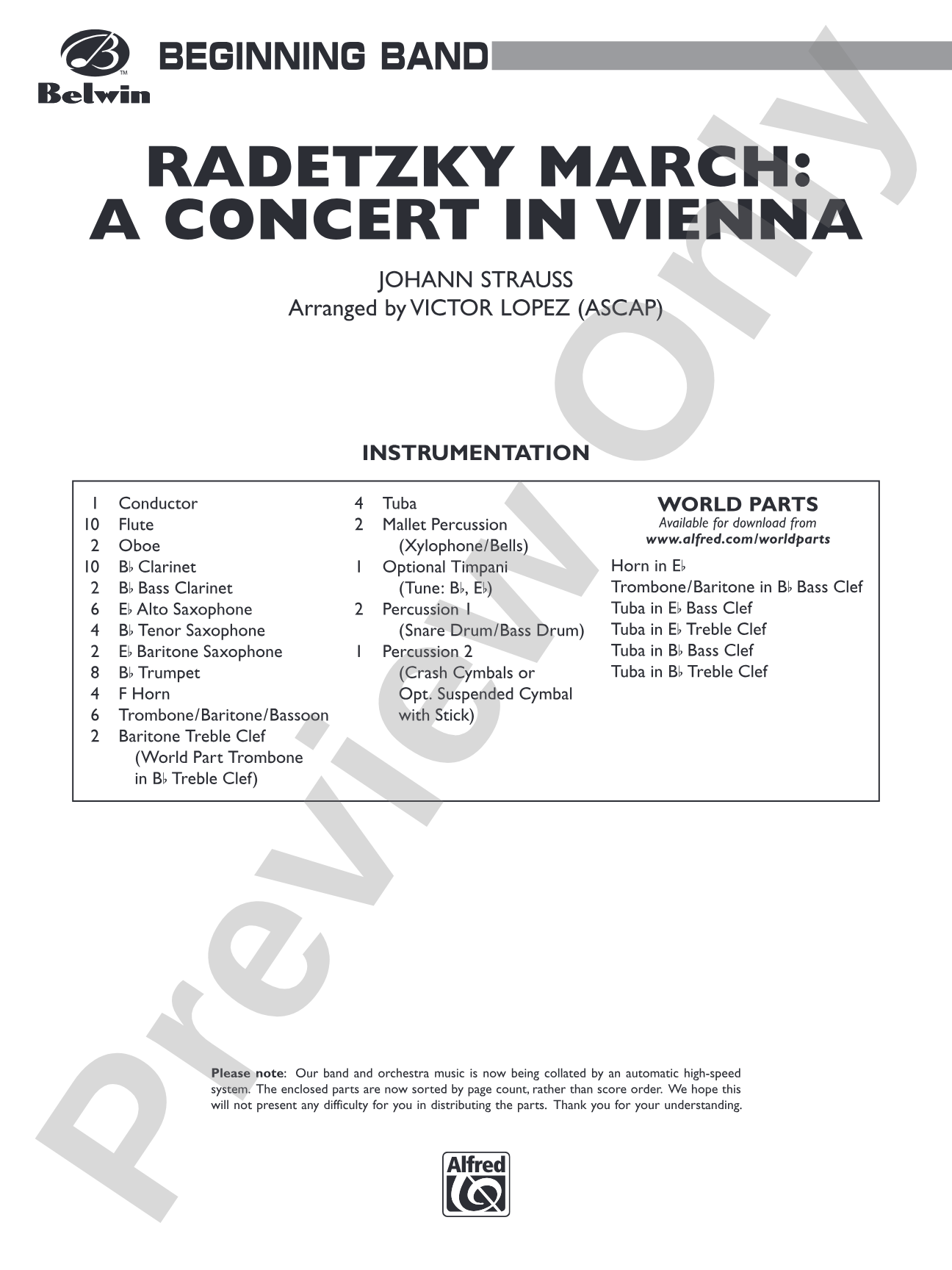
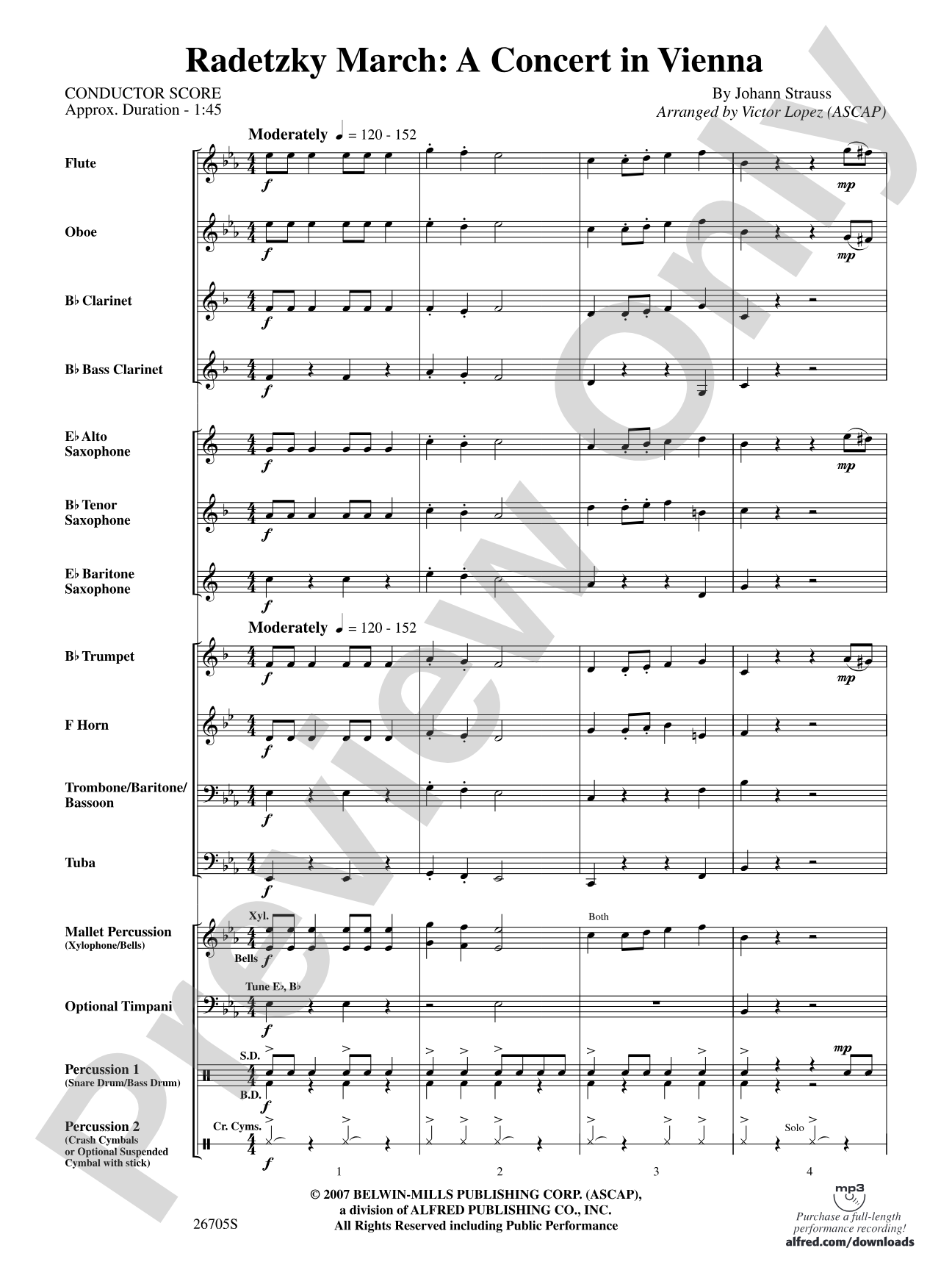
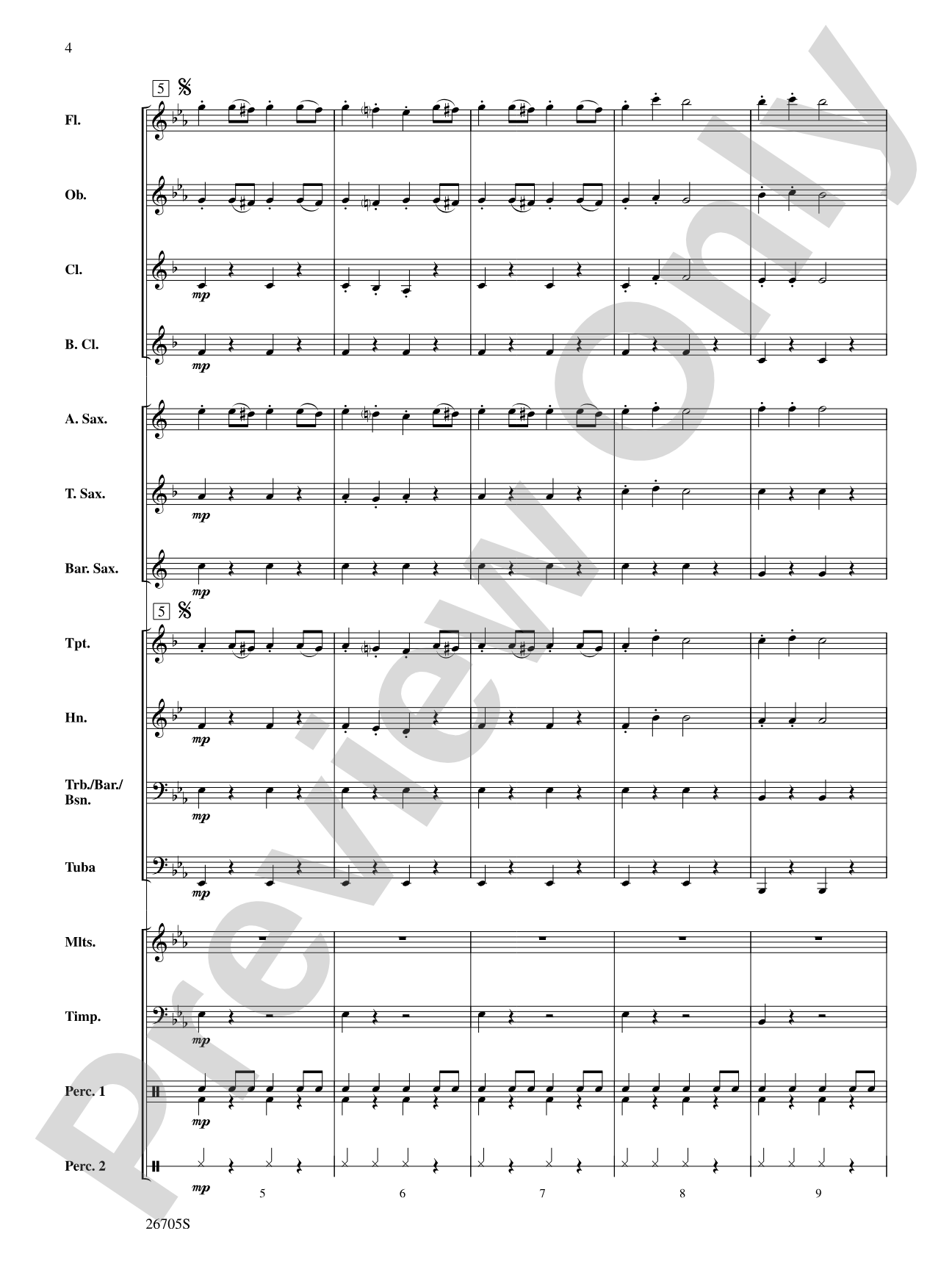
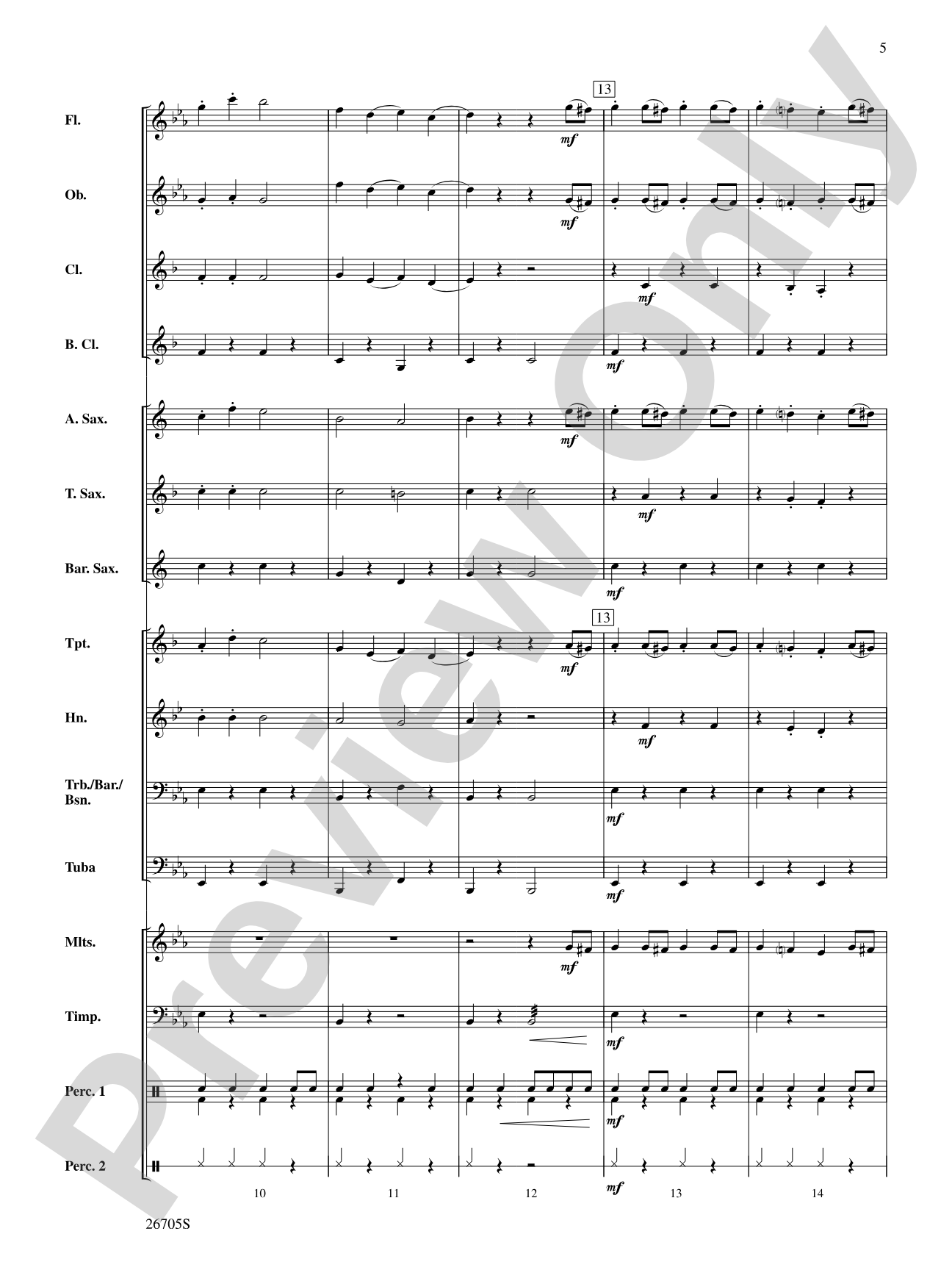
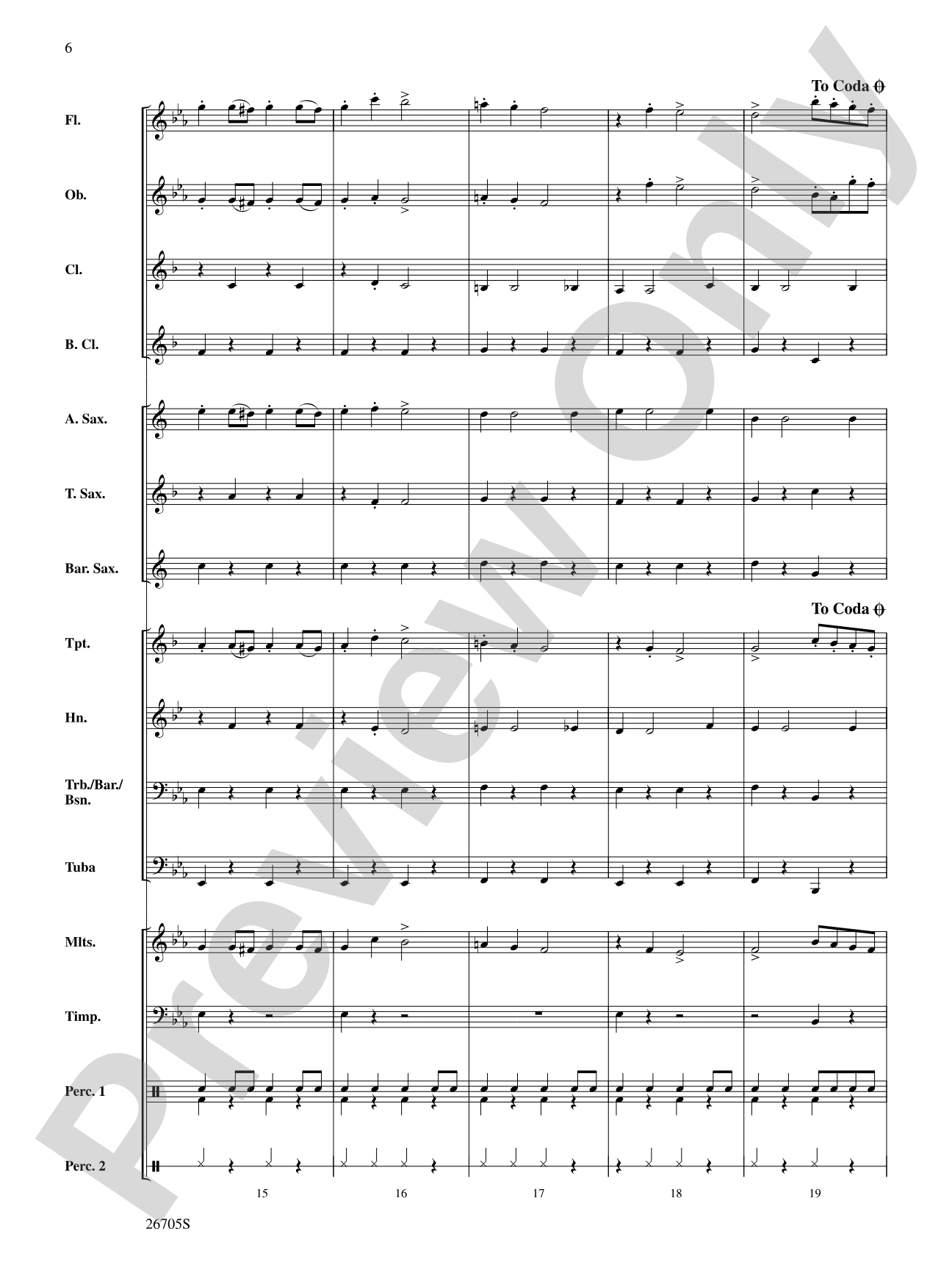
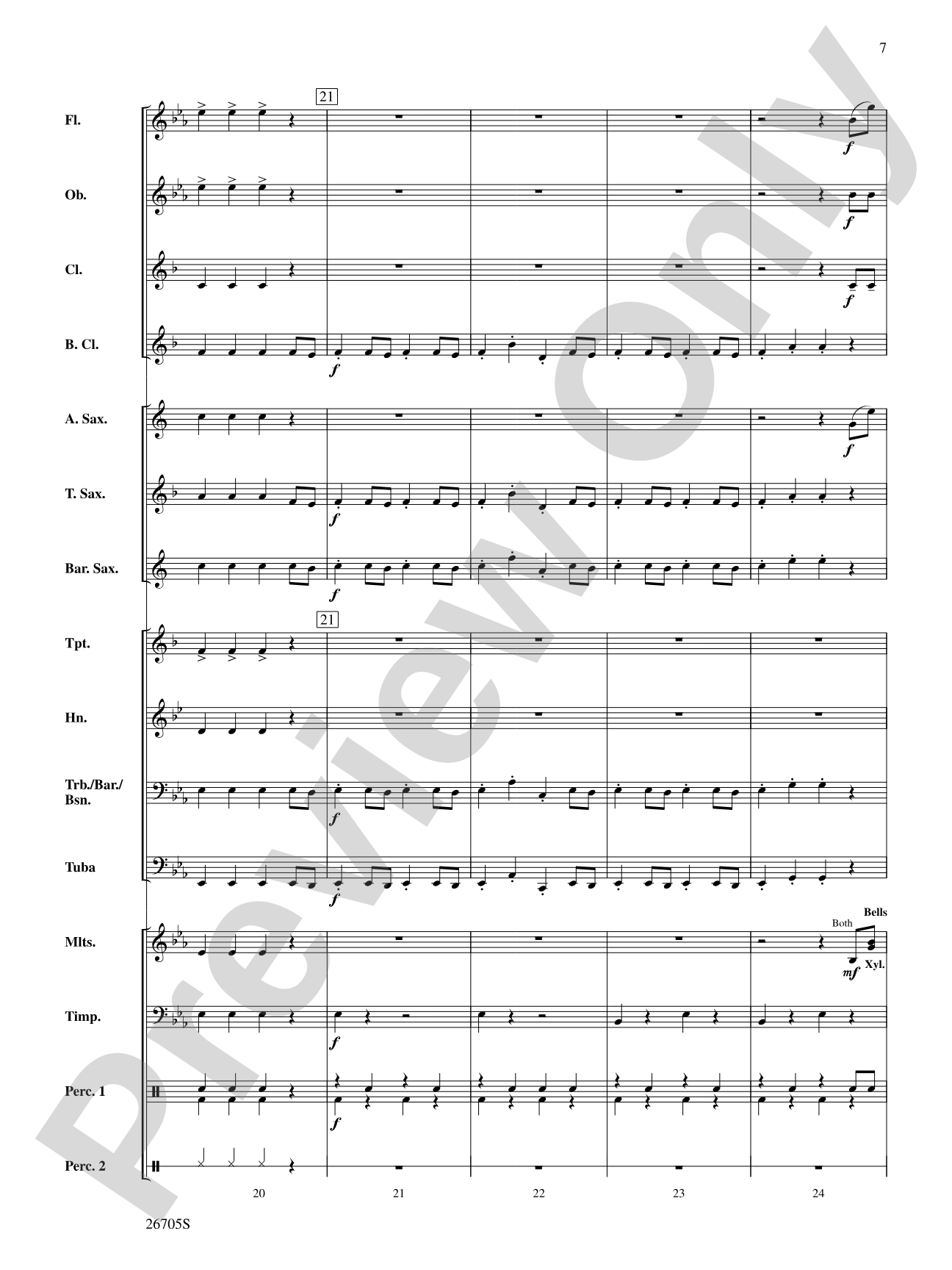
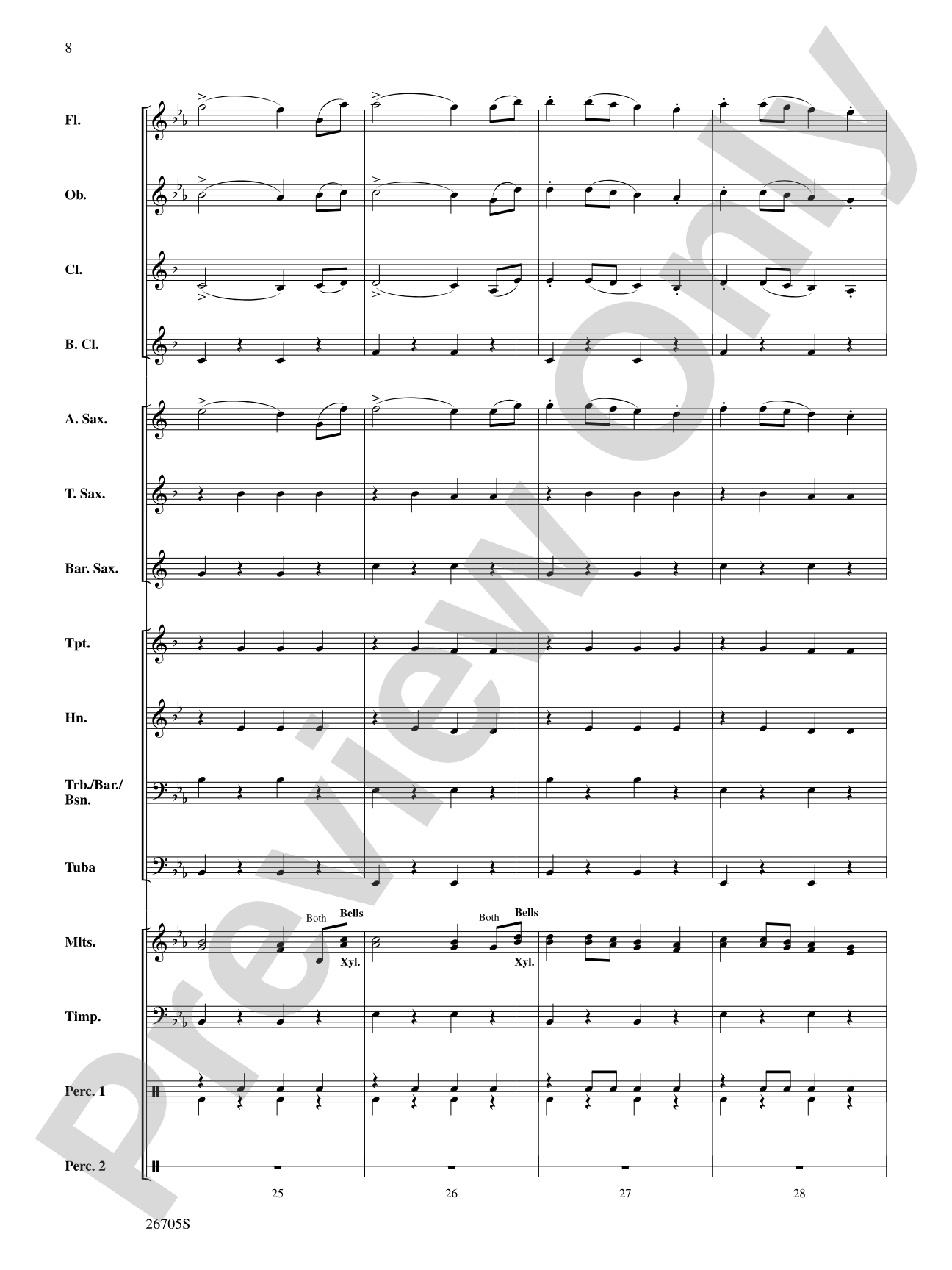
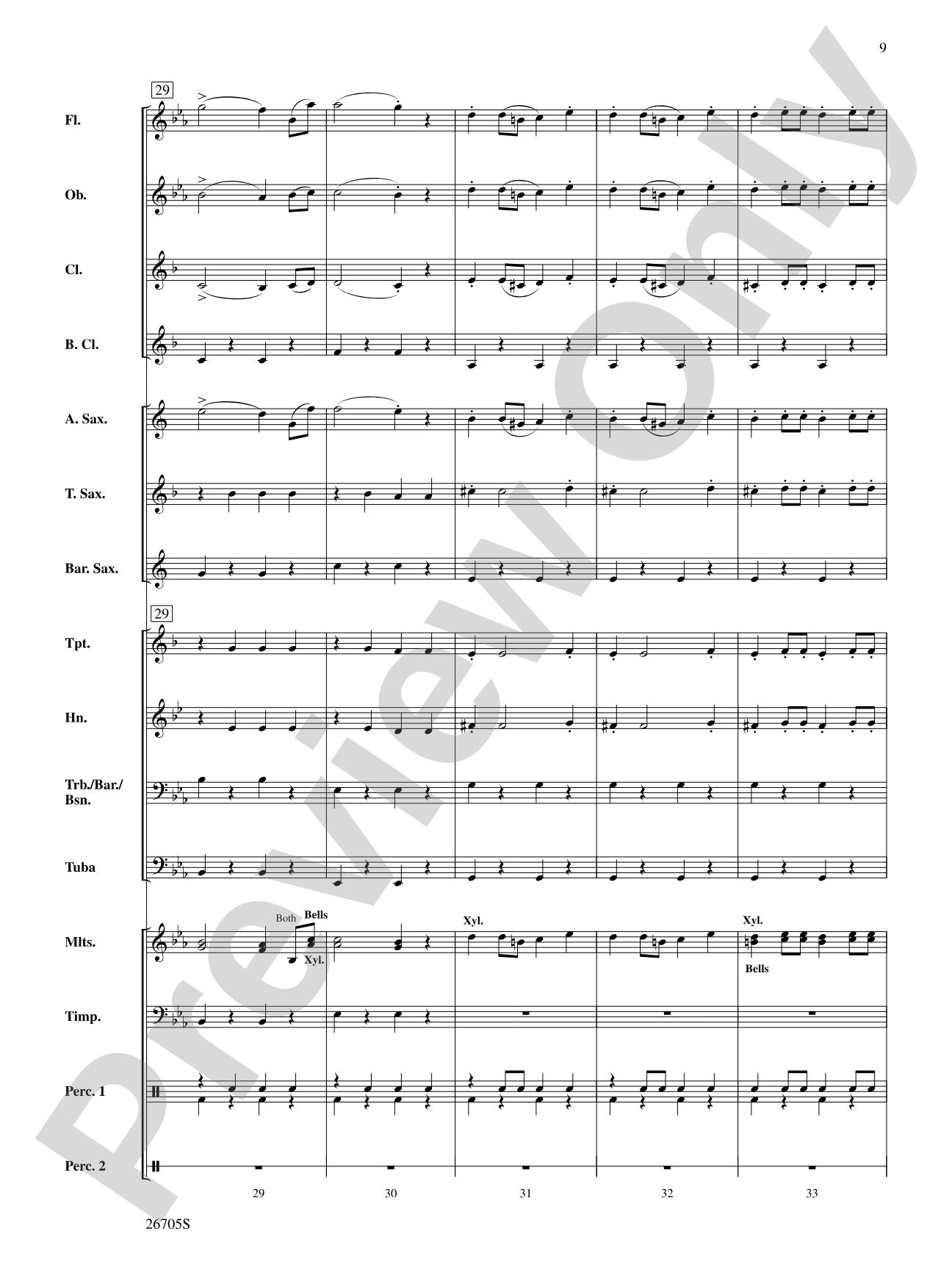
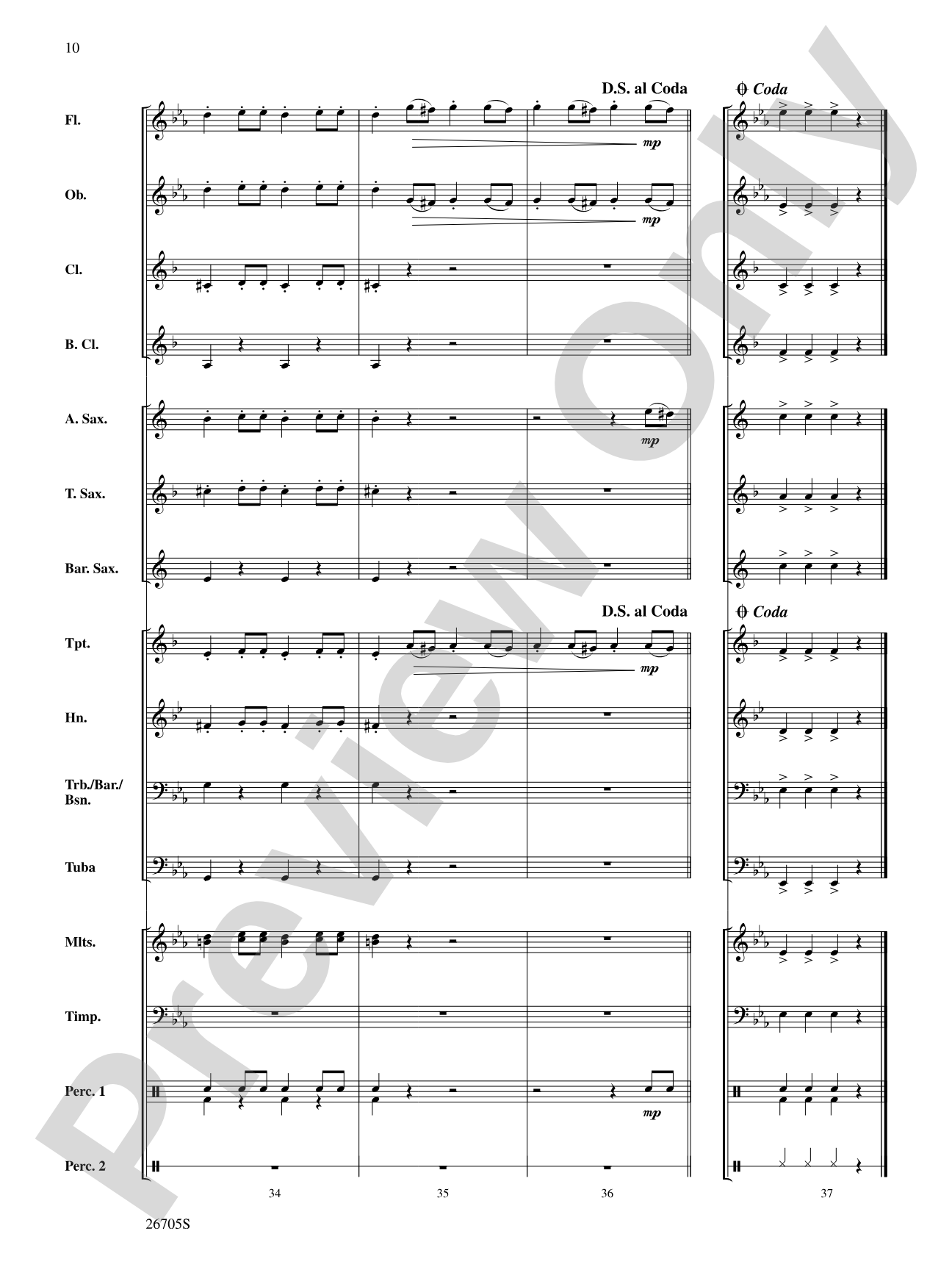



Radetzky March: A Concert in Vienna: Score
By Johann Strauss / arr. Victor López
Grade: 2 (Easy)
Item: 00-PR-0001170
$9.00
Pickup currently not available
Description
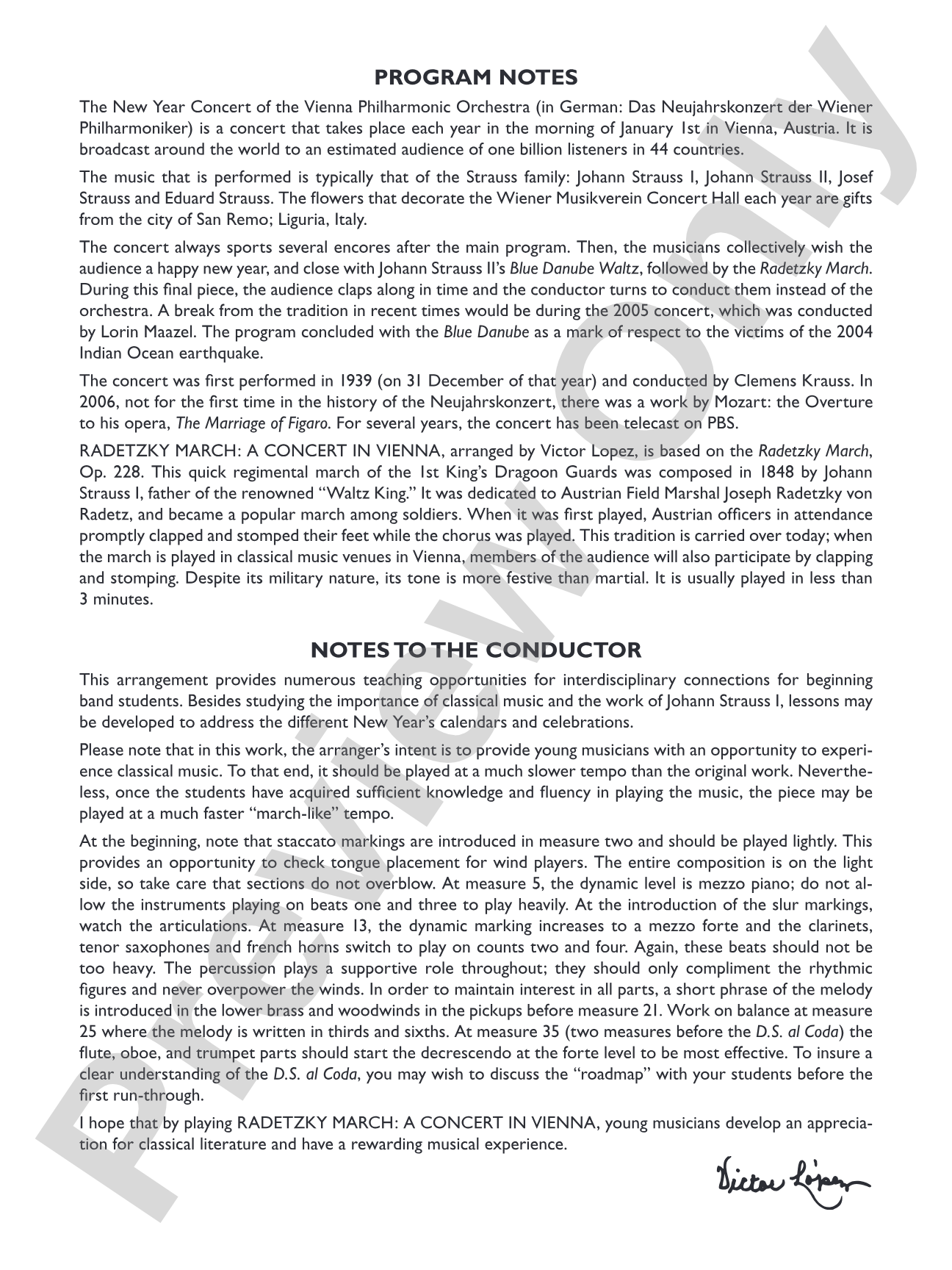
Traditionally closing the Vienna Philharmonic Orchestra's New Year's concert, Johann Strauss' Radetzky March is a musical wish for a happy new year. It's jovial in nature with the pleasing melody shared throughout the band. An uplifting Victor López arrangement of this classic march is perfect for programming. (1:30) This title is available in MakeMusic Cloud.


Don't just read it, hear it, play along with it, and watch your students grow with it. In MakeMusic Cloud, Radetzky March: A Concert in Vienna: Score comes alive with professional accompaniment, adjustable tempo, and built-in practice tools that turn solo practice into real progress.
Open in the Player
Jump straight in and assign it today.
Start Your Free Trial
Open this title and explore the full library in minutes.
Sample Audio
1
Audio File
--:--
0:00
0:00
Sample Video
Additional Details
Series:
Belwin Beginning Band
Publisher:
Alfred Music
Page Count:
66
SKU:
00-PR-0001170
More about this title
About the Composer: Johann Strauss
Johann Strauss (1825-1899) was an Austrian composer and conductor who dominated the Viennese musical scene during the Romantic era. Known as the "Waltz King," Strauss created hundreds of compositions that defined the sound of 19th-century Vienna, from waltzes and polkas to marches that became part of the city's cultural identity.
Radetzky March, composed in 1848, became synonymous with Vienna's New Year's tradition and remains one of the most recognizable marches in classical music. The work showcases Strauss's gift for crafting memorable melodies and infectious rhythms that engage both performers and audiences instantly.
Why we love this
Victor López's arrangement brings this iconic march within reach of developing bands while preserving the infectious energy that makes it such a crowd favorite. The Grade 2 scoring distributes the engaging melodies across the band, giving every section meaningful material to play rather than relegating anyone to filler parts.
What to expect
Bright, festive, and irresistibly energetic. The march radiates optimism and celebration, with bold unison passages alternating with sections where the melody dances through different instrumental families. You can feel the Vienna tradition embedded in every phrase.
Who it's for
Beginning concert bands seeking a crowd-pleasing finale that doesn't require advanced technique but delivers genuine musical satisfaction. Students at the Grade 2 level gain experience with straightforward march form, clear melodic writing, and the confidence boost that comes from performing a widely recognized masterwork.
How to get the most out of it
- Keep the tempo steady and bouncy throughout. Strauss wrote this march to propel audiences to their feet, so maintain forward momentum even during softer sections.
- Balance the melody between sections as it passes around the band. Ensure smooth handoffs between woodwinds, brass, and percussion so the tune feels seamless rather than choppy.
- Let the percussion anchor the character. The march's joy comes partly from crisp articulation in the low brass and drums, so make sure those lines are clean and rhythmically tight.
- Shape the climactic passages with gradual dynamic growth. Rather than jumping abruptly to fortissimo, build intensity phrase by phrase so the ending lands with maximum impact.
How to use it
Program this as a concert closer to send audiences home smiling, or place it early in a program to establish an upbeat tone. It pairs well with other accessible classical arrangements and works especially effectively on holiday or seasonal concerts. At just 1:30, it fits perfectly into tight programs while delivering maximum musical impact.
Skills your students will build
- Playing clear, sustained melodic lines within a march context
- Responding to style and articulation markings that define march character
- Coordinating ensemble rhythms and balance as melody passes between sections
- Maintaining steady tempo and pulse over repeated harmonic patterns
- Building dynamic shape and phrasing across longer sections