
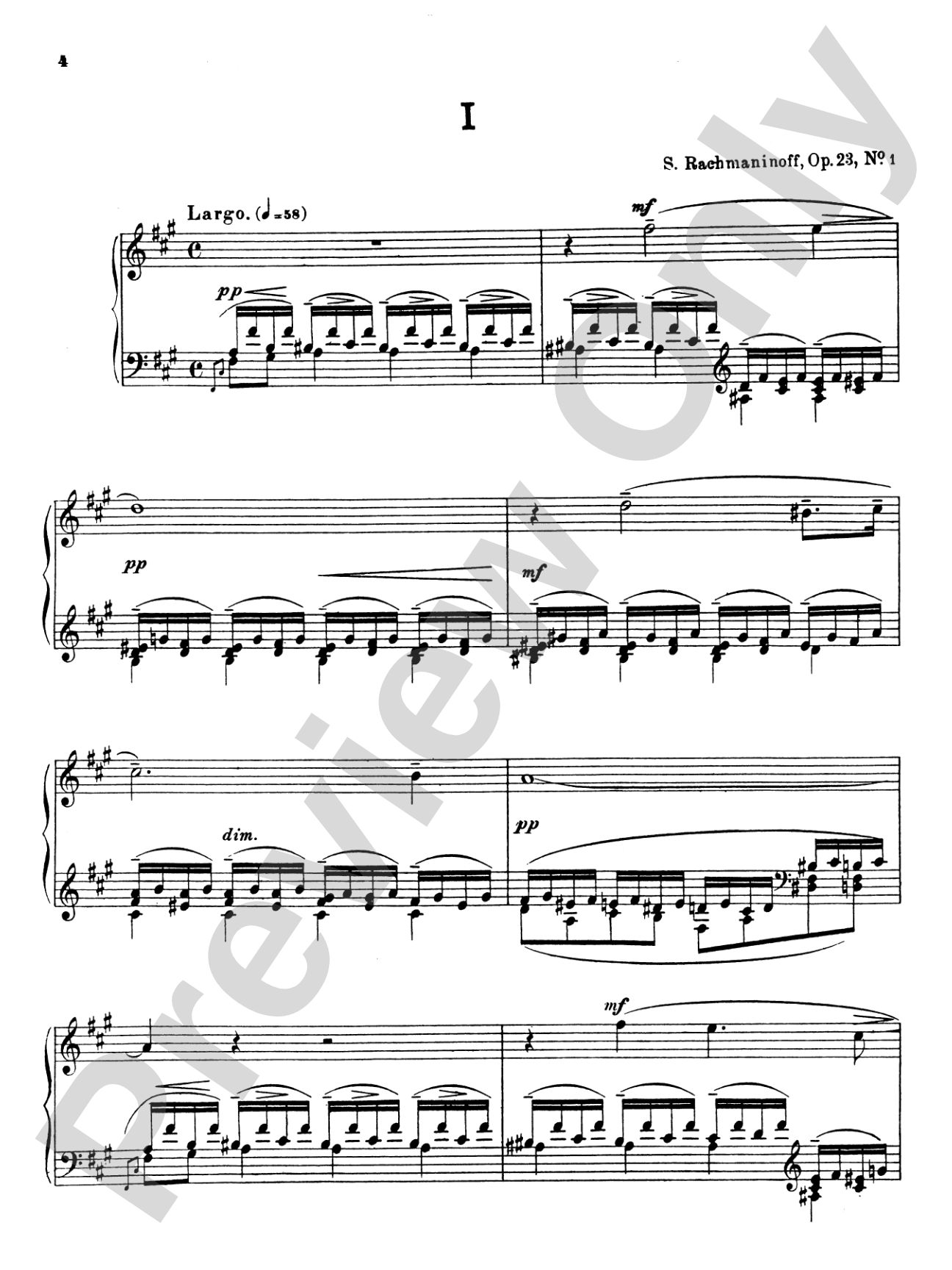
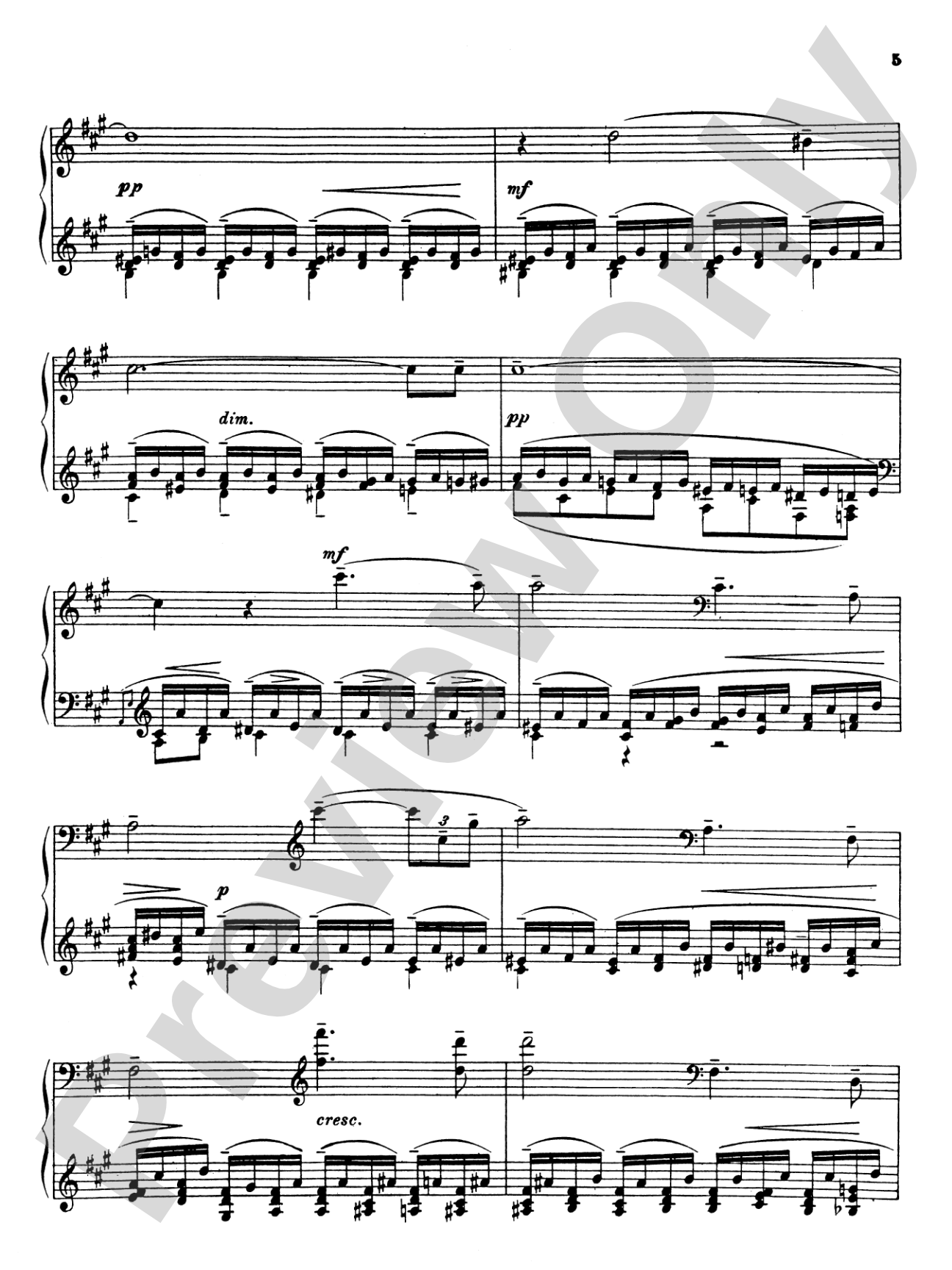
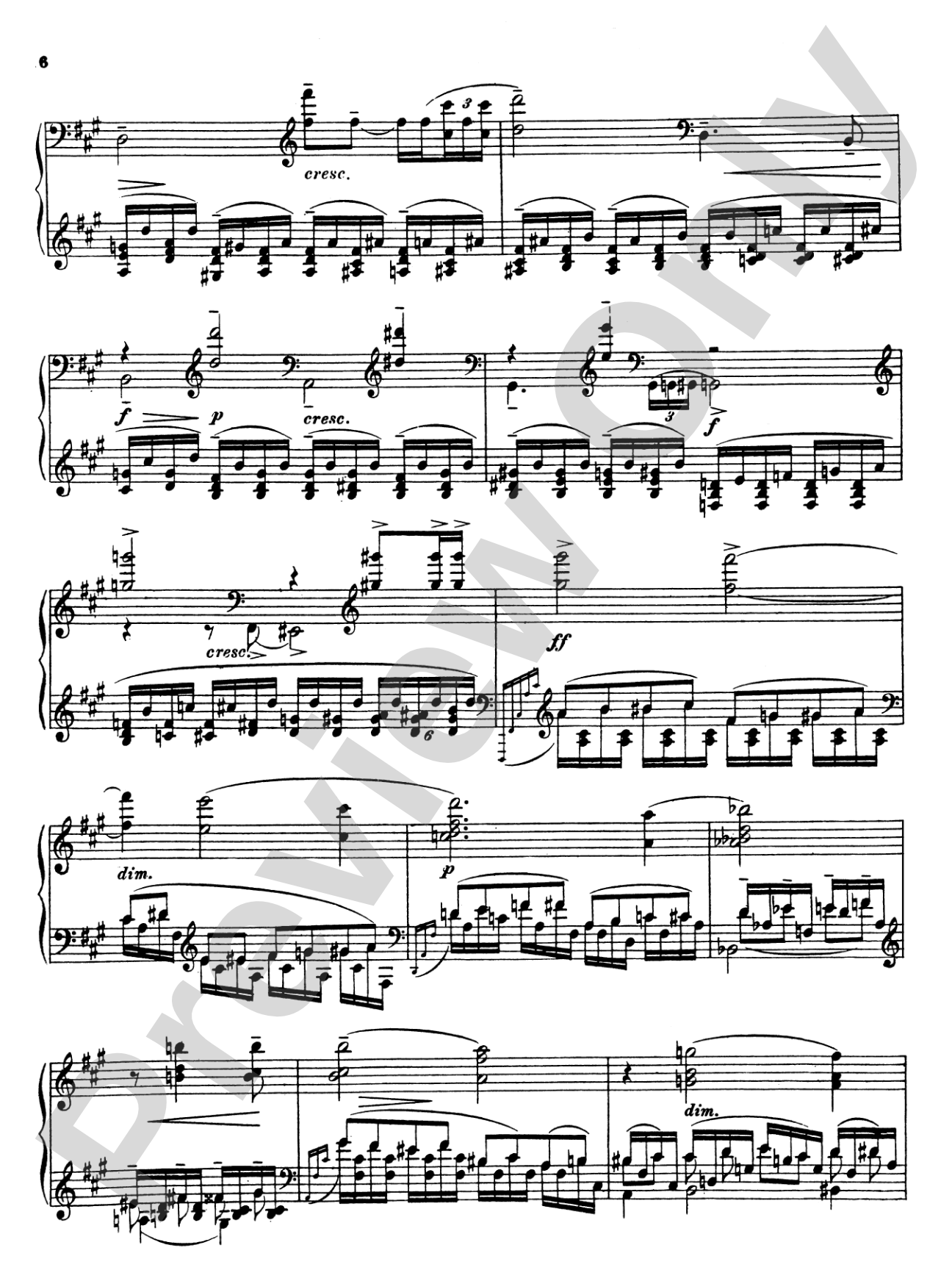
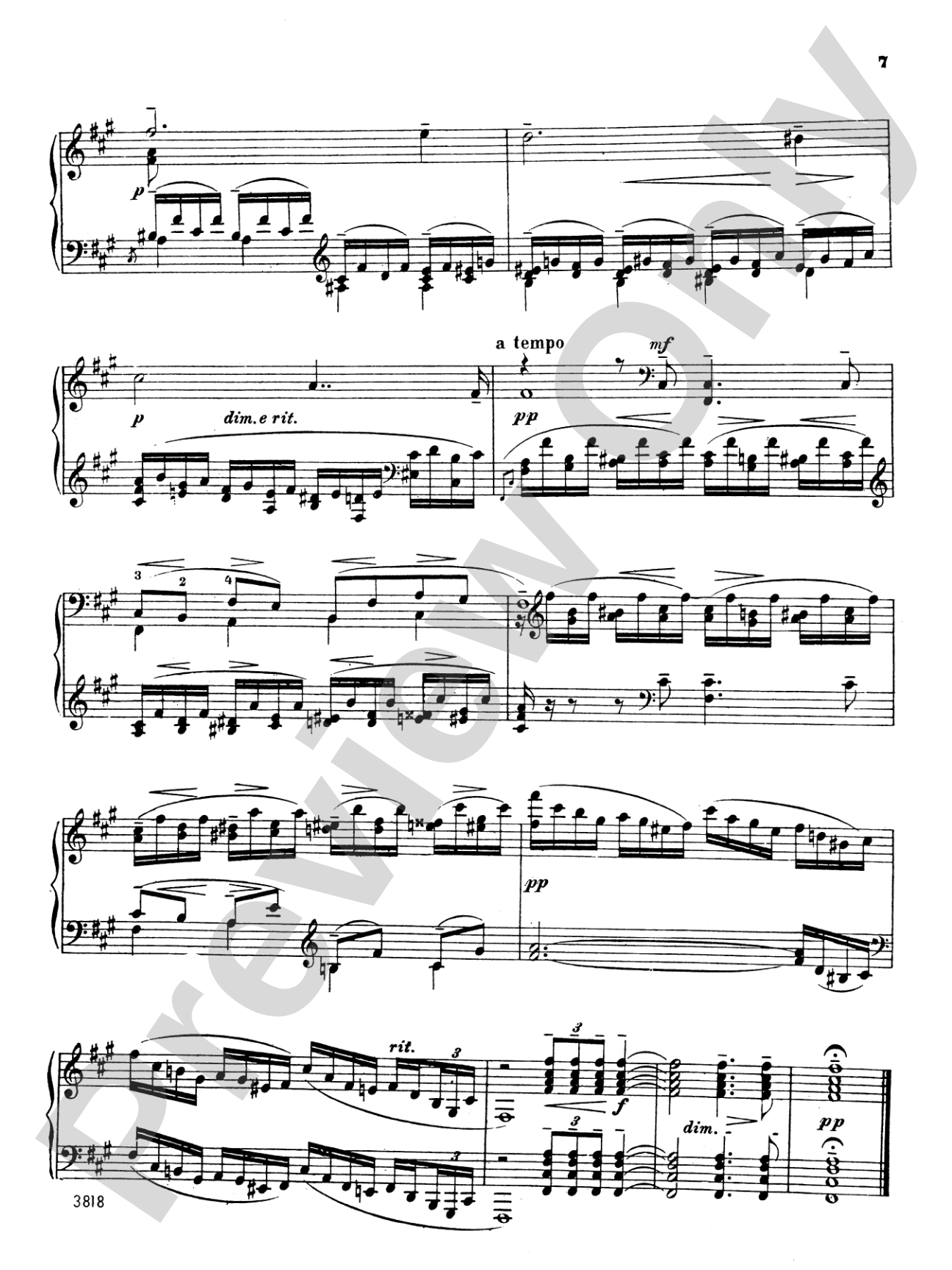

Rachmaninoff: Ten Preludes, Op. 23: Piano Book
By Sergei Rachmaninoff
Level: Advanced
Item: 00-PK-0003288

$11.99
Pickup currently not available
Buy Extra Parts (Digital PDF Download)
| Product | Price | Quantity |
|---|---|---|
| Rachmaninoff: Ten Preludes, Op. 23 | $0.99 | |
| Rachmaninoff: Ten Preludes, Op. 23 | $0.99 | |
| Rachmaninoff: Ten Preludes, Op. 23 | $0.99 | |
| Rachmaninoff: Ten Preludes, Op. 23 | $0.99 | |
| Rachmaninoff: Ten Preludes, Op. 23 | $0.99 | |
| Rachmaninoff: Ten Preludes, Op. 23 | $0.99 | |
| Rachmaninoff: Ten Preludes, Op. 23 | $0.99 | |
| Rachmaninoff: Ten Preludes, Op. 23 | $0.99 | |
| Rachmaninoff: Ten Preludes, Op. 23 | $0.99 | |
| Rachmaninoff: Ten Preludes, Op. 23 | $0.99 |
Parts Added to Cart!
Related Items
Ten Preludes, Opus 23: Piano Book |
$11.95
|
View |
Description
Contents: No. 1 in F-sharp Minor * No. 2 in B-Flat Major * No. 3 in D Minor * No. 4 in D Major * No. 5 in G Minor * No. 6 in E-Flat Major * No. 7 in C Minor * No. 8 in A-Flat Major * No. 9 in E-Flat Minor * No. 10 in G-Flat Major.


Don't just read it, hear it, play along with it, and watch your students grow with it. In MakeMusic Cloud, Rachmaninoff: Ten Preludes, Op. 23: Piano Book comes alive with professional accompaniment, adjustable tempo, and built-in practice tools that turn solo practice into real progress.
Open in the Player
Jump straight in and assign it today.
Start Your Free Trial
Open this title and explore the full library in minutes.
Sample Audio
No sample audio found.
Sample Video
No sample videos found.
Additional Details
Series:
Kalmus Edition
Publisher:
Alfred Music
Page Count:
52
SKU:
00-PK-0003288
More about this title
About the Composer: Sergei Rachmaninoff
Sergei Rachmaninoff (1873-1943) stands among the towering figures of late Romantic piano literature. His ten Op. 23 Preludes, composed between 1901 and 1903, showcase his gift for lyrical melody and architectural command of form at their most refined. Unlike some of his larger works, these preludes distill Rachmaninoff's voice into intimate but profoundly moving statements, each a complete musical thought that rewards deep study.
As both composer and pianist, Rachmaninoff understood the instrument's voice intimately. These preludes demand technical fluency and interpretive maturity from the performer, but they offer rewards that extend far beyond display pieces. For advanced pianists, they represent essential twentieth-century Romantic repertoire and a gateway to understanding how piano writing evolved beyond the nineteenth century.
Why we love this
These ten preludes give advanced students access to canonical twentieth-century piano literature without requiring the stamina or structural complexity of the larger Op. 33 set or the Variations on a Theme of Corelli. Each prelude stands independently, allowing teachers to program individual pieces in recitals or build mastery across the set over a full season. The collection balances familiar Rachmaninoff lyricism with genuine technical and interpretive challenges that grow a player's musicianship substantially.
What to expect
Rachmaninoff's Op. 23 Preludes sweep across a wide emotional landscape. Some pieces glow with nocturne-like lyricism and introspection; others surge with dramatic tension and harmonic richness. The collection as a whole creates the sense of a composer in complete control of his language, speaking with both intimacy and grandeur across ten distinct musical landscapes.
Who it's for
Advanced pianists preparing repertoire for recitals, competitions, or undergraduate conservatory auditions will find essential material here. These preludes suit accomplished amateurs seeking substantial solo works that offer both musical depth and technical challenge beyond the intermediate level.
How to get the most out of it
- Voice the melody with warmth even when it sits in the middle register; Rachmaninoff's texture often buries the primary line underneath harmonic figuration, and clarity depends on deliberate part separation rather than pedal alone.
- Approach tempo markings as suggestions rooted in the character of each prelude rather than metronomic absolutes; allow rubato to serve the phrase shape and emotional arc, particularly in the more introspective pieces.
- Pedal changes should align precisely with harmonic shifts to preserve harmonic clarity; in pieces with busy figuration, many pianists sustain longer than the notation seems to suggest, so experiment within the bounds of good voice leading.
How to use it
Individual preludes work beautifully as standalone recital pieces or as part of a mixed-century program that showcases Romantic-to-modern transitions in piano writing. A teacher might program one or two across a season while a student learns the complete set, or develop a thematic recital around contrasting preludes that highlight the collection's emotional range.
Skills your students will build
- Legato pedaling and selective sustain without harmonic blur
- Linear independence and voice projection in thick textures
- Rubato and phrase shaping at an advanced level
- Harmonic analysis of extended Romantic and early twentieth-century progressions
- Interpretation of Russian Romantic style and pianistic idiom