
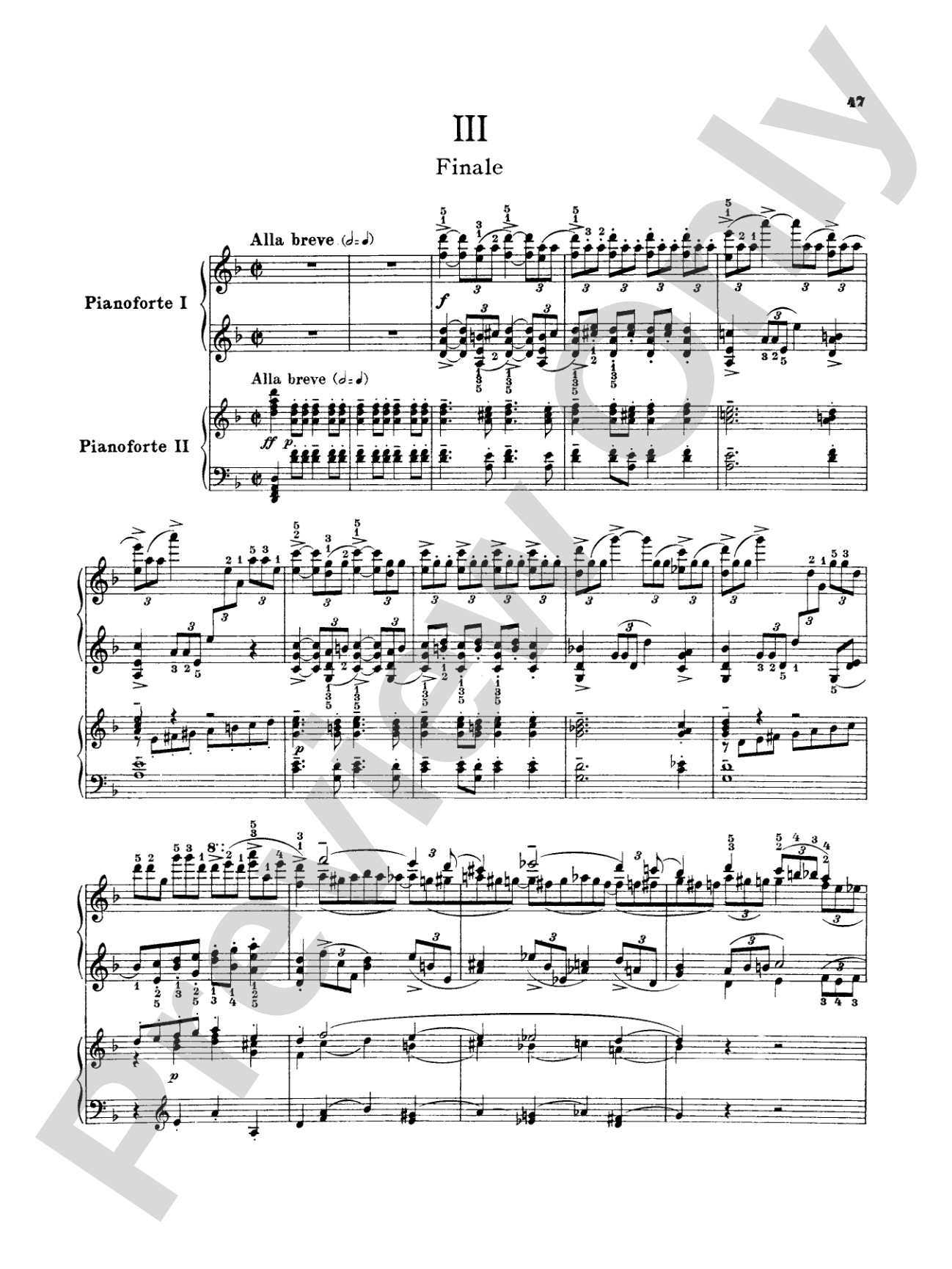
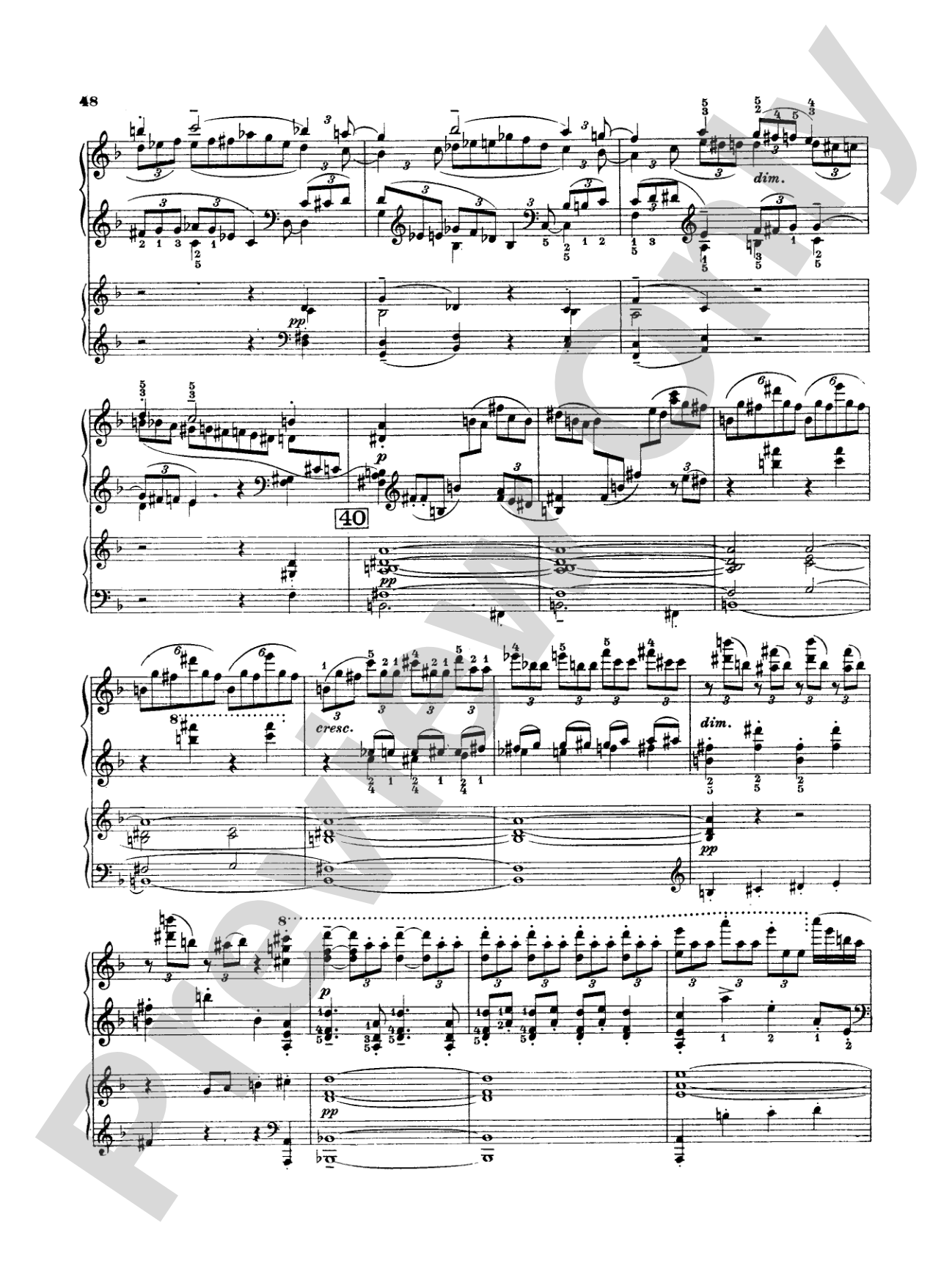
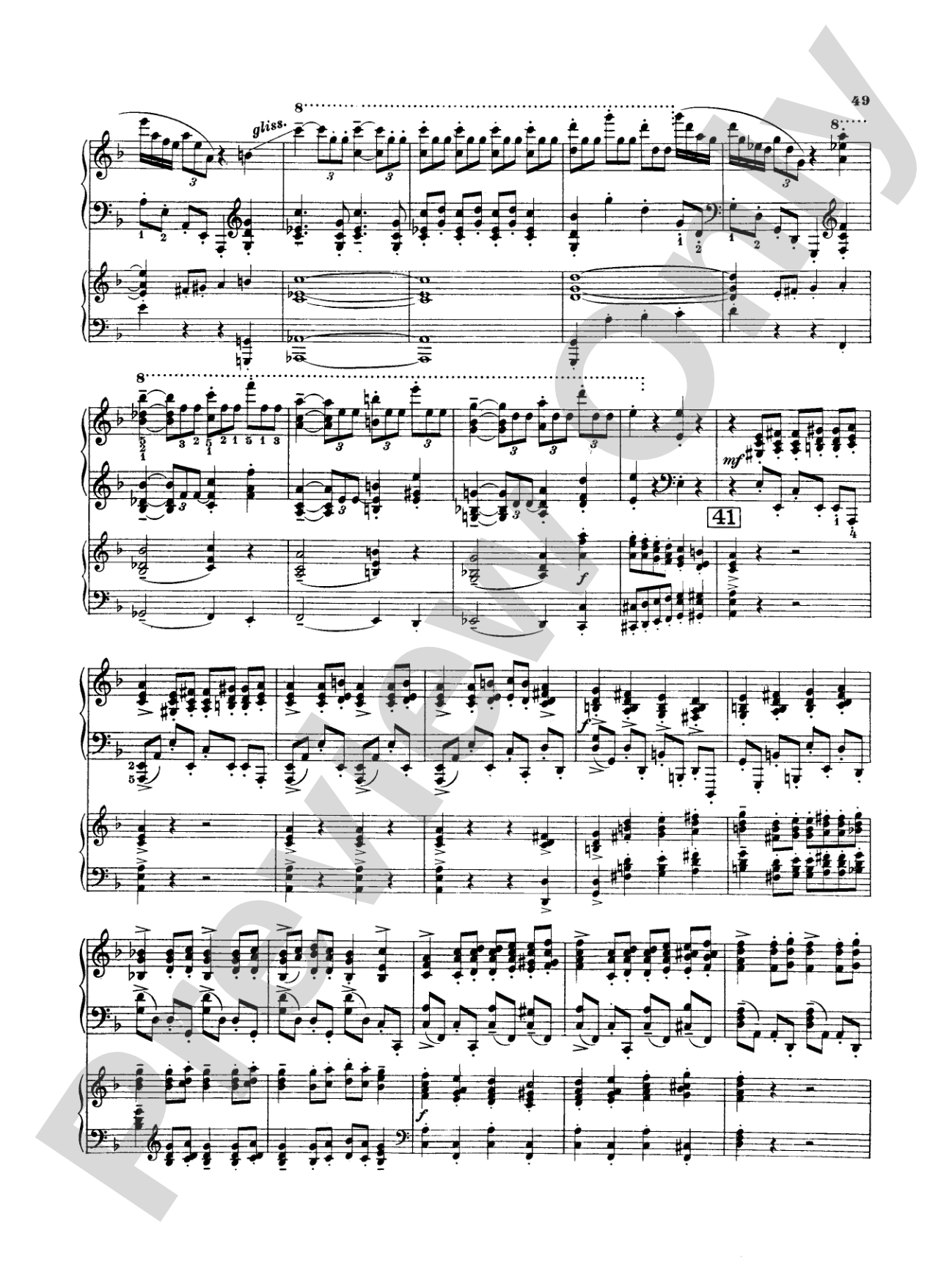
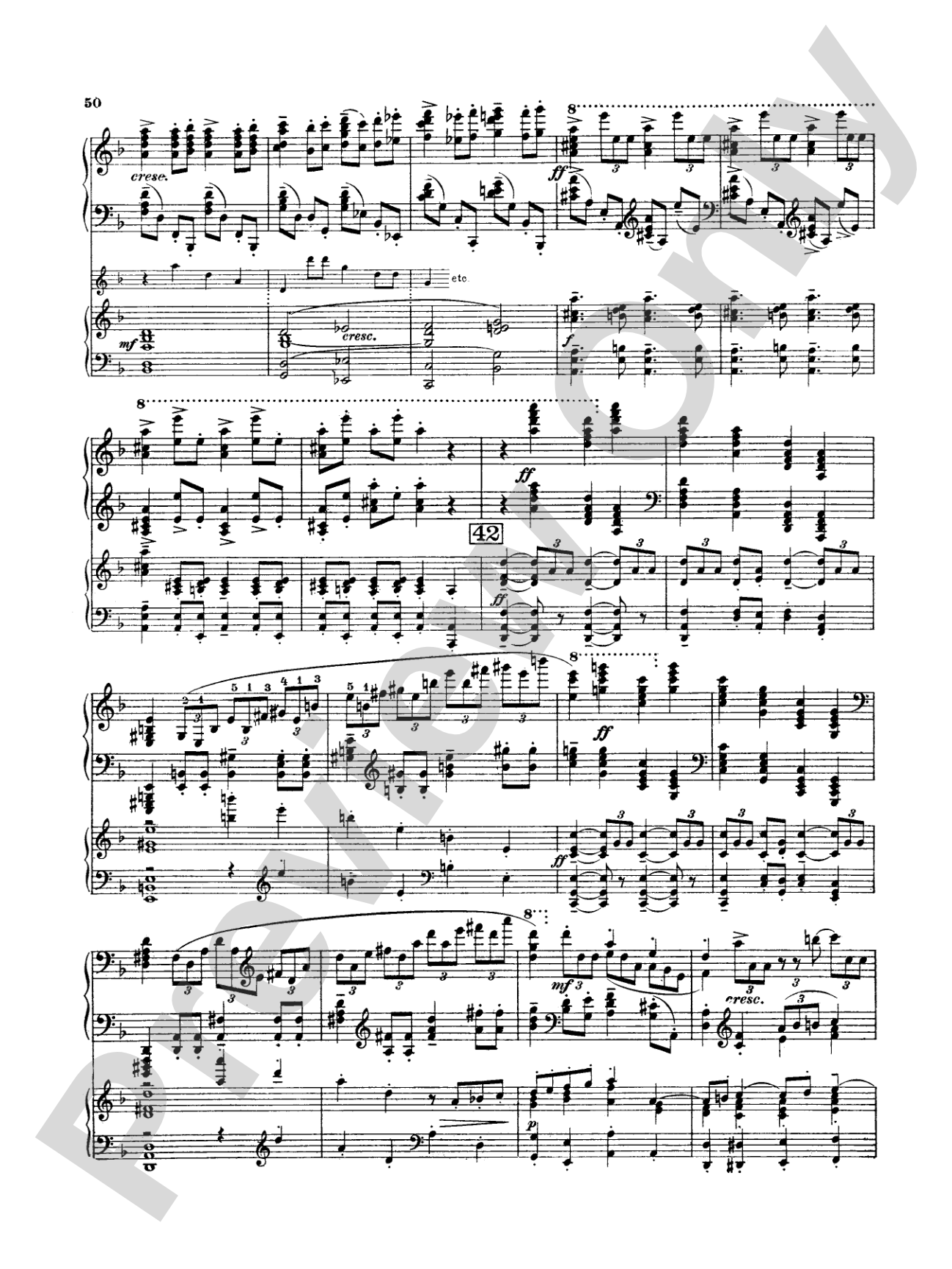
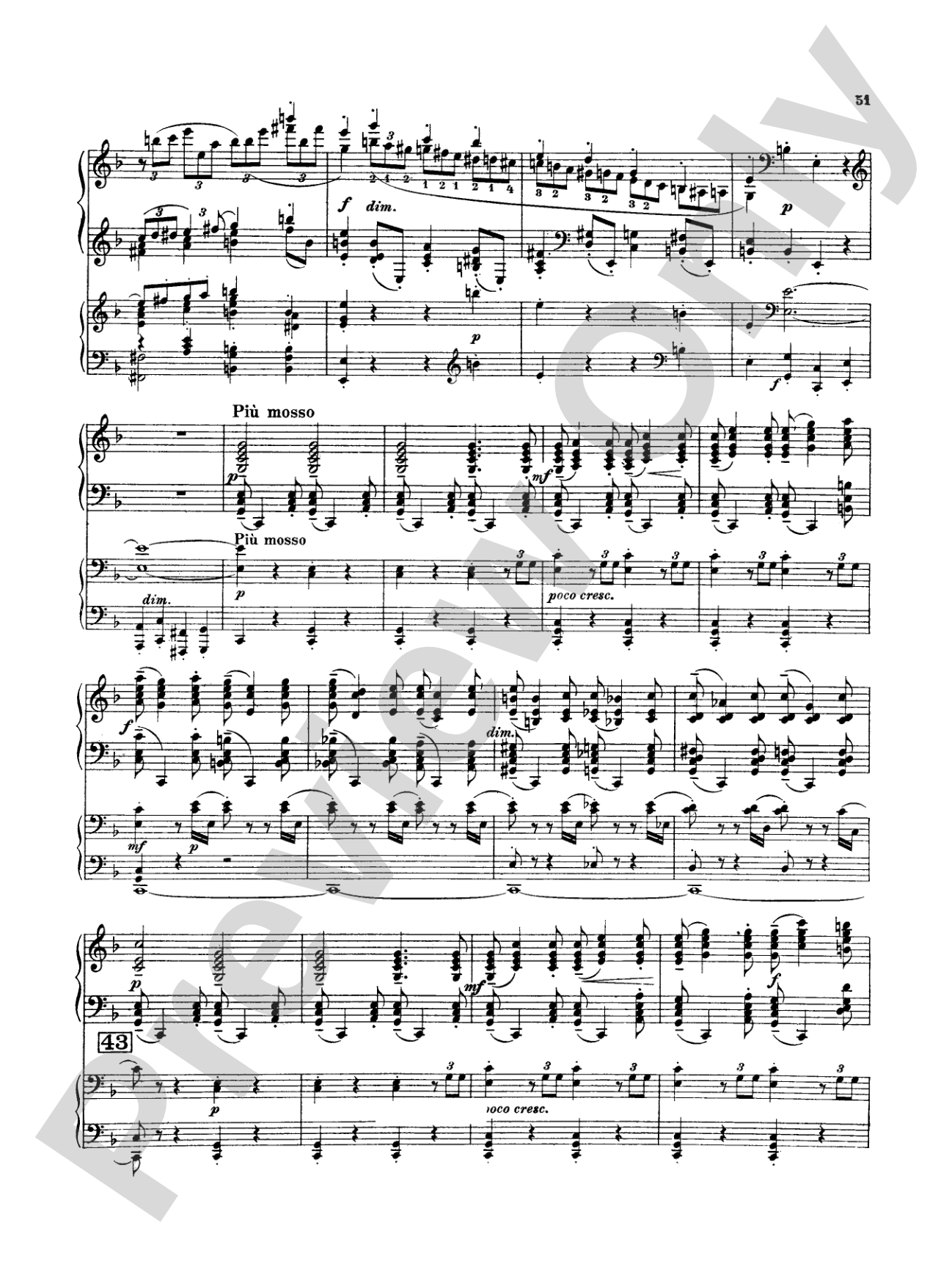
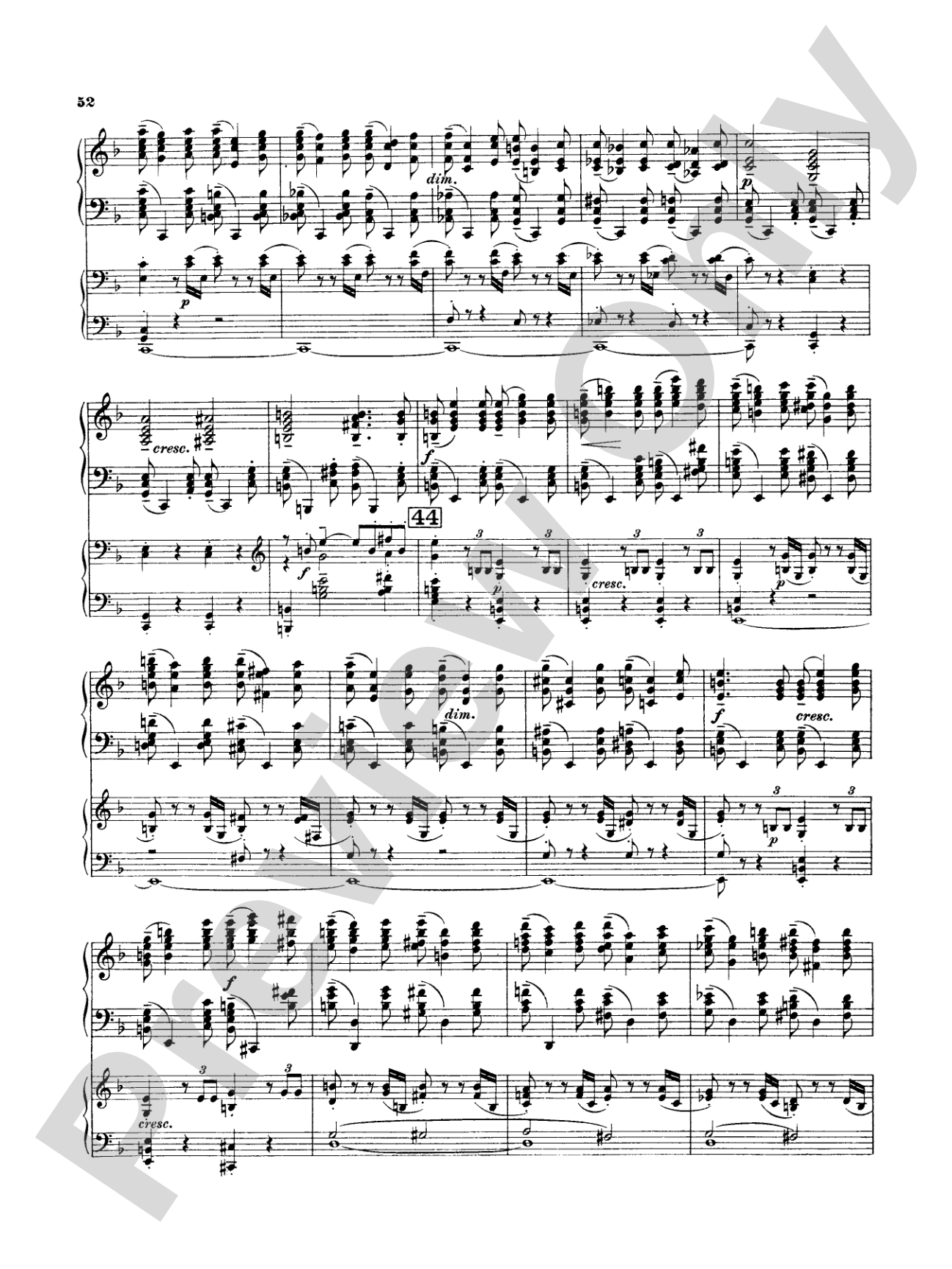
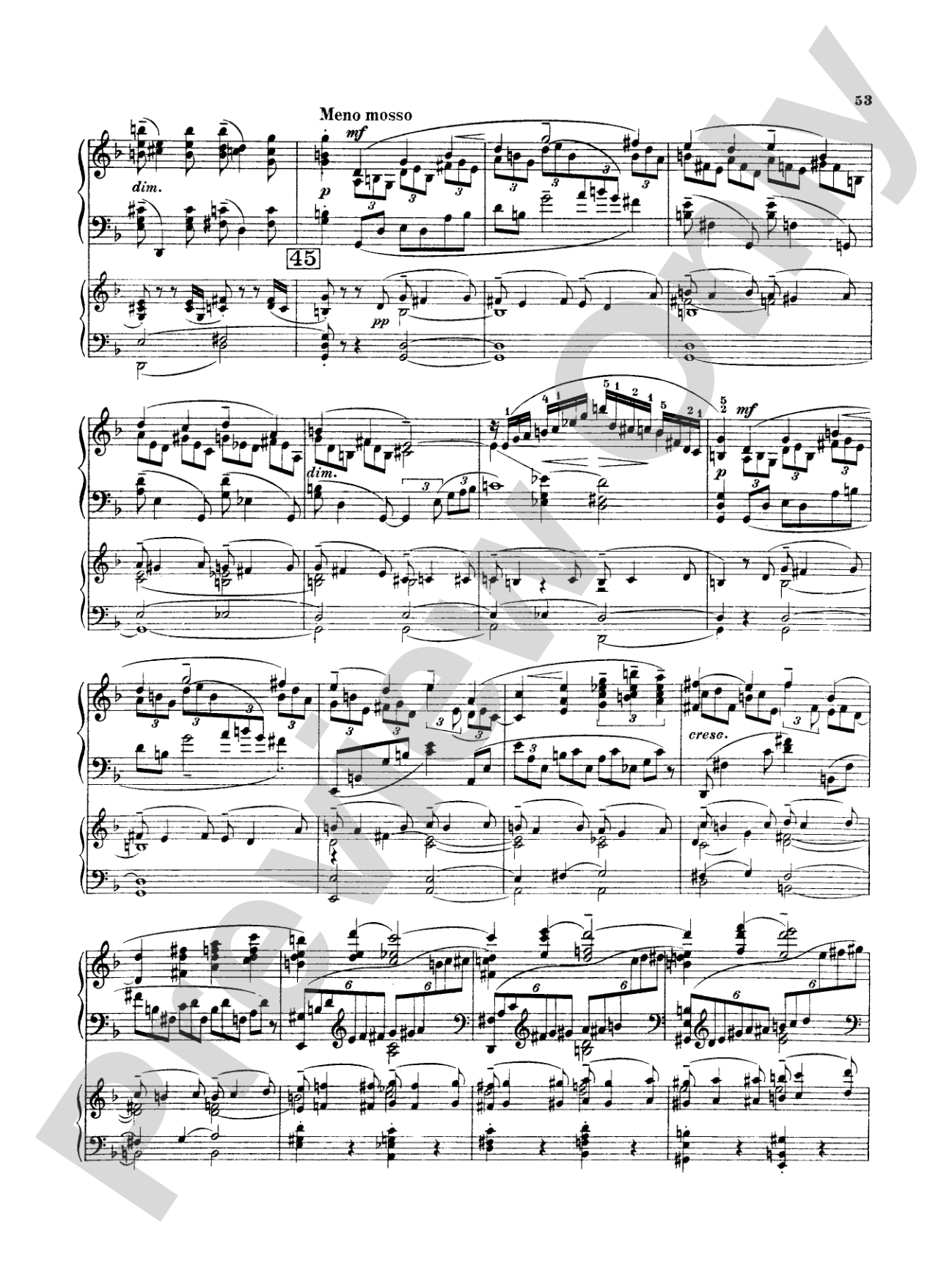

Rachmaninoff: Piano Concerto No. 3 in D Minor, Op. 30
By Sergei Rachmaninoff
Level: Advanced
Item: 00-PC-0008954
$3.95
Pickup currently not available
Description
Demands from pianists after seeing the movie Shine have brought this excepted piano solo version of the Rachmaninoff Third Piano Concerto to life. This arrangement is for advanced duet (two pianos/four hands).


Don't just read it, hear it, play along with it, and watch your students grow with it. In MakeMusic Cloud, Rachmaninoff: Piano Concerto No. 3 in D Minor, Op. 30 comes alive with professional accompaniment, adjustable tempo, and built-in practice tools that turn solo practice into real progress.
Open in the Player
Jump straight in and assign it today.
Start Your Free Trial
Open this title and explore the full library in minutes.
Sample Audio
No sample audio found.
Sample Video
No sample videos found.
Additional Details
Series:
Kalmus Edition
Publisher:
Alfred Music
Page Count:
80
SKU:
00-PC-0008954
More about this title
About the Composer: Sergei Rachmaninoff
Sergei Rachmaninoff (1873–1943) was a Russian composer and pianist whose works defined late Romantic keyboard writing. His three piano concertos stand among the most technically demanding and emotionally immersive works in the repertoire, combining virtuosic display with profound lyrical depth. The Third Concerto in particular became synonymous with artistic ambition after its prominent role in the 1996 film Shine, introducing a new generation of pianists to its formidable challenges.
Rachmaninoff's compositional voice centers on sweeping melodic lines, rich harmonic language, and an intuitive understanding of the piano's expressive range. He wrote for pianists who possessed both technical mastery and interpretive maturity, demanding that performers balance brilliance with introspection across extended formal structures.
Why we love this
This duo arrangement preserves the architectural scope and emotional intensity of one of the twentieth century's most consequential concertos while making it accessible to advanced pianists without orchestral resources. The two-piano format sustains the dramatic interplay between soloist and accompaniment, allowing both players to share the interpretive burden of Rachmaninoff's demanding writing. It serves as a stunning recital vehicle for partnerships ready to tackle serious repertoire.
What to expect
Monumental and introspective by turns, with sweeping romantic gestures that give way to moments of crystalline lyricism. The piece demands physical stamina alongside interpretive sensitivity, moving through passages of explosive brilliance and passages of profound quietude. It captures the restless ambition and melancholic depth that define Rachmaninoff's musical voice.
Who it's for
Advanced pianists seeking a two-piano vehicle that matches the scope and prestige of solo concerto literature. Duet partnerships looking for Romantic-era masterworks that demand both technical prowess and mature artistic collaboration. Pianists who want to experience the Third Concerto without access to an orchestra or full reduction.
How to get the most out of it
- Establish clear roles before rehearsal begins: decide which pianist carries the primary melodic line in each section and where the accompaniment takes on more active figuration, then adjust this balance during collaborative study sessions.
- Address the uneven distribution of difficulty between the two parts by planning rehearsals where the more technically exposed pianist has additional preparation time, ensuring both players can execute their material with confidence.
- Bring the two pianos into close acoustic relationship by positioning them to face slightly toward each other, allowing both performers to hear the harmonic and textural dialogue as an integrated whole rather than two separate sound sources.
- Shape long phrases by communicating subtle tempo inflections through eye contact and body gesture, particularly where Rachmaninoff's writing calls for rubato across passages that span both instrumental parts.
How to use it
Feature this as the centerpiece of a duo recital or collaborative concert, positioning it alongside smaller-scale two-piano works to showcase range and control. Program it as a climactic moment in a concert devoted to Romantic-era keyboard literature, where its scale and emotional weight justify a prominent place on the bill.
Skills your students will build
- Executing rapid scalar passages and octave work at tempo across both instruments
- Balancing melody and accompaniment within a two-piano texture
- Sustaining musical line across large formal structures with multiple key areas
- Coordinating rhythmic precision between independent right-hand figurations and left-hand bass patterns
- Shaping Romantic-era rubato across phrases that span both piano parts
- Managing dynamic contrast and tonal color within the constraints of acoustic pianos