
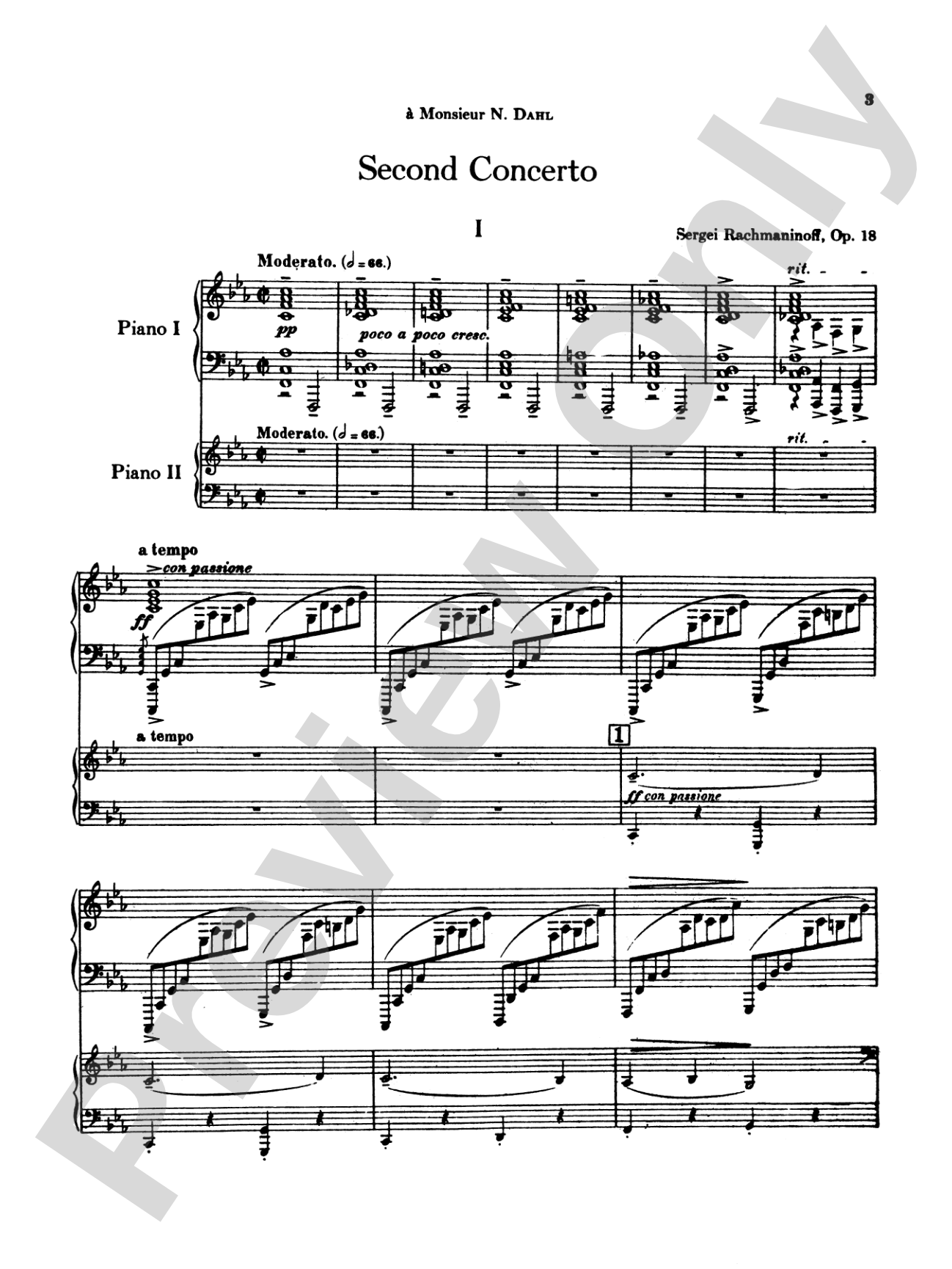
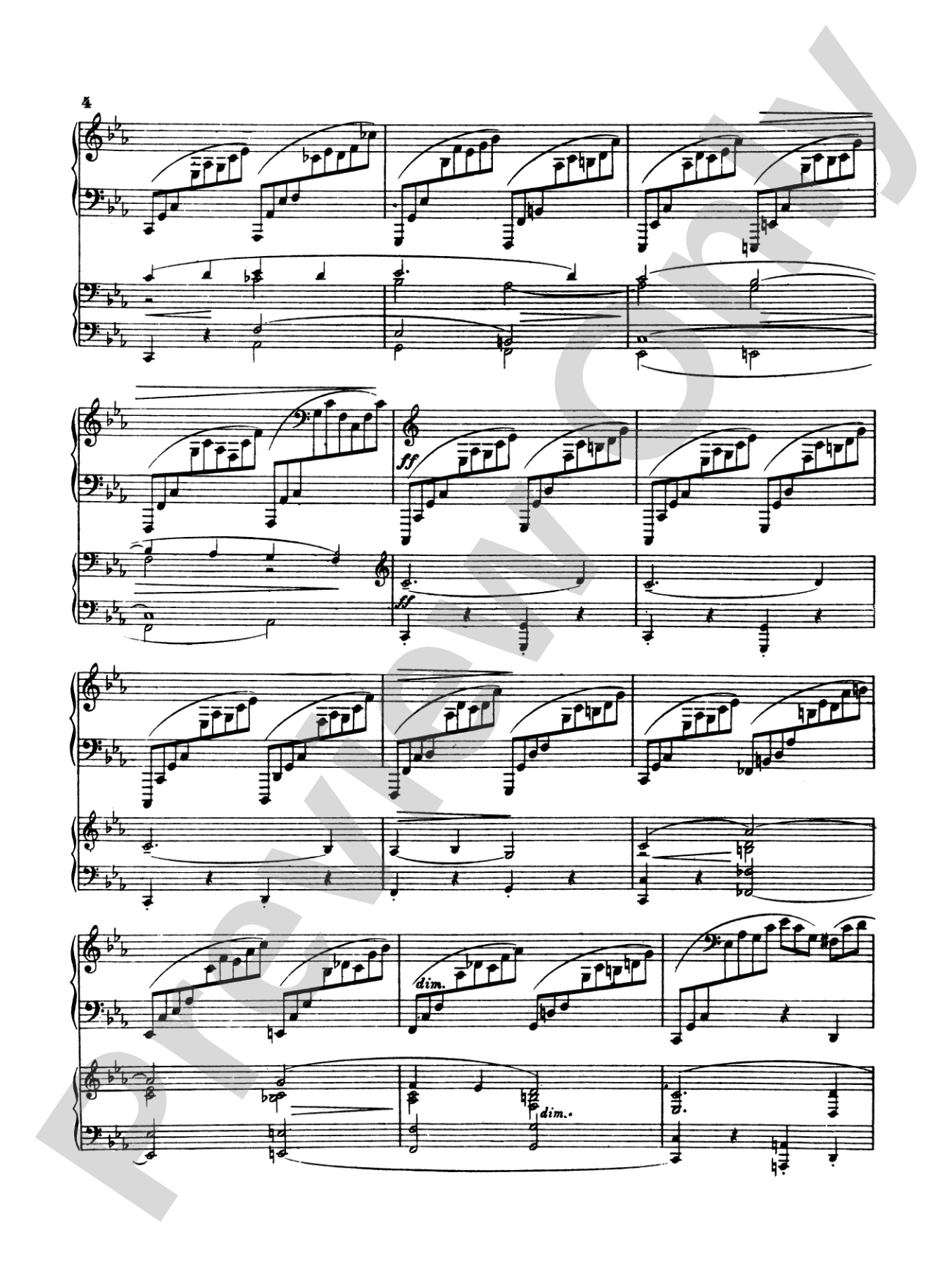
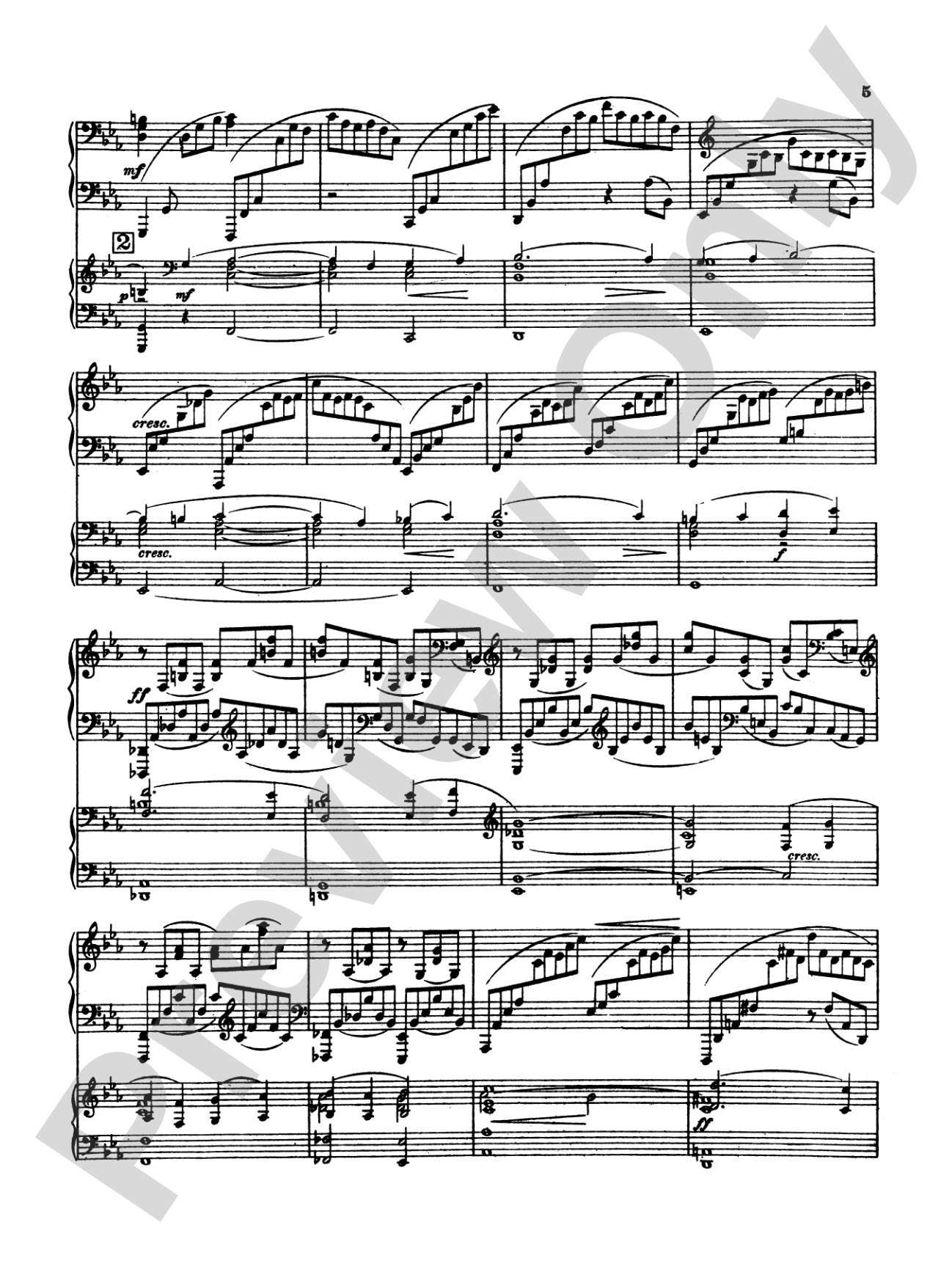
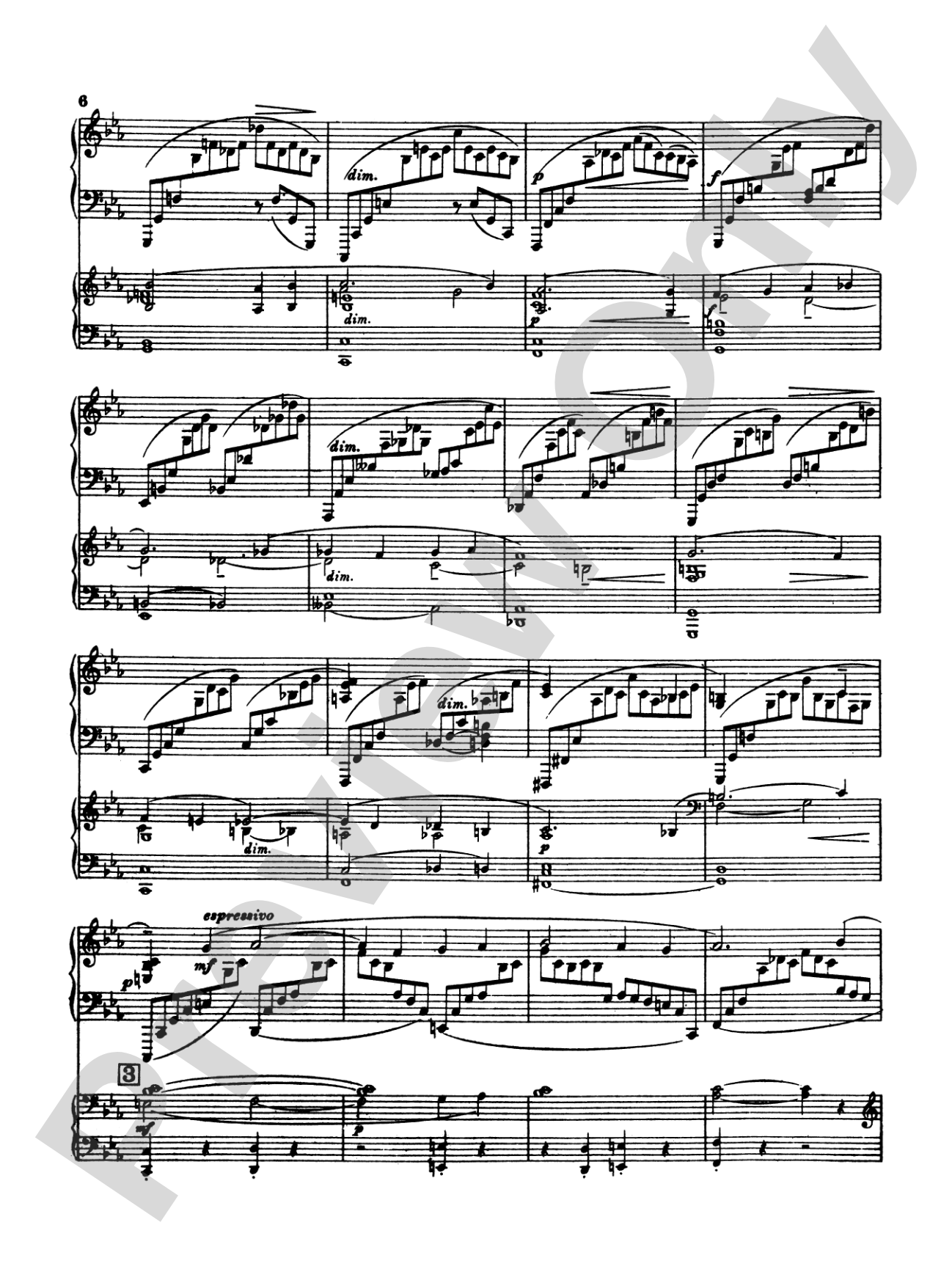
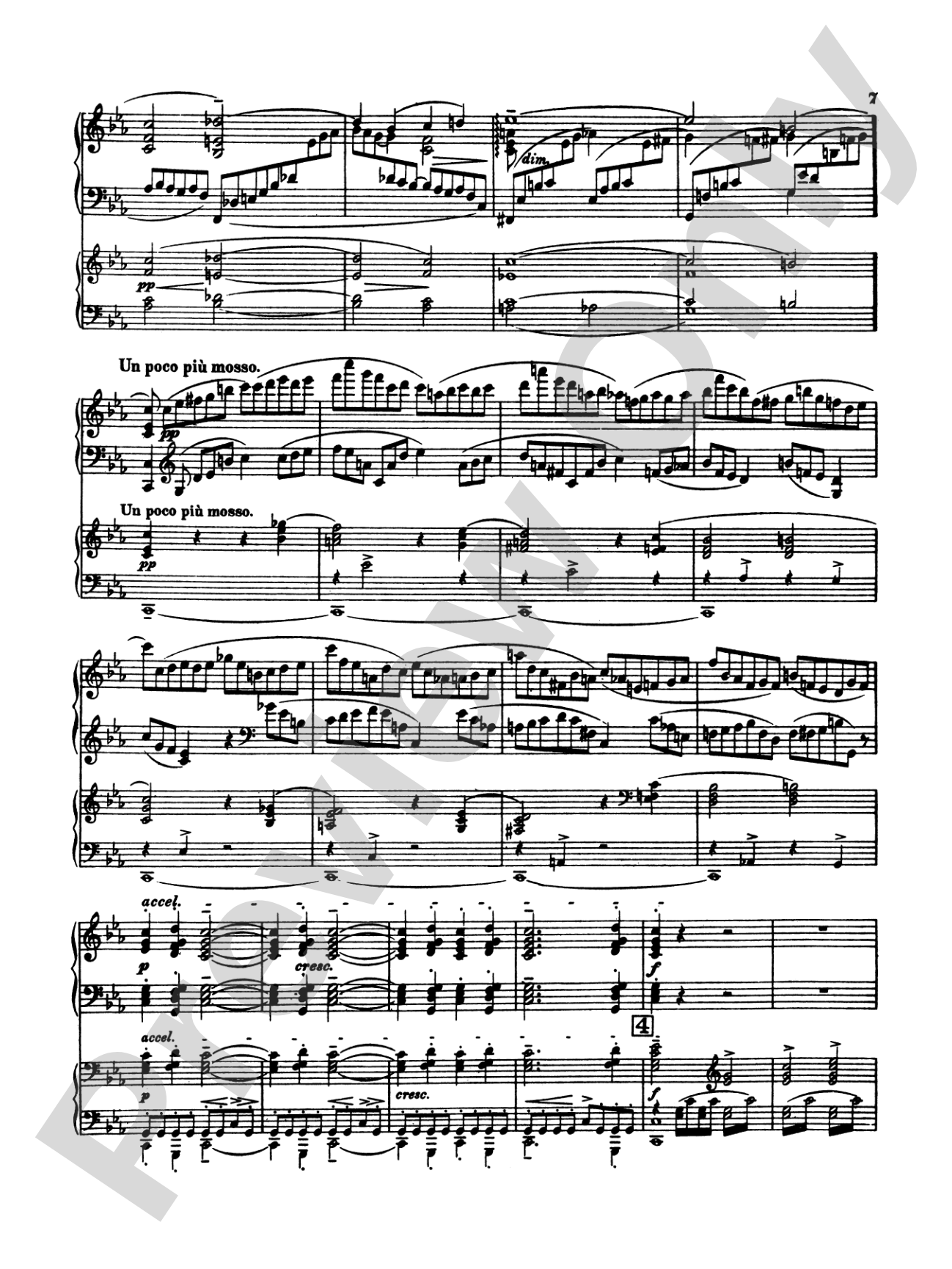
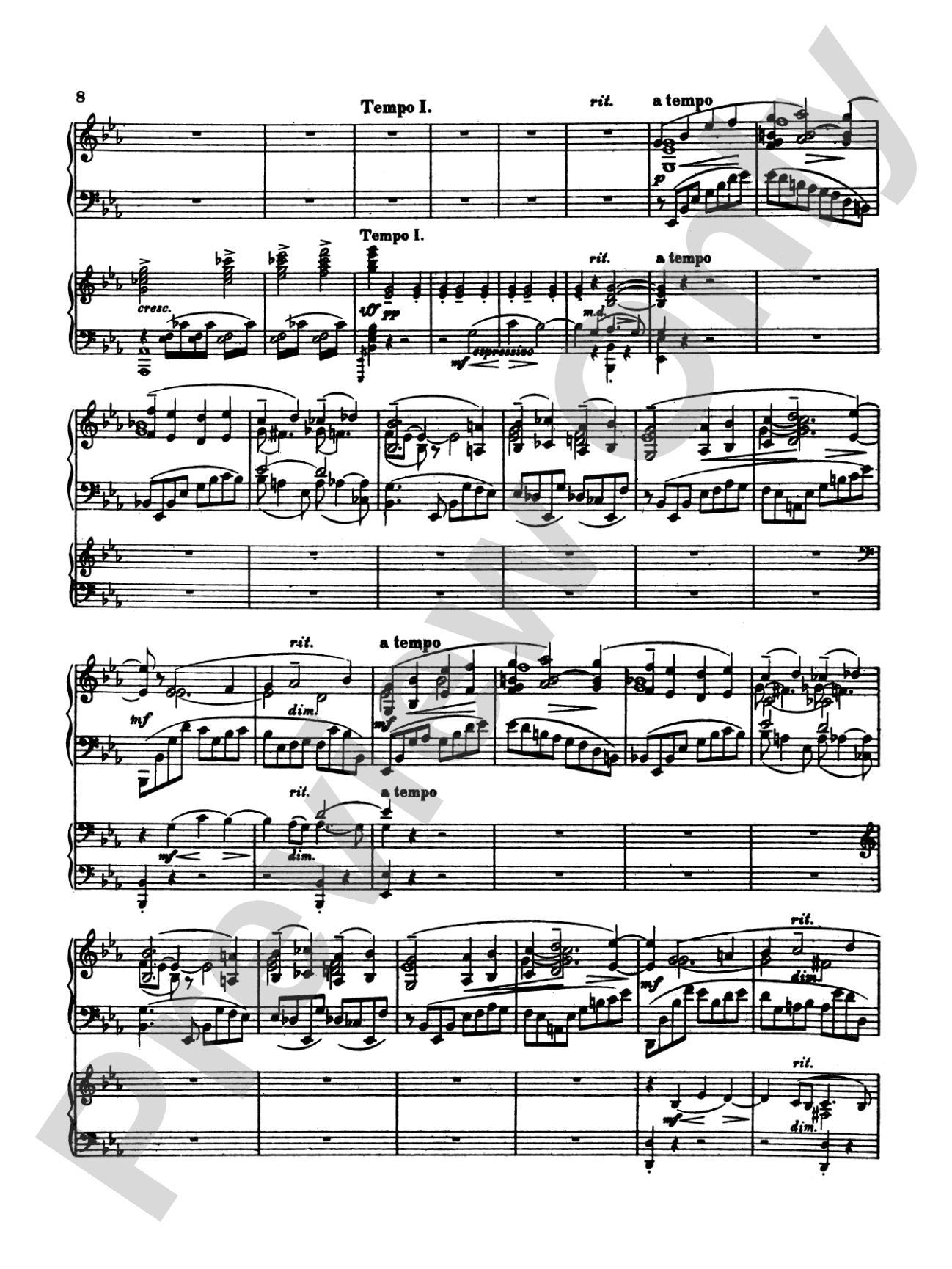
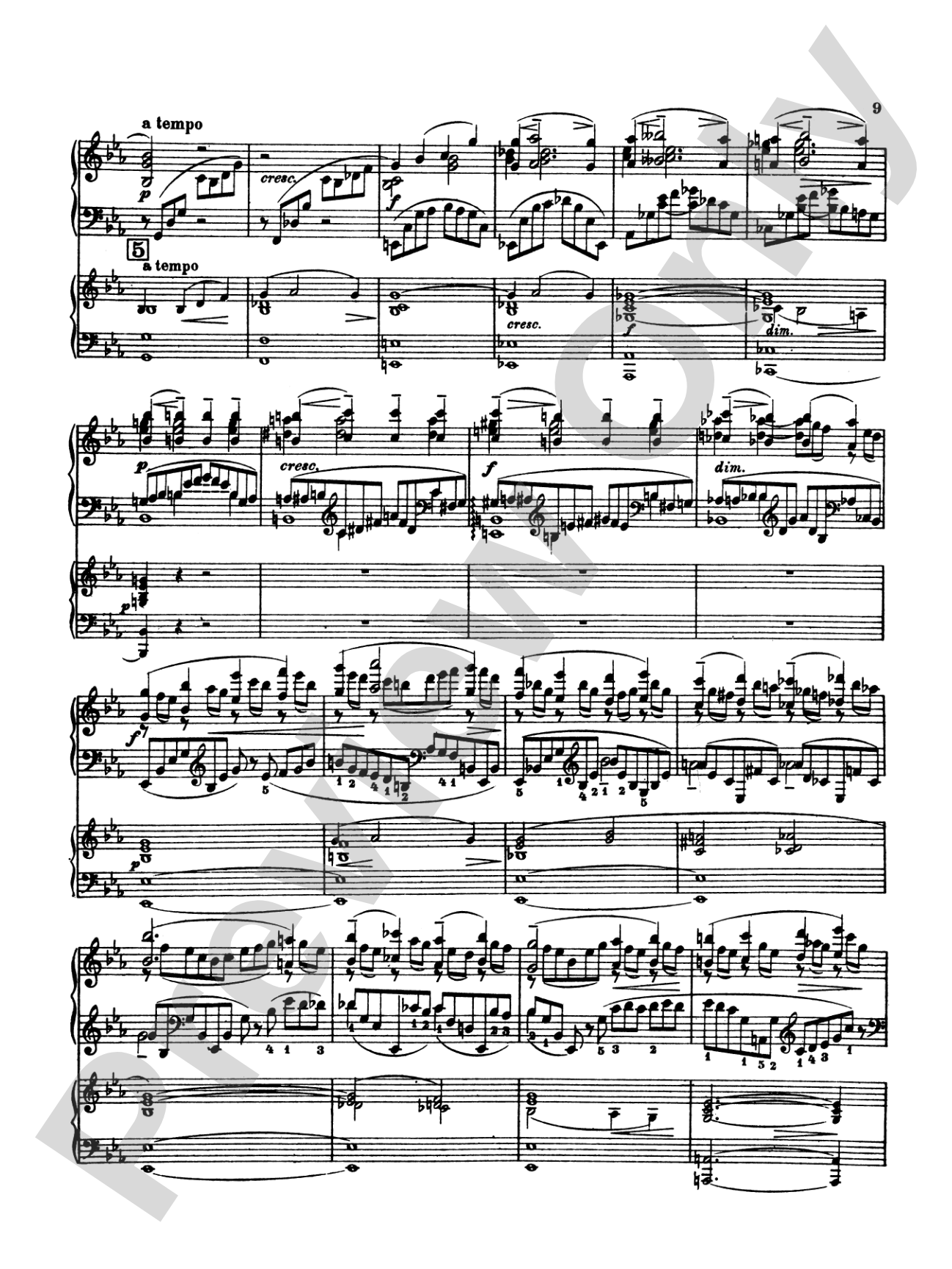
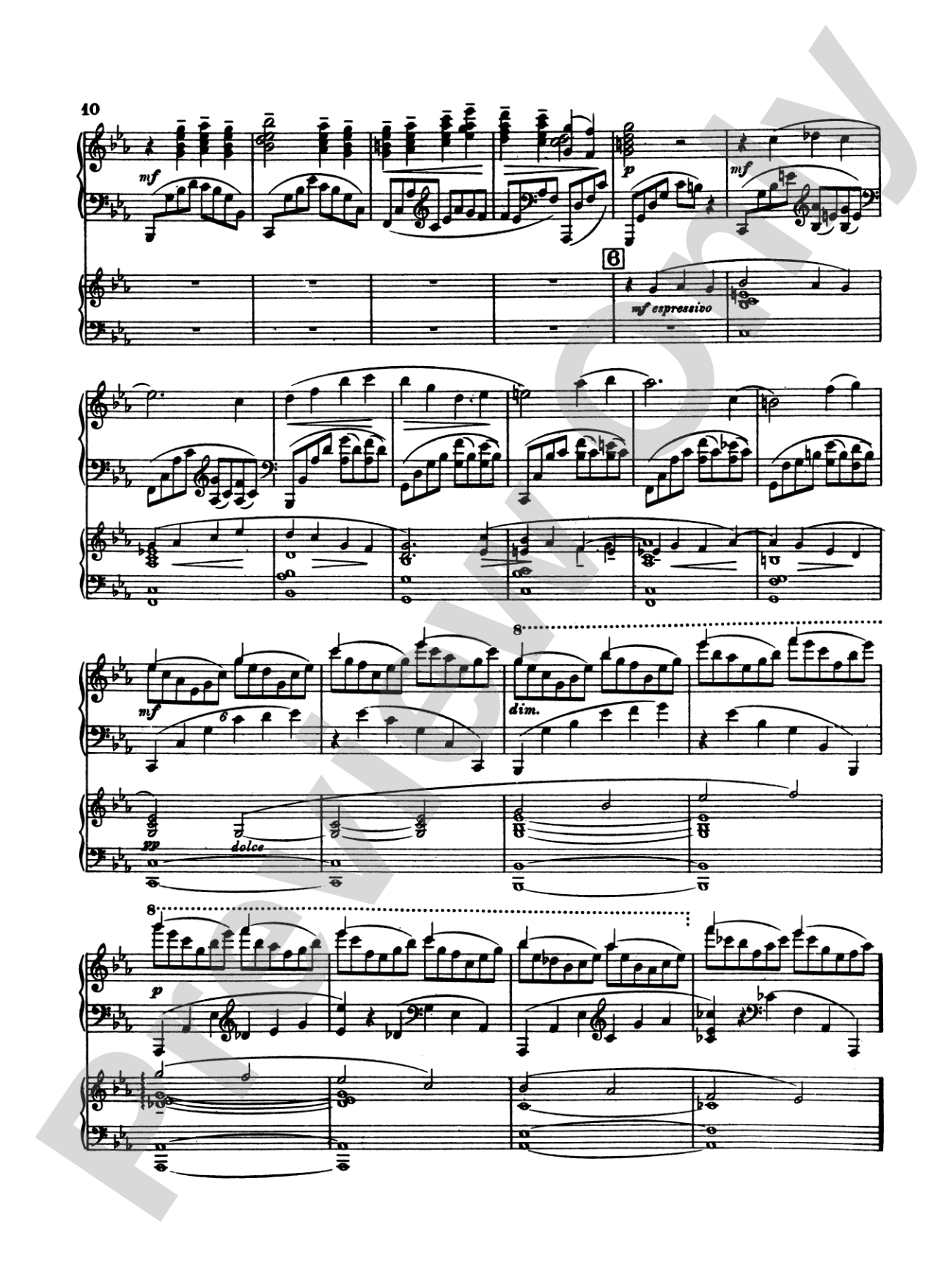
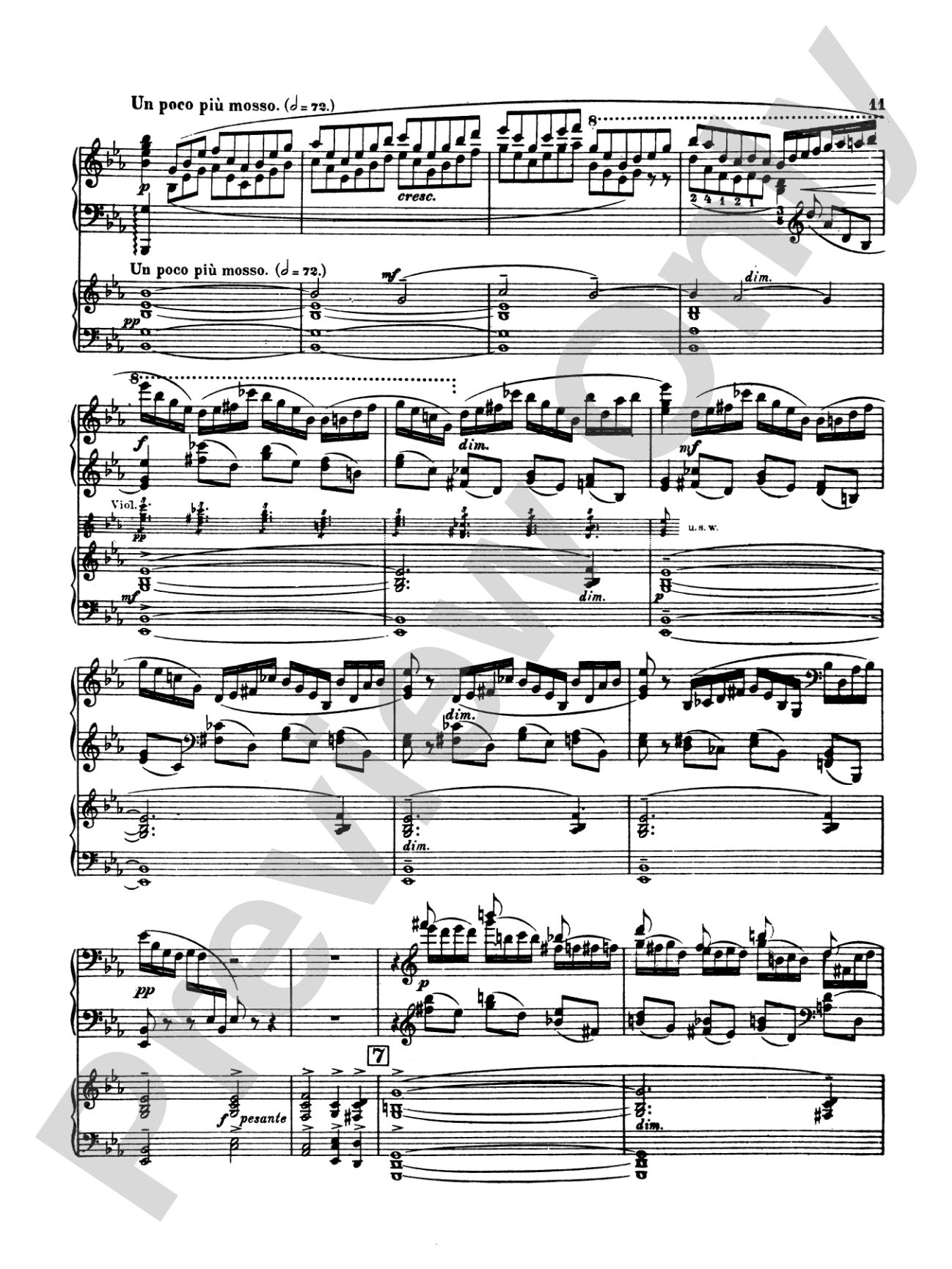
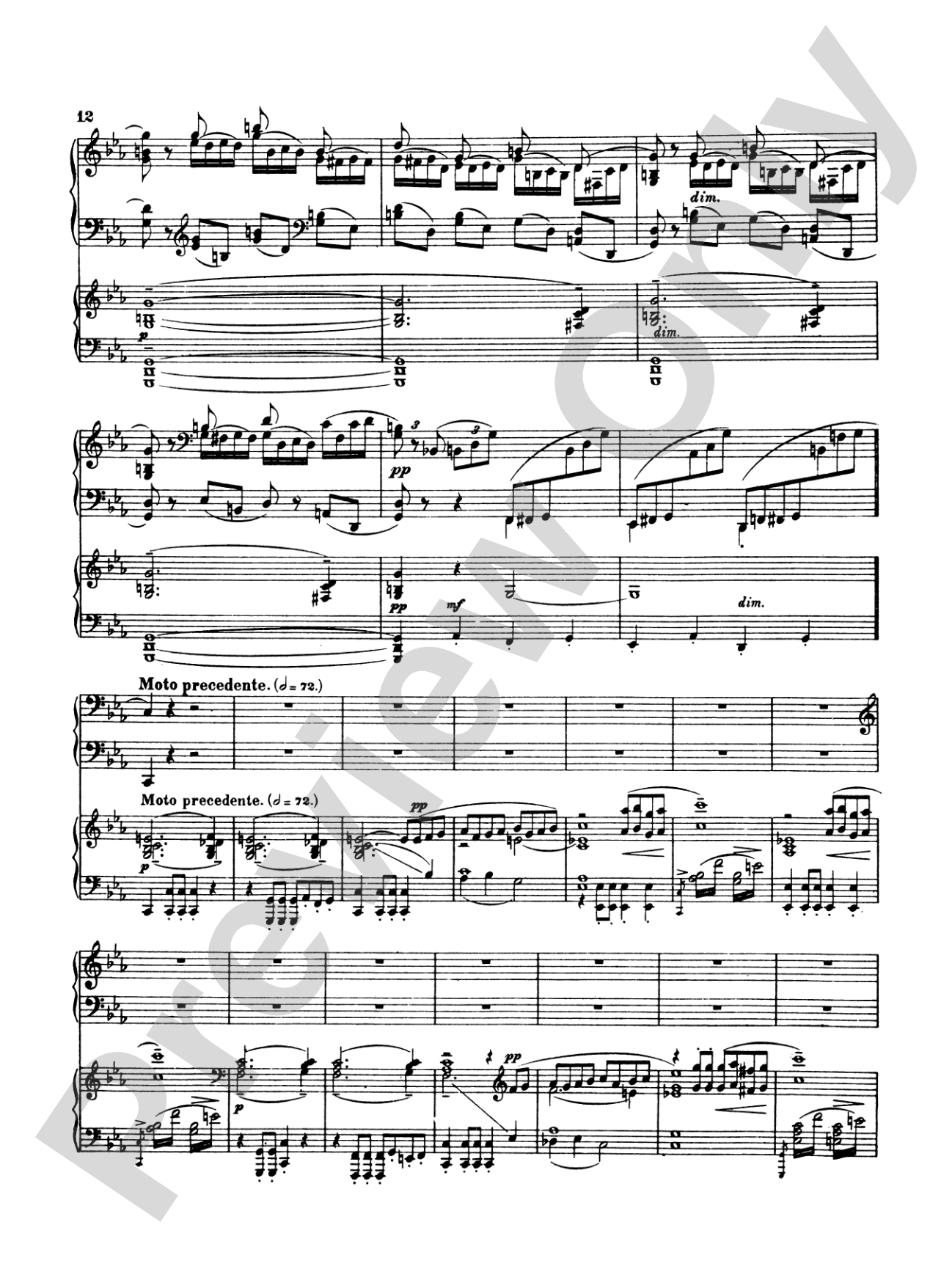
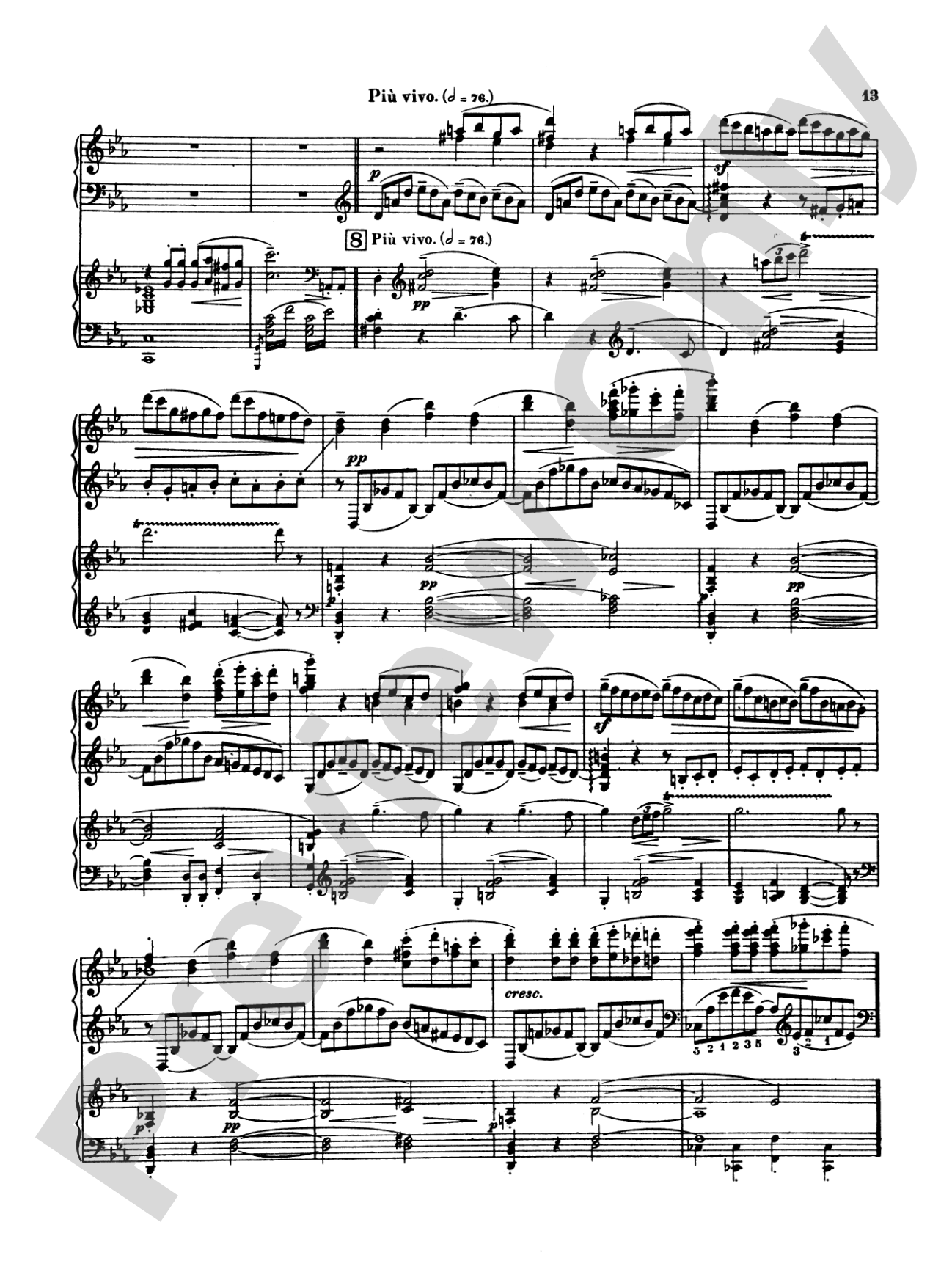
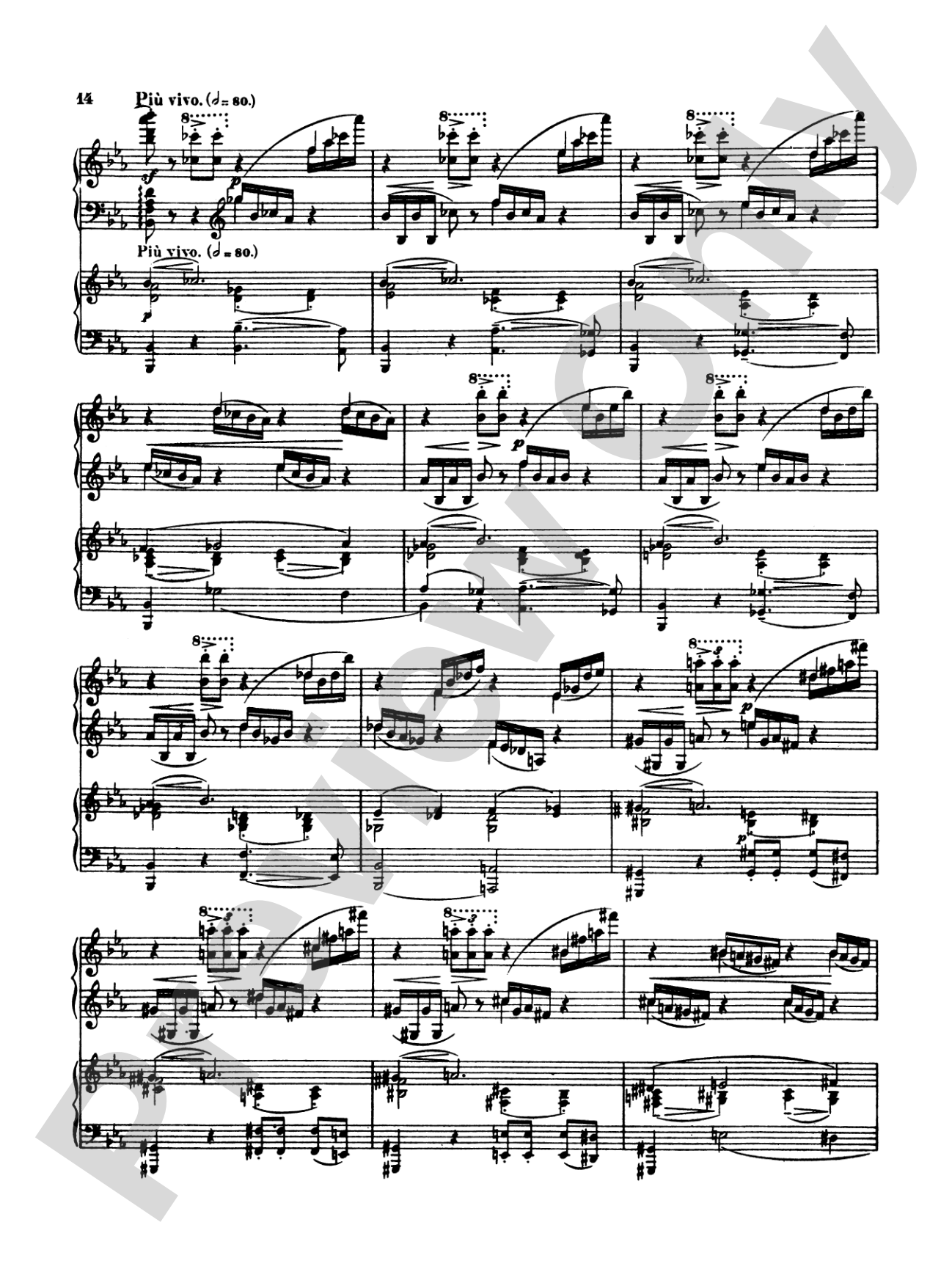
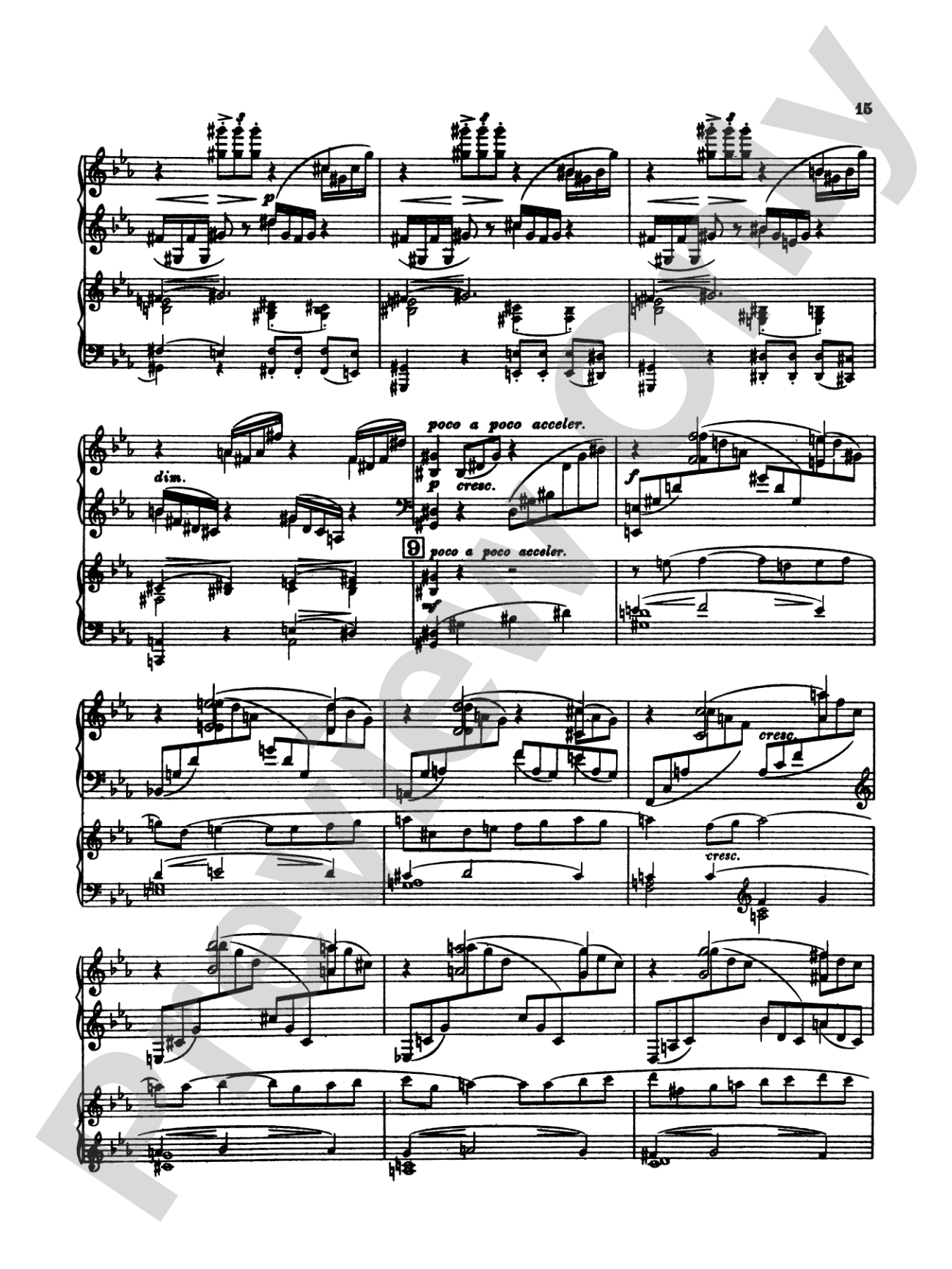
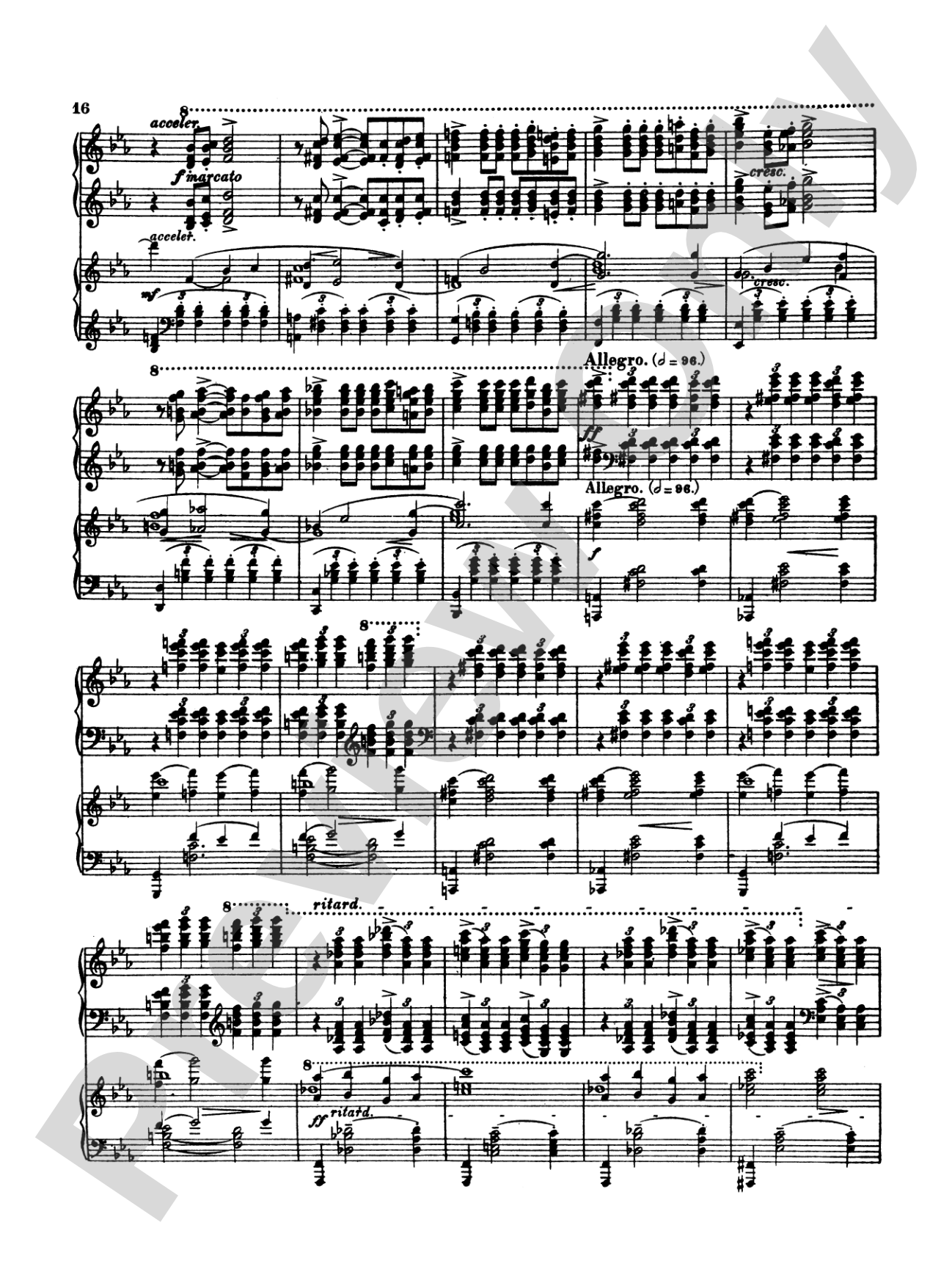
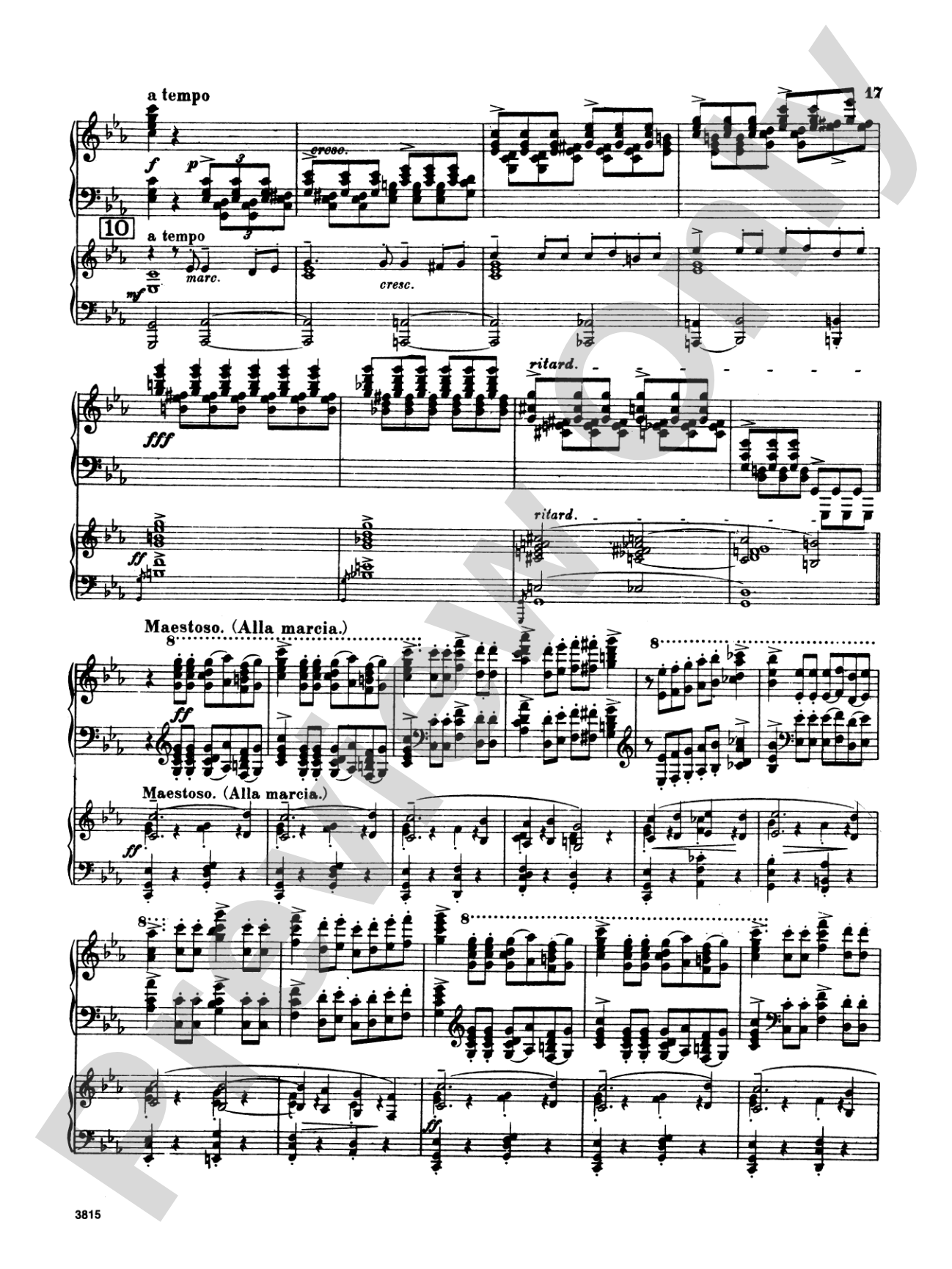
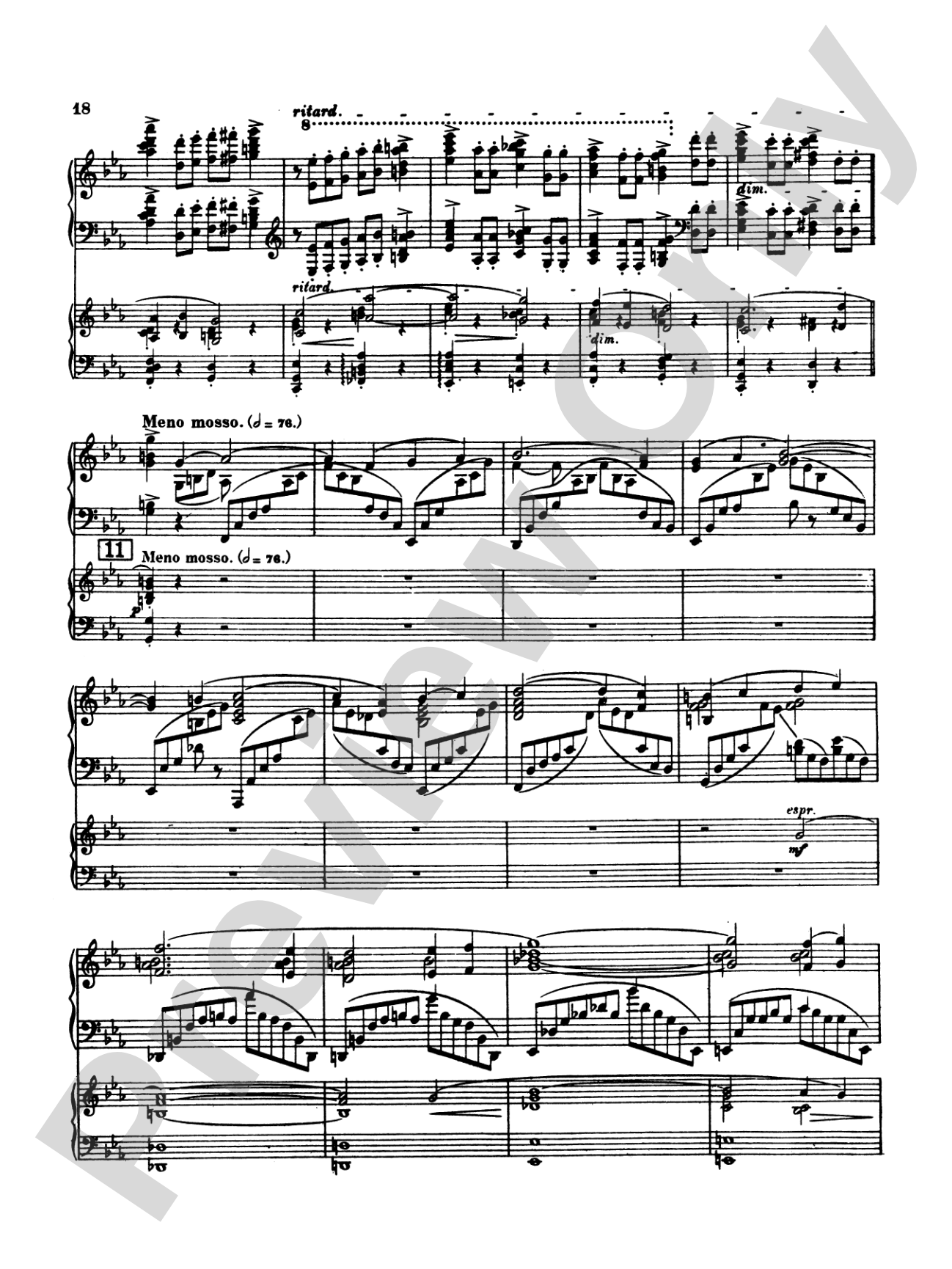
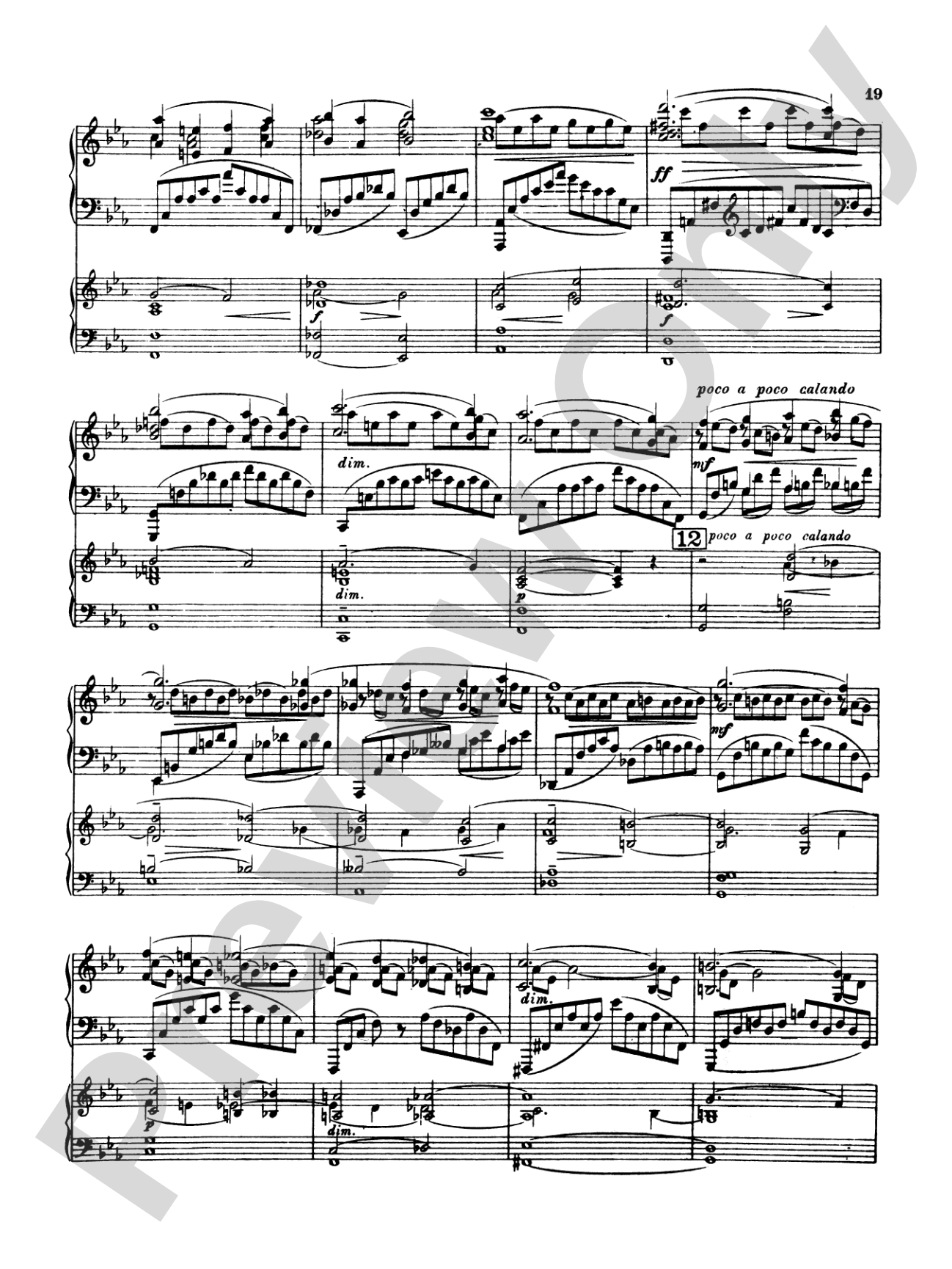
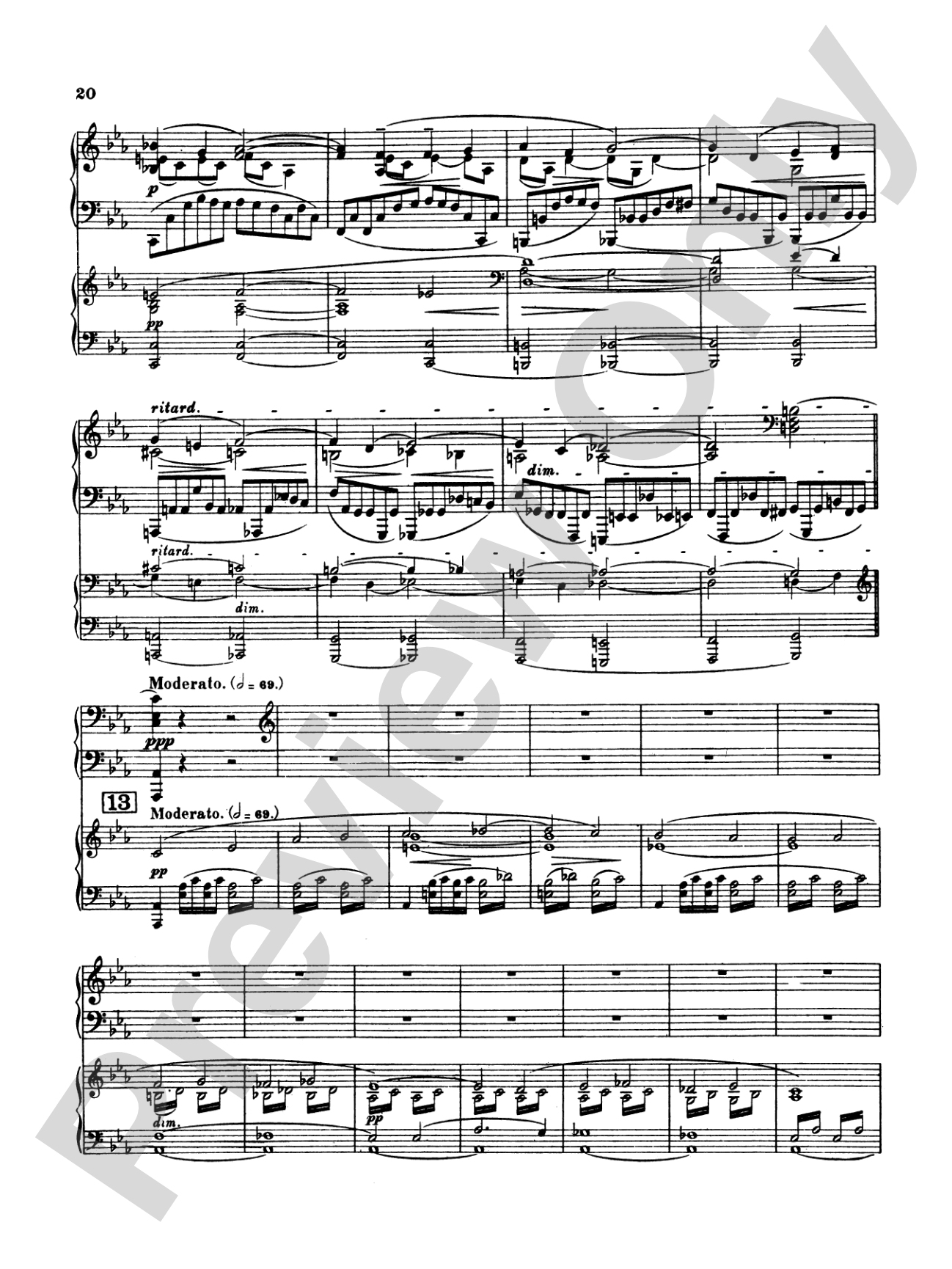
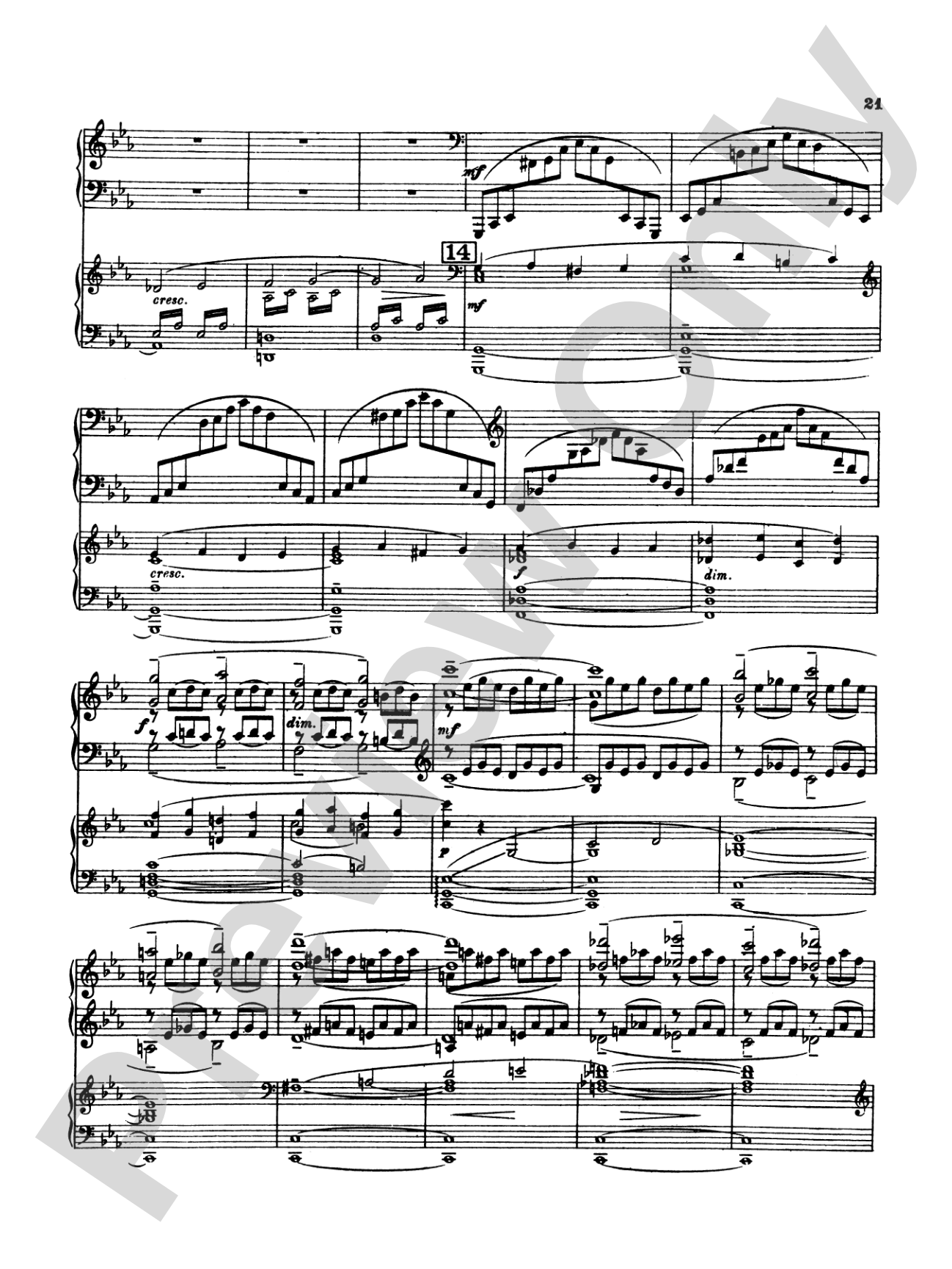
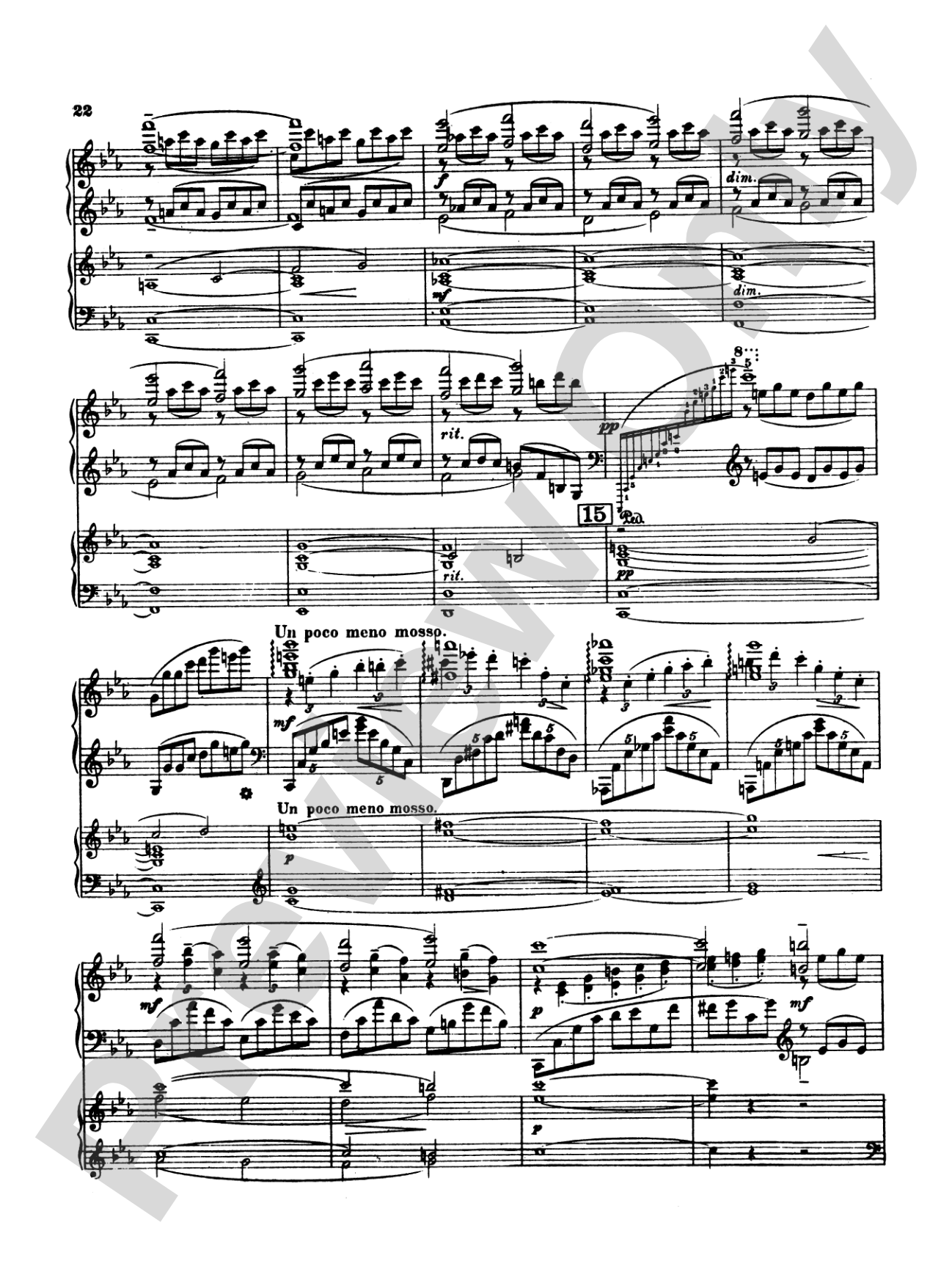
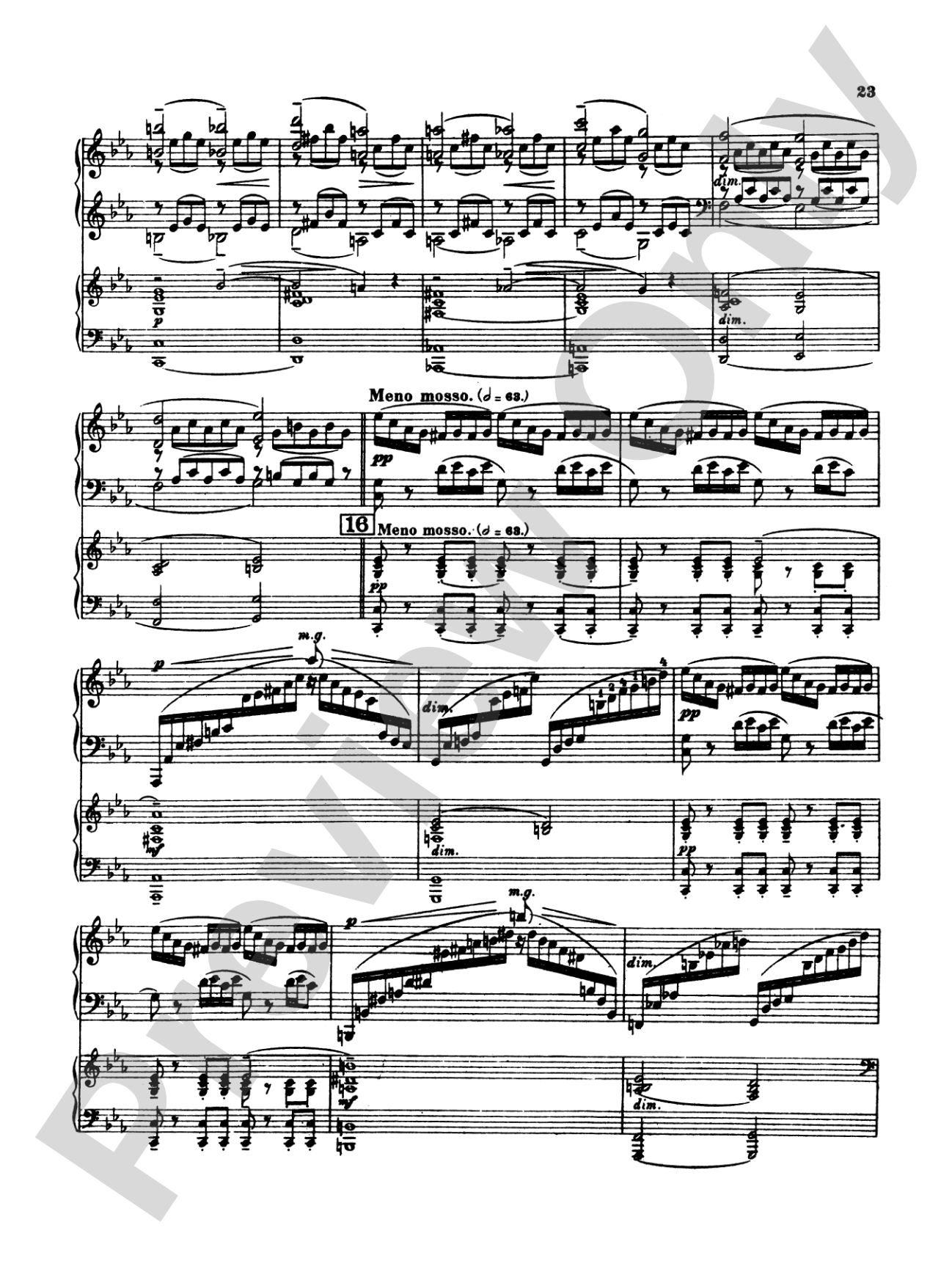
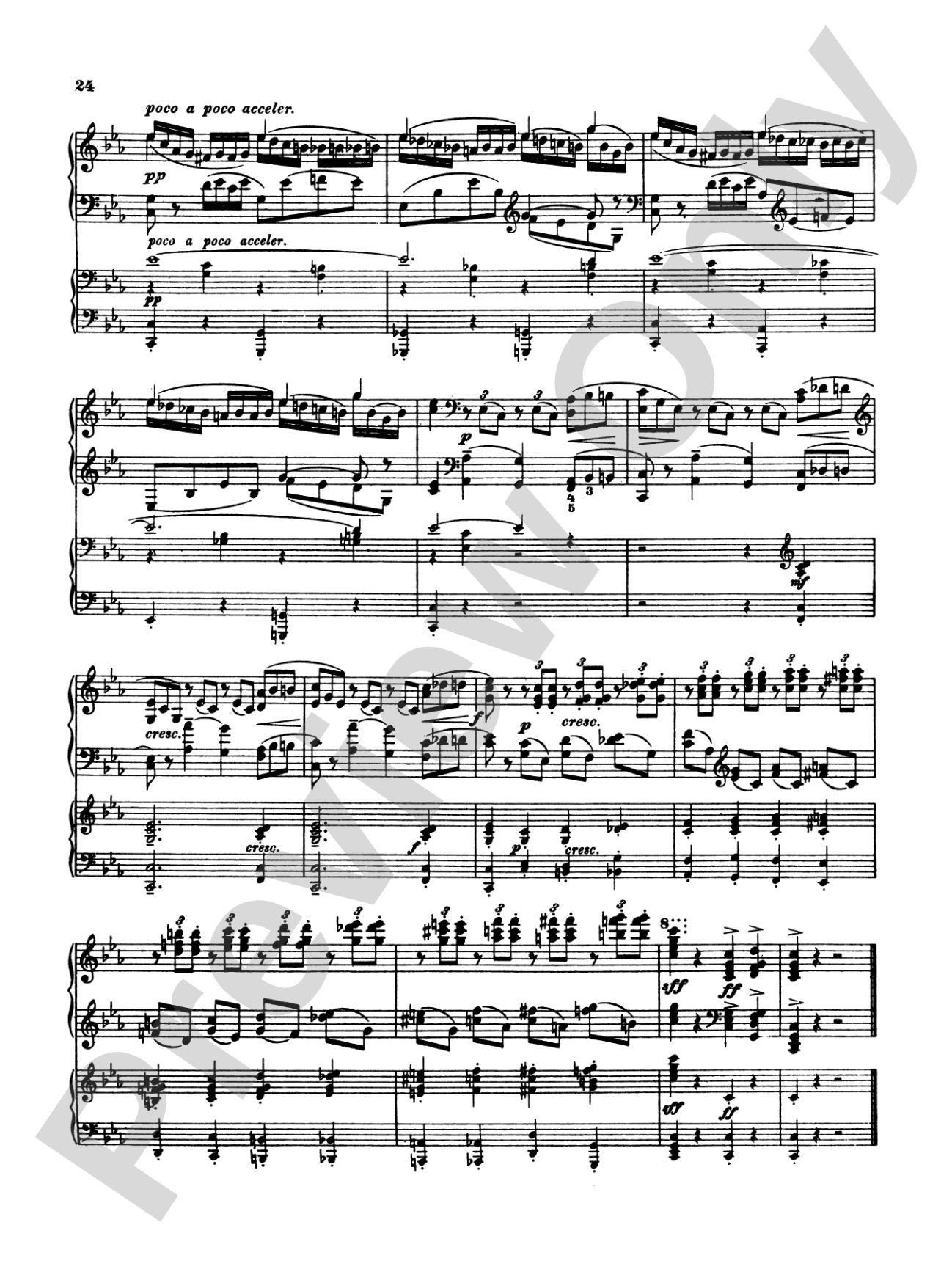

Rachmaninoff: Piano Concerto No. 2 in C Minor, Op. 18: Piano Duo (2 Pianos, 4 Hands) Book (2 copies required)
By Sergei Rachmaninoff
Item: 00-PK-0003285

$12.99
Pickup currently not available
Buy Extra Parts (Digital PDF Download)
| Product | Price | Quantity |
|---|---|---|
| Rachmaninoff: Piano Concerto No. 2 in C Minor, Op. 18 | $3.95 | |
| Rachmaninoff: Piano Concerto No. 2 in C Minor, Op. 18 | $3.99 | |
| Rachmaninoff: Piano Concerto No. 2 in C Minor, Op. 18 | $3.95 |
Parts Added to Cart!
Related Items
Piano Concerto No. 2 in C Minor, Opus 18: Piano Duo (2 Pianos, 4 Hands) Book (2 copies required) |
$12.95
|
View |
Description
Expertly arranged Piano Duet by Sergei Rachmaninoff from the Kalmus Edition series. This Piano Duet (2 Pianos, 4 Hands) is from the 20th Century and Romantic eras and requires 2 copies for performance.


Don't just read it, hear it, play along with it, and watch your students grow with it. In MakeMusic Cloud, Rachmaninoff: Piano Concerto No. 2 in C Minor, Op. 18: Piano Duo (2 Pianos, 4 Hands) Book (2 copies required) comes alive with professional accompaniment, adjustable tempo, and built-in practice tools that turn solo practice into real progress.
Open in the Player
Jump straight in and assign it today.
Start Your Free Trial
Open this title and explore the full library in minutes.
Sample Audio
No sample audio found.
Sample Video
No sample videos found.
Additional Details
Series:
Kalmus Edition
Publisher:
Alfred Music
Page Count:
64
SKU:
00-PK-0003285
More about this title
About the Composer: Sergei Rachmaninoff
Sergei Rachmaninoff (1873-1943) stands among the last great Romantic composers, bridging the 19th and 20th centuries with a voice that was unmistakably his own. A formidable pianist as well as composer, Rachmaninoff wrote with intimate knowledge of the instrument's capabilities, and his piano works remain touchstones of the repertoire for their technical demands and emotional depth.
His Piano Concerto No. 2 emerged in 1901, following a period of creative struggle and self-doubt. The work marks a triumphant return to form and has become one of the most beloved concertos in the standard repertoire. Rachmaninoff's gift for sweeping melodic lines, lush harmonic language, and pianistic brilliance are on full display throughout.
Why we love this
This two-piano arrangement opens the Concerto No. 2 to duet partnerships without requiring a full orchestra or reduction to a single piano. The writing captures the grandeur and romance of Rachmaninoff's original orchestration while giving both pianists genuinely musical, interactive material. It's a spectacular showcase that builds impressive collaborative musicianship.
What to expect
Lush, sweeping, and deeply Romantic, with moments of technical brilliance that dazzle and passages of intimate, singing beauty. The music unfolds with a sense of yearning that builds toward soaring climaxes, then retreats into quiet introspection. There's grandeur here, but never coldness; the entire work radiates emotional generosity.
Who it's for
Advanced and professional pianists seeking challenging duet repertoire at the highest level. This arrangement appeals to conservatory students, piano teachers with accomplished students, and chamber musicians looking for showpiece material with both technical and interpretive substance.
How to get the most out of it
- Balance the melodic lines between the two pianos carefully; the primo part carries much of the famous material, but the secondo provides essential harmonic and rhythmic support that must remain present and engaged.
- Rehearse extensively on the same piano model when possible, as touch sensitivity and tonal response will affect how the two parts blend and whether phrases lock together securely.
- Observe Rachmaninoff's pedal markings with precision, especially where the two parts share the same harmonic space; muddy pedaling can destroy clarity between the hands.
- Take time with the famous opening melody of the second movement (Adagio sostenuto); its lyrical beauty depends on absolute control of tone and phrase shape, not speed.
How to use it
Feature this on a collaborative recital that celebrates the two-piano medium, or program it as a climactic finale for an advanced piano duo concert. It also fits naturally on a Rachmaninoff-centered program or a concert exploring Romantic and early 20th-century keyboard masterworks.
Skills your students will build
- Collaborative listening and ensemble balance between two independent musical voices
- Interpretation of advanced harmonic language and Romantic-era compositional techniques
- Precision in pedal coordination across two instruments
- Command of wide-ranging dynamics and tone colors at a professional level
- Stamina and focus for sustained performance of virtuosic, emotionally demanding music