
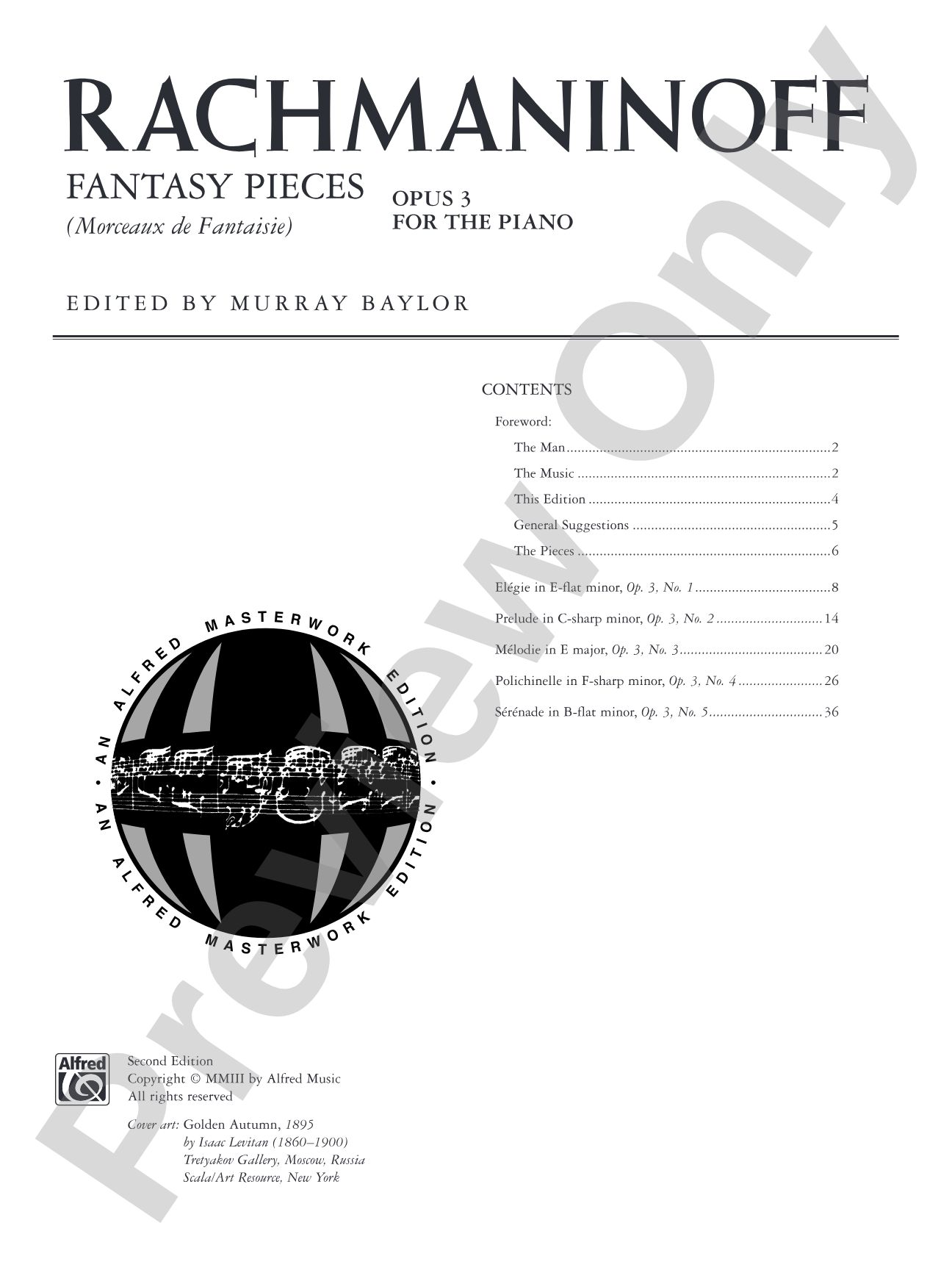

Rachmaninoff: Fantasy Pieces, Opus 3: Piano
By Sergei Rachmaninoff / ed. Murray Baylor
Level: Early Advanced / Advanced
Item: 00-PB-0000609
$9.99
Pickup currently not available
Related Items
Rachmaninoff: Fantasy Pieces, Opus 3: Piano Book |
$9.99
|
View |
Description
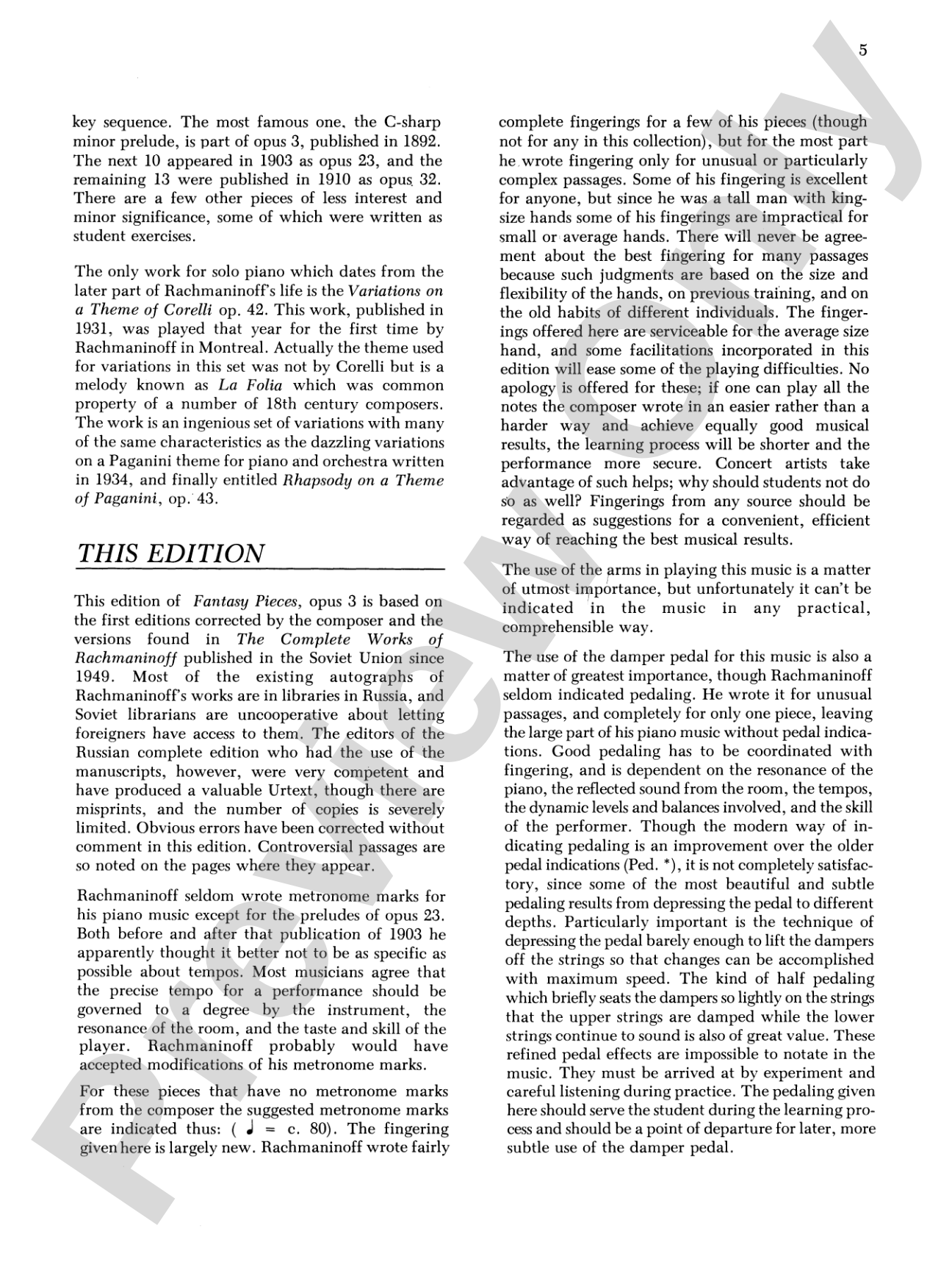
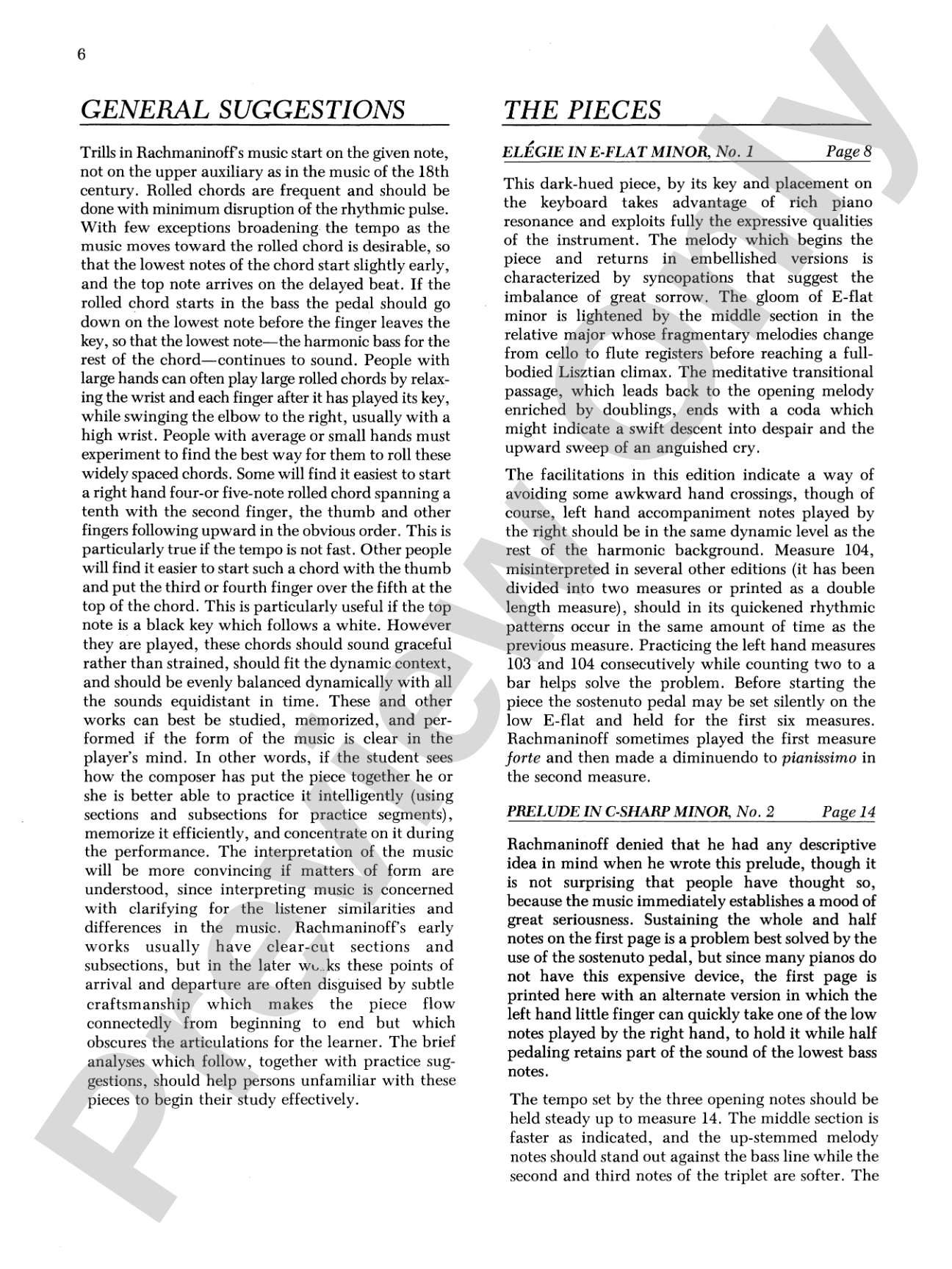
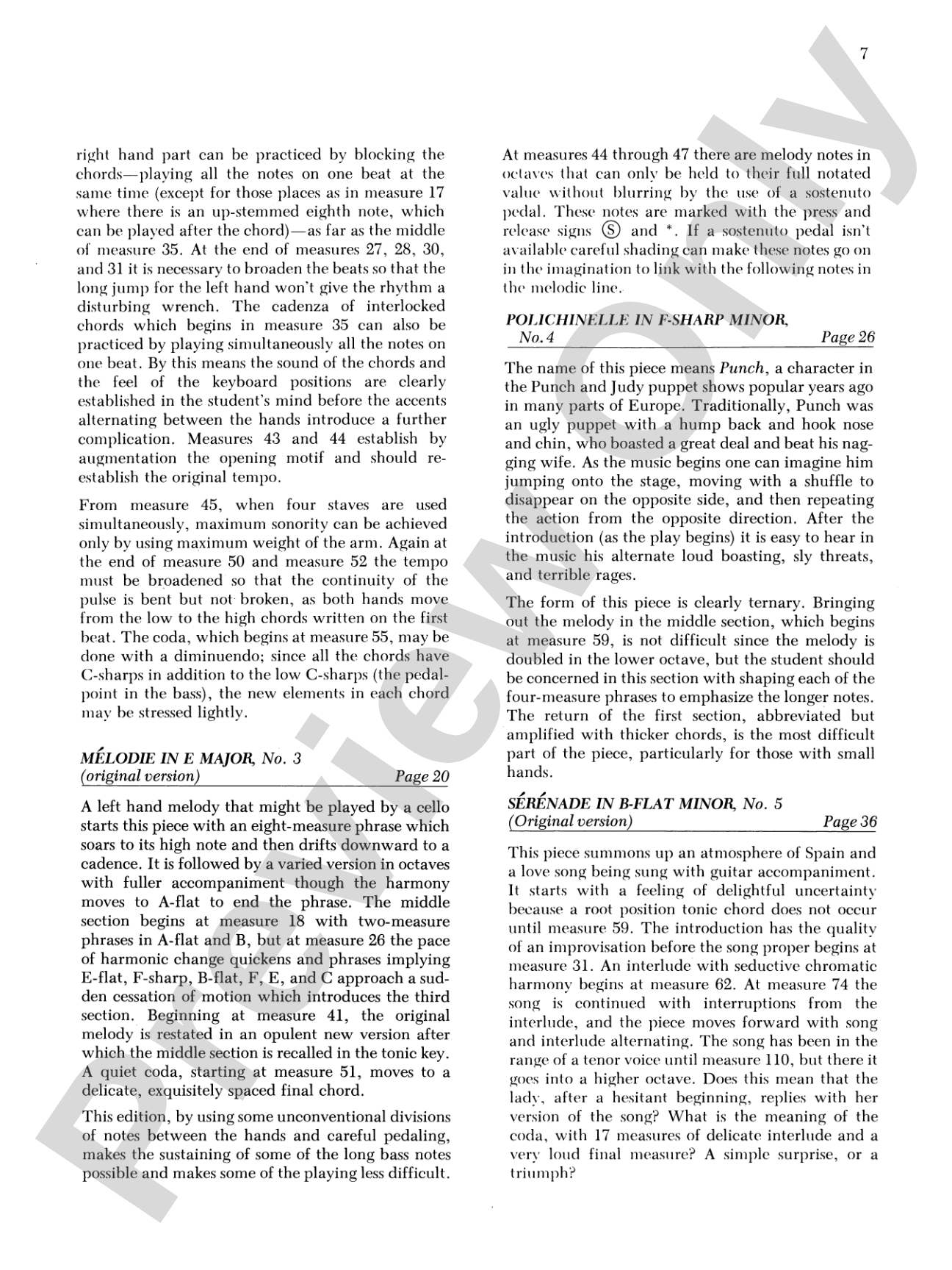
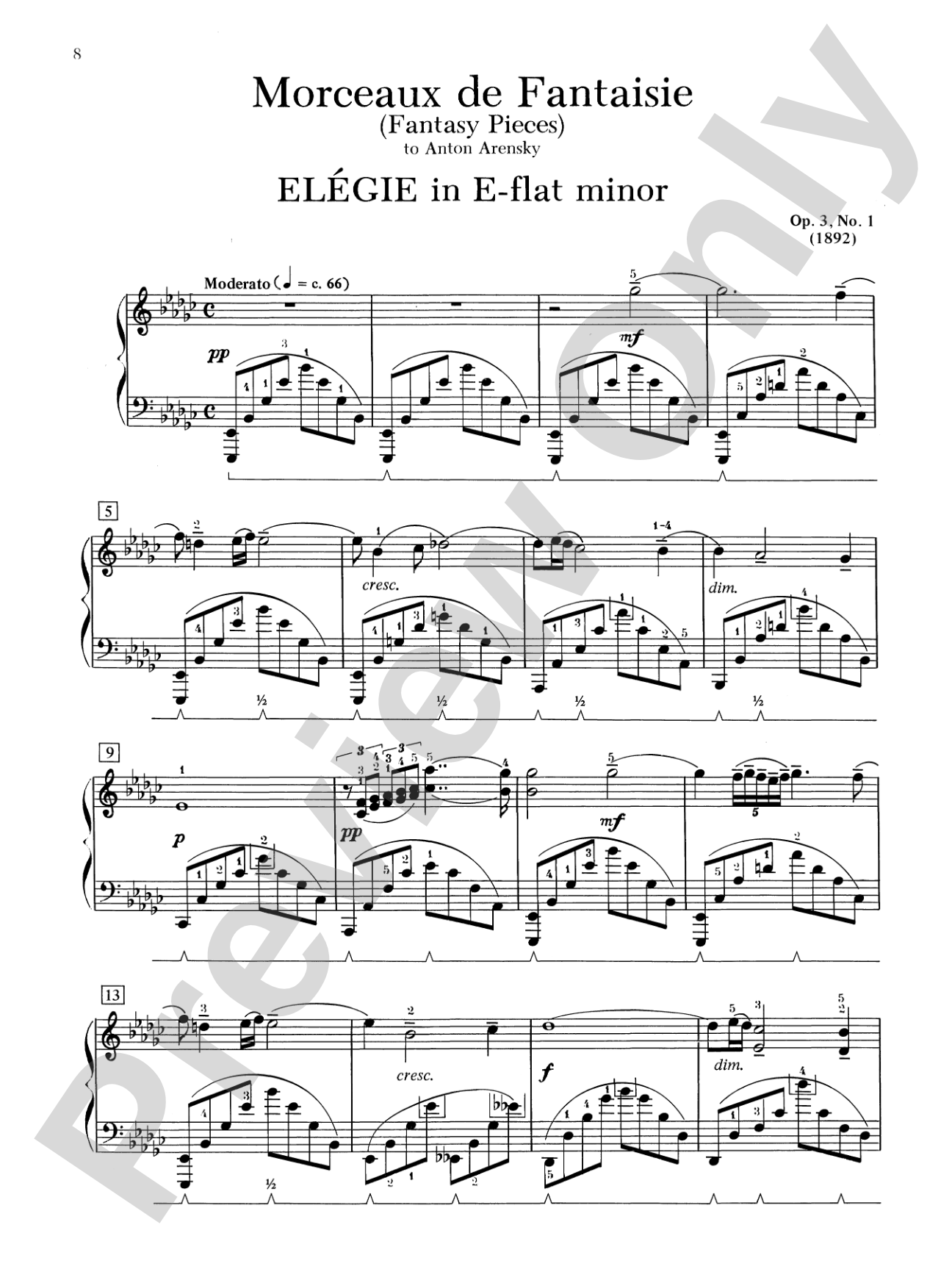
This edition is based on the first editions corrected by the composer and the versions found in The Complete Works of Rachmaninoff published in Russia since 1949. Brief analyses, together with practice and performance suggestions, should help pianists unfamiliar with these works to begin their study effectively. A Federation Festivals 2024-2028 selection.


Rachmaninoff: Fantasy Pieces, Opus 3: Piano isn't in MakeMusic Cloud just yet...but it could be. Let us know you'd like to see it, and you'll help shape what comes next. In the meantime, start a free trial and dive into thousands of interactive titles your students can play along with today.
Request This Title
Tell us you want it.
Start Your Free Trial
Explore everything that's ready to play right now.
Sample Audio
No sample audio found.
Sample Video
No sample videos found.
Additional Details
Series:
Alfred Masterwork Edition
Publisher:
Alfred Music
Page Count:
40
SKU:
00-PB-0000609
More about this title
About the Composer: Sergei Rachmaninoff
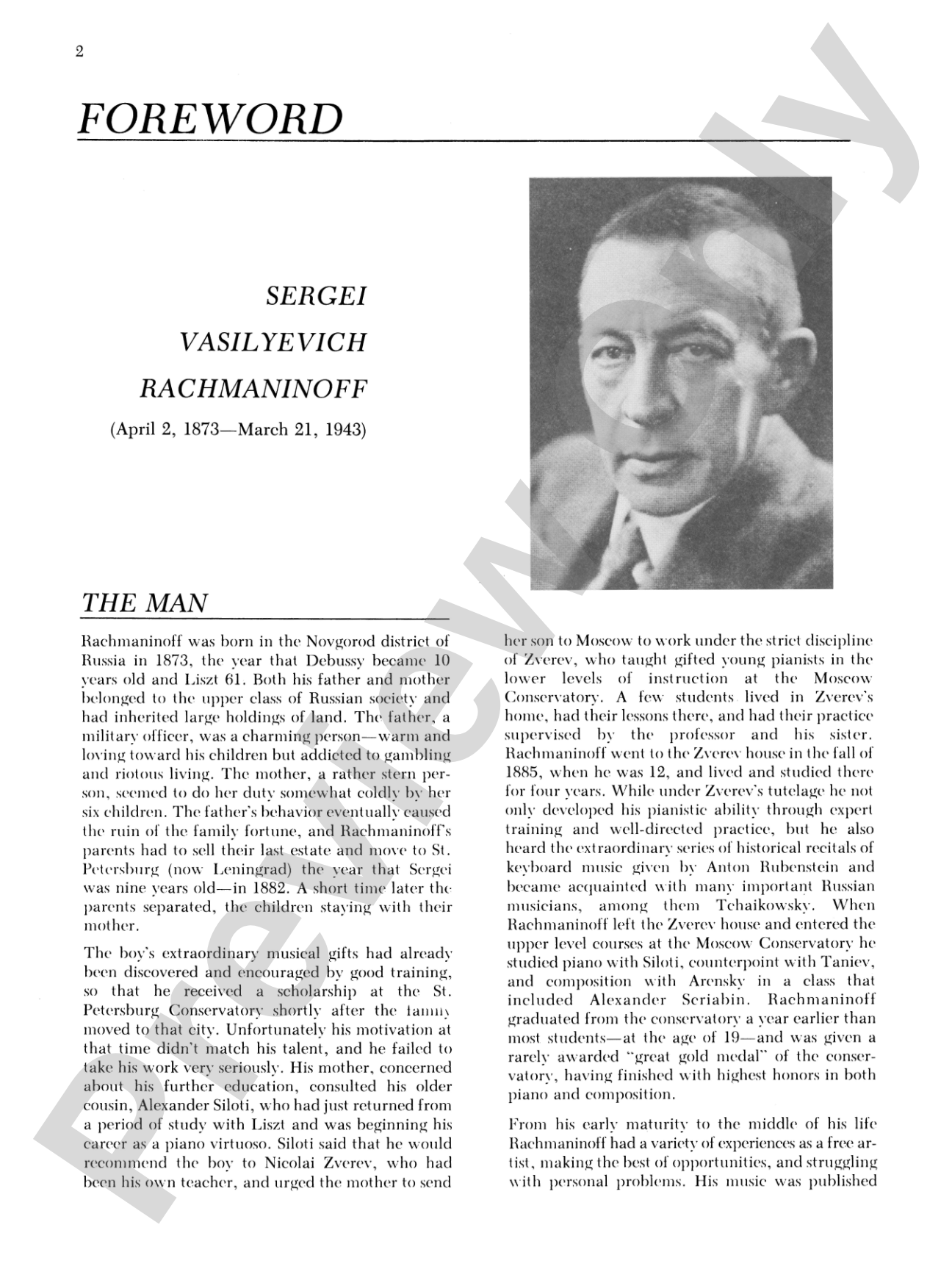
Sergei Rachmaninoff (1873, 1943) stands as one of the last great Romantic composers, bridging the 19th century's lyrical intensity with 20th-century modernism. A virtuoso pianist himself, Rachmaninoff composed with intimate knowledge of the instrument's capabilities, creating works that demand both technical brilliance and profound expressive depth. His music channels rich harmonic language, singing melodic lines, and structural clarity into pieces that remain central to the concert piano repertoire.
Rachmaninoff's early works, including the Fantasy Pieces, reveal a composer fully formed in voice yet still exploring the possibilities of shorter forms. These pieces showcase the hallmarks that define his style: soaring melodies that feel inevitable, harmonic sophistication without obscurity, and writing that rewards close listening from both performer and audience.
Why we love this
This Masterwork Edition respects Rachmaninoff's intentions through careful sourcing from the composer's own revisions and the authoritative Russian Complete Works, eliminating the textual uncertainties that plague earlier printings. The included analytical notes and practice guidance make these substantial works accessible to pianists encountering them for the first time, while the Federation Festivals recognition confirms their artistic merit and programming relevance for the current decade.
What to expect
These fantasy pieces shimmer with Romantic yearning and harmonic richness. Moments of virtuosic brilliance alternate with intimate, introspective passages where Rachmaninoff's gift for lyrical melody shines. The writing feels both spontaneous and carefully sculpted, creating a sense of emotional authenticity within a refined formal structure.
Who it's for
Advanced and early advanced pianists ready to engage with substantial early 20th-century works that require both technical security and mature interpretive choices. This edition serves students preparing for competitions, conservatory auditions, or pianists building a recital program that includes important Romantic-era repertoire.
How to get the most out of it
- Attend carefully to the harmonic language in the slower sections; Rachmaninoff's shifts between major and minor, unexpected chord progressions, and voice leading create the emotional architecture of these pieces. Clarity in the harmony matters as much as surface brilliance.
- Shape phrases around the singing line rather than measure lines. These melodies often stretch across bar boundaries, and pianists who follow phrase contours rather than metric stress unlock the Romantic lyricism that defines the work.
- Balance technical passagework with restraint. Rachmaninoff's figurations support and color the primary melodic material; overplaying them obscures the larger form and tires the listener's ear.
How to use it
Feature one or more of these pieces as the centerpiece of a recital focusing on Russian or late Romantic piano music; they pair naturally with other Rachmaninoff works or with contemporaries like Scriabin. Alternatively, select individual Fantasy Pieces for student recitals or competitions where the early advanced level and Masterwork status command serious attention.
Skills your students will build
- Interpreting chromatic harmony and unexpected harmonic movement
- Sustaining lyrical phrasing across large formal structures
- Balancing virtuosic figurations with structural clarity
- Reading and realizing Romantic-era performance conventions
- Developing musical independence between right and left hand voices