
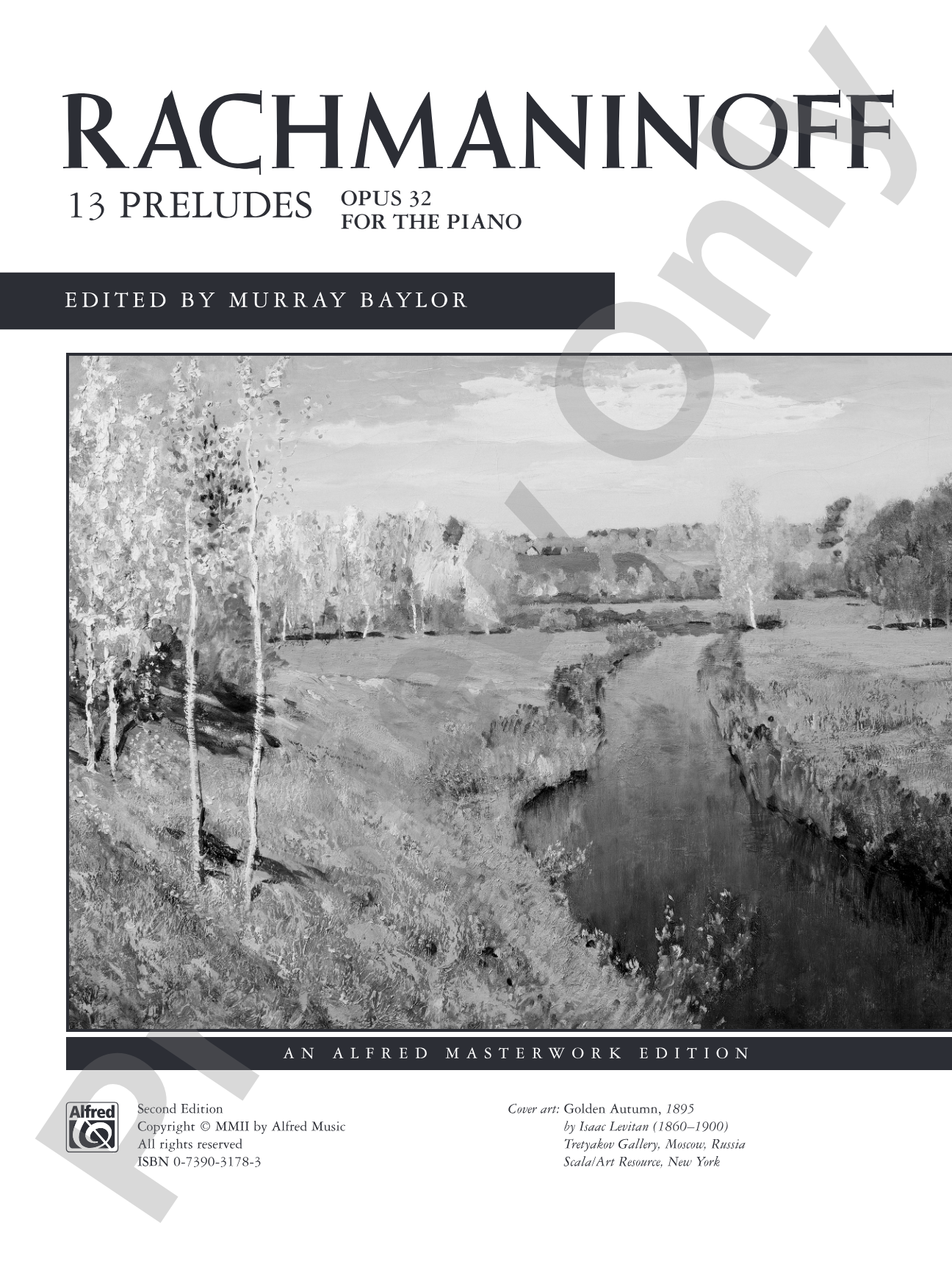
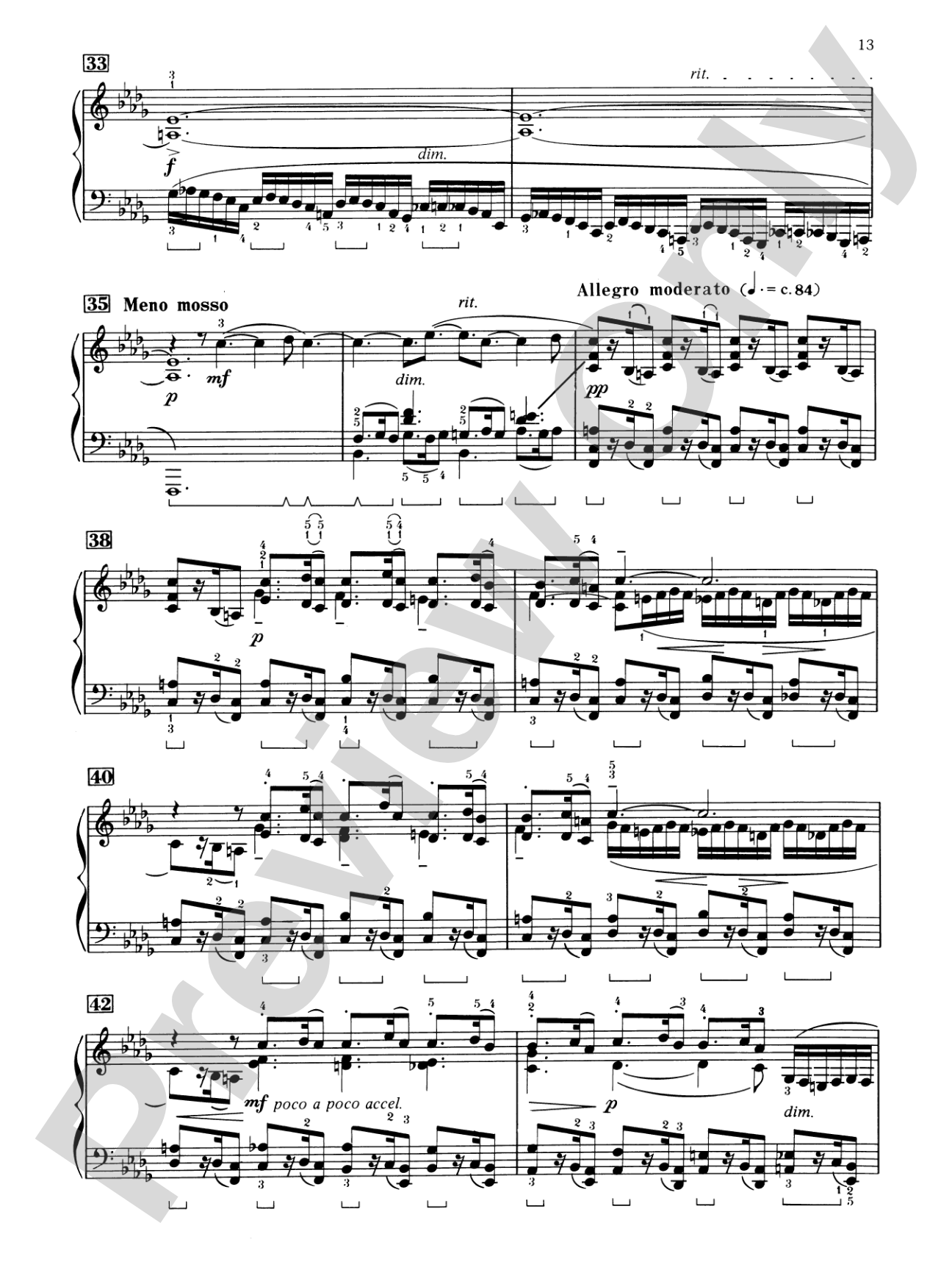
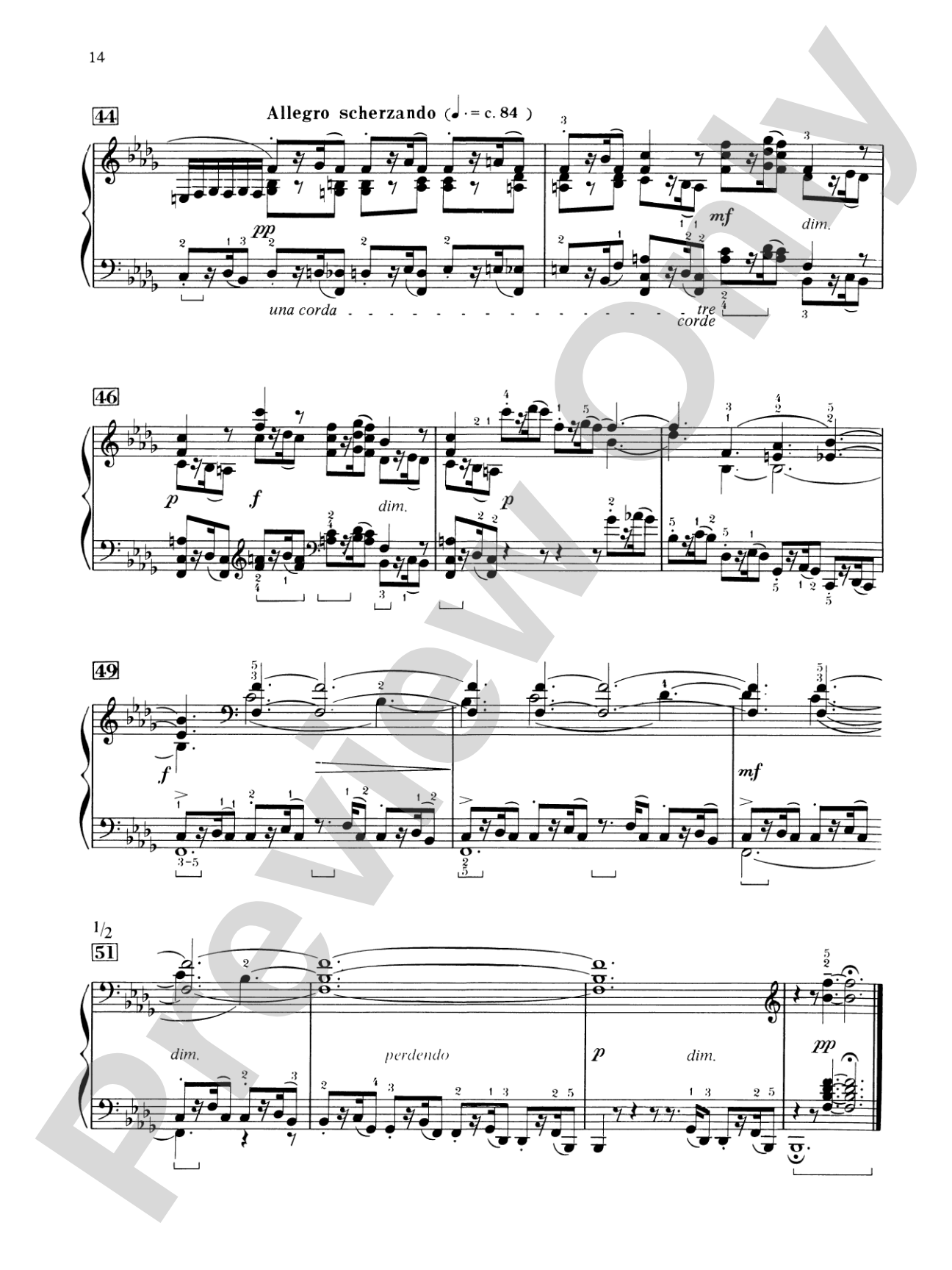
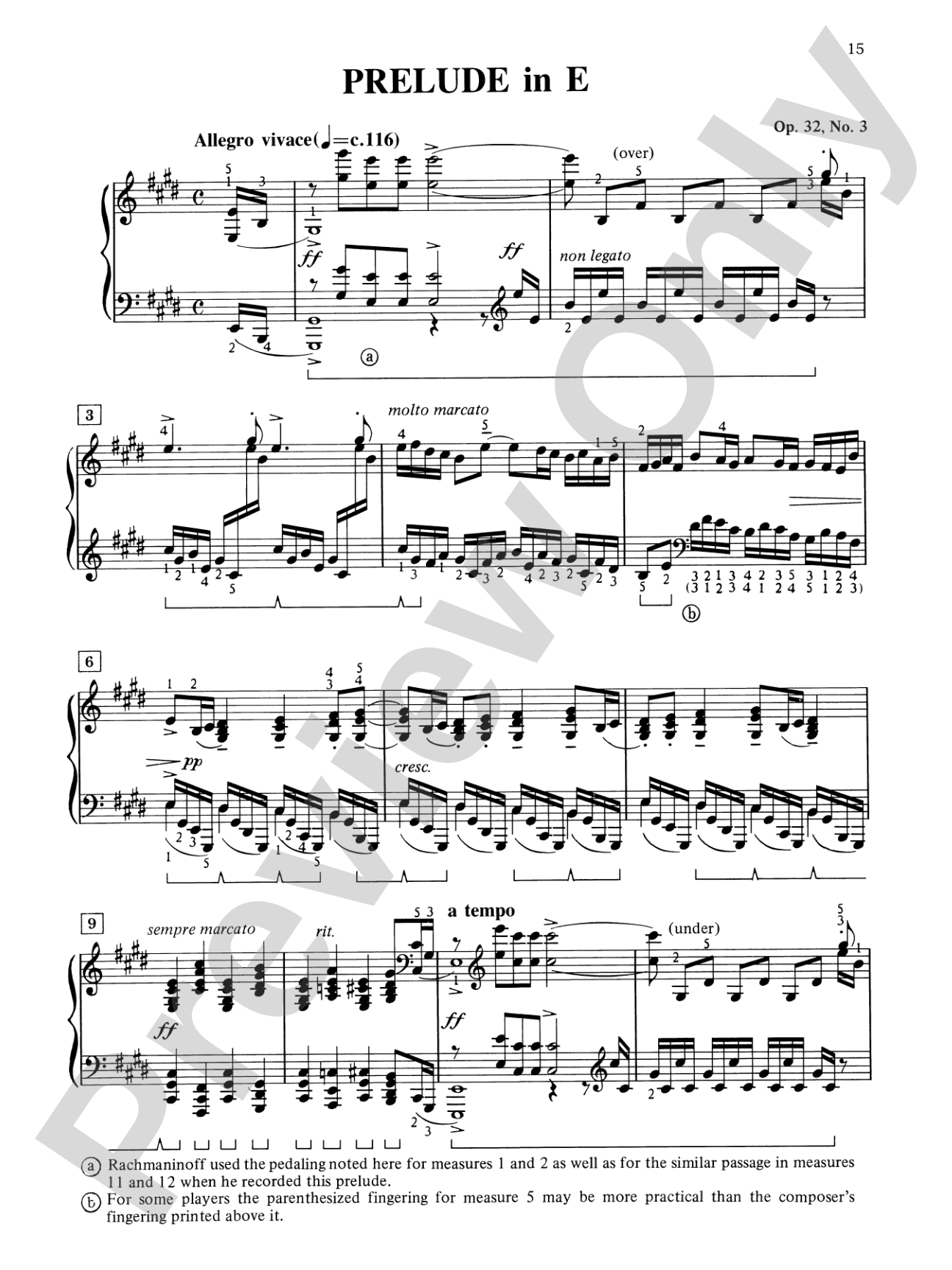

Rachmaninoff: 13 Preludes, Opus 32: Piano
By Sergei Rachmaninoff / ed. Murray Baylor
Level: Early Advanced / Advanced
Item: 00-PB-0000633
$11.99
Pickup currently not available
Related Items
Rachmaninoff: 13 Preludes, Opus 32: Piano Book |
$11.99
|
View |
Description
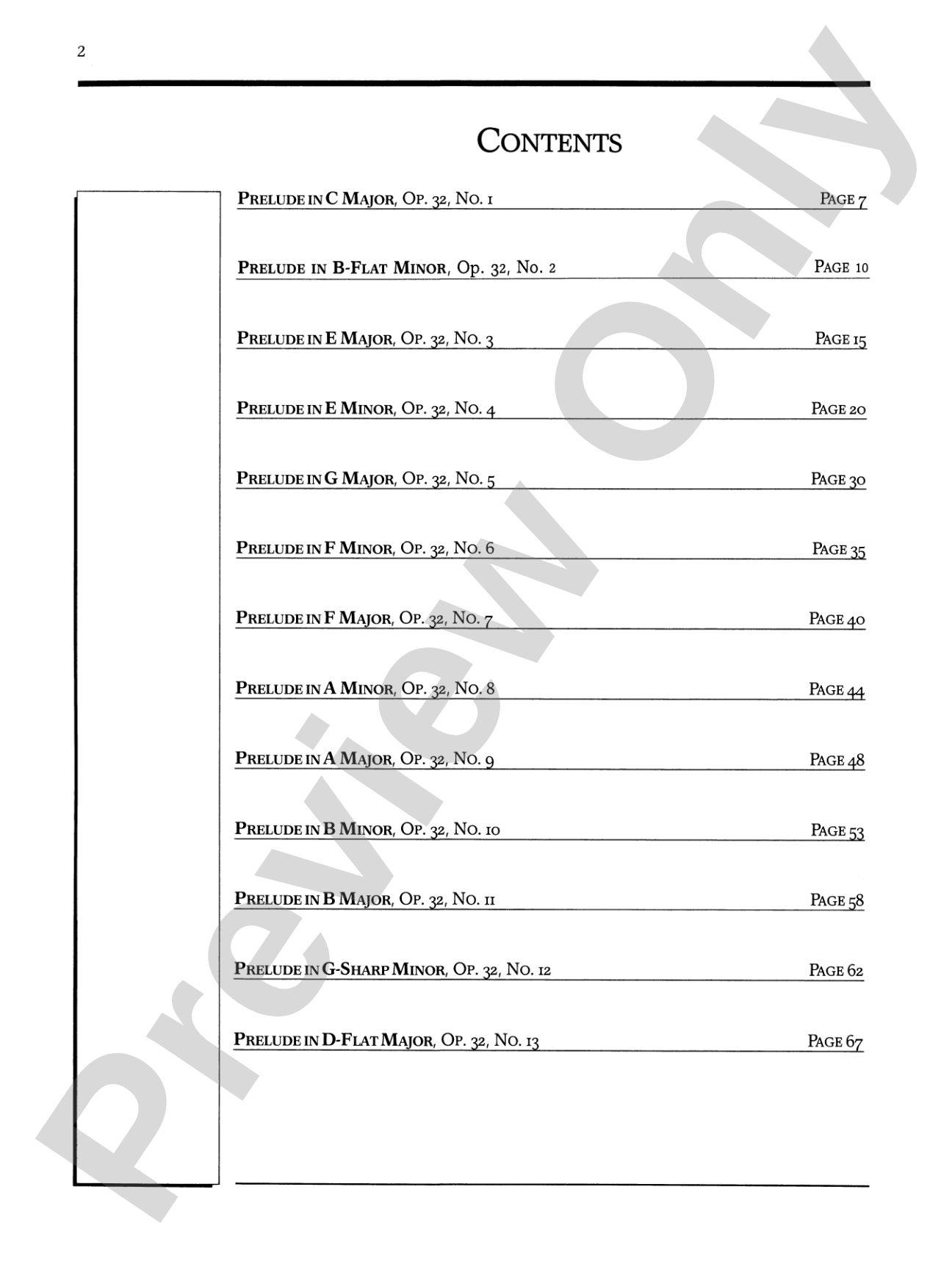
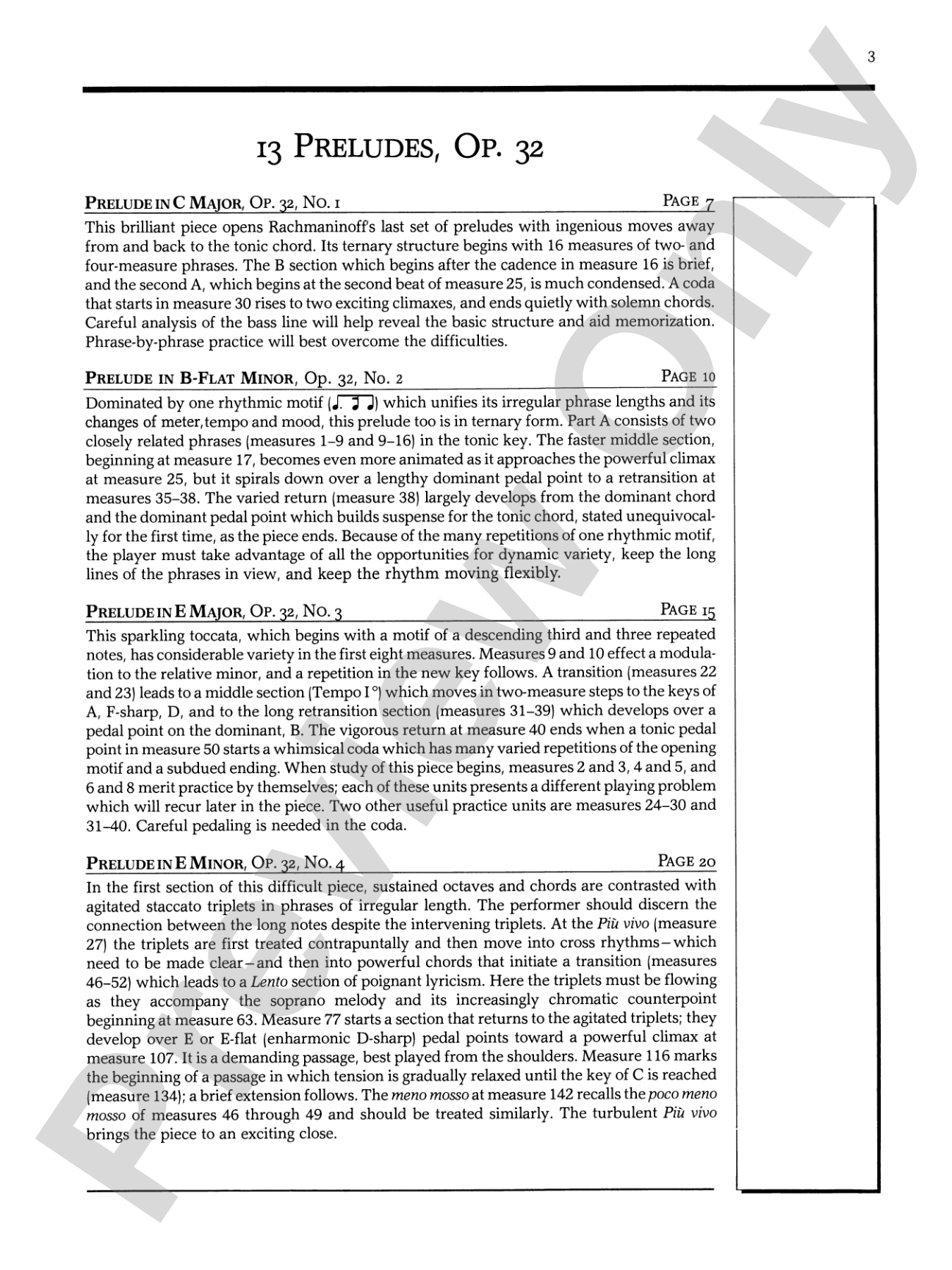
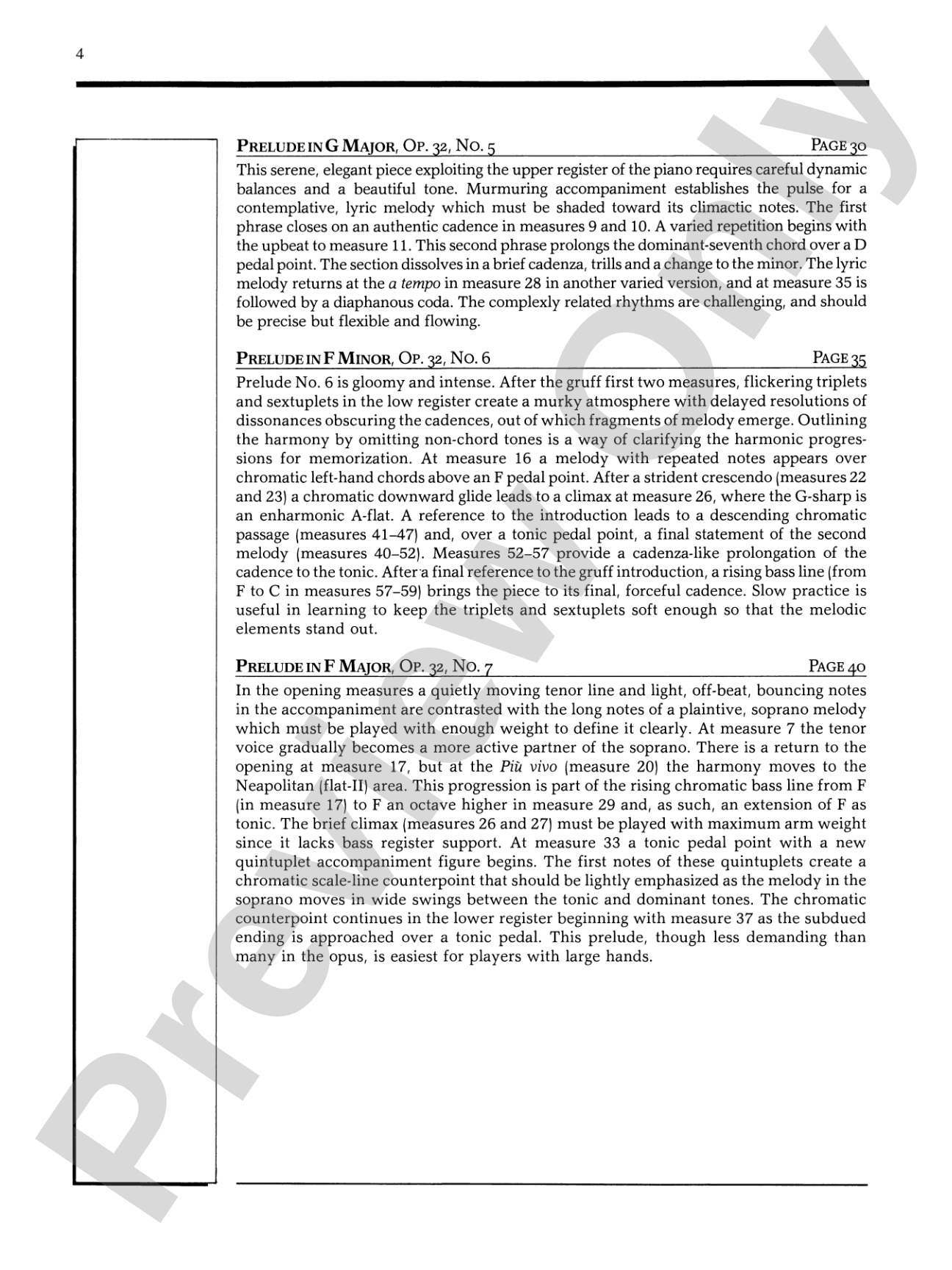
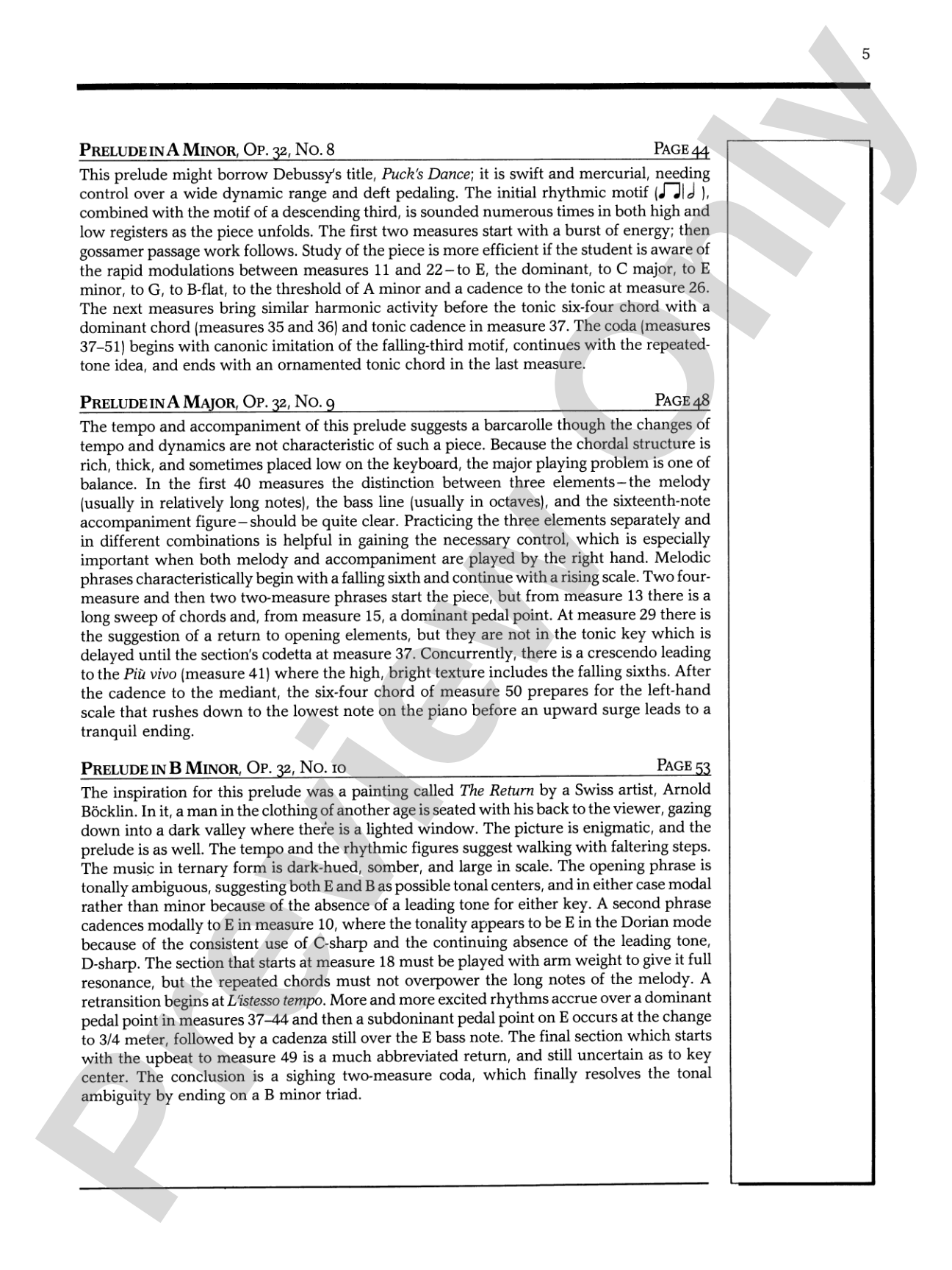
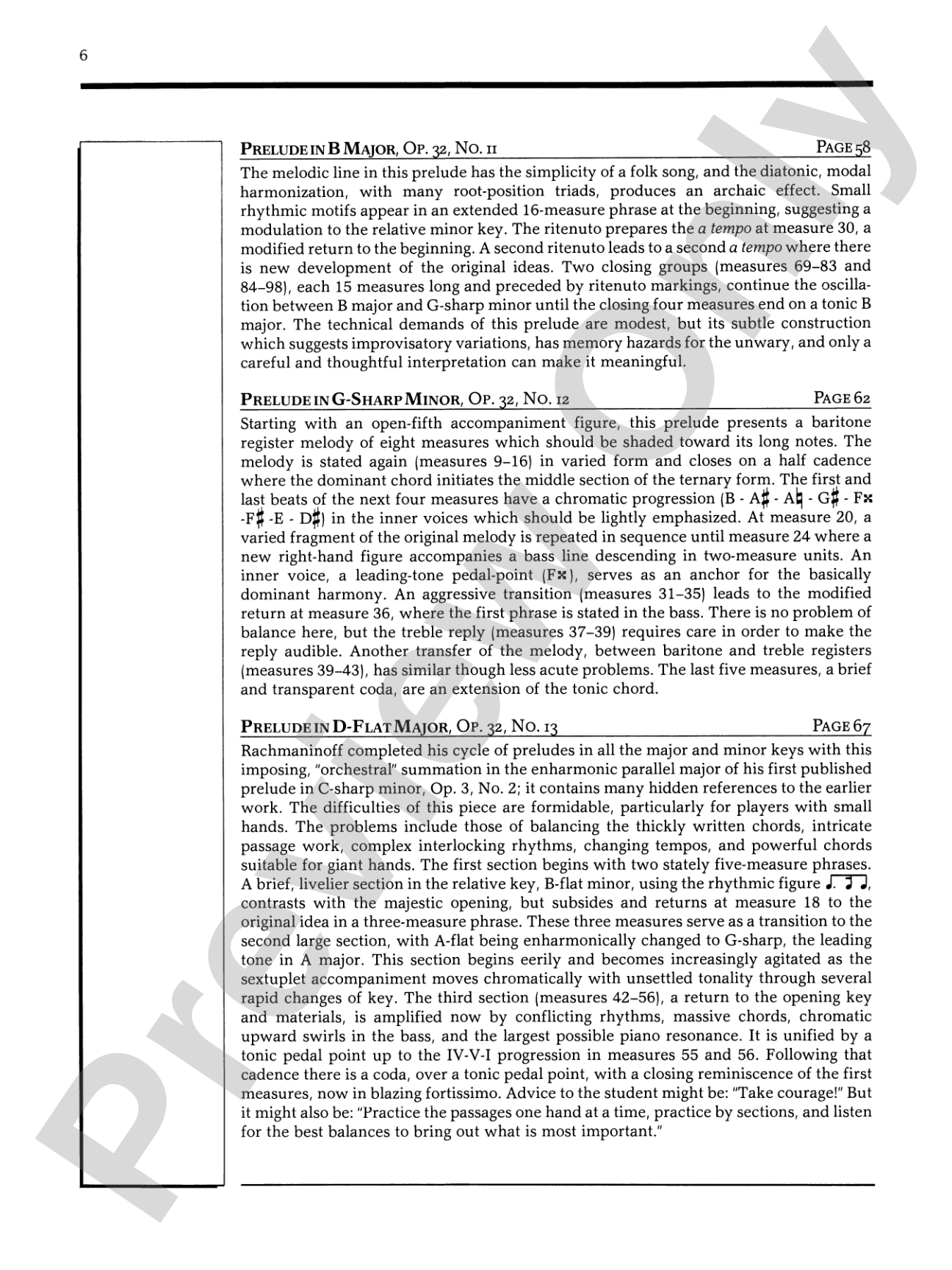
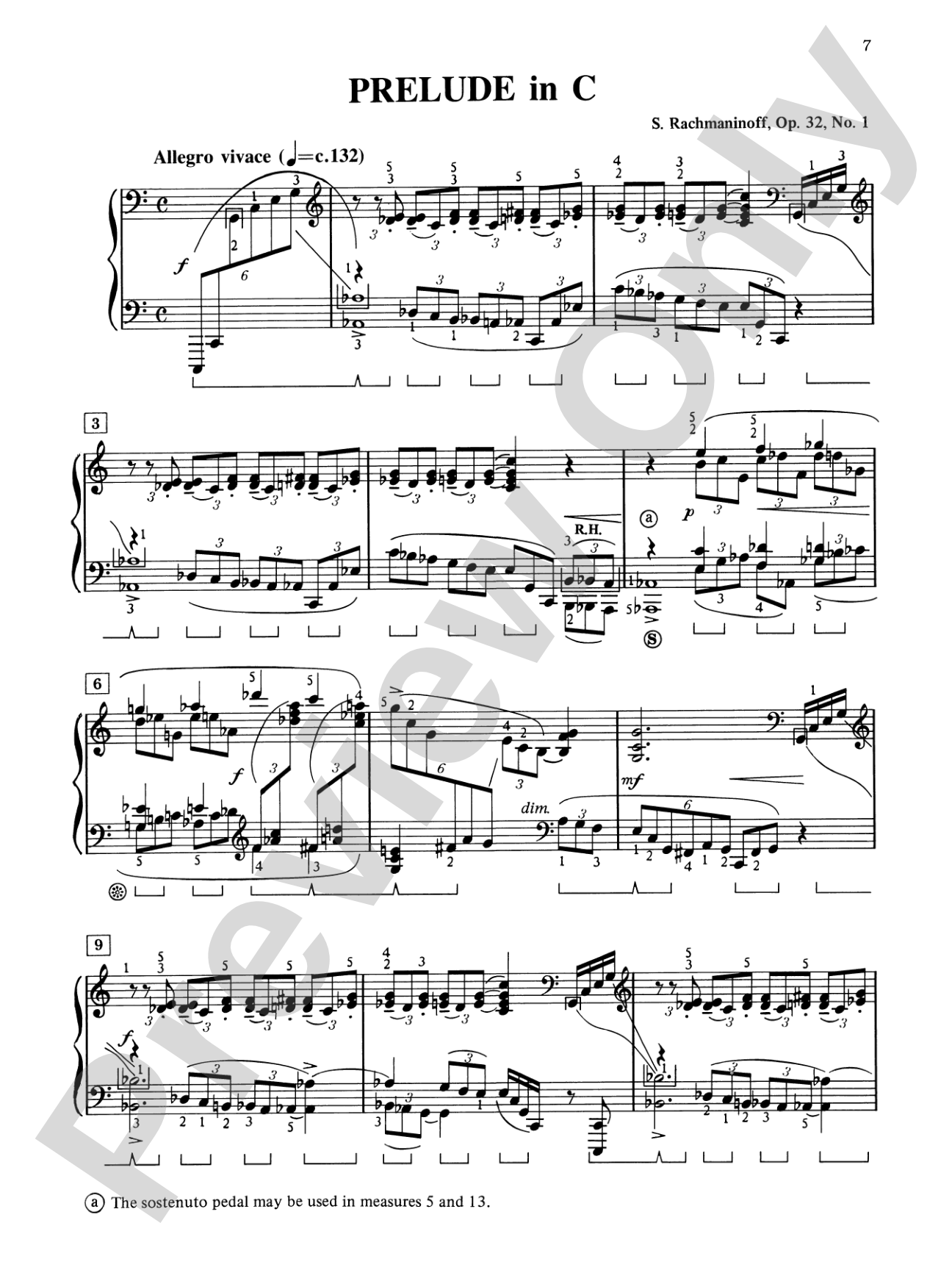
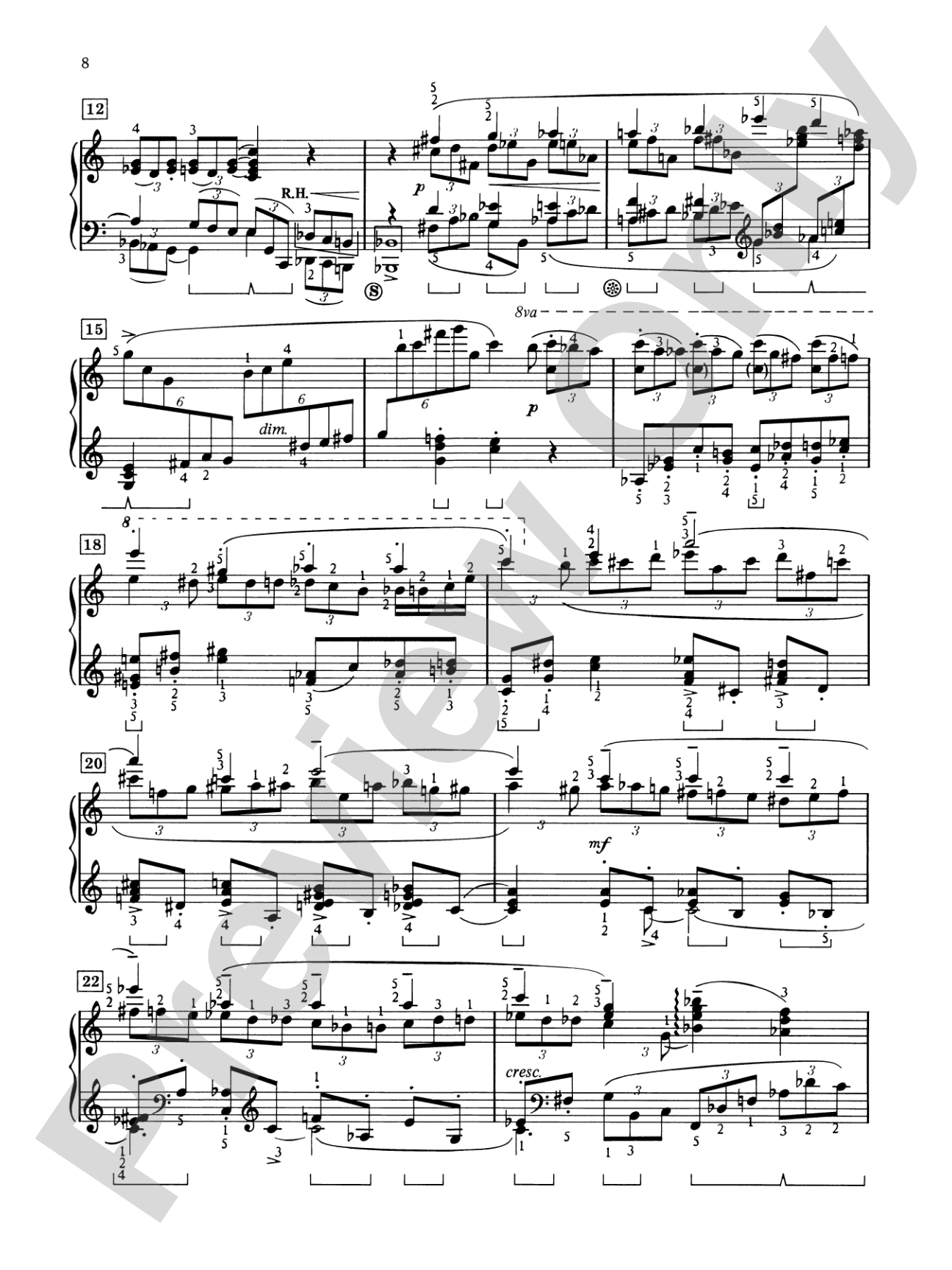
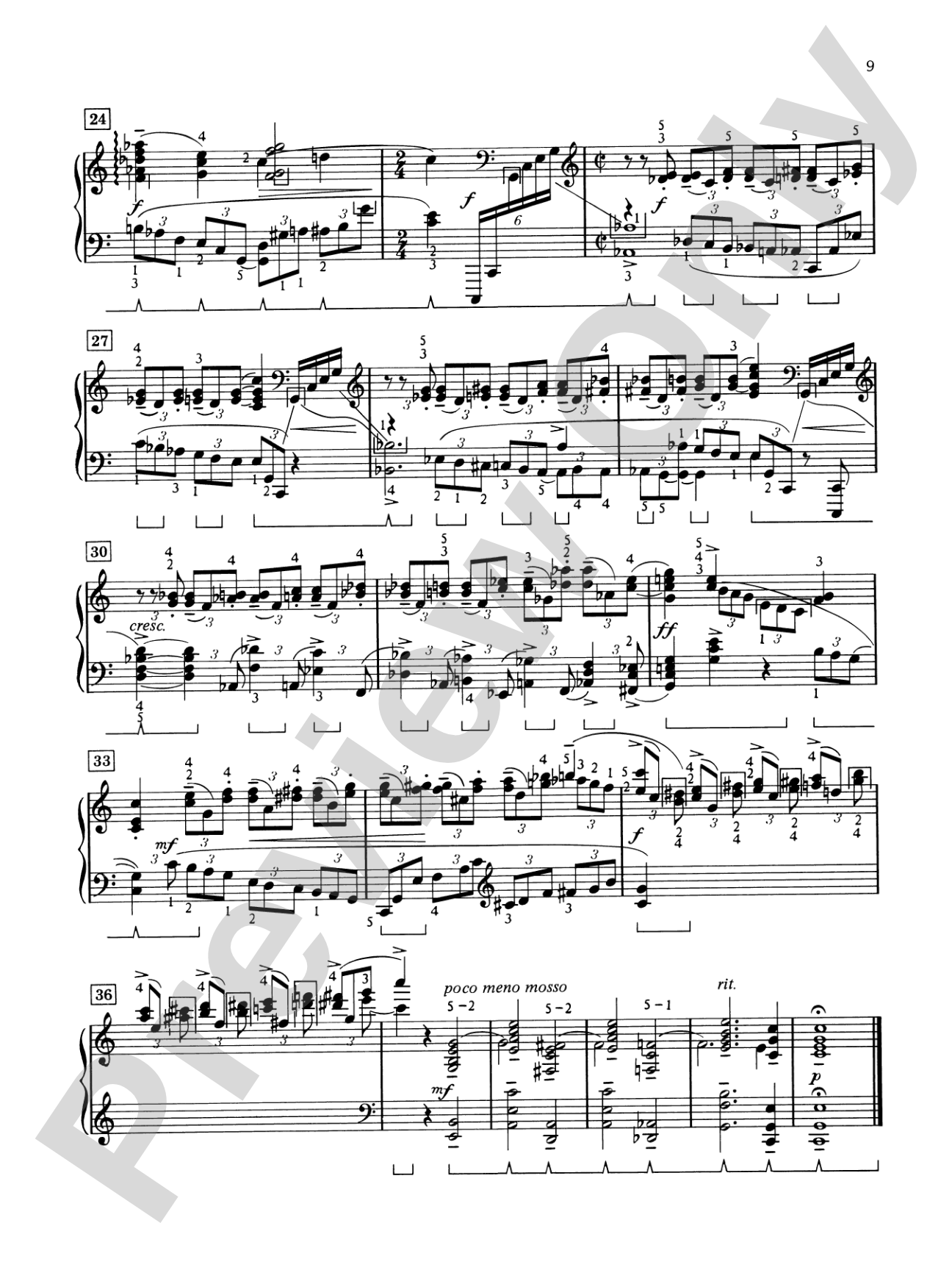
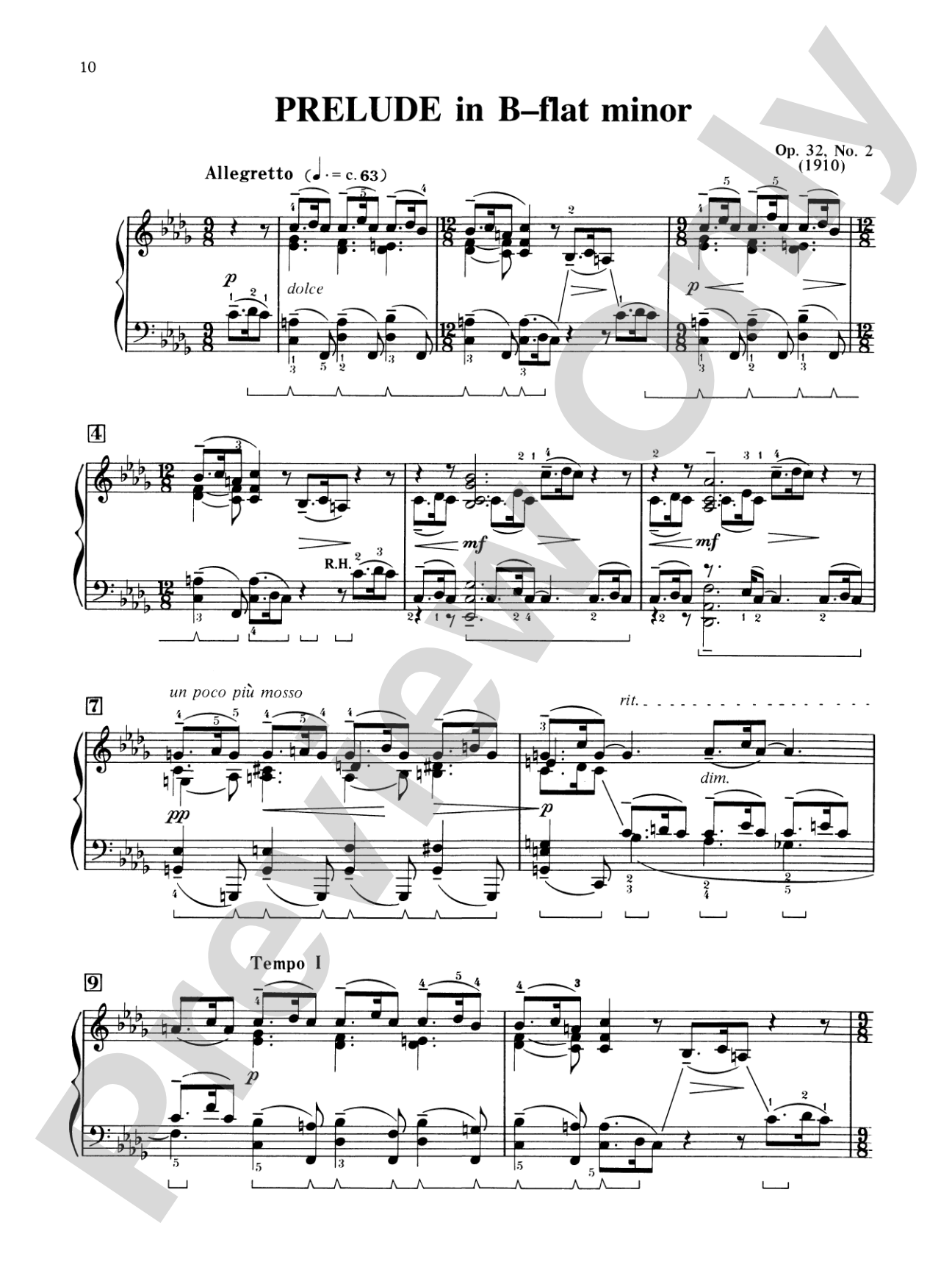
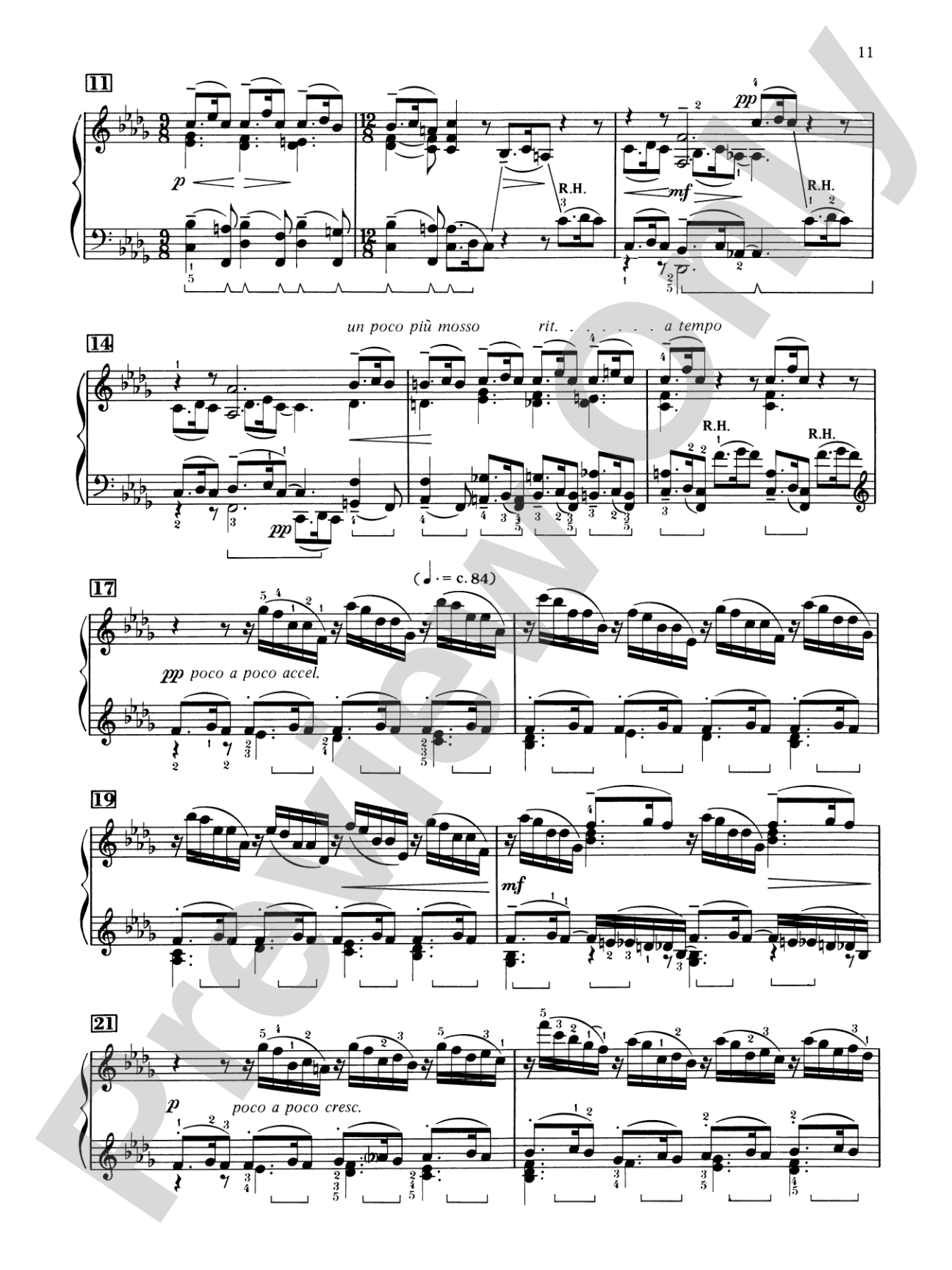
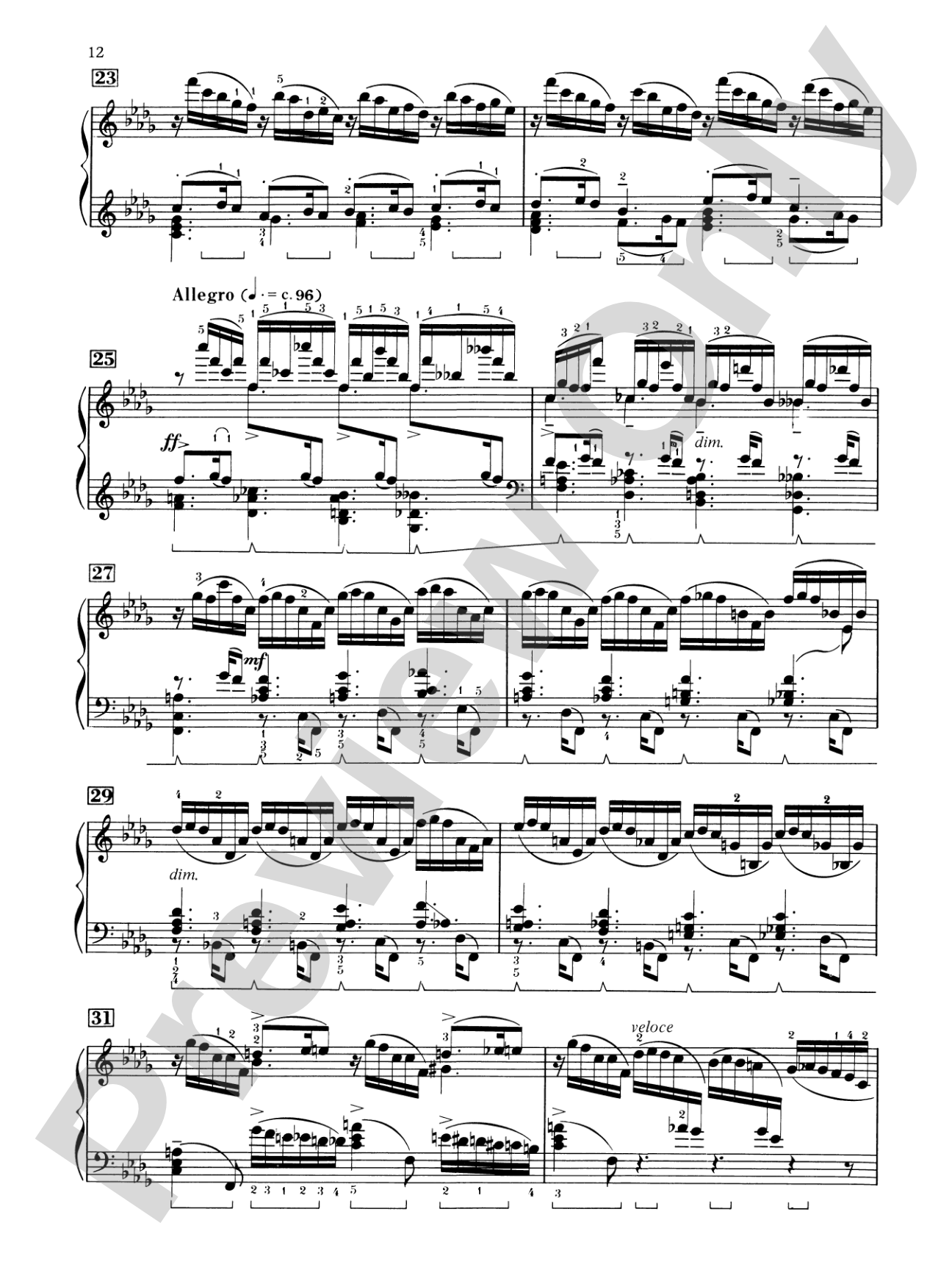
This collection of 13 preludes challenges pianists to build interpretive skills while expressing the vast array of emotion and passion so characteristic of Rachmaninoff's works. In this scholarly edition, Dr. Baylor has included suggestions on how each piece should be performed, including tempos, dynamics, pedaling and metronome marks where necessary. Preludes Nos. 2, 5, 7, 10, 11, and 12 are Federation Festivals 2016-2020 selections. A Federation Festivals 2020-2024 selection. A Federation Festivals 2024-2028 selection.


Rachmaninoff: 13 Preludes, Opus 32: Piano isn't in MakeMusic Cloud just yet...but it could be. Let us know you'd like to see it, and you'll help shape what comes next. In the meantime, start a free trial and dive into thousands of interactive titles your students can play along with today.
Request This Title
Tell us you want it.
Start Your Free Trial
Explore everything that's ready to play right now.
Sample Audio
No sample audio found.
Sample Video
No sample videos found.
Additional Details
Series:
Alfred Masterwork Edition
Publisher:
Alfred Music
Page Count:
72
SKU:
00-PB-0000633
More about this title
About the Composer: Sergei Rachmaninoff
Sergei Rachmaninoff (1873, 1943) shaped the late Romantic piano repertoire through works that demanded both technical mastery and emotional depth. His compositions bridge 19th-century Romanticism and 20th-century modernism, marked by sweeping melodies, rich harmonies, and a gift for writing idiomatically for the instrument.
Rachmaninoff's approach to the prelude form was transformative. Rather than the compact character pieces favored by earlier composers, he created substantial psychological portraits that explore extremes of mood and color. His Opus 32 preludes represent his mature voice as a composer and remain essential repertoire for pianists seeking to develop interpretive sophistication.
Why we love this
Dr. Baylor's editorial annotations strip away guesswork about Rachmaninoff's intentions by providing specific tempo, dynamic, and pedal markings grounded in scholarly research. Six of these preludes appear regularly on festival adjudication lists, giving students concrete performance goals. The collection offers early advanced pianists a complete cycle of contrasting moods and technical challenges without requiring the four-hour commitment of the full concert etude repertoire.
What to expect
These preludes move between intimate introspection and dramatic declaration. Some unfold as melancholic meditations with restless accompaniment; others explode into virtuosic displays of passion and urgency. The entire collection captures Rachmaninoff at his most psychologically complex, layering gorgeous melody against sophisticated harmonic movement.
Who it's for
Early advanced and advanced pianists preparing for competitions, college auditions, or recital programs will find substantial material here. Teachers seeking certified repertoire that builds interpretive maturity and command of Rachmaninoff's musical language will value both the cycle's scope and the editorial guidance.
How to get the most out of it
- Reference the provided metronome marks as anchors rather than absolutes; Rachmaninoff's rubato demands flexibility within a clear pulse foundation.
- Pay particular attention to Baylor's pedal indications, which often reveal voice-leading clarity that casual pedaling obscures.
- Record yourself performing individual preludes and listen for moments where your interpretation drifts from the marked tempos, then identify whether the departure serves the music.
- Study the harmonic progressions before focusing on technical passages; Rachmaninoff's emotional arc often lives in the harmony, not the finger work.
How to use it
Build a half-recital around four or five contrasting preludes rather than programming the entire cycle; this approach lets listeners appreciate the variety without fatigue. Pair individual preludes with other Romantic miniatures or 20th-century works to highlight Rachmaninoff's harmonic language alongside his contemporaries. Several preludes work beautifully as closing pieces for student recitals, particularly those marked by dramatic intensity or lyrical beauty.
Skills your students will build
- Interpreting unmarked rubato within a structured harmonic framework
- Understanding pedal notation as a voice-leading tool, not a coloristic effect
- Managing hand independence in dense, accompanimental textures
- Building sustained lyricism across extended melodic phrases
- Executing rapid scalar and arpeggionic passages with control and musical purpose