Race to the Bridge Cover Image

Race to the Bridge: Jazz Ensemble Conductor Score & Parts

$65.00 USD
Sale price  $65.00 USD Regular price 
Skip to product information
Race to the Bridge Cover Image

Race to the Bridge: Jazz Ensemble Conductor Score & Parts

By Gordon Goodwin

Grade: 6 (Professional / Very Advanced)

Item: 00-36070

makemusic Cloud badge

Need it now?

Buy Digital Version
$65.00
Shipped

One moment…

Description
If you're looking for a bright and challenging piece, look no further than this super swing chart. Solo space for all saxes, trumpet, and trombone. Includes an auxiliary percussion part. No woodwind doubles, lead trumpet range to written high F-sharp. As recorded by Gordon Goodwin's Big Phat Band on the CD That's How We Roll on Telarc International.

Don't just read it, hear it, play along with it, and watch your students grow with it. In MakeMusic Cloud, Race to the Bridge: Jazz Ensemble Conductor Score & Parts comes alive with professional accompaniment, adjustable tempo, and built-in practice tools that turn solo practice into real progress.

Sample Pages

Sample Audio
0:00
0:00
Sample Video
Additional Details
Series: Gordon Goodwin Series
Publisher: Alfred Music
Page Count: 110
UPC: 038081410524
SKU: 00-36070

More about this title

About the Composer: Gordon Goodwin
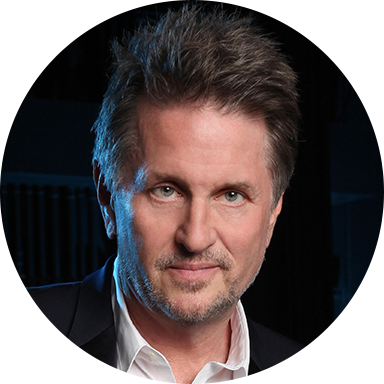
Gordon Goodwin

Gordon Goodwin began composing full orchestrations in his head at age five, transcribing complete big band charts before most musicians learn their instruments. By thirteen, he had already written Hang Loose, a chart that announced his arrival as a formidable voice in jazz composition. His work spans television and film scoring, including three Emmy Awards and multiple Grammy nominations for projects ranging from Bad Boys II to Star Trek: Nemesis, alongside collaborations with artists including Christina Aguilera, Quincy Jones, and Ray Charles.

In 2000, Goodwin founded Gordon Goodwin's Big Phat Band, establishing himself as both composer and bandleader at the forefront of contemporary big band jazz. His albums have consistently earned Grammy recognition, with his ensemble becoming known for sophisticated arranging, infectious swing, and a sound that bridges classic big band tradition with modern energy. The band's recordings, performances, and published charts represent some of the most exciting and technically demanding work in the jazz ensemble repertoire.

Why we love this

This is exactly the kind of chart that reminds conductors why they love teaching jazz ensemble: it swings hard, sounds professional from day one, and gives every section meaningful solo space without demanding uncommon doublings or extreme ranges. Goodwin's orchestration is clean and playable, yet the sophistication of his harmonic movement and section writing keeps it interesting through rehearsal after rehearsal.

What to expect

Bright, propulsive, and built to go. The piece captures the energy and momentum of a big band at full throttle, with driving rhythms and spirited tutti sections that feel like the band is racing toward something. Solo space breathes naturally within the arrangement, and the orchestration itself stays transparent enough that every player can hear their role in the larger swing.

Who it's for

Advanced high school and college jazz ensembles with solid rhythm section chops and soloists comfortable navigating jazz harmony at a professional level. Lead trumpet players must be secure above the staff, and the ensemble as a whole should have experience with sectional swinging and the kind of discipline required for a Grade 6 big band chart.

How to get the most out of it

  • Lock the articulation across the entire saxophone section during the head; Goodwin's swing feel depends on rhythmic precision, especially in the ensemble hits that frame the solos.
  • Encourage soloists to listen to Gordon Goodwin's Big Phat Band recording on That's How We Roll; the recorded solos provide invaluable models for tone, phrasing, and harmonic navigation.
  • Shape the dynamics in the background figures behind each solo so the feature voice remains in focus without asking the soloist to play louder than is musicianly.
  • Balance the auxiliary percussion part carefully; it adds textural color and drive, but should enhance the rhythm section's foundation rather than compete with it.

How to use it

Program this as a headline feature in a jazz concert or end-of-year showcase where you want to demonstrate ensemble sophistication and individual musicianship. It works equally well as a contest or festival selection, especially at levels where adjudicators expect both technical facility and interpretive maturity from student musicians.

Skills your students will build

  • Reading and executing consistent swing articulation and phrasing across ensemble sections
  • Navigating jazz harmony and chord changes in solo contexts
  • Balancing ensemble hits and section work with featured solos
  • Responding to subtle conductor cues for dynamics and rhythmic precision in a fast-moving chart
  • Building ensemble listening skills and internal rhythm section awareness

You May Also Like
