
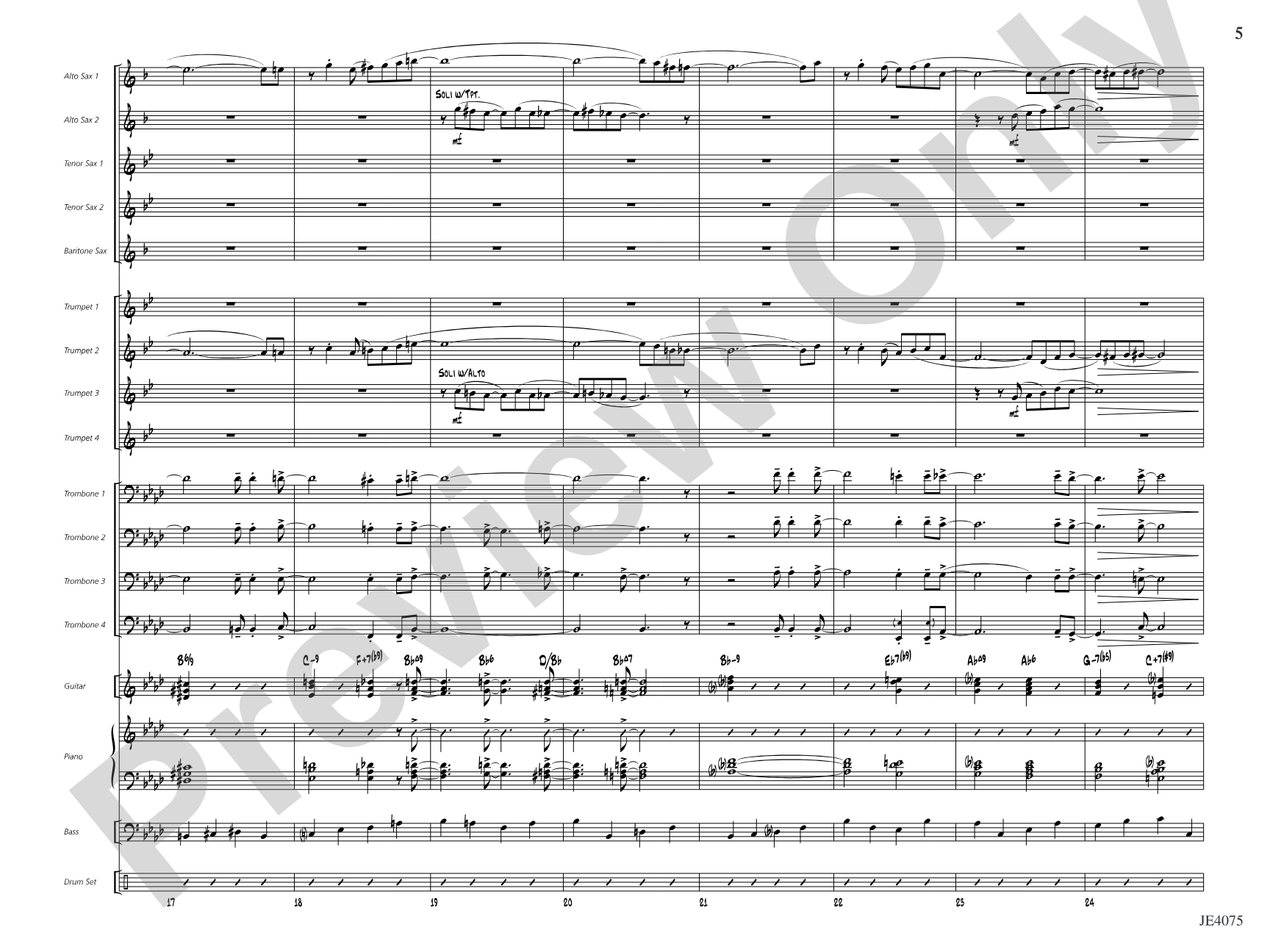
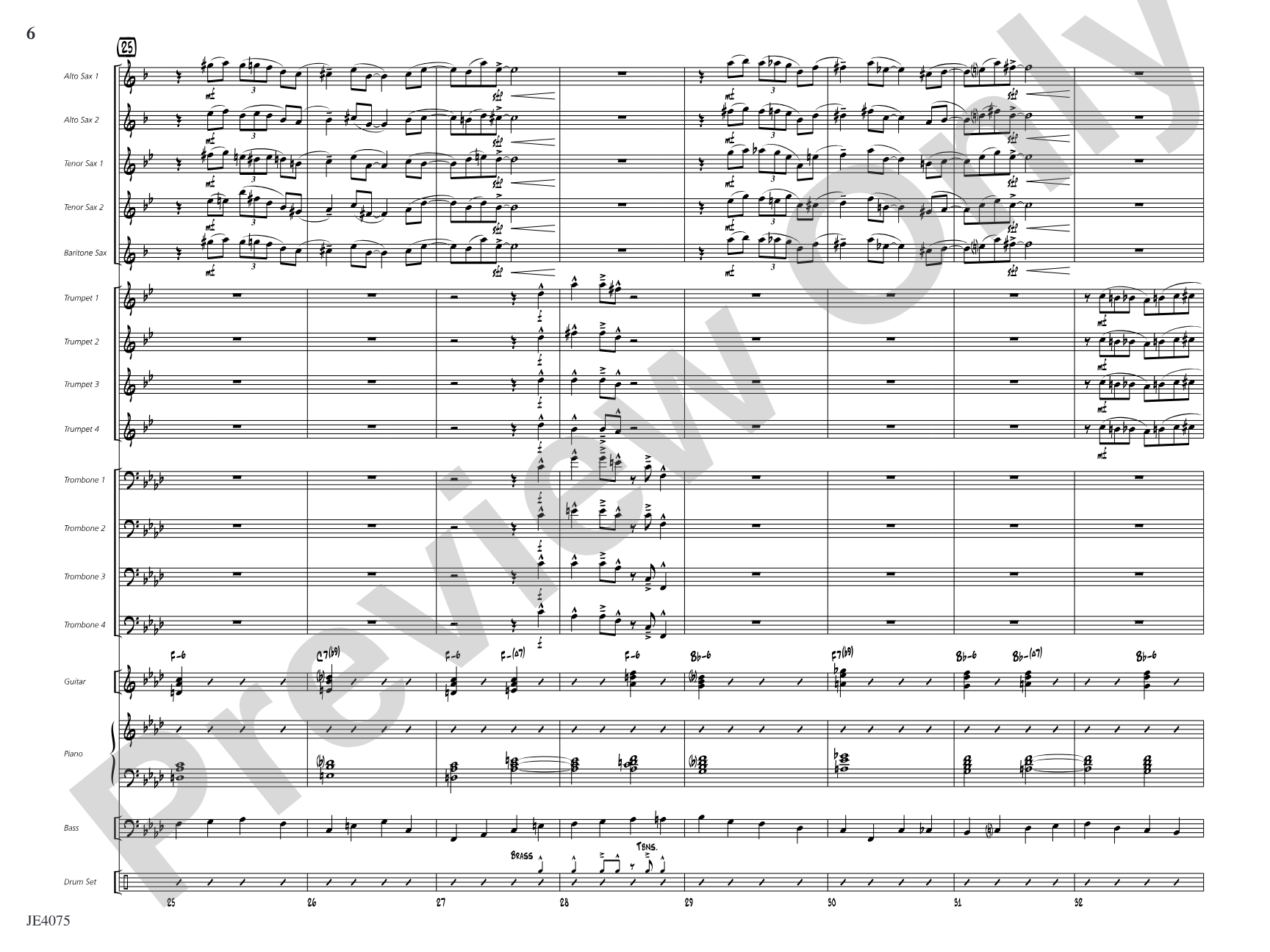
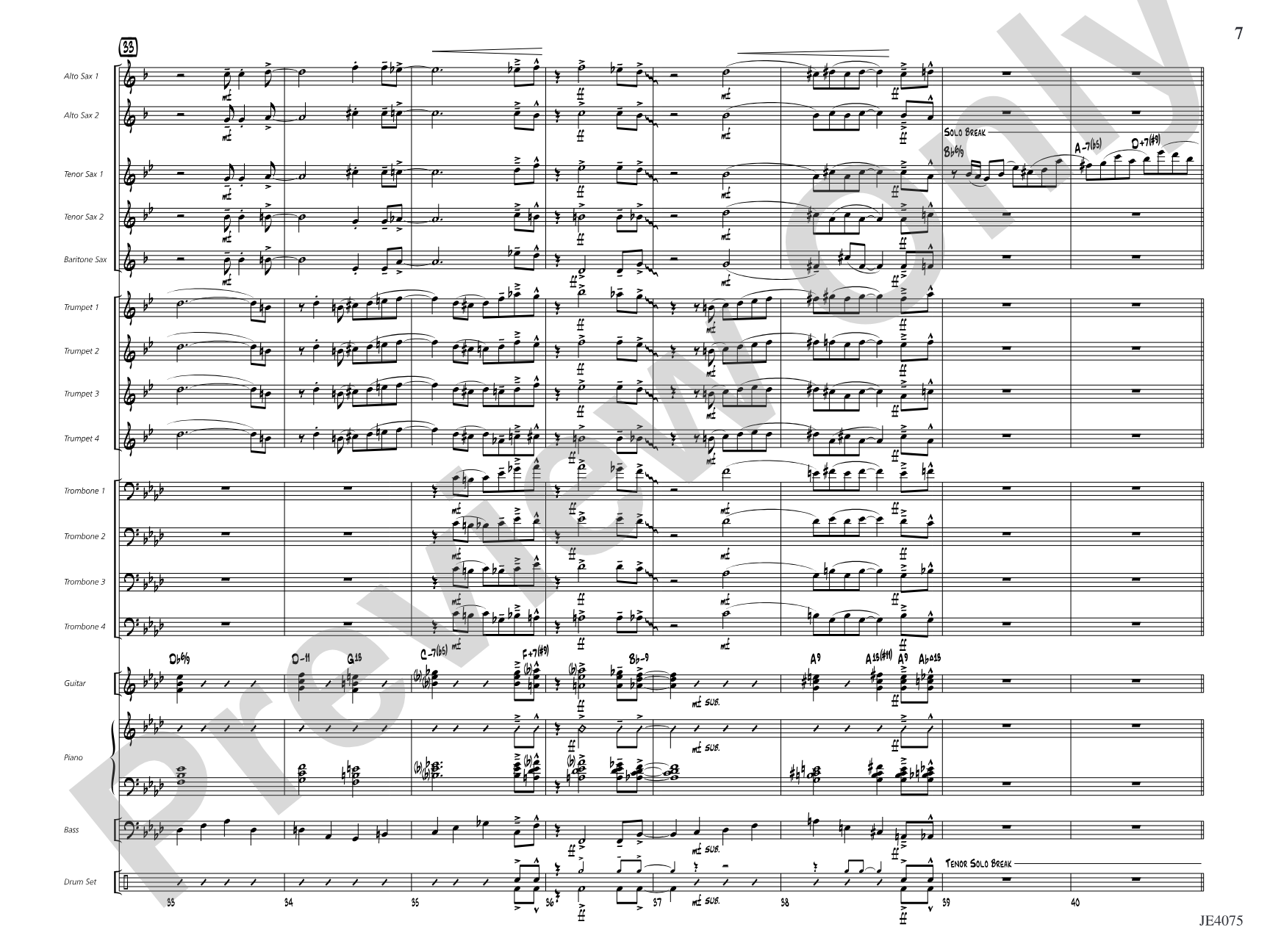
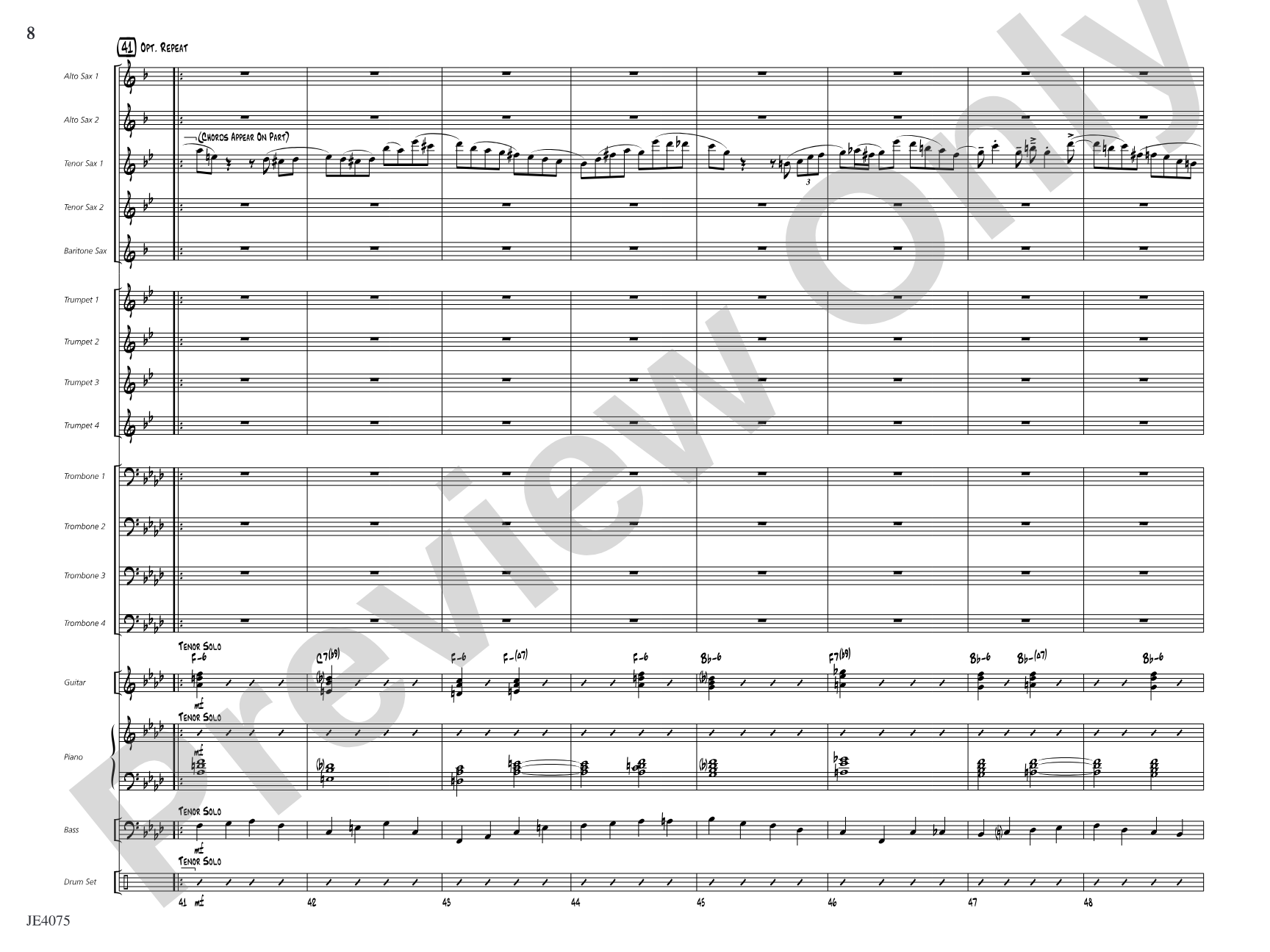
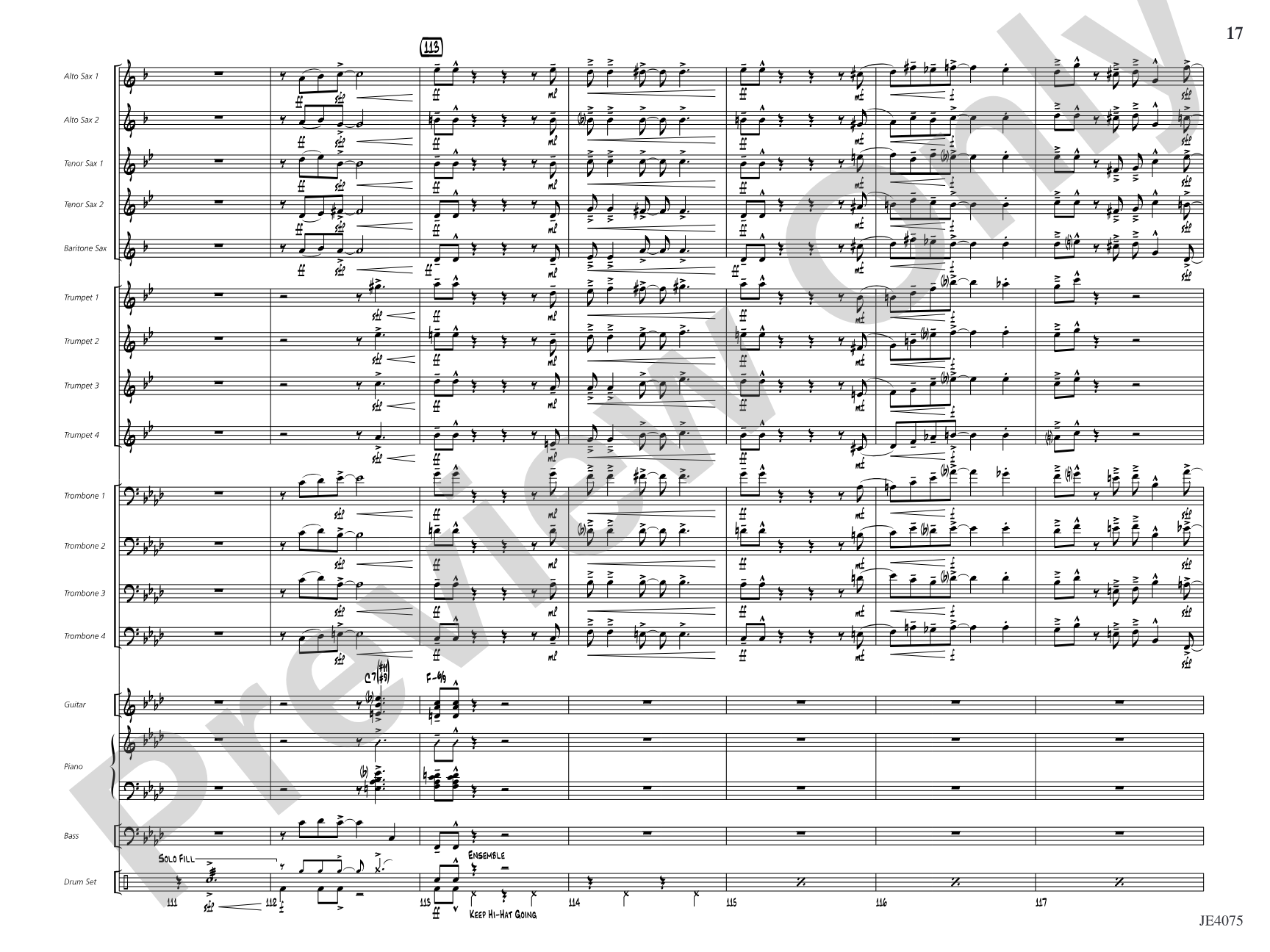
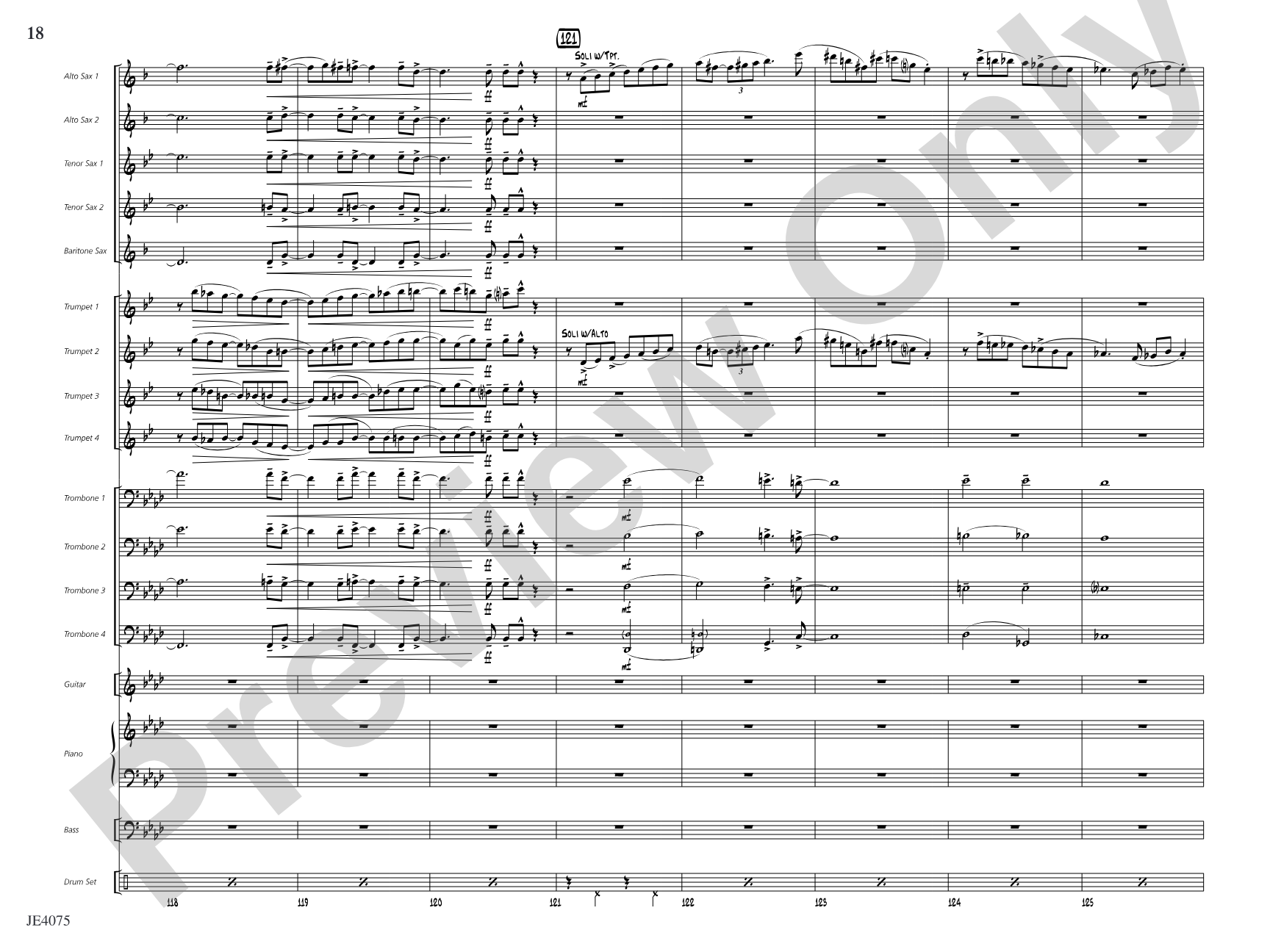
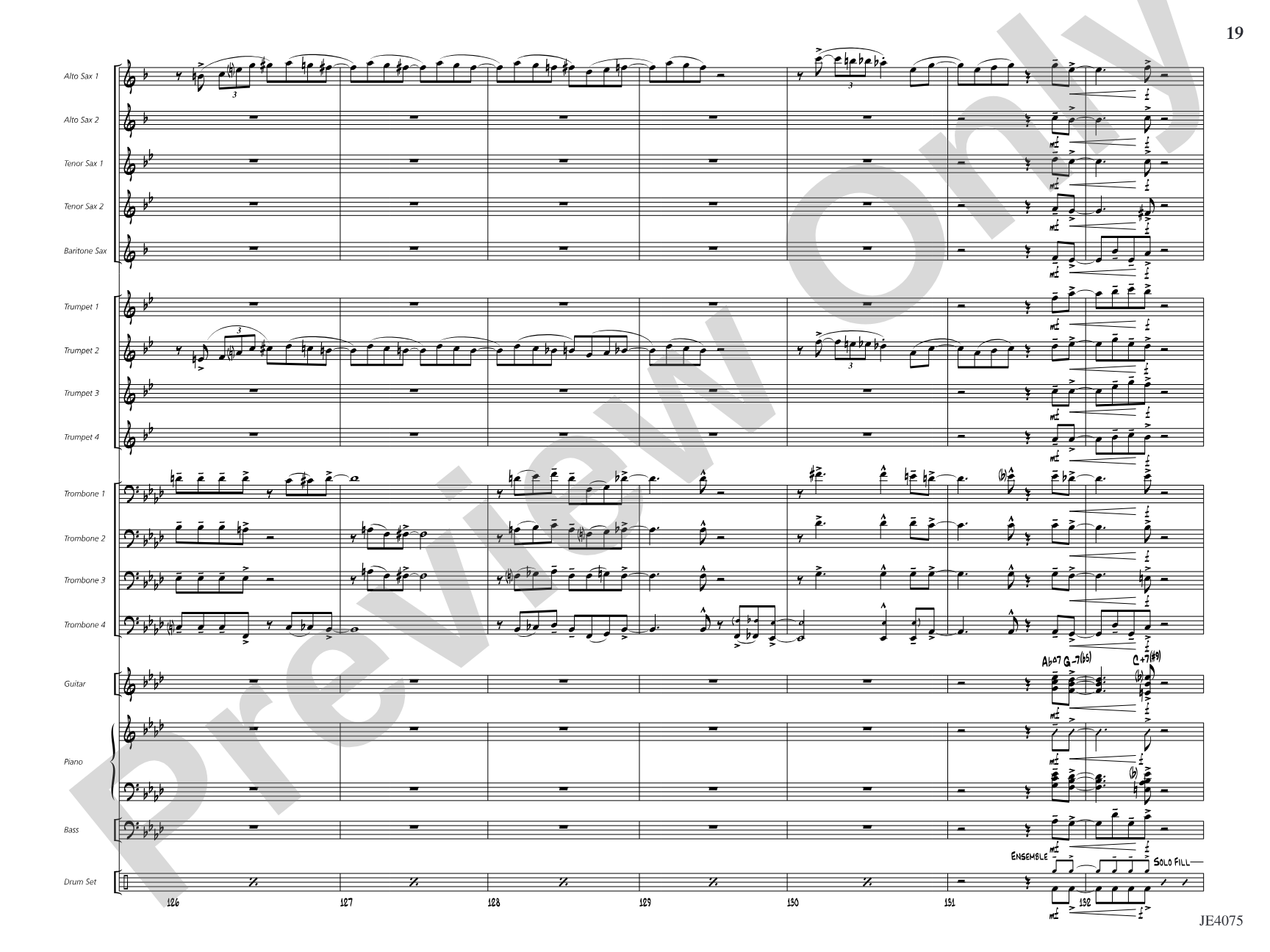
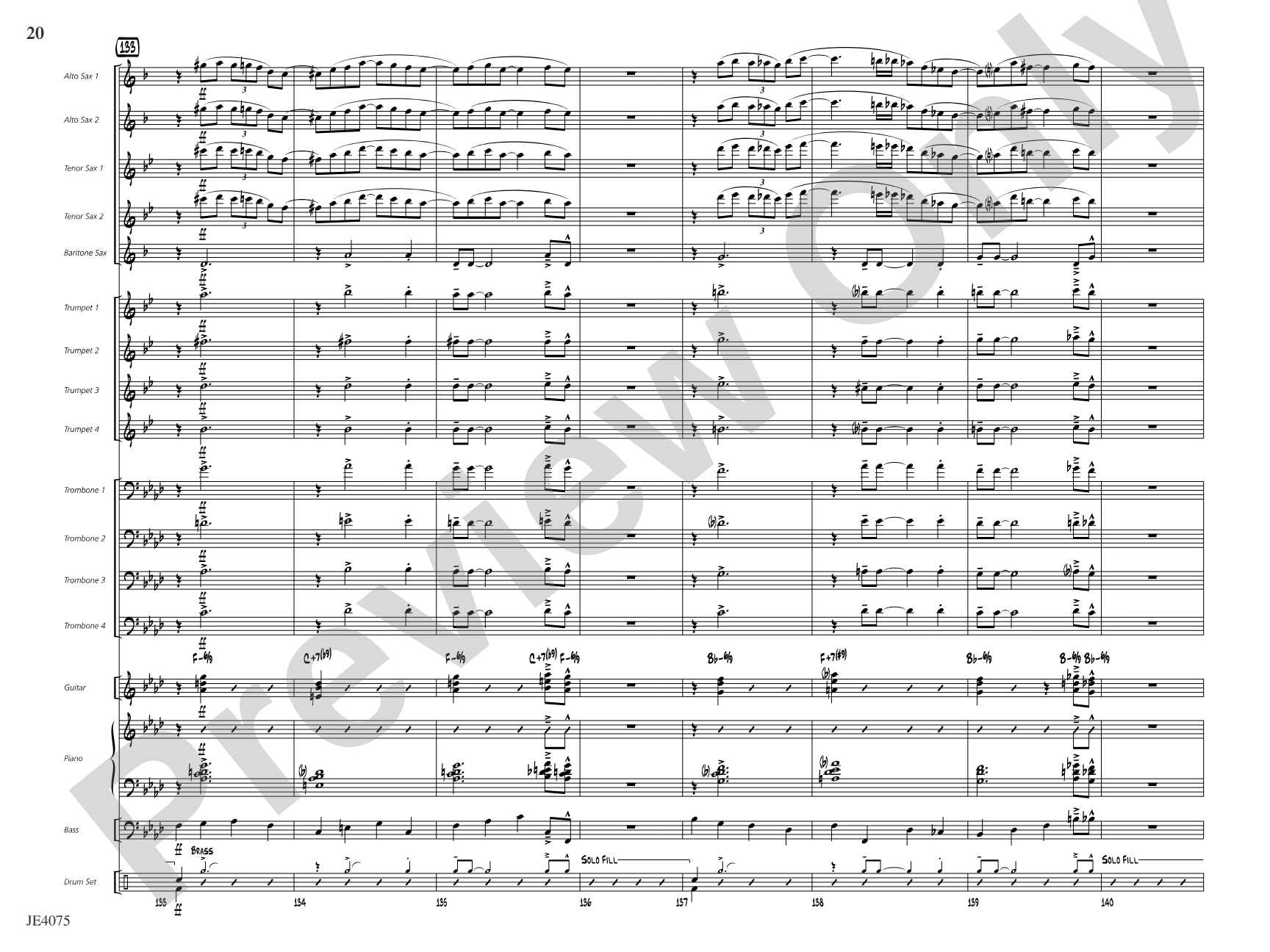
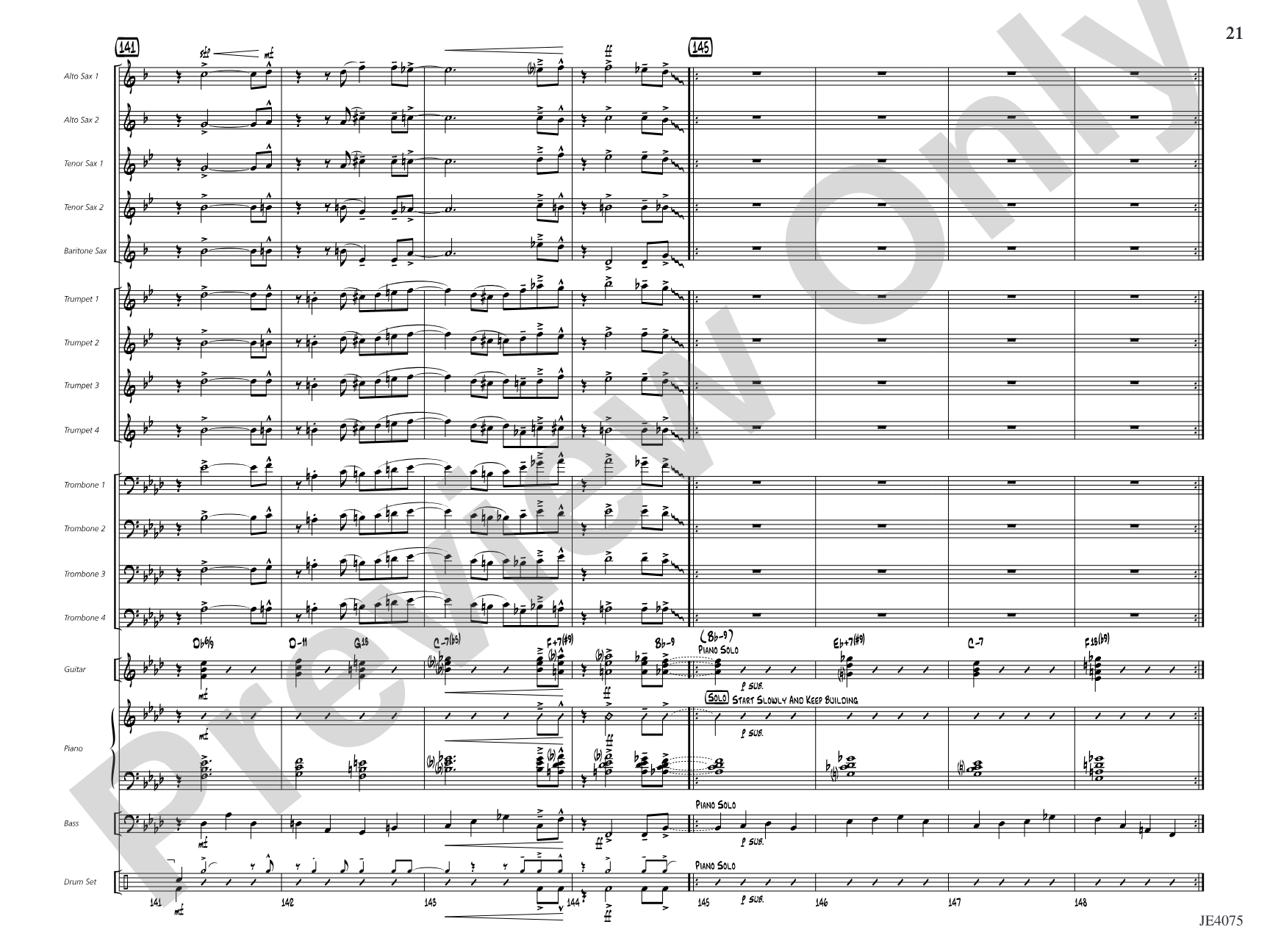
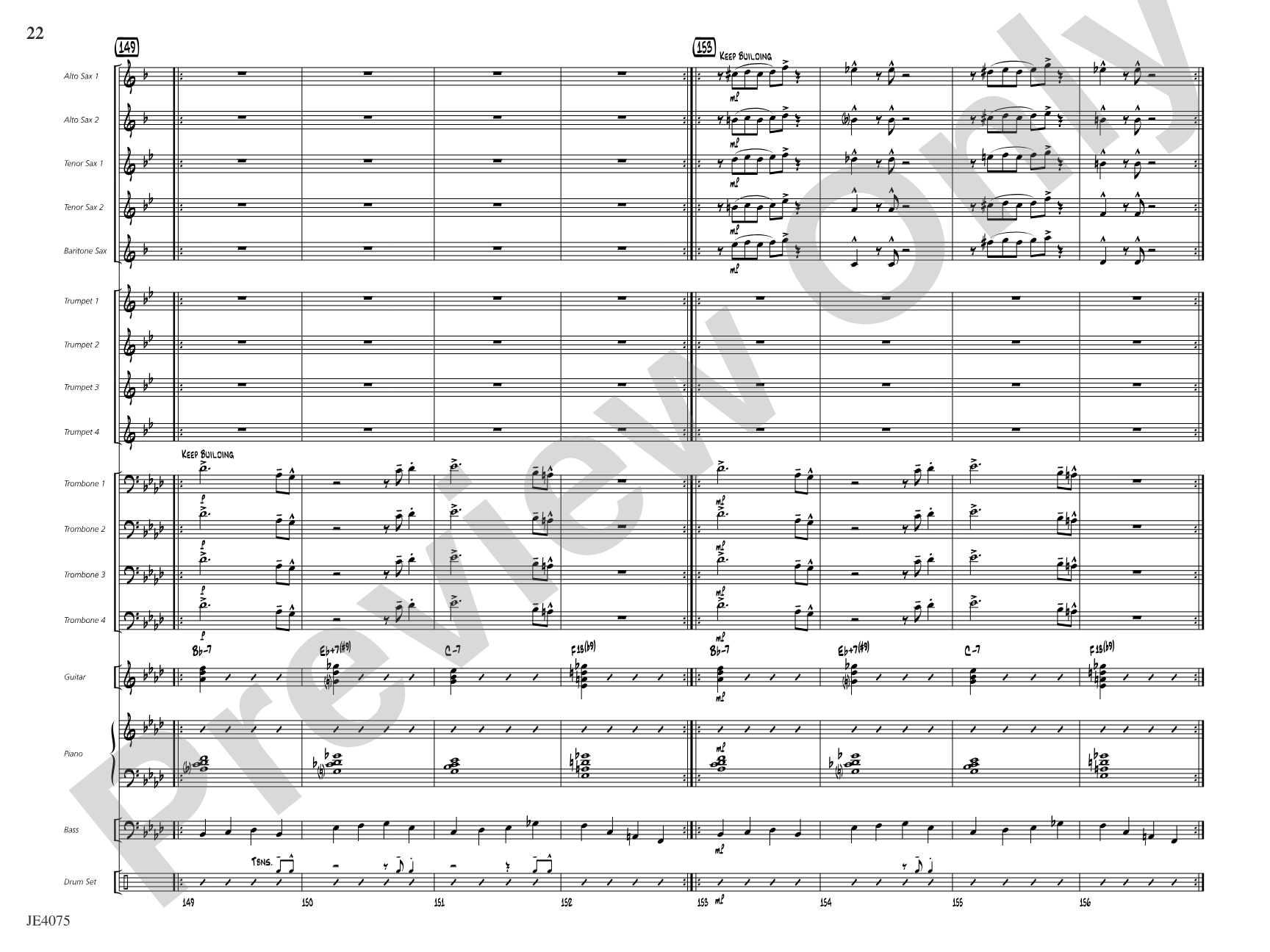
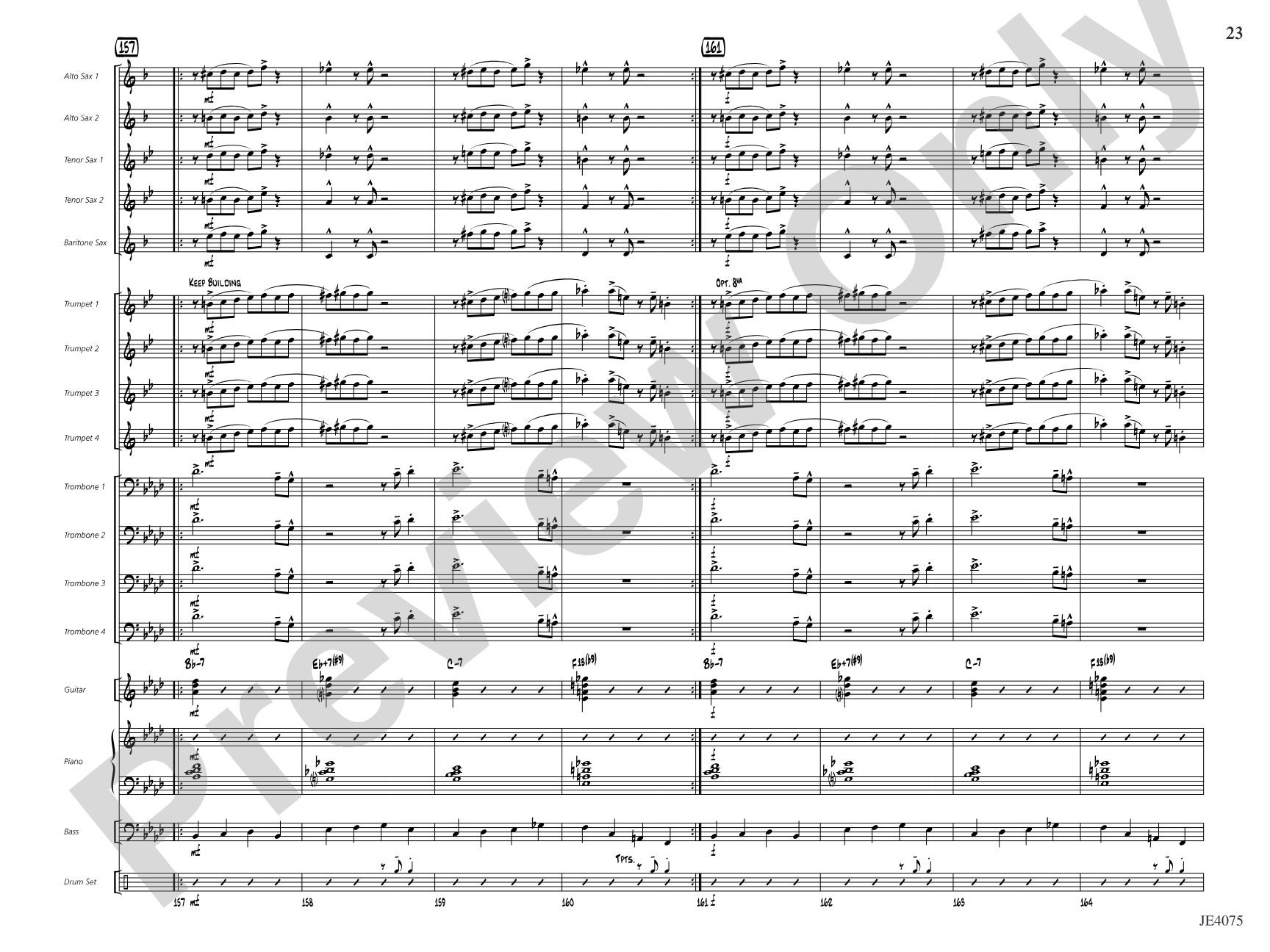
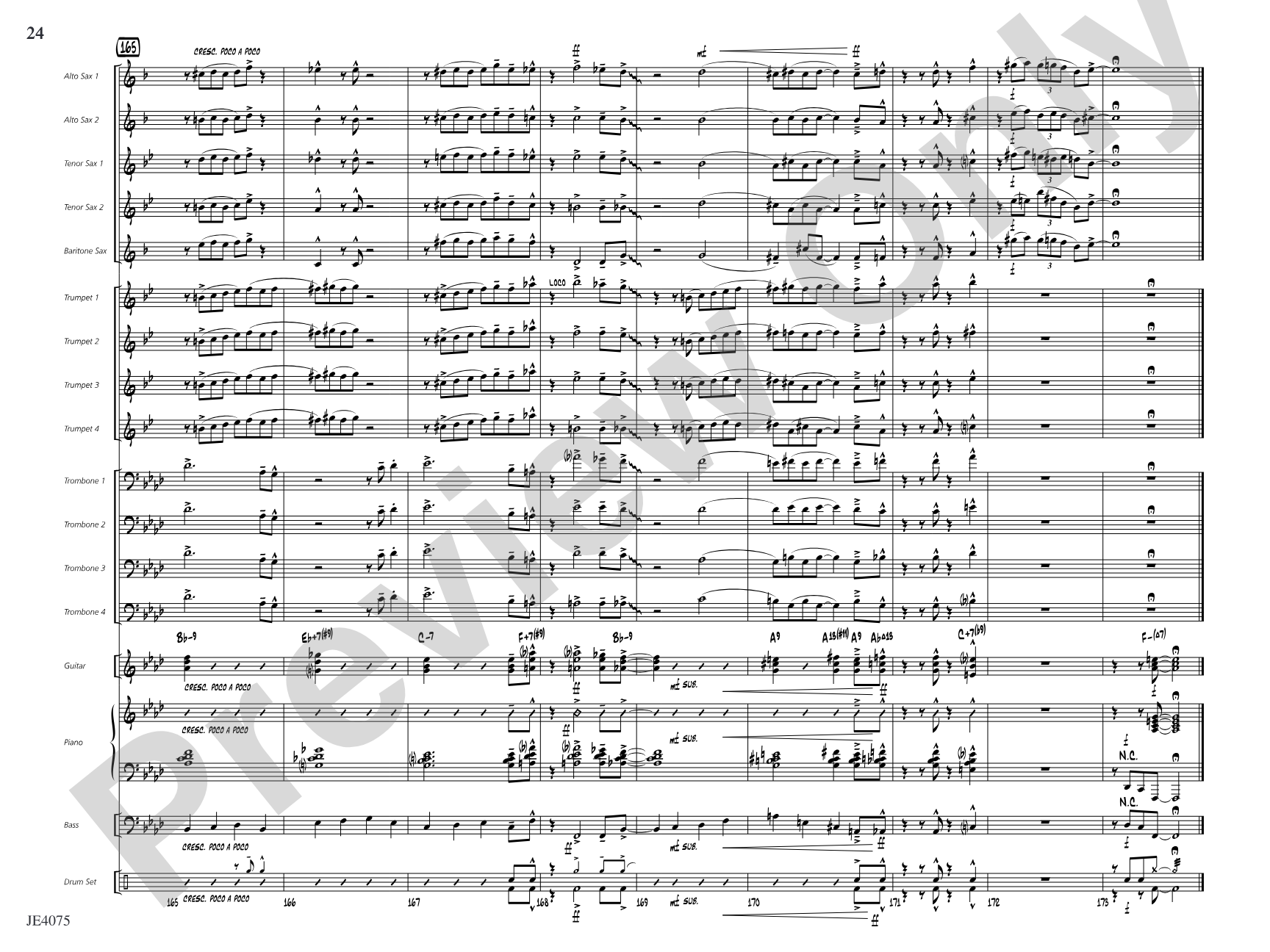

Quiscalus Quiscula: Jazz Ensemble Conductor Score & Parts
By Rob Vuono Jr.
Grade: 4
Item: 98-DJE4075
$50.00
Pickup currently not available
Buy Extra Parts (Digital PDF Download)
| Product | Price | Quantity |
|---|---|---|
| Quiscalus Quiscula: Score | $6.00 | |
| Quiscalus Quiscula: Alto Sax 1 | $7.00 | |
| Quiscalus Quiscula: Alto Sax 2 | $7.00 | |
| Quiscalus Quiscula: Tenor Sax 1 | $7.00 | |
| Quiscalus Quiscula: Tenor Sax 2 | $7.00 | |
| Quiscalus Quiscula: Baritone Sax | $7.00 | |
| Quiscalus Quiscula: Trumpet 1 | $7.00 | |
| Quiscalus Quiscula: Trumpet 2 | $7.00 | |
| Quiscalus Quiscula: Trumpet 3 | $7.00 | |
| Quiscalus Quiscula: Trumpet 4 | $7.00 | |
| Quiscalus Quiscula: Trombone 1 | $7.00 | |
| Quiscalus Quiscula: Trombone 2 | $7.00 | |
| Quiscalus Quiscula: Trombone 3 | $7.00 | |
| Quiscalus Quiscula: Trombone 4 | $7.00 | |
| Quiscalus Quiscula: Guitar Chord Guide | $7.00 | |
| Quiscalus Quiscula: Guitar | $7.00 | |
| Quiscalus Quiscula: Piano | $7.00 | |
| Quiscalus Quiscula: Bass | $7.00 | |
| Quiscalus Quiscula: Drum Set | $7.00 |
Parts Added to Cart!
Description
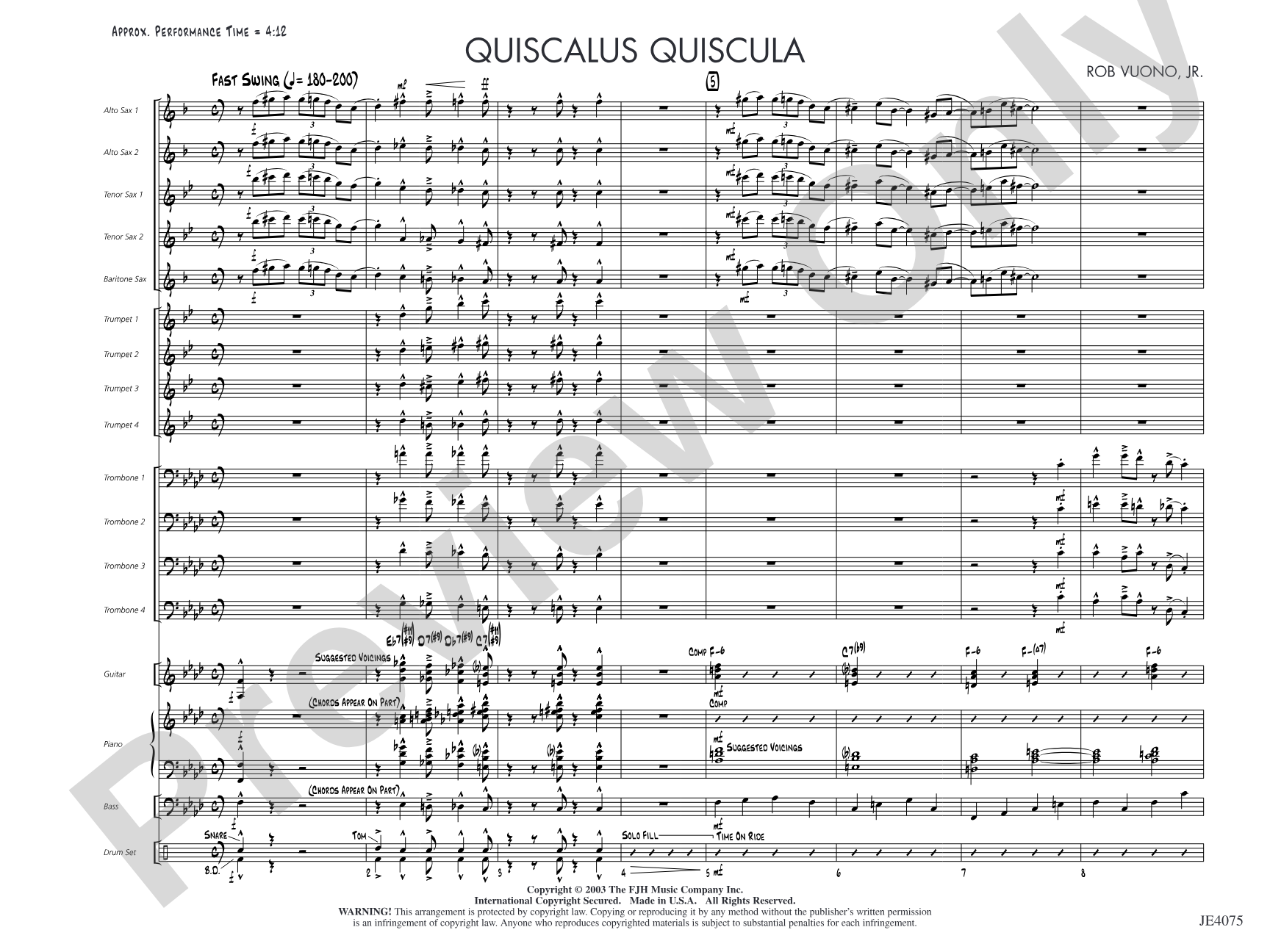
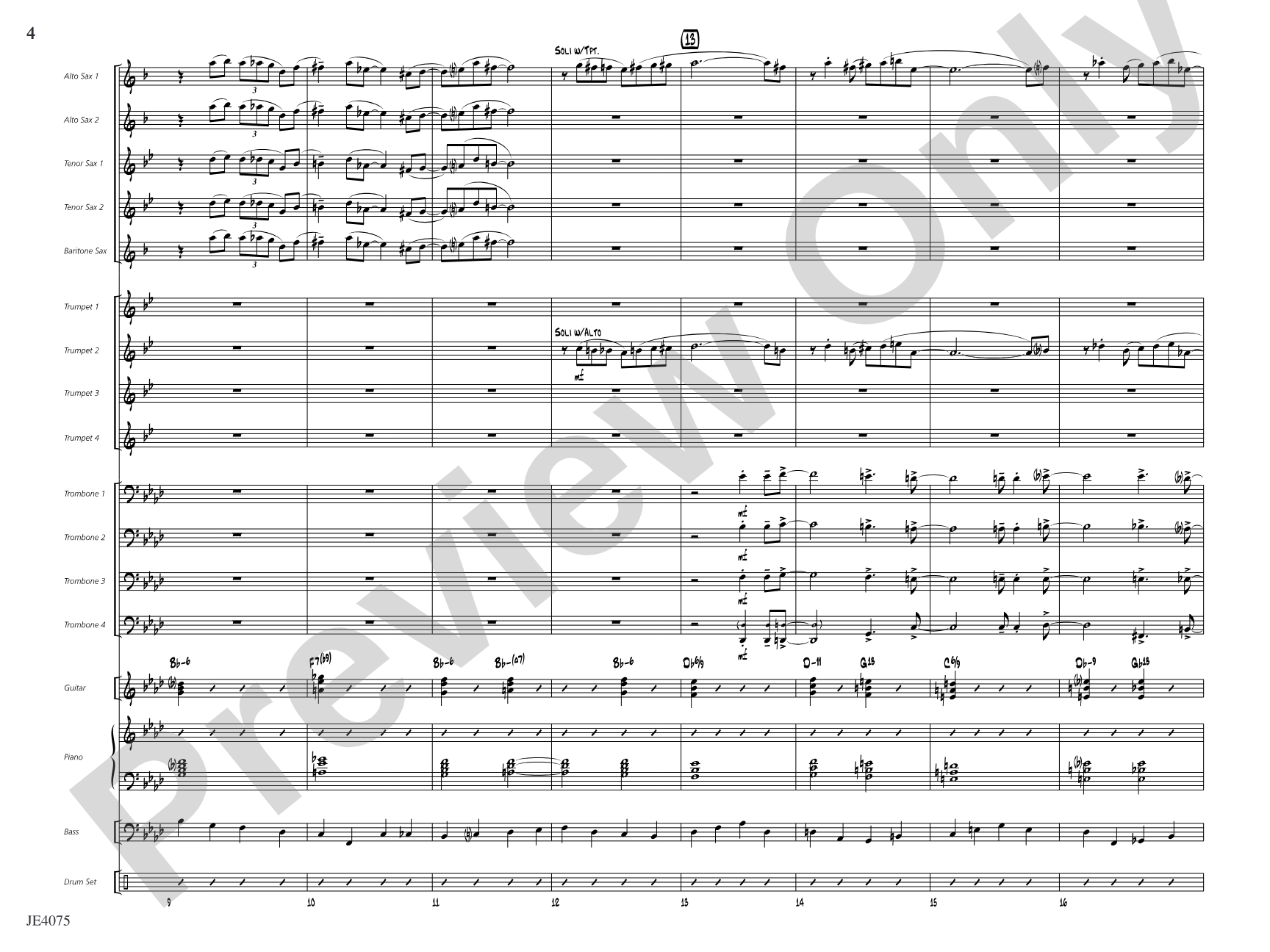
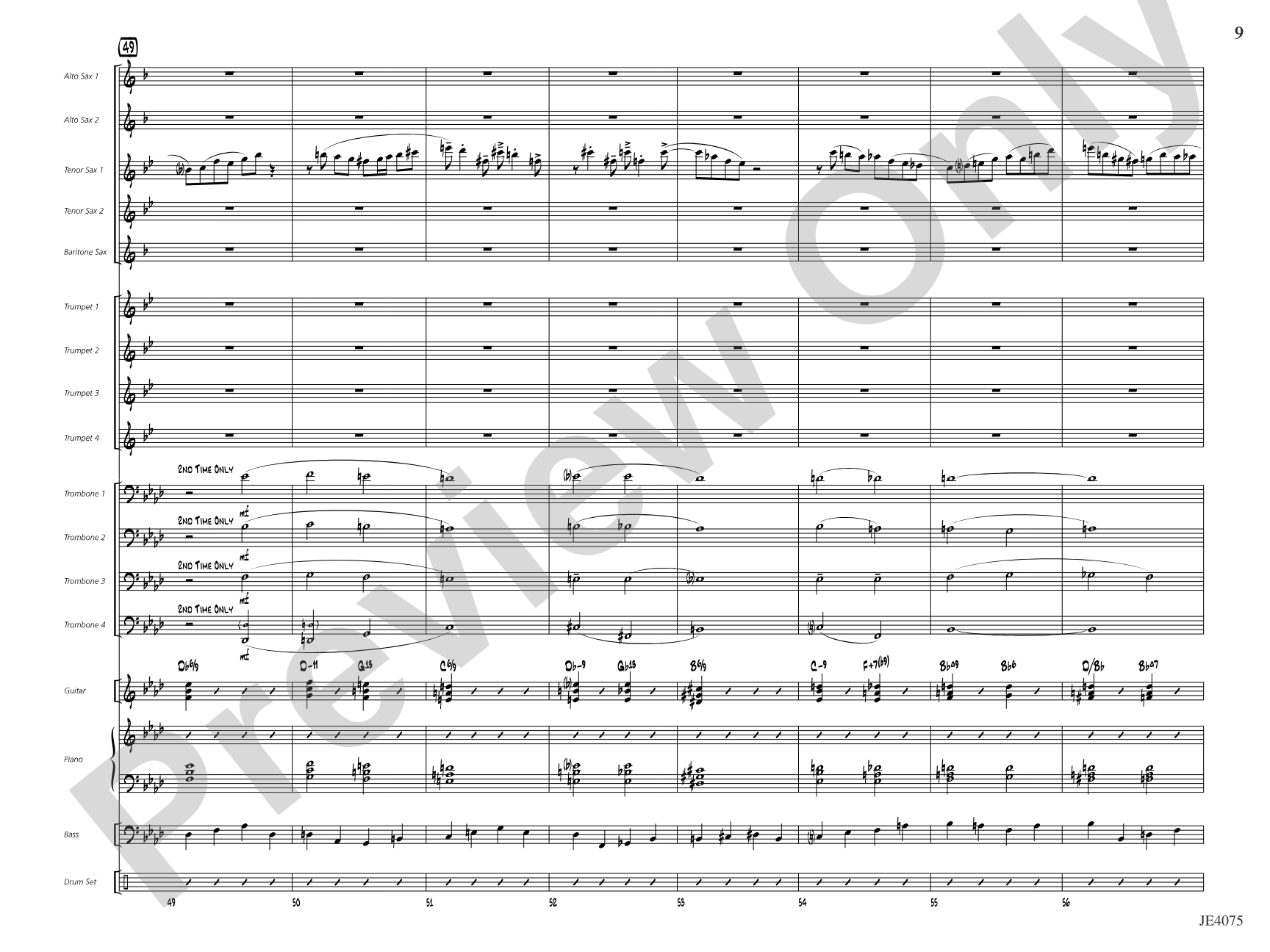
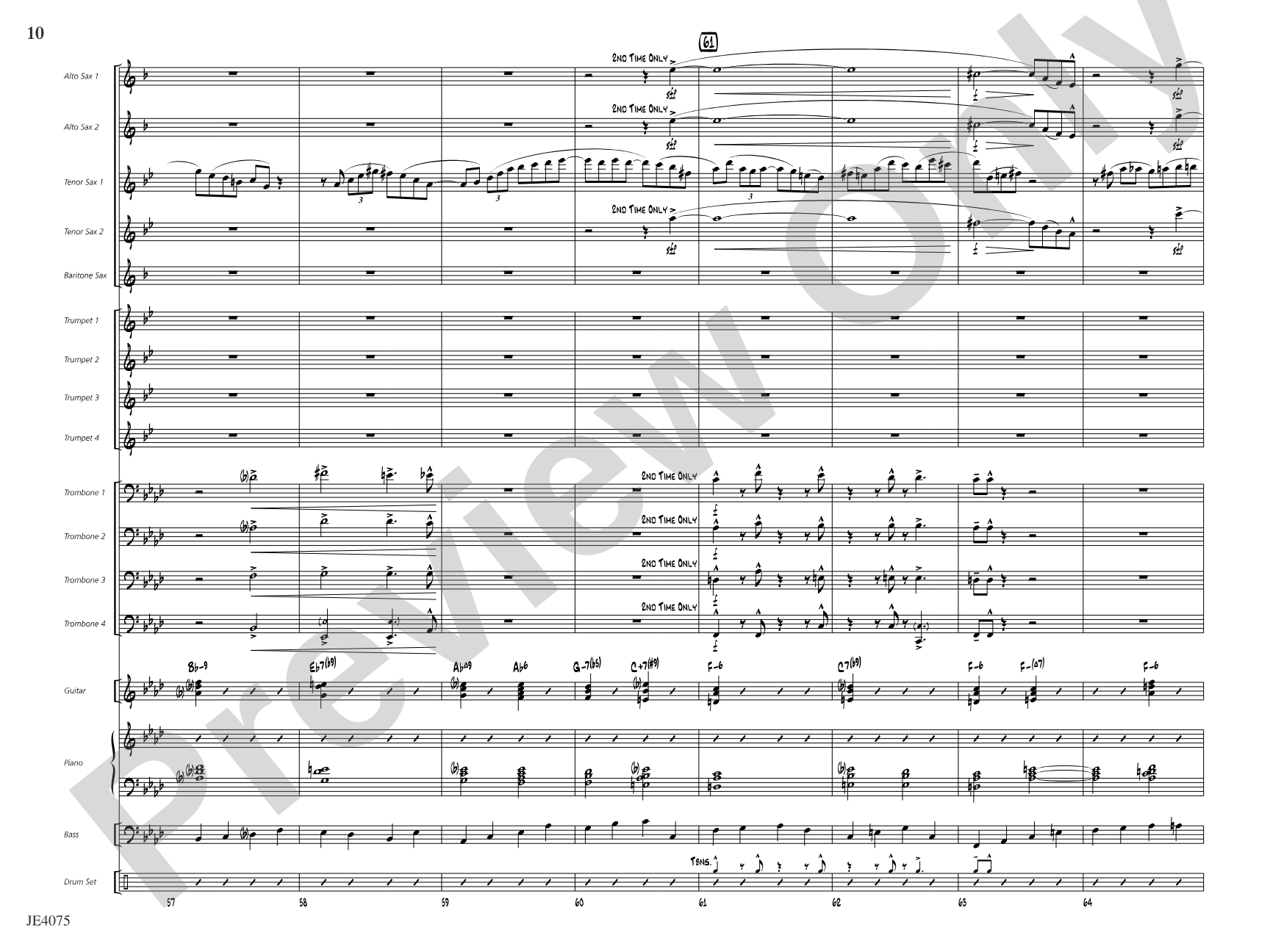
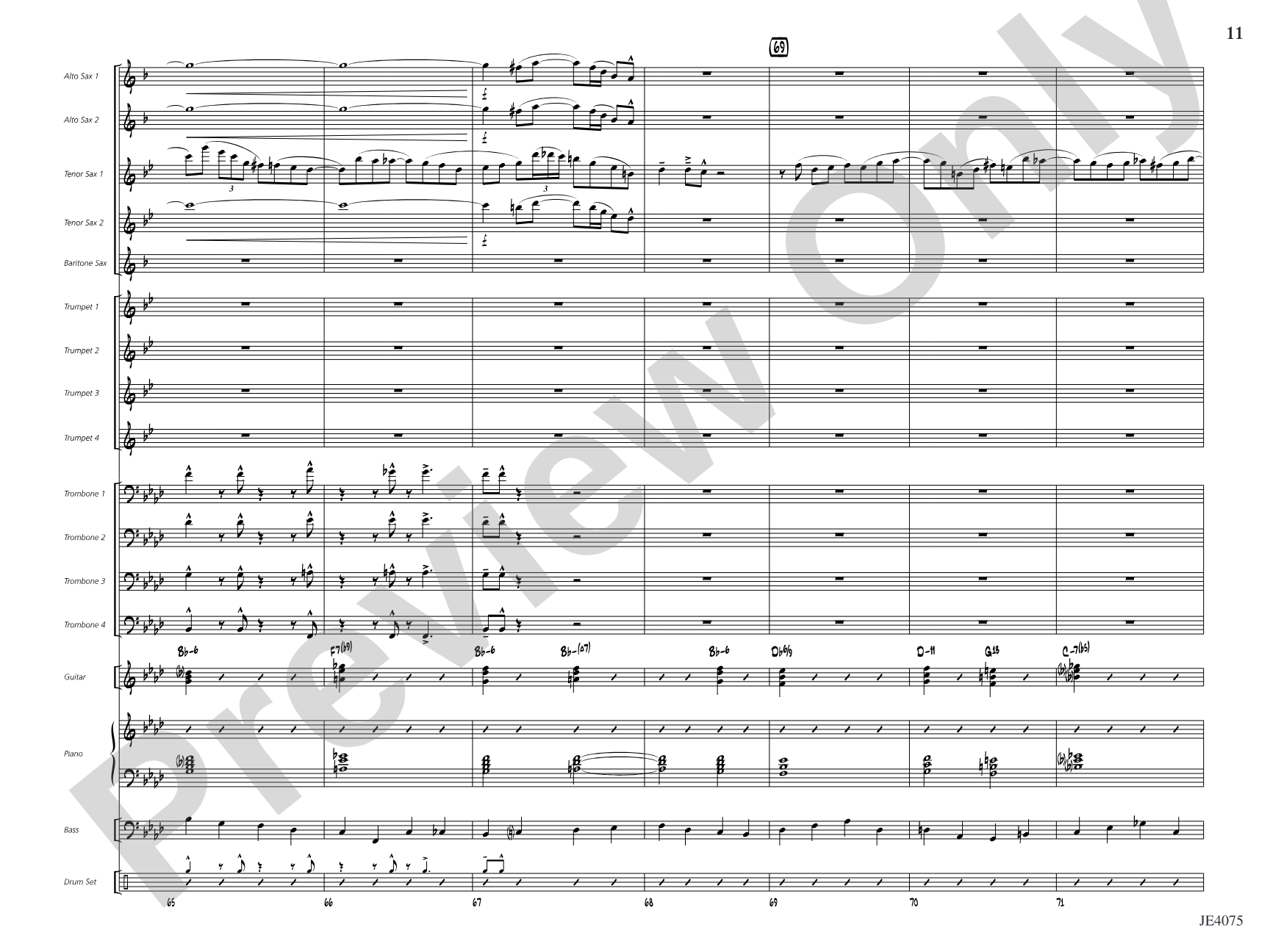
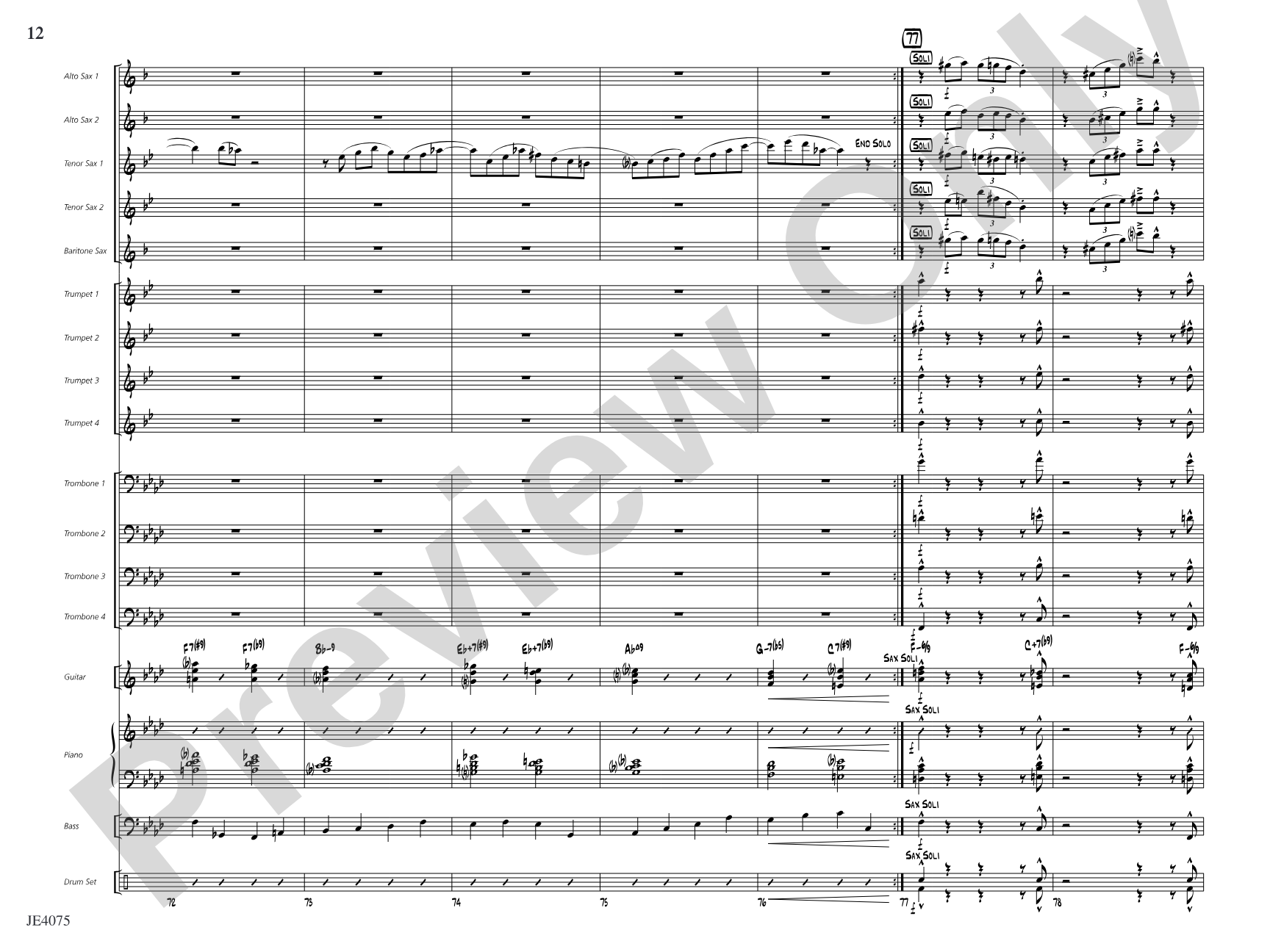
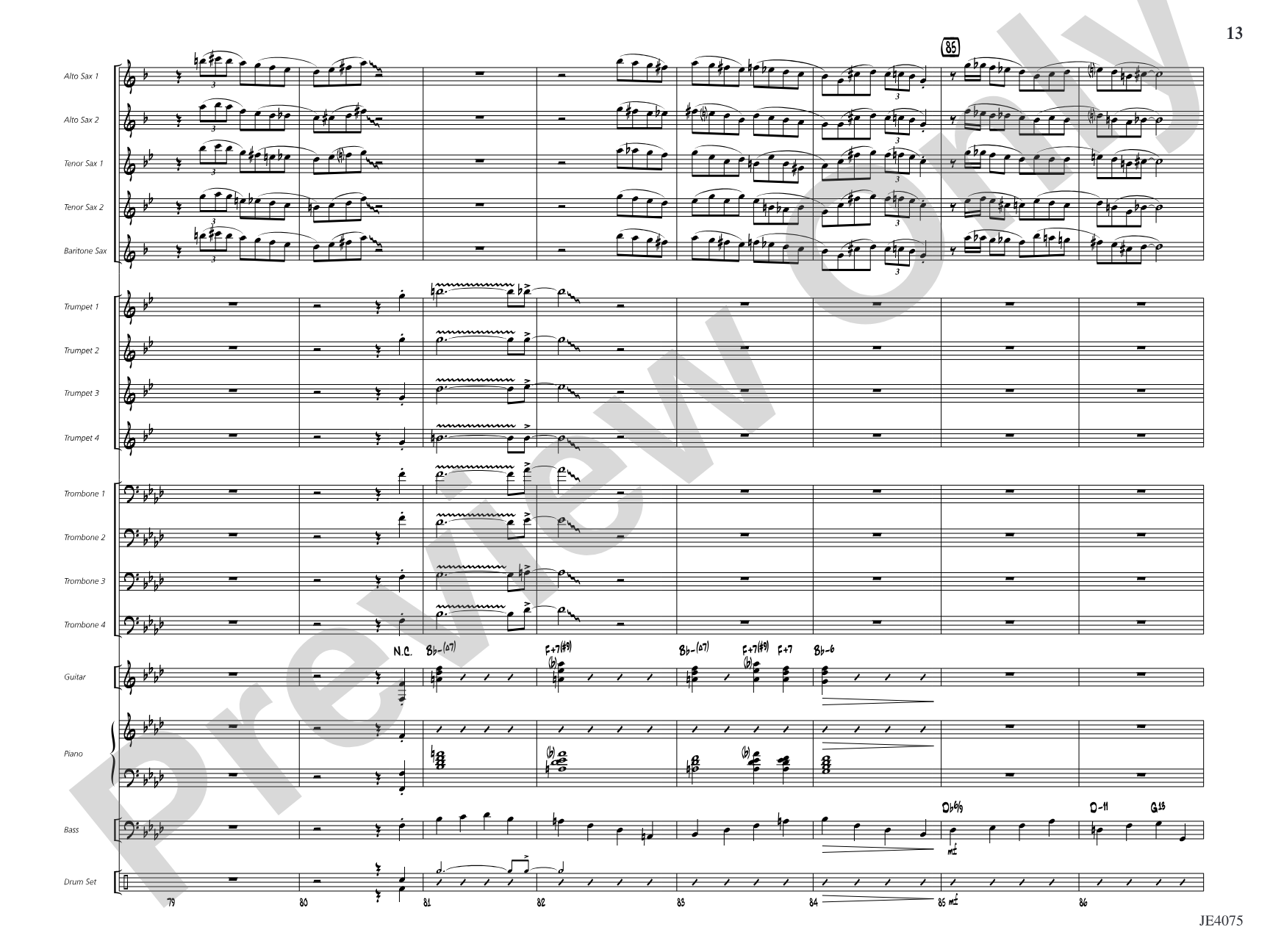
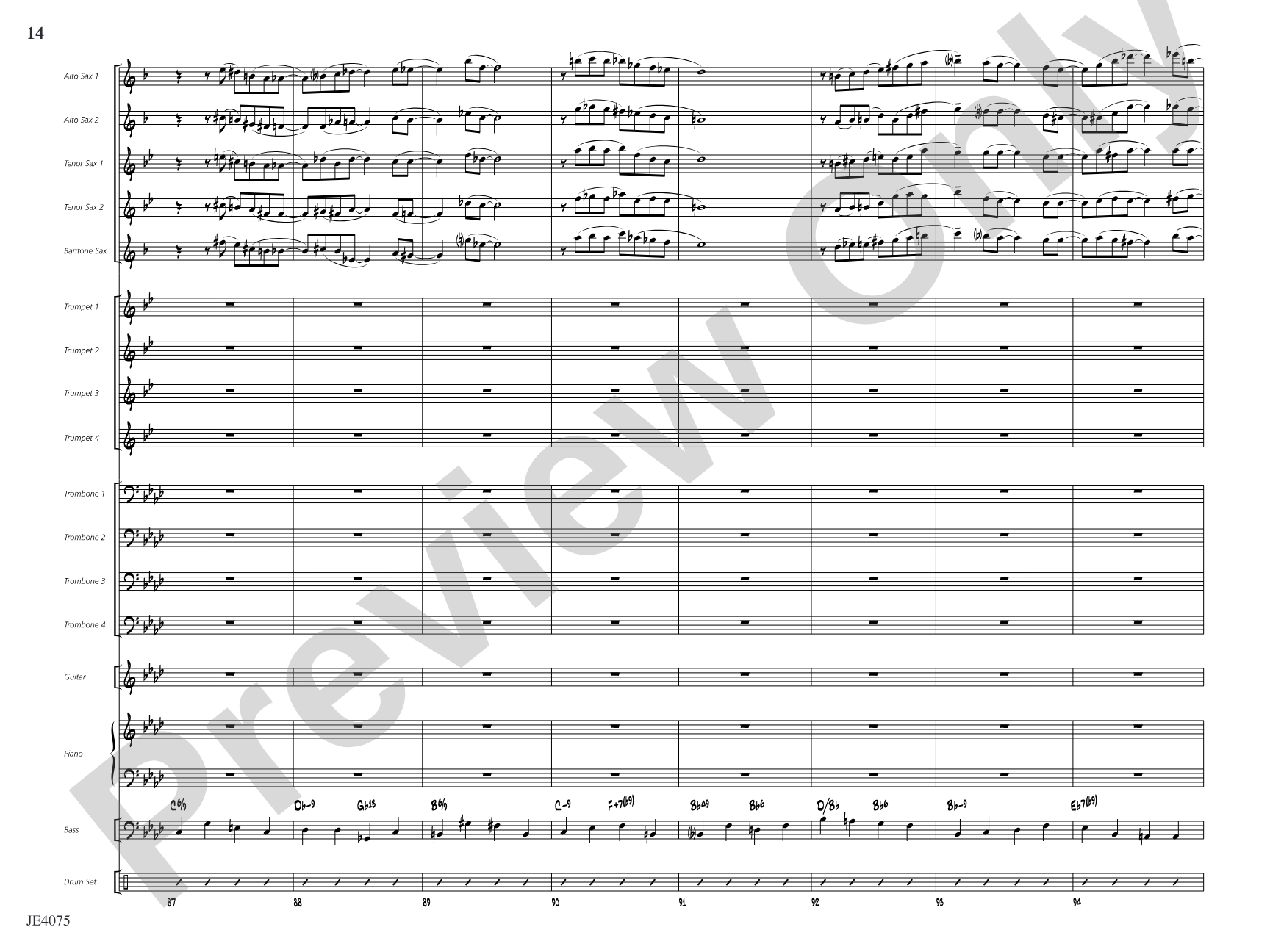
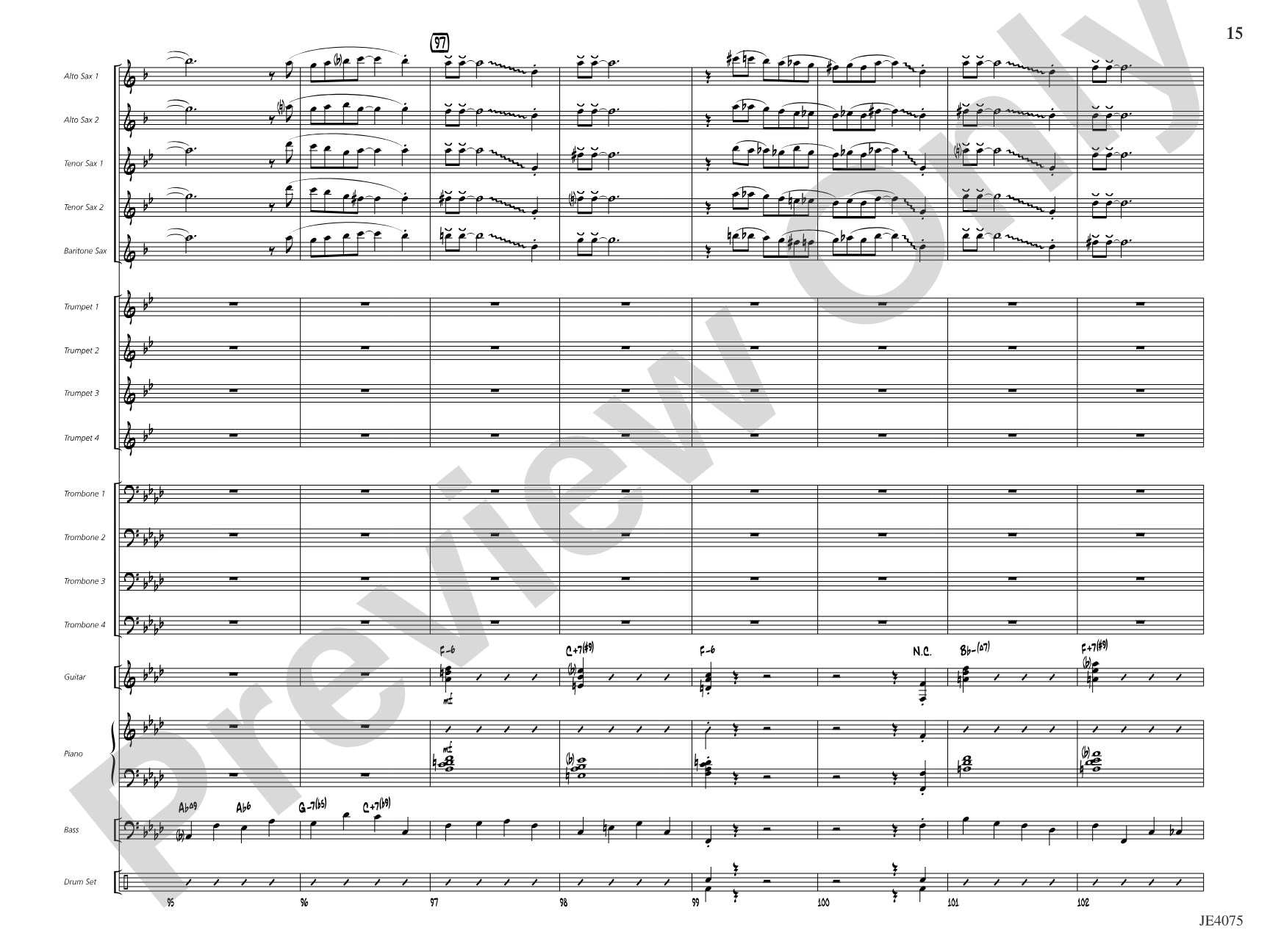
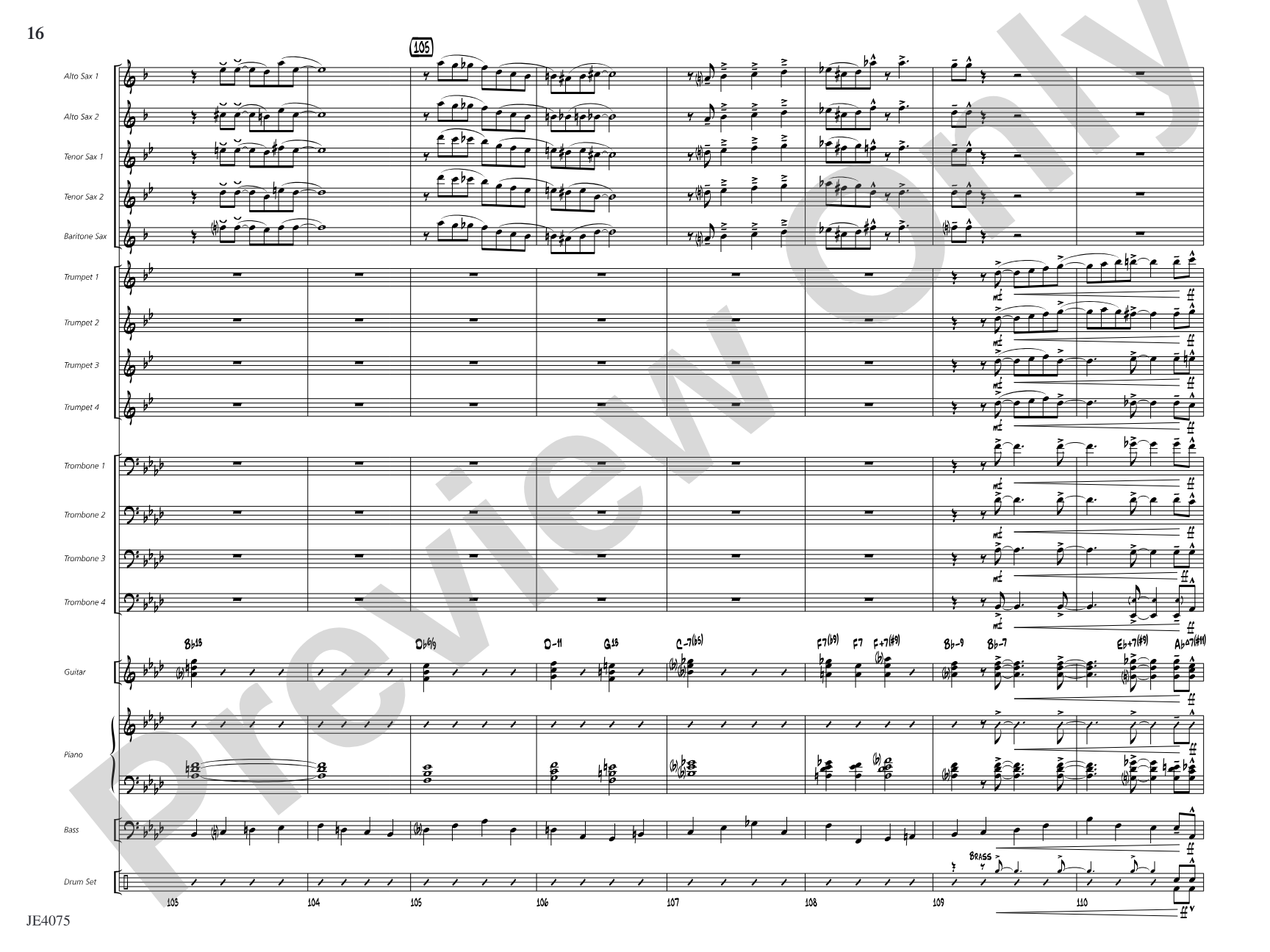
This fast swing chart from Rob Vuono features melodic and harmonic writing at its best. Even at this grade level, Rob has provided suggested voicings for the rhythm section. Tenor sax has an optional written solo before a sax soli. An a cappella section is ideal to work on the timing of the horns without rhythm before a vamp kicks in, building to the end. Great writing!


Quiscalus Quiscula: Jazz Ensemble Conductor Score & Parts isn't in MakeMusic Cloud just yet...but it could be. Let us know you'd like to see it, and you'll help shape what comes next. In the meantime, start a free trial and dive into thousands of interactive titles your students can play along with today.
Request This Title
Tell us you want it.
Start Your Free Trial
Explore everything that's ready to play right now.
Sample Audio
1
Audio File
--:--
0:00
0:00
Sample Video
No sample videos found.
Additional Details
Series:
FJH Advanced Jazz Ensemble
Publisher:
The FJH Music Company, Inc.
SKU:
98-DJE4075
More about this title
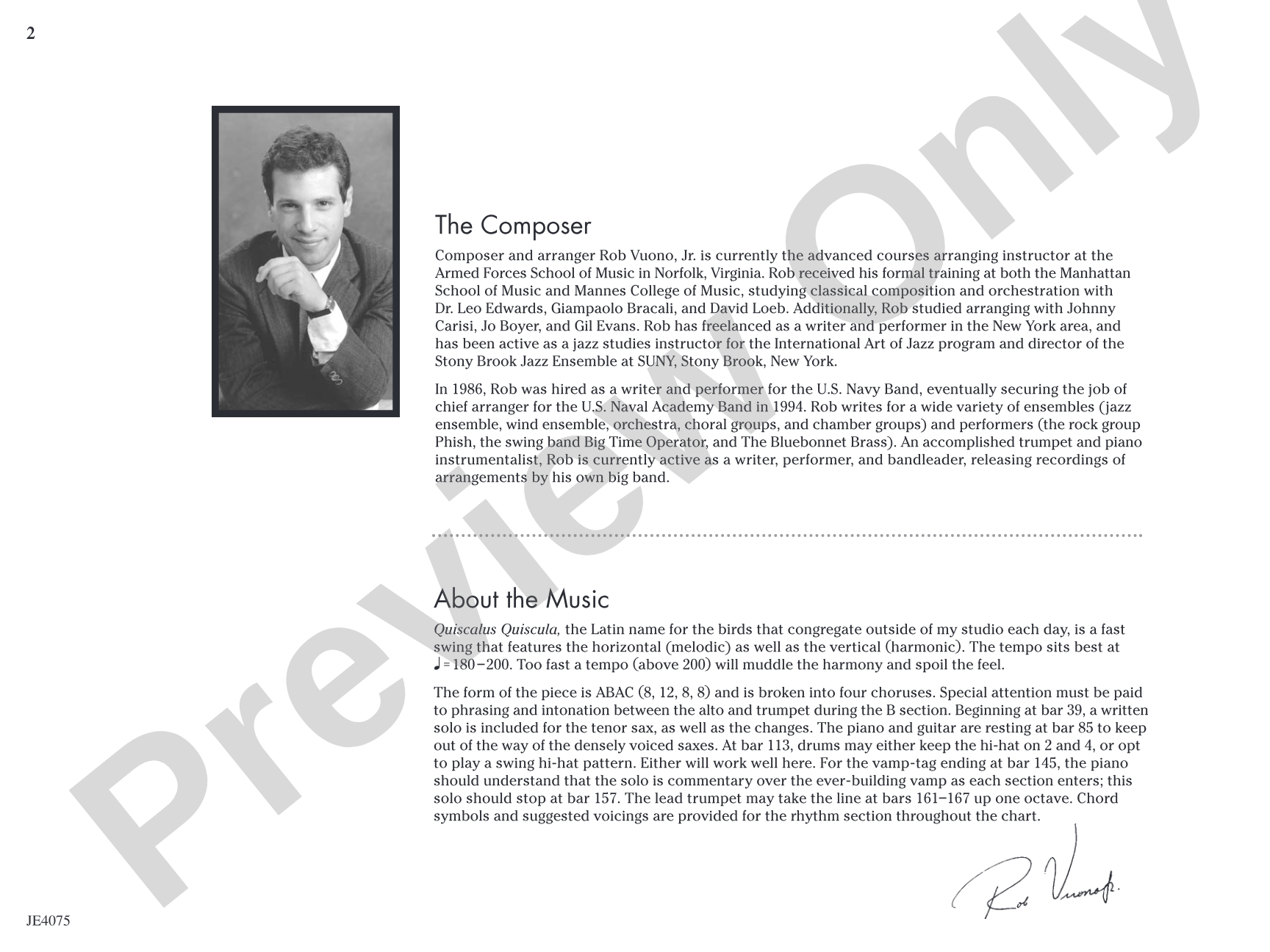
About the Composer: Rob Vuono Jr.
Rob Vuono Jr. is a composer and arranger whose work appears regularly in the FJH Advanced Jazz Ensemble series. His charts balance accessibility with musical substance, giving student ensembles the chance to play genuinely engaging repertoire without overwhelming them technically.
Why we love this
Rob's approach to Grade 4 writing respects the ensemble's capabilities while refusing to simplify the harmony. The suggested voicings for rhythm section parts show how much pedagogical thought went into this chart, and the structural arc from a cappella horn section through sax soli to a driving vamp gives conductors natural rehearsal waypoints and real dramatic payoff.
What to expect
Propulsive and sophisticated. The swing feel moves with real groove, and the melodic content sings over harmonies that feel substantial without becoming burdensome. The journey from the stripped-down a cappella moment to the full ensemble vamp creates genuine musical narrative.
Who it's for
Jazz ensembles at the Grade 4 level who have solid fundamentals and are ready for more sophisticated harmonic language and structural variety. This chart works for experienced high school jazz bands or college jazz ensembles playing at a more relaxed difficulty level.
How to get the most out of it
- Use the a cappella section to lock the horn section's internal balance and cut without any rhythmic safety net. Once that sounds cohesive, bringing in the rhythm section will feel controlled rather than rushed.
- Build the vamp ending deliberately. Don't go to full volume immediately; let the intensity grow through repetition and dynamic layering so the final climax lands with purpose.
- Prepare the tenor sax soloist thoroughly on the optional written solo. Even if a student eventually improvises, having the written version secure gives everyone confidence in the form.
- Balance the sax soli section so the voicing clarity shines. The combined saxophone section needs to blend as one unit, not four competing lines.
How to use it
This charts as a strong mid-set number on a jazz concert, offering enough complexity to show the ensemble's musicality without derailing pacing. It also pairs well with simpler swing standards as part of a set that demonstrates range in harmonic sophistication across the same groove style.
Skills your students will build
- Trading and balancing within sax section voicings
- Maintaining ensemble tuning and balance over a 12-bar vamp
- Rhythmic independence in the a cappella horn section without rhythm section support
- Optional improvisation and solo form interpretation (tenor sax)
- Reading and responding to suggested chord voicings in rhythm section parts