
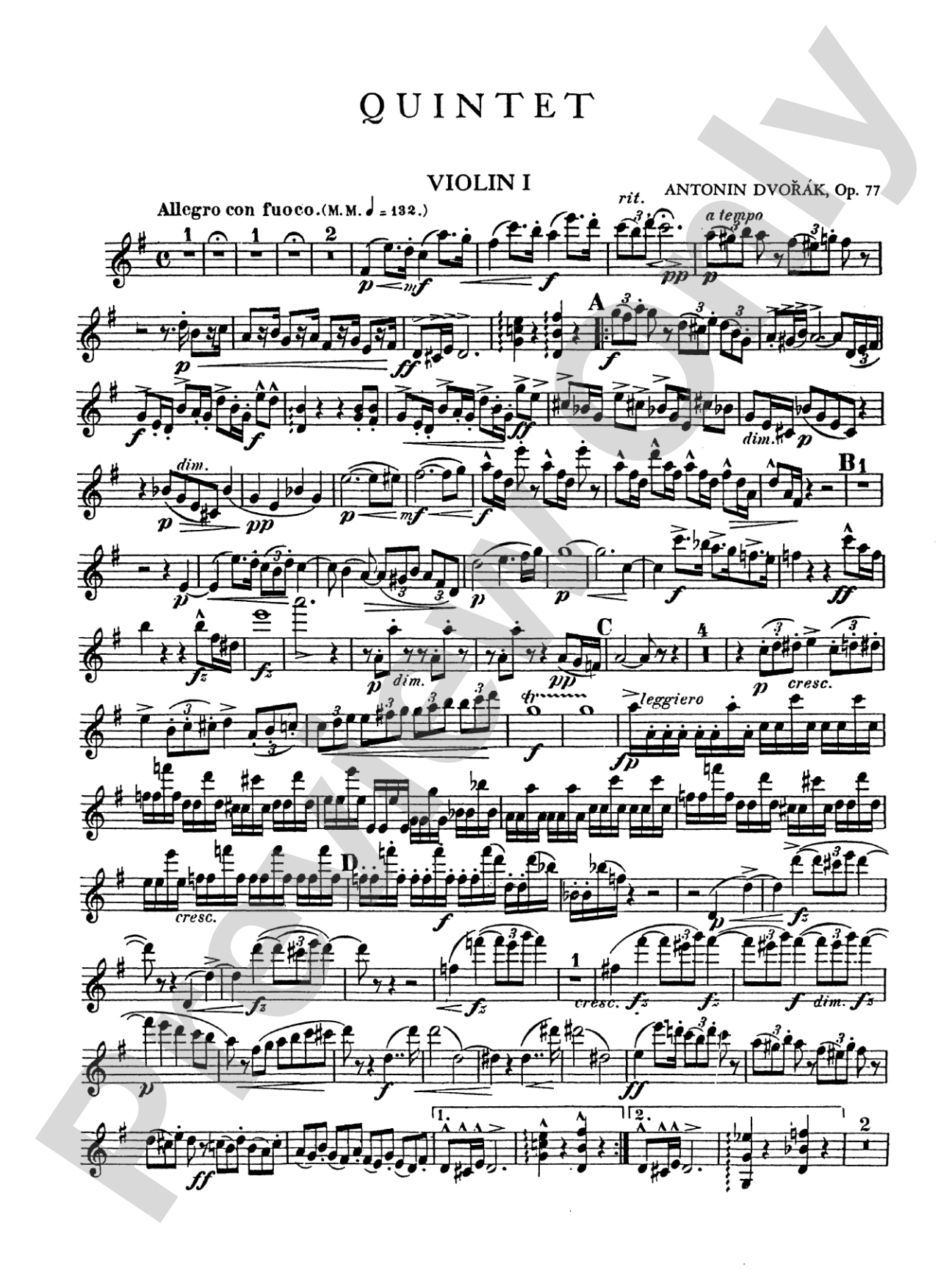
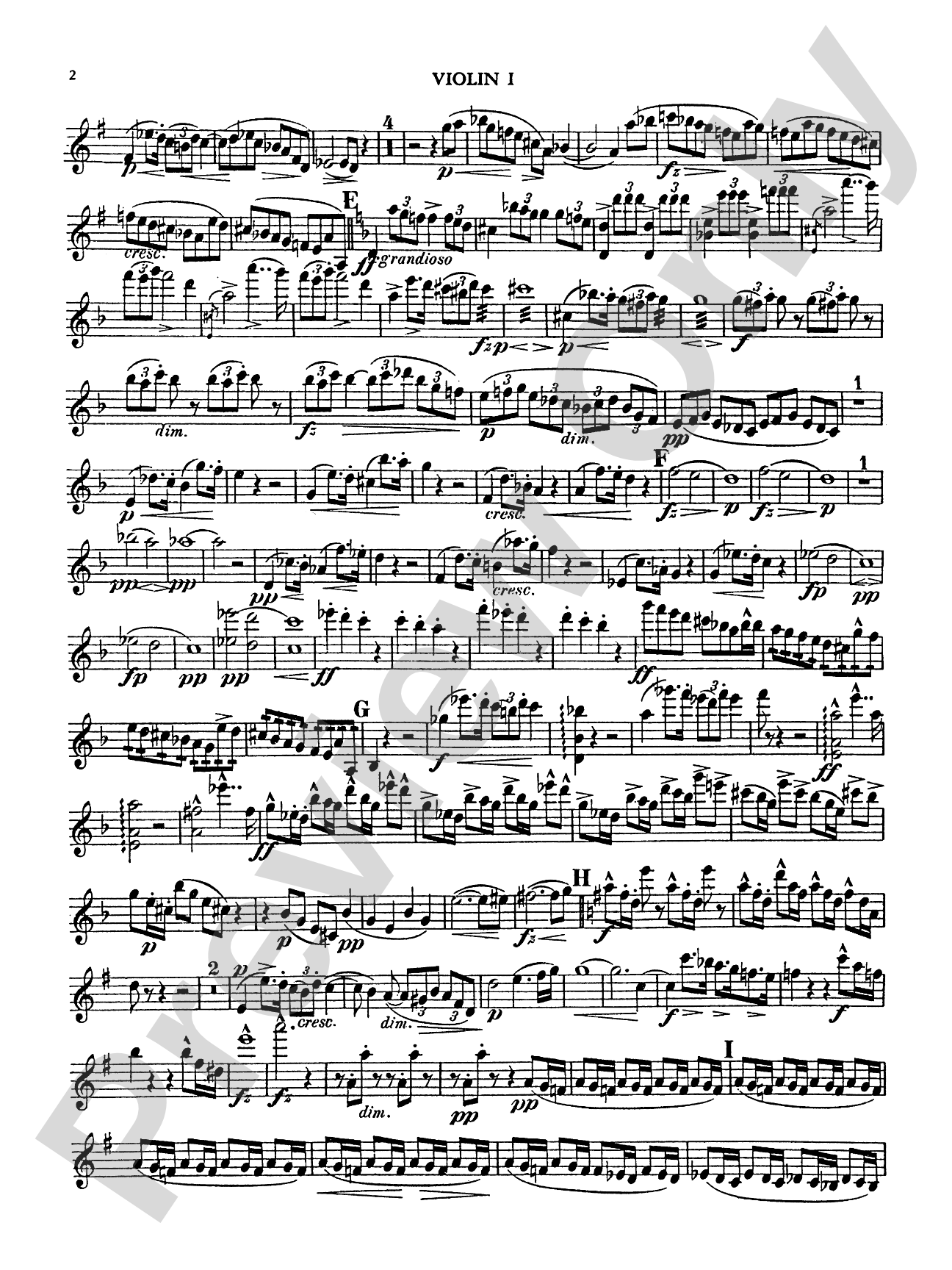
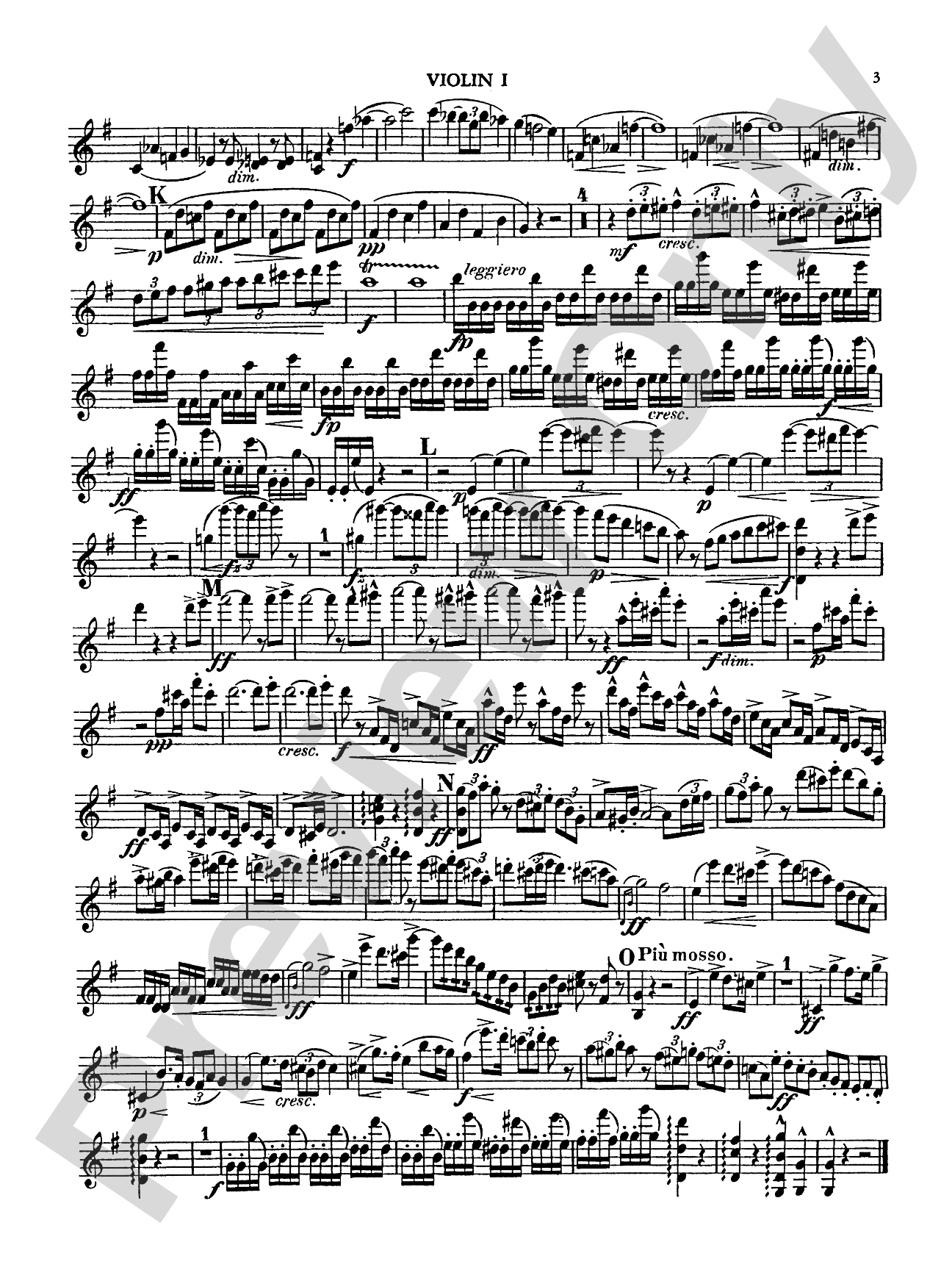

Quintet in G Major, Op. 77: 1st Violin
For Two Violins, Viola, Cello and Bass
By Antonín Dvorák
Item: 00-PC-0002538_VN1
$3.00
Pickup currently not available
Description
A string quartet for two violins, viola, cello and bass composed by Antonin Dvorák.


Don't just read it, hear it, play along with it, and watch your students grow with it. In MakeMusic Cloud, Quintet in G Major, Op. 77: 1st Violin comes alive with professional accompaniment, adjustable tempo, and built-in practice tools that turn solo practice into real progress.
Open in the Player
Jump straight in and assign it today.
Start Your Free Trial
Open this title and explore the full library in minutes.
Sample Audio
No sample audio found.
Sample Video
No sample videos found.
Additional Details
Series:
Kalmus Edition
Publisher:
Alfred Music
Page Count:
60
SKU:
00-PC-0002538_VN1
More about this title
About the Composer: Antonin Dvorák
Antonín Dvořák (1841-1904) stands as one of the nineteenth century's most prolific and celebrated composers, bridging Romantic lyricism with the formal architecture of the Classical tradition. A Czech nationalist who drew deeply from folk music and dance rhythms, Dvořák achieved international renown during his lifetime, serving as director of the National Conservatory of Music in New York and composing works that ranged from symphonies and concertos to intimate chamber music. His chamber works, including nine string quartets and five string quintets, represent some of the most rewarding and substantive repertoire available to advanced string ensembles.
The String Quintet in G Major, Op. 77 exemplifies Dvořák's gift for combining lyrical melody with structural sophistication. Written for two violins, viola, cello, and bass, this five-movement work demands ensemble maturity while offering performers the satisfaction of navigating Romantic harmony and texture with genuine artistry. For advanced high school and collegiate ensembles, this quintet serves as a gateway to authentic chamber music literature.
Why we love this
This quintet strikes the rare balance of being a major work in the standard repertoire while remaining genuinely rewarding to rehearse with students. The five-movement structure gives shape and purpose to rehearsals, and the added bass part creates textural possibilities that differ markedly from the standard string quartet sound. Ensembles working up this piece will emerge with a much deeper understanding of Romantic voice-leading and orchestral color.
What to expect
Lyrical and expansive, with the warmth and introspection characteristic of Dvořák's chamber writing. The added viola and bass create a richer harmonic and textural palette than a quartet alone, producing a sound world that feels both intimate and orchestral. Moments of dance-like vigor offset periods of genuine tenderness.
Who it's for
Advanced high school string ensembles and collegiate chamber groups ready to tackle substantial Romantic-era literature will find this quintessential. Performers should possess secure intonation, independence in their parts, and comfort reading at a moderately advanced level. This work suits ensembles preparing for chamber music competitions and festivals.
How to get the most out of it
- Balance the two violin parts carefully in the opening theme. The first violin carries the primary melodic line, but the second violin's countermelody must be audible without overwhelming the overall phrase shape.
- Pay attention to the interplay between the bass and cello in passages where they move independently. Their rhythmic coordination is essential to ensemble cohesion, particularly in faster movements.
- Approach the slower movements with careful attention to vibrato control and dynamic shading. Dvořák's Romantic harmonies open up when players listen intently to vertical alignment rather than rushing ahead.
- Use the printed articulations and bowings as a guide, but allow room for adjustments based on your ensemble's acoustics. The Kalmus edition provides solid baselines; your own interpretation will refine them.
How to use it
This quintet works beautifully as the centerpiece of a chamber music recital, either programmed alongside lighter works or paired with another substantial piece from the Romantic period. For festival and competition settings, it demonstrates the kind of serious artistic engagement that adjudicators expect from advanced ensembles. Consider pairing it with a contemporary work or a Classical-era quartet to frame a complete chamber music concert.
Skills your students will build
- Reading and balancing five-part textures within a string ensemble
- Executing Romantic-era articulations and dynamic shadings across sustained passages
- Coordinating bass and cello parts to anchor harmonic progressions
- Managing intonation across extended harmonic movement and modulation
- Developing independent musicianship while listening intently to ensemble blend