
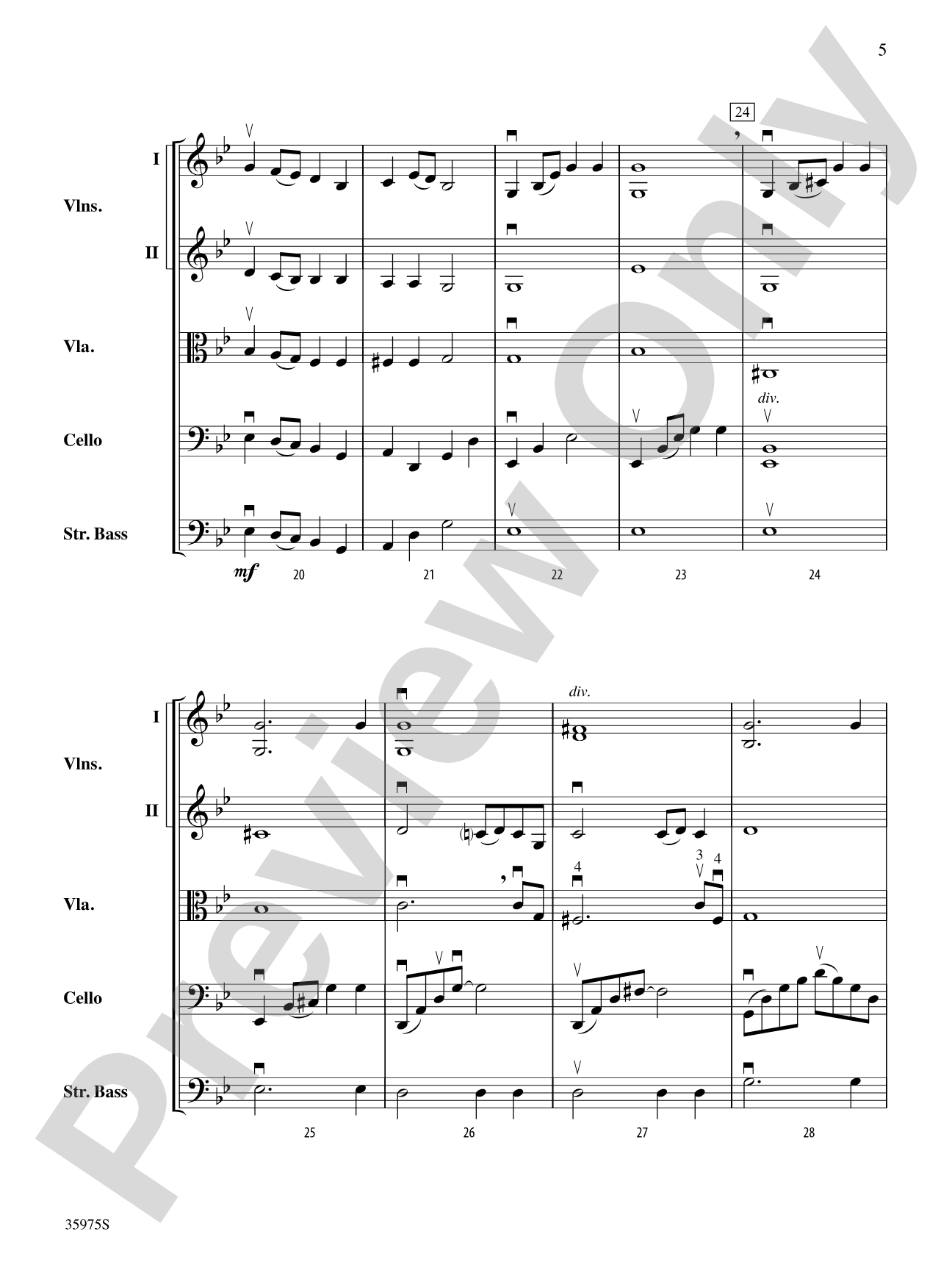
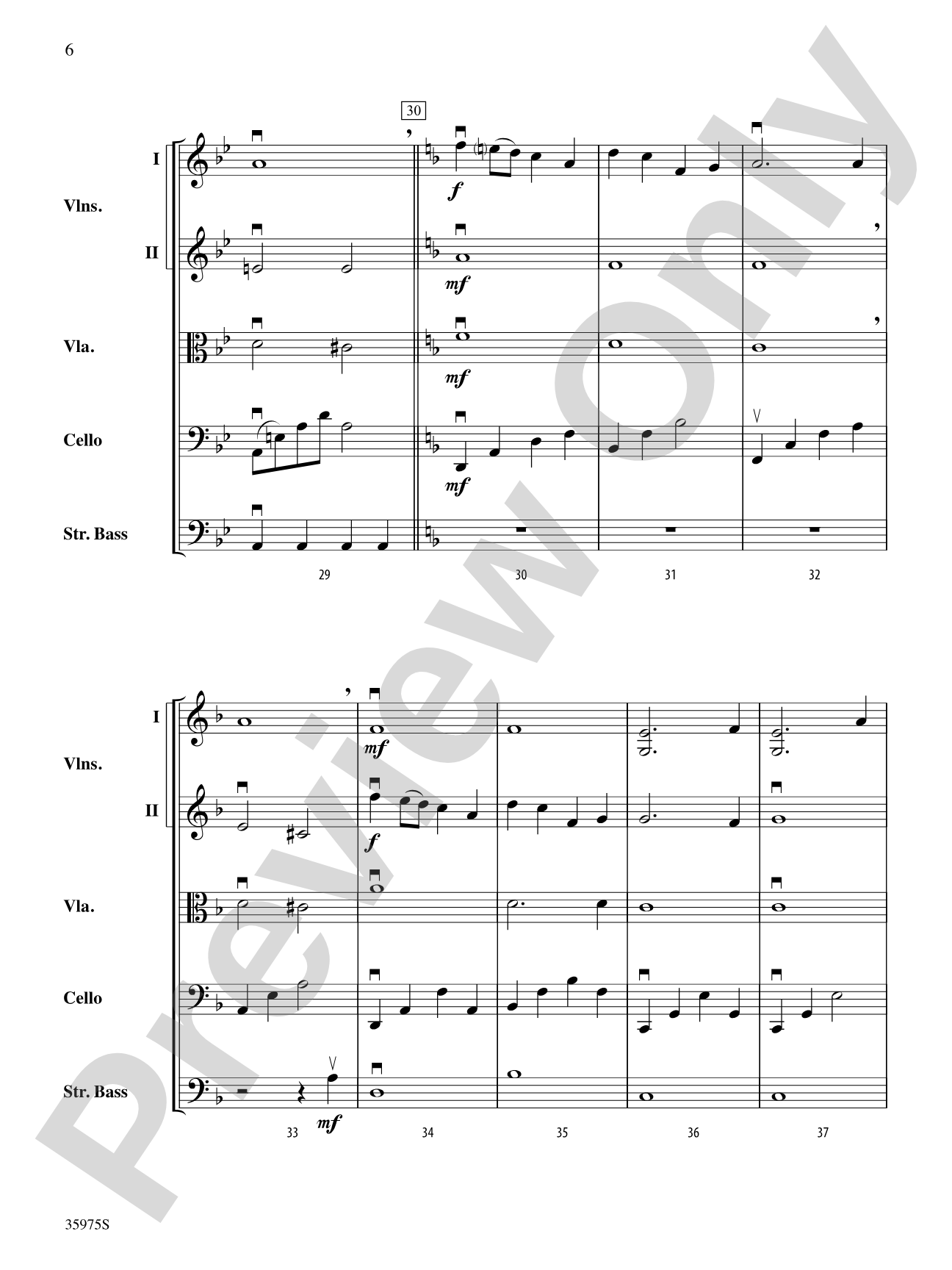
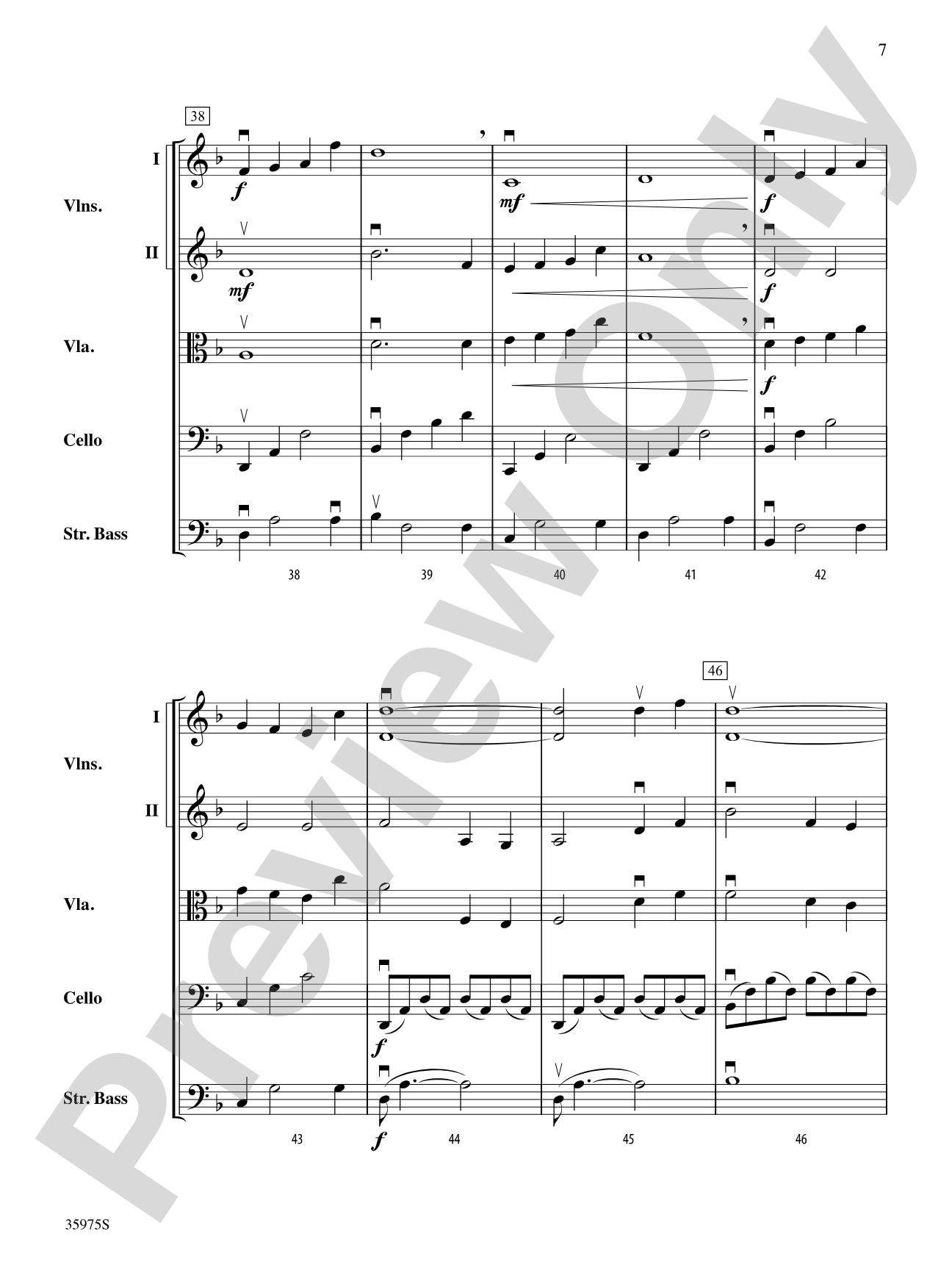
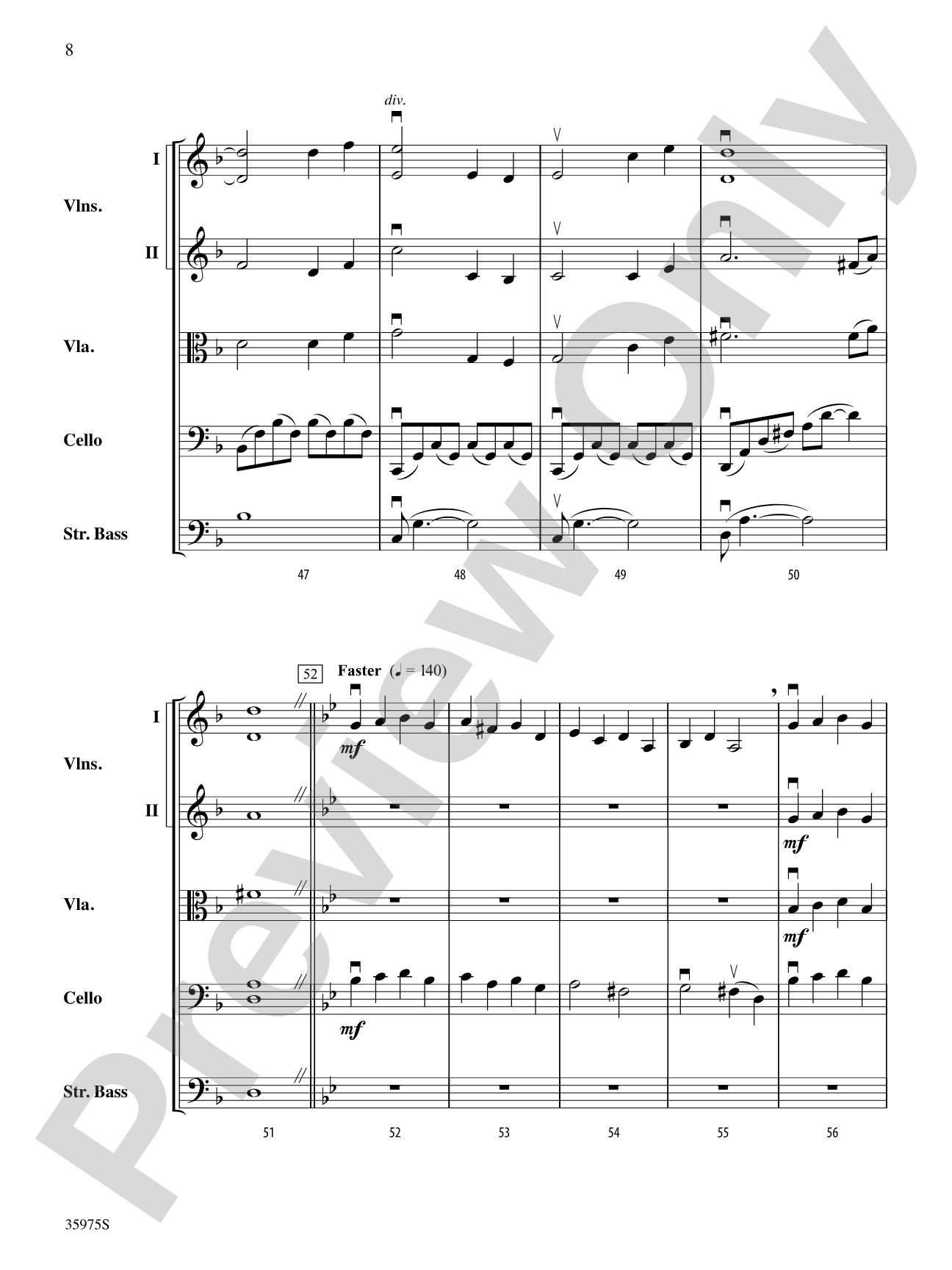
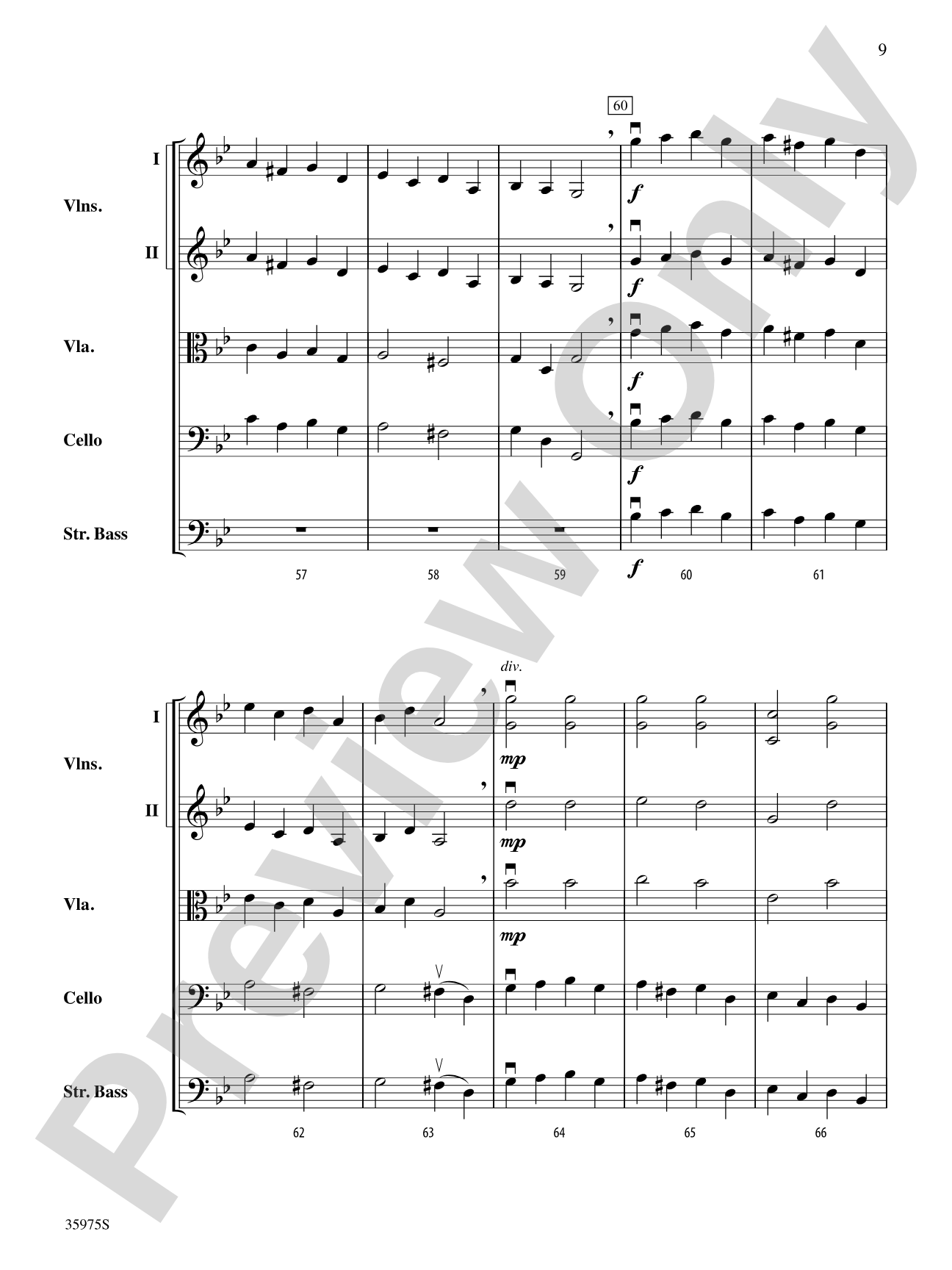
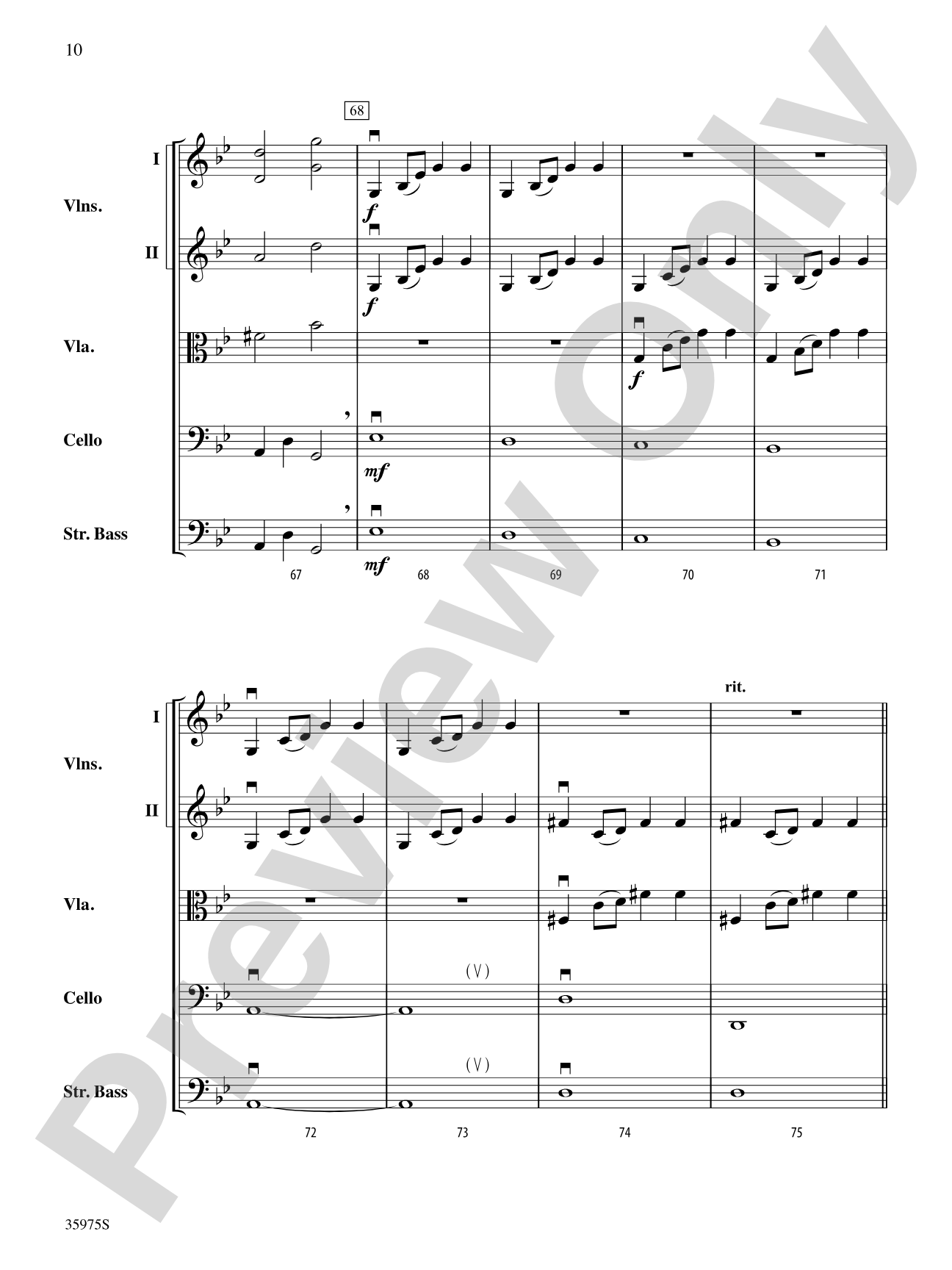
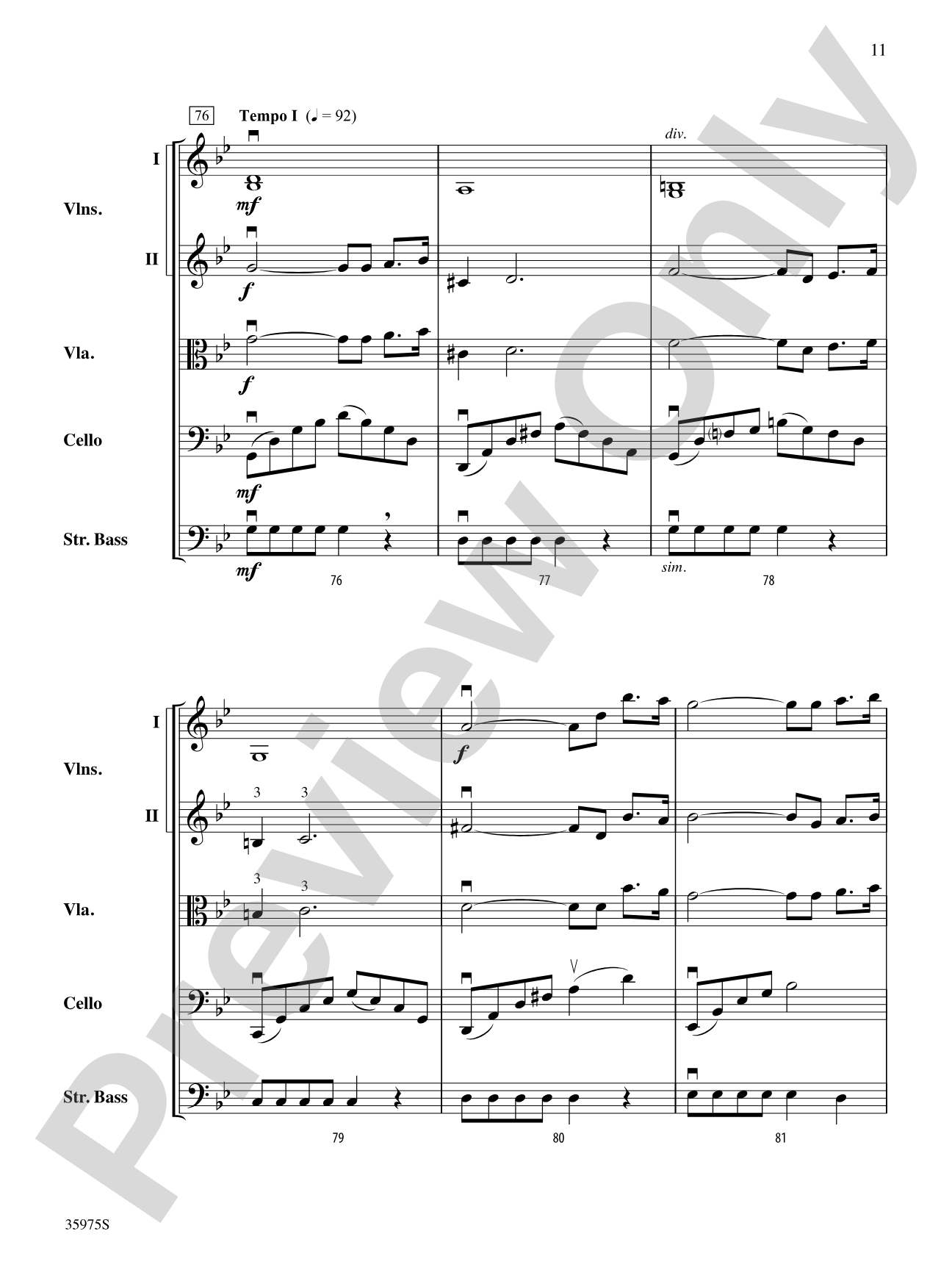
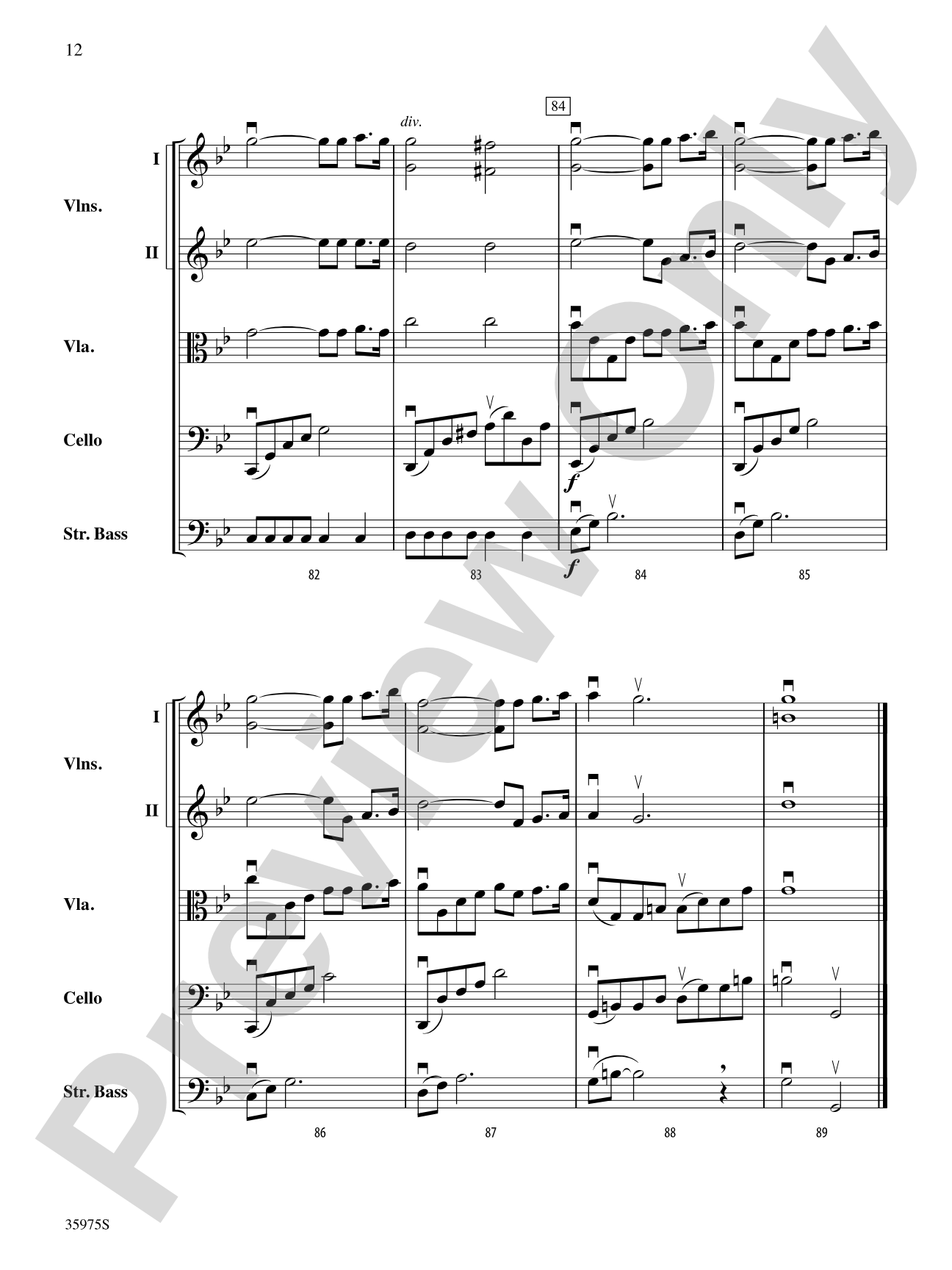

Quiétude: Score
By Susan H. Day
Grade: 3
Item: 00-PR-0003367
$9.00
Pickup currently not available
Description
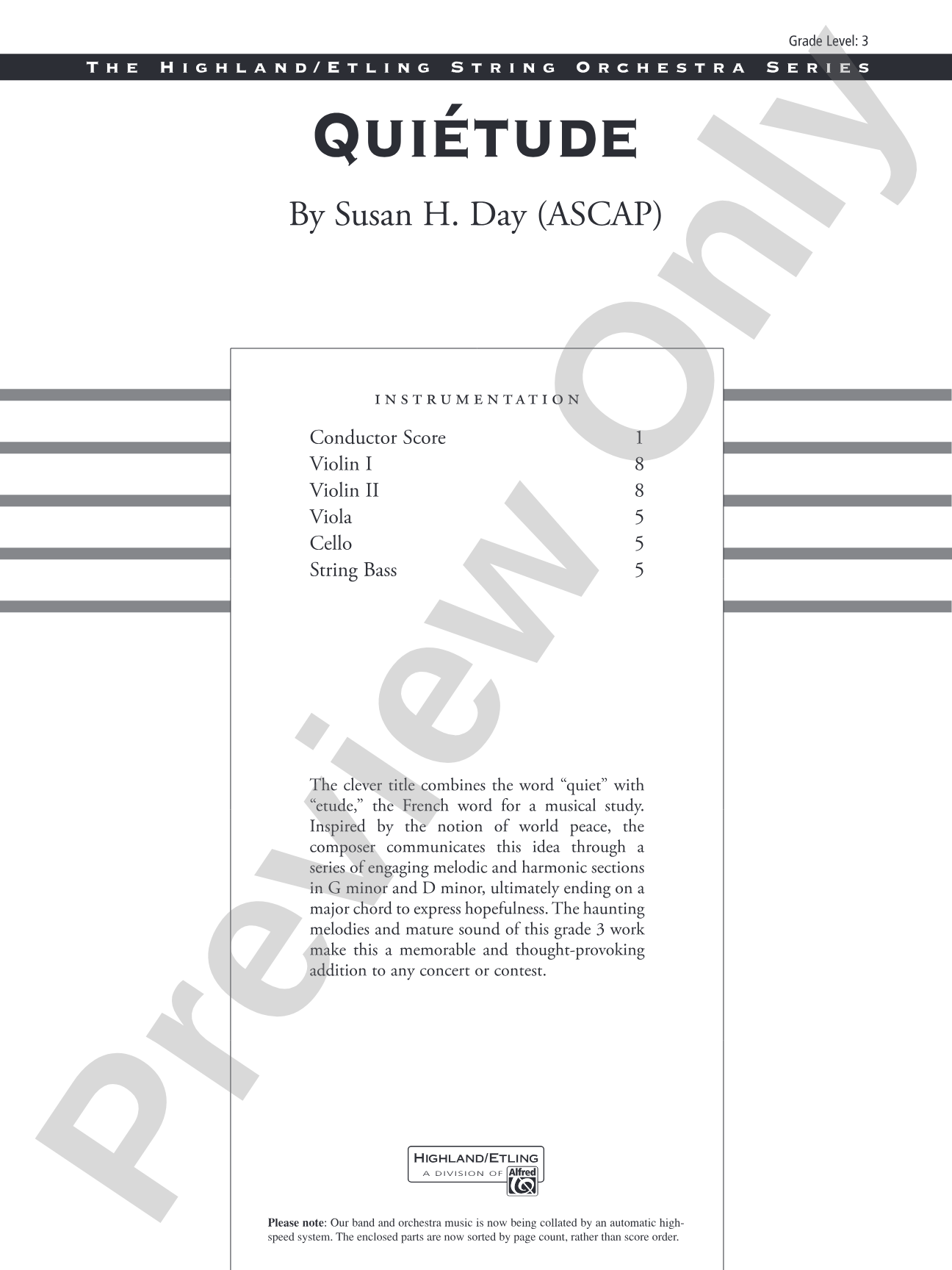
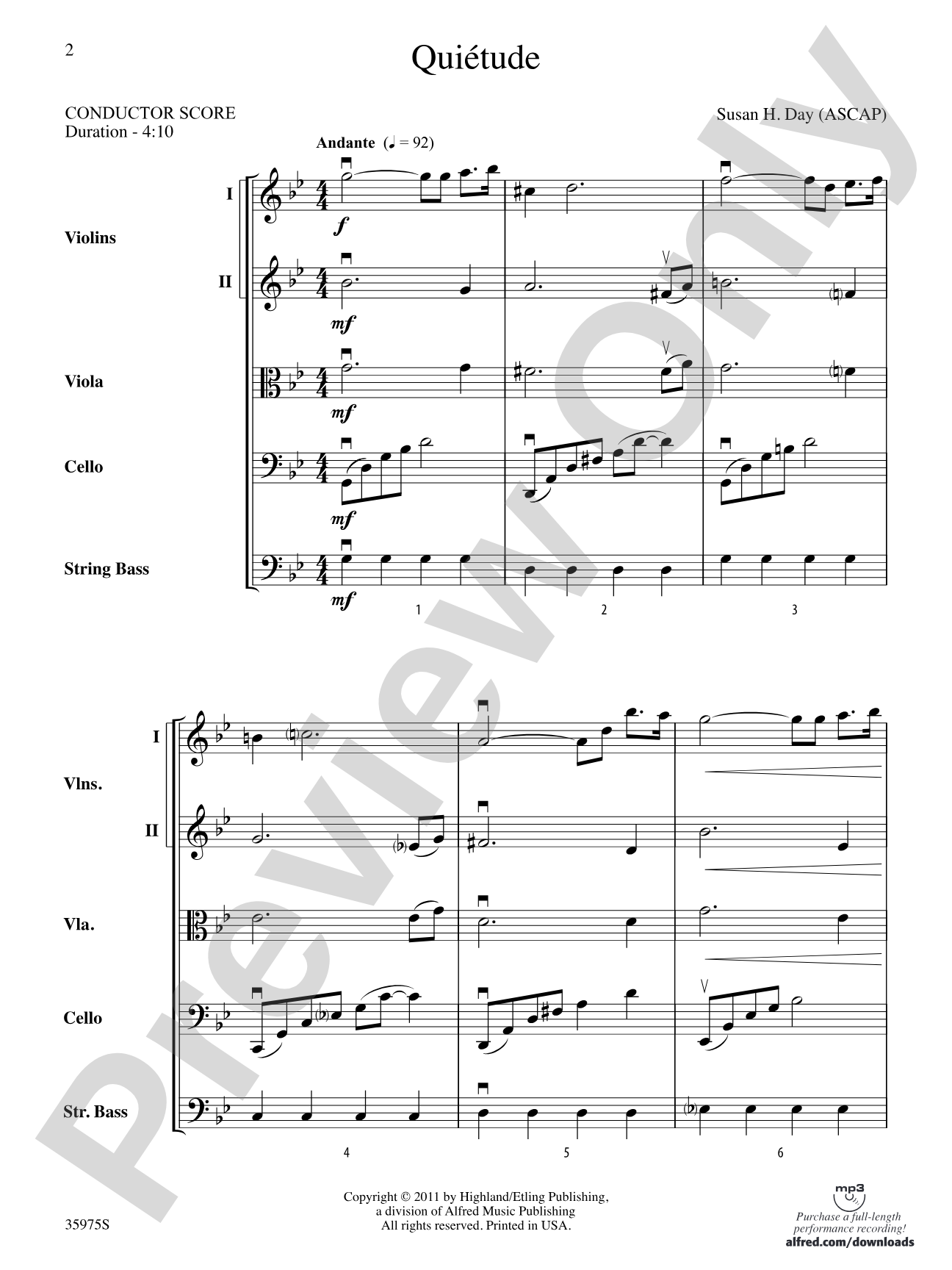
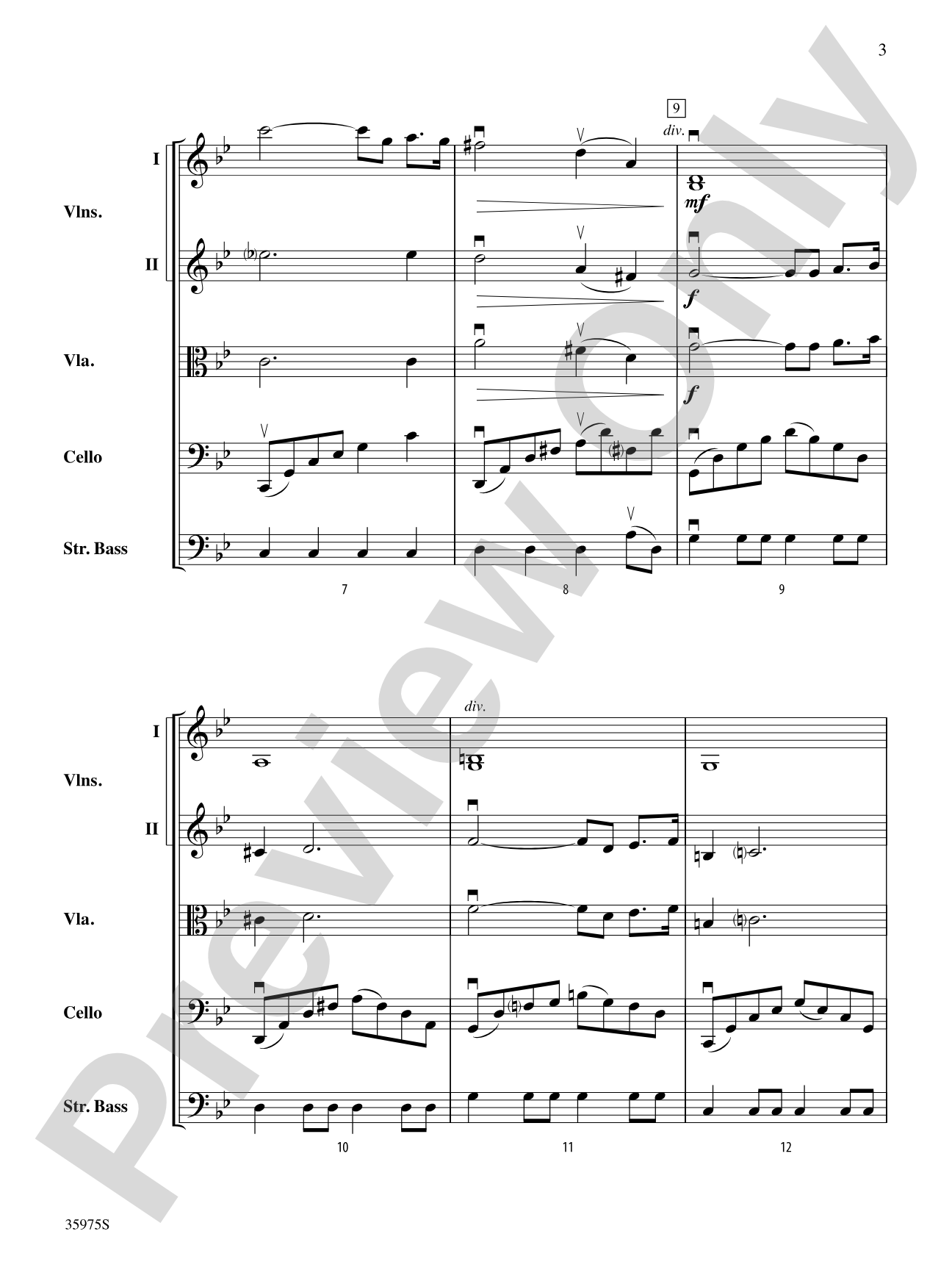
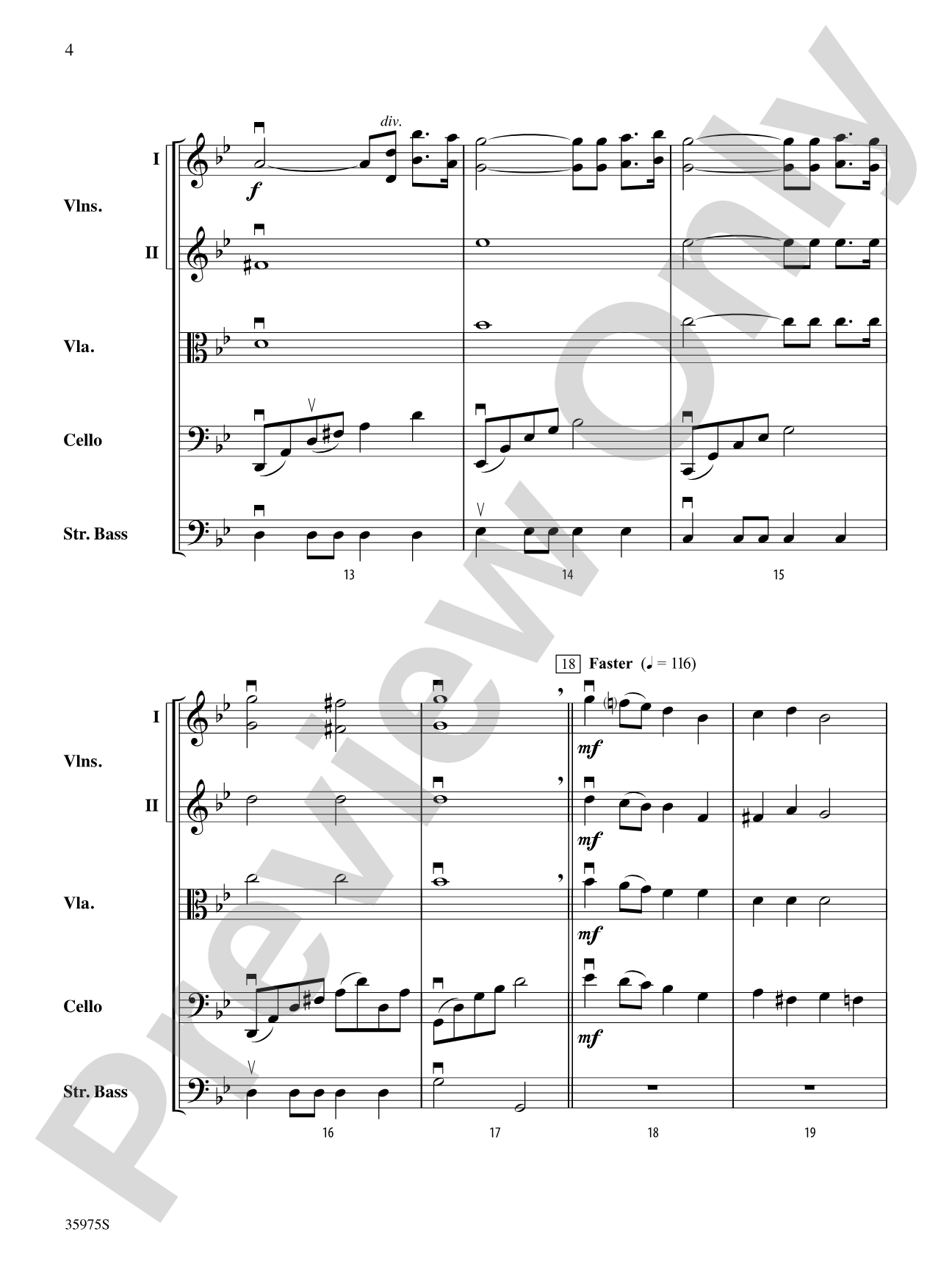
The clever title combines the word "quiet" with "etude," the French word for a musical study. Inspired by the notion of world peace, the composer communicates this idea through a series of engaging melodic and harmonic sections in G minor and D minor, ultimately ending on a major chord to express hopefulness. The haunting melodies and mature sound of this grade 3 work make this a memorable and thought-provoking addition to any concert or contest. This title is available in MakeMusic Cloud.


Don't just read it, hear it, play along with it, and watch your students grow with it. In MakeMusic Cloud, Quiétude: Score comes alive with professional accompaniment, adjustable tempo, and built-in practice tools that turn solo practice into real progress.
Open in the Player
Jump straight in and assign it today.
Start Your Free Trial
Open this title and explore the full library in minutes.
Sample Audio
1
Audio File
--:--
0:00
0:00
Sample Video
No sample videos found.
Additional Details
Series:
Highland/Etling String Orchestra
Publisher:
Alfred Music
Page Count:
124
SKU:
00-PR-0003367
Instrumentation:
string
More about this title
About the Composer: Susan H. Day
Susan H. Day has built a reputation as a composer who understands the developmental arc of young musicians. Her work across multiple ensembles and grade levels reflects a deep commitment to writing music that challenges students while remaining genuinely playable within their technical reach.
Why we love this
Day constructs a mature harmonic landscape from modest forces, using key relationships between G minor and D minor to create forward motion without relying on fast passagework. The major chord resolution at the end provides genuine emotional payoff, making this feel like a complete artistic statement rather than a study exercise. String directors will appreciate how the piece teaches tonal thinking while remaining accessible enough for groups still building ensemble balance.
What to expect
A contemplative journey through minor tonalities, with melodic lines that invite reflection. The piece carries genuine weight despite its brevity, using harmonic shifts to suggest movement toward resolution and ultimately hope.
Who it's for
String orchestra directors at the grade 3 level who want their ensembles to engage with meaningful harmonic language and emotional content. This work suits groups mature enough to handle minor-key color and sustained phrasing while still developing technical consistency.
How to get the most out of it
- Shape the opening melodies with careful dynamic shaping in the minor keys; avoid letting the haunting quality become static. Small gestures in vibrato and tone color matter greatly.
- Balance the harmonic movement between parts by having players listen across sections during rehearsal. G minor and D minor passages need transparent voicing so the key relationships read clearly.
- Prepare the final modulation to the major chord intentionally. This shift should feel earned and deliberate, not abrupt. Time the tempo slightly and allow the major sonority to breathe.
How to use it
Program this as an effective concert or festival opener that establishes a thoughtful tone, or pair it with contrasting material to highlight its meditative character. The thematic substance makes it suitable for festivals where judges appreciate compositional sophistication at accessible levels.
Skills your students will build
- Reading and playing in G minor and D minor with secure intonation
- Sustaining character and phrasing across harmonic changes
- Listening for balance across four or more parts
- Responding to dynamic shaping as a tool for musical expression
- Understanding key relationships and tonal movement