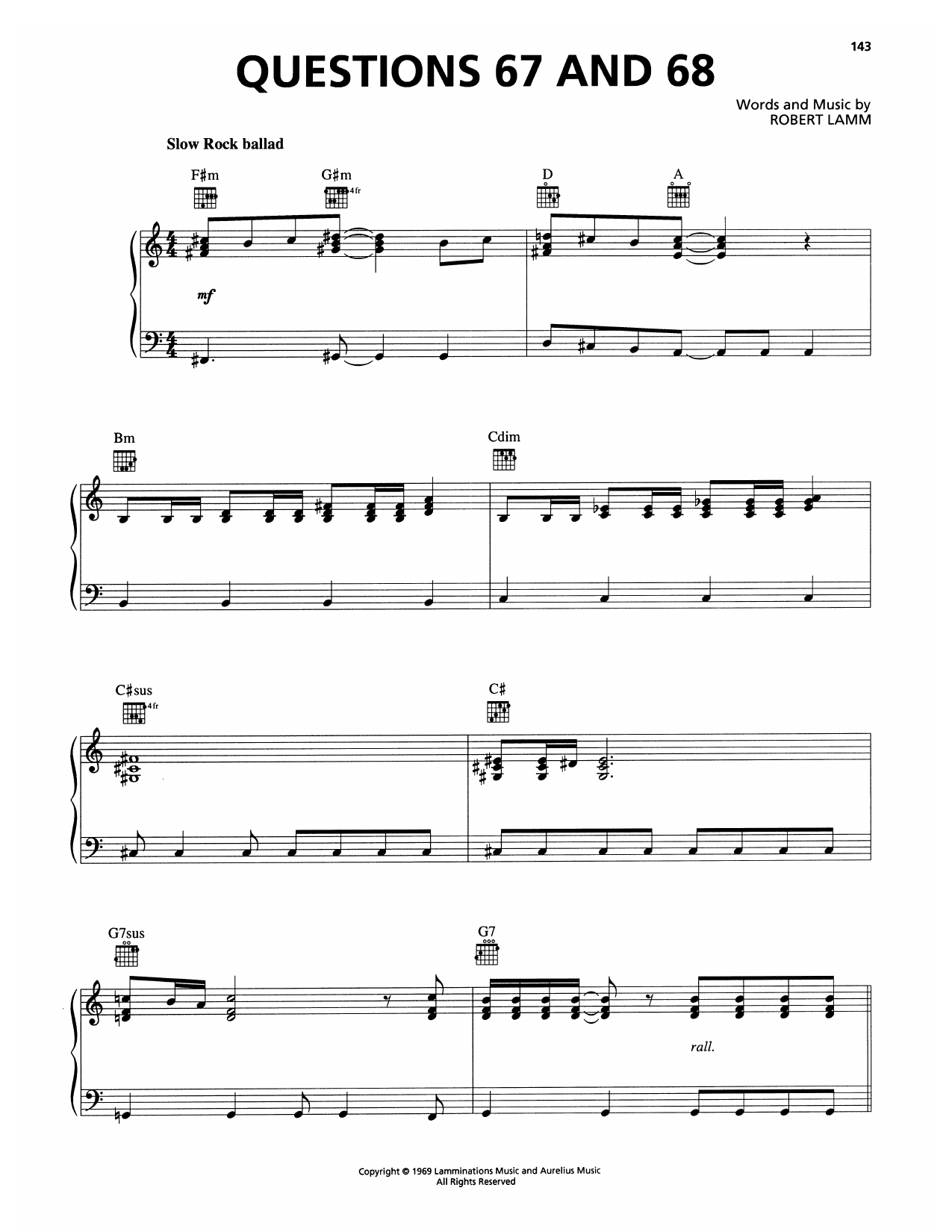
Chicago emerged from the late 1960s Chicago jazz scene as one of the few rock bands to seamlessly integrate horns into their arrangements. The group's ability to layer brass sections over rock and pop structures influenced generations of songwriters and proved that instrumental sophistication could coexist with commercial appeal. Their catalog demonstrates masterful voice leading and harmonic complexity that remains relevant for music educators seeking cross-genre repertoire.
Why we love this
These tracks showcase Chicago's signature horn writing at an accessible level for intermediate pianists and vocalists. The arrangements preserve the sophisticated harmonic language of the originals while remaining playable by student musicians, making them ideal for programs that want to include recognizable rock material without sacrificing musicianship.
What to expect
Sophisticated yet approachable; the harmonic language feels modern and slightly complex, but the melodic contours are accessible and lyrical. There's a conversational quality to these pieces, as if the instruments are responding to one another rather than simply stating ideas in succession.
Who it's for
Intermediate pianists, vocalists, and guitarists looking to add jazz-influenced rock standards to their repertoire. This material works equally well for singers developing their interpretive skills and for instrumentalists seeking engagement with chord melody and comping styles.
How to get the most out of it
Balance the vocal line against comping figures in the piano part; the chord extensions should support rather than compete with the melody
Treat the guitar voicings as blueprints; adapt them to your ensemble's instrumentation while maintaining the harmonic intent
Pay attention to the rhythmic phrasing in the piano part, which often sits slightly behind the beat to create the groove characteristic of these songs
How to use it
Include these as solo performance pieces in a jazz or contemporary music concert, or build a program segment around Chicago's role in bridging rock and jazz traditions. The vocal versions work particularly well for student recitals or chamber performances paired with other singer-centered repertoire.
Skills your students will build
Voice leading in seventh chord progressions
Interpreting rhythmic notation in swing-influenced contexts
Balancing melody and harmony in jazz comping
Reading complex chord charts and adapting voicings
You May Also Like
Scan to Complete Your Purchase
Use your phone's camera to scan the code below
You'll log in on your phone and the order will be added to your account