

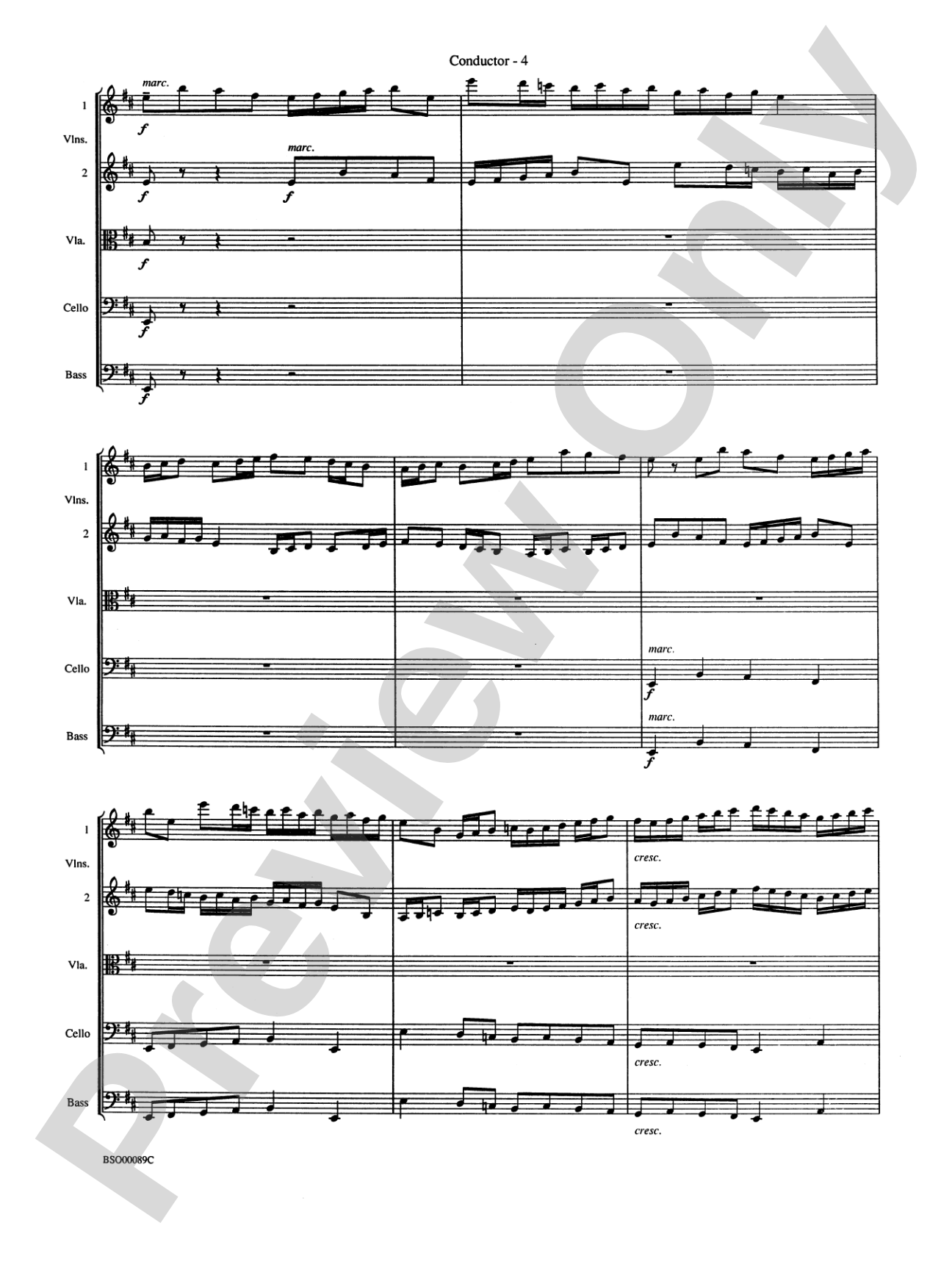
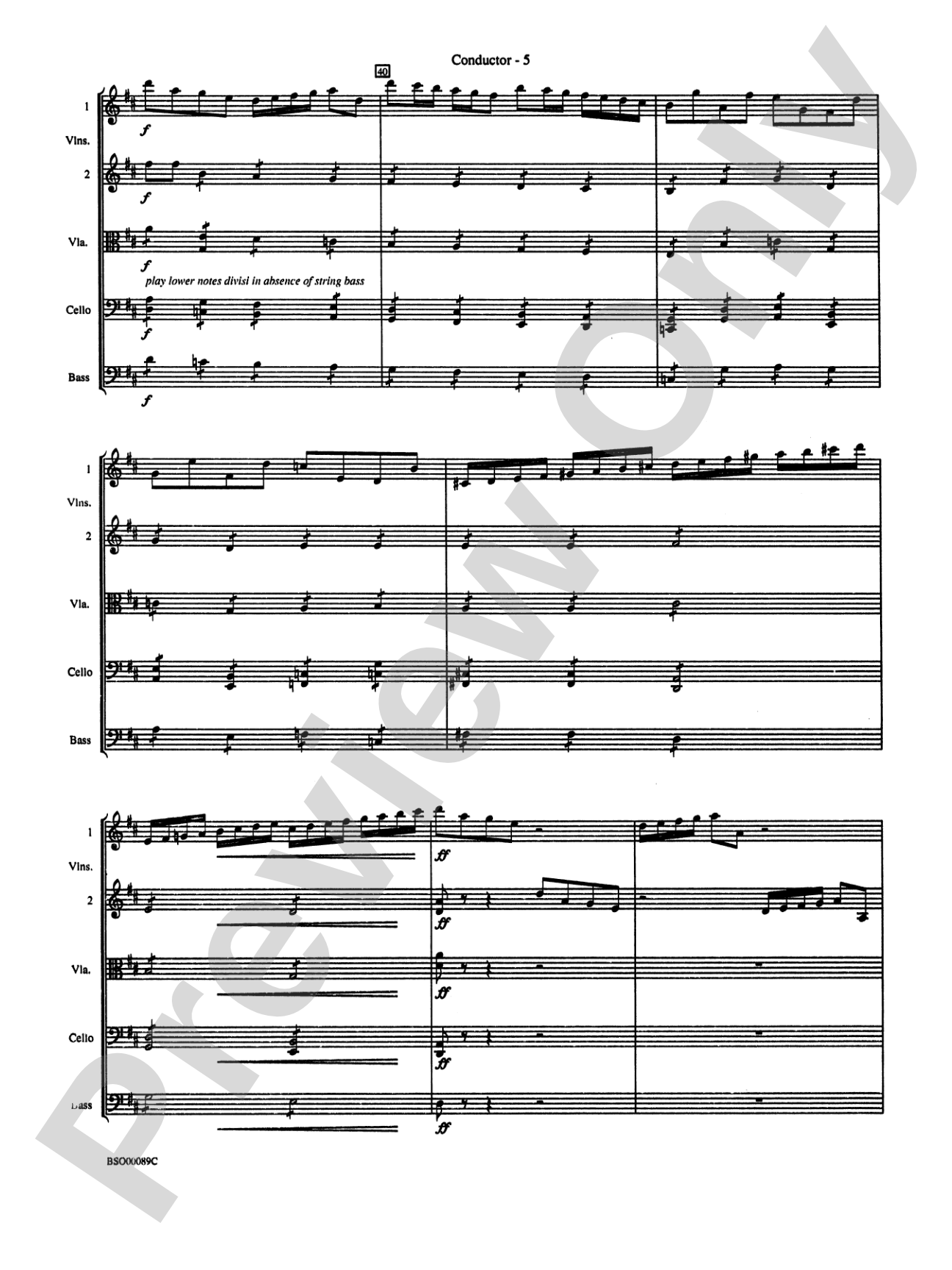
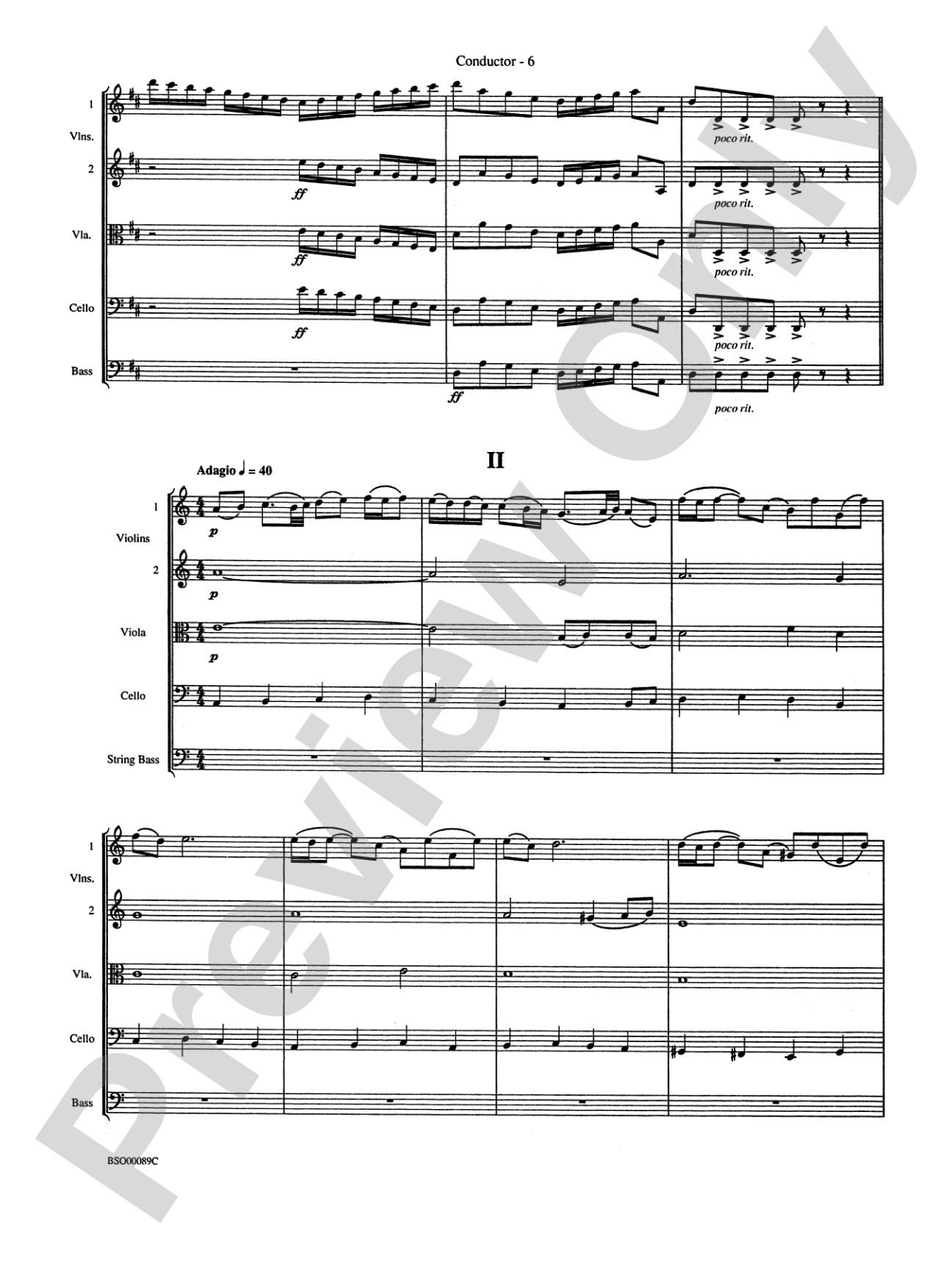
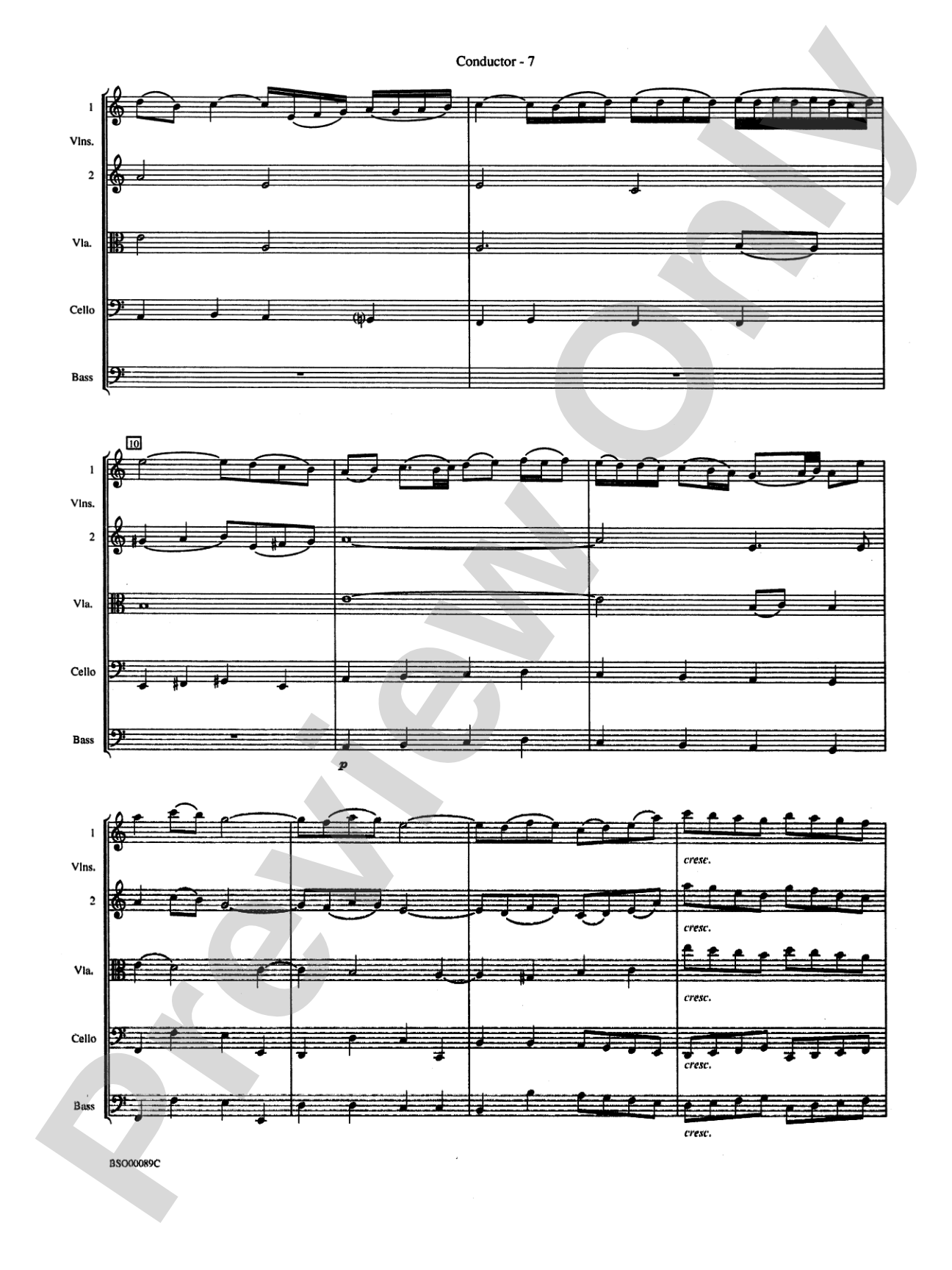
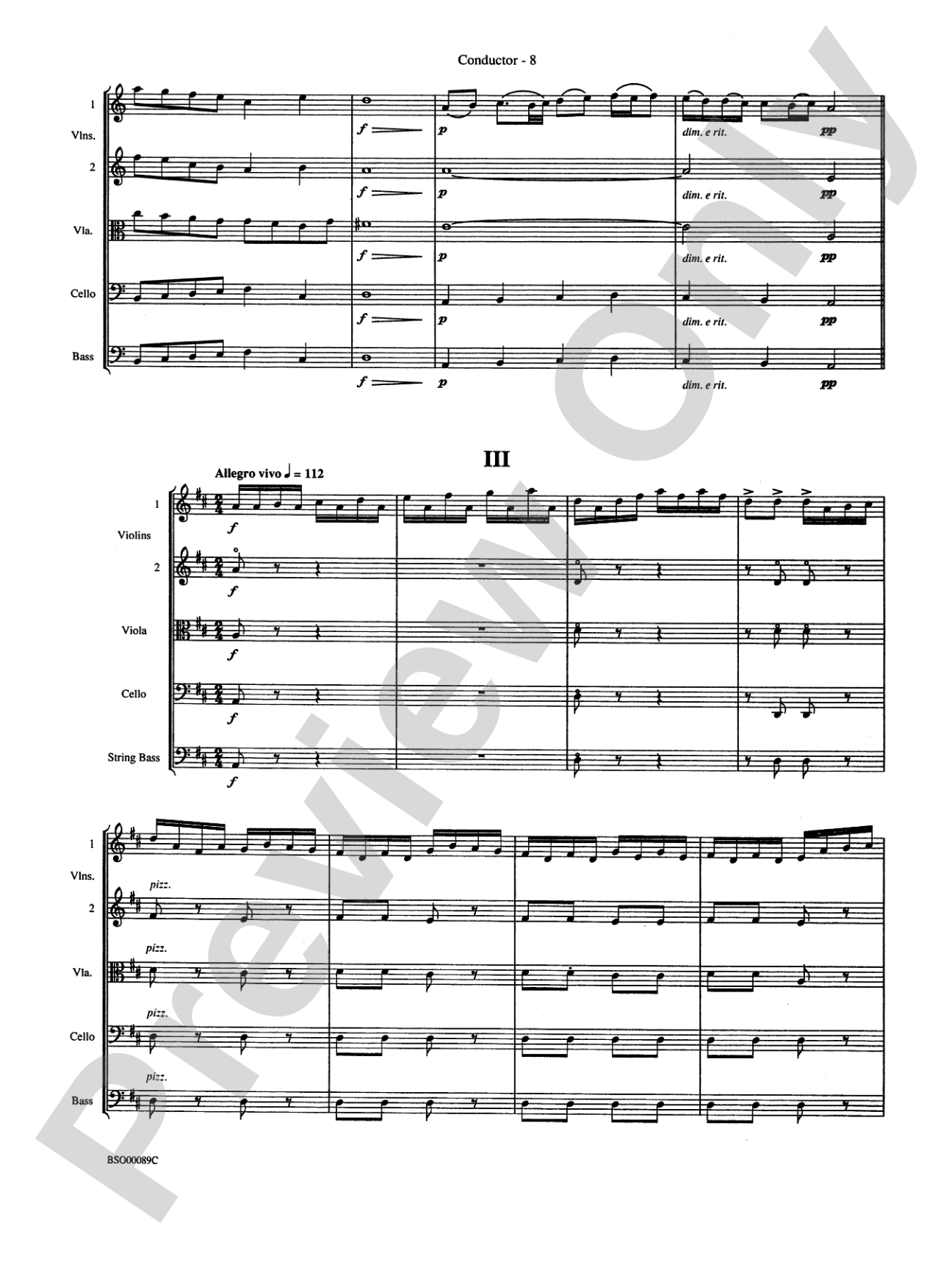
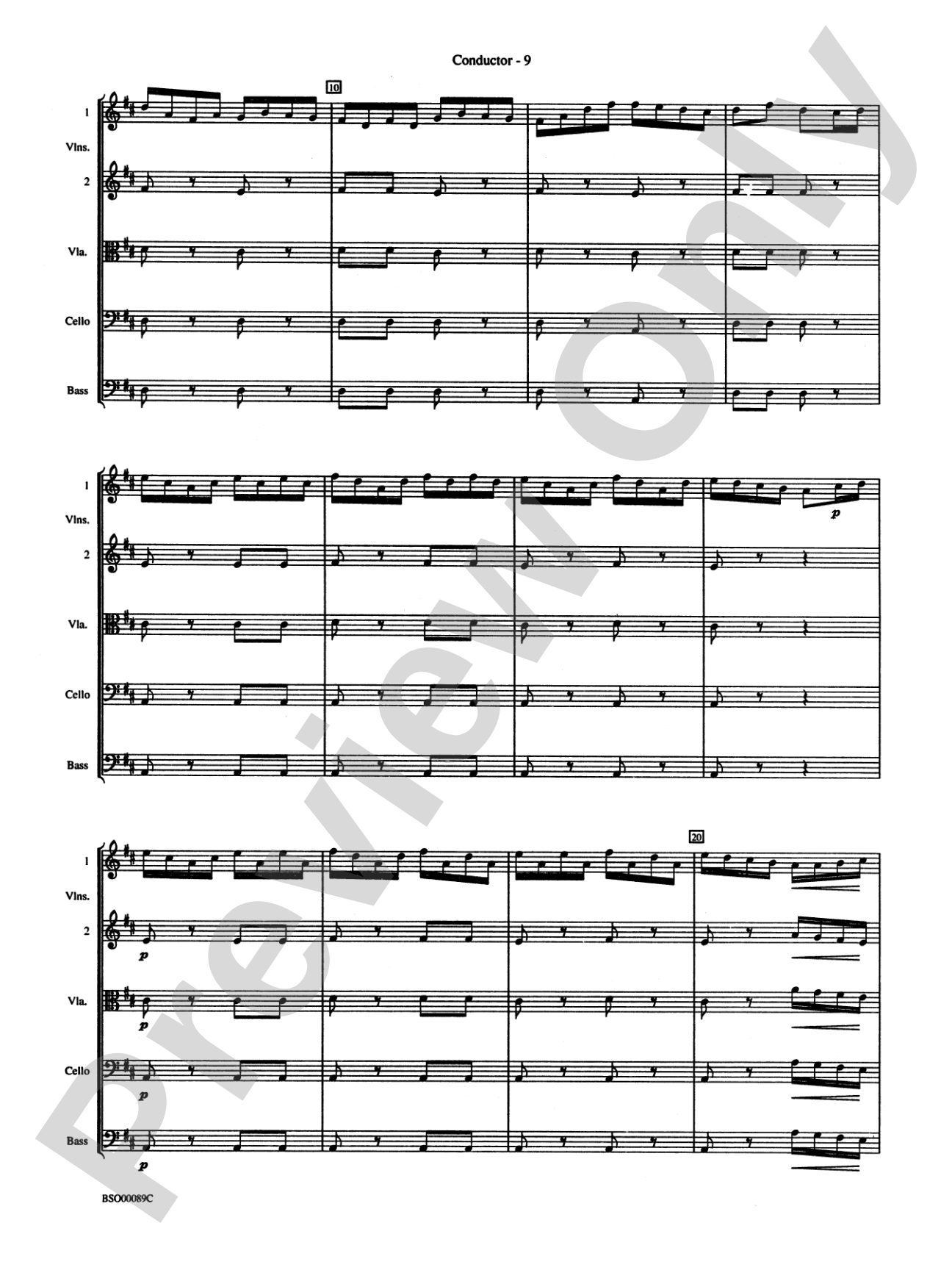
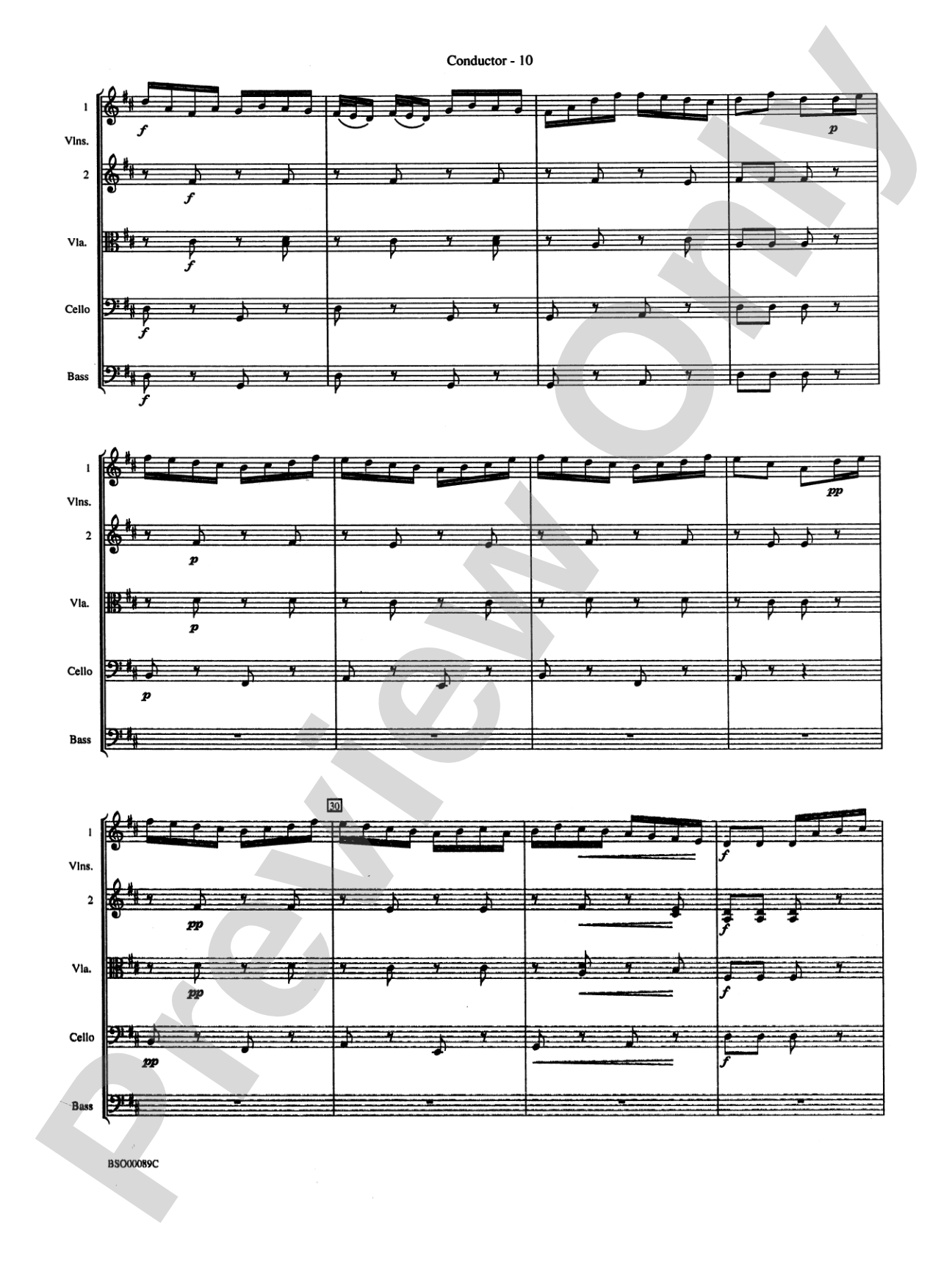
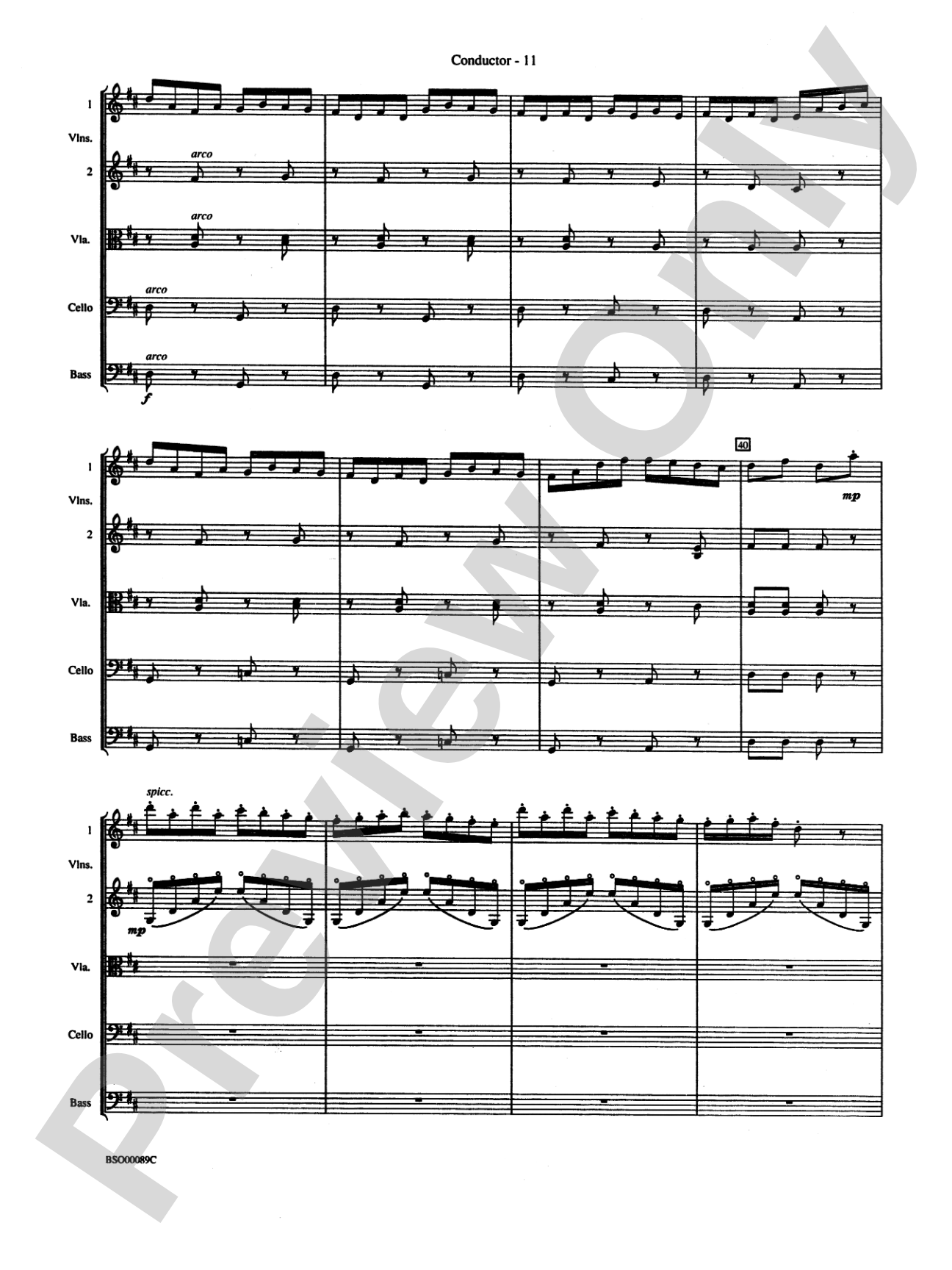
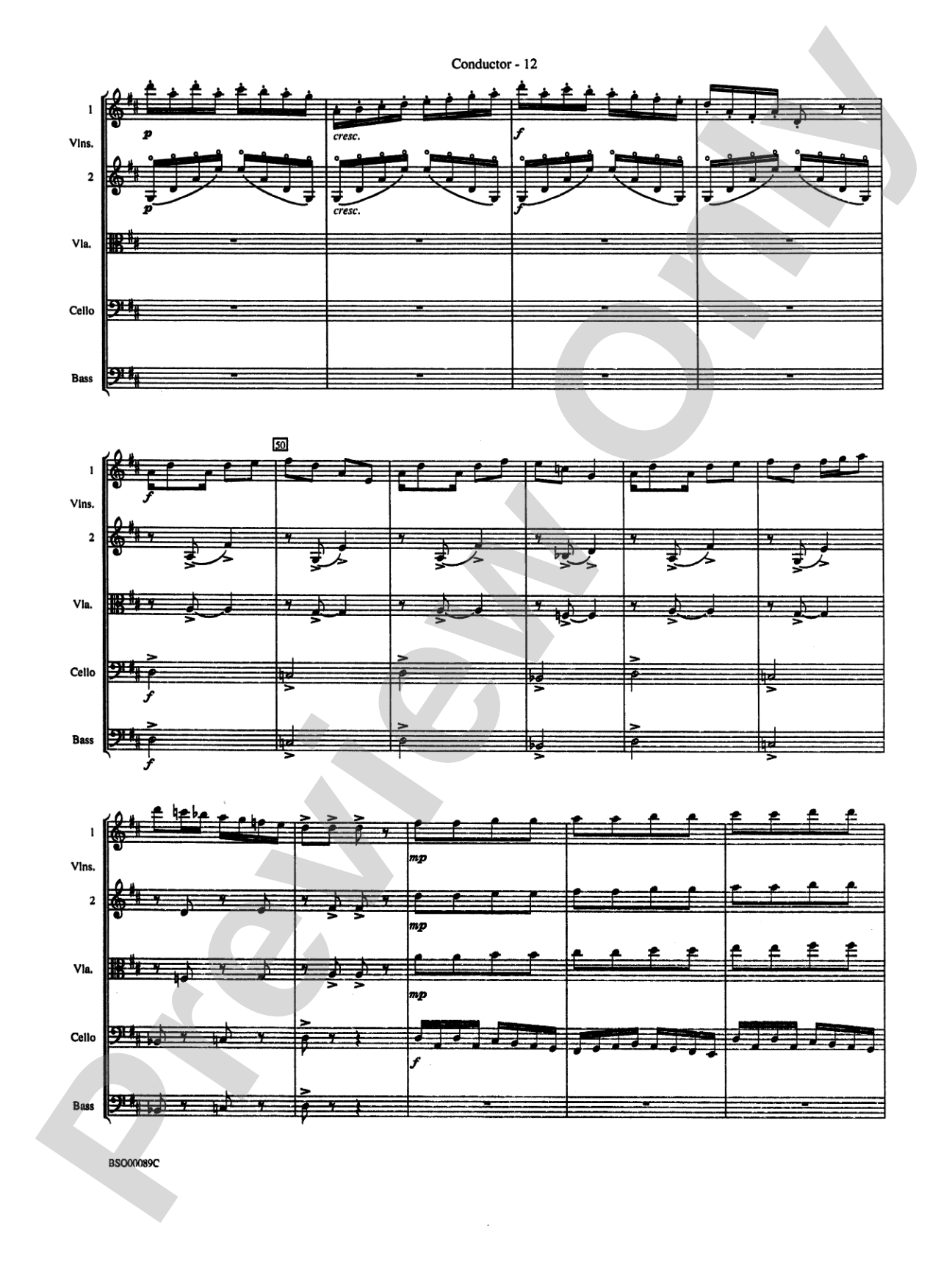
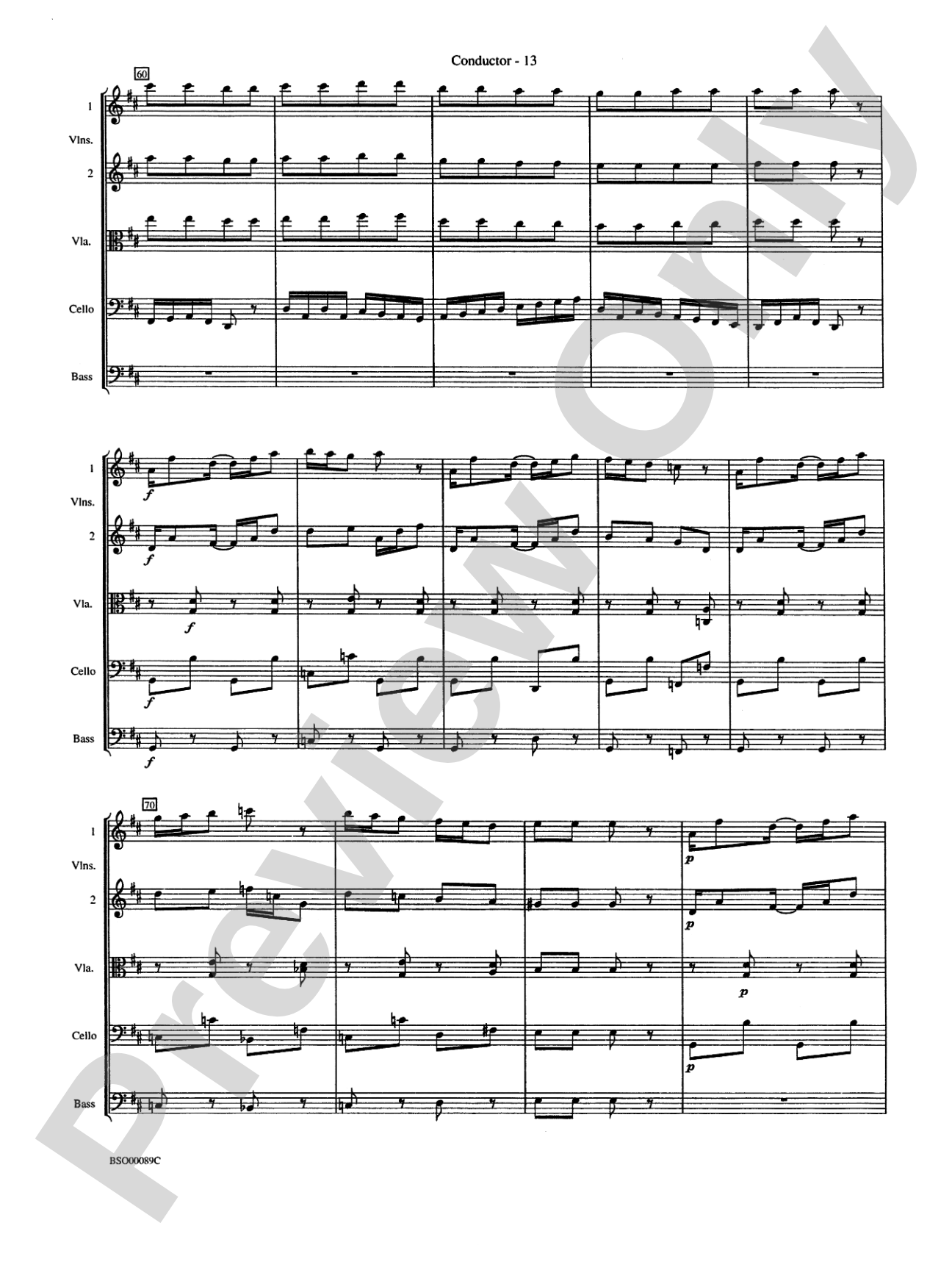
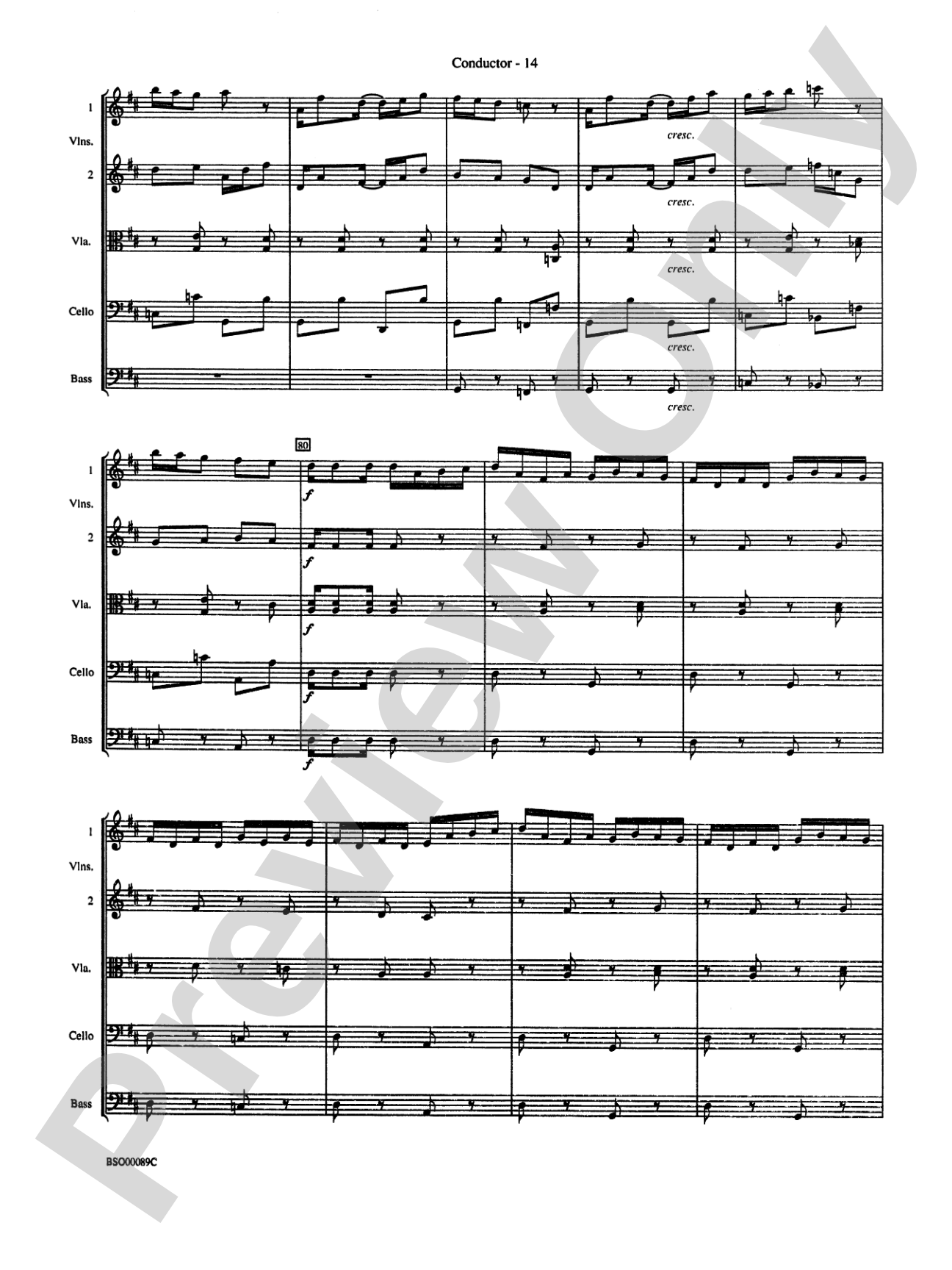
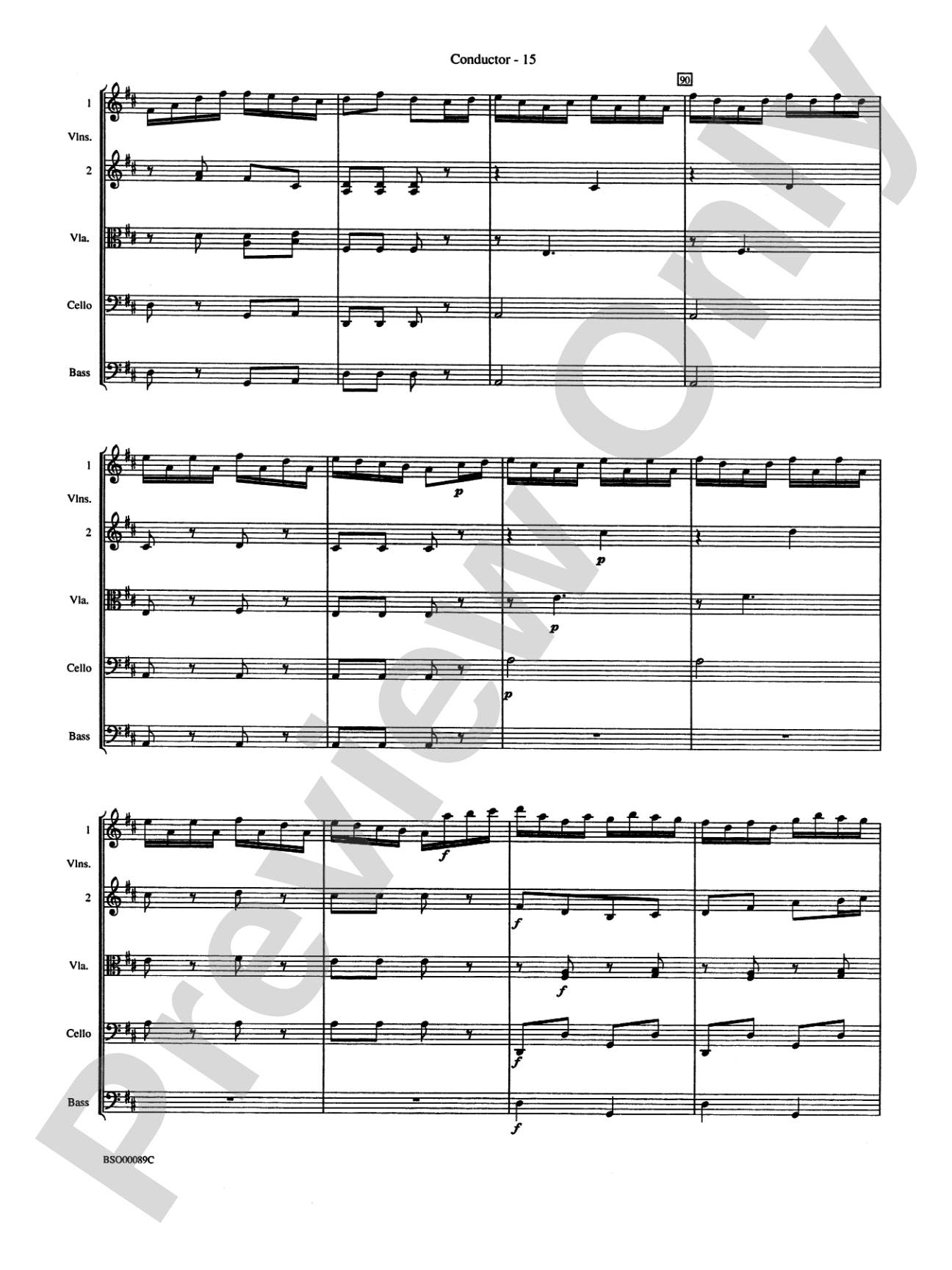
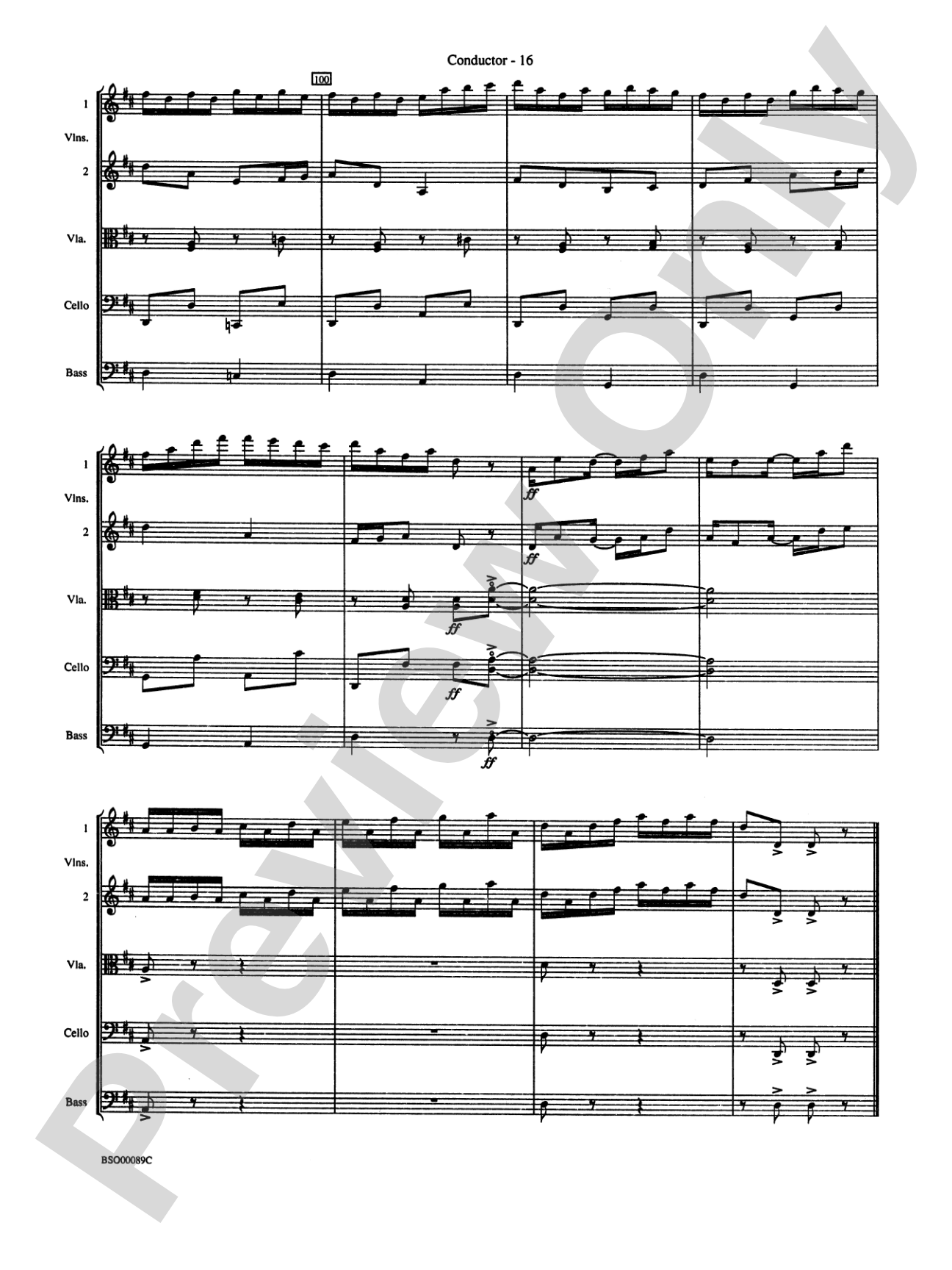



Queen Noor Suite: String Orchestra Conductor Score & Parts
By Robert Washburn
Grade: 3.5
Item: 00-PK-0002271

$59.00
Pickup currently not available
Buy Extra Parts (Digital PDF Download)
| Product | Price | Quantity |
|---|---|---|
| Queen Noor Suite: Score | $7.00 | |
| Queen Noor Suite: 1st Violin | $5.99 | |
| Queen Noor Suite: 2nd Violin | $5.99 | |
| Queen Noor Suite: Viola | $5.99 | |
| Queen Noor Suite: Cello | $5.99 | |
| Queen Noor Suite: String Bass | $5.99 |
Parts Added to Cart!
Description
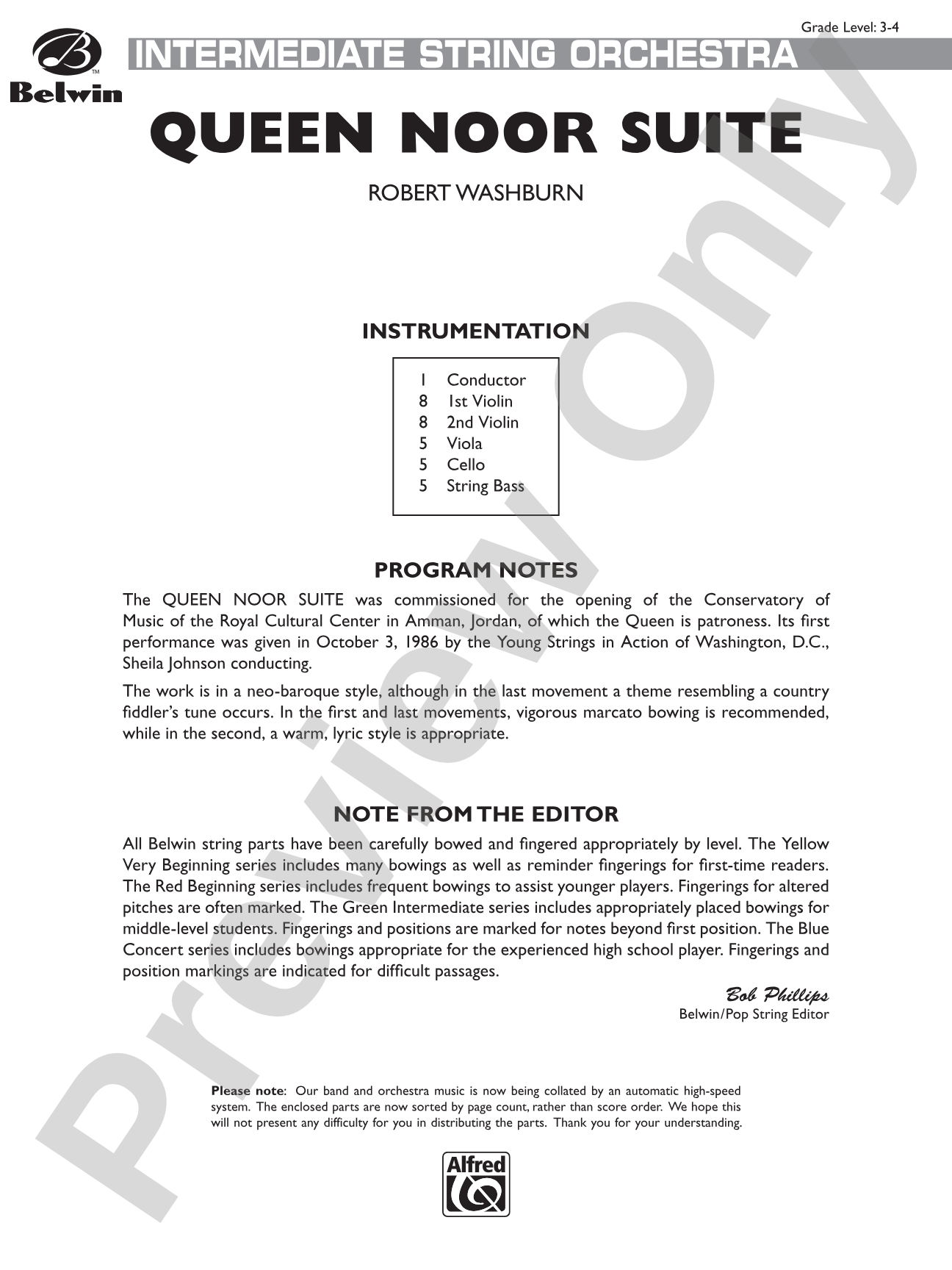
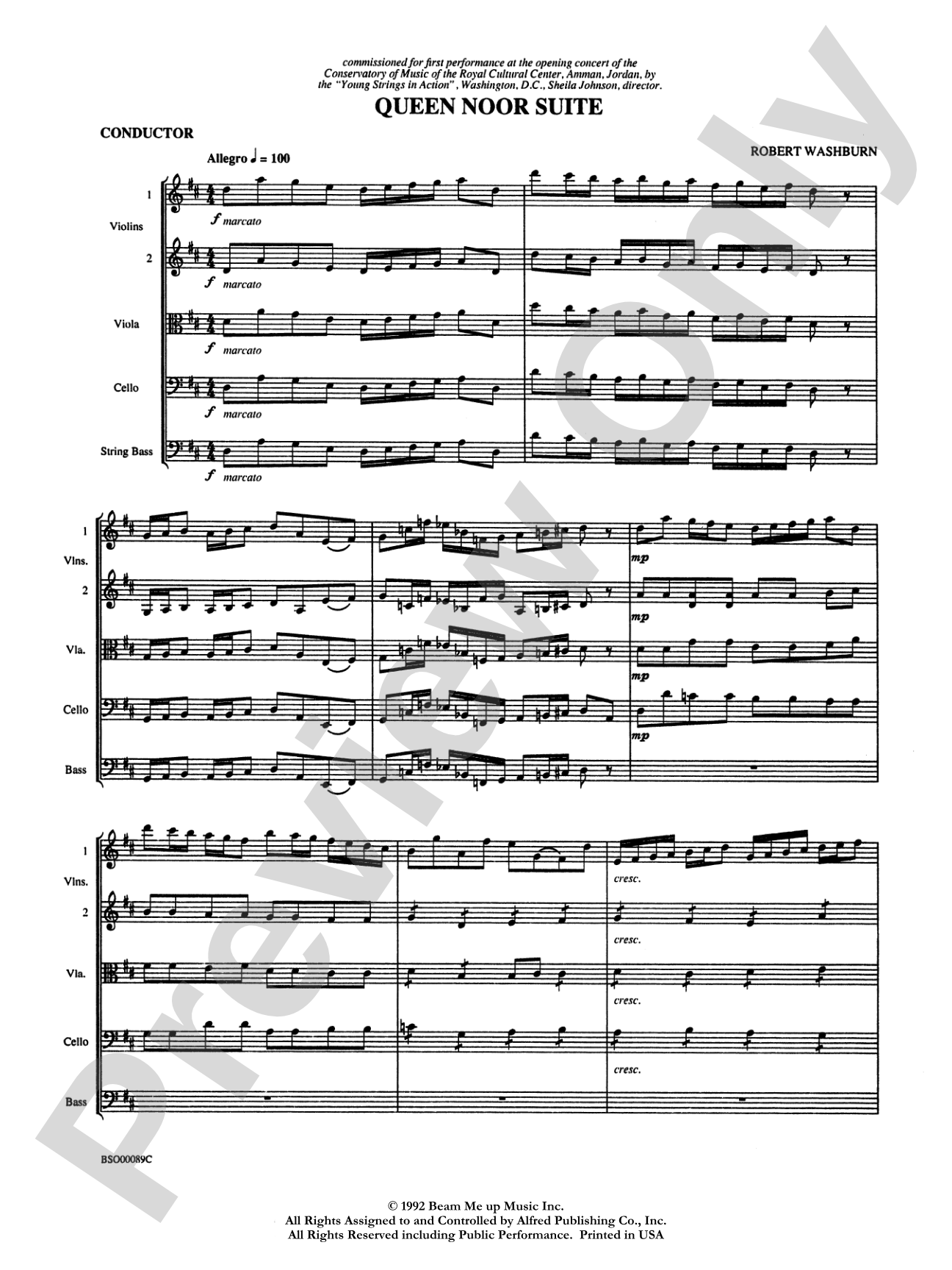
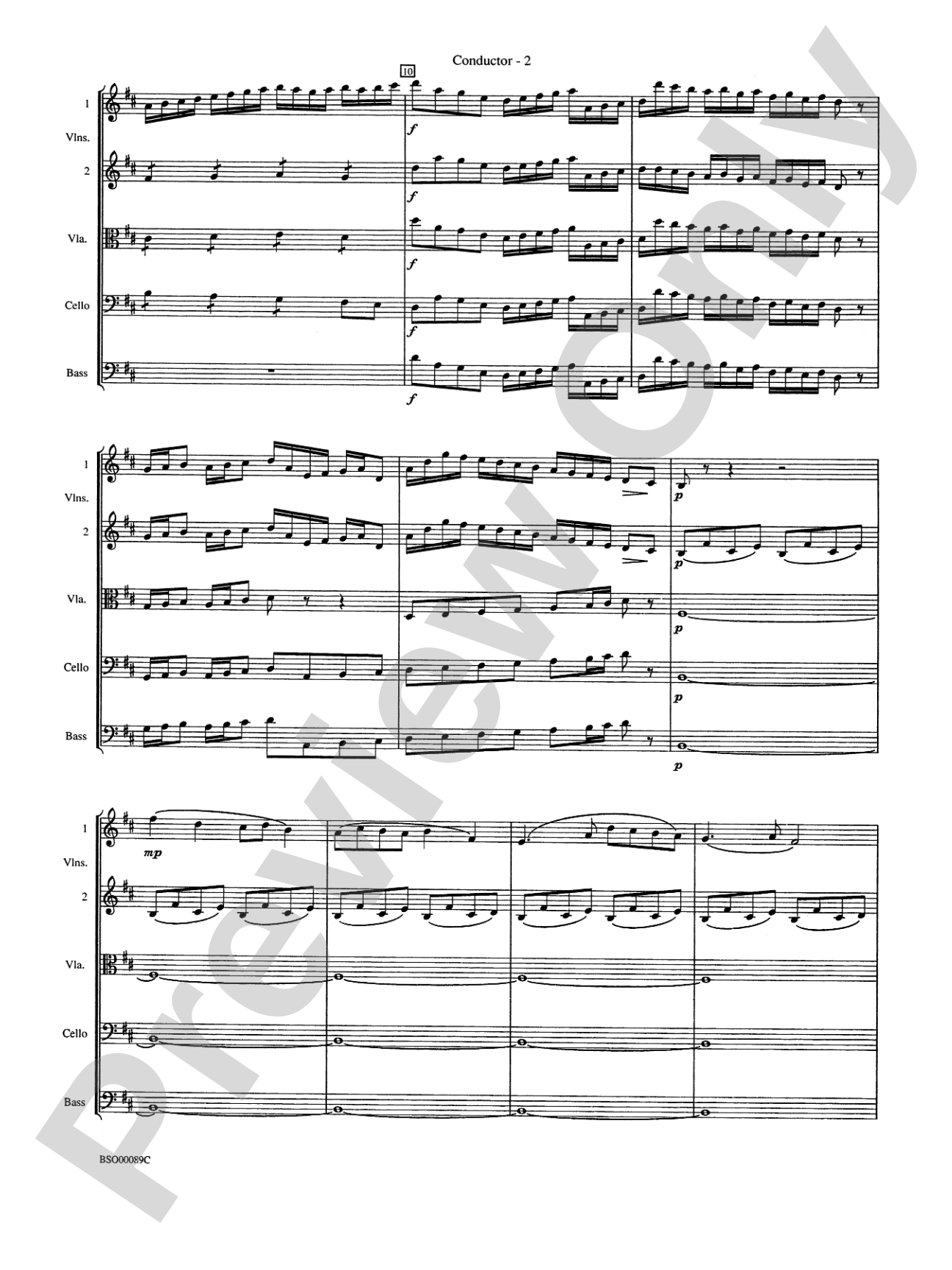
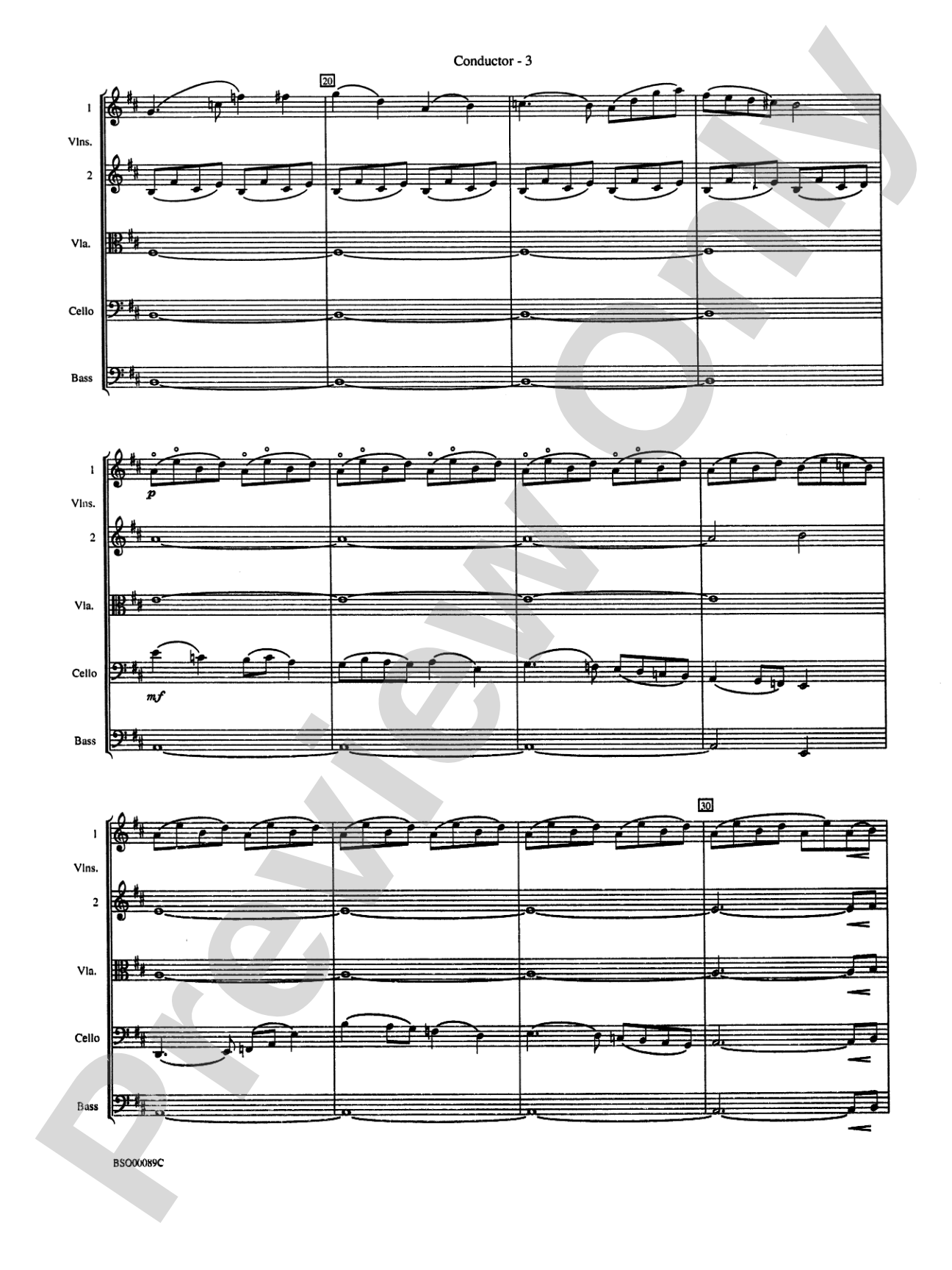
This contemporary suite is in two movements and is characteristic of Robert Washburn's work. Although moderate technique is needed, the piece is interesting for the performer. Listen to this one!


Don't just read it, hear it, play along with it, and watch your students grow with it. In MakeMusic Cloud, Queen Noor Suite: String Orchestra Conductor Score & Parts comes alive with professional accompaniment, adjustable tempo, and built-in practice tools that turn solo practice into real progress.
Open in the Player
Jump straight in and assign it today.
Start Your Free Trial
Open this title and explore the full library in minutes.
Sample Audio
No sample audio found.
Sample Video
No sample videos found.
Additional Details
Series:
Belwin Intermediate String Orchestra
Publisher:
Alfred Music
Page Count:
144
SKU:
00-PK-0002271
More about this title
About the Composer: Robert Washburn
Robert Washburn has built a reputation as a composer whose writing balances accessibility with genuine musical substance. His works for young ensembles demonstrate deep respect for players at intermediate levels, creating pieces that challenge without overwhelming and that sound far more advanced than their technical demands might suggest.
Why we love this
Washburn structures this suite so that both movements reward careful attention without asking for virtuosic display. The piece lives in that sweet spot where students feel they're performing something genuinely contemporary and worthwhile, not just a stepping stone to harder music.
What to expect
Contemporary without being austere, the Queen Noor Suite unfolds with clear harmonic language and rhythmic vitality. The writing feels fresh and engaged, inviting players to listen actively to their colleagues while maintaining a coherent musical narrative across both movements.
Who it's for
String orchestras ready to program contemporary music that doesn't sacrifice musical interest for technical modesty. This works for groups preparing for festival competition or simply looking to diversify their repertoire beyond standard classical arrangements.
How to get the most out of it
- Study the two movements as distinct entities before rehearsing them as a unified work; each has its own temperament and requires different interpretive choices.
- Attend to balance between sections since Washburn's orchestration often distributes material across the ensemble rather than featuring soloists.
- Use the score to identify where the architecture shifts; marking these transitions helps students understand form and prevents the piece from feeling episodic.
How to use it
Pair this with a classical concerto or suite to show how string writing evolves across centuries. It's compact enough to work as an opening work on a concert while making a distinct musical statement, and its moderate demands make it an ideal mid-season programming choice when your ensemble has built ensemble cohesion.
Skills your students will build
- Reading and responding to contemporary harmonic language
- Balancing transparent textures where individual lines remain audible
- Maintaining rhythmic independence while listening to the ensemble
- Interpreting phrasing in music without traditional Baroque or Romantic conventions
- Sustaining focus through sectional form across two contrasting movements