
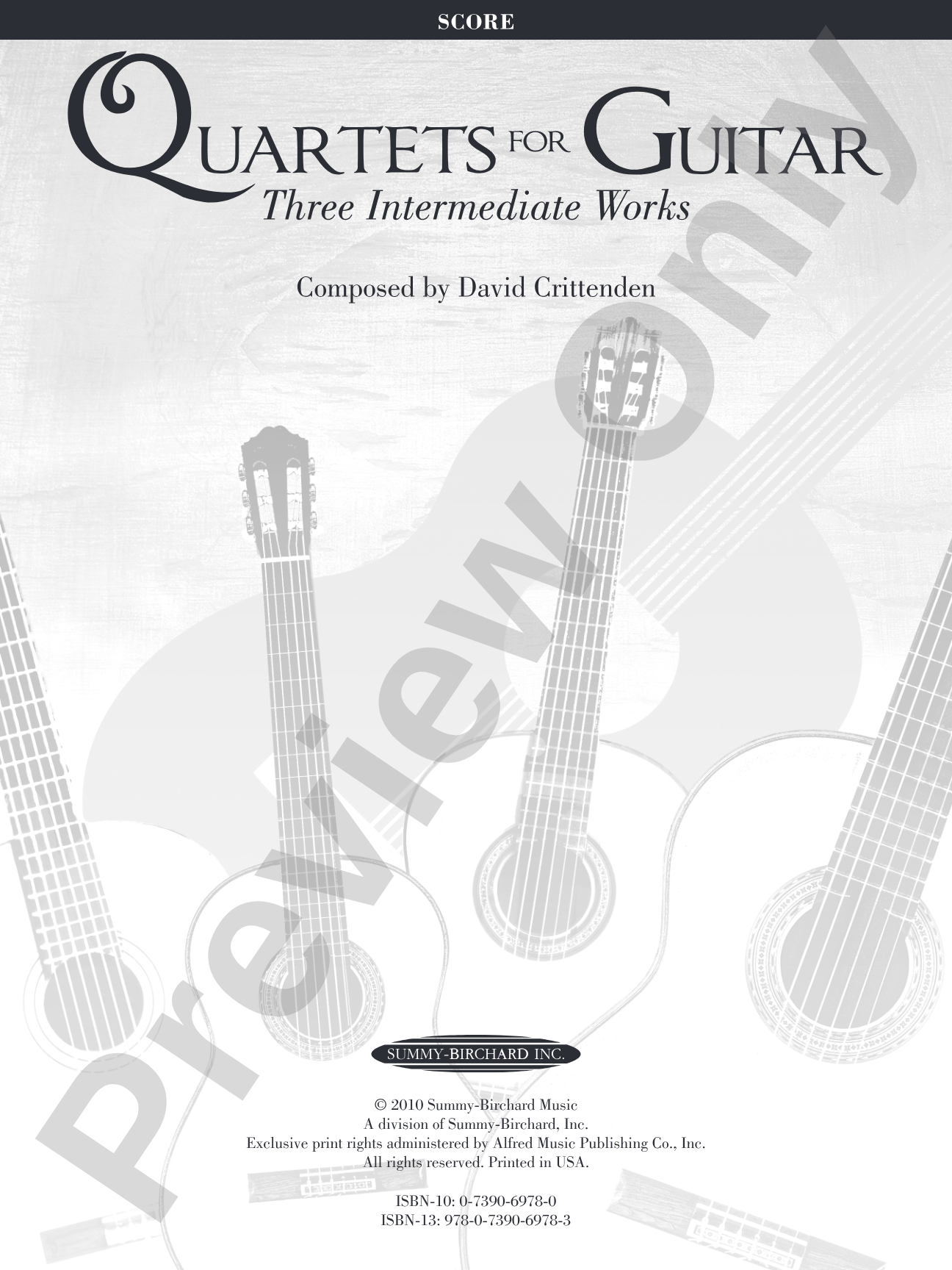

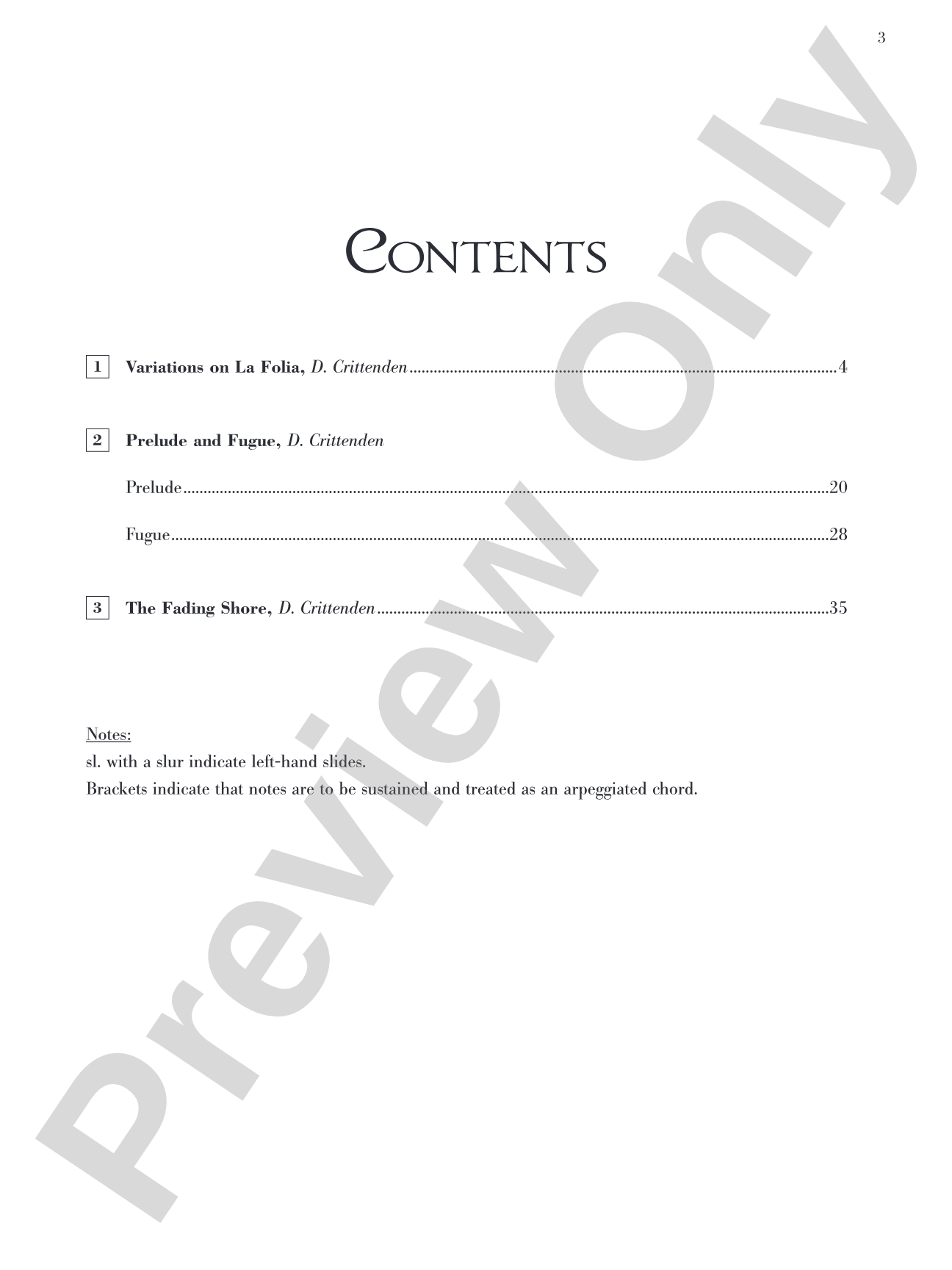
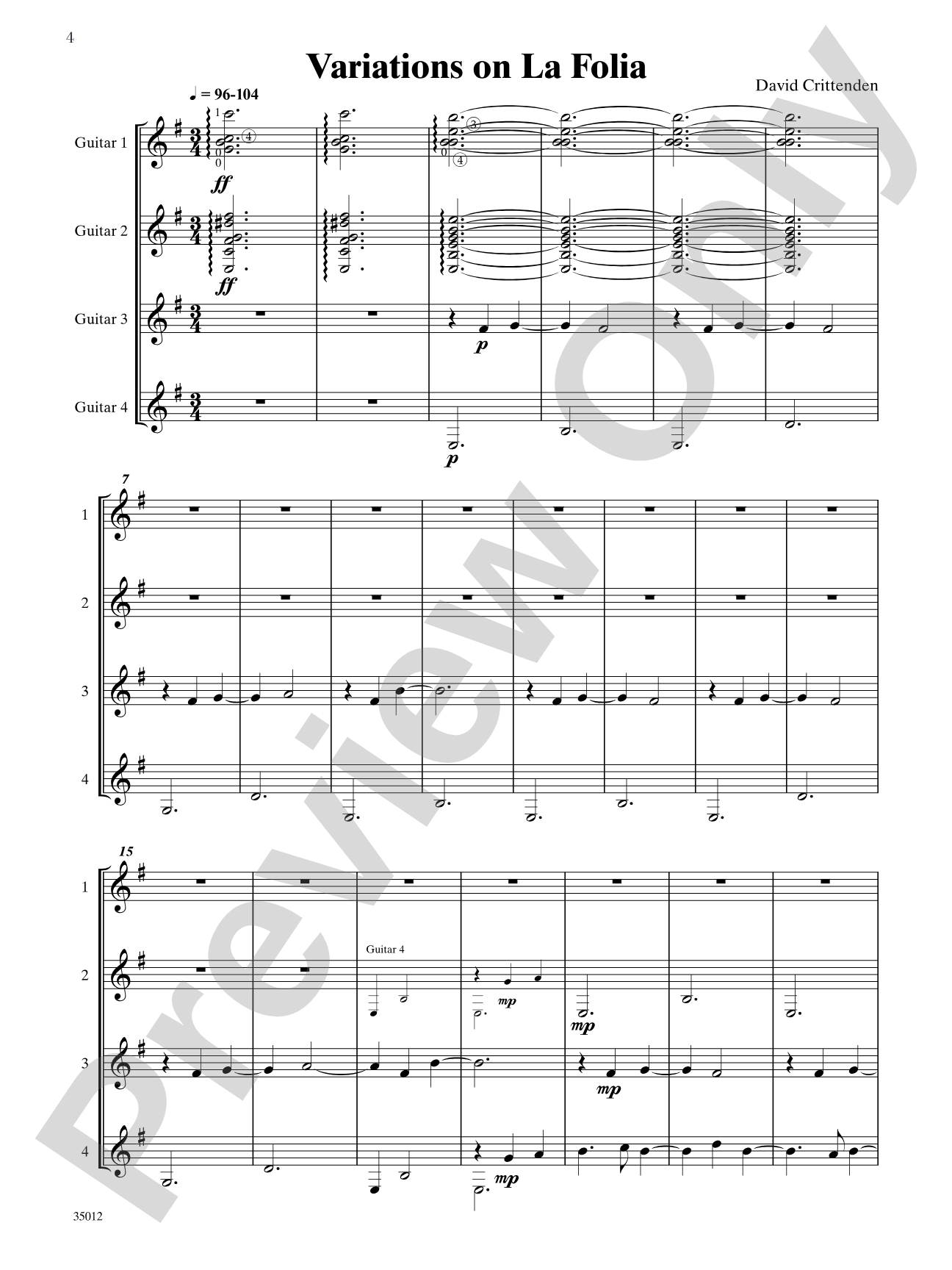
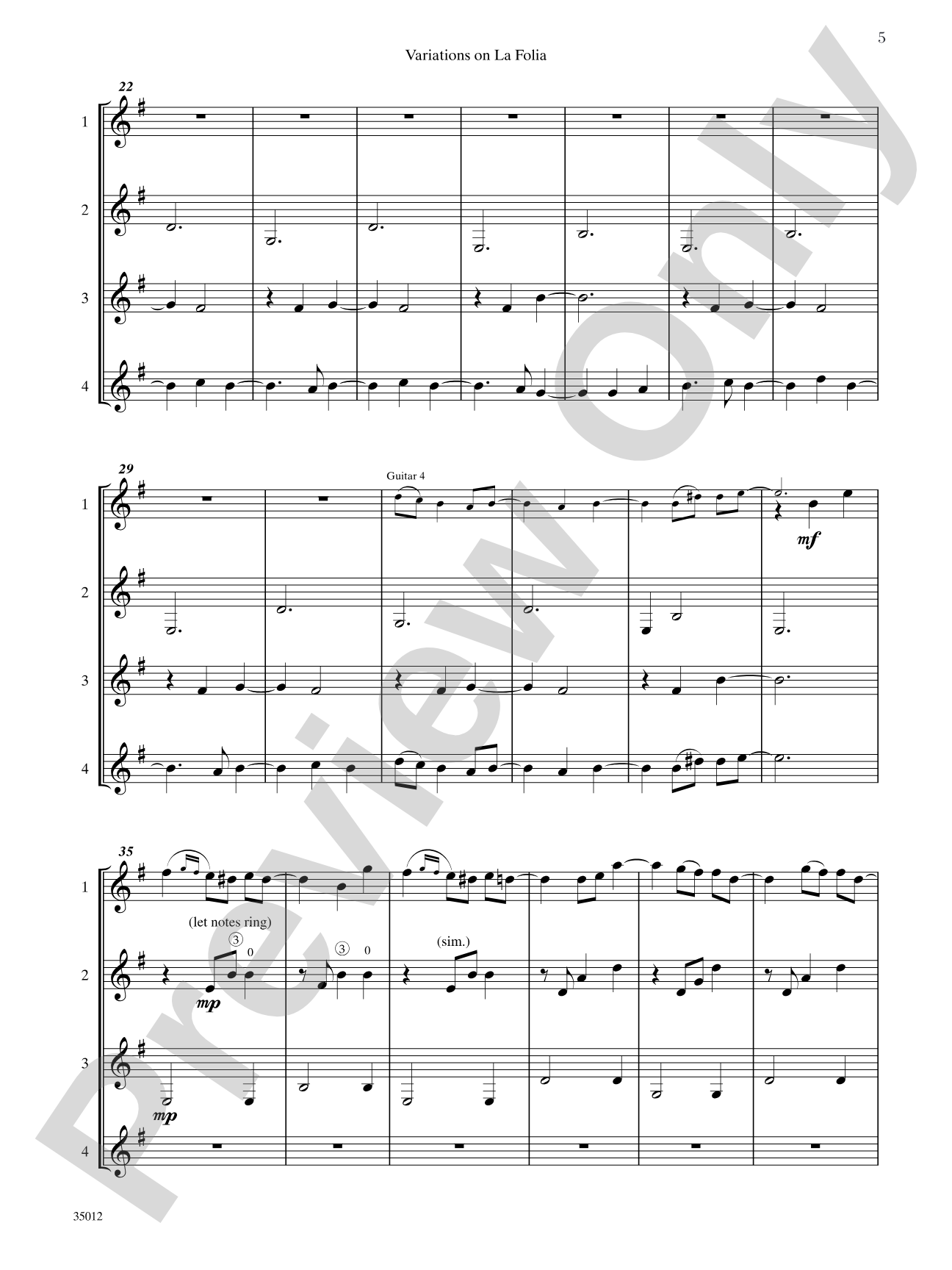
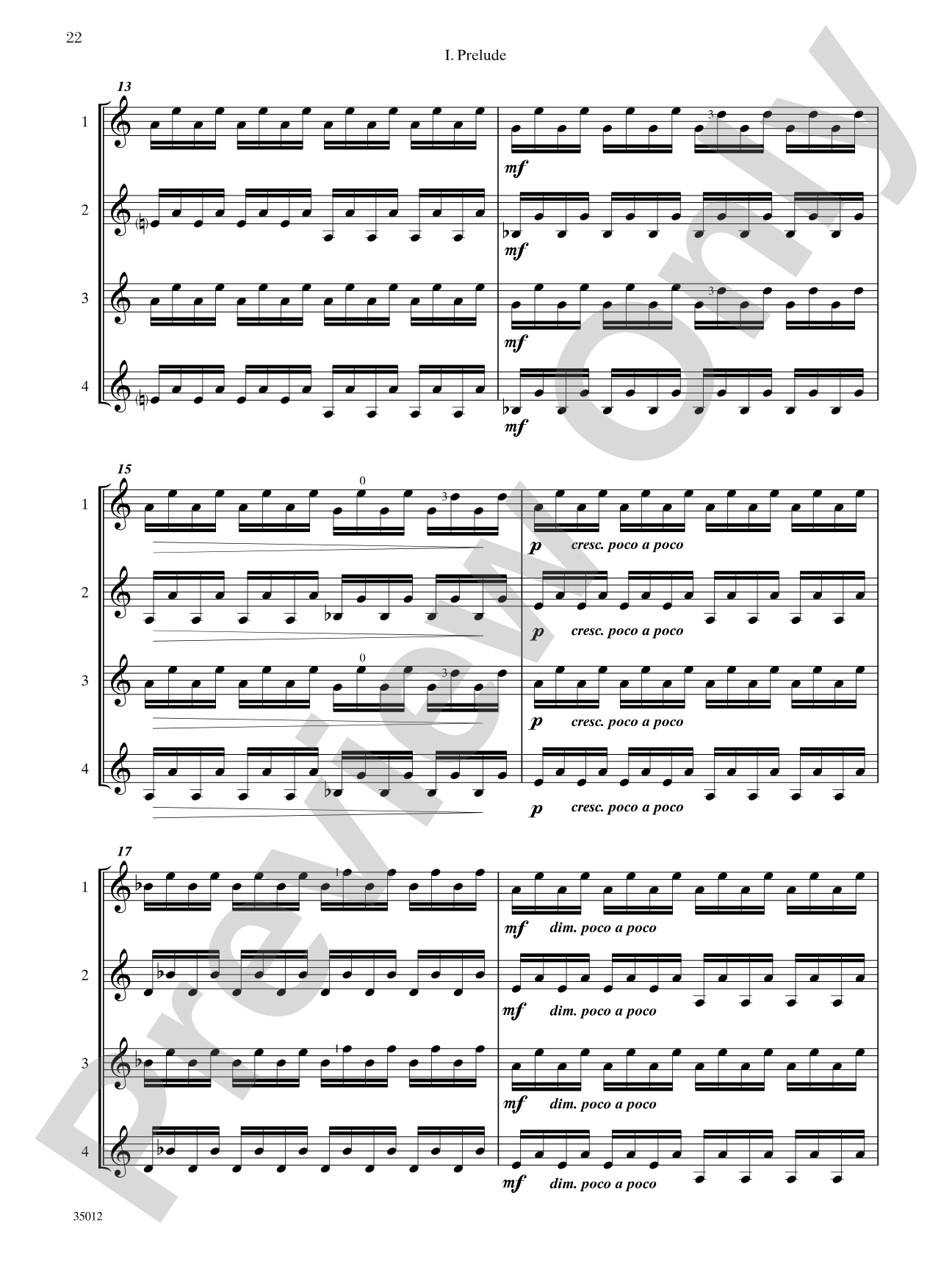
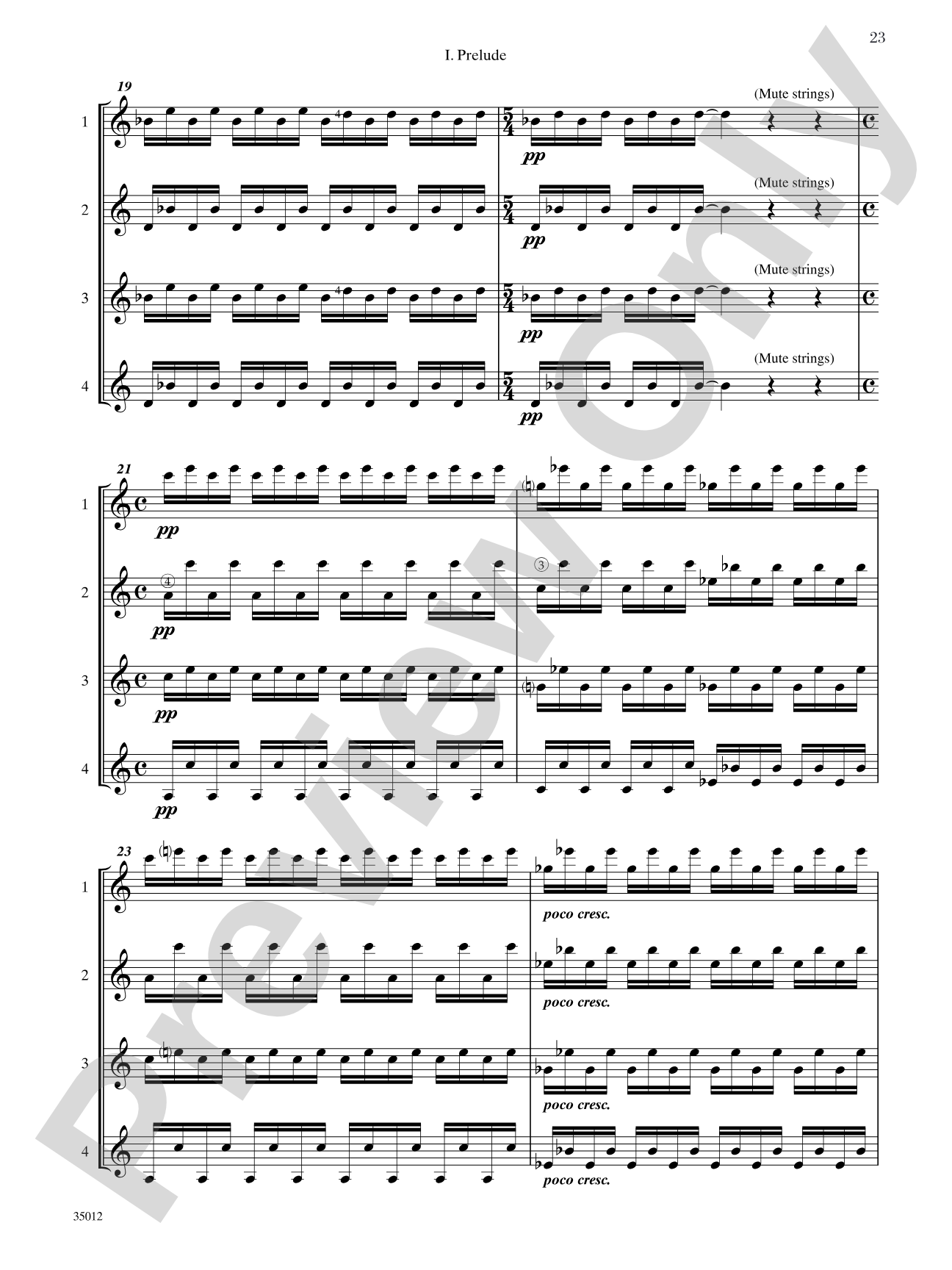
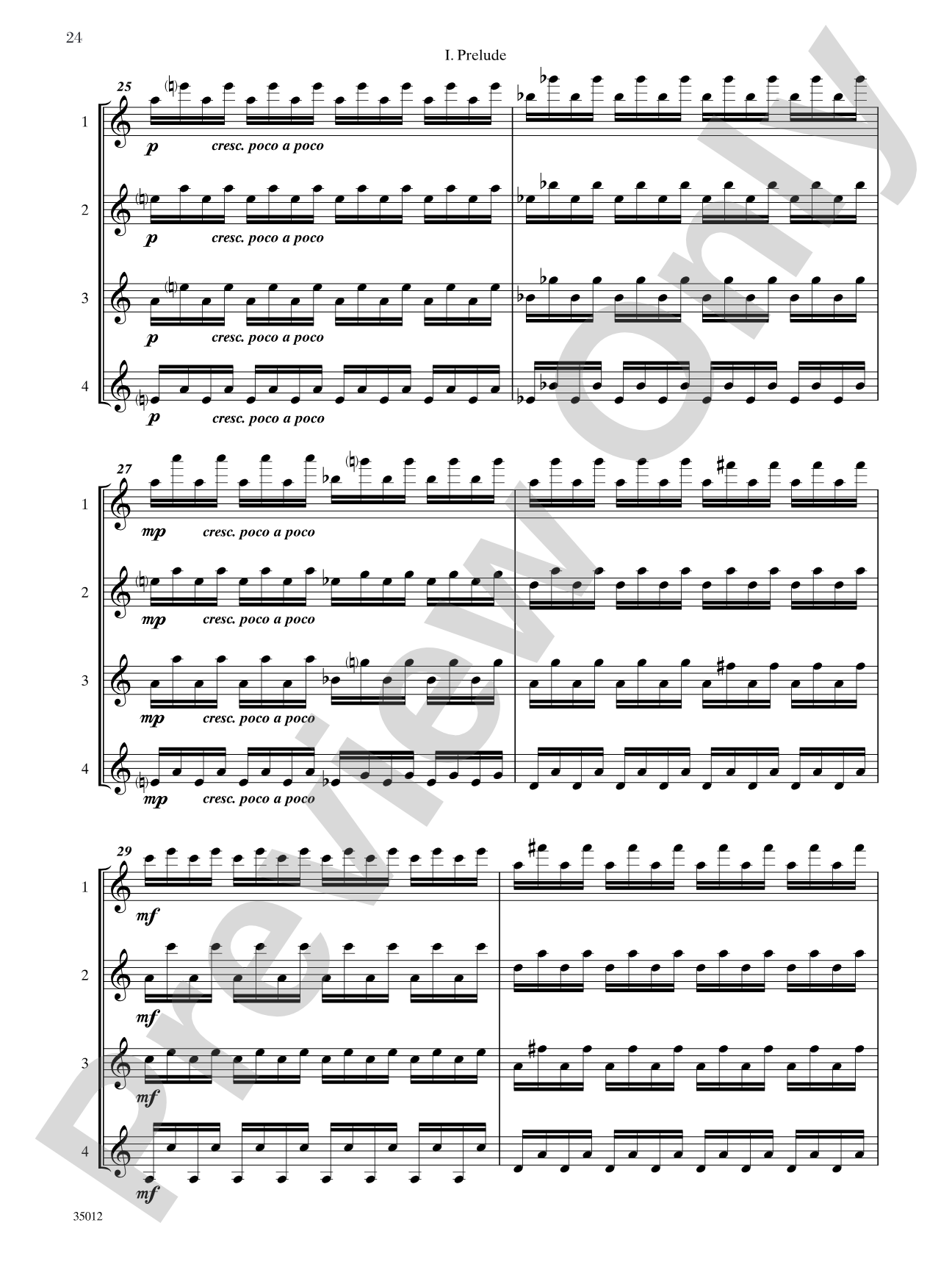
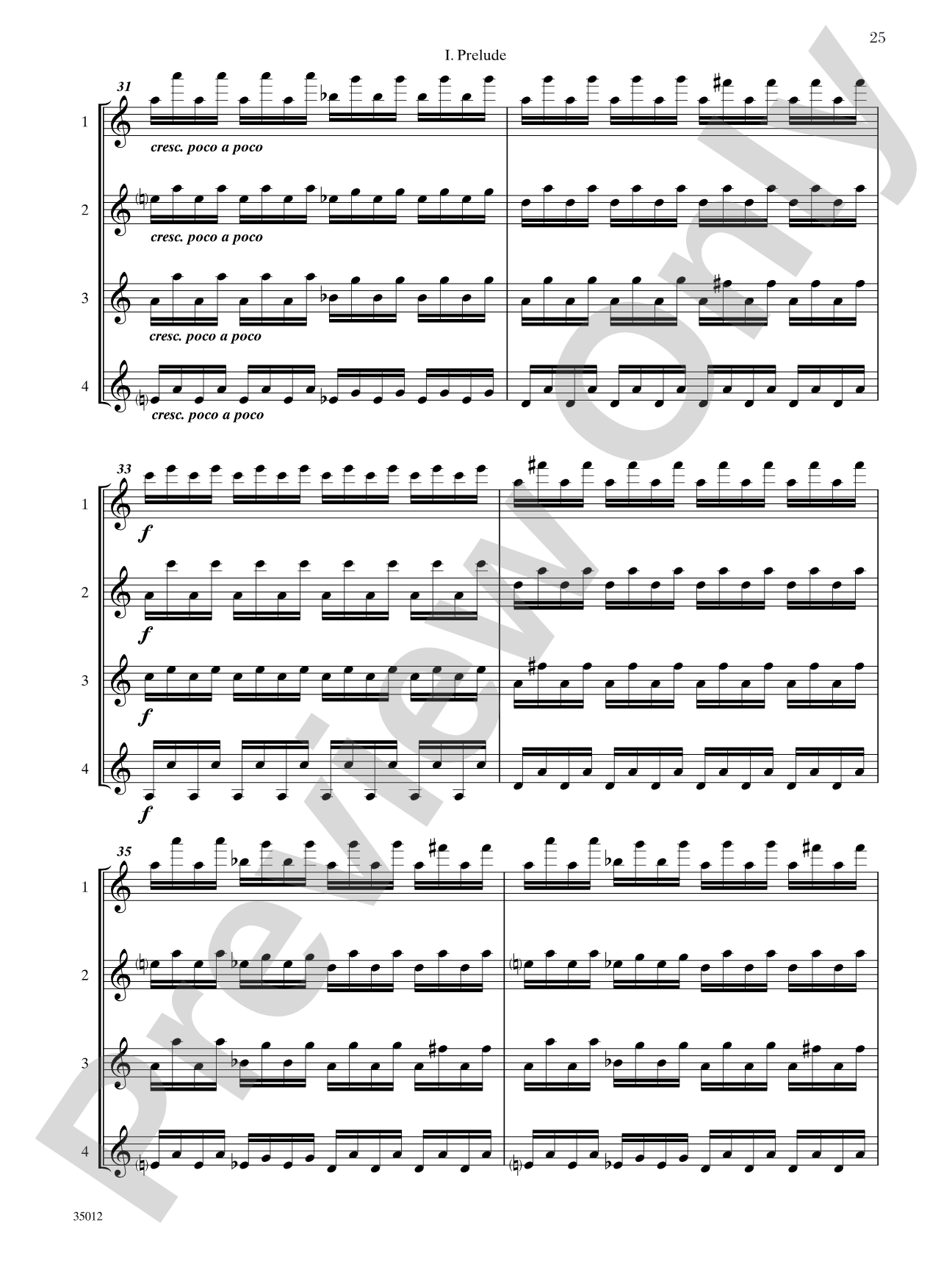


Quartets for Guitar: Three Intermediate Works: Guitar Book
By David Crittenden
Level: Intermediate
Item: 00-PK-0004340

$19.99
Pickup currently not available
Buy Extra Parts (Digital PDF Download)
Parts Added to Cart!
Related Items
Quartets for Guitar: Three Intermediate Works: Guitar Book |
$19.99
|
View |
Description
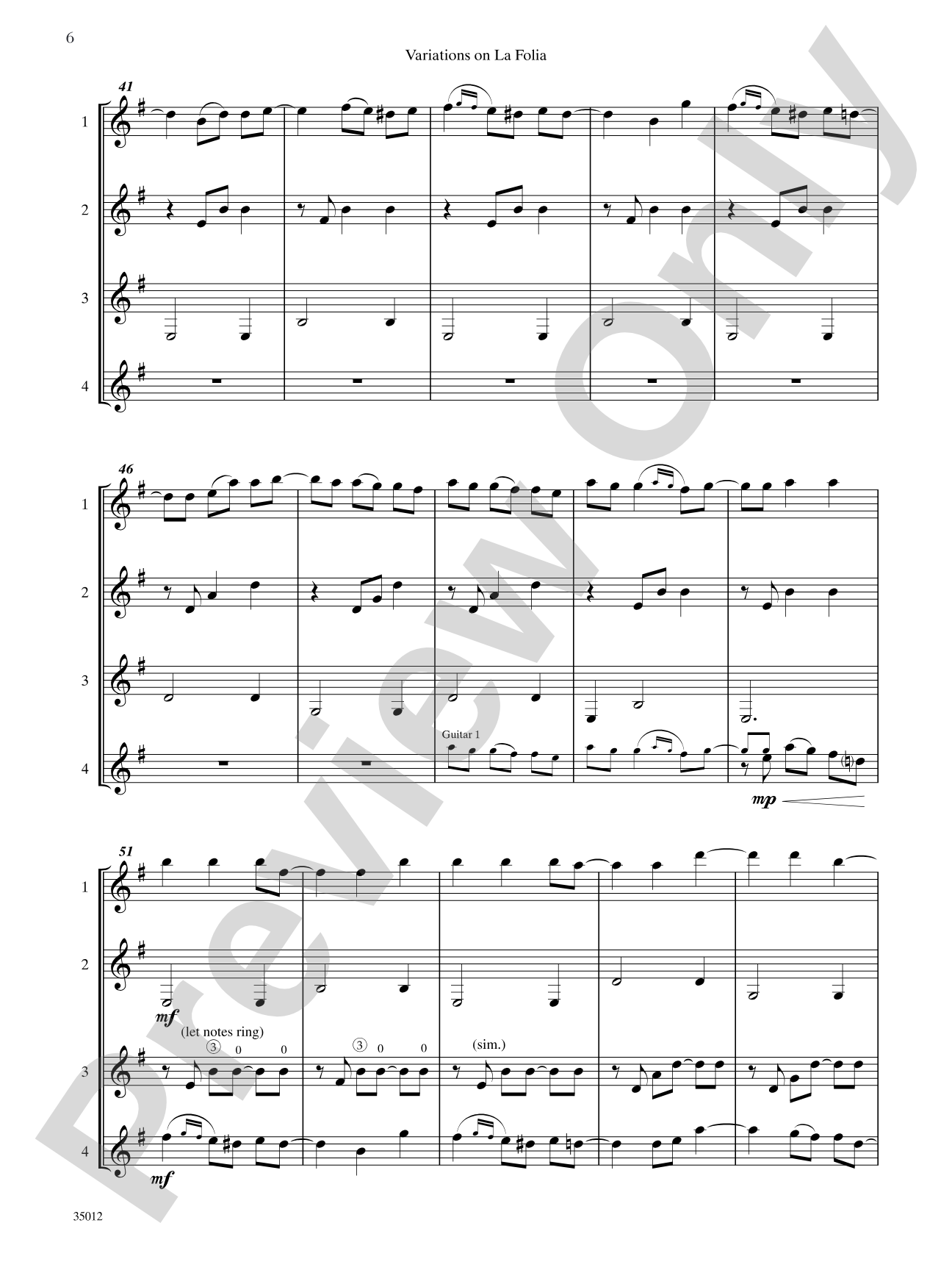
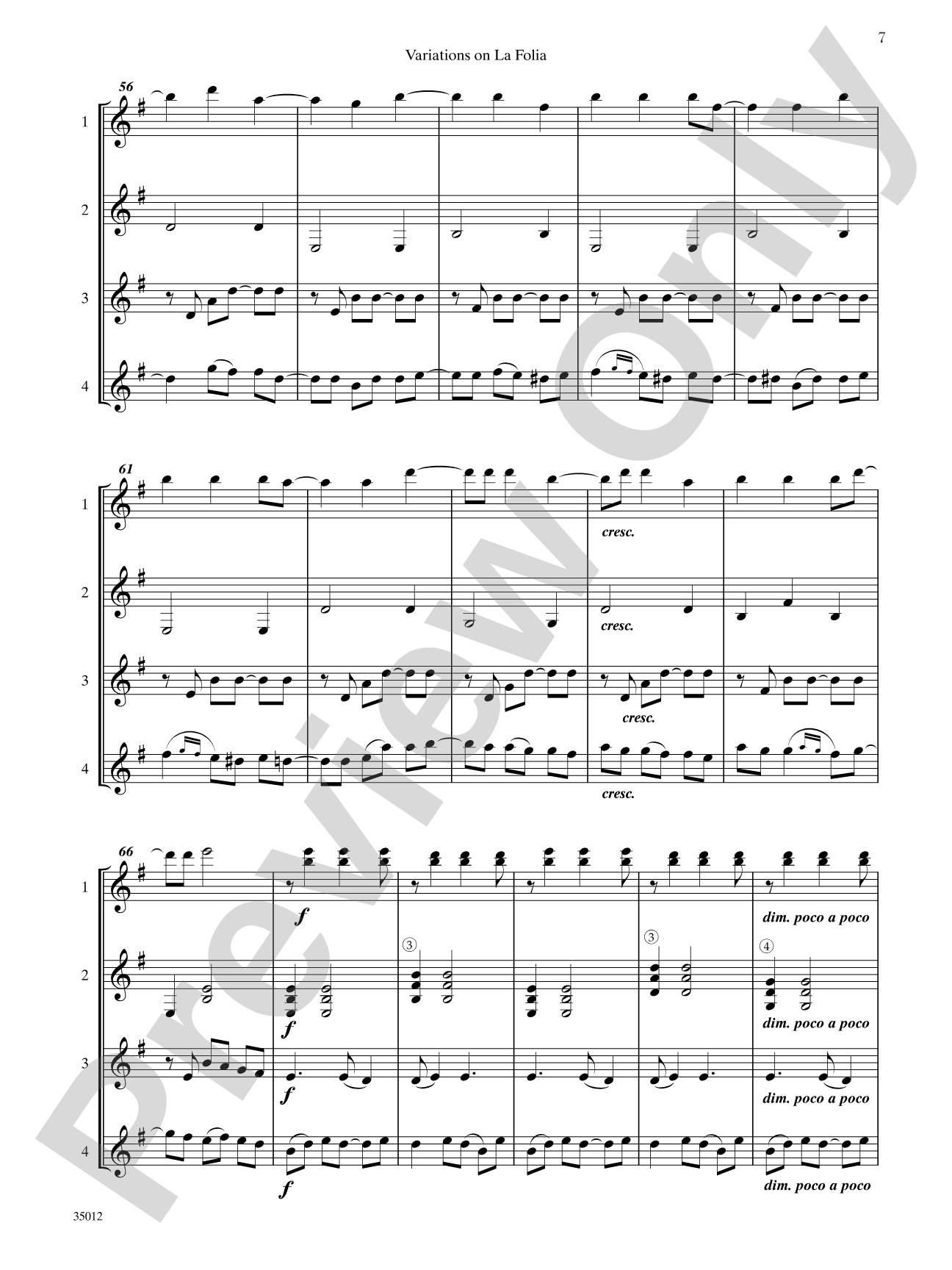
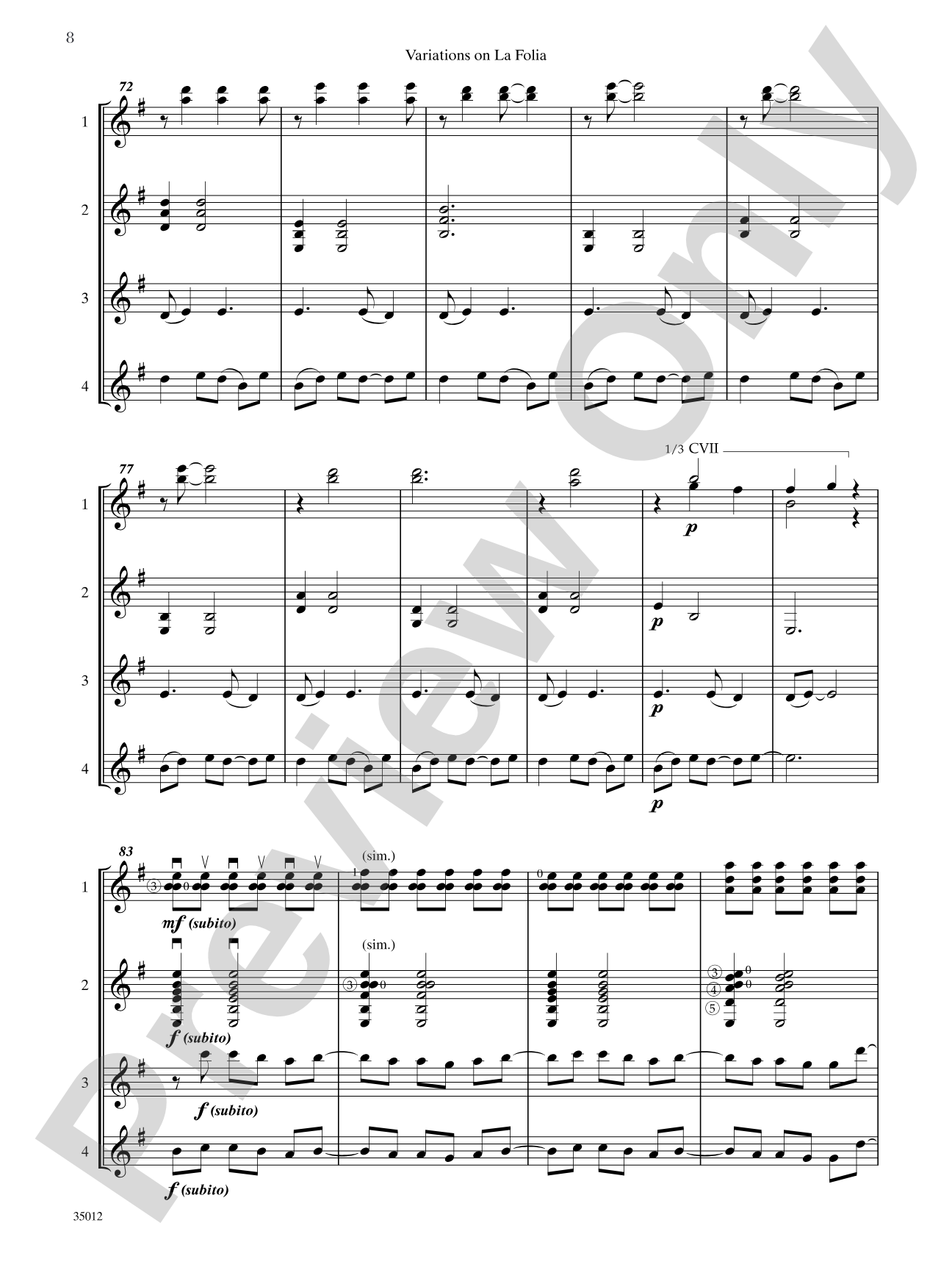
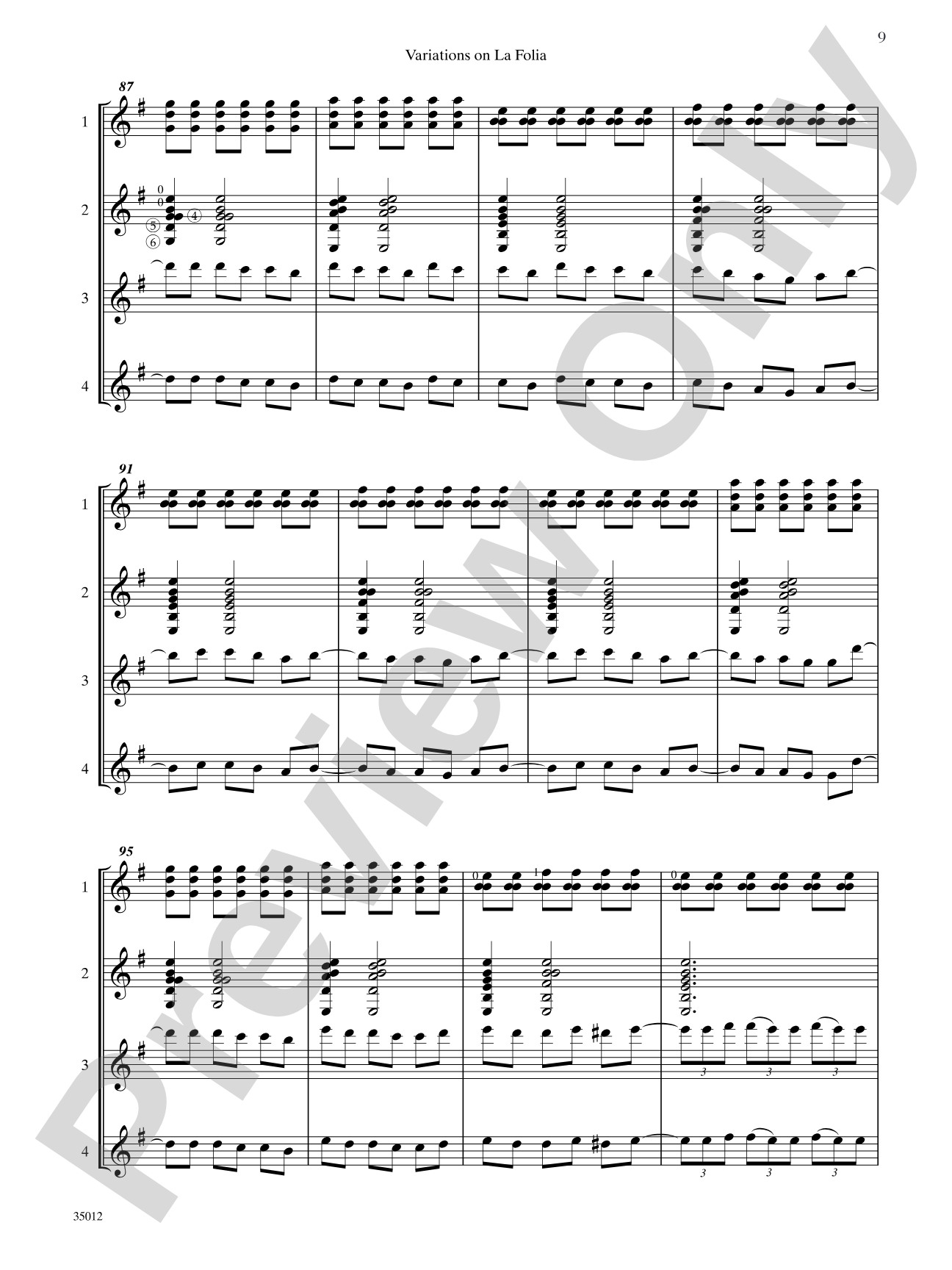
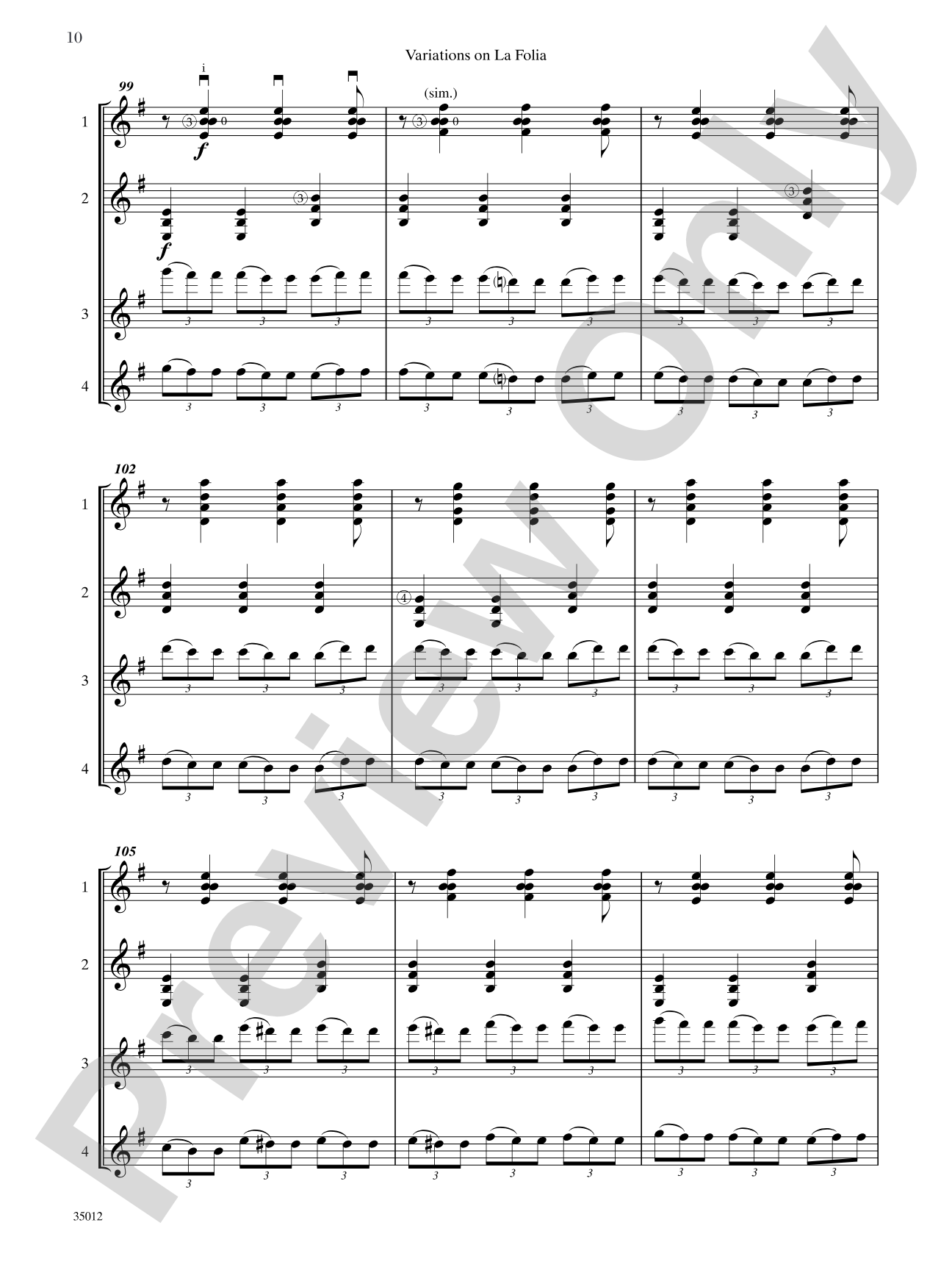
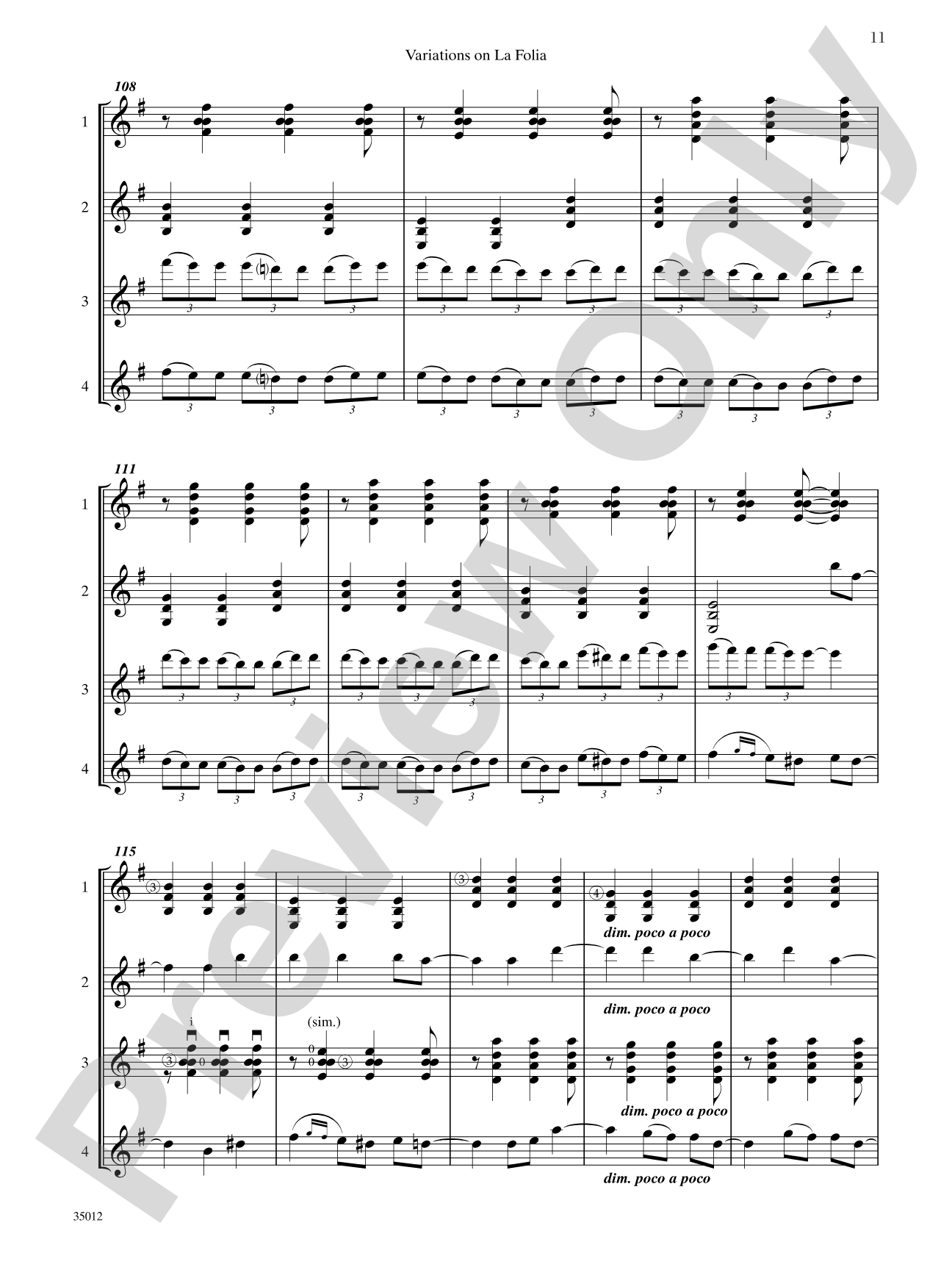
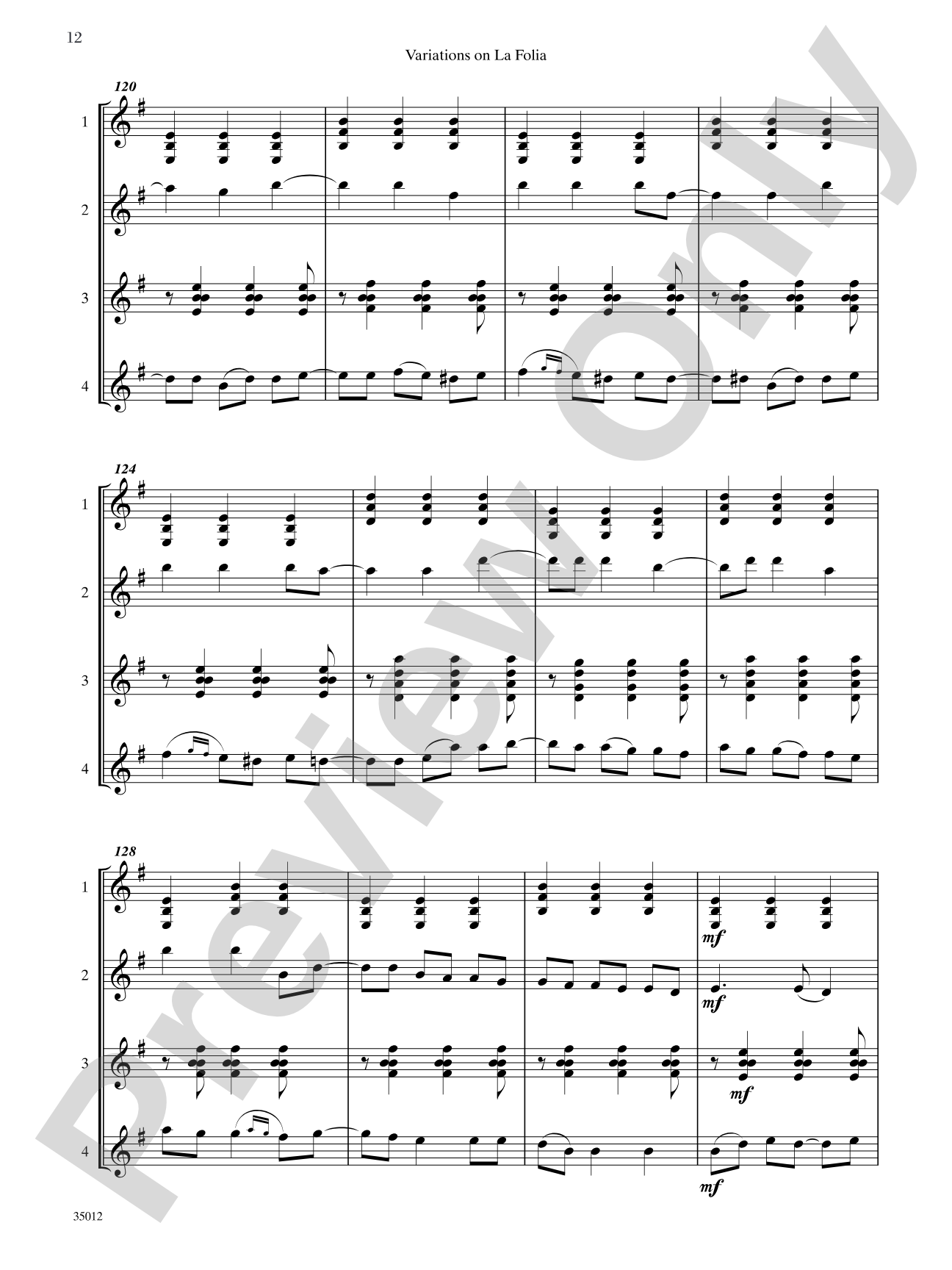
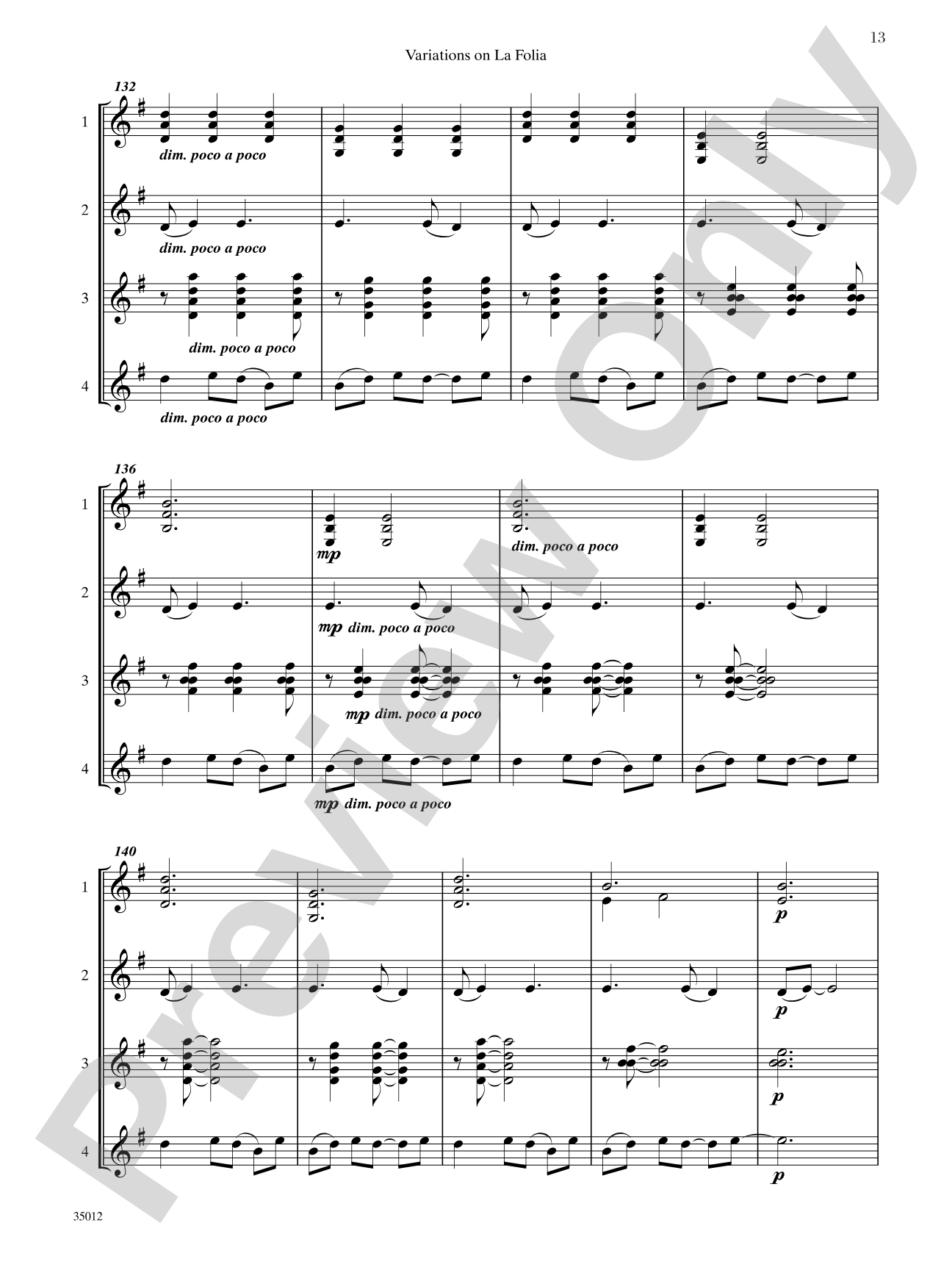
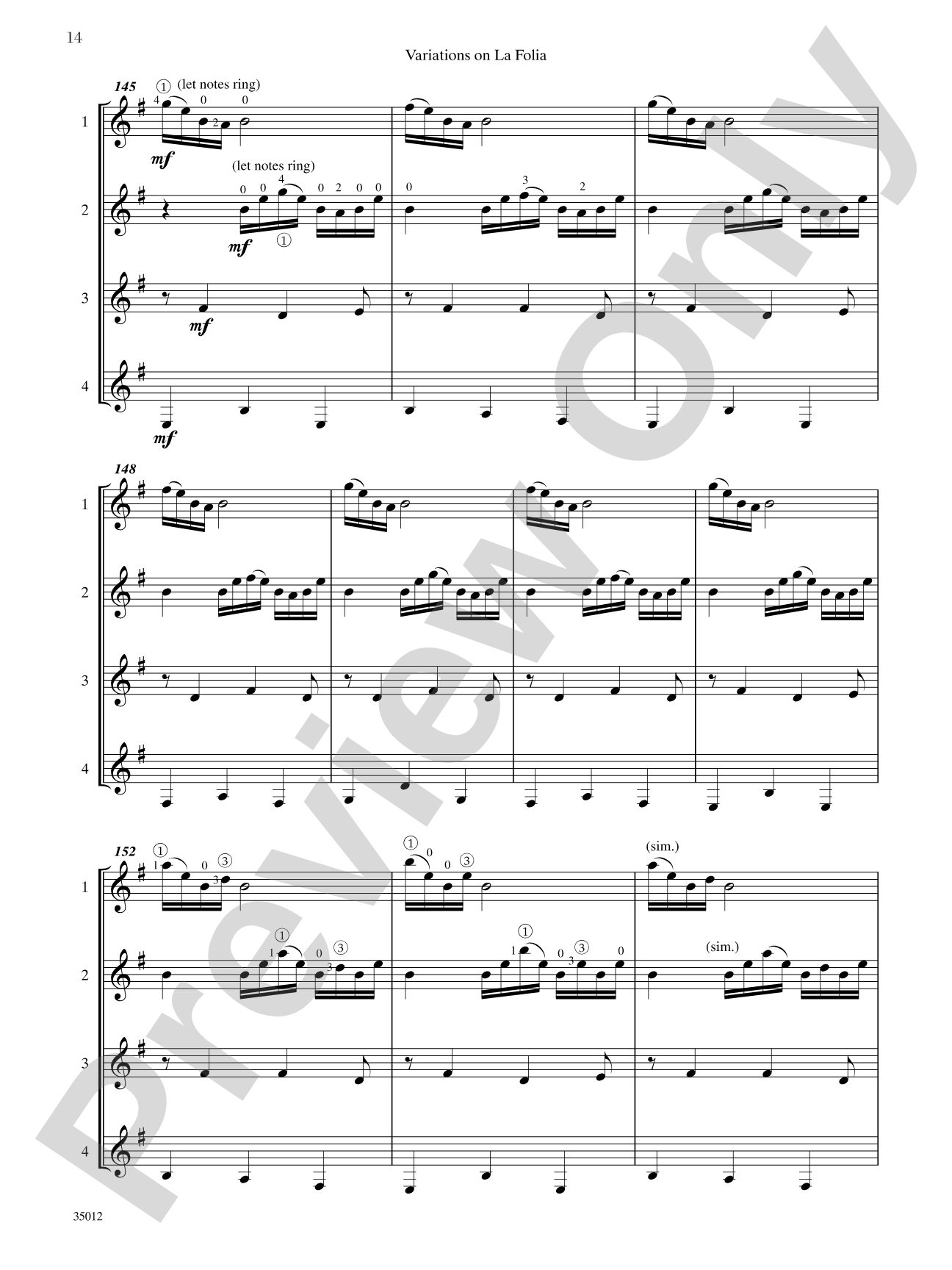
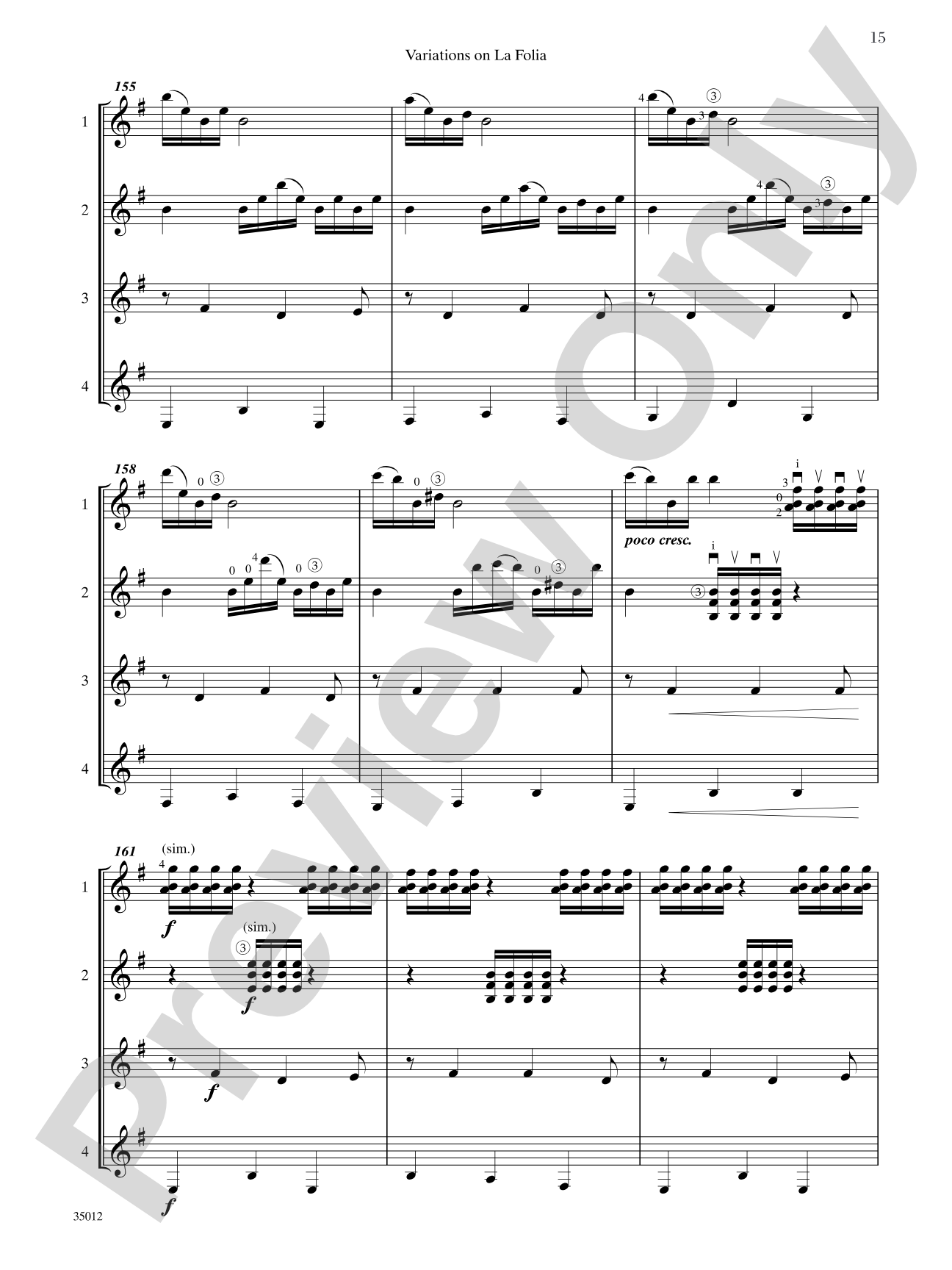
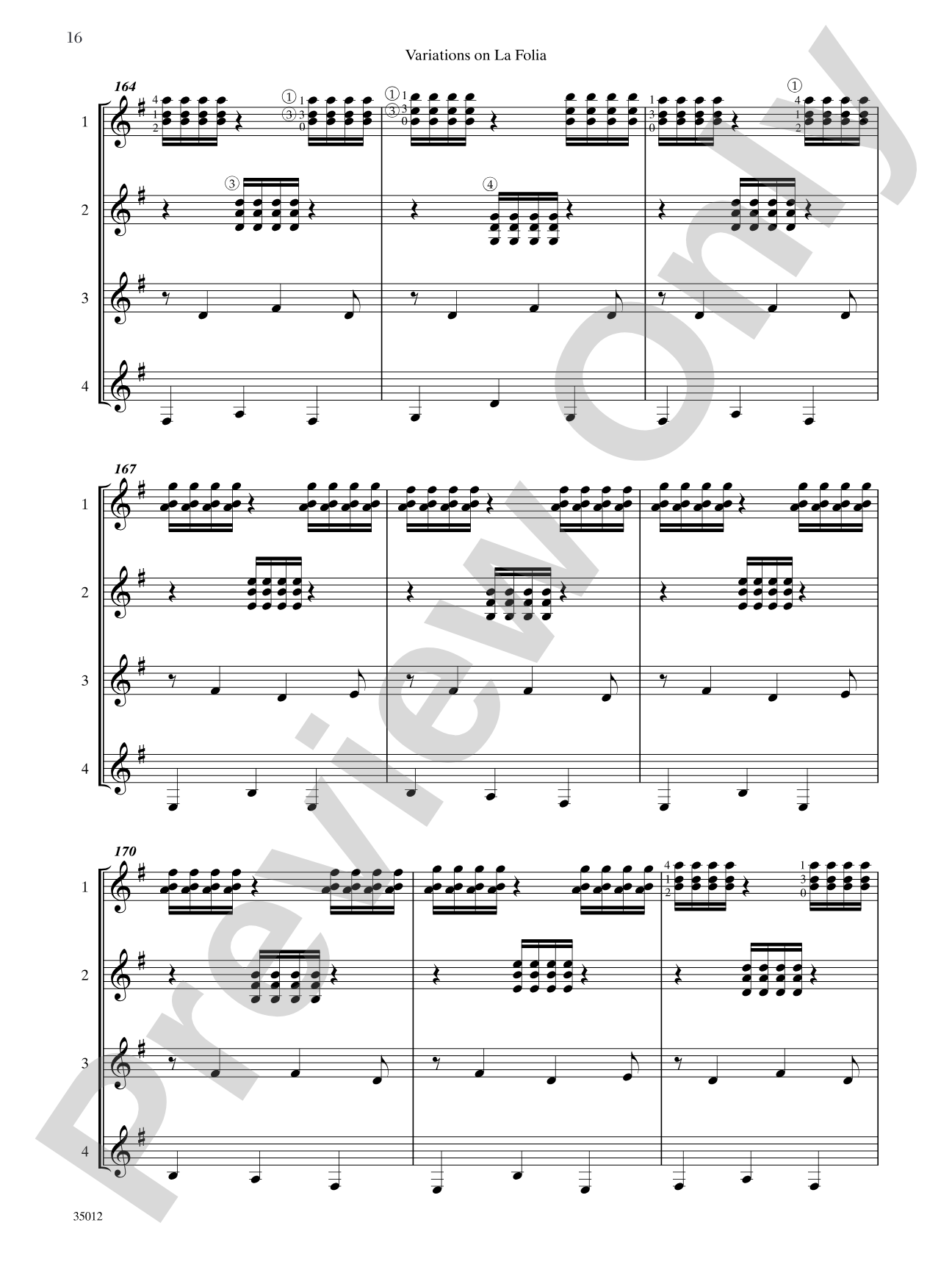
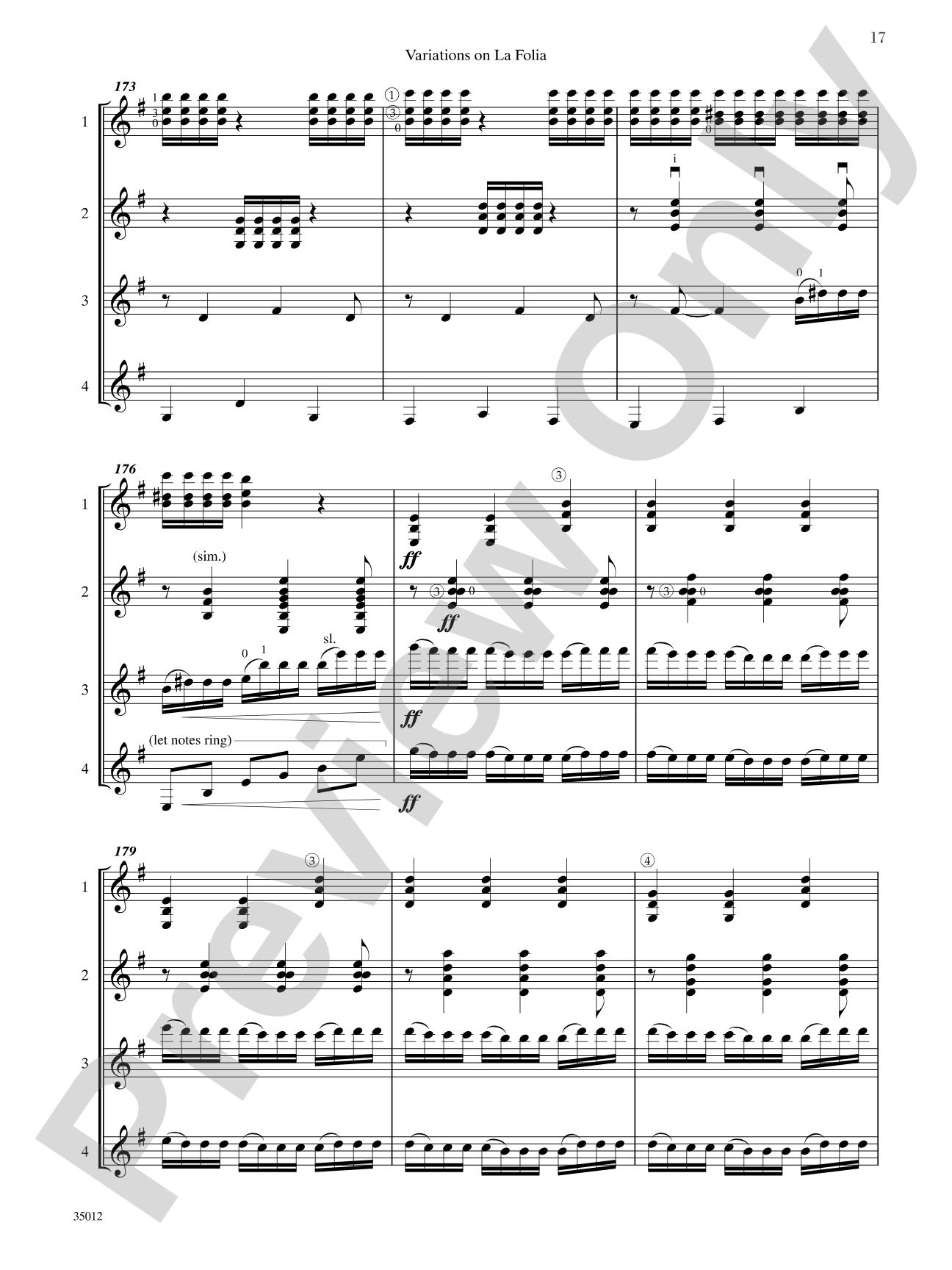
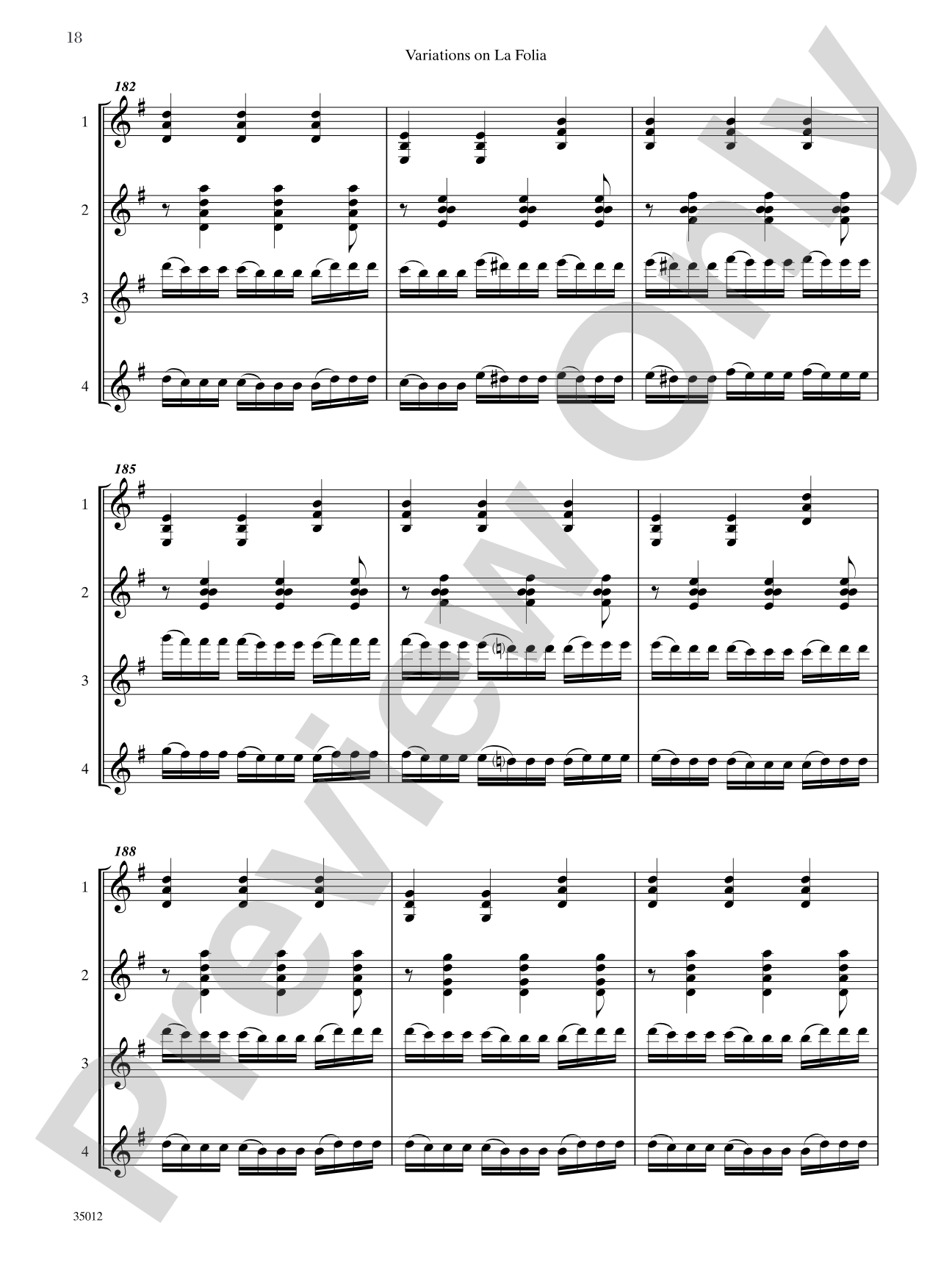
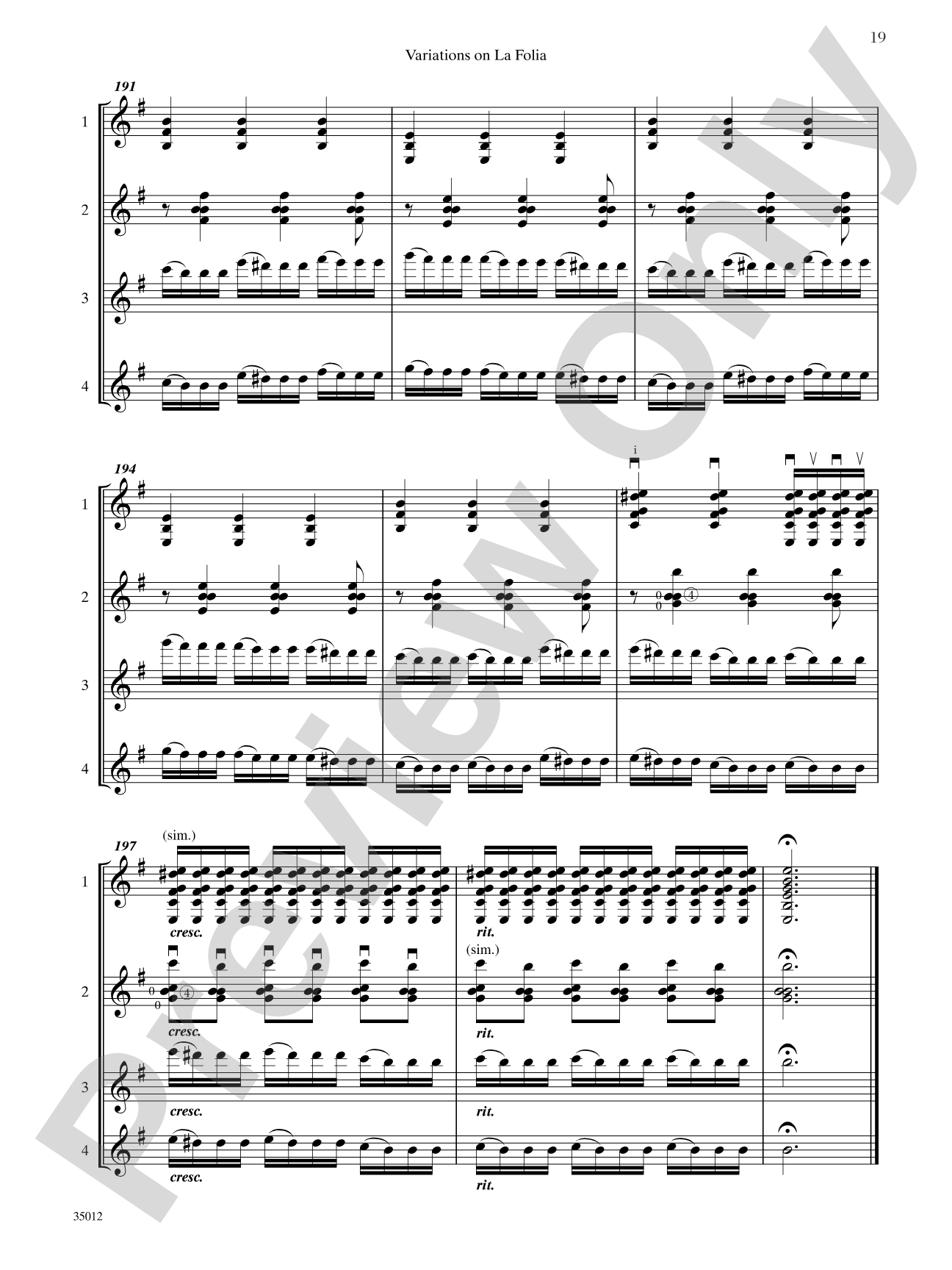
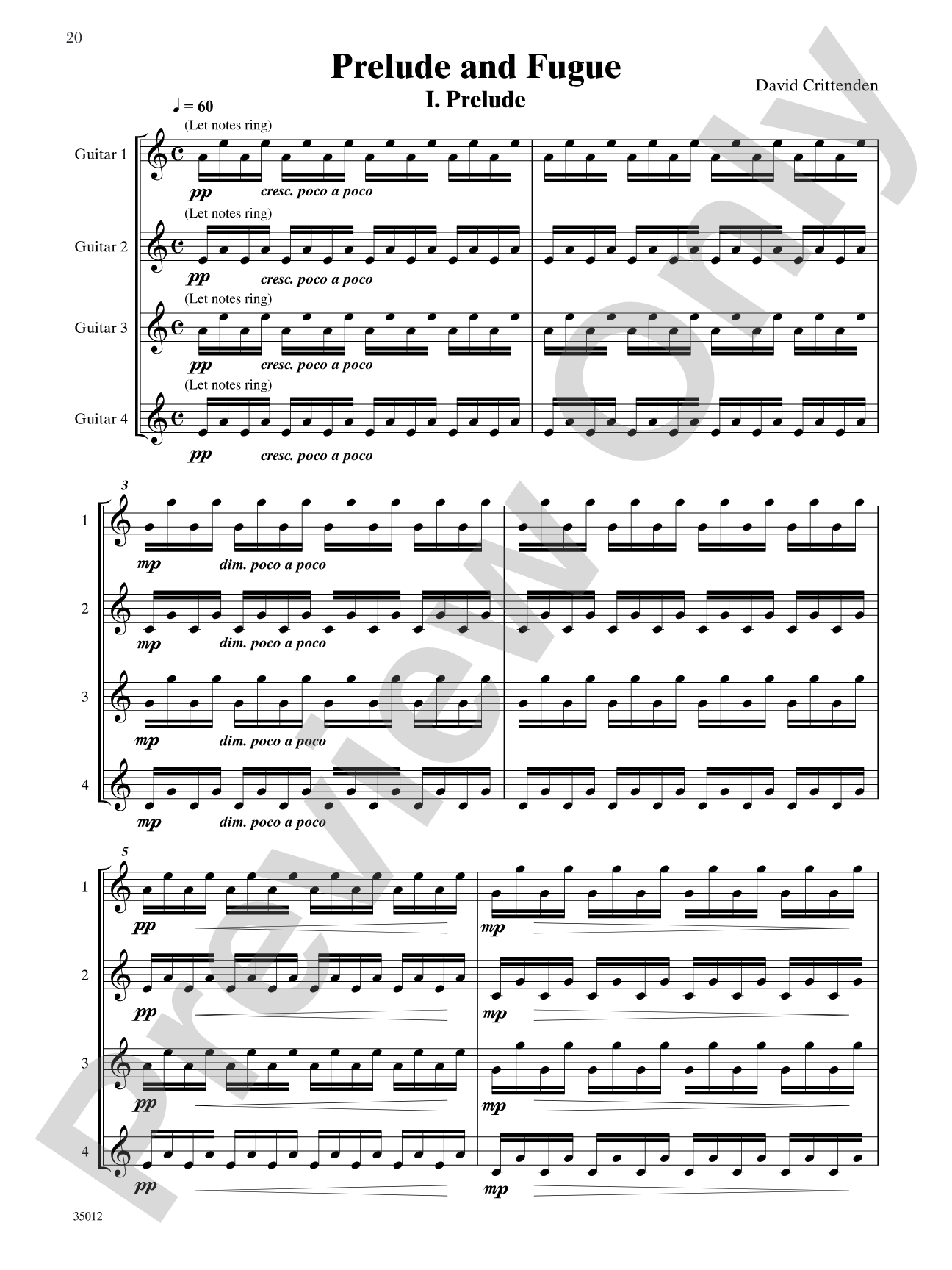
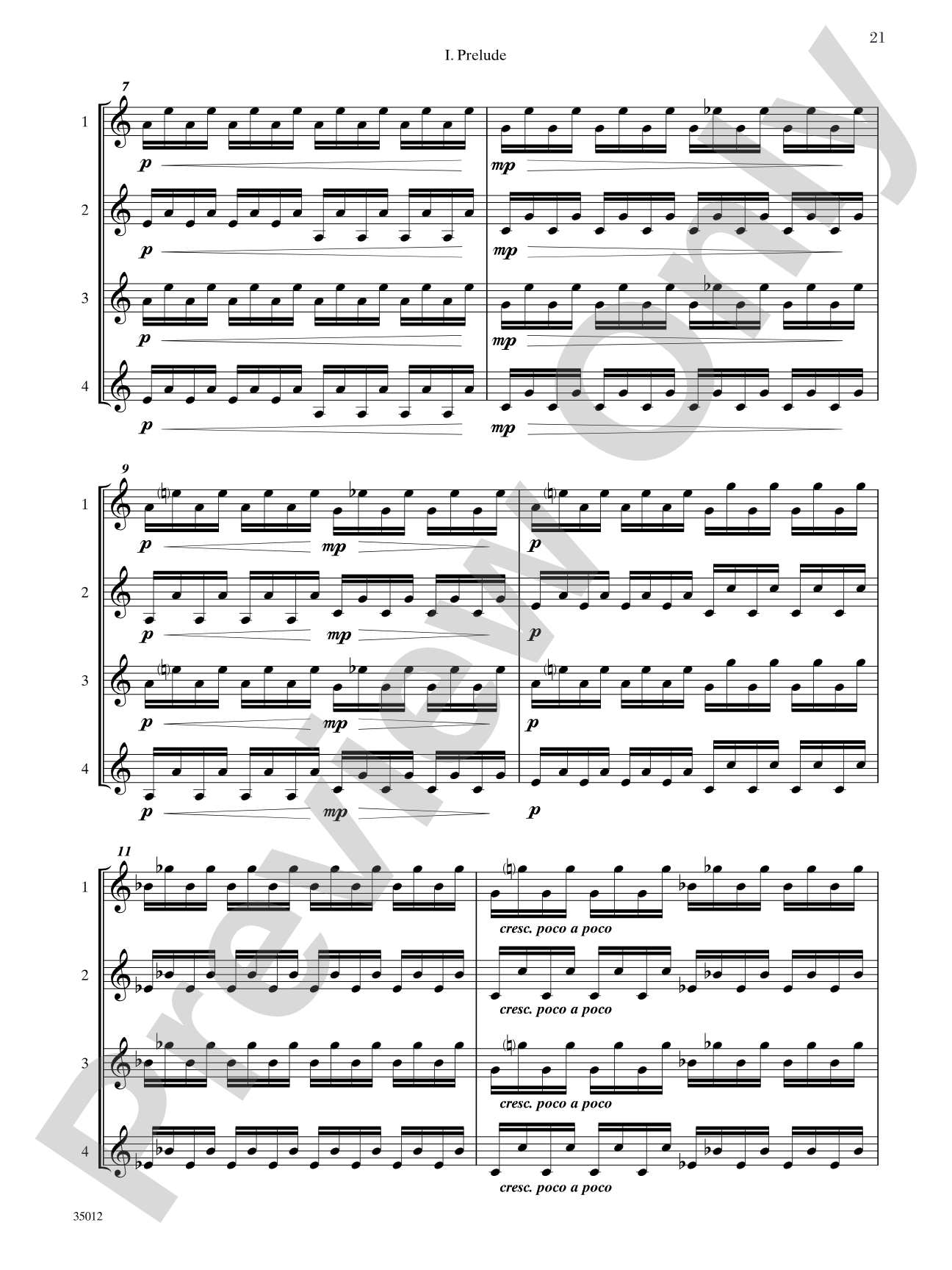
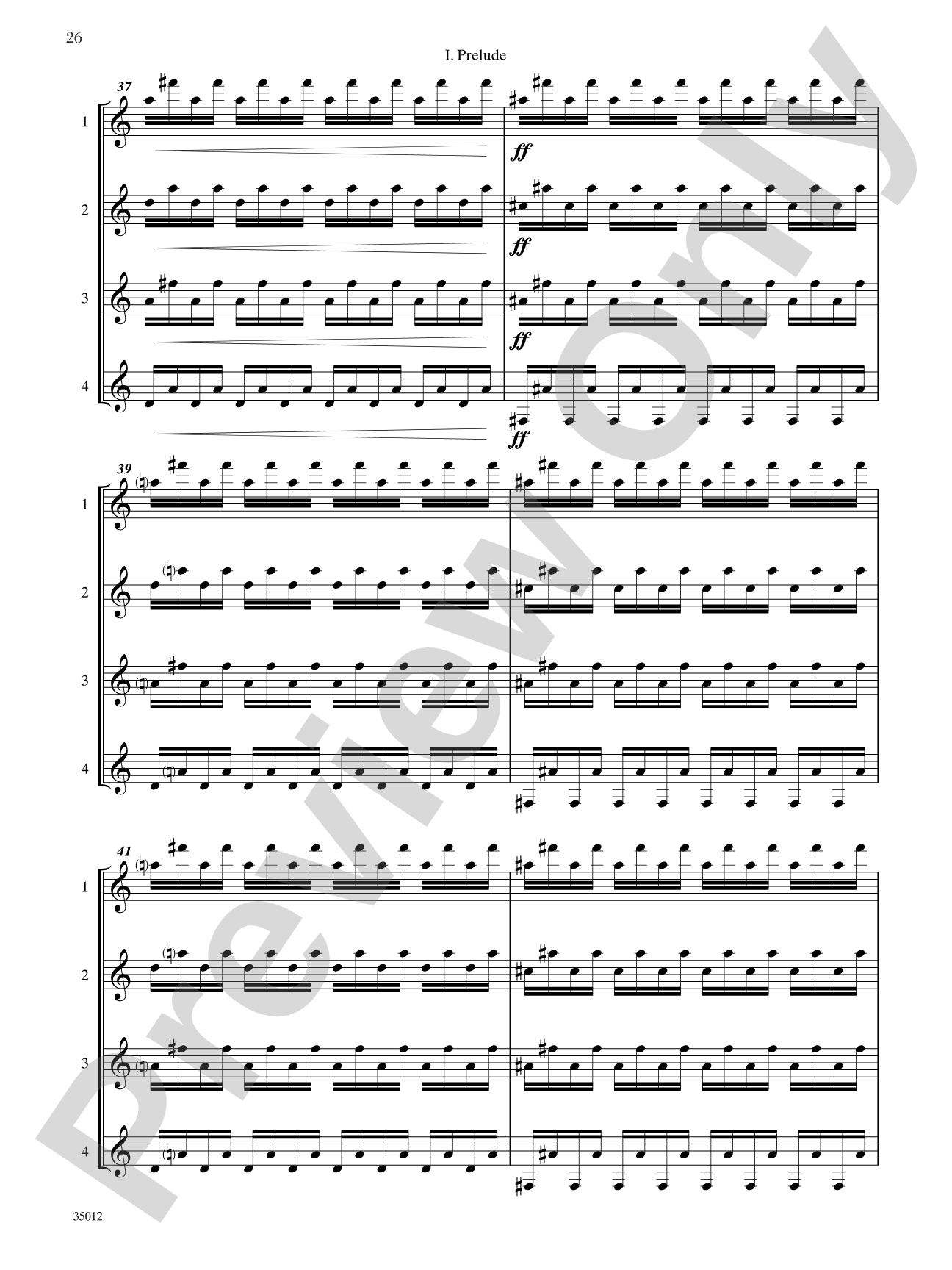
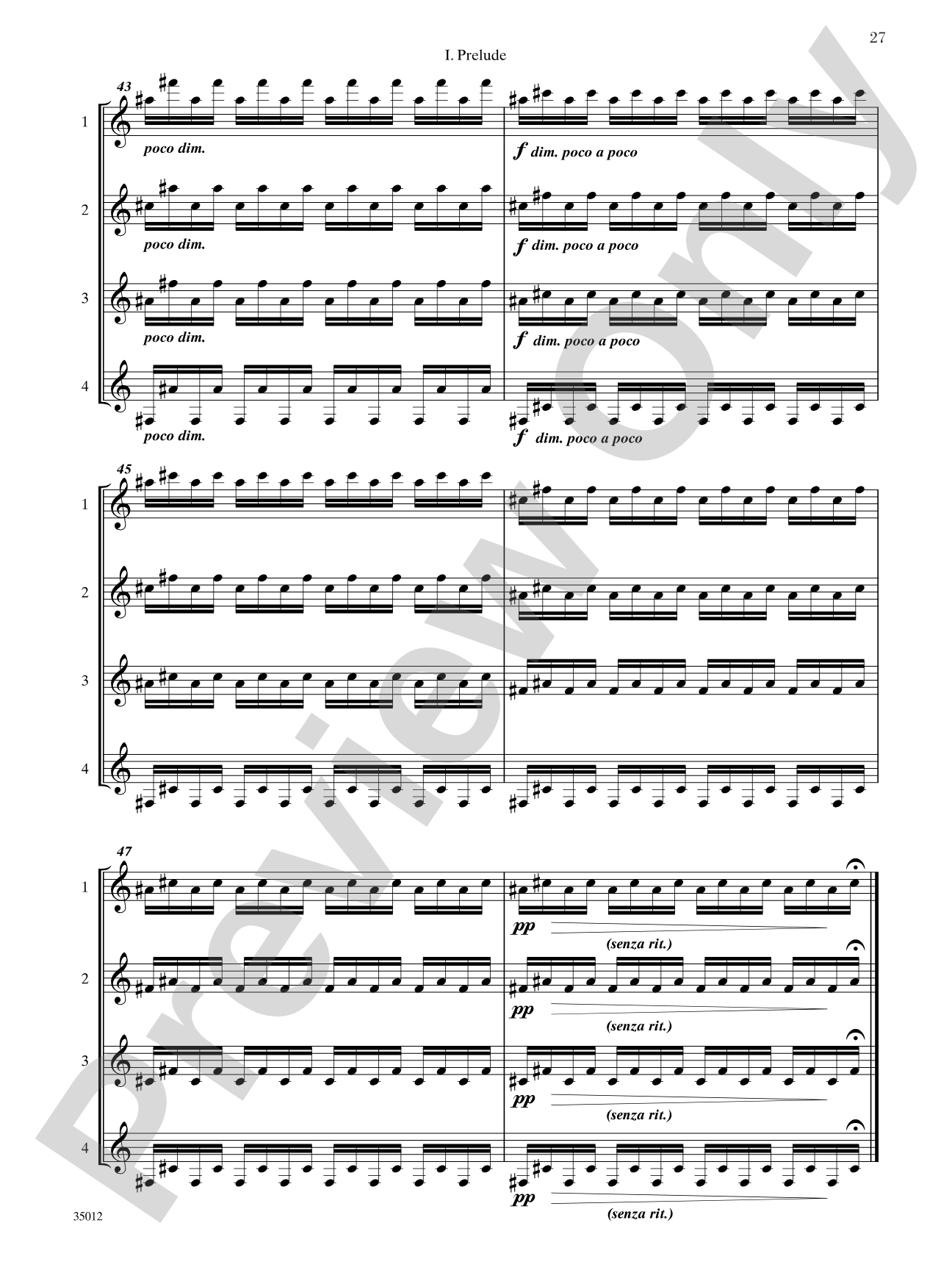
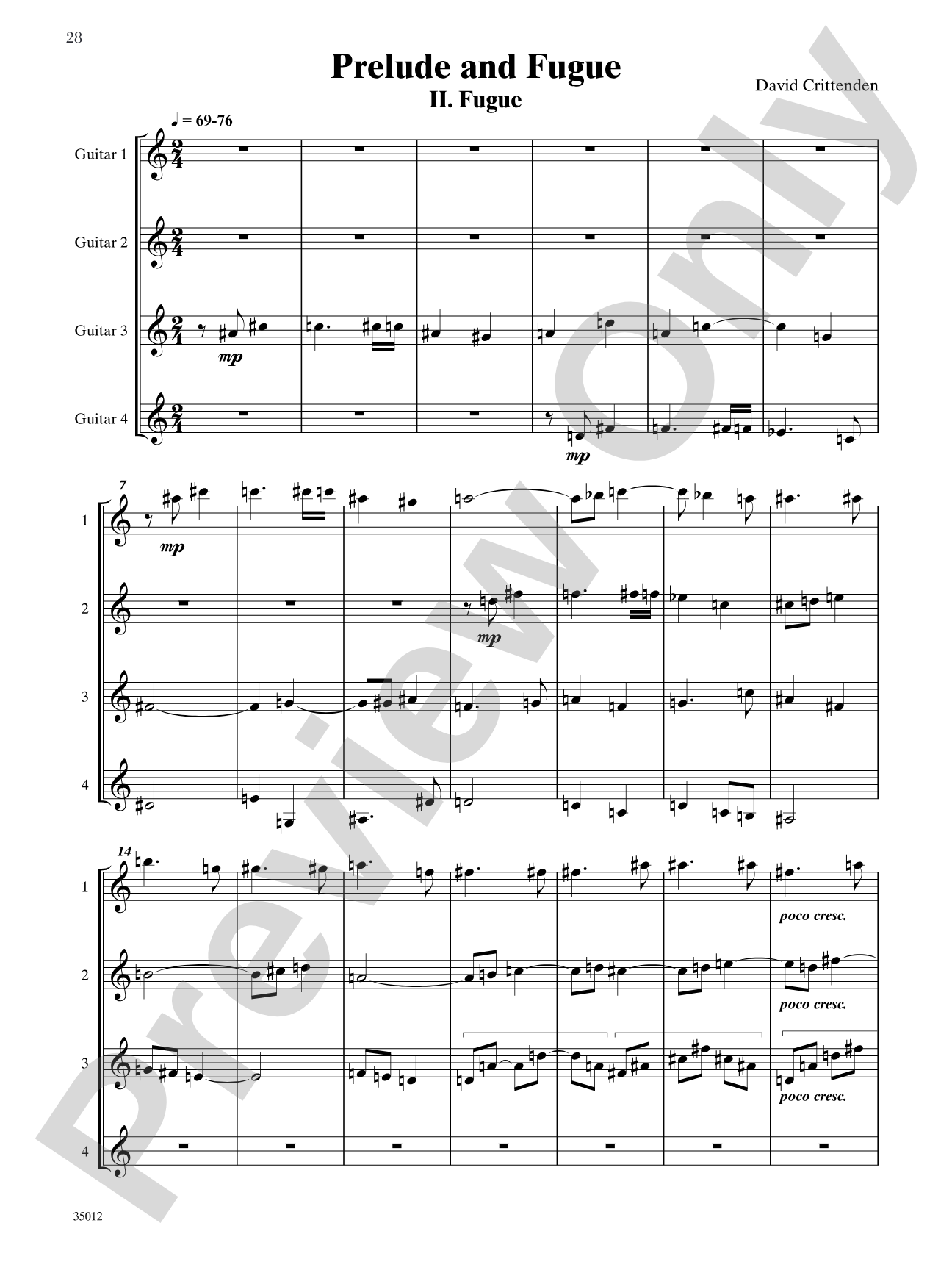
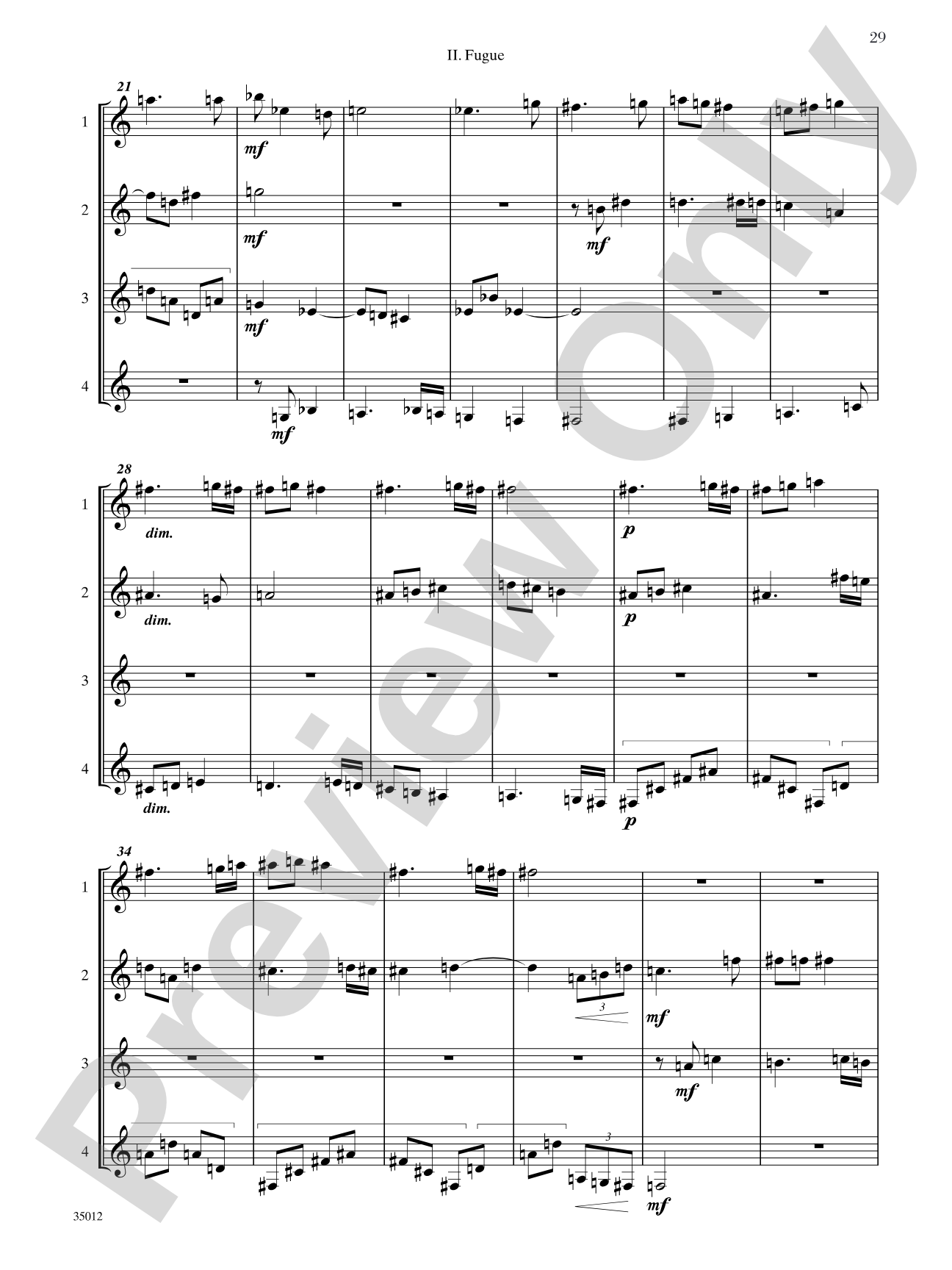
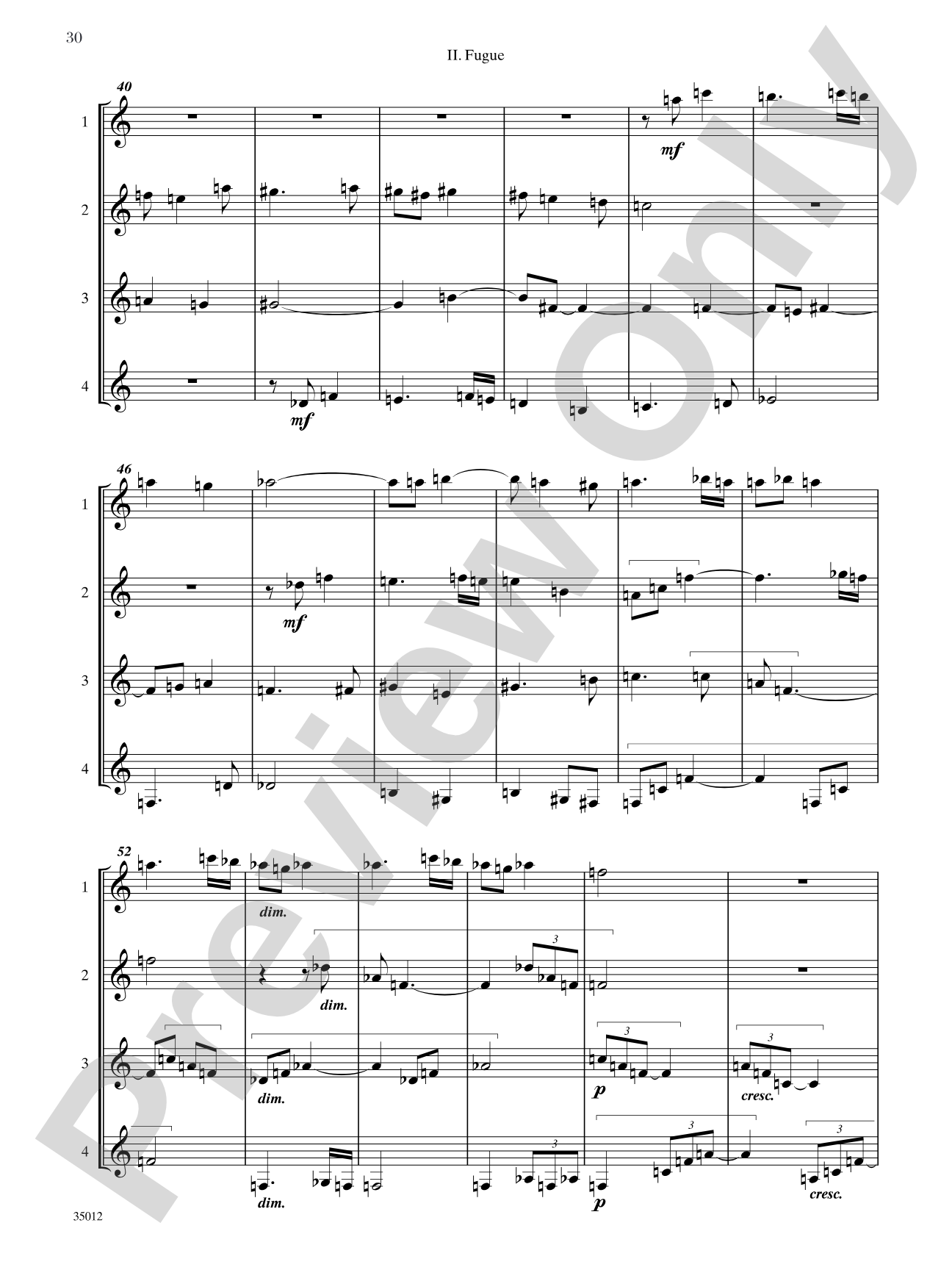
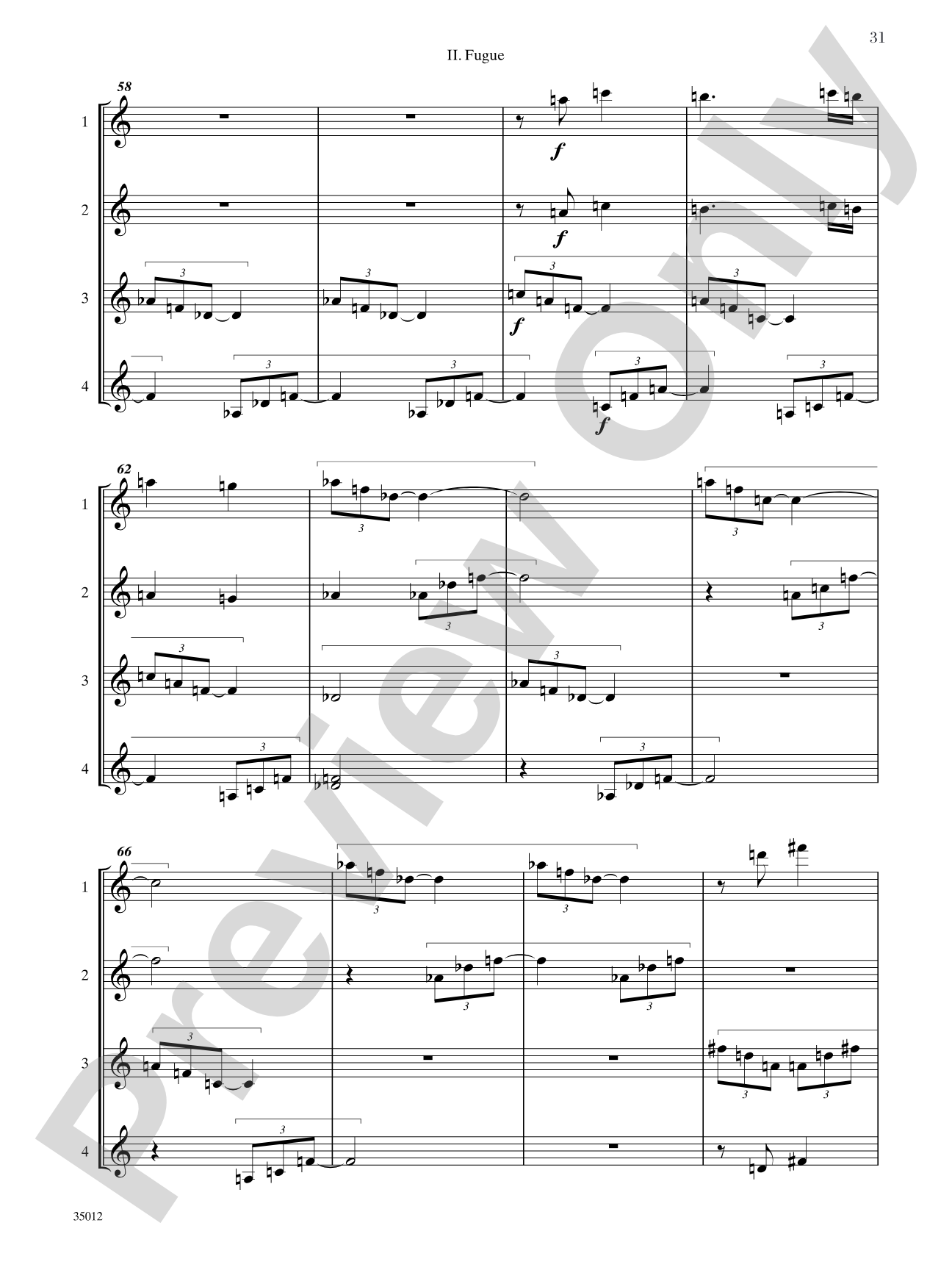
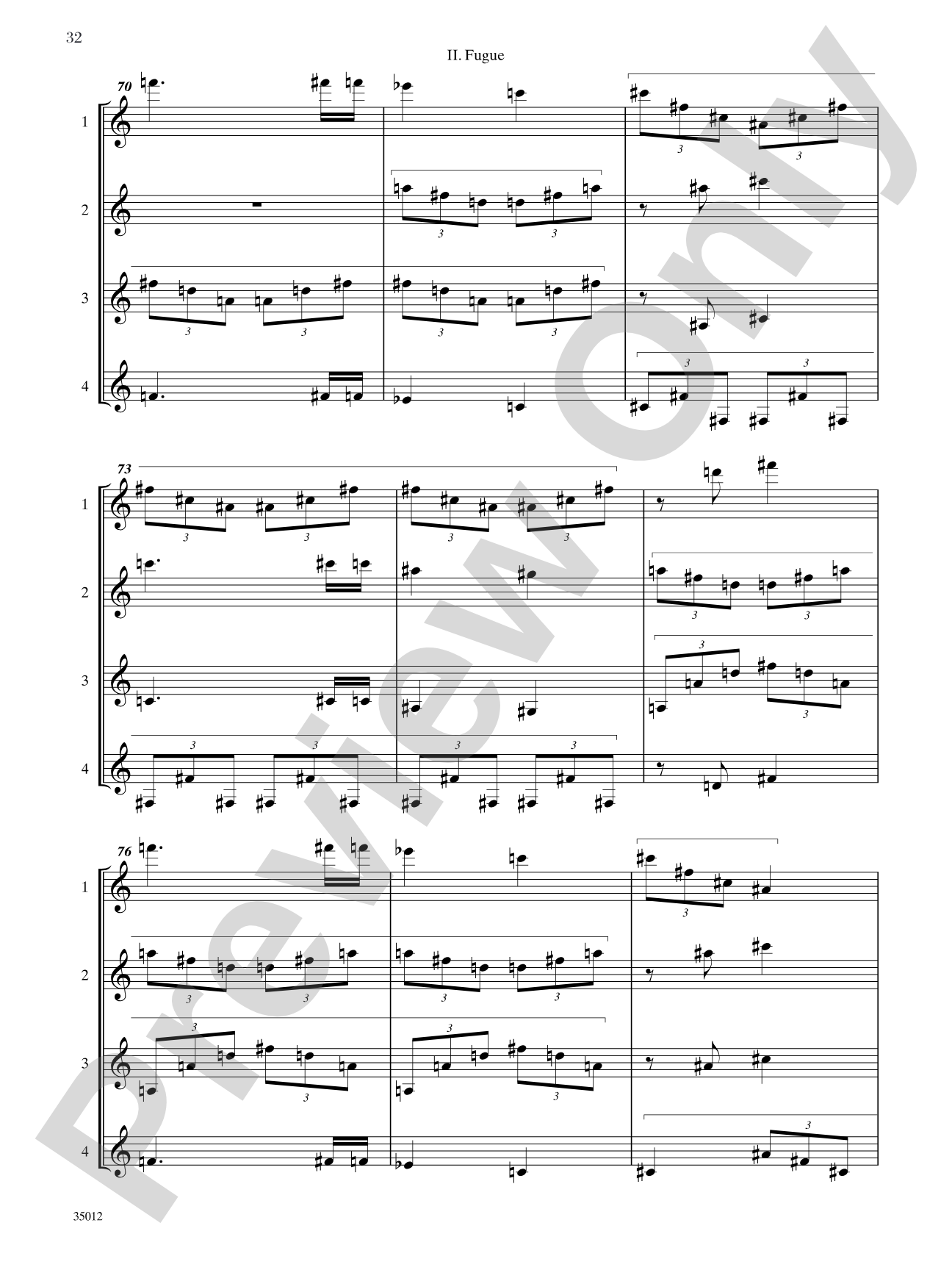
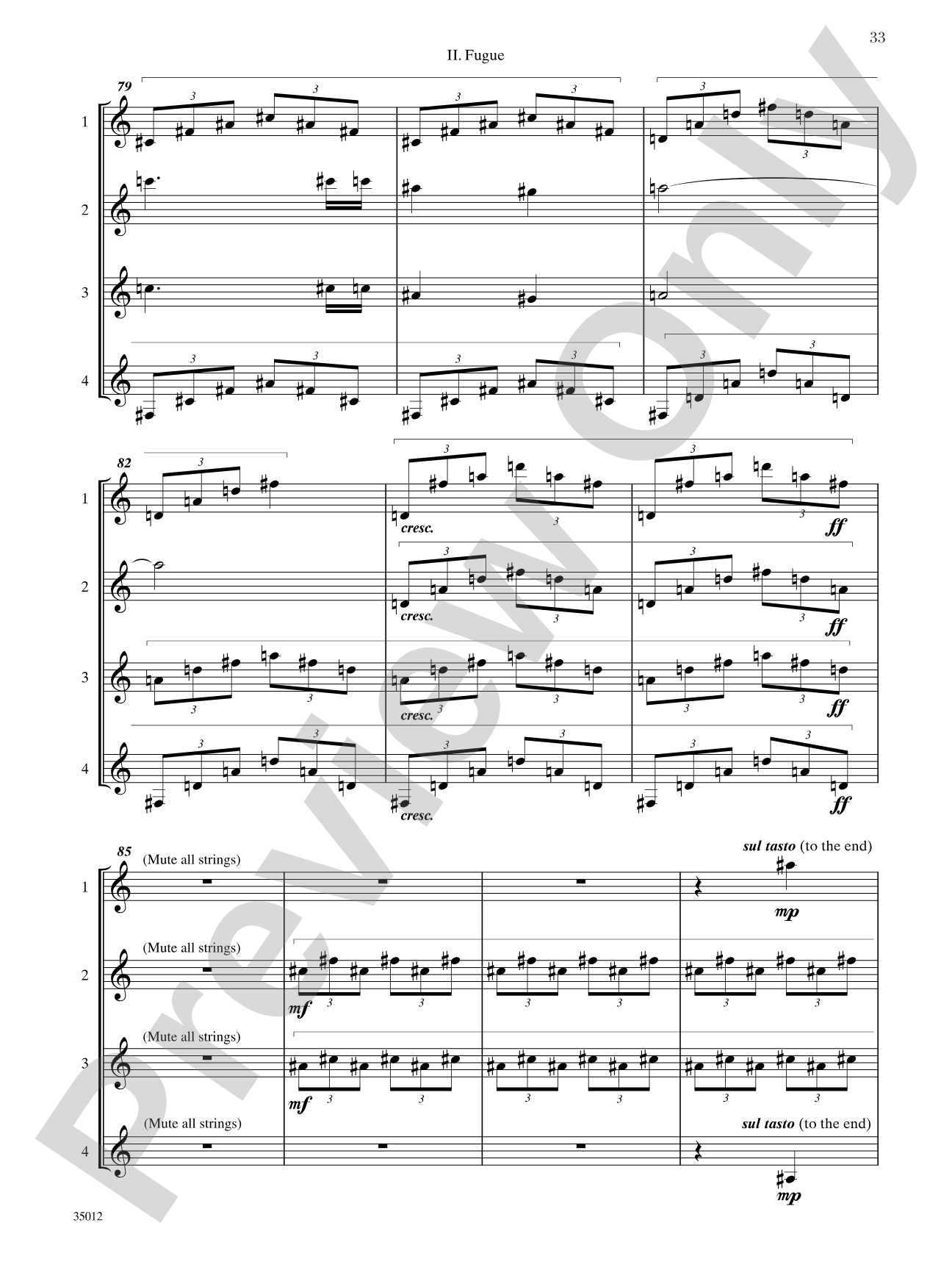
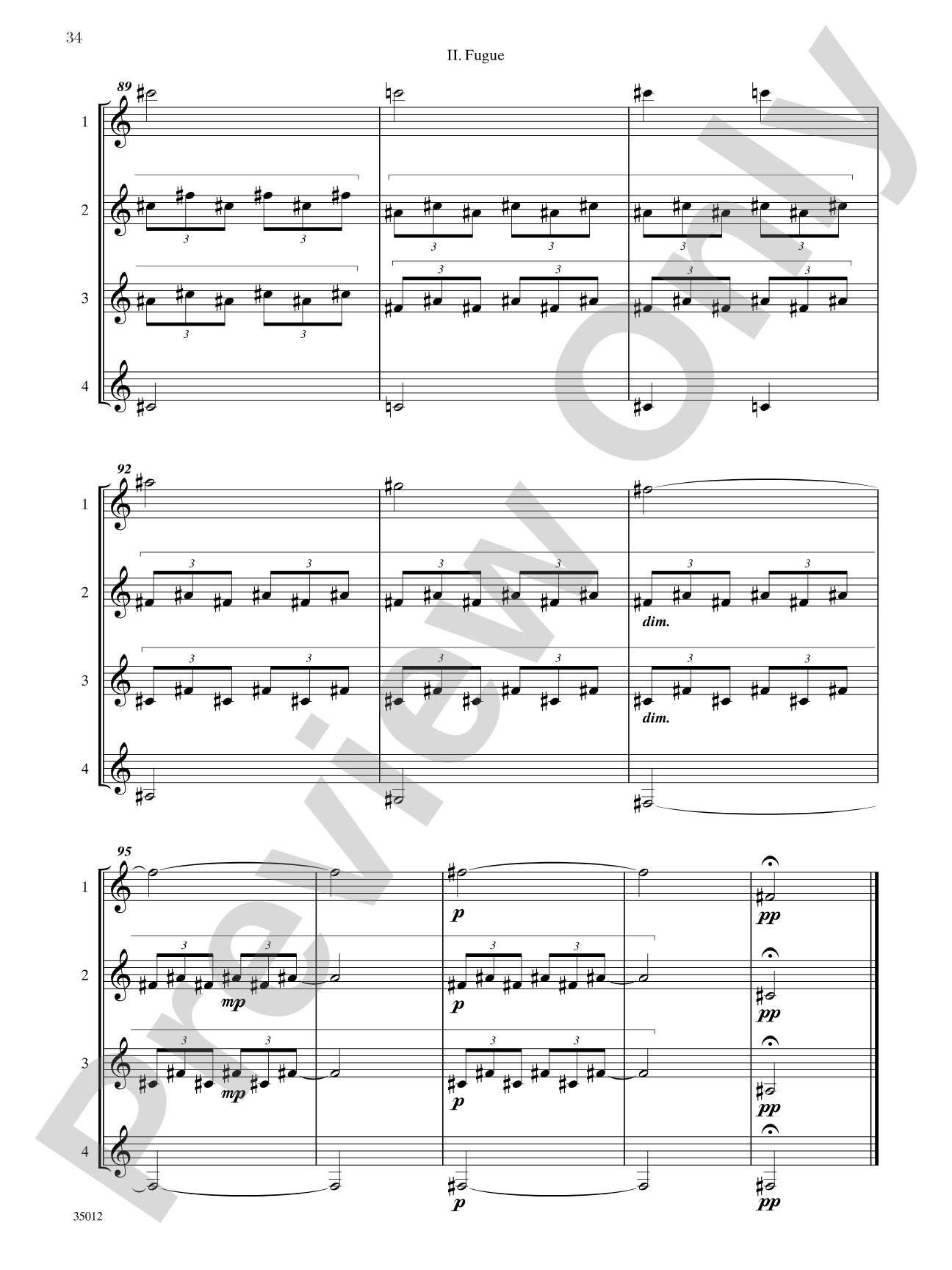
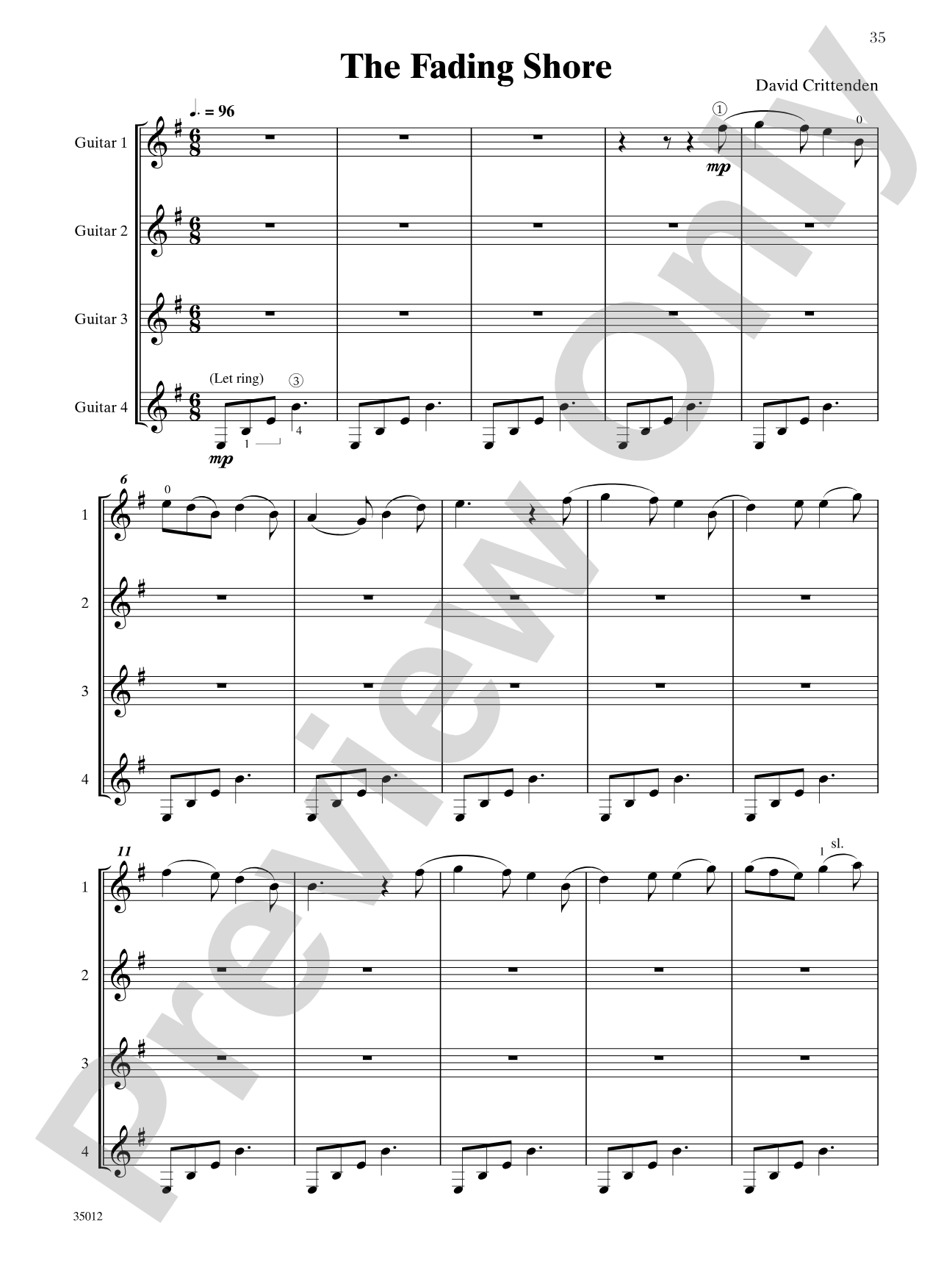
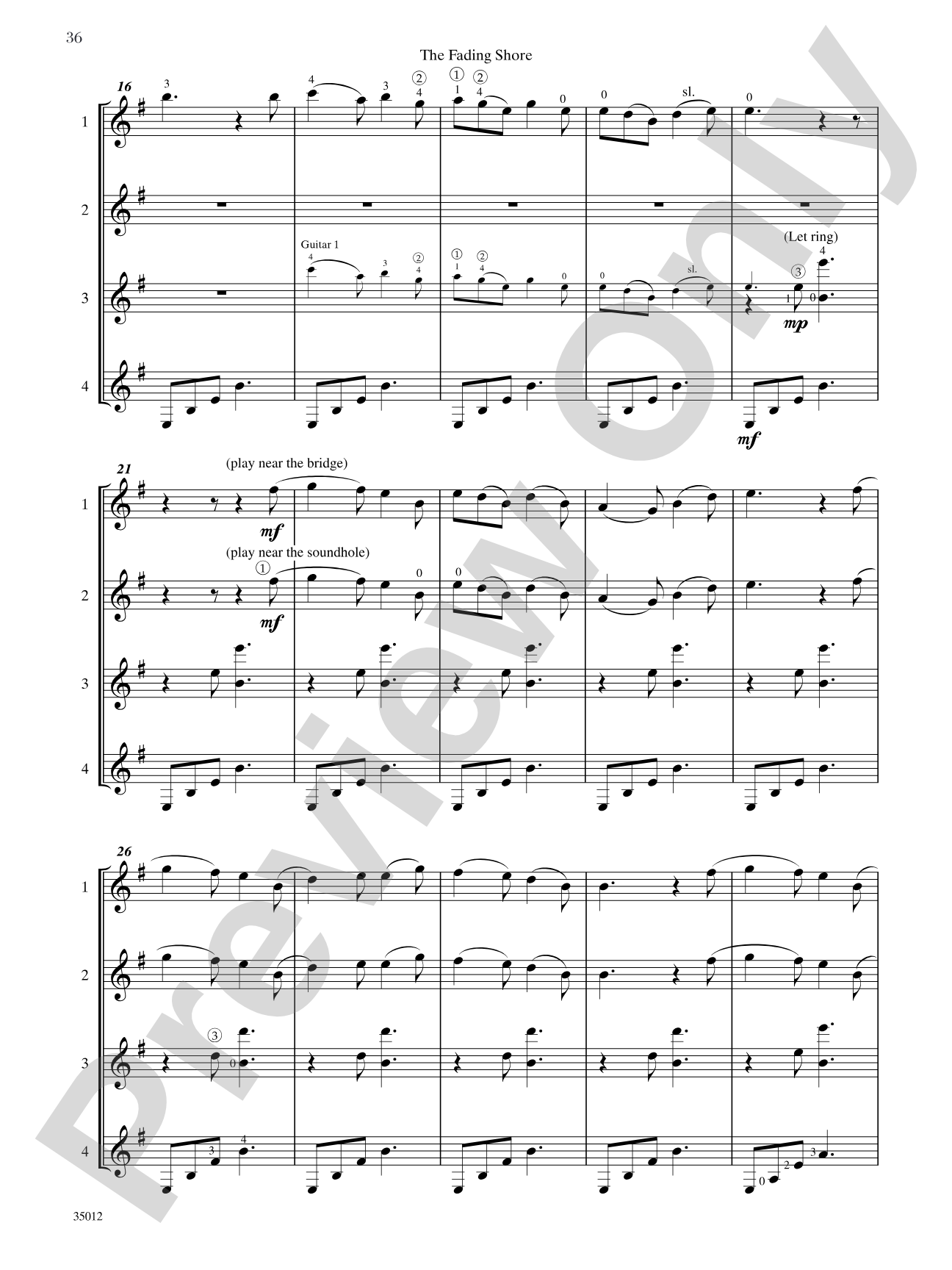
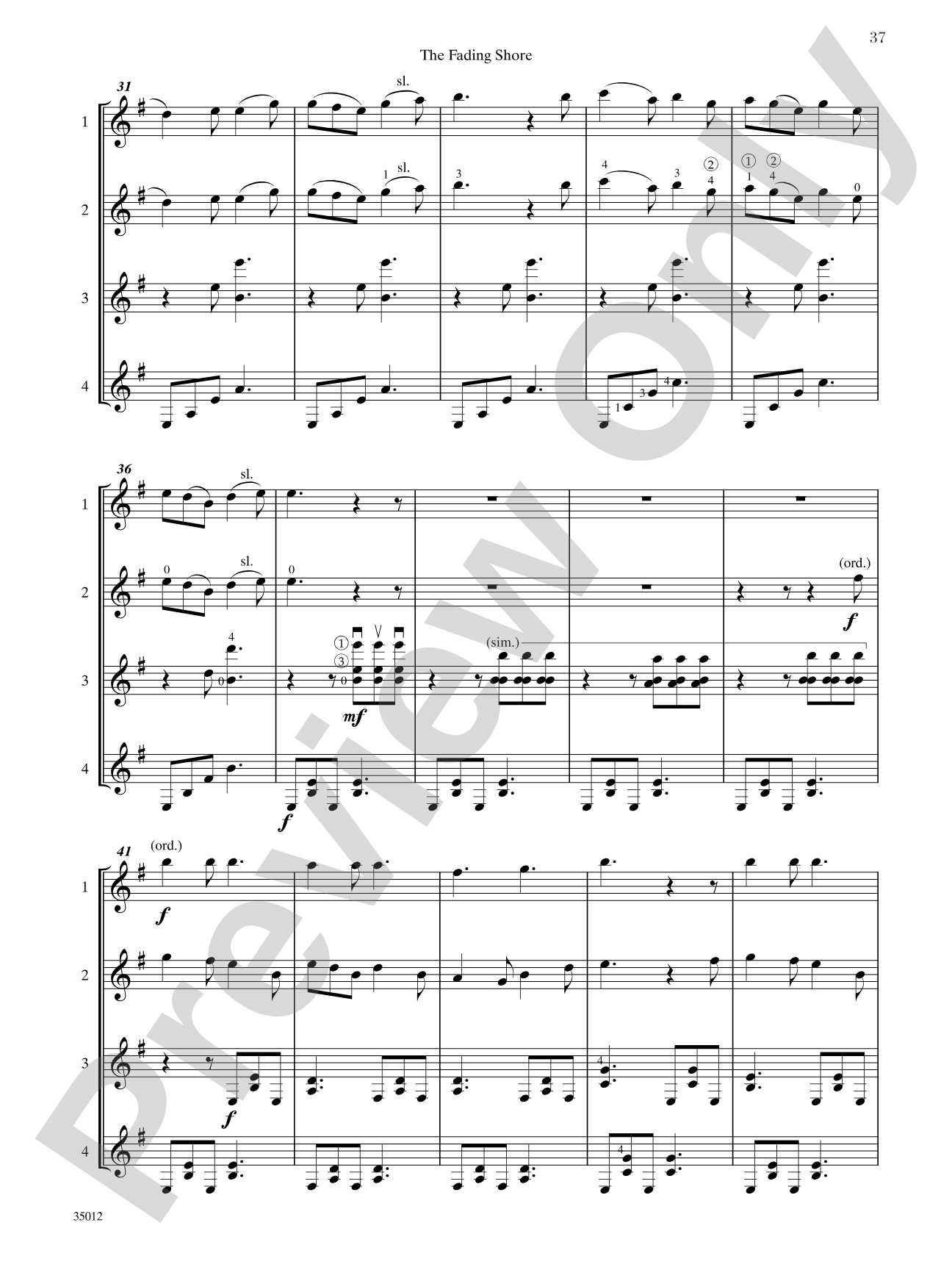
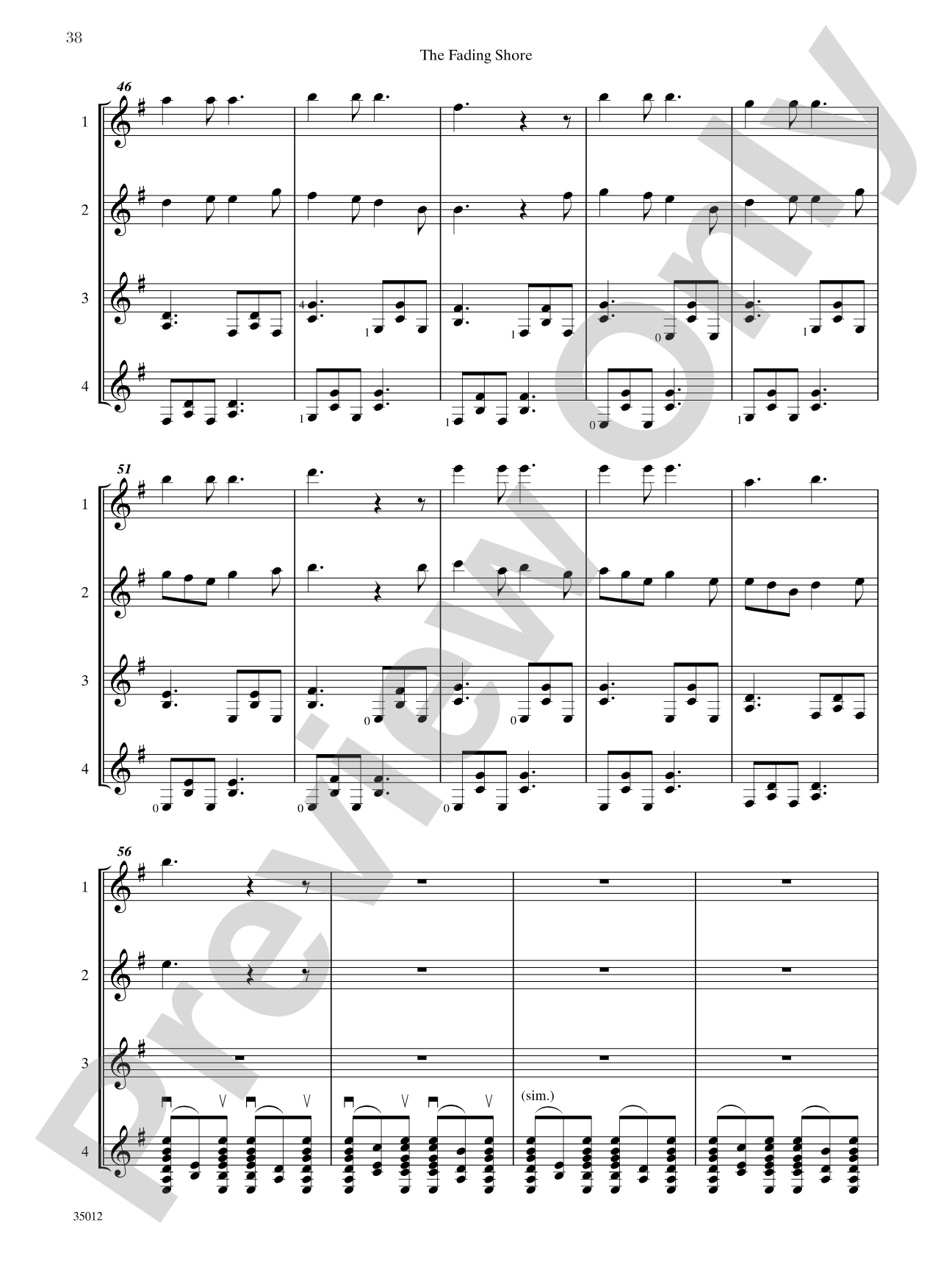
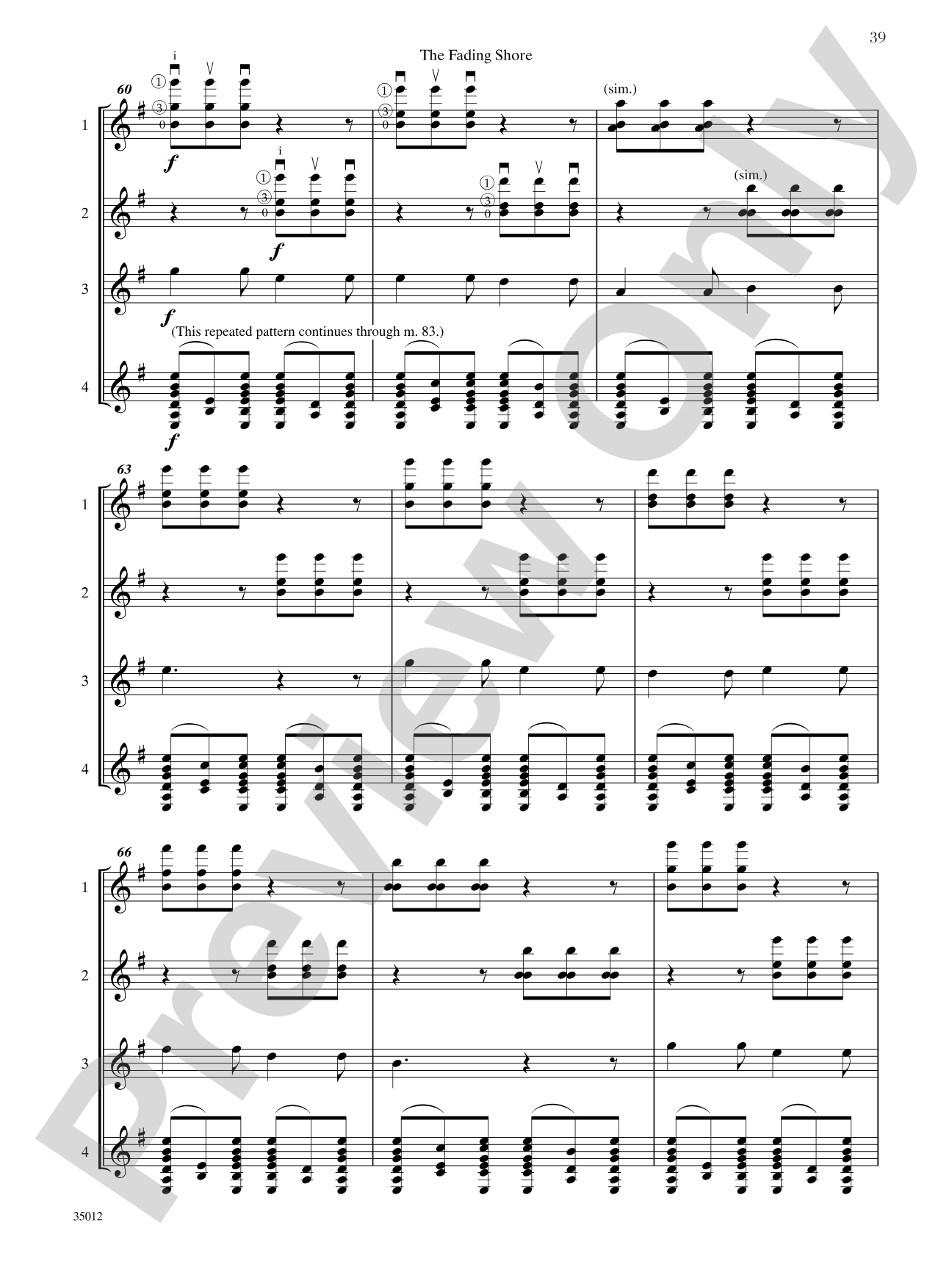
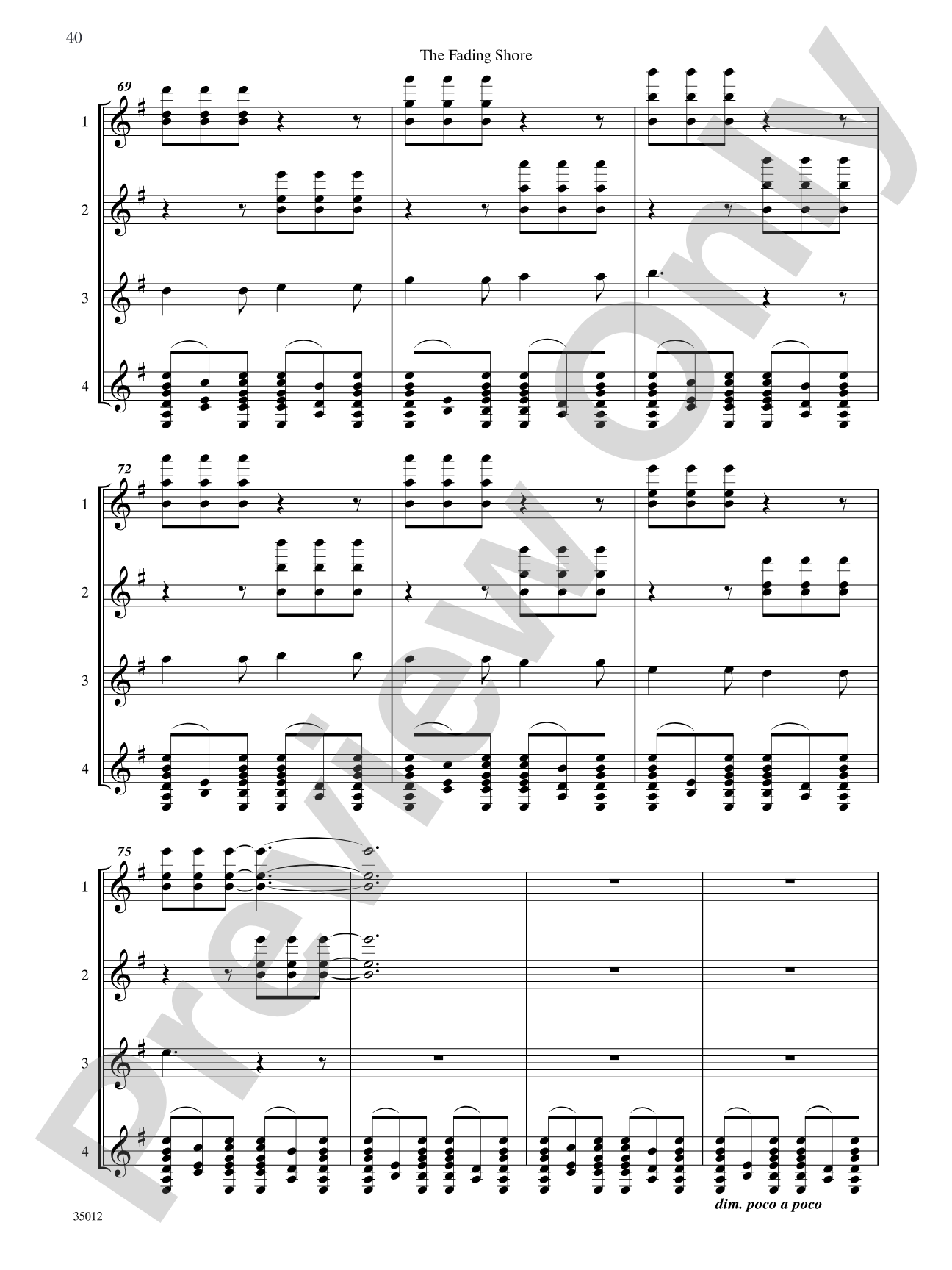
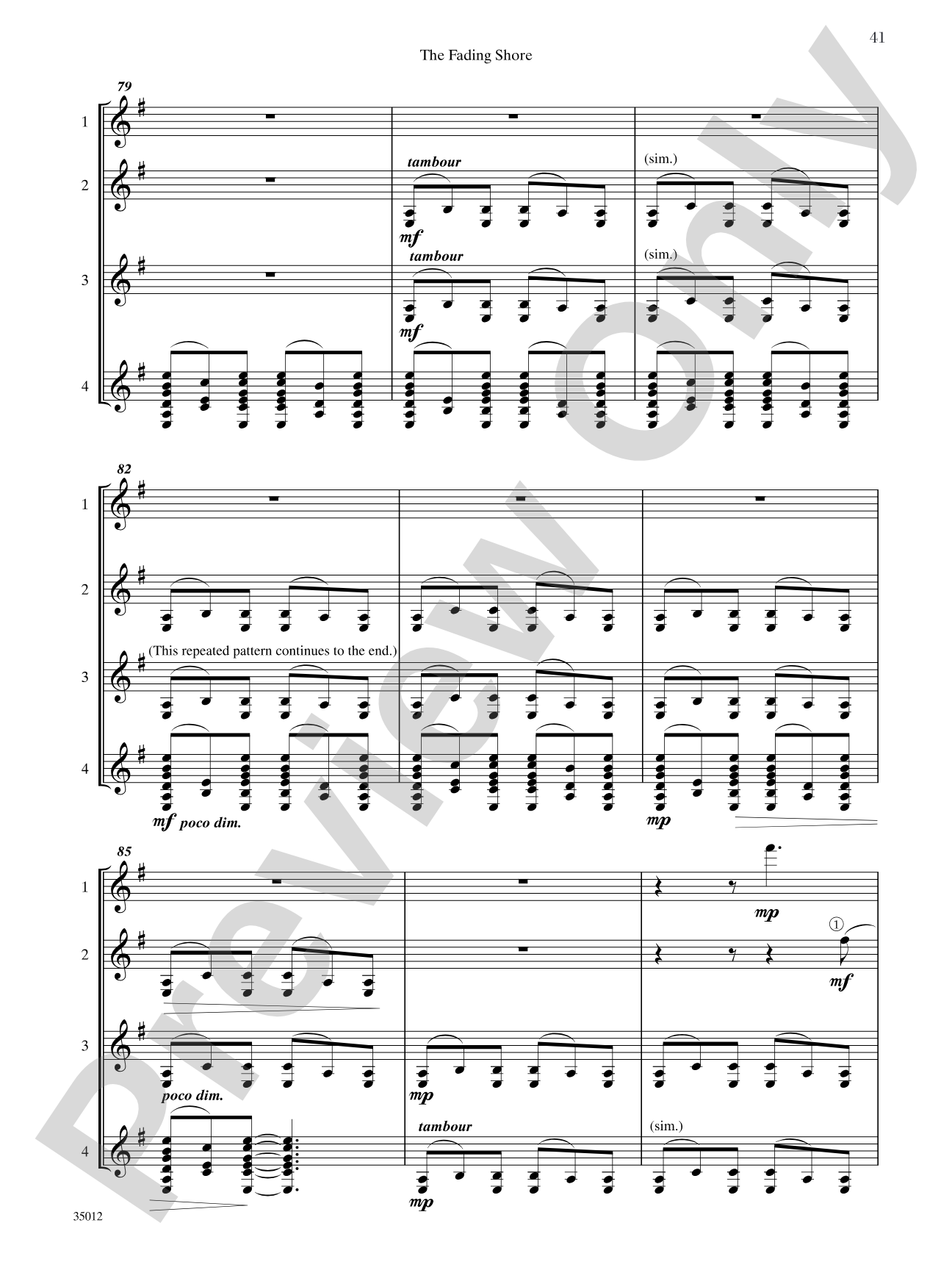
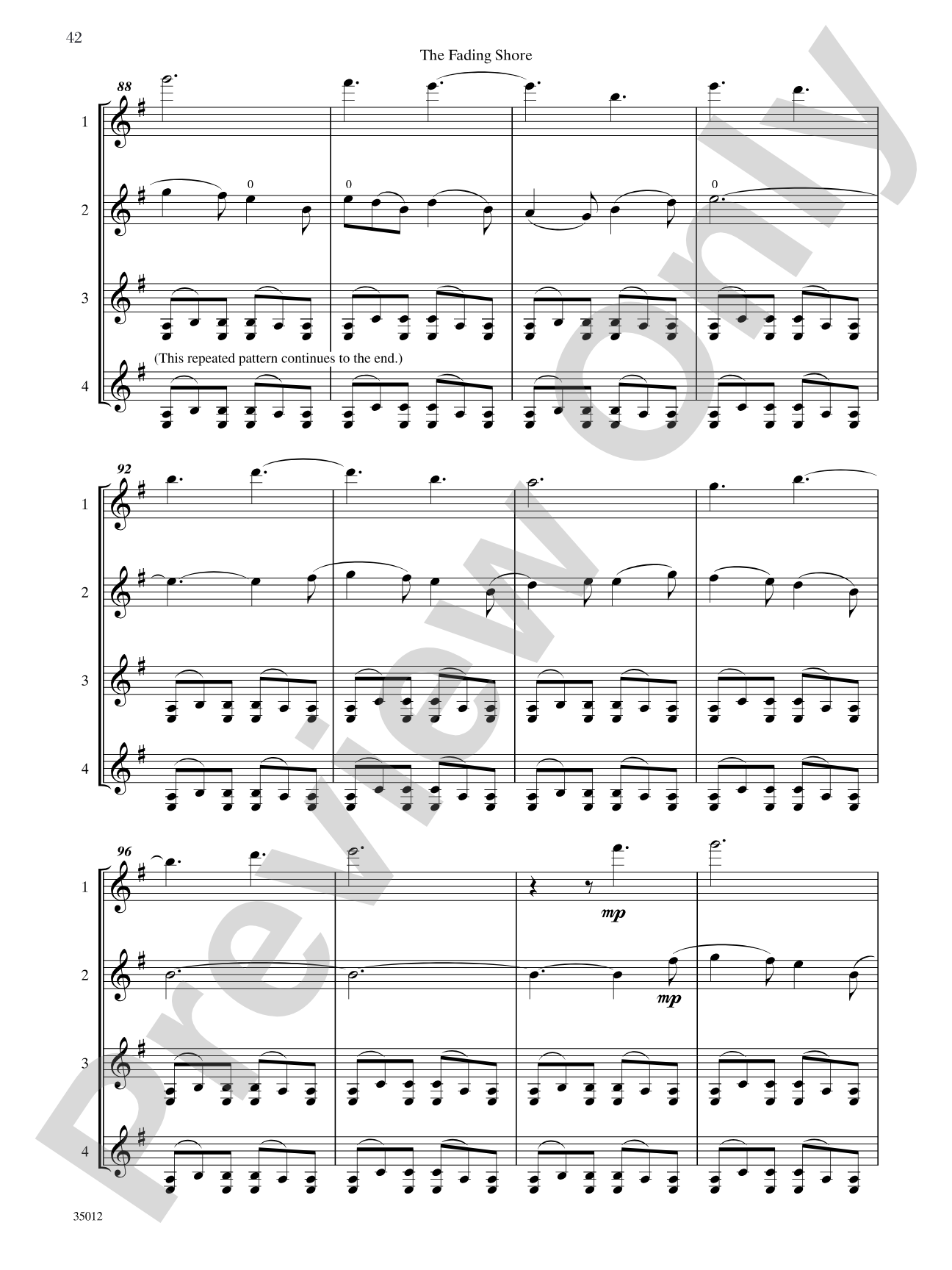
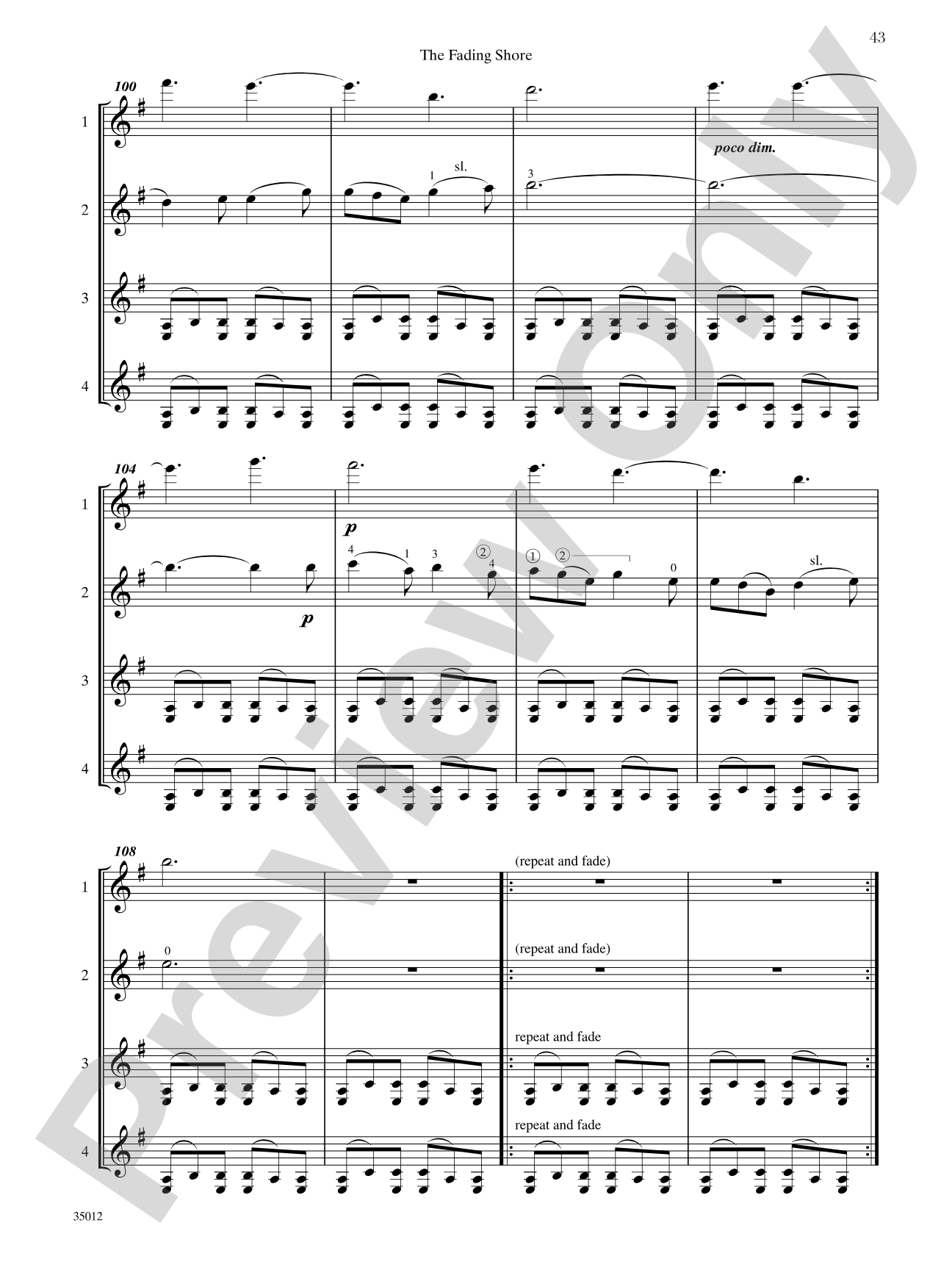
These ensemble pieces are wonderfully original, with depth and musical sophistication. They were composed for Suzuki students at the level of Volume 5 or beyond.


Don't just read it, hear it, play along with it, and watch your students grow with it. In MakeMusic Cloud, Quartets for Guitar: Three Intermediate Works: Guitar Book comes alive with professional accompaniment, adjustable tempo, and built-in practice tools that turn solo practice into real progress.
Open in the Player
Jump straight in and assign it today.
Start Your Free Trial
Open this title and explore the full library in minutes.
Sample Audio
No sample audio found.
Sample Video
No sample videos found.
Additional Details
Publisher:
Alfred Music
Page Count:
48
SKU:
00-PK-0004340
More about this title
Why we love this
Crittenden writes quartets that respect where Suzuki guitar students actually are musically. These pieces demand real ensemble listening and independence without resorting to padding or simplification. They're sophisticated enough to feel like genuine chamber music, not etudes dressed up as pieces.
What to expect
Polished and intentional. These quartets have the character of chamber music written by someone who understands guitar voice-leading and the capabilities of intermediate players. Each piece breathes with its own personality while remaining genuinely playable.
Who it's for
Suzuki guitar students working at Volume 5 and beyond who are ready for ensemble work with real musical substance. These pieces engage students who have developed technical security and are hungry for the collaborative challenge of quartet playing.
How to get the most out of it
- Balance the melodic voice across the four guitars; the line shouldn't disappear when it moves from one part to another. Rehearse the piece with different players on the melody to lock in consistent tone and phrasing.
- Establish clear entrances and cutoffs as a group before focusing on internal details. Quartet precision lives in the gesture, not just the notes.
- Record rehearsals and listen back together. Students hear their own intonation and rhythmic placement far more clearly when they're not performing.
- Mark breath points or rests where the ensemble can breathe together, even if they're not written. Shared breathing creates musical cohesion.
How to use it
Feature one quartet per recital or concert to showcase ensemble work alongside solo repertoire. They also work beautifully in a guitar studio recital format where multiple quartets can be performed back-to-back, creating a varied and sophisticated concert experience.
Skills your students will build
- Ensemble listening and independence within a four-part texture
- Sustaining musical lines while maintaining awareness of the full harmonic context
- Rhythmic precision and collective entrances in a small ensemble
- Balanced part-writing: knowing when to voice-lead smoothly and when to define harmonic function
- Intonation awareness in close chord voicings